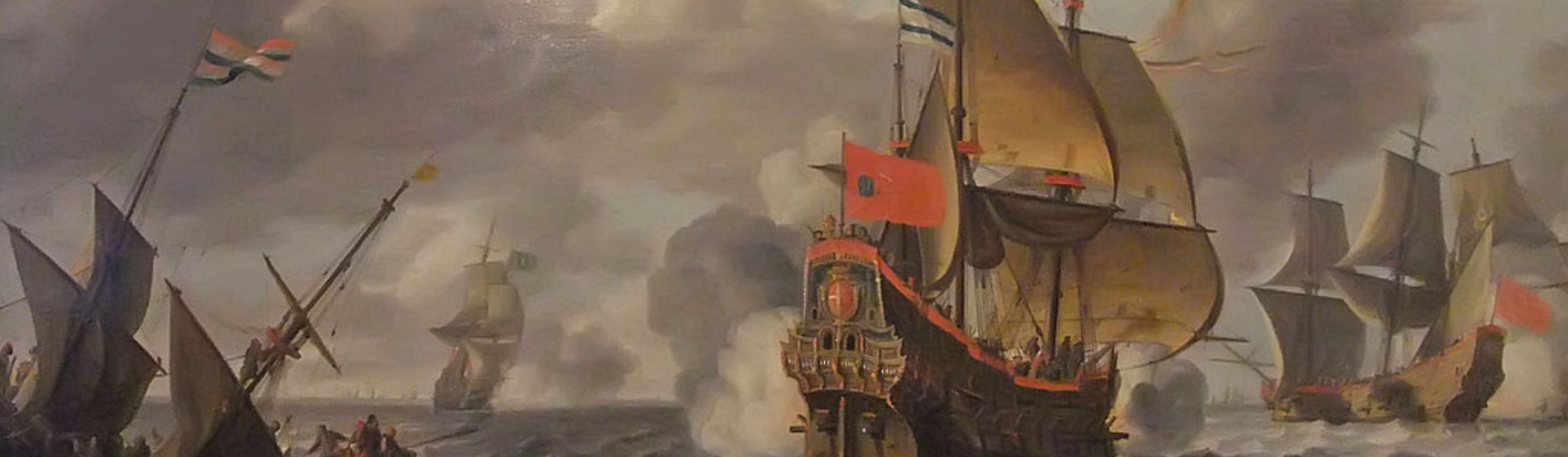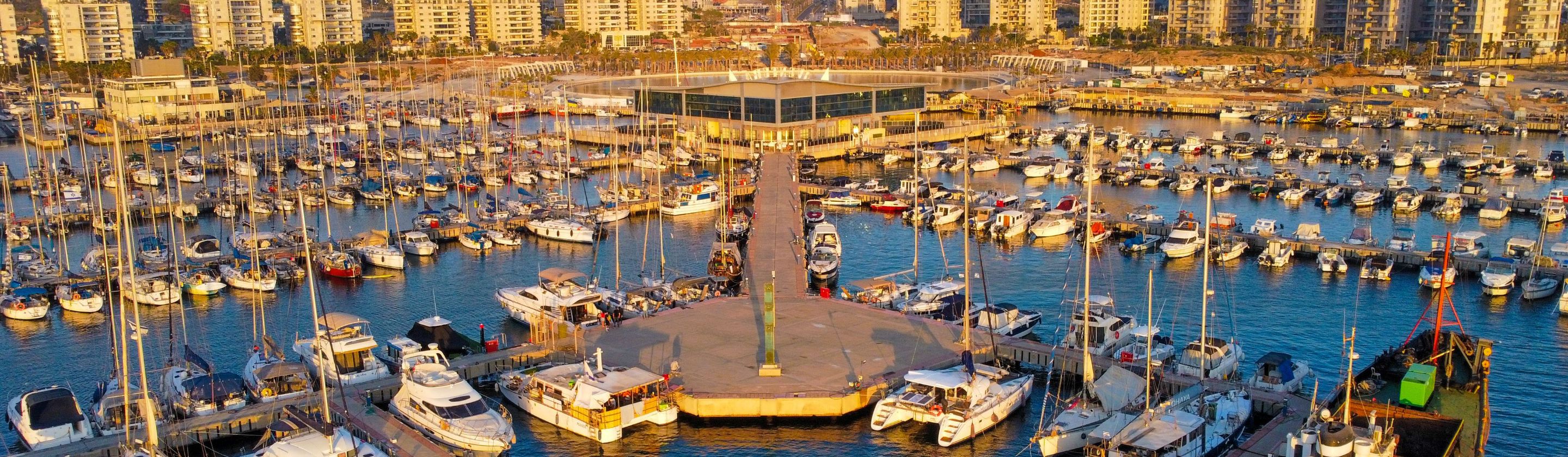
The earliest seaports weren’t simply places where boats stopped to unload cargo. They became organized gateways connecting inland farms, workshops, rulers, and merchants with communities far beyond the horizon. Once a harbor attracted regular traffic, warehouses, markets, shipyards, roads, customs officials, and entire neighborhoods often developed around it.
These ports could create wealth remarkably quickly, but their success was rarely permanent. A shifting river, a silting harbor, a defeated navy, or a new trading route could leave expensive infrastructure in the wrong place. The stories of the world’s first seaports show that commercial importance has always depended on geography, political stability, and the ability to adapt.
Natural Harbors Became Centers Of Power
Early sailors needed protected places where vessels could anchor without being exposed to strong waves and winds. Sheltered bays, river mouths, and offshore islands provided natural advantages, while nearby access to timber, fresh water, and farmland made some locations especially useful. Settlements positioned beside these features could grow from local communities into major centers of trade.
Byblos, on the coast of present-day Lebanon, became an important eastern Mediterranean port through its long relationship with Egypt and its access to valuable regional goods. Cedar from the mountains of Lebanon was especially prized because Egypt had limited supplies of suitable building timber. Ships carried wood southward while luxury goods, metals, and other products moved through the port in return.
Ports also gave rulers a practical way to collect taxes, control imports, and monitor foreign visitors. Goods passing through a limited number of docks were easier to count and regulate than merchandise moving across a long, open coastline. The harbor therefore became a political space as well as a commercial one, with authorities investing in defenses and administration to protect their revenue.
Engineering Allowed Seaports To Grow Larger
Natural protection alone couldn’t support the volume of shipping demanded by expanding kingdoms and empires. Builders constructed breakwaters, quays, ramps, warehouses, and artificial basins to make harbors safer and more efficient. These projects allowed ships to remain in port longer while workers unloaded grain, stone, wine, oil, metals, and other bulk cargo.
Athens benefited enormously from the harbors at Piraeus, which connected the city to maritime trade and supported its powerful navy. Fortified walls eventually linked Athens with the port, helping preserve access to imported supplies during periods of conflict. Piraeus became essential to the city’s influence because commercial shipping and naval strength were closely connected in the ancient Mediterranean.
Rome faced an even larger logistical problem because its population required a dependable flow of imported grain and other necessities. Ostia, located near the mouth of the Tiber, served as an early port, but changing conditions and growing traffic encouraged the construction of the vast harbor complex at Portus. Under the emperors Claudius and Trajan, artificial basins and canals created a more capable system for supplying the capital.
The Same Forces That Built Ports Could Destroy Them
Successful seaports were vulnerable because they depended on continuous access to navigable water. Rivers carried sediment toward their mouths, gradually filling harbor basins and making them too shallow for larger vessels. Dredging and reconstruction could delay the problem, but maintaining a major port required labor, money, and stable government.
War created a different kind of danger because prosperous ports attracted rivals seeking trade routes, naval bases, and customs income. Carthage became the leading commercial and maritime power of the western Mediterranean before its struggles with Rome ended in destruction in 146 BCE. The city was later rebuilt under Roman control, but its original political and naval dominance never returned in the same form.
Trade routes could also shift when empires collapsed, technologies changed, or merchants found safer and more profitable destinations. A harbor built for one type of ship might become less useful as vessels grew larger, while a port dependent on one kingdom could decline when that political system disappeared. Some ancient seaports remained inhabited but lost their international importance, whereas others were abandoned as coastlines and economic networks moved away from them.
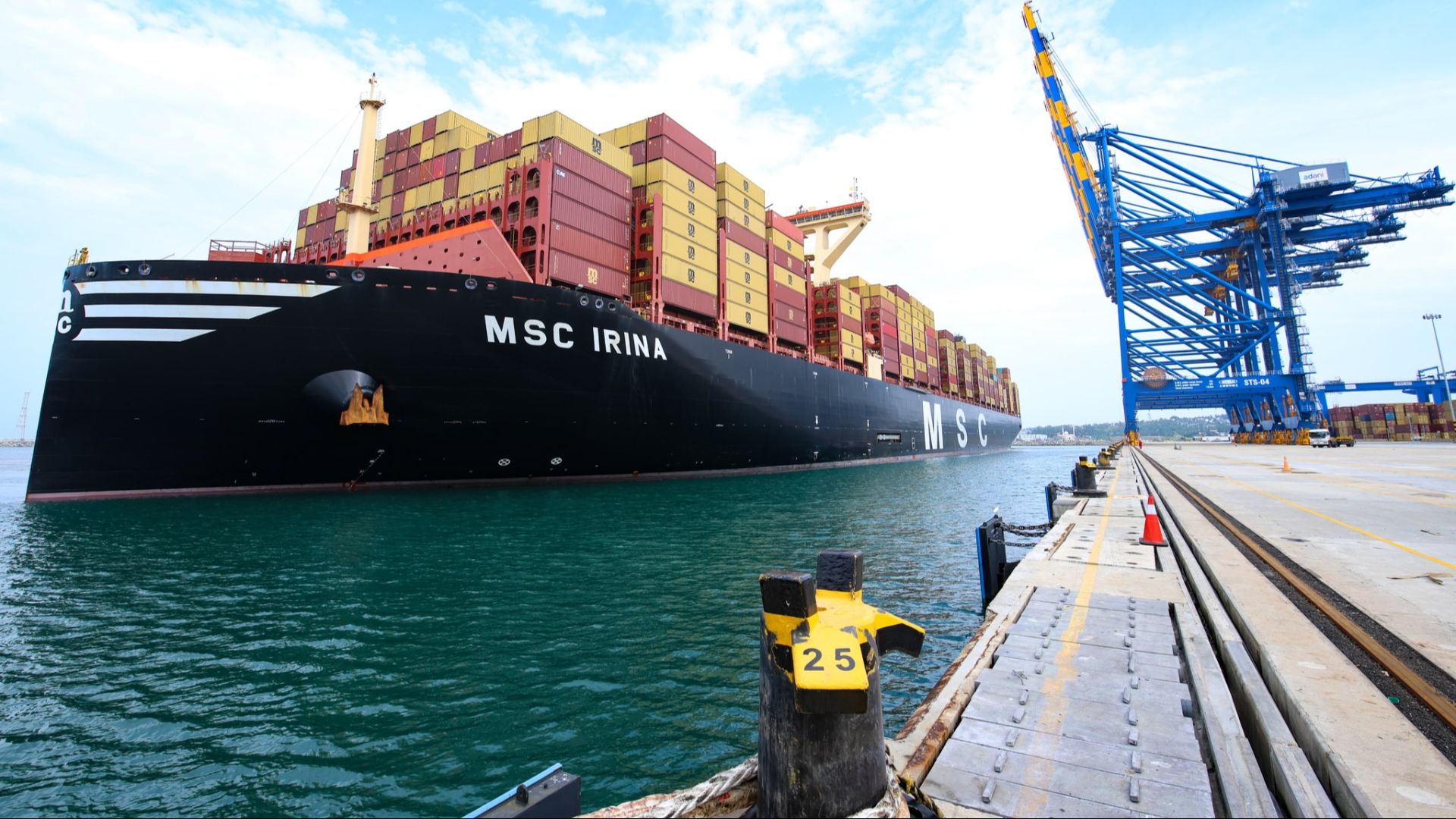
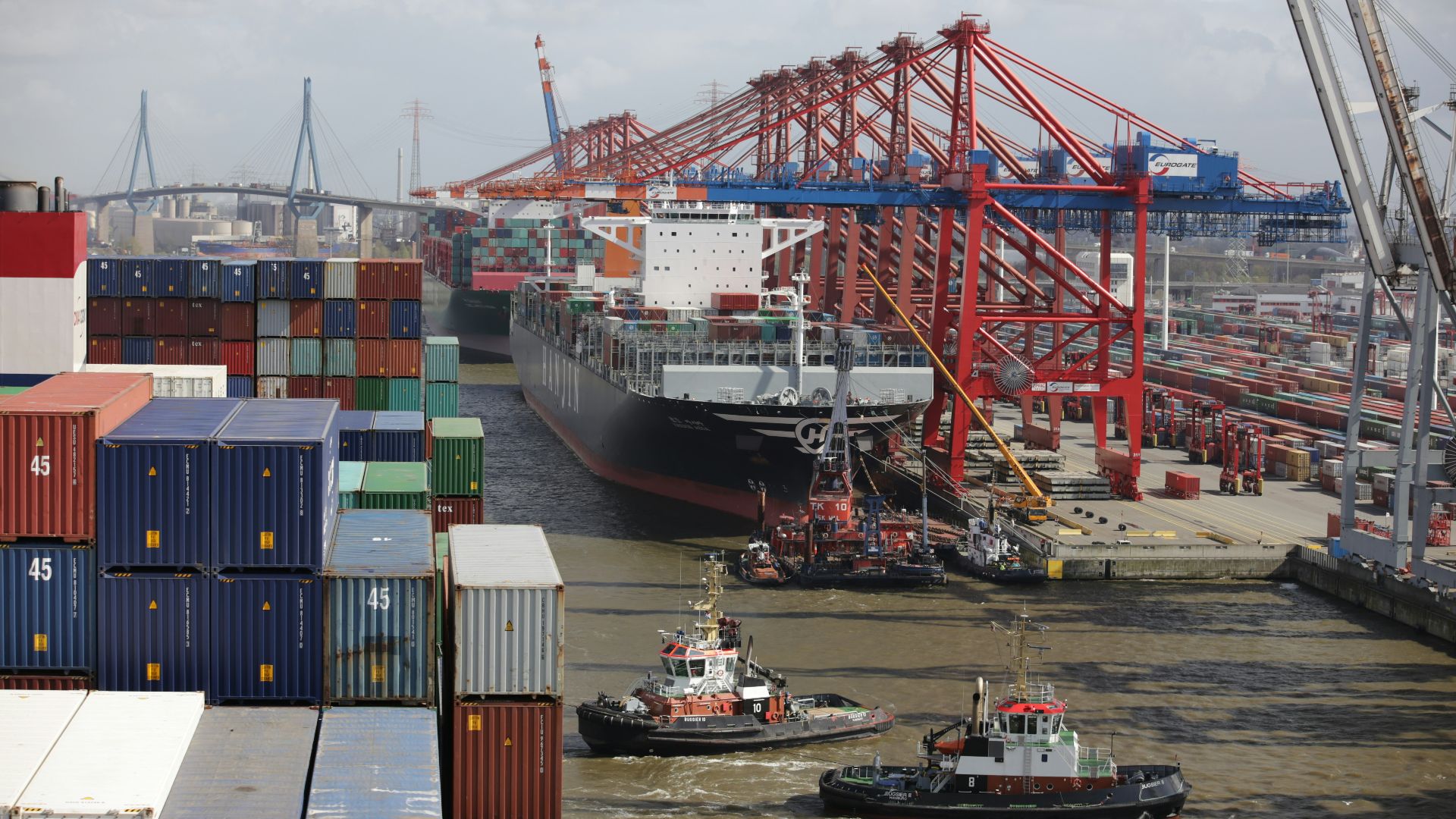
The decline of an early seaport didn’t mean that maritime trade itself was failing. Commercial activity usually moved to another harbor with deeper water, stronger defenses, better inland connections, or more dependable rulers. Modern ports still face many of the same pressures, although container terminals, mechanized equipment, digital systems, and enormous ships have changed their scale. More than 80 percent of global merchandise trade by volume continues to travel by sea, confirming that the basic advantage recognized by ancient coastal communities has never disappeared.
KEEP ON READING