Good Riddance
Death usually brings mourning, but history, unsurprisingly, has plenty of exceptions. From dictators and military leaders to wanted criminals and high-ranking political figures, the end of their eras came with relief—and celebration. As you flip through this list, you might even feel a strange sense of peace knowing that these 20 faces met the fate they deserved.
 Colombian National Police on Wikimedia
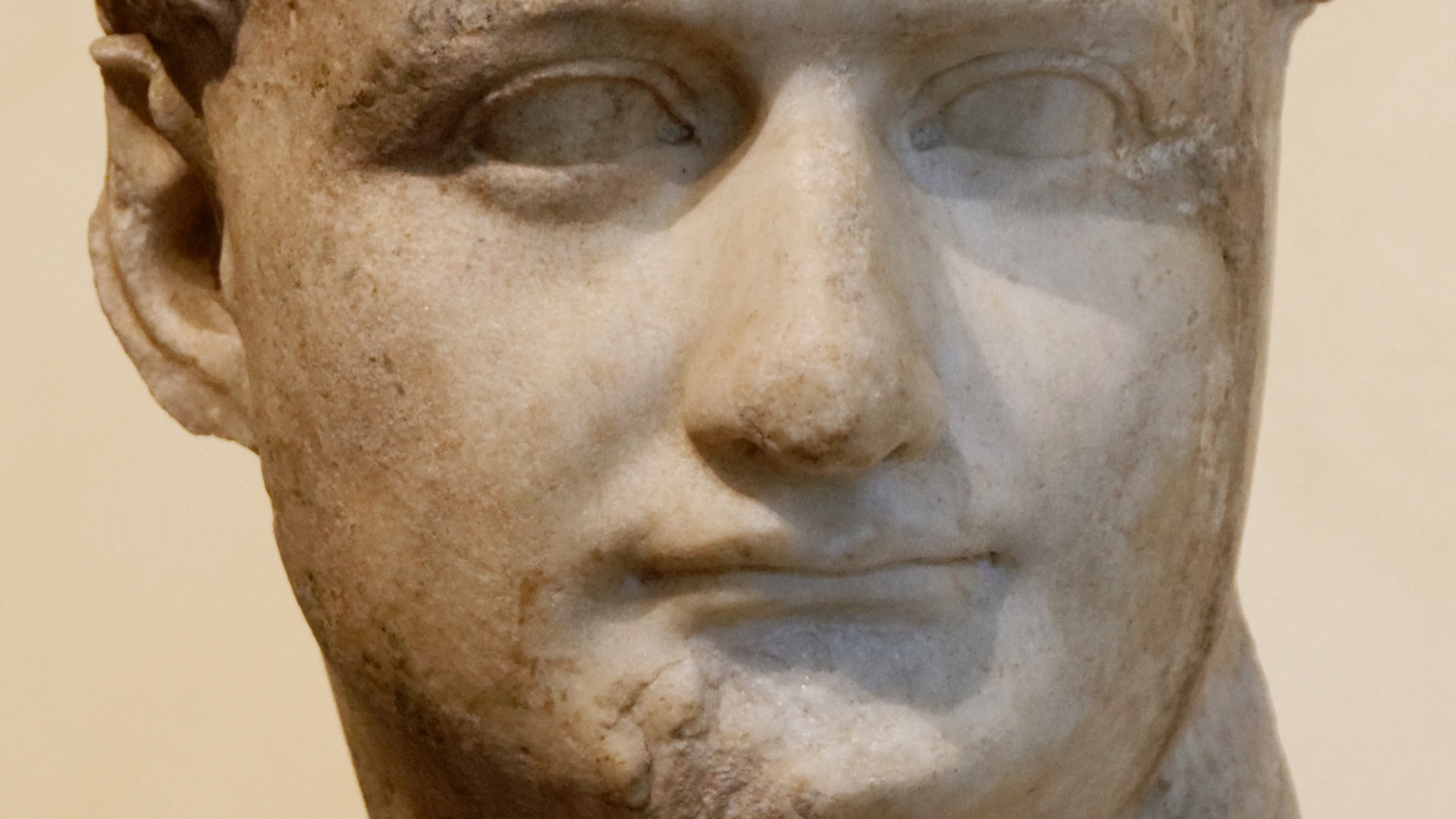
1. Emperor Domitian
When the Roman emperor Domitian was assassinated in AD 96, members of the Senate reacted with open satisfaction. They had resented his autocratic rule, public humiliations, and executions of prominent Romans. Senators quickly condemned his memory, removed his name from inscriptions, and ordered many of his statues destroyed, although the army remained far less pleased by his death.
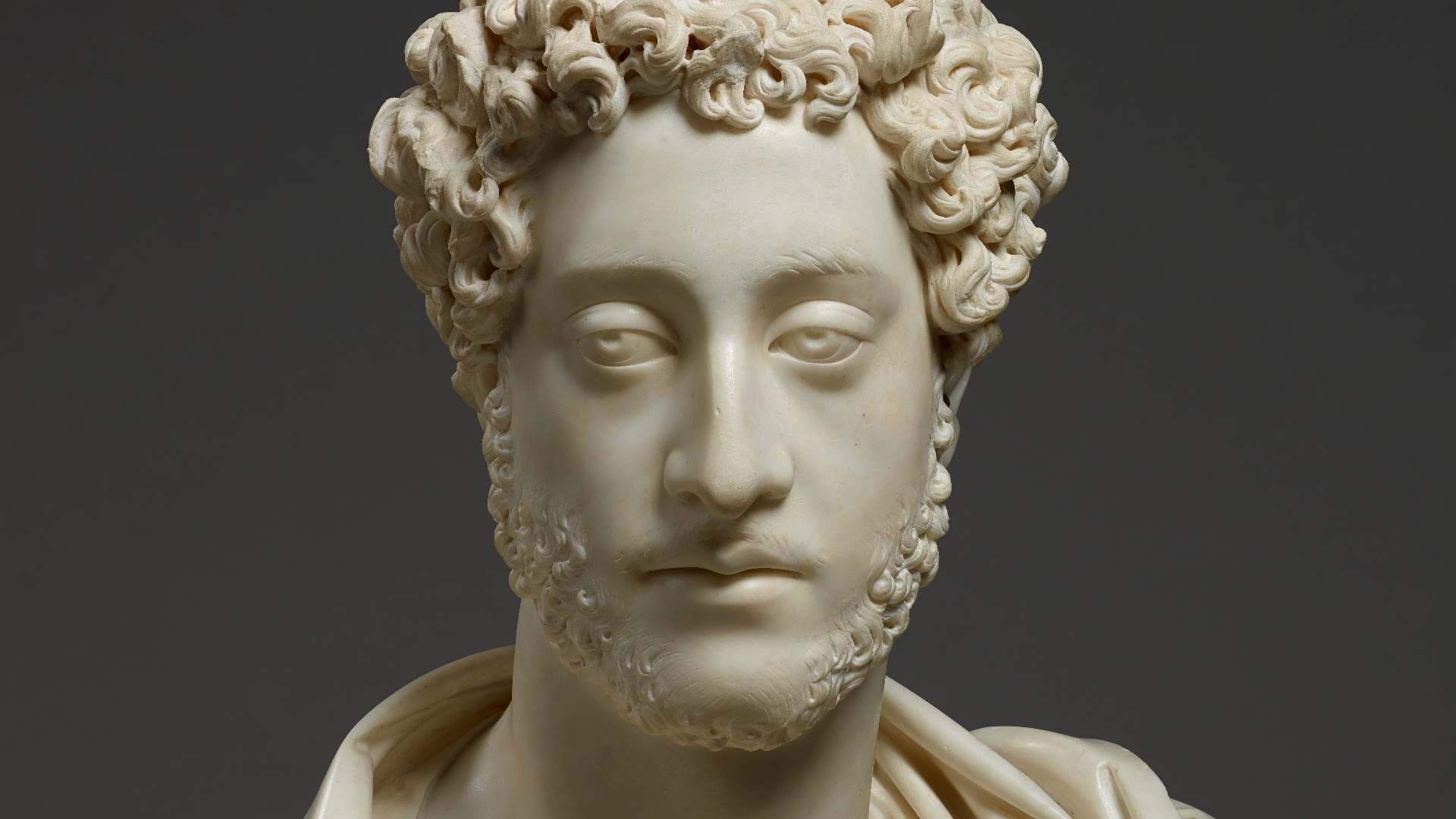
2. Emperor Commodus
Commodus was strangled in his bath on December 31, AD 192, after members of his inner circle learned that he intended to have them killed. The Roman Senate declared him a public enemy and reversed the grandiose changes he had made to the names of Rome and its institutions. Statues honoring him were pulled down as officials welcomed the end of an emperor remembered for cruelty, instability, and an obsession with performing as a gladiator.
 J. Paul Getty Museum on Wikimedia
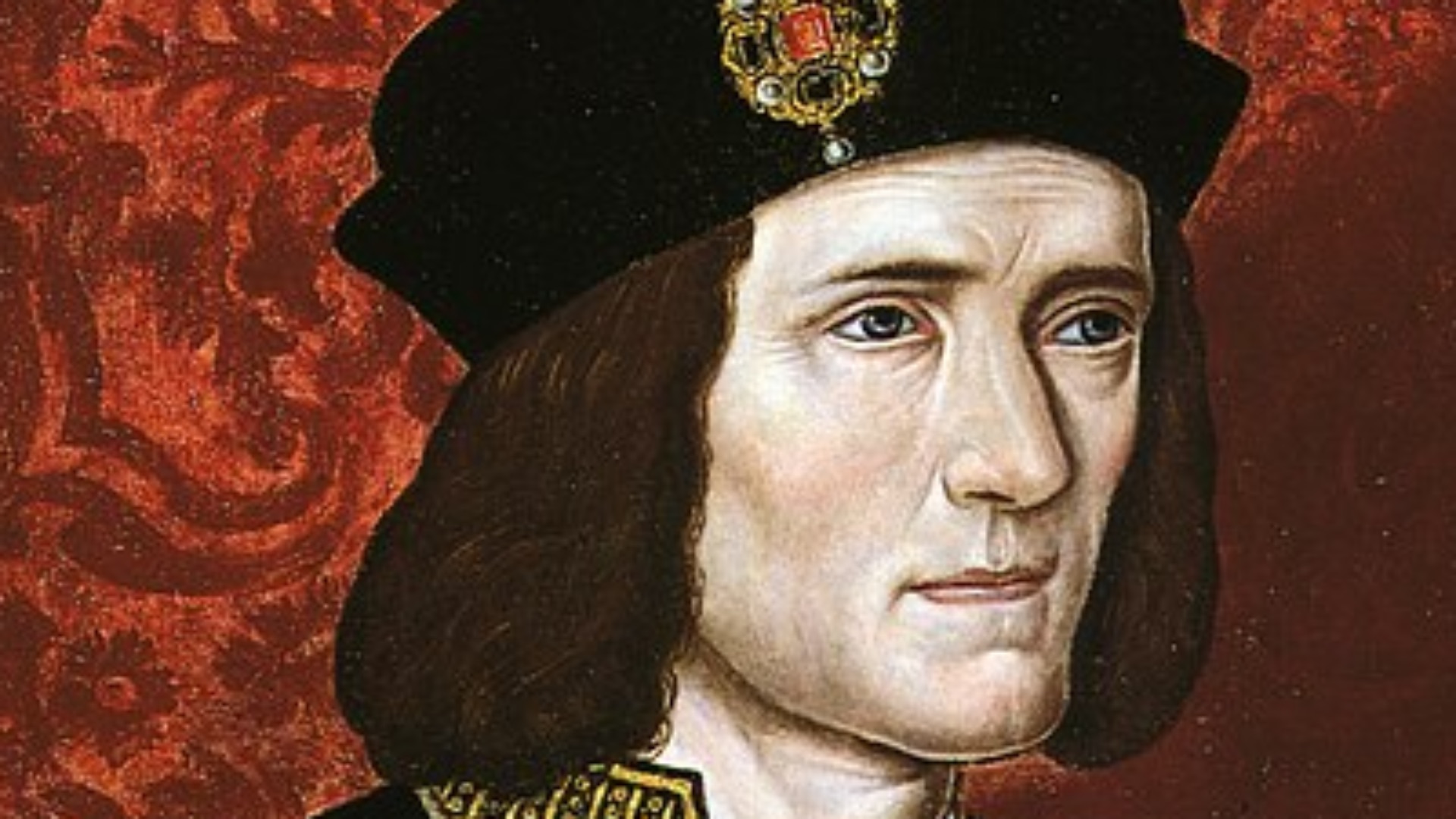
3. Richard III
Richard III died fighting at the Battle of Bosworth Field on August 22, 1485, bringing the Wars of the Roses closer to an end. Supporters of the victorious Henry Tudor treated Richard’s defeat and death as the removal of a usurper, although that description was shaped heavily by Tudor propaganda. Henry’s arrival was celebrated by those who hoped his victory would restore political stability after decades of conflict.
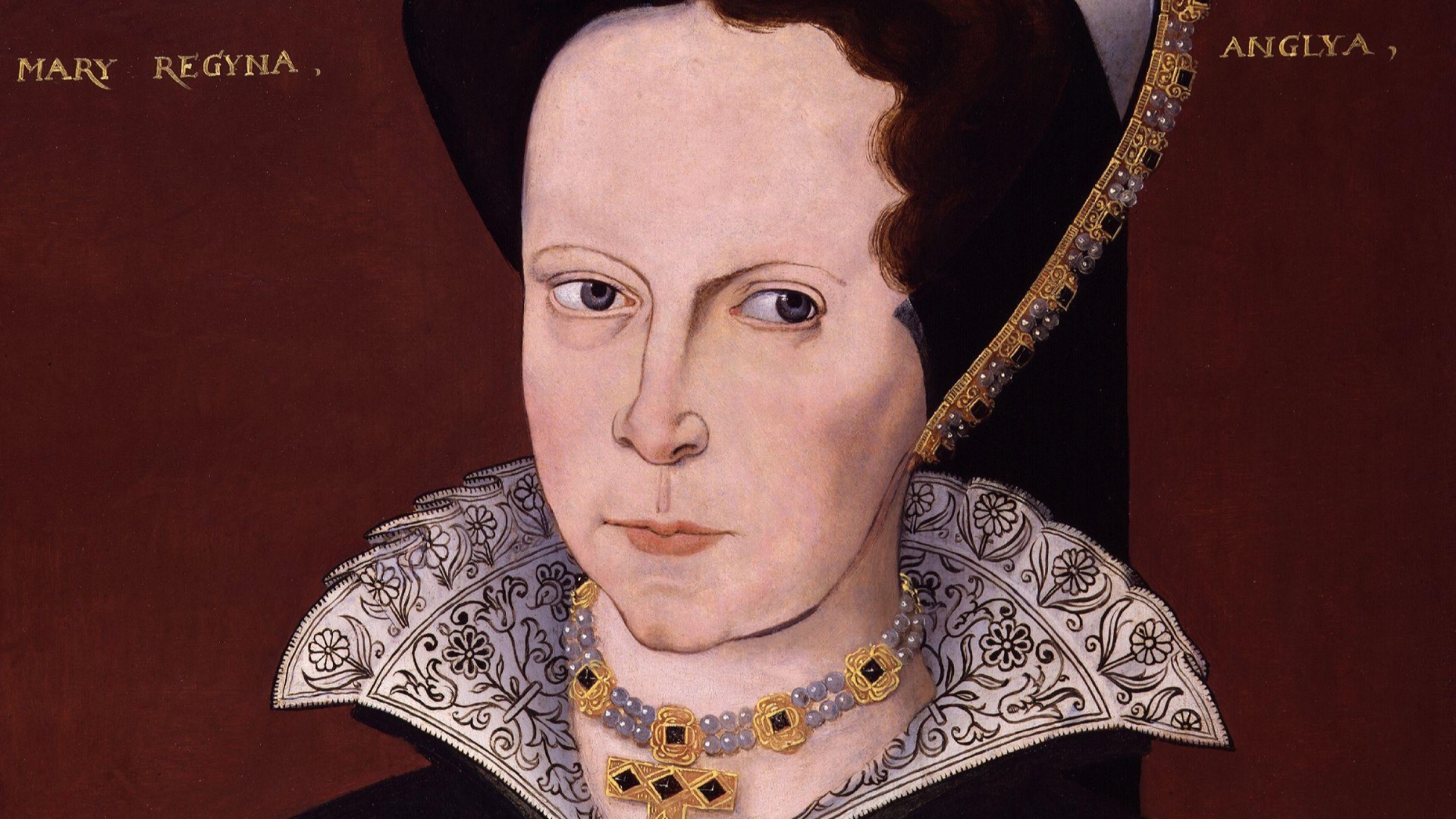
4. Queen Mary I
When Mary I of England died on November 17, 1558, many Protestants welcomed the accession of her half-sister Elizabeth. Mary’s persecution of religious opponents had resulted in the burning of nearly 300 Protestants, leaving deep resentment in parts of the country. Bells, bonfires, and public festivities marked Elizabeth’s rise, making the day of Mary’s death an enduring Protestant celebration.
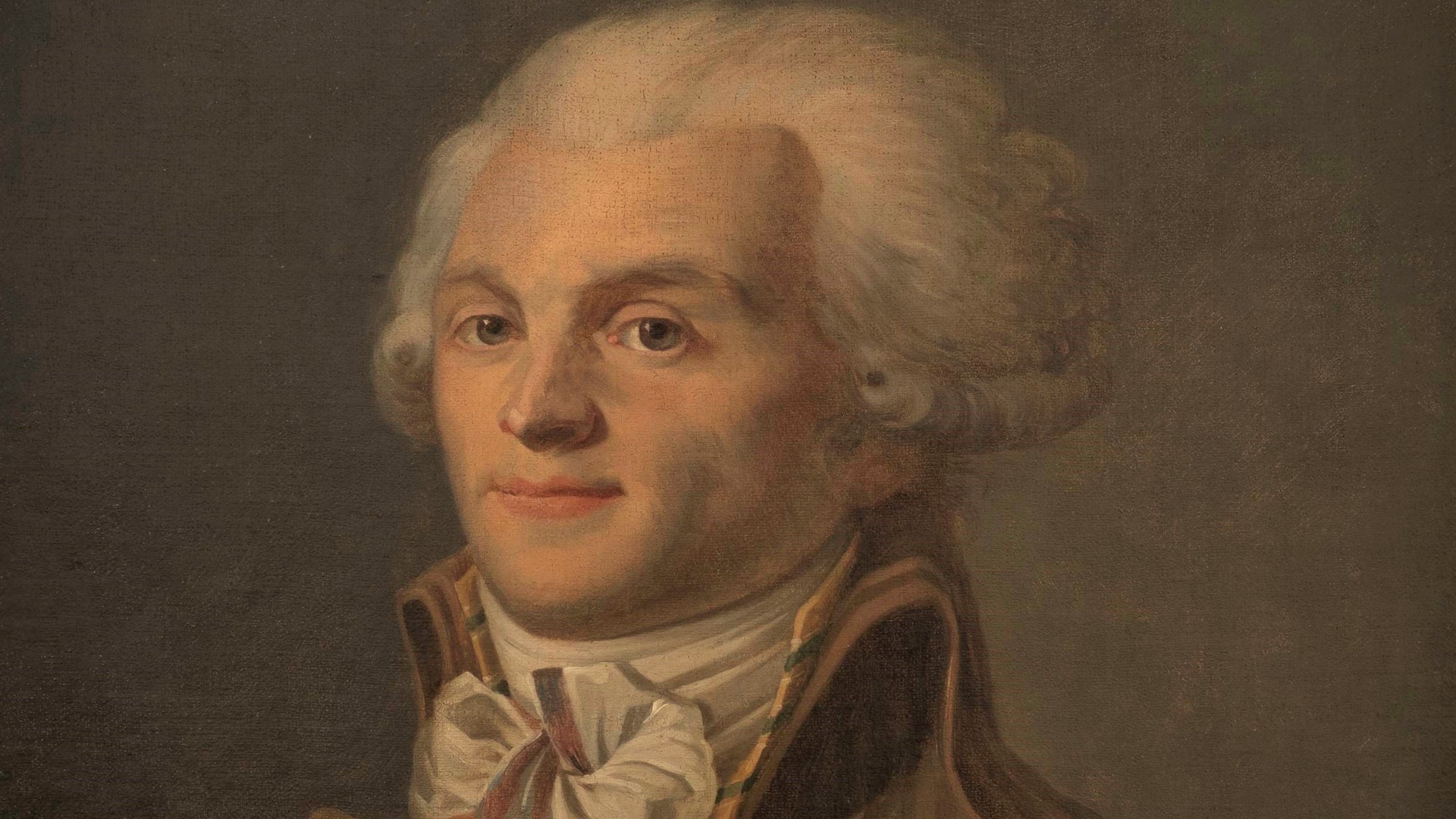
5. Maximilien Robespierre
Robespierre went to the guillotine on July 28, 1794, after his fellow revolutionaries turned against him. His execution helped end the Reign of Terror, during which thousands of suspected enemies of the French Revolution had been condemned. Crowds cheered as Robespierre and his closest allies were executed, relieved that the political machinery of terror had finally consumed one of its leading architects.
 Unidentified painter on Wikimedia
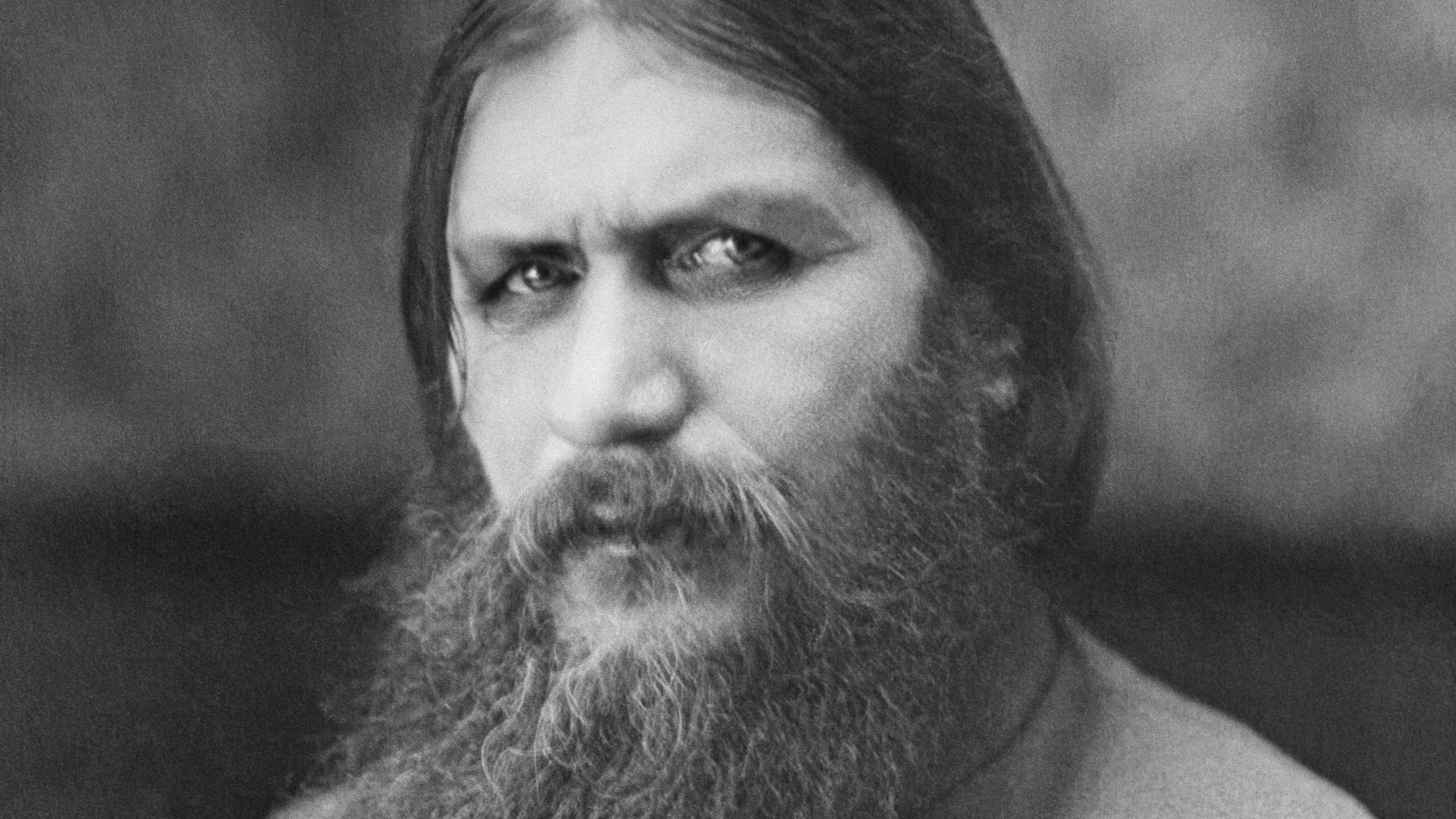
6. Grigori Rasputin
News of Rasputin’s murder in December 1916 delighted many members of Russia’s aristocracy and political establishment. They believed the controversial mystic had gained dangerous influence over Empress Alexandra and had damaged the monarchy’s reputation during World War I. The reaction wasn’t shared by everyone, but among his elite enemies, his killers were briefly praised as men who had rescued Russia from a corrupting presence.
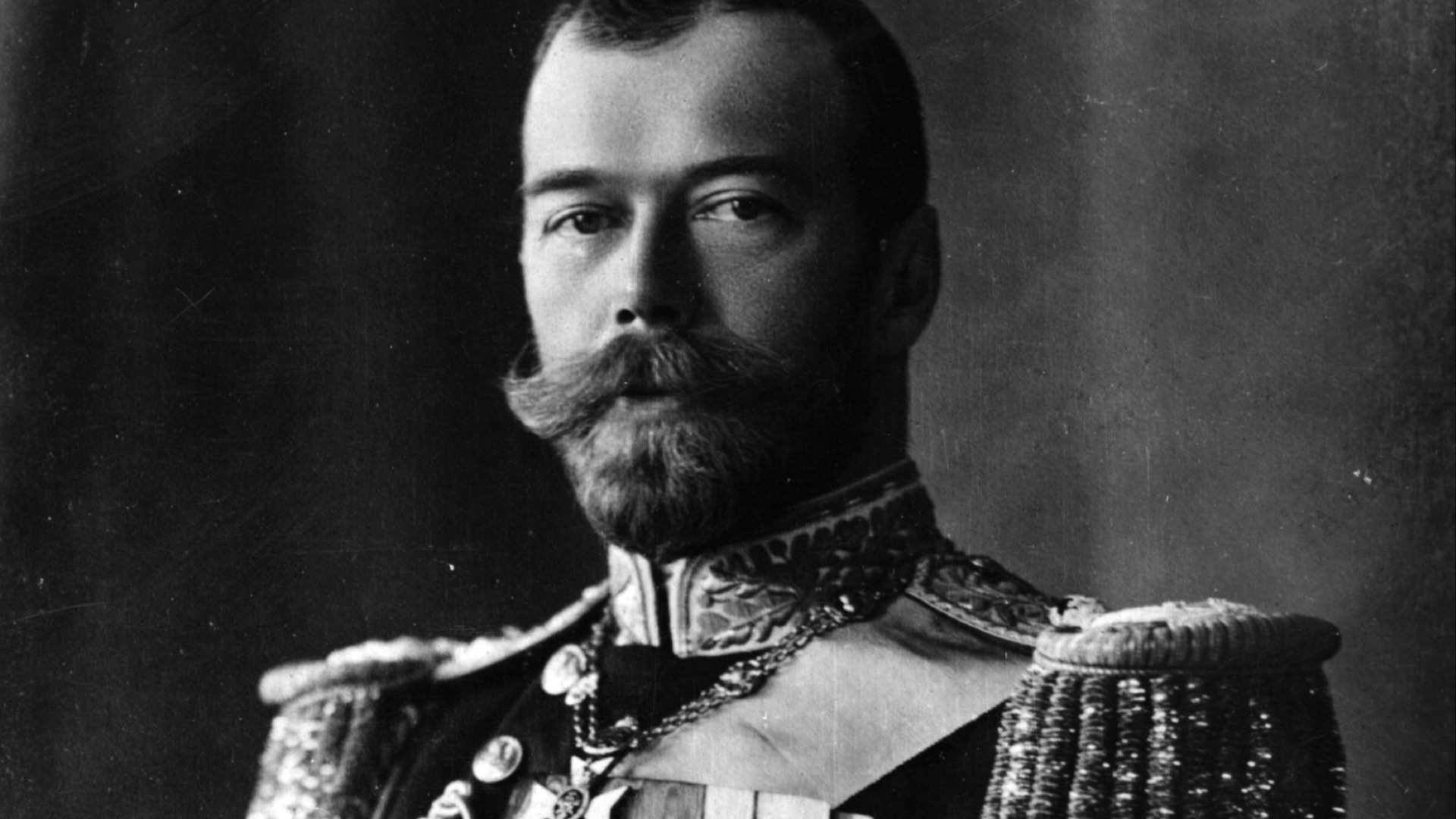
7. Tsar Nicholas II
The execution of Nicholas II and his family in July 1918 was celebrated by some committed Bolsheviks as the final destruction of the Russian monarchy. Revolutionary leaders presented the former tsar as a symbol of autocracy, military failure, and the violent suppression of dissent. Many other people were horrified by the killing of the entire family, so the response exposed the extreme divisions created by the Russian Revolution.
 Boissonnas & Eggler on Wikimedia
8. Adolf Hitler
Hitler died by suicide in his Berlin bunker on April 30, 1945, as Soviet forces closed in around him. Across countries that had suffered under Nazi occupation, confirmation of his death brought immense relief, although the war in Europe continued for several more days. The enormous VE Day celebrations that followed Germany’s surrender also marked the collapse of the dictatorship he had created.
 Heinrich Hoffmann on Wikimedia
9. Benito Mussolini
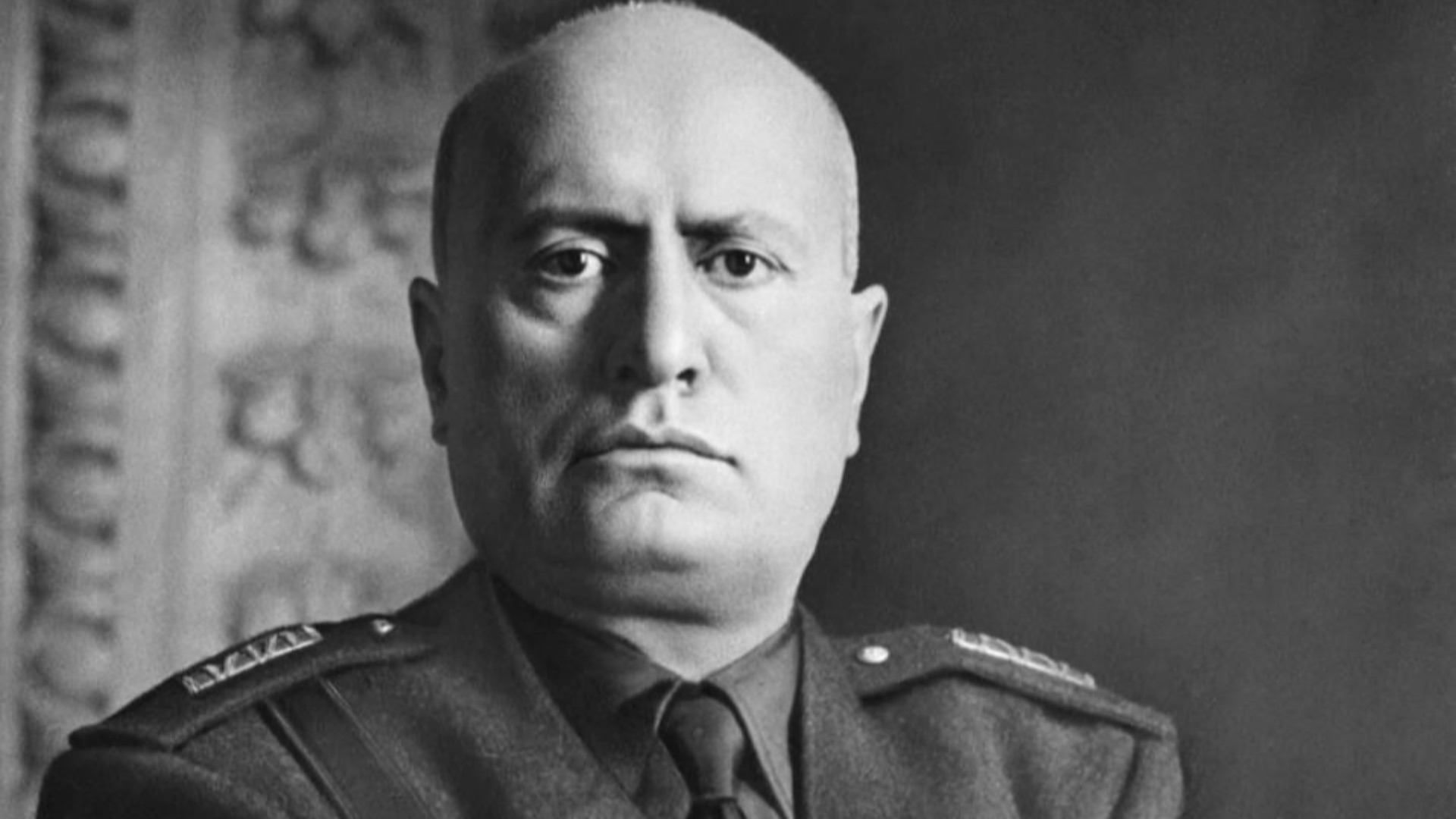
Italian partisans captured and executed Benito Mussolini on April 28, 1945, while he was attempting to escape northern Italy. His body was taken to Milan’s Piazzale Loreto, where an angry crowd jeered, struck, and abused the remains of the fallen dictator. The response reflected years of Fascist repression, war, and occupation, even though some Italians continued to support or mourn him.
10. Joseph Stalin
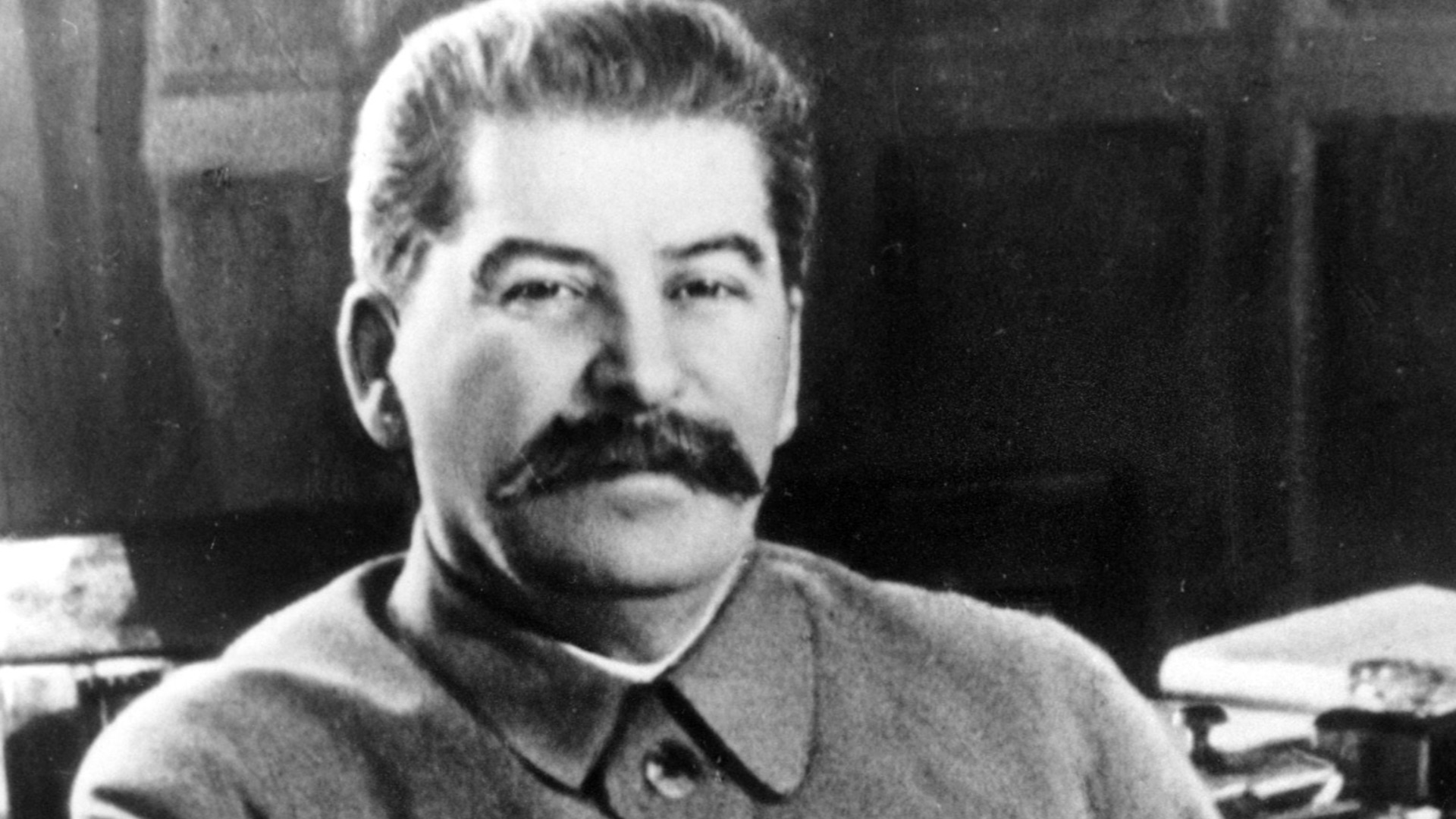
Stalin’s death on March 5, 1953, produced enormous public mourning throughout the Soviet Union, much of it encouraged by the state. Inside prisons, labor camps, and deported communities, however, some victims reacted with private celebrations and renewed hope of release. His successors soon reduced the Gulag system and granted a large amnesty, making his death feel like a possible escape from years of repression.
 Unknown, presumably by a government employee as part of official duties on Wikimedia
11. Rafael Trujillo
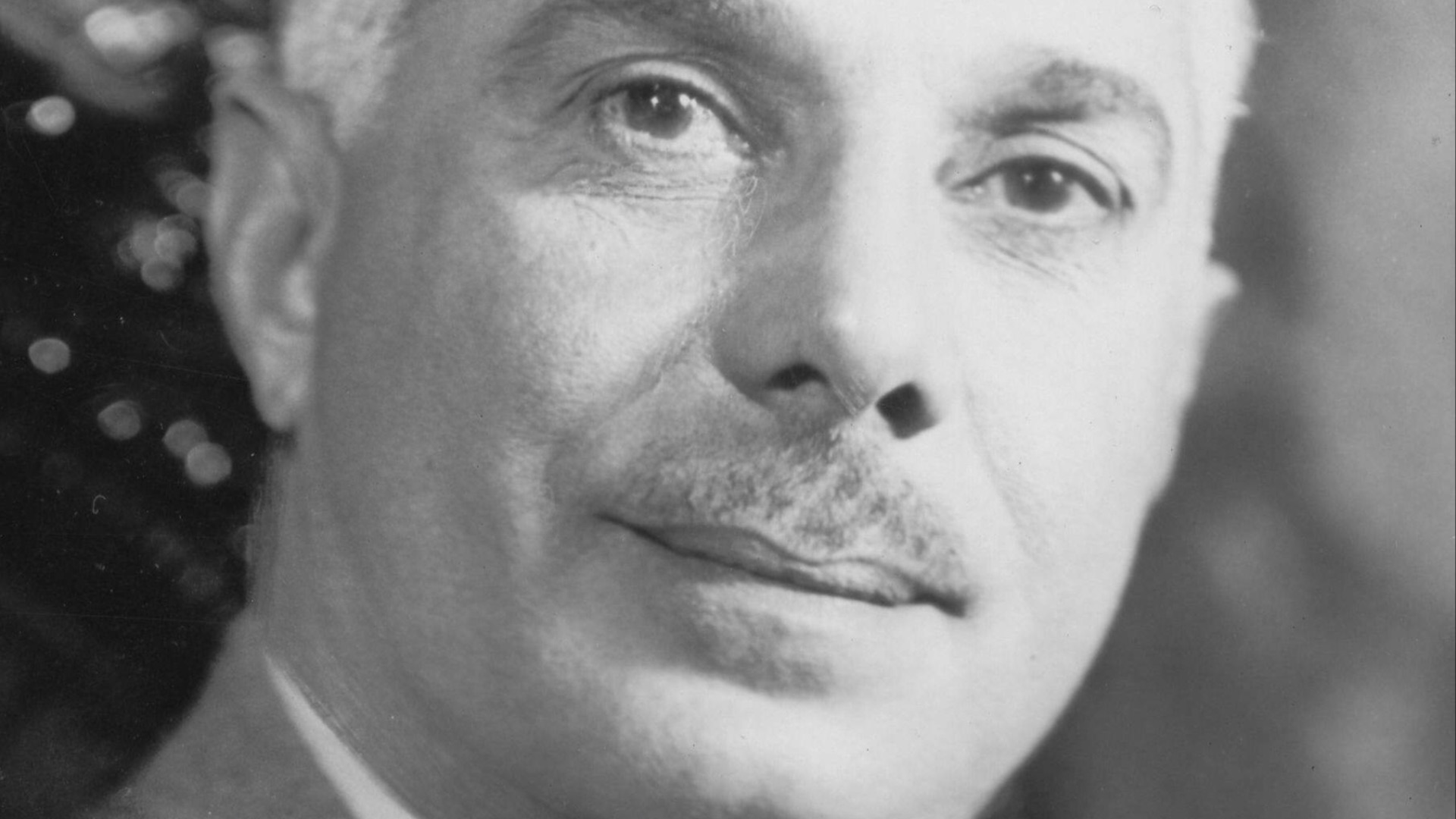
Dominican dictator Rafael Trujillo was assassinated on May 30, 1961, after ruling the country for more than three decades. His government had relied on surveillance, torture, murder, and an intense personality cult that placed his name and image throughout public life. Many Dominicans welcomed his death, although fear of retaliation initially prevented some people from expressing their relief openly.
12. François “Papa Doc” Duvalier
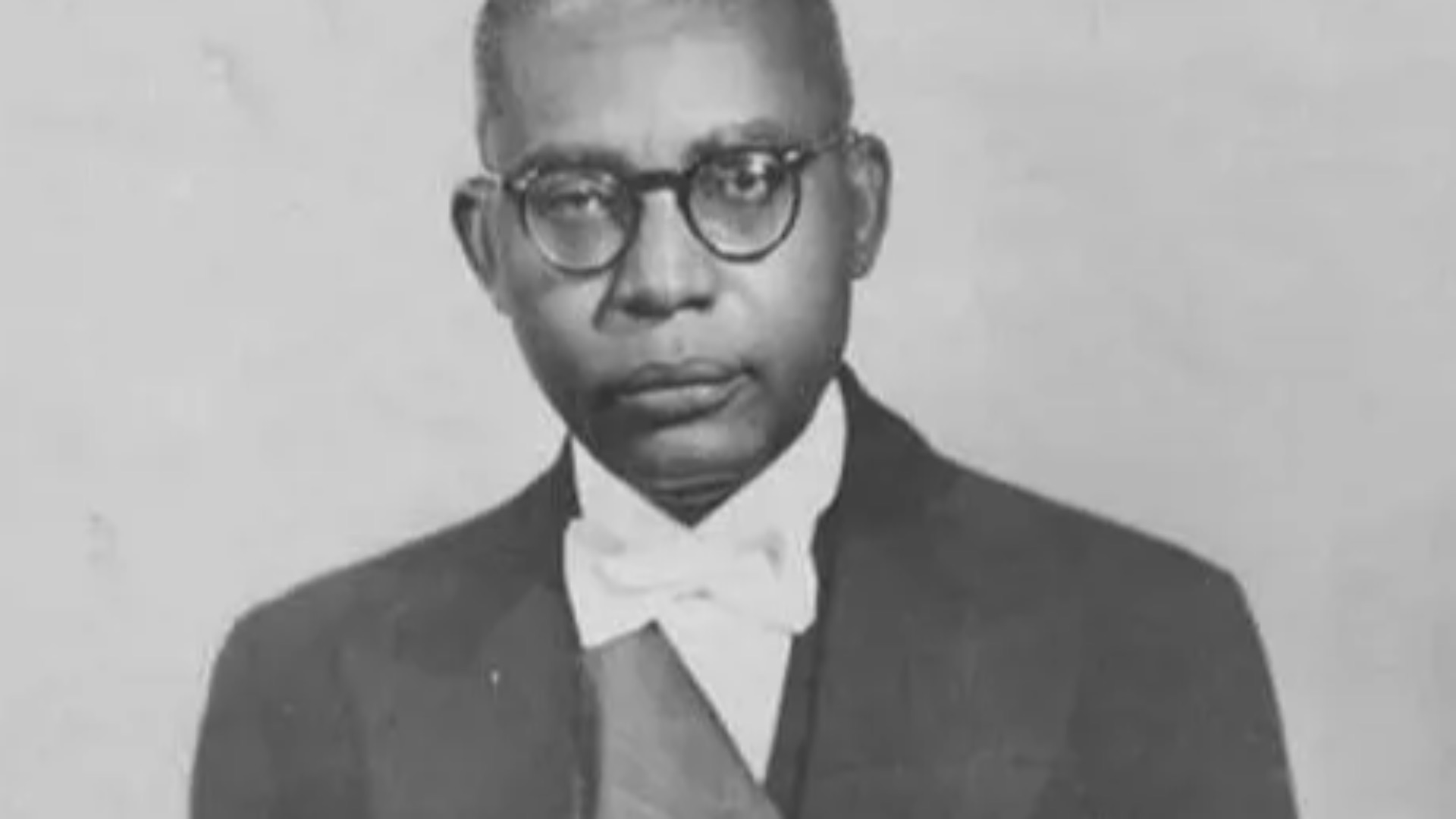
François Duvalier died in Haiti on April 21, 1971, after creating one of the Caribbean’s most feared dictatorships. Haitians who had fled his secret police and paramilitary forces viewed his death with relief, particularly among exile communities. Their optimism soon faded because power passed directly to his 19-year-old son, Jean-Claude Duvalier, allowing the family dictatorship to continue.
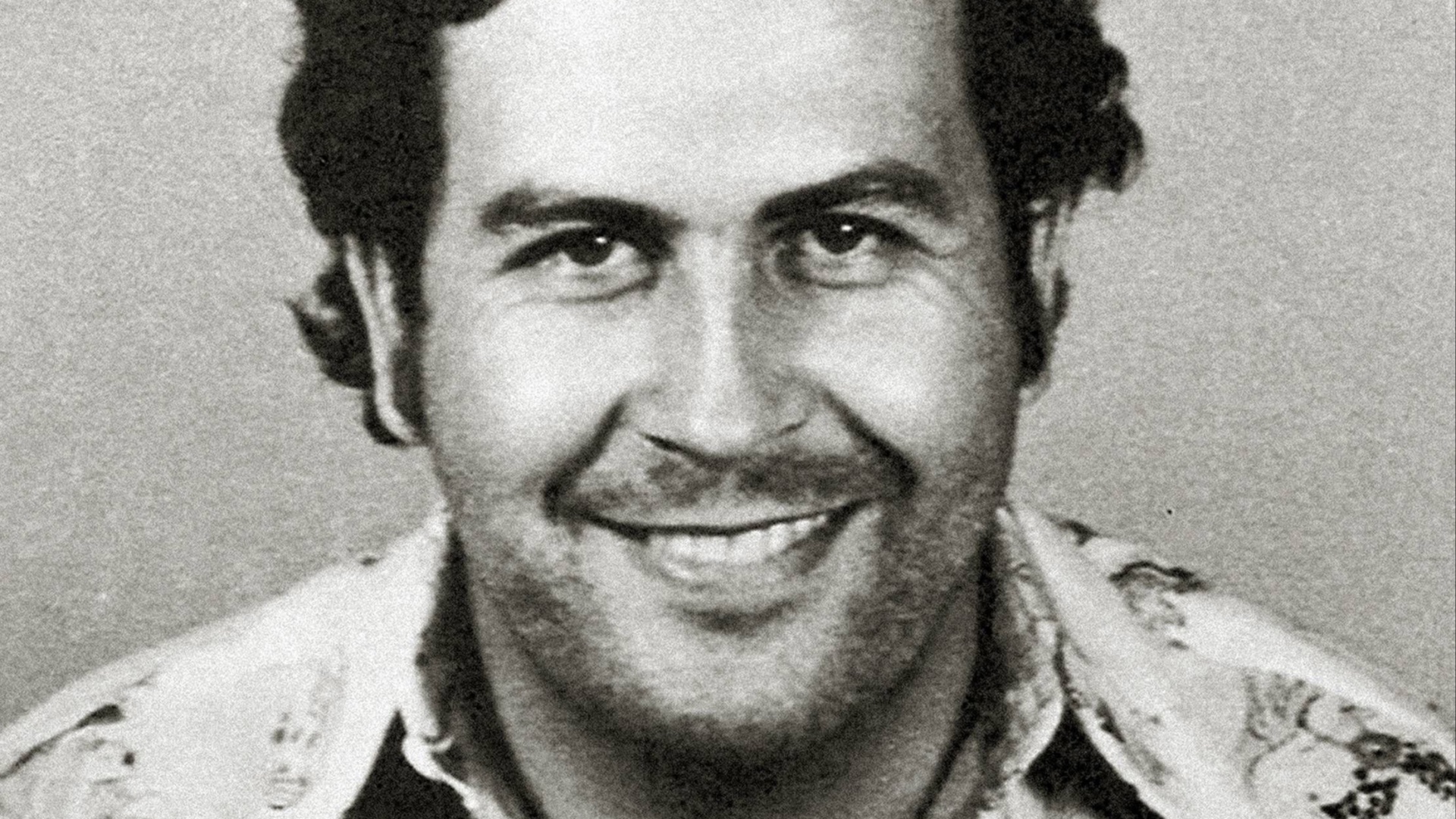
13. Pablo Escobar
Colombian drug trafficker Pablo Escobar was killed by security forces in Medellín on December 2, 1993. Residents exhausted by bombings, assassinations, kidnappings, and cartel warfare celebrated the news, while police officers posed triumphantly beside his body. Yet thousands attended his funeral, showing that his money, public projects, and carefully cultivated local image had also earned him devoted followers.
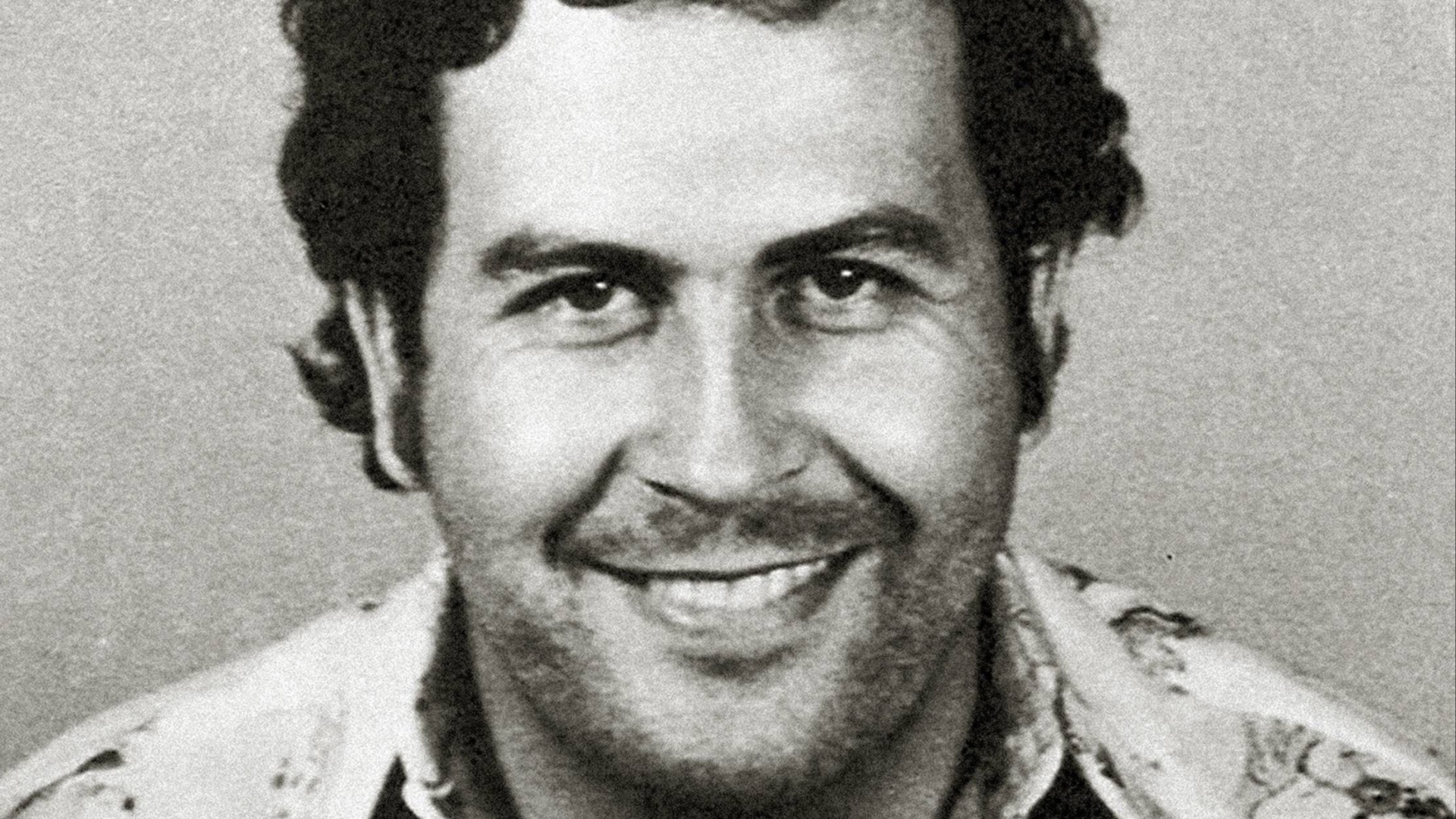 Colombian National Police on Wikimedia
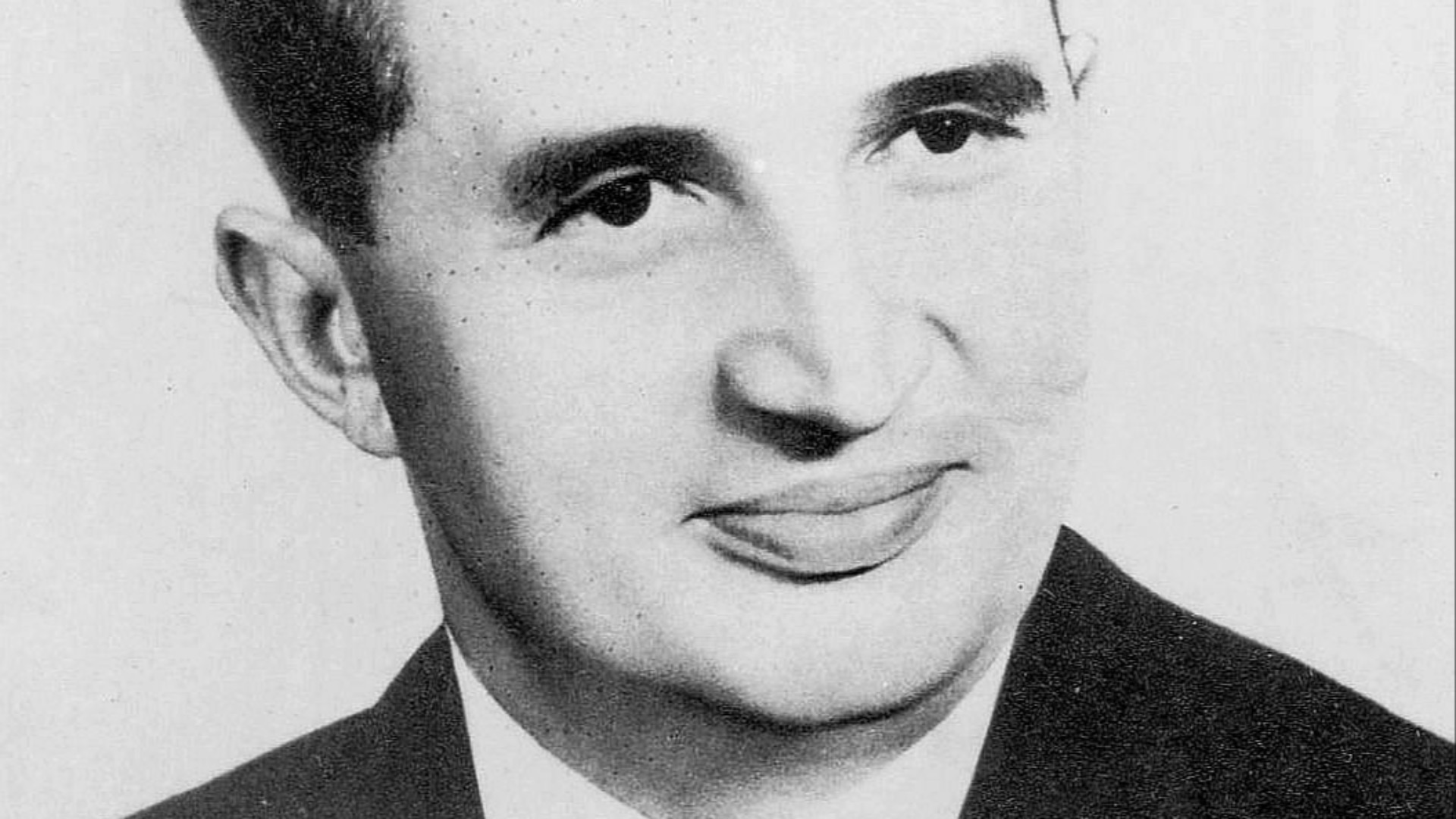
14. Nicolae Ceaușescu
Romanian dictator Nicolae Ceaușescu and his wife, Elena, were executed on December 25, 1989, following a hurried military trial. News of their deaths spread as Romanians were already celebrating the collapse of a government known for censorship, secret-police terror, shortages, and severe austerity. The execution itself remains controversial, but the end of Ceaușescu’s rule was greeted with unmistakable public jubilation.
15. Pol Pot
Pol Pot died in April 1998 while being held by his former Khmer Rouge comrades in Cambodia. Survivors of the regime that caused the deaths of an estimated 1.5 million to 2 million people expressed relief, but many were frustrated that he had never faced an international trial. His death removed the possibility of a full courtroom reckoning, leaving celebration mixed with anger and disappointment.
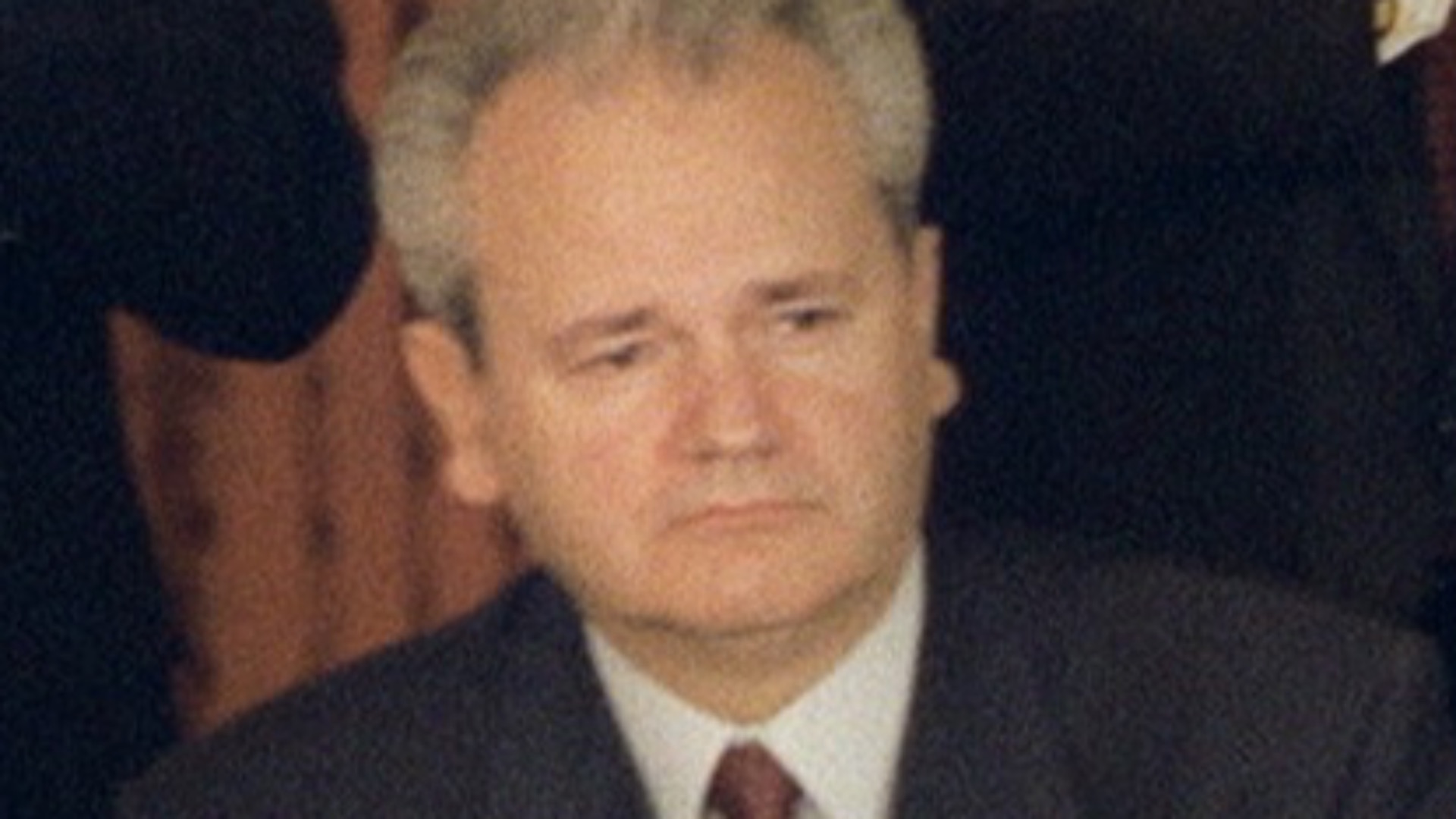
16. Slobodan Milošević
Former Serbian and Yugoslav president Slobodan Milošević died in his prison cell in The Hague on March 11, 2006. Many Kosovo Albanians and Bosnians who associated his government with repression, ethnic cleansing, and war celebrated or openly welcomed the news. Supporters in Serbia mourned him, demonstrating how sharply interpretations of his rule still differed across the former Yugoslavia.
17. Saddam Hussein
Saddam Hussein was executed by hanging in Baghdad on December 30, 2006, after being convicted of crimes against humanity. Some Iraqis, particularly members of communities persecuted under his government, celebrated with gunfire, dancing, and public gatherings. Others condemned the timing, manner, and sectarian atmosphere of the execution, preventing it from becoming a unifying national moment.
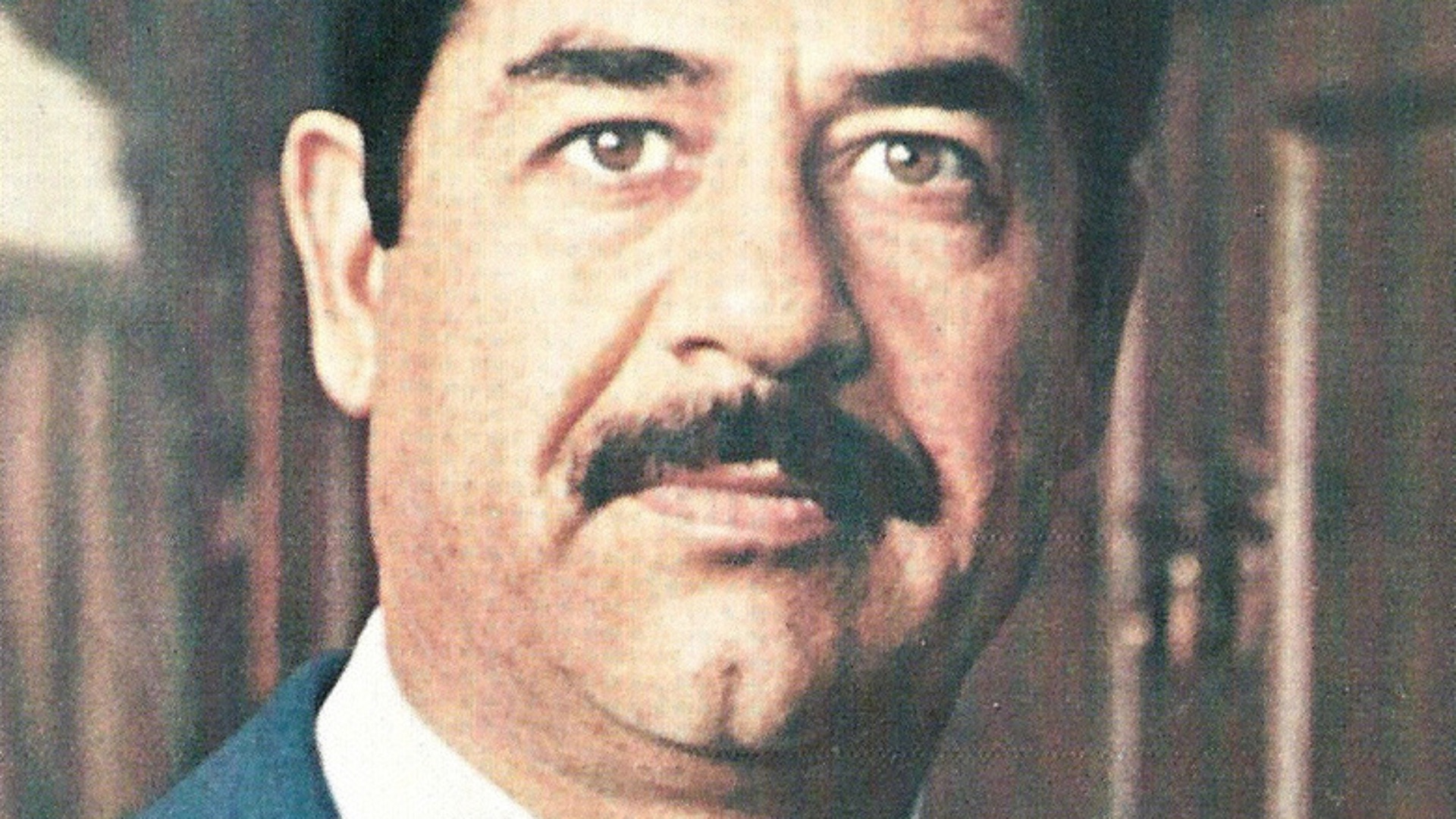 INA (Iraqi News Agency) on Wikimedia
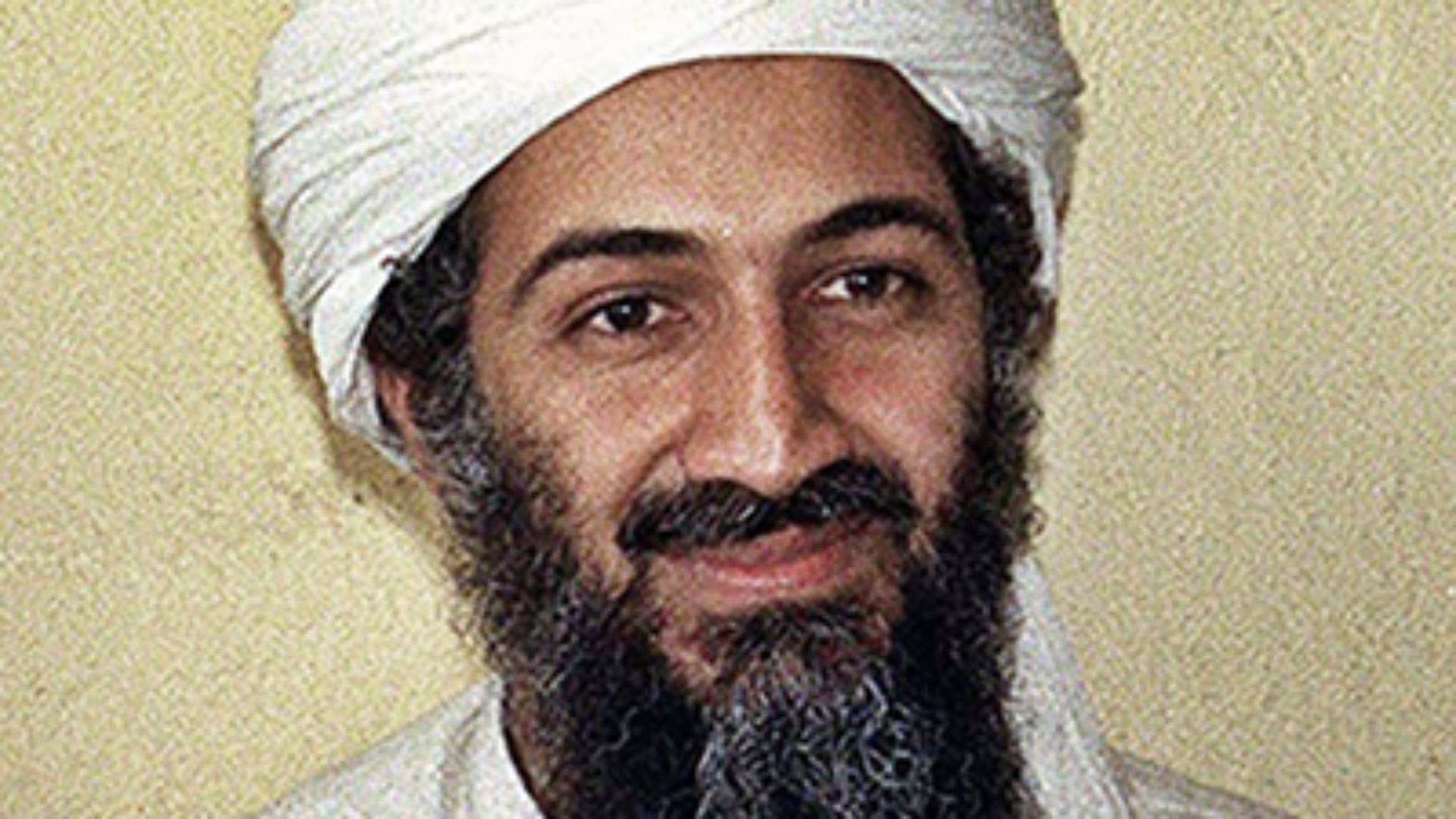
18. Osama bin Laden
American forces killed Osama bin Laden in Pakistan on May 2, 2011, local time, nearly a decade after the September 11 attacks. Crowds gathered outside the White House and at Ground Zero after the announcement, waving flags and chanting as they welcomed the news. The celebrations were especially emotional for people who had lost relatives in terrorist attacks linked to al-Qaeda.
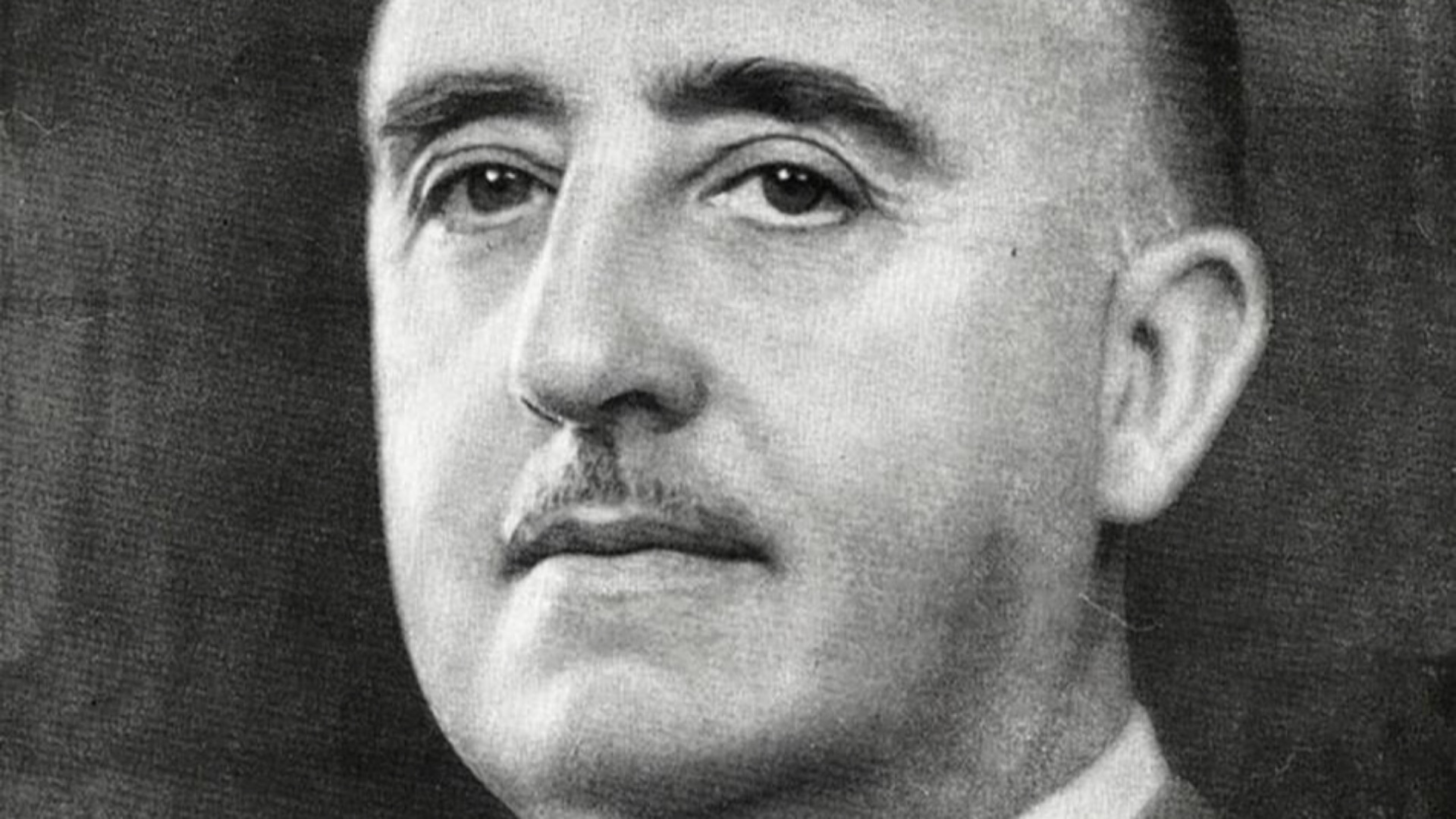
19. Francisco Franco
Francisco Franco died on November 20, 1975, after ruling Spain as a military dictator for nearly four decades. His regime had been marked by political repression, censorship, and the imprisonment or execution of opponents following the Spanish Civil War. While official mourning was enforced within Spain, many political exiles and opposition groups abroad welcomed news of his death, seeing it as the end of an era of authoritarian rule. In the years that followed, Spain began a gradual transition toward democracy, reshaping the country’s political future.
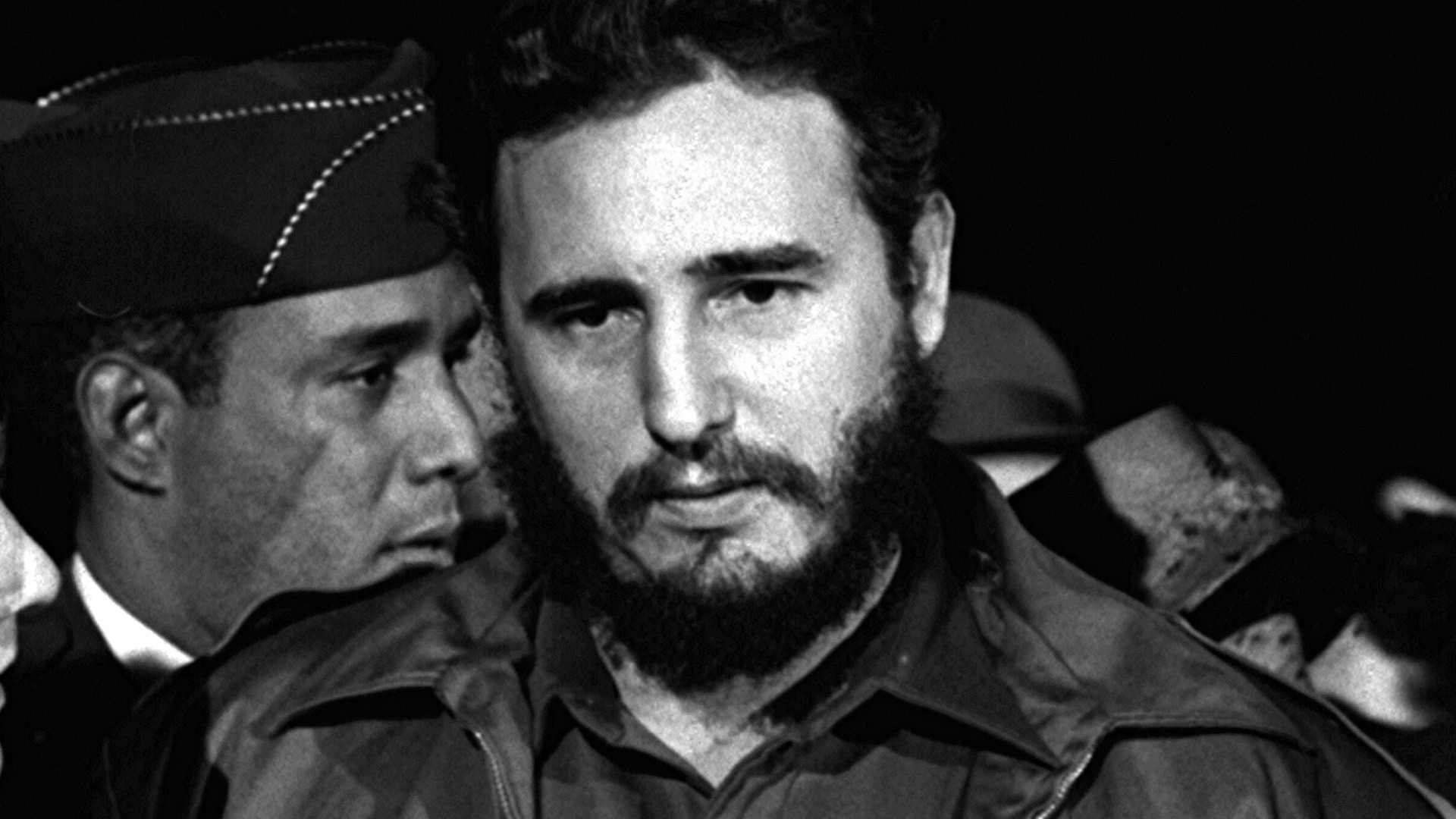
20. Fidel Castro
Fidel Castro’s death on November 25, 2016, prompted nine days of official mourning in Cuba and large commemorations among his supporters. In Miami, thousands of Cuban exiles and their descendants filled the streets, waving flags, banging pots, and opening bottles of champagne. For families who had fled imprisonment, property seizures, political persecution, or economic hardship, his death represented the symbolic end of a leader they had opposed for decades.
KEEP ON READING