

What do you like to do on your weekends? Dinner with friends? Clean the house? Spend your two precious days off in glorious comfort, doing whatever you please? We can’t say we blame you. The modern weekend, which never seems like enough time, is more than what previous generations had.
Before the slow development of this designated break, a lot of households couldn’t count on having two days off. Whether it was work, the time of year, their religion, their income, or purely the amount of stuff to do around the house, you’d be surprised at just how much rest we get in comparison to our ancestors. Until the implementation of many customs and labor campaigns, families often spent time together while finishing the jobs that kept the household going. Leisure was still part of life, but it usually came in small pockets instead of a dependable weekly block.
Work Filled Most of the Week
 Unknown authorUnknown author on Wikimedia
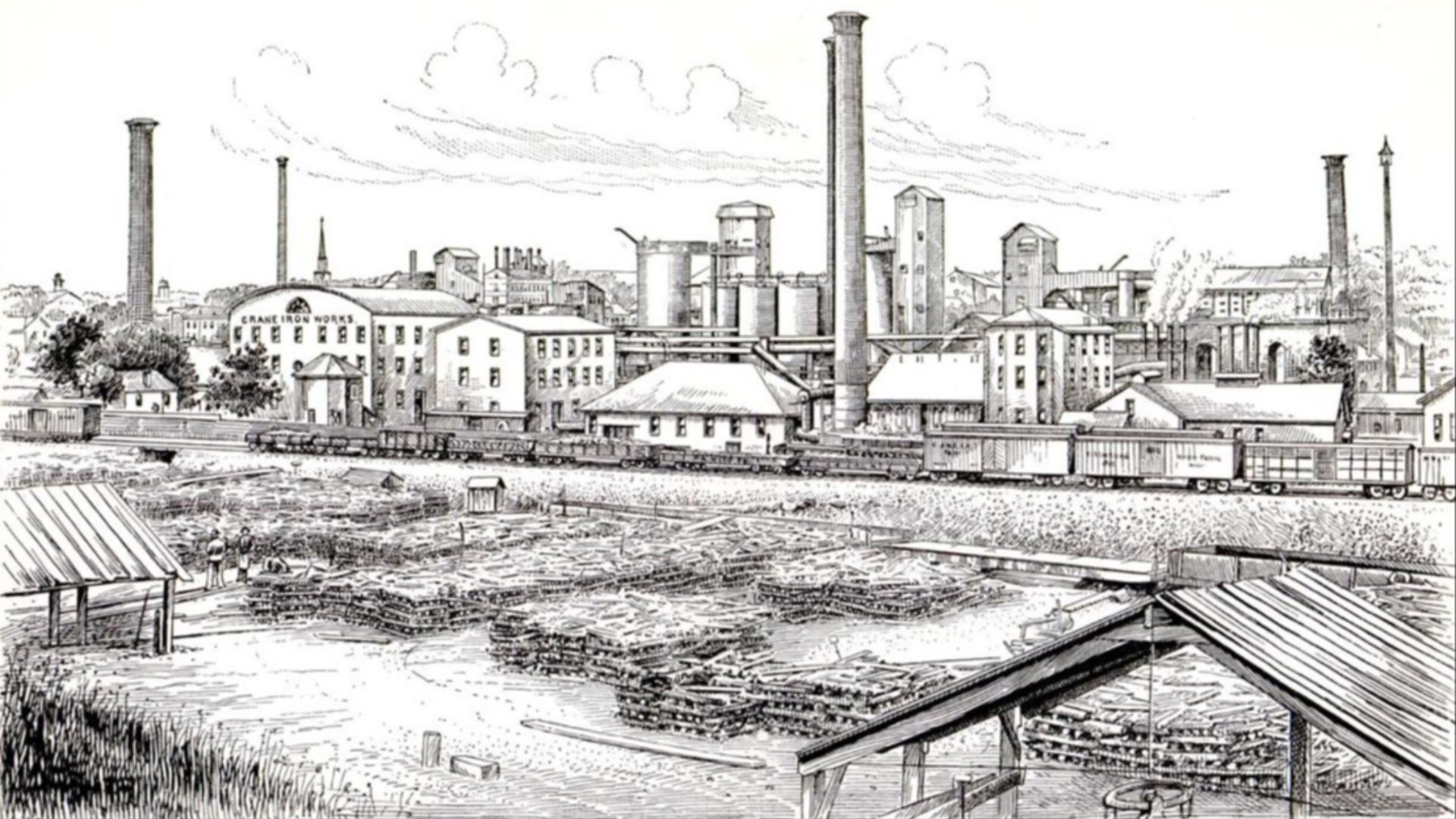
Unlike many of us, there wasn’t a singular schedule that shaped the life of older family units. Farmers, for instance, worked longer and harder during growing and harvest seasons, getting a bit of a break in the colder seasons. Factory workers, on the other hand, answered to production demands. Shopkeepers, miners, railroad employees, servants, and other workers followed hours tied to their own jobs.
Industrial hours were often long by modern standards. The U.S. Bureau of Labor Statistics reports that manufacturing employees averaged about 53 hours per week in 1900, and around 55 hours at work in 1915. Some factory employees worked as many as 65 hours in a week. After a work schedule like that, adults had little time or energy left for anything close to a modern family weekend.
Life in the Lowell textile mills shows how completely a job could control the calendar. Most textile workers labored for 12 to 14 hours a day and half a day on Saturday, while the mills closed on Sunday. Many young women lived in company boardinghouses, where bells, curfews, and rules of conduct shaped their daily routines. Sunday gave them a break from the machinery, though it was generally treated as a Sabbath rather than an open day for shopping or entertainment.
Home Life
The home was often a workplace in its own right. On New England farms, family members shared daily and seasonal jobs, while mothers and daughters cooked, cleaned, made clothing, and handled other demanding work. Getting food onto the table could involve growing ingredients, preserving them, and using methods such as salting, smoking, pickling, or drying. Sure, families were together, but their hands were usually busy.
Domestic labor didn’t stop when a household’s wage earner had Sunday off. At the turn of the 20th century, electricity reached fewer than ten percent of American homes, and appliances that later reduced some household chores weren’t yet widely available. Water might have to be carried and heated, fires needed tending, clothes were washed by hand, and meals were prepared from basic ingredients. For the person running the household, a rest day could still be packed from morning until night.
Children also helped keep families going. At Fort Scott in the 1840s, their days could begin at first light with a trip to the well, laying a fire, bringing in wood, boiling water, milking cows, and collecting eggs. Paid child labor was common too, and more than 18% of American children ages 10 through 15 were employed in 1890. Play came after the work was finished, whenever family needs and daylight left room for it.
The Arrival Of The Two-Day Weekend
 National Archives on Wikimedia
For many Christian households, Sunday was the closest thing to a regular weekly break. The day could center on church attendance, Bible reading, family meals, and quiet visits, while local laws or customs limited some business and recreation. Sunday still brought plenty of work for anyone preparing meals, caring for children, or keeping the home running. Its religious expectations made it different from the open-ended leisure many people now connect with weekends.
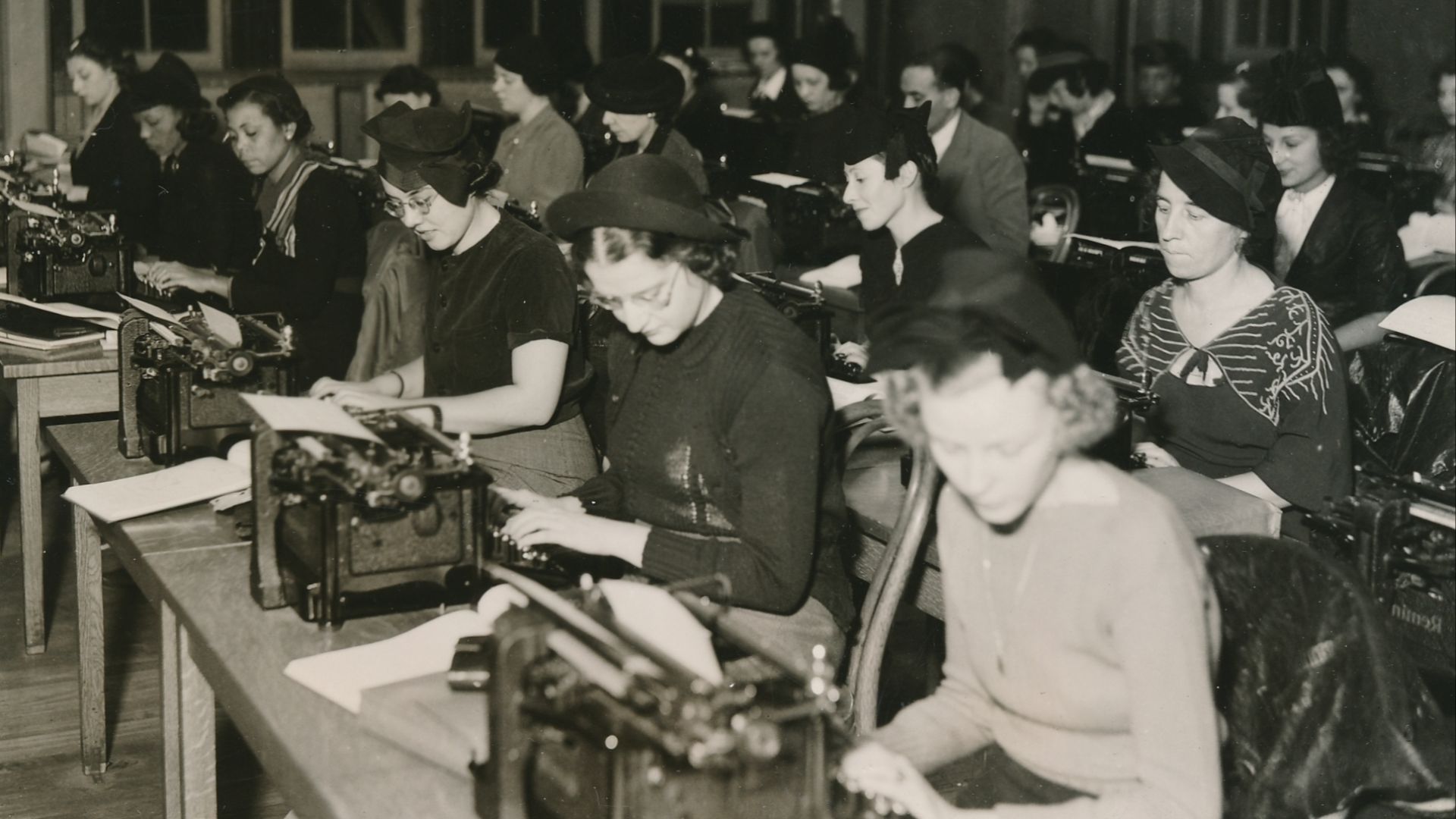
The Saturday half-holiday became a major step toward the schedule people recognize today. The Library of Congress notes that industrial employers began reducing working hours and introducing Saturday half-days between 1894 and 1915, giving workers more time for leisure.
Labor campaigns and employer experiments pushed the change further. Ford Motor Company announced a five-day, 40-hour week for its U.S. company employees in 1926, and the company’s size and prominence encouraged other employers to follow. The Fair Labor Standards Act of 1938 set a 44-hour overtime threshold for many covered workers, along with a federal minimum wage and limits on oppressive child labor, and that threshold later fell to 40 hours. The law didn’t require Saturday and Sunday off or extra pay for weekend work unless the hours counted as overtime, but shorter workweeks made two days away from work more realistic and gave more families dependable time for visits, drives, ballgames, household projects, short trips, worship, play, and life together.
KEEP ON READING