10 Ancient Cities That Rose Fast & 10 That Collapsed Faster
Ancient cities usually developed over generations, but rulers, trade networks, military victories, and religious reforms sometimes accelerated the process dramatically. A newly founded settlement could become an imperial capital within decades, while an established metropolis might be ruined during a single invasion. Some eventually recovered under new leadership, whereas others were abandoned after their political or economic purpose disappeared. These 10 ancient cities that rose fast and 10 that collapsed faster show how quickly urban fortunes could change.

1. Alexandria, Egypt
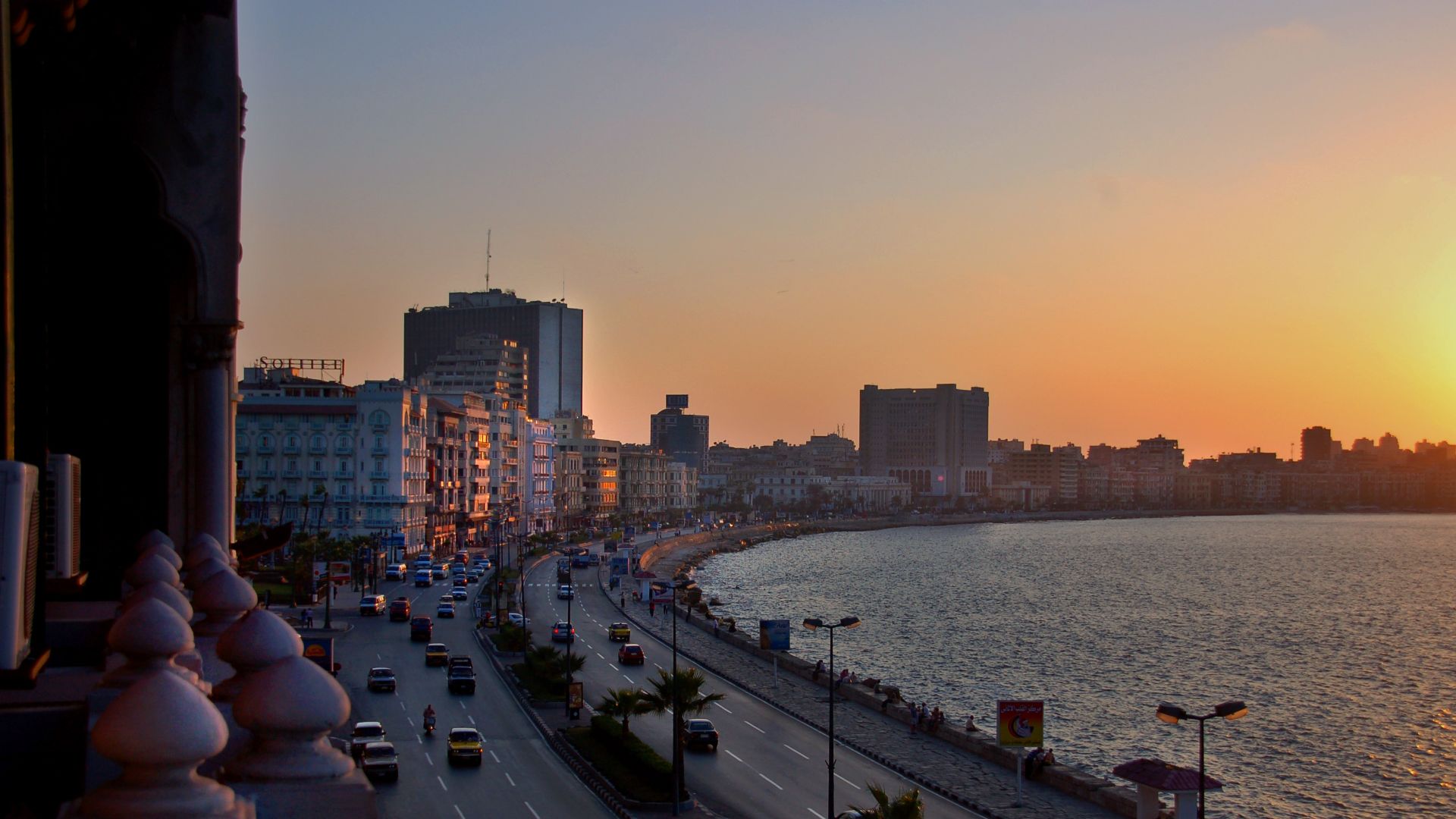
Alexander the Great founded Alexandria in 331 BCE on Egypt’s Mediterranean coast, choosing a location suited to maritime trade and military movement. Under the Ptolemaic dynasty, it quickly became Egypt’s capital and one of the largest cities in the ancient world.
 David Evers from Amsterdam, Netherlands on Wikimedia
2. Akhetaten, Egypt
Pharaoh Akhenaten established Akhetaten, now called Amarna, around 1346 BCE as a new capital dedicated to the god Aten. Government workers, priests, builders, artists, and members of the royal household relocated there as enormous temples and palaces appeared.
3. Antioch, Turkey
Seleucus I Nicator founded Antioch around 300 BCE following the division of Alexander the Great’s empire. Its location near the Orontes River connected Mediterranean shipping with inland caravan routes, encouraging rapid commercial growth.
4. Seleucia-on-the-Tigris, Iraq
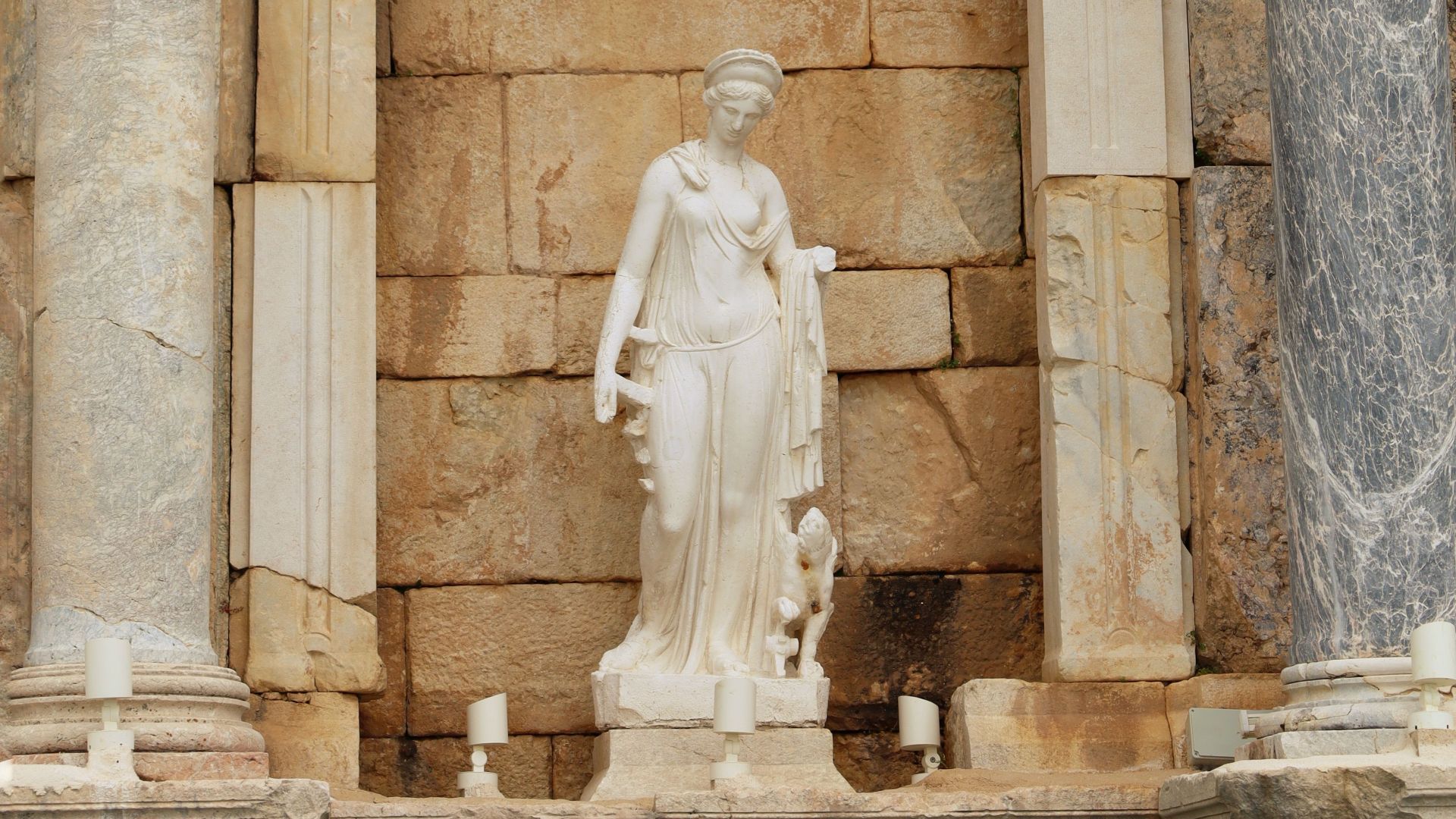
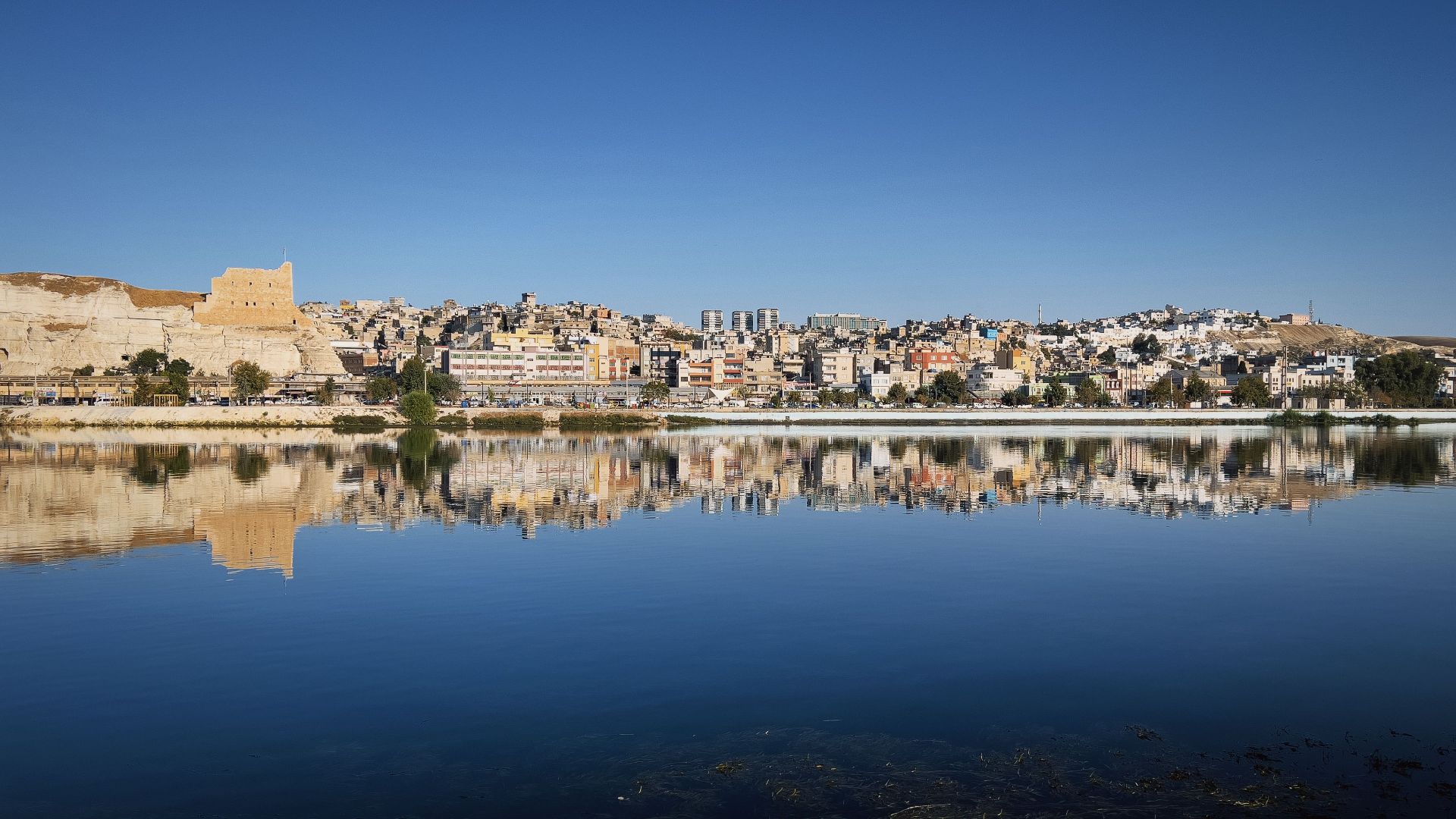
Seleucus I established Seleucia-on-the-Tigris near Babylon around 305 BCE and encouraged residents from surrounding communities to move there. The city’s river access placed it directly along trading routes linking Mesopotamia, Iran, and regions farther east.
 Mehmet Turgut Kirkgoz on Pexels
5. Constantinople, Turkey
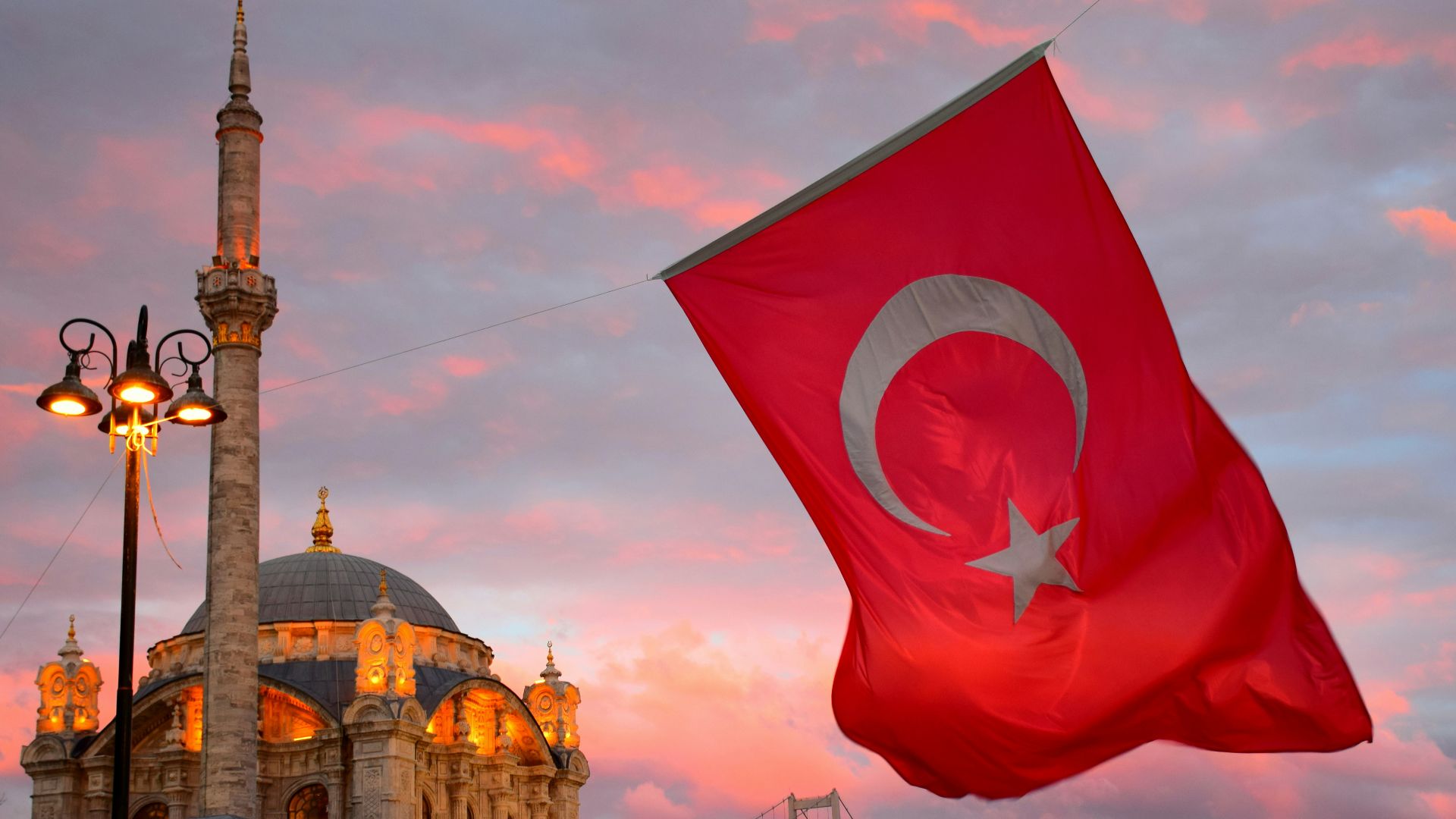
Constantine I refounded Byzantium as Constantinople in 330 CE, transforming a relatively modest settlement into an imperial capital. Officials, craftspeople, soldiers, and aristocratic families arrived as the emperor sponsored walls, forums, churches, baths, and public entertainment.
6. Tenochtitlan, Mexico
The Mexica founded Tenochtitlan on an island in Lake Texcoco in 1325, despite the site’s limited dry land and difficult conditions. Through military expansion, tribute collection, farming innovations, and careful water management, the settlement grew into the center of a powerful empire. By the early 1500s, it contained markets, temples, causeways, canals, and densely populated residential districts.

7. Caesarea Maritima, Israel
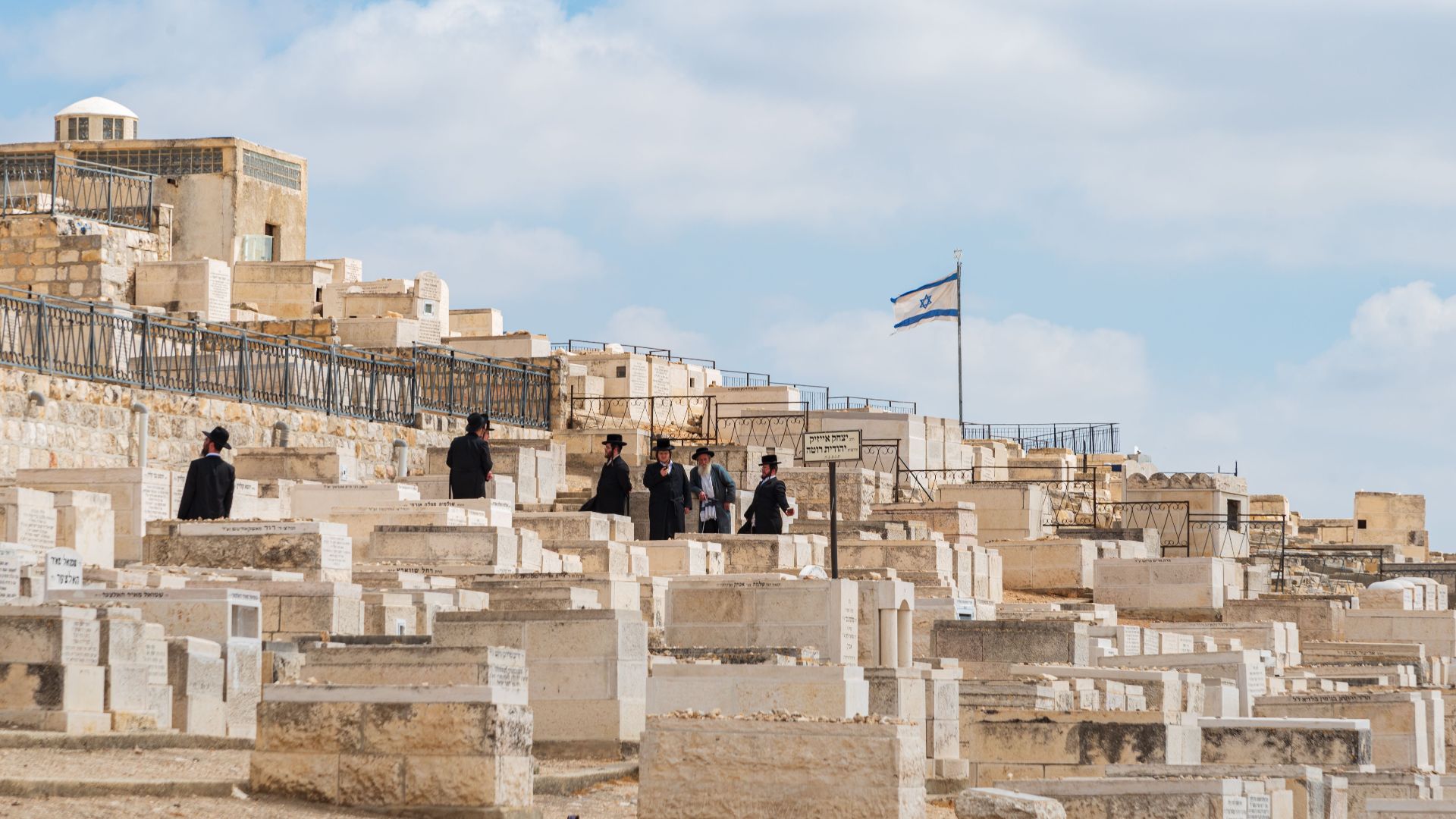
Herod the Great began developing Caesarea Maritima around 22 BCE and completed much of the ambitious project within roughly a decade. Engineers constructed an enormous artificial harbor alongside a palace, theater, temple, warehouses, and planned streets.
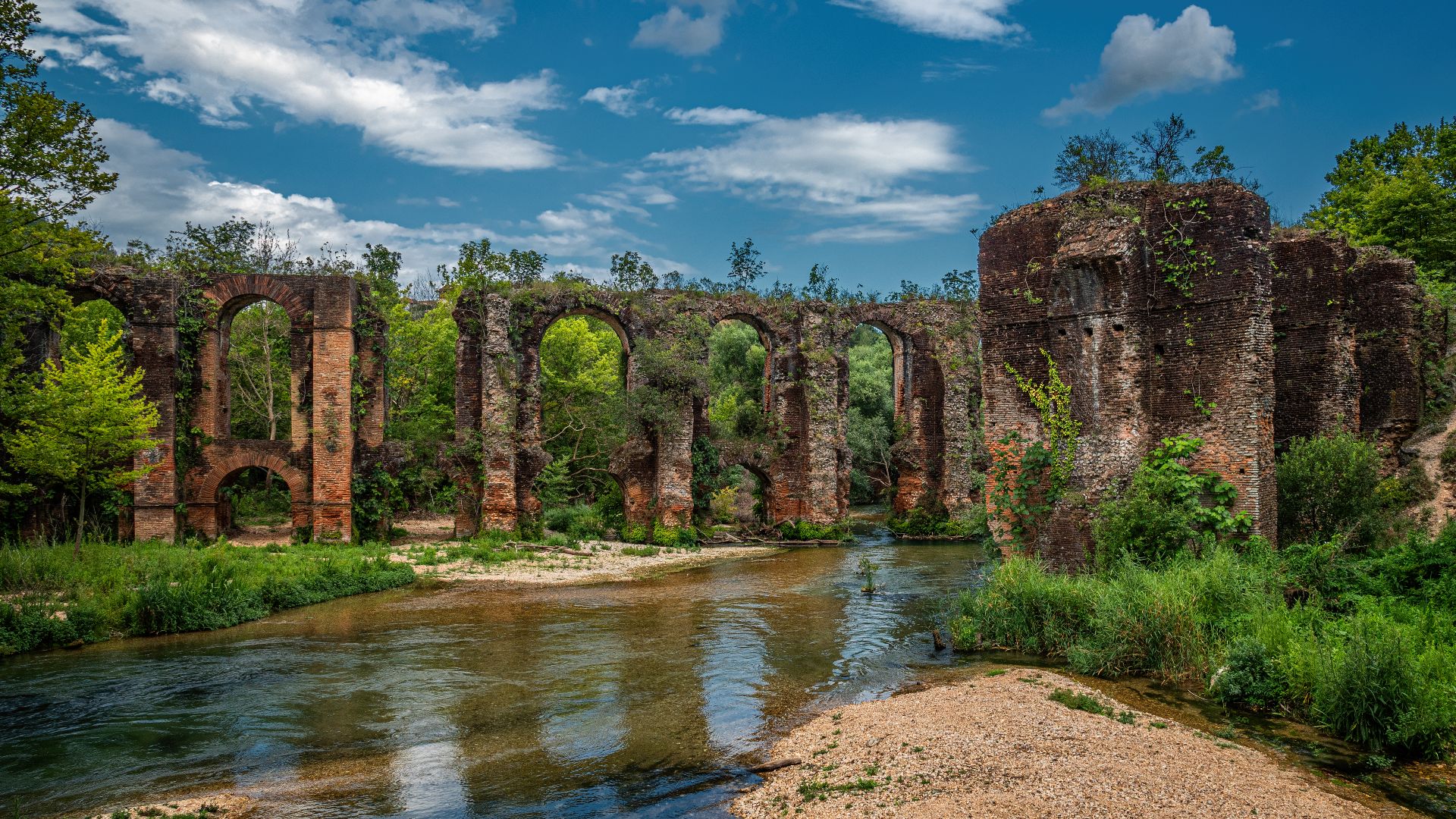
8. Nicopolis, Greece
Emperor Augustus founded Nicopolis after defeating Mark Antony and Cleopatra at the Battle of Actium in 31 BCE. Residents from several nearby communities were relocated to populate the new city, giving it an immediate economic and social foundation.
9. Pataliputra, India
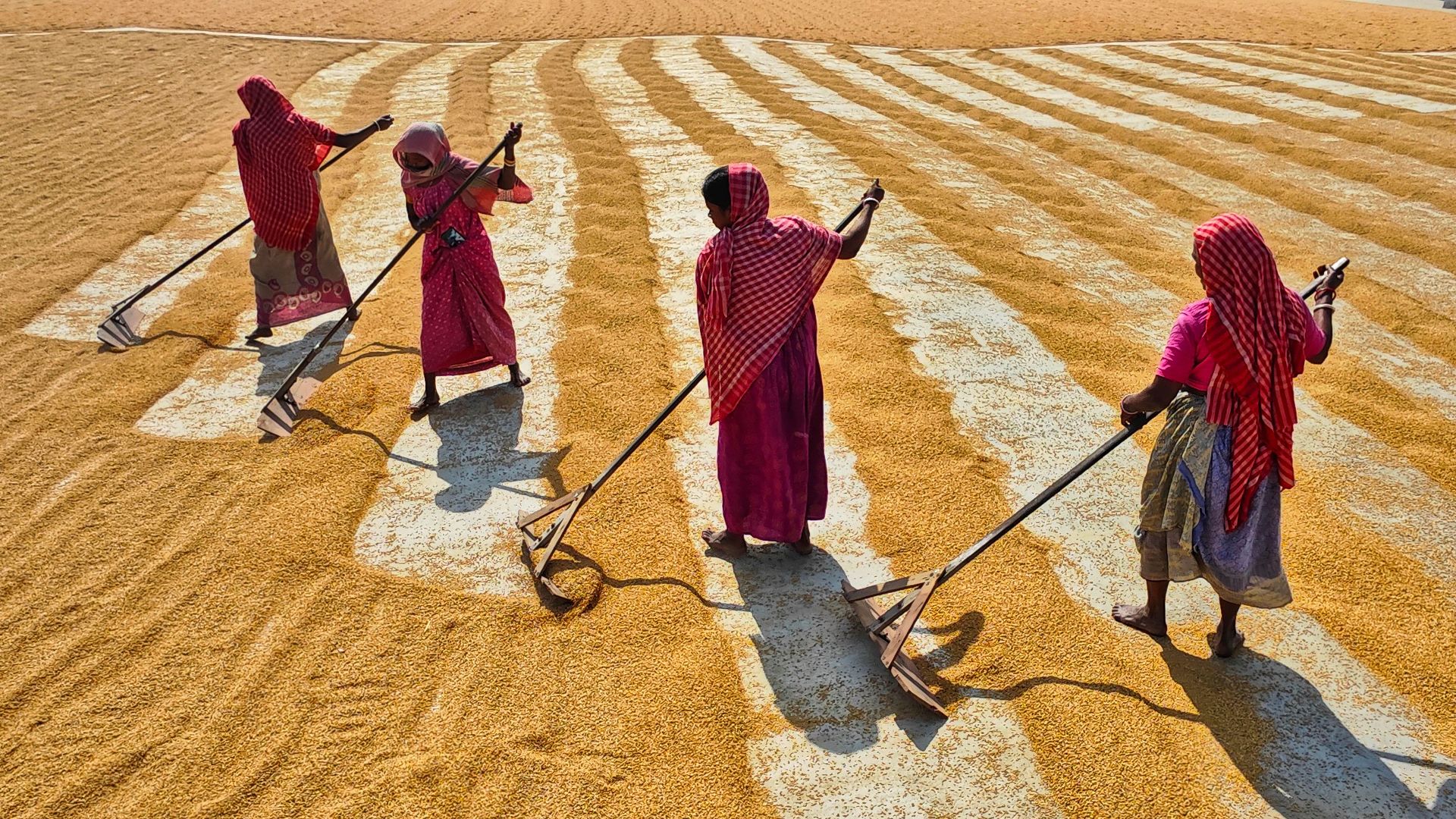
Pataliputra developed from a fortified settlement near the Ganges River during the fifth century BCE. Its access to waterways and productive farmland helped it expand rapidly under the Magadha kingdom and the Mauryan Empire. By the reign of Ashoka in the third century BCE, it had become the political center of an empire covering much of the Indian subcontinent.
10. Chang’an, China
Chang’an became the capital of the Western Han dynasty in 202 BCE, with major construction beginning under Emperor Gaozu and his successors. Its position near routes leading into Central Asia later strengthened its role as a destination for merchants, diplomats, and foreign goods.

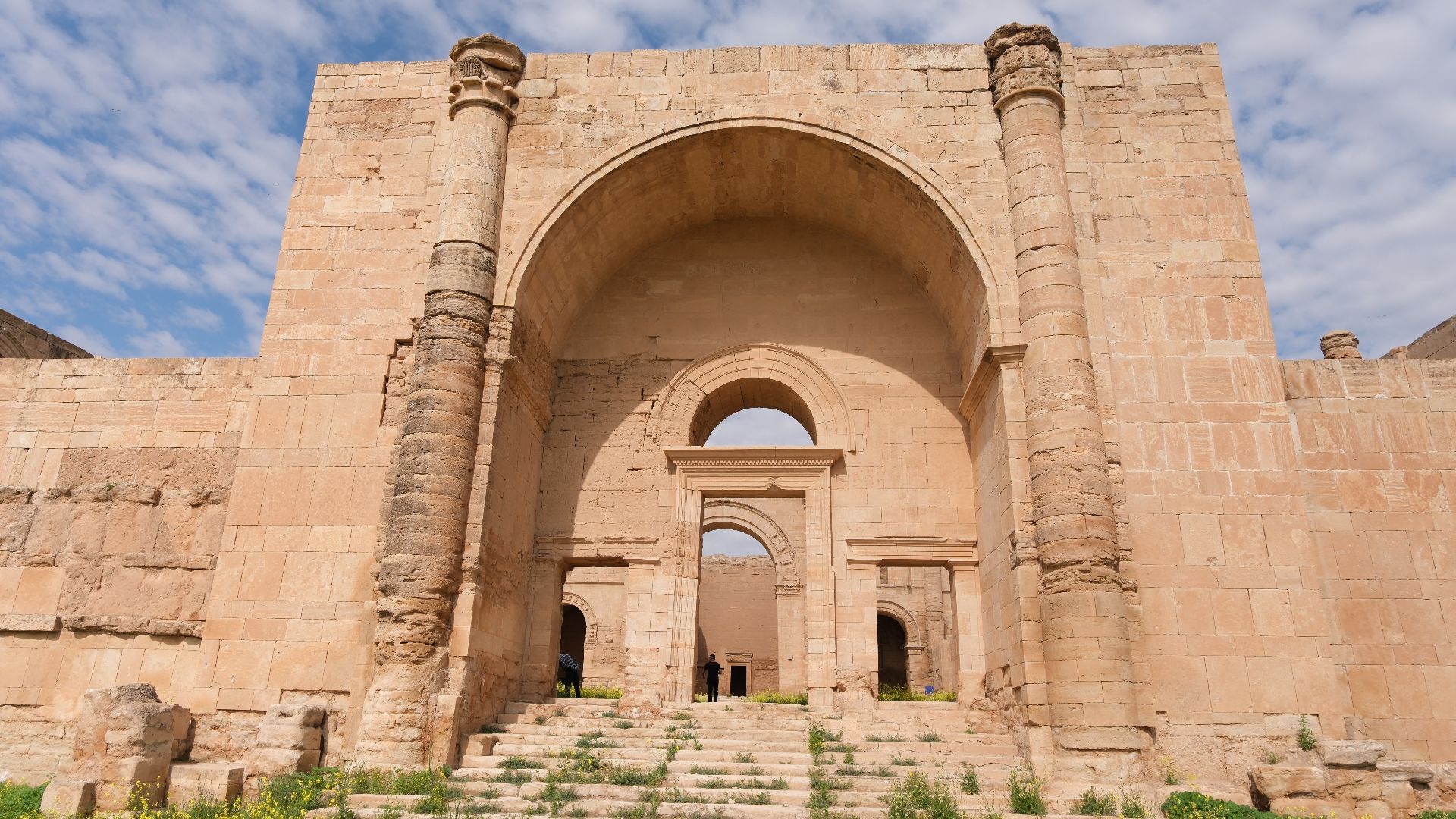
1. Nineveh, Iraq
Nineveh reached its greatest size during the seventh century BCE as the capital of the Neo-Assyrian Empire. Assyria’s imperial administration disintegrated soon afterward, leaving Nineveh unable to regain its former authority.
 Mohammed Harith Khalil on Wikimedia
2. Ugarit, Syria
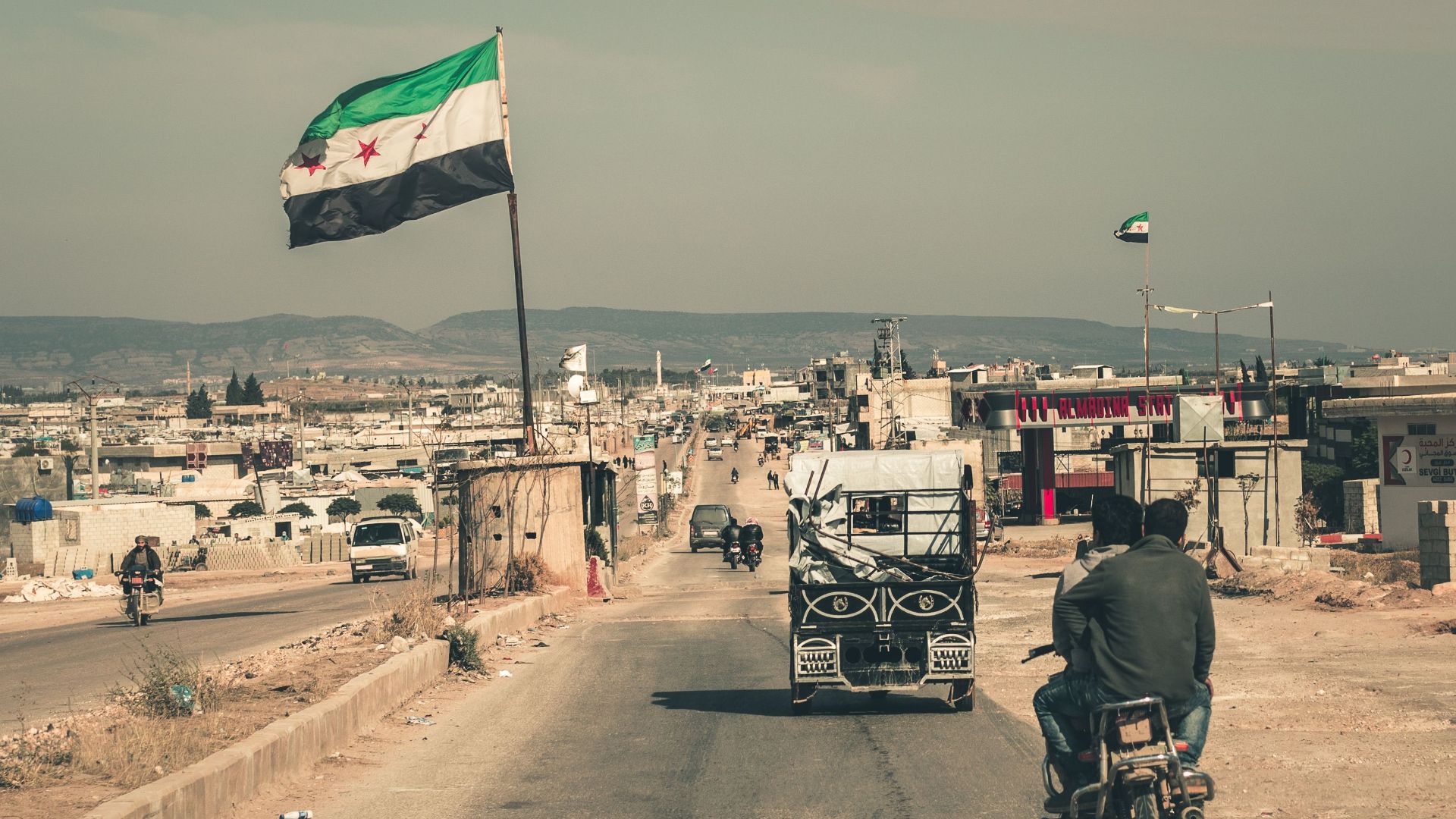
Ugarit prospered during the Late Bronze Age because its port connected inland Syria with Mediterranean trading networks. Around 1190 BCE, the city was destroyed during the wider upheavals that affected several eastern Mediterranean societies. Ugarit was never rebuilt as a major urban center, although its ruins preserved clay tablets containing diplomatic, commercial, and religious records.
 Abd Alrhman Al Darra on Pexels
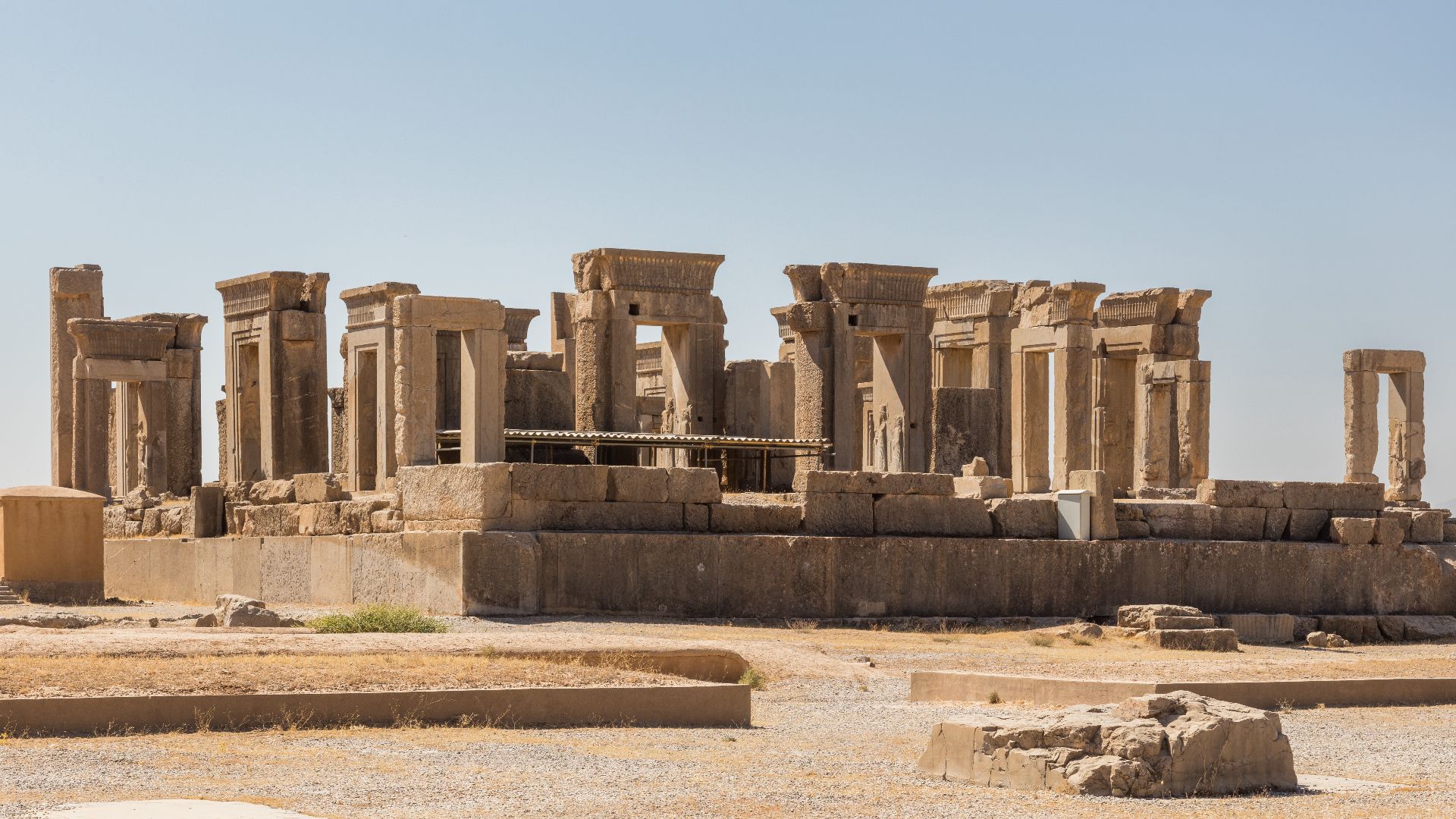
3. Persepolis, Iran
Persepolis served as a ceremonial center of the Achaemenid Empire, where Persian kings received delegations and displayed imperial wealth. Alexander the Great captured the city in 330 BCE, and a fire severely damaged its palaces soon afterward. The surrounding region remained inhabited, but Persepolis never recovered its previous political and symbolic position.
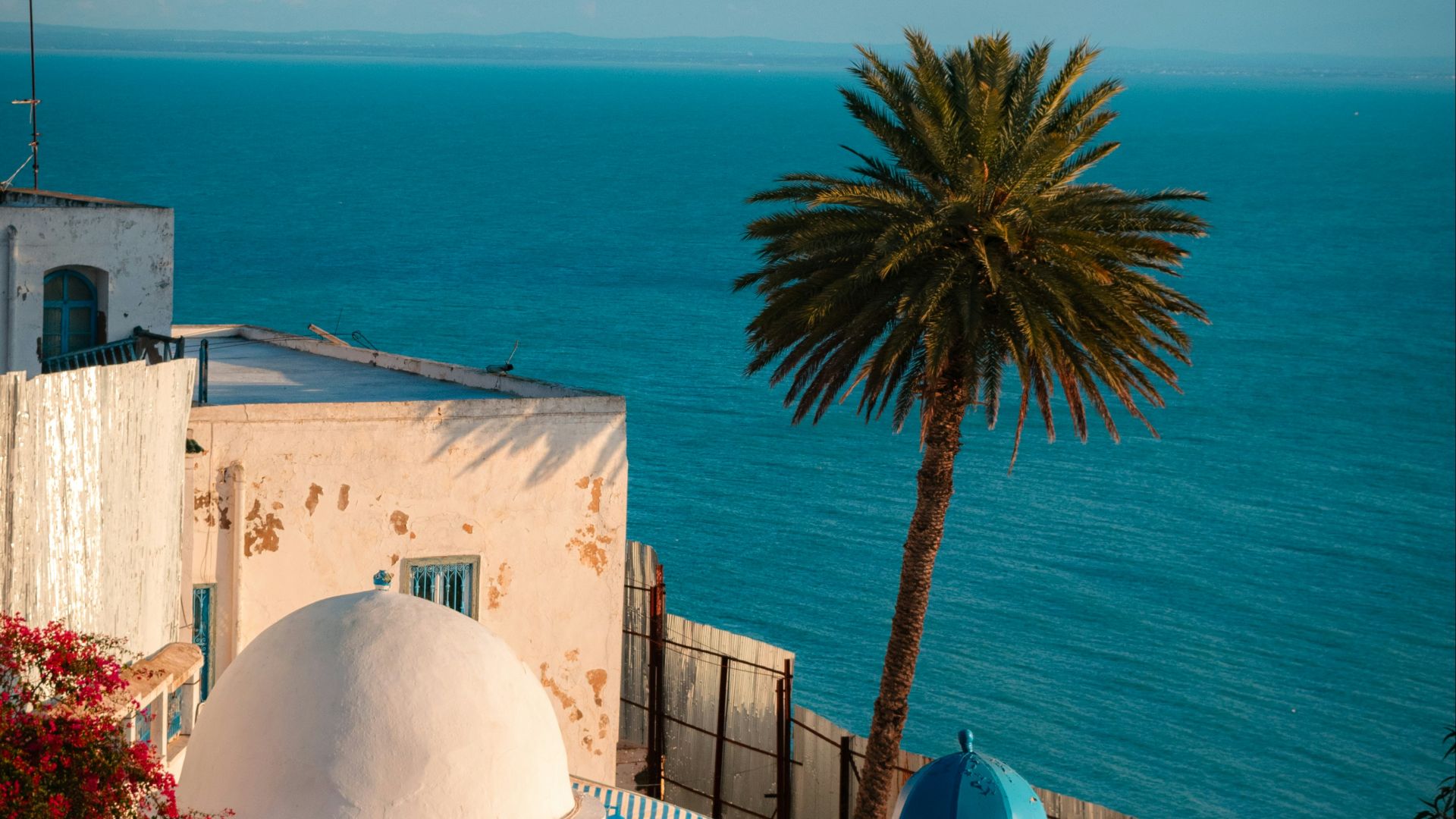
4. Carthage, Tunisia
Carthage grew into the leading maritime power of the western Mediterranean before its rivalry with Rome produced three major wars. After capturing the city in 146 BCE, Roman forces destroyed much of it and enslaved many surviving inhabitants.
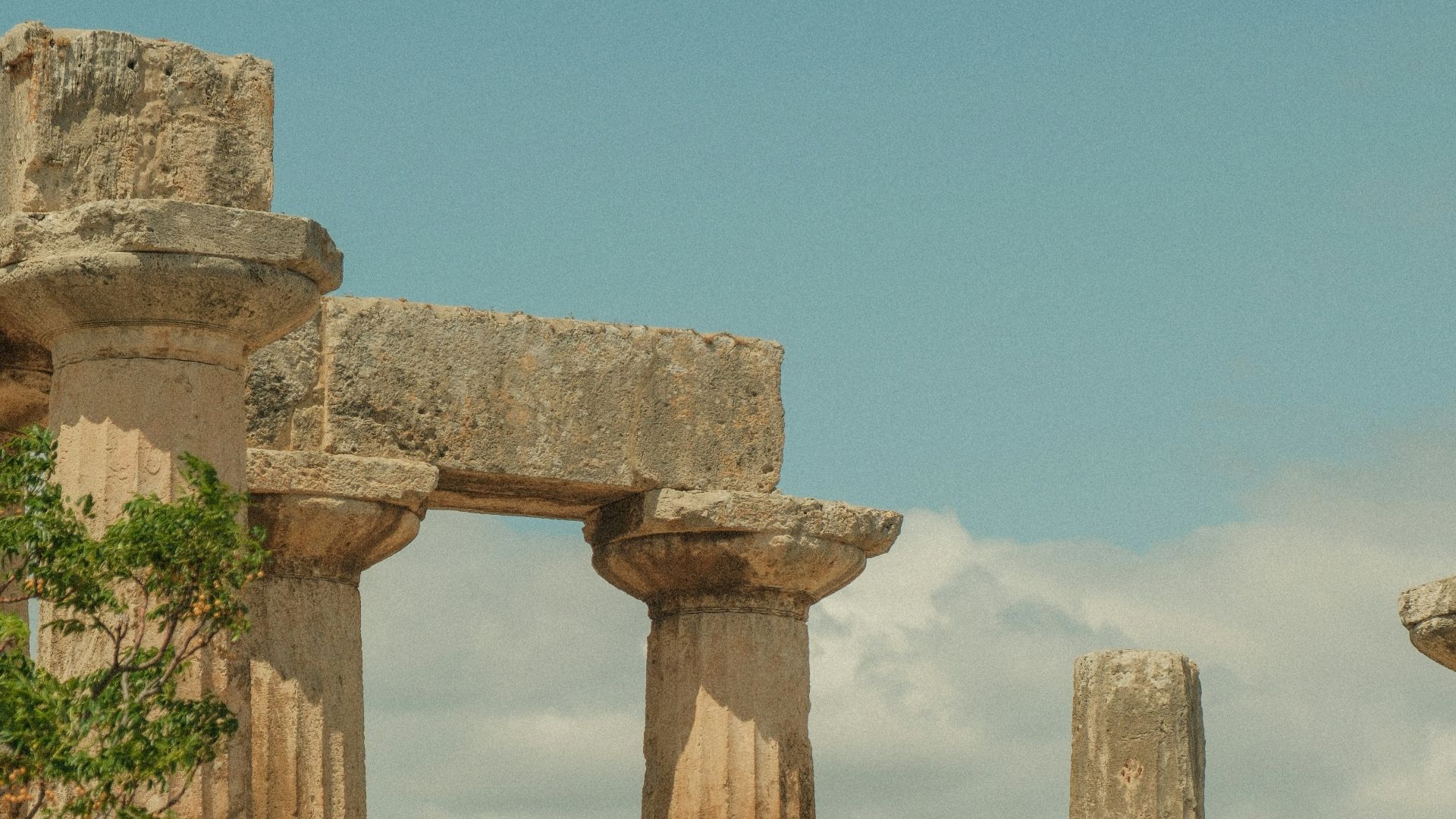
5. Corinth, Greece
Ancient Corinth benefited from controlling land and sea routes connecting different parts of Greece and the Mediterranean. During Rome’s war with the Achaean League in 146 BCE, Roman troops captured, looted, and largely destroyed the city.
6. Olynthus, Greece
Olynthus became the leading city of the Chalcidian League during the fourth century BCE and absorbed residents from nearby settlements. Olynthus was destroyed, many residents were enslaved, and it never returned as an important political center.

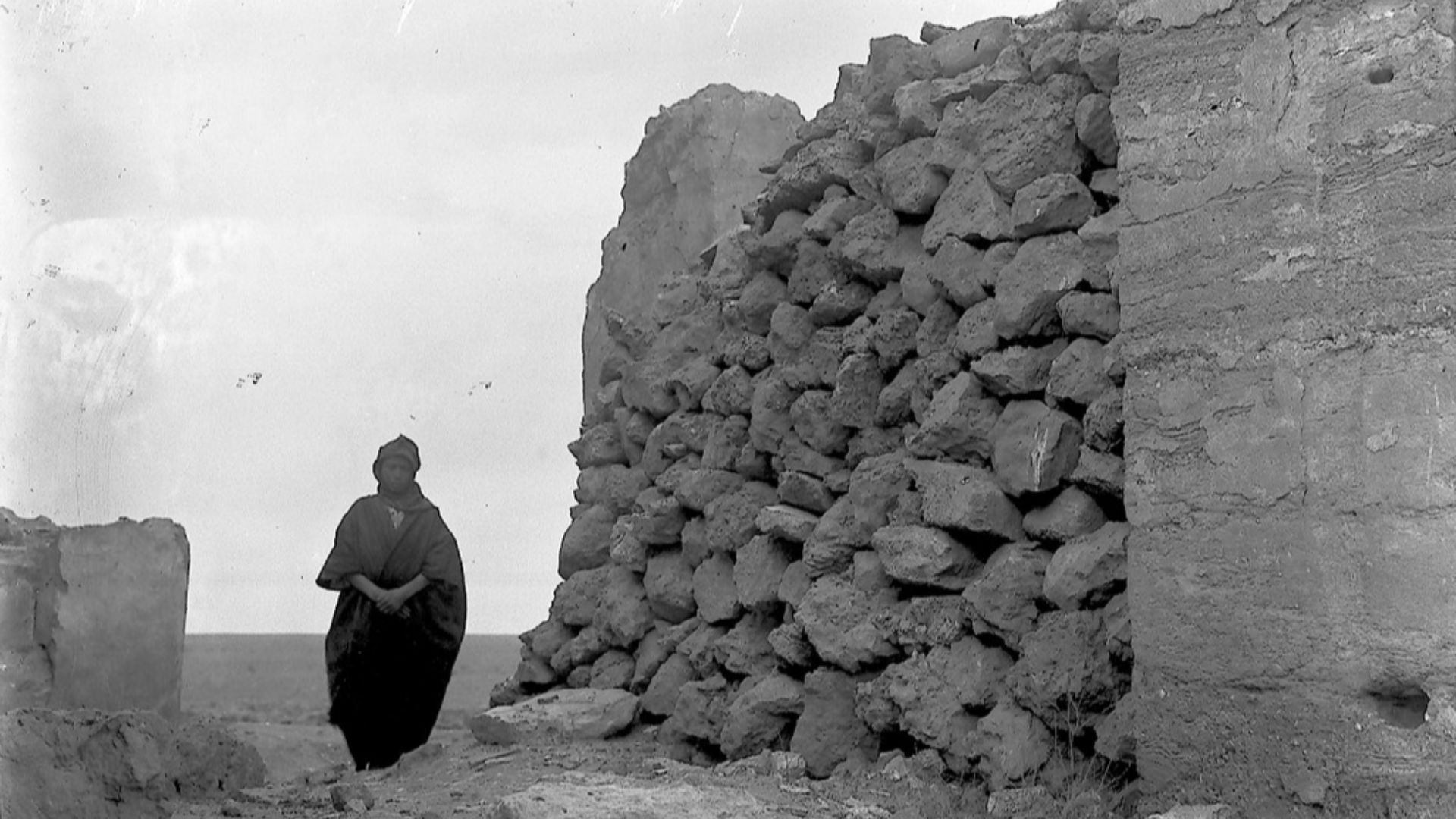
7. Dura-Europos, Syria
Dura-Europos stood above the Euphrates and prospered because several empires used it as a military post and trading settlement. The Sasanian army besieged and captured the Roman-controlled city around 256 CE. After the surviving population was displaced, the settlement was abandoned rather than reconstructed.
 Yale University Art Gallery (YUAG) on Wikimedia
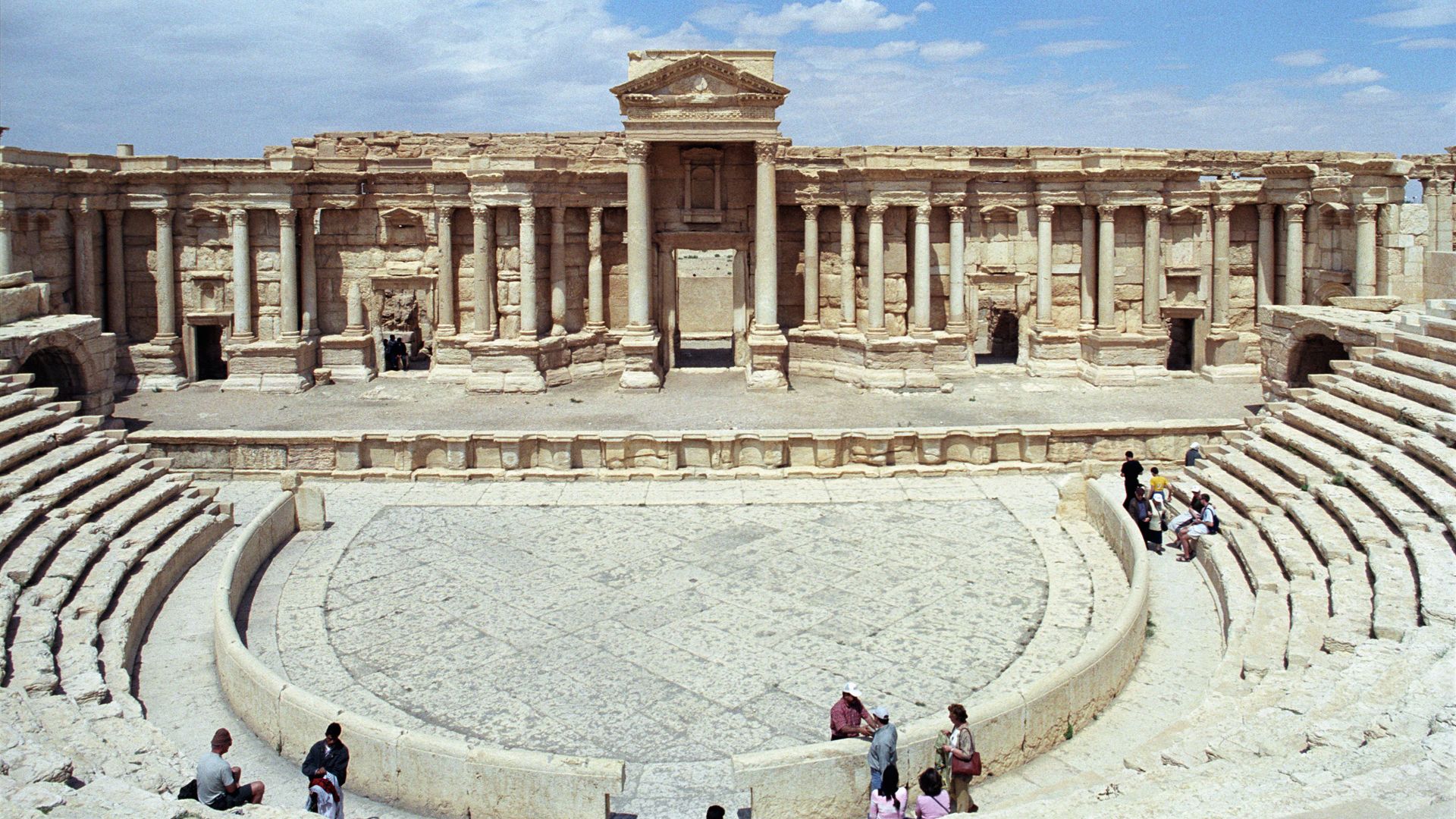
8. Palmyra, Syria
Palmyra became wealthy by serving caravans traveling between the Roman world, Mesopotamia, and regions farther east. Queen Zenobia briefly expanded its power across parts of the eastern Roman Empire, but Emperor Aurelian defeated her forces in 272 CE.
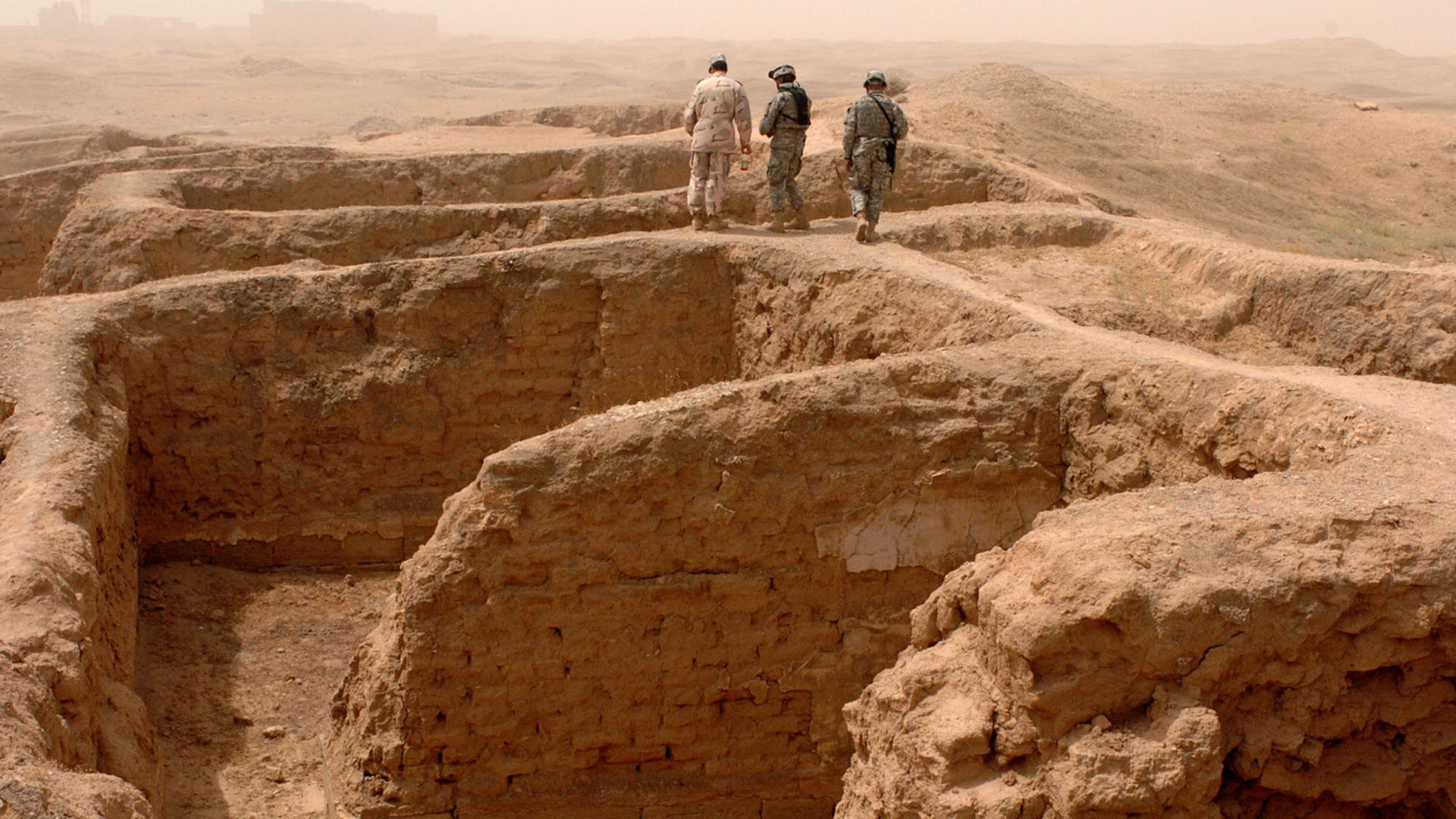
9. Hatra, Iraq
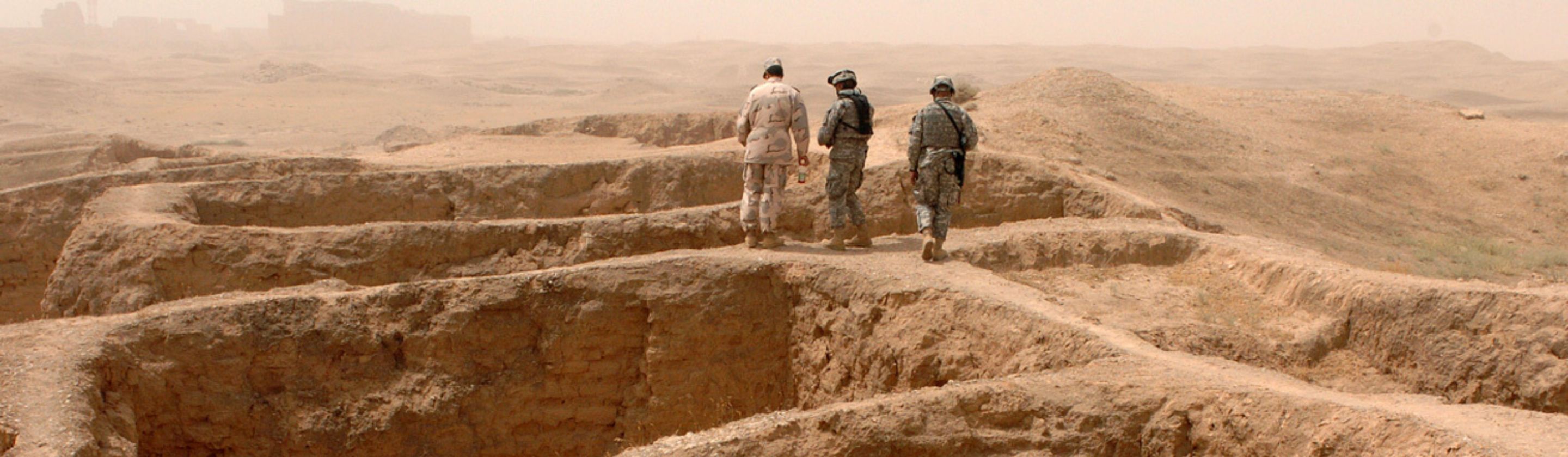
Hatra developed into a fortified religious and commercial center under Parthian influence during the first centuries BCE and CE. The Sasanian ruler Shapur I captured the city around 240 or 241 CE, after which Hatra was largely abandoned.
 101st Sustainment Brigade, 101st Airborne Division (AA) Public Affairs on Wikimedia
10. Sybaris, Italy
Sybaris was founded by Greek settlers in southern Italy during the eighth century BCE and became famous for fertile land and extensive trade. Its rivalry with neighboring Croton ended disastrously in 510 BCE, when Croton’s forces defeated the Sybarites and destroyed their city.
KEEP ON READING