A Look At America's Lost Wildlife
America's wildlife hasn't always looked the way it does today. Some animals that once filled forests, wetlands, grasslands, and even the skies in enormous numbers have completely disappeared, while others vanished from particular regions after once being familiar sights. Hunting, habitat loss, introduced species, disease, and other human-driven changes played different roles in these disappearances.
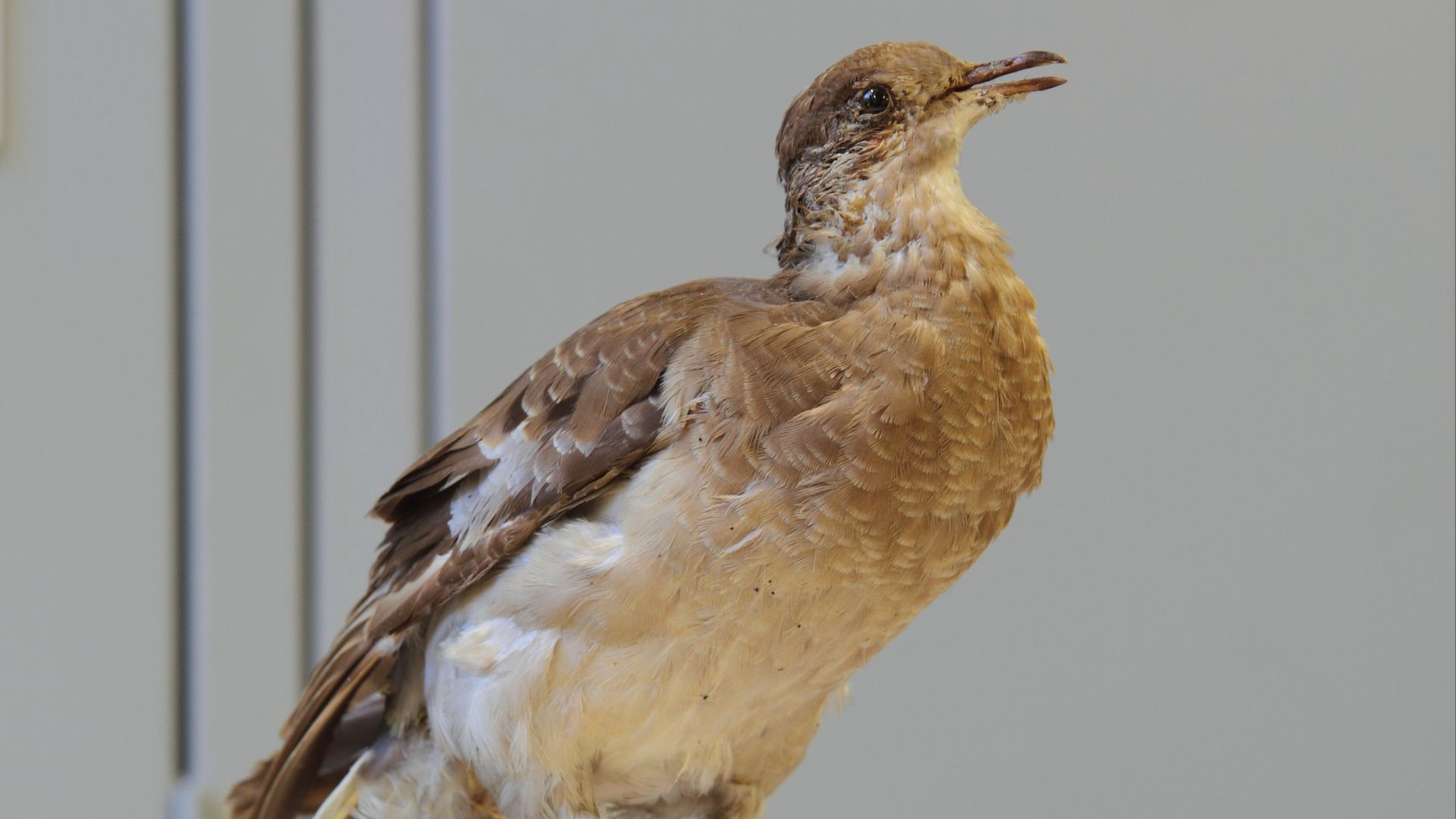
1. Passenger Pigeon
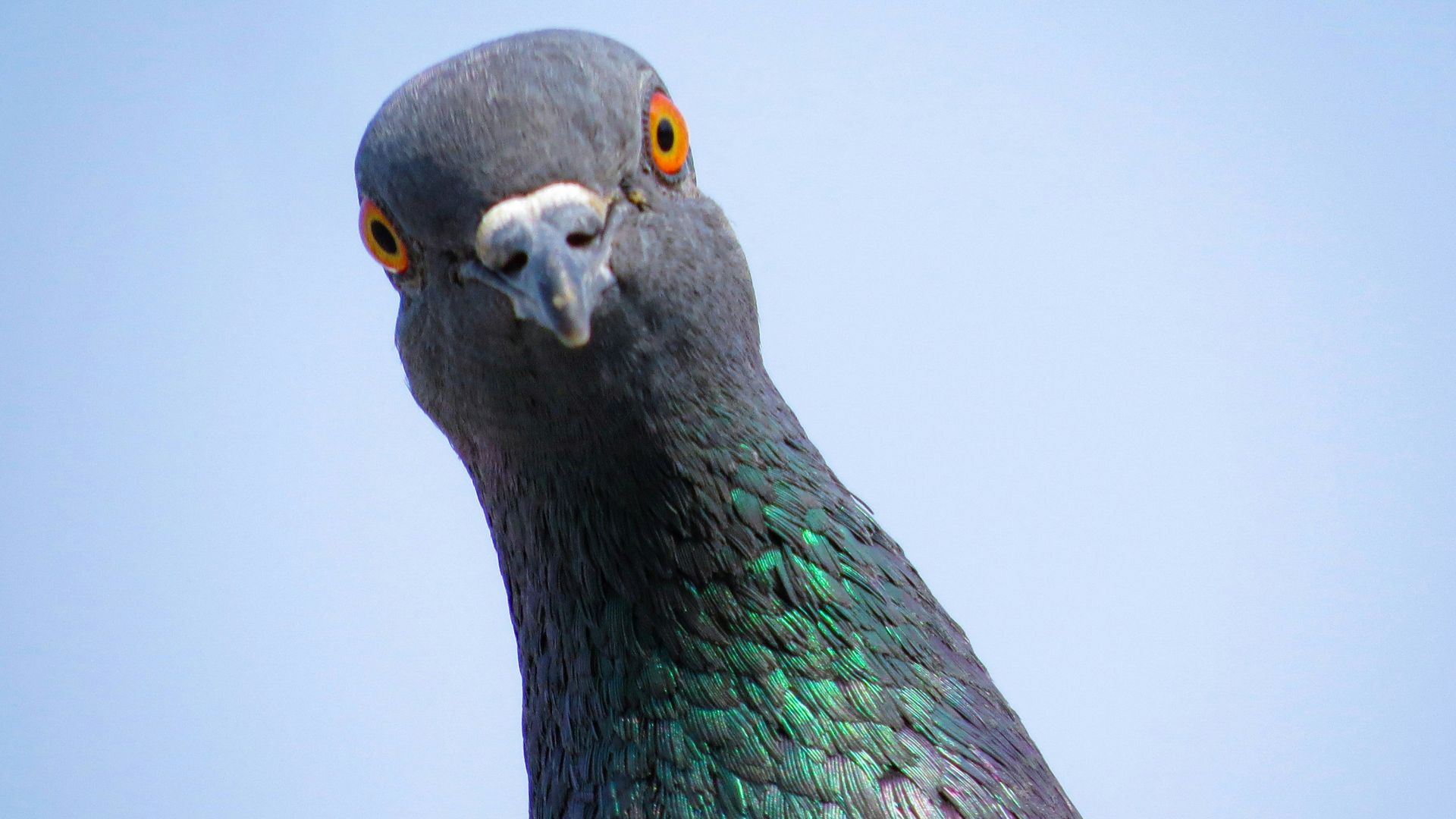
There were estimated to be 3-5 billion Passenger Pigeons roaming around at one point in time. Millions of birds could fly over the eastern U.S. at a time. Humans hunted these birds to near extinction, and in 1914, the last Passenger Pigeon died at the Cincinnati Zoo and was known as Martha.
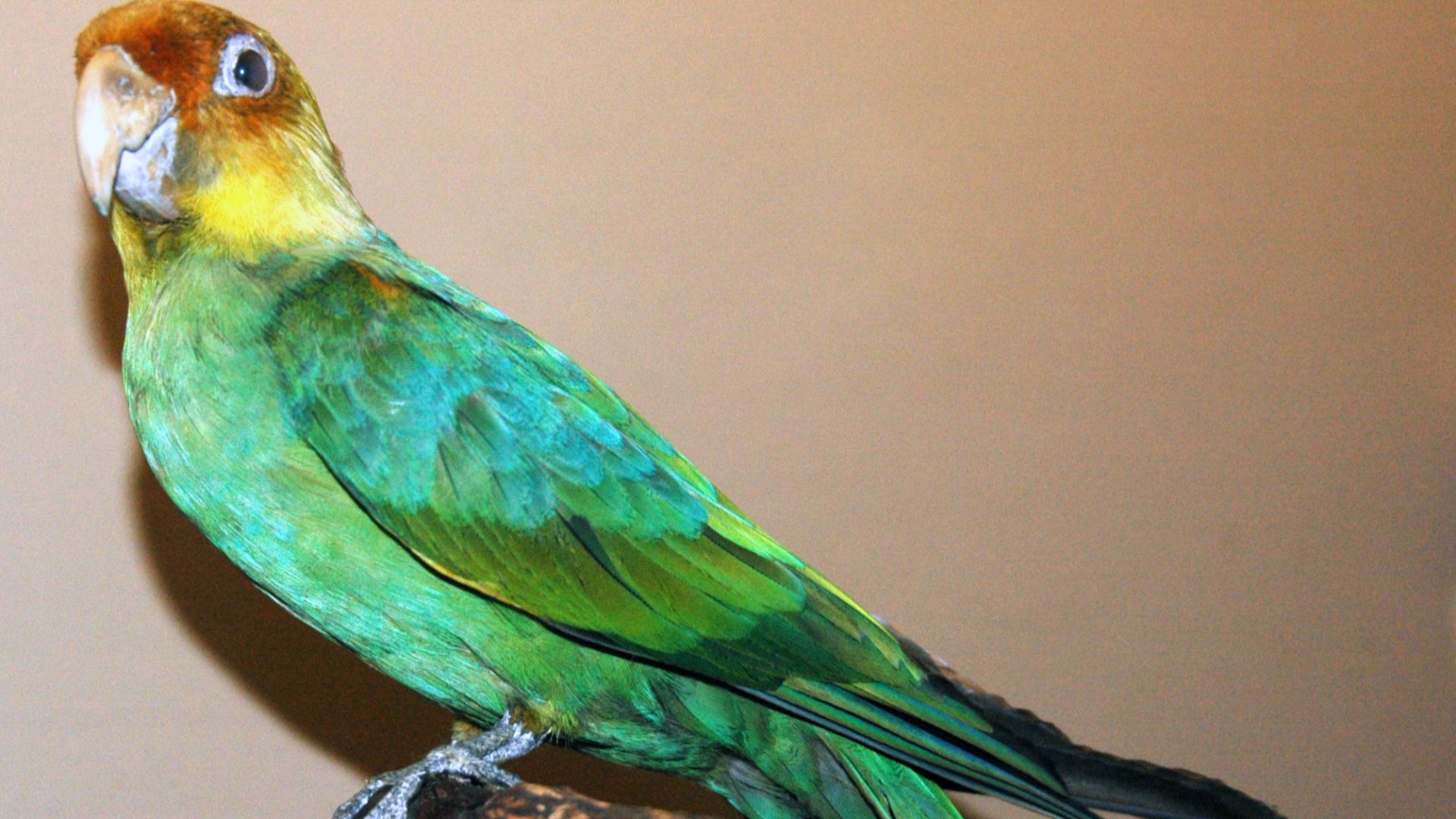
2. Carolina Parakeet
This was the only parrot that could be found in the eastern U.S. There used to be thousands of these birds roaming around the East and middle of the United States. Hunting, habitat destruction, and other pressures contributed to its disappearance, with the last confirmed individual dying in captivity in 1918, according to modern accounts.
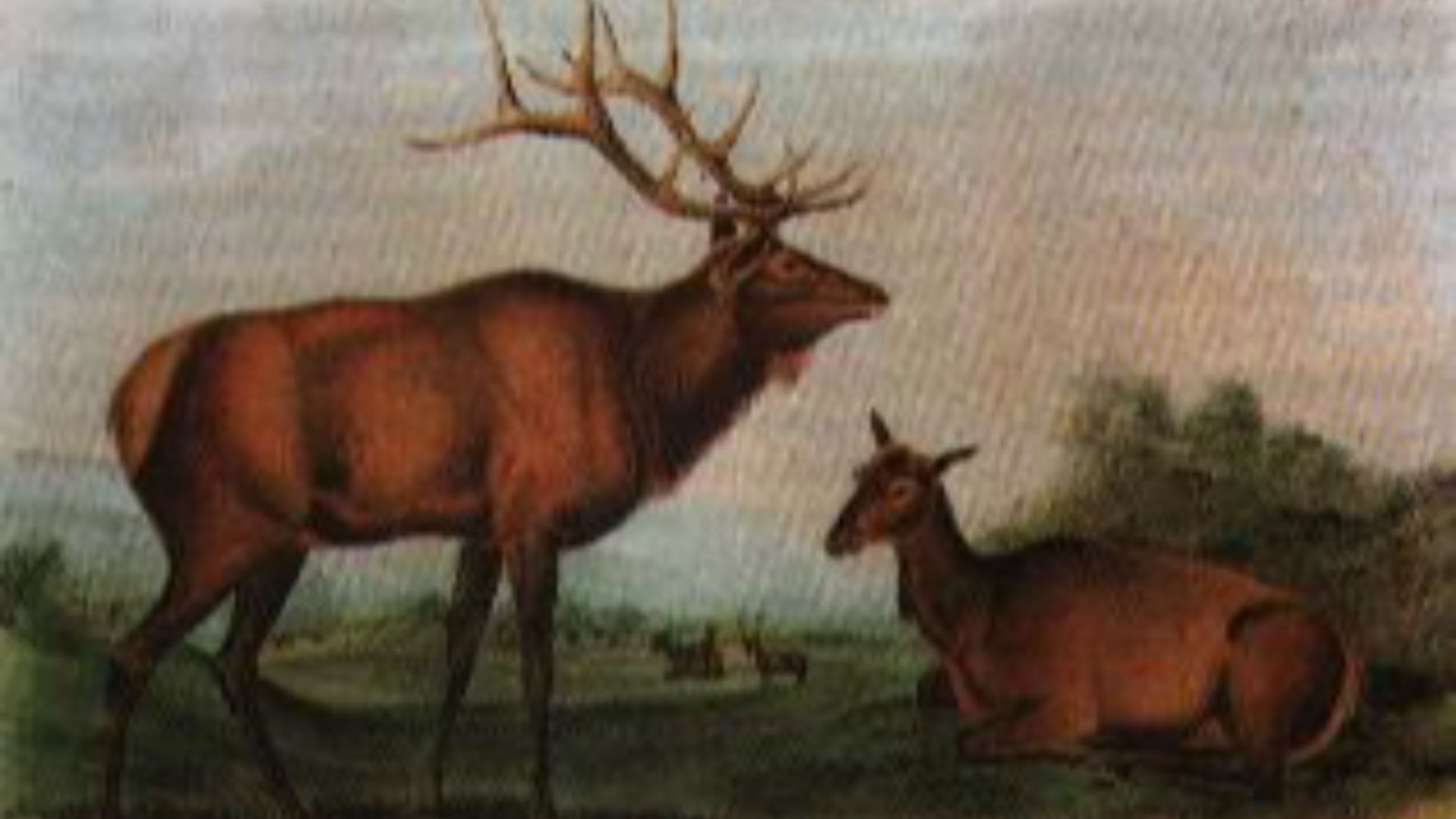
3. Eastern Elk
There were once many herds of Eastern Elk roaming around the eastern half of the United States. Much like the Passenger Pigeon, humans destroyed their habitat. The Eastern Elk were similar to the elk we see in the Western U.S. today. Sometime in the early 1800s, the last Eastern Elk died.
 John James Audubon on Wikimedia
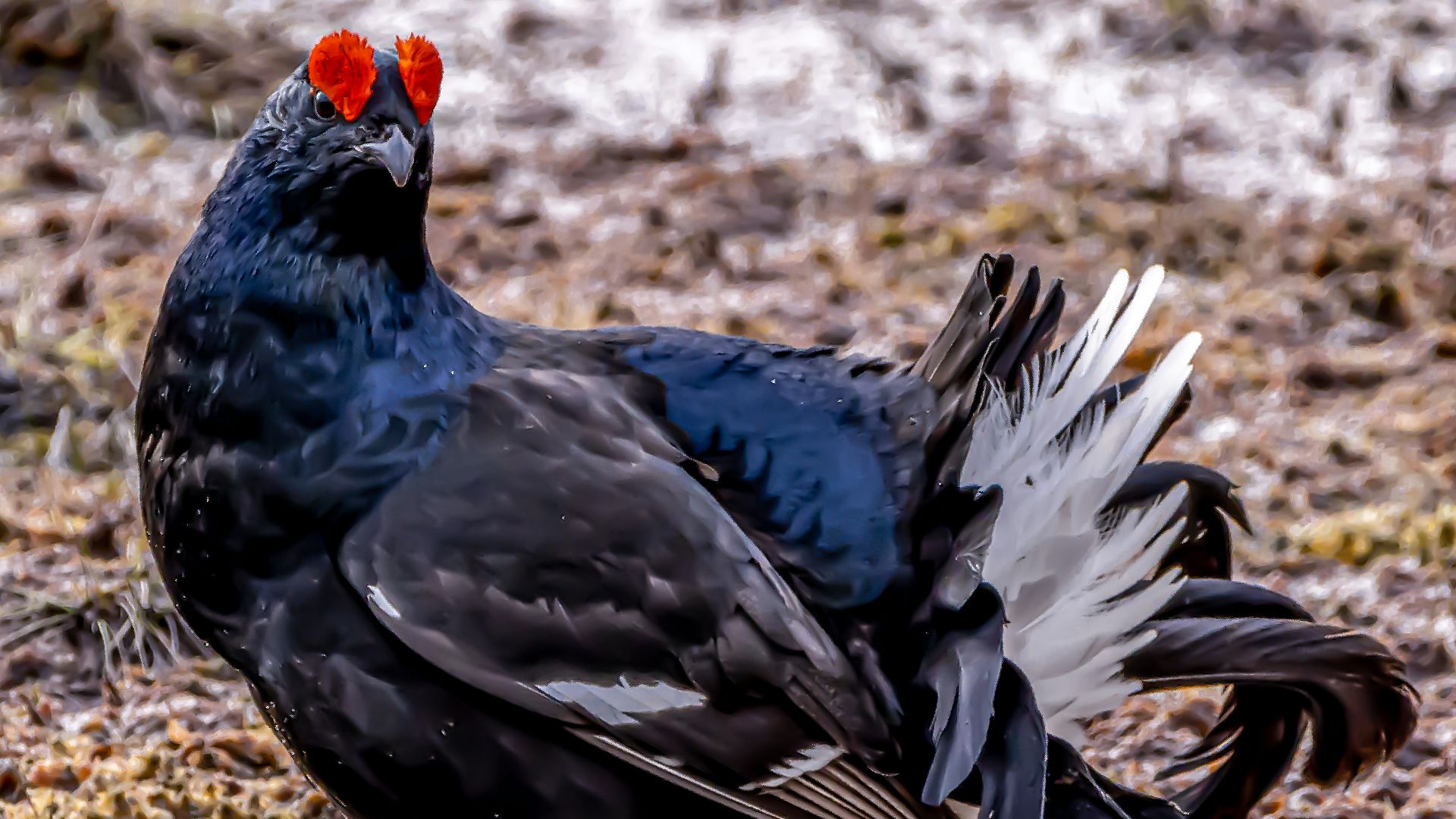
4. Heath Hen
The heath hen was once widespread across parts of the northeastern United States, including areas where large populations of people now live. Its numbers fell sharply because of hunting, habitat changes, and other pressures, leaving a small population on Martha's Vineyard. The last known heath hen, a male nicknamed Booming Ben, died in 1932, ending the subspecies.
5. Labrador Duck
Found along the North Atlantic, the Labrador Duck could be seen around Northeastern North America. While not as common as the Passenger Pigeon, they could be found in high numbers. The species disappeared during the 19th century, with competition for food and other human-related pressures contributing to its decline.
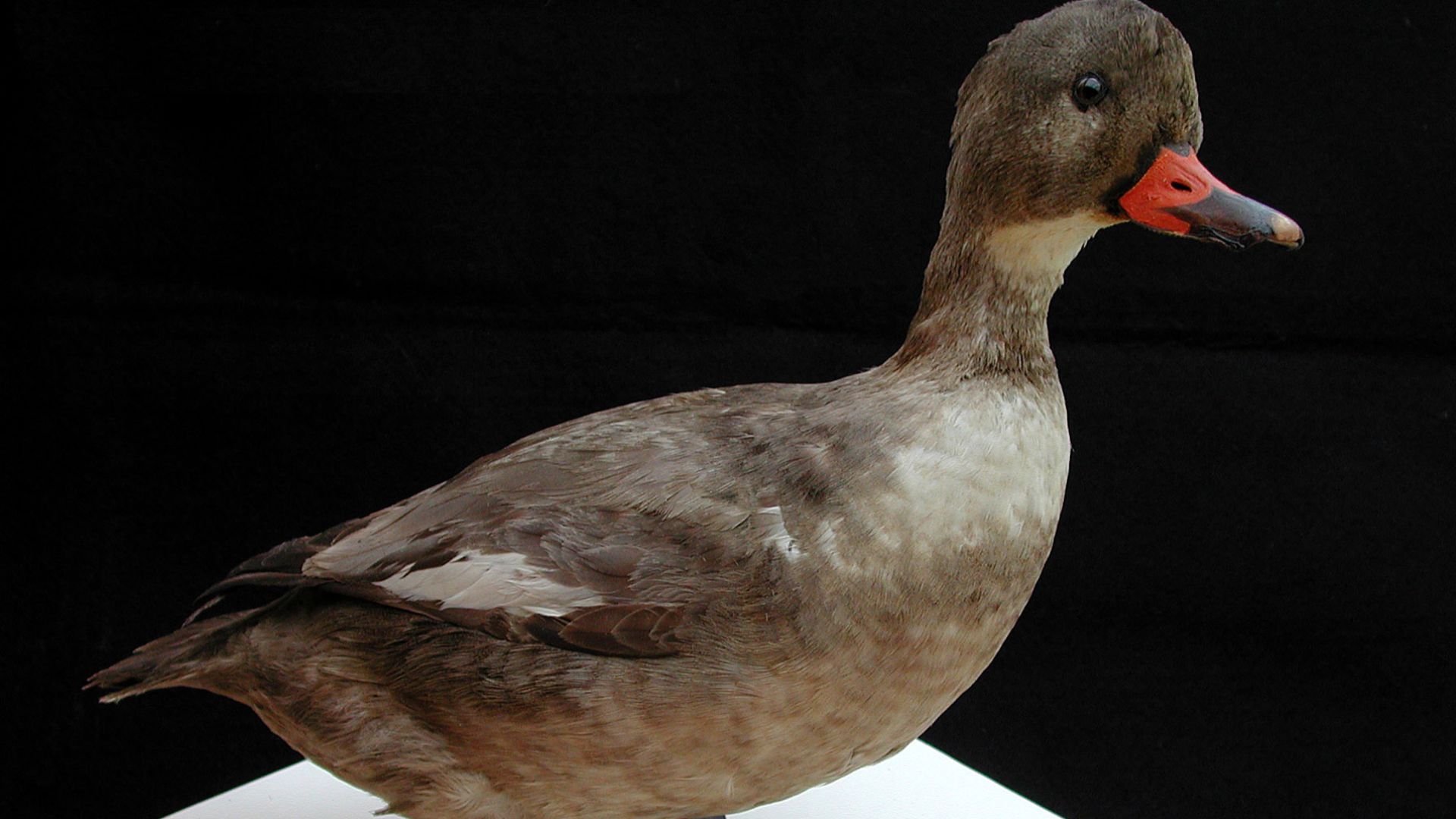 Smithsonian National Museum of Natural History - Vertebrate Zoology - Birds Division on Wikimedia
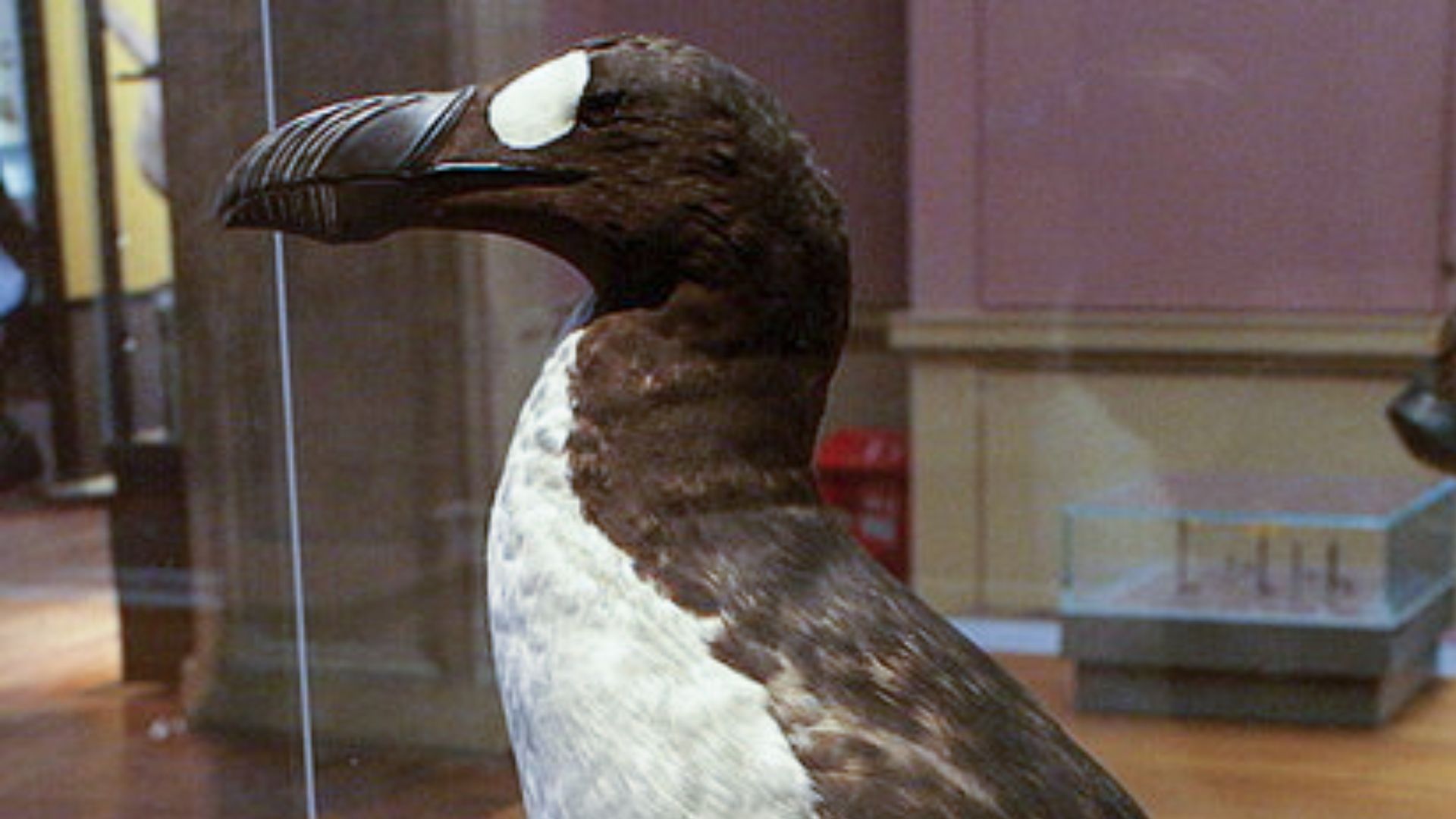
6. Great Auk
This bird could be found in many parts of the North Atlantic Ocean. They could swim very fast, but once man got to them, they had no chance of survival. The last confirmed pair was killed in Iceland in 1844, bringing an end to a species that had once been part of the North Atlantic ecosystem.
7. Rocky Mountain Locust
The Rocky Mountain locust might sound like an unlikely candidate for an extinction list, especially because grasshoppers and locusts are hardly difficult to find today. The Rocky Mountain locust once covered huge areas of the Western U.S. and was a big problem for farmers. After they destroyed most of their habitat, they went extinct.
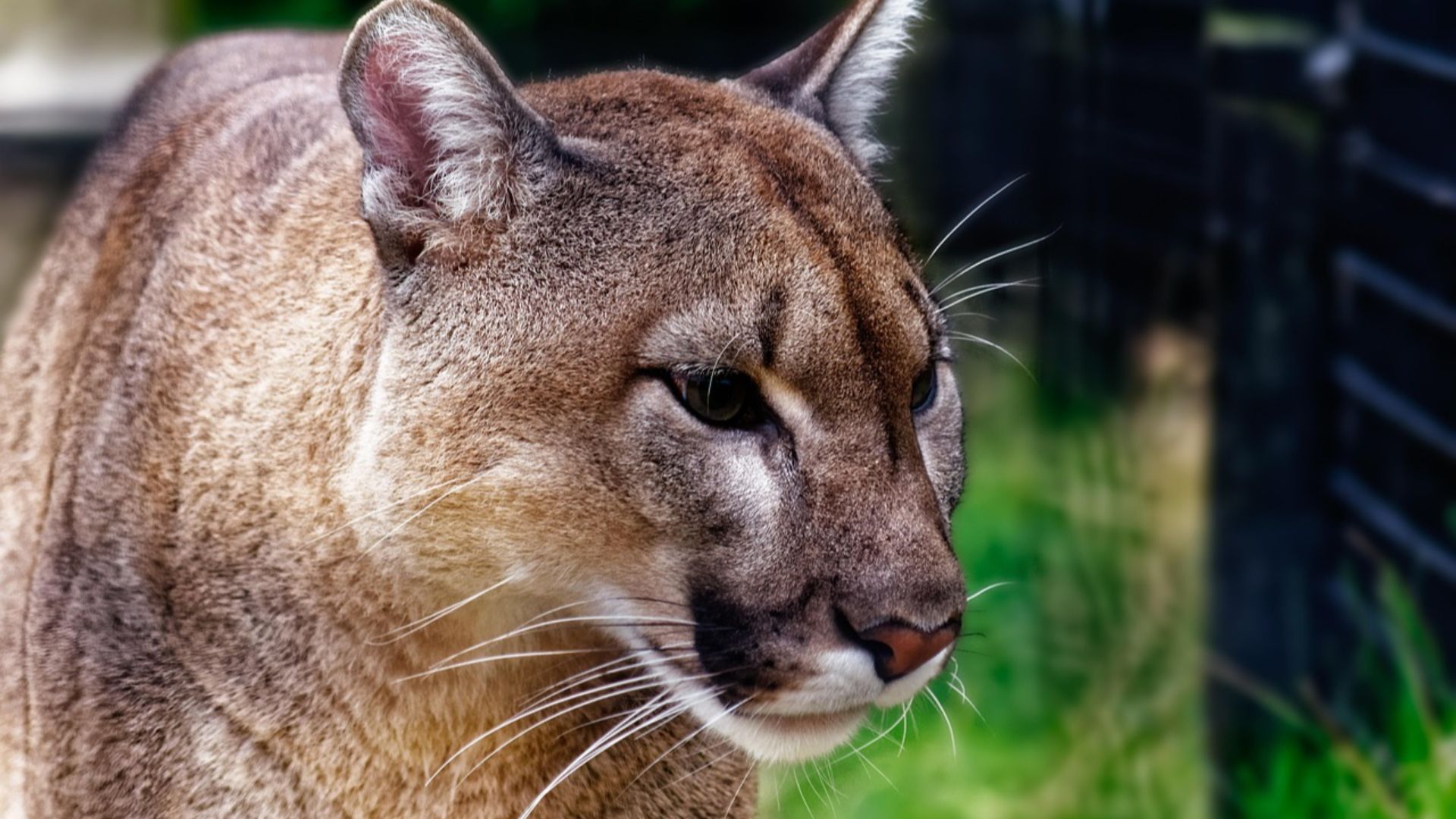
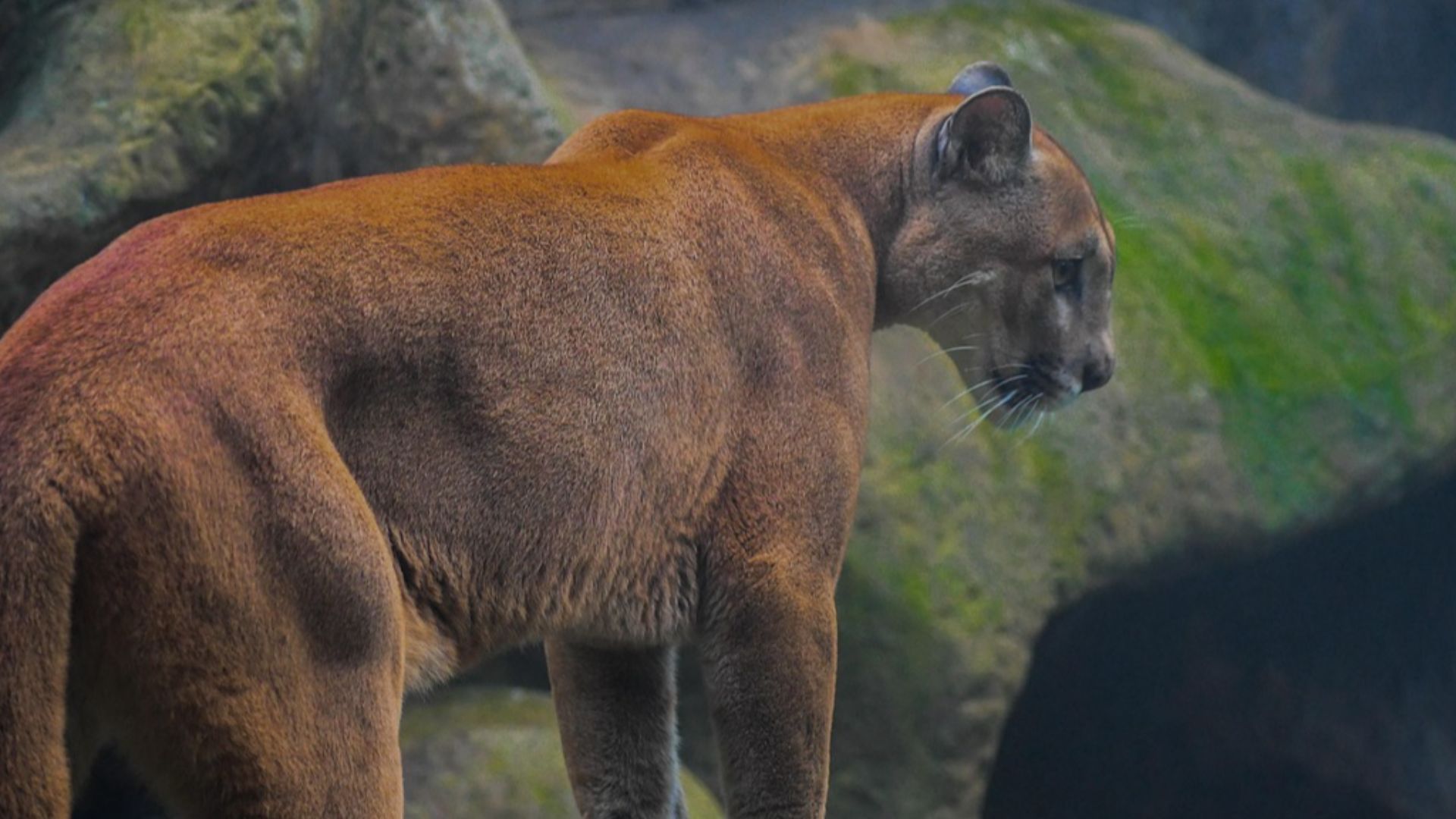
8. Eastern Cougar
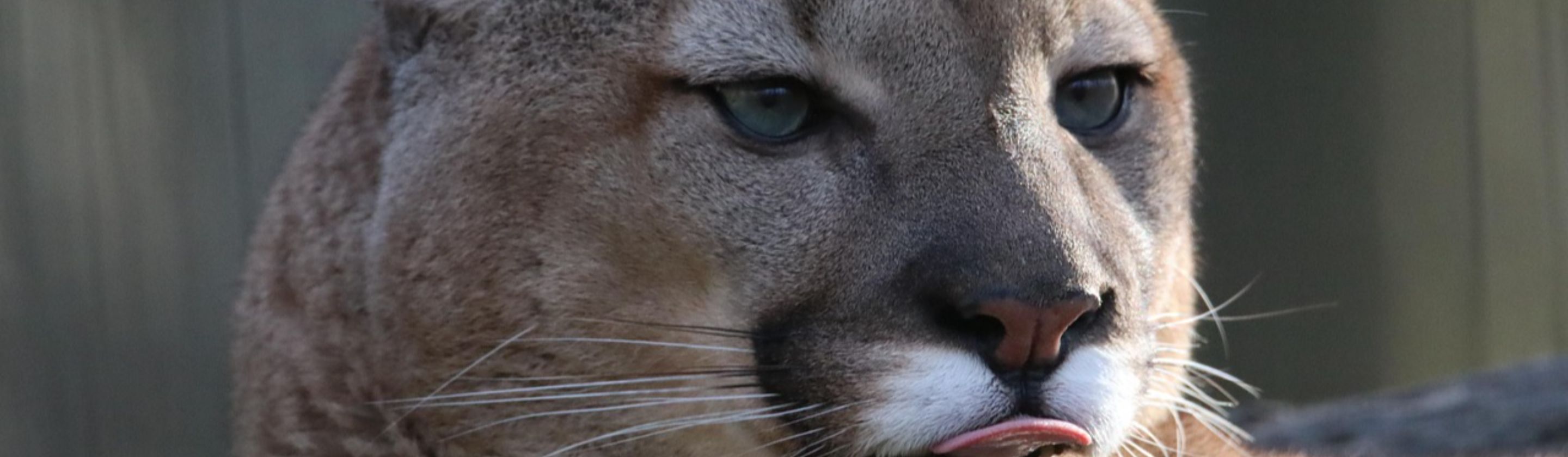
The Eastern Cougar once roamed the Eastern United States. As more people began to settle in the East, the number of cougars began to decline. They were persecuted so heavily that they were taken off the endangered species list because there aren't any Eastern Cougars that are left.
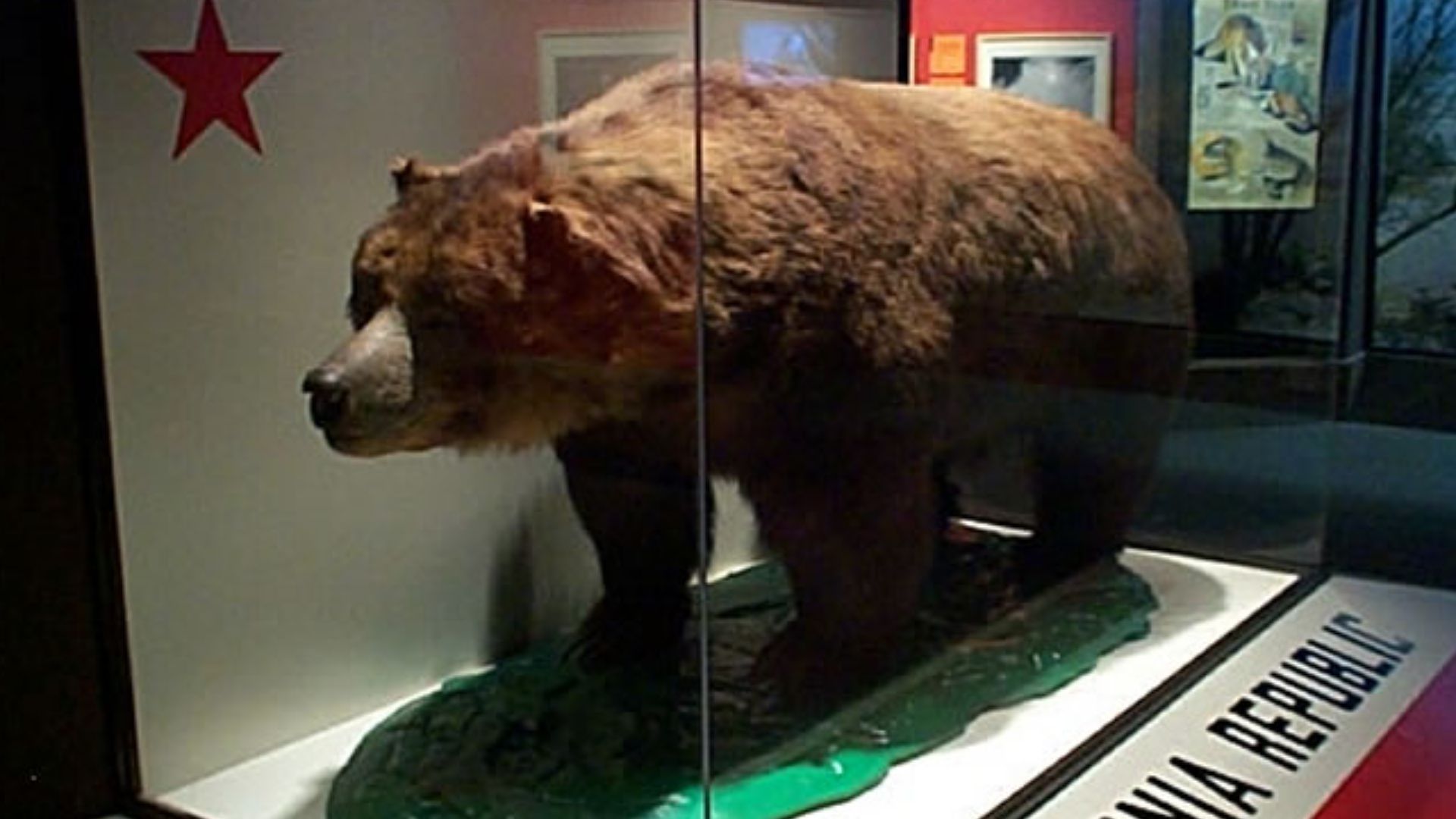
9. California Grizzly Bear
California used to be home to many grizzly bears. They became a threat to people who started to settle in California. The last known California grizzly was killed in 1922, although other grizzly bear populations still survive elsewhere in North America.
 Payton from chicago, usa on Wikimedia
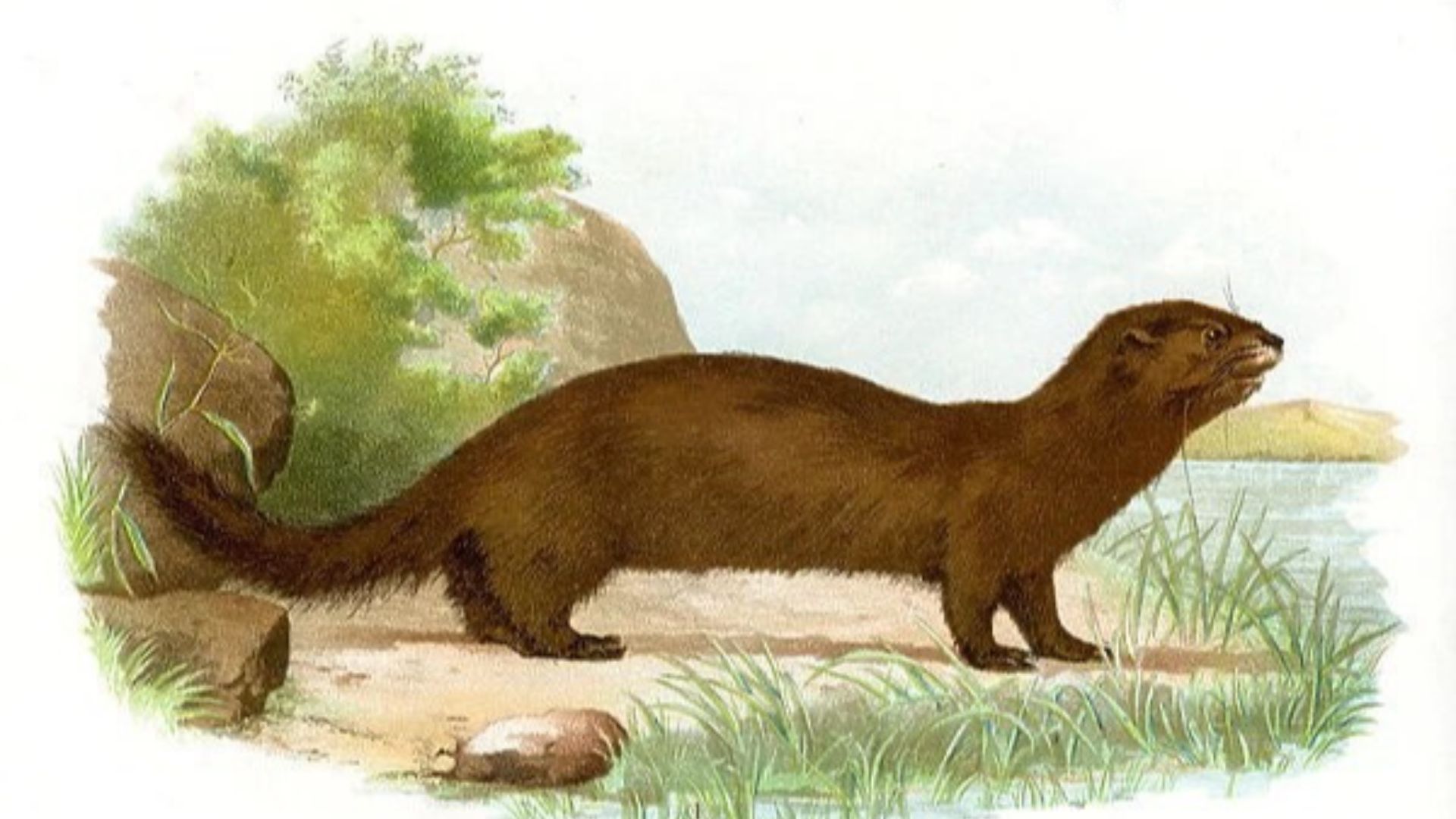
10. Sea Mink
These mammals were found along the rocky shores of Northeastern North America. They were bigger than their cousin, the American mink, and were hunted for their fur. Too many people hunted them, and they went extinct by the late 1800s.
 Unknown authorUnknown author on Wikimedia
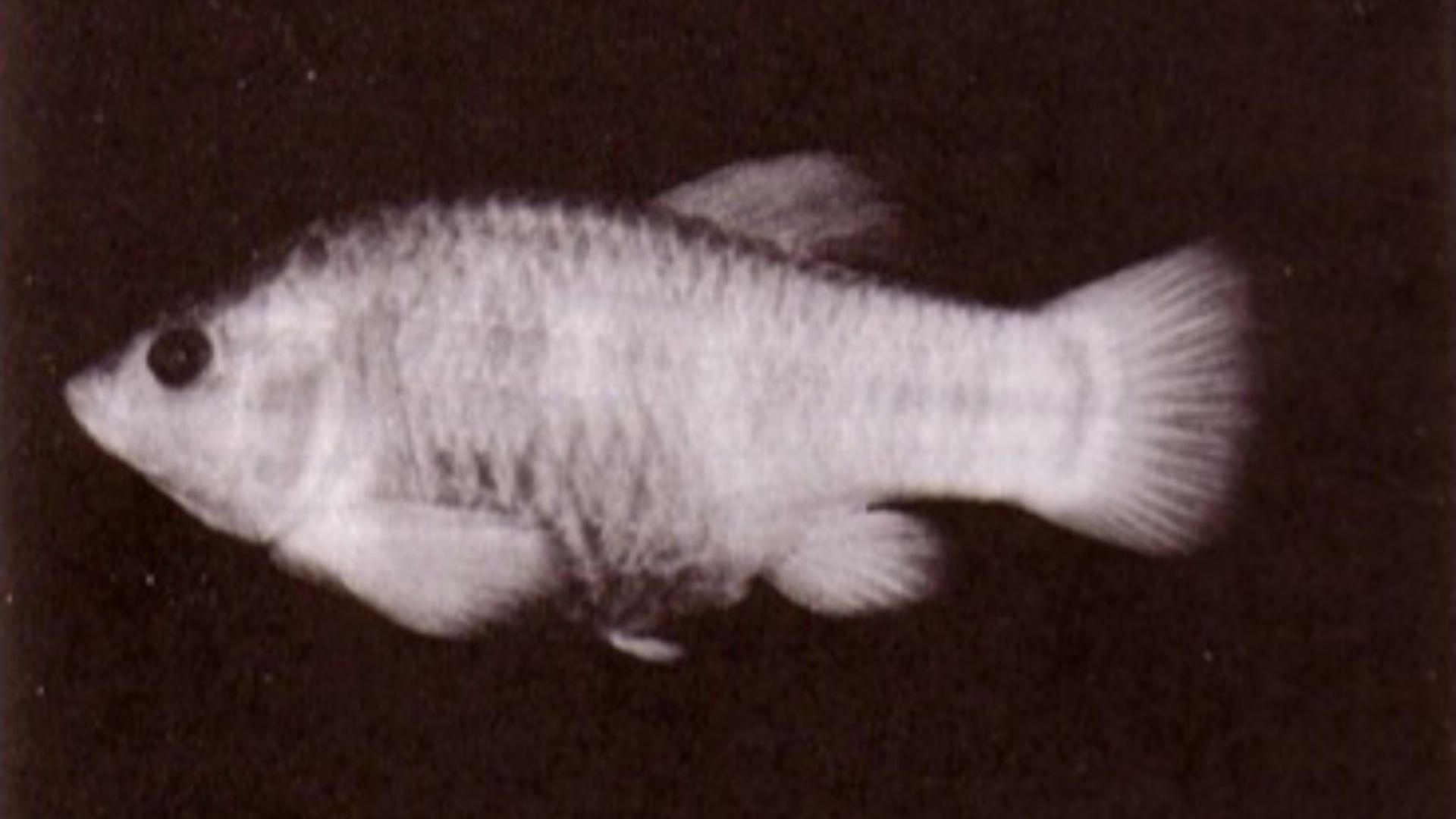
11. Tecopa Pupfish
This tiny fish lived in California's Mojave Desert. They could live in the warm springs around Tecopa due to their unique lifestyle. The springs they lived in were modified, and invasive fish were brought in, which led to their extinction in the 1980s.
 E. Theriot / U.S. Fish and Wildlife Service on Wikimedia
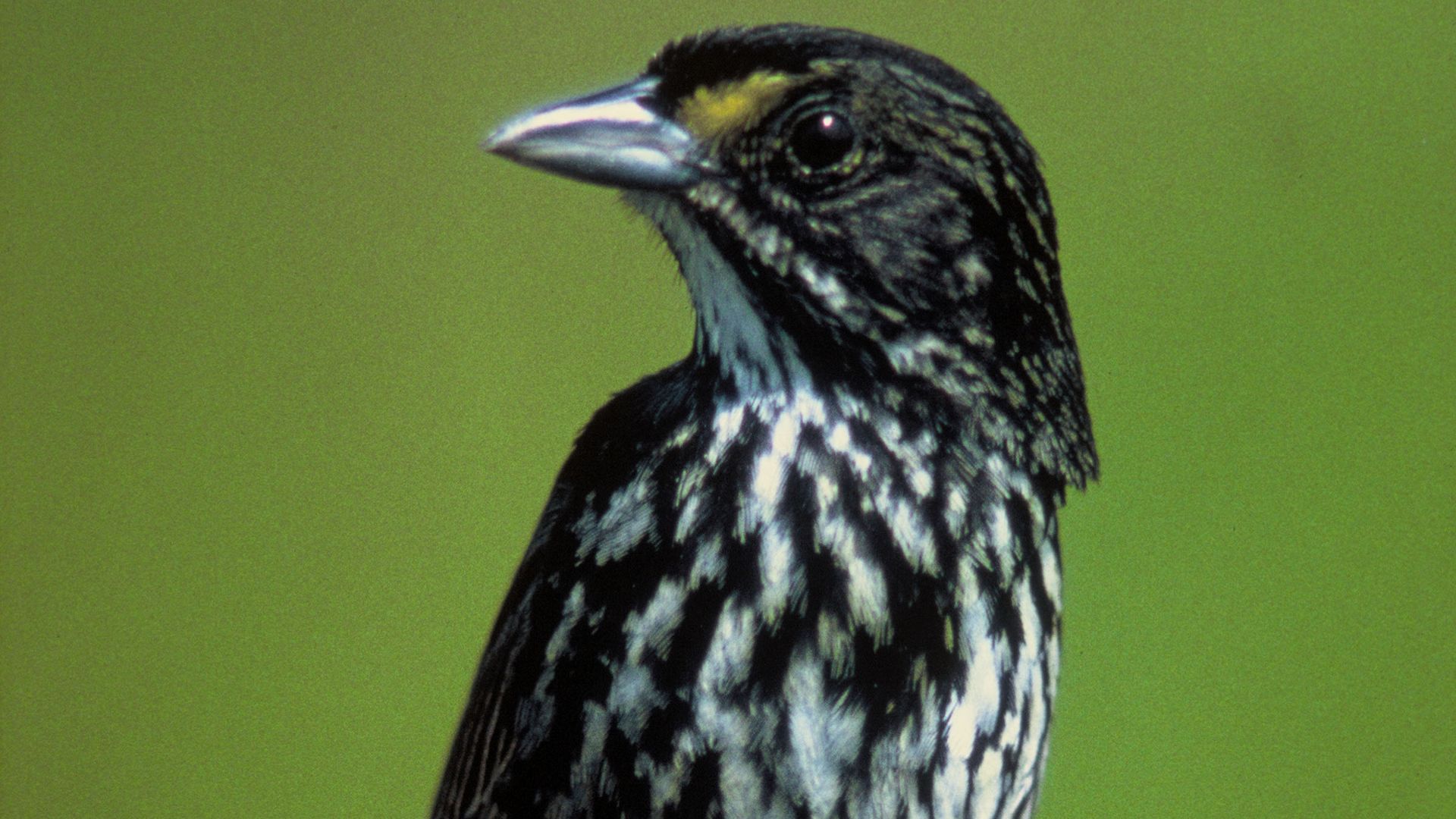
12. Dusky Seaside Sparrow
These birds lived in Florida and could only be found in the marshes. Due to people developing their habitat, they started to decline in population. The last male died in captivity in 1987 and was called Orange Band.
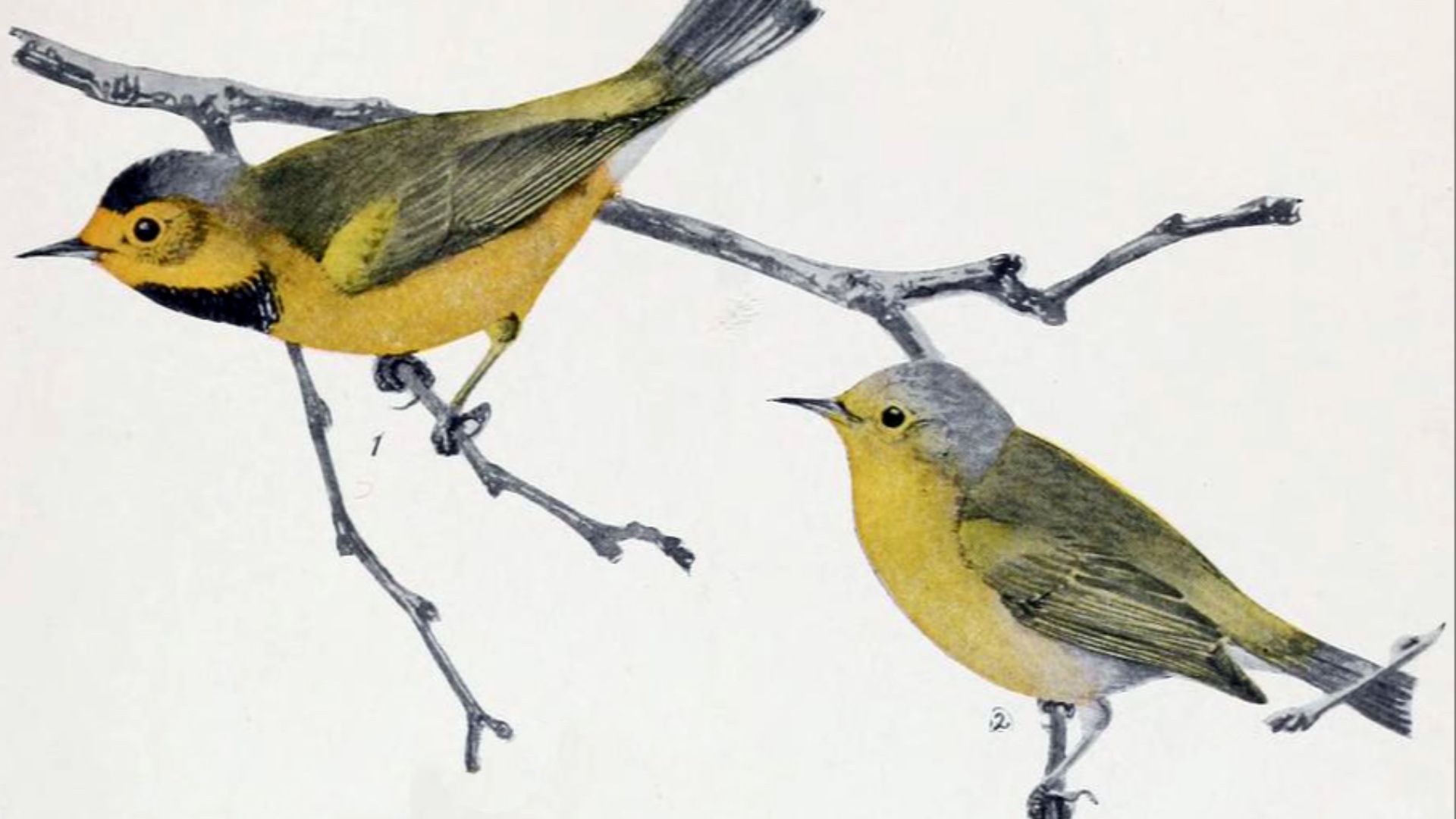
13. Bachman's Warbler
Once a bird that was common in the Southeastern U.S. This bird has become so hard to find that we believe they are now extinct. The species hasn't had a confirmed sighting in decades and is widely regarded as extinct, although its exact extinction date remains uncertain.
 Louis Agassiz Fuertes on Wikimedia
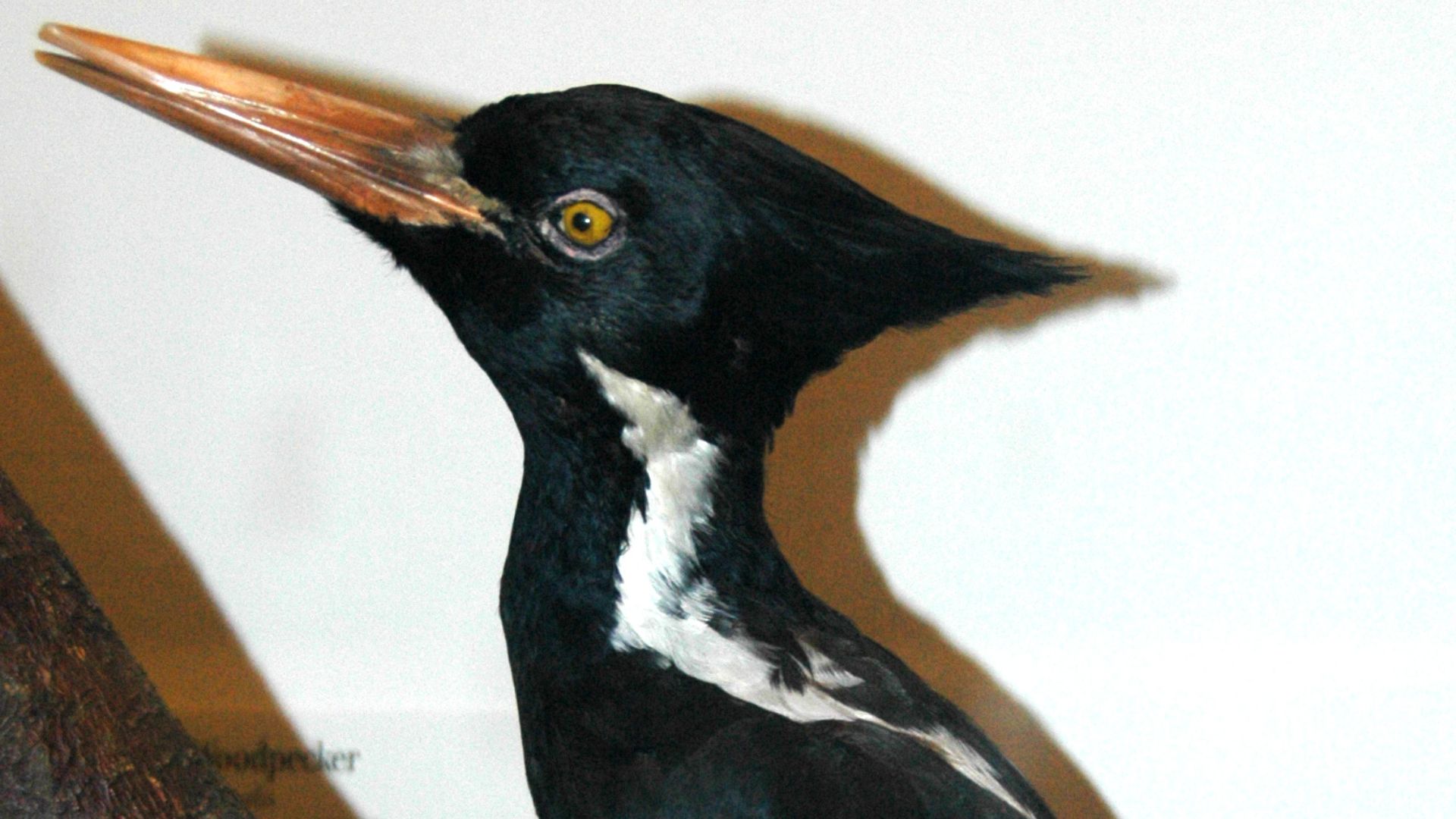
14. Ivory-Billed Woodpecker
This was once one of the biggest woodpeckers you could find in North America. Humans hunted and destroyed their habitat, which led to them going extinct. There have been occasional reported sightings since the last generally accepted records, but extensive searches haven't produced definitive evidence of a surviving population.
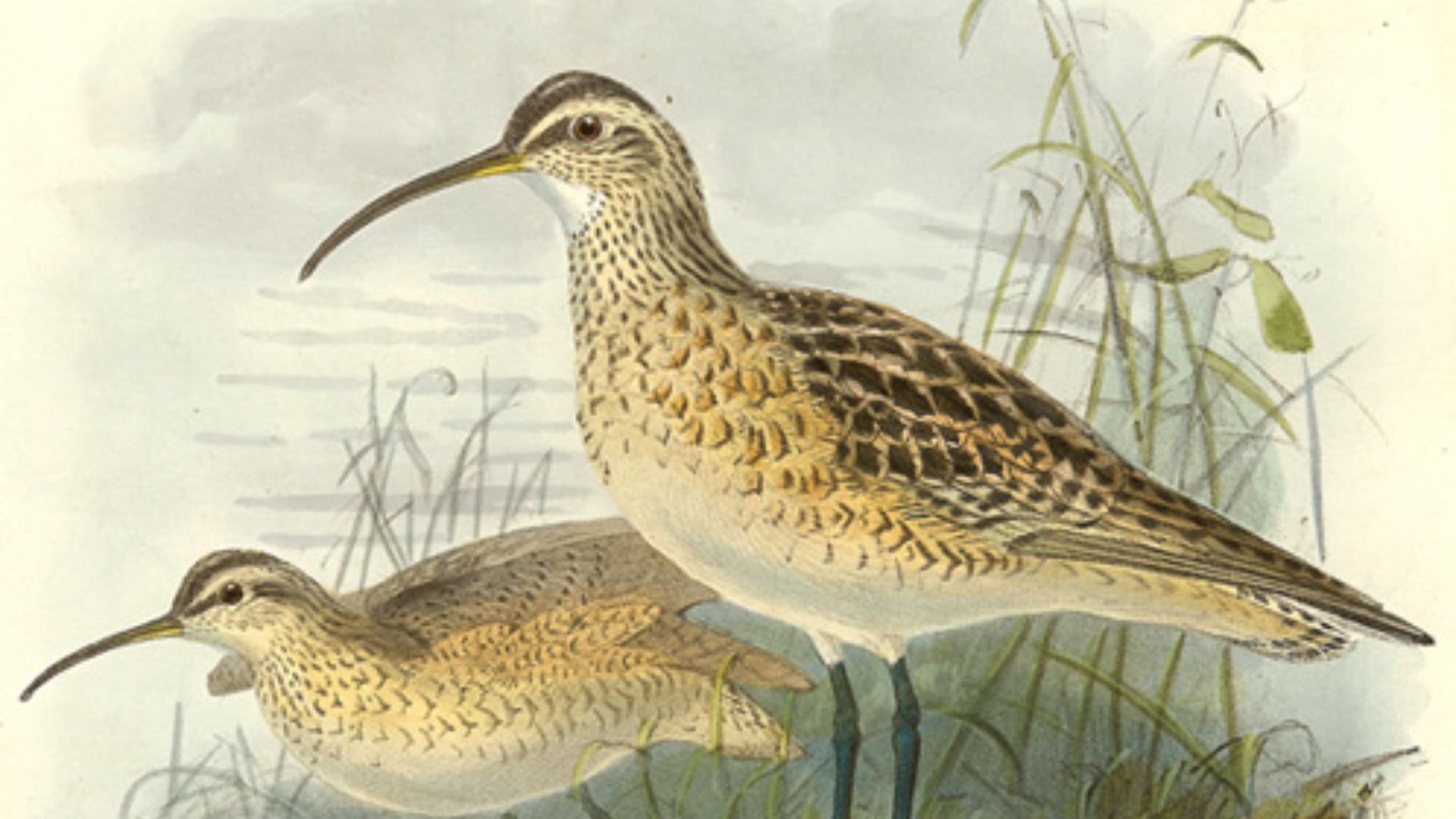
15. Eskimo Curlew
These birds once migrated across most of North America, traveling between Arctic breeding grounds and wintering areas farther south. Historical accounts describe flocks containing huge numbers of birds, making its later disappearance particularly striking. Hunting and habitat changes caused a severe population collapse, and although a few possible sightings have been reported, the species is generally considered likely extinct.
 Henry Eeles Dresser on Wikimedia
16. Kauai ʻŌʻō
The Kauai ʻōʻō was a small Hawaiian bird with a distinctive appearance and behavior. It lived in the forests of Kauai, where it fed on nectar and insects and played a role in the island's forest ecosystem. The species disappeared after habitat loss, introduced predators, disease, and other pressures affected Hawaii's native wildlife, with the last confirmed sighting occurring in 1985.
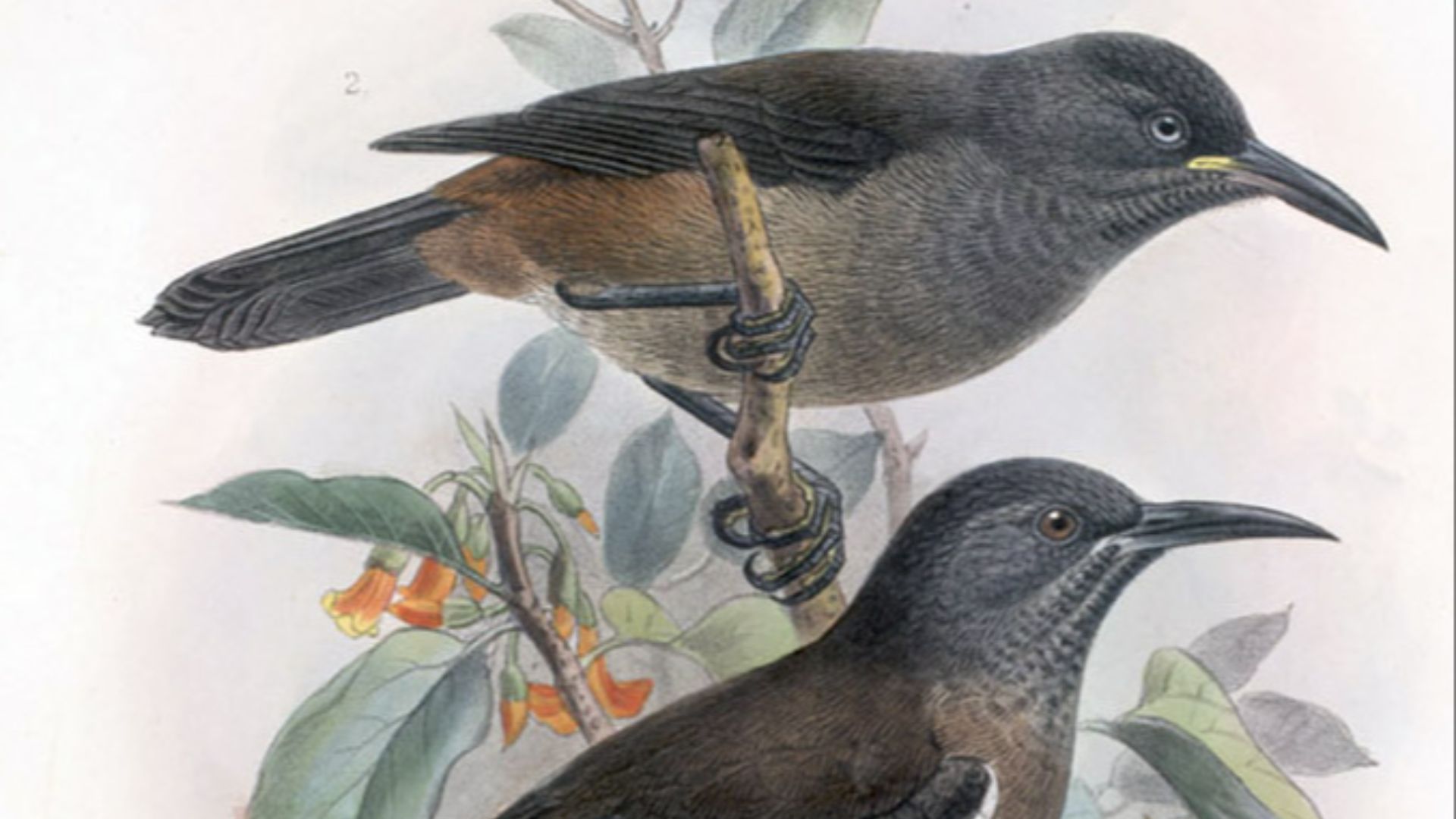 John Gerrard Keulemans on Wikimedia
17. Kauai ʻAkialoa
The ʻAkialoa was only found on the Hawaiian island of Kauai. Its unusual bill was adapted to feeding in the island's native forests, making it highly specialized for its environment. Habitat changes, introduced species, and diseases affecting Hawaiian birds contributed to its disappearance, and it hasn't been confirmed alive in decades.
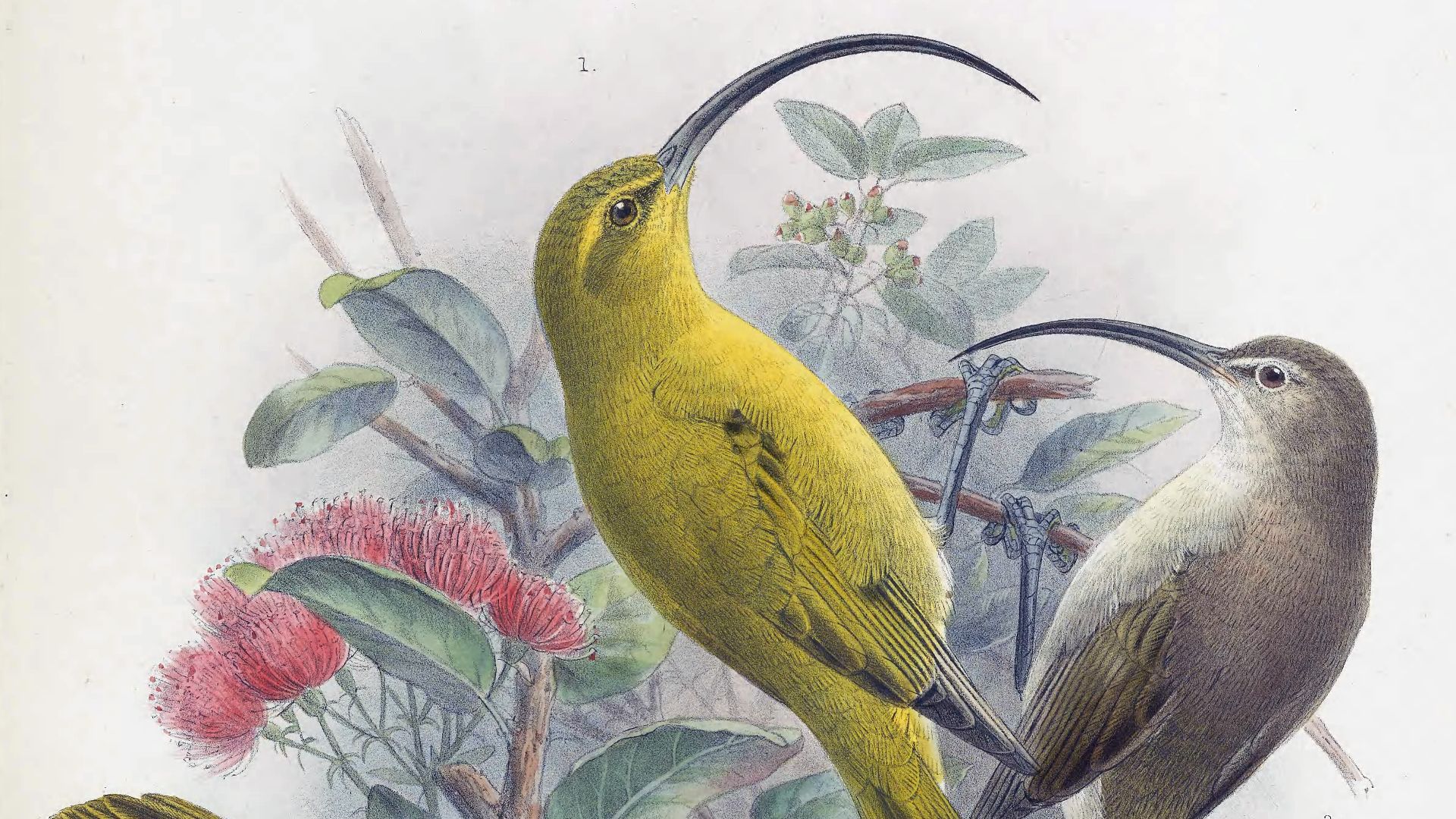 Artist/Künstler: John Gerrard Keulemans (1842-1912) on Wikimedia
18. Poʻouli
Another Hawaiian bird that went extinct. When this bird was discovered by scientists, they were unable to find enough birds to create a breeding population. The last known individual disappeared in 2004, and the species is now considered extinct.
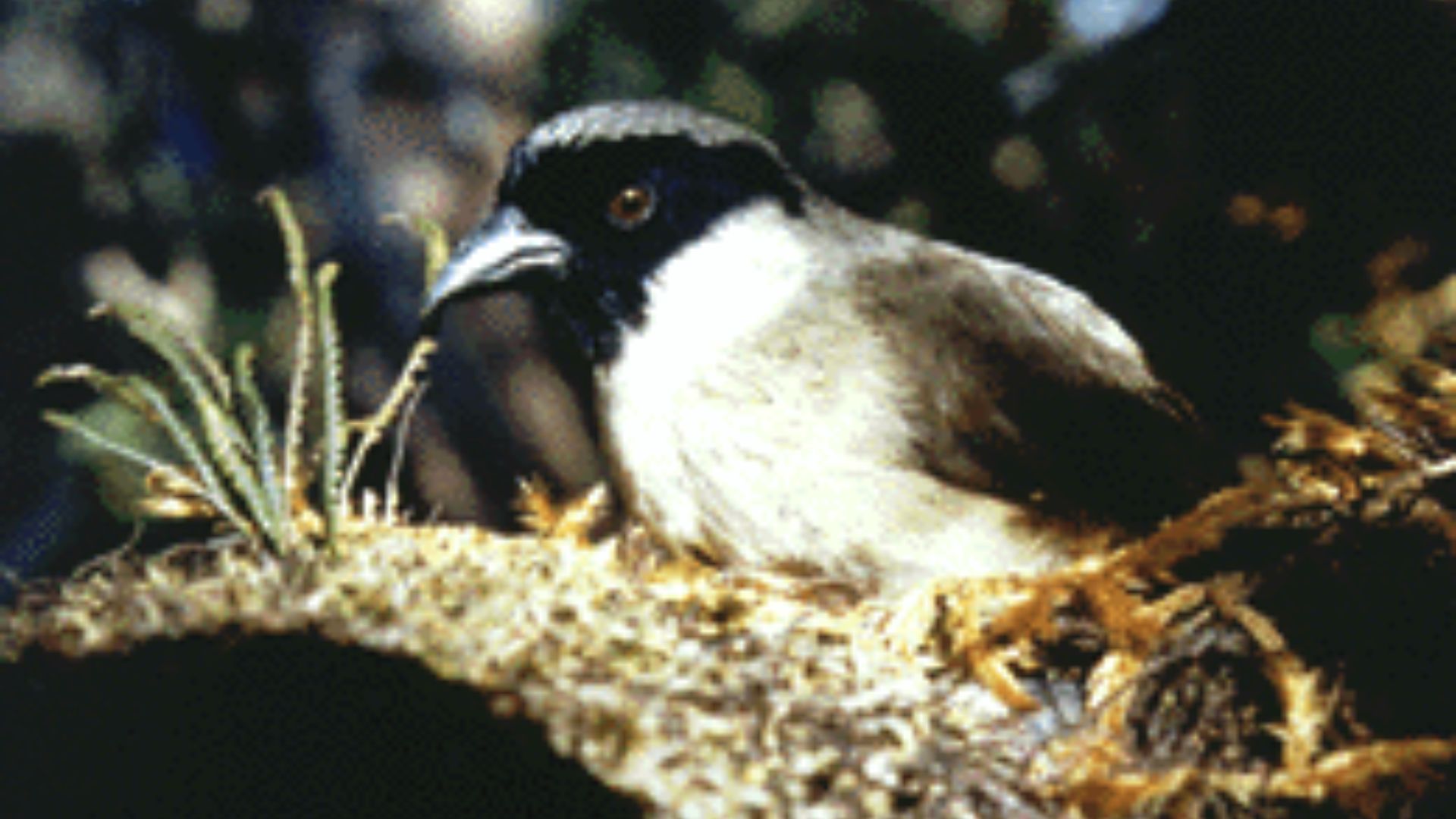 Paul E. Baker, U.S. Fish and Wildlife Service on Wikimedia
19. Hawaiian Crow
This bird once could be found on the Hawaiian island of Hawaii. There is no longer a wild population on the island. The birds are now kept in captivity while people are trying to get them back into the wild. So this bird isn't totally extinct, but you won't see them in Hawaii anymore.
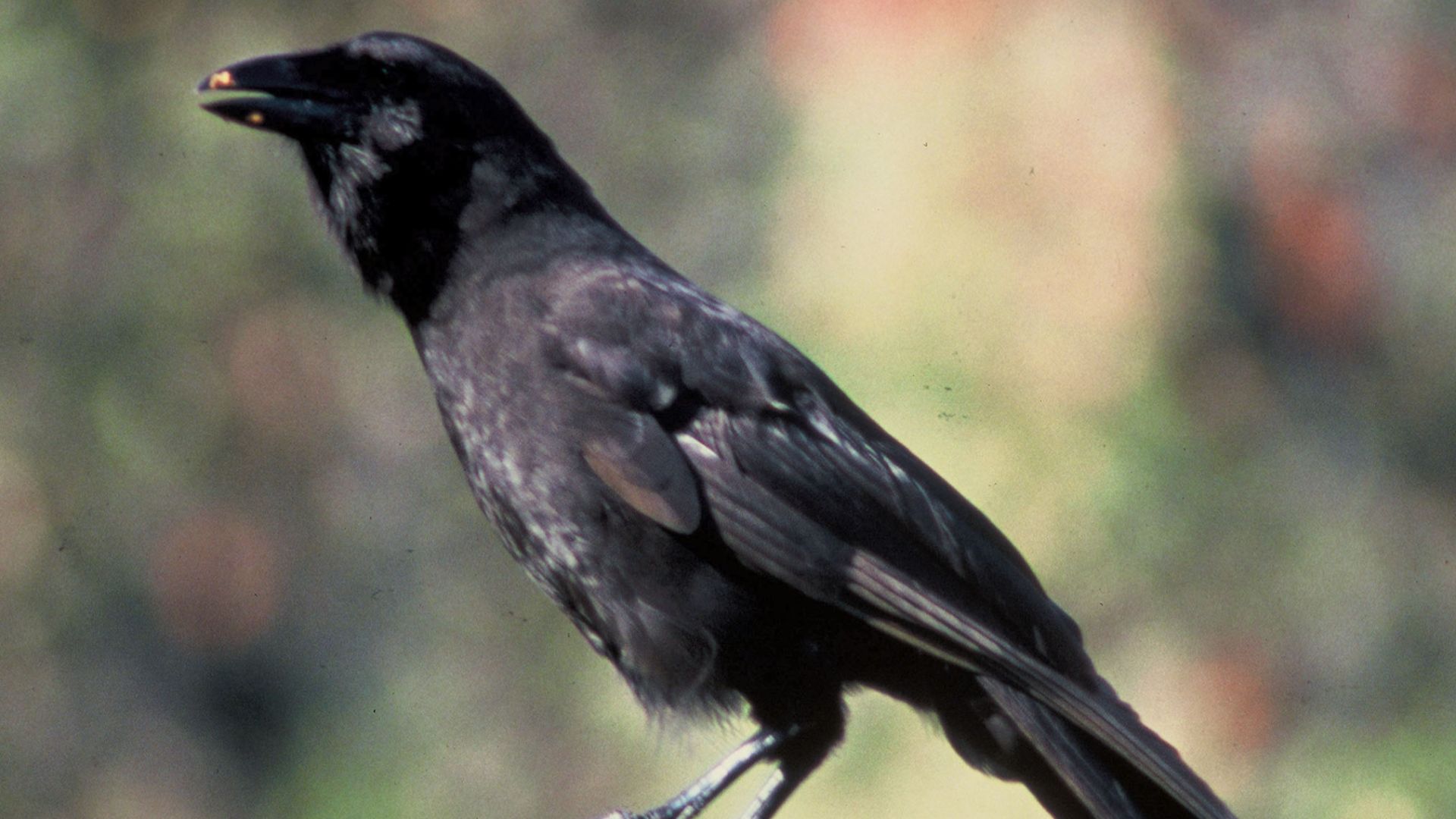 U.S. Fish and Wildlife Service on Wikimedia
20. Passenger Pigeon Isn't The Only Warning
As you can see, we have lost many different animals over the years in America. Not only the Passenger Pigeon, but many others. These losses have allowed us to create more wildlife laws. According to the U.S. Fish and Wildlife Service, when the Passenger Pigeon was on the brink of extinction, it helped lead to the creation of the Lacey Act in 1900.