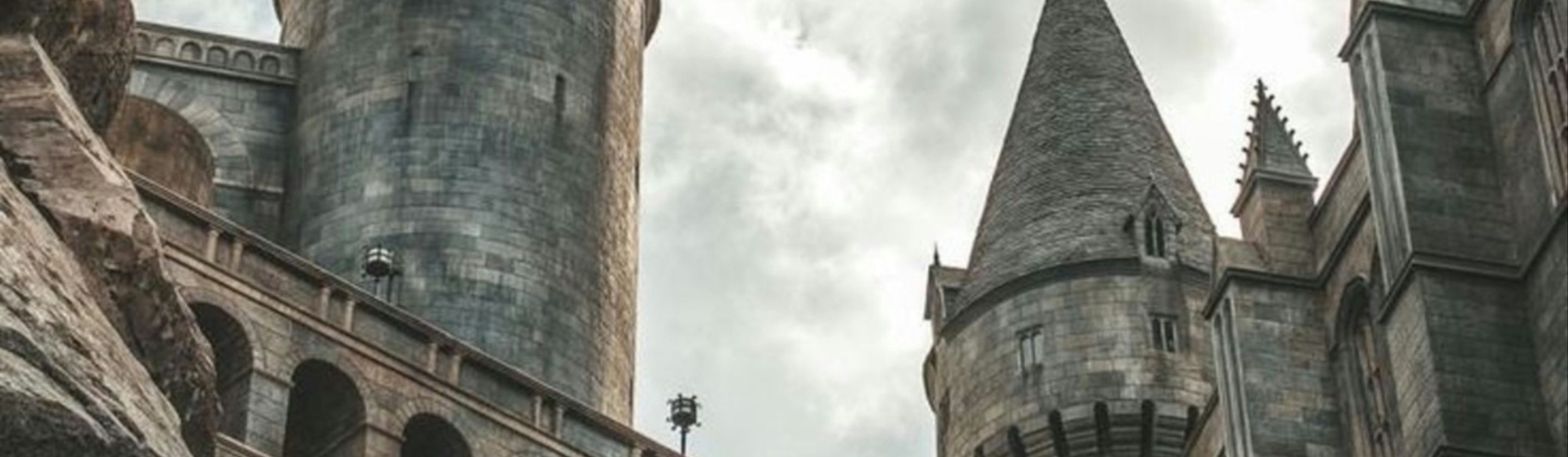

Medieval castles are often imagined as imposing stone fortresses filled with knights, royal banquets, secret passages, and dramatic battles. While those things certainly had their place, everyday life inside a castle was considerably more practical. A castle was also a home, workplace, storage facility, religious center, and community filled with people performing hundreds of ordinary tasks.
You would be surprised at how many mundane tasks were performed in a castle. From preparing food to cleaning to sleeping to working and providing food and water for the people who lived there. This all depended on if you were a lord or lady, had a high status, or were one of the many servants.
Many castles had what was known as a Great Hall. This room could be used for dining, hosting guests, and even holding meetings. It wasn't just a fancy dining room; at Richmond Castle, for example, the Great Hall was the main domestic interior and occupied much of the upper floor.
If you live in a house today, you have many rooms that can provide you with some privacy. Lords and ladies eventually had private chambers, while many other members of the household shared sleeping spaces or used communal areas. Smaller or earlier castles could even have had the lord and lady sleeping in a screened-off section of the Great Hall.
There were many servants that would have been needed to run a castle. Servants could include cooks, bakers, butlers, stewards, laundresses, grooms, chamber servants, and people responsible for maintaining the household's supplies. At Goodrich Castle, Countess Joan de Valence reportedly had nearly 100 servants, illustrating just how much staff a substantial medieval household could require.
Food And Comfort Were More Complicated Than You Might Expect
Medieval castle kitchens were busy, hot environments filled with ovens, fireplaces, cauldrons, and people preparing food. Cooking large quantities required several workers, with tasks ranging from preparing ingredients to turning meat on spits and managing sauces. At Goodrich Castle, the kitchen staff could prepare meals for as many as 200 people, making cooking a major operation rather than a simple household chore.
There were many different types of foods that wealthy families could consume. Not just what most people think of when they picture someone living during the Middle Ages eating plain bread. There could be meat, fish, birds, fruit and vegetables, cheese, and foods seasoned with spices that were served in castles. Some even have records of a meal that was cooked for Wolvesey Castle in 1403, which included deer, rabbits, partridge, quails, cream of almonds, and syruped pears.
Having money didn't magically solve the problems created by medieval food preservation. Without modern refrigeration, households had to rely heavily on methods such as salting, drying, smoking, pickling, and storing food appropriately. Castle storage areas therefore mattered enormously, especially when a household needed enough supplies to survive periods when fresh food was difficult to obtain.
Everyday Castle Life Was Surprisingly Practical
Getting reliable water was an important part of castle planning. Wells were common, while some especially sophisticated sites developed more elaborate systems; Wolvesey Castle, for example, had a medieval piped water supply connected to a well house in its courtyard. This wasn't exactly modern plumbing, but it demonstrates that medieval builders could develop clever solutions to everyday practical problems.
Castles did have toilets, although nobody would mistake them for modern bathrooms. These facilities, often called garderobes or privies, could be built into walls and sometimes emptied through openings into pits, drains, or moats. Bodiam Castle, for example, had numerous toilets designed as part of the building, demonstrating that sanitation was considered during castle construction.
Entertainment could also take up some time when you weren't doing any of these things. If you had enough wealth or space in your house, you could invite or have musicians, storytellers, and even jugglers. It was common to have these types of acts at a large feast, so castles could be a bit more fun than what they appear to be.
Ultimately, living in a medieval castle would have been very different from spending a weekend touring one today. The impressive towers and stone walls were only the backdrop to a complicated household where people cooked enormous meals, carried water, washed clothing, maintained fires, cared for animals, served guests, and performed countless other jobs. For the wealthy, castle life could provide security, comfort, and impressive surroundings, while everyone else experienced a much more communal and demanding existence. The castle may have looked like a fortress from the outside, but inside, it was very much a busy home.
KEEP ON READING