Treatment Could Be Worse Than the Illness
For much of history, entering psych care could expose a patient to far worse than what was happening in their own minds. Doctors were often working with little understanding of mental illness, but patients also had a mountain to climb with overcrowding and prejudice. Come with us as we explore the institutions that turned vulnerable people into unwilling subjects of some of medicine’s bleakest experiments.
 National Museum of Health and Medicine on Wikimedia
1. Patients Were Chained Up
Mechanical restraint was once routine, and records show patients could be chained to beds or walls during periods of agitation. Hospital testimony from the early 1800s also described patients being chained for lengthy periods simply because they were considered difficult to treat properly.

2. The Utica Crib
The Utica crib is unfortunately what it sounds like: a disturbing human-sized cage laid on a bed. Introduced at New York’s Utica State Hospital, the 19th-century device essentially trapped a patient beneath a latched wooden or metal lid while they lay flat. It had its supporters at the time, who called it a restraint bed.
3. Doctors Put Patients Into Insulin Comas
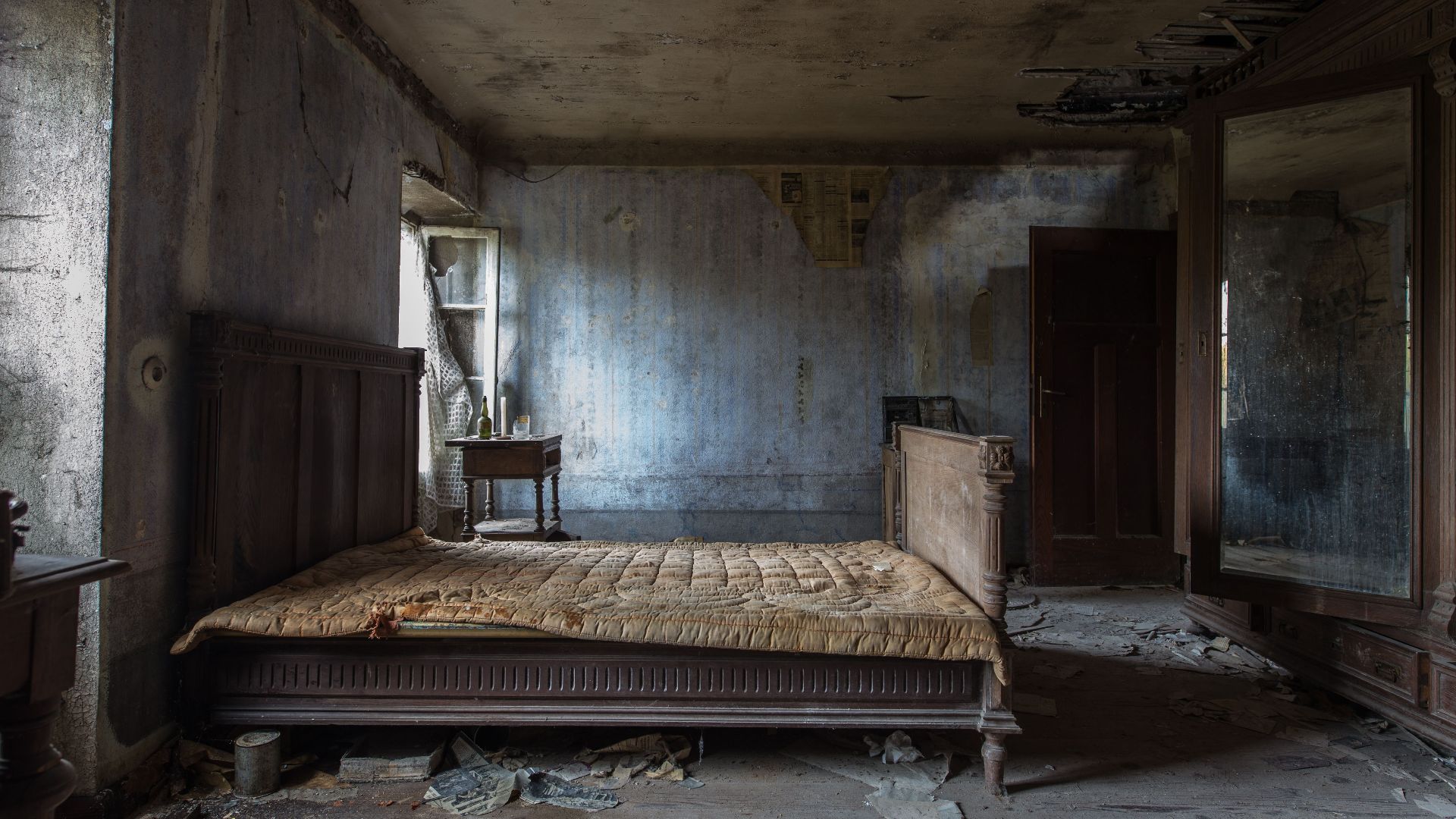
Beginning in the 1930s, some hospitals treated schizophrenia by giving patients large doses of insulin. The idea was that their blood sugar would drop enough to knock them out. Insulin coma therapy obviously came with a laundry list of problems, including seizures, prolonged coma, brain injury, or death if things went wrong. Despite that, treatment didn’t die out until the 1950s and 1960s.

4. Metrazol Was Used to Trigger Seizures
Before electroconvulsive therapy became commonplace, doctors discovered that Metrazol could produce convulsions. They used it in the hopes that those convulsions would improve severe mental illnesses. The treatment spread during the late 1930s despite frightening complications like seizures so violent they fractured bones.
5. Early Electroshock Could Break Bones
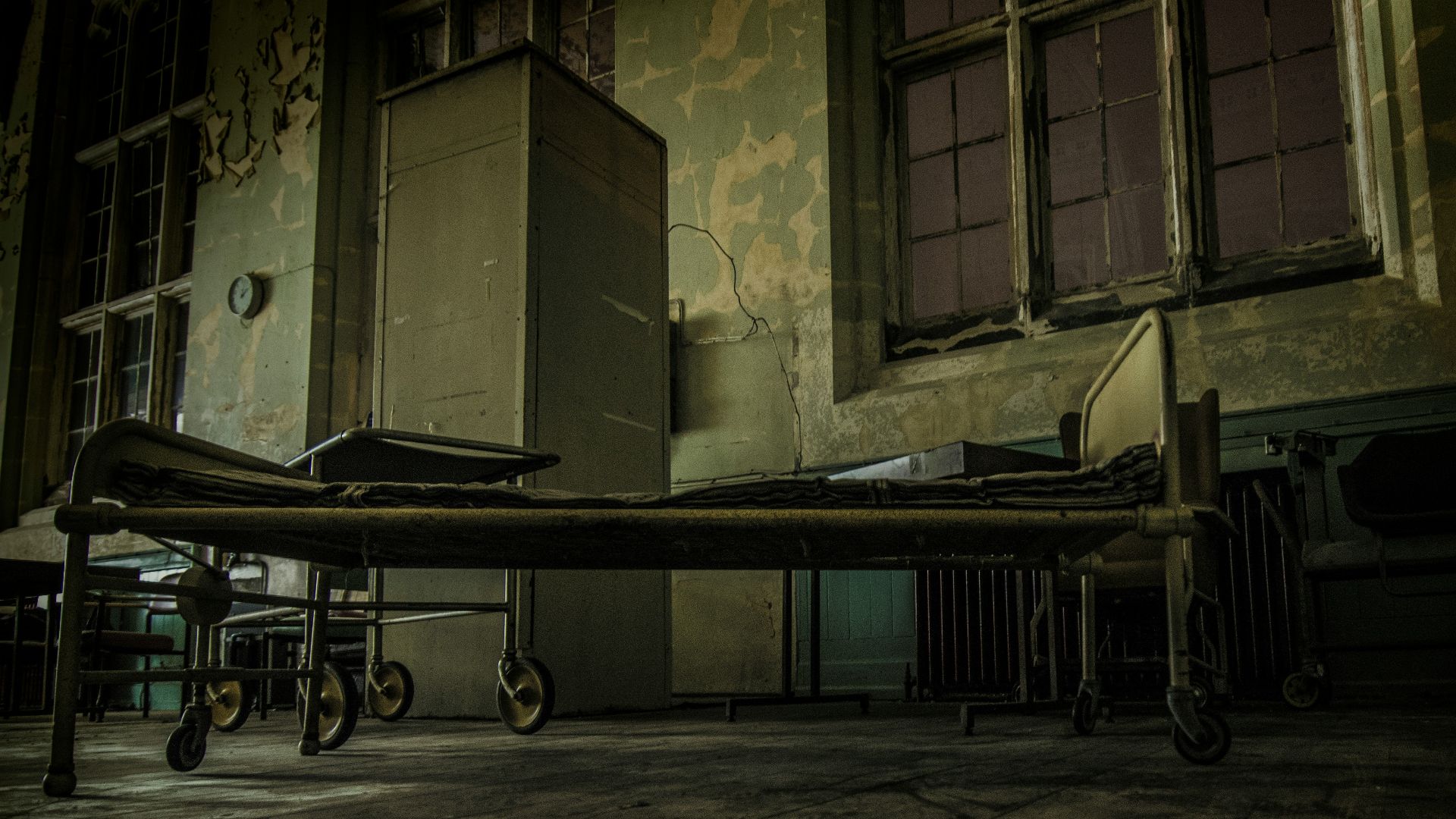
When ECT entered psychiatric practice after 1938, powerful muscular contractions during induced seizures could fracture limbs, vertebrae, teeth, and even bones in the face. It took until the 1940s for doctors to finally introduce safer muscle-relaxing techniques.
6. Lobotomies Damaged Healthy Brain Tissue
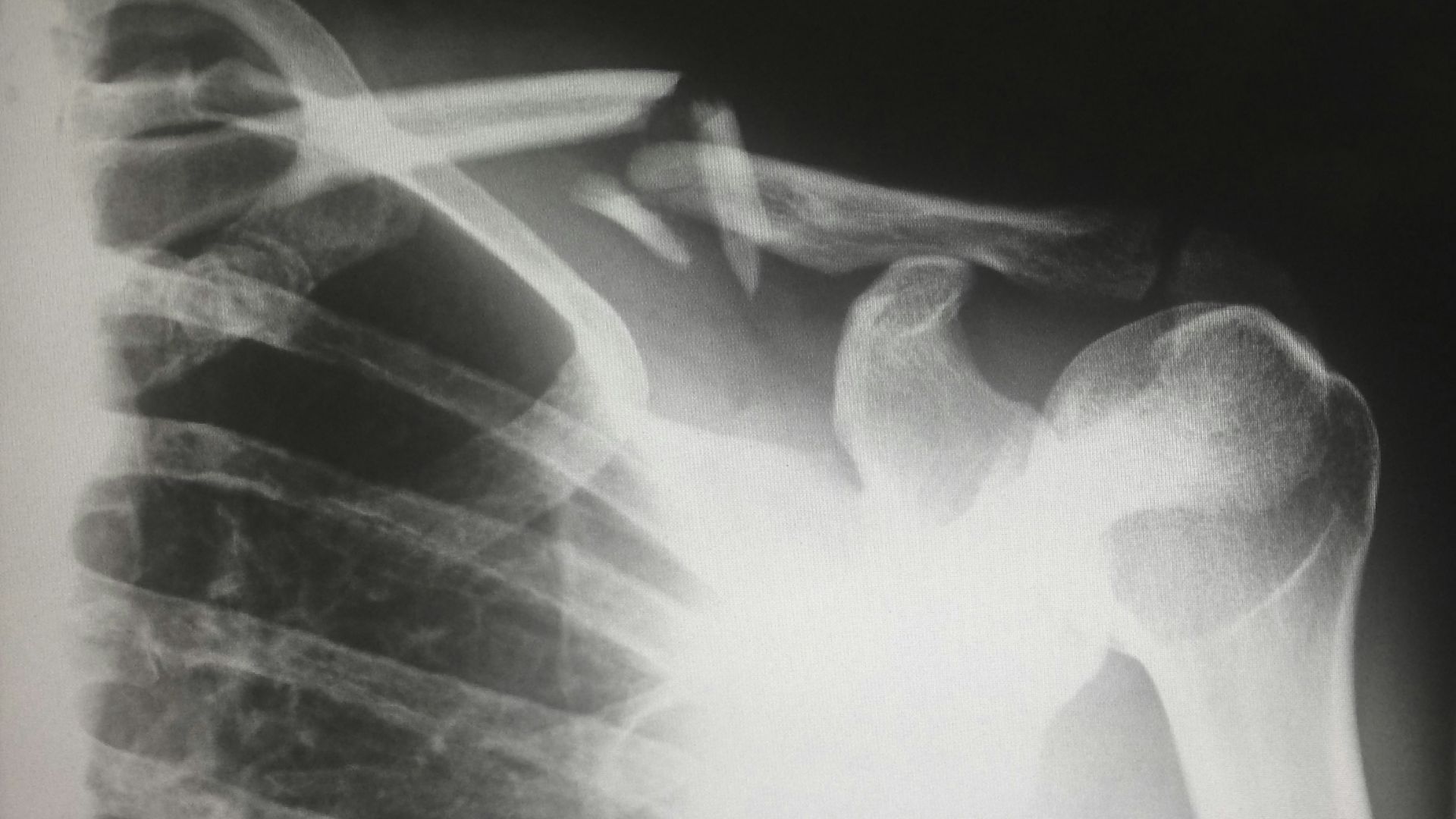
Few treatments symbolize old medicine like the lobotomy. Thousands of patients underwent this barbaric procedure during the mid-20th century, sometimes for nothing other than being described as difficult to manage. Some survivors were left with profound changes, cognitive impairment, disability, or an inability to live on their own.
7. Walter Freeman Took Lobotomies on the Road
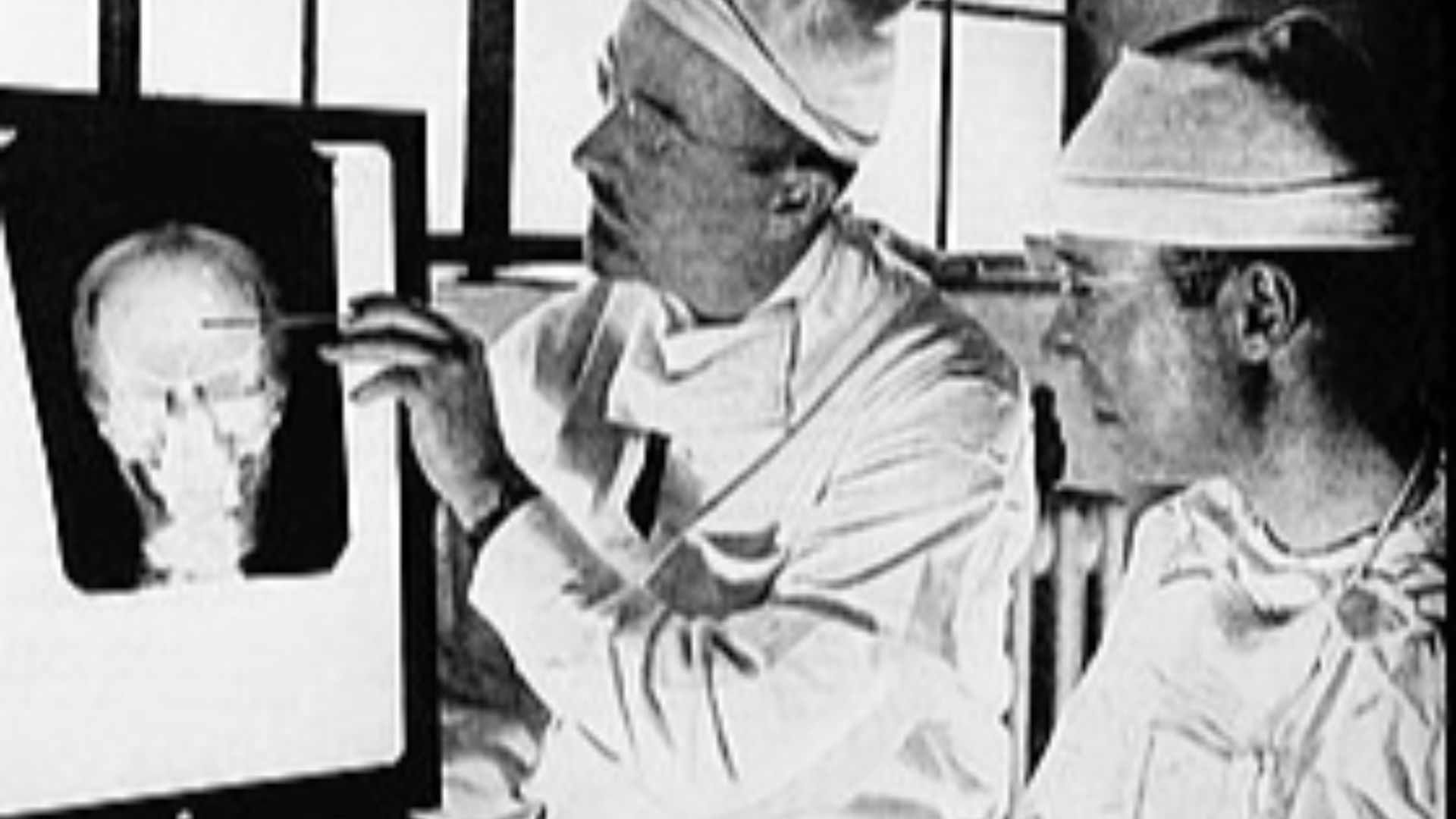
Neurologist Walter Freeman made lobotomies even more accessible by promoting something called the transorbital lobotomy—which is likely the one you’ve heard about. It reached the brain through the eye socket, and because it didn't require the same resources as actual surgery, that convenience turned a destructive treatment into something administered on a much wider scale.
8. Doctors Pulled Healthy Teeth
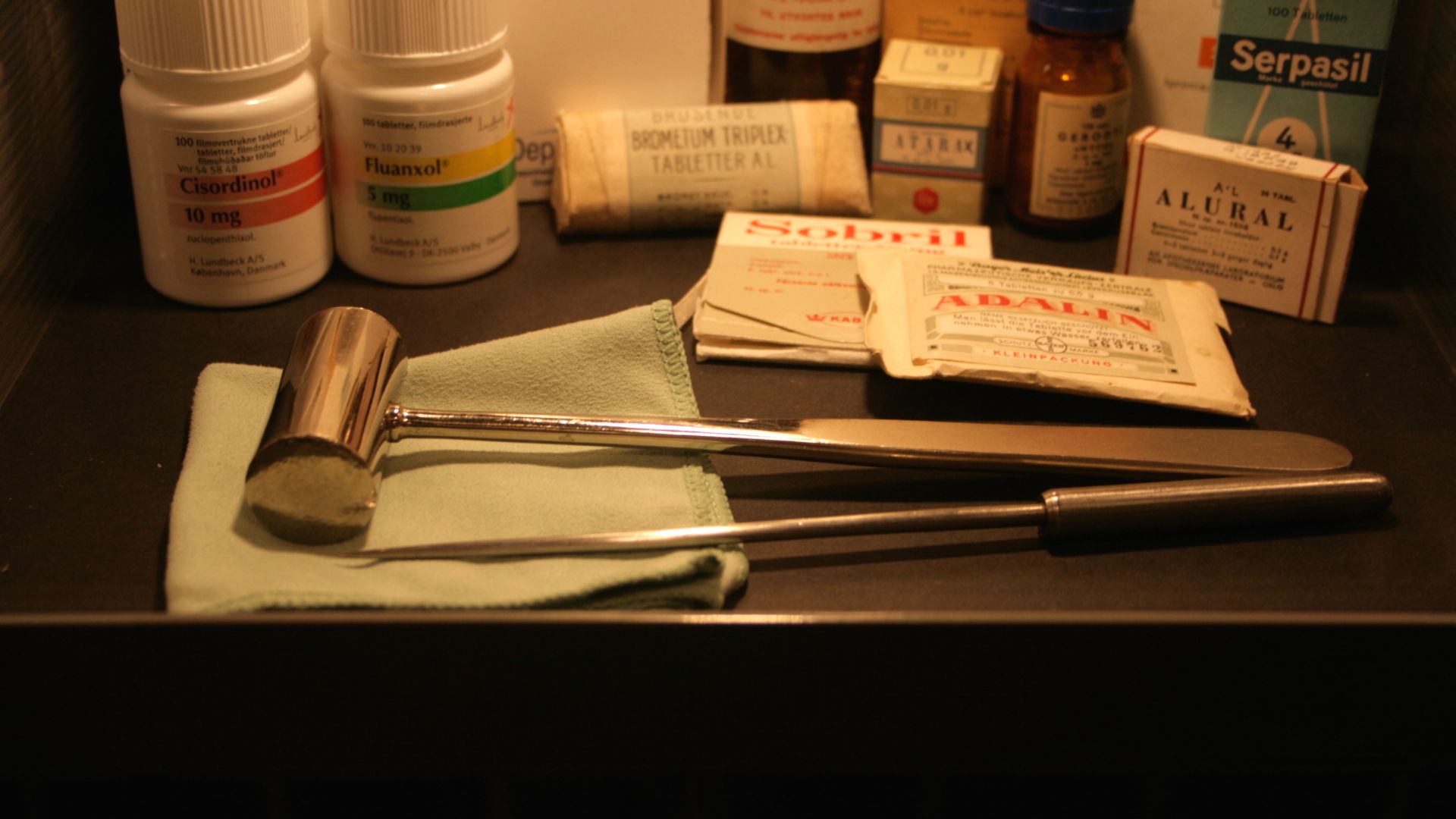
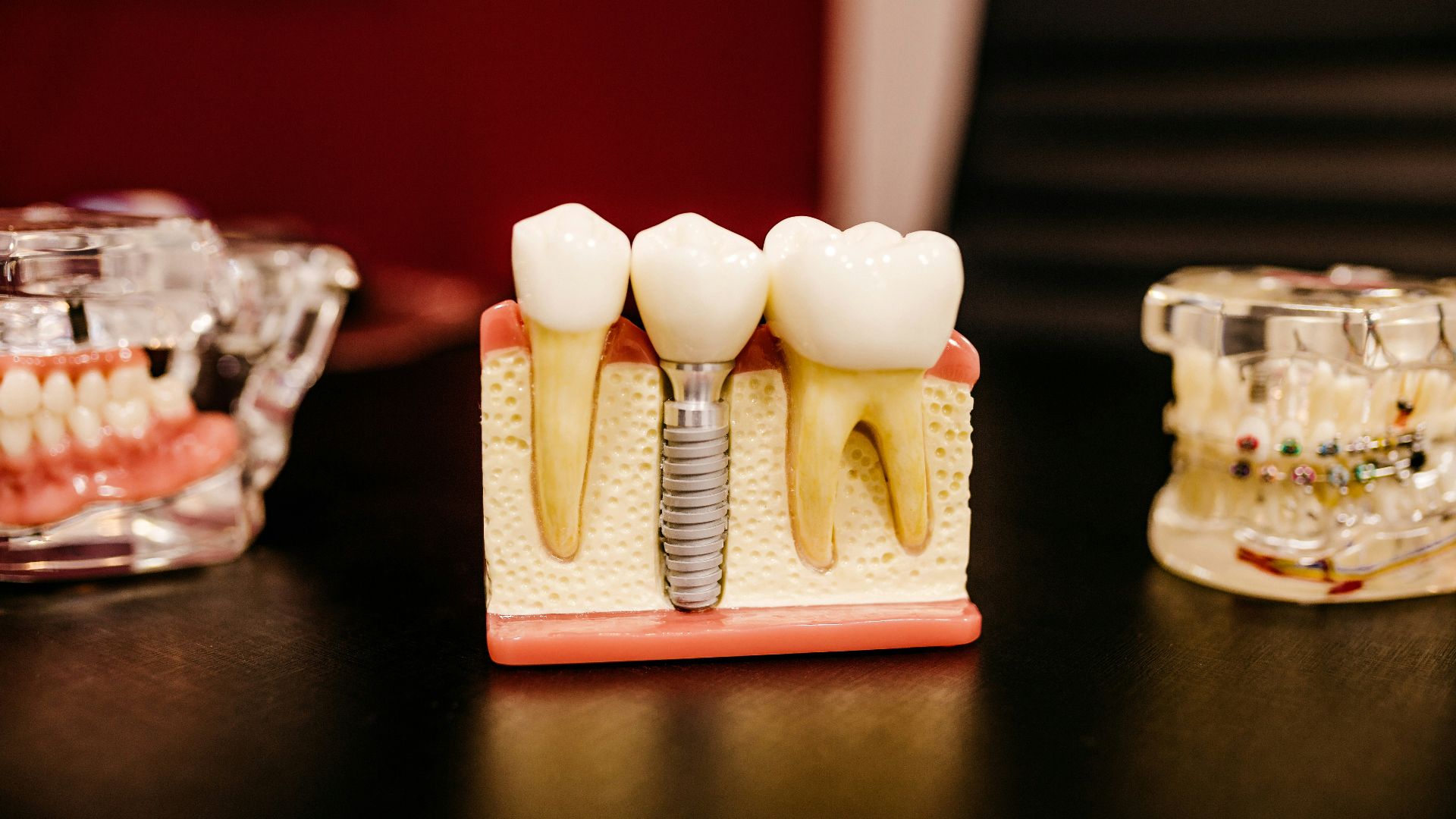
In a mad dash to try and find cures, Dr. Henry Cotton, who ran New Jersey State Hospital in Trenton, thought hidden infections in the body caused mental illness. Starting in the 1910s, he ordered patients to have teeth pulled in the hope that it would cure their symptoms, and when it didn't, he decided the infection was hiding somewhere else.
9. They Removed Organs
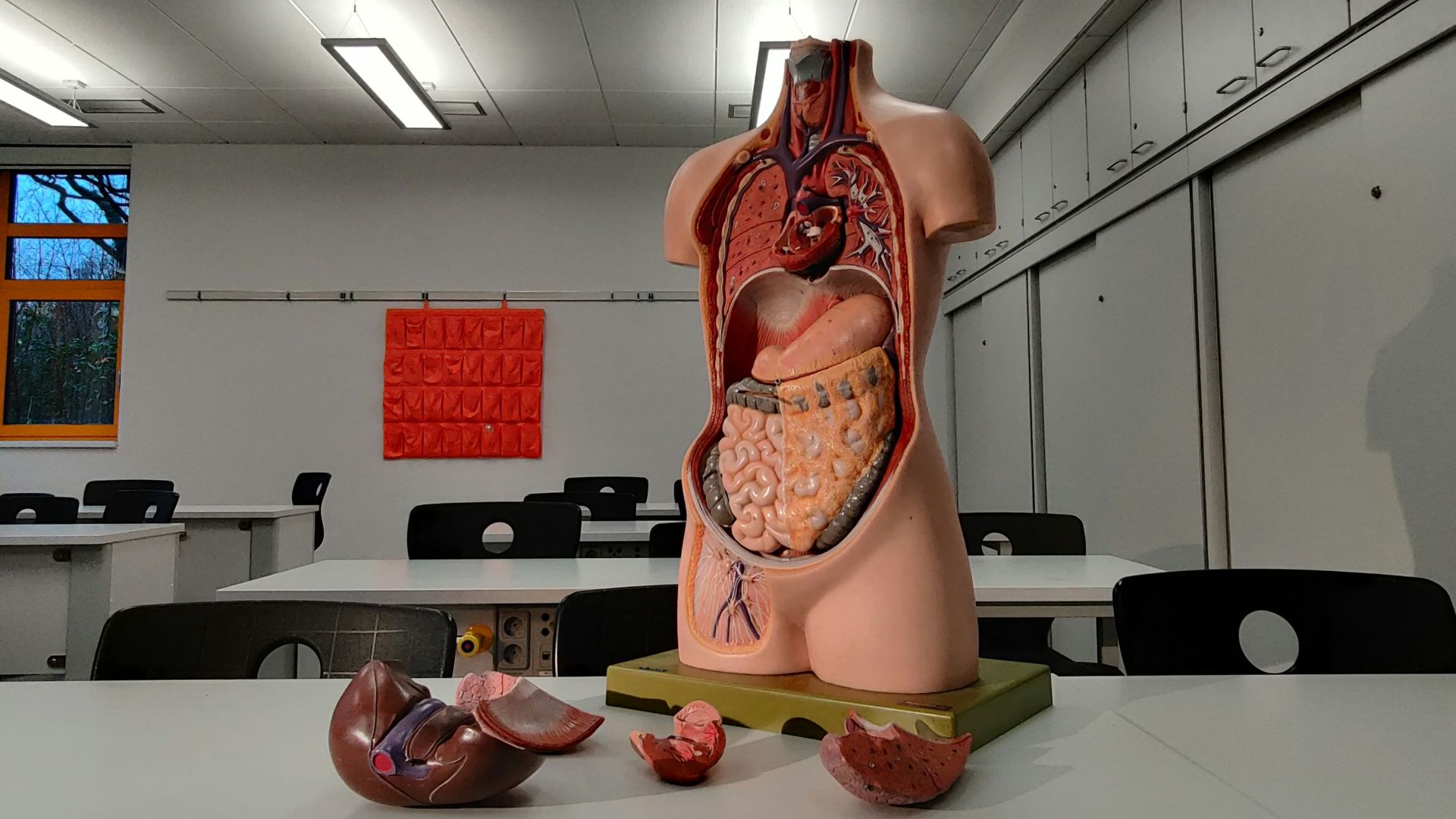
To make matters worse, Cotton’s campaign against supposed infection didn't end in the dentist’s chair. Under his direction, patients started undergoing surgeries involving tonsils, gallbladders, spleens, and tissue in an attempt to cure symptoms. Many patients were harmed, but even after doctors raised their brows, surgeries continued.
10. Some Patients Were Given Malaria
In 1917, Austrian psychiatrist Julius Wagner-Jauregg began purposefully infecting patients suffering from neurosyphilis with malaria. The idea behind it was that the resulting high fevers sometimes appeared to improve the disease. The procedure got so famous that it even earned him the 1927 Nobel Prize.
11. Malaria Therapy Outlived the Disease
The most startling part of malariotherapy is how long some institutions kept experimenting with it. Records show that between 1951 and 1969, 322 patients diagnosed with schizophrenia or neurosyphilis were infected with malaria. By then, penicillin had already made malaria treatment for neurosyphilis unnecessary in most of the world.

12. Children Were Infected With Hepatitis
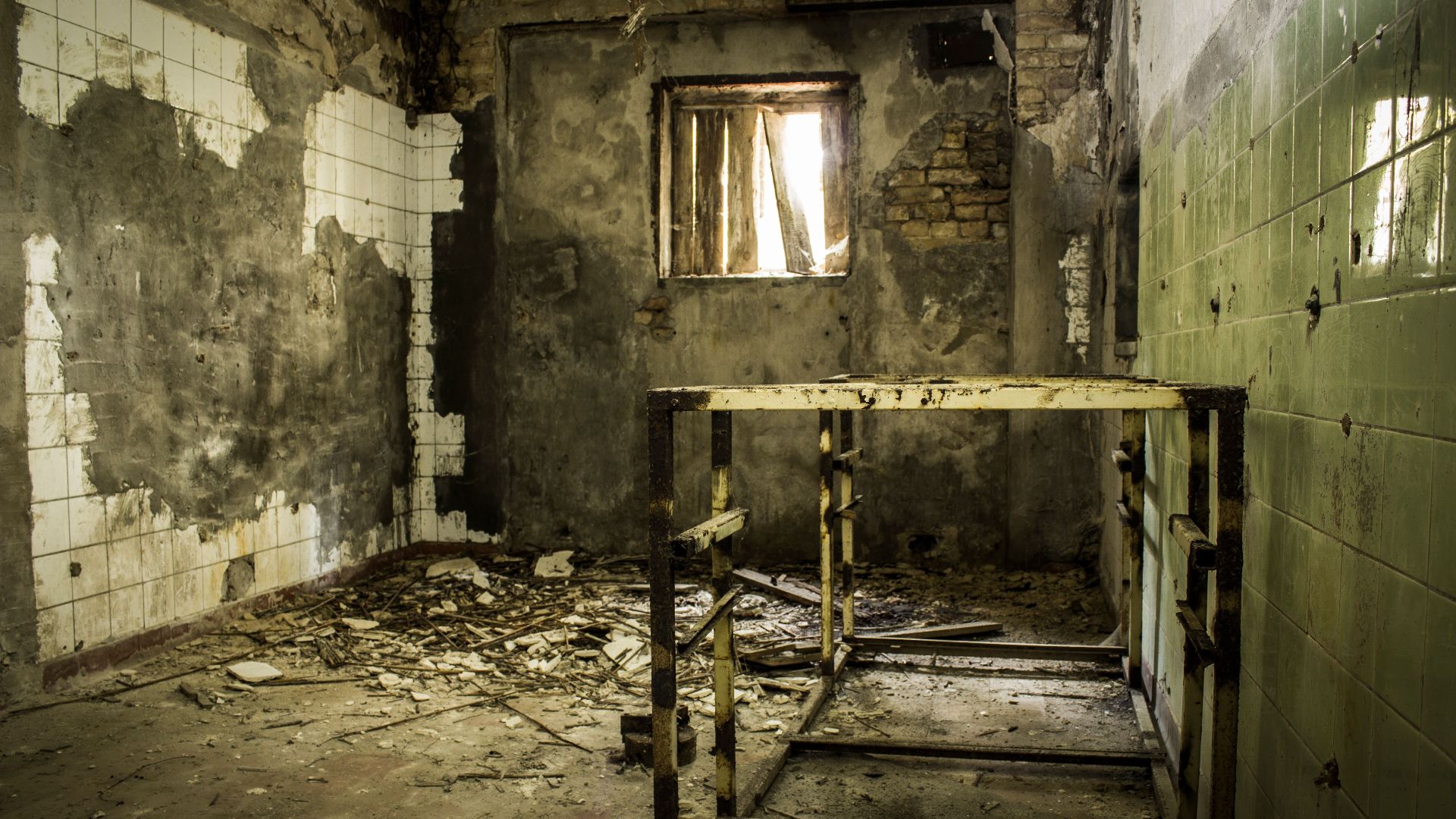
One of the most disturbing experiments happened at Willowbrook State School in New York. From the 1950s into the early 1970s, some children with intellectual disabilities were exposed to hepatitis so researchers could study how the disease spread. The work did produce some information, but getting there was a morally black area.
13. Admission Could Be Tied to Experiments
Willowbrook was also notoriously overcrowded, which meant parents struggled to find care for their kids. At one point, space in a special unit was linked to those hepatitis studies, which placed a ton of pressure on parents who felt their hands were tied otherwise. Today, historians question whether “consent” given under such circumstances was actually voluntary.

14. Hospitals Sterilized Patients
Eugenics laws allowed many patients to be sterilized, all because authorities considered them “unfit” to have children. California alone sterilized around 20,000 people in state institutions during the 20th century. Young women were especially vulnerable, and compulsory programs continued in the United States long after eugenics was first introduced.
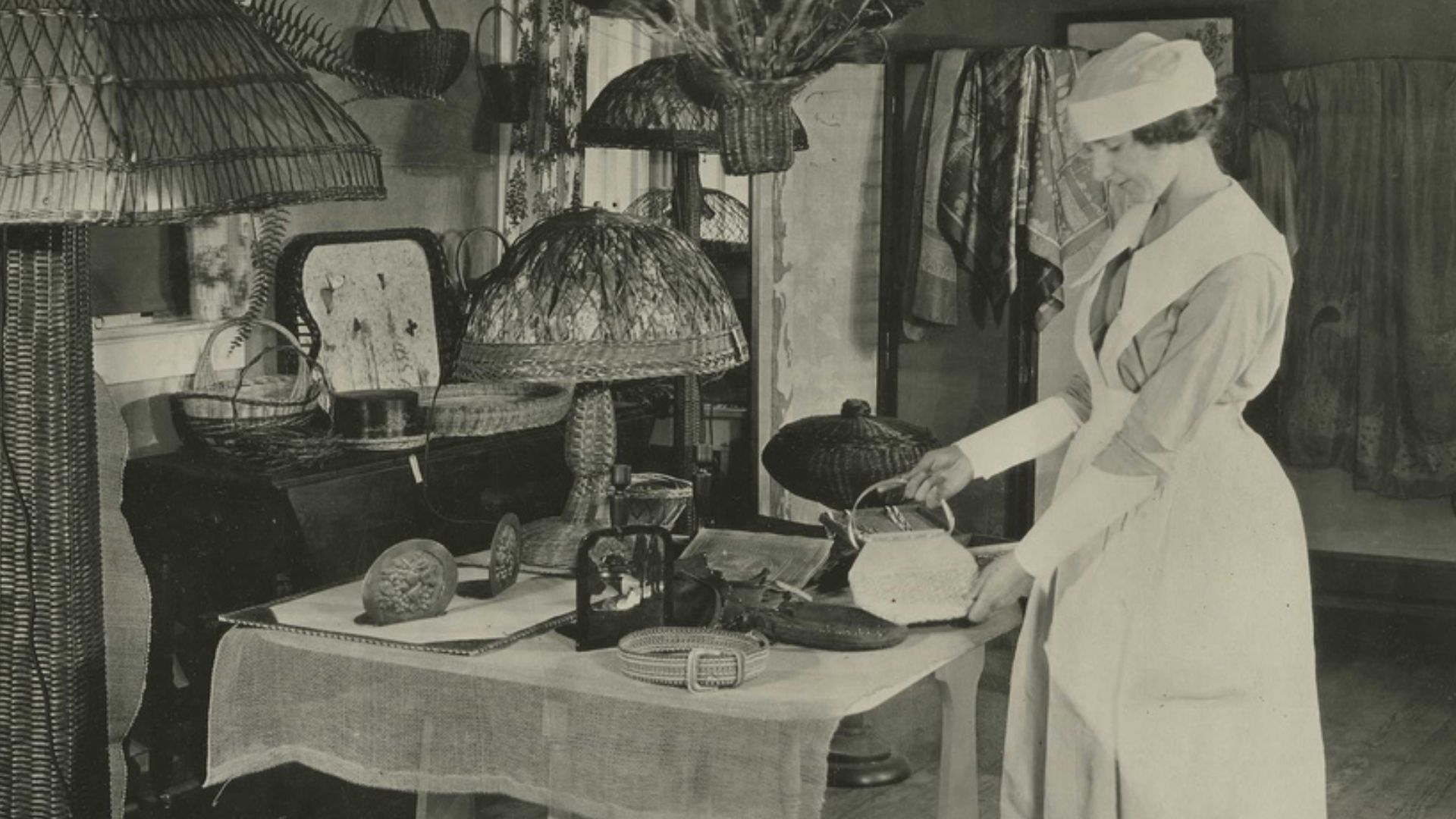
15. Patients Worked Without Being Paid
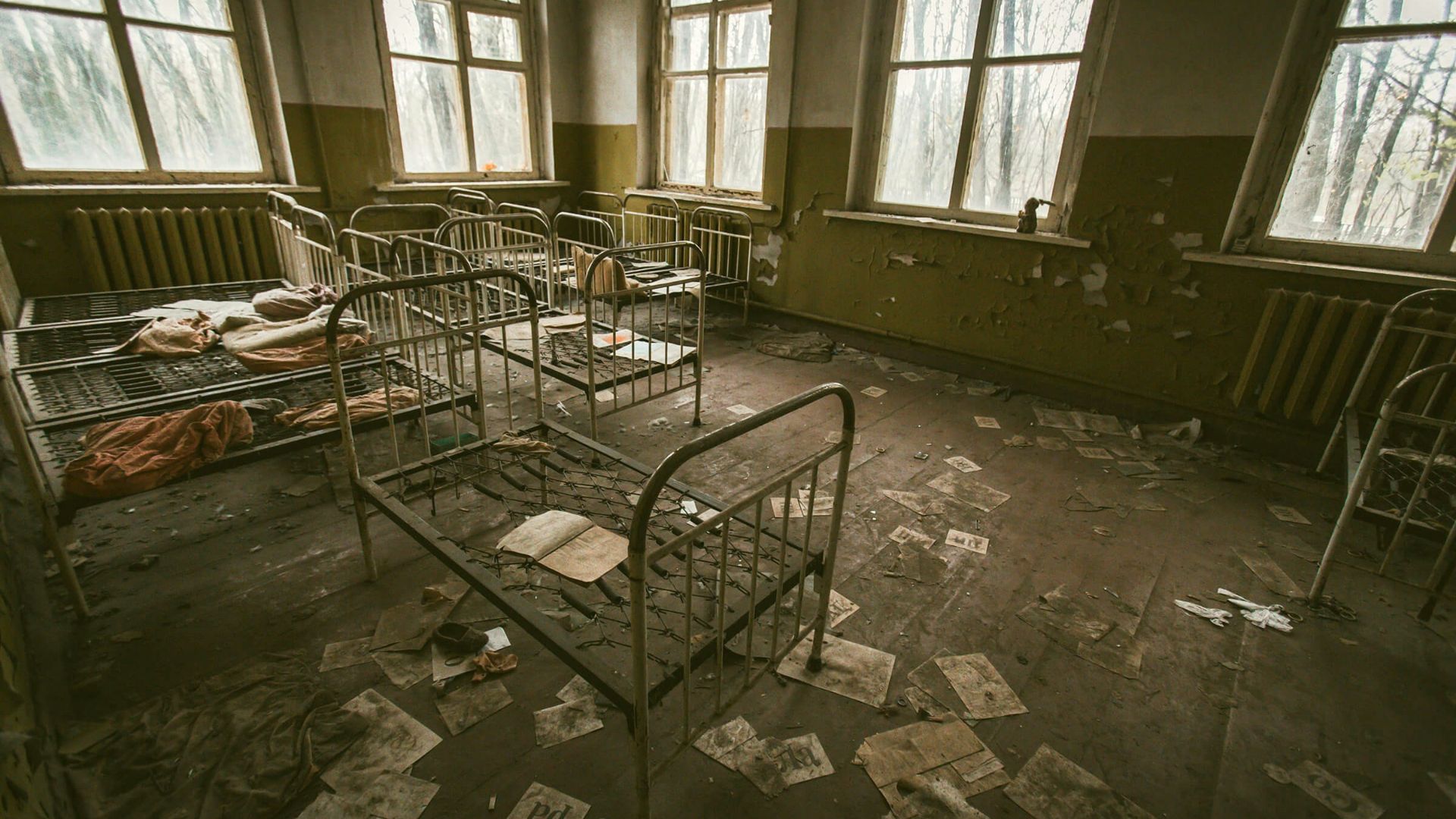
As if being “treated” there wasn’t enough, many psychiatric hospitals relied on patients to keep the institution running. They were made to work in kitchens, laundries, workshops, gardens, and farms, often without receiving proper wages.
16. Some Patients Barely Moved
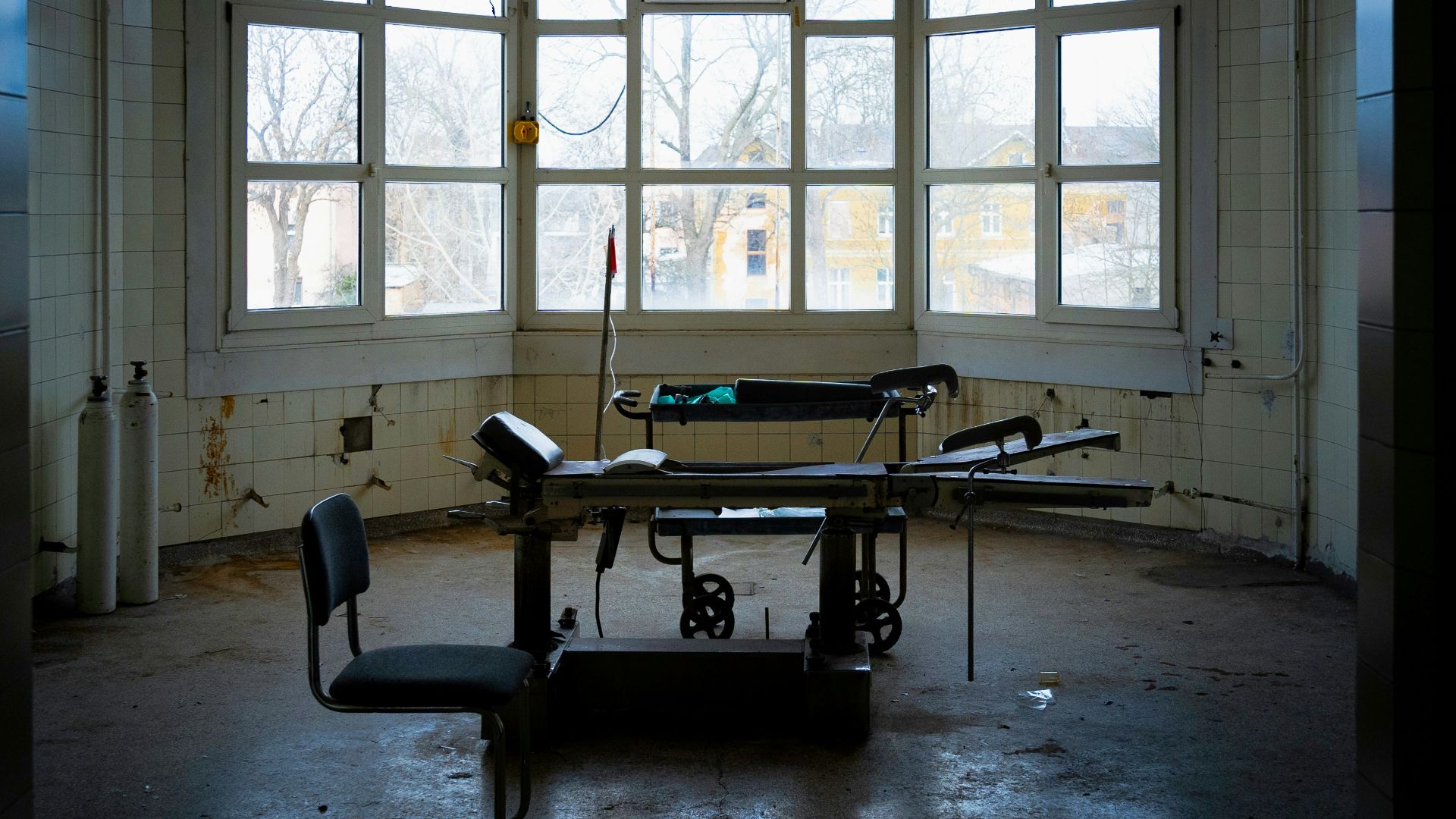
Don’t forget that neglect didn't have to involve elaborate procedures. When Elizabeth Forbes became matron at Bethlem Hospital in 1815, she testified that the previous practice had been to get some patients out of bed only three days a week. She was the one to change the routine so patients were actually washed, dressed, and allowed up each morning.
17. Staff Could Physically Assault Patients
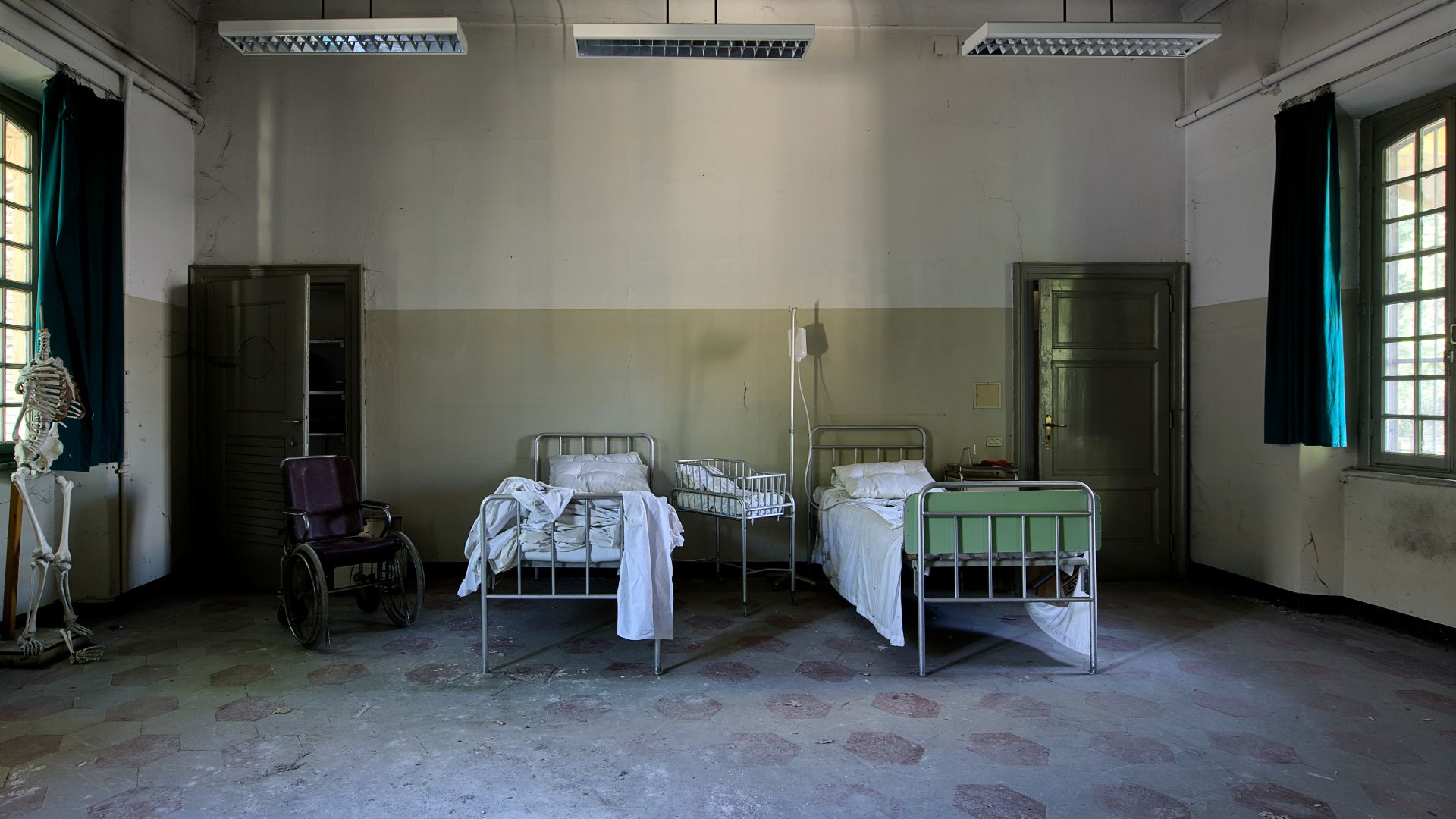
Bethlem’s own records contain evidence of abuse. Matron Forbes remembered a female patient being struck on the head in 1815, leading to a firing. She also mentioned replacing other female employees she considered unsuitable, suggesting that whatever happened to patients depended on who was watching over them.
18. Patients Became Public Entertainment
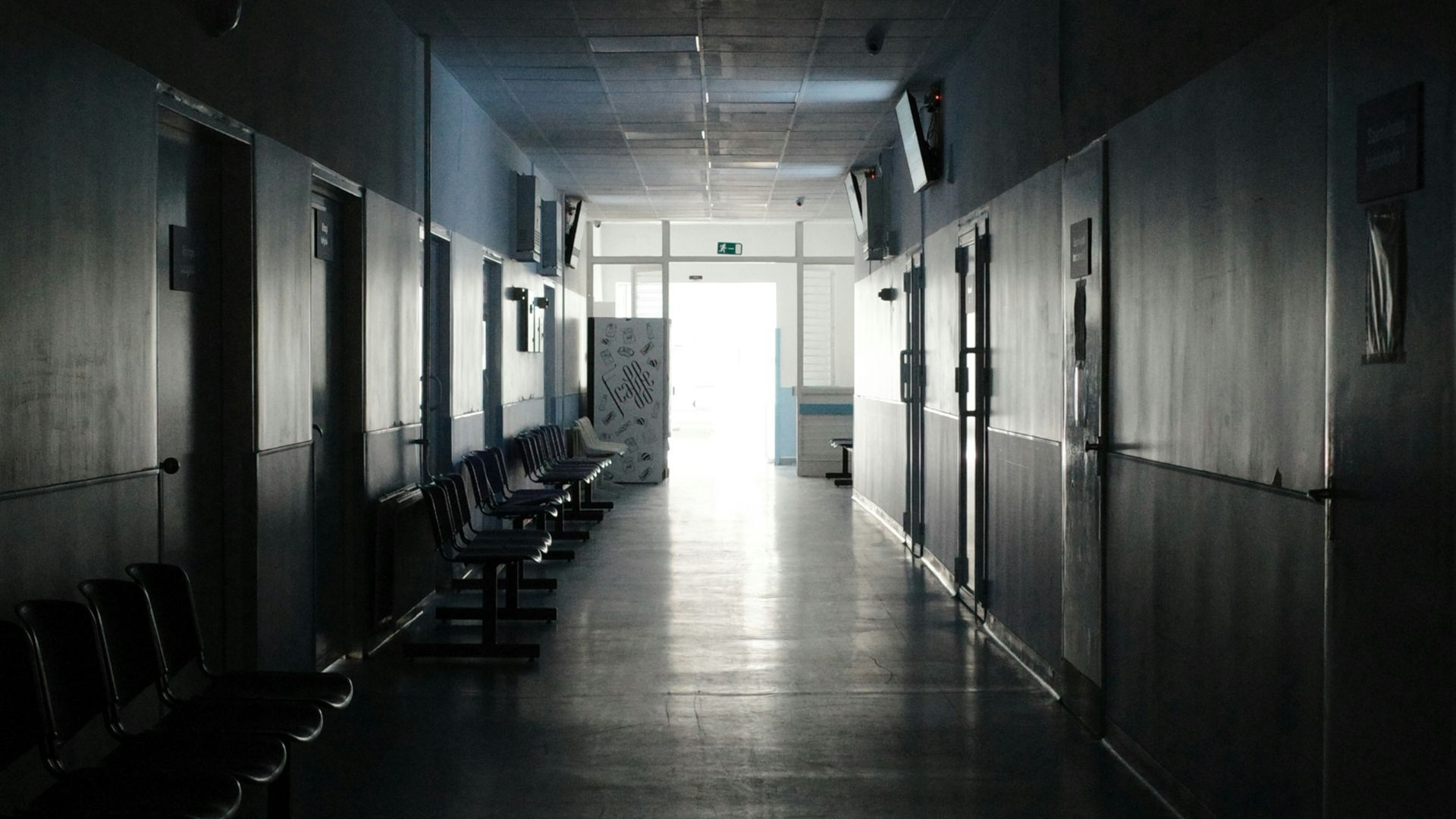
Long before psychiatric hospitals emphasized privacy, Bethlem actually allowed the public inside to have a look at what was going on. In the 18th century, visitors could pay out of pocket or donate to enter—more so for entertainment than anything else. Public access was restricted in 1770, but if you were rich or well-connected enough, you could still get inside.

19. Overcrowding
Even institutions created with progressive intentions often fell apart once their populations rose. The Trans-Allegheny Lunatic Asylum, for example, was only really capable of housing 250 patients, but it was eventually filled with more than 2,000 by the 1950s.

20. Being “Difficult” Could Influence Treatment
One of the worst things about past care is just how poorly so-called treatment would go if you were deemed “difficult.” Research found that records commonly cited patients as being “unruly” or aggressive when physicians considered lobotomy, with years spent on disturbed wards also increasing exposure to psychosurgery.