The Clues Were Right There
No one’s saying that police work’s easy, and it was even tougher before modern DNA testing and instant communication. But that doesn’t mean every badge is off the hook. Some investigations went so wrong that the right person was practically standing in front of them before the opportunity for justice vanished. Other times, the wrong person caught all the heat for no reason. These 20 flubs from the police department were just as famous as the cases themselves.
1. The Zodiac Killer
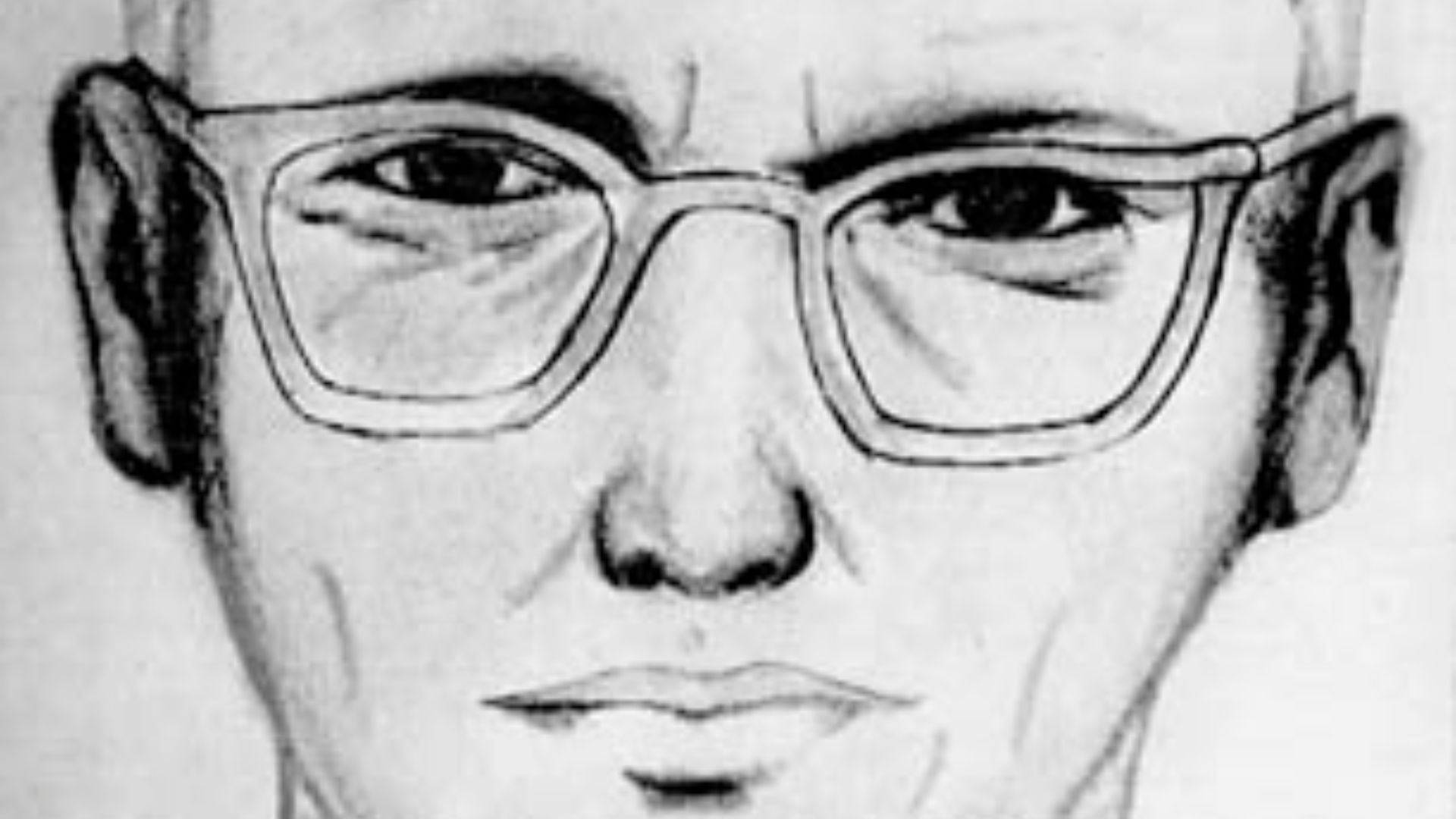
After Zodiac murdered Paul Stine in 1969, witnesses described him as a white male. It wasn’t much to go on, but even that got mishandled; a mistaken police radio broadcast reportedly described the suspect as Black. Two officers then encountered a white man near the scene and didn't detain him, and Zodiac later claimed in a letter that they had him in their sights without doing anything.
 San Francisco Police Department on Wikimedia
2. The Yorkshire Ripper
West Yorkshire Police spent years hunting Peter Sutcliffe, a guy with 13 murdered women under his belt between 1975 and 1980. However, the investigation became badly distracted by letters and an audio recording that sent cops on a goose chase. Investigators treated the sender's accent as a clue, despite evidence pointing elsewhere, and the messages were eventually revealed to be the work of a hoaxer.
3. Robert Pickton
Women were disappearing in Vancouver for years before police arrested Robert Pickton in 2002. Investigators had received more than enough disturbing information about him, too. Worse, a later public inquiry found major problems with how police handled reports, shared information, and followed up on possible suspects. Even a 2000 interview with Pickton was poorly prepared despite all the evidence surrounding him.
4. Stephen Port
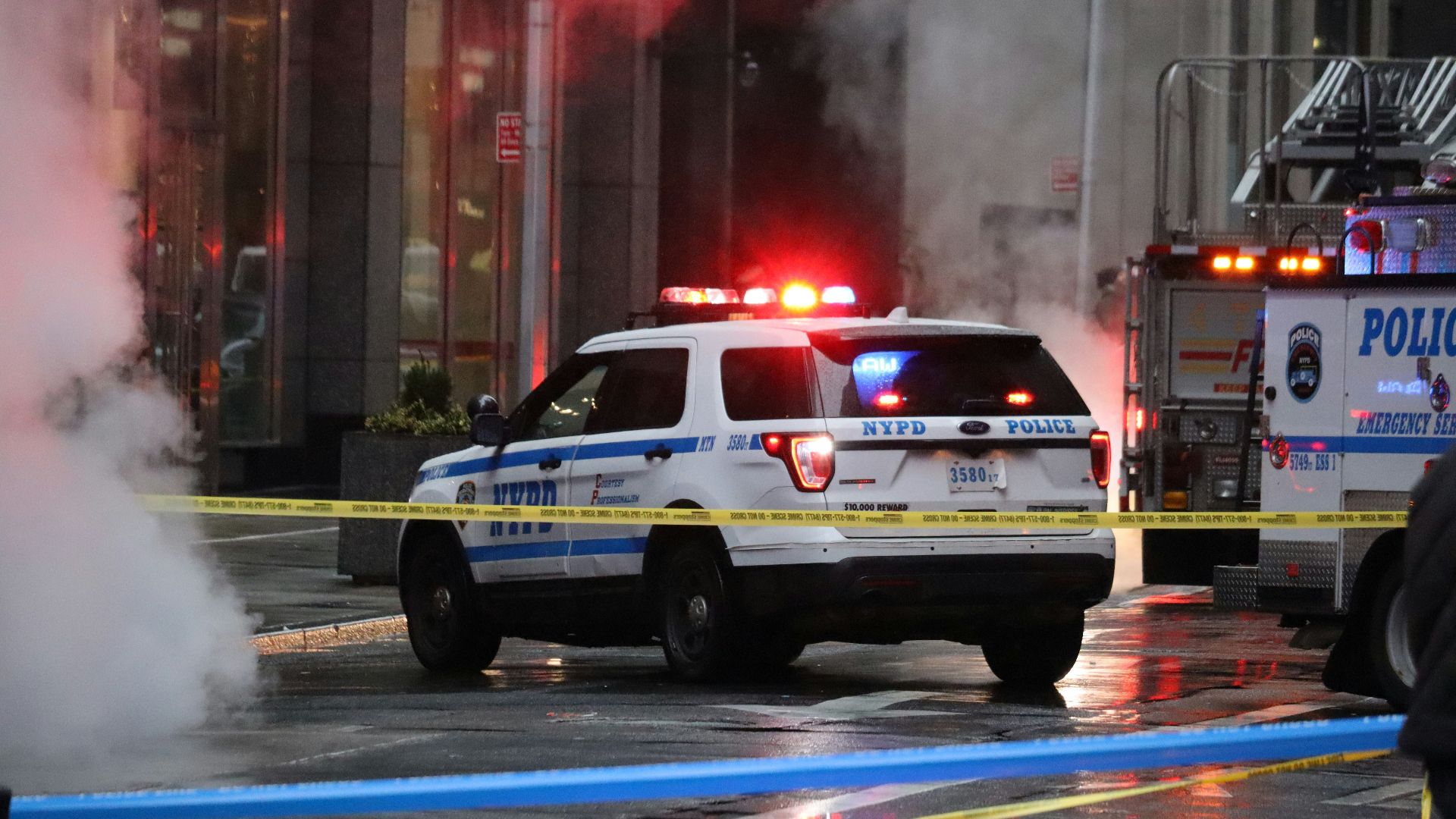
Stephen Port murdered four young men in London, between 2014 and 2015, leaving several of their bodies in similar circumstances. That wasn’t enough to tip off police, though, who repeatedly failed to connect the deaths. They didn’t even properly use the information given to them by victims' loved ones, even after Port had already been questioned. An inquest jury later decided that police failings likely contributed to the deaths of Port's final three victims.
5. Stephen Lawrence
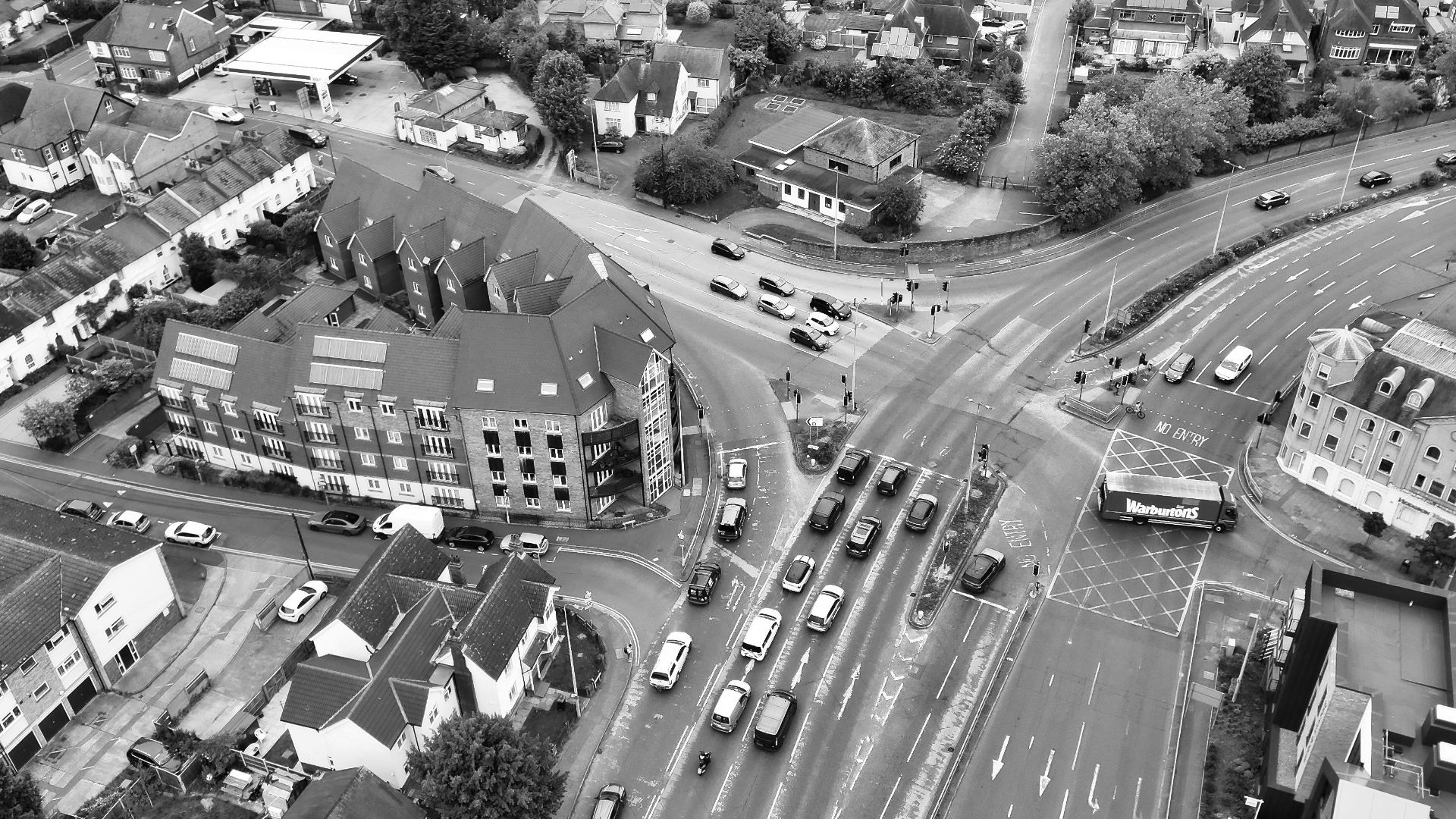
18-year-old Stephen Lawrence was murdered in a racist attack in 1993, yet the original investigation failed to bring his killers to justice. It was a mess all around, plagued by incompetence, poor leadership, and institutional racism. Later reviews even uncovered concerns surrounding corruption allegations and undisclosed information. Gary Dobson and David Norris were only convicted in 2012.
6. Jimmy Savile
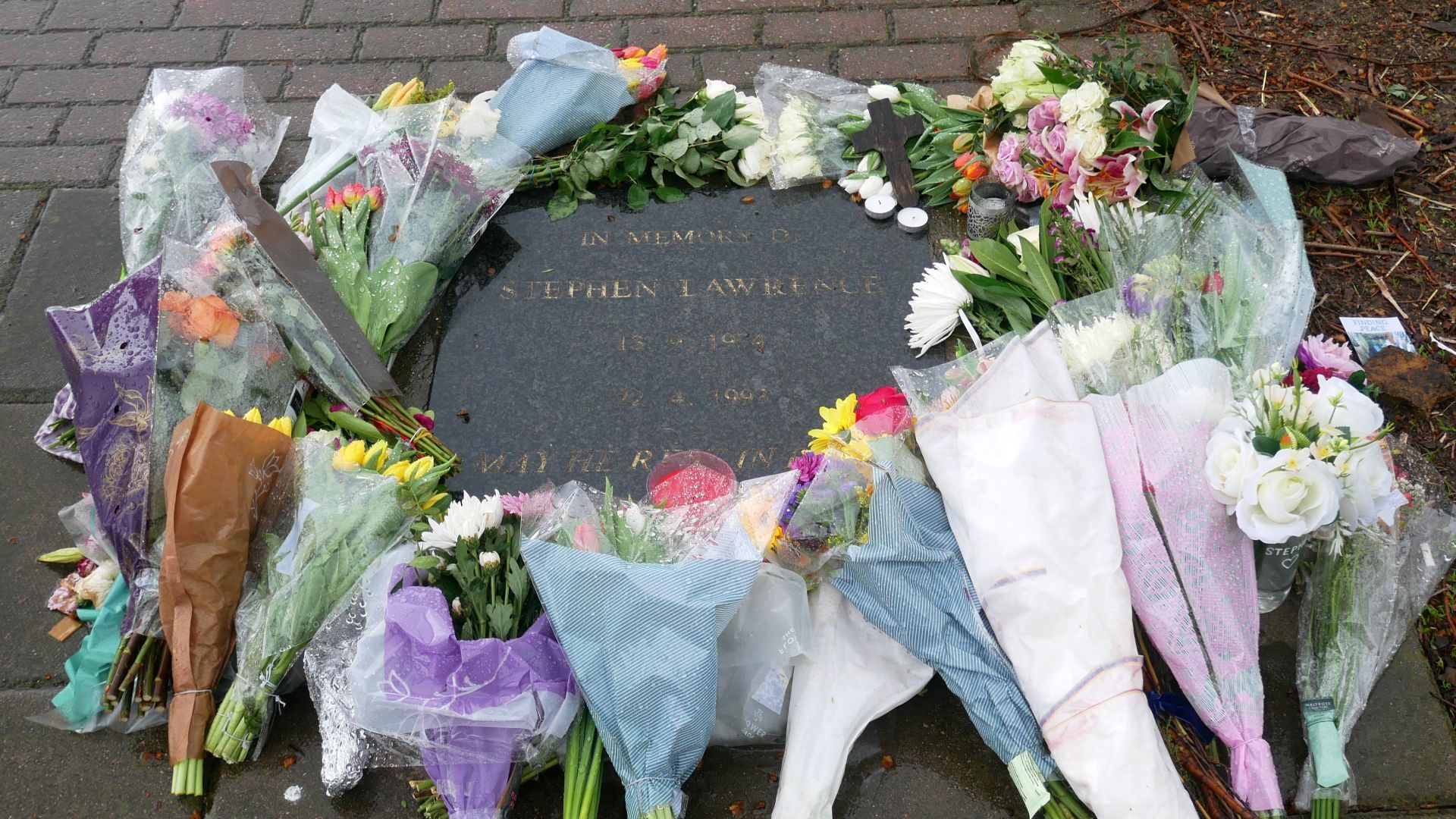
Jimmy Savile abused people for decades, all while keeping his public image squeaky clean. Astonishingly, police actually received allegations about him long before his death in 2011. A 2013 review found that five allegations had been reported to police between 1958 and 2009, along with even more intelligence held by the Metropolitan Police. The government came out and said failures in the investigation essentially helped Savile walk around for as long as he did.
7. Daniel Morgan
Private investigator Daniel Morgan was found in the parking lot of a pub in 1987—and nobody is behind bars. The Metropolitan Police were the ones who eventually admitted that corruption stunted the first investigation, while an independent panel found repeated failures across decades of attempts.
8. Rotherham Victims
For years, children in England were exploited while authorities repeatedly failed to act. Later investigations found an onslaught of issues, including poor information sharing, reluctance to record crimes, and some instances where police denounced the girls as promiscuous. The Independent Office for Police Conduct ultimately examined hundreds of allegations regarding the South Yorkshire Police's handling of reports, and it stretched from 1997 to 2013.
9. The Guildford Four
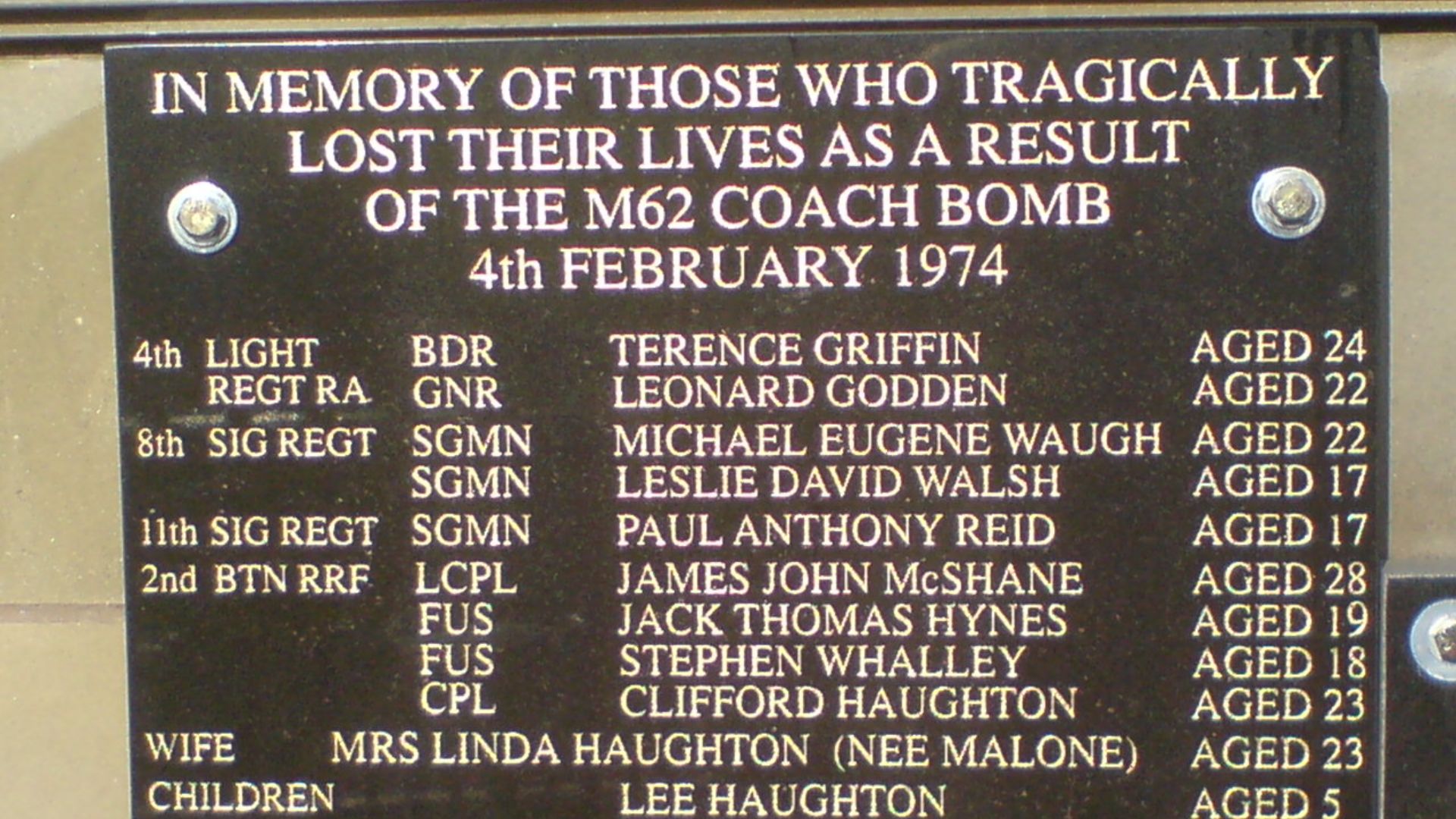
Patrick Armstrong, Gerry Conlon, Paul Hill, and Carole Richardson. Those were the four convicted for the 1974 Guildford pub bombings. It sounds like justice, but the so-called confession evidence was largely obtained through abuse. Their convictions finally collapsed in 1989 after undisclosed material raised the right questions about police.
10. The Birmingham Six
After a 1974 pub bombing in Birmingham claimed 21 lives, six men were convicted mainly on confessions and disputed evidence. Their convictions were only quashed in 1991, and the case became famous for police misconduct and false confessions.
11. The Maguire Seven
Members and friends of the Maguire family were convicted in 1976 of possessing explosives supposedly connected to IRA activity. However, it didn’t take long before questions emerged over the evidence used against them, and their convictions were eventually overturned after years behind bars.

12. Judith Ward
Judith Ward got slapped with multiple life sentences in 1974 for bombings, despite glaring issues with the case against her. Her conviction was eventually overturned in 1992 after failures surrounding the reliability of confession and evidence came under scrutiny. Ward's case now sits alongside the Guildford Four and Birmingham Six as an example of how pressure in an interrogation room can contribute to horrendous mistakes.
13. Stefan Kiszko
After 11-year-old Lesley Molseed was murdered in 1975, police arrested Stefan Kiszko. Initially, he confessed following lengthy questioning, only to later withdraw it. Crucial evidence that could have excluded him wasn’t disclosed, and Kiszko spent 16 years in the slammer before his conviction was overturned in 1992.
14. The Cardiff Three
Lynette White’s life was taken in 1988, and three men were convicted three years later—despite there being no evidence tying them to the scene. Those convictions were overturned, and DNA evidence eventually brought Jeffrey Gafoor to the station, who pleaded guilty in 2003. However, the fallout didn’t exactly end with a conviction; eight former officers were prosecuted over the original investigation, only for that trial to collapse, too.
15. The Central Park Five
Five teens were convicted following the brutal 1989 attack on a female jogger in Central Park. They became poster boys for guilt, despite hours of police questioning producing inconsistent confessions. Evidence from the scene didn't even match them, but all five were convicted. Their convictions were only vacated in 2002 after Matias Reyes confessed and DNA testing backed his claim.
16. JonBenét Ramsey
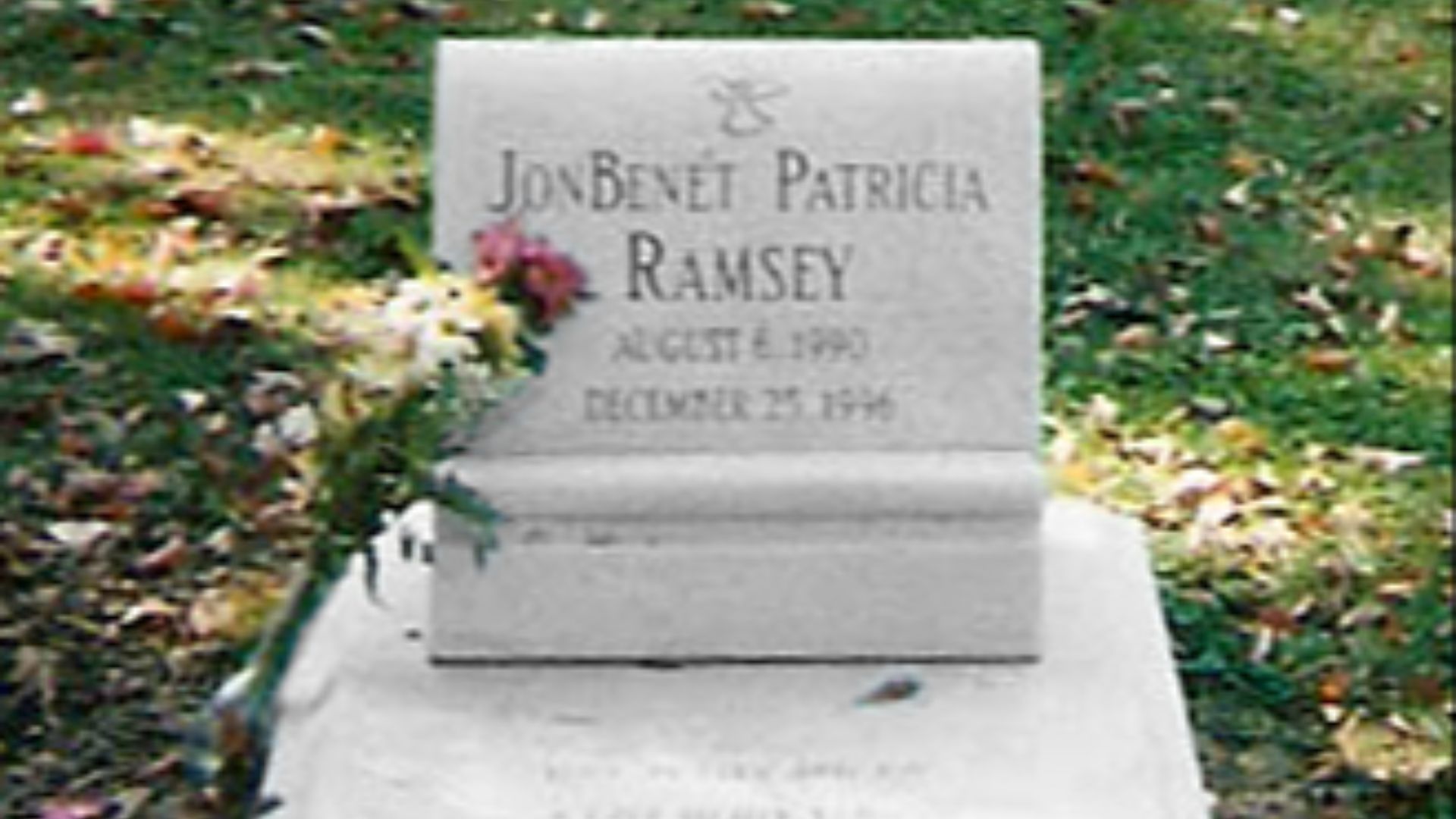
By now, just about everyone’s heard some variation of what happened to six-year-old JonBenét Ramsey. She was reported missing in 1996 before her body was found in a basement later that day. Even now, no one knows what happened for sure, and police acknowledged that certain aspects should’ve been handled differently.
17. Jeffrey Dahmer
In 1991, police responded after 14-year-old Konerak Sinthasomphone escaped Jeffrey Dahmer's apartment. He was incapacitated and didn’t have any clothes, but Dahmer somehow managed to convince officers that he was just an intoxicated adult partner. Insanely, police believed him. They took Sinthasomphone back inside, and Dahmer murdered him.
18. Harold Shipman
Concerns about the unusually high number of deaths among Dr. Harold Shipman's patients prompted an investigation in 1998. That’s not to say it went anywhere, though. It failed to uncover his crimes, and Shipman wasn't even arrested until months later. That, too, only happened after further suspicious deaths and evidence of a forged will emerged.
19. Stephen Downing
17-year-old Stephen Downing was convicted in 1974 of murdering Wendy Sewell—and spent decades maintaining his innocence. Well, it turns out there was something to that. A later investigation found problems with evidence and concluded that police breached interrogation rules by questioning the boy for eight hours straight, all without allowing a solicitor before the big break confession. His conviction was quashed in 2002, but he spent 27 years behind bars.
20. Jill Dando
BBC presenter Jill Dando was shot outside her home in 1999, and Barry George was the one convicted. He was brought in in 2001, largely through circumstantial evidence that fresh analyses later undermined. The new investigation cleared his name before George was acquitted at a retrial in 2008. Dando's murder remains unsolved, though.

KEEP ON READING