 Gobierno de Chile on Wikimedia
On August 5, 2010, a slab of diorite the size of a skyscraper broke loose inside the San José mine in northern Chile and sealed the main ramp. Thirty-three men were working below it, about 2,300 feet down and three miles from the entrance along a spiraling road. They gathered in a refuge chamber built for a short emergency and stocked for maybe two days, on the assumption that anyone trapped would be reached within hours.
Nobody above ground knew whether any of them were alive. Rescuers spent the next seventeen days drilling blind, aiming narrow probes at a target the size of a room from half a kilometer above it. Several of those boreholes missed by a wide margin. What happened over the following two months turned into one of the most watched events of the decade, and the part that came afterward got far less attention.
Seventeen Days Before Anyone Knew
The refuge held emergency food meant to keep a few men going for a couple of days. Luis Urzúa, the shift supervisor, put the group on rations that worked out to two spoonfuls of tuna and half a cookie every 48 hours, with a sip of milk. They kept that up for more than two weeks. Most of the men lost around eighteen pounds before the first supply tube reached them.
They organized themselves the way a crew does. Jobs were assigned and decisions went to a vote. Yonni Barrios, who had some medical training, became the group's health worker. Mario Sepúlveda kept morale up with a running commentary, which later made him the most visible of the thirty-three and earned him a nickname from the Chilean press.
On August 22, a probe punched through into their chamber and came back up with a note taped to the drill bit, written in red marker, saying that all thirty-three were alive in the shelter. The message went around the world within hours. Chile then had the job of telling the men it would take months to reach them, and the psychologists on the surface argued about how to deliver that news.
How They Got Them Out
Three drilling operations ran at once, each with a different rig and a different approach, on the reasoning that the fastest one would win and the others would serve as backup. Plan A used a machine that bored straight down. Plan B repurposed a water well hammer drill that widened an existing borehole. Plan C brought in an oil rig from the north that had to be assembled on site. None of the three had ever been used to reach people this deep.
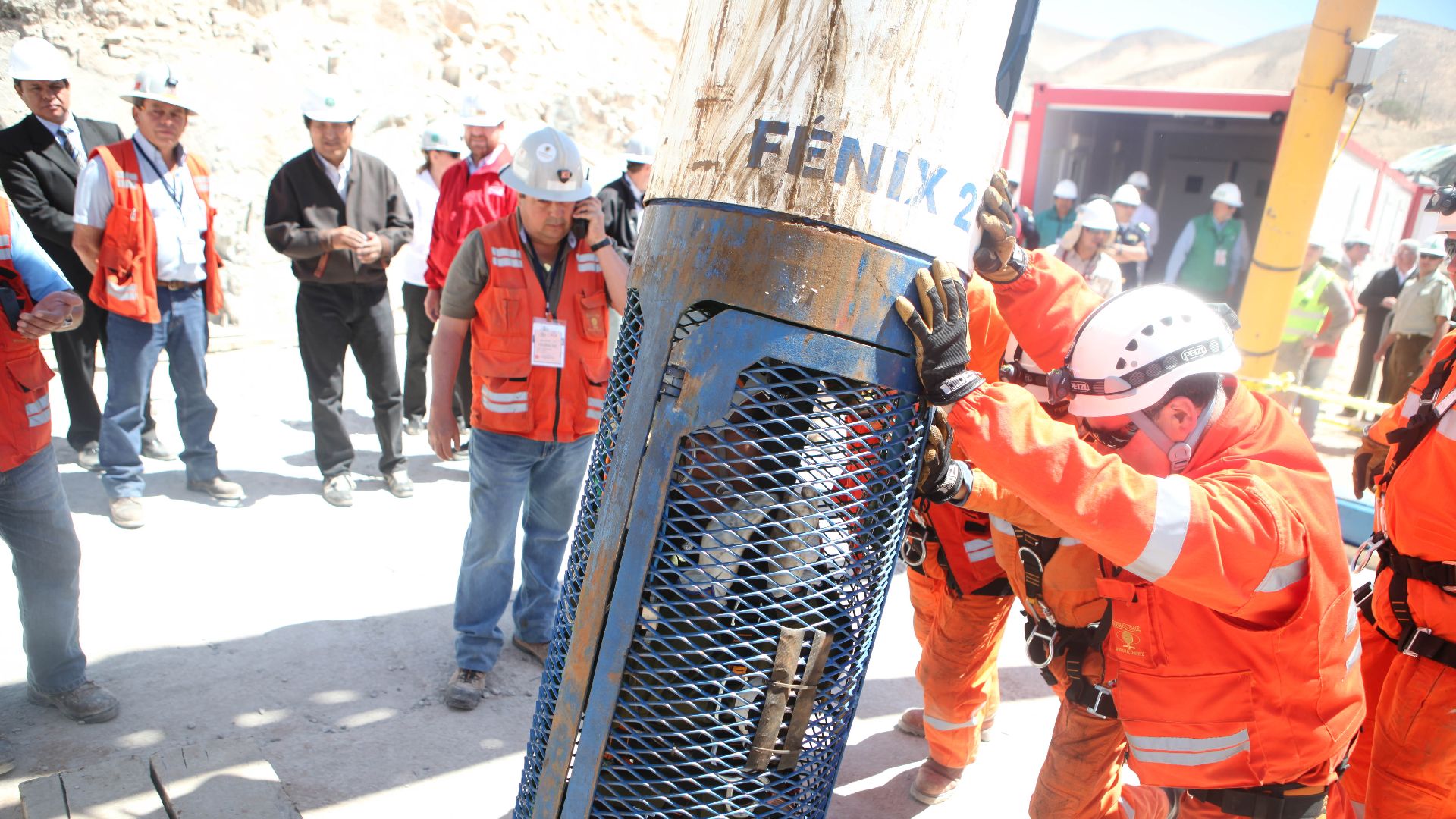
NASA sent a team of engineers and a doctor to advise on the psychology and nutrition of long confinement, drawing on what the agency knew about keeping people functional in isolation. Chilean Navy engineers built the rescue capsule, a steel cylinder called the Fénix, 21 inches across at the shoulders. A man had to stand inside it for a fifteen-minute ride through solid rock, strapped in with an oxygen supply and nowhere to put his arms.
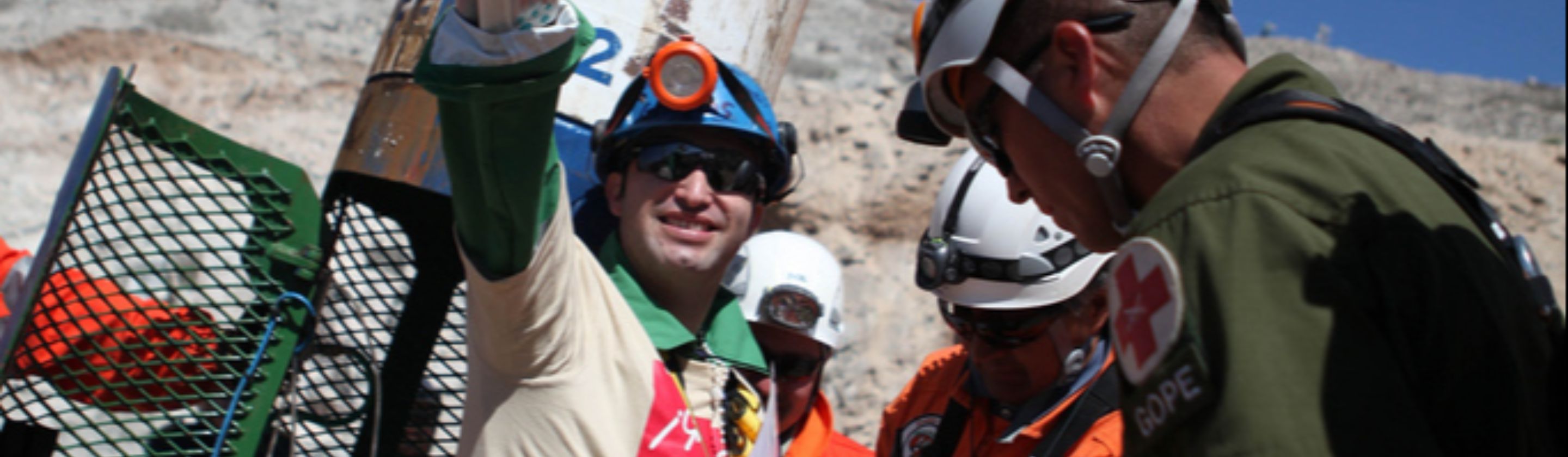
Plan B broke through on October 9. Four days later Florencio Ávalos came up in the capsule, and over the next 22 hours the rest followed one at a time. Urzúa came out last, which is the tradition for a shift supervisor. An estimated billion people watched some part of it live.
What Came After
The men went straight into a fame that none of them had any training for. There were state dinners and television appearances and trips paid for by people who wanted a photograph with them. Within a couple of years most of that had dried up. Many of the thirty-three were unemployed in a region where every mining company now knew their names.
Héctor Tobar, who interviewed all thirty-three for his book Deep Down Dark, documented how badly the aftermath went for a number of them. Nightmares and panic attacks showed up across the group, along with drinking problems that several of the men spoke about openly. Several were diagnosed with post-traumatic stress and struggled to hold work underground or anywhere else, and the government pensions that followed were modest.
The mine's owner, the San Esteban company, went bankrupt and paid almost nothing. A lawsuit against the Chilean state over regulatory failure dragged on for years. Inspectors had cited the San José mine repeatedly before the collapse and it had been allowed to reopen anyway. The men survived the part that made the news and spent the next decade dealing with the part that did not.