The Levies That Outlasted Their Governments
Governments rarely fall over ideas. They fall over money, and more precisely over the way money gets taken. A charge on windows or salt or a shilling a head reads like an administrative footnote until the collectors turn up in a village that has decided it has had enough. A surprising number of the last thousand years' political ruptures started with a receipt. Here's 20 taxes that reshaped economies and daily life long after the tax itself was repealed.
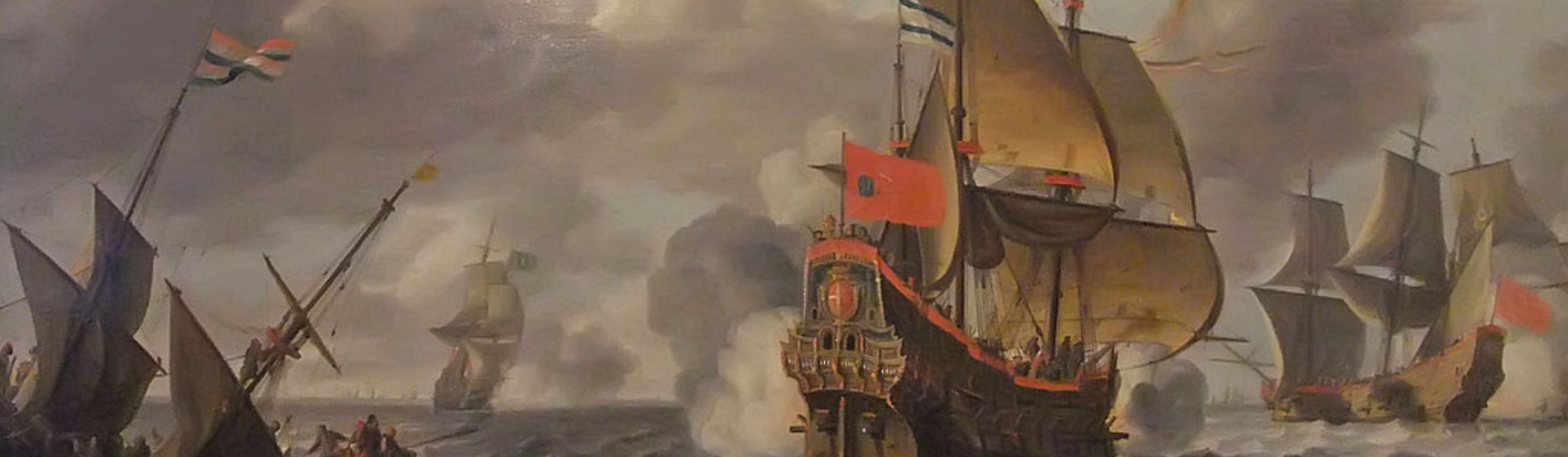
 Pieter Brueghel the Younger on Wikimedia
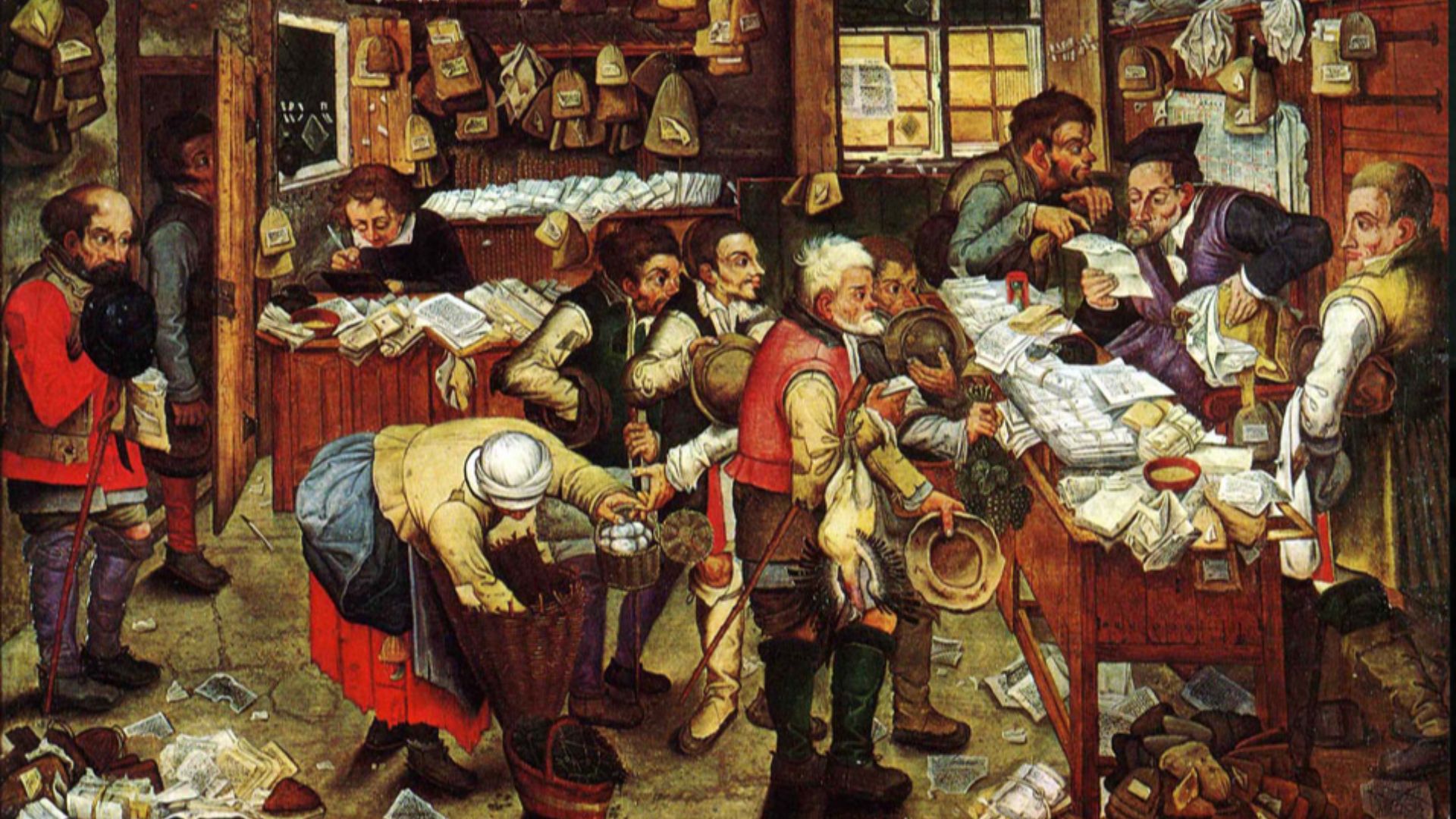
1. China's Salt Monopoly
In 119 BC, Emperor Wu of Han put salt and iron under state control to pay for his campaigns against the Xiongnu. Salt was the ideal target because opting out was challenging. By the late Tang the salt revenue covered close to half the imperial budget, and Chinese governments kept some version of the monopoly going for the next two thousand years.

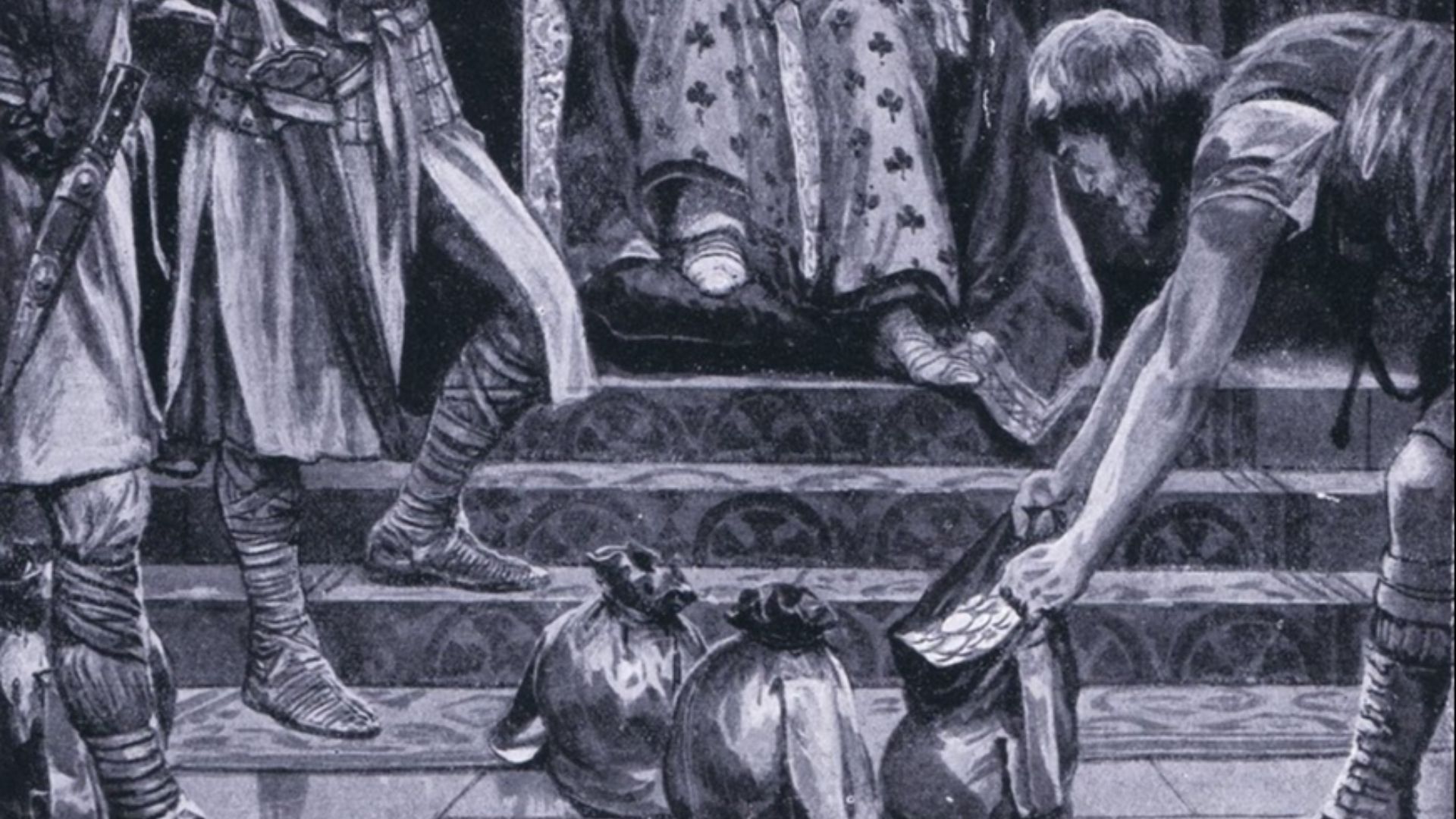
2. The Danegeld
After the Battle of Maldon in 991, Æthelred paid the Viking fleets 10,000 pounds of silver to go away. The fleets came back, the price went up, and Cnut collected something on the order of £72,000 in 1018. Paying it meant assessing every estate in England, and that machinery outlived the Vikings as the foundation of later English taxation.
 Richard Caton Woodville Jr. on Wikimedia
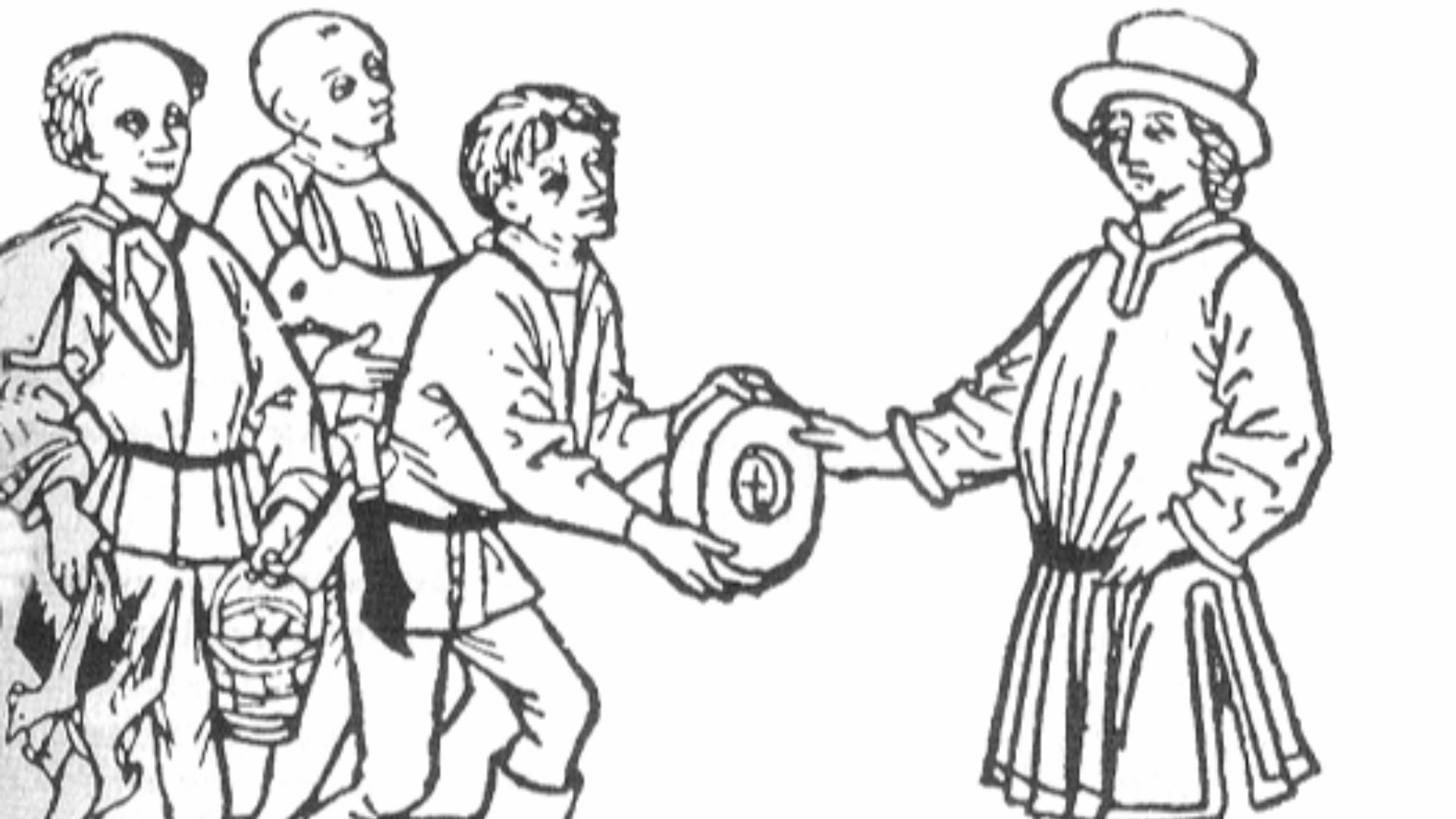
3. The Tithe
Charlemagne made the church's tenth compulsory across his empire in the late eighth century, turning a donation into a legal obligation. For a thousand years European peasants handed over a share of grain and livestock to the local parish, which is why small medieval villages built barns the size of churches. The French revolutionaries abolished it in August 1789, and England converted its tithes into cash rents in 1836.
 Unknown authorUnknown author on Wikimedia
4. The English Poll Tax Of 1381
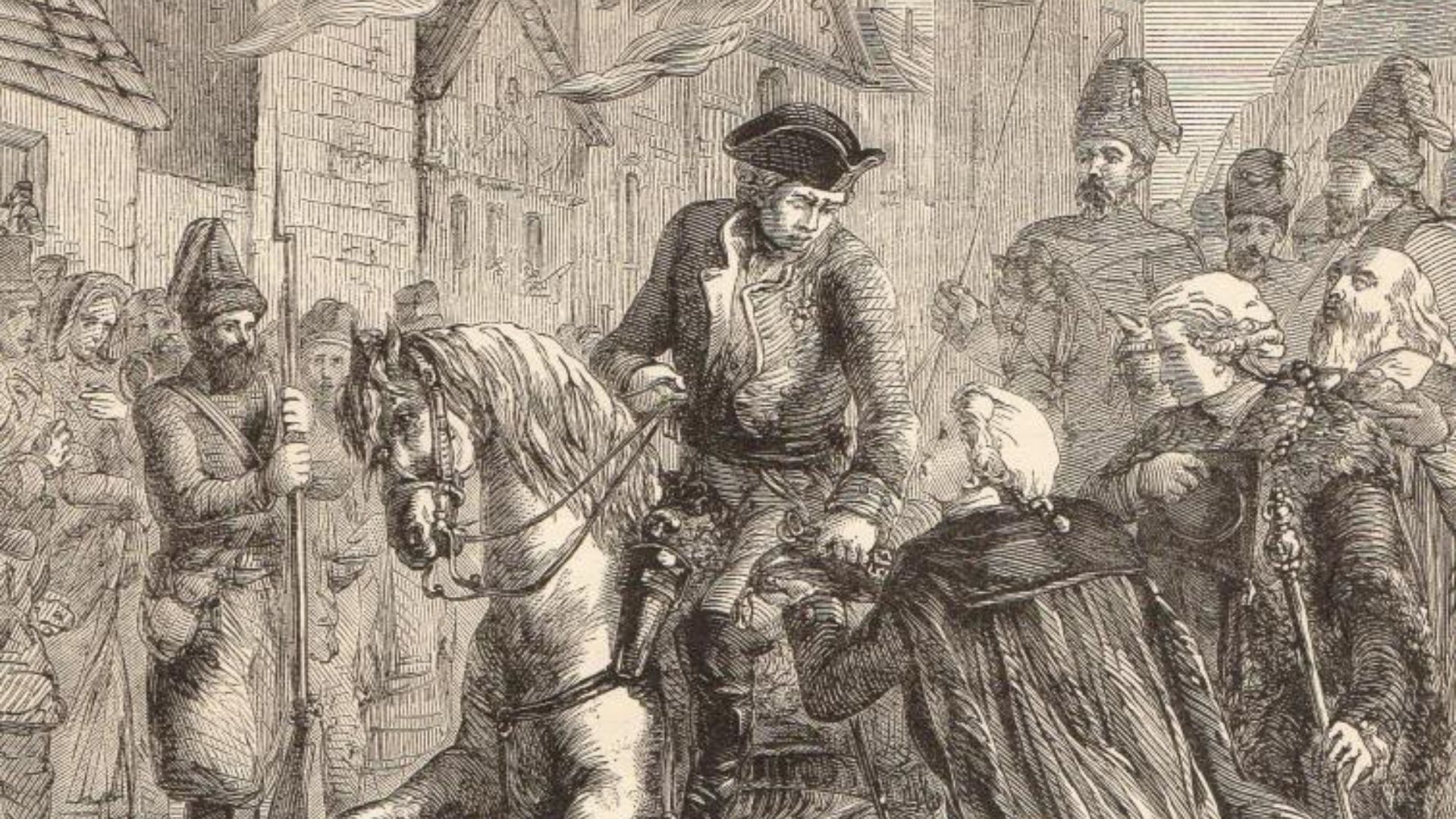
Parliament needed money for the war in France and settled on a flat shilling from nearly every adult, the third such levy in four years. Essex and Kent rose and marched on London, where the rebels killed the Archbishop of Canterbury. Richard II was fourteen when he rode out to meet them at Smithfield, and no English government tried a flat head tax again for six centuries.
 commons.wikimedia.org on Google
5. Ship Money
Charles I revived an old coastal levy for naval defense in the 1630s and then extended it to inland counties without calling Parliament. John Hampden refused to pay and lost his 1637 case seven judges to five, which turned a tax dispute into a constitutional one. Parliament declared the charge illegal in 1641, and the country was at war the following year.

6. The Window Tax
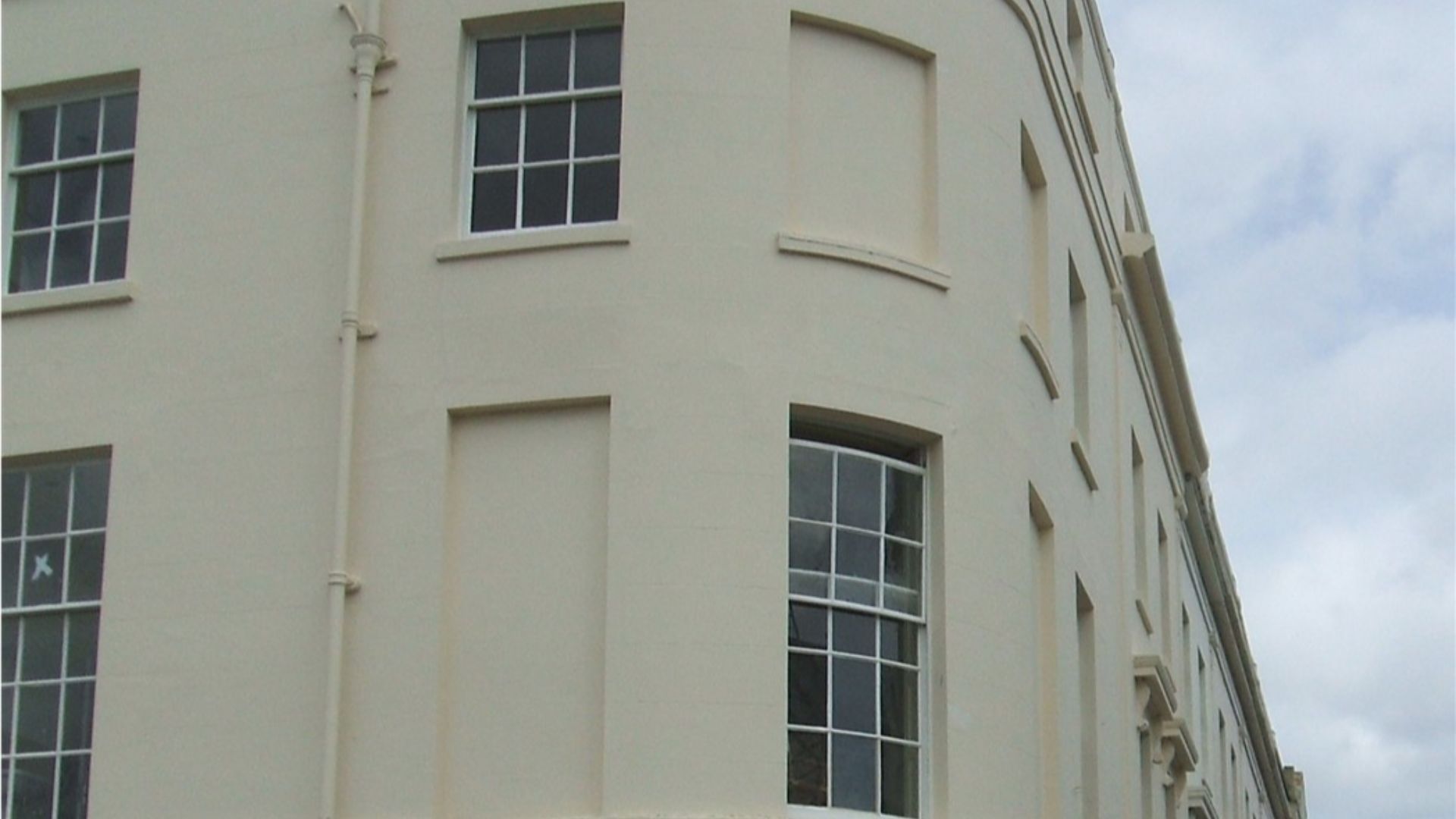
Britain taxed windows from 1696, charging by the number of openings above a threshold. Landlords did the obvious thing and bricked up stairwells and back rooms, and you can still pick out the filled-in outlines on Georgian terraces. Doctors spent decades arguing that dark, airless housing was spreading disease, and the tax finally went in 1851.
7. Peter The Great's Beard Tax
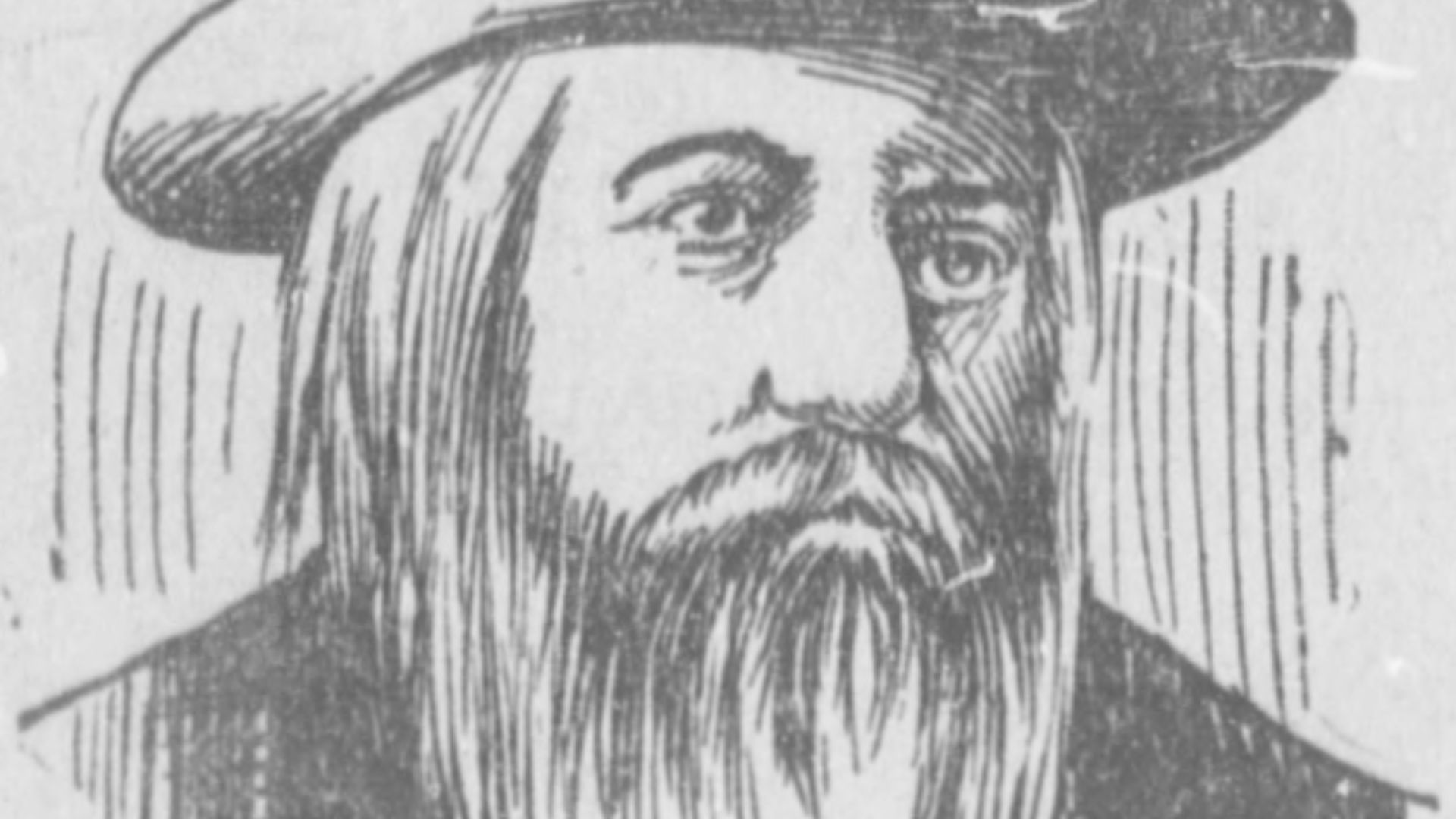
Peter came back from Western Europe in 1698 convinced that Russian beards were holding the country back. He taxed them on a sliding scale by rank and issued small bronze tokens as proof of payment. Merchants paid the steepest rate, and a beard turned into a visible marker of who was resisting the whole Westernizing program.
 Unknown authorUnknown author on Wikimedia
8. The Gabelle
France's salt tax varied so wildly by province that a smuggler could get rich crossing a single county line. Households in the heavily taxed regions had to buy a fixed quota every year whether they needed it or not, and thousands of evaders were sent to the galleys. The National Assembly killed it in 1790, and it stayed a byword for arbitrary government long afterward.

9. The Stamp Act
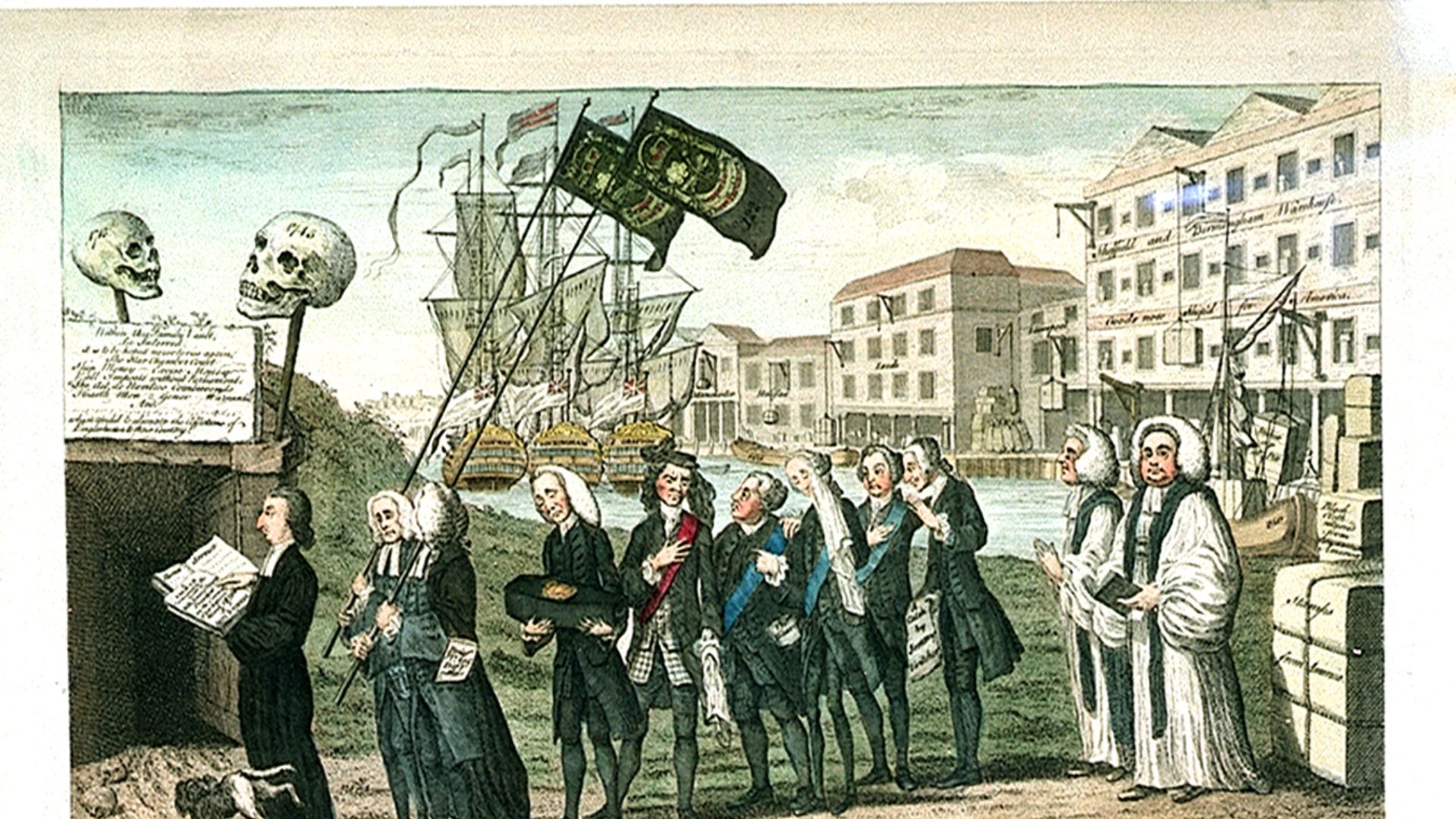
In 1765 Parliament taxed paper in the American colonies, which meant every newspaper and legal document now carried a stamp. Delegates from nine colonies met in New York that October, the first time they had organized against London as a bloc. The Act was repealed within a year, and the argument about representation it kicked off never was.
 Unknown authorUnknown author on Wikimedia
10. The Tea Act
The 1773 Act actually lowered the price of legal tea by letting the East India Company ship straight to the colonies, which wrecked the business of Boston's smugglers. On December 16 a crowd dumped 342 chests into the harbor. London closed the port and stripped Massachusetts of self-government in response, and the shooting started eighteen months later.
 台湾総督府(Office of the Governor-General of Taiwan) on Wikimedia
11. The Whiskey Tax
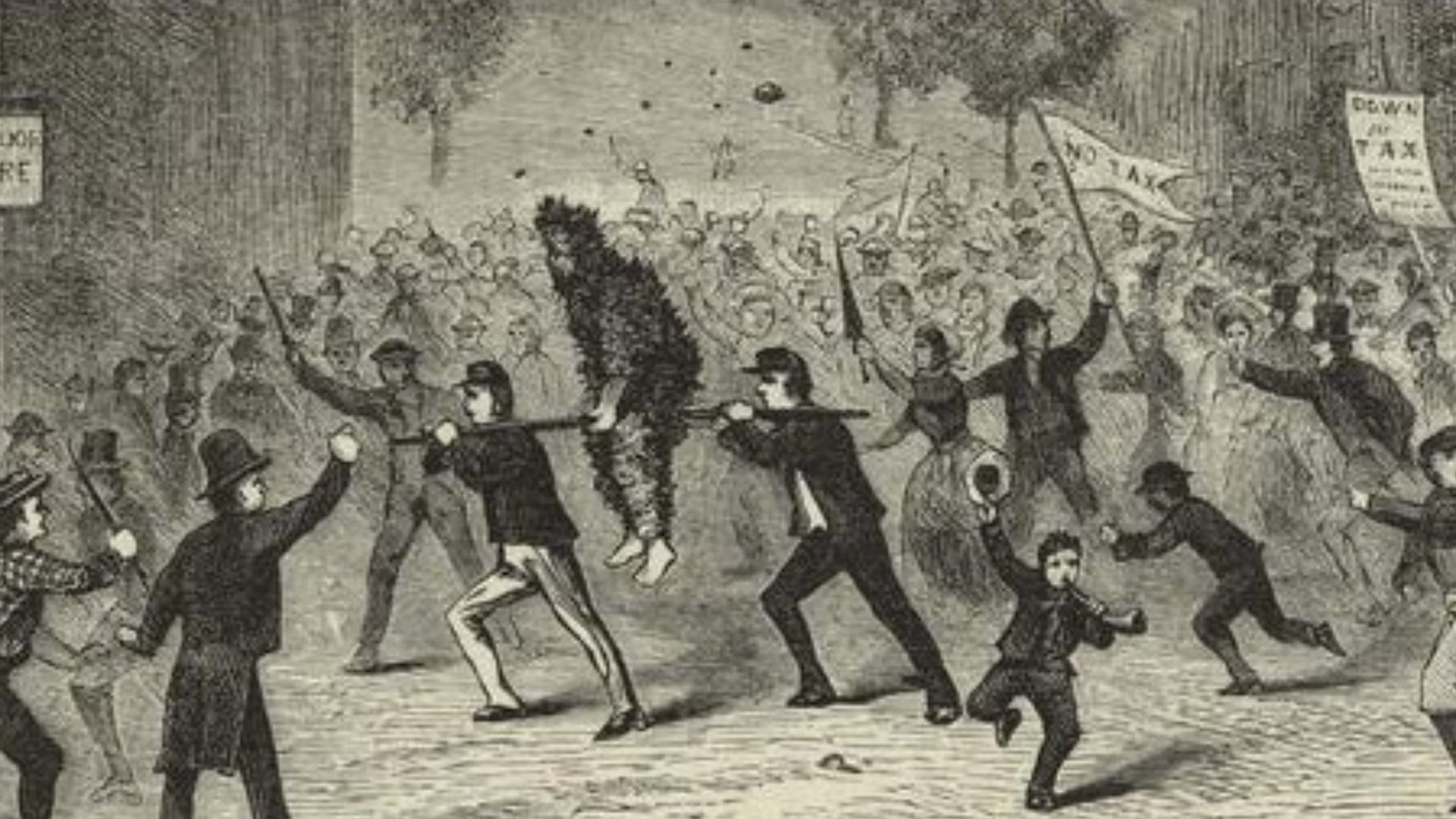
Hamilton's 1791 excise on distilled spirits landed hardest on western farmers, since whiskey was how they turned grain into something worth hauling over the mountains. Resistance in western Pennsylvania got violent enough that Washington rode out with a militia force of roughly 13,000 men in 1794. The rebellion collapsed without a battle, and the new federal government had demonstrated that it would collect.
 Illustrator unknown to uploader on Wikimedia
12. Pitt's Income Tax
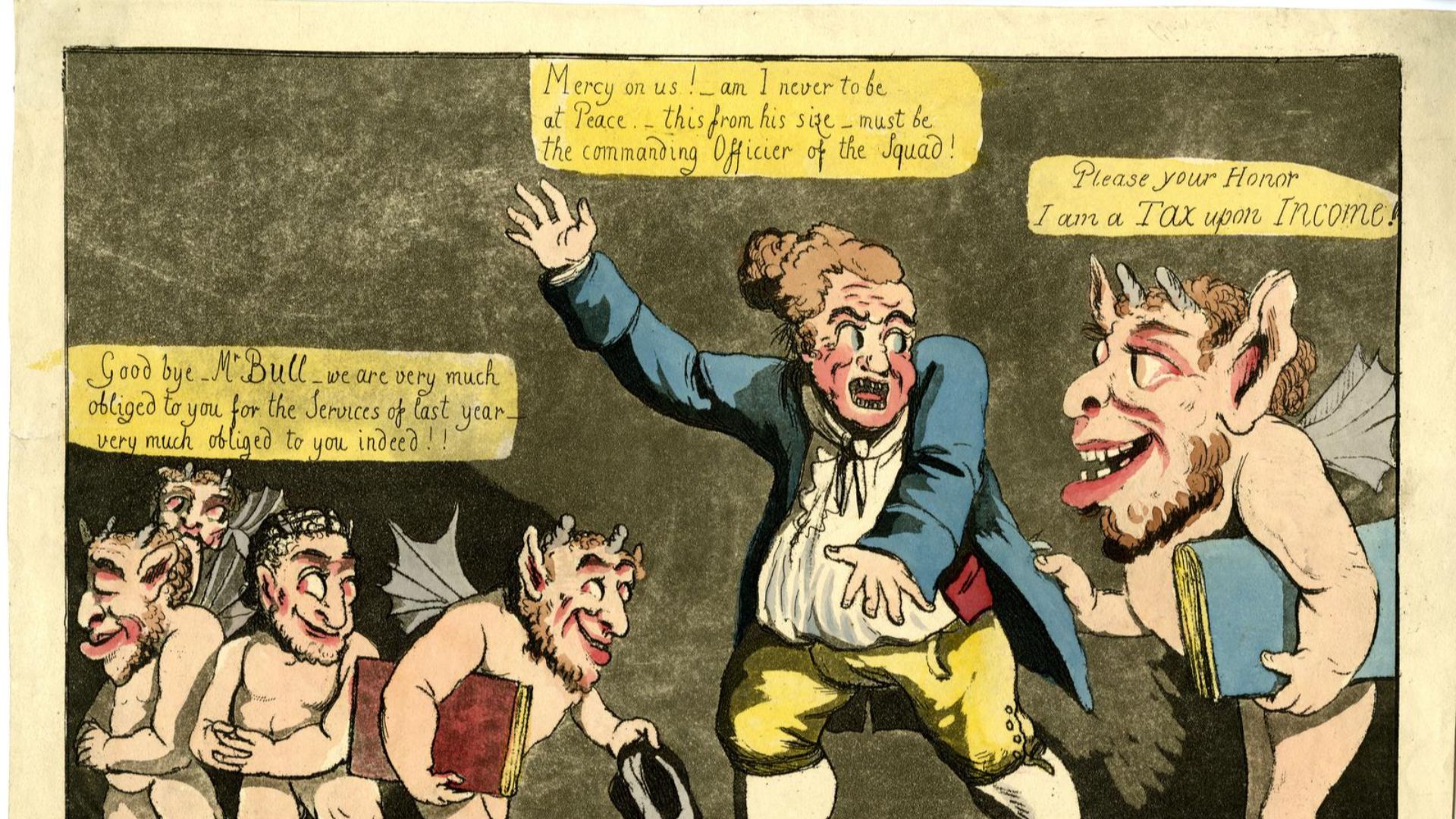
Pitt introduced an income tax in 1799 to fund the war against France, set at 10 percent on incomes above £200. It was sold as a wartime emergency and abolished in 1816, with Parliament ordering the records burned so it could never be revived. Peel brought it back anyway in 1842, and no major government has managed without one since.
13. The Corn Laws
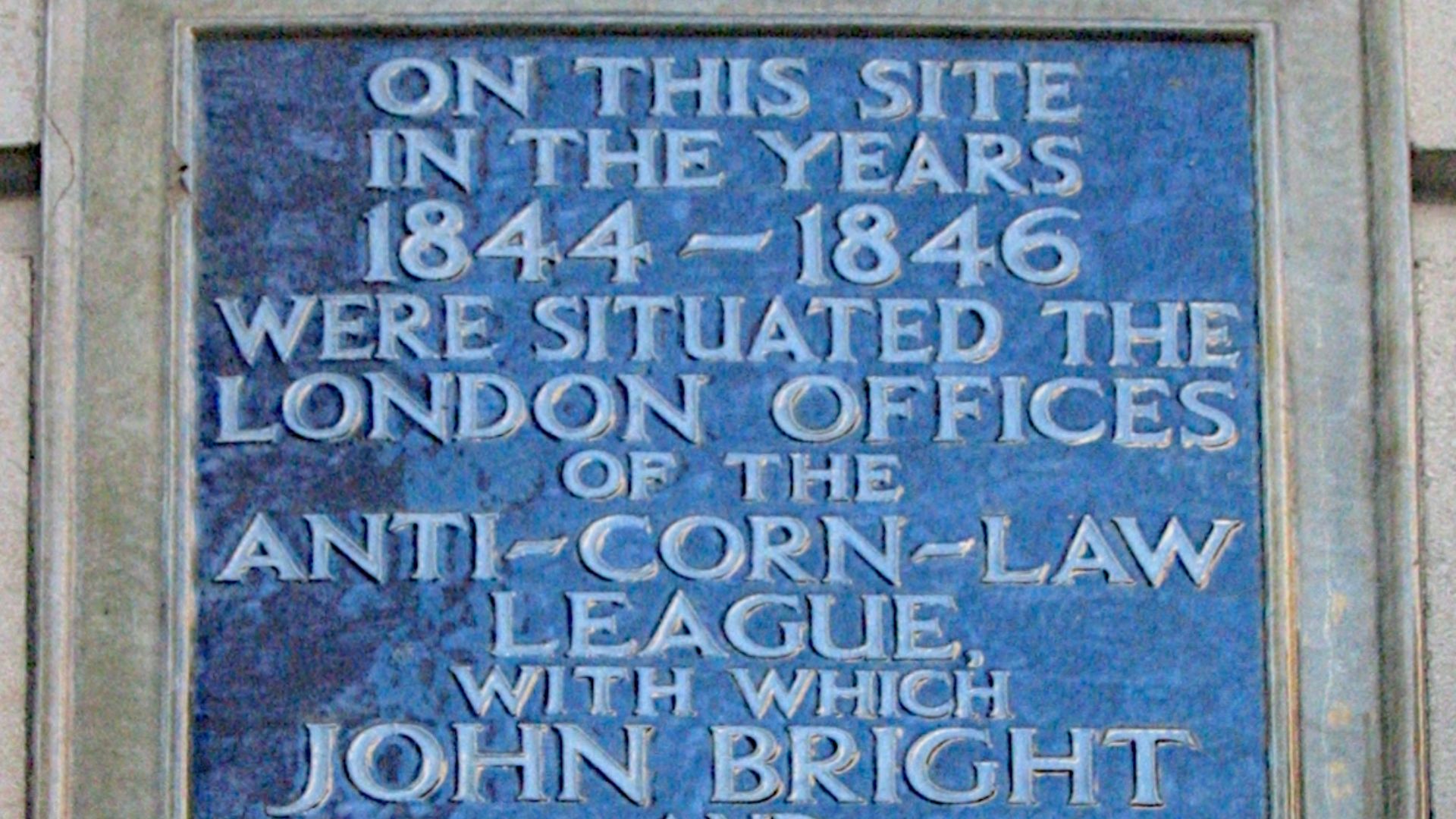
The 1815 Importation Act blocked foreign wheat until British prices reached 80 shillings a quarter, which protected landowners and kept bread expensive. Cobden's Anti-Corn Law League spent eight years making that the central question in British politics, and Peel repealed the laws in 1846 during the Irish famine. He split his own party to do it, and Britain stayed committed to free trade for the next seventy years.
14. The Hut Tax
Britain imposed a five-shilling charge on every dwelling in its new Sierra Leone protectorate in 1898, payable in cash that most households had no way of earning. Bai Bureh led a revolt that took the colonial administration months to put down. Versions of the same tax spread across colonial Africa and pushed farmers off subsistence plots and into mines and cash-crop fields.

15. The Sixteenth Amendment
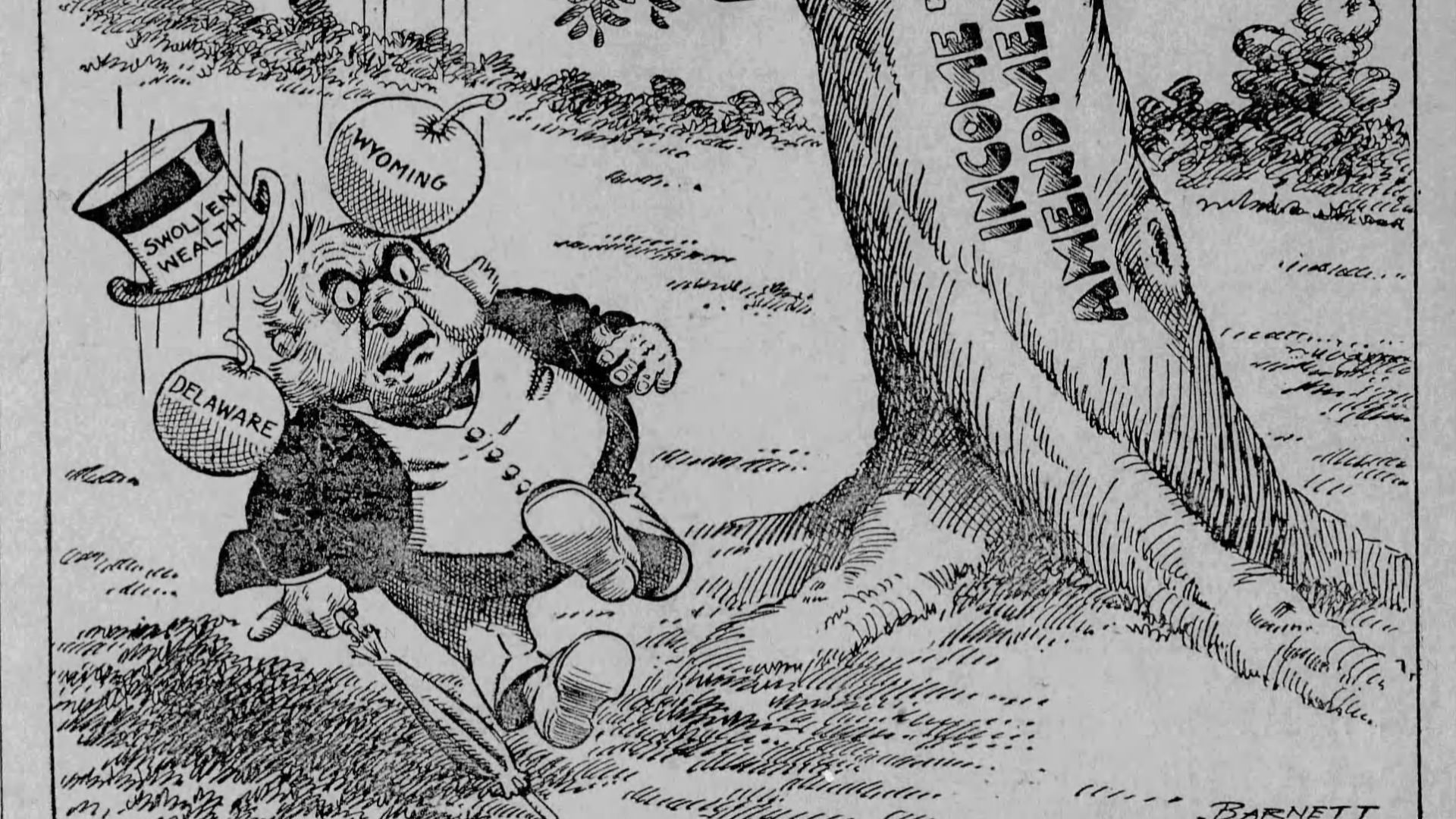
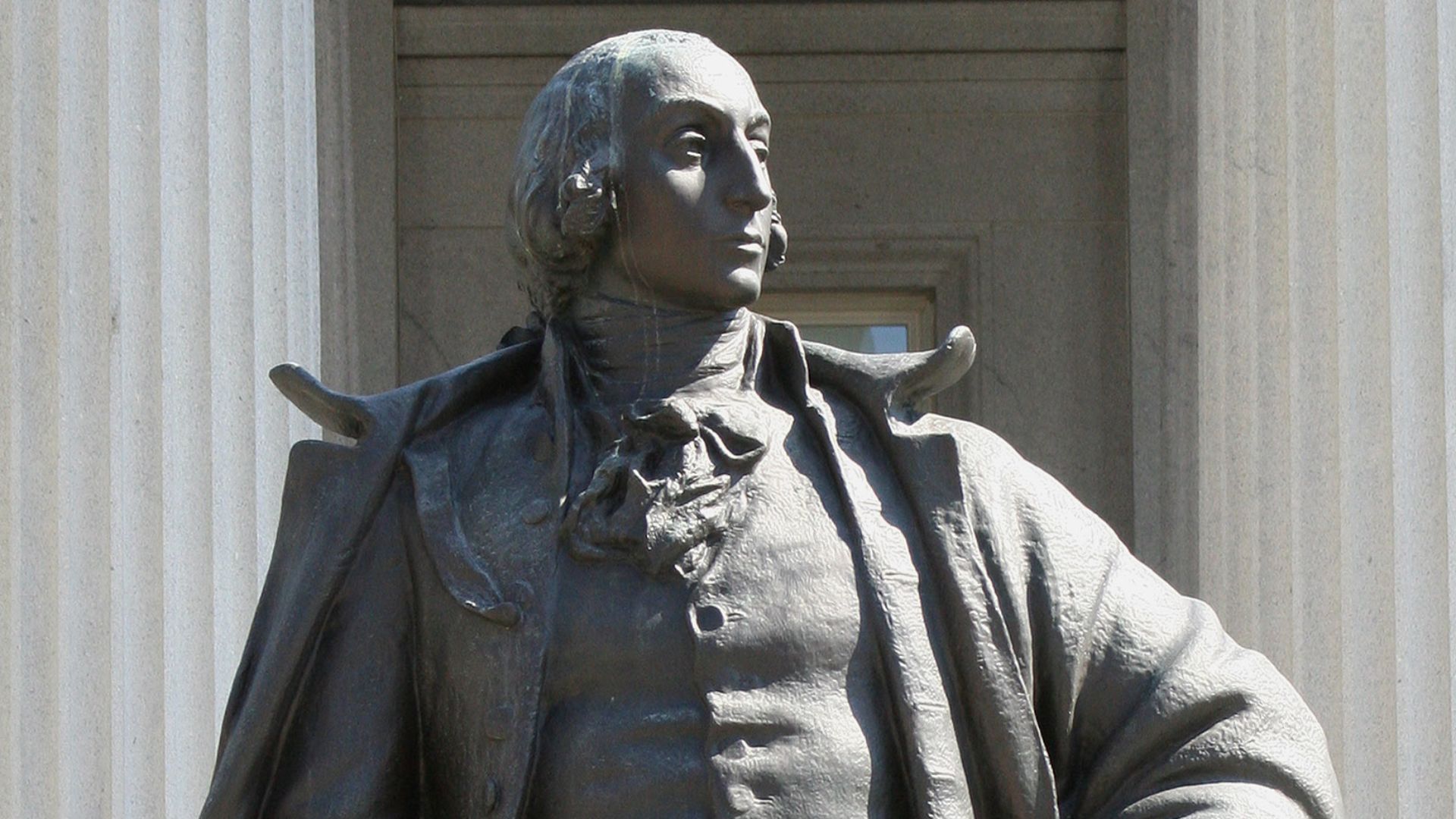
The Supreme Court struck down a federal income tax in 1895, so bringing one back took a constitutional amendment, ratified in February 1913. The first rates look almost decorative now, topping out at 7 percent on income above $500,000. Within five years the top rate had passed 70 percent to pay for the First World War.
 Unknown authorUnknown author on Wikimedia
16. The Indian Salt Tax
The Salt Act of 1882 made it a crime for Indians to collect or sell salt outside the British monopoly, on a substance people could not live without in that climate. Gandhi walked 240 miles to the coast at Dandi in the spring of 1930 and picked up a lump of salted mud. Roughly 60,000 people were arrested in the months that followed, Gandhi among them.
 David from Washington, DC on Wikimedia
17. Smoot-Hawley
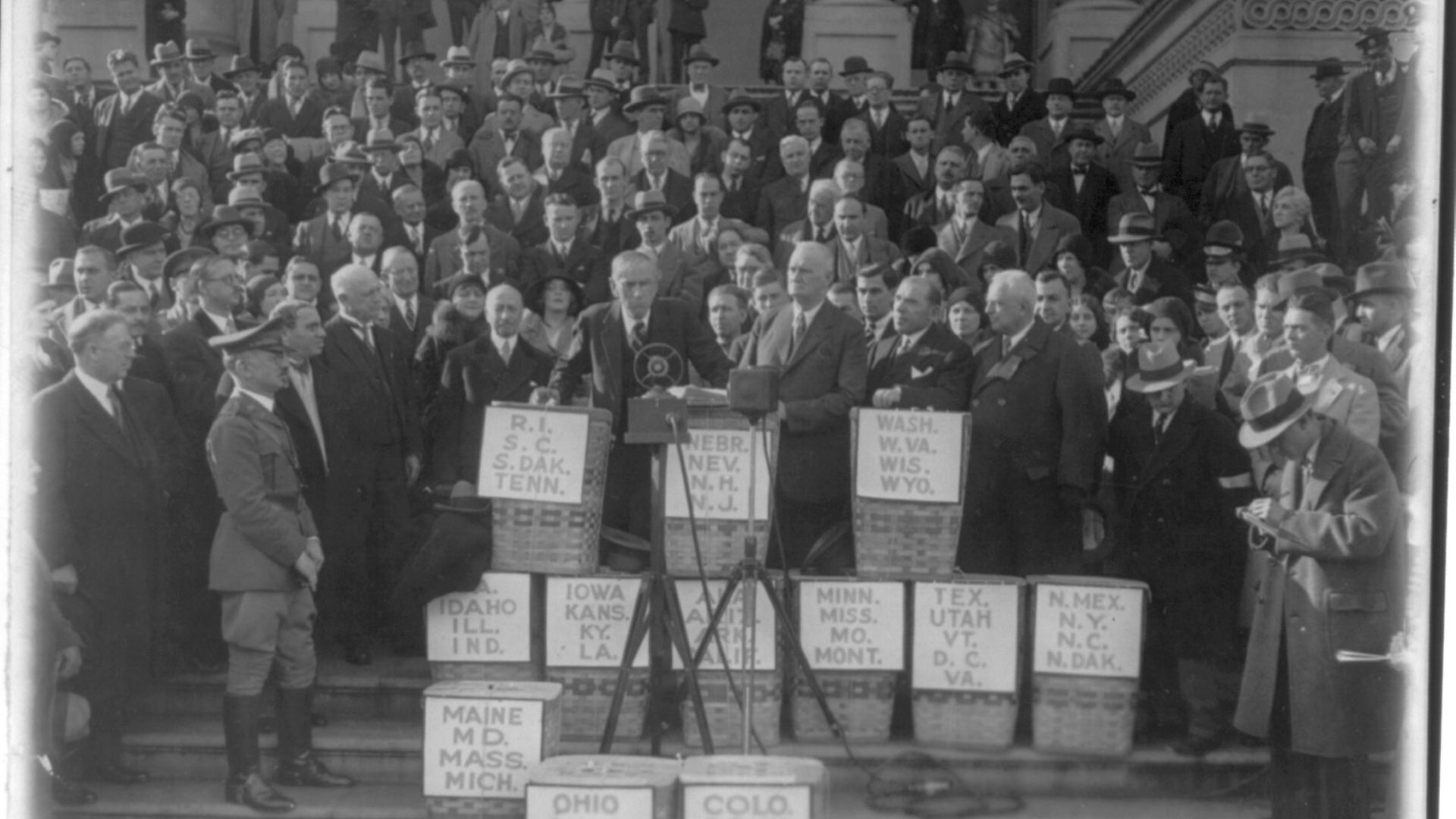
The 1930 tariff raised American duties on thousands of imported goods while the economy was already collapsing, and more than a thousand economists petitioned Hoover to veto it. Canada and Europe retaliated within months. American exports fell by more than half over the next three years, and in 1934 Congress handed tariff-setting power to the president, where it has mostly stayed.
 National Photo Company Collection on Wikimedia
18. Payroll Withholding
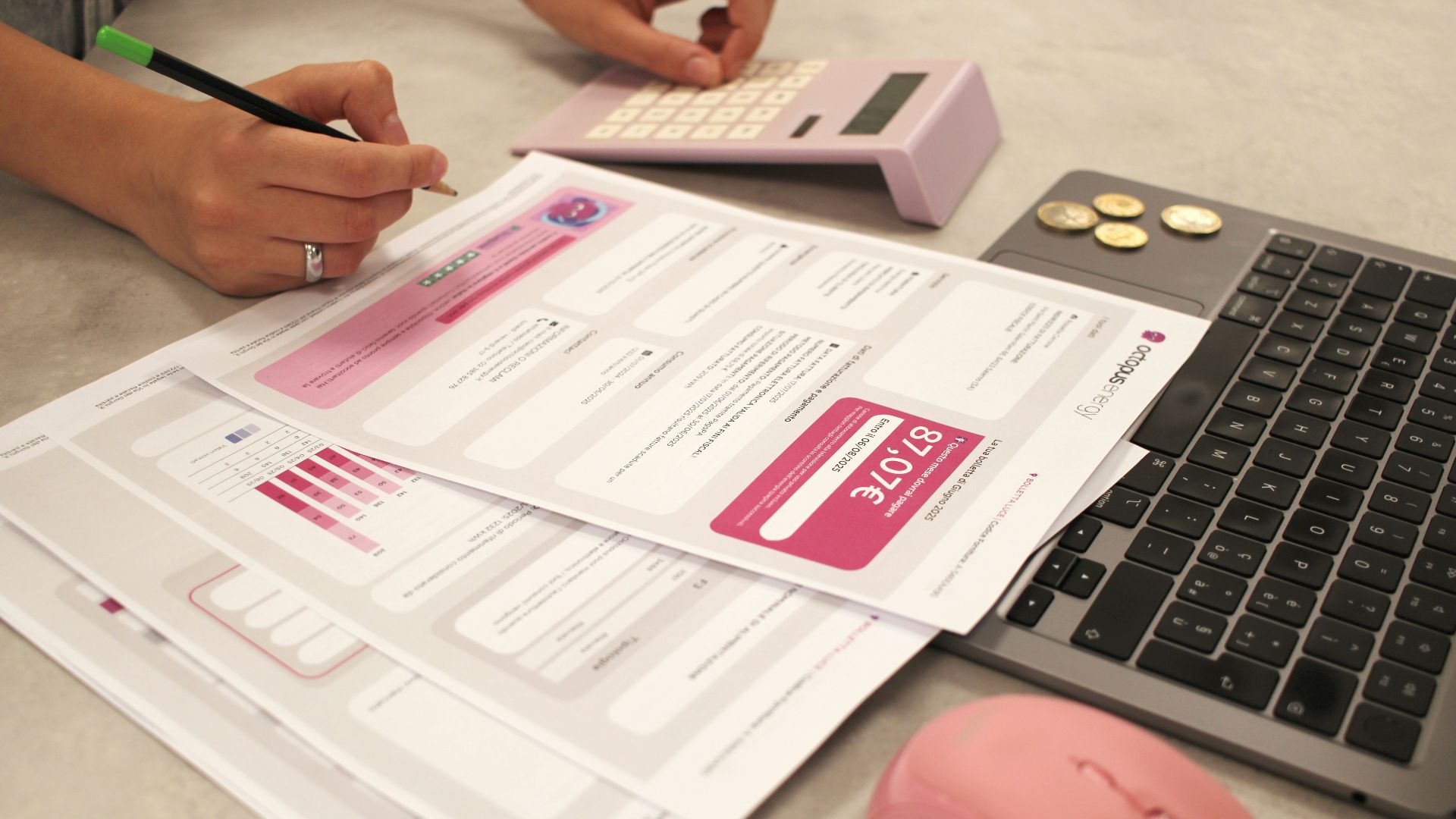
Before 1943, Americans paid income tax in a lump sum the following year, which worked while only a few million people owed anything. The Current Tax Payment Act moved collection into the paycheck, an idea pushed by a Macy's executive named Beardsley Ruml. Filers went from about 4 million in 1939 to more than 40 million by 1945, and the money now arrived before anyone had a chance to spend it.
 Giorgio Tomassetti on Unsplash
19. Value Added Tax
A French tax official named Maurice Lauré put the first value added tax into operation in 1954, charging at each stage of production instead of only at the till. It is harder to dodge than a sales tax because every business in the chain leaves a paper trail. More than 170 countries run one today, and the United States is the conspicuous holdout.
 commons.wikimedia.org on Google
20. The Community Charge
Margaret Thatcher replaced local property rates with a flat charge on every adult, tested in Scotland in 1989 and rolled out across England a year later. Millions refused to pay or disappeared from the electoral register to avoid it, and a protest in Trafalgar Square in March 1990 turned into a riot. She was out of office by November, and the charge was gone by 1993.
 Unknown photographer on Wikimedia
KEEP ON READING