History's Strangest Private Collections
Keeping a souvenir is one thing, but history isn’t filled with trinkets or wreaths of human hair. No, it’s filled with people who took the idea a little further. Some held onto the bones of people they loved. Doctors filled private rooms with skulls, preserved organs, and entire bodies in the name of science. Not every collection was squirreled away in someone’s closet, but many began in private spots the average person didn’t know about—until now. Come with us as we explore which figures kept remains in one way or another.
1. Mary Shelley
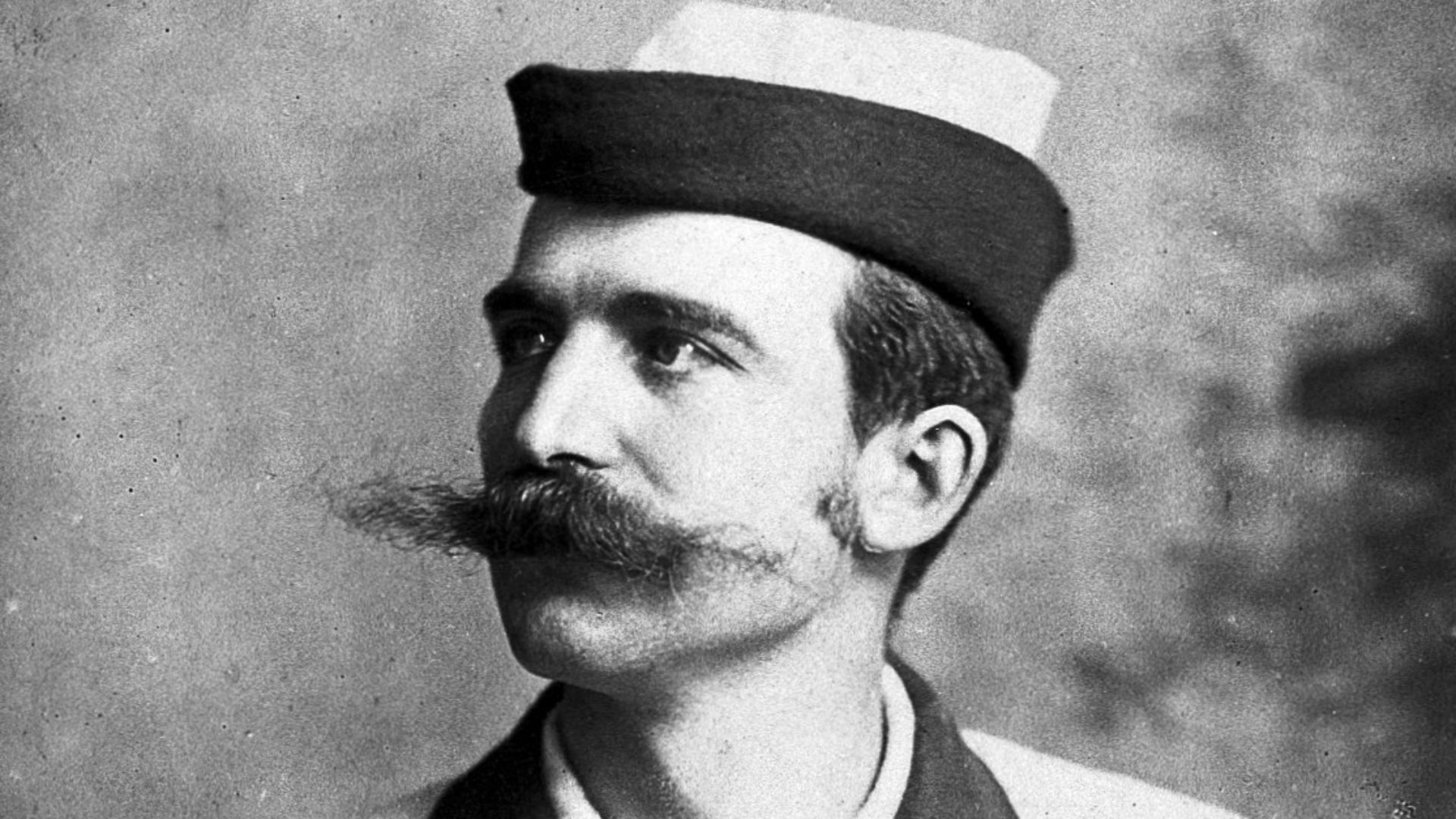
After poet Percy Bysshe Shelley drowned in 1822, his body was cremated on a beach. However, some of his friends thought that his heart had actually survived the fire. Mary Shelley eventually received the remains and guarded them for the rest of her life, allegedly wrapping them with pages from Percy's poetry. When she died in 1851, her family found the remains among her possessions, although modern historians are iffy on whether it was his real heart.
2. Johann Wolfgang von Goethe
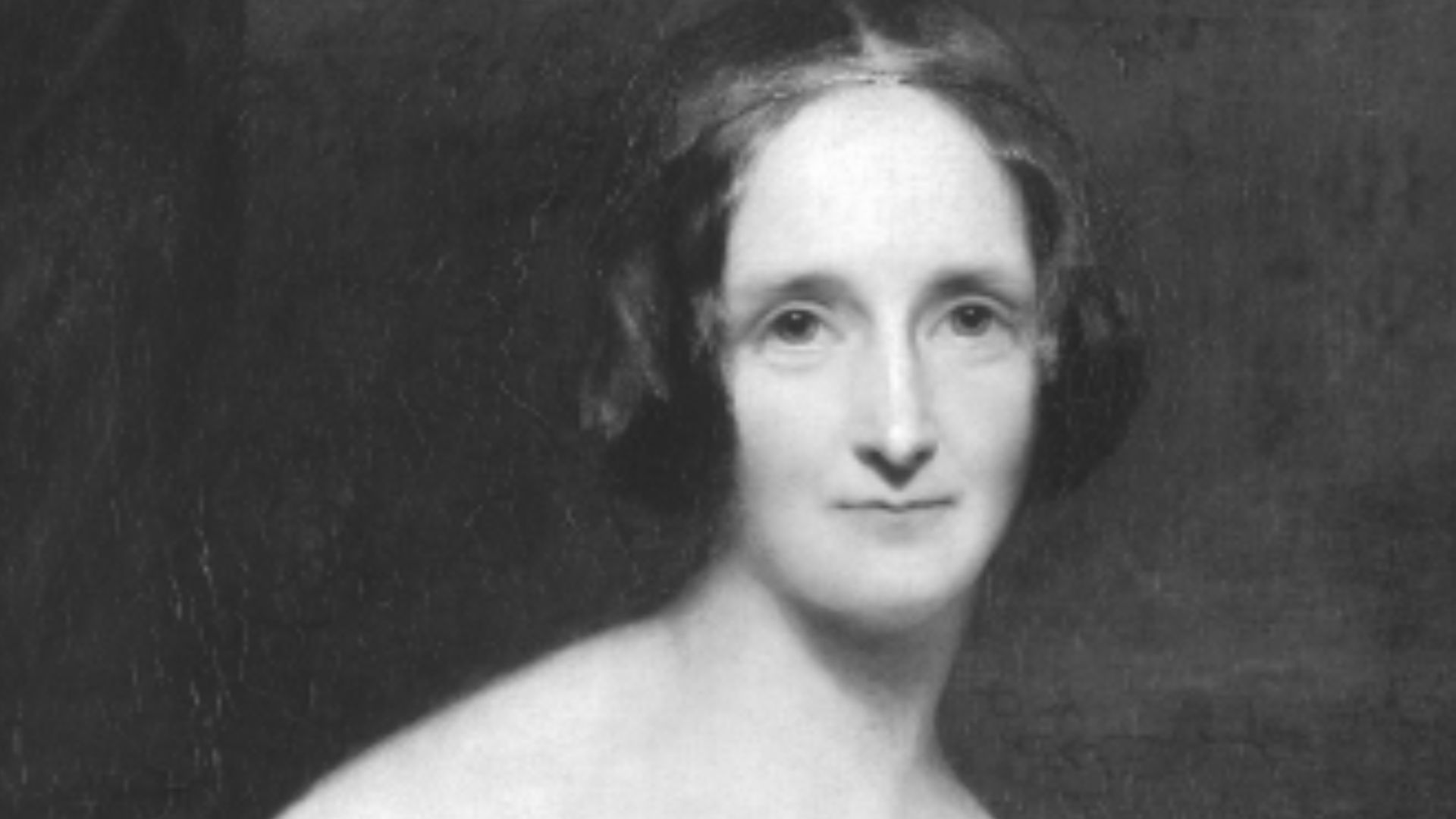
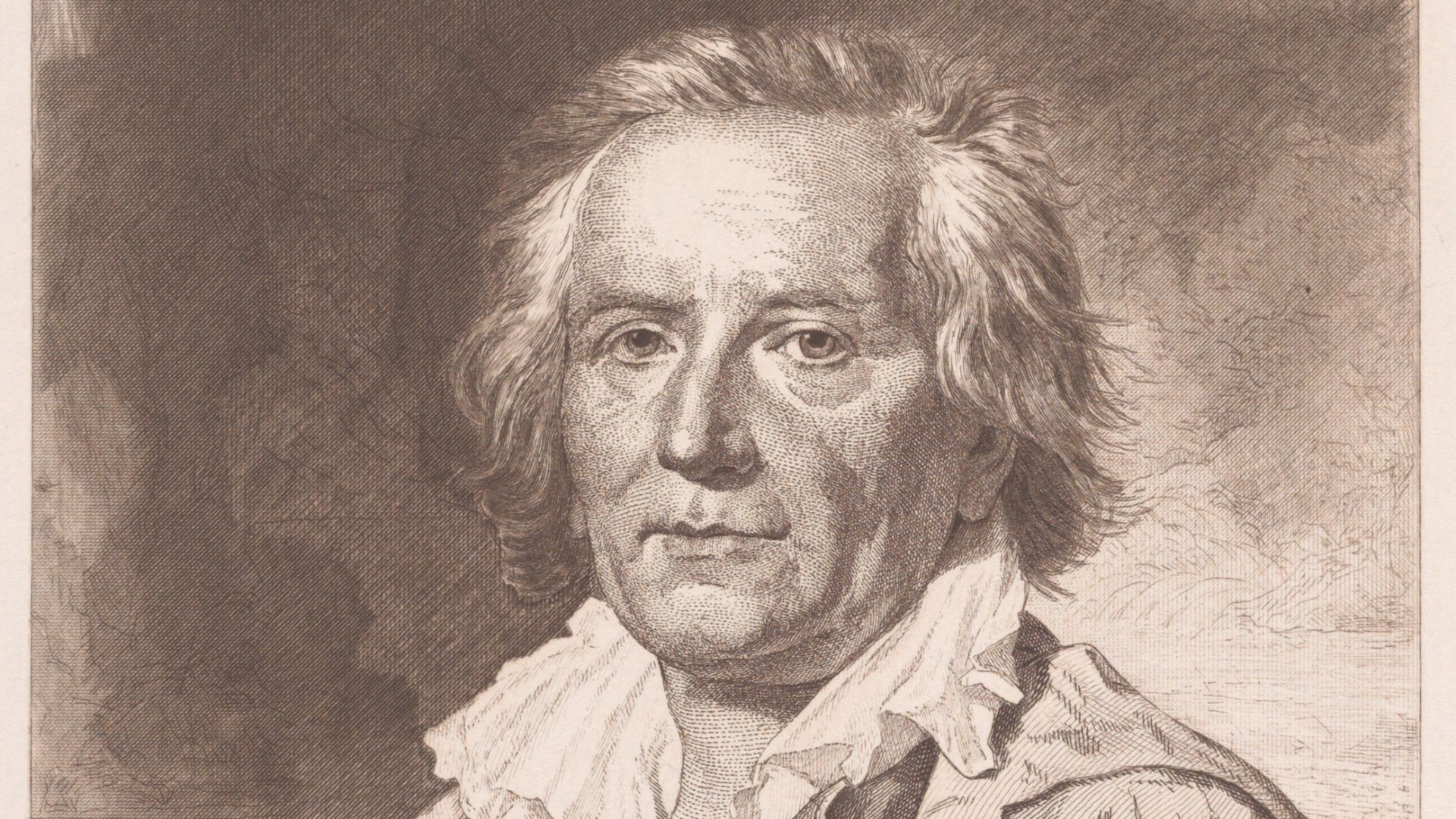
When Friedrich Schiller's supposed remains were recovered from a crowded burial vault in the 1820s, nobody could identify his skull with any certainty. So, Johann Wolfgang von Goethe had it brought to his home, where he devoted his time to examining it. DNA testing later showed that the famous skull wasn't Schiller's at all, though.
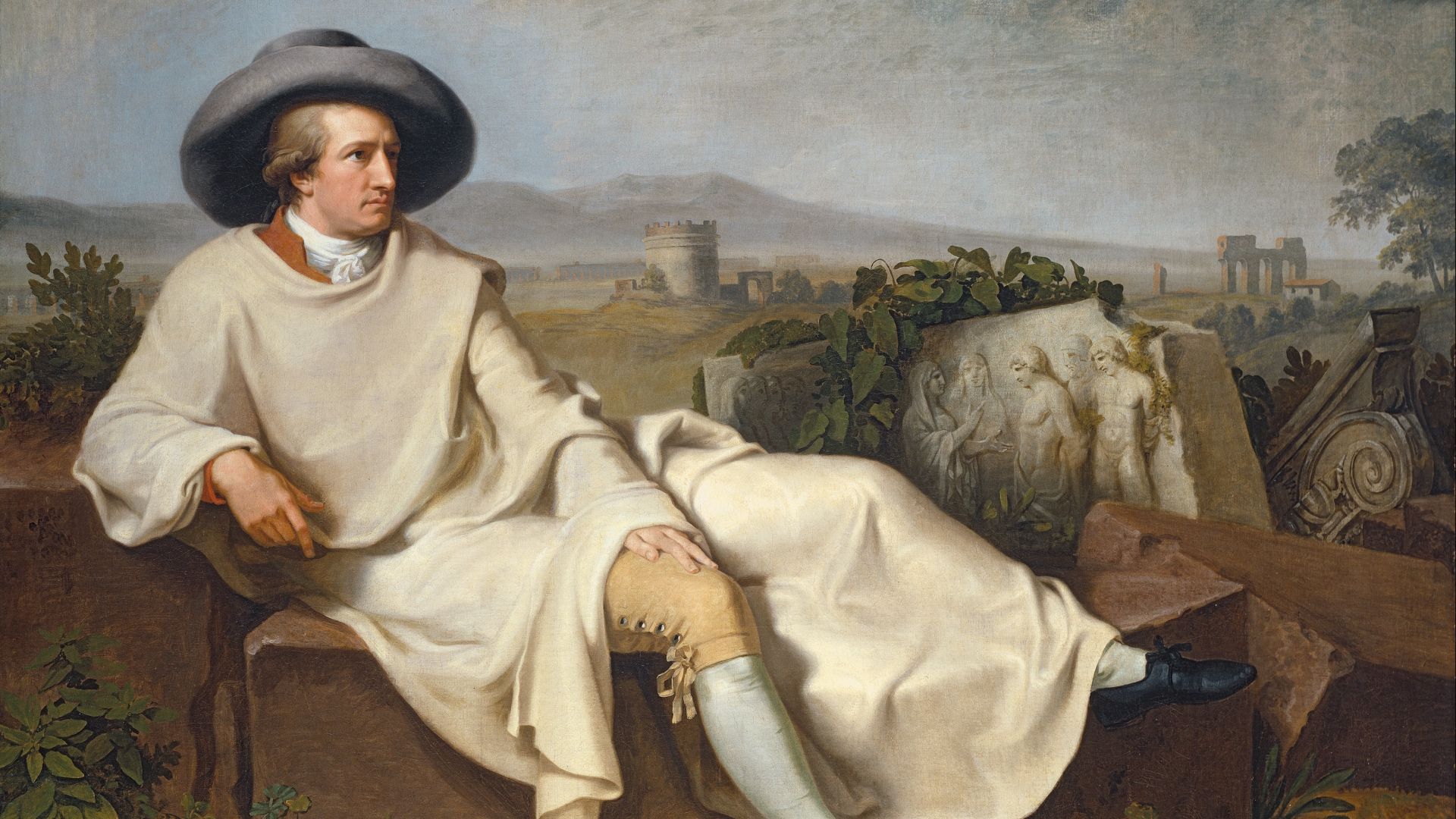 Johann Heinrich Wilhelm Tischbein on Wikimedia
3. Lord Byron
While work was being done at Byron's estate, a gardener uncovered a large human skull that may have belonged to a former monk. Byron didn’t deny it; he later recalled having it cleaned, polished, and mounted so it could be used as a cup. He even wrote a poem about it.
4. Philip II
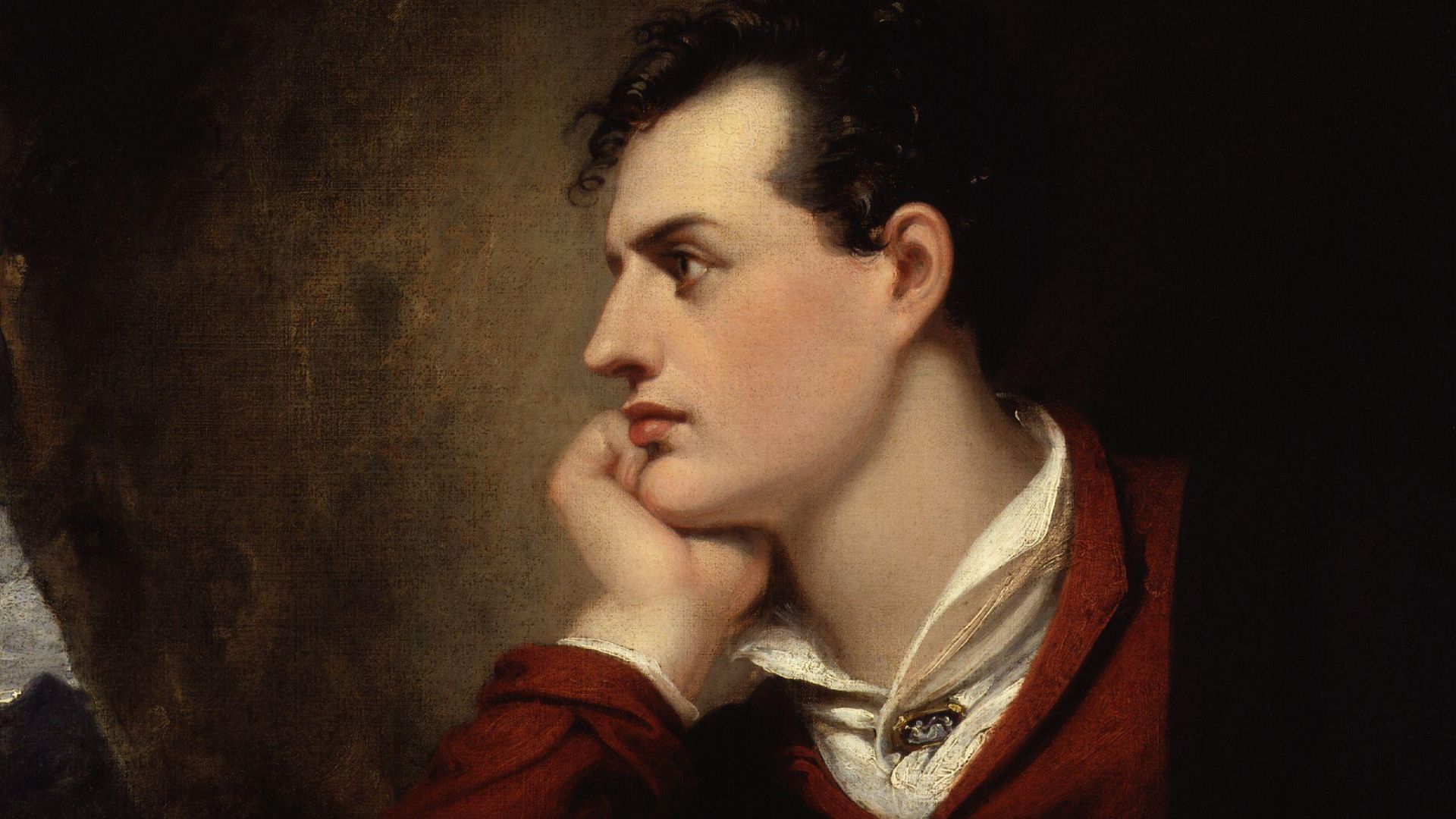
Spain's Philip II was very devoted to religious relics, assembling a massive collection at El Escorial in the 16th century. When he died in 1598, the collection had roughly 12 bodies, 144 heads, and hundreds of bones attributed to saints and martyrs. That wasn’t even the end of it. Philip kept especially important relics close during his final moments because he thought they provided spiritual comfort.
5. Cardinal Albrecht
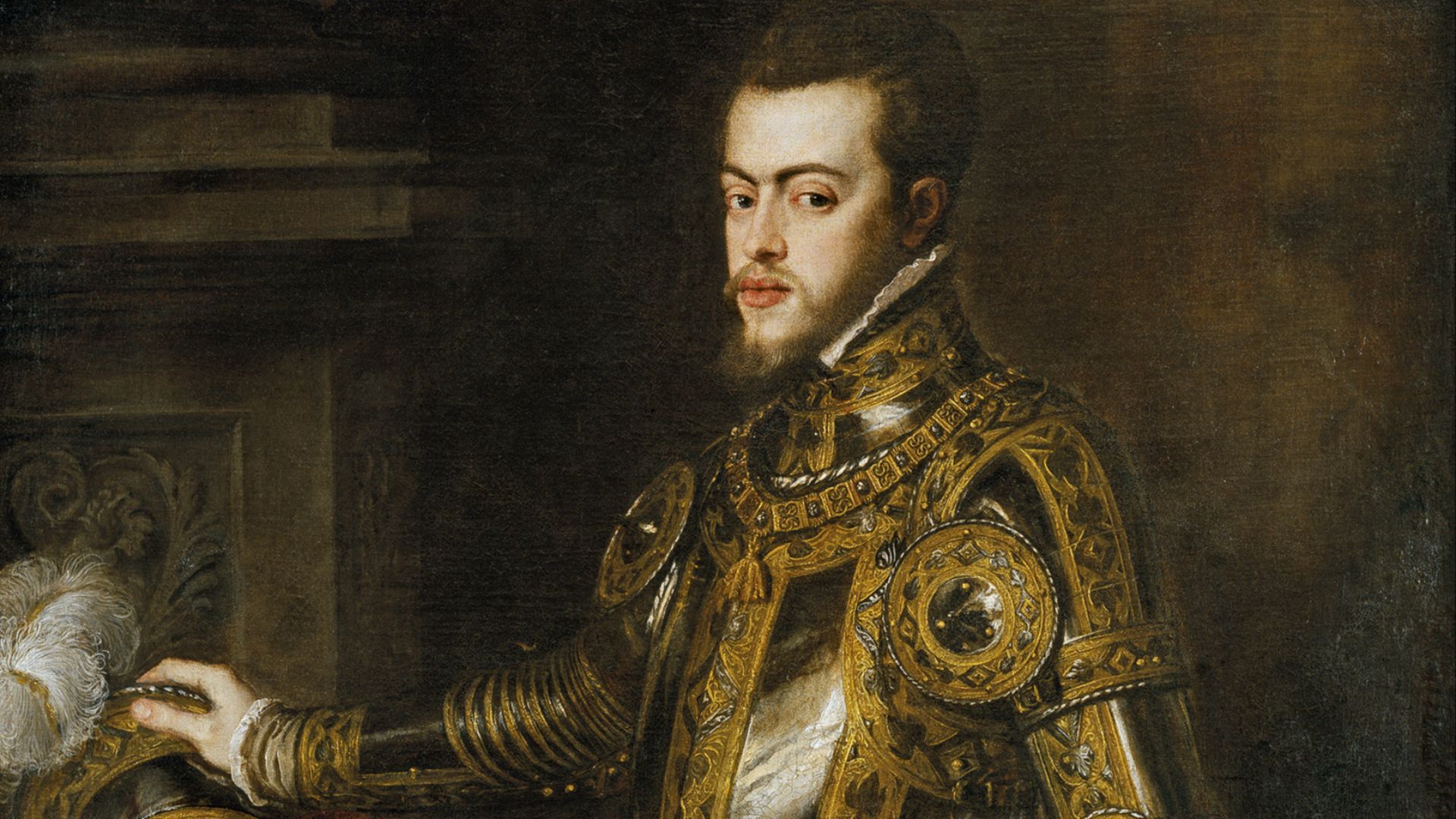
Cardinal Albrecht of Brandenburg assembled an enormous religious relic collection during the early 1500s—and we do mean enormous. A 1520 inventory listed 42 complete saintly relics along with more than 8,000 smaller fragments, which were stored in containers and sometimes displayed on special occasions. Martin Luther really didn’t like it, though, and the public exhibitions eventually stopped.
6. Peter the Great
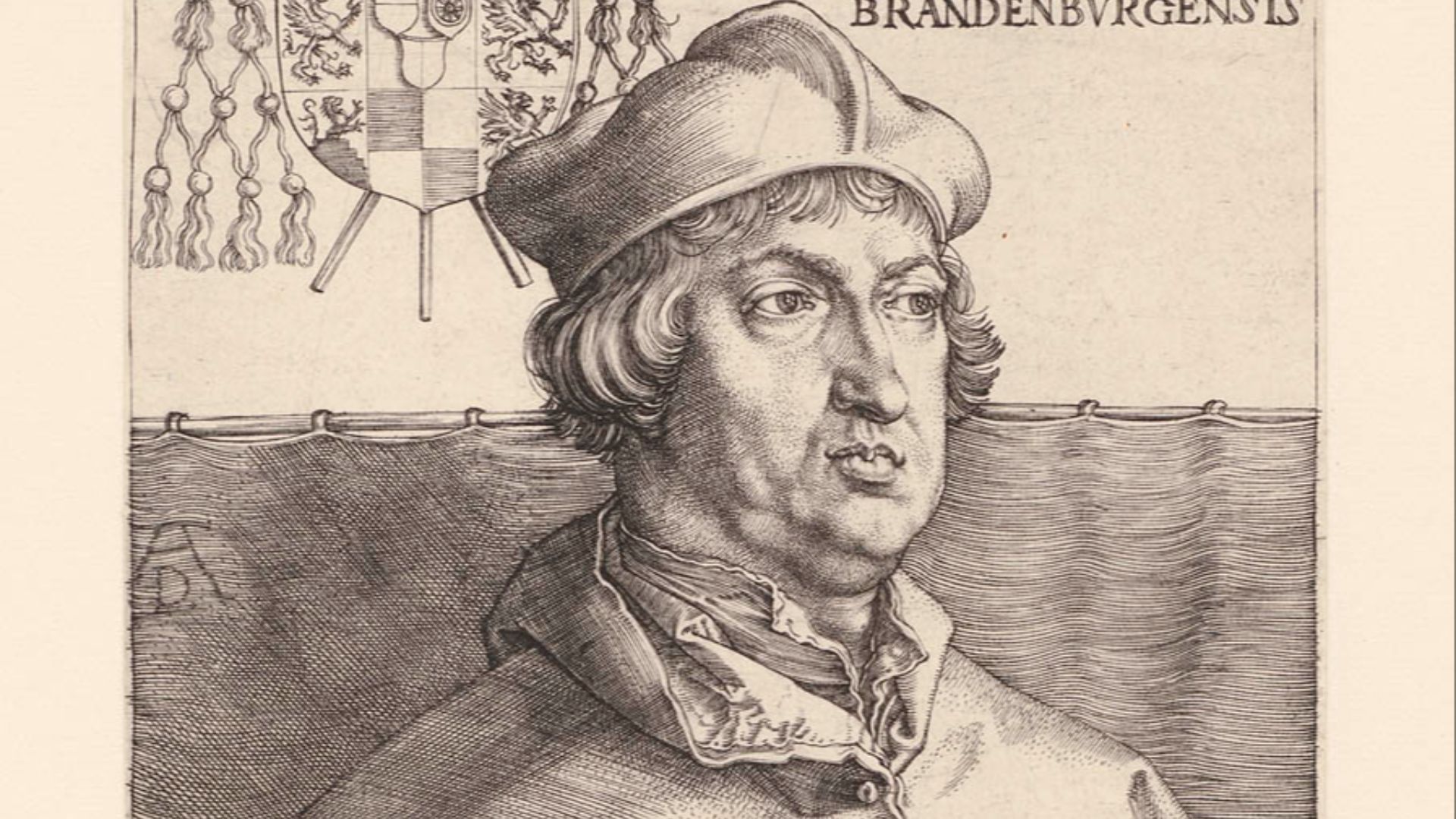
During his travels in the Netherlands, Peter the Great became fascinated by anatomist Frederik Ruysch's collection of preserved human bodies and organs. In 1717, he paid 30,000 guilders for roughly 2,000 specimens and initially had them stored at his palace in St. Petersburg. They later became a major part of Russia's first public museum.
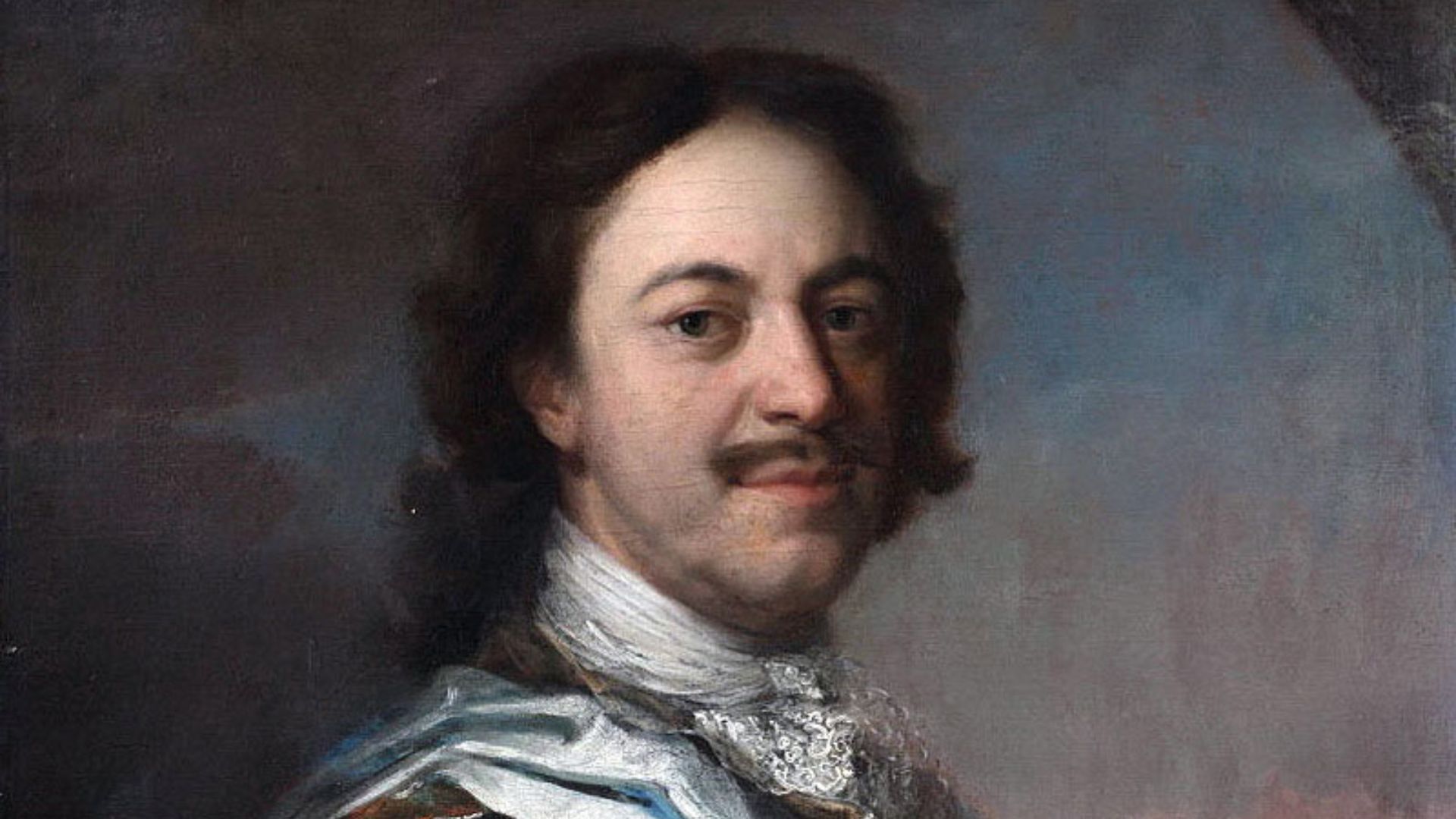 Карел де Моор (Moor, Carel de (1656-1738)) on Wikimedia
7. Frederik Ruysch
Why was Peter the Great so interested in Ruysch? Well, the Dutch anatomist perfected techniques that allowed him to preserve anatomical specimens with insane detail. His private museum took up several rooms of his house, and he sometimes arranged skeletons and remains in elaborate displays. Even after he sold one collection to Peter the Great, Ruysch immediately began building another.
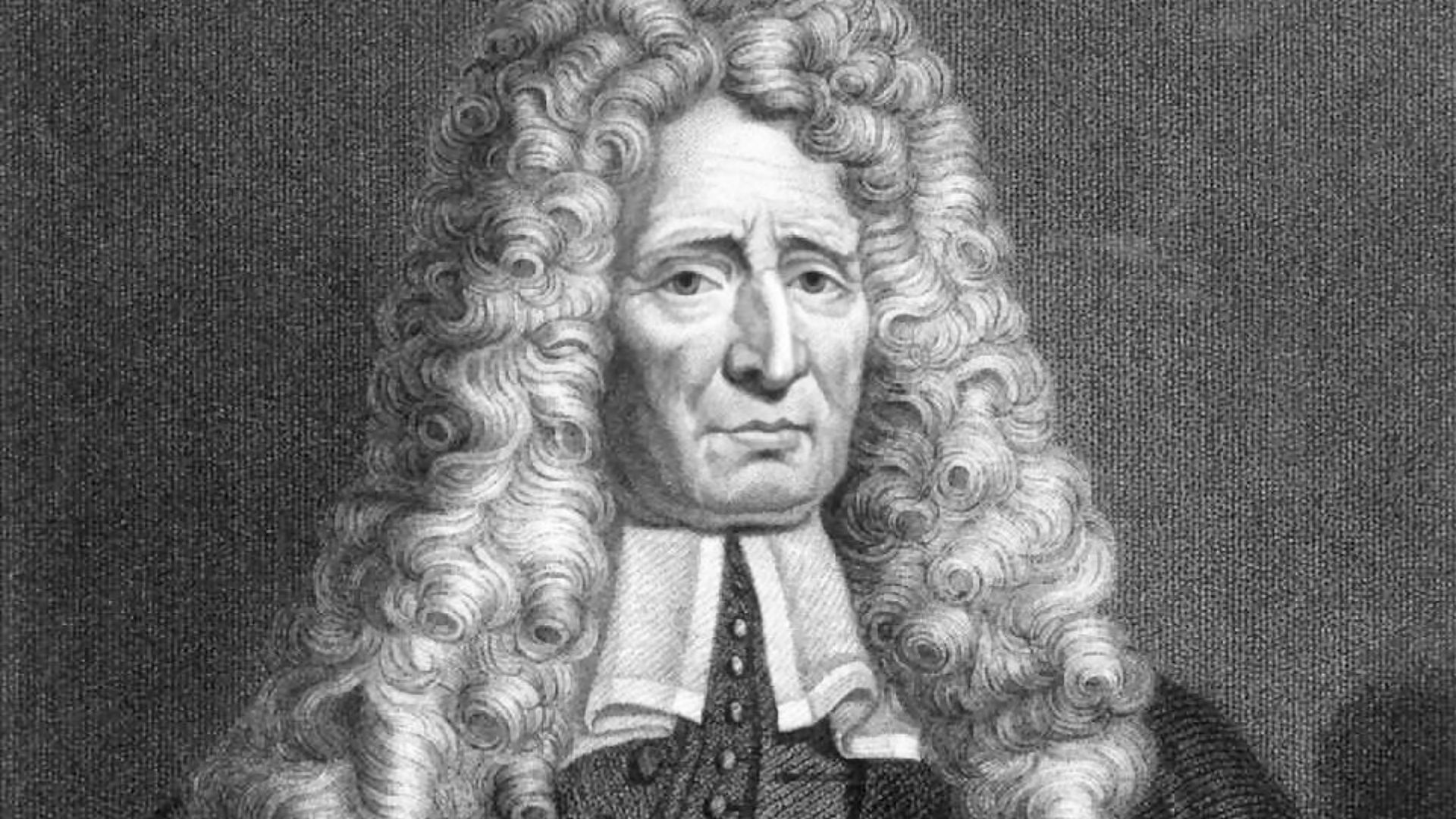
8. John Hunter
Eighteenth-century surgeon John Hunter desperately wanted the skeleton of Charles Byrne, a man who stood well over seven feet tall. Well, that’s exactly what Byrne didn’t want, asking instead to be buried at sea so he could rest in peace. Hunter got his hands on the body in 1783 and preserved the skeleton anyway. It was one of the Hunterian Museum's best-known specimens for centuries, but it’s thankfully been removed from the public now.
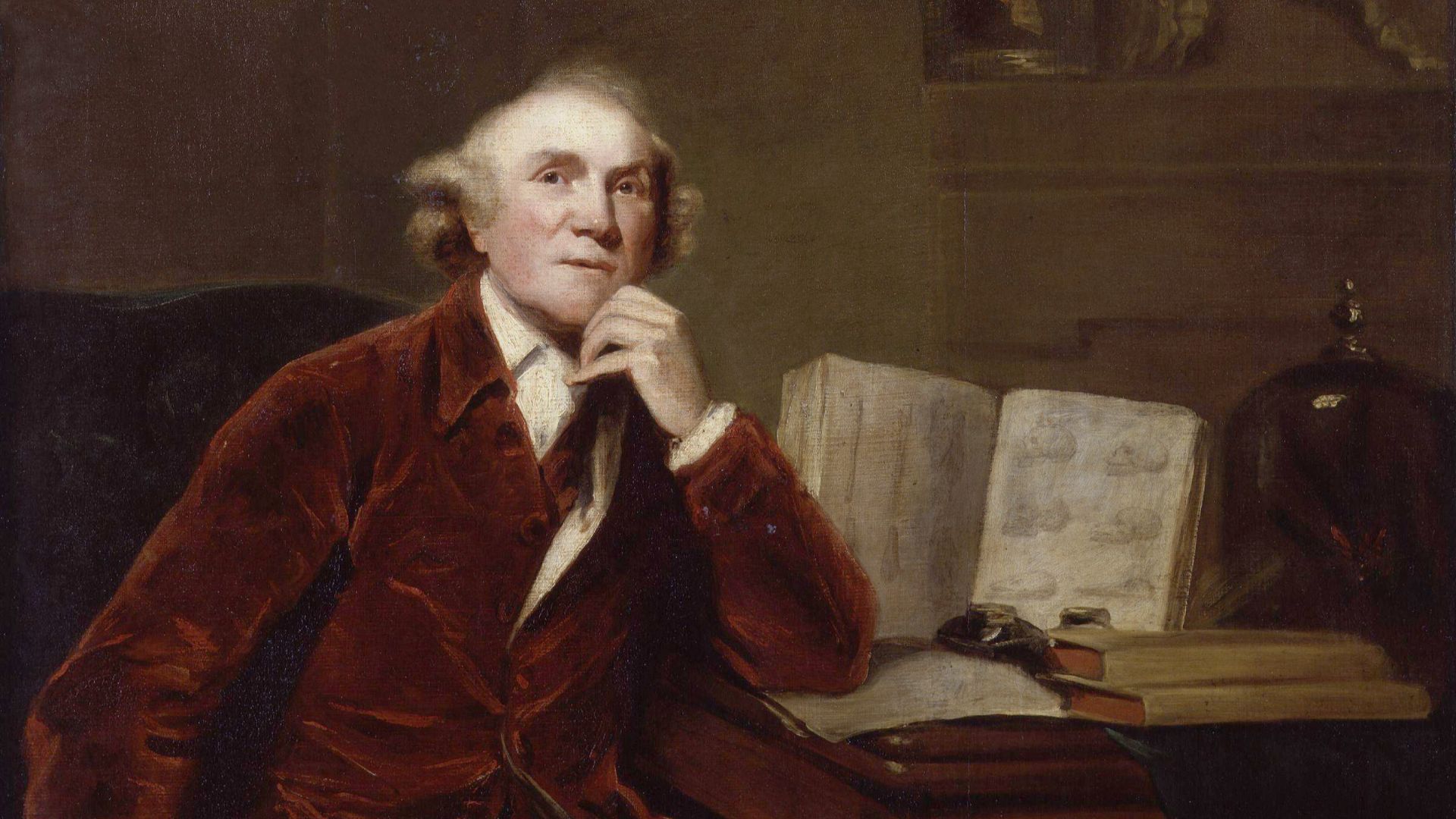
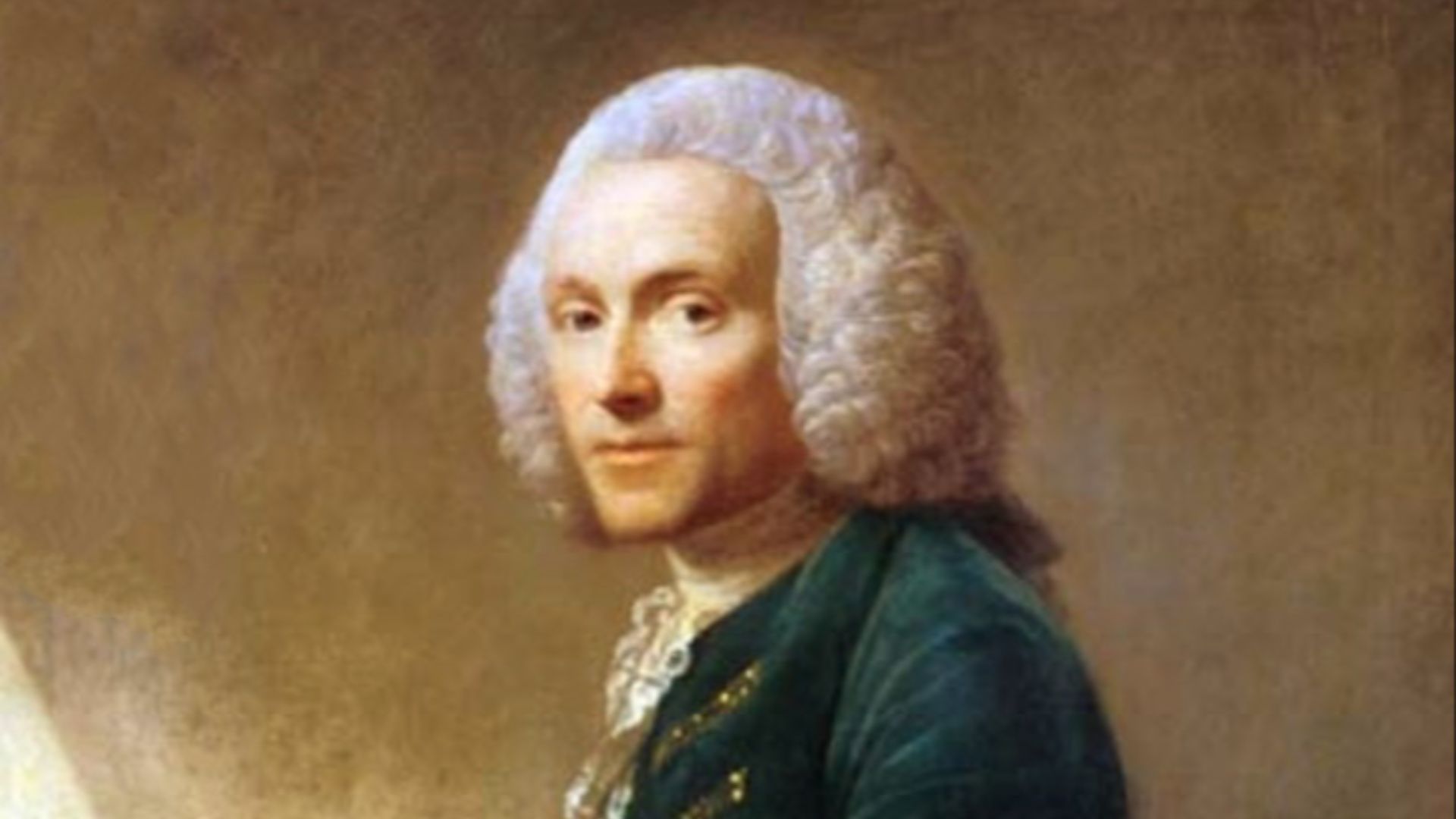
9. William Hunter
John Hunter wasn't the only collector in his family; his older brother William had a museum of his own. William lived and worked at his London anatomy school, where his residence contained preserved human organs, reproductive specimens, and pathological preparations. Around 1,400 of said specimens were associated with his collection by the time his work was done.
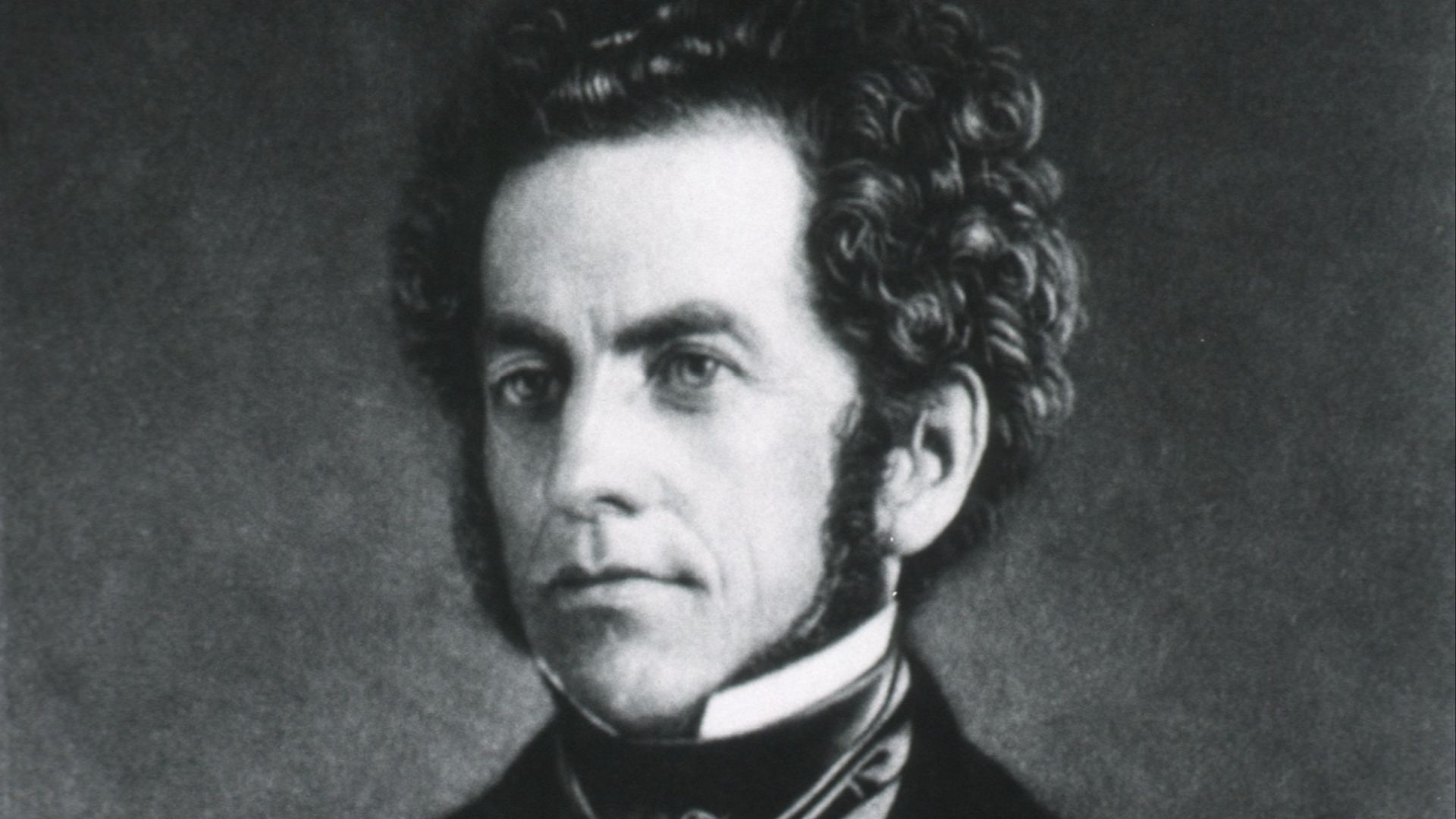
10. Thomas Dent Mütter
American surgeon Thomas Dent Mütter spent years gathering medical objects and anatomical specimens for teaching. In 1858, shortly before his death, he arranged to donate more than 1,700 items to the College of Physicians of Philadelphia, including real bones and preserved human tissue. Weird as it may be to the average Joe, his collection became the foundation of the Mütter Museum.
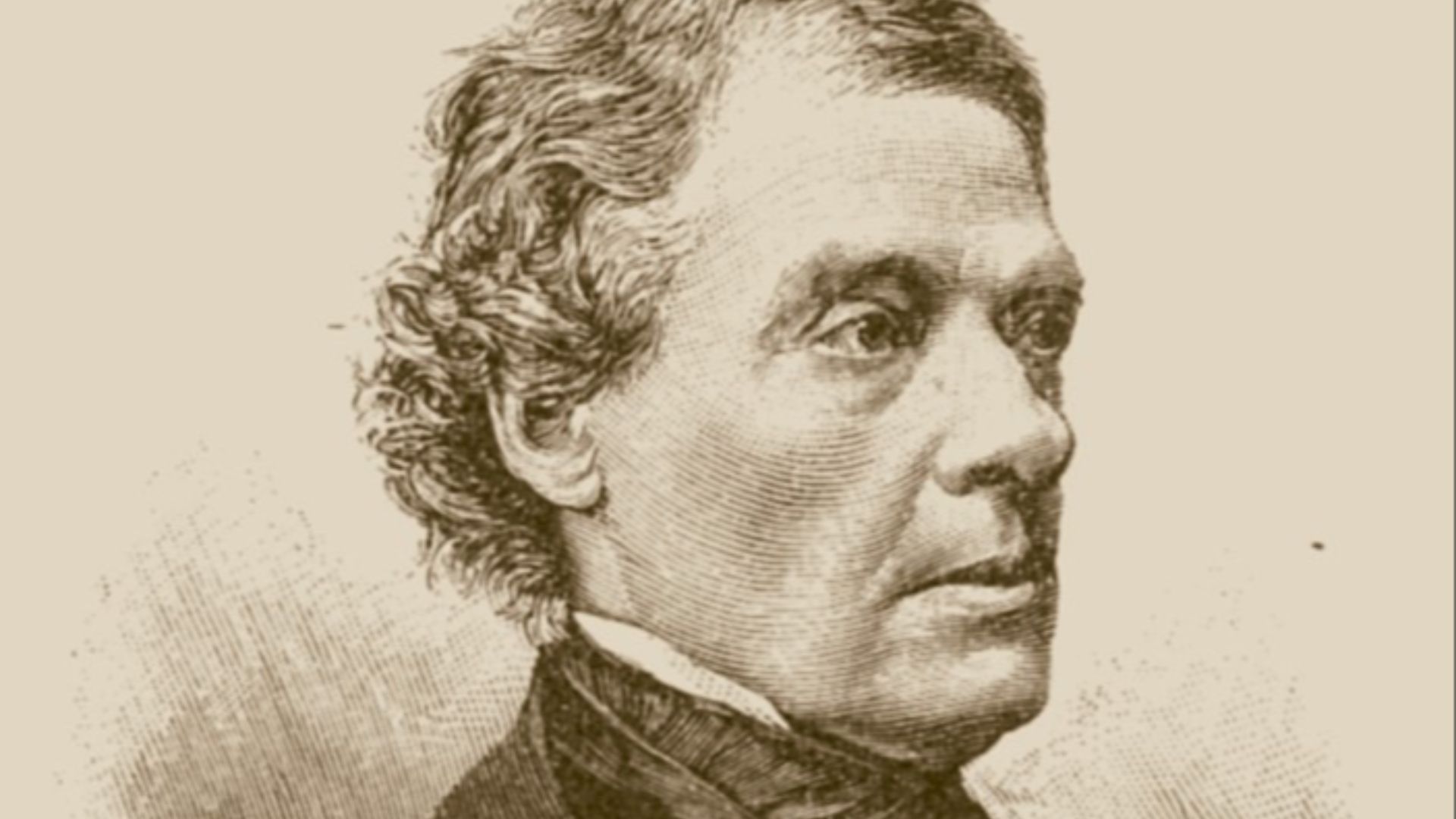
11. Josef Hyrtl
Viennese anatomist Josef Hyrtl assembled a collection of 139 skulls from people across Europe in the 19th century, complete with surprisingly personal information: the person's age, occupation, birthplace, and cause of death. He used them to challenge phrenological and racial claims about skull shape before selling the entire collection to Philadelphia's Mütter Museum in 1874.
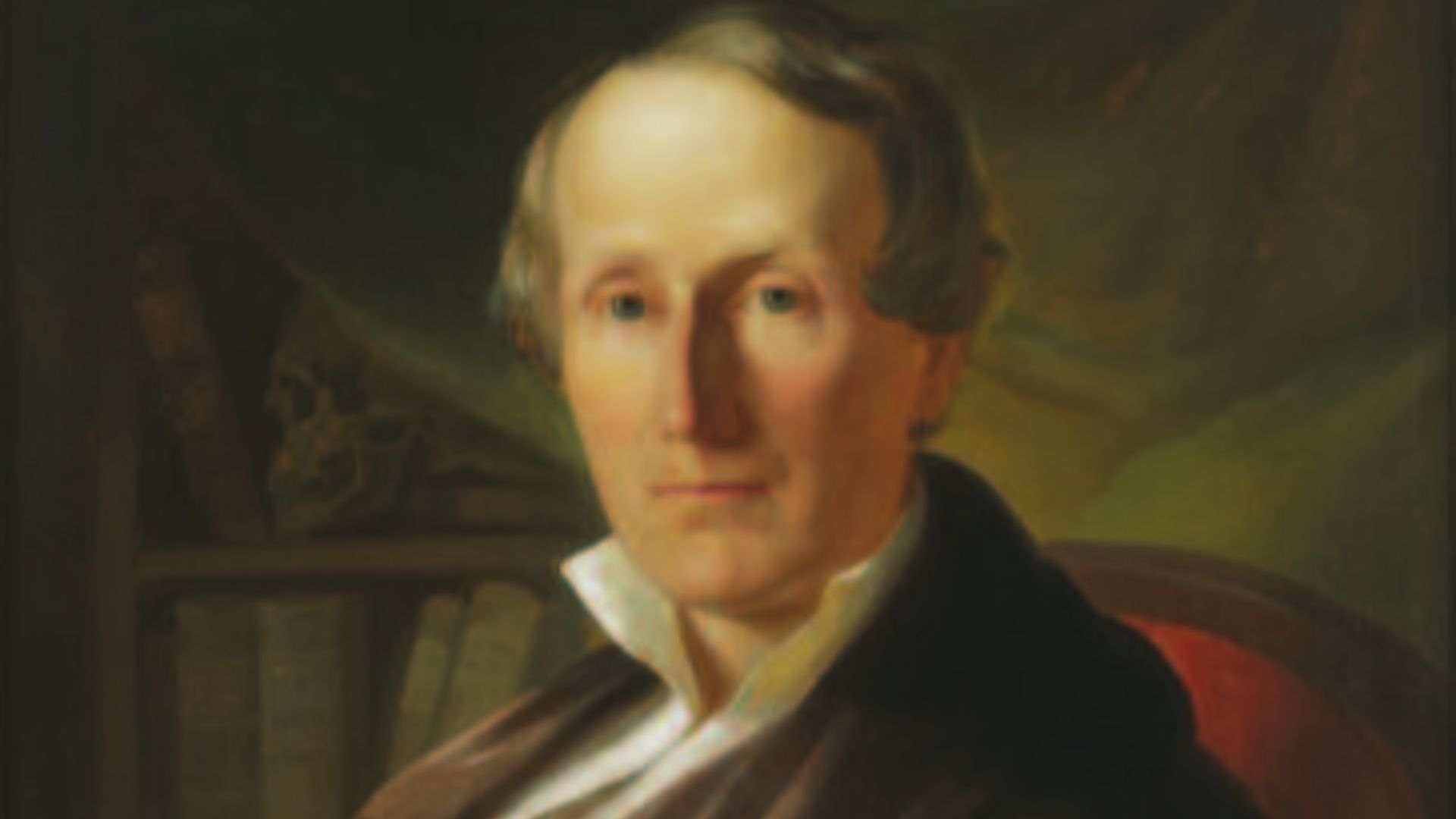
12. Samuel George Morton
Philadelphia physician Samuel George Morton started collecting human skulls in the early 1800s for studies of human anatomy. By his death in 1851, he'd had more than 900 of them, some of which were actually nabbed through grave robbing, battlefield collecting, and dissection rooms.
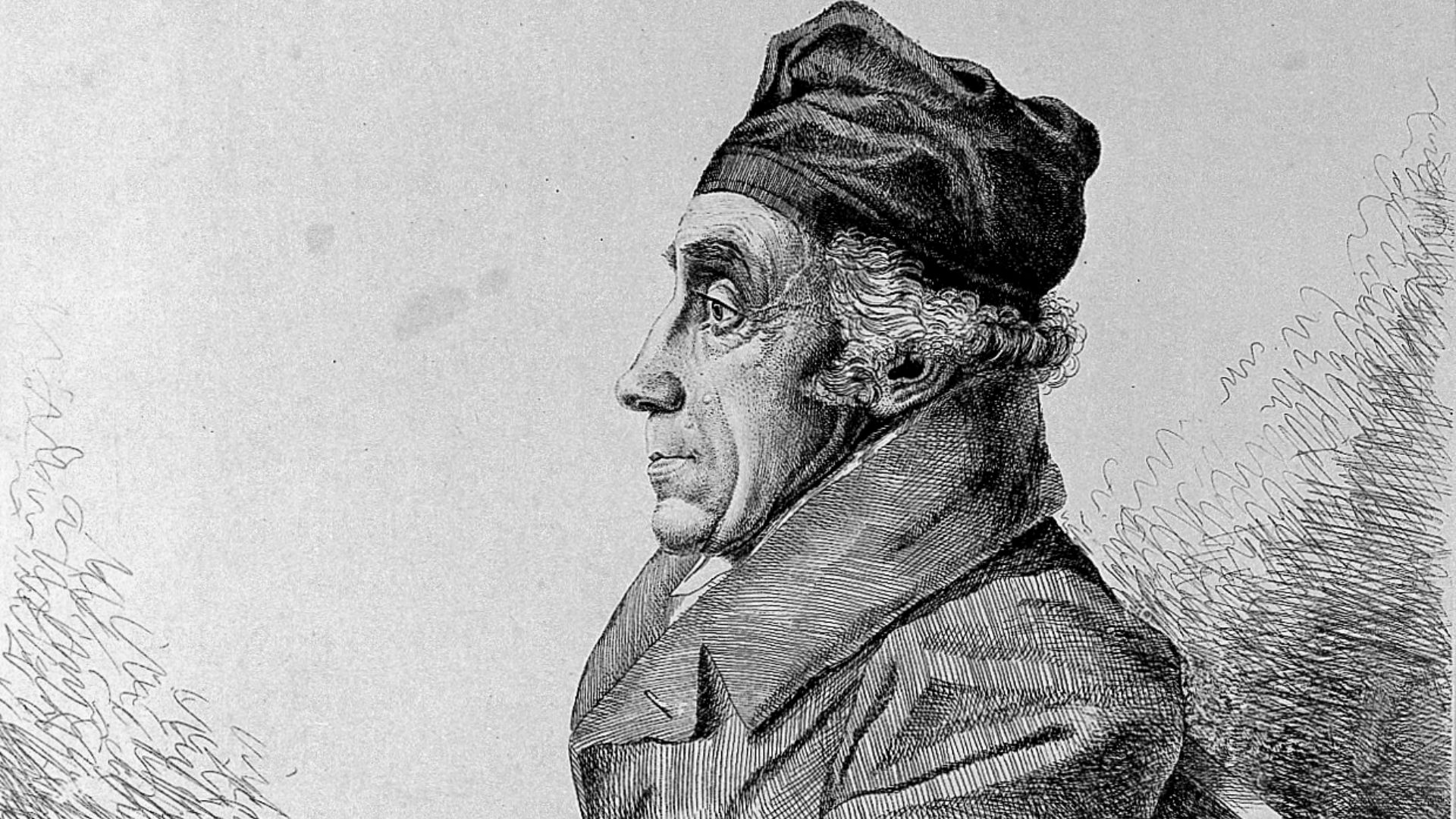
13. Johann Blumenbach
German scholar Johann Friedrich Blumenbach began collecting human skulls during the late 1700s as part of his research into anatomy and human variation. Colleagues, students, and travelers sent him specimens from different parts of the world, and his collection became the foundation of a much larger collection at the University of Göttingen. The university now holds hundreds of specimens connected to his work.
14. Franz Joseph Gall
Physician Franz Joseph Gall believed that bumps and shapes on the skull could reveal a person's personality, ideas that eventually became a stepping stone into phrenology. He spent his time assembling human skulls alongside casts of people's heads and studied their shapes for clues. His collection inspired the 19th-century craze, even though phrenology has long since been discredited by now.
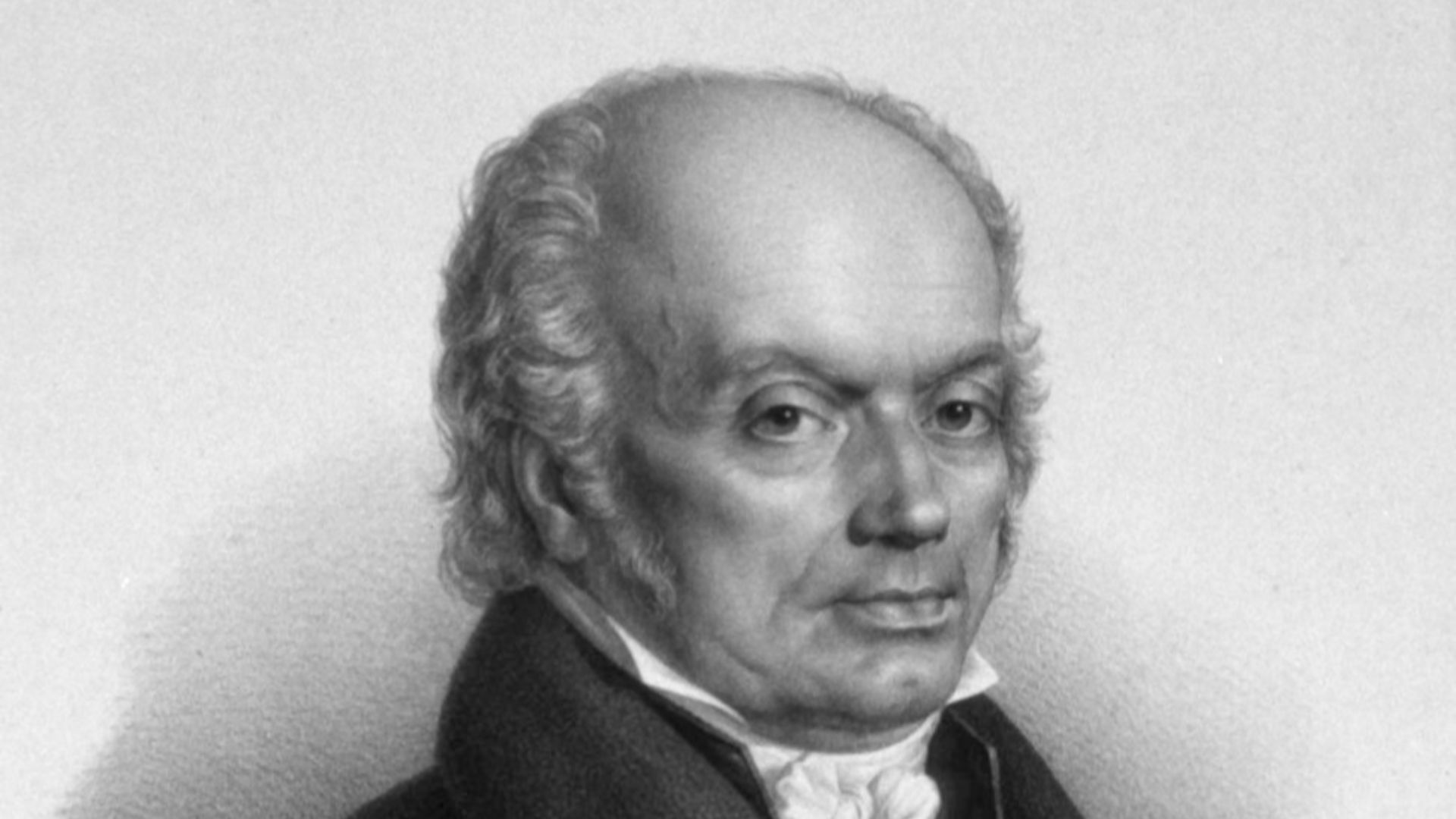 Zéphirin Félix Jean Marius Belliard (1798–), engraver Delpech (Paris) on Wikimedia
15. Cesare Lombroso
Italian physician Cesare Lombroso tried to argue that criminal behavior could be identified through physical characteristics, another theory now thoroughly rejected. Back in the day, though, it was some kind of breakthrough, so he collected skulls, skeletons, and brains in the 1850s. The collection got so big that it flooded his home, and he wrote about the overcrowding before everything was transferred to an actual museum.
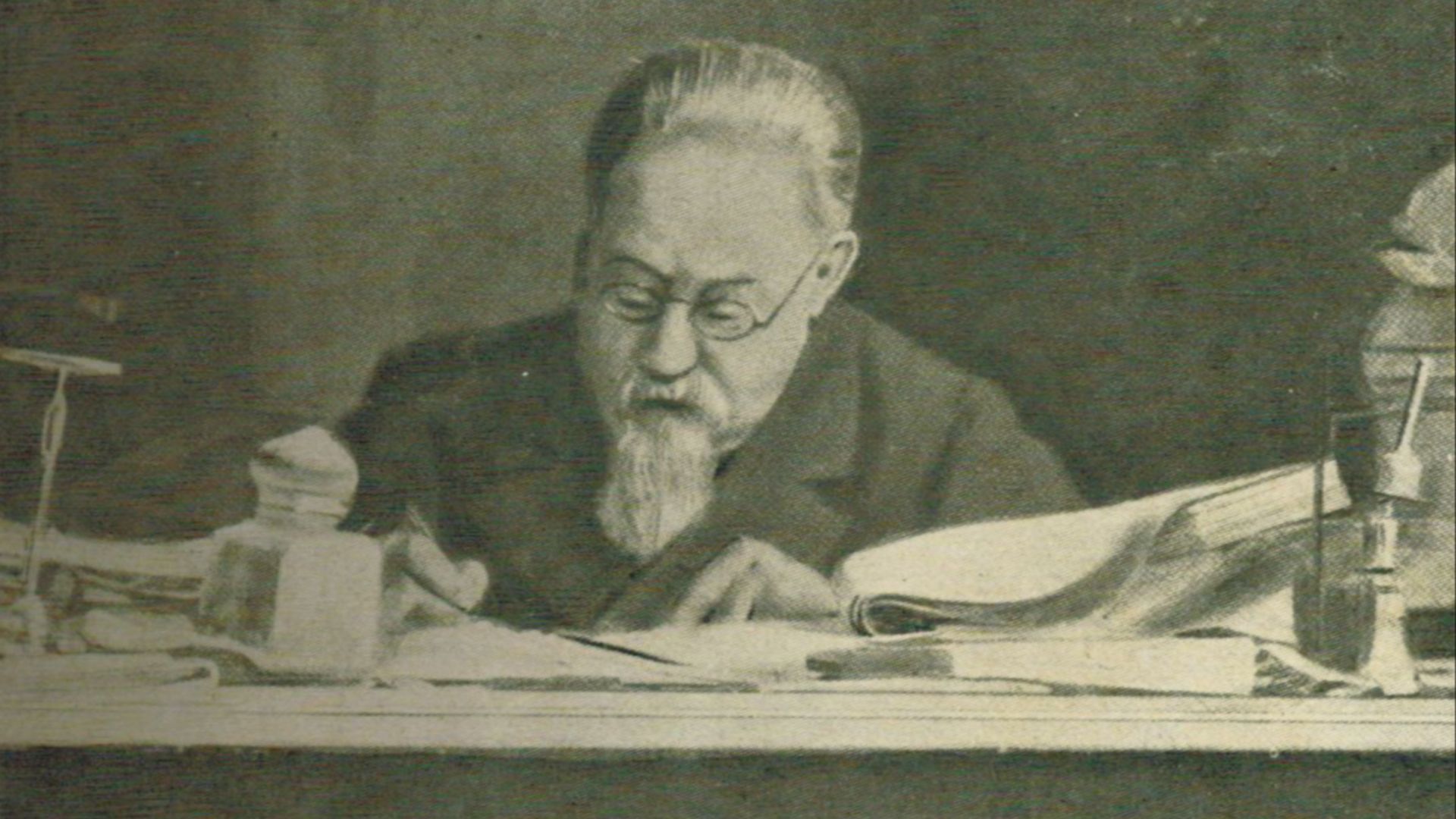 Gina Lombroso Ferrero on Wikimedia
16. Henry Wellcome
Henry Wellcome built an enormous collection of medical material, including human skulls. In 1924, he purchased a Hawaiian human skull at auction, and researchers later identified more than 1,000 human remains in the wider collection connected to his museum. The process was routine at the time, but thankfully, some of those remains have since been returned to the communities they came from.
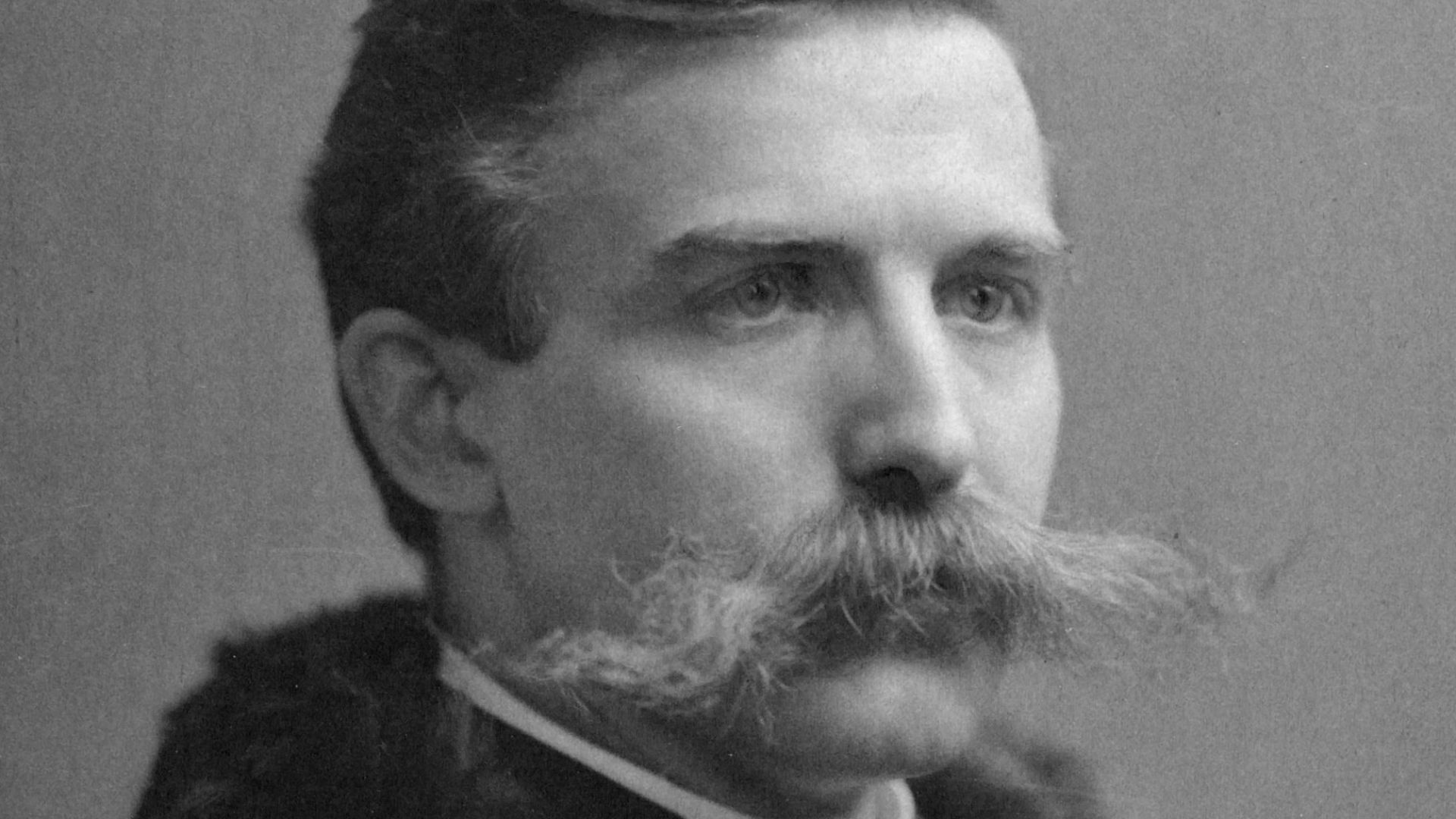 Unknown authorUnknown author on Wikimedia
17. Harvey Cushing
Neurosurgeon Harvey Cushing began saving brain and tumor specimens in the early 1900s as part of his research. Across the following decades, he created a large registry containing preserved tissue, photographs, case notes, and hundreds of specimen jars connected to his patients. The collection eventually became part of Yale's medical archives.
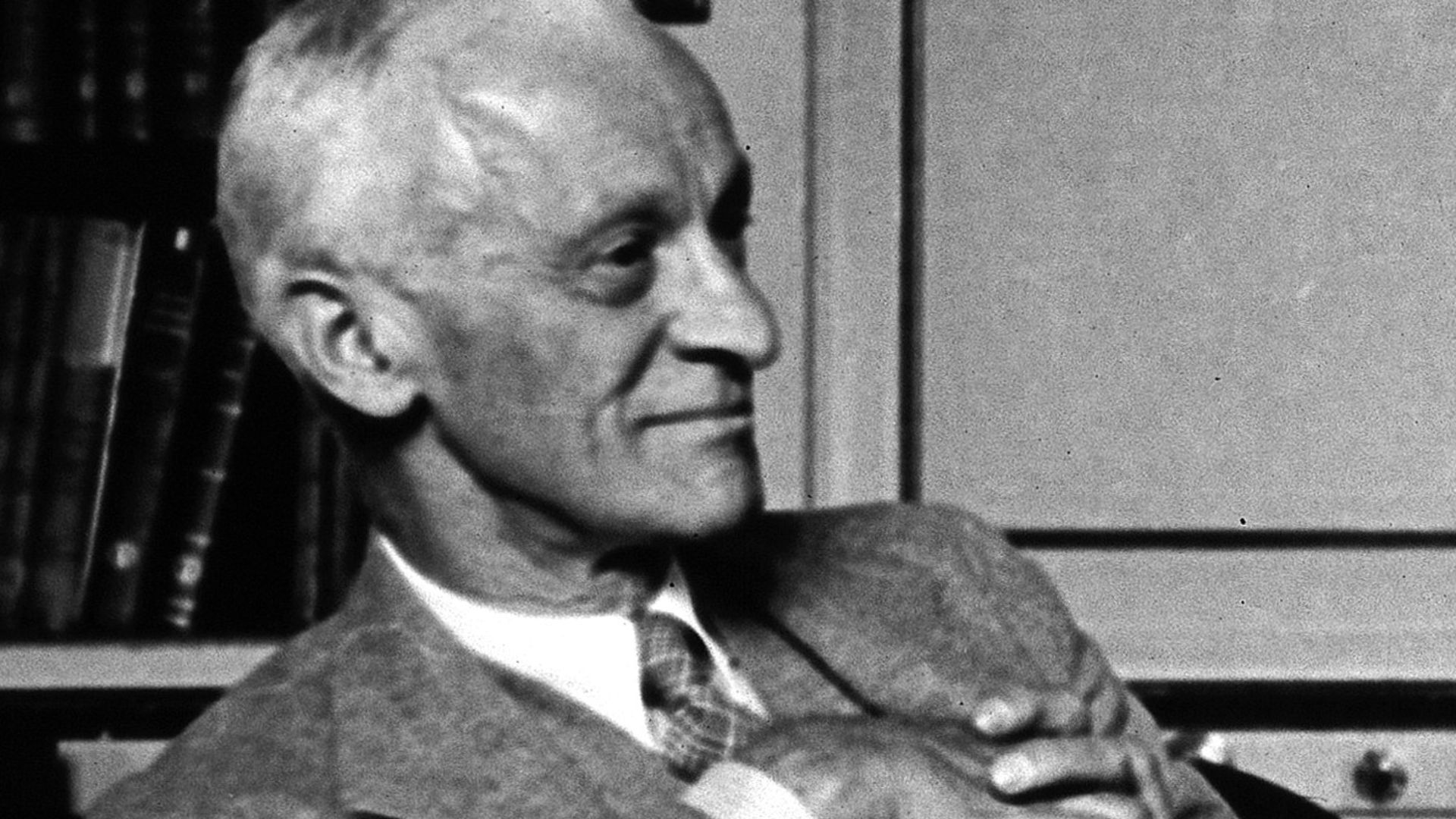
18. Honoré Fragonard
Honoré Fragonard, an 18th-century French anatomist, was known for creating extraordinary preserved bodies called écorchés. The long and short of it was that he removed the skin, exposed muscles and blood vessels, and preserved both human and animal cadavers. Some of his unsettling creations have survived for more than 250 years at a museum with his name on it.
19. Girolamo Segato
Italian explorer and anatomist Girolamo Segato developed a mysterious technique during the early 1800s: hardening human tissues while preserving much of their original appearance. His collection included treated organs and body parts that looked almost petrified, but he refused to reveal exactly how he made them. Segato died in 1836 and destroyed pages of his notes, leaving scientists unable to reproduce his method.
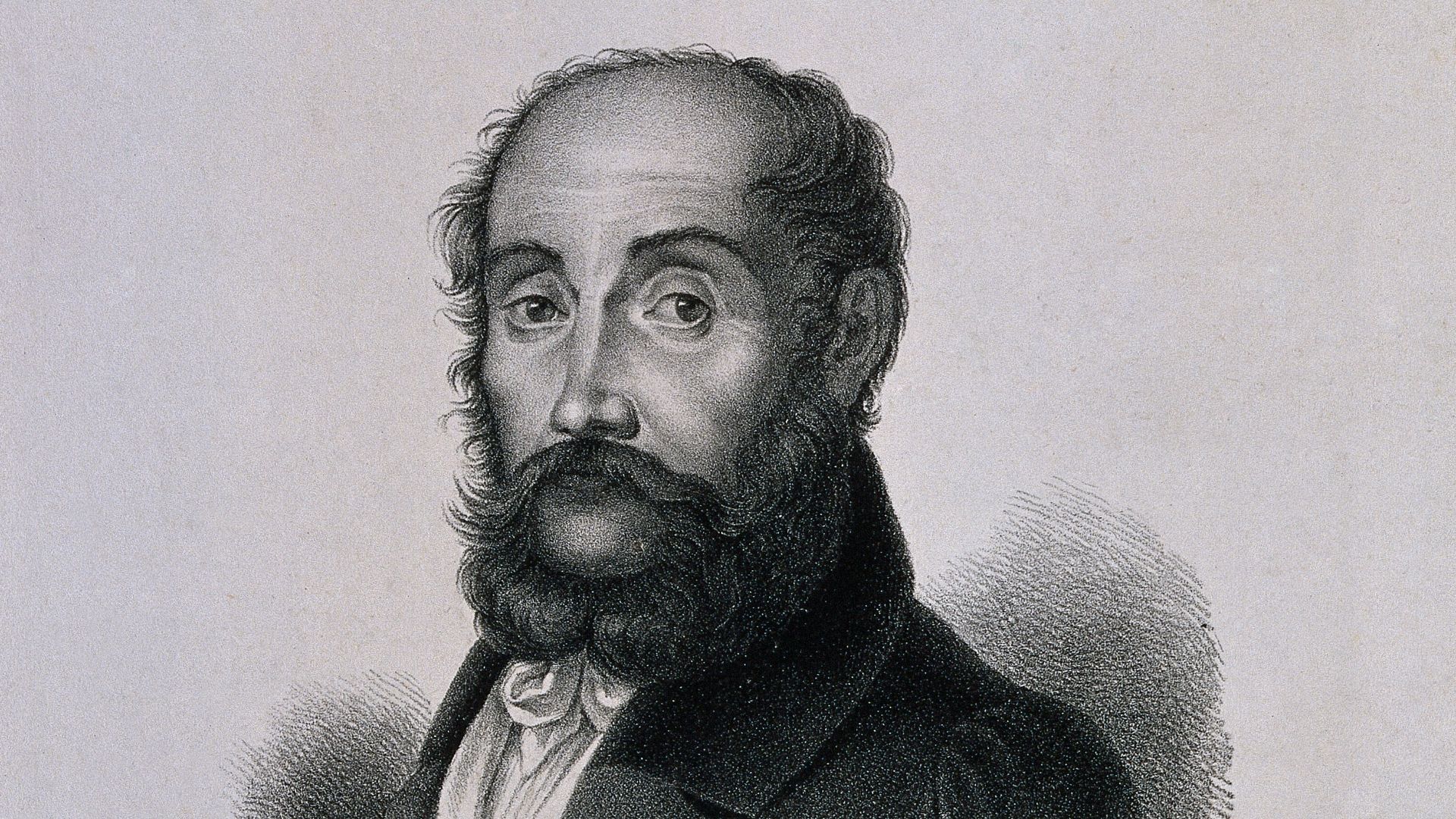
20. Joseph Rosenbaum
After composer Joseph Haydn died in 1809, Joseph Carl Rosenbaum and Johann Nepomuk Peter wanted his head. Why? To study his skull for phrenology. When authorities came looking for it, Rosenbaum's wife hid the skull inside a mattress and climbed into bed so investigators wouldn't search for it. The skull was separated from Haydn's body until 1954—145 years after it was taken, though it has since been returned to his tomb.
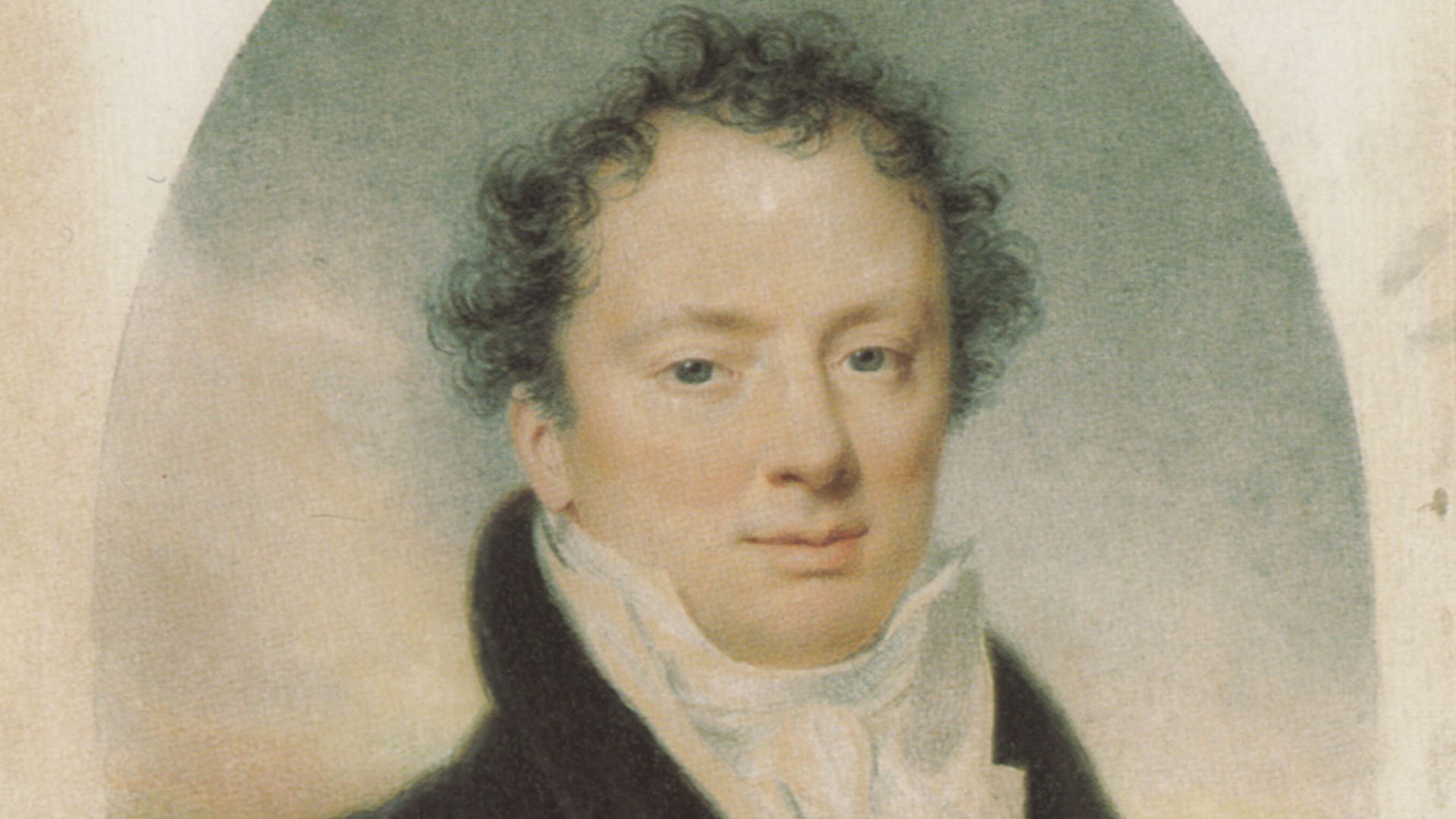 Carl Hummel (ca. 1769–1840) on Wikimedia
KEEP ON READING