
Your Phone Is Not the First Suspect
If you grew up in the 1980s, somebody probably warned you that sitting too close to the TV would ruin your eyes. A century earlier, doctors worried just as loudly about trains and bicycles. Some of those fears held up under research, and some of them read like satire now. The same argument tends to come back every time a new device gets popular, usually with a catchy name attached. Here's 20 medical conditions doctors blamed on new technology.

1. Railway Spine
In 1866, London surgeon John Eric Erichsen published a set of lectures on passengers who walked away from train crashes with no visible injury and then developed pain and exhaustion. He called it railway spine and argued the jolt had damaged their nervous systems, which kept railway companies paying claims for years. His case notes closely resemble modern descriptions of post-traumatic stress.

2. American Nervousness
New York neurologist George Miller Beard popularized the diagnosis of neurasthenia in 1869, a vague mix of fatigue and anxiety. In his 1881 book American Nervousness, he blamed modern life for it and named the telegraph and steam power among the causes. The diagnosis became fashionable among wealthy patients, who could afford the rest cures that came with it.
 Solving Healthcare on Unsplash
3. Sewing Machine Trouble
When treadle sewing machines spread through homes and factories in the 1860s, some doctors raised alarms about what hours of pumping the pedals would do to women. The complaints ranged from back pain to a kind of overexcitement that the medical writers of the day described in heavily euphemistic language. Seamstresses mostly kept sewing, since many of them were paid by the piece.

4. Bicycle Face
The bicycle boom of the 1890s gave women a new kind of freedom, and a few doctors had a new diagnosis ready. Bicycle face was supposed to be a strained, flushed, clenched look caused by the effort of keeping your balance. Newspapers repeated the warning often enough that it became a running joke, and women kept riding anyway.

5. Telegraphist's Cramp
Tapping out Morse code all day gave some operators painful spasms in their hands and forearms, until some struggled to hold the key. Britain made it a compensable occupational disease in 1908. This one was real, and it closely matches what we now call repetitive strain injury.

6. Square Eyes
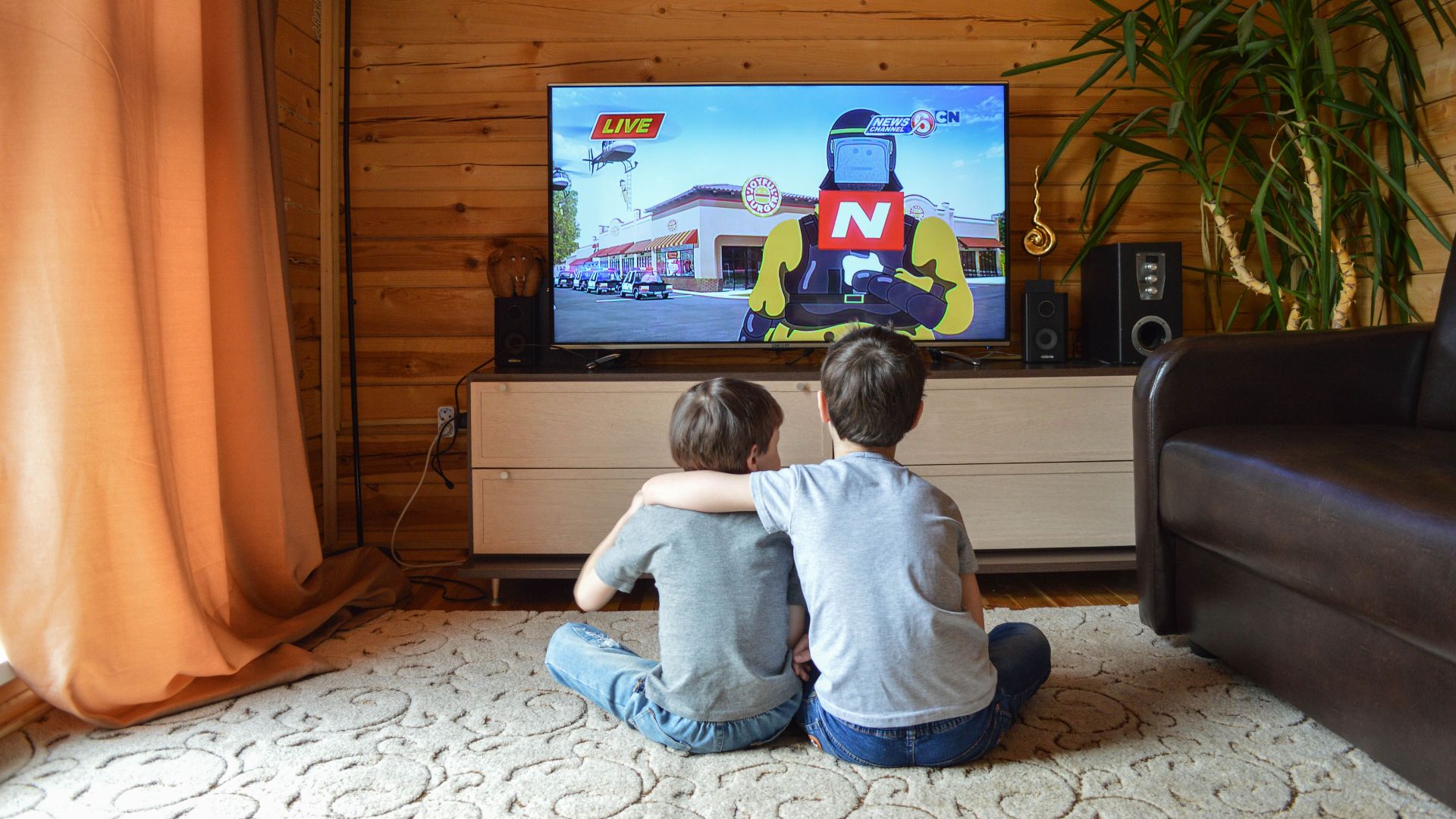
Parents in the 1950s and 1960s were told that sitting close to the television would damage their kids' eyes. The American Academy of Ophthalmology says it doesn't, though it can cause temporary eye strain. There was one real scare in 1967, when General Electric recalled about 90,000 color sets that were leaking X-rays.
7. Screens and Miscarriage
Clusters of miscarriages among office workers who used computer terminals set off alarms in the early 1980s. The fear was that the monitors gave off harmful radiation. A 1991 federal study of more than 2,000 telephone operators, published in the New England Journal of Medicine, found no increased risk.

8. Sick Building Syndrome
After the energy crisis of the 1970s, many new office buildings were sealed tight to save on heating and cooling. Workers started reporting headaches and itchy eyes that faded after they went home. The World Health Organization recognized sick building syndrome in the 1980s, with poor ventilation as the usual problem.

9. Nintendinitis
Rheumatologist Richard Brasington wrote to the New England Journal of Medicine in 1990 about a patient with a sore right thumb. She had been playing Nintendo for hours at a stretch. He named the condition Nintendinitis, and the name stuck better than most medical terms ever do.

10. The Pokémon Episode
On December 16, 1997, a Pokémon episode aired in Japan with a sequence of rapidly flashing red and blue lights. About 685 viewers, most of them children, were taken to hospitals, many with seizures or nausea. The show went off the air for four months while broadcasters wrote new rules for flashing images.

11. Computer Vision Syndrome
Staring at a monitor for eight hours can leave your eyes dry and blurry by quitting time. The American Optometric Association calls it computer vision syndrome, or digital eye strain. Its standard advice is the 20-20-20 rule, where every 20 minutes you look at something 20 feet away for 20 seconds.
 https://kaboompics.com/ on Pexels
12. BlackBerry Thumb
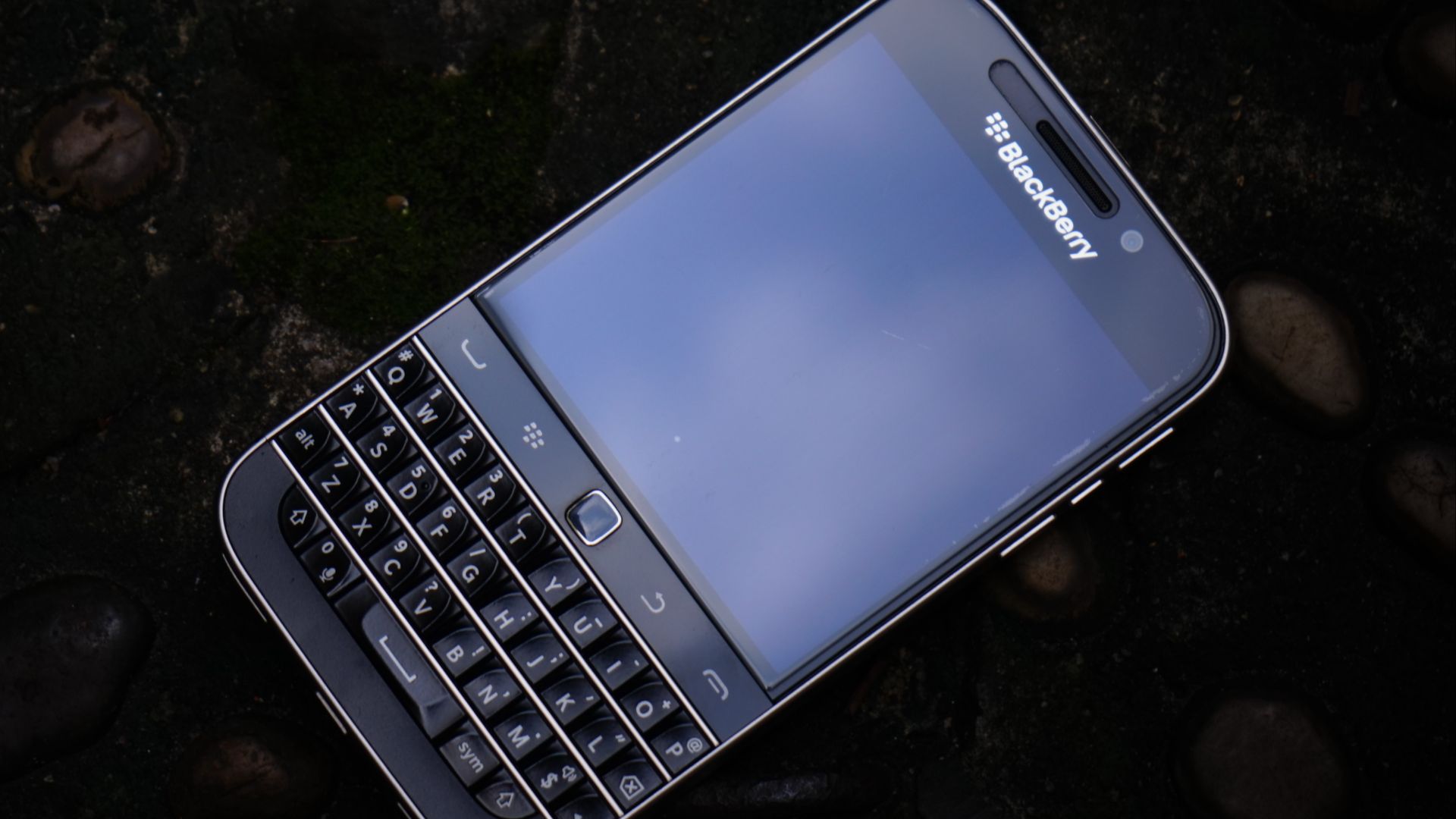
Phones with tiny physical keyboards turned thumbs into typing tools they were never built to be. By the mid-2000s, hand therapists were warning heavy users about pain and swelling at the base of the thumb. Hand surgeons compared it to the thumb pain new parents get from lifting babies all day.
13. Acute Wiiitis
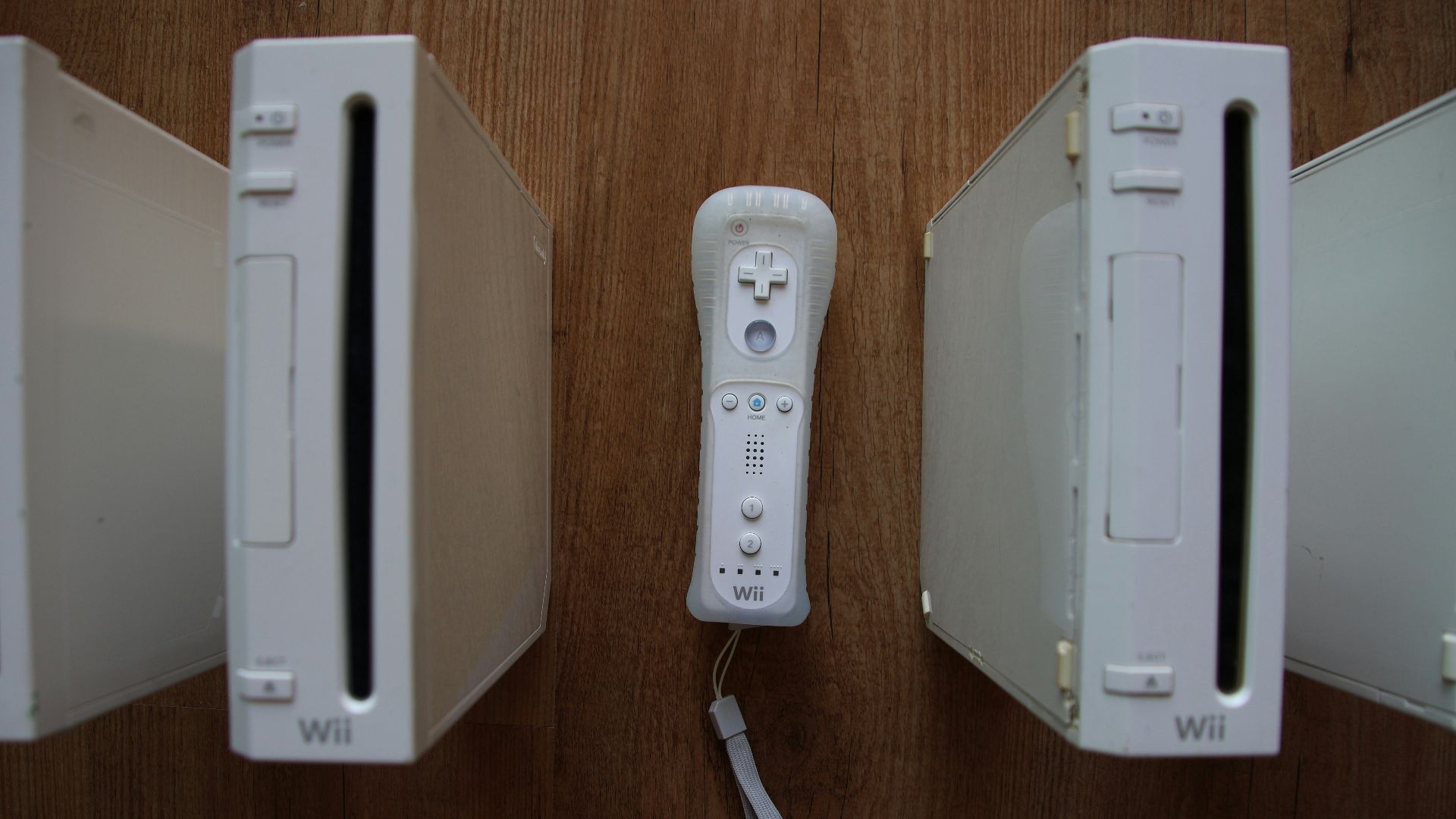
Spanish doctor Julio Bonis described a patient with a painful shoulder in a 2007 letter to the New England Journal of Medicine. The cause was several hours of tennis on the new Nintendo Wii. He called it acute Wiiitis, and the treatment was ibuprofen and a break from the console.
14. Phantom Vibration Syndrome
That buzz in your pocket when your phone is sitting on the desk has a name. A 2010 study in the BMJ surveyed staff at a Massachusetts hospital and found that 68 percent had felt phantom vibrations. Most of them said it didn't bother them much.

15. Cell Phones and Brain Cancer
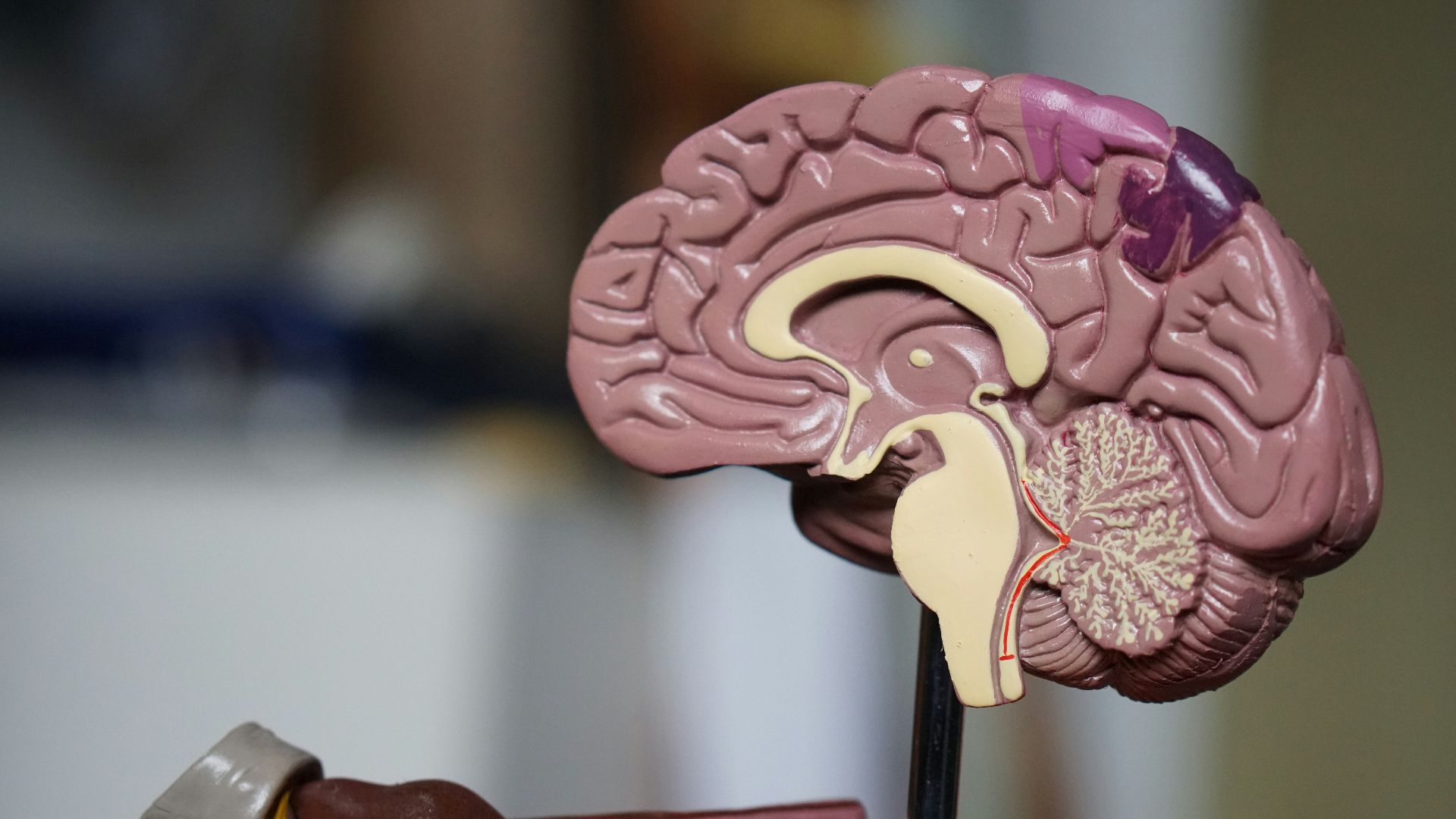
The International Agency for Research on Cancer classified radio-frequency fields as possibly carcinogenic in 2011. That category also includes aloe vera extract and pickled vegetables. A 2016 Australian study found brain cancer rates there stayed roughly flat from 1982 to 2012, while phone use exploded.
16. Wind Turbine Syndrome
Pediatrician Nina Pierpont self-published a book in 2009 claiming that living near wind turbines caused sleep problems and a racing heart. Her evidence came from interviews with 38 people in 10 families. Reviews by health agencies in Australia and Canada have not found that turbine noise causes illness on its own.

17. Text Neck
Surgeon Kenneth Hansraj calculated in 2014 that tilting your head 60 degrees to look at a phone puts about 60 pounds of force on your neck. A head held upright puts about 10 to 12 pounds on it, roughly the weight of a bowling ball. Raising the phone toward eye level takes most of that load off.
 Priscilla Du Preez 🇨🇦 on Unsplash
18. Snapchat Dysmorphia
Dermatologists at Boston University wrote in JAMA Facial Plastic Surgery in 2018 about patients who brought filtered selfies to plastic surgeons and asked to look like the edited version. Some wanted features no real face has, like skin without a single pore. The authors called it Snapchat dysmorphia.

19. Electromagnetic Hypersensitivity
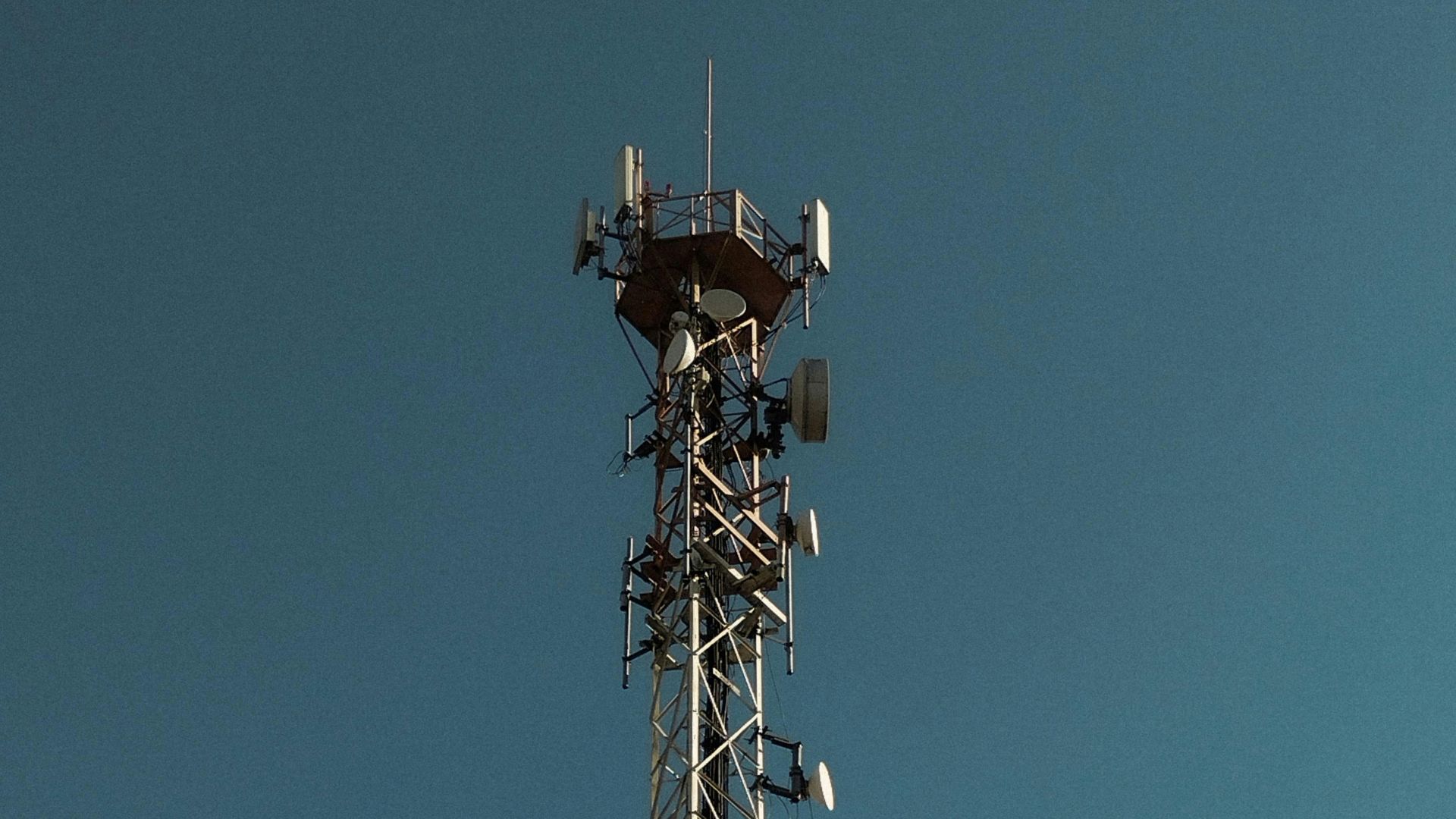
Some people report headaches and fatigue they blame on Wi-Fi and cell towers. The World Health Organization says the symptoms are real and has found no evidence that electromagnetic fields cause them. A few sufferers have moved to Green Bank, West Virginia, where a radio telescope keeps the area free of most wireless signals.
20. Gaming Disorder
Gaming disorder joined the World Health Organization's International Classification of Diseases in 2019. The diagnosis requires at least 12 months of gaming that crowds out work and relationships. A group of researchers led by Espen Aarseth argued in 2017 that the label could turn an ordinary hobby into a diagnosis.

KEEP ON READING