Earned Reputations
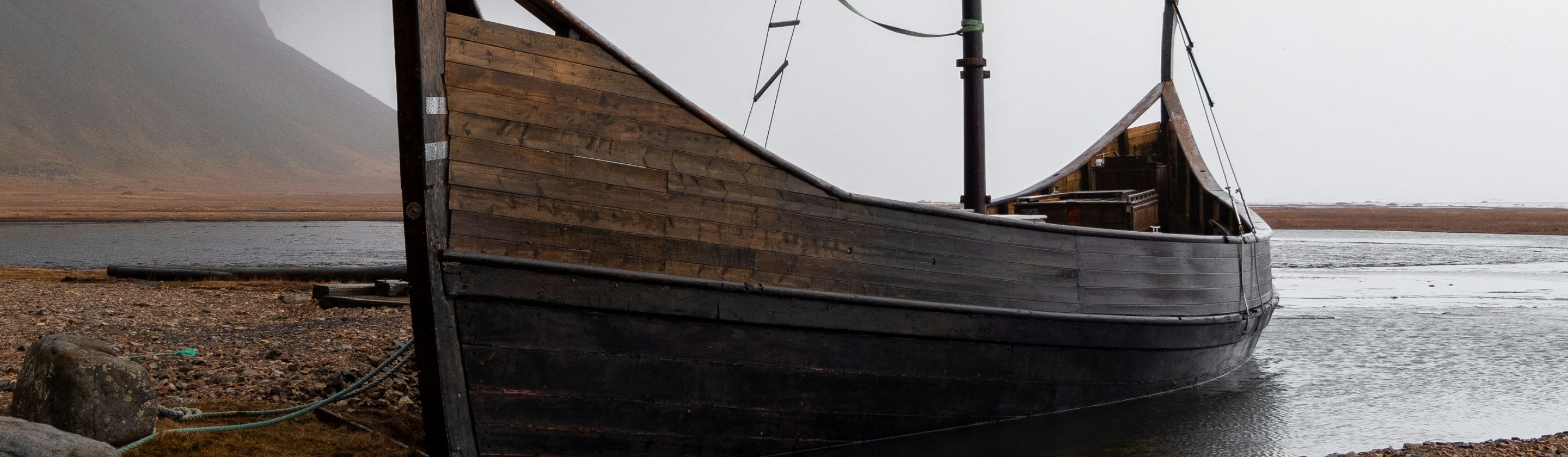
Vikings don’t need TV shows to make them terrifying. All you need to do is pop open the records to discover Scandinavian commanders burning cities, destroying monasteries, or overthrowing kings. These 20 figures all have a place in historical records, and even though some later sagas added embellished details, there’s no denying that these guys never needed the help.
1. Thorkell the Tall
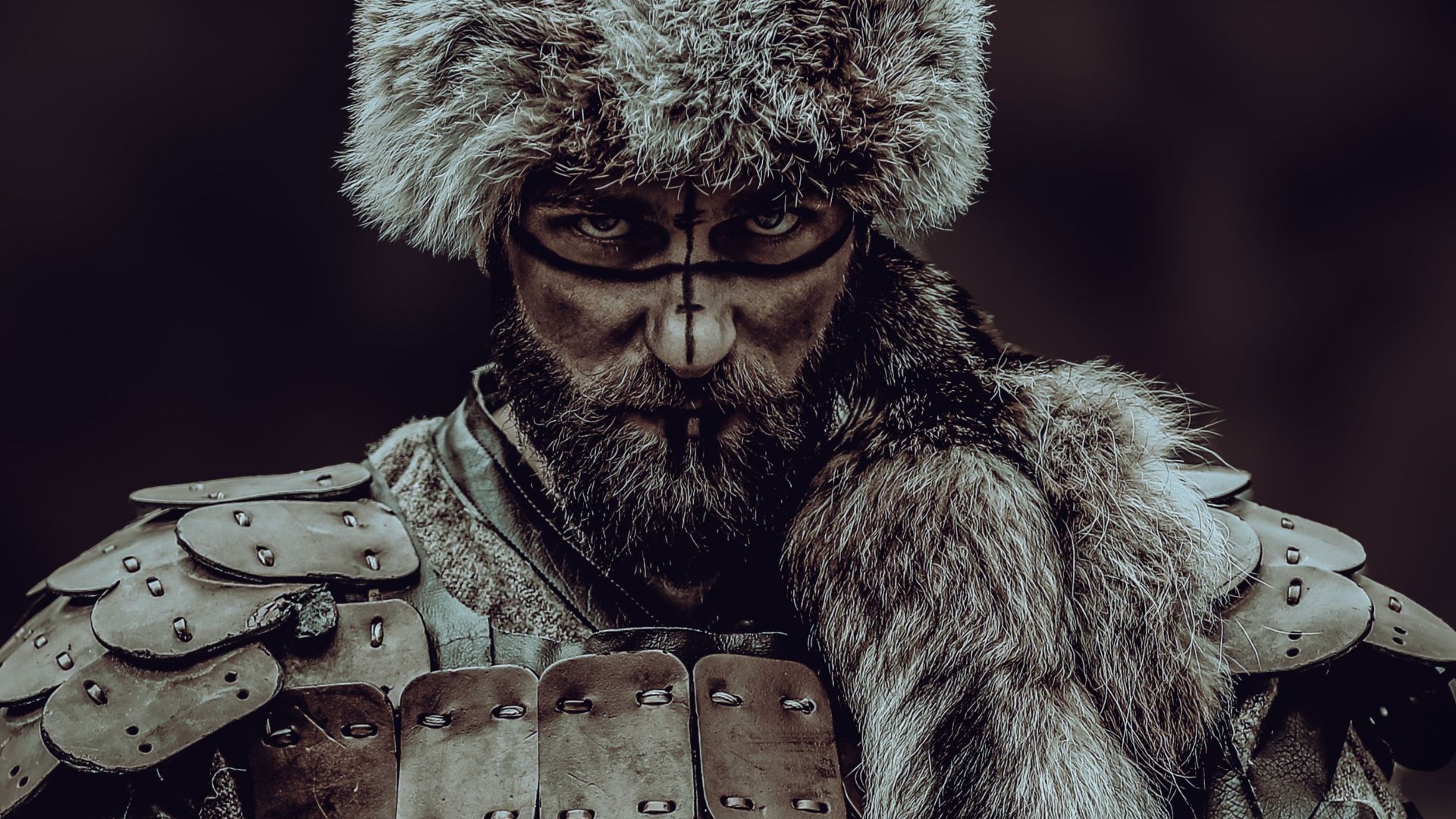
Few commanders were as difficult to contain as Thorkell the Tall. He led a huge Danish force into England in 1009, and his army spent roughly three years attacking southern England. They even managed to capture Canterbury in 1011 and take Archbishop Ælfheah hostage, although Thorkell reportedly tried to stop him from being killed. Either way, the destruction made him one of the most feared Vikings, and it took a huge amount of silver to get them to leave.
2. Guthrum
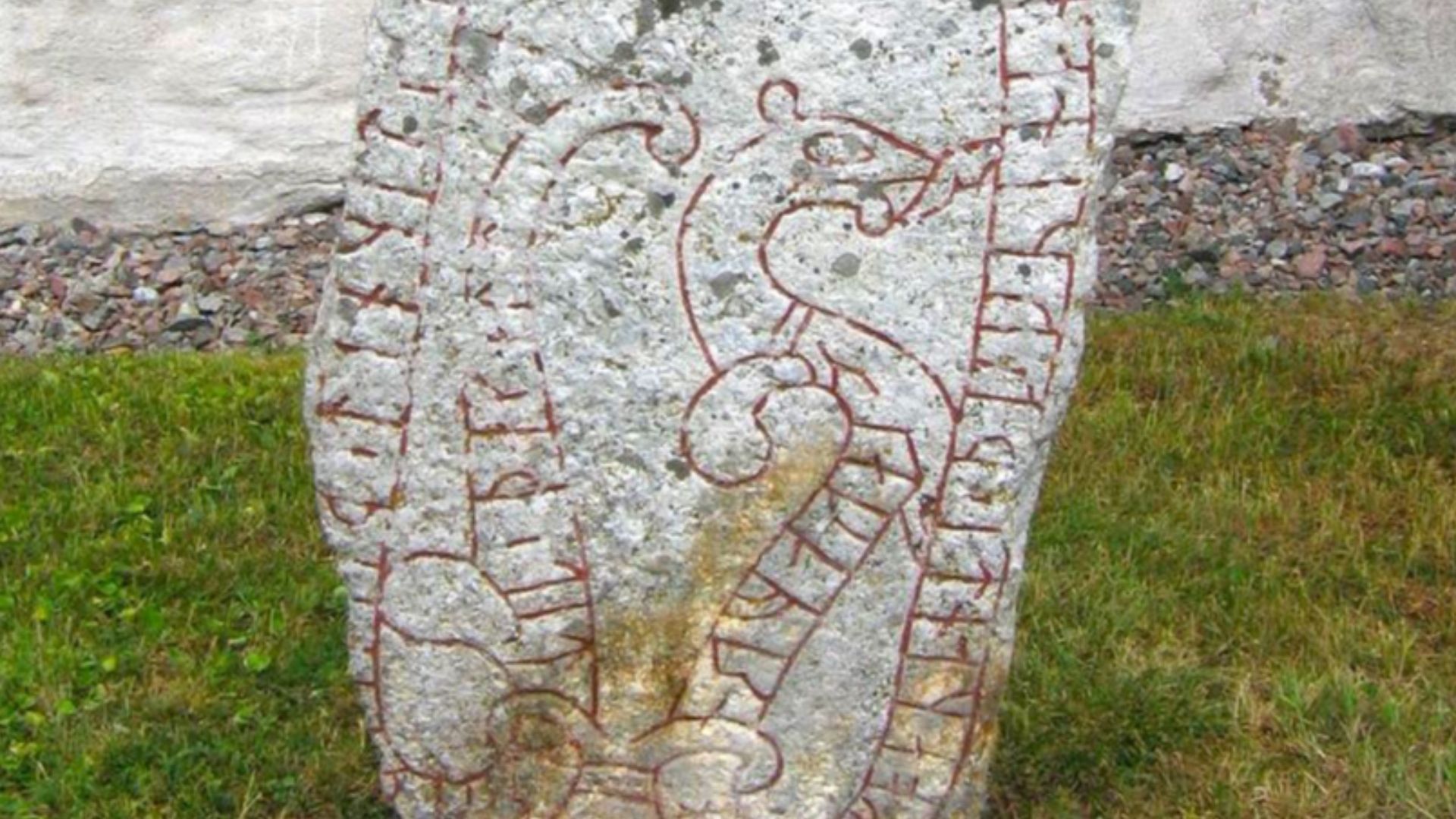
Guthrum was one of the Danish leaders who came terrifyingly close to breaking Alfred the Great's resistance. By 878, his forces had driven Alfred into hiding before the West Saxons Guthrum. The fact that Alfred's kingdom survived at all became one of the defining stories of Anglo-Saxon history, and it also says quite a bit about the threat Guthrum represented.
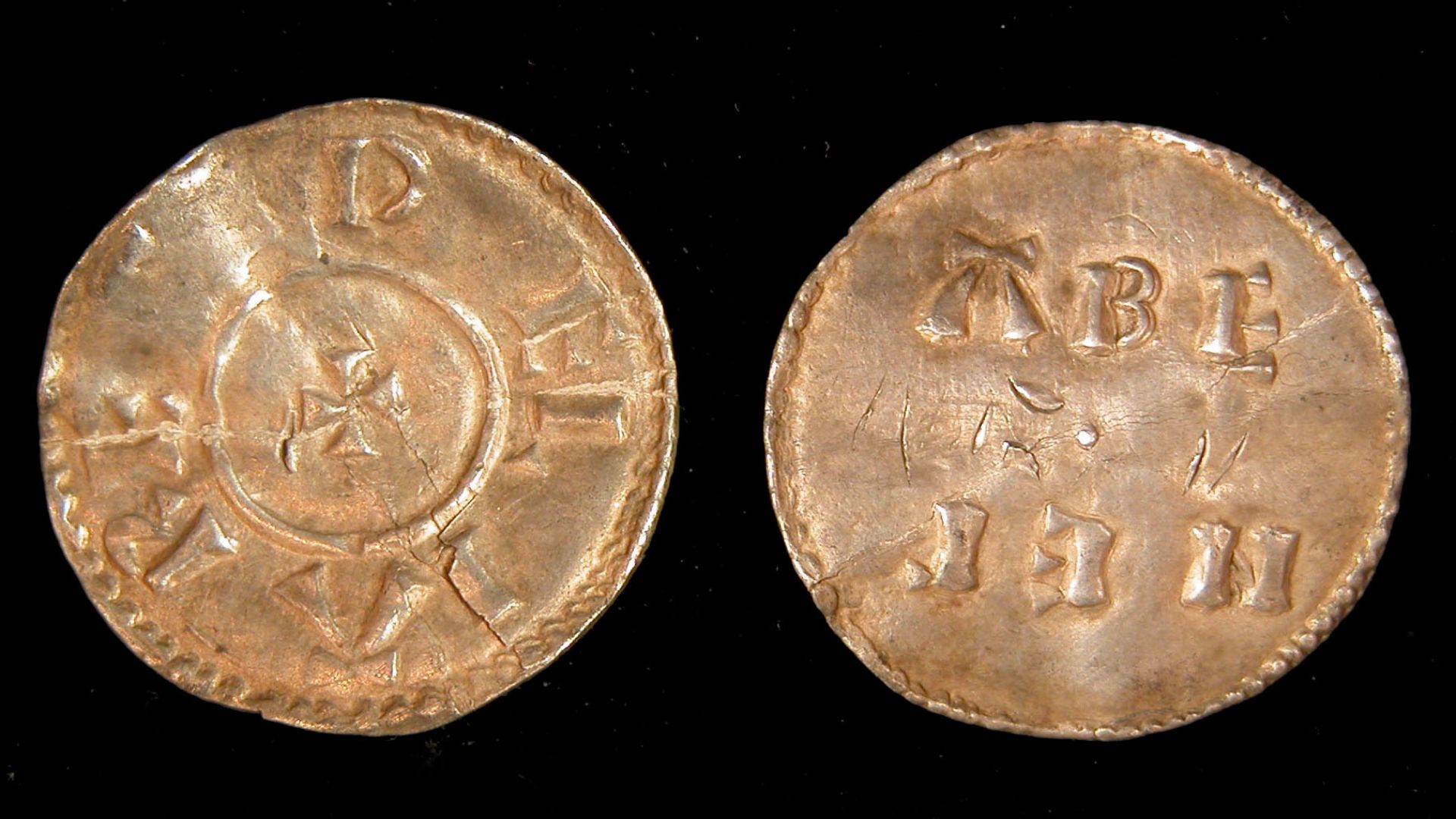 The Portable Antiquities Scheme, Andrew Richardson, 2006-06-16 14:37:49 on Wikimedia
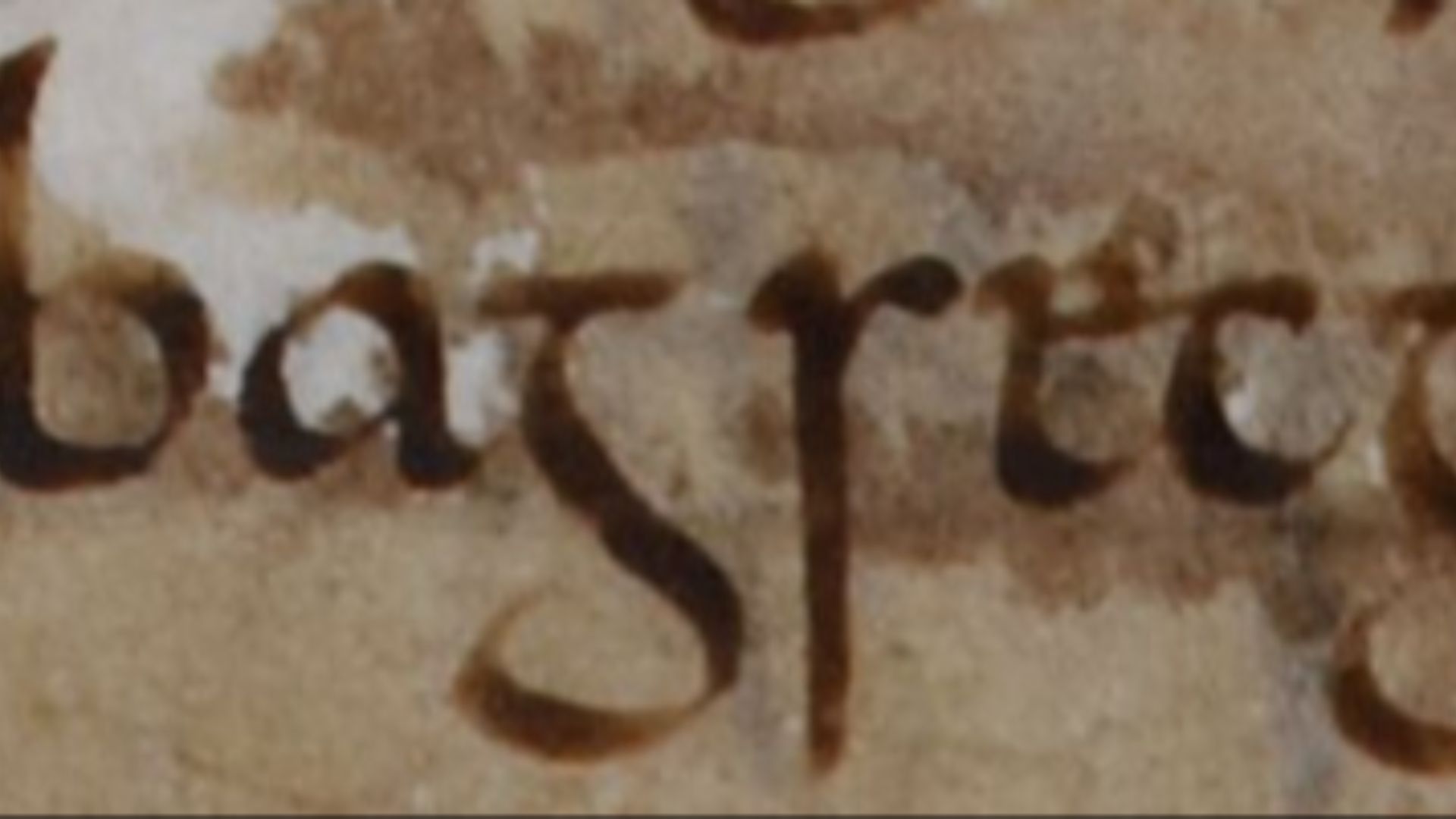
3. Bagsecg
King Bagsecg was one of the commanders of the Great Heathen Army during its assault on Wessex. In the winter of 870–871, the Vikings fought a rapid series of brutal battles against King Æthelred and the future Alfred the Great. It took the Battle of Ashdown in 871 to finally bring him and five Viking earls down.
4. Ímar
Ímar didn't just raid Britain and Ireland—he helped build a Viking empire around the Irish Sea. In 870, he and Amlaíb besieged the fortress at Dumbarton for four gruelling months until its defenders couldn’t hold the fort any longer. The pair returned to Dublin the following year with 200 ships carrying a huge number of captured Britons, Picts, and Anglo-Saxons.
5. Amlaíb Conung
Amlaíb Conung was Ímar's partner during that same brutal attack on Dumbarton. He helped turn Dublin into the base of a Scandinavian kingdom; their Vikings plundered it and carried large numbers of prisoners back toward Dublin, where slavery was an important part of the Viking economy. Earlier records also connect Amlaíb with attacks in Ireland, including the killing of rival king Conchobar in 864.
6. Turgesius
One thing to know right off the bat about Turgesius is that later records turned him cartoonishly evil. Now, what contemporary evidence does show is that he was associated with Viking forces around Ireland during a period when monasteries were repeatedly attacked. Irish records state that Máel Sechnaill was the one to capture him in 845. He was then drowned in Lough Owel.
7. Bárid Mac Ímair
Bárid ruled Dublin during a period when its Vikings kept targeting Ireland's holiest places. Irish annals place him amid warfare, raiding, and the violent struggles between Scandinavian and Irish factions. He was also connected with raids that involved plundering burial places for treasure. His last campaign in 881 targeted the church associated with St. Cianán shortly before Bárid himself died.
8. Ragnall Ua Ímair
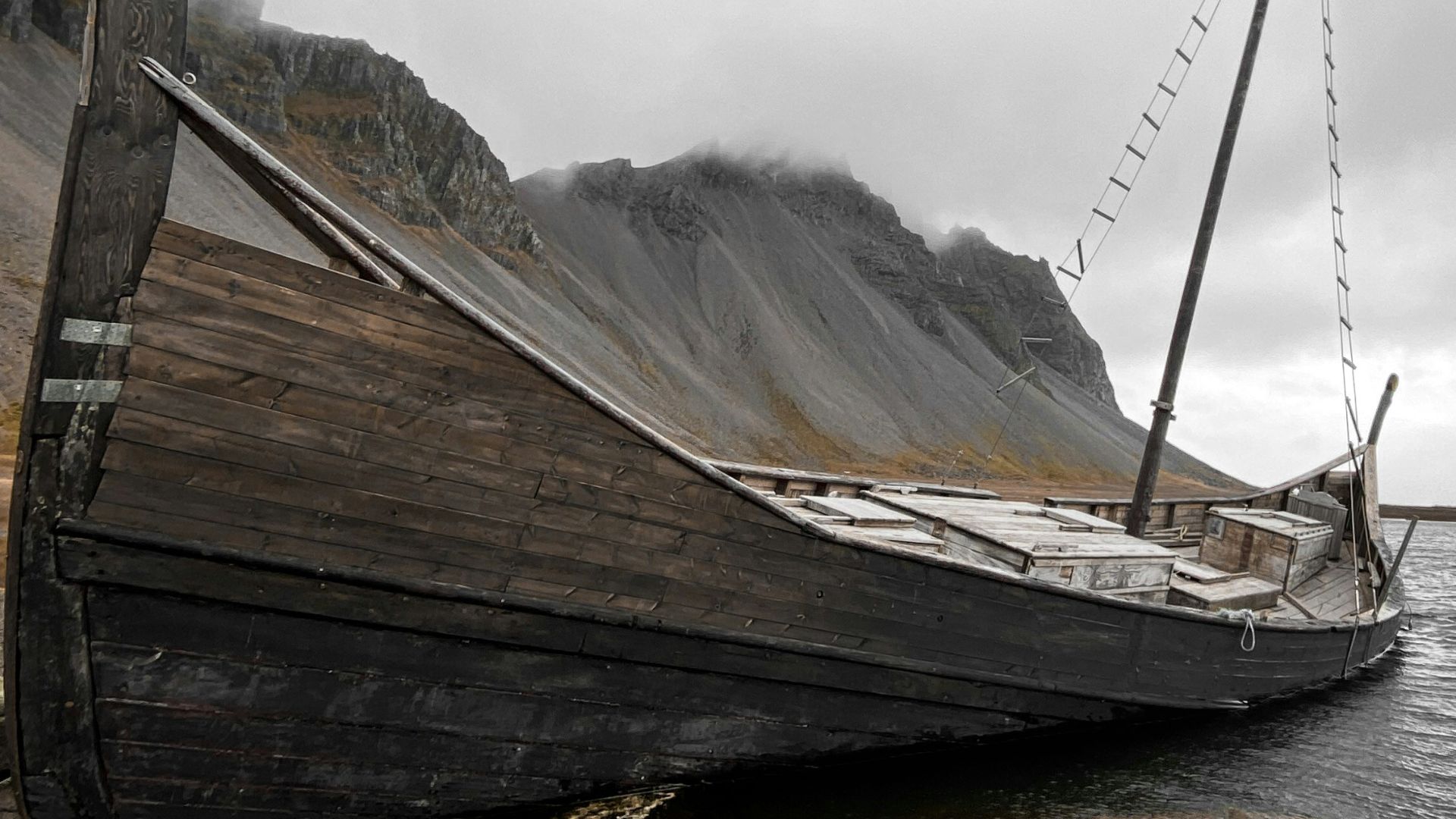
Expulsion from Dublin didn't stop Ragnall ua Ímair from building another kingdom. In 918, he fought Constantine II of Scotland at Corbridge and subsequently established himself as ruler of Viking Northumbria, namely after he seized York.
9. Sitric Cáech
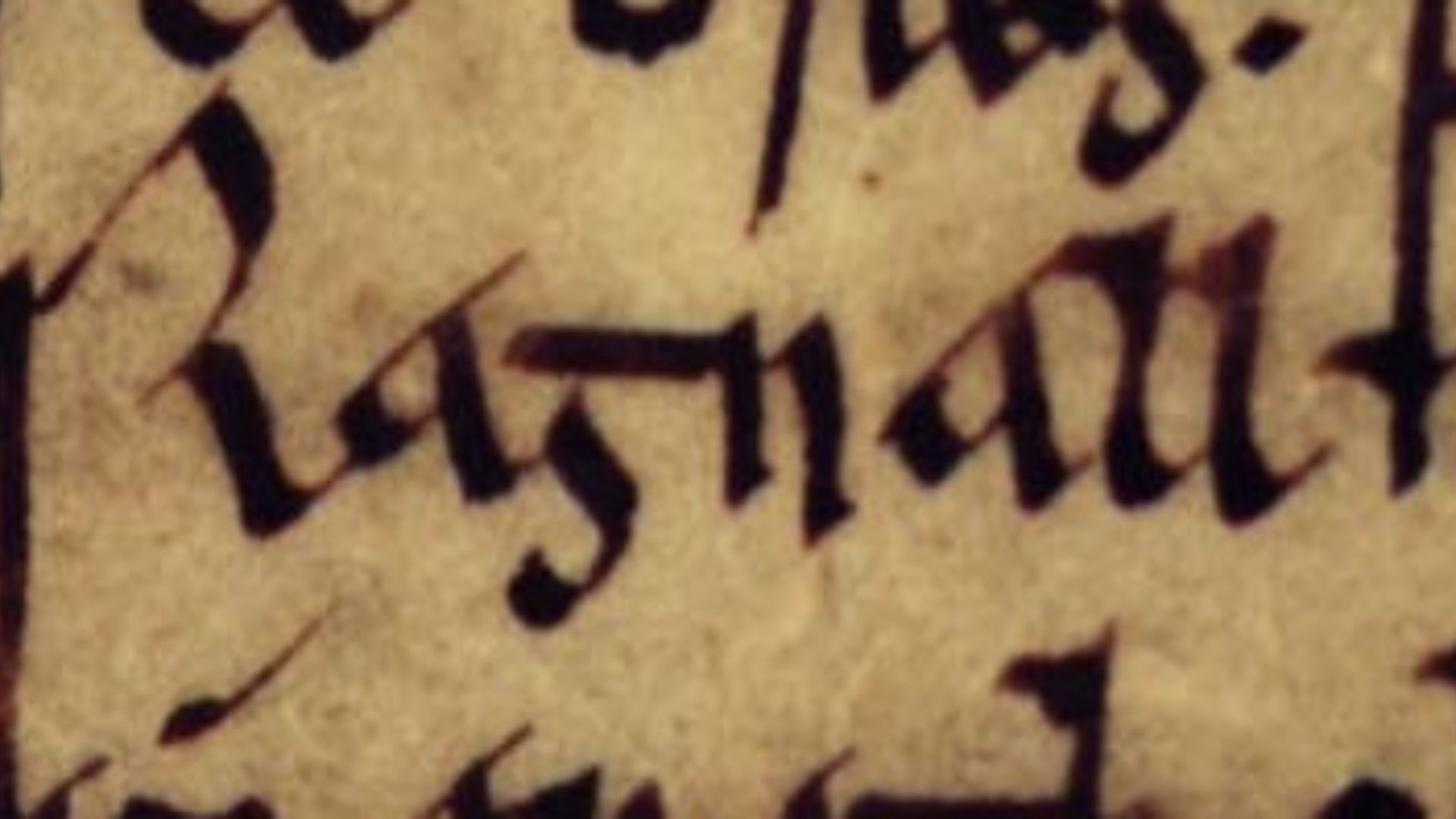
Sitric Cáech was one of the men to violently restore Viking control over Dublin after the Norse had been expelled from the city. In 917, his forces defeated an Irish army, where Augaire mac Ailella, king of Leinster, was killed. Two years later, Sitric's Vikings won another major battle near Dublin in which High King Niall Glúndub and several other Irish rulers died. He eventually became king of Northumbria, too, giving him power on both sides.
10. Gofraid Ua Ímair
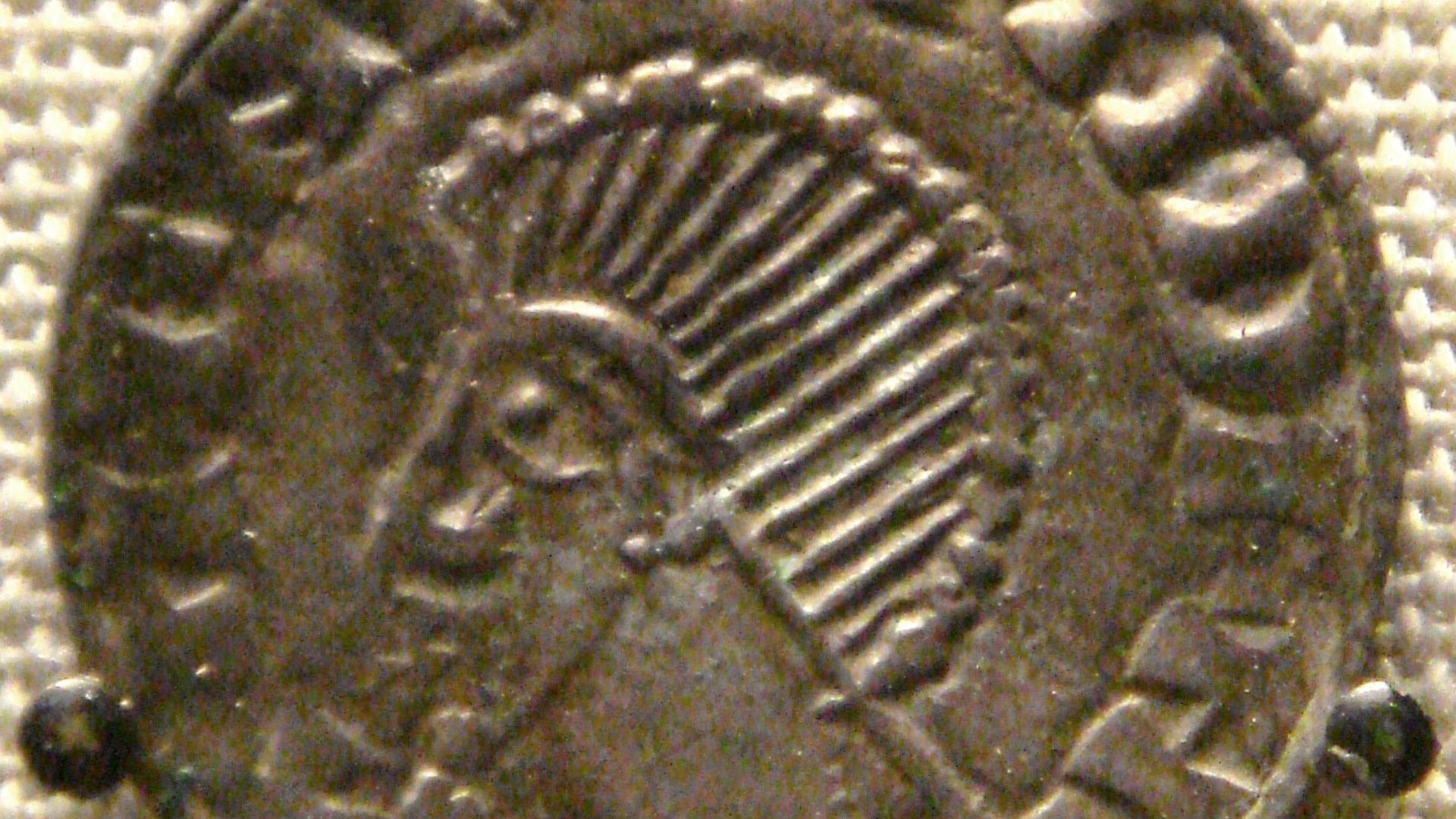
Even by Viking standards, Gofraid's raids could be terrifyingly destructive. After becoming king of Dublin in 921, he raided Armagh, later attacked Kildare, and in 930 assaulted Dunmore Cave. He racked up quite the body count; medieval annals claimed around 1,000 people were killed there.
11. Olaf Guthfrithson
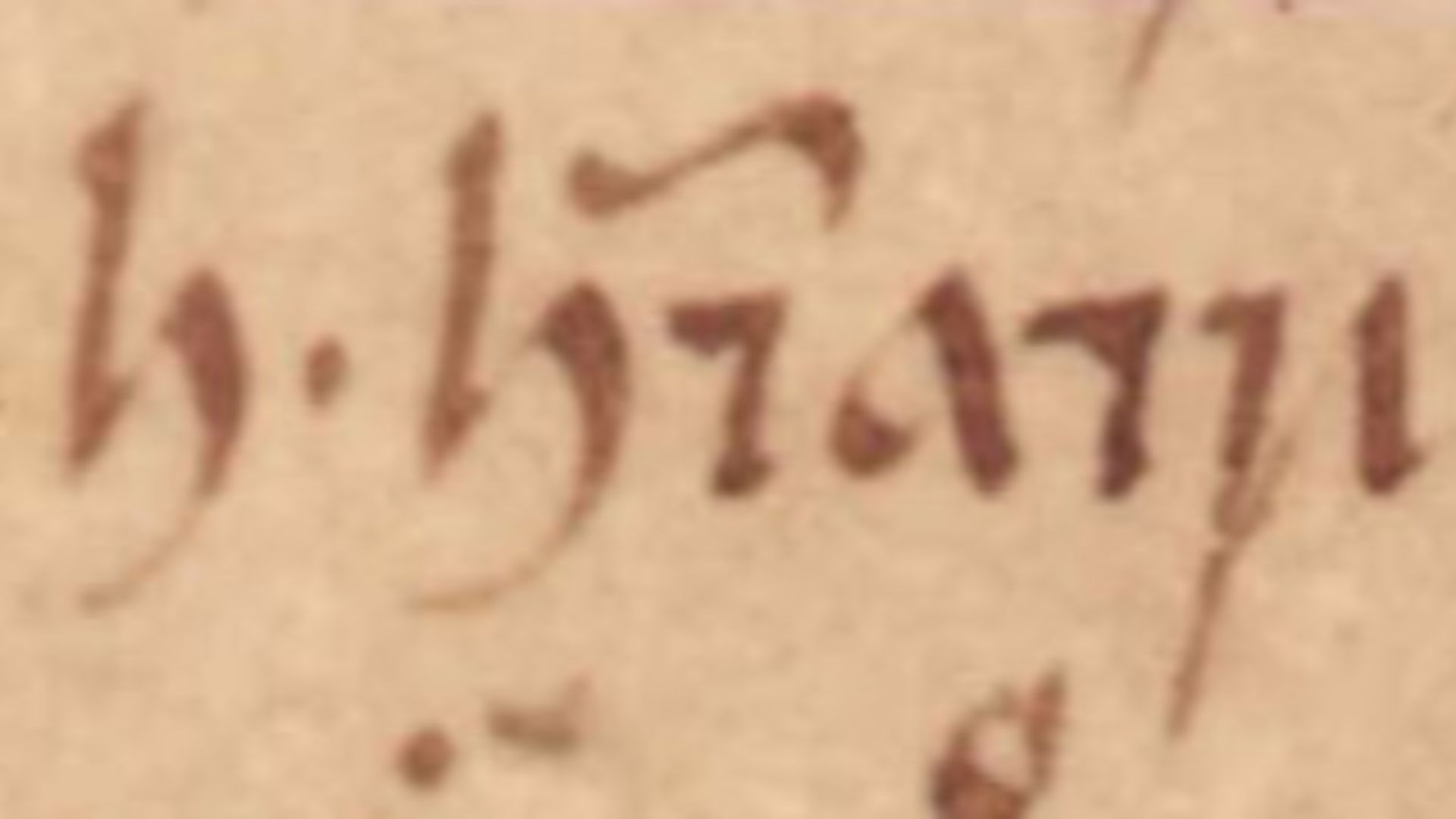
Olaf Guthfrithson wasn’t waiting around for the chance to strike. If anything, he invaded a kingdom almost immediately after its ruler died. After losing the Battle of Brunanburh against Æthelstan in 937, he went back to Ireland and kept raiding. When Æthelstan died in 939, Olaf returned to England, took York, pushed into the Midlands, and attacked places including Northampton and Tamworth.
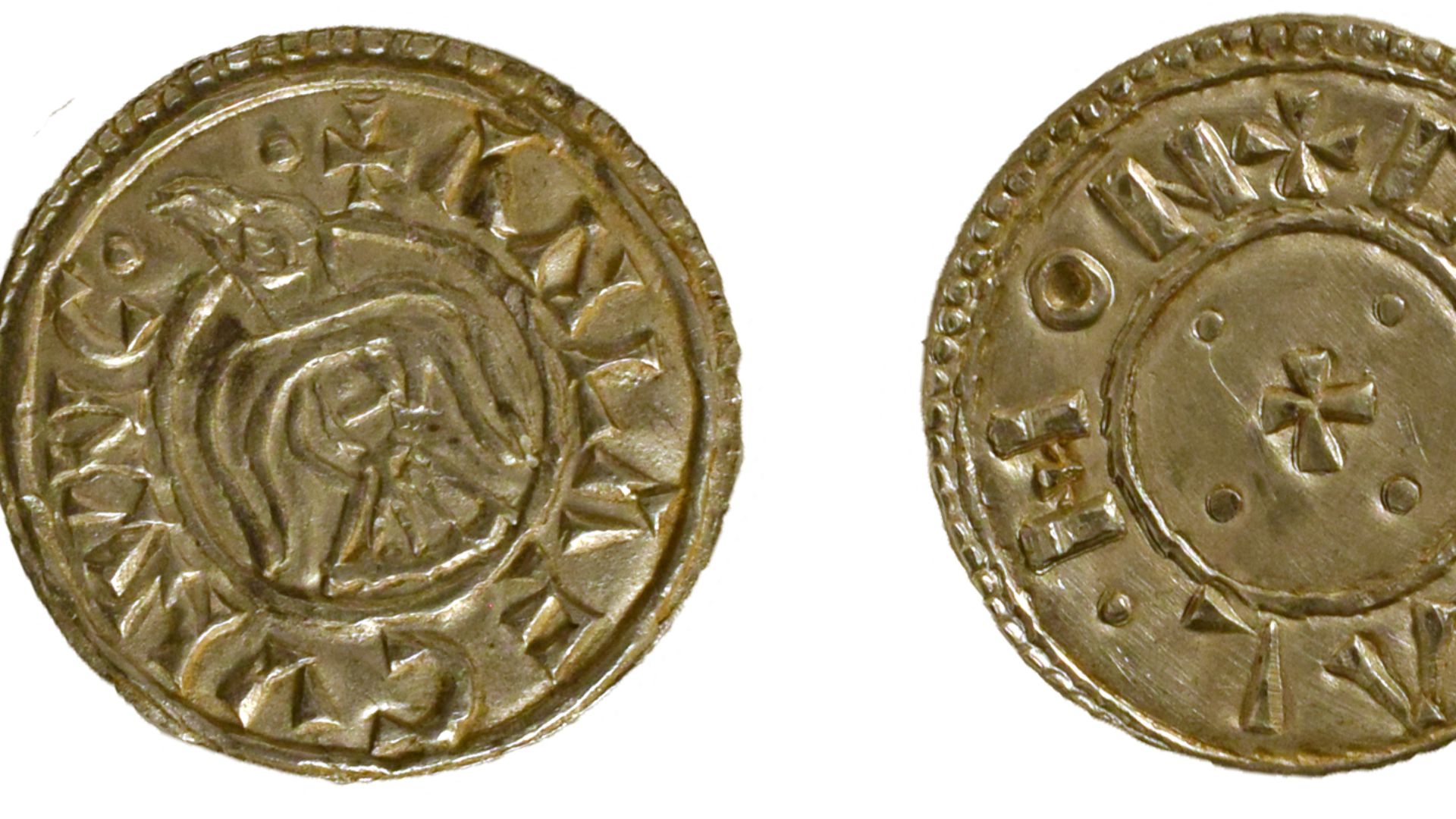 The Portable Antiquities Scheme, Eleanore Cox, 2019-07-10 12:12:10 on Wikimedia
12. Amlaíb Cuarán
Amlaíb Cuarán spent decades fighting for control of Dublin and York during the tenth century. The thing is, his track record wasn’t the best; he repeatedly lost kingdoms, returned with new armies, and reappeared in struggles across Britain and Ireland. His long career only ended after his defeat by Máel Sechnaill at the Battle of Tara in 980.
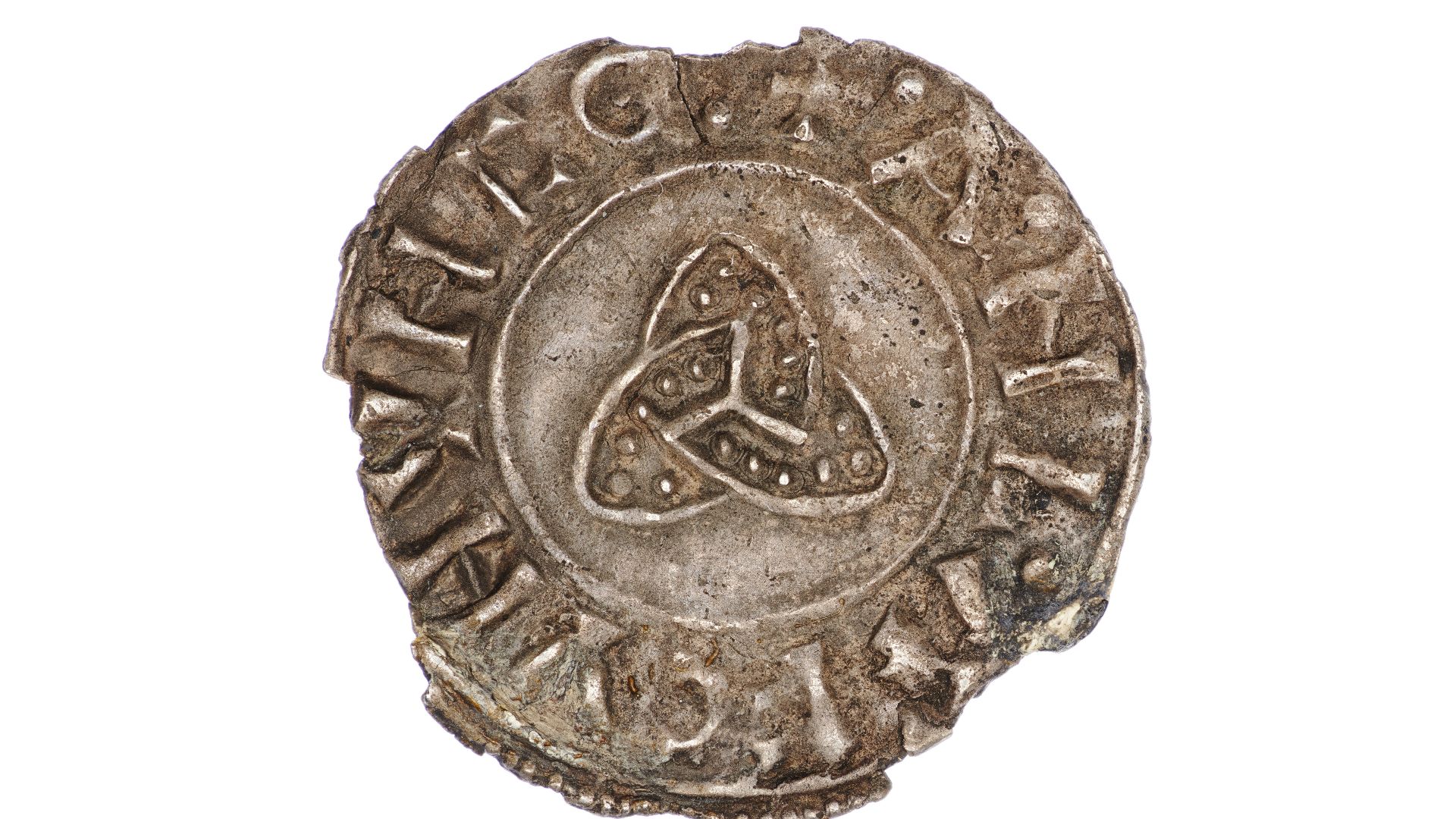 Ola Myrin, Statens historiska museum on Wikimedia
13. Ottir the Black
Ottir the Black built his reputation amid Norse expansion in Ireland during the early tenth century. He was connected to raids and conquests in Munster and is usually associated with the Viking settlement at Waterford. He actually died fighting the Scots in 918, where contemporary annals describe plenty of casualties among his forces.
14. Sigurd the Mighty
Sigurd the Mighty became the first Norse earl of Orkney, and one Norse story gives him one of the grisliest reputations on this list. According to the Orkneyinga Saga, Sigurd agreed to fight Máel Brigte with 40 men each, secretly arrived with 80, slaughtered his enemies, and had their heads tied to his soldiers' saddles.
15. Sigurd the Stout
By the late tenth century, another terrifying Sigurd controlled Orkney: Sigurd the Stout. His military ambitions were what drew him into conflicts throughout the region, and the Norse sagas associate him with a raven banner tied to Odin. His career eventually took him to Ireland’s doorstep, where he led Norse forces at the bloody Battle of Clontarf in 1014. He was killed during the fighting.
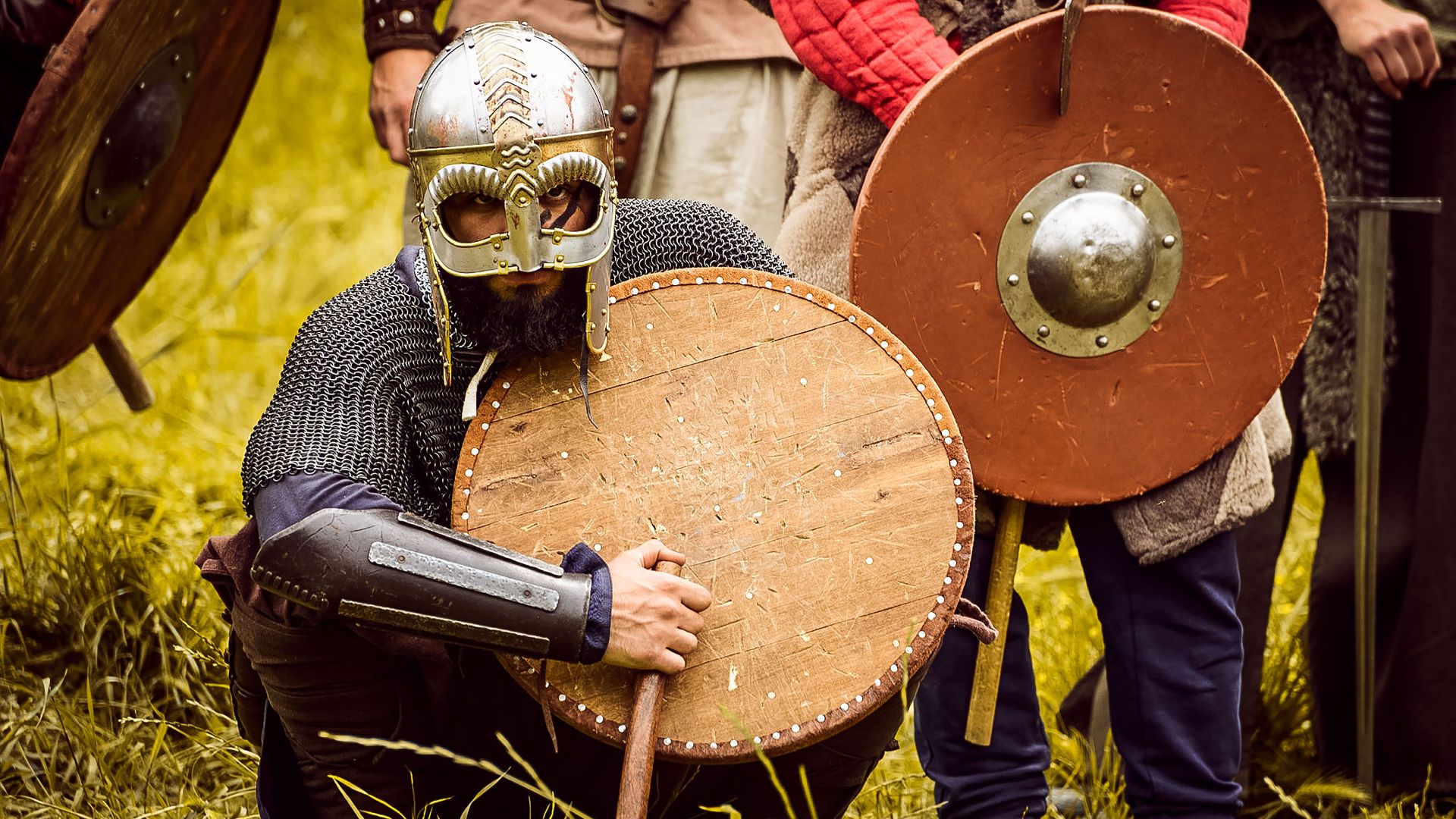
16. Thorfinn the Mighty
Thorfinn the Mighty spent a lot of time—decades, in fact— turning the Orkney earldom into a major northern power. His authority extended across Orkney, Caithness, and other northern territories, while tradition records repeated campaigning in Scotland and Ireland. The biggest issue is that later sagas make some of his campaigns difficult to separate from legend, but historians agree that he had extraordinary power.
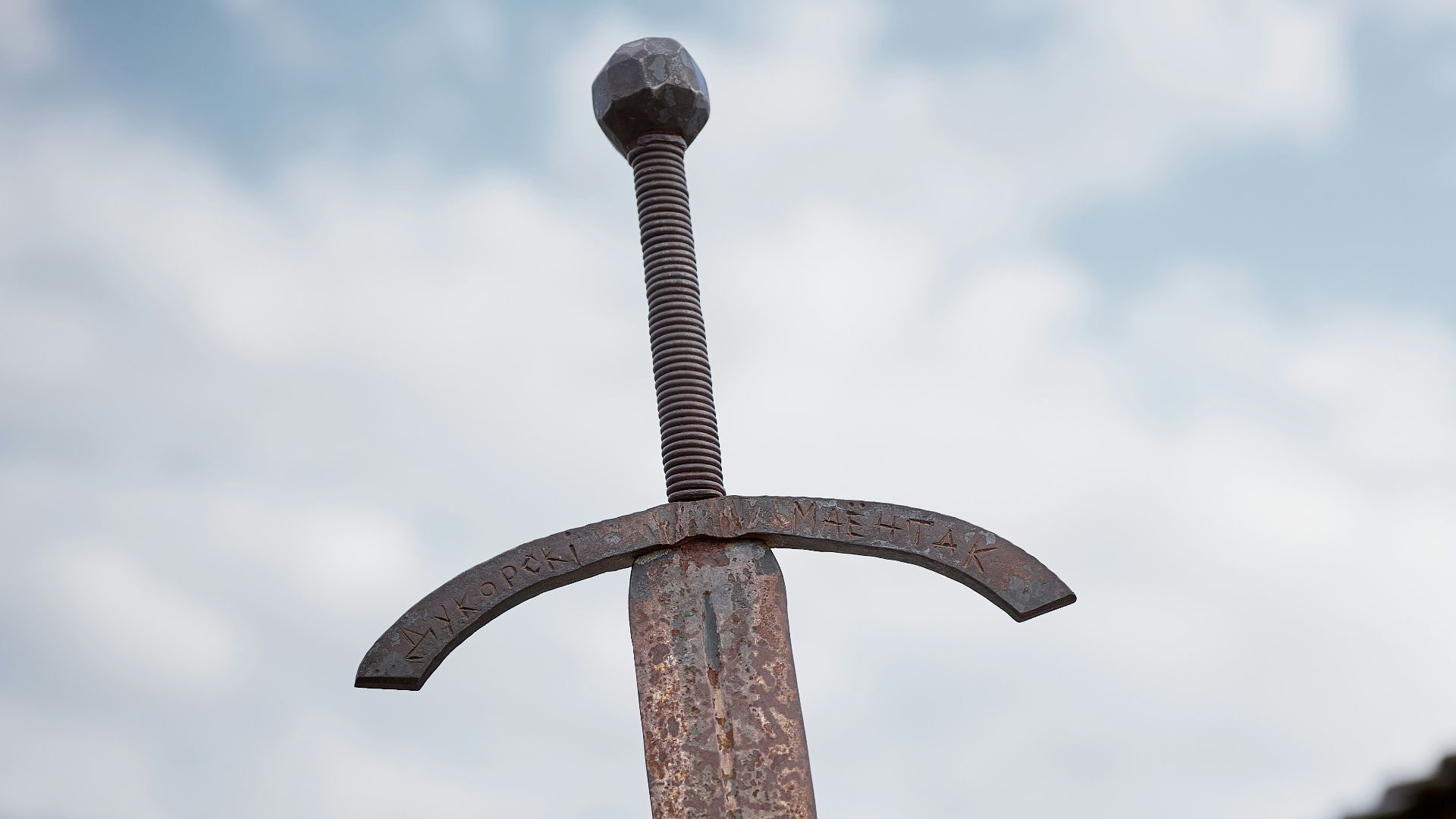
17. Haakon Sigurdsson
Haakon Sigurdsson, often called Haakon Jarl, effectively ruled Norway from 975 until 995. He managed to survive years of political warfare involving Danish kings, Norwegian rivals, and competing regional rulers, eventually becoming one of Scandinavia's most powerful men. That said, later stories made him even bloodier, connecting him with human sacrifice (though historians remain iffy on that).
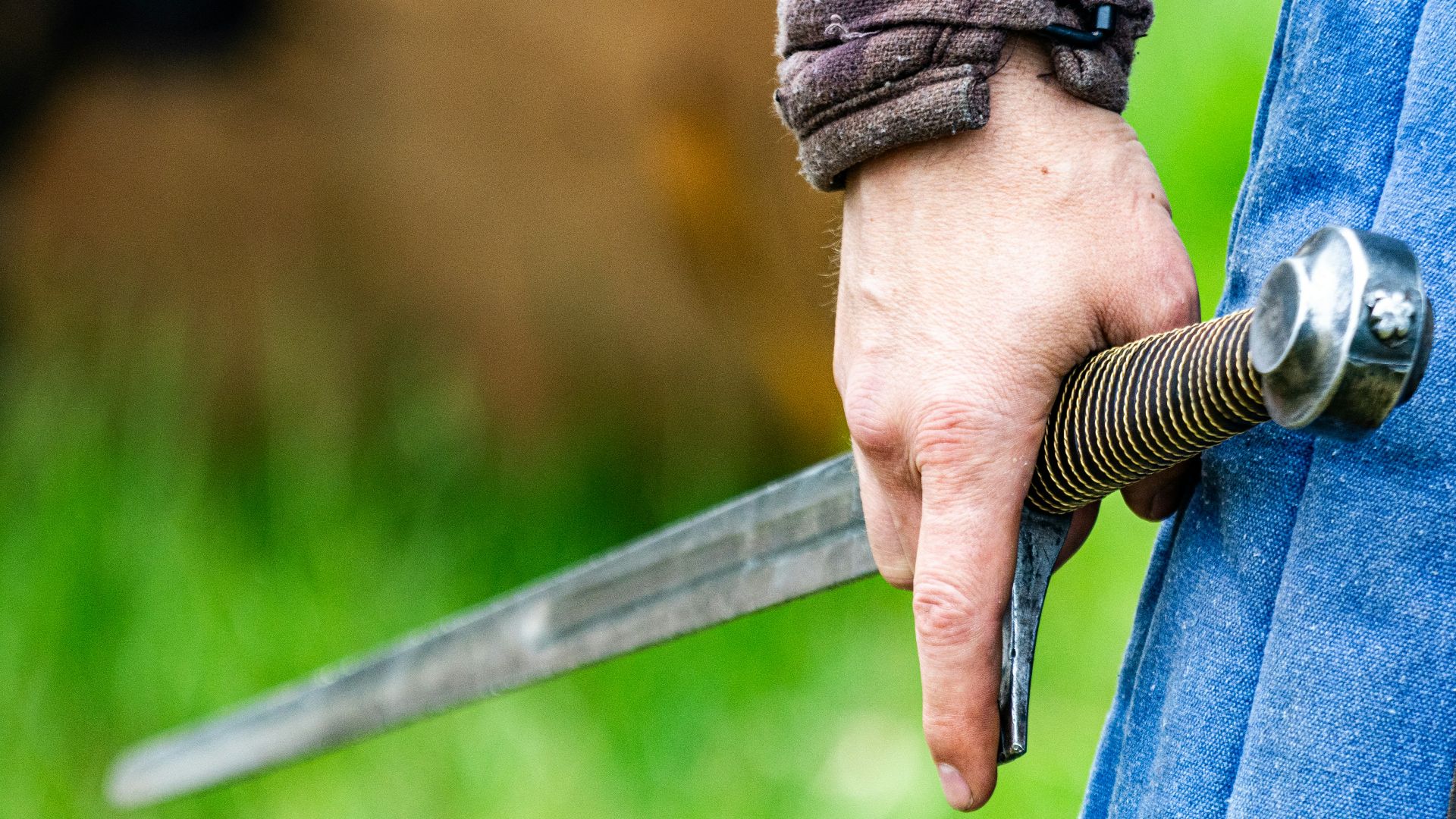
18. Eric Bloodaxe
Eric Bloodaxe doesn’t need modern writers to sound threatening. This guy ruled Norway before losing the kingdom to his brother Haakon, then resurfaced in England and twice became king of Northumbria during the 940s and 950s. Norse traditions do accuse him of killing them during the struggle, which led to the nickname "Brother-Slayer."
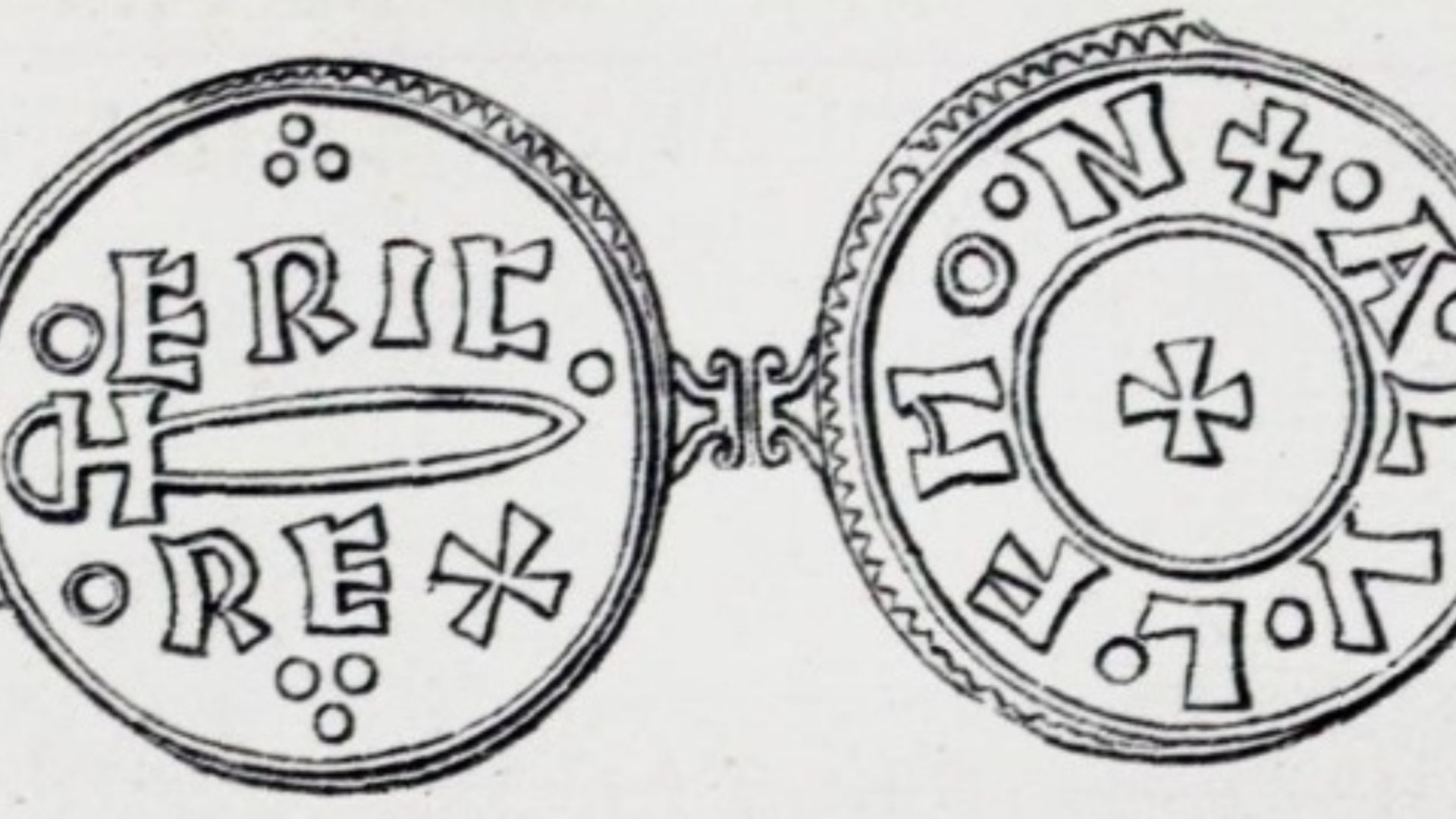 Ole Andreas Øverland (1855-1911) on Wikimedia
19. Godfrid of Frisia
Long story short: Godfrid left entire stretches of continental Europe devastated. His Vikings ravaged Flanders around 880, and later campaigns struck other settlements, with churches and monasteries among the places looted or burned. Emperor Charles the Fat eventually decided it was safer to give Godfrid territory and make him Duke of Frisia than to keep fighting him, but he remained dangerous enough that he was assassinated in 885.
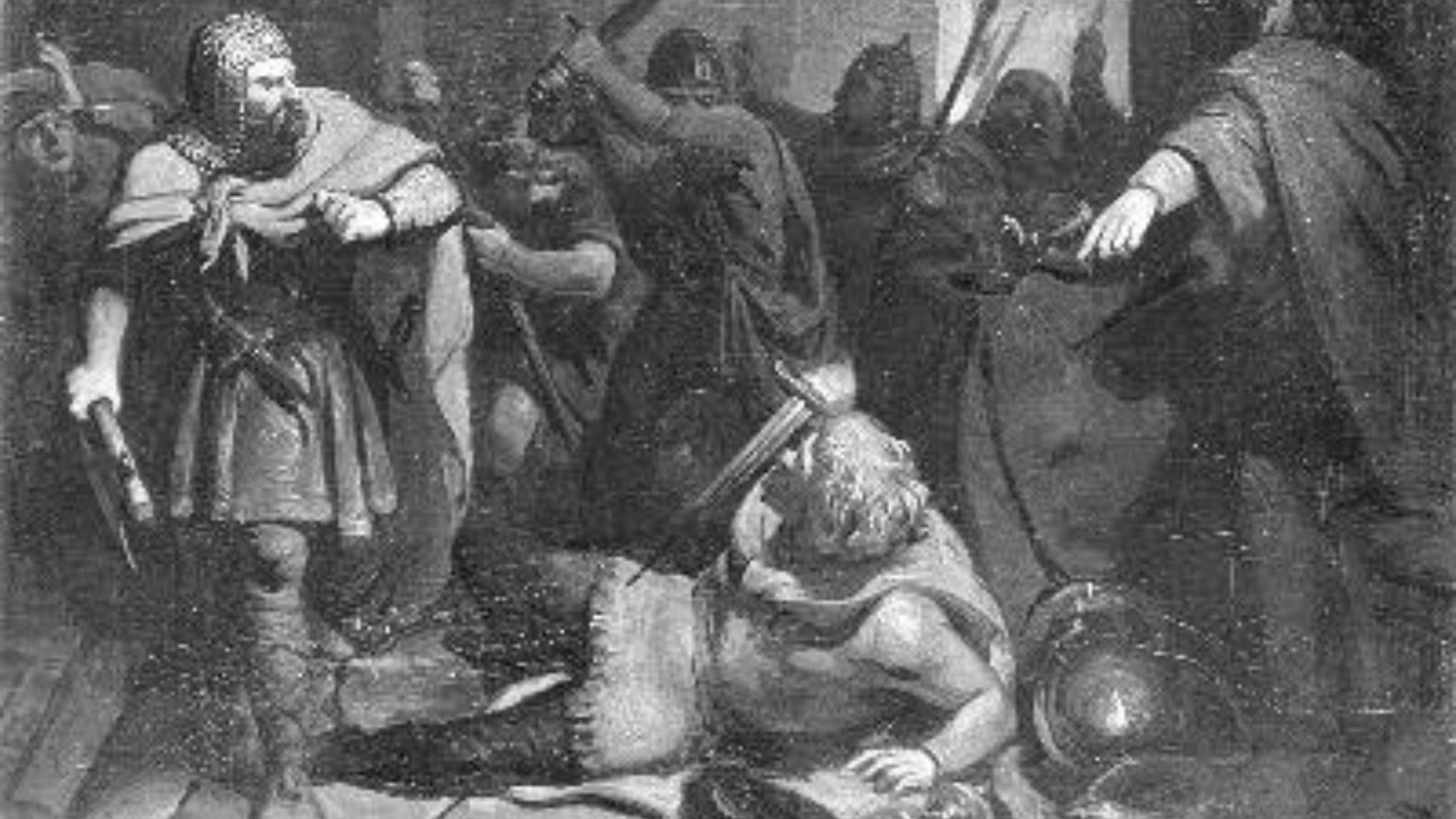 Jacobus van Dijck on Wikimedia
20. Rorik of Dorestad
Rorik of Dorestad spent much of the ninth century between raiding, conquest, negotiation, and legitimate rule—but his biggest feat was proving just how hard he was to take down. After falling out with Emperor Lothair I, he gathered a Danish force, devastated parts of Frisia, and seized the wealthy trading center of Dorestad. Lothair knew that defeating him would cost too many lives, so he actually gave Rorik control of the territory he had taken instead.
KEEP ON READING