The Kitchen Floor
It started as an ordinary Tuesday morning. Martin came into the kitchen while I was rinsing the breakfast dishes, and I noticed right away that something was off — his color was wrong, that grayish pallor that makes you stop what you're doing without quite knowing why. I turned off the tap and asked him what was wrong. He opened his mouth, started to say something about feeling strange, and then his knees just went. Not a dramatic fall — more like the floor came up to meet him, slow and inevitable. I was beside him before I even thought about moving. I got down on the tile with him, one hand on his chest, the other reaching for my phone on the counter. My hands were shaking so badly I had to dial twice. The 911 operator was calm and I tried to match her, answering her questions in a steady voice while Martin's breathing went shallow beside me. I kept one hand on him the whole time, talking to him, telling him to stay with me, that help was coming. By the time I heard the sirens outside, his eyes had closed. I sat there on the cold kitchen floor, his weight settling against me, and I held on.
 Image by RM AI
Emergency Room Waiting
I followed the ambulance in my own car because they wouldn't let me ride with him, and that drive was one of the longest of my life. I kept the ambulance's lights in sight the whole way, running a yellow light I would normally never run. At the hospital they took him straight through doors I wasn't allowed to follow him through, and a woman at the admissions desk handed me a clipboard with forms to fill out. I sat down in a plastic chair and tried to write our address, our insurance information, his date of birth — things I've known for thirty-four years — and my handwriting looked like a stranger's. A doctor came out maybe forty minutes later, a young man who introduced himself and then spoke carefully, the way people do when they're managing what they tell you. He said Martin had suffered a serious cardiac event. He said they were working to stabilize him. He said I should try to stay calm. I asked him if Martin was going to be all right and he said they were doing everything they could, which is not the same thing as yes. I went back to my plastic chair and stared at the doors. Then a nurse appeared and said they were moving Martin to intensive care.
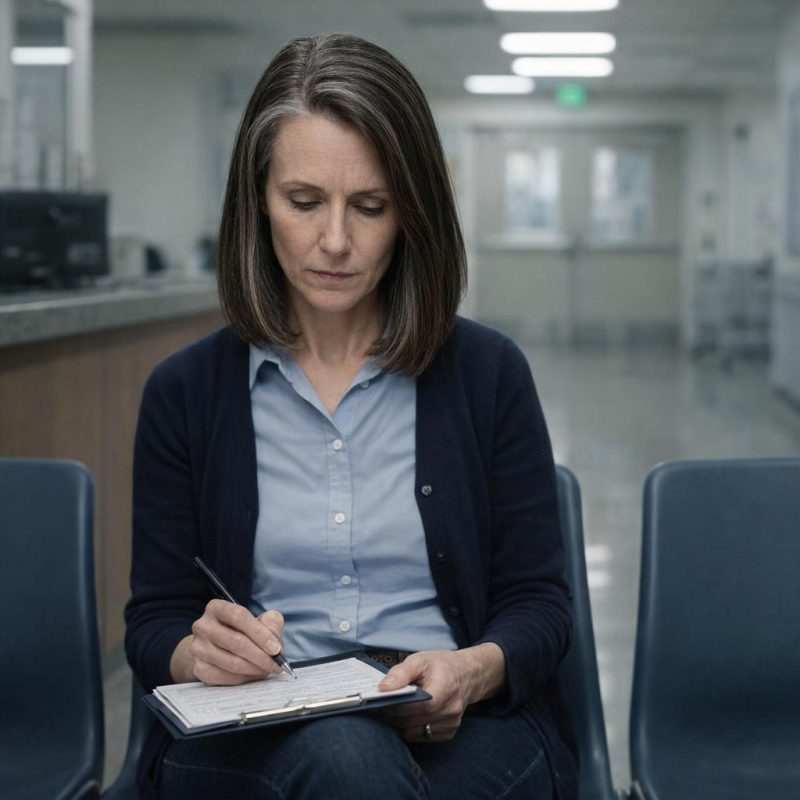 Image by RM AI
Intensive Care
The ICU room was smaller than I expected, and quieter in a way that felt wrong — not peaceful quiet, but the kind that comes from machines doing the work a body should be doing on its own. Martin lay in the center of it all, tubes and leads attached to him, his face slack against the pillow in a way I had never seen before. In thirty-four years of marriage I had watched him sleep thousands of times, and this looked nothing like sleep. A nurse showed me where to sit and explained what some of the monitors were measuring, but the numbers and waveforms meant nothing to me. I watched the lines move and tried to find something reassuring in their rhythm. Every time a number shifted I looked up at the nurse's face to see if I should be frightened, and she would give me a small nod that told me nothing. I held his hand. His fingers were warm, which felt like something to hold onto. I talked to him quietly — nothing important, just words to fill the space, to give him something to follow back. The nurses came and went on their rotations, efficient and kind, and none of them could tell me when he might wake up. I sat there and watched his chest rise and fall, and tried not to look at his face for too long.
 Image by RM AI
Thirty-Four Years
During the hours when they wouldn't let me into his room, I sat in the ICU family waiting area with a cup of vending machine coffee I never drank. The chairs were upholstered in a faded blue that had probably once been cheerful, and the television mounted in the corner was muted, cycling through a morning news program nobody was watching. I thought about thirty-four years. That's a long time to build a life with someone. Martin had been in the music business when we met — managing small acts at first, then bigger ones, then Dean's band, which had become the centerpiece of his career for the last twelve years. I had never been particularly drawn to that world. The late nights, the touring schedules, the phone calls at odd hours — it was just the texture of his work, the same way my work had its own rhythms he didn't always understand. I had learned early on not to need a detailed accounting of every trip, every dinner, every industry event. That was trust, I thought. That was what a long marriage looked like. You stopped keeping score. You stopped asking for itineraries. You extended the benefit of the doubt so many times it stopped feeling like a choice and started feeling like the ground you stood on. I sat with my cold coffee and thought about all those years of simply believing him.
 Image by RM AI
The Question
Beth found me in the waiting area late in the afternoon. She was one of the ICU nurses — late thirties, kind eyes, the practiced calm of someone who has delivered difficult news before and knows how to carry it carefully. She asked if I would mind stepping into a smaller room down the hall, and something in the way she asked made me set down my coffee and follow her without asking why. The room had two chairs and a small table and felt like a place designed specifically for conversations nobody wanted to have. Beth sat across from me and folded her hands and said she had a question that might seem a little unusual. She asked whether Martin had recently made any changes to his medical paperwork — specifically his emergency contact information. I told her no. I said I had always been his emergency contact, that I couldn't imagine why anything would have changed. She looked down at the chart in her hands and then back up at me with an expression I couldn't quite read. She said she wanted to make sure she had the right information before the hospital proceeded with anything. I told her again that I was his wife, that I had been his wife for thirty-four years, and that I was absolutely his emergency contact. Beth looked at the chart one more time. Then she told me another woman was listed as his primary contact — a woman named Lauren.
 Image by RM AI
Lauren's Name
I heard the name and something in my chest went very still. Lauren. I knew exactly one Lauren connected to Martin's life, and the recognition was immediate. I told Beth that Lauren was married to Dean — the lead guitarist in the band Martin had managed for twelve years. I said it the way you state a fact you're certain of, because I was. Lauren had been in our home. She and I had sat at my kitchen table drinking wine while Martin and Dean talked business in the next room. I had sent flowers when her mother died two years ago. She was Dean's wife, and through that connection, someone I had considered a friend. I asked Beth when the change had been made. Beth looked uncomfortable in the way people do when they have information they're not sure they should share. She said she couldn't give me a lot of detail about the administrative side of things. I pressed her — I needed to know when. She checked the chart again, running her finger along something I couldn't see from where I was sitting. The entry had been made several months earlier.
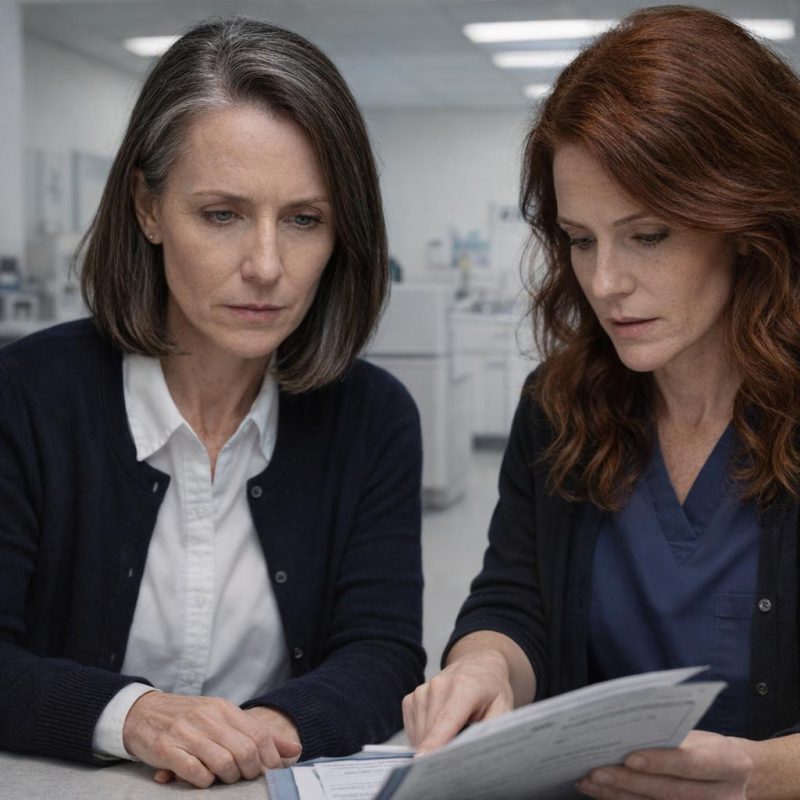 Image by RM AI
Inventing Reasons
I tried to think my way through it. Martin managed Dean's band — that meant he and Lauren were in the same orbit constantly, at shows, at meetings, traveling to venues. Maybe there was a practical reason. Maybe at some point they'd been at an event together and Martin had listed her as a local contact for convenience, and then nobody had updated the paperwork. I asked Beth whether it was common for people to list a business associate as an emergency contact. She said it happened sometimes. I asked whether the listing meant Lauren would have been notified when Martin was admitted. Beth paused before she answered, and that pause told me something before her words did. She explained how the system worked — that when a patient was admitted, an automated alert went to the primary contact on file. I asked her directly: had Lauren already been notified? Beth said yes. The alert had gone out when Martin was first brought in. I sat with that for a moment, turning it over, looking for the angle that made it ordinary. The explanations I'd been building felt thinner than they had a minute ago, and I couldn't quite get them to hold their shape.
 Image by RM AI
The Waiting Room
I went back to the waiting area and sat down in the same faded blue chair. The television was still cycling through its muted programming. The coffee machine hummed in the corner. Everything looked exactly the same as it had an hour ago, and yet something had shifted in a way I couldn't name yet. I kept coming back to the timeline. Several months ago. I tried to think about what had been happening in our lives four or five months back — whether there had been a trip, a conversation, some moment that might explain it. Nothing came to me. Martin hadn't mentioned changing anything. He hadn't asked me about it, hadn't said there was a reason to update his paperwork, hadn't given me any indication that my name was no longer the first one on that list. I thought about Lauren — her easy laugh, the way she'd always seemed genuinely fond of me, the flowers I'd sent when her mother died. I thought about Dean, who had trusted Martin with his career for twelve years. I kept trying to find the version of this that made simple sense, the administrative error or the practical oversight that would explain everything. But the more I turned it over, the less it cooperated. Somewhere in this building, Martin was unconscious and unreachable, and I was sitting alone with a question he couldn't answer.
 Image by RM AI
Lauren Arrives
I was still sitting in that same faded blue chair when the elevator doors opened and Lauren walked in. She was wearing a gray coat I recognized — I'd been with her when she bought it — and her face was tight in a way I hadn't seen before. She scanned the waiting room and found me almost immediately, and that was the first thing that caught in my chest: she wasn't surprised. Frightened, yes. Her hands were gripping the strap of her bag hard enough to whiten her knuckles. But she wasn't surprised to see me sitting there. I stood up and walked toward her, and I heard myself ask, in a voice that came out steadier than I felt, what she was doing here. She said Martin had collapsed during a phone call with her. She said she'd been on the line when it happened, that she'd heard him go down, and that the hospital had sent an alert to her phone. She said all of this quickly, like she'd been rehearsing it on the drive over. I stood there and listened to every word. And when she finished, I looked at her face — really looked at it — and something in her expression sat with me long after she stopped talking.
 Image by RM AI
One Chance
I didn't say anything right away. I just turned and walked toward the far corner of the waiting room, the quieter end near the window, and after a moment I heard her follow me. We sat down across from each other in two chairs that faced a wall of gray sky, and I kept my hands folded in my lap because I didn't trust what they'd do otherwise. I told her she had one chance. I said it plainly, without raising my voice, because I didn't need to. I told her I wanted to know why she was listed as Martin's emergency contact, and I wanted the truth, and I wanted it now. Lauren looked down at the floor. She didn't answer. I watched her jaw tighten and her throat move, and I waited. The hospital sounds kept going around us — a cart rolling past, a phone ringing somewhere down the hall, a child crying two rooms over. None of it touched us. I kept my eyes on her face and I waited, and the longer she didn't speak, the more the silence filled in the space between us with something I hadn't let myself name yet. She still hadn't looked up. And in that silence, something I'd been holding at arm's length all morning began to move closer.
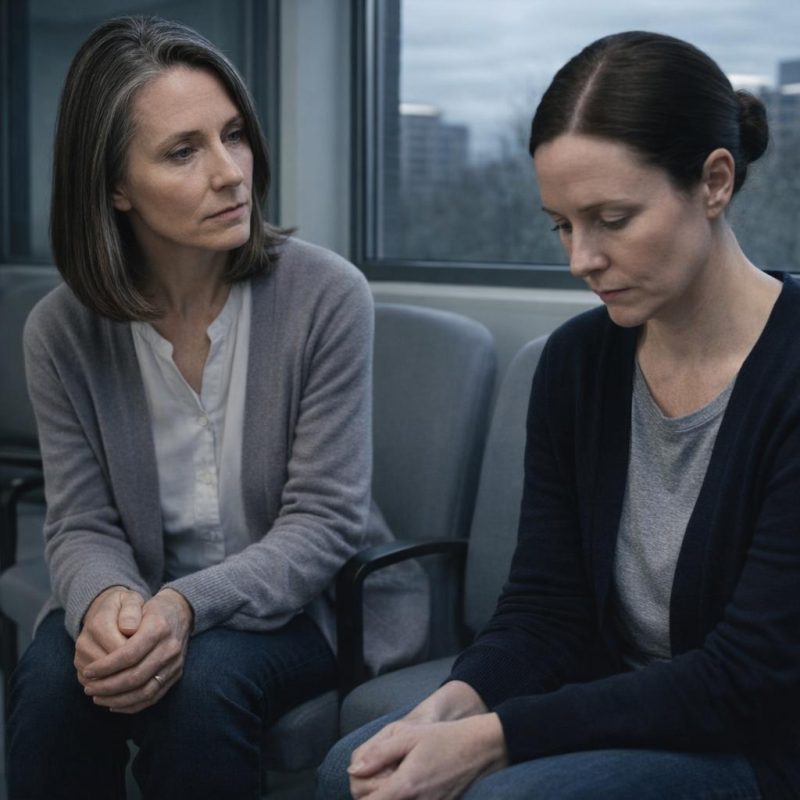 Image by RM AI
The Silence
Lauren's hands were in her lap, and I could see them shaking. Not dramatically — just a fine, steady tremor, the kind a person can't control. She was staring at the floor between our chairs, and she still hadn't looked at me. I didn't push her. I didn't say another word. I just sat there and watched her face, and I let the silence do what it was doing. There's a particular kind of knowing that doesn't arrive through words. It comes in through the body first — a heaviness in the chest, a strange stillness in the mind, like everything has stopped moving because it already knows where it's going to land. I felt that now. I watched the way she couldn't meet my eyes. I watched the way she kept pressing her lips together, like she was holding something back that was trying to get out. I thought about the phone call. I thought about the emergency contact form. I thought about the flowers I'd sent when her mother died, and the way she'd hugged me at the funeral and said she didn't know what she'd do without me. The hospital hummed around us. Somewhere a door opened and closed. Lauren still hadn't spoken, and I sat with the weight of what I already knew before she found the words to say it.
 Image by RM AI
Eight Months
When she finally spoke, her voice came out low and unsteady. She said it had started about eight months ago. She said it began during a tour stop in Nashville — that Martin had been managing a difficult situation with the venue and she'd driven up to help, and that things had shifted between them that weekend. She said they'd told themselves it was a one-time thing, and then it wasn't. She said they'd found reasons to be in the same city — production meetings, contract reviews, scheduling calls that could have been emails. She kept her eyes down while she talked, and I sat very still and let her keep going, because stopping her felt like it would cost me something I couldn't afford to lose yet. I asked her how long she'd known this was more than what she was calling it. She didn't answer that directly. Instead she said that Martin had told her our marriage had been over for years — that we were just two people living in the same house, going through the same motions, and that he'd stayed out of habit, not love. She said he told her that like it was simply a fact. Like I already knew.
 Image by RM AI
The Future They Planned
I asked her what exactly they had been planning. She hesitated, and then she told me. They had talked about getting married — after the divorces, after everything was settled. She said it haltingly, like someone who had carried the words a long time and still hadn't found a comfortable way to release them. They had looked at houses together. She told me that too, quietly, without meeting my eyes. Somewhere in another state, away from the music business, away from anyone who knew either of them. She mentioned a city I'd never associated with either of them, said they'd looked at listings online, that Martin had liked a particular neighborhood near a lake. I sat there and listened to all of it. I didn't interrupt. I didn't cry. I just let her keep talking, because every detail she added was another measurement of how far this had gone — how many conversations had happened, how many decisions had been made, how much of a future had been sketched out while I was sitting at home thinking my marriage was ordinary and intact. By the time she stopped talking, the room felt very quiet. The weight of it didn't arrive all at once. It settled in slowly, the way cold does — not a shock, but a gradual, thorough chill that reached everything.
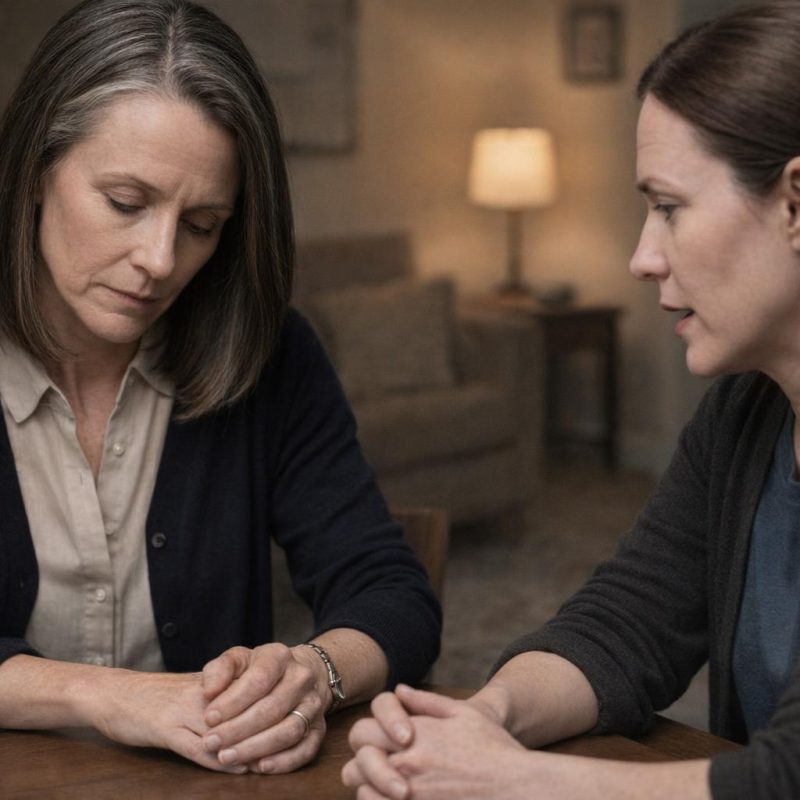 Image by RM AI
Ordinary Moments
I thought about the clothes first. About eight or nine months ago, Martin had started buying new things — not the practical kind, not replacing worn-out shirts, but actual new clothes, the kind a person buys when they want to look different. I'd noticed and said something light about it, and he'd shrugged and said he just felt like updating things. I'd let it go. Then there was the weight. He'd lost maybe fifteen pounds over the spring, and I'd told him he looked good, and he'd smiled in a way I now understood differently. He'd started caring about his hair in a way he hadn't since we were young. He'd started taking phone calls in the backyard, or in the car, or in the garage with the door pulled shut. And his phone — for thirty years that man had left his phone on every surface in the house, face up, ringer on, completely indifferent to it. Sometime last year it started going everywhere with him, face down on the table, tucked into his jacket pocket, never left unattended. I had noticed all of it. I had filed each thing away as something small and unremarkable, a man getting older and paying more attention to himself. Every single one of those moments had been right in front of me, and I had looked at them and seen something else entirely.
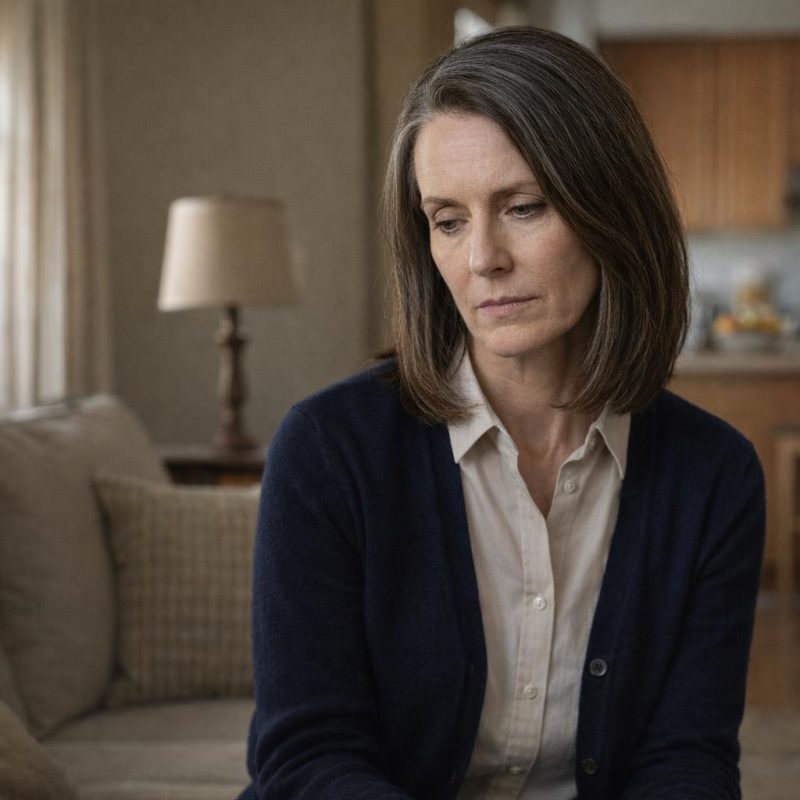 Image by RM AI
Calling Dean
I looked at Lauren and asked her if Dean knew. She shook her head. She said no, he didn't know anything, that she'd been careful, that she hadn't told him. I sat with that for about two seconds. Then I told her I was going to call him. Her head came up fast. She said my name — said it the way you say someone's name when you're trying to reach them, trying to pull them back from something. She said please, she said she needed time, she said Dean deserved to hear it from her, not like this. I told her she'd had eight months to figure out how to tell him. I told her I wasn't going to sit in this hospital knowing what I knew and let Dean walk around in the dark. My voice stayed even. I wasn't angry in the way that shakes — I was angry in the way that goes very still and very clear. Lauren was watching me with something close to panic in her eyes, her hands gripping the armrests of her chair. I reached into my bag and pulled out my phone, and the color drained from her face.
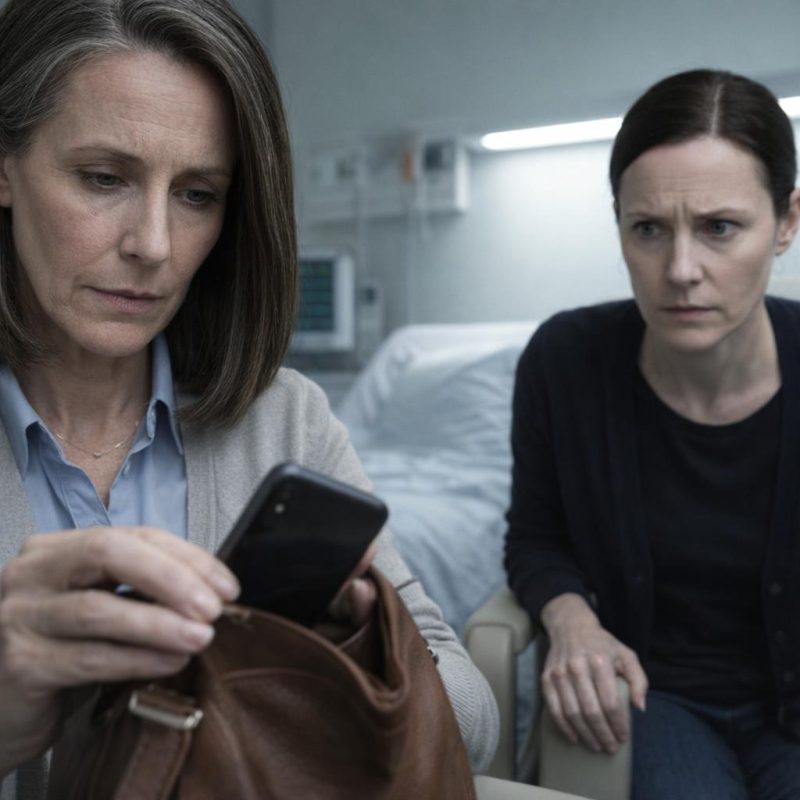 Image by RM AI
Dean Arrives
Dean arrived that afternoon in a jacket and jeans, moving quickly through the lobby the way people do when they've gotten a call they didn't expect. He saw me first, then Lauren, and his eyes moved between us with a look I recognized — the look of a person trying to read a room and not liking what they're finding. He came over and asked how Martin was doing, and I told him Martin was stable, and then I told him the rest of it. Lauren said my name again, sharply, but I kept going. I told him about the affair, about the eight months, about the emergency contact form, about the houses in another state. I watched his face go through several things in quick succession — confusion, then a kind of rigid stillness, then something that looked less like surprise and more like pieces falling into place. He asked Lauren how long. She told him eight months, barely above a whisper. He sat down heavily in the chair beside me, elbows on his knees, staring at the floor. A long moment passed. Then he looked up and said, quietly and without any particular emotion in his voice, that it explained the money.
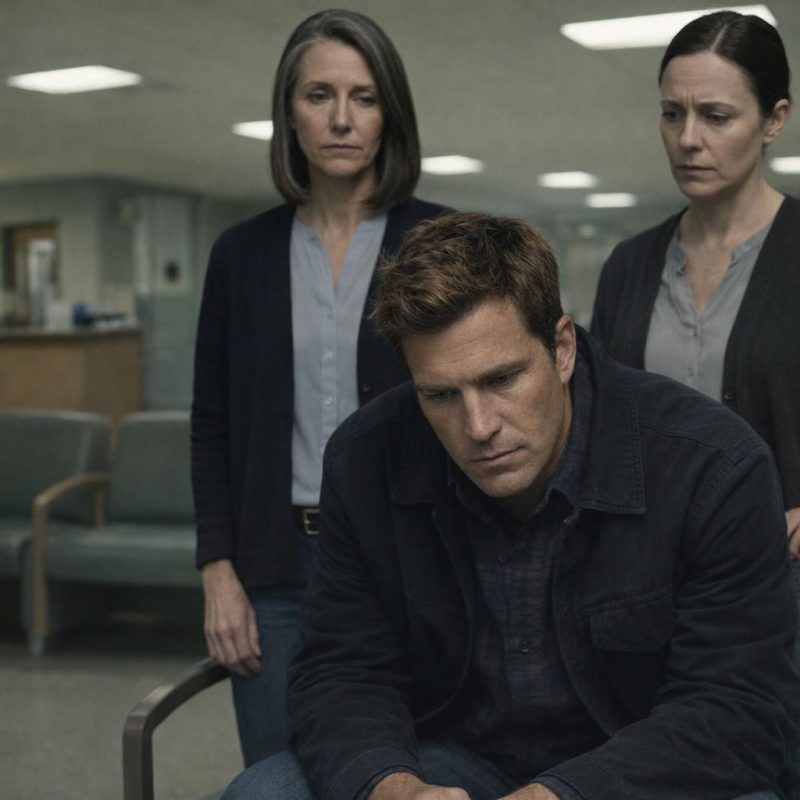 Image by RM AI
The Discrepancies
Dean didn't look at Lauren when he started talking. He kept his eyes on the floor, elbows still on his knees, and told me the band had been noticing problems with payments for months. Not enormous amounts, he said — nothing that screamed fraud right away. But the licensing deal money hadn't come in the way they expected. Touring income was off. Merchandise payments didn't match what the venues were reporting. Small enough gaps that you could explain any one of them away, but when you laid them all out together, they added up to something that didn't sit right. Their accountant had started going through Martin's management company records about six weeks ago. Dean said they hadn't said anything to Martin yet because they wanted to be sure before they made an accusation against someone they'd trusted for twelve years. I sat there listening and felt something cold settle in my chest. I asked him what Martin said when they'd asked about the numbers informally, before the accountant got involved. Dean looked up at me then. He said Martin kept telling them the statements were delayed, that royalty schedules were complicated, that the music industry ran on its own timeline and they just needed to be patient.
 Image by RM AI
Lauren's Defense
Lauren's head came up fast. She said Martin would never steal from the band — that he had plenty of his own money and no reason to take anything from anyone. Her voice had a defensive edge to it, the kind that comes from needing something to still be true. I almost laughed. Not a funny laugh. The kind that sits in your throat and doesn't quite make it out. I had handled our household finances for thirty-four years. I paid the bills, managed the accounts, tracked what came in and what went out. I knew exactly what we had, and it was not the picture Martin had been painting for people. We were comfortable, yes. But the version of Martin's wealth that Lauren seemed to be carrying around — the one that made theft unnecessary, the one that made him a man of means with nothing to prove — that version didn't match the account balances I looked at every month. Dean glanced at me when I didn't agree with her. Lauren noticed my silence and something shifted in her expression, a small crack in the certainty she'd walked in with. She had believed what Martin told her about his money. I could see her starting to understand, slowly and uncomfortably, that she might not have been told the whole truth about that either.
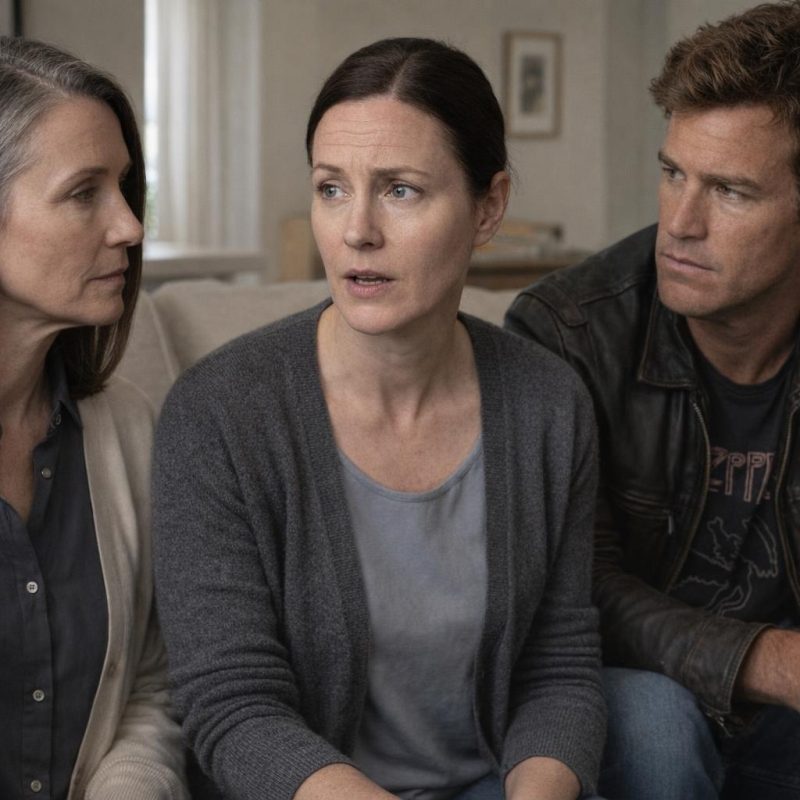 Image by RM AI
Going Home
I told them I needed to go home. I said I needed a shower and a change of clothes, that I'd been in the same outfit since the hospital called and I couldn't think straight anymore. Dean nodded. Lauren said she'd stay, that she'd call me if anything changed with Martin. I said fine and picked up my bag and walked out before either of them could say anything else. The drive home was quiet. I didn't turn on the radio. I just drove and let the silence sit there with me. By the time I pulled into the driveway, I had already decided what I was going to do. Martin had a home office he kept locked when he traveled, a habit I'd always respected without question. I had never gone through his desk. I had never felt the need to, or maybe I had just never let myself feel it. That was done now. I wasn't angry in a shaking, tearful way anymore. It was something steadier than that, something that had settled into my bones on the drive over. I walked through the front door, set my bag on the hall table, and turned toward the hallway that led to his office, and I felt nothing that resembled guilt.
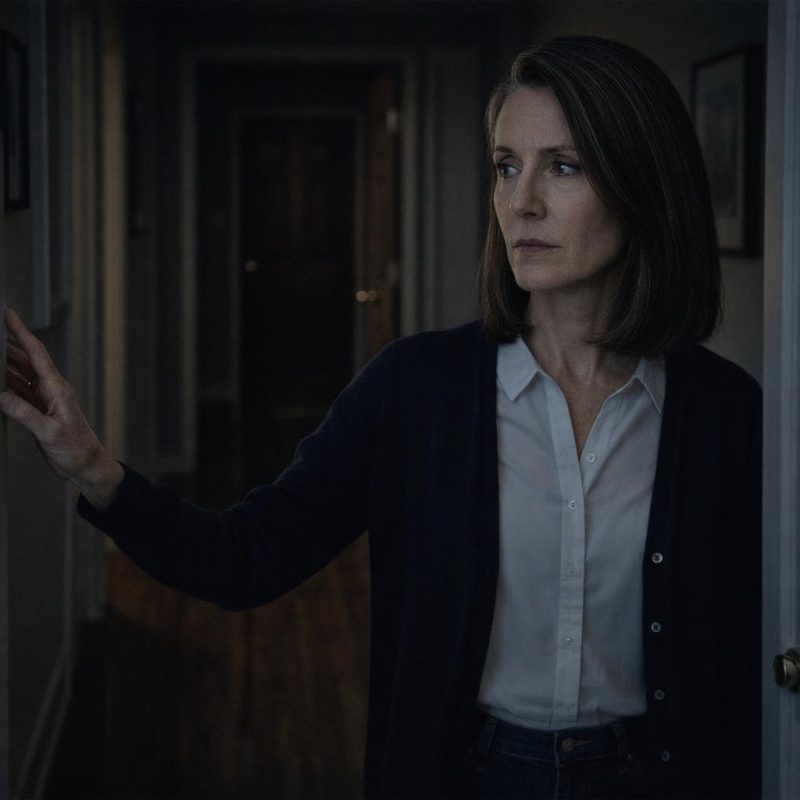 Image by RM AI
The Hidden Key
Martin's office smelled like him — that particular mix of cedar and old paper and the expensive cologne he'd started wearing two years ago. I stood in the doorway for a moment, then walked straight to the desk. I didn't hesitate. I pulled open the top drawer and went through it methodically: pens, a stapler, a few business cards, nothing. The second drawer had files, client correspondence, nothing I hadn't seen before when I'd dropped mail on his desk over the years. The third had a legal pad and some old receipts. I was starting to think I'd find nothing useful when I remembered something my father used to say — that people hide things where they think no one will think to look, which is usually somewhere obvious. I crouched down and ran my hand along the underside of the center drawer. My fingers found it almost immediately: a small key, taped flat against the wood with a strip of clear tape that had gone slightly yellow at the edges. I peeled it free carefully. It was small, the kind that opens a file box or a lockbox, not a door. I straightened up and stood there in the middle of his office, turning it over in my palm.
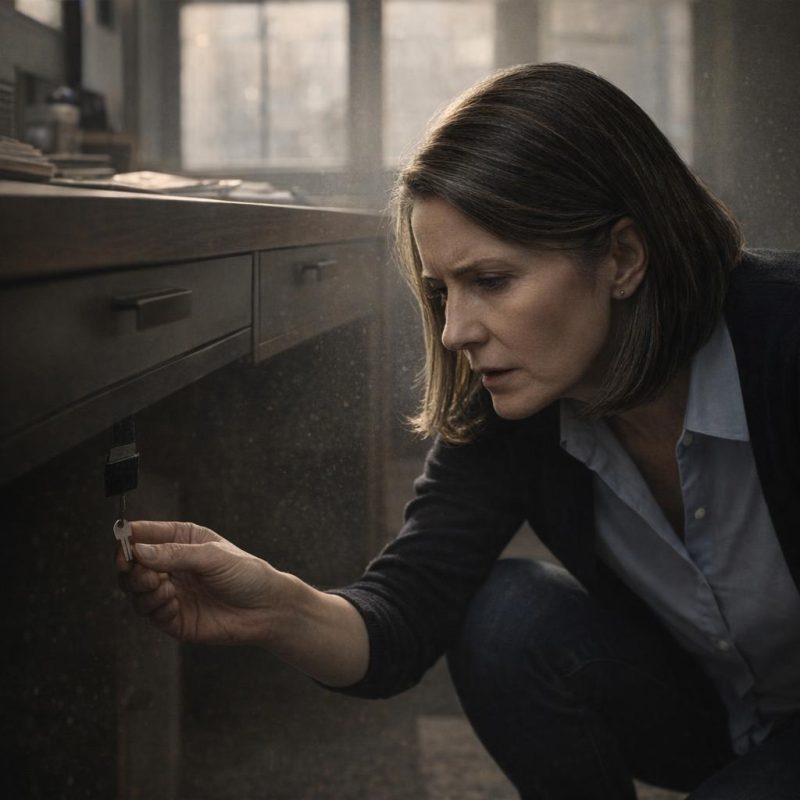 Image by RM AI
The Locked Box
I found the box on the top shelf of the closet in his office, pushed behind a row of binders I recognized from years of tax season. It was a standard metal file box, dark gray, with a small lock on the front. My hands were steady when I fit the key in. It turned on the first try. Inside, there were several folders, neatly labeled in Martin's handwriting. The first one I opened held a set of documents for a property — a condominium. The address was in a city three states away. I had never heard Martin mention it. I had never seen this address on any piece of mail, any tax document, any conversation. I went through the papers slowly: a purchase agreement, a deed, an HOA welcome packet with a photo of a building I had never seen. Martin's name was on everything. The purchase date was fourteen months ago. Fourteen months. I had been sitting across from him at dinner, sleeping beside him, handing him his coffee in the morning, for fourteen months while this existed. I set the papers down on the closet floor and sat back on my heels, and the weight of what I was holding pressed down on me like something physical.
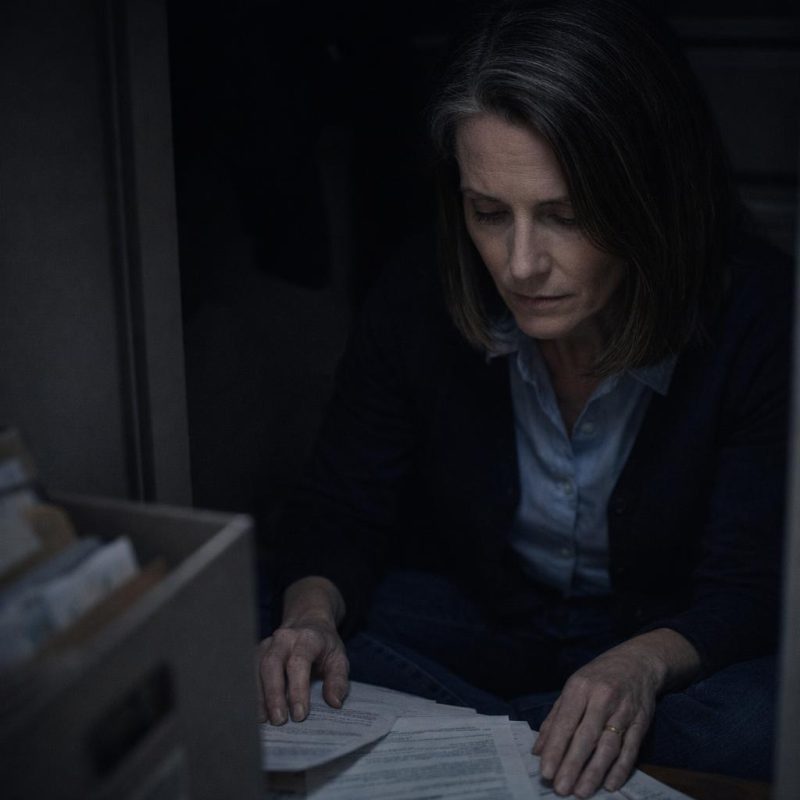 Image by RM AI
Bank Statements
I stayed on the closet floor and kept going through the box. Behind the condo folder there were three more, thicker ones, held together with a rubber band. I pulled them out and opened the first. Bank statements. The account number at the top meant nothing to me — it wasn't our joint account, wasn't the household savings, wasn't anything I had ever seen on a tax return. I checked the name on the statements. Martin's name, alone, on an account I had never known existed. I started going through the pages. The balances were not small. Deposits going back over a year, some of them in amounts that made me stop and read the line twice. Hundreds of thousands of dollars, sitting in an account that had never once come up in thirty-four years of shared finances. I checked the dates. The account had been active for at least eighteen months based on what was in the folder. I thought about every conversation we'd had about money in the last two years — the careful ones, the ones where Martin said we needed to be sensible, that things were tighter than they looked. I sat there on the floor of his closet with the statements spread across my knees, and the house around me was completely silent.
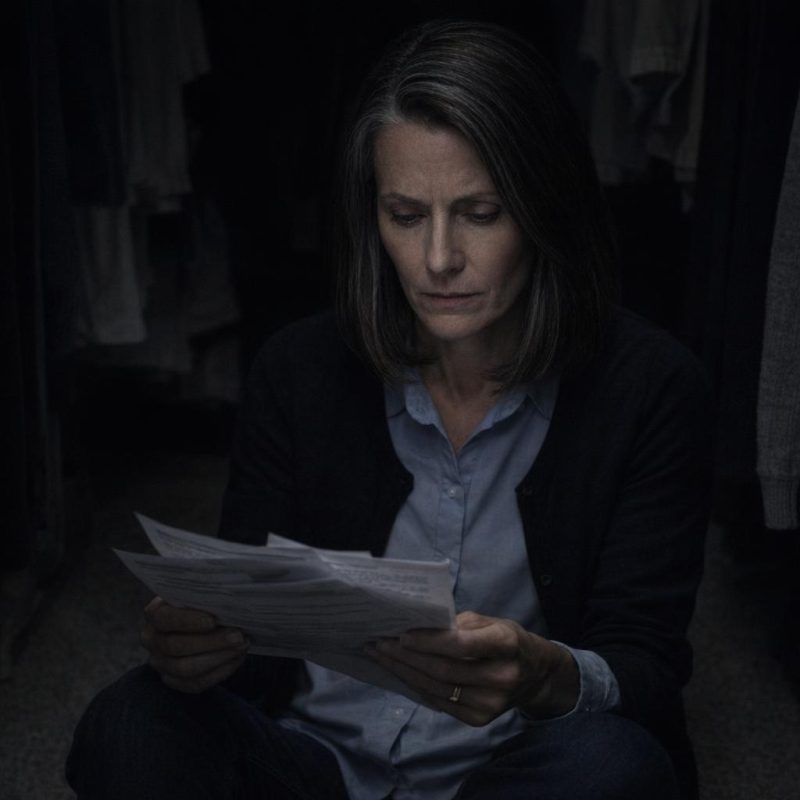 Image by RM AI
Printed Emails
The last folder in the box was thinner than the others. I almost set it aside. Inside was a stack of printed emails, maybe thirty pages, folded once down the middle. I recognized Martin's email address at the top of the first one. The other address was Lauren's. I read the first email standing up, then sat back down on the floor because my legs didn't feel reliable. They had been writing to each other for at least a year based on the dates on the pages. They talked about the condo — Martin had sent her photos, asked her opinion on the finishes, told her it was going to be theirs. They talked about timing. Martin wrote about how he needed to handle things carefully on his end, that there were financial matters to settle before he could move. Lauren wrote back about Dean, about how she was going to tell him after the holidays, then after a work trip, then after things settled down. They talked about their future the way people talk about a vacation they've already booked — certain, detailed, impatient. I turned to the last page in the stack, a message from Lauren sent four months ago: she couldn't wait to finally start their real life together.
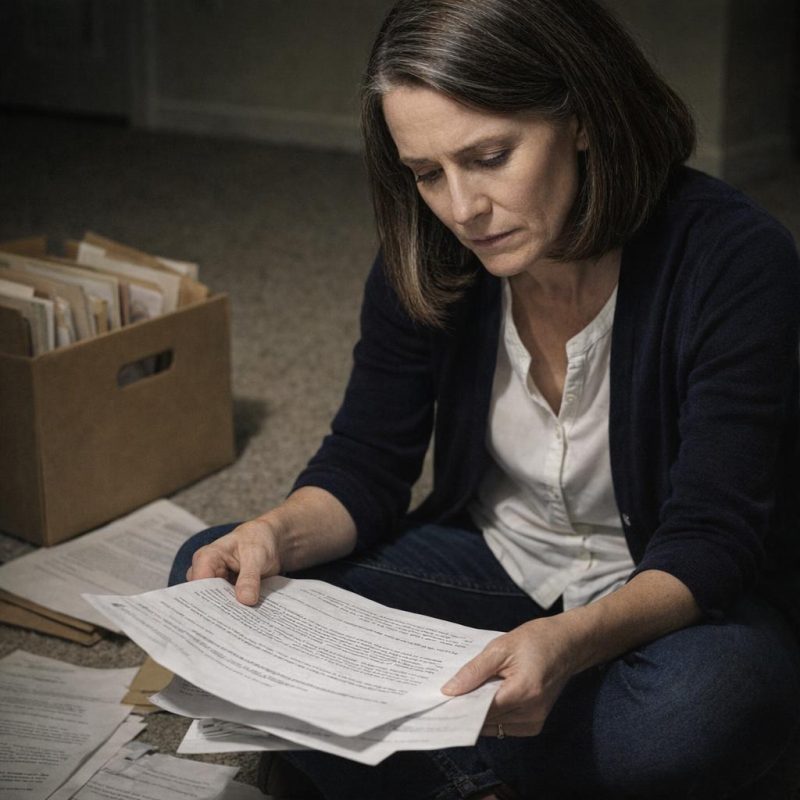 Image by RM AI
The Down Payment
I set the emails down and picked up the condo purchase documents again. I hadn't looked at the numbers carefully the first time — I'd been too focused on the address, on the fact of the thing existing at all. Now I went through the pages line by line. The purchase price was listed on the second page. The down payment was just under three hundred thousand dollars. I sat with that number for a moment. I knew our savings account balance the way I knew our phone number — automatically, without having to think about it. That down payment was more than twice what we had in savings. It hadn't come from there. It hadn't come from any account I had ever seen or signed for. I thought about what Dean had said at the hospital — the licensing money, the touring income, the merchandise payments that didn't add up, the accountant going through Martin's company records. The down payment date on the condo documents fell squarely inside the window Dean had described for the missing money.
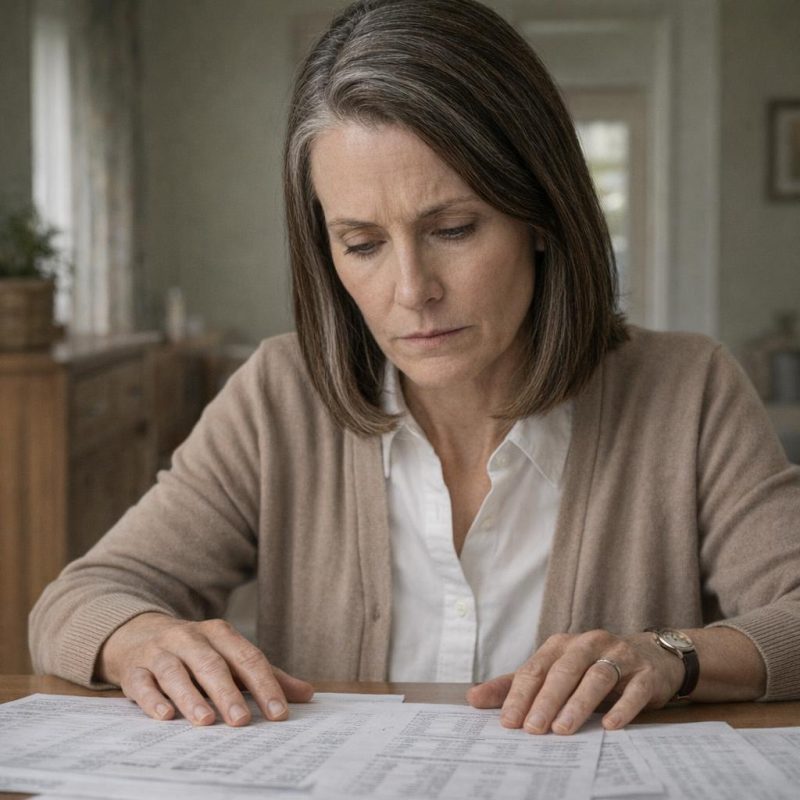 Image by RM AI
Dean's Accountant
I called Dean from Martin's office, still sitting at the desk with the documents spread in front of me. My hands were steadier than I expected. I told him about the condo, the address, the purchase price. I told him about the bank account I'd never seen before and the down payment that couldn't have come from anywhere I knew about. There was a long pause on his end. Then he said he was sending his accountant over first thing in the morning. I didn't sleep much that night. I put everything back in the box in the order I'd found it, then took it all out again and organized it by date. By the time the accountant arrived — a quiet man named only as Dean's accountant, carrying a leather bag and a laptop — I had three separate piles on the dining room table. He didn't say much at first. He just sat down, opened his bag, and started laying out his own documents alongside mine. He asked me for the dates on the bank statements. I read them to him one by one. He cross-referenced something on his laptop, then pulled a page from his own folder and set it next to the condo documents. I watched his expression shift as he moved his finger slowly down the column of dates.
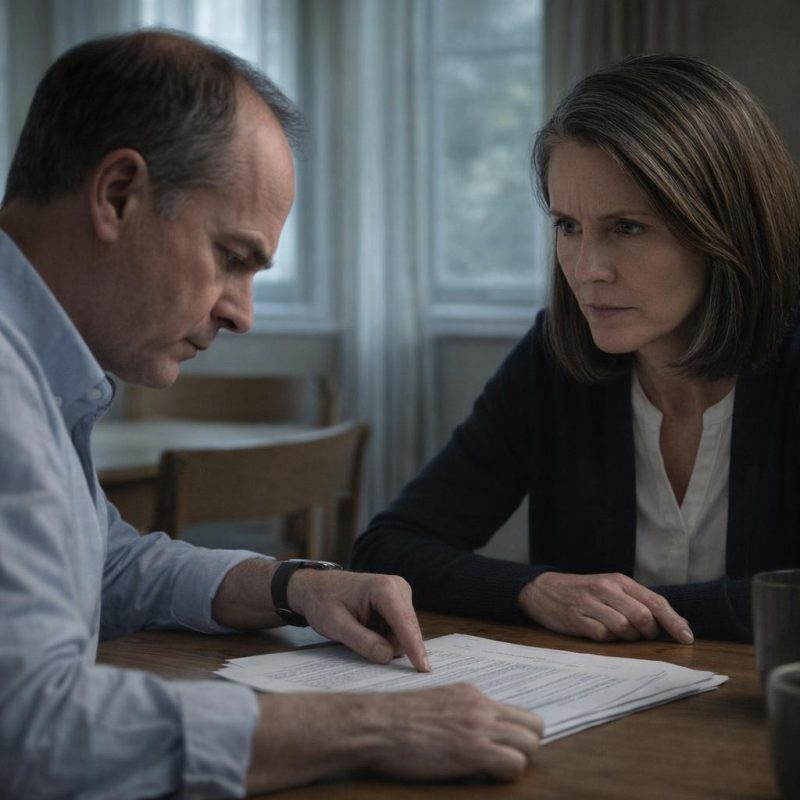 Image by RM AI
Comparing Dates
He worked without rushing, which somehow made it worse. There was no dramatic moment, no sharp intake of breath — just the quiet, methodical sound of papers being moved and a pen scratching notes in the margin. Dean sat across the table from me, arms folded, watching. Neither of us spoke much. The accountant had laid out three sets of documents in a row: Martin's hidden bank statements, a printout of the band's licensing payment history that Dean had brought, and a set of deposit records from Martin's management company. He went through them column by column, checking dates, circling figures, drawing small lines between entries on separate pages. At one point he asked me whether Martin had ever mentioned a secondary business account. I said I hadn't known about any of it. He nodded and wrote something down without looking up. Dean asked once if it was what he thought it was. The accountant said he needed more time before he could say anything definitive. So we waited. The afternoon light moved across the table. I kept my hands flat on my knees and watched the accountant's pen move steadily across the page, and the room held a particular kind of quiet — the kind that settles in when someone else is seeing something you've been carrying alone.
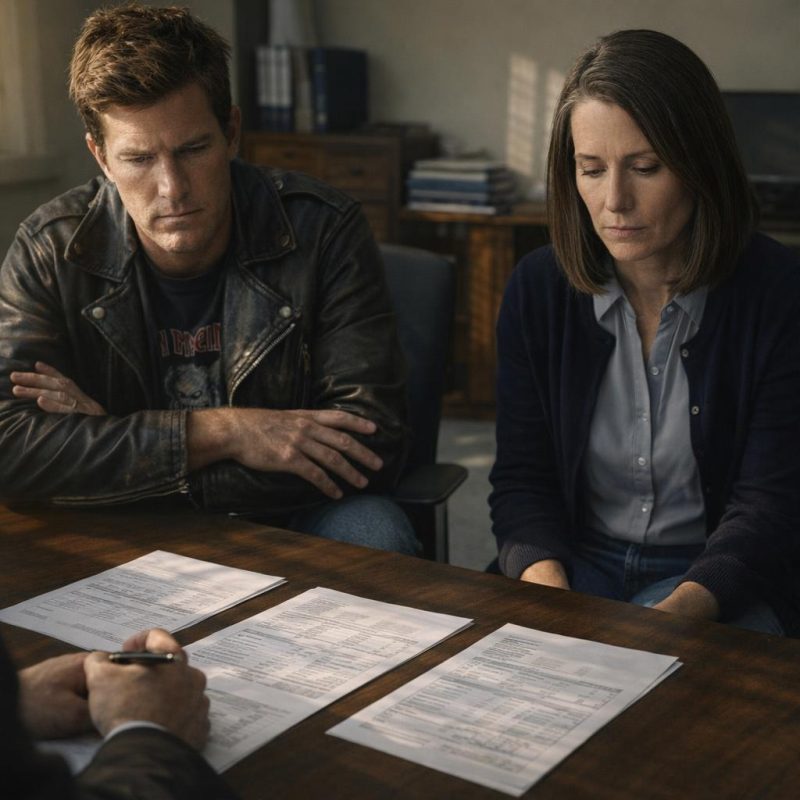 Image by RM AI
Management Expenses
When the accountant finally sat back and looked at us, he chose his words carefully. He said that based on what he was seeing, the band's licensing payments had been coming in to Martin's management company first — which wasn't unusual in itself, that's how management agreements often work. The problem was what happened next. Before the band received their share, a portion moved through a separate business account. On paper, those transfers were logged as management expenses — administrative fees, operational costs, line items that looked routine unless you knew to look for them. The band was paid what remained after those deductions. Dean asked how long it had been going on. The accountant said the pattern appeared consistent across at least three years of records, possibly longer, but he'd need the full company books to be certain. He said he'd need more time to calculate the total. Dean didn't say anything. He just looked at the table. I thought about the years Martin had spent at industry dinners, accepting handshakes, talking about loyalty and trust and what it meant to manage artists the right way. The mechanism itself was almost insultingly simple — a few line items, a secondary account, and the assumption that no one would ever look closely enough to notice.
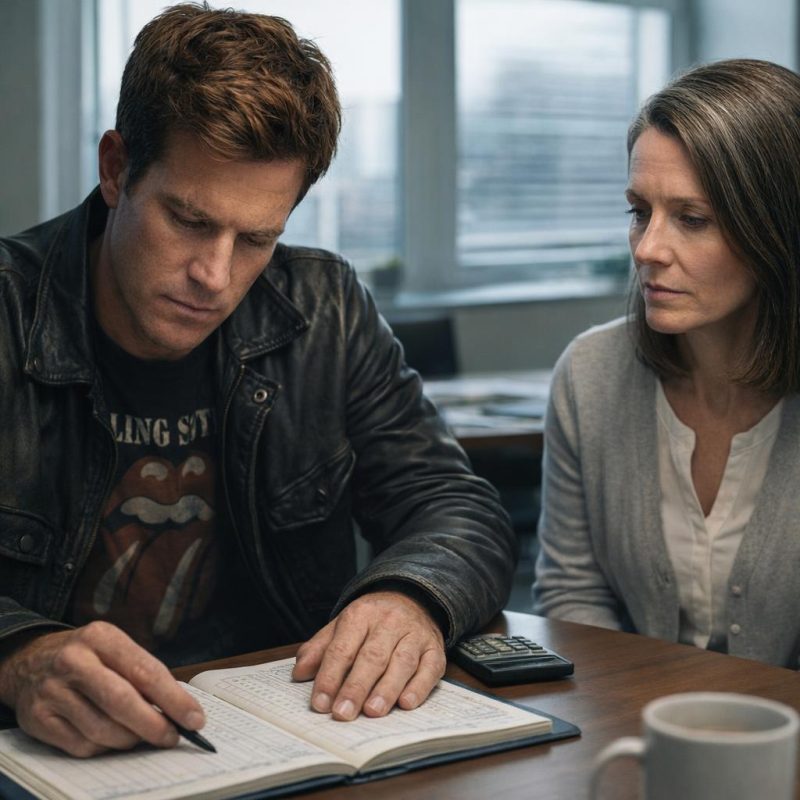 Image by RM AI
Calling an Attorney
Dean said he was calling his attorney before the day was out. He said it quietly, the way people say things they've already decided. The accountant began gathering his papers. That was when Lauren appeared in the doorway. She'd come back to the hospital earlier that morning — I'd known she was somewhere in the building — and she must have followed the sound of voices down the corridor to the family room where we'd spread everything out. She looked at the documents on the table, then at Dean's face, and something shifted in her expression. She asked what was going on. Dean told her, in plain terms, that money was missing from the band's accounts and that it had been going somewhere it shouldn't. Lauren's face went pale in a way that had nothing to do with grief. She said Martin wouldn't do that. She said it twice. Dean looked at her for a moment with something I can only describe as exhausted pity, then looked away. I didn't look away. I watched her try to find her footing, watched her eyes move from the documents to Dean to me and back again. Then she straightened and said there had to be another explanation — that we were reading it wrong, that Martin would never steal from people he'd worked with for twelve years.
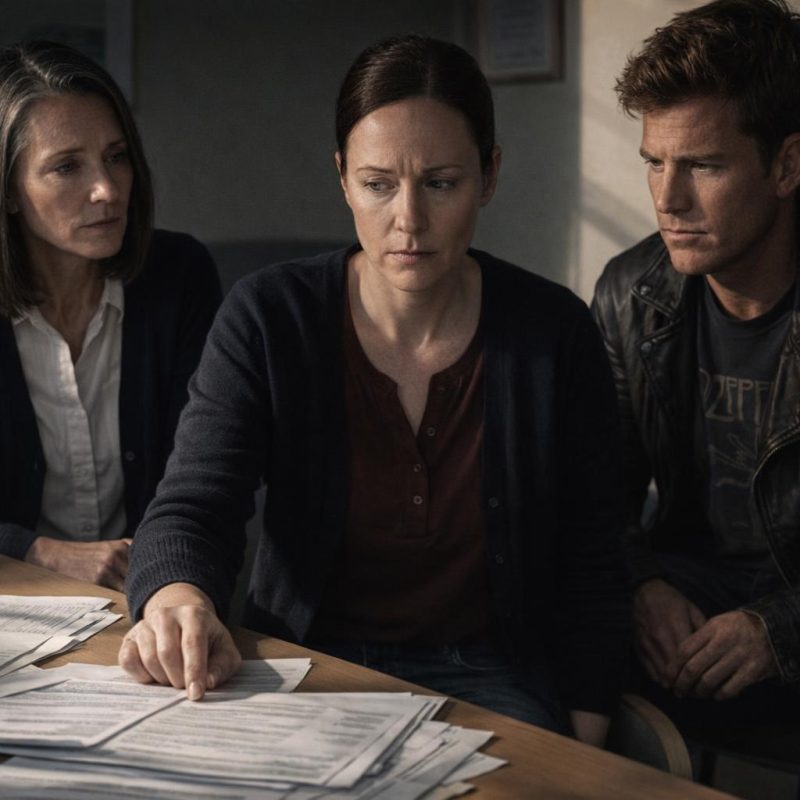 Image by RM AI
Lauren's Phone
Dean asked her, very calmly, if she had any documentation Martin had sent her — anything related to finances or business. Lauren hesitated. She said Martin had sent her some paperwork a few weeks back. She said he'd told her it was related to the condo, just administrative things that needed her signature for the purchase to go through. She'd signed it electronically. She said she'd been at work when it came through and she'd trusted what he told her about what it was. Dean asked if she still had it on her phone. She said she thought so. She pulled her phone out and scrolled for a moment, then held it out to the accountant. He took it and began reading. Lauren watched him with her arms crossed tight against her chest. I watched her. There was something almost unbearable about the way she was still trying to hold herself together, still trying to believe that the version of Martin she'd built her plans around was the real one. I didn't feel sorry for her — I want to be clear about that. But I recognized the particular stillness of someone waiting to find out how badly they'd been wrong. The accountant read without speaking. Lauren had signed something without reading it carefully, and now we were all waiting to find out what it said.
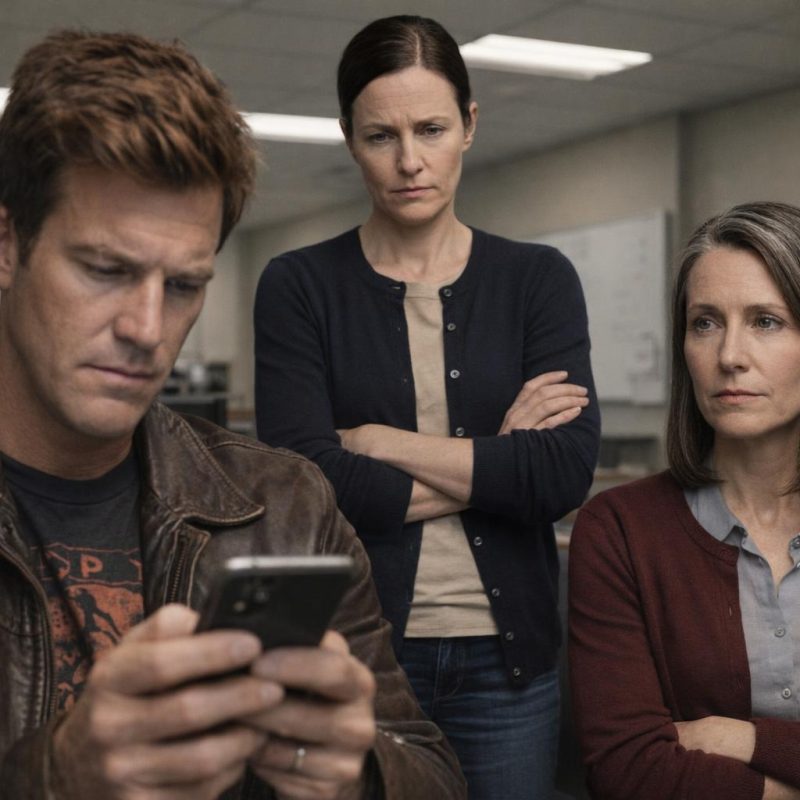 Image by RM AI
The Company Documents
The accountant asked Lauren if she could scroll to the second page. She leaned over and did it, then handed the phone back. He read for another minute, then set the phone down on the table and looked at Dean. He asked Lauren directly whether Martin had explained to her that she would be listed as an officer in a company. Lauren said no. She said he'd told her it was paperwork for the condo purchase, that her name needed to be on something for the financing to work. The accountant turned the phone so we could all see the screen. He pointed to a section near the top of the document — a company registration, not a property deed. He explained that the company listed in the document was connected to the account where the suspicious transfers had been landing. He asked Lauren again if she'd understood what she was signing. She shook her head slowly. She said she'd trusted him. She said she'd just trusted him. I looked at the screen. The document was a registration for a limited liability company I had never heard of, filed two months earlier. Near the top of the registration, under the heading for company officers, Lauren's name appeared as vice president.
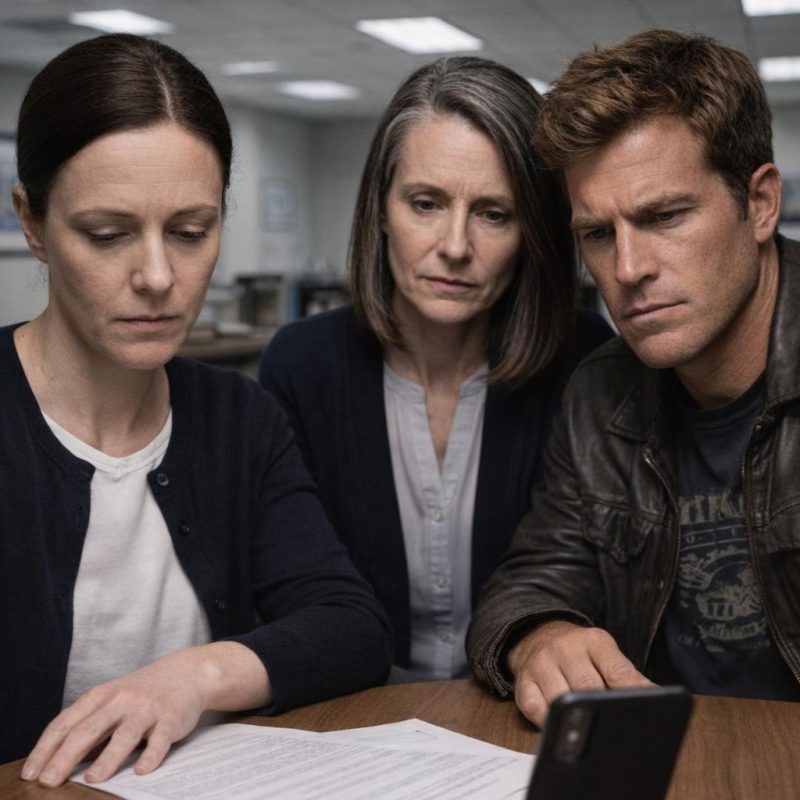 Image by RM AI
Legal Exposure
The accountant explained it plainly. Lauren's name was on the company registration. The company had received transfers from Martin's management account — the same transfers that corresponded to the missing portions of the band's licensing payments. If those transfers were ever examined as part of a fraud investigation, Lauren's name would be attached to the company that received them. She would be listed as an officer of record. Lauren asked, in a voice that had gone very small, whether that meant she could be held responsible. The accountant said that was a question for an attorney, but that her name on the registration created a legal connection that would need to be addressed. Lauren looked at Dean. Dean was looking at the table. I didn't look away from her face. I watched her work through it — the sequence of it, the shape of what she was only now seeing. She had signed something she hadn't read, on the word of a man she'd trusted with her future, and her name was now on a document connected to money that didn't belong where it had gone. I didn't feel sorry for her. I had tried, briefly, to locate something like sympathy, and I couldn't find it. But I sat with the particular weight of watching someone else's certainty come apart at the seams.
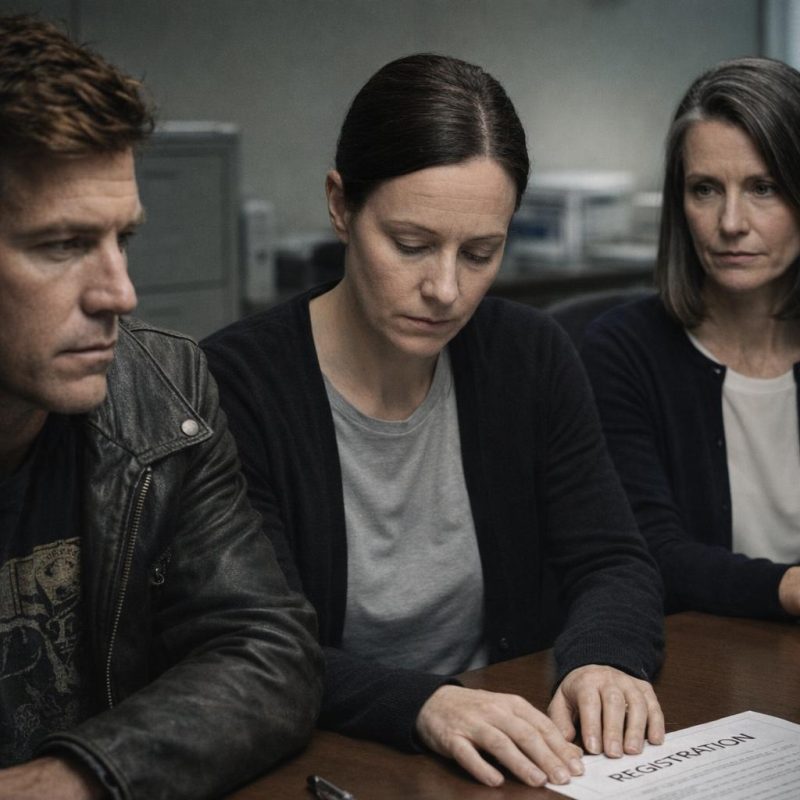 Image by RM AI
She Whispered
Lauren kept staring at her phone. She scrolled back to the top of the document, then to the bottom, then back again. She looked at her own electronic signature the way you look at something you can't quite make fit with what you know about yourself. Dean hadn't moved. The accountant was writing in his notebook. I sat still and waited. Then Lauren set the phone down on the table, very carefully, and said it in a voice just above a whisper: Martin was going to blame her. She said it again, slightly louder, like she was testing whether it sounded true out loud. She said he'd put her name on it so that if anything came out, she'd be the one holding it. I believed her. I want to be honest about that — I believed her shock was real, believed she hadn't known what she was signing. She had trusted him the way I had trusted him, just in a different direction and for different reasons. That didn't make us the same. She had betrayed Dean. She had betrayed me. But sitting there watching her read her own name on that document, I could see she had also been used in ways she was only beginning to understand. The room was quiet after she said it, and the quiet stayed.
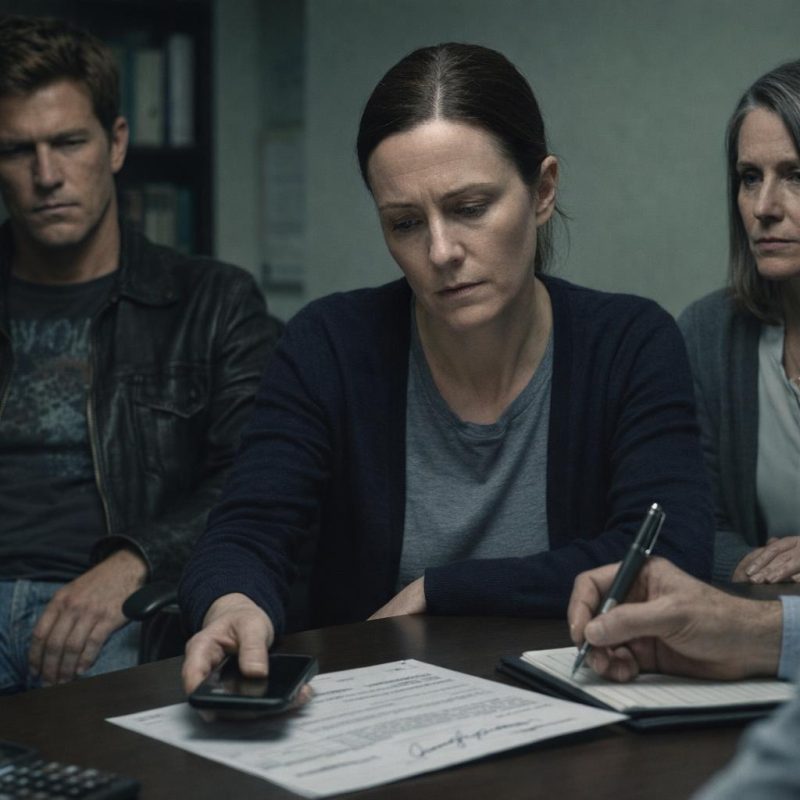 Image by RM AI
Turning Over Messages
Lauren said she would cooperate fully, and she said it the way people say things when they've run out of other options. She picked up her phone and opened her messages with Martin, and I watched her scroll. She didn't hand the phone to anyone. She just held it out so we could all see the screen. The accountant leaned in first, then Dean. I stayed where I was. She said she'd forward everything to the accountant's email. He gave her the address and she started sending them in batches. Dean watched her phone screen the whole time without saying a word. The accountant was already writing. Lauren kept scrolling, and I watched the dates tick past on the screen — seven months, eight months, further back than I'd let myself look — hundreds of messages, stacked one on top of the next, with no end in sight.
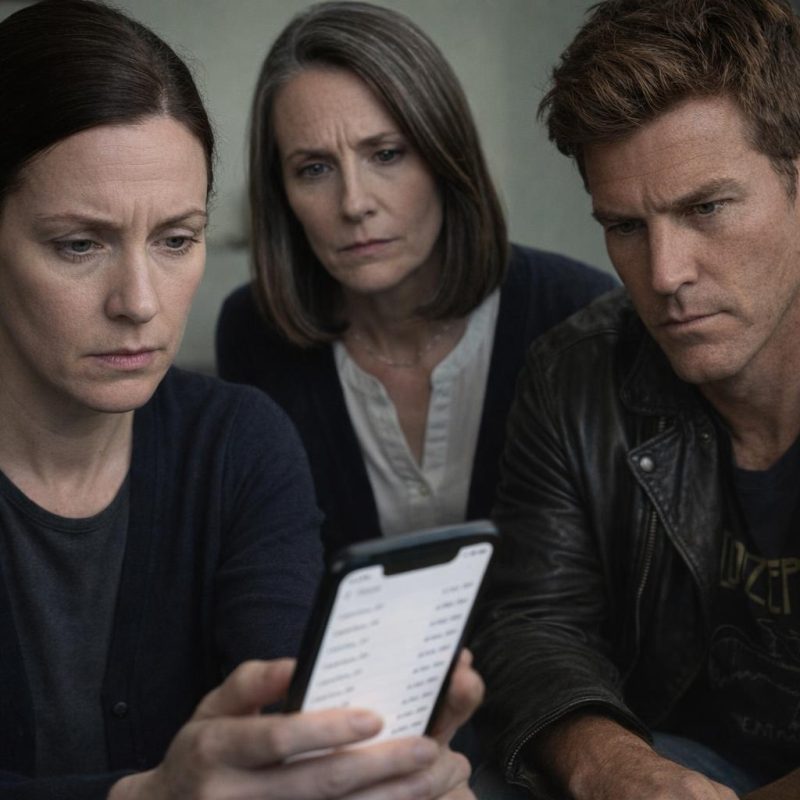 Image by RM AI
Access to Records
After Lauren left, I took the accountant to Martin's home office. I hadn't been in there much since the hospital call — it still smelled like him, that particular mix of coffee and the cedar drawer liners I'd bought years ago — and I stood in the doorway for a moment before I made myself walk in. I opened the file cabinets and told him to take whatever he needed. Dean came with us and stood near the window while we worked. The accountant pulled folders, compared them to the band's payment histories on his laptop, and made notes without explaining much. I didn't ask him to explain. I just kept handing him things. At some point he asked me how far back the records went, and I told him at least ten years, maybe more. He nodded and kept working. Dean asked the question I hadn't been able to form yet — how long had this been going on. The accountant looked up from the folder in his hands and said at least five years, possibly longer, and that the amounts had been smaller in the beginning, but the pattern was there from early on.
 Image by RM AI
Hospital Limbo
The days after that settled into something I can only describe as a miserable routine. Martin stayed unconscious in the ICU. The doctors were careful with their language — they talked about brain activity and response levels and what the next forty-eight hours might tell them, but none of them would say when he'd wake up, or whether he would. I went to the hospital in the mornings, sat for an hour or two, and then came home to the accountant and the files. Dean and Lauren were often at the hospital too, though we didn't sit together. We'd nod at each other in the hallway and find separate corners of the waiting room. The accountant kept working through Martin's records at the house, calling me with updates I'd write down and then stare at without fully absorbing. Every day brought something new, and every day Martin lay there unable to answer for any of it. I kept thinking about what it would look like when he finally opened his eyes — what I would say, what he would say, whether he'd even understand what was waiting for him. None of us knew. We just kept showing up and waiting for a man to wake so we could confront him.
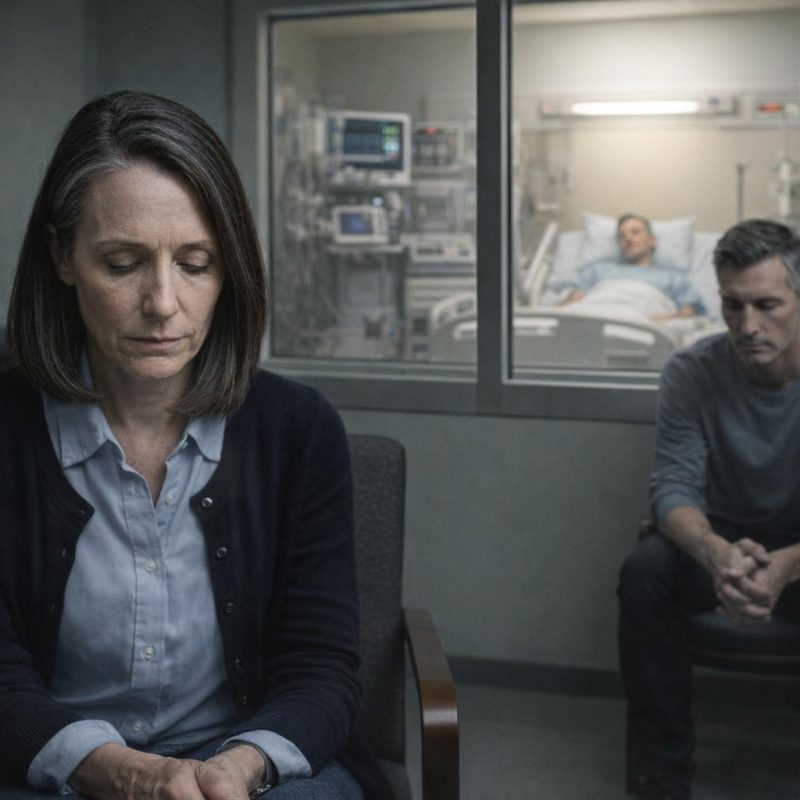 Image by RM AI
More Transactions
The accountant called every morning around nine. I started keeping a legal pad by the coffee maker just to have somewhere to write the numbers down. Each call added something — another transfer, another account, another date that pushed the timeline further back or the total higher. Dean came to the house twice that week to go over the findings in person. We sat at the kitchen table with printouts spread between us and went through them the way you go through something you don't want to be true but can't argue with. He didn't say much. Neither did I. Martin was still unconscious. The investigation was moving forward without him, which felt both necessary and deeply strange. By the end of the week the total the accountant had documented was significantly larger than what we'd started with, and he told us he wasn't finished yet. I wrote the new number down on the legal pad and set my pen beside it. Dean looked at it for a long moment. I looked at it too. The number just sat there on the page, not getting any smaller.
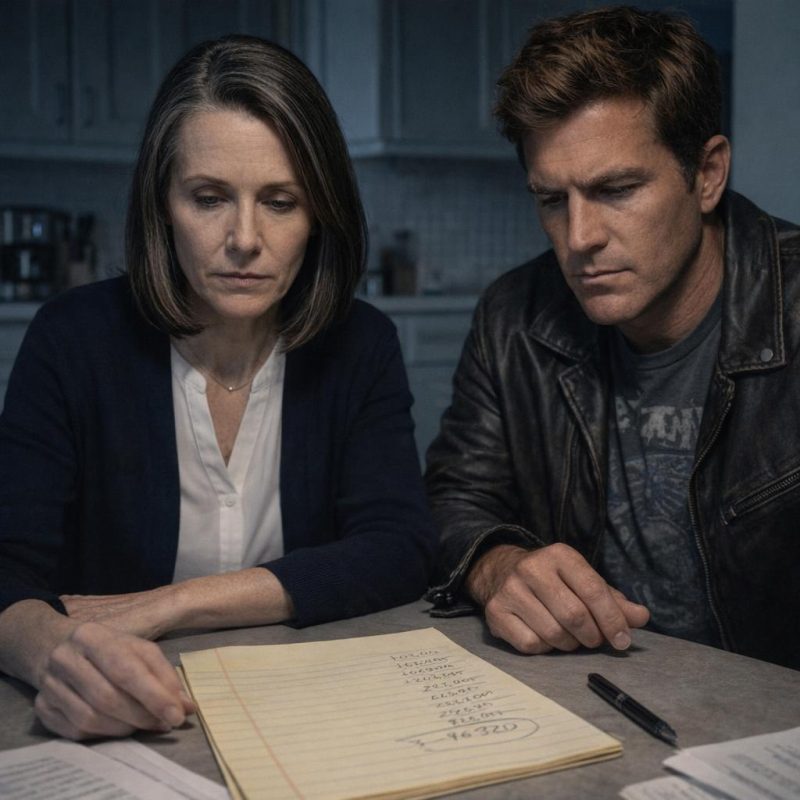 Image by RM AI
Every Message
Lauren had forwarded everything, and the accountant worked through the messages methodically while I helped him flag anything that looked relevant. A lot of it was painful in the ordinary way — the kind of intimate, mundane back-and-forth that makes an affair feel real in a way that facts and documents don't quite manage. Plans for weekends. Inside jokes I didn't understand. Conversations about their future that were specific enough to make my stomach turn. I read them because I needed to, not because I wanted to. The accountant was focused on anything financial — references to accounts, transfers, amounts — and he found several. But there were other messages threaded through that caught my attention for a different reason. Martin asking Lauren how Dean seemed lately. Martin asking whether Dean had seemed stressed or distracted. Martin asking whether Dean had mentioned anything about bringing in outside help with the band's finances. I flagged those and set them aside. I didn't know what to make of them — they could have been casual, could have been nothing — but something about them stayed with me, and I kept coming back to them without being able to say why.
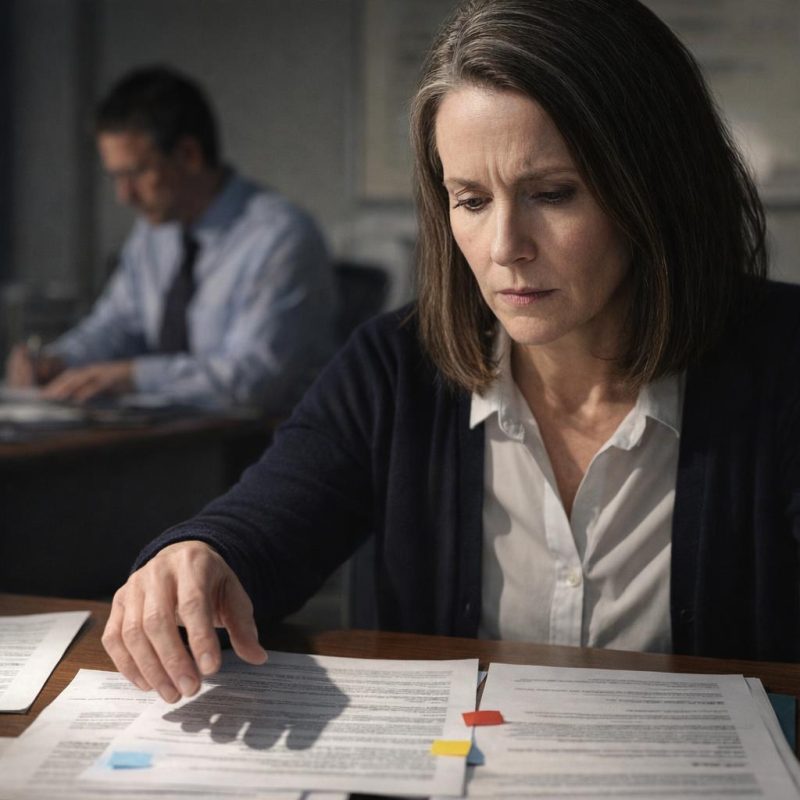 Image by RM AI
Business Files
I'd already given the accountant access to the digital files, but Martin kept physical records too — contracts, correspondence, signed agreements going back to when he first started managing the band. I opened the cabinets in his office and we went through everything. Dean helped sort, which felt strange in a way I couldn't quite name — watching my spouse's professional client sit on the floor of my spouse's office and hand me folders. We organized by year, then by category. Contracts in one pile, correspondence in another, financial records in a third. The accountant photographed documents and made notes. Dean and I didn't talk much while we worked. There was something almost mechanical about it, the way you get when a task is large enough that you stop thinking about what it means and just do the next thing. I'd spent thirty-four years watching Martin build this business — the late nights, the phone calls at dinner, the trips I'd stopped asking about. Going through it folder by folder, handing pieces of it to a stranger to photograph and document, felt like something I didn't have a word for yet. I kept working anyway.
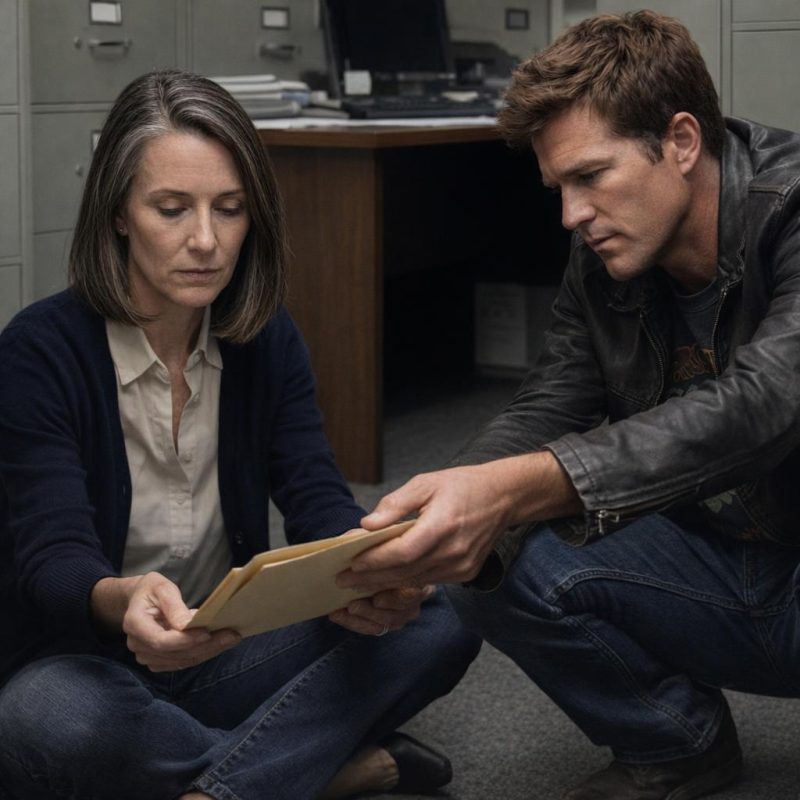 Image by RM AI
Small Amounts, Then Large
The accountant laid it out for us at the kitchen table on a Thursday afternoon. He had a printed timeline — a single page, two columns, dates on the left and amounts on the right. The early years were modest. Small discrepancies, the kind that could almost be explained away as accounting errors if you weren't looking closely. They went back five years, just as he'd said, maybe a little further. Then the column on the right changed. About fourteen months ago the amounts got larger, and then larger again, and the intervals between them got shorter. The accountant didn't editorialize. He just pointed to the line where the shift happened and let us look. Dean asked why the change. The accountant said he couldn't say for certain yet, but that the timing coincided with a shift in the business structure that he was still working through. I looked at the date where the numbers jumped. I sat with it for a moment, not sure what to make of it. Dean and I sat with the page between us, and neither of us spoke for a while. The two columns just held what they held.
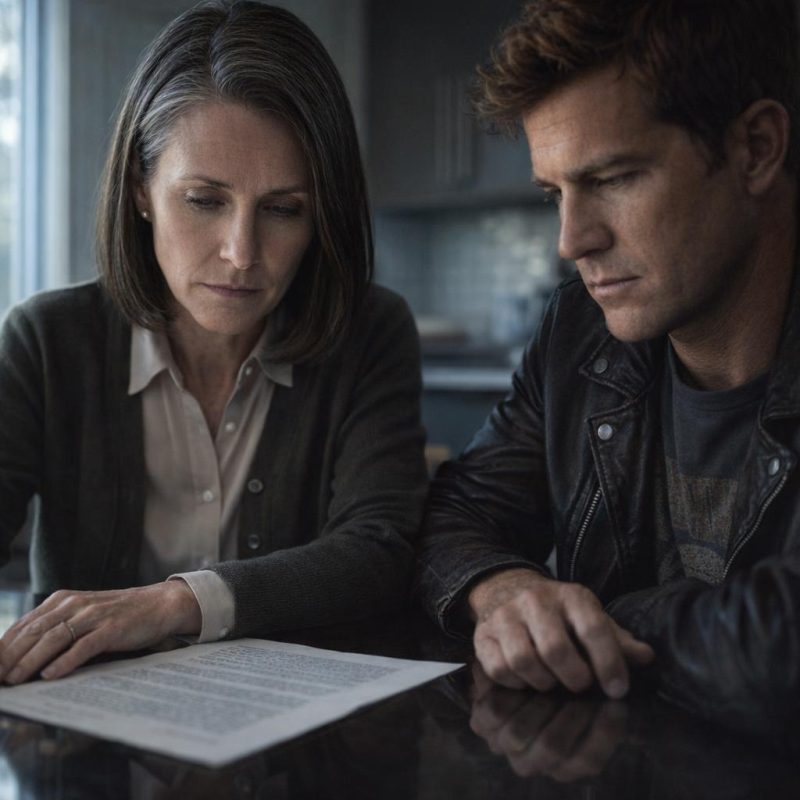 Image by RM AI
The Draft Email
I was going through Martin's email drafts looking for anything the accountant might have missed when I found it. It was addressed to a management company I recognized — a larger firm, one that had been expanding its roster for the past few years. The subject line said something about availability and representation. I opened it. Martin had written several paragraphs describing his experience, his track record, his client relationships. He'd described the band in specific terms — their touring revenue, their streaming numbers, their upcoming contract renewal. He'd written that he was exploring new opportunities and that he believed his existing client relationships would follow him in a transition. The email had never been sent. It was sitting in drafts with a timestamp from four months ago. I read it twice, then called Dean into the room. He stood behind me and read it over my shoulder without saying anything. When he finished he stepped back. I scrolled back to the paragraph where Martin had listed the band's numbers, their renewal timeline, and Dean's name — written out like assets in a proposal.
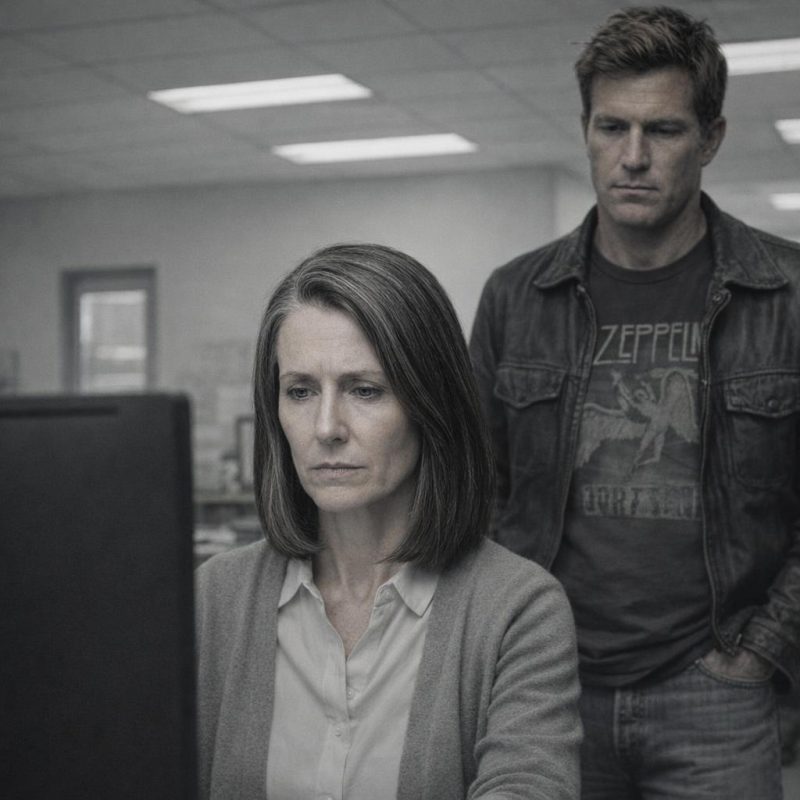 Image by RM AI
The Signing Bonus
The accountant called us back the next morning with something he said he should have caught sooner. He'd traced the draft email to a specific timeline — the large withdrawals had started roughly eight months ago, and the draft to the new management company was dated four months after that. He walked us through what he believed the sequence was. Martin would approach the new firm, negotiate a deal, and collect a signing bonus. Those bonuses, he explained, could run anywhere from fifty to a hundred and fifty thousand dollars depending on the client roster being brought over. A band with Dean's touring numbers and an upcoming contract renewal would be worth serious money to a competing firm. The bonus would land in Martin's personal account. He would use it to quietly replace what he'd taken from the band's operating funds. The books would balance. The audit trail would go cold. Nobody would look back because there would be nothing left to find. Dean stood at the window while the accountant talked, not moving. I sat with a legal pad in my lap and wrote down the numbers without saying anything. It was the kind of plan that required patience and nerve and a very precise understanding of how money moves. I kept thinking about that. The patience of it. The precision. How close it had come to working exactly the way he'd designed it.
 Image by RM AI
Taking the Band
I pulled the draft email back up on the laptop and read through it again more slowly this time. Martin had written himself as a package deal — his experience, his relationships, his clients. He hadn't named the band explicitly in the subject line, but the body of the email made it clear. Touring revenue, streaming numbers, renewal timeline. Dean's name appeared twice. I'd built this company with him, I kept thinking — not Martin's company, the one he'd started before we met, but the management practice he'd grown over the past twelve years. The clients who trusted him. The relationships he'd cultivated on their behalf. He was going to walk out the door and take all of it with him, and the band would have followed because they trusted him, and the new firm would have paid him for the privilege, and that money would have quietly filled the hole he'd dug in their accounts. Then he would have started over somewhere else with Lauren, and the old life — me, the company, the people who'd relied on him — would have been left behind like a set of books he'd already closed. Dean finally turned from the window. He didn't say anything. He just looked at the screen for a long moment, and I understood that we were both sitting inside the same layered silence — the marriage, the money, the band, all of it folded into one exit plan.
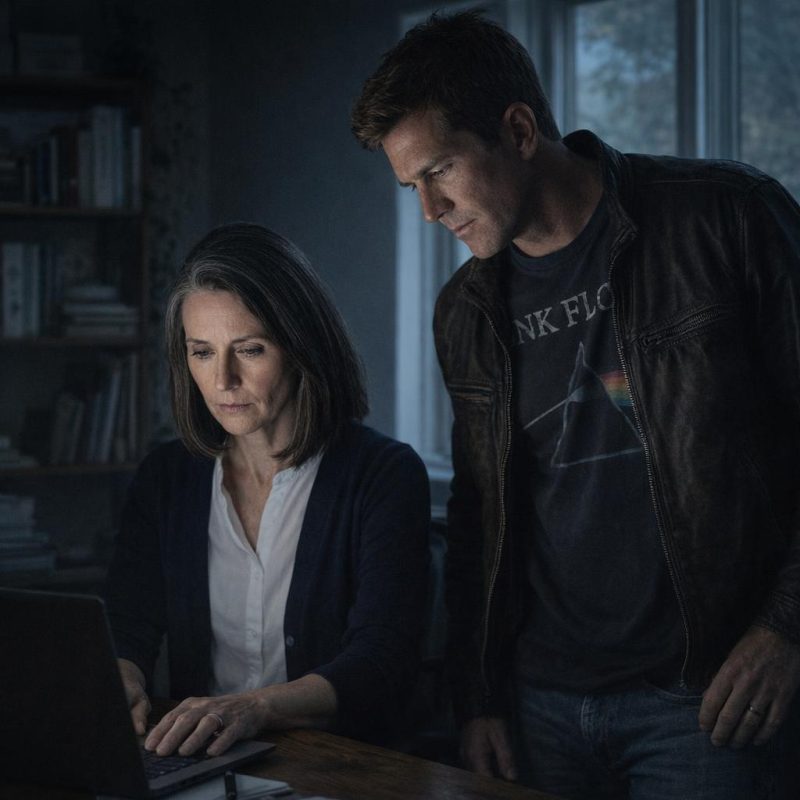 Image by RM AI
Romance and Strategy
The accountant had printed out a rough timeline — thefts on one side, key dates on the other. He spread it on the table and walked us through it methodically. The first significant withdrawal had come about eight months ago. The draft email to the new management firm was dated four months later. And the affair, based on what I'd been able to piece together from phone records and the hotel receipts, had started roughly ten months ago. He tapped the page where the dates clustered. He said he wasn't drawing conclusions, just noting what the sequence looked like. Then he said something that stopped me. He said that being close to someone inside Dean's household would have been — and he paused here, choosing his word carefully — useful. He said it quietly, almost clinically, the way you'd describe a business advantage. Dean looked up from the page. He asked what the accountant meant by that. The accountant said he was only noting the timing, that he couldn't speak to anything beyond the financial picture. Dean looked back at the page. I looked at the timeline again, and I couldn't shake the word — useful — or the way it had landed in the room like something that hadn't finished settling yet.
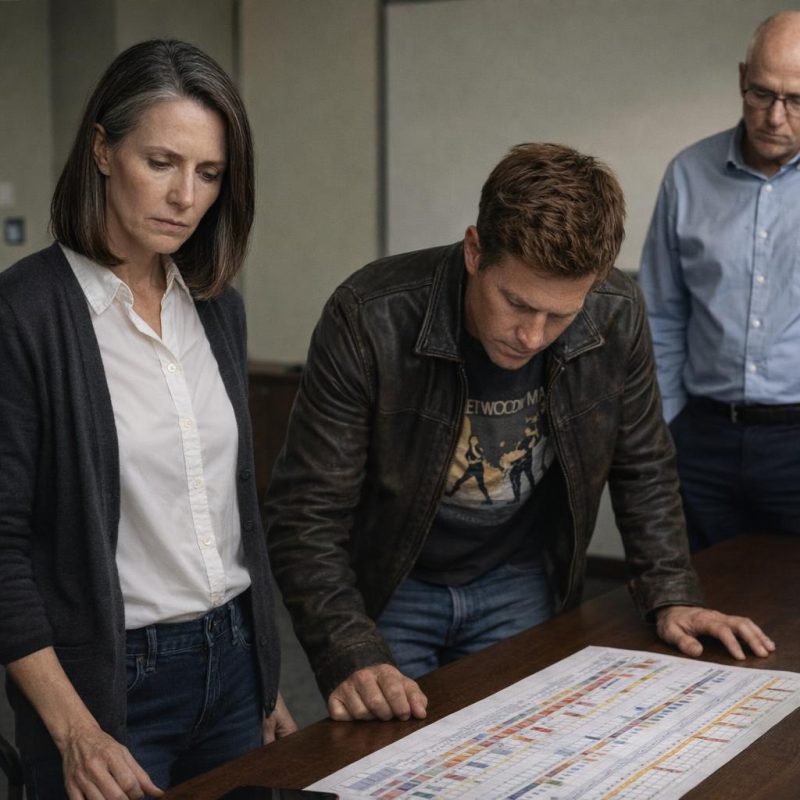 Image by RM AI
Strange Questions
Lauren had been sitting quietly at the far end of the table for most of the conversation, her hands folded in her lap, not looking at anyone in particular. Then she spoke. She said Martin used to ask her about Dean a lot. She said it so quietly at first that I wasn't sure I'd heard her correctly. Dean turned toward her. She said Martin would ask whether Dean seemed stressed lately, whether he'd mentioned meeting with the accountant, whether the band seemed unhappy with how things were being managed. She'd thought he was just trying to understand her life, she said. She'd thought it meant he cared about what she was going through in her marriage. She said sometimes it felt like he was the only person who actually listened when she talked about Dean. Her voice was steady when she started, but it slowed as she went. She listed the questions one by one — the accountant, the band meetings, whether Dean had seemed worried about money — and somewhere in the middle of the list her voice dropped off. She sat there looking at the table, and then she looked up at me, and then she looked at Dean, and her voice trailed away into nothing as the shape of those questions seemed to rearrange itself in front of her.
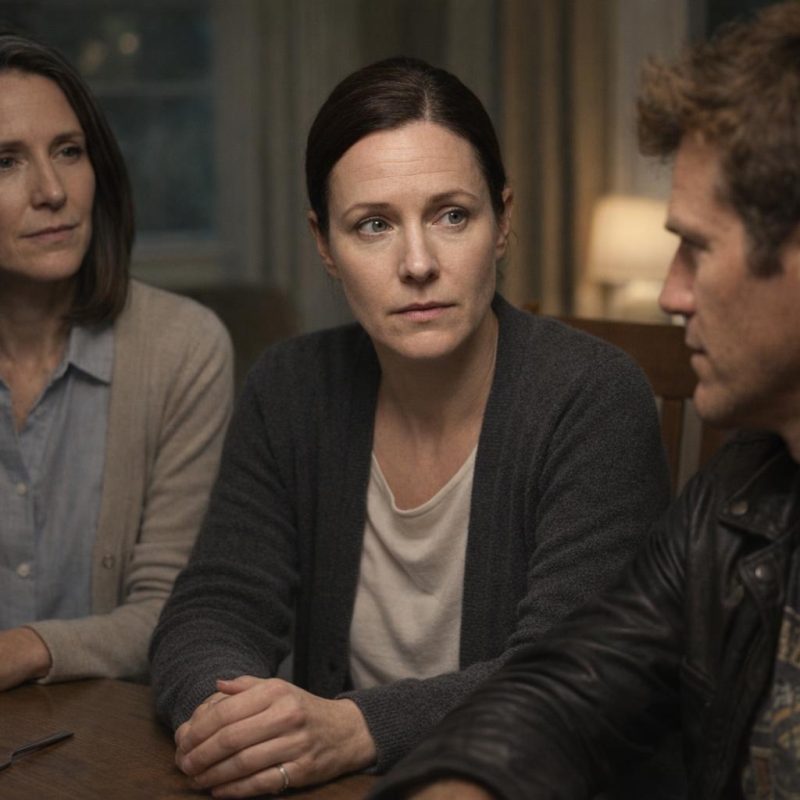 Image by RM AI
Intelligence Gathering
Lauren picked up her phone and started scrolling. She didn't say anything for a minute. Then she started reading the messages out loud — not all of them, just the questions. Is Dean sleeping okay? Has he mentioned the accountant lately? Did the band have any extra meetings this week? Does he seem worried about the renewal? She read them in a flat voice, one after another, and the room got very still. I watched her face as she read. She stopped on one message and stared at it. Then she set the phone face-up on the table so we could all see the screen. She said she'd thought he was asking because he wanted to know her. She said she'd thought the questions meant he was invested in her life, that he was trying to understand what she was dealing with at home. She looked at Dean, then at me, and something in her expression collapsed inward. She said she'd told him everything. Every time Dean seemed tense, every time there was a meeting she didn't understand, every time Dean came home quiet — she'd told Martin. She thought she was sharing herself with someone who loved her. She pressed her hand flat against the table. Then she said it in a voice that came out pulled tight and flat: she was never his future. She was his insurance policy.
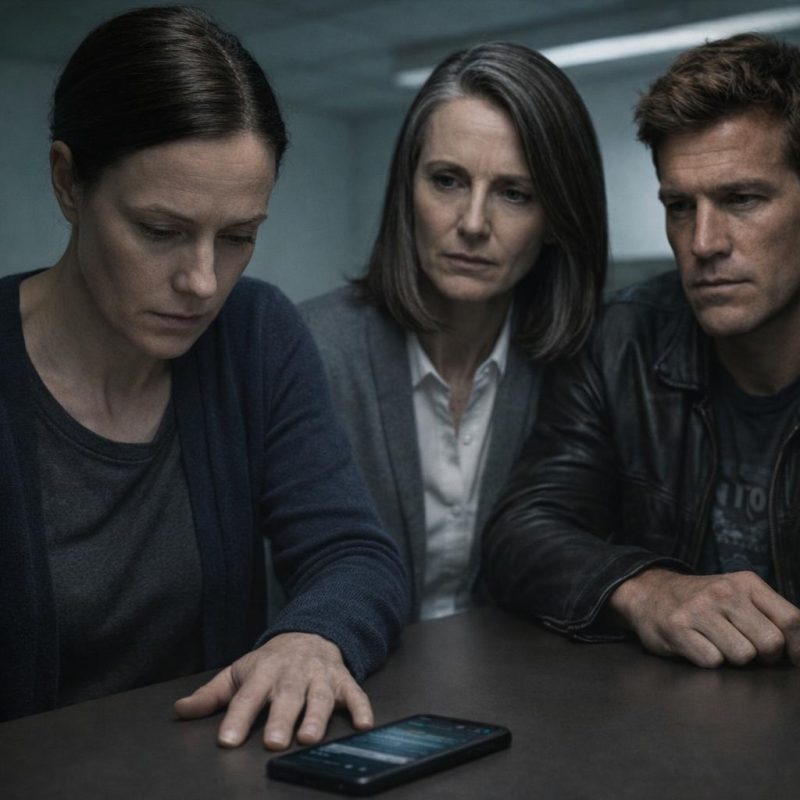 Image by RM AI
Every Question Reframed
Lauren didn't put the phone down. She kept scrolling, going further back, and I watched her lips move slightly as she read. She'd pull up a message, pause, then keep going. After a few minutes she started reading them out loud again, but slower this time, like she was cataloguing them. He'd asked about Dean's mood after a specific tour date. He'd asked whether Dean had mentioned anything about the band's finances feeling off. He'd asked twice in one week whether Dean had scheduled any meetings with outside advisors. Dean was standing behind her now, reading over her shoulder, and I could see his jaw tighten with each one. Lauren started counting under her breath. She got to ten and kept going. She got to twenty and her hand stilled on the screen. She looked up at Dean and then at me. She said she hadn't noticed the pattern because the questions had always come wrapped in something else — how are you, how's the house, tell me about your week. They'd felt like conversation. She turned the phone so we could both see the screen clearly, and Dean leaned in to read, and I watched Lauren count the messages where Martin had asked, in one form or another, whether Dean seemed worried.
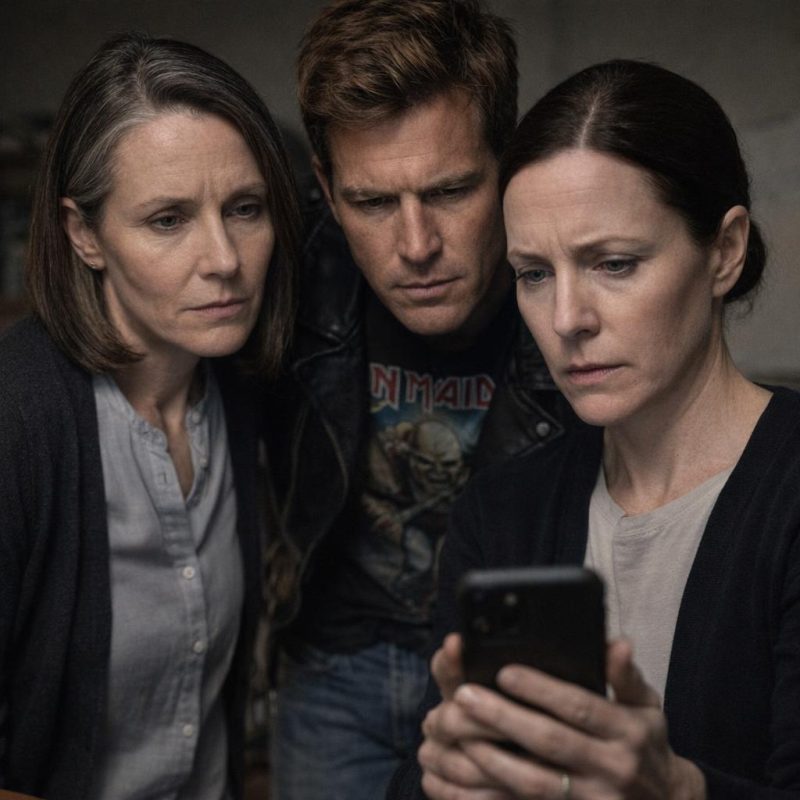 Image by RM AI
Information Source
I went back through the accountant's timeline after that and laid it against what Lauren had just shown us. The pattern was there once you knew to look for it. When Lauren had mentioned that Dean seemed relaxed, that things at home felt calm, the withdrawals in the following weeks were larger. When she'd told Martin that Dean had scheduled a meeting with the accountant — she remembered that conversation clearly now, she said, because Martin had gone quiet on the phone for a moment — the activity in the accounts had slowed almost immediately. He'd been using her answers to calibrate. She'd thought she was telling him about her life. She'd thought the questions were intimacy. She'd been describing the temperature of the water, and he'd been deciding how deep to go. Dean sat down heavily in the chair across from me and didn't speak. Lauren stared at the table. I didn't feel sorry for her exactly — I wasn't there yet, and I wasn't sure I'd ever get there — but I understood her now in a way I hadn't an hour ago. She hadn't known. She'd handed him everything he needed because she believed he wanted her. The coldness of it settled over the room like something that had always been there, just waiting for us to finally see it.
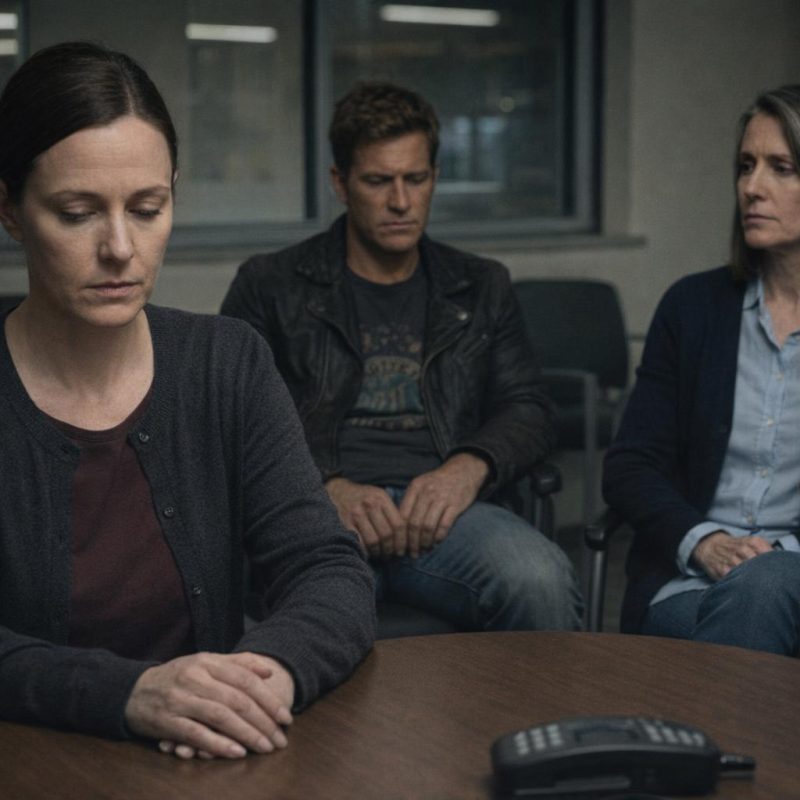 Image by RM AI
Doctors Improving
The doctor found us in the family waiting area late that afternoon. She said Martin's vitals had been strengthening steadily over the past forty-eight hours. His brain activity had increased in ways they considered encouraging. She said they expected him to regain consciousness within the next few days, possibly sooner. She used careful, measured language the way doctors do when they're delivering news that isn't straightforwardly good or bad. I thanked her. After she left, I told Dean and Lauren what she'd said, though they'd both heard it. Nobody celebrated. Dean nodded once and looked at the floor. Lauren sat with her hands in her lap and said nothing. We had the accountant's timeline. We had the draft email. We had Lauren's message history going back ten months. We had the company documents with her name on them. Everything was assembled and waiting. I thought about Martin lying down the hall, his body quietly doing the work of coming back, unaware of what was sitting on the other side of consciousness. The evidence wasn't going anywhere. We weren't going anywhere. The weight of everything we knew pressed down on the room, steady and patient, as we waited for him to open his eyes.
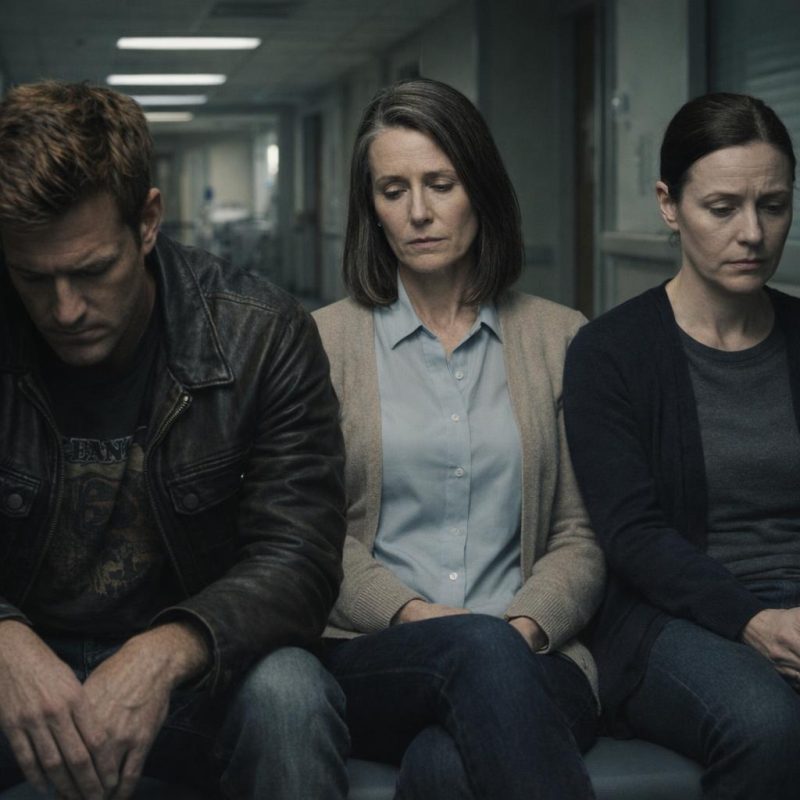 Image by RM AI
Day Nine
Day nine arrived the way I'd been dreading — quietly, without ceremony. A nurse came to find us in the family waiting area just after eight in the morning and said Martin was waking up. His eyes had opened. He was responding. The doctor wanted a few minutes with him first, and then we could go in. The three of us stood in the hallway outside his room without speaking. I remember the sound of the ventilation system and the squeak of a cart somewhere down the corridor. Dean stood with his arms crossed, staring at the door. Lauren stood slightly apart from both of us, her hands clasped in front of her. I watched the door. After what felt like a long time, the doctor came out and said Martin was conscious and asking for someone. I straightened. I waited. Through the partially open door, I heard Martin's voice — thin and rough from nine days of silence — say Lauren's name.
 Image by RM AI
Refusing to Go Alone
The nurse relayed it again, gently, as if repetition might make it easier — Martin was asking for Lauren. Lauren didn't move toward the door. She stood very still, and I watched something work its way across her face that wasn't relief. Dean looked at her. She shook her head once, small and definite. The nurse asked if she'd like to go in. Lauren said no. She said she wasn't going in there alone. Dean asked her why not, and she said she was afraid of what Martin would say to her without witnesses. She said she didn't trust what he might do. I understood exactly what she meant. Whatever Martin had been planning before his collapse, Lauren knew her position in it better than any of us. I told her she didn't have to go in alone. Dean said the same. We agreed we'd wait until Martin was stronger, until the doctors cleared him for a longer visit. Then all three of us would walk in together. Lauren exhaled slowly and said she'd wait as long as it took. She said she wouldn't see him unless we all went in together.
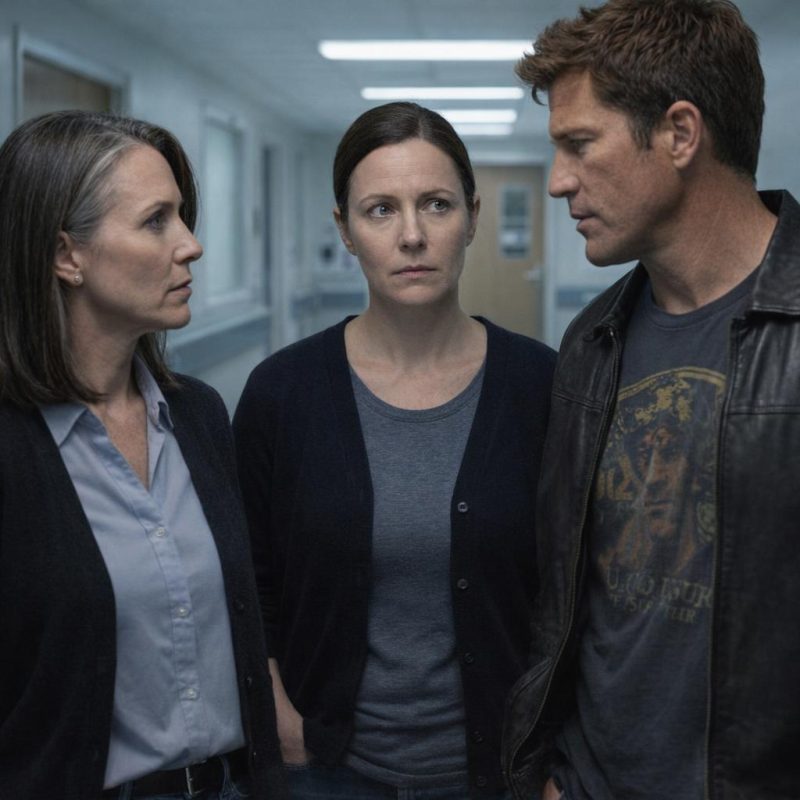 Image by RM AI
Two Days Later
Two days later, the doctor told us Martin was strong enough for visitors. His speech was clear. His memory was intact. There was no neurological reason to delay. The three of us gathered in the hallway outside his room the same way we had before, except this time we weren't waiting to be told anything. We knew what we were walking in to do. I carried the folder with the bank statements. Dean had the company documents. Lauren had the paperwork with her signature on it. We didn't discuss the order of things. We just went in. Martin was sitting up in bed when we entered, the head of the mattress raised, a cup of water on the table beside him. He saw Lauren first and his face opened with something that looked like relief. Then his eyes moved to me. The relief shifted. Then he saw Dean standing just behind my shoulder. He looked at all three of us together, and whatever he'd been about to say died before it reached his mouth. His expression changed completely — not fear exactly, but the particular stillness of a man who has just understood that the room is not what he thought it was.
 Image by RM AI
The Documents
Nobody spoke for a moment. Martin looked between the three of us, and I could see him trying to find the right angle, the right tone, the right version of his face to put forward. I didn't give him time to find it. I stepped to the table beside his bed and set down the bank statements — printed, organized, dated. Dean moved to the other side and placed the company registration documents next to them. Lauren came last. She set down the paperwork she had signed, the documents that put her name on a company she hadn't fully understood, and she placed them squarely on top of the pile. Martin looked at the documents. He didn't reach for them. He didn't speak. He looked at the bank statements first, then the company registration, then the paperwork with Lauren's signature. His face had gone pale in a way that had nothing to do with his recovery. He knew exactly what each document represented. He knew we had traced every transfer, every account, every signature. The silence in that room was the loudest thing I had heard in nine days.
 Image by RM AI
Hollow Excuses
Martin spoke first, which surprised me. I'd expected him to stay quiet, to lawyer up in his mind before saying anything. Instead he said the money was temporary. He said he'd been moving funds around to cover a short-term gap and he'd been planning to put it all back. Dean asked when. Martin said soon, that it was a matter of timing. Dean pointed to the line item for the hidden account, the one that had been accumulating for nearly three years, and asked him to explain the timing on that. Martin shifted. He said those transfers were legitimate management expenses, that the accounting would bear it out if we looked at the full picture. Dean said we had looked at the full picture. That was the whole point. Martin went quiet for a moment, and then he turned to Lauren. He told her she had misunderstood the nature of their relationship. He said things had gotten complicated and she'd read more into it than was there. Lauren didn't flinch. She just looked at him. I watched Martin work through excuse after excuse, each one thinner than the last, and felt something settle in my chest that wasn't anger anymore — it was closer to the feeling you get when something you'd hoped wasn't true turns out to be exactly as bad as you feared.
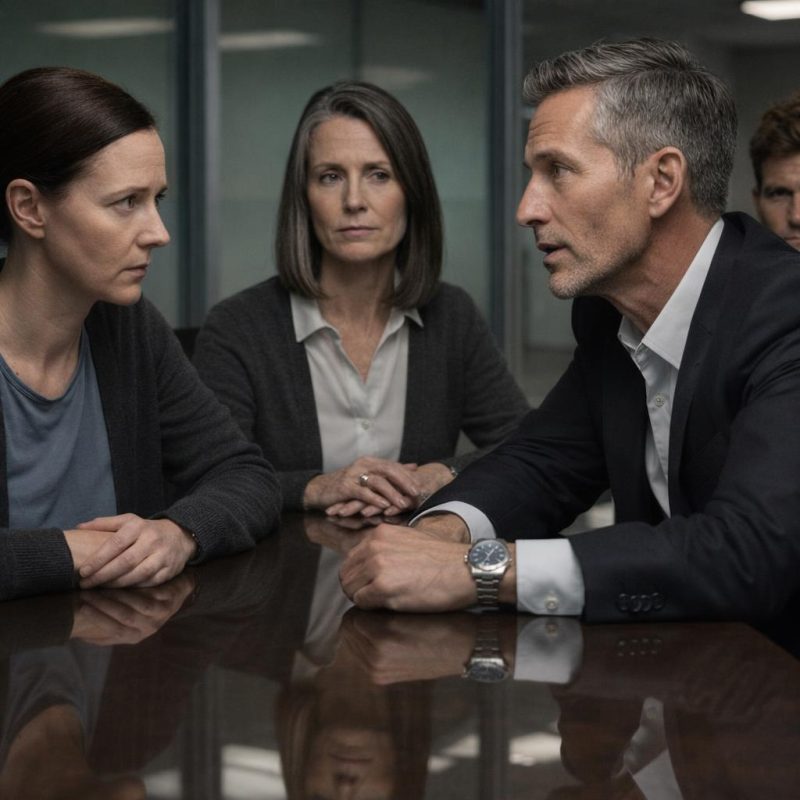 Image by RM AI
One Question
Dean and I had both said what we needed to say by that point, and Martin had deflected every word. But Lauren hadn't spoken yet. She'd stood near the foot of the bed through all of it, watching him, and I noticed she'd been waiting. Not out of hesitation — out of patience. She stepped closer to the bed now. She looked at Martin directly, and when she spoke her voice was steady in a way I hadn't expected from her. She asked him if he had made her a company officer because he needed someone to take the blame if the fraud was ever discovered. She asked if that had been the plan from the beginning — her name on the documents, her signature on the paperwork, her liability when it all came apart. Martin looked away from her. He didn't answer. Lauren waited. The room was completely still. She asked him again, the same question, the same words, and Martin stared at the wall beside the window and said nothing. Dean stood with his jaw tight. I didn't move. Lauren asked him one more time whether she had been his scapegoat.
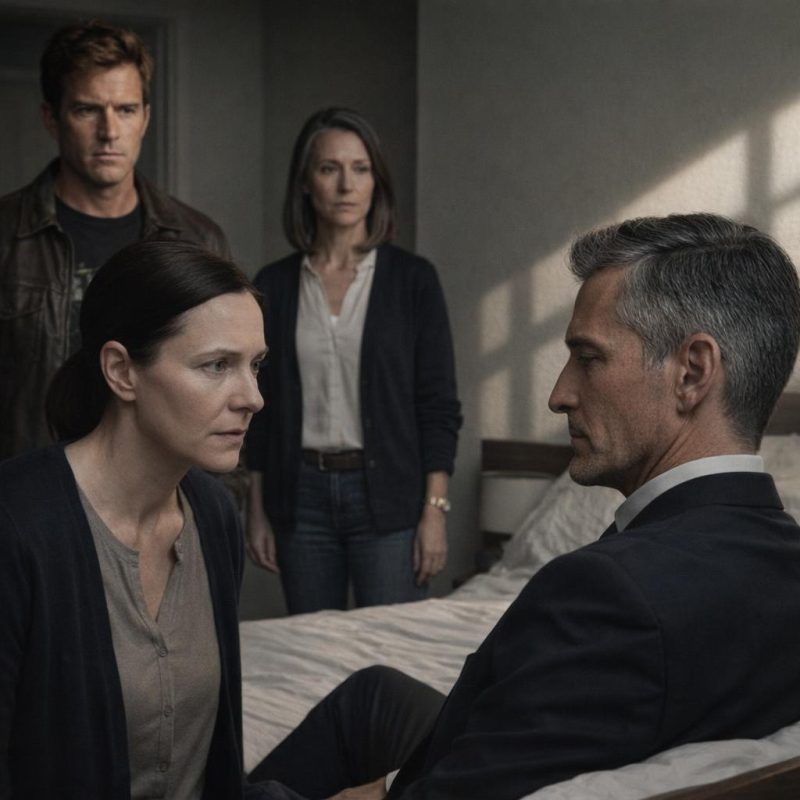 Image by RM AI
The Silence That Ended Everything
Martin didn't answer. He kept his eyes on the wall. Lauren stood at the foot of his bed and waited, and the silence stretched past the point where it could mean anything other than what it meant. I watched her face as the seconds passed. She wasn't crying. She wasn't shaking. She was very still, and I could see the moment she stopped waiting for an answer and accepted that the silence was the answer. He had put her name on those documents knowing exactly what he was doing. He had been willing to let her face the legal consequences while he walked away. She had been the exit strategy, not the destination. Lauren took one step back from the bed. She looked at Martin the way you look at something you once valued and now can't believe you ever trusted. Dean stood beside me without moving. Martin's eyes stayed fixed on the wall, and his hands lay flat and motionless on the blanket — no denial, no defense, no word at all.
 Image by RM AI
Three Endings
I spoke first. I told Martin our marriage was over. I told him I would be filing for divorce and that he should expect to hear from my attorney. I said it without raising my voice, without any of the trembling I'd been carrying for nine days, and I meant every word. Dean went next. He told Martin that the band had terminated his management contract effective immediately, that their attorneys were already involved, and that Martin should not attempt to contact any of the band members directly. Martin's eyes moved to Dean's face and stayed there. Then Lauren spoke. She said she would cooperate fully with any investigation — that she would explain every document, account for every conversation, and provide whatever records she had. She said she wasn't going to protect him. Martin looked at each of us in turn, and I watched his face as the full weight of it landed — the marriage, the contract, the one person he'd counted on to stay quiet, all of it gone in the space of three sentences.
 Image by RM AI
What He Couldn't Manage
He lay there in that hospital bed looking smaller than I had ever seen him — this man who had spent the better part of a year engineering his exit from two marriages simultaneously. He had found the condo. He had restructured the management company. He had positioned himself to walk away with the band's signing bonus and leave Dean holding the legal exposure. He had a story ready for Lauren if she wavered, and a story ready for me if I asked too many questions. He had thought of nearly everything. What he hadn't thought of was his own heart giving out in a hotel corridor at seven in the morning, or what would happen when the hospital called the one name he had put on that emergency contact form. He hadn't thought about Lauren sitting in a waiting room with his phone unlocked in her hands, or about her calling me because she didn't know what else to do, or about Dean walking through those doors an hour later. He had spent months building a life he could disappear into. Instead, the three people he had deceived most were sitting in the same room, talking, while he was unconscious and couldn't manage a single word of it. One emergency contact form had done what none of us could have done alone — it had put us all in the same place at exactly the wrong moment for him.
 Image by RM AI
Recovery and Separation
The months that followed were quieter than I expected, and harder in ways I hadn't anticipated. The band's attorneys moved quickly once they had Lauren's cooperation and the full picture of the account transfers. The condo sold within six weeks — Martin had paid cash, which made the asset recovery cleaner than it might have been. Other holdings connected to the management company were liquidated. From what Dean told me, the band recovered most of it, not every dollar, but enough that the damage felt survivable rather than catastrophic. Dean was methodical about all of it, the way he was methodical about everything. He didn't rage. He just worked through it, one document at a time. Lauren cooperated with everything she'd promised to cooperate with. She answered every question the attorneys put to her, turned over every record she had, and did it without being asked twice. Dean and Lauren separated in the spring. There were no dramatic scenes, at least none that reached me. Just the paperwork, the divided accounts, the quiet logistics of two people untangling a life they had built together. I watched it from a careful distance, close enough to know what was happening, far enough that it wasn't mine to carry. Two marriages coming apart at the same time, in the same season, for reasons that had started with the same man.
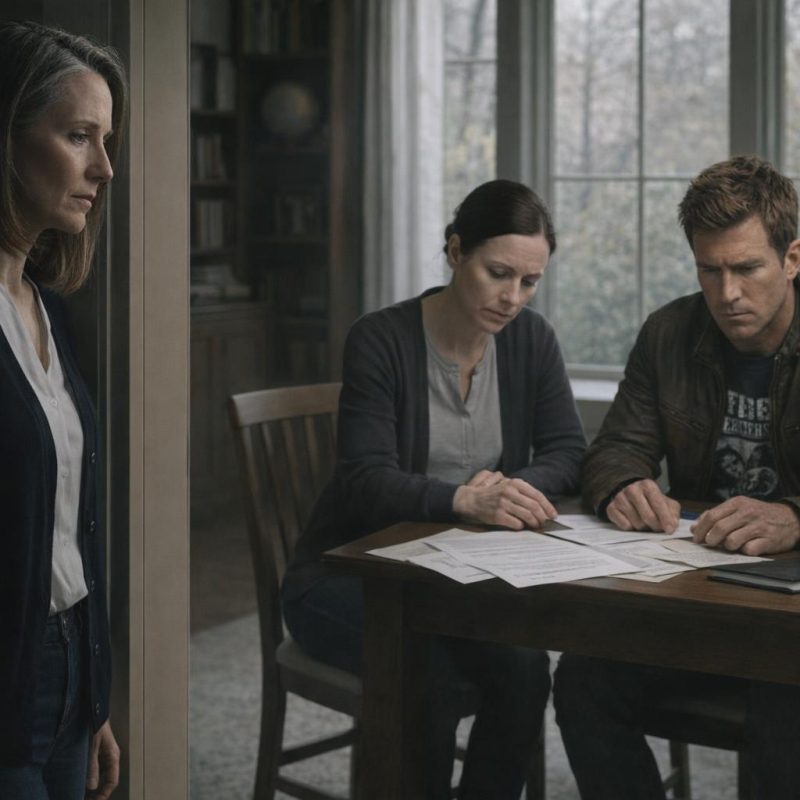 Image by RM AI
Thirty-Four Years
My divorce from Martin was finalized eleven months after the confrontation in that hospital room. Thirty-four years of marriage, and it ended in a conference room with attorneys on both sides of a table and a stack of documents that needed signatures. I received my share of the legitimate marital assets — the house, the accounts we had built together before the management company became what it became. I refused anything connected to the band money. My attorney pushed back on that once, told me I was entitled to more, and I told her I understood that and still didn't want it. I wasn't going to build the next chapter of my life on money that had been taken from people I respected. Lauren apologized to me three times over those months. The first time by letter, the second time in person outside the courthouse, the third time by phone a few weeks after everything was finalized. I accepted each apology. I meant it when I did. But accepting an apology and rebuilding a friendship are two entirely different things, and I knew the difference. What she had done — the years of it, the closeness she had used as cover — that didn't dissolve because she was sorry. I moved forward. I just moved forward alone, and I found, slowly, that alone was something I could live with.
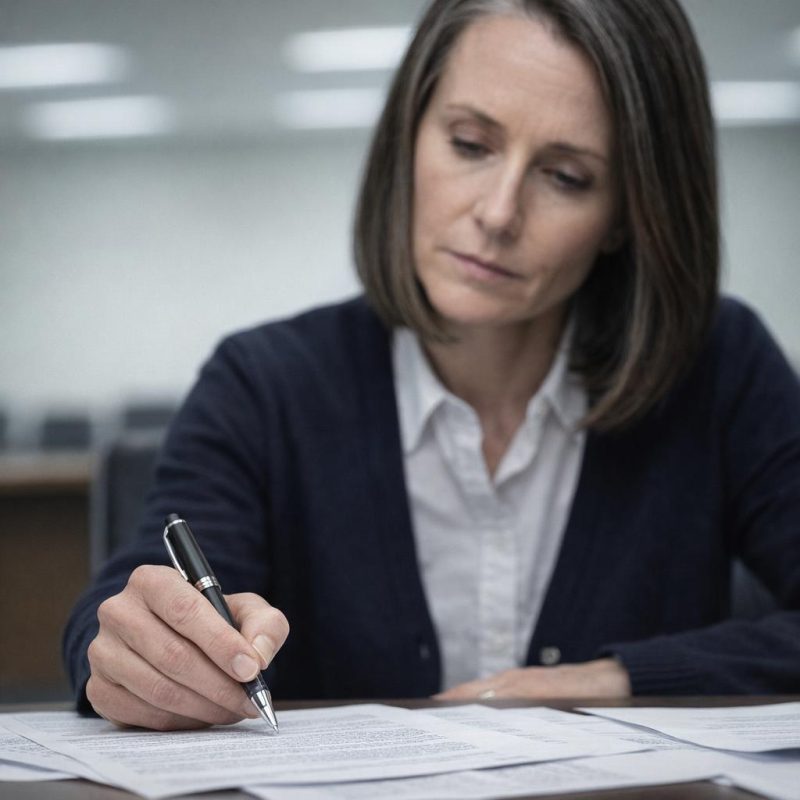 Image by RM AI
The Emergency Contact
What I kept coming back to, long after the attorneys and the asset recovery and the signed papers, was that form. One emergency contact form. Martin had changed my name to Lauren's at some point in the previous year — I don't know exactly when, I never found out the precise date — because in his mind she was becoming his future and I was becoming his past. It was a small administrative act, the kind of thing that takes thirty seconds and feels like nothing. He probably didn't think about it again after he did it. But that one change was the thing that unraveled everything he had spent months constructing. It brought Lauren to the hospital. It put his phone in her hands. It put her in a waiting room with nowhere to go and no one to call except me. And once she called me, and once Dean walked through those doors, there was no version of events Martin could have managed his way out of. He had been so careful about the money, the company, the condo, the timing. He had thought through the large pieces with real precision. But he had changed one name on one form, and that single name brought the three of us into the same room and took apart everything he had built.
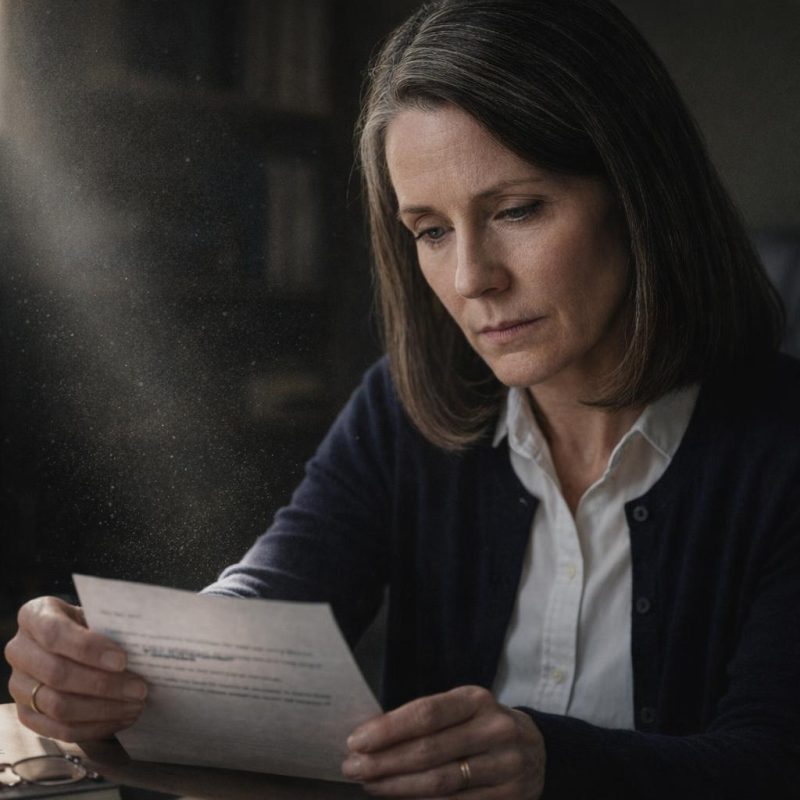 Image by RM AI
KEEP ON READING