The avocado you picked up at the grocery store this week almost certainly traces back to one tree in La Habra Heights, California. That tree grew behind the house of a Pasadena mail carrier named Rudolph Hass. He had no training in botany or farming, and he'd grown up in Milwaukee, about as far from avocado country as you can get.
Avocados themselves had been growing in Mexico and Central America for thousands of years before anyone in California planted one. Hass created the variety that took over the world and he patented it in 1935. The patent made him almost nothing, even as his name ended up on stickers in nearly every produce aisle in the country.
A Seedling That Wouldn't Cooperate
In 1925, Hass saw a magazine ad showing dollar bills growing on an avocado tree. He was walking a mail route with a heavy bag every day, and the idea of a side income stuck. He took his savings, combined it with a loan from his sister, and bought a grove of about an acre and a half. It came with a mix of older trees, mostly Fuertes.
Back then, the Fuerte was the avocado everyone wanted, with smooth green skin and good flavor. Hass planned to grow seedlings from a local nursery and graft Fuerte branches onto them. One seedling of unknown parentage kept rejecting the graft, and a professional grafter suggested cutting it down. The seeds had reportedly come from a nursery owner named A.R. Rideout, who gathered them wherever he could.
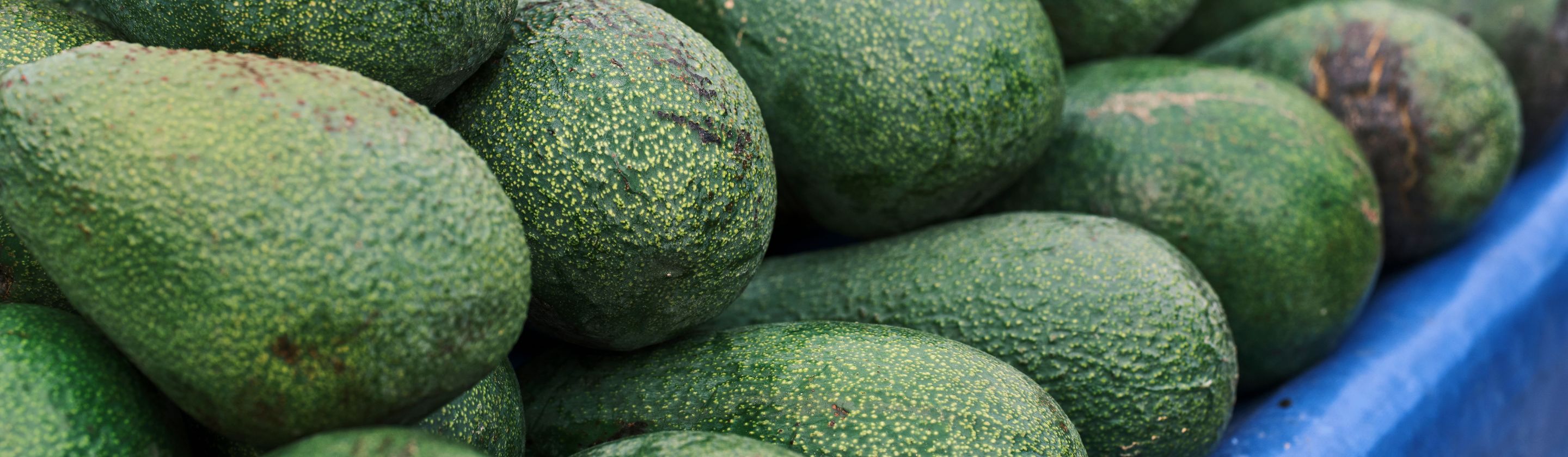
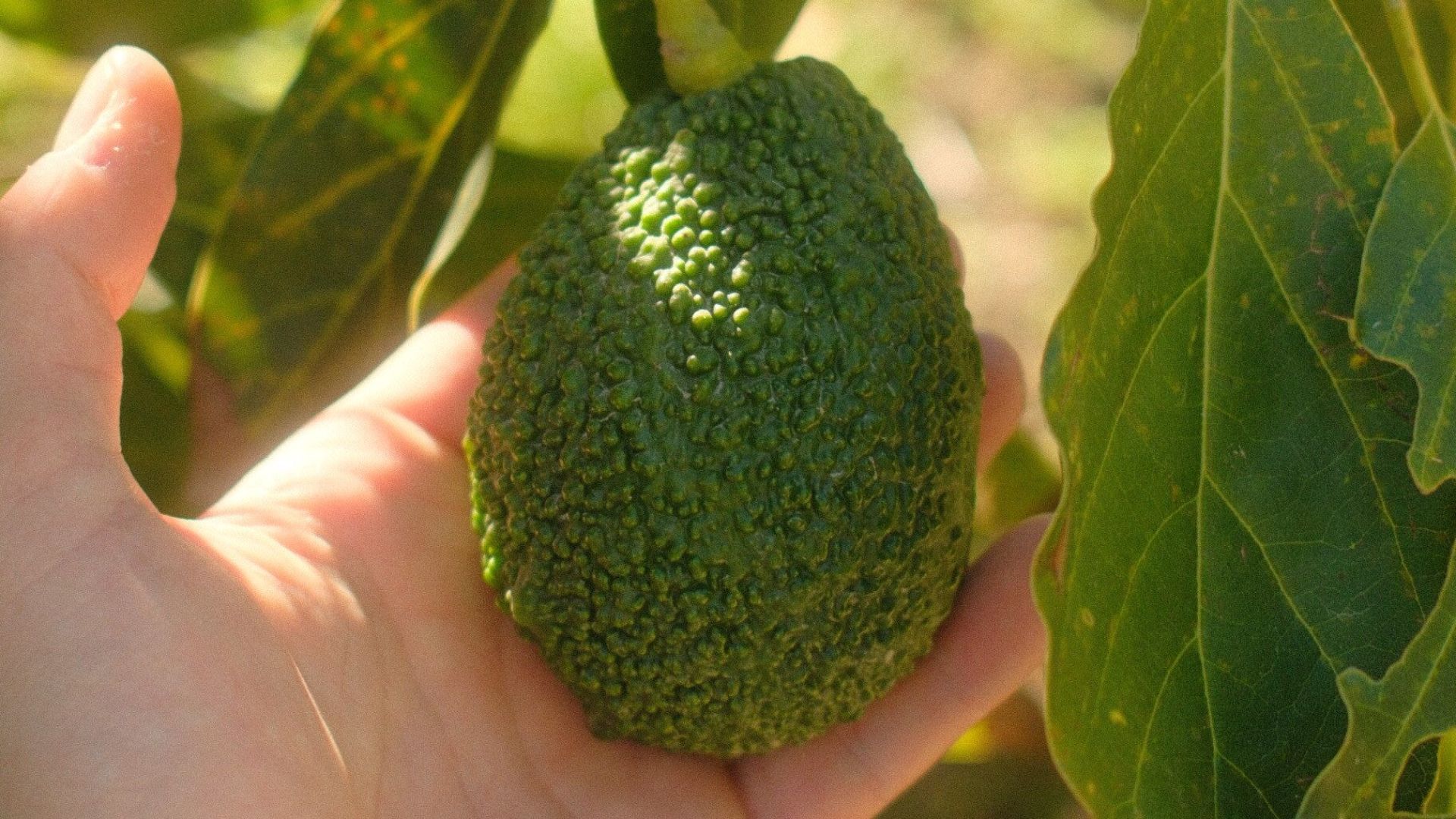
His kids talked him out of it once the tree started producing. The fruit had thick, bumpy skin that turned almost black when ripe, which made it look a little rotten next to a Fuerte. Inside, it was creamier and richer than anything else in the grove, though that dark skin made it a hard sell in a market used to green avocados.
Selling Avocados at the Post Office
Hass started bringing the extras to work at the Pasadena Post Office. His coworkers liked them enough to buy bags of four or five for a dollar, and they kept placing orders. A grocery store on Colorado Street began stocking them too, at about a dollar apiece. That put them firmly in luxury territory during the 1930s, when the same money could feed a family for a day.
The rough skin helped in a way nobody expected. It hid the scuffs and bruises that came with shipping, and the fruit held up far better than the Fuerte on long trips. Shippers sending avocados to cities back east had been fighting mushy, overripe fruit for years. According to a family memoir, Hass once mailed a box of them to Chicago and back, and they arrived still firm.
In August 1935, Hass received Plant Patent No. 139, often cited as the first patent ever granted for a tree. He partnered with a nurseryman named Harold Brokaw, who grafted and sold Hass trees to growers and paid him roughly $1 for every tree sold, according to his son. Brokaw's nursery in Ventura County is still in business.
Rich in Name Only
The money never came. Growers could buy a single Hass tree and graft cuttings from it onto their own stock, and few bothered to pay. By the time the patent ran out in 1952, Hass had collected less than $5,000, and he died a few months later at 60. He had retired from the post office that June after more than 25 years on the job.
His avocado kept spreading after he was gone. Its genetics appear to be a cross between Guatemalan and Mexican types, a mix that handles Southern California's cooler weather and ripens over a long season. It also bears more reliably from one season to the next, while Fuerte trees tend to swing between heavy and light years. Today the Hass variety brings California growers more than a billion dollars a year, and the avocados shipped north from Mexico are overwhelmingly Hass too.
Every one of those avocados comes from grafts of the original backyard tree. The mother tree grew to about 65 feet and kept producing for roughly 76 years until root rot killed it in September 2002. A plaque still marks the spot on West Road, and Brokaw's nursery saved some of the wood.
KEEP ON READING