Protection Has Its Limits
A bodyguard stands closer to a ruler than almost anyone, armed and trusted with the one job that matters most. That closeness has always cut both ways. Rome's Praetorian Guard killed so many emperors that it turned into a kingmaker, and elite units in Baghdad and Istanbul picked up the same habit centuries later. Sometimes the guards acted on a personal grudge, and sometimes someone else paid them to. Here's 20 rulers murdered by their own bodyguards.
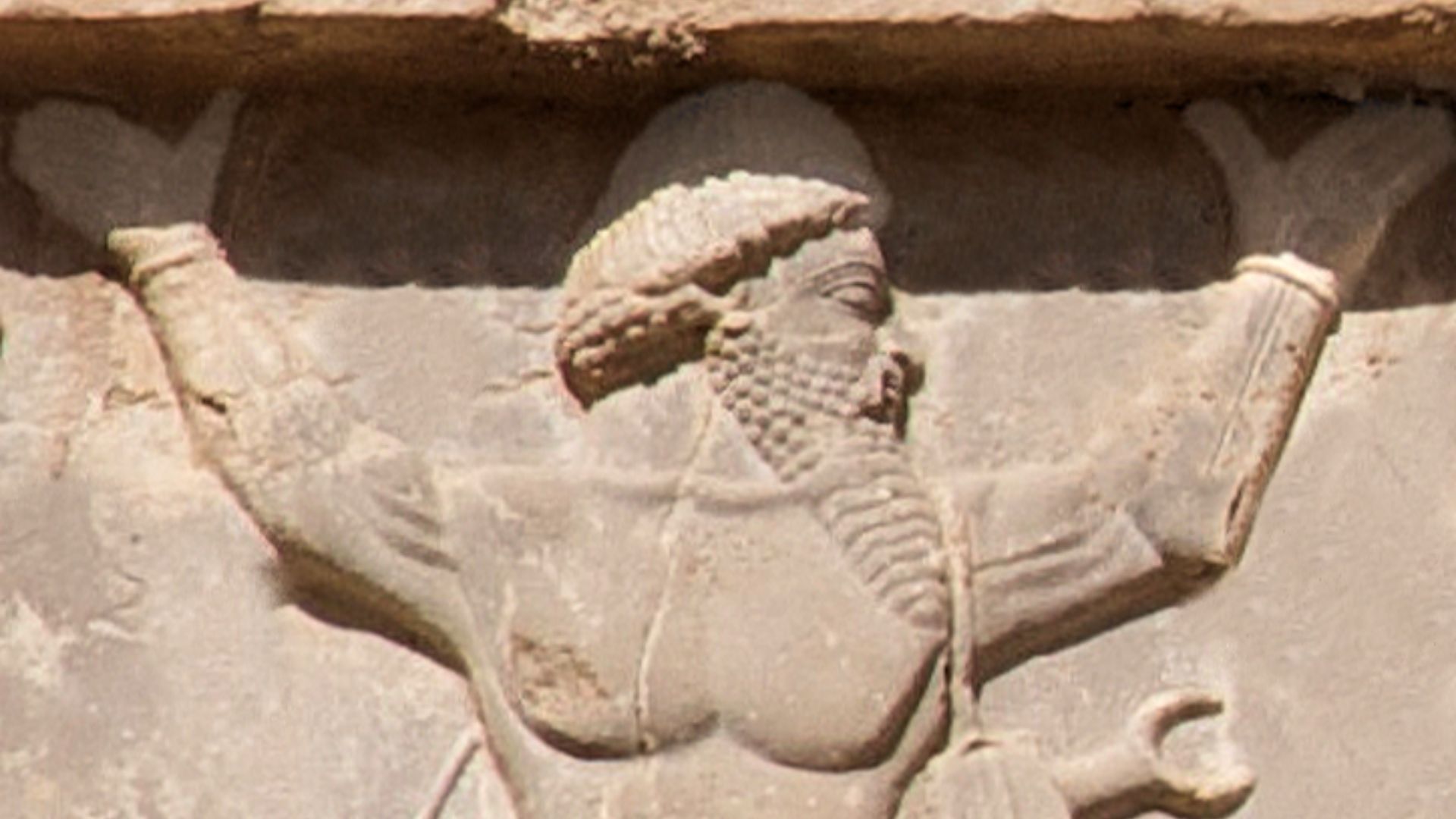
1. Xerxes I
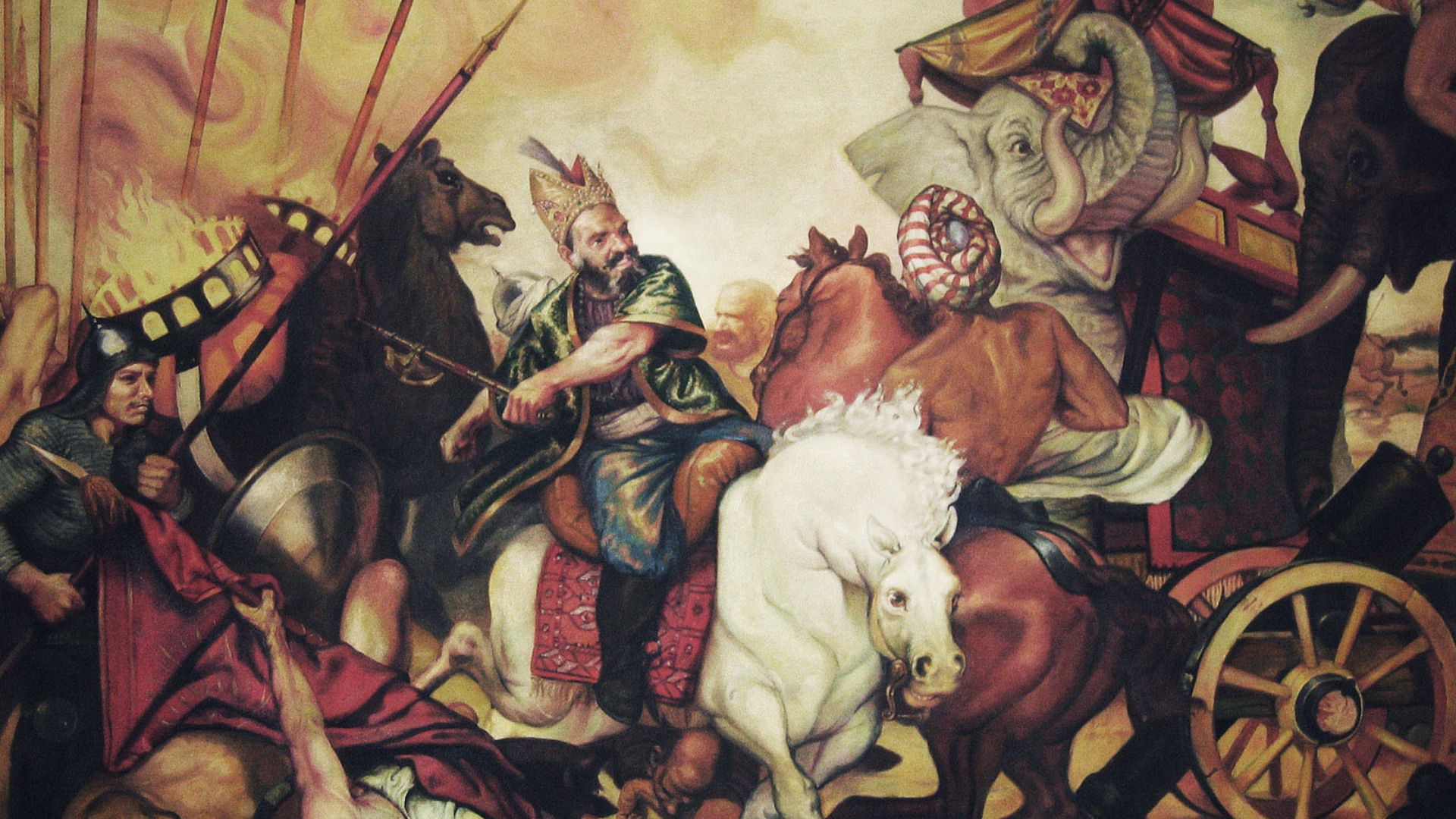
The Persian king who invaded Greece died in 465 BC at the hands of Artabanus, the commander of his royal bodyguard. Greek writers tell the story in slightly different versions. In one of them, Artabanus pinned the murder on the king's eldest son, Darius, who was executed for it.
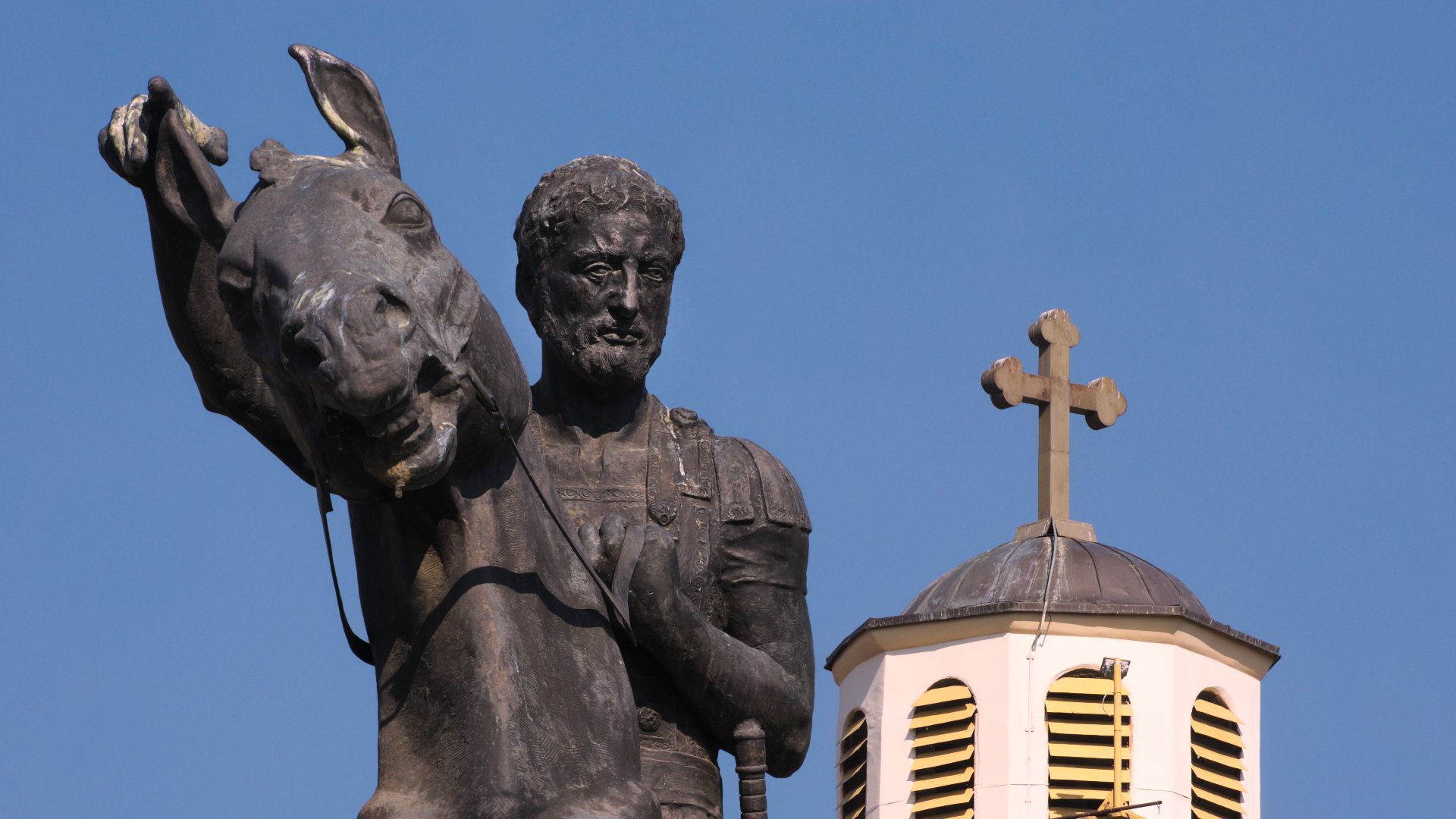
2. Philip II of Macedon
Philip was walking into a theater at Aegae in 336 BC to celebrate his daughter's wedding when Pausanias, one of his personal bodyguards, stabbed him. He had told the rest of his guards to hang back so he'd look approachable to the crowd. His son Alexander, just 20, took over and went on to conquer Persia.
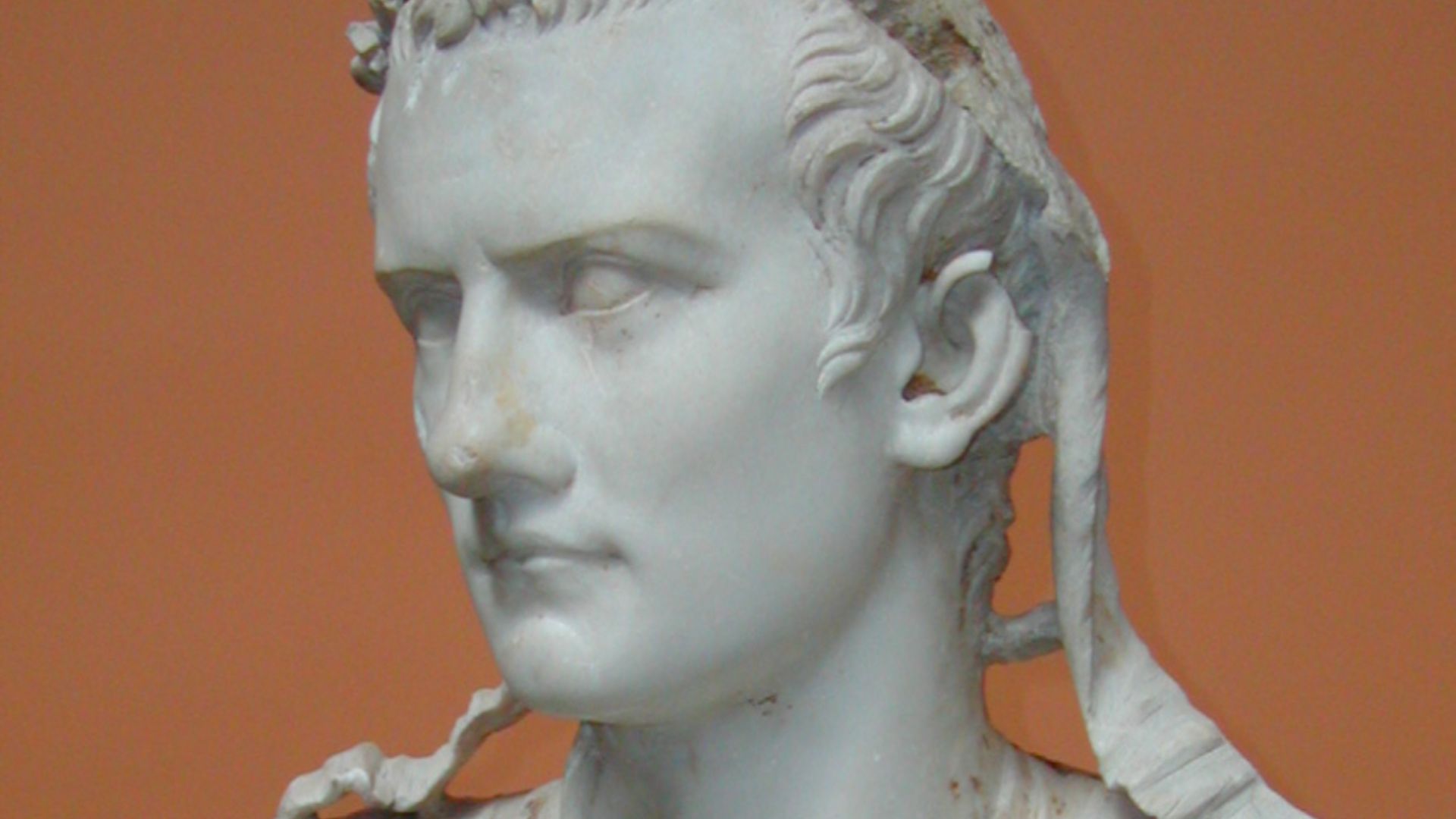
3. Caligula
According to the Roman writer Suetonius, Caligula loved humiliating a Praetorian tribune named Cassius Chaerea by assigning him crude passwords. Chaerea had his revenge in AD 41, when he and other officers cornered the emperor in a passageway beneath the Palatine Hill. Guardsmen found Caligula's uncle Claudius hiding behind a curtain afterward and made him emperor.
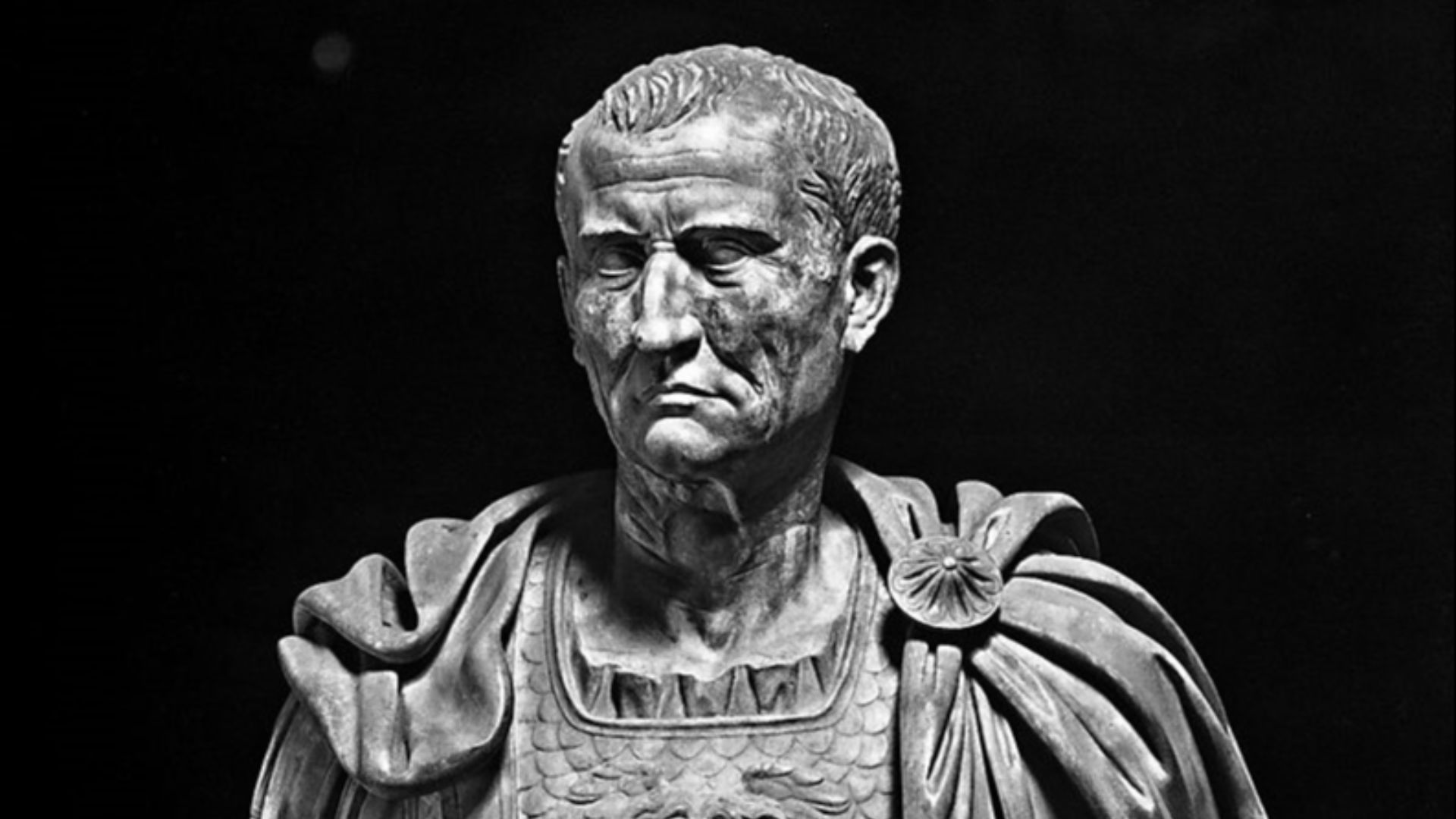
4. Galba
Galba took power in AD 68 at around 70 years old and quickly angered the Praetorians by refusing to pay the bonus they'd been promised. His rival Otho made them a better offer. Early the next year, guardsmen cut Galba down in the Roman Forum, seven months into his reign.
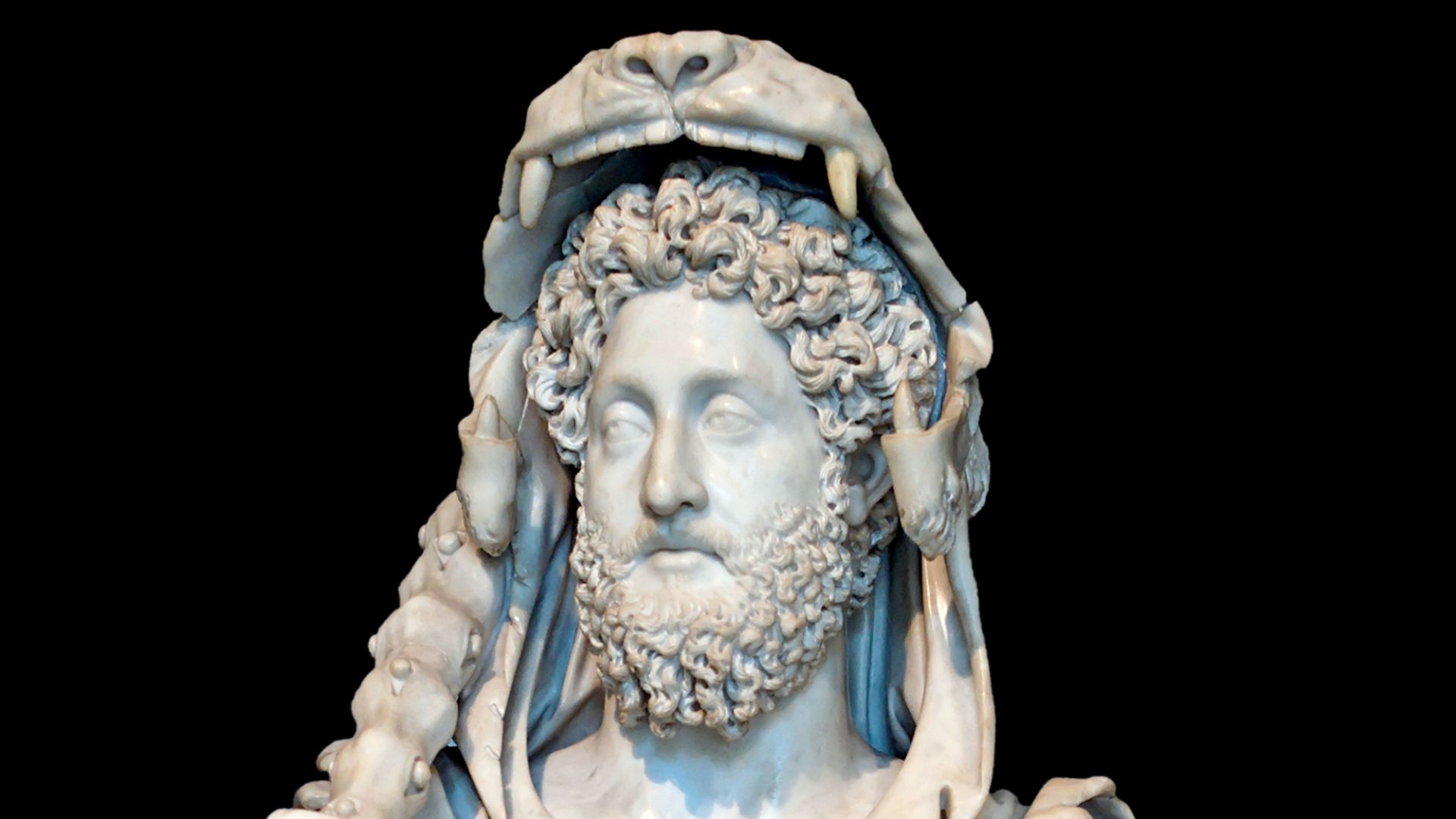
5. Commodus
The emperor who fancied himself a gladiator was killed on the last day of 192 by a plot that reached deep into his inner circle, including the prefect who commanded his guard. A poisoning attempt, organized with help from his mistress Marcia, failed first. The conspirators then sent in a wrestler named Narcissus, who strangled Commodus in his bath.
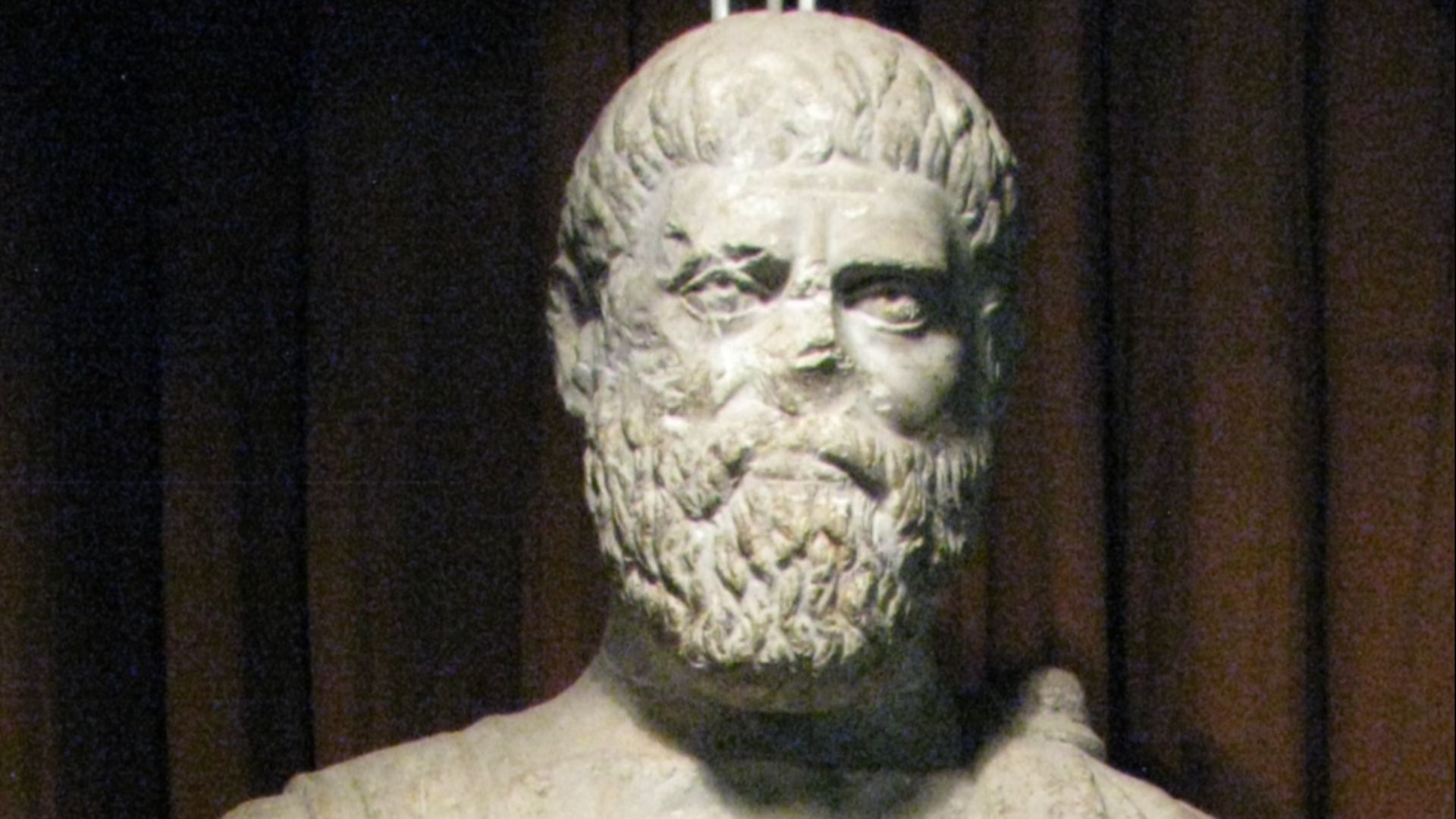
6. Pertinax
Pertinax tried to impose discipline on the Praetorians, and it lasted 87 days. In March 193, a few hundred of them marched into the palace and ran him through while most of his staff fled. Afterward, they held what amounted to an auction for the empire, won by a senator named Didius Julianus with a promise of 25,000 sesterces per soldier.
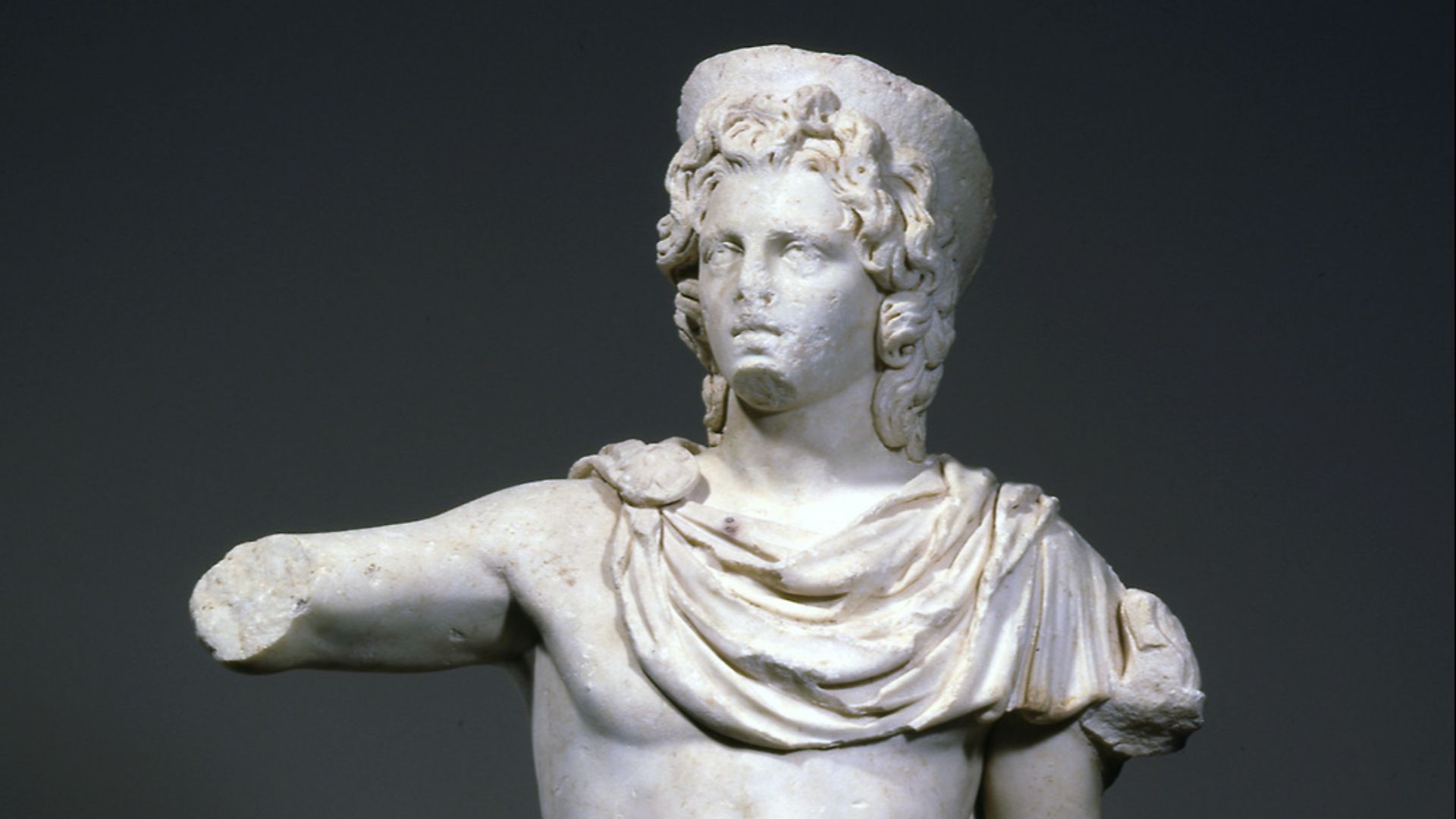
7. Caracalla
Caracalla stepped off the road near Carrhae in 217 to relieve himself, and an officer from his escort named Julius Martialis stabbed him. The plot traced back to Macrinus, who commanded the guard and became the next emperor. One of Caracalla's Scythian archers killed Martialis on the spot.
 North Carolina Museum of Art on Wikimedia
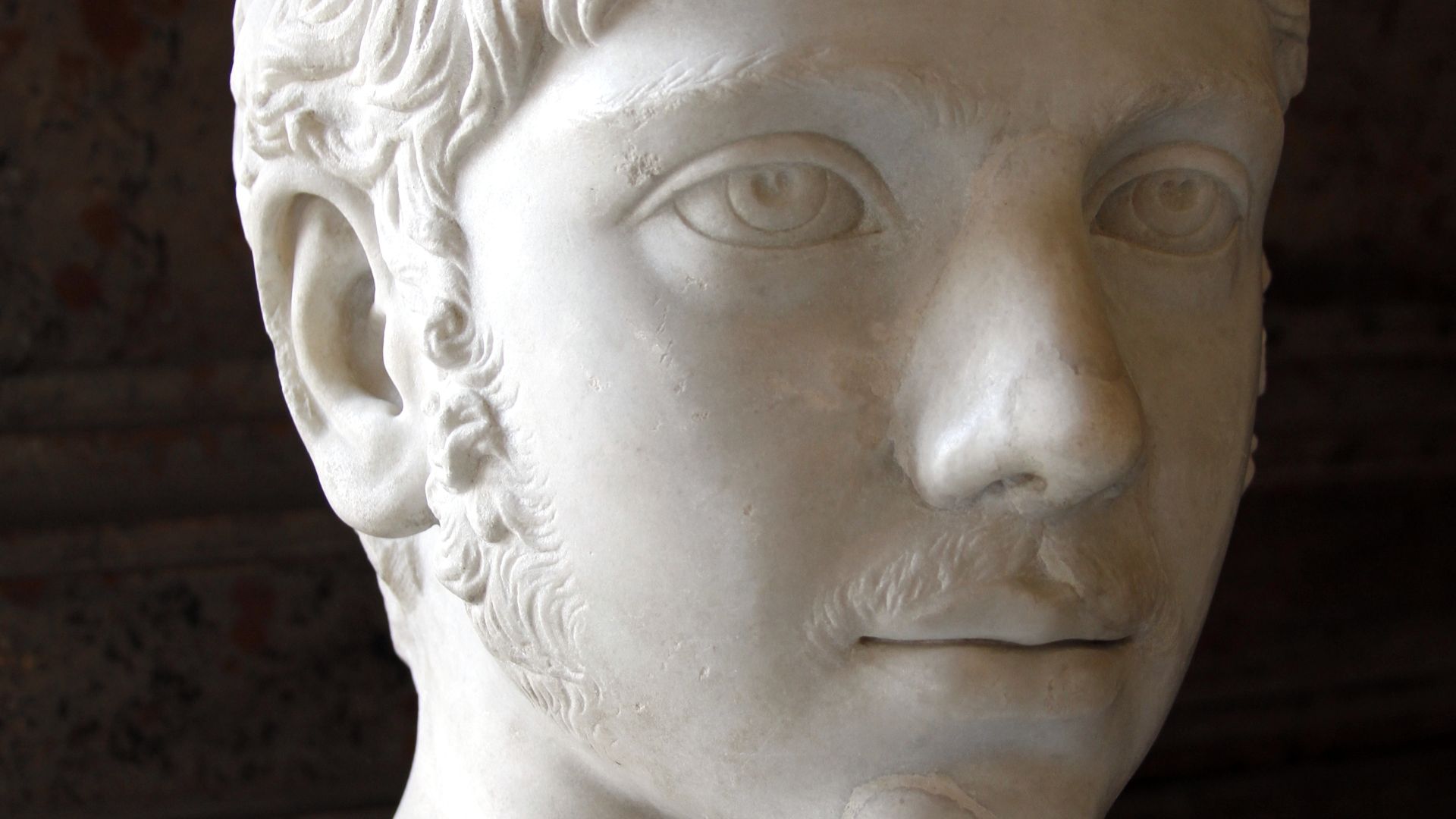
8. Elagabalus
The teenage emperor Elagabalus shocked Rome with his religious reforms and his choice of officials. In 222, the guard killed him along with his mother, Julia Soaemias, and threw their bodies into the Tiber.
9. Pupienus and Balbinus
The Senate named these two co-emperors in 238, and they spent much of their short reign arguing with each other. After 99 days, guardsmen stormed the imperial residence and dragged both men through the streets to their deaths. Gordian III, still just 13, was proclaimed emperor the same day.
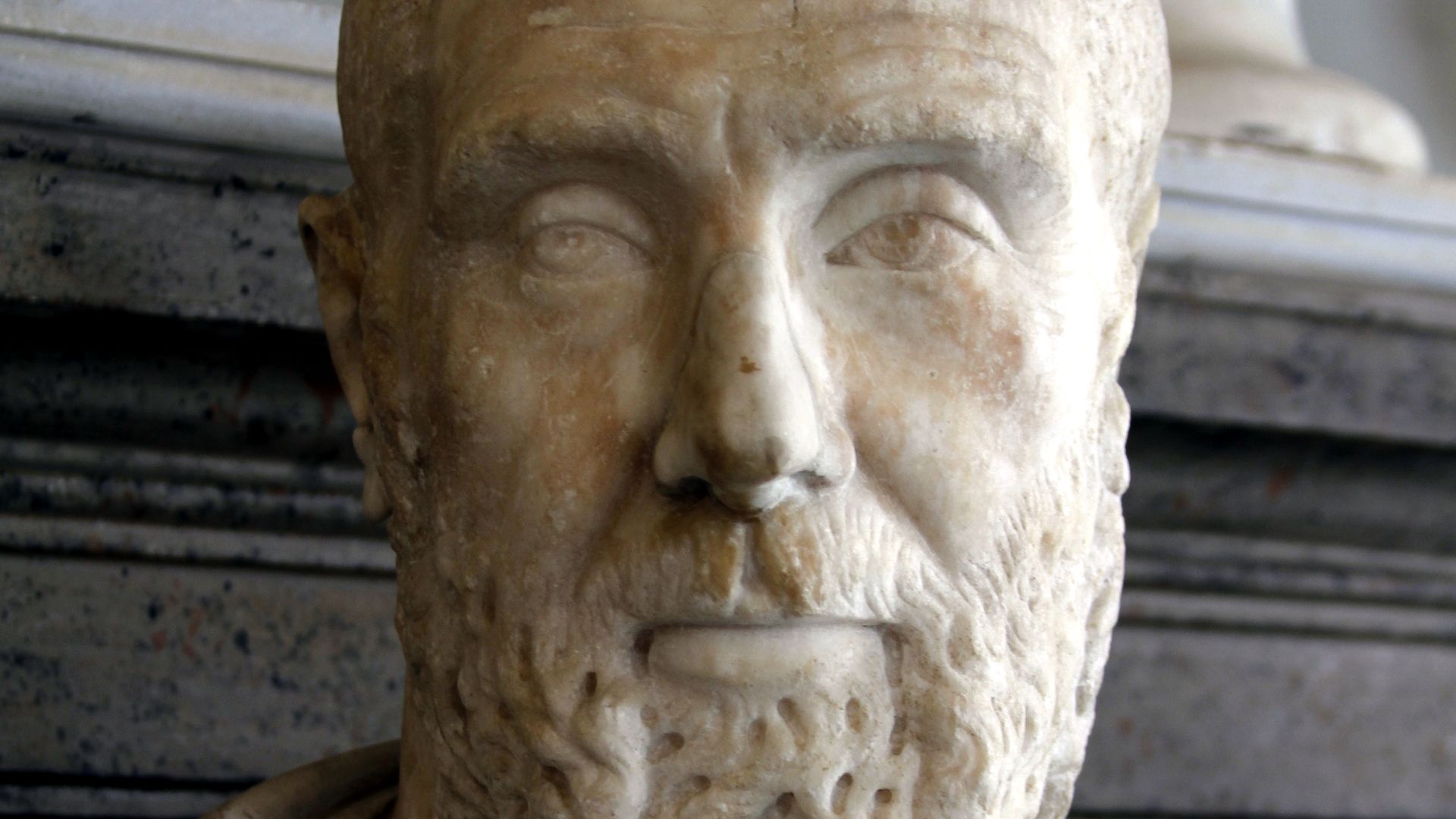
10. Aurelian
Aurelian won back huge stretches of the empire and earned the title Restorer of the World. In 275, a secretary named Eros, afraid of being punished for a lie, forged a list of officers the emperor supposedly planned to execute. They believed it and murdered Aurelian on the road through Thrace, only to learn later that the list was fake.
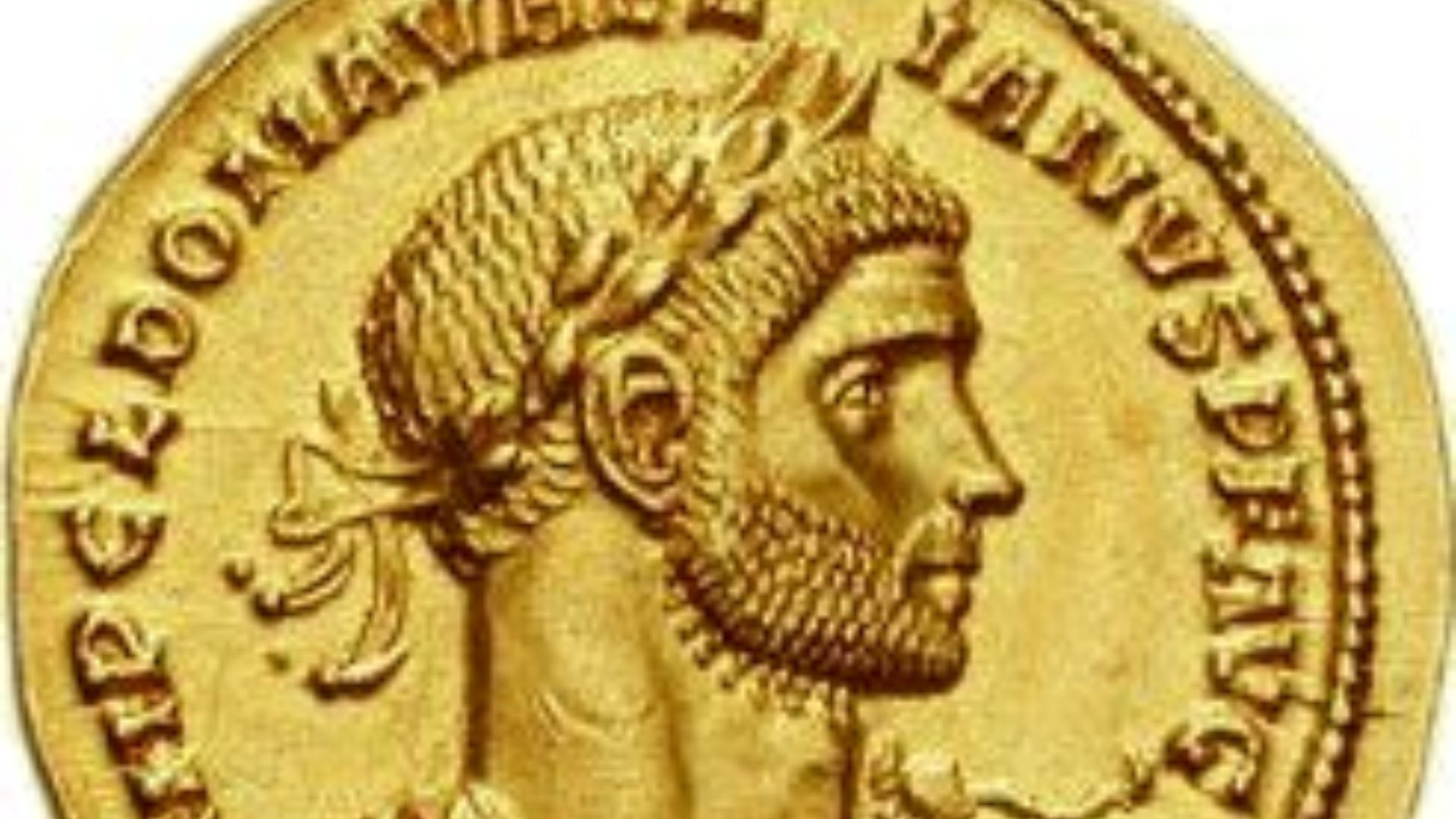
11. Julius Nepos
Constantinople still recognized Julius Nepos as the rightful Western Roman emperor years after he fled Italy. He was living in exile in Dalmatia in 480 when two of his retainers, Viator and Ovida, murdered him at his villa near Salona.
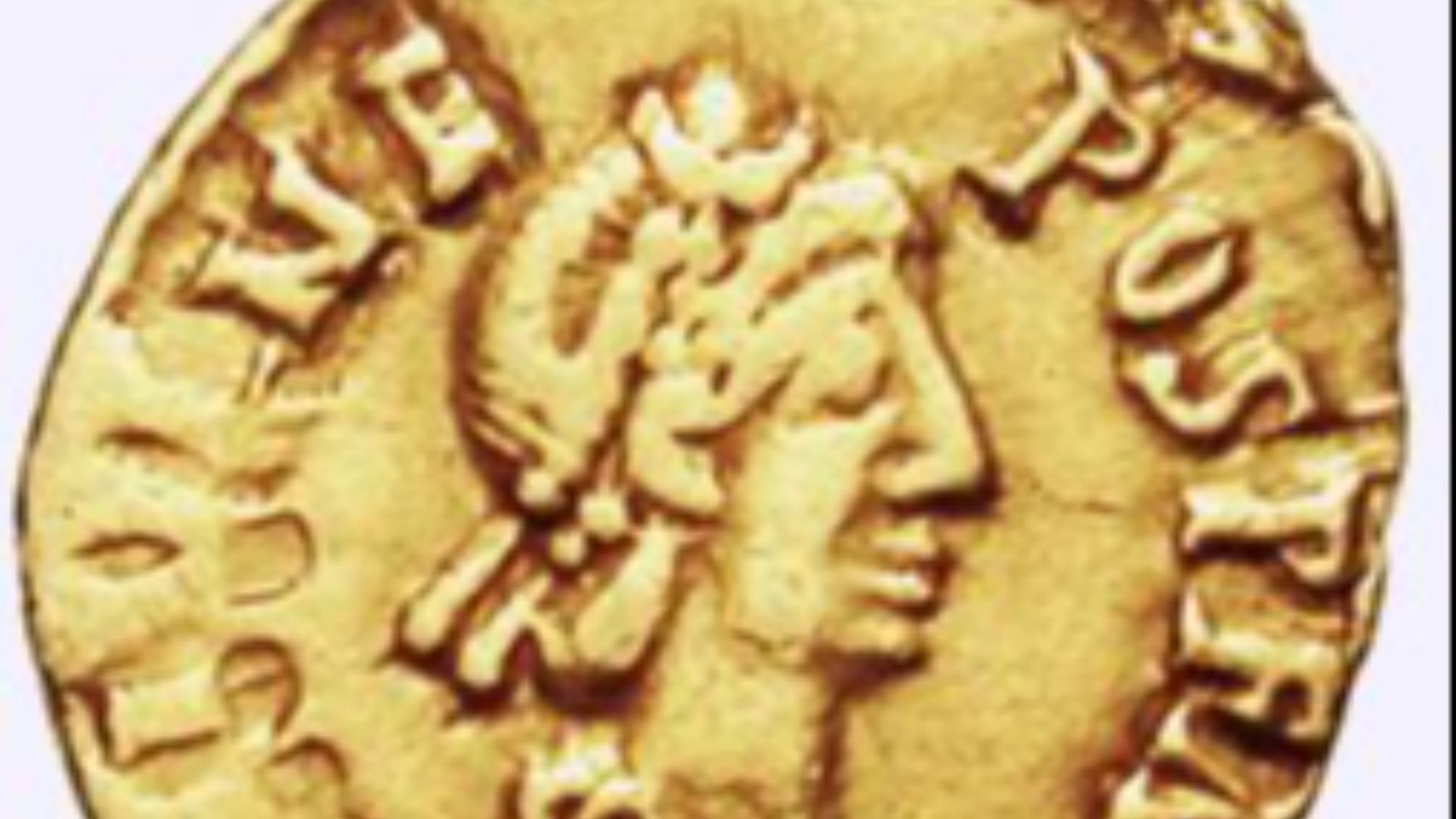
12. Al-Mutawakkil
The Abbasid caliph al-Mutawakkil relied on a corps of Turkish soldiers to guard him in the palace city of Samarra. In December 861, several of them burst into a late-night banquet and killed the caliph and his vizier, reportedly encouraged by his own son. Four more caliphs rose and fell over the next nine years.
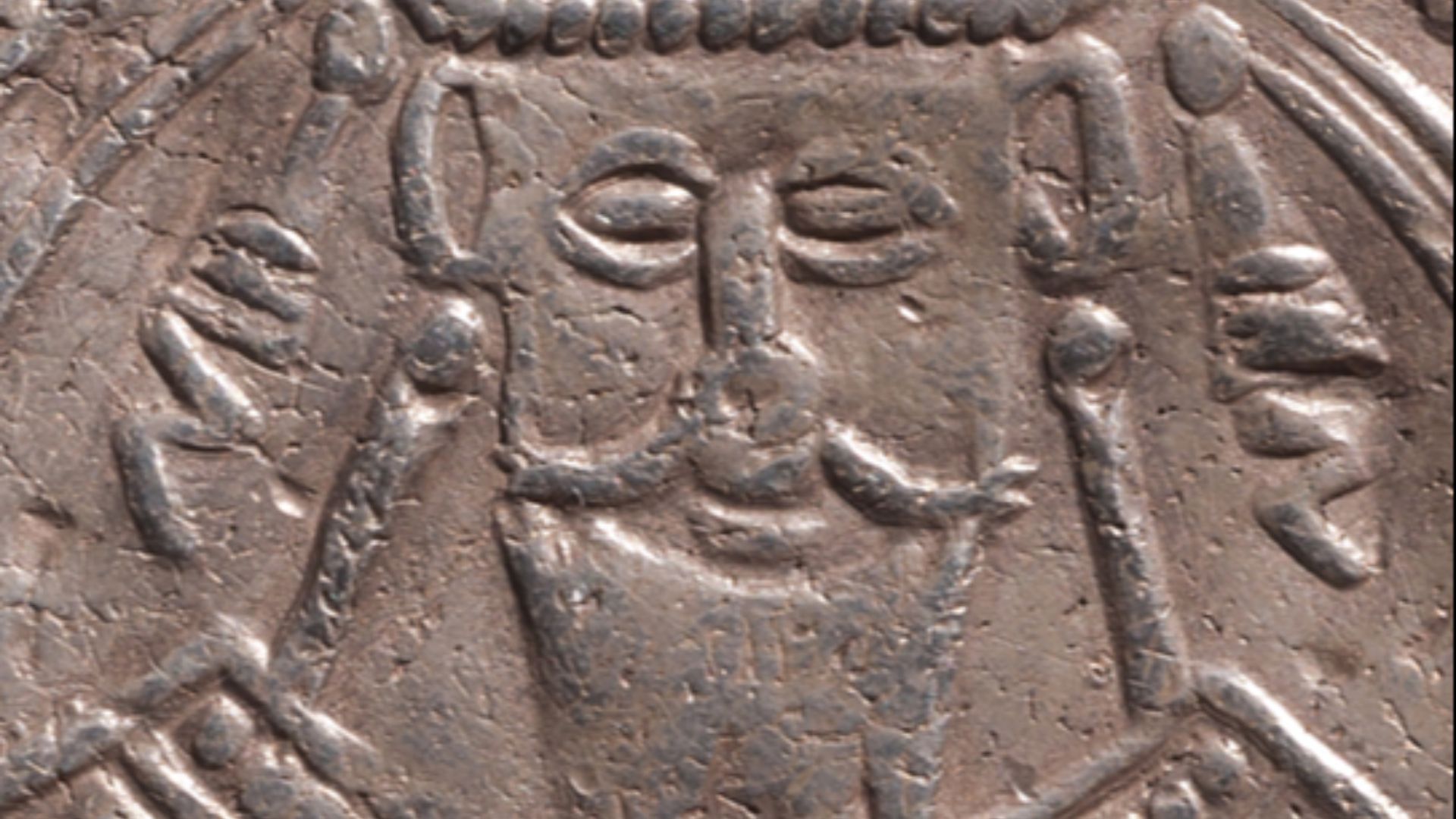 Taha b. Wasiq b. Hussain on Wikimedia
13. Turanshah
Turanshah had just helped defeat the crusade of King Louis IX of France when the Bahri Mamluks turned on him in 1250. These elite slave soldiers had served his father, and they chased Turanshah into the Nile to kill him. Mamluk sultans held Egypt until the Ottomans arrived in 1517.
14. Gongmin of Goryeo
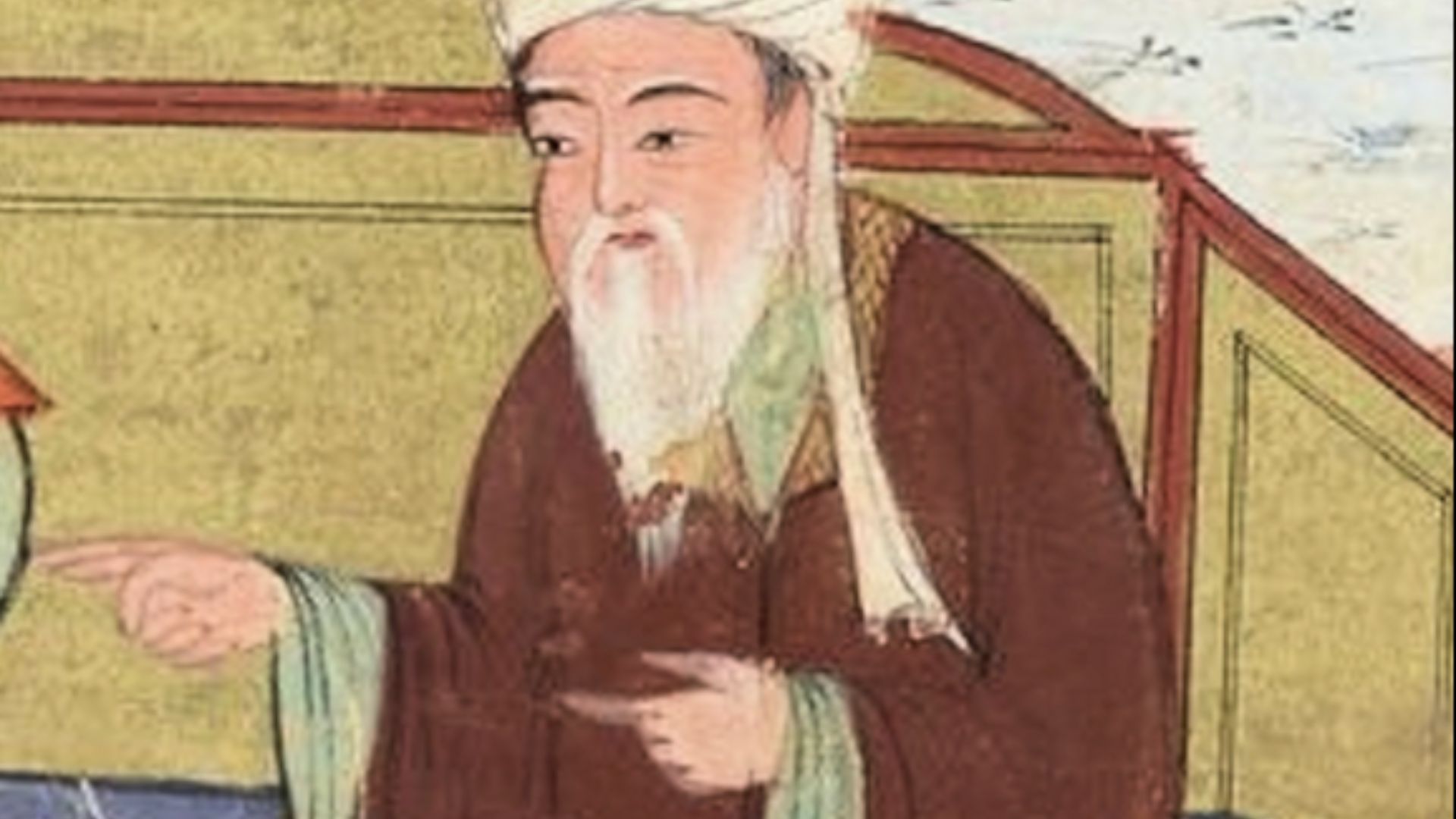
After his beloved wife died in 1365, King Gongmin of Korea withdrew from government and created a guard unit called the Jajewi, made up of handsome young men from aristocratic families. In 1374, members of that same unit murdered him in his sleeping quarters. The Goryeo dynasty collapsed less than two decades later.
 Unknown authorUnknown author on Wikimedia
15. Osman II
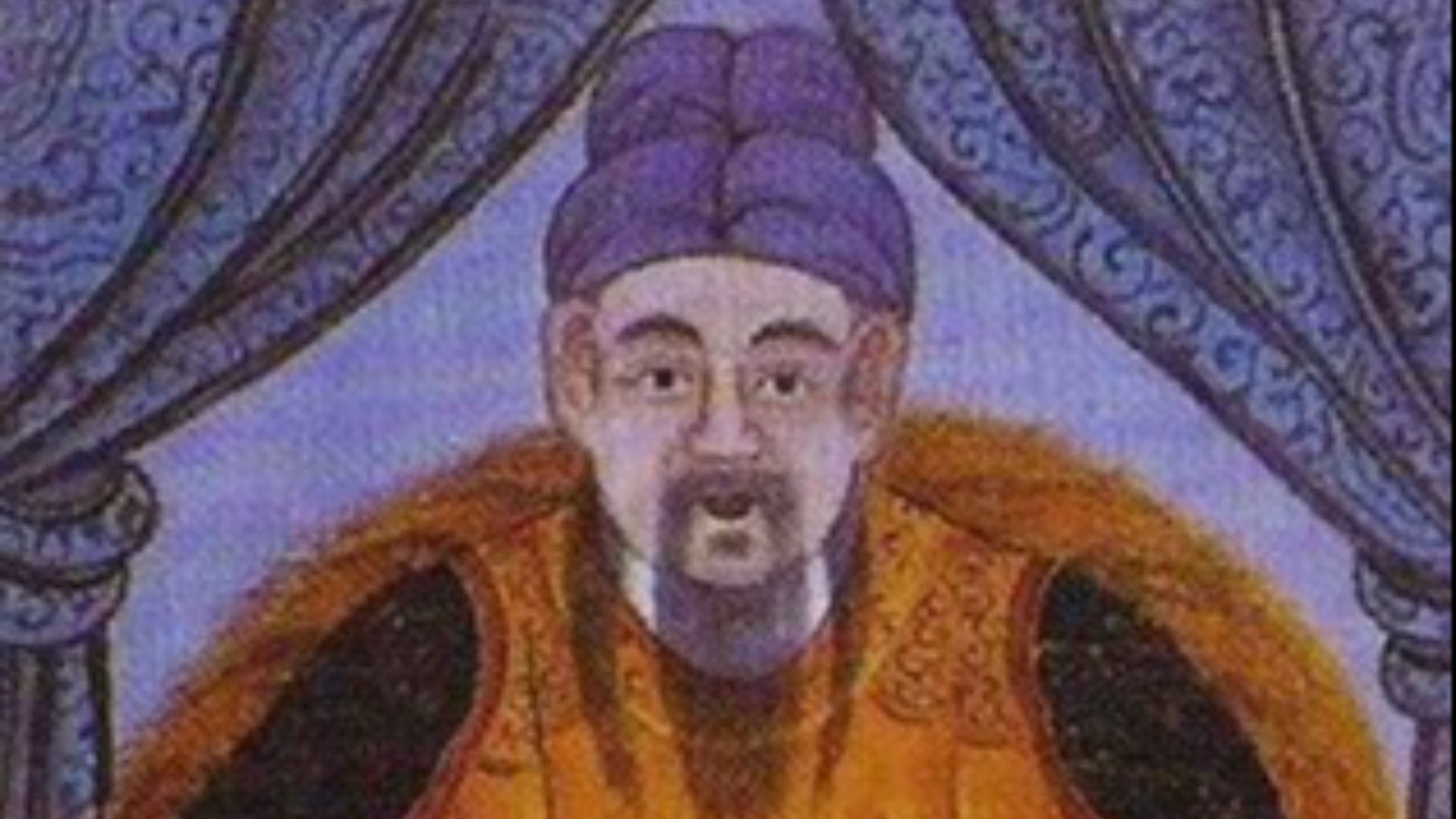
Osman II was 17, and fresh off a failed campaign against Poland, when he tried to raise a new army to replace the Janissaries, the Ottoman sultan's own household troops. When they found out in 1622, they deposed him and had him strangled in the Yedikule Fortress in Istanbul.
 Unknown authorUnknown author on Wikimedia
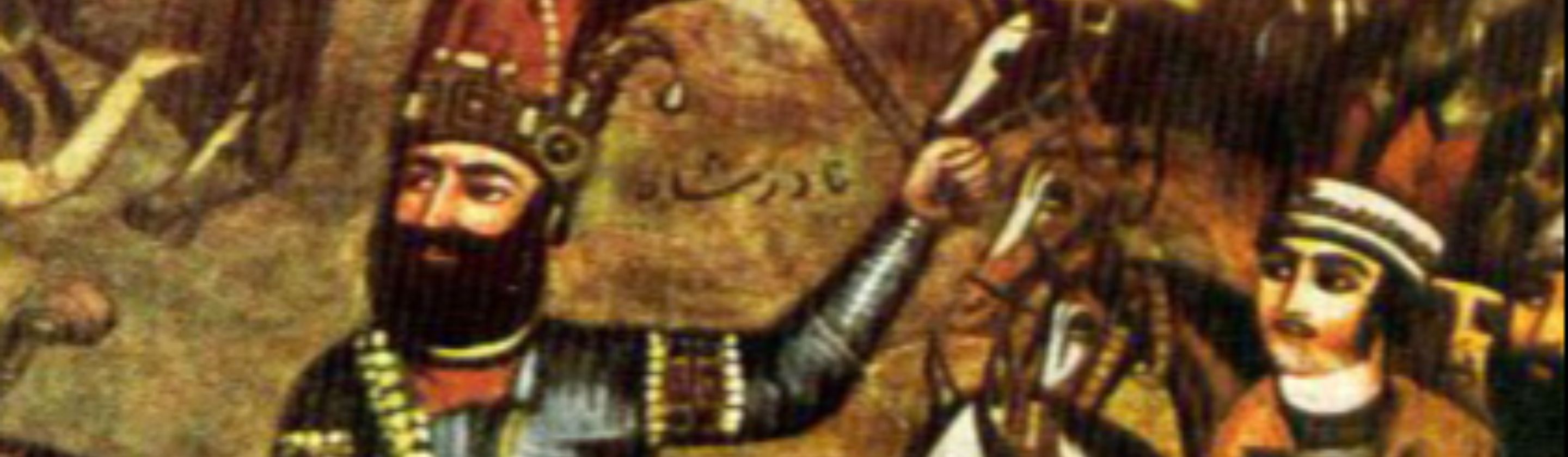
16. Nader Shah
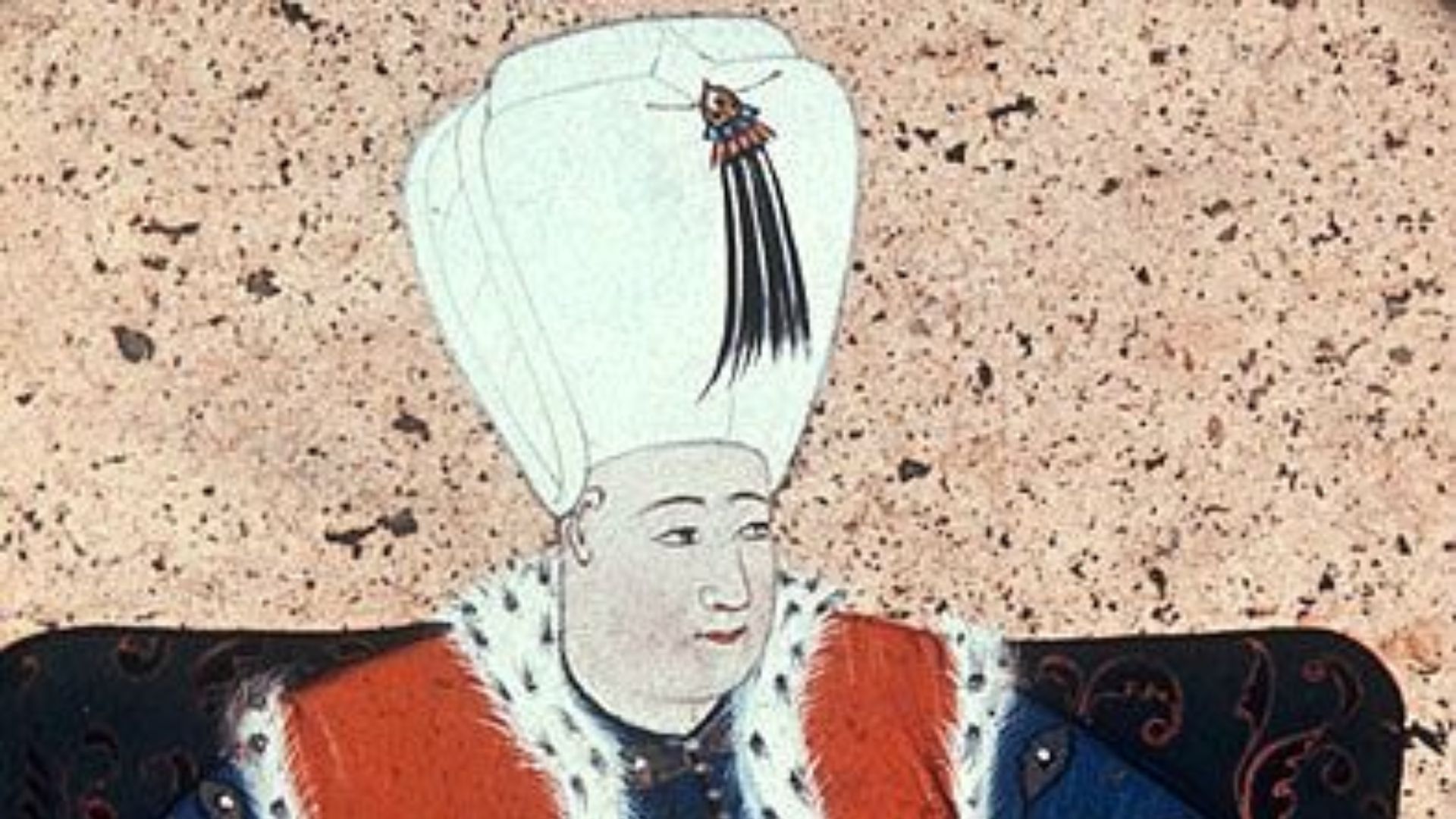
Nader Shah built an empire that stretched from Iraq into India, carrying off the Peacock Throne from Delhi in 1739. His suspicion grew worse every year, and in June 1747, officers of his guard entered his tent at a camp in northeastern Iran and killed him. His nephew Adel Shah seized power, and the empire broke apart almost immediately.
 Unknown authorUnknown author on Wikimedia
17. Peter III
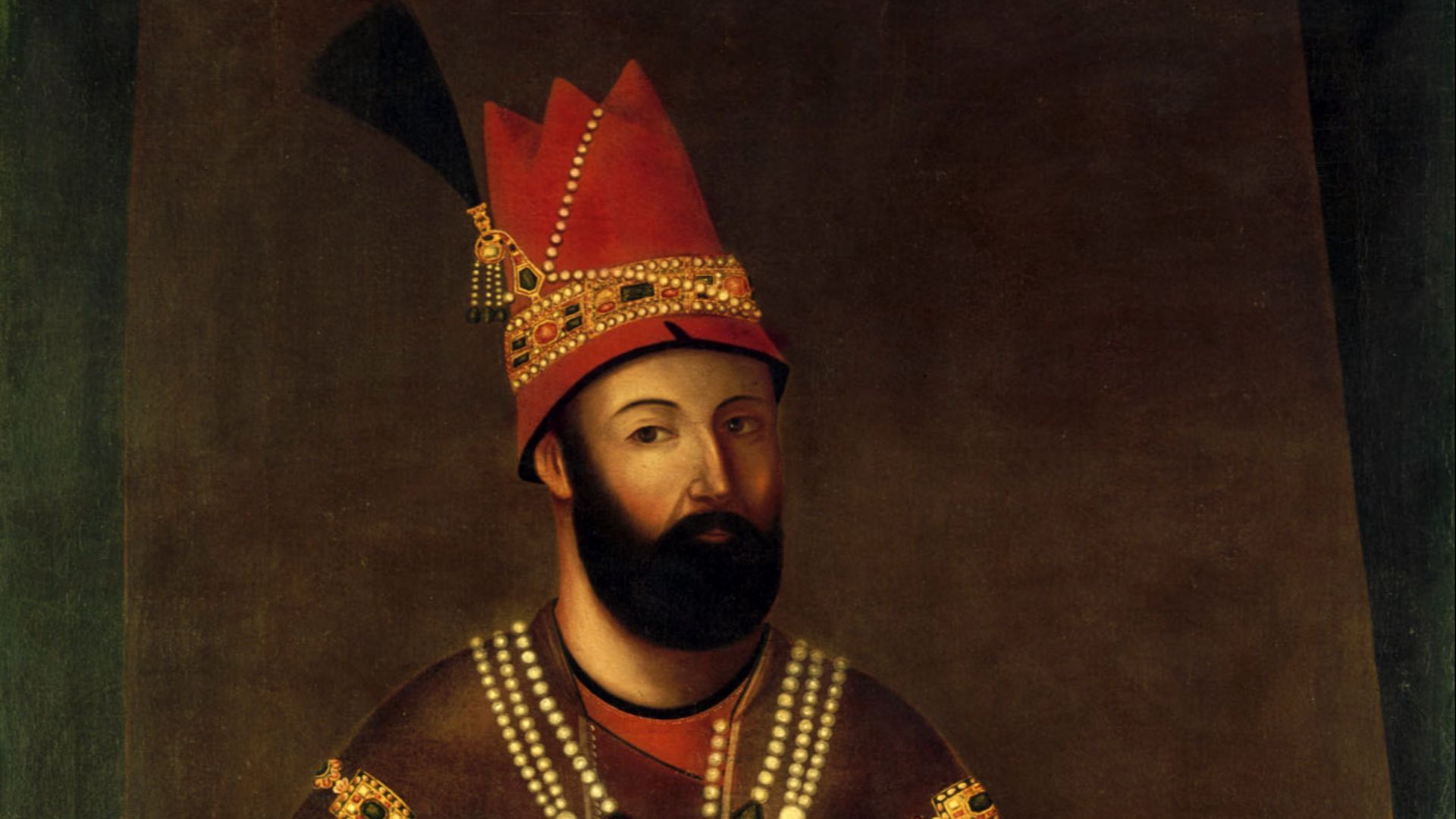
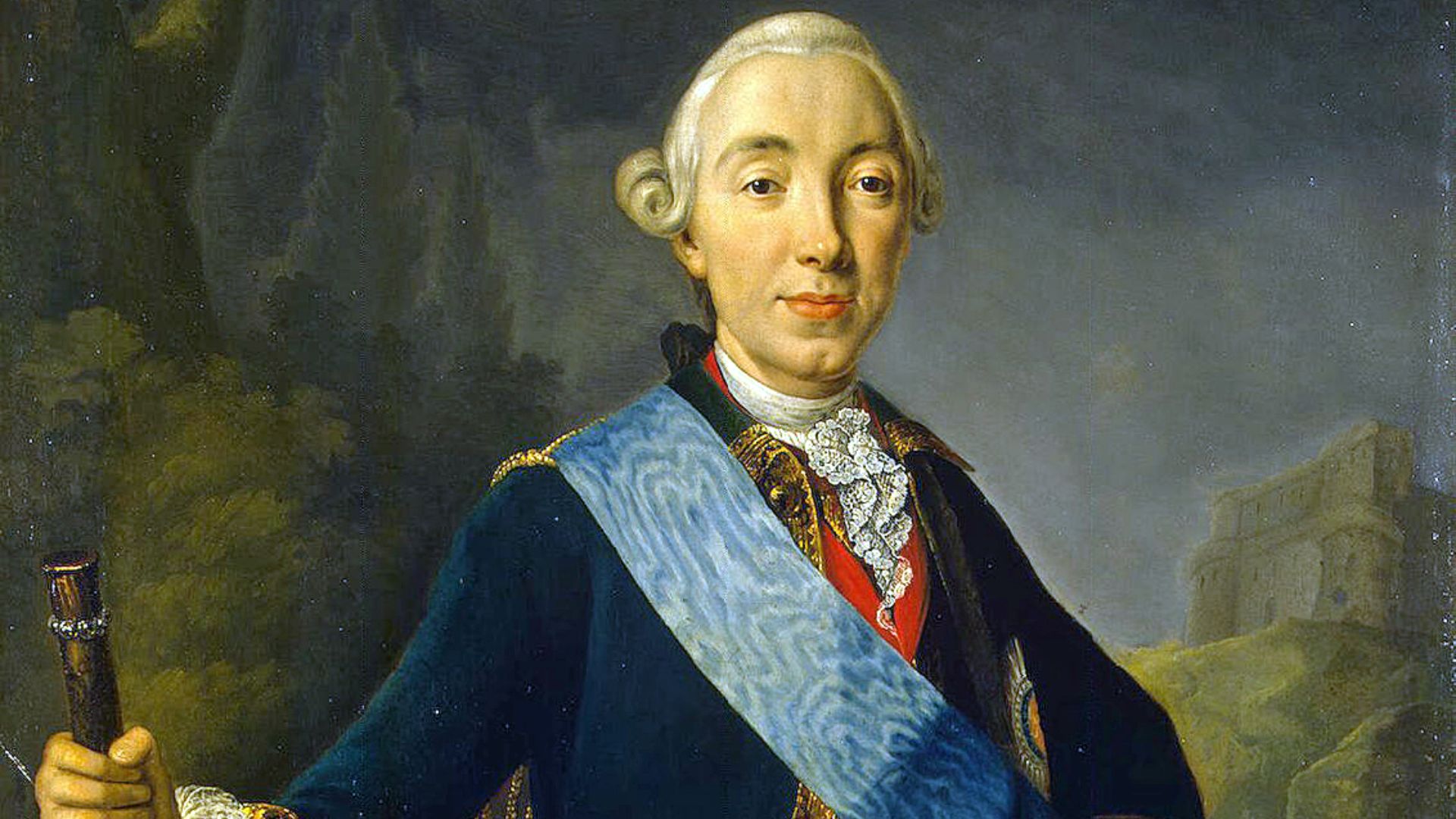
Catherine the Great took the Russian throne from her husband in 1762, barely six months after he became emperor, with the backing of the Imperial Guard regiments. Peter III died days later while in the custody of guard officers led by Alexei Orlov. The official announcement blamed a severe attack of colic.
 Lucas Conrad Pfandzelt on Wikimedia
18. Paul I
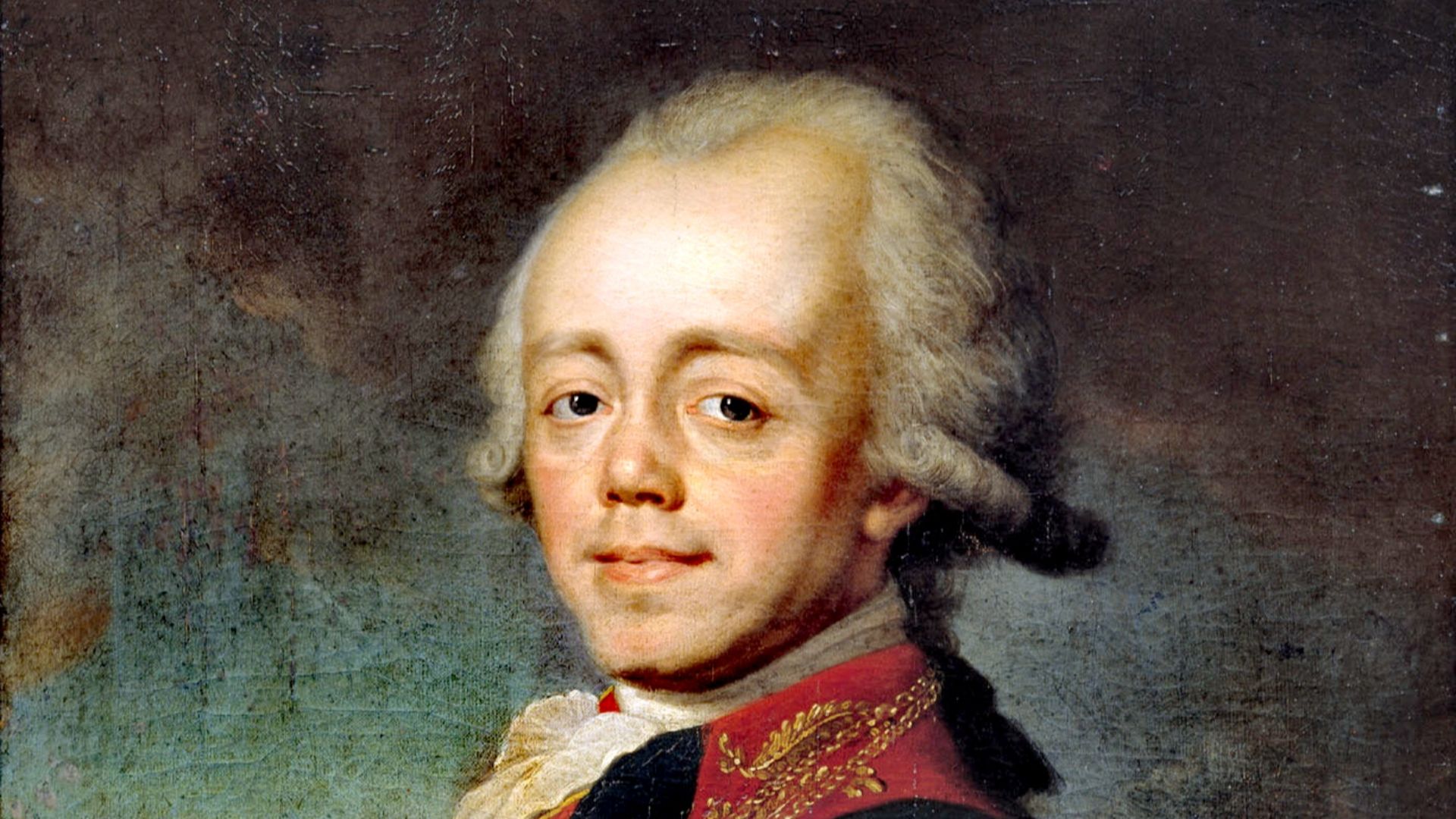
Paul I spent a fortune on the moated Mikhailovsky Castle in St. Petersburg, hoping it would keep him safe. He'd lived there about six weeks when officers from the guard regiments burst into his bedroom one night in March 1801. He was reportedly strangled with an officer's sash, and his son became Alexander I before sunrise.
19. Alexander of Serbia
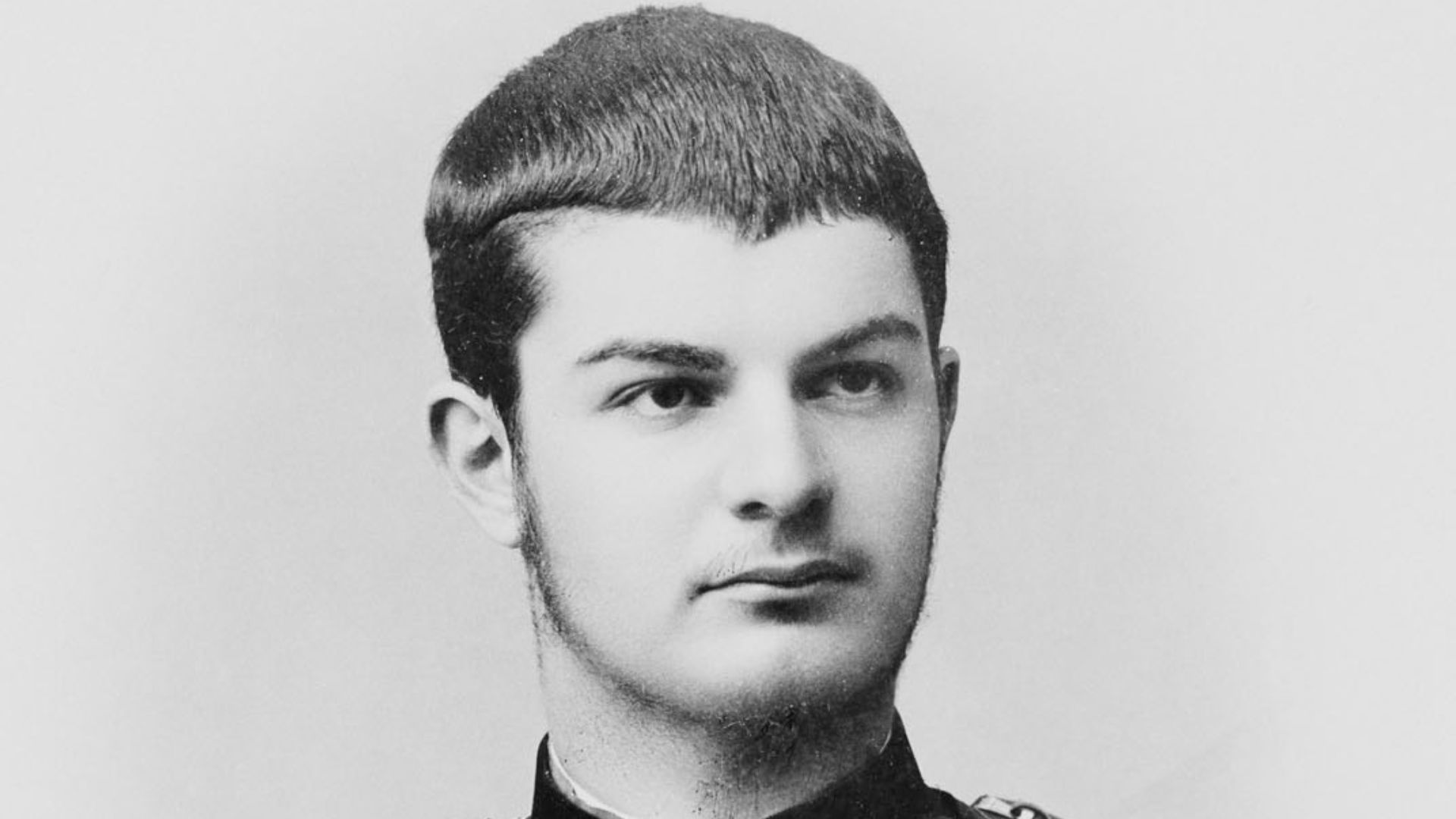
Army conspirators got into the royal palace in Belgrade on the night of June 11, 1903, because an officer of the palace guard let them in. King Alexander and Queen Draga were killed inside and thrown from a window into the garden. Petar Živković, the officer who opened the gate, later served as prime minister of Yugoslavia.
 Unknown artistUnknown artist on Wikimedia
20. Indira Gandhi
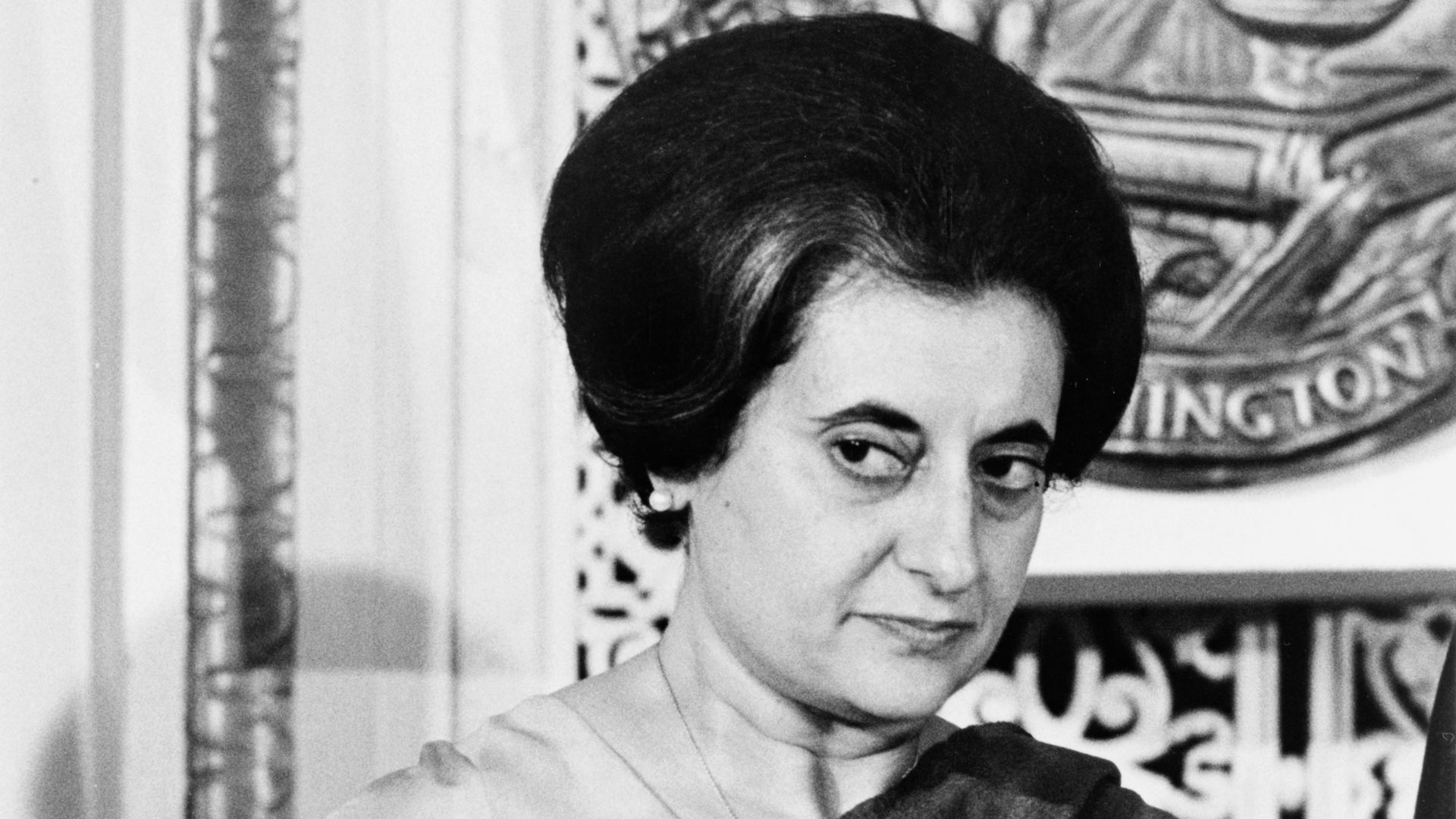
On the morning of October 31, 1984, India's prime minister was walking through her garden in New Delhi to an interview with the actor Peter Ustinov. Two of her Sikh bodyguards, Beant Singh and Satwant Singh, opened fire. The attack followed the Indian army's raid on the Golden Temple in Amritsar that June, and Satwant Singh was later executed for the killing.
 U.S. News & World Report photographer Warren K. Leffler on Wikimedia
KEEP ON READING