20 Historical Deaths Where The Official Story Is Still Hard To Believe
The Version on the Record
Some famous deaths come with an explanation that sounds like a rough draft. A man dies of politeness at dinner. A king drowns in water that wasn't deep enough to cover his knees. Modern technology have settled a few of these, and exhumations and lab work have knocked down more theories than they've confirmed. Here's 20 historical deaths where the official story is still hard to believe.
 McManus-Young Collection on Wikimedia
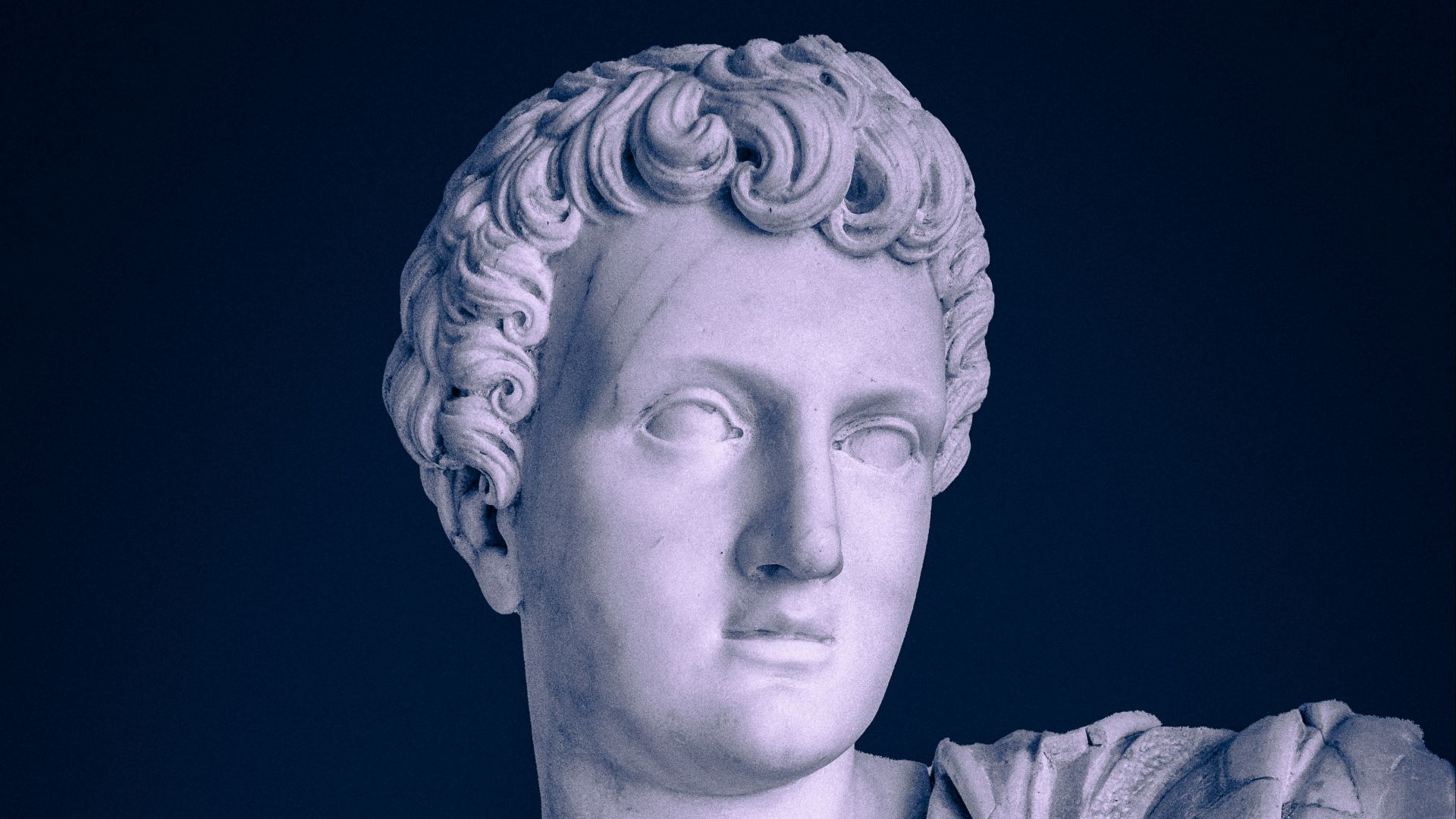
1. Alexander the Great
He drank heavily at a banquet in Babylon in 323 BC, developed a fever, and died about 12 days later at 32. Ancient writers reported that his body showed no decay for six days afterward, which some modern researchers read as a sign he was paralyzed rather than dead. Poison and typhoid have both been proposed since, along with a half dozen other illnesses.
2. Attila the Hun
The man who terrified the Roman Empire died on his wedding night in 453. The account handed down says he drank himself into a stupor, suffered a nosebleed, and choked on his own blood while lying on his back. His new bride, Ildico, was found weeping beside the bed. No wound was reported on the body.
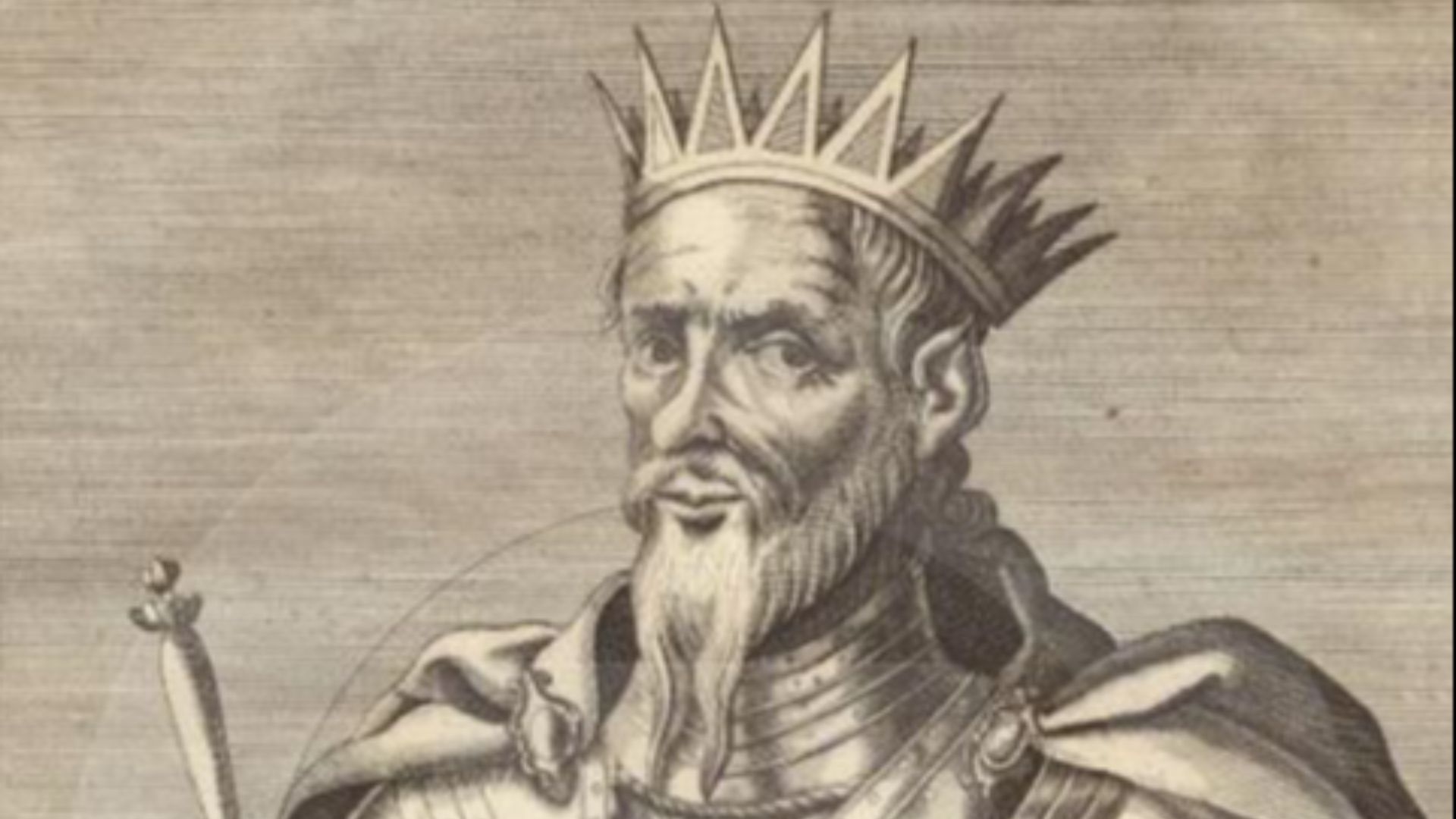
3. Edward II
The English king was deposed in 1327 and died at Berkeley Castle a few months later, conveniently for everyone who had removed him. Chroniclers writing years afterward described a red-hot poker, a story most historians now treat as invention. One serious minority view holds that he escaped and lived out his life in Italy.
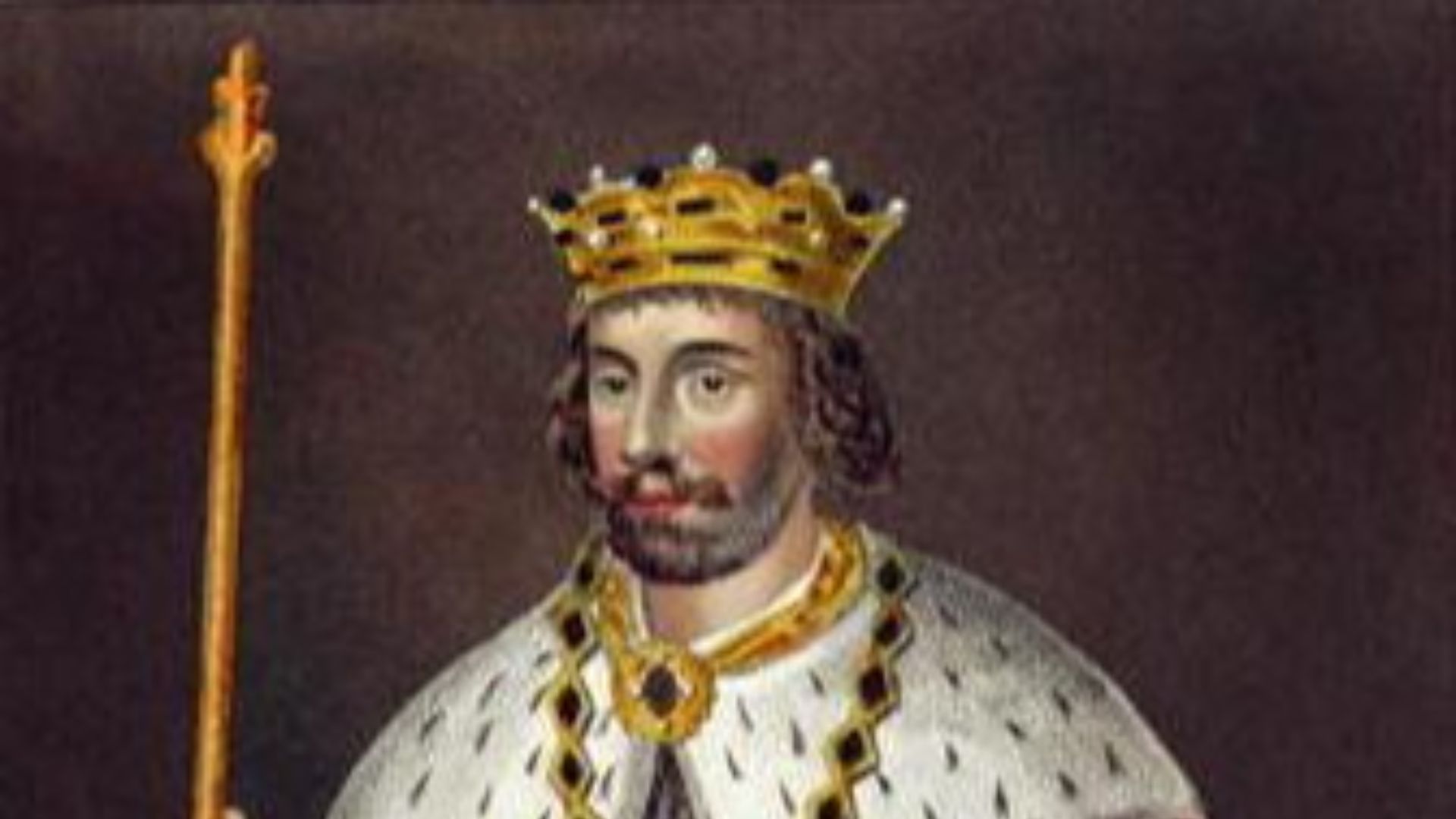
4. The Princes in the Tower
Edward V and his younger brother went into the Tower of London in 1483 and were never seen again. No death was ever announced and no killer was ever charged. Bones found under a staircase in 1674 were reburied in Westminster Abbey. They have never been tested with modern methods, since permission has been refused.
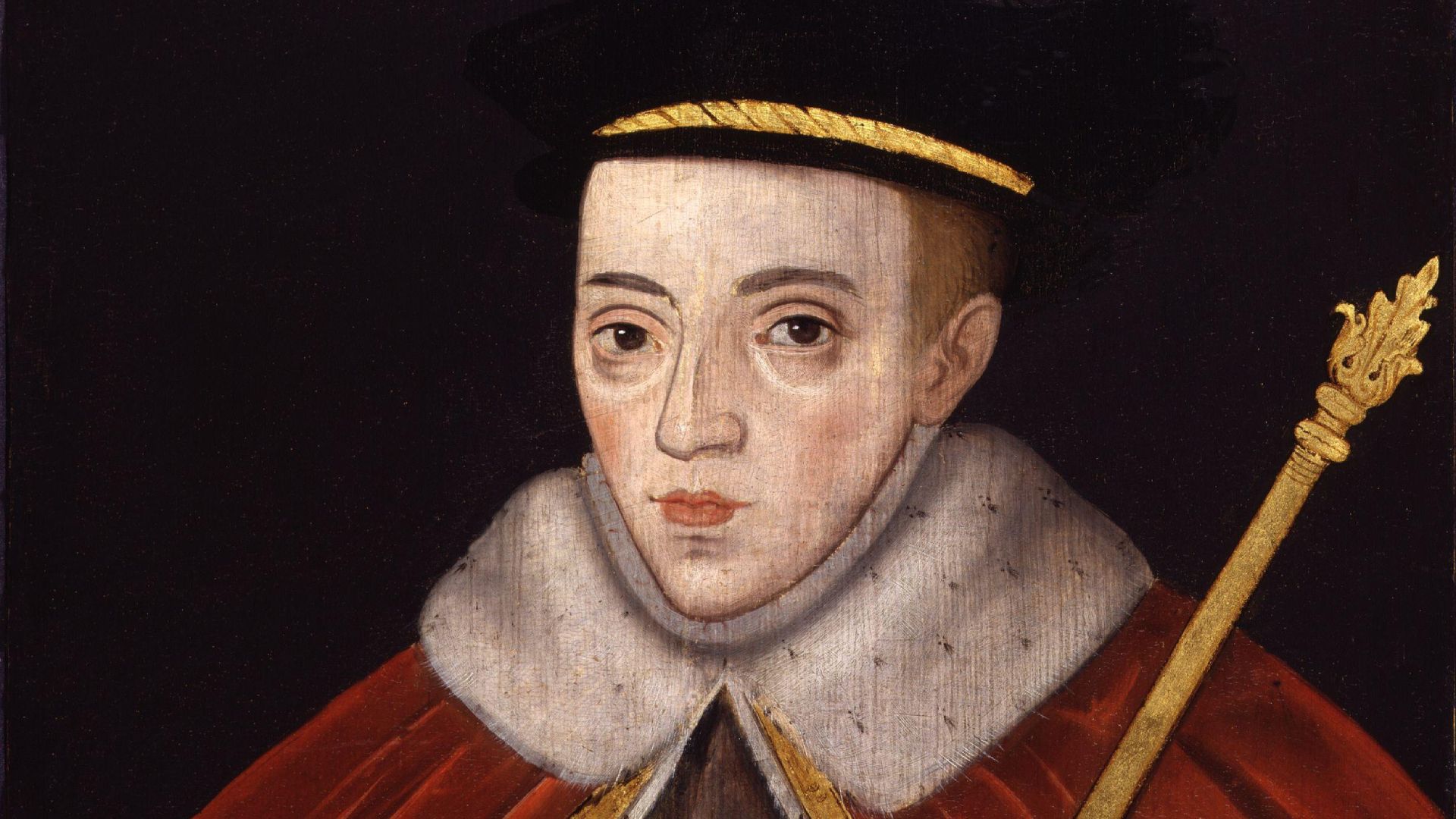 Unknown authorUnknown author on Wikimedia
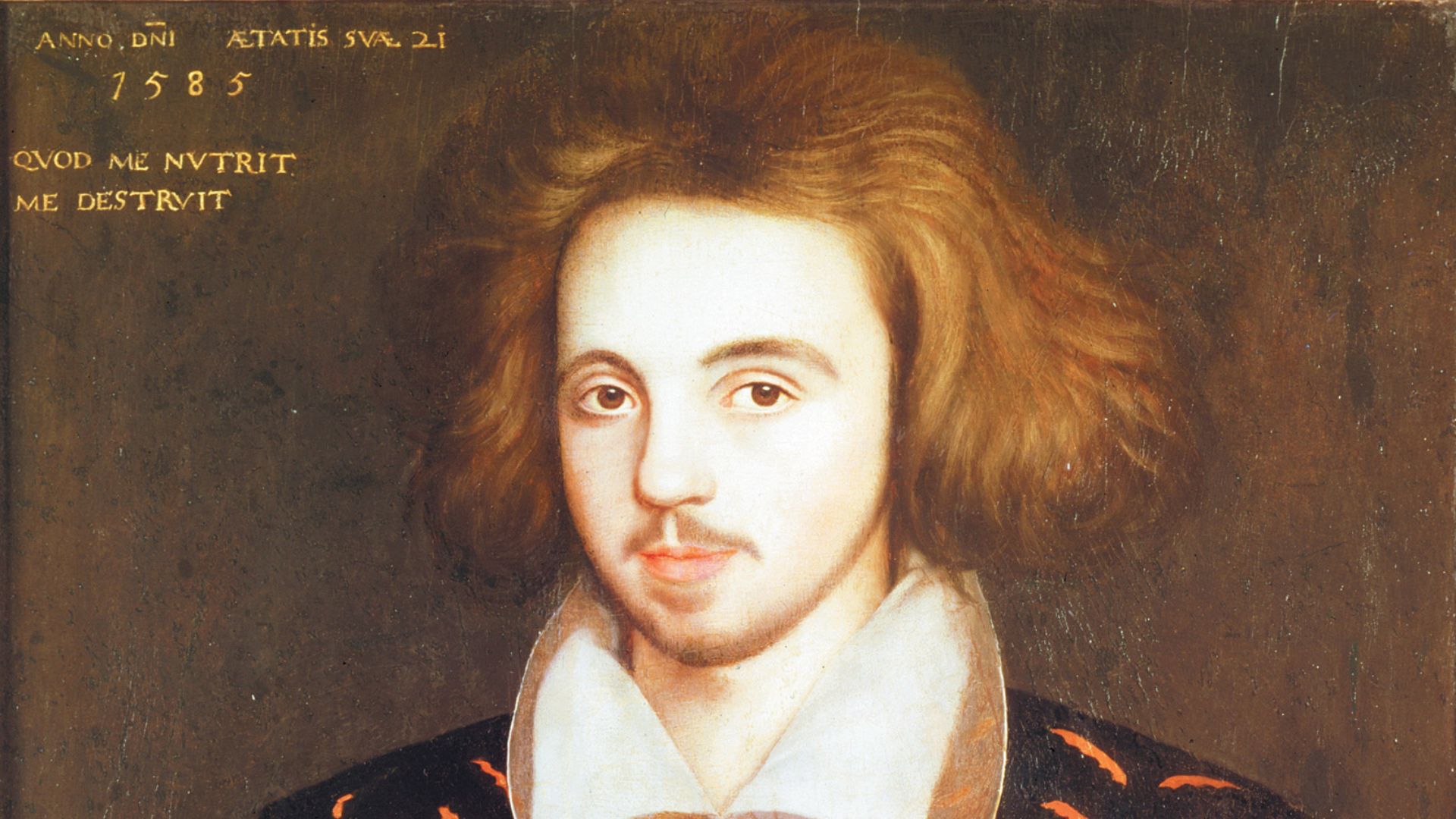
5. Christopher Marlowe
The playwright was stabbed above the eye in a Deptford lodging house in 1593, during an argument the inquest said was about the bill. All three men in the room had links to Elizabeth's intelligence network. Marlowe himself had been arrested days earlier on a heresy charge. Ingram Frizer, the killer, was pardoned within a month.
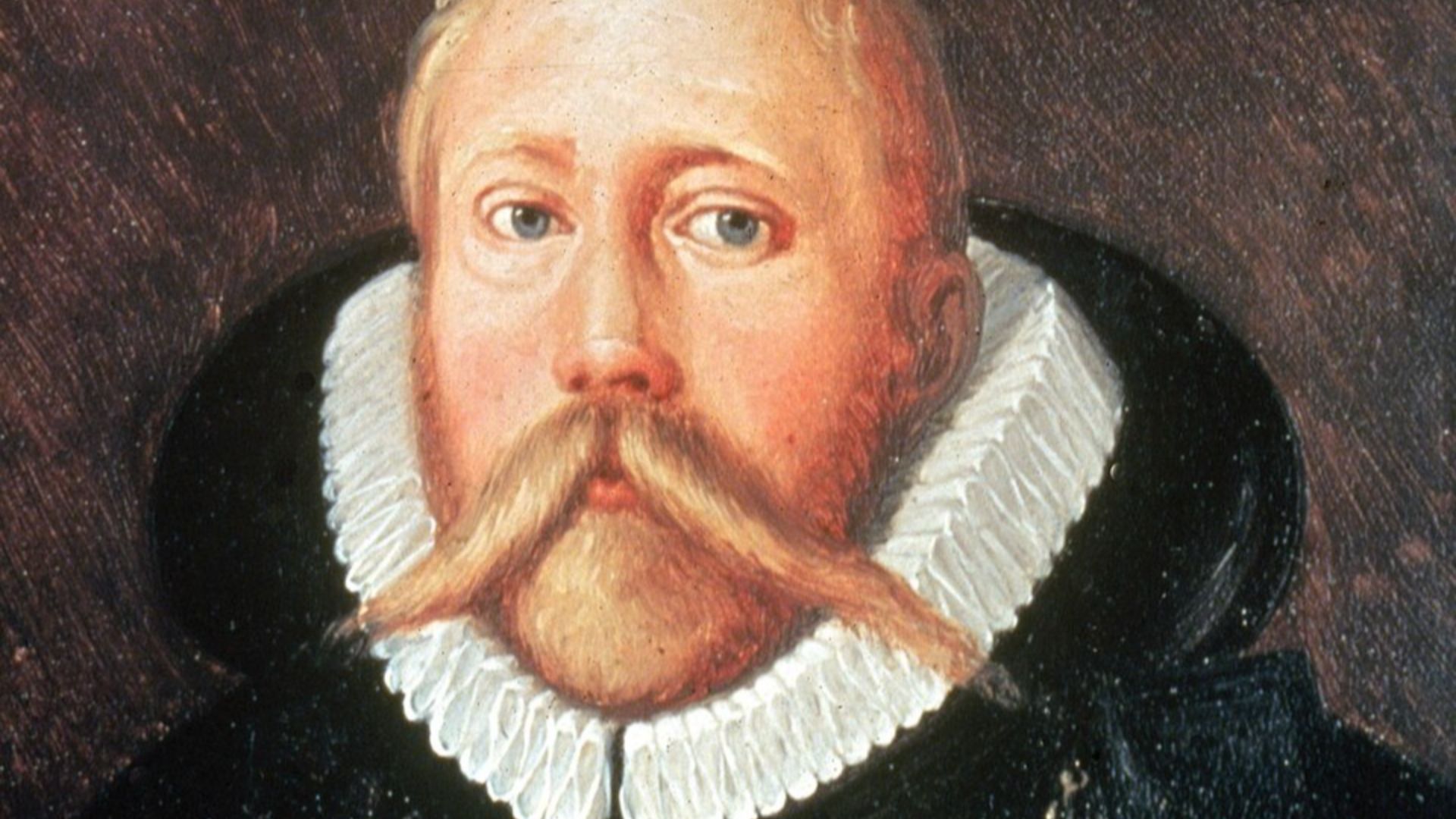
6. Tycho Brahe
The astronomer refused to leave a banquet table in 1601 because getting up would have been rude, and the strain reportedly ruined his bladder. He died 11 days later, in agony by every account. Researchers exhumed him in 2010 and found no evidence of the mercury poisoning some had suspected.
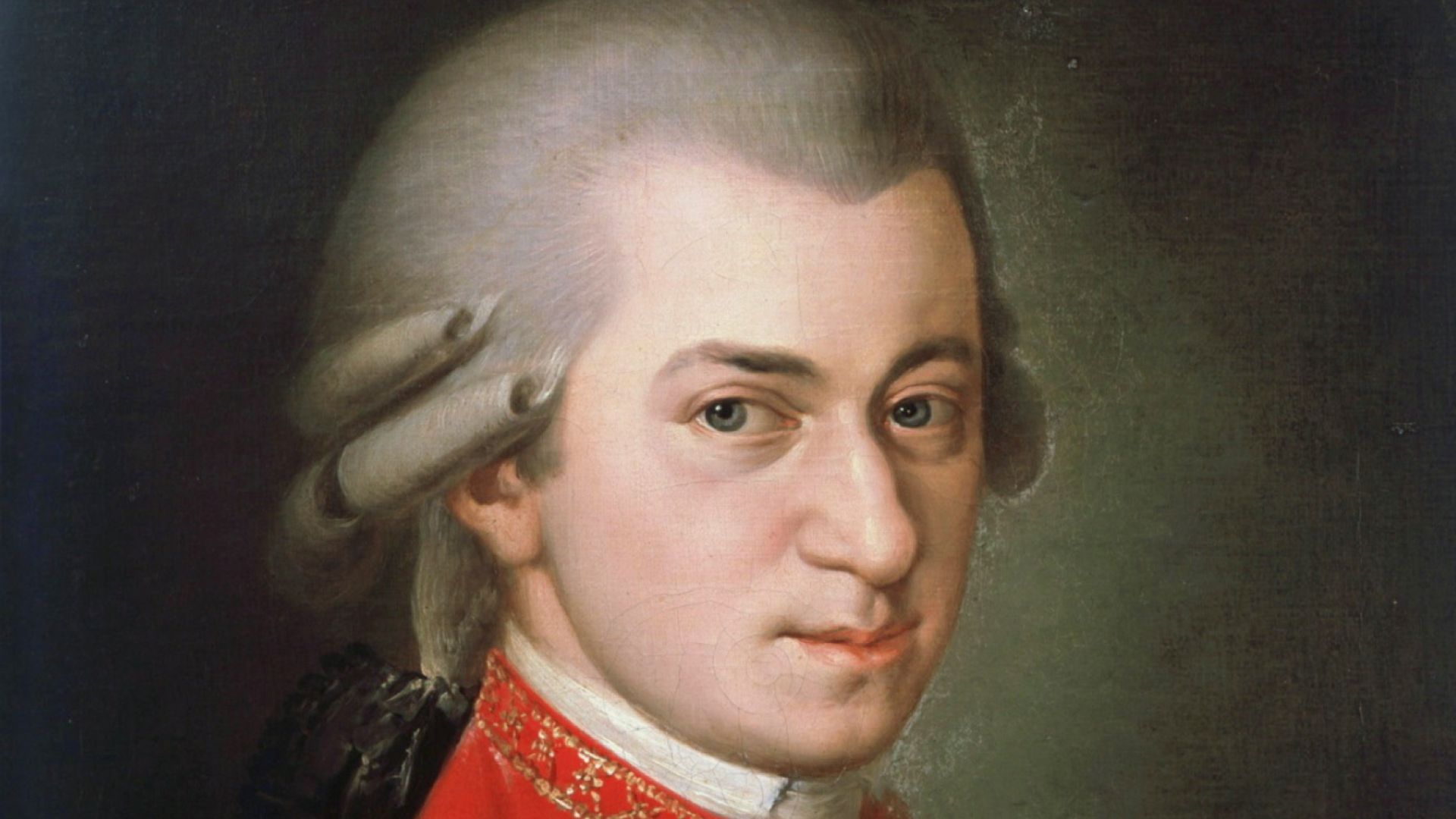
7. Mozart
He died in Vienna in 1791 at 35, after weeks of swelling and fever. The diagnosis entered as severe miliary fever, a description rather than a cause, and rheumatic fever is the leading modern candidate. The rumor that his rival Salieri poisoned him has no evidence behind it and outlived every correction.
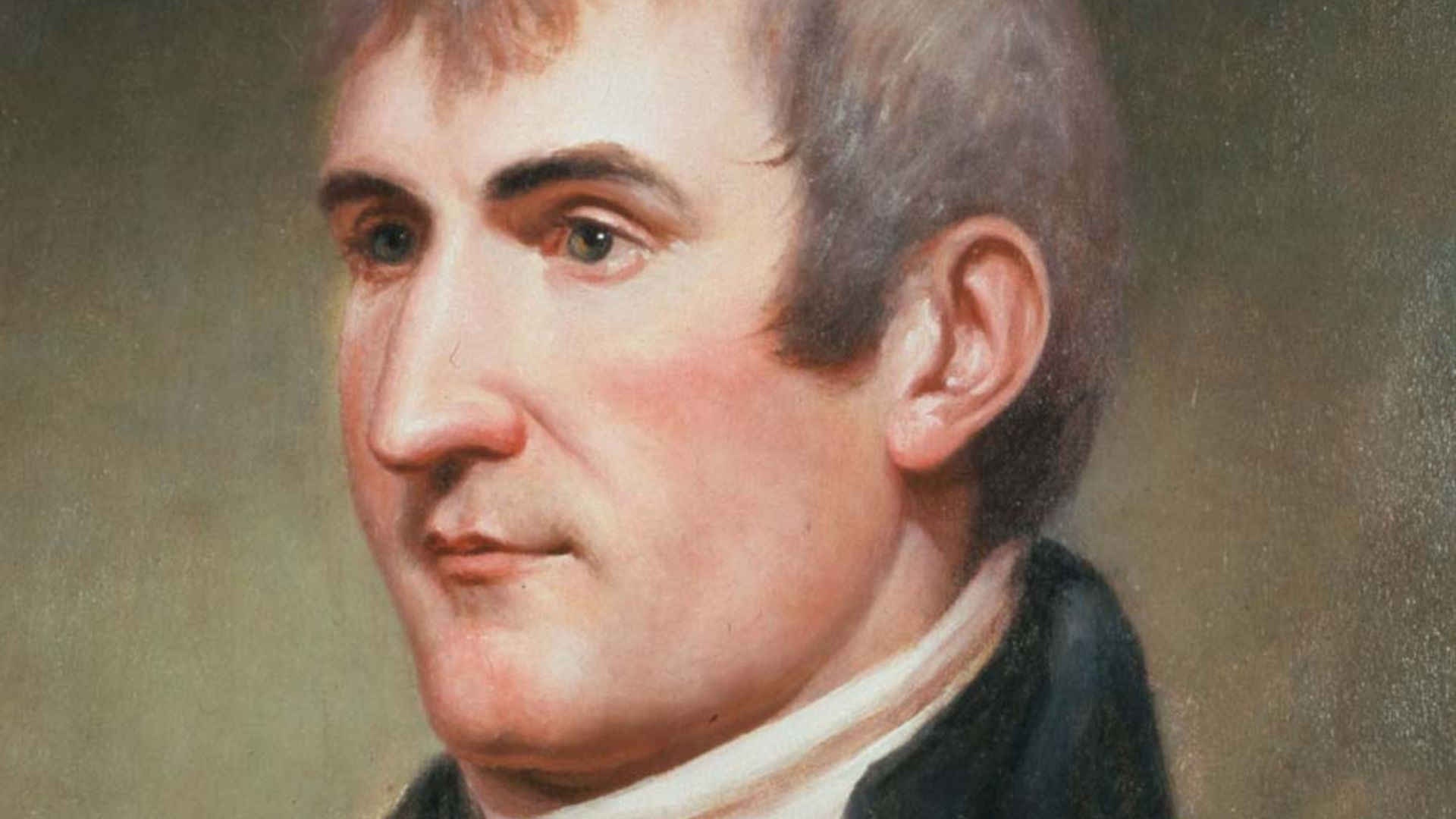
8. Meriwether Lewis
The explorer died at an inn on the Natchez Trace in 1809 with gunshot wounds to the head and the abdomen. Thomas Jefferson accepted it as suicide, and Lewis was drinking heavily and deep in financial trouble. Two wounds from a man alone in a room has kept the argument alive for two centuries. Descendants have petitioned more than once for an exhumation.
 Charles Willson Peale on Wikimedia
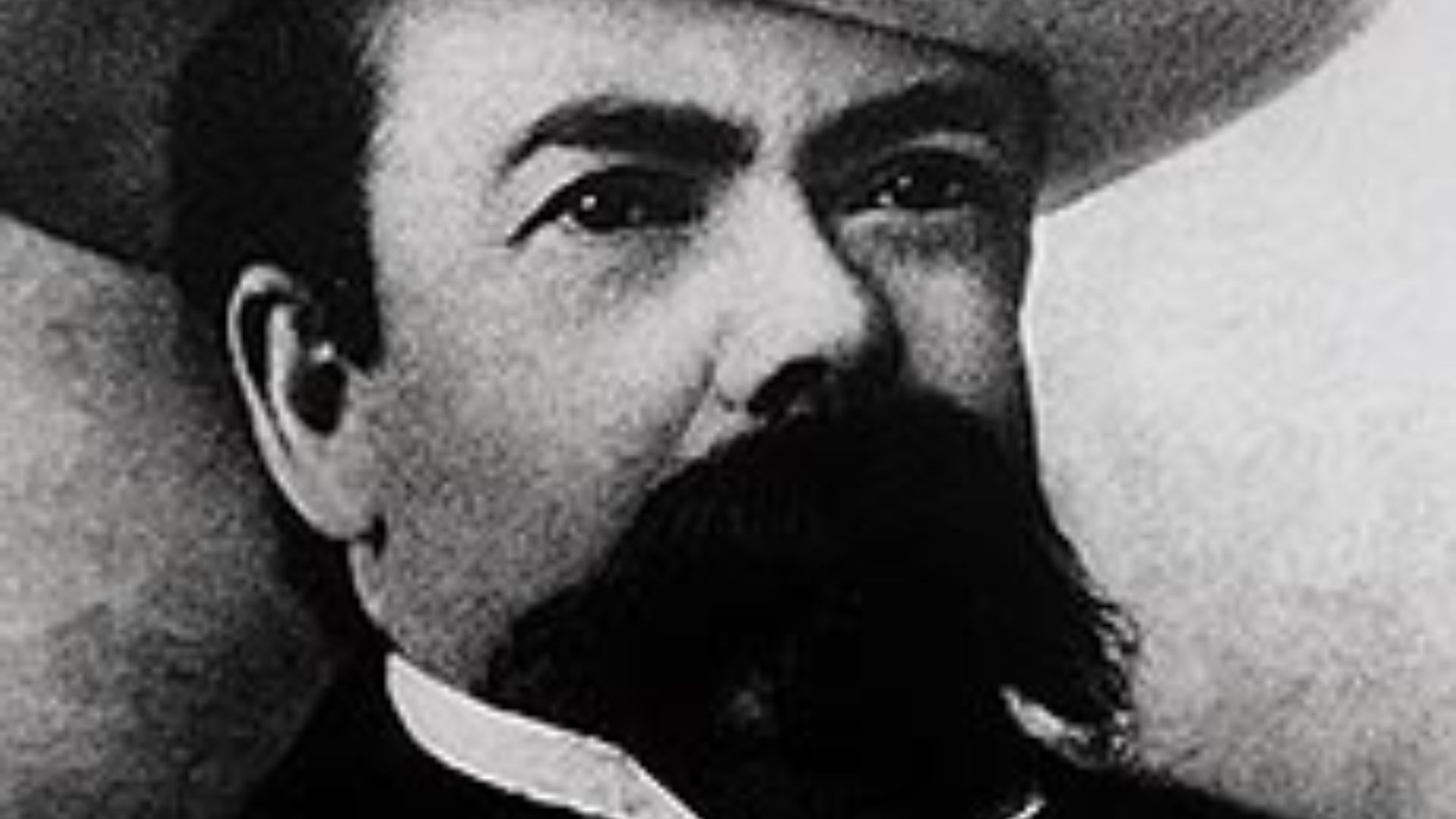
9. Jack Daniel
The distiller reportedly kicked his own safe in frustration one morning around 1906 after forgetting the combination. The injury turned septic, and he died of blood poisoning in 1911. The story comes mostly from company lore, and biographers have found little to support it. Roughly five years separate the kick from the death.
 Unknown authorUnknown author on Wikimedia
10. Napoleon
The official autopsy on St. Helena in 1821 found stomach cancer, which had also killed his father. Hair samples analyzed much later showed elevated arsenic, prompting decades of poisoning theories. Arsenic turned up in wallpaper and patent medicines back then, so the finding proves less than it appears to.
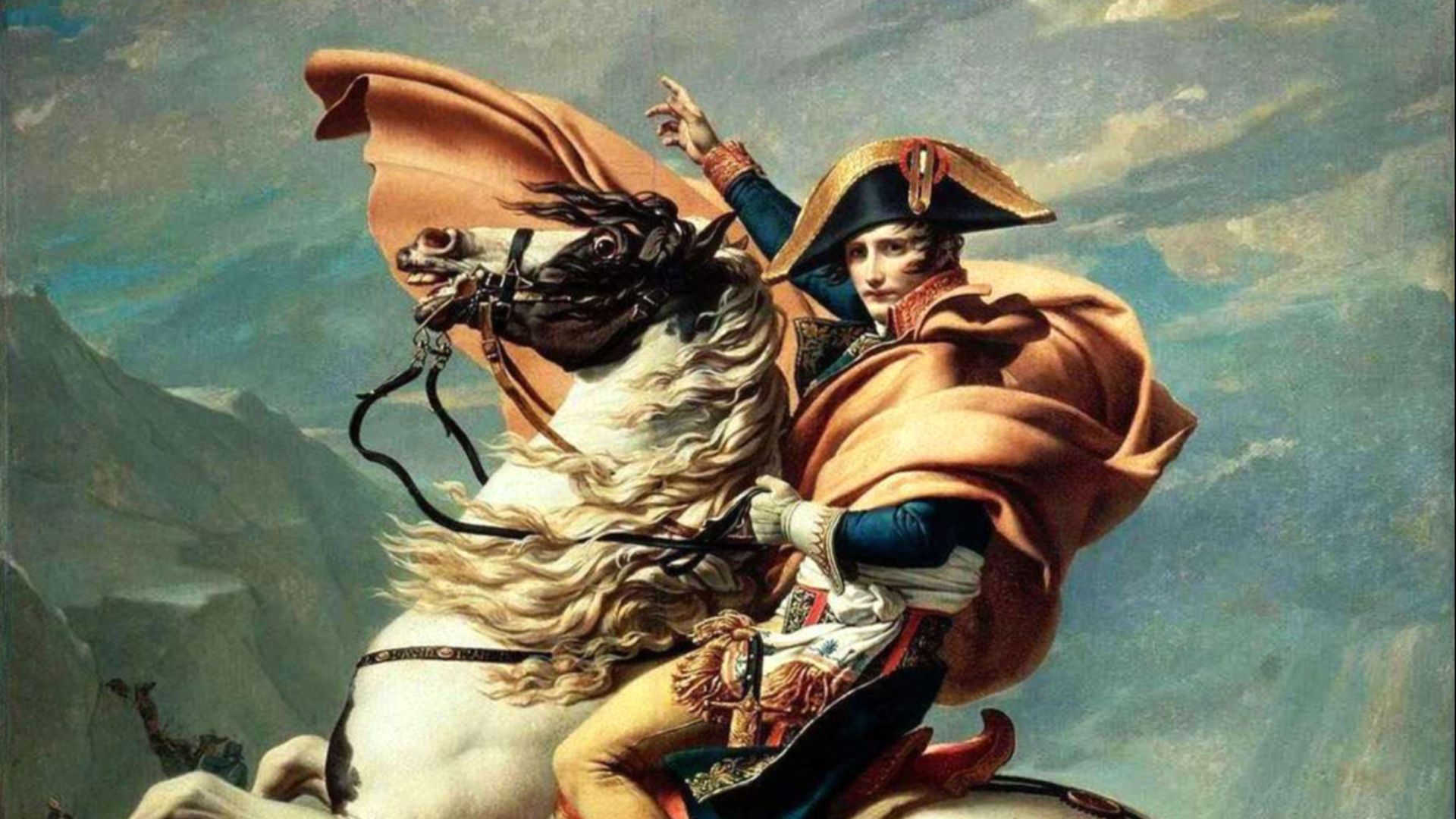 Jacques-Louis David on Wikimedia
11. Edgar Allan Poe
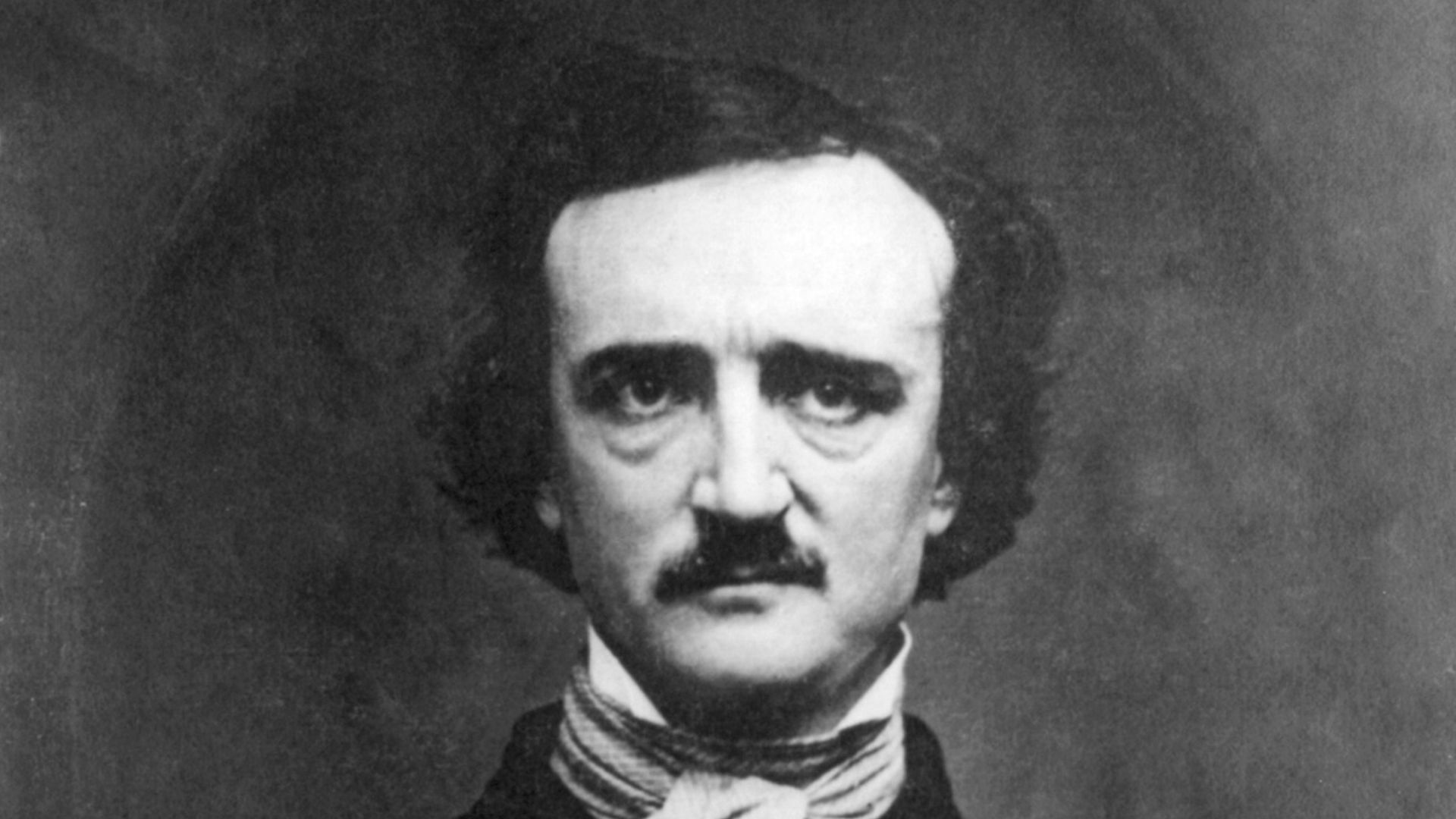
Poe was found delirious outside a Baltimore tavern in 1849, wearing clothes that weren't his, and died four days later without ever explaining what happened. The attending physician's records and the death certificate are both lost. Rabies and alcohol are two leading explanations, and a voting scam called cooping is another. Poe was found on an election day, near a polling place.
12. Zachary Taylor
The president ate cherries and drank iced milk at a Fourth of July event in 1850 and was dead within five days. Poisoning talk persisted for well over a century, and in 1991 his descendants agreed to an exhumation. Lab work turned up arsenic levels consistent with any ordinary 19th-century body. Gastroenteritis remains the likeliest answer.
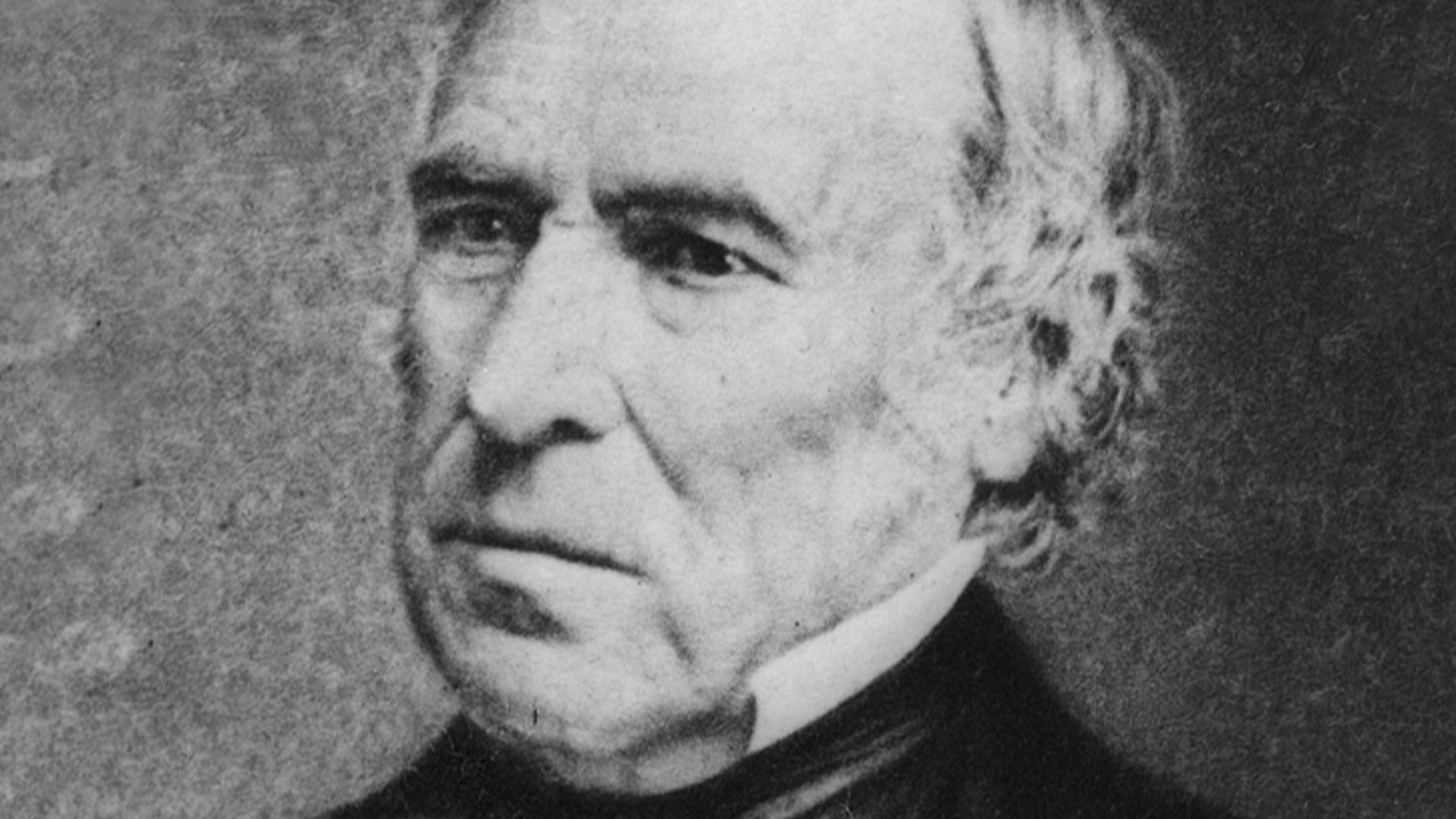 Connormah, Mathew Brady on Wikimedia
13. Ludwig II of Bavaria
Days after being declared insane and removed from power, Ludwig went for an evening walk with the psychiatrist who had certified him. The date was June 13, 1886. Both were found dead hours later in Lake Starnberg, in water about waist deep. The autopsy called it drowning, and contemporary accounts reported no water in his lungs. The case file has never fully satisfied Bavarian historians.
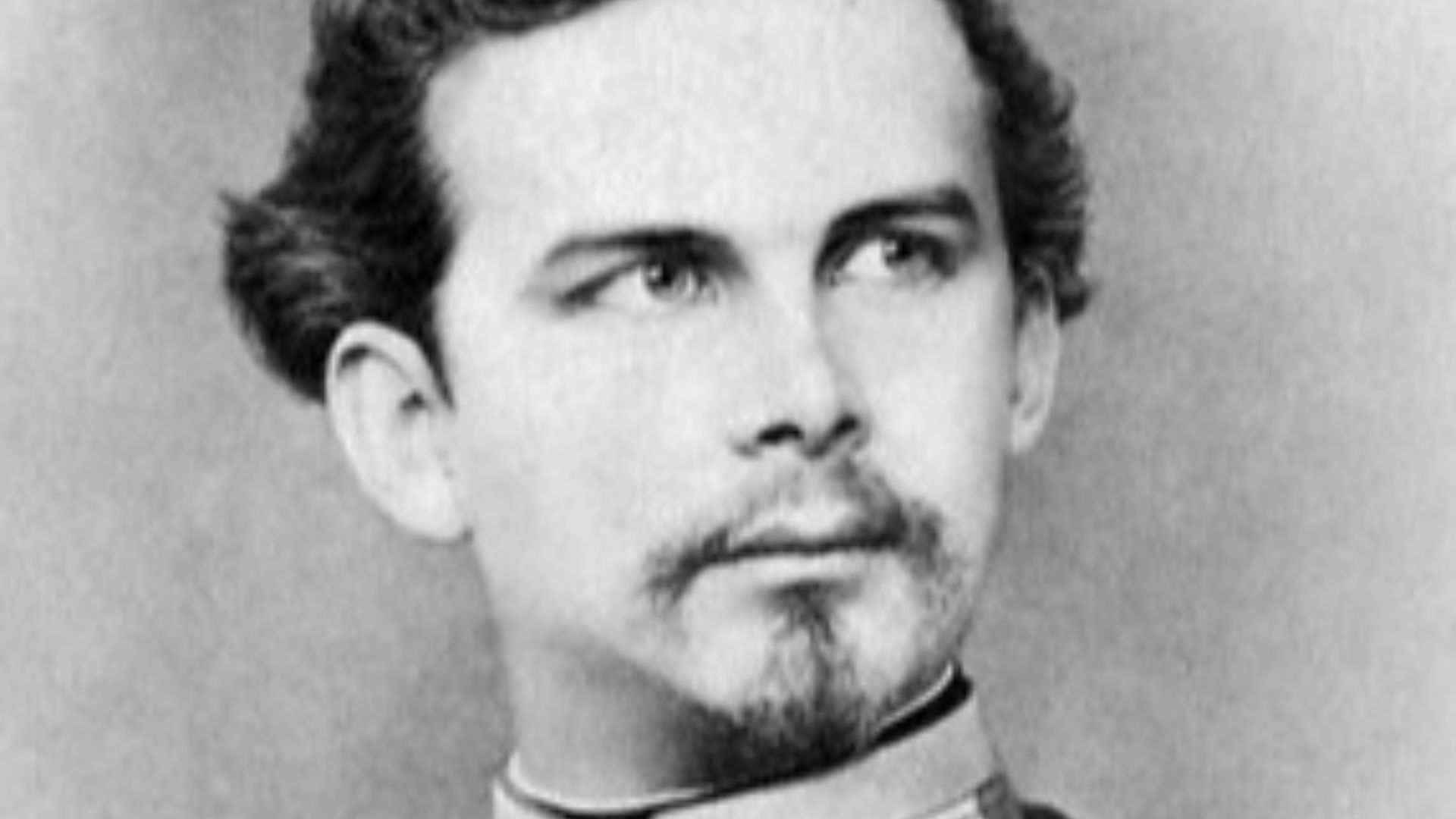 Unknown authorUnknown author on Wikimedia
14. Tchaikovsky
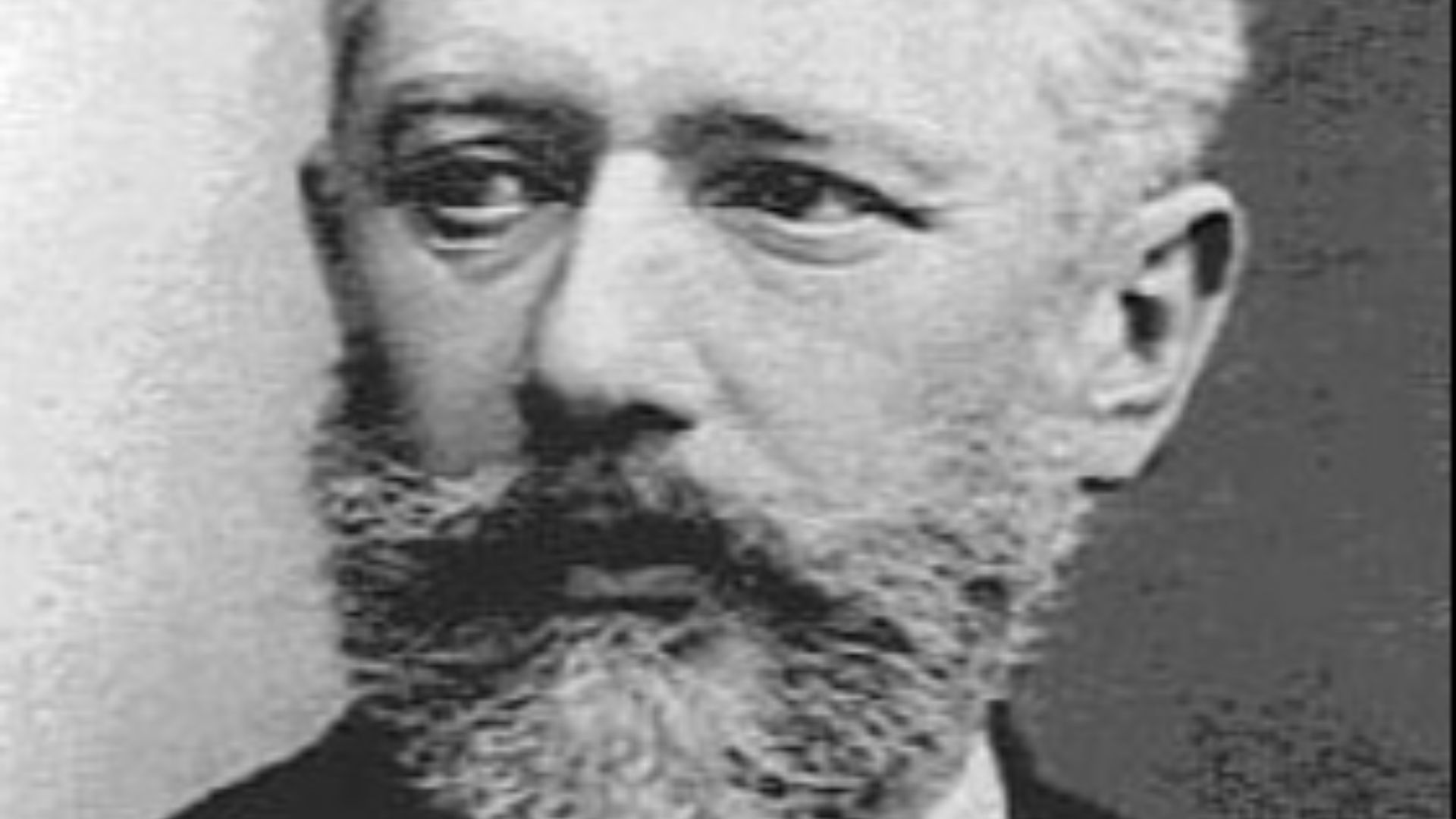
Tchaikovsky was dead nine days after conducting the premiere of his sixth symphony in 1893. Cholera went on the record, supposedly contracted from a glass of unboiled water during an outbreak. Some scholars argue he was pressured into suicide over a scandal, though the documentary evidence for that is thin. Witnesses did describe him drinking unboiled water in public.
 Charles Reutlinger on Wikimedia
15. Rasputin
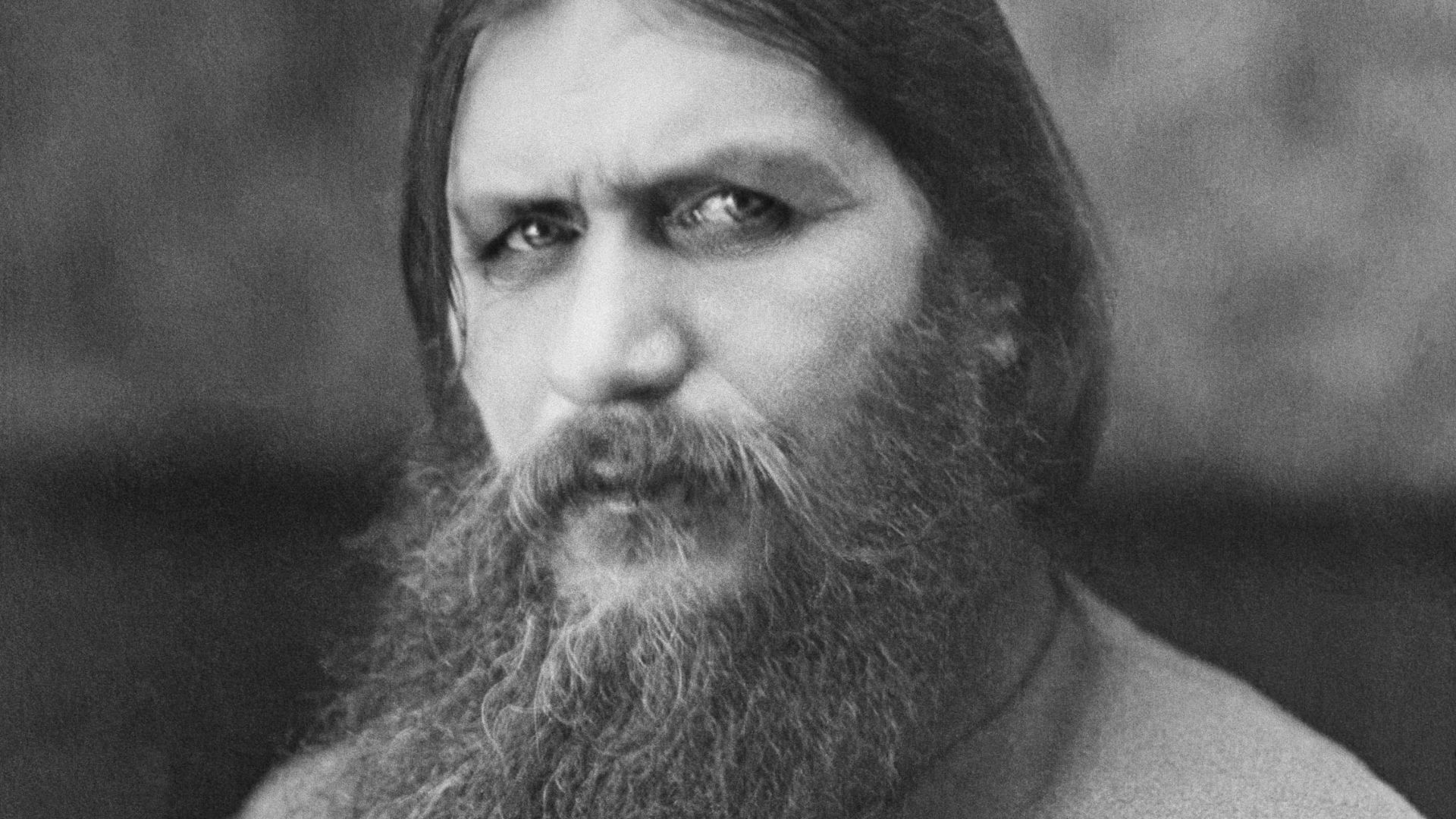
The best-known version has him surviving poisoned cakes and wine, then gunshots, before drowning in the Neva in 1916. Felix Yusupov wrote that account himself, years later, in a memoir that sold well. The autopsy found three bullet wounds and no trace of poison. A shot to the forehead almost certainly killed him before the river did.
 Unknown authorUnknown author on Wikimedia
16. Warren Harding
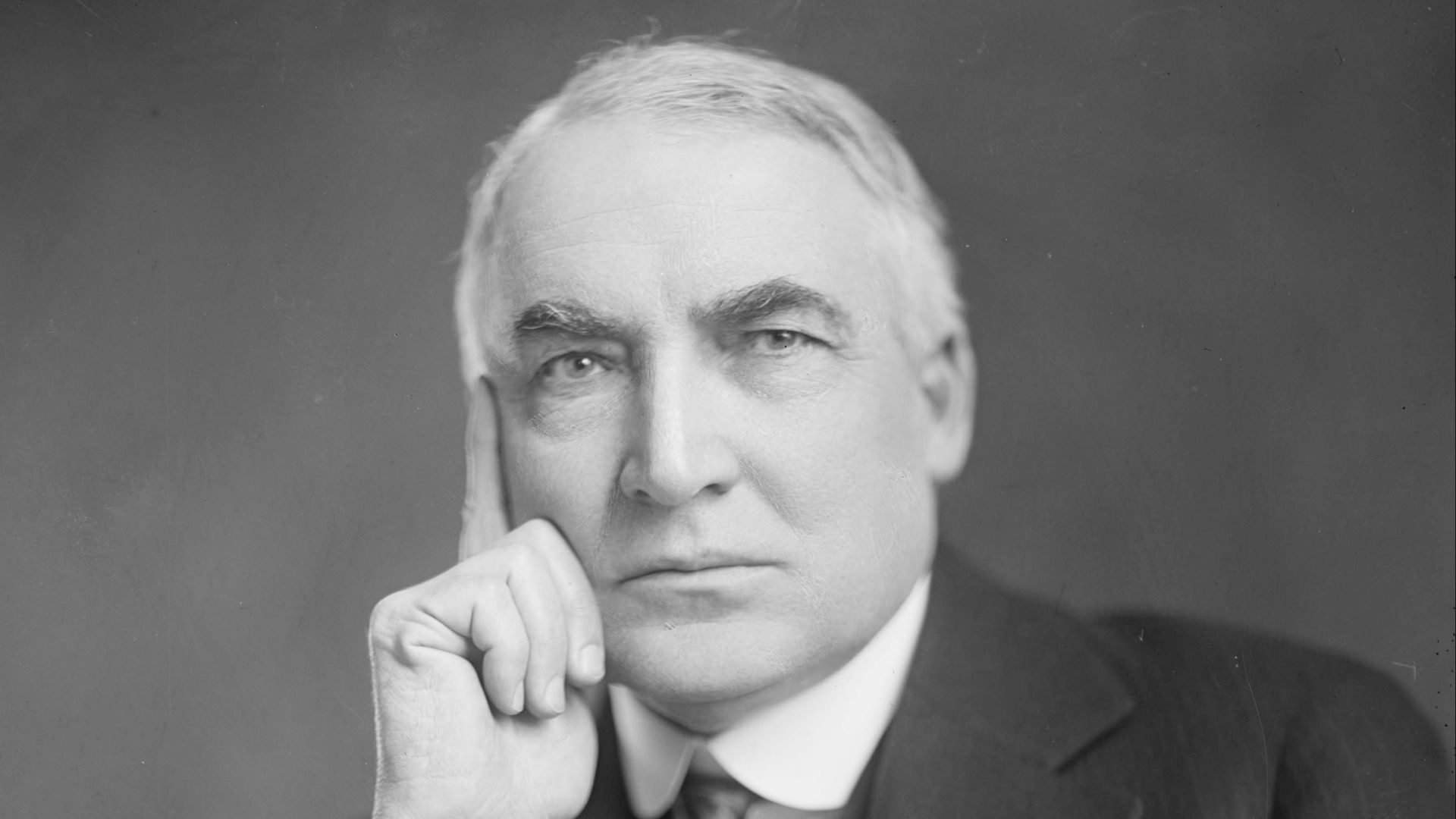
The president collapsed in a San Francisco hotel room in 1923 during a western tour. His wife refused an autopsy and had the body embalmed within an hour, which fed rumors for years. Doctors then and now point to heart disease, since he had looked visibly unwell for weeks. His reputation collapsed after the funeral, which gave the rumors room to grow.

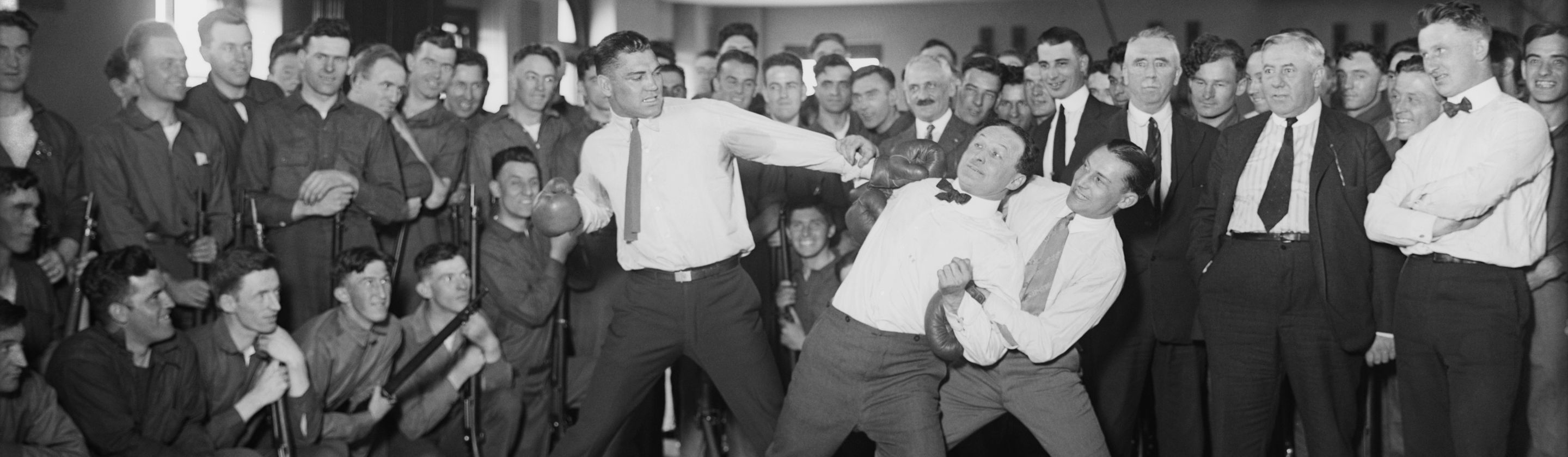
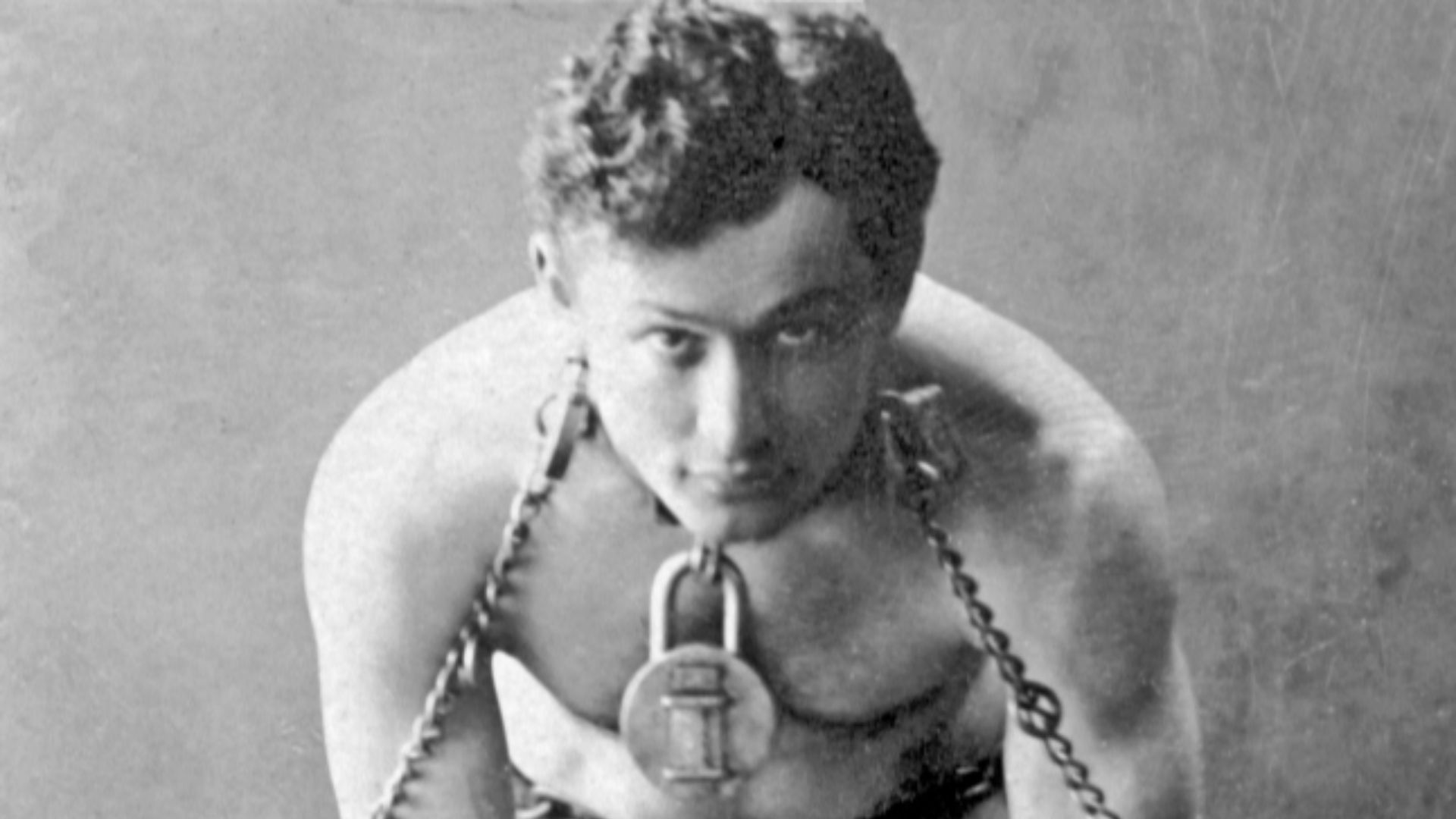
17. Harry Houdini
A student punched Houdini in the abdomen in a Montreal dressing room in October 1926, reportedly before he could brace himself. He performed for several more days with a fever, collapsed on stage in Detroit, and died of peritonitis from a ruptured appendix on Halloween. Whether a punch can rupture an appendix is still debated by physicians. His insurance company paid double indemnity for an accidental death.
 Unknown authorUnknown author on Wikimedia
18. Joseph Stalin
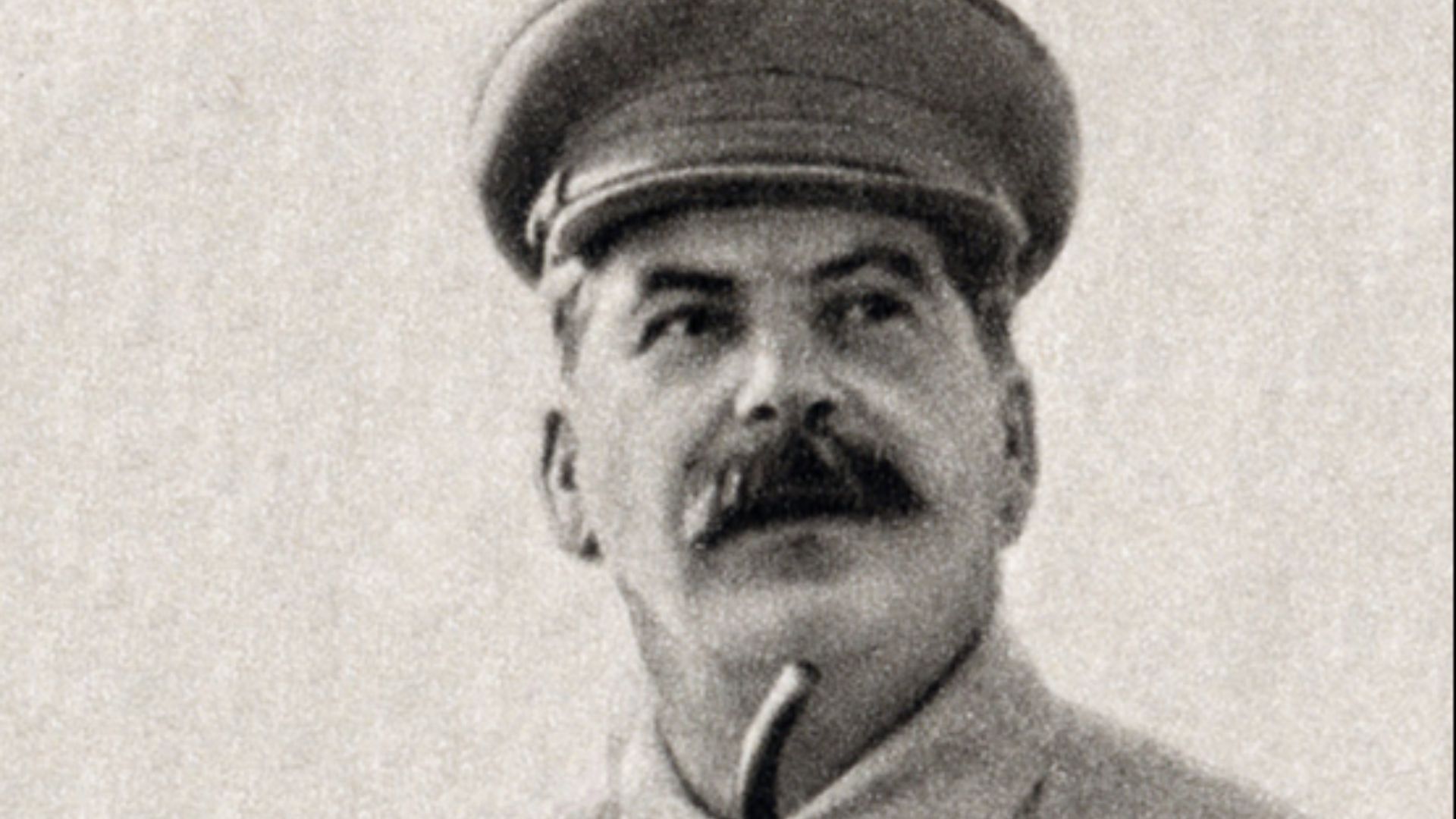
Stalin collapsed at his dacha in March 1953, and his guards waited many hours before entering, since walking in uninvited had killed people before. Doctors arrived late, and the men around him had reason to prefer he not recover. The stroke diagnosis fits what was observed, which leaves the delay as the strange part.
 Unknown authorUnknown author on Wikimedia
19. Dag Hammarskjöld
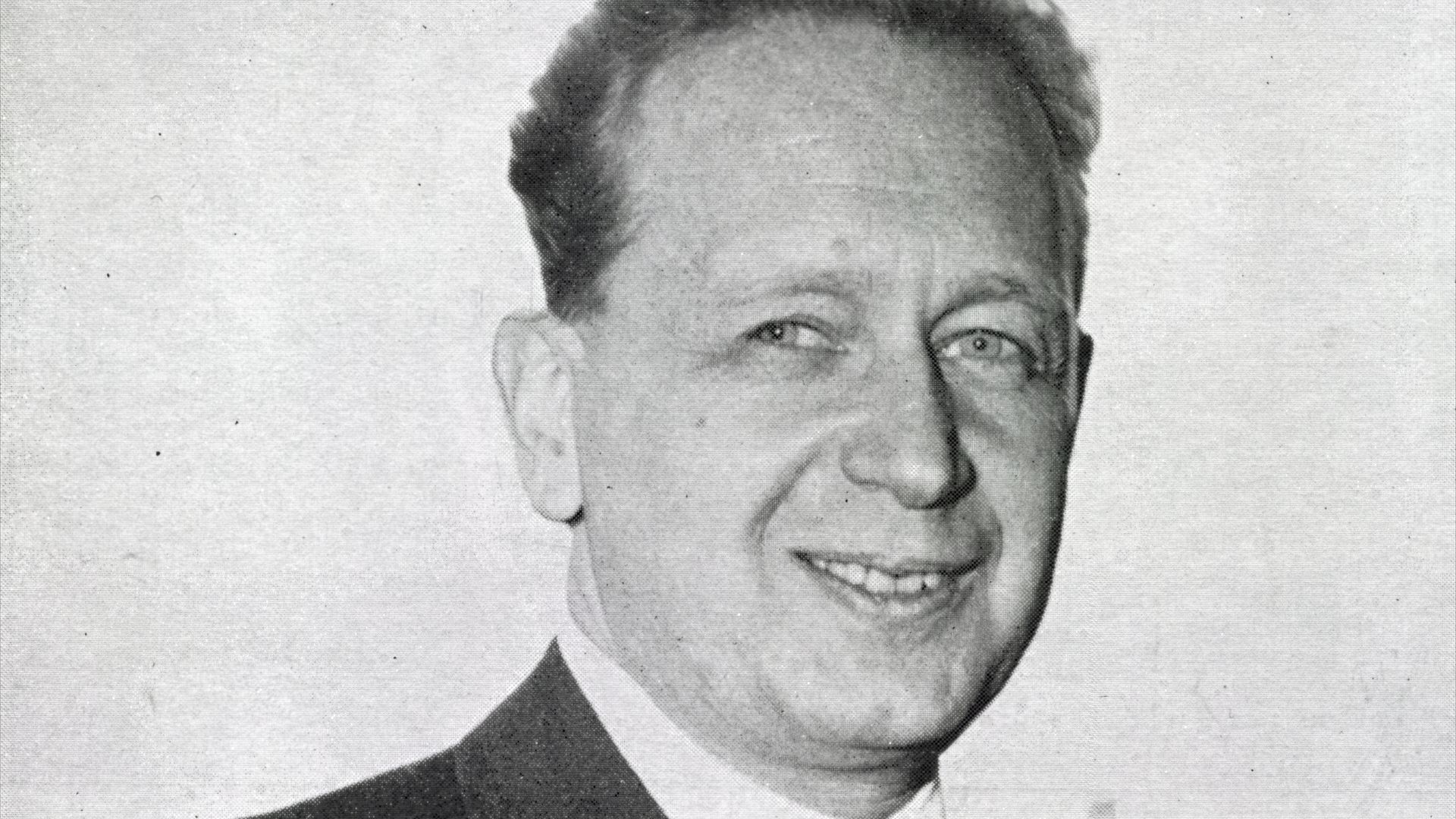
The UN secretary-general's plane went down near Ndola in 1961 while he was flying to negotiate a ceasefire in Congo. The original inquiry recorded pilot error and left an open verdict. The UN has reopened the case several times since, most recently over intercepted radio traffic and reports of a second aircraft.
 Unknown authorUnknown author on Wikimedia
20. Pope John Paul I
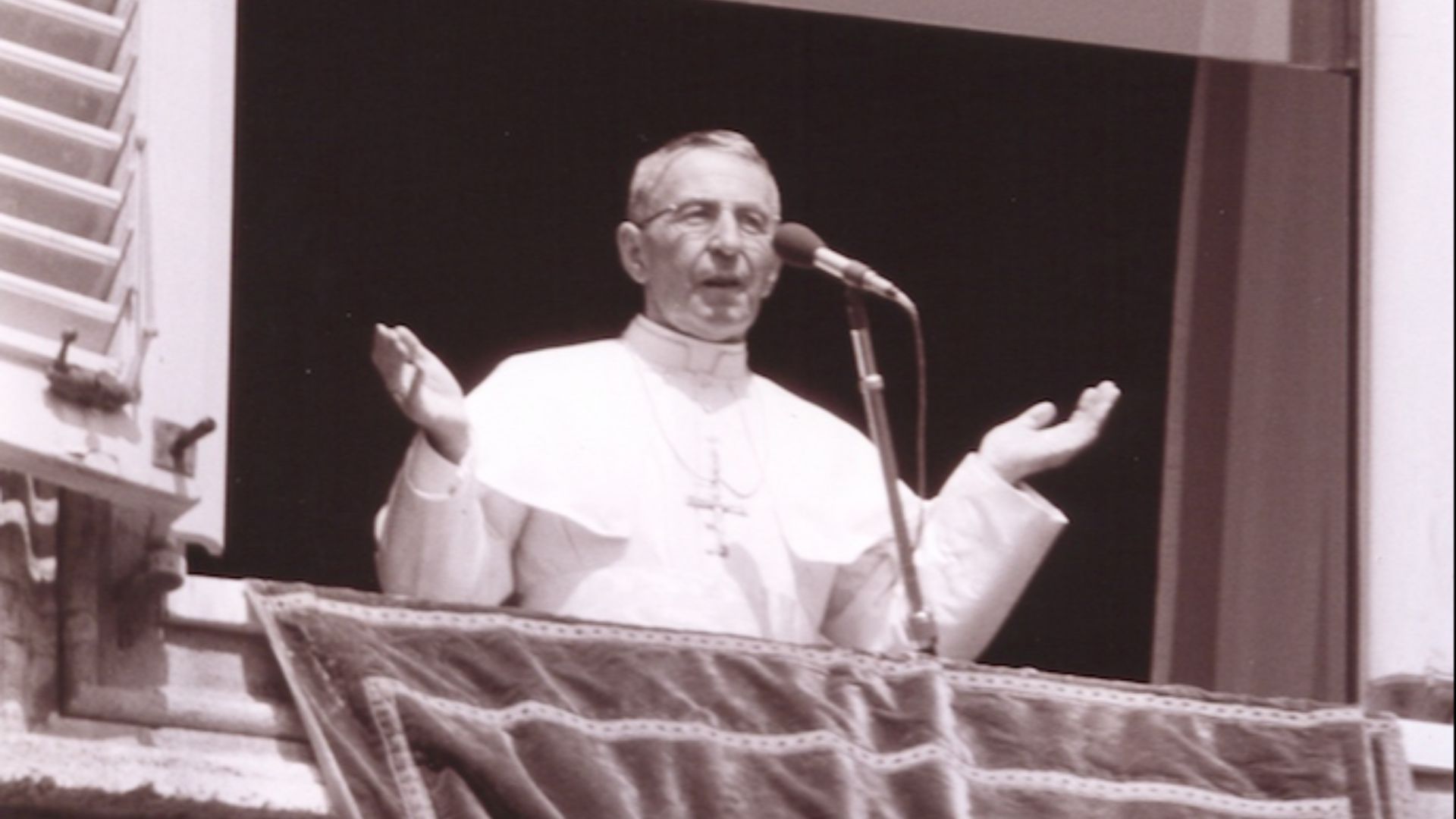
The pope died 33 days into his papacy in 1978. The Vatican's first account named the wrong discoverer and the wrong book in his hands. No autopsy was performed. The correction that followed was accurate, and the initial version kept conspiracy books in print for decades. He was 65, and no heart condition appears in his records.
 Sentinelle del mattino International on Wikimedia
KEEP ON READING