I Thought My Husband Planned a Second Honeymoon to Save Our Marriage—Then I Found Another Woman's Name on Our Reservation
I Thought My Husband Planned a Second Honeymoon to Save Our Marriage—Then I Found Another Woman's Name on Our Reservation
The Distance Between Us
Thirty-two years is a long time to share a life with someone. Long enough that you stop noticing the small things — the way he used to reach for your hand during commercials, the way he'd ask about your day before you even got your coat off. I couldn't tell you when Glenn stopped doing those things. There was no fight, no moment I could point to and say, that's where it broke. It just... drifted. Like a boat that slips its mooring so slowly you don't notice until you look up and the shore is gone. These days our conversations ran on a tight schedule: the electric bill was due, the car needed an oil change, his mother's birthday was coming up. We ate dinner in front of the television most nights, passing the remote back and forth like that was enough of a connection. He'd go to bed around nine-thirty, sometimes without saying goodnight, and I'd sit there in the blue light of whatever show I'd half-watched, not quite ready to follow him into a room that felt like a formality. That night was no different. I heard his footsteps on the stairs, the familiar creak of the third step, and then silence. I sat at the kitchen table with my hands wrapped around a mug that had gone cold, and the quiet settled around me like it always did.
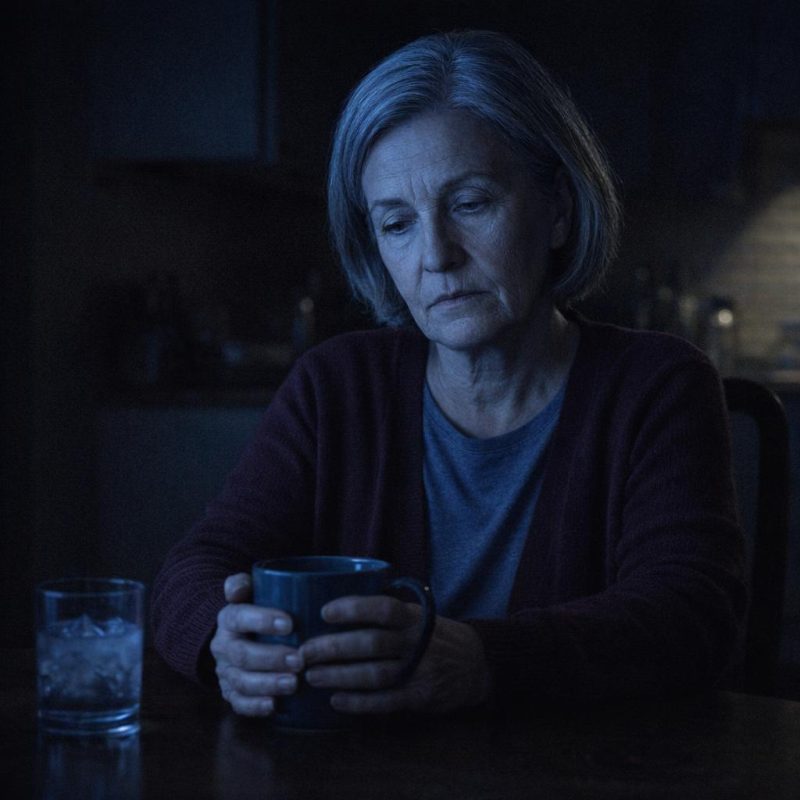 Image by RM AI
Separate Errands
Saturdays used to mean something. Early in our marriage, Glenn and I would sleep in, make a big breakfast, argue pleasantly about what to do with the day. Now they just meant we were home at the same time without any particular reason to talk. He was up before me most weekends, out the door with a list of errands he'd never mentioned the night before. No knock on the bedroom door, no note on the counter. I'd find out he'd gone when I came downstairs and the coffee was already half-empty and cold. I did my own shopping, my own errands, drove my own route through town. We'd pass each other in the hallway sometimes — him coming in with grocery bags, me heading out with my keys — and we'd do this little shuffle, this polite sidestep, like strangers sharing a narrow sidewalk. 'Need anything?' one of us might say. 'No, I'm good,' the other would answer. And that would be it. By evening we were both tired in that hollow way that comes from a full day of doing nothing that mattered together. I started loading the dishwasher and noticed his coffee mug still sitting on the counter from that morning, right where he'd left it, untouched and cold.
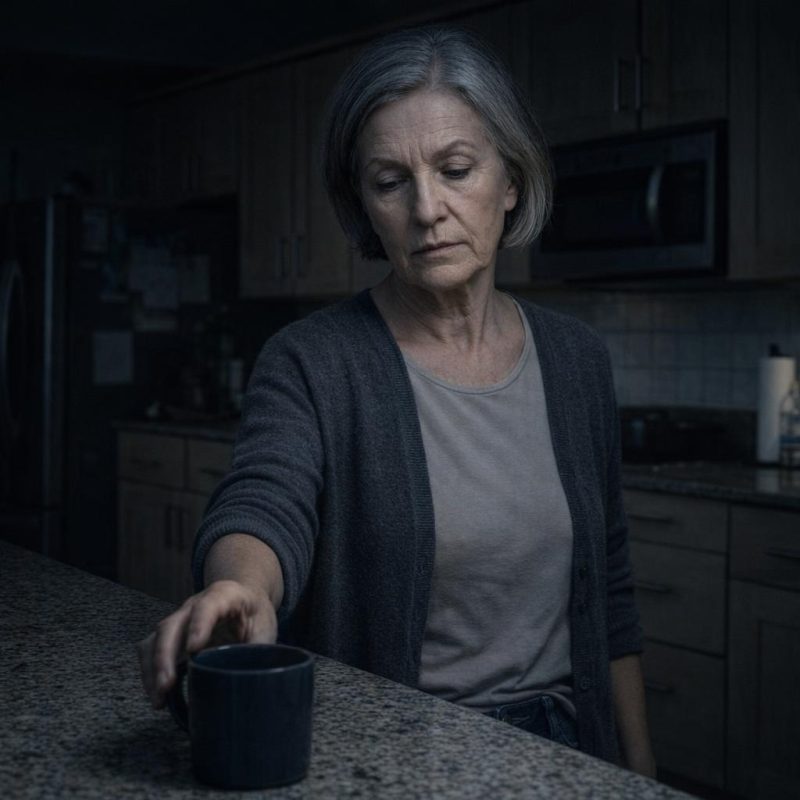 Image by RM AI
Low Expectations
I'm not sure exactly when I stopped hoping things would change. It wasn't a decision I made consciously — more like something that happened the way a candle burns down, so gradually you don't notice until the room is dark. I used to make little plans in my head. We'd travel when he retired. We'd take a cooking class, or drive up the coast, or just sit on a porch somewhere and finally have the conversations we kept putting off. I stopped making those plans somewhere along the way. When I tried to picture our retirement now, I couldn't get the image to hold. It kept dissolving into something vague and gray — two people in the same house, moving around each other, filling the hours. I thought about couples I knew who seemed genuinely happy in their sixties, and I'd try to trace back to where we'd taken a different turn, but I could never find it. There was no villain in this story, no dramatic betrayal. Just time, and distance, and two people who had gotten very good at being alone together. The anger had burned off years ago. What was left wasn't even sadness exactly — more like the quiet ache of something you'd already grieved without realizing you were grieving it. I sat with that weight for a long time, the understanding that this might simply be all we would ever have.
 Image by RM AI
The Proposal
It was a Tuesday evening, which is not the kind of night you expect your life to shift even slightly. I was rinsing dishes when Glenn came into the kitchen holding his laptop open with both hands, like he was carrying something fragile. He set it on the counter and said, 'I want to take you somewhere.' I turned off the faucet and looked at him. He was nervous — I could see it in the way he kept touching the edge of the laptop — but there was something else there too, something that looked almost like excitement. He'd found a resort on the coast. Oceanfront rooms, he said. Nice restaurant, walking trails, the whole thing. He wanted us to go for a long weekend, just the two of us. I stood there with wet hands and didn't say anything for a moment because I genuinely didn't know what to say. We hadn't taken a trip together in years. Not a real one. He said, 'I want it to be like it used to be. Just us.' His voice was quieter when he said that part, and I had to look away because my eyes were doing something embarrassing. I didn't let myself get too far ahead of it. But standing there in the kitchen with the water still dripping from my hands, I felt something I hadn't felt in a long time — the small, tentative bloom of hope that he still wanted us to be something.
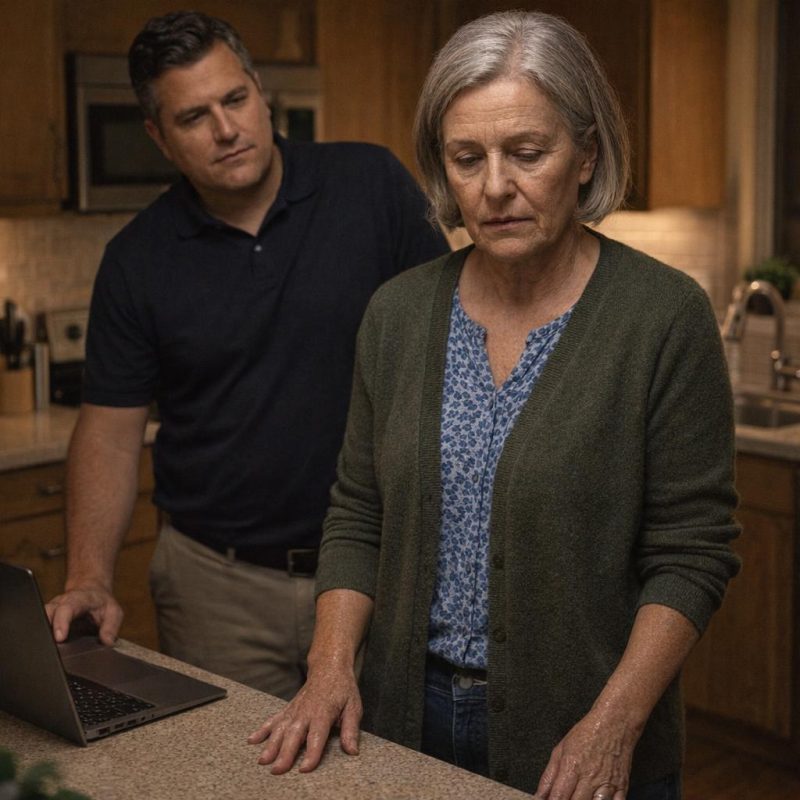 Image by RM AI
The Beautiful Resort
The resort was the kind of place I'd scroll past online and think, someday, knowing full well someday wasn't coming. Glenn turned the laptop toward me and I leaned in to look — wide balconies facing the water, a dining room with white tablecloths, a fire pit on the beach. It was genuinely beautiful. He was watching my face the way he used to when he gave me gifts, checking for the reaction. 'What do you think?' he asked, and I could hear that he already loved it. I told him it looked incredible, because it did. Then I asked him to let me handle the booking, just out of habit — I'm the one who usually manages that kind of thing — and he shook his head. He wanted to take care of everything himself. The flights, the room, all of it. He seemed almost proud about it, like the planning was part of the gift. I appreciated that. I did. But then I scrolled down on the page and saw the nightly rate, and I felt the first small snag of worry. It was more than we'd ever spent on a hotel room. More than we'd budgeted for anything in recent memory. I looked up at him and he was already smiling, ready for the question. 'We deserve something special,' he said, before I could even ask how we were going to afford it.
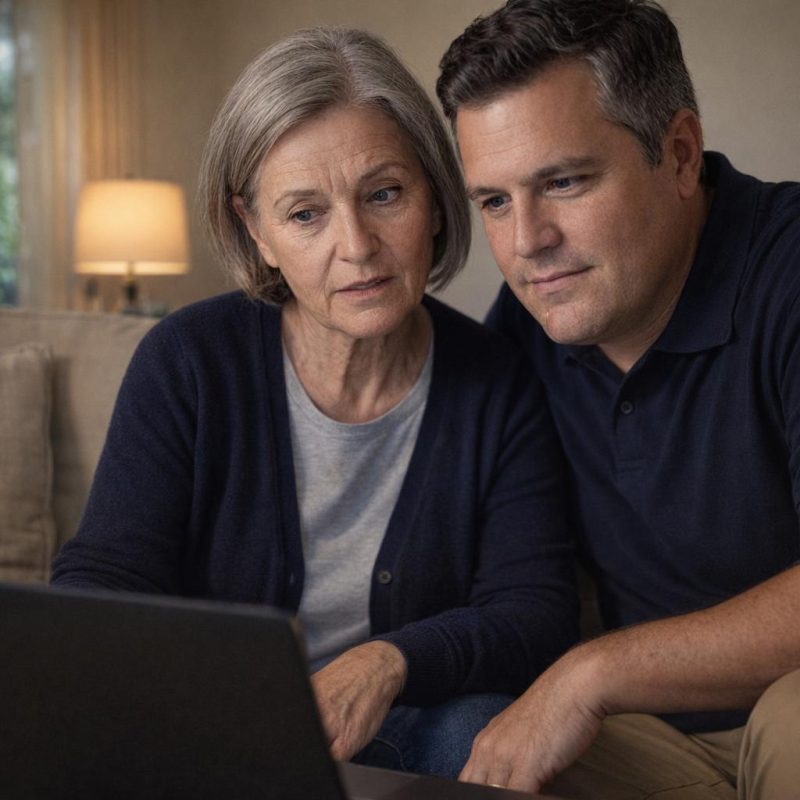 Image by RM AI
New Shirts and Morning Walks
In the weeks before the trip, Glenn became someone I almost recognized. He bought new shirts — actual nice ones, not the kind he grabbed off a clearance rack — and he started taking long walks every morning before work. I'd hear him leave before six, and when he came back he'd be flushed and a little out of breath and somehow lighter than he'd been the night before. He started humming in the kitchen again. I hadn't heard him do that in years and the first time I caught it I stood in the hallway for a second, just listening, trying to remember the last time the house had sounded like that. He asked my opinion on what to pack, which he had never done in thirty-two years of marriage. His phone buzzed more than usual and he'd glance at it and say it was work, and I believed him because everything else he was doing felt so genuinely like effort. Like he was trying to find his way back to something. One evening I came downstairs to get a glass of water and found him at the dining room table with the old wedding album open in front of him, his reading glasses on, turning the pages slowly. He didn't hear me come in. He just sat there, looking at us the way you look at something you're afraid you've lost.
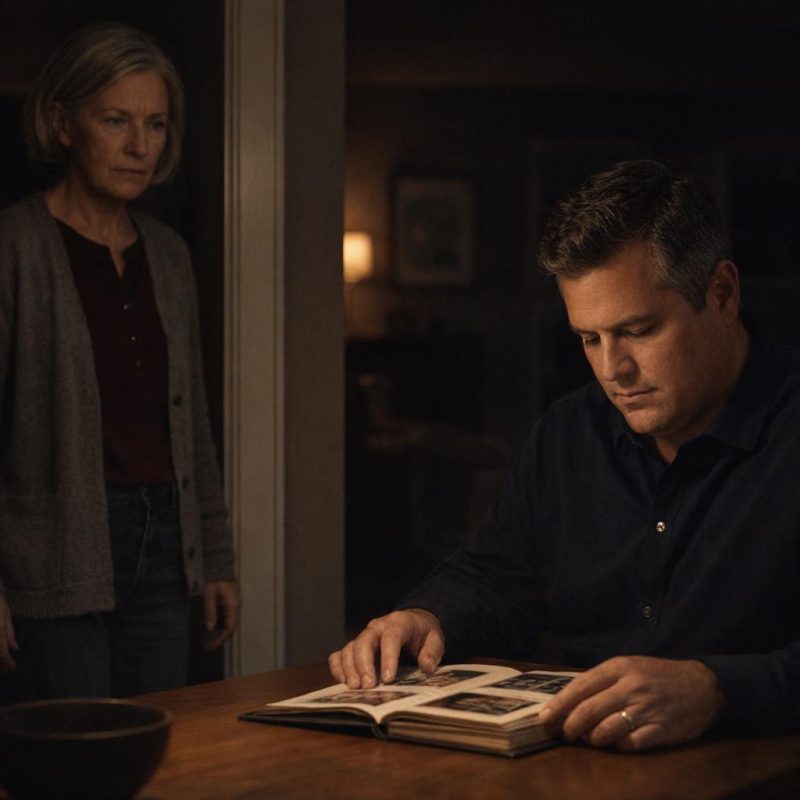 Image by RM AI
Searching for Photographs
A few days later he went out to the garage and came back with two cardboard boxes, the kind we'd shoved into corners years ago and never opened again. He set them on the living room floor and started going through them, pulling out envelopes of old photographs — the kind from actual film, with the drugstore dates stamped on the back. I sat down next to him and we went through them together. There were pictures from our first apartment, from his sister's wedding, from a camping trip where everything went wrong and we laughed about it for years afterward. Glenn kept saying things like, 'Look how young we were,' and 'I forgot about that.' He wasn't performing it. He seemed genuinely moved, turning each photo over carefully like it might be fragile. Then he found a small stack from a trip we'd taken to the coast in our third year of marriage — before the kids, before the mortgage, before all of it. He held one up. We were standing on the beach, squinting into the sun, and I was laughing at something he'd said. I remembered that day. I remembered exactly how it felt. Glenn looked at the photo for a long moment, then looked at me, and held it up between us. 'I want to go back to that exact beach,' he said.
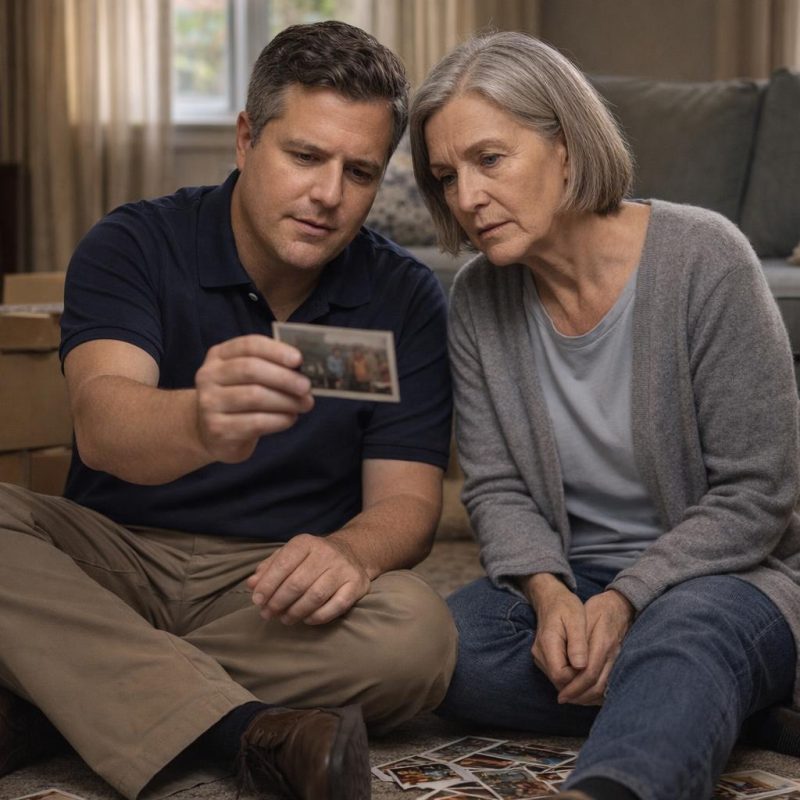 Image by RM AI
Letting Myself Hope
I spent a lot of time alone with my thoughts that week, which is not unusual for me, but the quality of the thinking was different. Lighter, somehow. I'd be folding laundry or standing in the shower and I'd catch myself actually imagining the trip — not just the logistics of it, but the feeling of it. Walking on the beach with him in the early morning before anyone else was up. Sitting across from him at dinner with nothing we had to talk about except whatever we wanted to. I let myself picture us finding our way back to each other, slowly, the way you find your footing on uneven ground. I started thinking about what to pack. I pulled out a dress I hadn't worn in two years and held it up in front of the mirror and thought, maybe. I thought about the photograph he'd held up — the two of us on that beach, young and squinting and happy — and I thought about how much I wanted to be those people again, or some older version of them. The hope still felt fragile, the kind you handle carefully because you know how easily it breaks. But I'd watched him these past few weeks — the walks, the shirts, the wedding album open on the table — and something in me made a quiet decision. I was going to trust that he was fighting for us.
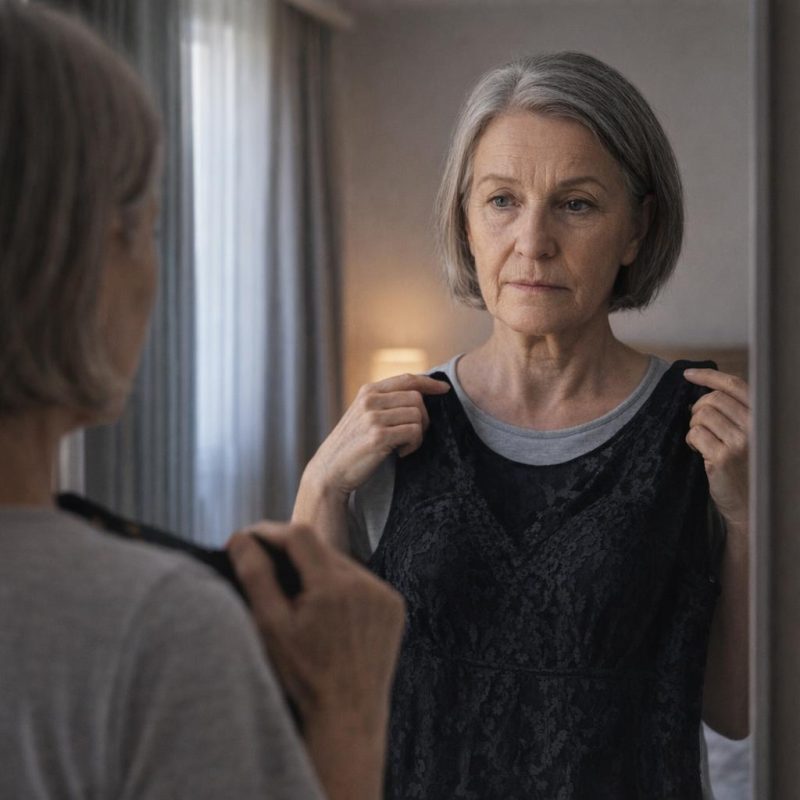 Image by RM AI
Three Days Before
Three days out, I started getting that low-level restless feeling I always get before a trip — the mental checklist that won't quiet down no matter how many times I run through it. Glenn was at work, and I was sitting at the kitchen table with my coffee going cold beside me, thinking about check-in times. We'd never actually talked about what time we were arriving, and I didn't want to show up at noon and spend three hours sitting in the lobby with our luggage. It seemed like a simple thing to sort out. I opened my laptop, pulled up my email, and searched for the confirmation. It took a minute to find — Glenn had handled most of the booking, so it was buried under a thread I hadn't paid much attention to. I found the reference number, clicked through to the resort's website, and typed it in. The page started loading, and I remember thinking I should probably also check whether they had a restaurant reservation attached, because Glenn had mentioned something about a welcome dinner. The cursor blinked. The page filled in slowly, the way resort websites always do, heavy with photographs of blue water and white linen. I sat there with my coffee, waiting, feeling nothing more complicated than the ordinary impatience of someone who just wanted to know what time to set the alarm.
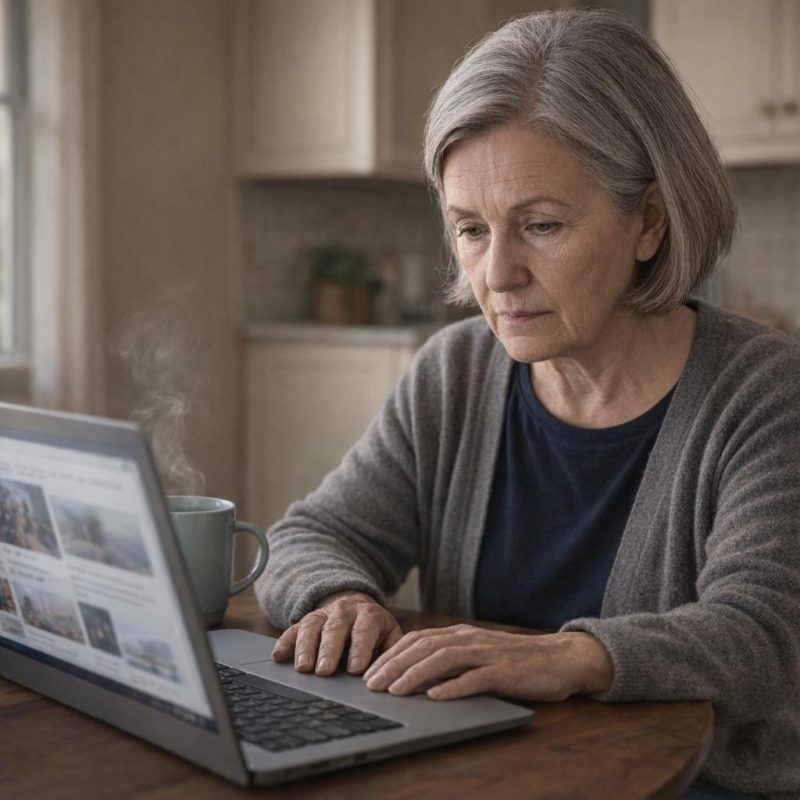 Image by RM AI
The Third Name
The page loaded all the way and I leaned in to read it. Our names were right there at the top — Glenn's first, then mine underneath it, just like you'd expect. I skimmed past the dates and the room type and the deposit confirmation, all of it exactly as it should be. And then my eyes caught something below our names. A third entry. I thought at first I'd misread it — maybe it was a field label or some kind of contact designation I didn't recognize. I read it again. Vanessa Cole. Listed right there under our names, marked as an authorized guest contact. I sat back in my chair. I read it a third time, slowly, the way you read something when your brain keeps insisting it must say something different. It didn't say something different. The name was Vanessa Cole, and it had been added to our reservation — I could see the modification date — several weeks earlier, while Glenn and I had been going about our ordinary life, while I'd been folding laundry and imagining beach walks and pulling dresses out of the back of my closet. I didn't know who Vanessa Cole was. I had never heard Glenn mention that name. But I knew what it looked like, sitting there on the screen between our names and the check-in date, and I couldn't make myself unsee it.
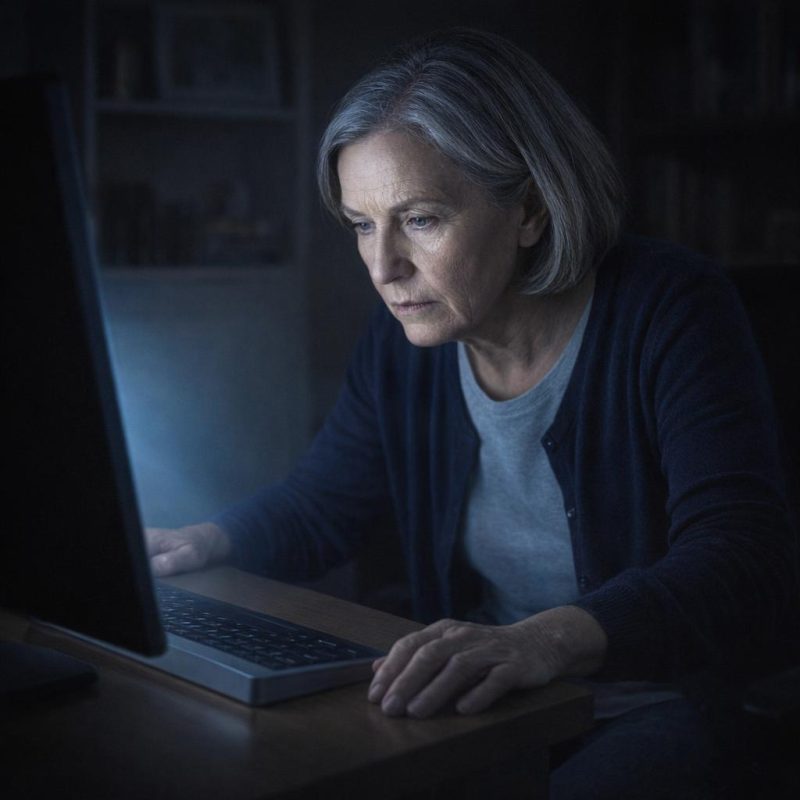 Image by RM AI
The Phone Call
My hands weren't steady when I picked up my phone. I told myself to stay calm, that there was probably an explanation, that I was jumping to conclusions — and then I dialed the resort anyway because I needed to hear someone say something out loud. A woman answered on the second ring, professional and pleasant, and I asked her to pull up our reservation. I gave her the reference number. I heard her typing. Then I asked, as evenly as I could manage, whether there was a third name listed on the booking. She confirmed it without hesitating. Vanessa Cole, authorized guest contact. I asked who had added her to the reservation. The woman's tone stayed perfectly neutral when she told me she wasn't able to discuss another guest's account information. I asked if she could at least tell me when the modification was made. She said yes — several weeks ago. I thanked her and hung up. I set the phone down on the table and sat there. Several weeks ago. While Glenn had been taking his evening walks and buying new shirts and leaving the wedding album out where I'd find it, he had also been adding another woman's name to our hotel reservation. I didn't have an explanation that made any of that feel all right. The weeks between that modification date and this moment sat heavy around me, and I couldn't find a single corner of them that felt like solid ground.
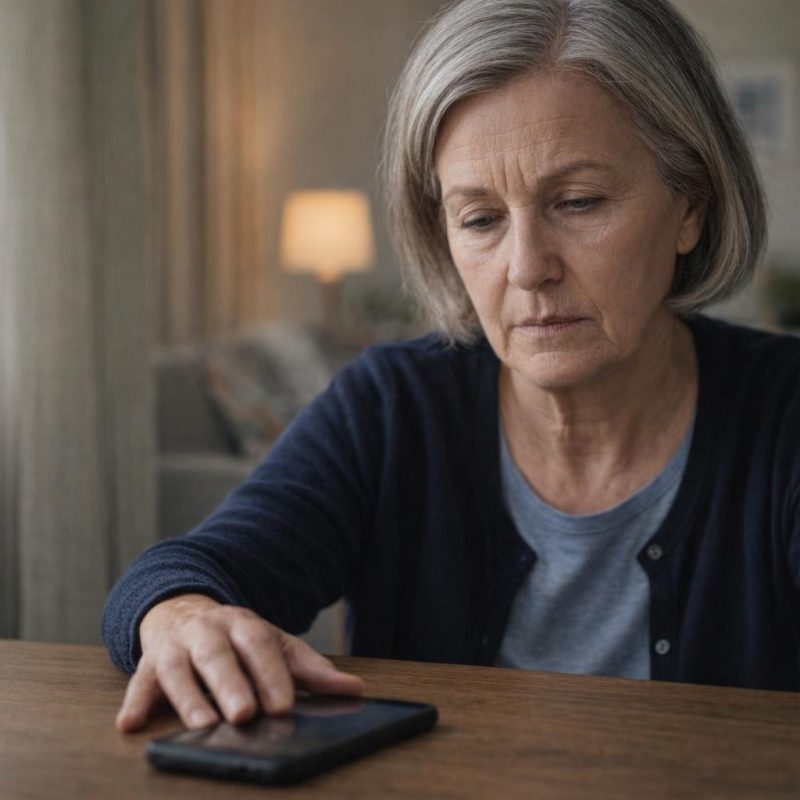 Image by RM AI
Waiting for Glenn
I printed the reservation page. I stood at the printer and watched it come out and I thought, this is real, this is a piece of paper, this is not something I imagined. I set it on the kitchen counter where he would see it the moment he walked in. Then I didn't know what to do with myself, so I washed the dishes that were already clean and wiped down the counters twice and stood at the window for a while looking at nothing. I thought about what I was going to say. I ran through versions of it — calm versions, measured versions, the version where I gave him a chance to explain before I said anything else. I thought about thirty-two years. I thought about the photograph he'd held up, the two of us young and squinting on that beach, and I thought about how I had looked at that photograph and felt something open back up in me, something I'd been keeping carefully closed. I thought about the dress I'd pulled out of the closet. I thought about all of it, and the more I thought, the quieter and colder I got, the way anger sometimes goes when it has nowhere useful to go. I heard his car turn onto our street.
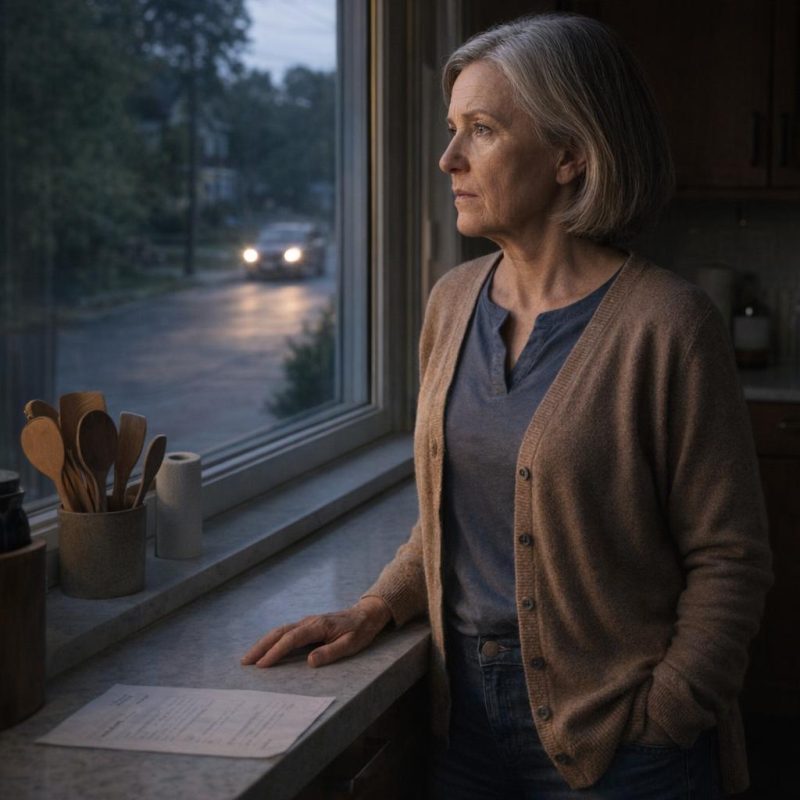 Image by RM AI
Who Is Vanessa?
He came through the side door the way he always does, keys in hand, already starting to say something about traffic. He stopped when he saw me standing there. I didn't say anything at first. I just slid the printed page across the counter toward him. He looked down at it, and I watched his face go through something — a quick, involuntary shift, like a door closing fast. I asked him who Vanessa was. He looked up at me and I could see it immediately: he knew exactly who I meant. There was no confusion on his face, no searching, no moment of trying to place the name. Just that closed-door look, and then something that might have been dread. He said he could explain. I told him to explain, then. He said it wasn't what I thought. I told him I didn't know what I thought yet, and that was why I was asking him to explain. He said her name again — Vanessa — like he was testing how it sounded out loud between us, and then he said he should have told me sooner. I said yes, he should have. We stood on opposite sides of the counter with the printed page between us, and the kitchen felt very small. He opened his mouth and closed it once. Then he looked at me with an expression I hadn't seen on him in years — not guilt exactly, but something close to it, something that knew it had been caught — and the silence stretched out before he finally spoke.
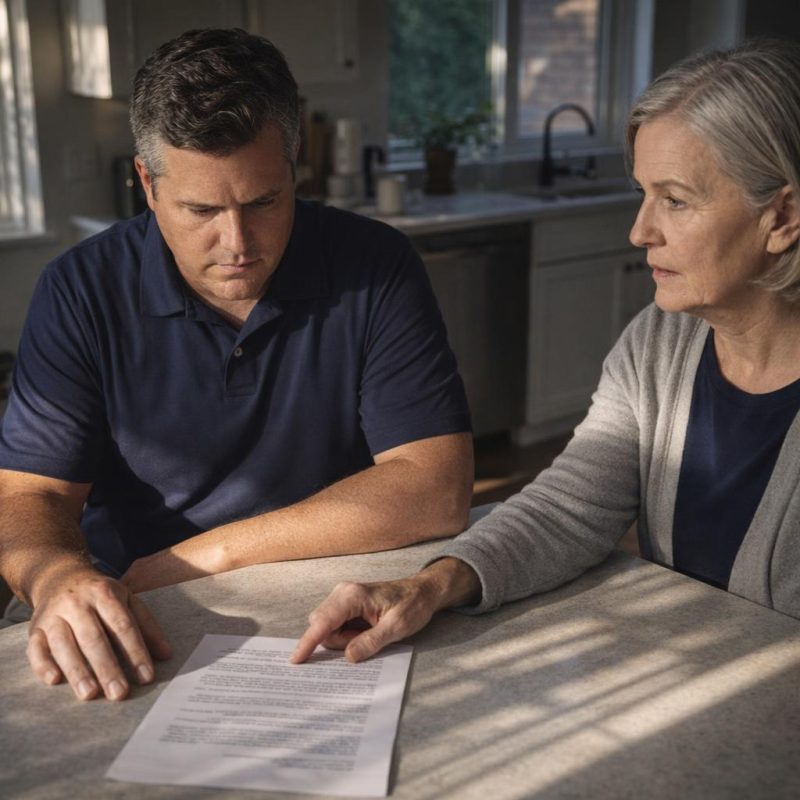 Image by RM AI
The Television Producer
He said Vanessa was a television producer. He said it quickly, like getting it out fast would soften it. I stared at him. He kept going — there was a show, a network production, about couples going on second honeymoons, and he had applied for us to be on it. He said the trip was real, the resort was real, but there would be cameras. A production team. Vanessa was part of it. I remember the first thing I felt was relief, and I almost hated myself for it — relief that Vanessa Cole was not a woman he was in love with, not someone he'd been meeting somewhere, not the explanation I'd been sitting with for the past several hours. That relief lasted maybe ten seconds. Then the rest of it arrived. He had submitted us to a television program. He had decided, without asking me, that our marriage — our actual marriage, the distance between us, the quiet years, all of it — was material for a show. He had looked at what we were struggling with and thought, I'll put that on camera. He mentioned a celebrity attached to the project, someone whose name was supposed to make it sound exciting, and I barely heard it. I was still standing there trying to absorb the fact that the romantic gesture I had been so careful not to hope for too much had turned out to be something else entirely, something I didn't yet have the right word for.
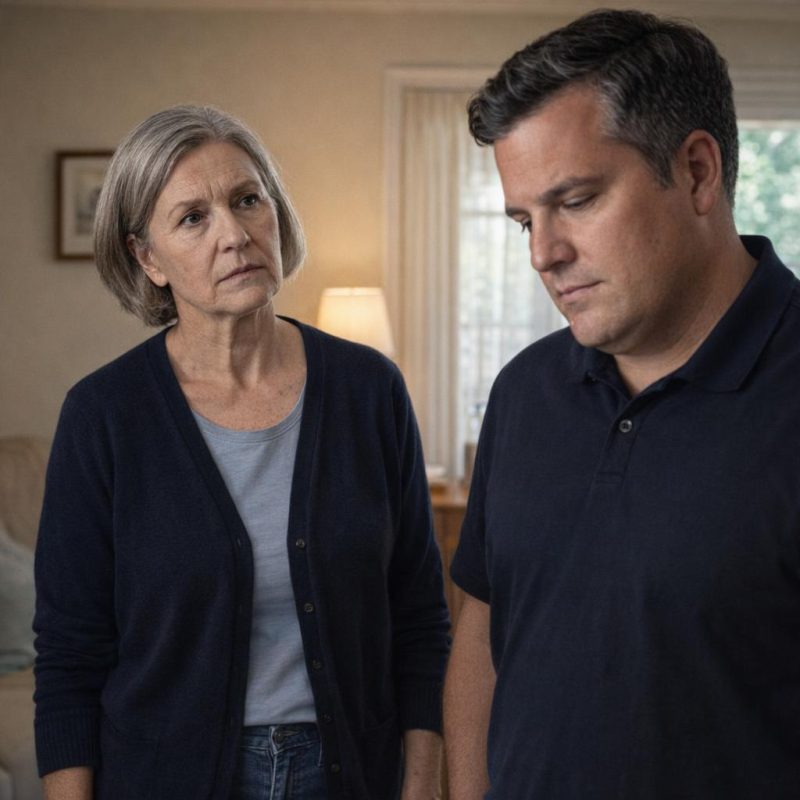 Image by RM AI
Submitted Without Permission
I asked him what else. He knew what I meant. He sat down at the kitchen table — I stayed standing — and he told me he had submitted photographs. Of us. He had answered questions from the producers about our relationship, described the problems we'd been having, talked about the distance between us to people he had never met and I had never heard of. He said it like he was confessing to something minor, like he'd forgotten to pay a bill. I asked him how detailed he'd gotten. He said they asked a lot of questions during the application process and he had answered them honestly. I thought about strangers reading his descriptions of our marriage. I thought about producers somewhere sitting around a table, looking at our photographs, deciding whether our particular unhappiness was interesting enough for their purposes. I felt exposed in a way I didn't have language for — not angry yet, not fully, just scraped open. I asked him why. Why would he do any of this without telling me, without asking, without even mentioning it once in all the weeks since he'd apparently started this process. He shifted in his chair. He said selected couples received payment for participating. He said he'd been worried — about retirement, about their savings, about whether they had enough cushion for what was coming. Then he went quiet, and the word money sat in the air between us like something that had been there the whole time.
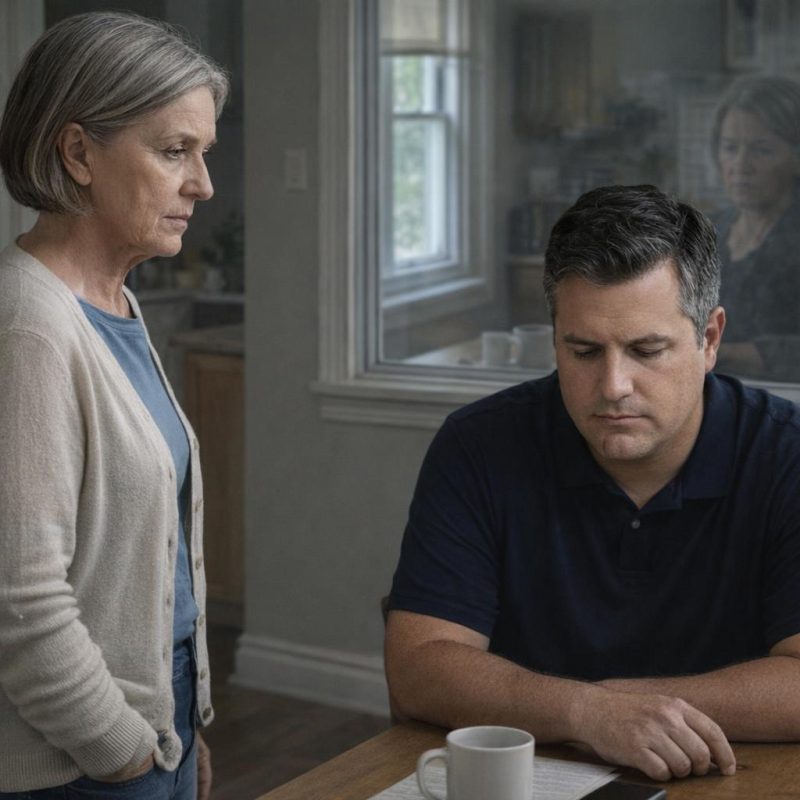 Image by RM AI
The Appearance Payment
I asked him how much. He told me. Eighteen thousand dollars, guaranteed, if we completed filming. More possible if the producers wanted follow-up appearances. He said it like he was presenting a reasonable business case — the resort was covered, we'd get a vacation, and we'd walk away with eighteen thousand dollars. He asked how that could be a bad thing. I didn't answer right away. I stood there and I let the number settle, and I thought about everything I had felt over the past few weeks — the hope I'd been so careful with, the dress in the back of the closet, the quiet decision I'd made to trust that he was fighting for us. I thought about the wedding album left open on the table. I thought about the walks, the new shirts, all of it. And I thought about the fact that somewhere in the middle of all of that, he had sat down and calculated that our marriage was worth eighteen thousand dollars and had decided that was enough reason to put it on television without asking me. He wasn't looking at me when I worked through all of this. He was looking at the table. The printed reservation page was still sitting between us, and Vanessa Cole's name was still on it, and the number he'd just said — eighteen thousand dollars — was the only thing in the room that felt completely, unmistakably real.
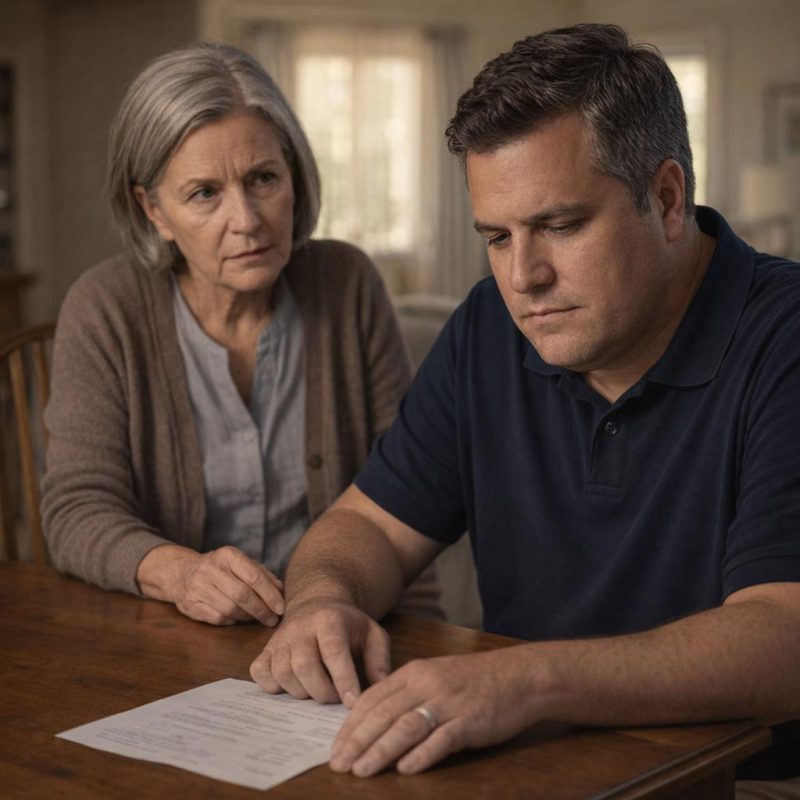 Image by RM AI
Hearing Vanessa Out
I told Glenn I wanted to cancel. Not pause, not reconsider — cancel. I wanted to call the resort, call whoever needed to be called, and undo the whole thing. He stood there in the kitchen looking like a man who had just watched something he'd built fall apart, and I almost felt sorry for him. Almost. He said please. He said he knew he'd handled it wrong, that he should have told me from the start, that he was sorry. I said sorry didn't explain why he thought he could make a decision like that without me. He said he was scared I'd say no. I told him that was exactly the point. We went around like that for a while — him apologizing, me not ready to accept it, both of us standing in the same kitchen we'd stood in for thirty-two years like strangers. Then he said the number again. Eighteen thousand dollars. He said it quietly, not like a weapon, more like a fact he didn't know what else to do with. I thought about the credit card balance I'd been moving around for eight months. I thought about the furnace estimate sitting on the counter. I told him I wasn't agreeing to anything. But I said I would talk to the producer. The next morning, when Vanessa called, I picked up.
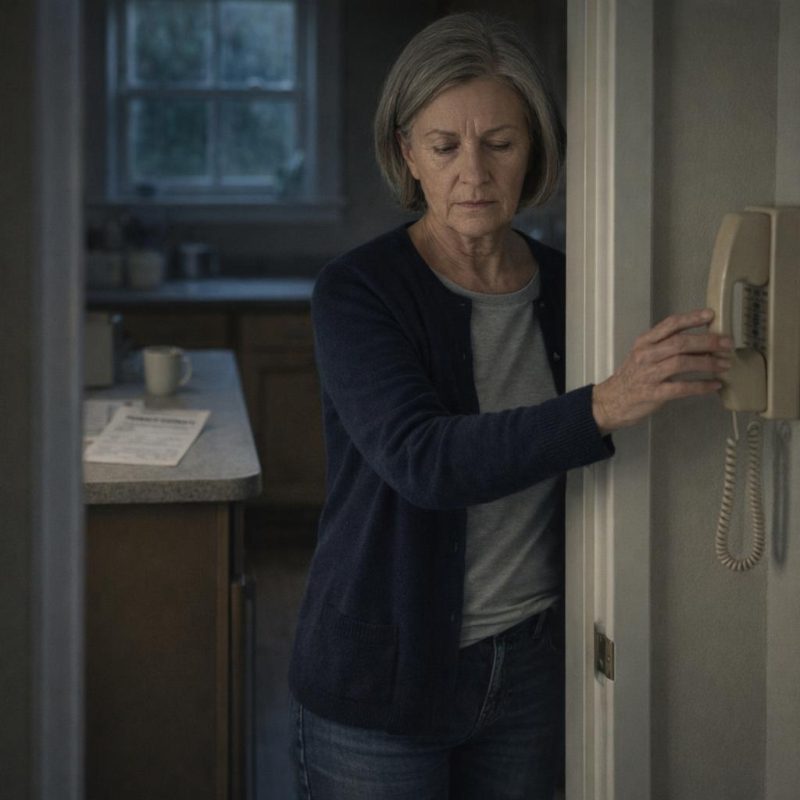 Image by RM AI
Vanessa's Pitch
Vanessa's voice was warm in a way that felt practiced but not unpleasant. She thanked me for taking her call, said she understood I had concerns, and told me she wanted to address every single one of them before I made any decision. She didn't rush. She didn't push. She explained the show as something she clearly believed in — or at least she sounded like she did. Couples who had drifted, she said, coming back to each other in a setting that gave them space to actually talk. She said the network had no interest in manufactured drama. She said nothing would air without our signed releases, that we could walk away at any point before broadcast, and that the eighteen thousand dollars was guaranteed the moment we completed filming. She used the word authentic four times. I counted. She said they wanted real moments, real conversations, real people — not performances. I asked her directly what would happen if Glenn and I didn't have some big emotional breakthrough on camera. She said that was fine, that not every couple did, and that the show had room for all kinds of stories. Glenn was sitting across from me at the table, watching my face. I kept my expression flat. But I'd be lying if I said the money didn't pull at something. The furnace estimate was still on the counter, and eighteen thousand dollars was a real number.
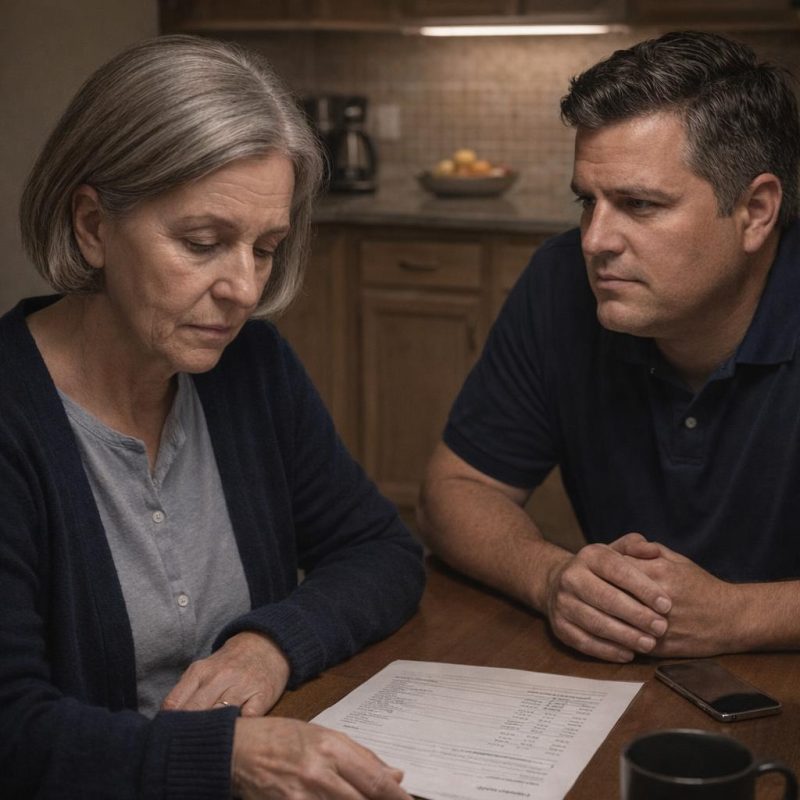 Image by RM AI
One Condition
After I hung up with Vanessa, Glenn and I argued for another hour. Not the loud kind — the low, exhausted kind where you've already said the main things and you're just circling them. He kept saying it was a good opportunity. I kept saying that wasn't the point. Eventually I got tired of circling. I told him I would go. One condition. I would not perform for the cameras. I would not pretend we were happier than we were, and I would not pretend we were more broken than we were either. Whatever was true between us, that was what they were going to get. Glenn said that was fine, that he wanted that too. I wasn't sure I believed him, but I let it stand. I called Vanessa back and told her exactly that. I said I needed her to understand that I wasn't going to manufacture conflict or manufacture warmth, and that if the show needed either of those things from me, we were done before we started. She didn't hesitate. She said nobody would ask us to fake anything, that the show was built on authentic moments, and that she was glad I'd said it because it told her we were exactly the kind of couple they were looking for. Glenn exhaled when I told him we were going. I noticed that. The relief on his face was real, at least. And Vanessa's assurance sat in my mind, smooth and certain, like a promise I had no reason yet to question.
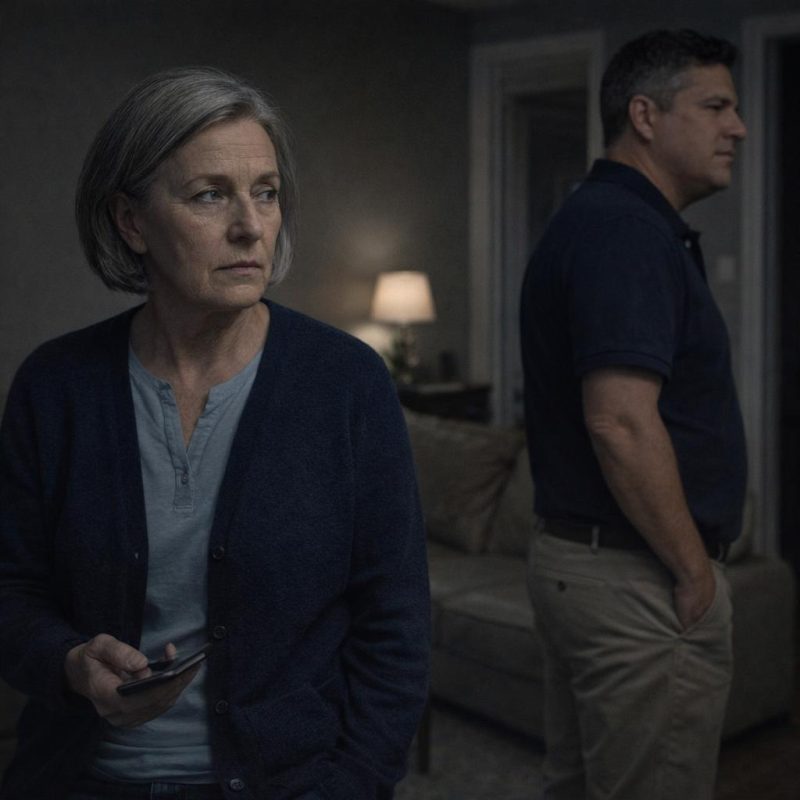 Image by RM AI
The Promise That Lasted One Day
The resort was everything the website had promised. The kind of place where the landscaping looks like someone tends it by hand every morning, where the light hits the water at the right angle all day long. We checked in and the woman at the desk was lovely and the room was beautiful and for about forty minutes I let myself think maybe this could be something. Then Glenn's phone buzzed. A text from a number I didn't recognize, telling him which path to take from the room to the pool area and approximately what time to do it. Not a suggestion. A schedule. A crew member knocked on our door twenty minutes later with two small microphone packs and a cheerful explanation about how they'd be nearly invisible once clipped on. I stood there holding mine and thought about Vanessa's word. Authentic. The microphone was light, maybe two ounces, but I felt it every second after I put it on. Glenn clipped his on without much fuss and said we should just treat it like it wasn't there. I tried. We walked the grounds. We had lunch. A man with a camera tracked us from a distance that was close enough to catch our expressions. That evening I told myself it would get easier, that I'd stop noticing the equipment. The next morning I was walking to breakfast when I turned the corner and saw the camera operator already positioned outside the breakfast room door.
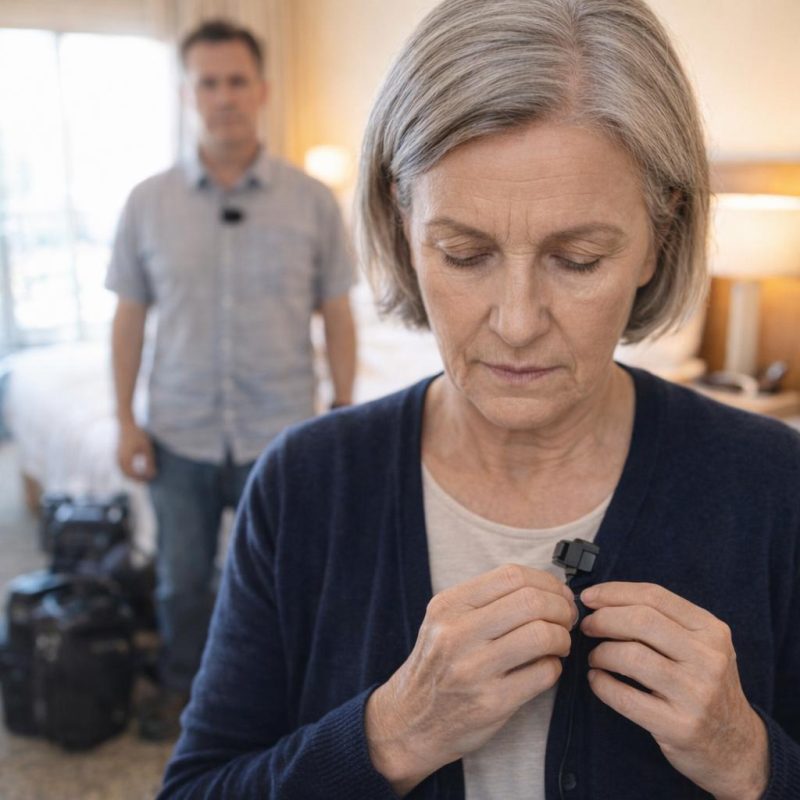 Image by RM AI
The Condition I Set
I stood there for a second before I went in. The camera operator gave me a small nod, professional and neutral, like we were colleagues passing in a hallway. I nodded back and pushed through the door. Glenn was already at a table — the table, I noticed, that matched the one described in the text he'd received the night before. He looked up and smiled, and it was a real smile, the kind he used to give me across rooms before we got so tired. I sat down across from him and tried to hold onto that. I had told Vanessa I wouldn't fake anything. I had told Glenn the same. That condition had felt like armor when I set it — like as long as I held that line, nothing here could really touch me. But sitting in that breakfast room with a microphone clipped to my shirt and a camera outside the door and a text message having told us exactly where to sit, I felt the armor getting heavier. Glenn reached across the table and put his hand over mine. I didn't pull away. I also didn't know if I was leaving my hand there because I wanted to or because there was a camera outside. That uncertainty sat with me long after the coffee came, quiet and uncomfortable, like a question I hadn't figured out how to ask myself yet.
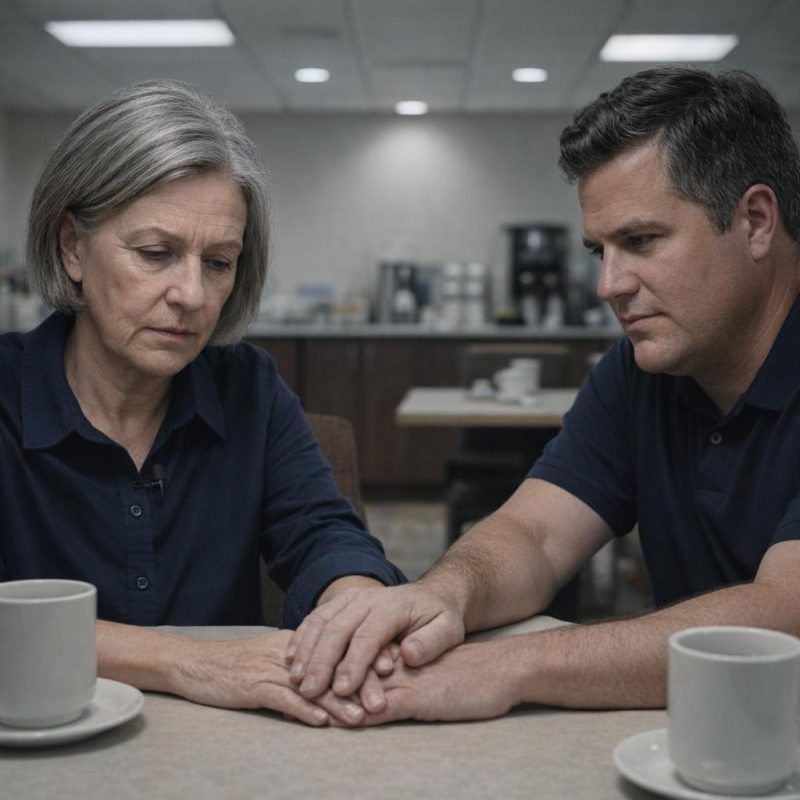 Image by RM AI
Microphones and Instructions
Vanessa came by the room that afternoon to check in, which was what she called it. She was dressed like she was heading to a meeting — neat, composed, carrying a tablet she glanced at occasionally. She said they were happy with the morning footage and that we were naturals. Glenn seemed pleased by that. I wasn't sure how I felt. She explained that going forward they'd send occasional timing suggestions — not scripts, she was clear about that, just guidance about when certain conversations might be most useful to have on camera. She called it making the most of filming opportunities. A crew member had already swapped out our microphone batteries once that day without us asking, which meant someone had been tracking when we'd need it. I signed the daily consent form Vanessa slid across the table. Glenn signed his without reading it. I read mine and it still didn't tell me much. That evening we were directed — gently, professionally — to have dinner at a specific table on the terrace. The view was genuinely beautiful. The food was good. Glenn and I talked about small things, careful things, the way you talk when you know someone is listening. By the time we walked back to the room, I couldn't remember the last time I'd said something that felt entirely my own. The microphone pack sat on the nightstand, and even unclipped, I was still aware of its weight.
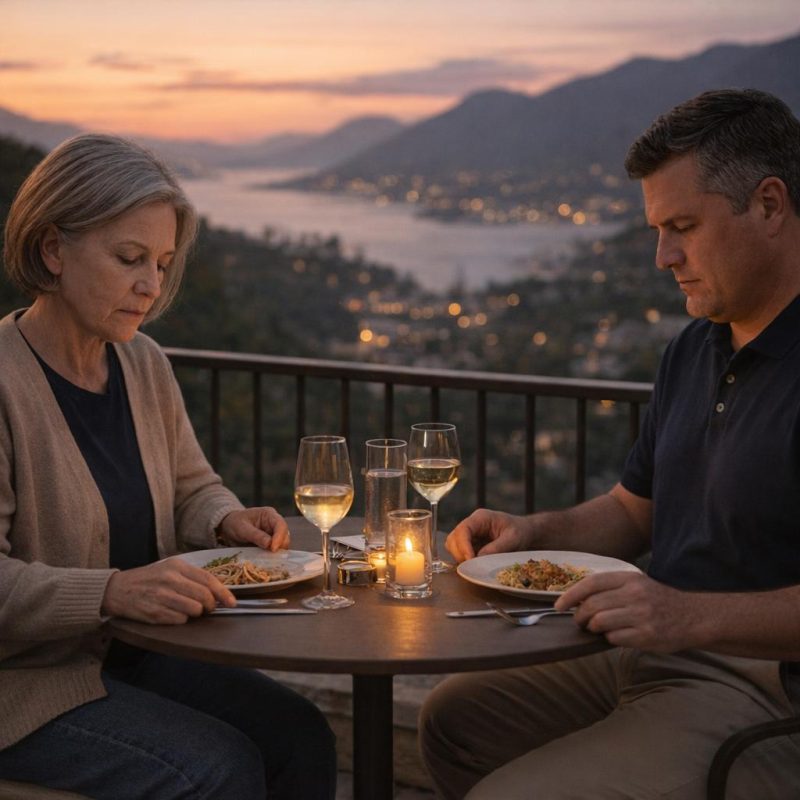 Image by RM AI
The Wasted Years
The next morning Vanessa caught me near the terrace before the scheduled session. She had her tablet and her professional smile and she said she wanted to talk through some themes they were hoping to explore. I said fine. She mentioned the distance that builds in long marriages, the feeling of time passing without connection. I nodded because that was real enough. Then she said she wanted to explore what she called the wasted years theme — the sense of looking back and feeling like the best part of your life had slipped by. She said it in a gentle, clinical way, like she was describing a weather pattern. She said Glenn had spoken about this in his application materials, that he'd described how I felt about the years we'd lost. I asked her what she meant. She said he'd told them I blamed him for it — for the wasted years, for the time we'd never get back. I stood there and I went through my memory carefully, the way you do when someone tells you something that doesn't match what you know. I had never said that. Not in those words, not in any words close to them. I had felt distance, yes. Disappointment, yes. But blame for wasted years? That wasn't mine. I looked at Vanessa and asked her exactly where that phrase had come from.
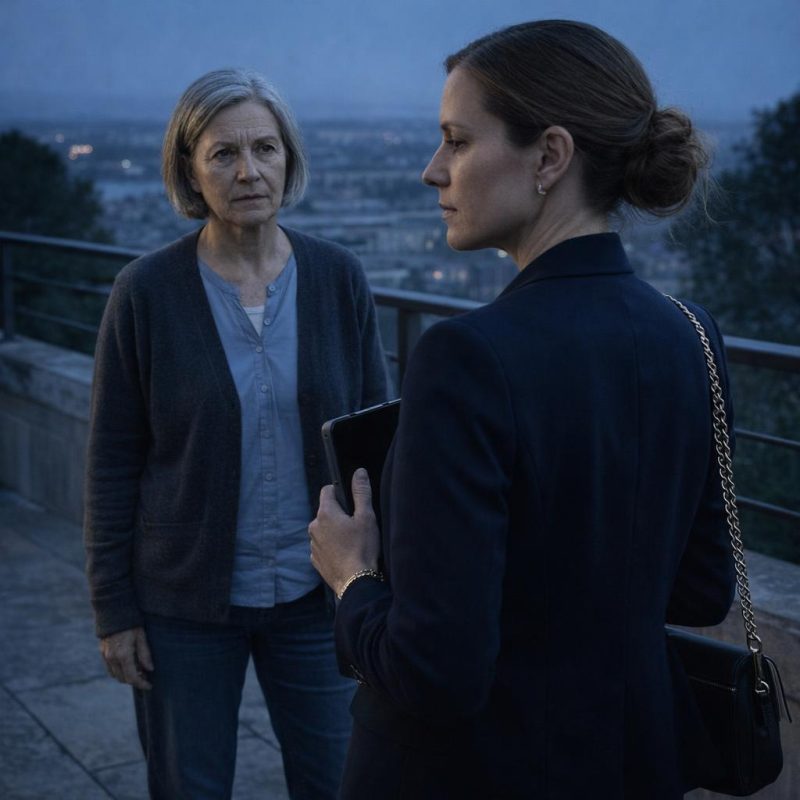 Image by RM AI
Exaggerated for Selection
I found Glenn on the path back to the room and I asked him straight out what he had told the producers about me. He didn't pretend not to know what I meant. He said he might have described things in a way that was a little more dramatic than the reality. I asked him to be specific. He said the application questions kept pushing toward conflict — what were the core wounds, what did each partner resent, what had been lost. He said his honest answers hadn't seemed to land well, so he pushed further. He said he described fights we hadn't actually had. He said he told them I resented him for the years we'd spent just going through the motions, that I felt cheated out of something. I asked him if he understood that the people running this show now had a picture of me — of my feelings, my words, my grievances — that he had invented. He said he hadn't thought of it that way. He said he thought it would stop mattering once we were actually there and they could see us for themselves. I looked at him standing there on that path, in the resort he had booked with money we hadn't earned yet, and what settled over me wasn't grief — it was the plain fact of what he'd done: he had lied to strangers about us.
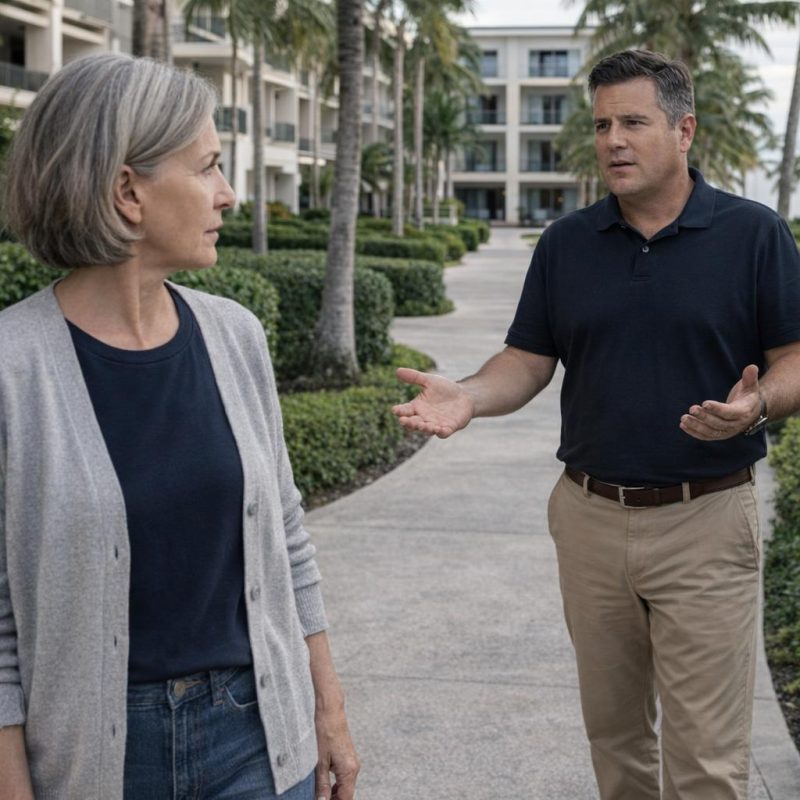 Image by RM AI
The Regrets Dinner
The dinner was Vanessa's idea, which should have told me something. She called it a chance for honest conversation — a beautiful table overlooking the ocean, candles already lit, the kind of setting that costs someone a lot of money to arrange. Glenn got a text that afternoon telling him what time to arrive and which entrance to use. When we walked in, I noticed the cameras before I noticed the view. Two of them, already positioned, one near the window and one angled from the far corner. Nobody mentioned them. We were just supposed to sit down and be natural in a room that had been arranged like a stage set. The menu was already chosen. The table was already chosen. Even the chairs had been turned slightly, I noticed, so our faces would catch the light. Glenn seemed fine with all of it. He straightened his collar and said it was a nice place. I sat down and tried to figure out what version of honest conversation was actually being asked for here. The whole thing felt like being handed a script and told to improvise. Then, just before the cameras started rolling, Vanessa appeared at my elbow and said she had a suggestion for me.
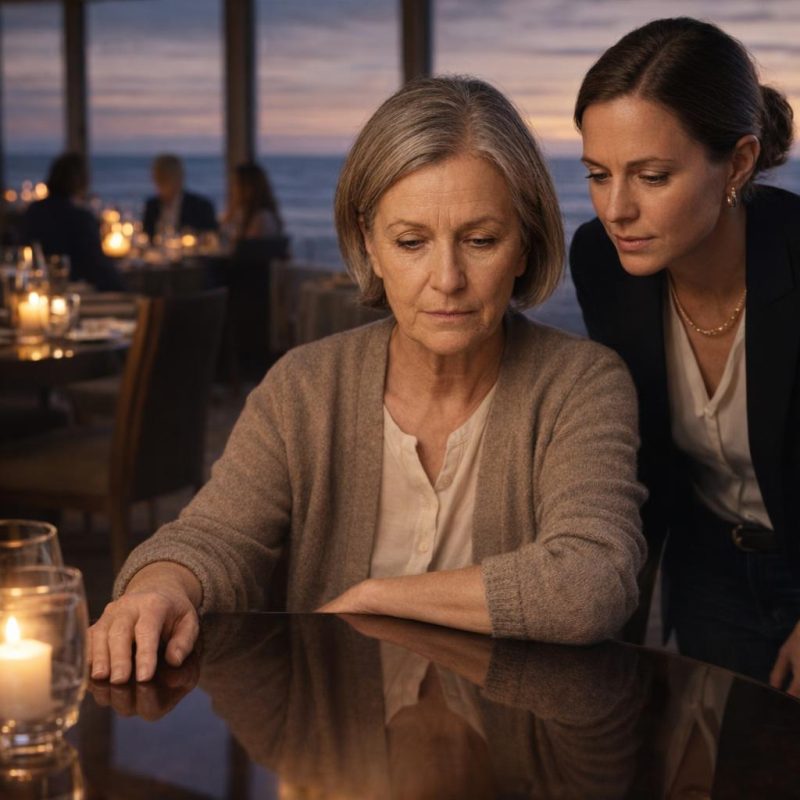 Image by RM AI
Stopped Choosing Me
Vanessa leaned in close and kept her voice low, like she was doing me a favor. She said I should ask Glenn why he had stopped choosing me. She said it with a little smile, the kind that's meant to feel warm. I looked at her and asked where that phrase came from. She said it was just a conversation starter, something that might help me express what I was feeling. I told her it didn't sound like anything I would say. She said a lot of couples found it helpful to have a prompt going in, that it could open things up. She said it gently, like she was offering me a gift. But the phrase sat wrong with me. It was too neat, too packaged — the kind of line that sounds profound on a television screen and means almost nothing in a real kitchen at seven in the morning. I wondered how many other moments this week had started the same way, with someone handing us a line and calling it a feeling. I told her I'd be fine without it. She nodded and moved away, and I sat there with the strange hollow feeling of having been offered someone else's words and asked to wear them as my own.
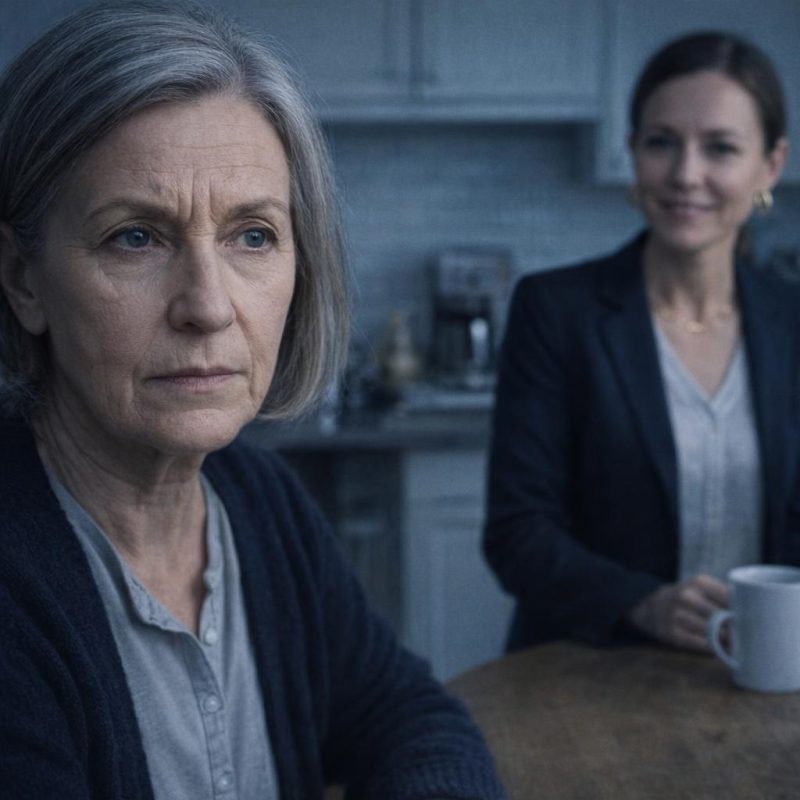 Image by RM AI
Quietly Directed
Once I started noticing it, I couldn't stop. At breakfast they told us which table to sit at — not suggested, told, with a producer already standing near the one they wanted. During a beach walk, someone jogged up and said the path to the left had better light. When Glenn and I had a conversation near the water that felt almost real, a crew member asked us to have it again, a little louder, because the wind had gotten into the audio. Glenn repeated himself almost word for word. I stood there and said something close to what I'd said before, and the whole thing felt like a copy of a moment that had already passed. Glenn got texts throughout the day — I saw them come in, watched him glance at his phone and then suggest we go somewhere or talk about something specific. He didn't hide it exactly, but he didn't mention it either. I asked him once what the text said and he told me it was just a timing reminder. By the third day I had started counting. The number of times we were placed somewhere, pointed somewhere, asked to repeat something. I was still trying to decide whether it was just how these productions worked or something else entirely, when I looked up and saw the crew quietly repositioning us for a better camera angle without saying a word.
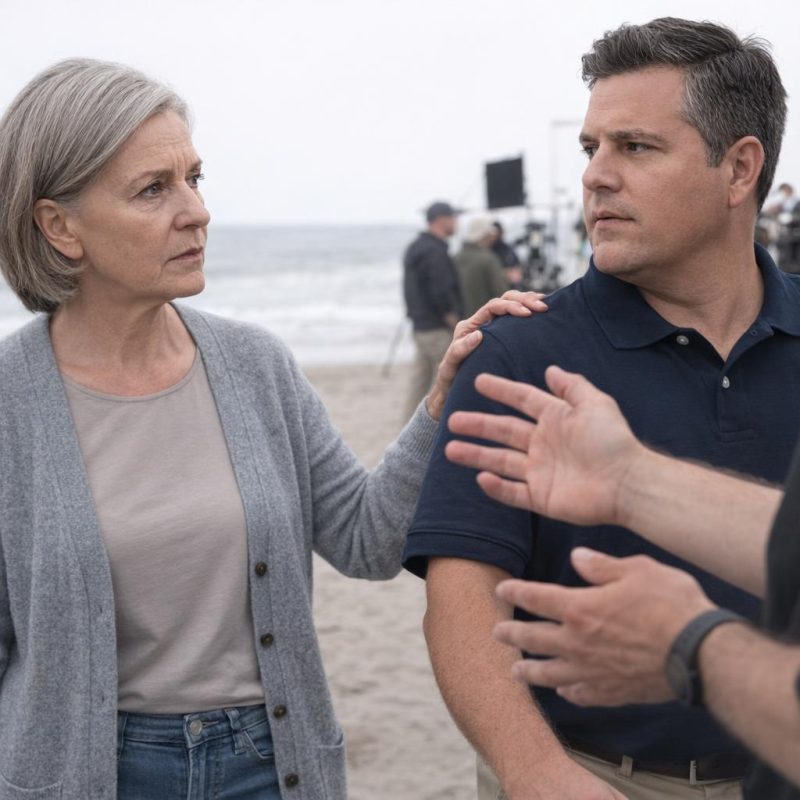 Image by RM AI
Tolerate It for the Money
I brought it up with Glenn that evening, back in the room with the cameras off. I told him I felt like we hadn't had a single unscripted hour since we arrived. He said I was overthinking it. I said I wasn't. He sat on the edge of the bed and reminded me about the eighteen thousand dollars, like that was an answer to what I'd said. I told him the money wasn't the point. He said it kind of was the point, that we'd committed to this and we just needed to get through the week. I told him I didn't want to just get through it. He said to tolerate the interference, that it would be over soon and we'd have the money and none of this would matter. I heard him say some version of that three or four more times over the next couple of days. Every time I raised a concern, he came back to the payment. Every time I said something felt wrong, he said we were almost done. He wasn't being cruel about it. That was almost the harder part — he was calm, practical, certain that the practical answer was the right one. I'd heard that particular certainty from him before, many times, across many years, and I knew exactly where it left me.
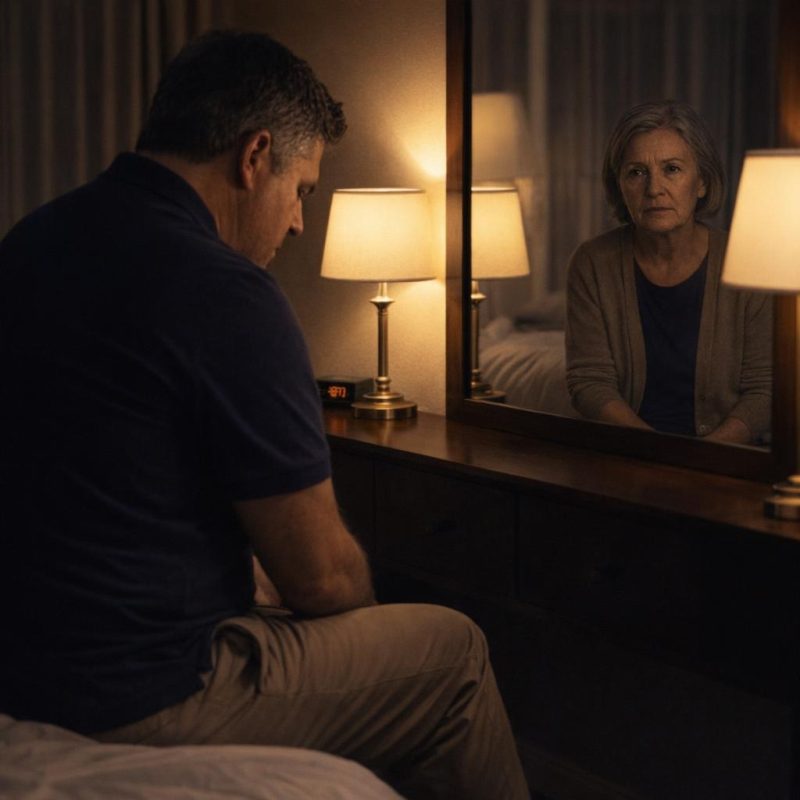 Image by RM AI
The Same Problem
I sat on the balcony alone one afternoon while Glenn was in a one-on-one session with the producers. The ocean was doing what oceans do — indifferent, continuous, not particularly interested in my situation. I thought about how this trip had started: Glenn booking it without asking me, Glenn filling out an application about our marriage without telling me, Glenn deciding what our problems were and writing them down for strangers. And now Glenn telling me to tolerate it, to get through it, to trust that the money would make it worth it. I had spent a long time in our marriage waiting for decisions to be made and then being handed the results. What to do with the house when the kids left. Whether to refinance. Which holidays we'd spend where. He always had a reason, always a practical one, and I had learned to go along because the alternative was a fight I didn't have the energy for. The show hadn't created that pattern. It had just put it somewhere I couldn't look away from. Whatever distance had grown between us over thirty-two years, it hadn't come from nowhere. Sitting there with the sound of the water below, I felt the weight of that recognition settle over me, quiet and certain.
 Image by RM AI
Denise and Paul
I met Denise on the third afternoon, near the pool, in that window between lunch and the next scheduled filming block when the crew seemed to disappear for a while. She came over without her husband at first, then Paul followed a minute later, hands in his pockets, looking like a man who had agreed to something he wasn't entirely sure about. Denise introduced them both and said they were also part of the filming. I'd seen them around the resort but hadn't spoken to them. She glanced toward the nearest camera housing on the wall — it was pointed the other direction — and then she asked if we could talk for a minute. She was careful about it, measured, the way people are when they're not sure how much to say. She asked whether Glenn had been told about a completion bonus. I said yes, that there was additional money tied to finishing the week. She nodded slowly. Paul looked at the ground. Then Denise said there was something in their paperwork that had been bothering her, and she asked if I had read our contract all the way through.
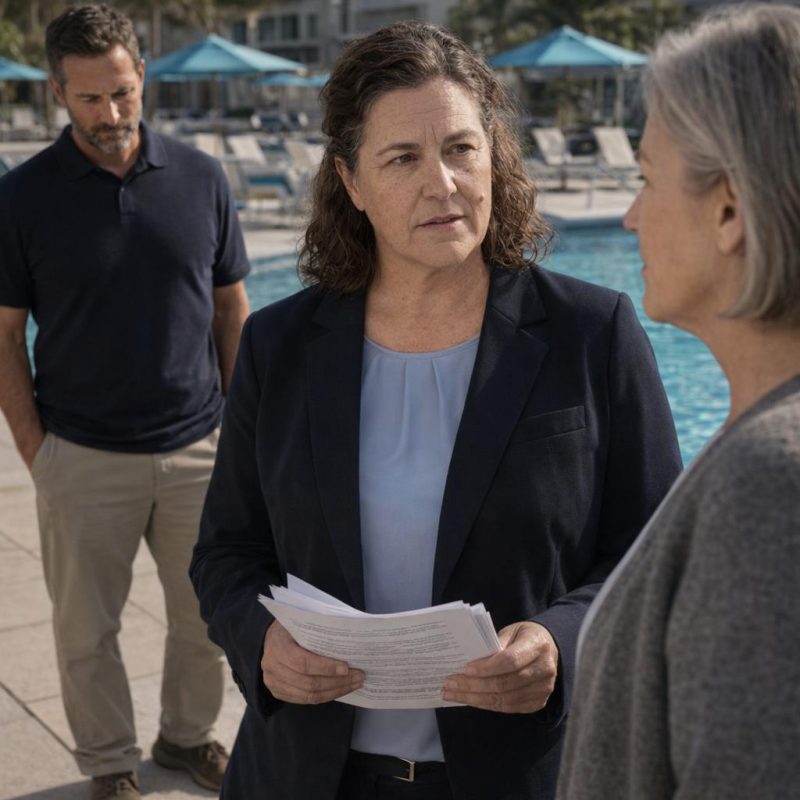 Image by RM AI
Something Troubling
We moved to a corner of the resort garden where there were no camera housings on the walls and no crew visible. Denise said she'd gone through their contract twice because something in the payment section hadn't read right to her the first time. Paul said he'd felt from the beginning that the show was more hands-on than they'd been told — that conversations got redirected, that topics came up in filming that he'd only mentioned privately during the application process. I told them I'd noticed the same thing. Denise said she'd wanted to find another couple who might be having a similar experience before she said anything to production. She said she didn't want to make a fuss over something she'd misread. But she didn't think she'd misread it. She said the payment structure seemed tied to something specific — not just completing the week, but something about the footage itself, though she wasn't entirely sure what the language meant. I asked her what the clause actually said. She said she had a copy back in their room and she'd get it. Paul looked at Denise the way people look at each other when they've already had the conversation and agreed on the answer. The unease of knowing someone else had been sitting with the same quiet doubts settled over me like a second skin.
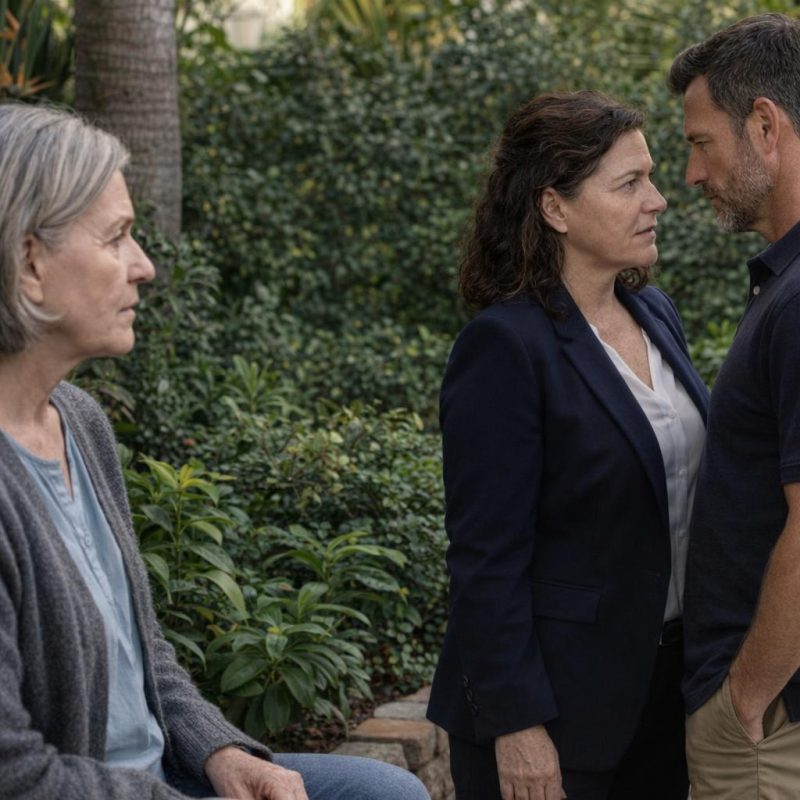 Image by RM AI
The Transformational Arc
Denise came back with a printed copy, folded in thirds, and she spread it on the garden table between us. She pointed to a section about two-thirds of the way down the page. The language around the base payment was straightforward enough — complete the filming week, follow production guidelines, standard stuff. But below that was a separate clause about additional compensation. It said the larger payment was contingent on production obtaining usable footage sufficient to support a transformational relationship arc. I read it twice. Then I read it a third time. I asked Denise what she thought that meant. She said she thought it meant they needed a specific kind of footage — not just us being there, but something happening between us, something that looked like change. Paul said the word transformational was doing a lot of work in that sentence. I looked back down at the page. The phrase sat there in plain contract language, matter-of-fact, like it was describing a deliverable. Like our marriage was a product with specifications.
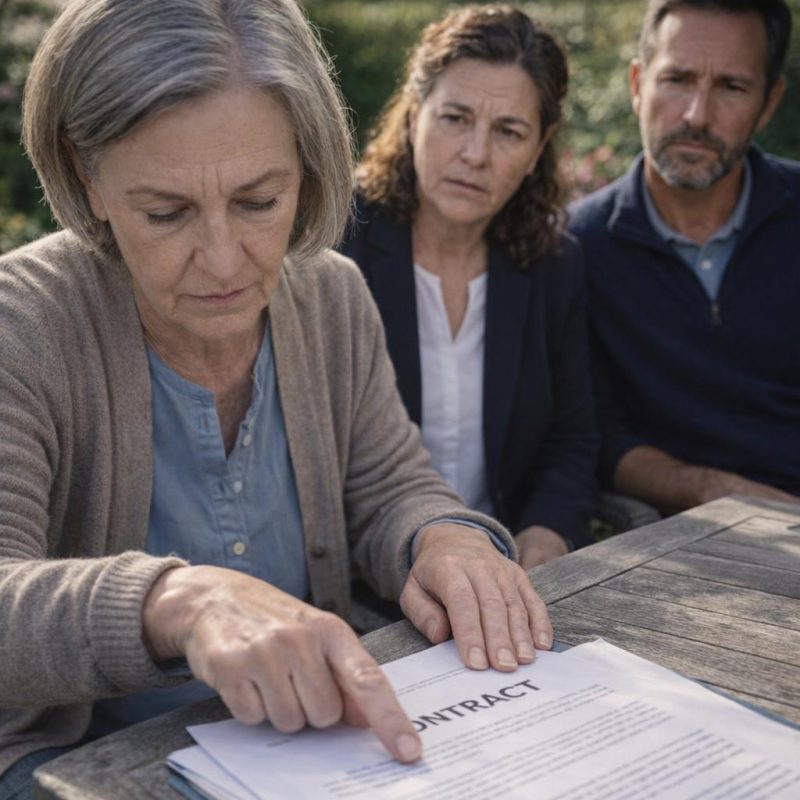 Image by RM AI
Bigger Conflicts
Paul's admission sat there on the garden table alongside the contract language, and I felt the two things clicking together in a way I didn't like. He said he'd done the same thing Glenn had — described their marriage as worse than it was during casting, because the producer on the other end of the phone seemed to lose interest whenever he gave an ordinary answer. Denise had been watching both of us while he talked. She said she thought that was the point. She laid it out plainly: couples with real, dramatic conflicts make better television than couples who are just a little tired of each other. The show needed transformation, and transformation requires a starting point bad enough to justify it. So if a couple didn't arrive with enough conflict, she wondered whether the casting process was set up to help them find some. I thought about Glenn's exaggerations. I thought about how specific some of them had been, things that weren't outright lies but were stretched past recognition. And I thought about how enthusiastically the producer had responded each time he gave her something bigger. I hadn't been able to explain that enthusiasm before. Sitting there with Denise's theory and Paul's confession and that contract clause all in front of me, something about the shape of it started to make a different kind of sense. The pieces weren't random. They fit together in a way that made me uneasy.
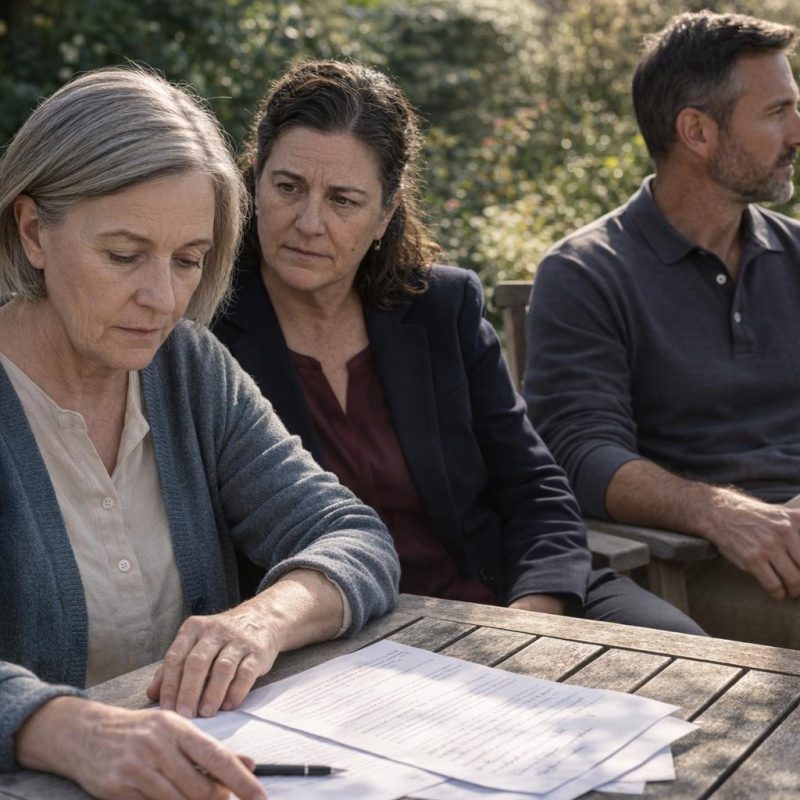 Image by RM AI
Confronting Glenn About the Contract
I waited until Paul and Denise had gone back inside before I went to find Glenn. He was in our room, sitting on the edge of the bed scrolling through his phone, and he looked up when I came in with the folded contract pages in my hand. I didn't say anything at first. I just set the papers down on the bed beside him and pointed to the clause about the transformational arc. He picked it up and read it. I watched his face. He read it again, slower the second time, and I could see his lips moving slightly. Then he looked up at me and said he didn't know anything about that. I asked him what exactly he had been told about the bonus payment. He said they told him there was a completion bonus for finishing the week and following production guidelines. That was it. Nothing about footage requirements. Nothing about arcs. I kept watching him. He looked back down at the page, and I could see something shift in his expression — not guilt, not the look I'd been bracing for. It was something closer to fear. He said quietly that he hadn't signed up for this. I believed him. That surprised me more than anything else had all week. The fear in his eyes when he looked up from that page was the most honest thing I'd seen from him in longer than I wanted to count.
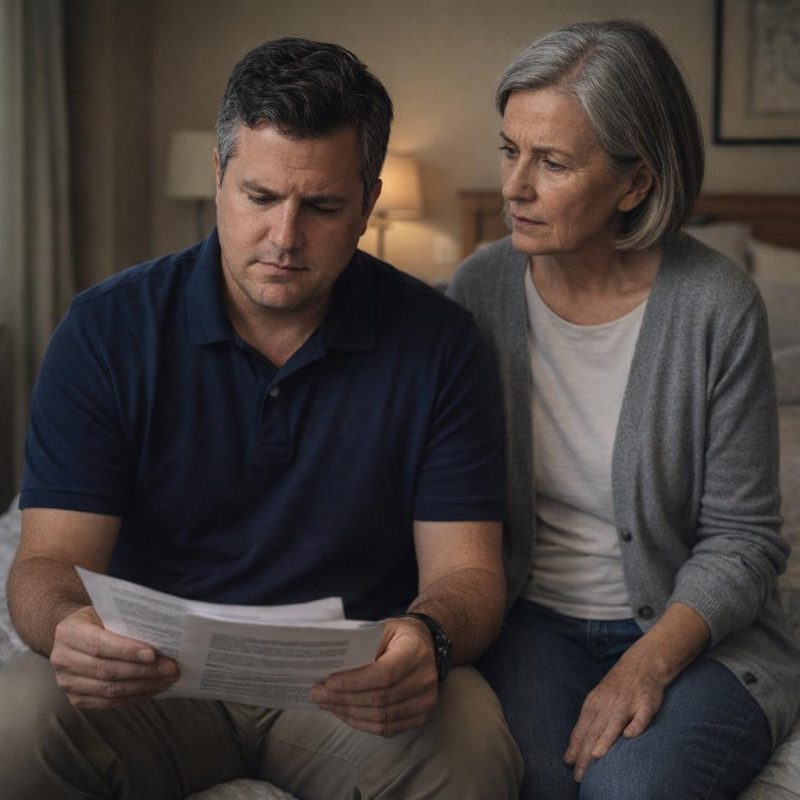 Image by RM AI
Reviewing the Messages
Glenn pulled up his email on his phone and we sat side by side on the bed going through the casting correspondence. The early messages were unremarkable — a form inquiry, a callback confirmation, some scheduling logistics. But then the actual interview questions started, and I could see the shape of them almost immediately. Whenever Glenn described our marriage in neutral terms — distant, routine, comfortable in a worn-out way — the producer's reply would come back with something like, 'Can you tell me more about the tension underneath that?' or 'What does she resent you for, even if she hasn't said it directly?' One message asked outright whether I had ever threatened to leave. Another asked what secret about himself would hurt me most to learn. Glenn had answered all of them, each time reaching a little further, and each time the producer's response came back warmer, more encouraging, more certain that he and I were exactly what the show was looking for. Glenn said he thought he was just being honest. He said the questions felt like they were helping him find words for things he hadn't known how to say. I scrolled back to the top and read the whole thread again from the beginning. The producer's responses shifted noticeably each time Glenn's answers got darker. I handed the phone back to Glenn without saying anything, and he looked at the screen like he was seeing it for the first time.
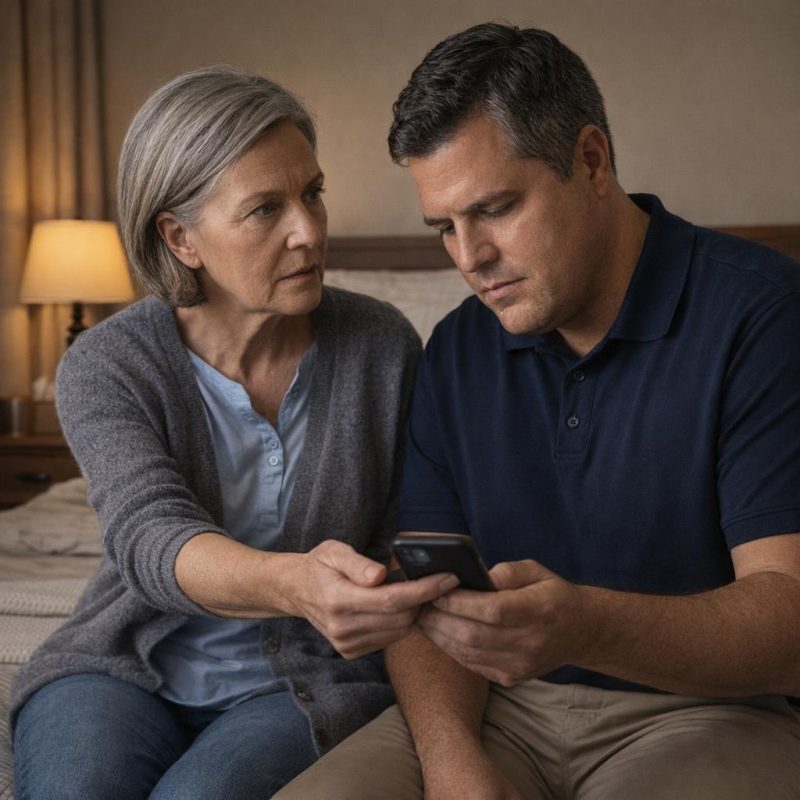 Image by RM AI
Rewarded Exaggerations
We went through the messages a second time, slower, and I made Glenn read his own answers out loud. Not to embarrass him — I just needed to hear the progression in real time. His first response described our marriage as distant but stable. The producer wrote back that she was concerned we might not have enough of a journey to offer viewers. Glenn's next message described feeling invisible at home. The producer responded that this was exactly the kind of emotional truth they were looking for. Then Glenn wrote about feeling like roommates. More enthusiasm. Then he mentioned an argument we'd had two years ago that had mostly blown over. The producer asked him to elaborate. He did. Each time he gave her something heavier, her reply got warmer, more full of phrases like 'this is so important' and 'our audience needs to hear this.' By the end of the thread, Glenn had described our marriage in terms I barely recognized — not lies exactly, but weighted toward our worst moments and nothing else. He set the phone down on the bed between us. He said he hadn't seen it happening while it was happening. I didn't doubt that. The whole thread was right there in his inbox — every question, every answer, every shift in tone mapped against every escalation Glenn had offered.
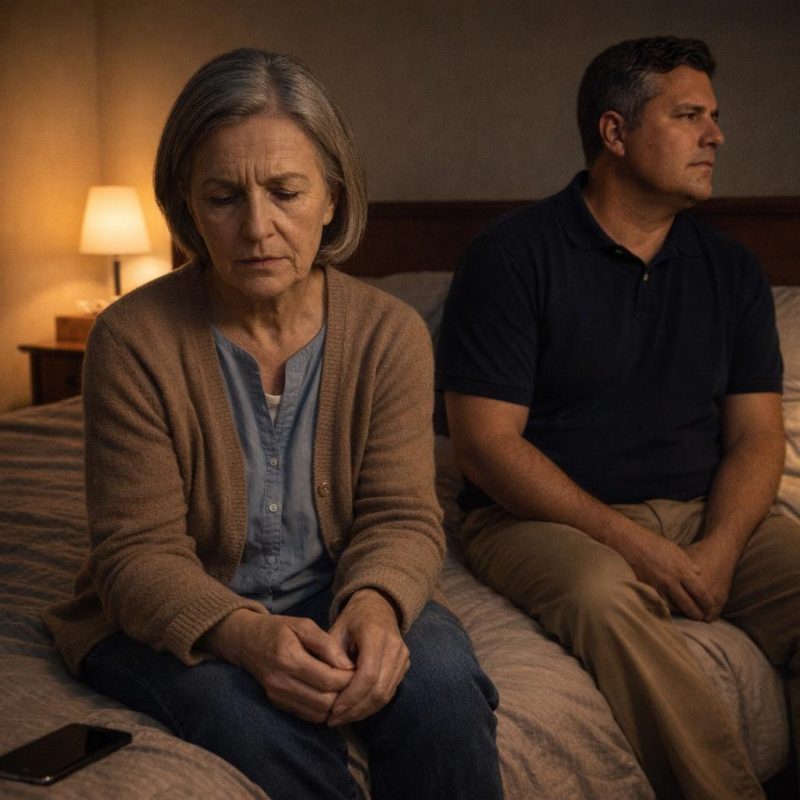 Image by RM AI
What They Told Me
We sat with the phone between us for a while, and then I started thinking about the conversations I'd had with Vanessa. Not the group sessions — the one-on-one check-ins she'd framed as private and supportive. She had mentioned things Glenn supposedly said. She told me he felt trapped. She said he'd described feeling invisible to me, like I moved through our life without really seeing him. At the time I'd taken those claims at face value, because they stung in a way that felt true, the way things sting when you're afraid they might be accurate. But sitting there looking at what had come out of Glenn's casting messages, I started wondering about Vanessa's words. Whether they were Glenn's at all, or whether something had happened to them along the way — reshaped, handed back to me in a form I wouldn't question. I asked Glenn if he'd ever told anyone from production that he felt trapped in our marriage. He said no. I asked if he'd said he felt invisible. He paused, then said he might have used that word once, in a different context, talking about work. I looked at him. He looked at me. We were both quiet for a moment, and then I asked him the thing I actually needed to know — whether he had ever, in any conversation with anyone from this show, said that he regretted marrying me.
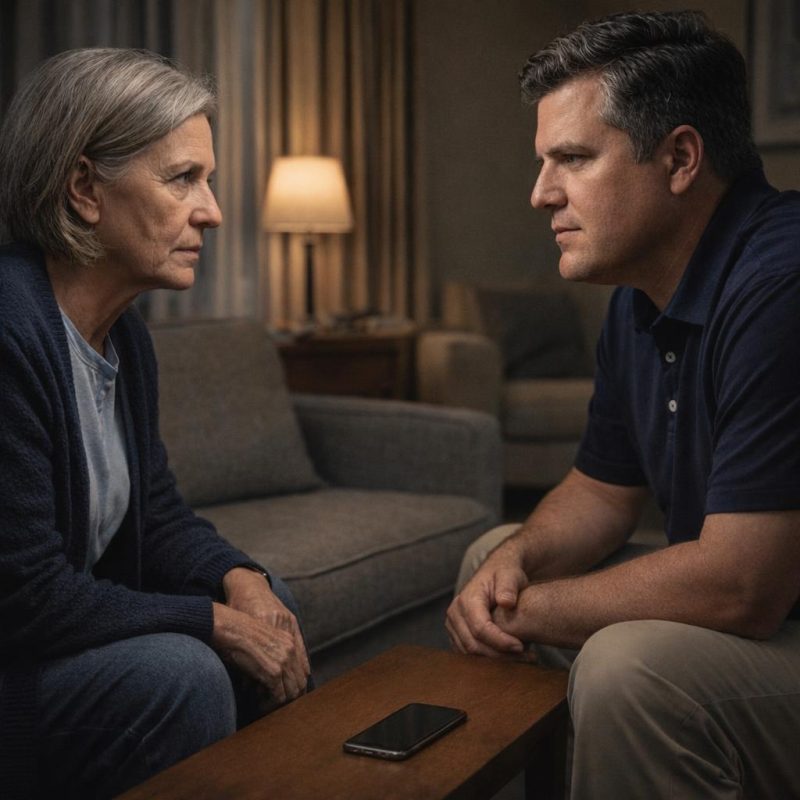 Image by RM AI
The Final Night
Vanessa found us about an hour before dinner. She knocked on the open door of our room and came in smiling, holding a printed schedule, and told us the evening's event was going to be something special. A vow-renewal ceremony, she said. Overlooking the ocean. Candles, a small officiant, the whole thing. She said it was the most meaningful way they'd found to close a couple's experience on the show — a chance to recommit in front of the cameras with everything they'd worked through that week behind them. Glenn thanked her. I didn't say much. After she left I stood at the window and looked out at the water. The sun was still up, the light was flat and gold, and it should have felt like something. It didn't. Glenn came to stand beside me and said quietly that he didn't like it either. I asked him what he thought they were planning. He said he didn't know, but that a ceremony felt like a lot of setup for a simple closing shot. I agreed. Vanessa had used the word meaningful twice and beautiful once, and none of it had landed the way she seemed to intend. We had spent the afternoon reading through evidence of how this production worked, and now they wanted us dressed up and emotional in front of a camera at sunset. I stood there looking at the water, and what I felt wasn't anticipation. It was the particular weight of knowing something is coming and not being able to name it yet.
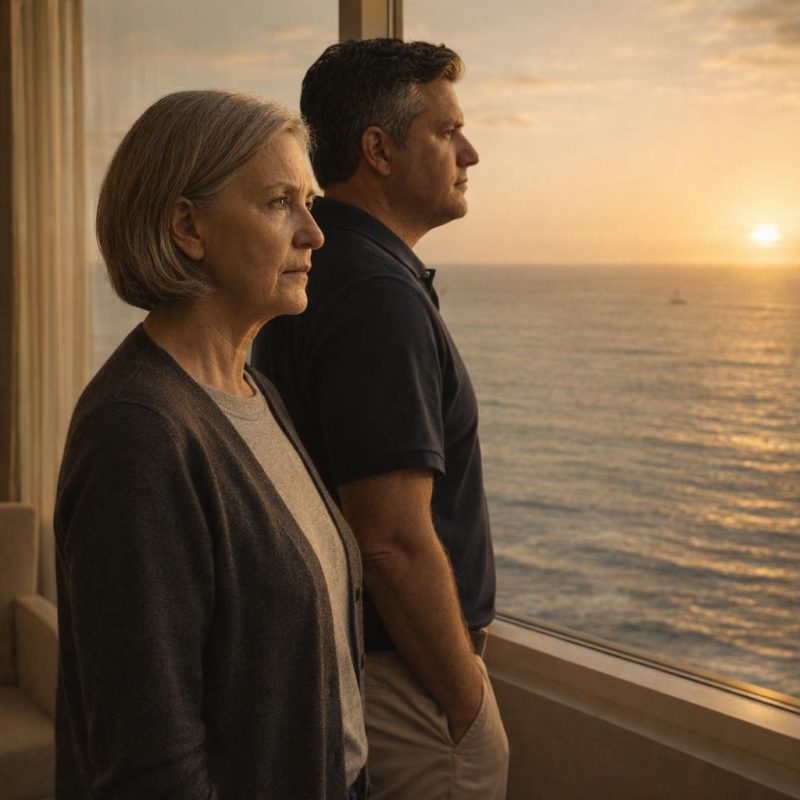 Image by RM AI
One Final Surprise
Vanessa caught me alone in the hallway about forty minutes before filming was supposed to start. She touched my arm lightly and said she wanted to give me a heads-up. There would be one final surprise question during the ceremony, she said. She wanted me to know so I could be present for it, open to it. She said the best moments on the show came when people answered from the heart without overthinking. She said this was our real chance at a breakthrough — mine and Glenn's — and that honesty was the only thing that could get us there. I asked her what the question was. She smiled and said it wouldn't be a surprise if she told me. Then she squeezed my arm once and walked away down the hall. I stood there after she'd gone. The word breakthrough had come up before, in the contract language Denise had found — the transformational arc, the footage they needed. Vanessa had used it like an offering, like she was doing me a favor by warning me. But a warning about a surprise question you won't explain isn't a warning. I turned it over in my mind, the careful warmth of her voice, the smile that didn't quite reach her eyes, the way she'd framed it as an opportunity. I couldn't tell what was coming. That combination sat with me like something I couldn't put down.
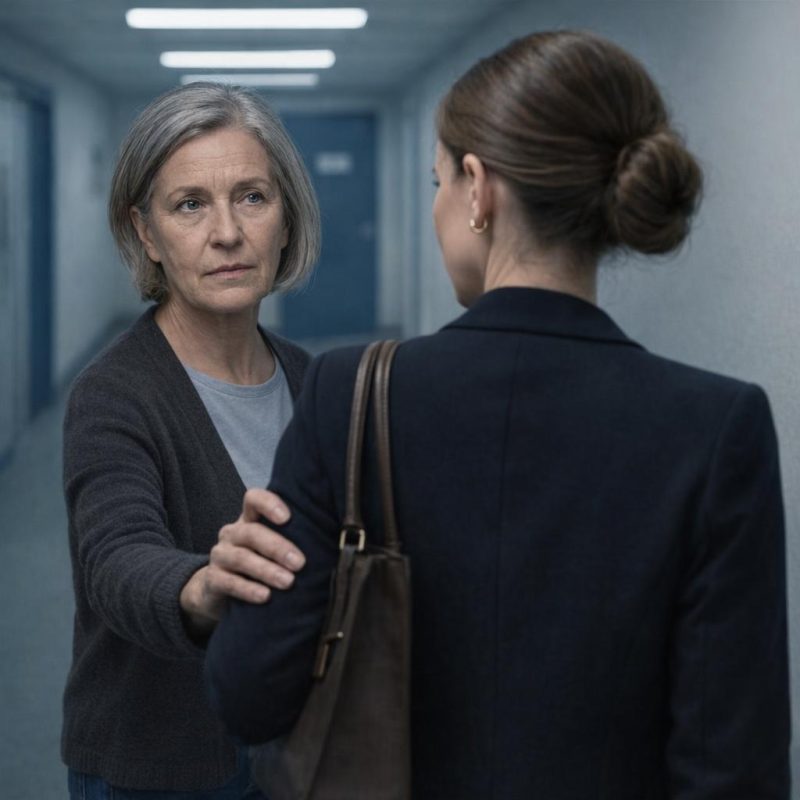 Image by RM AI
The Wrong Notes
We were standing just outside the setup area, maybe ten minutes before they were going to start rolling, when one of the crew members came over with a small stack of papers. He said these were my notes for the evening — talking points, the order of the ceremony, that kind of thing. I took them and he walked off. I looked down at the top page. The name at the header wasn't mine. It was Glenn's. I glanced up, but the crew member was already halfway across the terrace. I looked back down at the page. It was formatted like a run-of-show document, with timestamps and cues listed down the left margin. I started reading from the top out of reflex, the way you do when something is in your hands. Most of it was logistical — when to stand, when to face the camera, when the officiant would speak. And then, about a third of the way down the page, there was a line in bold text, set apart from the rest. It wasn't a stage direction. It wasn't a timing cue. It was an instruction. It said: *Glenn — reveal retirement account. Marcy unaware.*
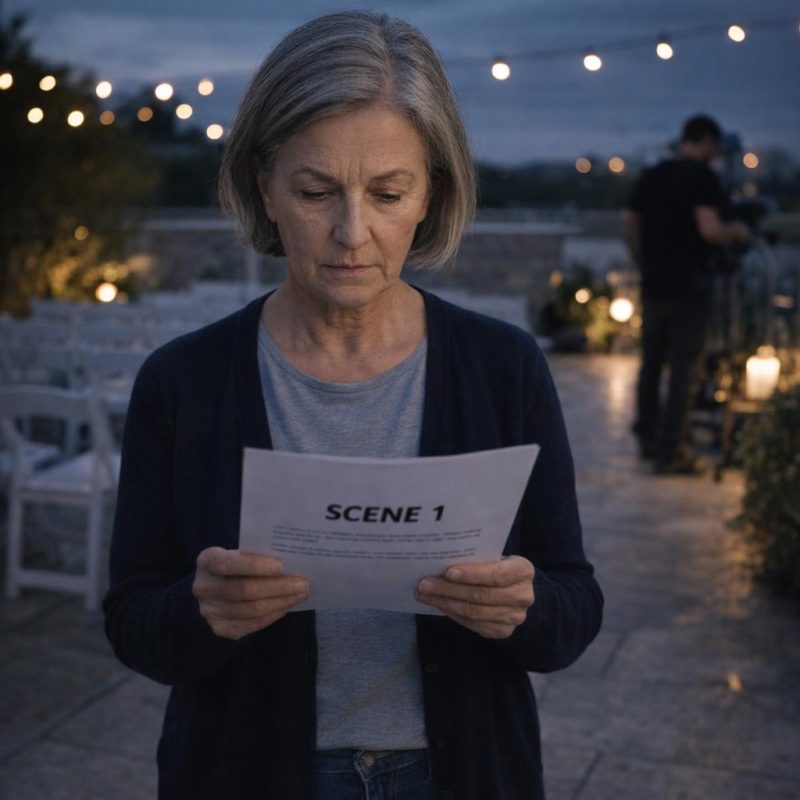 Image by RM AI
What They Told Him About Me
I didn't stop to think. I just walked. I found Glenn near the edge of the terrace, straightening his jacket, and I held the paper out in front of him before I even said a word. I told him I needed him to explain what he had done with our retirement account. He looked at the page, then at me, and his face did something I wasn't expecting — it went completely blank. Not guilty. Not caught. Just lost. He asked me what I was talking about. I told him it was right there, in his production notes, in bold — reveal retirement account, Marcy unaware. He took the paper from my hand and read it twice. He said he hadn't touched anything. He said he didn't know what this was. I told him that wasn't good enough, that I needed to see proof, and he pulled out his phone without arguing. We stood there together under the terrace lights while he pulled up our accounts — checking, savings, the retirement fund we'd been building since the nineties. Every number was exactly where it should be. Nothing moved. Nothing missing. I stood there staring at the screen, and I didn't know what to do with that. The accusation had felt so real sixty seconds ago, and now there was nothing to point at.
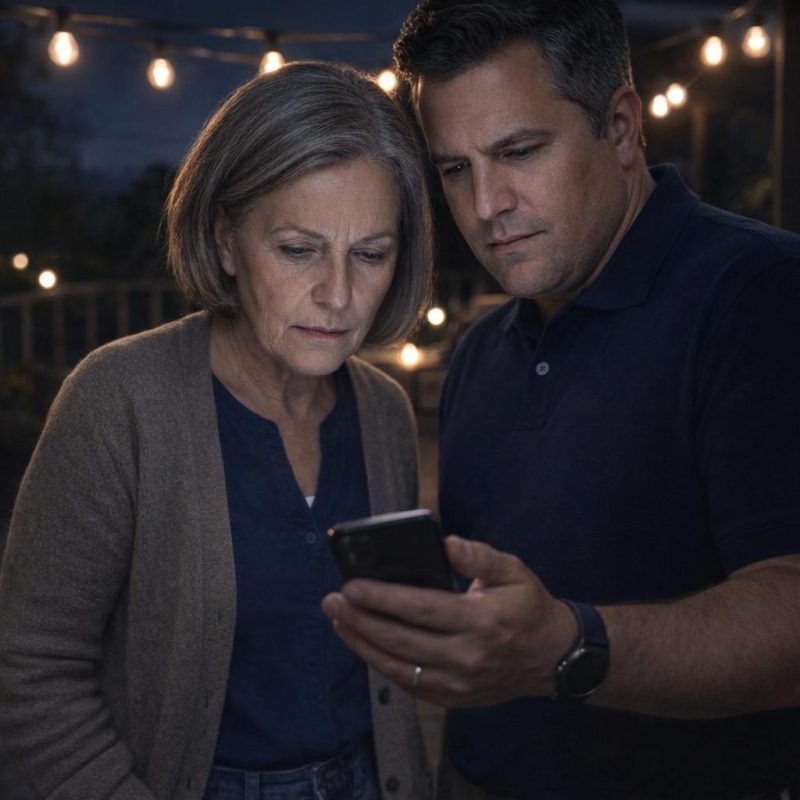 Image by RM AI
The Divorce Lawyer
Glenn didn't put his phone away. He scrolled up through his messages and turned the screen toward me without saying anything. It was a message from one of the producers — sent three days before we left for the resort. It said that before agreeing to the trip, I had quietly consulted a divorce attorney. It said I had been weighing my options. It said Glenn should be prepared for the possibility that I wasn't fully committed to saving the marriage. I read it twice. Then I read it a third time. I told him I had never spoken to a lawyer. Not once. Not even close. I hadn't even Googled one. Glenn said he knew. He said the way he'd been watching me all week, waiting for some sign that I was about to leave — he said it had been eating at him. I told him about the instruction on my notes, the one about the retirement account. He hadn't known about that either. We stood there holding our phones side by side, his message and my page, and neither of us said anything for a moment. Two different lies. Both serious enough to make the other person feel like the ground was shifting. The weight of that settled over us slowly, like something heavy being set down.
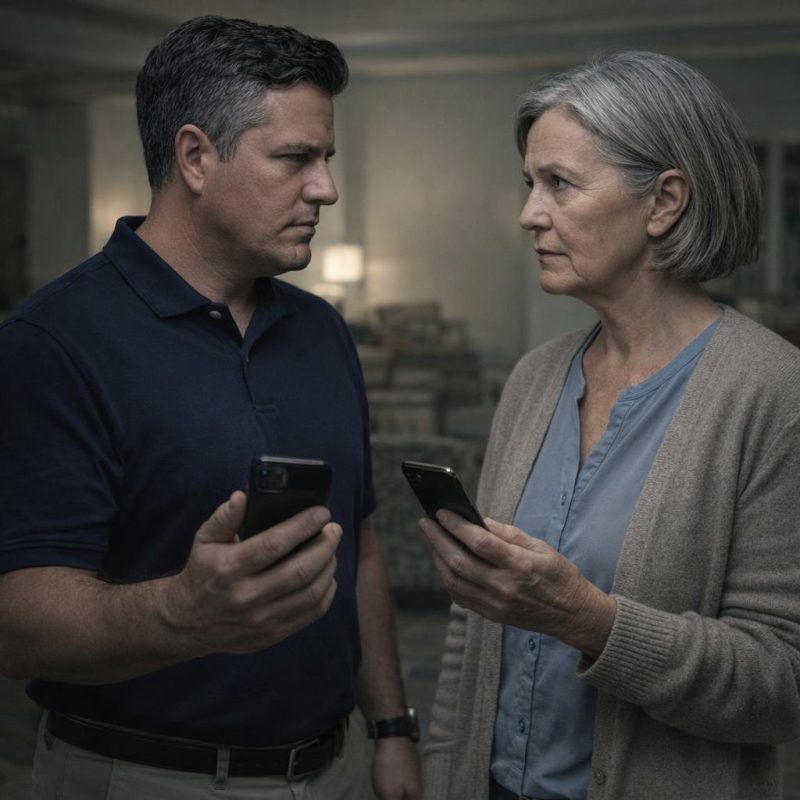 Image by RM AI
The Surprise They Planned
I told Glenn about the surprise question — what Vanessa had mentioned earlier in the week, how she'd said there would be a special moment at the dinner, something meaningful. At the time I'd assumed it was a toast or a reading. Now, standing there with his phone in one hand and that production page in the other, it started to come together. Glenn was supposed to bring up the retirement account. I was supposed to bring up the divorce lawyer. We were supposed to do it at the table, on camera, in front of the ocean, dressed up and mic'd and completely blindsided by each other. Glenn said it out loud before I finished the thought — he said they were going to let us destroy each other and call it a breakthrough. I felt sick in a way that had nothing to do with the food or the heat. Glenn looked at me and I looked at him, and neither of us had words for it yet. The vow-renewal dinner wasn't a reward at the end of a hard week. It was the moment they'd been building toward all along — the table where they expected us to detonate.
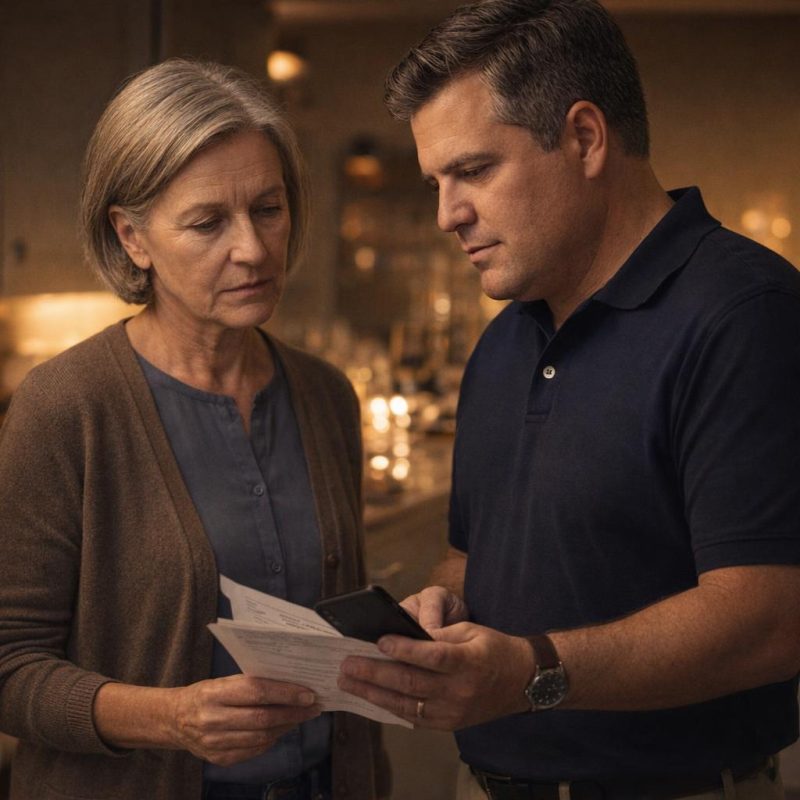 Image by RM AI
Walking Out
Glenn said we should leave. He said it flatly, the way he says things when he's already made up his mind — we should go back to the room, pack our bags, and be at the airport by morning. I understood the impulse. Part of me wanted exactly that. But I stood there thinking about every conversation we hadn't finished in thirty-two years, every time one of us had walked away from something uncomfortable because it was easier than staying in the room. I told him I didn't want to walk away again. He asked what I meant. I said we had spent years not talking about the real things — the distance, the drift, the way we'd turned into two people sharing a calendar instead of a life. I said for once I wanted to have that conversation somewhere nobody could edit it or redirect it or manufacture a better ending. Glenn looked uncertain. He asked what I thought production would do with it. I told him I didn't particularly care. I said we were going back to that table, and we were going to talk — about us, about what was actually wrong, about what we actually wanted. He was quiet for a second. Then I told him we were going back wearing our microphones.
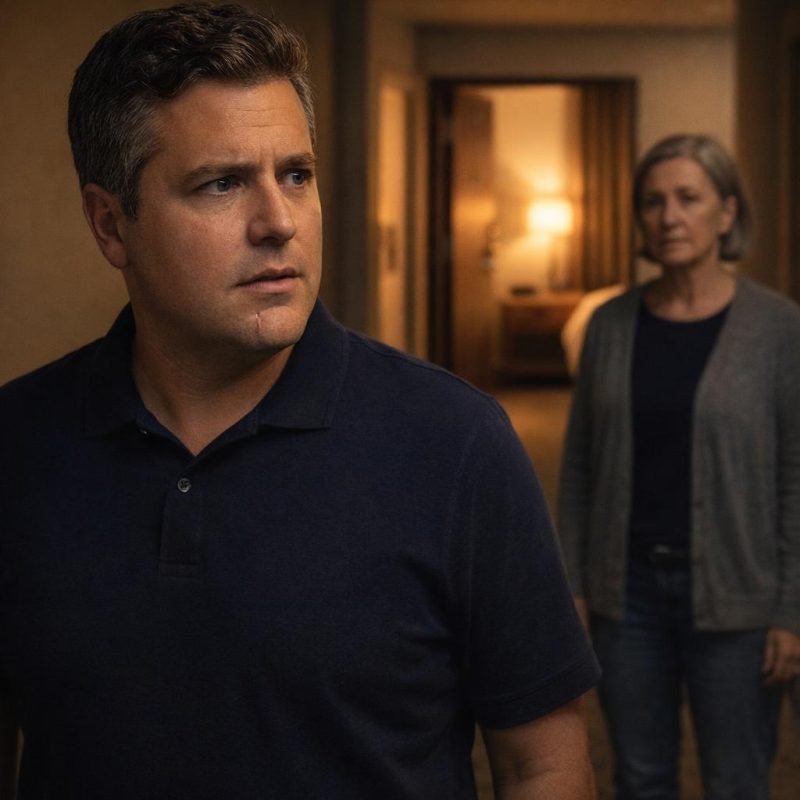 Image by RM AI
Returning to the Table
We walked back through the restaurant entrance together. The crew was exactly where we'd left them — cameras repositioned, sound equipment checked, two operators standing at angles that would catch both our faces across the table. Vanessa was near the far wall with her tablet, and when she saw us she smiled the way someone smiles when a plan is coming together. She said something to the person beside her and moved toward the table to meet us. She didn't know. I could see it in the way she carried herself — easy, confident, already thinking about the footage. Glenn held my chair and I sat down. The ocean was right there beyond the railing, dark and flat, the kind of view they put on postcards. A sound technician leaned in and checked the clip on my dress without making eye contact. The candles on the table were lit. The cameras started rolling. Vanessa gave us a warm smile from just off to the side, the kind that was meant to look encouraging, and I watched her glance down at her tablet and then back up at us, and I sat down at the table and waited for her to give the signal.
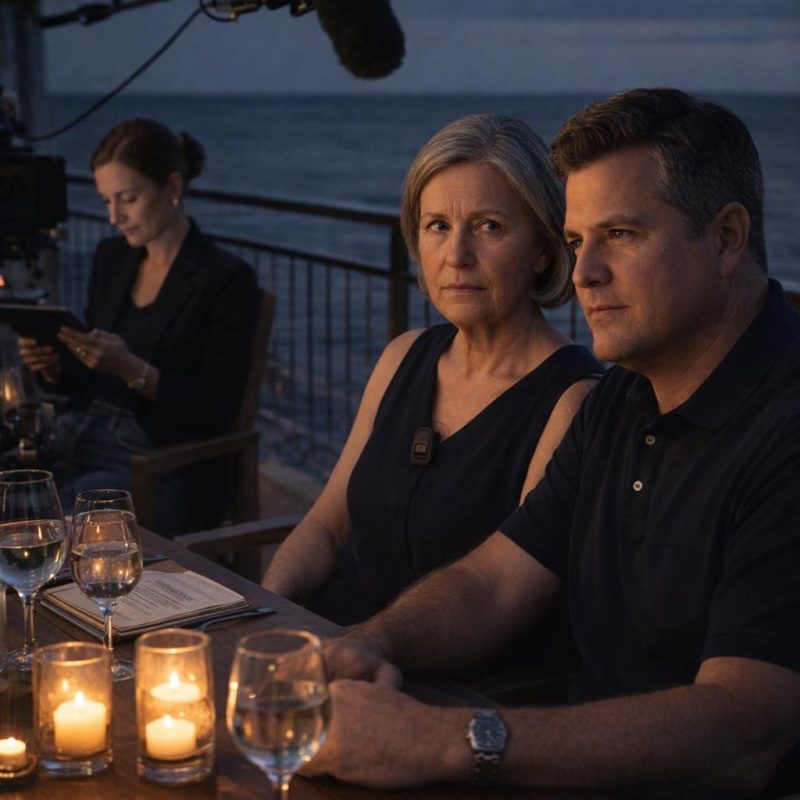 Image by RM AI
The Lies We Were Told
Vanessa started with something soft — she said this was the moment the whole week had been building toward, that she had a special question for us. Glenn didn't let her finish. He looked directly at the nearest camera and said that before they got to any questions, he wanted to talk about something. His voice was steady. He said he'd received a message from production three days before the trip claiming his wife had consulted a divorce attorney. He held up his phone so the camera could see the screen. I reached into the fold of my wrap and pulled out the production notes I'd been given by mistake earlier that evening. I smoothed the page on the table and read the bolded line out loud — Glenn, reveal retirement account, Marcy unaware. I told the camera that our retirement account had not been touched. I told them I had never spoken to a divorce lawyer. Glenn said both of us had been handed false information about the other person, serious enough to make us walk into this dinner ready to fight. I said production had planted those accusations to manufacture a confrontation they could film. Vanessa stepped forward and said something about taking a short break. Glenn asked, calmly, why they would want to stop filming now when they'd spent all week telling us that honesty was the whole point. I watched Vanessa's hand go up toward the nearest camera operator, and I watched the operator look at her and then look at us and not move.
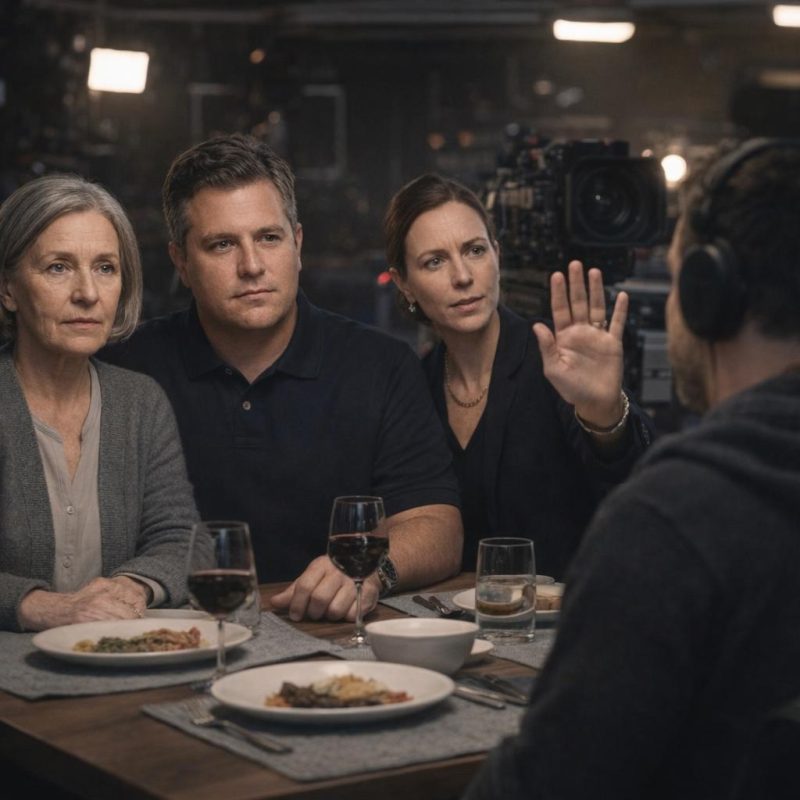 Image by RM AI
The Silence That Followed
Nobody spoke. That was the thing I remember most — how completely the sound dropped out of the room. The two camera operators looked at each other. The sound technician stood with his hand still near his equipment and didn't touch anything. Vanessa was frozen a few feet from the table, her tablet held against her chest, her expression doing something complicated that I couldn't quite read. Glenn sat beside me with his hands flat on the table, not moving, not filling the silence. I had spent all week feeling like I was one step behind everyone else in that room. This was the first moment all week where I felt like I was standing on solid ground. Vanessa finally lifted her hand and gave a small signal to the operators. They kept rolling. She didn't have another move — stopping the cameras at that point would have looked worse than anything we'd said. I felt Glenn's hand find mine under the table, his fingers closing around mine the way they used to when we were somewhere unfamiliar and figuring it out together. We hadn't been on the same side of anything in a long time. The quiet in that restaurant settled around us like something that had finally been allowed to land.
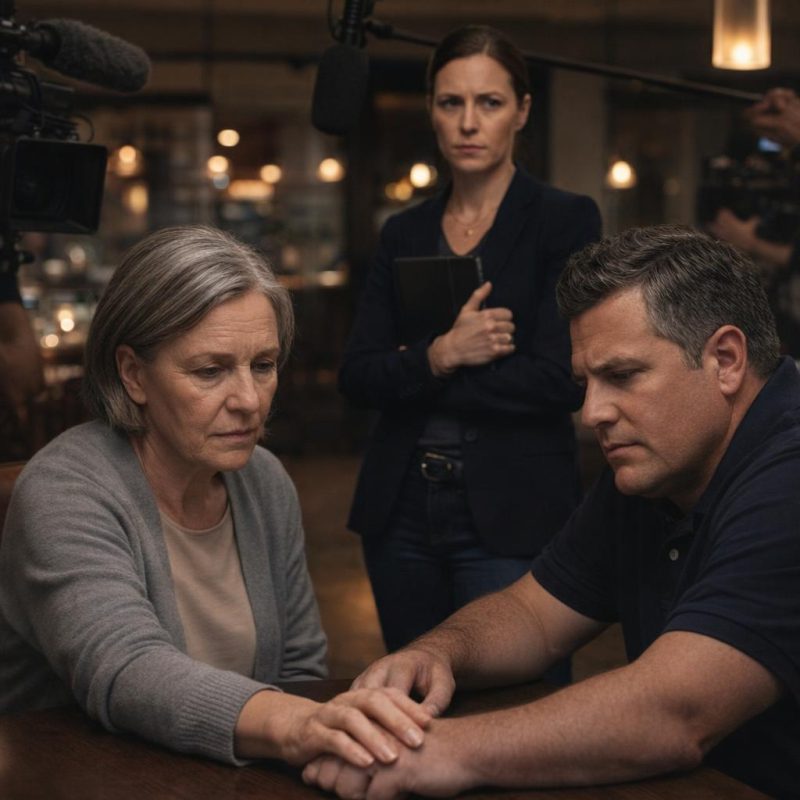 Image by RM AI
Seeing the Full Picture
I started from the beginning. I told the camera about the casting call, about how Glenn had been encouraged to describe our problems in the most dramatic terms possible, how every time he added something the producers leaned in closer and took more notes. Glenn said they'd asked him leading questions — not what are your concerns about the marriage, but what are the worst things that have happened, what has she done that hurt you most. I described the contract clause we'd almost missed, the one that required a transformational arc, the one that tied the largest portion of our payment to dramatic footage. I said we hadn't understood what that meant until we were already here. I explained the false messages, the planted accusations, the surprise question that was supposed to make us detonate in front of a live camera over things that had never happened. Glenn said the entire week had been a setup — not for us to reconnect, but for us to fall apart in a way that was interesting to watch. Vanessa stood at the edge of the frame and didn't say anything. She didn't deny it either. I looked at the camera and said that we had real problems in our marriage, real ones, and that none of them had been given a single honest moment all week to breathe. Saying it out loud, all of it, in order — the weight of that sat with me long after the words were gone.
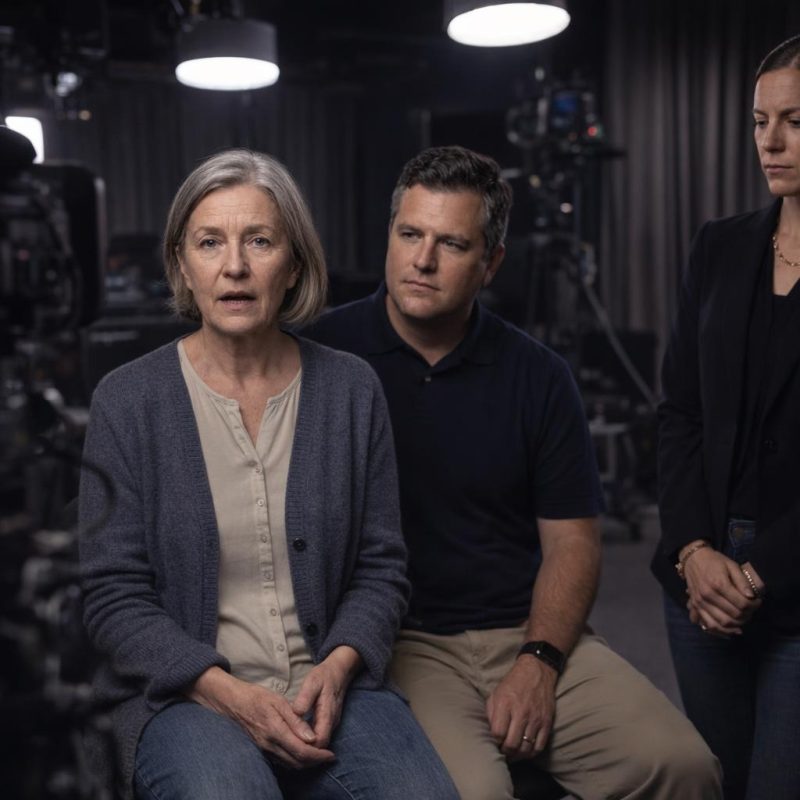 Image by RM AI
Denise and Paul Step Forward
I hadn't even finished the last sentence when I heard movement from the far end of the restaurant — chairs scraping, footsteps crossing the tile. I turned, and there were Denise and Paul, my ally and her spouse, walking toward us from a section I hadn't even registered when we sat down. Denise had her phone in her hand and her expression was the kind of calm that comes from having already decided something. Paul looked like a man who had been holding his breath for an hour and was finally allowed to exhale. They had been sitting there the whole time, listening. Denise said they had gone through the same thing — the same leading questions during casting, the same pressure to describe their worst moments, the same contract language about transformational arcs. Paul said a producer had told him things about Denise that weren't true, things designed to make him walk into their final dinner already angry. Denise said she had been given the same treatment in reverse — fed a version of Paul that had been shaped to provoke her. I looked at Vanessa, who had gone very still at the edge of the room. Denise held up her phone and said they had saved every message from the casting process, every single one.
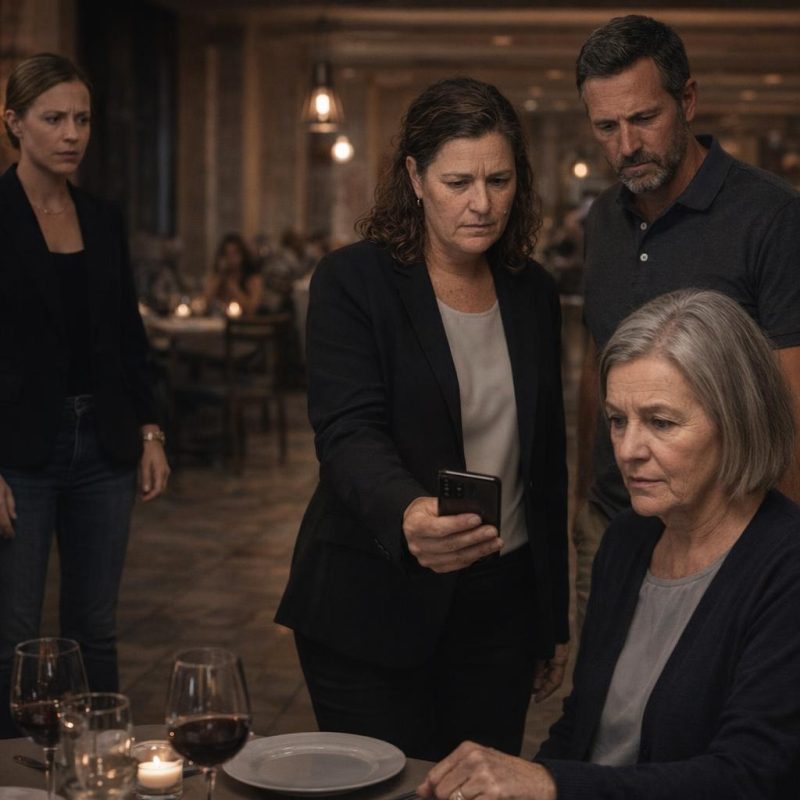 Image by RM AI
Comparing the Messages
We pulled two tables together right there in the middle of the restaurant. Denise set her phone down first, scrolling to the earliest messages from the production company. Paul laid out printed emails he had brought in a folder — I hadn't even noticed the folder until that moment. Glenn pulled up his own messages and we started going through them side by side. The leading questions were identical, almost word for word: what is the most painful thing your spouse has done, describe a moment when you felt completely alone in this marriage. The contract language matched too — the same phrase about a transformational arc appearing in both documents, the same clause tying the largest payment to dramatic footage. Both husbands had been encouraged during casting to frame their fears in the most extreme terms possible. Both wives had been given scripted conversation starters for the final dinner. I read through Denise's casting emails and then Glenn's and then back again, and the phrases didn't just rhyme — they were the same sentences, copied and pasted with our names swapped in. Vanessa stood near the door and said nothing. The same words, in the same order, sent to two different couples in two different cities.
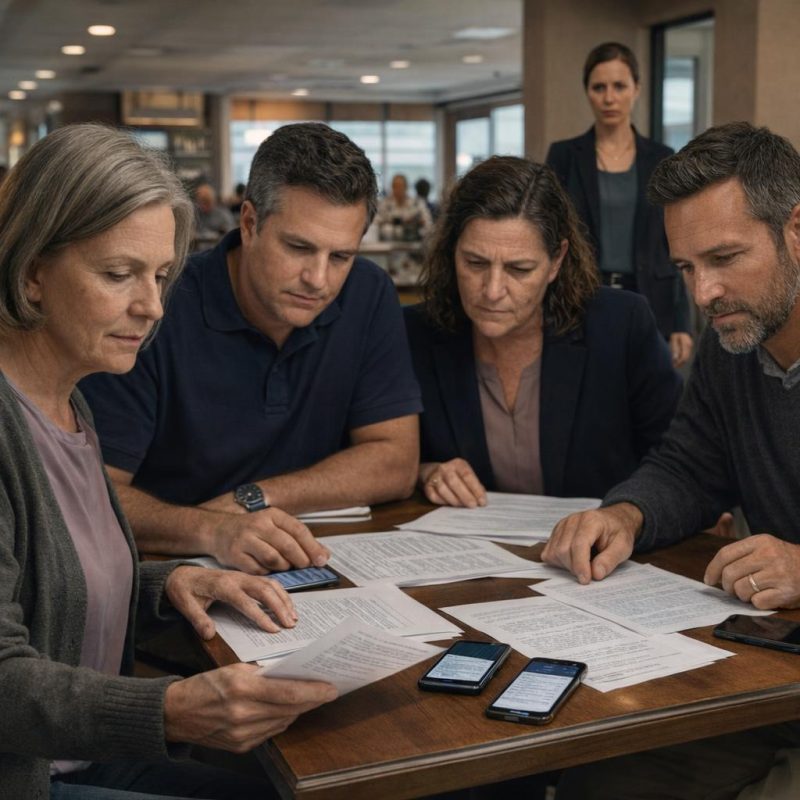 Image by RM AI
Production Shuts Down
Vanessa spoke to one of the camera operators in a low voice, and within about thirty seconds the red lights on the cameras went dark. She said something about wrapping for the evening, and then she walked out of the restaurant without looking at any of us. The crew moved efficiently, the way people do when they've been told to clear a space quickly and without discussion. They broke down the lighting rigs first, then the sound equipment, coiling cables and stacking cases with a practiced quiet that felt surreal after the week we'd had. Glenn sat beside me and didn't say anything. Denise and Paul stayed at their table across from us, and the four of us just watched it happen — the whole apparatus of the show dismantling itself around us while we sat there with our phones and our printed emails and our untouched dessert plates. I thought about the version of this week I had imagined when we first agreed to come — the one where something real got fixed. A crew member carried a camera past our table without making eye contact. The restaurant felt enormous once the equipment was gone, and very quiet.
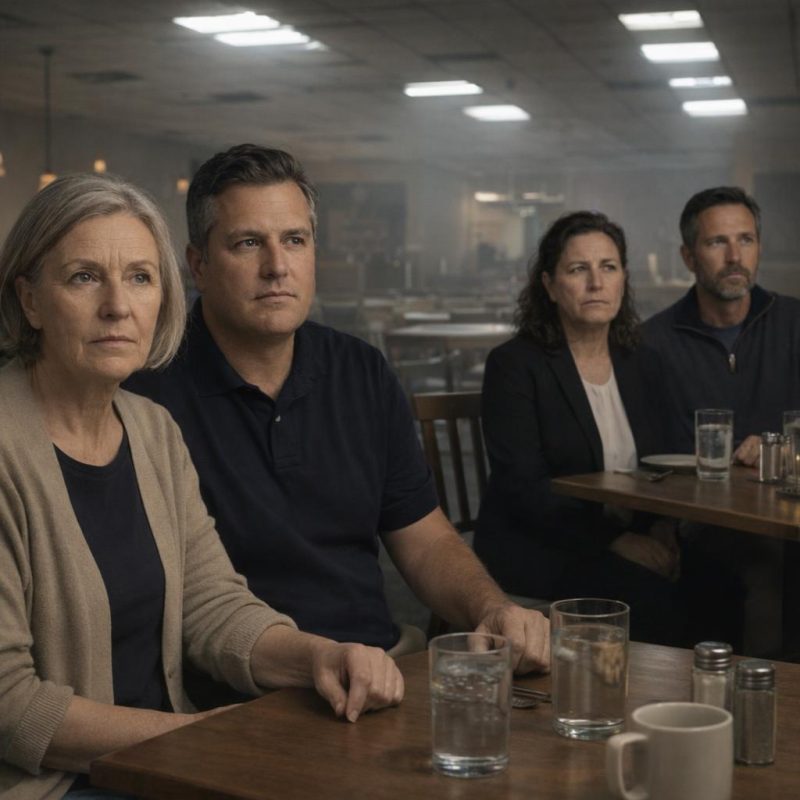 Image by RM AI
The Celebrity Name
On the flight home, Glenn admitted something he hadn't said out loud before. The reason he had applied in the first place — the reason he had filled out the forms and sent in the video and gone through three rounds of interviews — was the name attached to the project. Someone well-known, someone whose work we had both respected for years, was listed as an executive producer. Glenn said that name made him trust the whole thing. He thought if that person was involved, the show had to be legitimate. Denise had said the same thing the night before — that Paul had pointed to that name specifically when she'd had doubts early on. I had felt it too, if I was honest. The name had made it feel like something worth doing rather than something to be wary of. Sitting on that plane, I turned it over in my mind. A person that visible, that busy — they attach their name to a project and move on. They don't sit in on casting calls or read the emails that go out to participants. The manipulation we had experienced had happened several layers below wherever that name actually lived in the production. I didn't think they knew. I still don't.
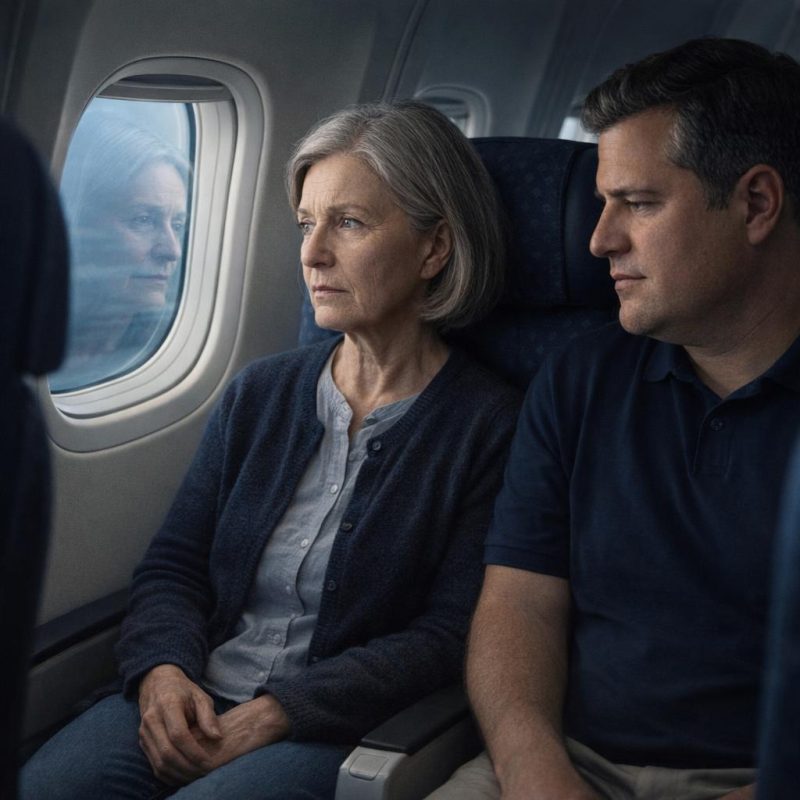 Image by RM AI
What We Finally Said
We got back to the room around eleven. Glenn sat on the edge of the bed and I sat in the chair by the window, and for the first time all week there were no microphones, no cameras, no producer standing just off frame. Glenn said he had been scared. Not of me, not of the marriage exactly — scared of getting old without enough money, scared of what retirement was going to look like, scared that he had made decisions over the years that couldn't be undone. He said he had handled that fear alone because he was ashamed of it, and handling it alone had meant making decisions alone, and that was how we had ended up here. I told him I had felt invisible. Not unloved, necessarily, but invisible — like I had become someone he managed around rather than someone he talked to. I said the distance between us hadn't come from one big thing, it had come from a hundred small moments where he had stopped including me. He apologized for enrolling us without asking. I told him I understood why he had done it, that the fear made sense to me, but that I had needed to be part of the decision. We talked about money and retirement and what we actually had and what we actually needed, plainly, without performance. It was hard and slow and nothing like television. The relief of finally saying it — all of it — settled over me like something I hadn't known I was carrying.
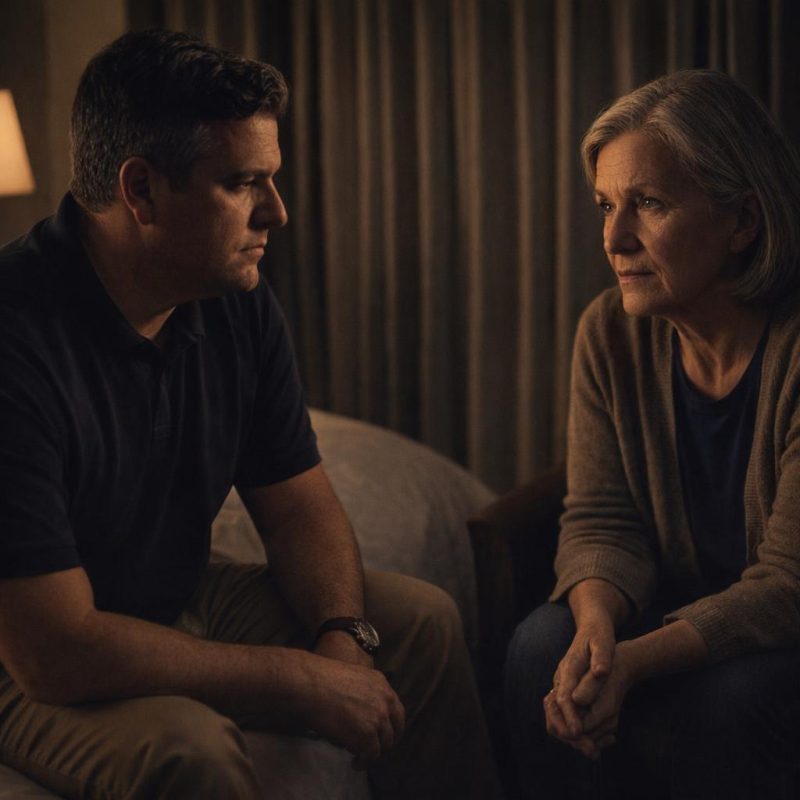 Image by RM AI
Attorneys Involved
We were barely home two days when the calls started. Our attorney reached out first, then called back an hour later to say the network's legal team had already been in touch with her. Denise texted me that same afternoon — their lawyer had gotten a similar call. The four of us got on a group call that evening and compared notes, which by that point had become a habit. The network wanted to discuss the footage, the contracts, what could and couldn't be used. Our contracts had clauses in them about discussing the show publicly, clauses we had not fully understood when we signed them, and the lawyers were now the ones doing the understanding on our behalf. It was slow. There were emails that took days to get responses, calls that got rescheduled, language that had to be negotiated line by line. Glenn sat at the kitchen table with a legal pad and took notes during every call, which was more organized than I had expected from him and which I appreciated without saying so. Denise and Paul coordinated everything with us — we weren't going to sign anything separately, and the lawyers on both sides knew it. We were still sitting at the kitchen table going over the latest draft when my phone rang and the number on the screen was the network's outside counsel.
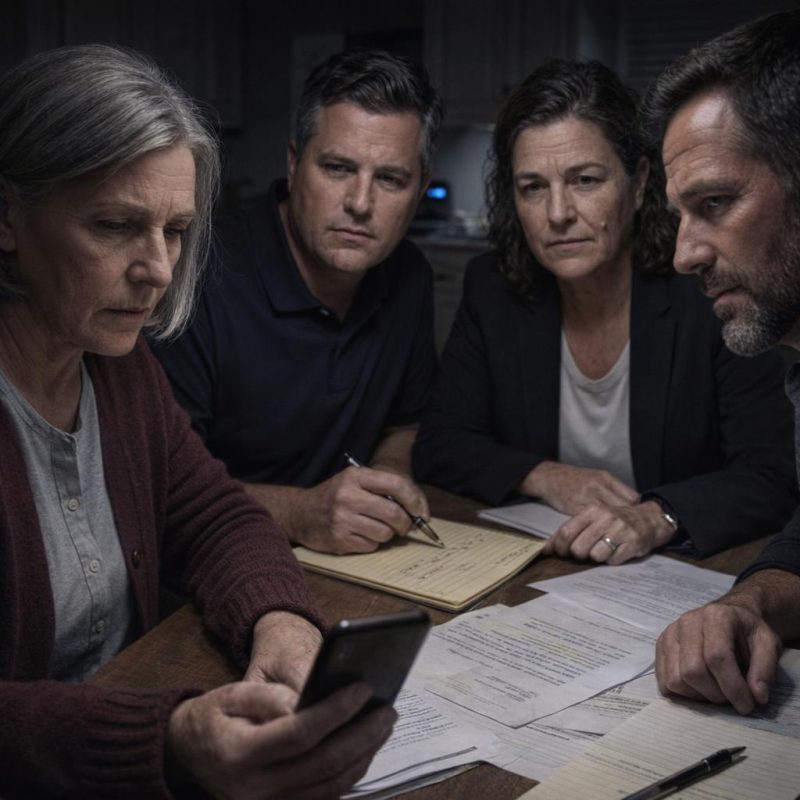 Image by RM AI
The Version That Never Aired
It was about six weeks after we got home when our attorney called with the news. The network had decided not to move forward with the series. The version of the program we had participated in — the dinners, the cameras, the manufactured confrontations — would not be broadcast. She said it in a matter-of-fact way, the way lawyers deliver information they know you've been waiting for, and I sat at the kitchen table and felt something loosen in my chest that I hadn't realized was still clenched. Glenn was frustrated. He said we had gone through all of it — the week away, the legal fees, the months of back-and-forth — and there was nothing to show for it, not even the show itself. I understood his frustration but I didn't share it, not about that part. The idea of watching ourselves on television, manipulated and maneuvered and caught on camera in our worst moments, had never felt like anything I wanted. The attorney also said the restrictive clauses in our contracts had been substantially released as part of the settlement. We were free to talk about what had happened, within limits she outlined carefully. I thought about the other couples — whether there had been more of them, whether any of them were still tangled up in it. I never found out. The show was gone, and with it the version of us they had tried to make.
 Image by RM AI
The Negotiated Payment
The settlement check arrived on a Tuesday, which felt appropriately undramatic. Glenn held the envelope for a moment before he opened it, and I watched him read the number twice. It was not eighteen thousand dollars. After legal fees, after the negotiated reduction, after everything, it was enough to cover what we had spent on the trip itself and not much more. Glenn set the check down on the counter and didn't say anything for a while. He apologized again — not for the first time, not for the last — and I told him what I had been telling him for months, that I understood why he had done it. The fear had been real. The intention had been real, even if the execution had been a disaster. I wasn't angry about the money. I had stopped being angry about the money somewhere around week three of the legal process, when it became clear that whatever we received was going to be a fraction of what had been promised. The real cost hadn't been financial and we both knew it — the weeks of uncertainty, the things that had been said on camera, the version of our marriage that had been poked and prodded for footage. I looked at the check sitting on the counter, and then at Glenn, and then at the number again — and what it had actually taken to get there.
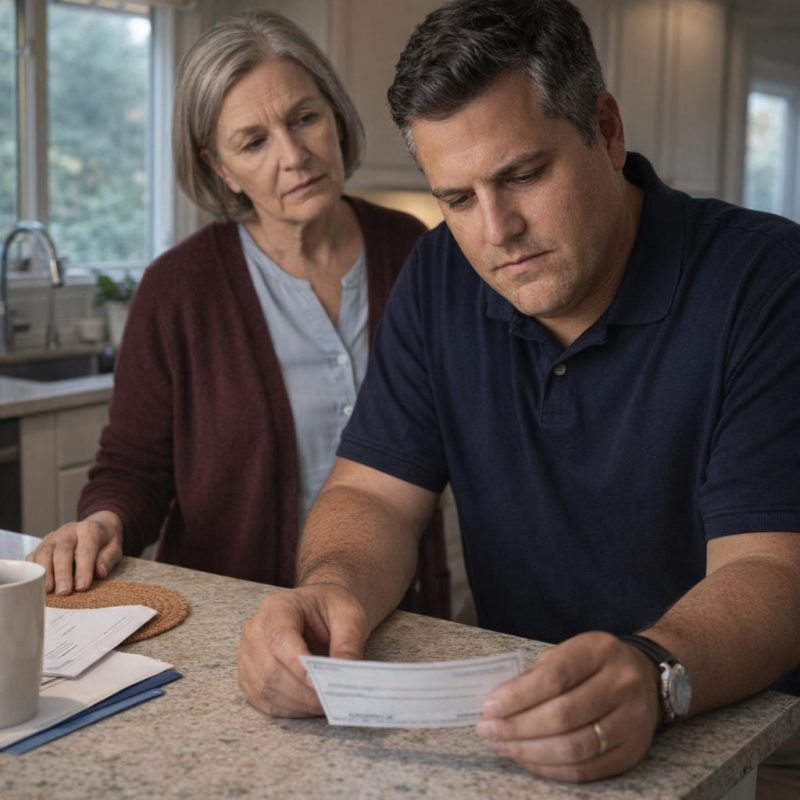 Image by RM AI
What We Learned
Here is the thing nobody tells you about being manipulated: sometimes it works anyway, just not the way anyone intended. The show didn't save our marriage by giving us a romantic trip. It saved it — or at least started to — by forcing us to say out loud the things we had been quietly not saying for years. Glenn was terrified. Not of losing me, exactly, but of getting older and feeling like he had nothing to show for it, like the ground was shifting under him and he hadn't told me because he thought he was supposed to have it handled. And I had been disappearing into the background of my own life, accepting distance as the default, telling myself that was just what long marriages looked like. Neither of us had said any of that clearly until strangers with cameras showed up and started poking at the sore spots. The manipulation was real. The fake drama was real. But underneath all of it, the actual problems were real too, and we had been stepping around them for years. Glenn learned he cannot make decisions for both of us and call it a surprise. I learned that going quiet is not the same as being patient. We are not fixed. I want to be honest about that. But we are talking, actually talking, in a way we hadn't in longer than I want to admit — and that came out of the wreckage of something that was supposed to humiliate us.
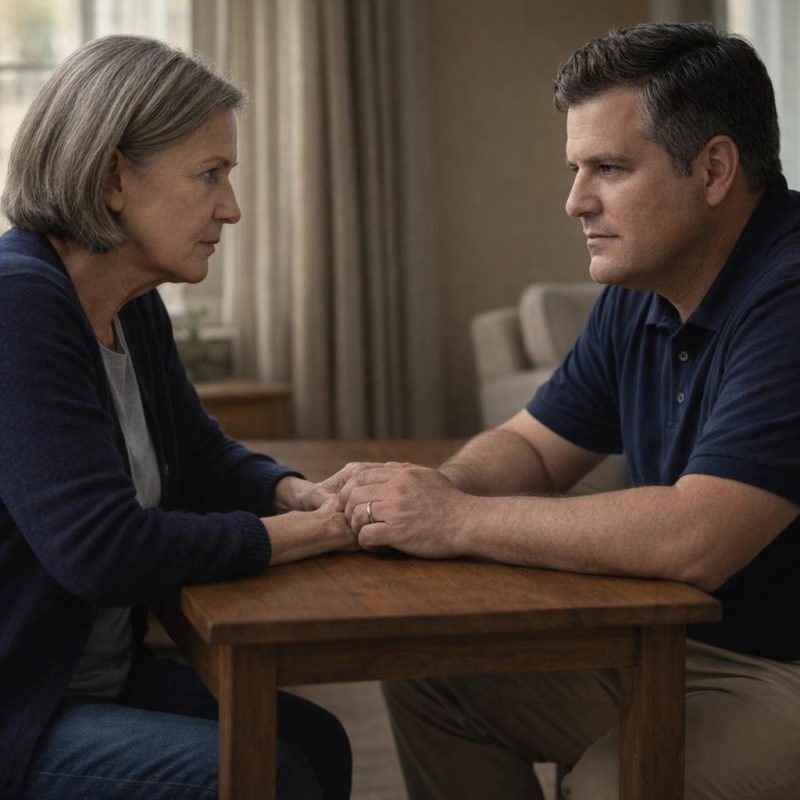 Image by RM AI
The Modest Hotel
Several months after the settlement was finalized, Glenn asked if I wanted to take another trip to the coast. He asked me first this time. That sounds like a small thing, but it wasn't. We sat at the kitchen table with our laptops and looked at hotels together, and I told him what I actually wanted — something small, something we could afford without stress, somewhere we could hear the ocean. We found a place that was nothing fancy: a two-story inn about a block from the water, clean rooms, a decent breakfast included, a parking lot that did not have a valet. We drove up on a Friday afternoon, talking about ordinary things the whole way — whether the car needed new tires, what we were going to do about the gutters, a podcast Glenn had been listening to. We carried our own bags up to the room. The window looked out over the water, and you could hear the waves if you left it cracked open. There were no producers waiting in the lobby. No release forms on the nightstand. No one with a clipboard asking how we were feeling about our relationship. Just the two of us and a room we had chosen together, and the sound of the ocean coming in through the gap in the window frame.
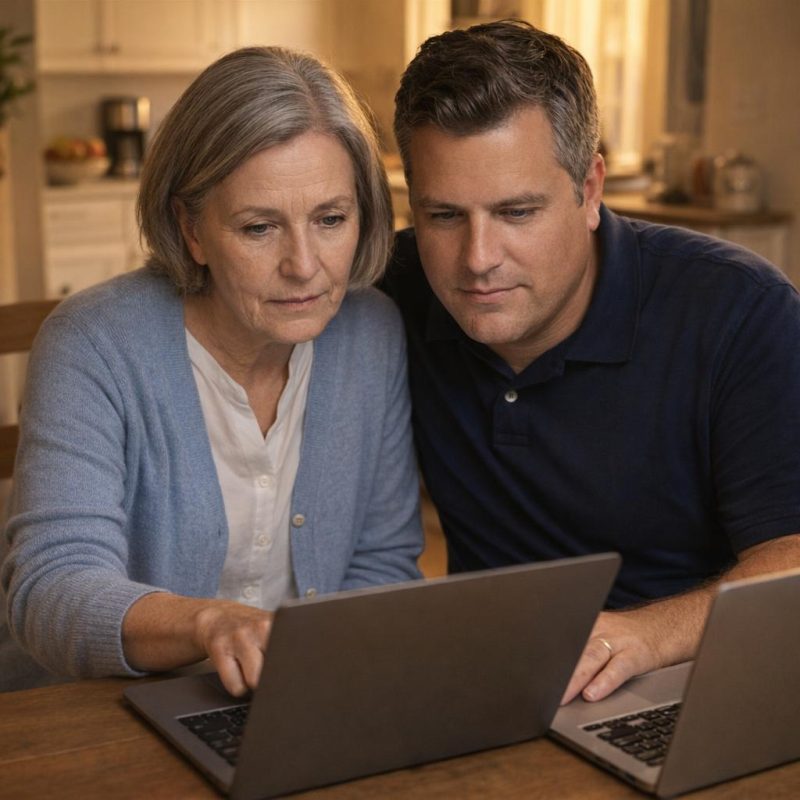 Image by RM AI
The Question He Asked
We walked on the beach that first evening, after dinner, when the light was going flat and the sand had cooled down enough to be comfortable. Glenn was quiet for a while, which I had learned to read better than I used to. Then he asked me if I regretted going on the show. I thought about it for a real minute before I answered, because he deserved a real answer. I told him yes and no. I regretted why he did it — the secrecy, the decision made without me, the fact that he had been that scared about money and aging and hadn't said a word. I regretted Vanessa and the cameras and the version of our marriage that got packaged into footage for someone else's entertainment. But I didn't regret what came out of it. I didn't regret finally knowing what had been sitting between us for years, or the conversations we'd had since, or the fact that we were standing on a beach together having chosen to be there. Glenn was quiet again after that. Then he said he wished he had just talked to me in the first place. I told him I wished I had made it easier for him to. We walked back toward the inn without saying much else, and the quiet between us felt different than it used to — less like distance, more like two people who had finally run out of things to hide.
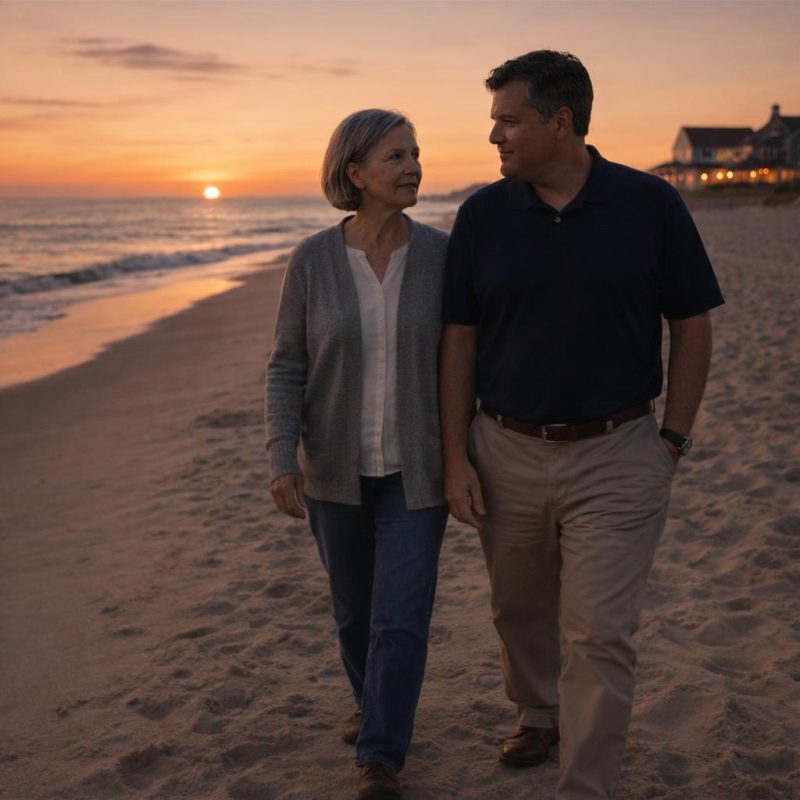 Image by RM AI
Only Two Names
Back in the room, I pulled the hotel confirmation out of my bag — the printed copy I had folded into my jacket pocket before we left home. Glenn looked up from where he was sitting on the edge of the bed, and I handed it to him without saying anything. He looked at it for a second, and then he started laughing. A real laugh, the kind that comes from somewhere genuine. There were exactly two names on the reservation. Just ours. I told him I had checked three times before I printed it, just to be sure. He said that was fair. I told him that if I ever opened a hotel confirmation and saw a third name on it, he would not be sleeping in the room — he would be sleeping on the beach, and I would keep the breakfast. He said there would never be a third name. He said it the way people say things when they mean them, not the way people say things to end a conversation. We stood there in that small room with the ocean coming through the window, holding a piece of paper that was nothing more than a booking confirmation for two people who had paid for their own trip — and I told him I was going to hold him to that promise.
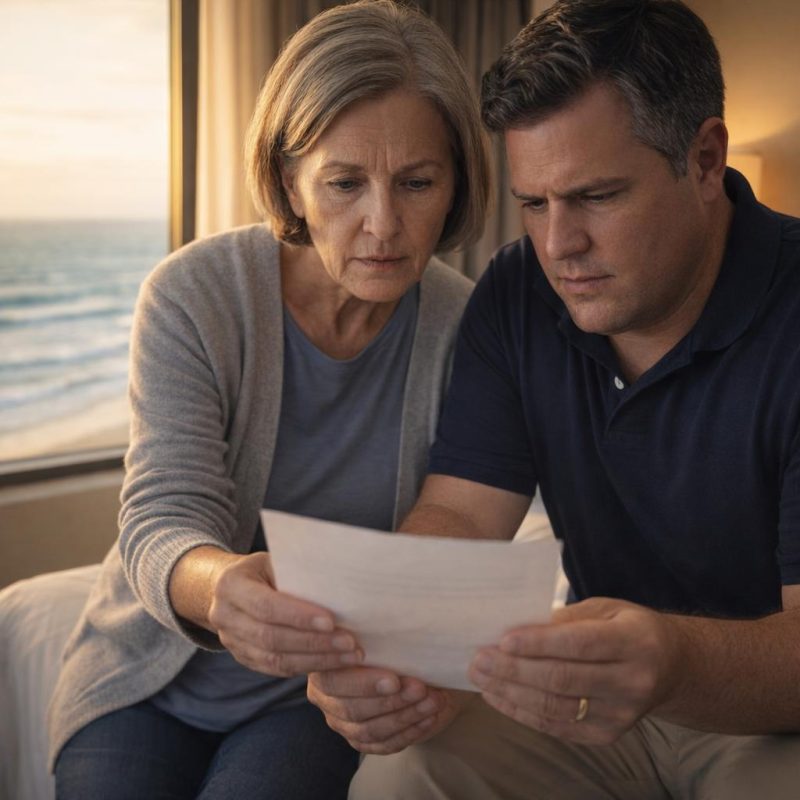 Image by RM AI
KEEP ON READING