20 Confessions Extracted Under Torture That History No Longer Believes
Say Anything, Sign Anything
Torture produces confessions with impressive reliability. A man on the rack will admit to flying, to sabotage, to murdering a child who was never born, because the words stop the pain and nothing else will. Courts and clerics knew this and kept going anyway, partly because a signed confession closed a case and partly because the answers they got matched the questions they had asked. The retractions came later, sometimes centuries later, from appeal courts and parliaments and historians with the original transcripts in hand. Here's 20 confessions that nobody credits anymore.
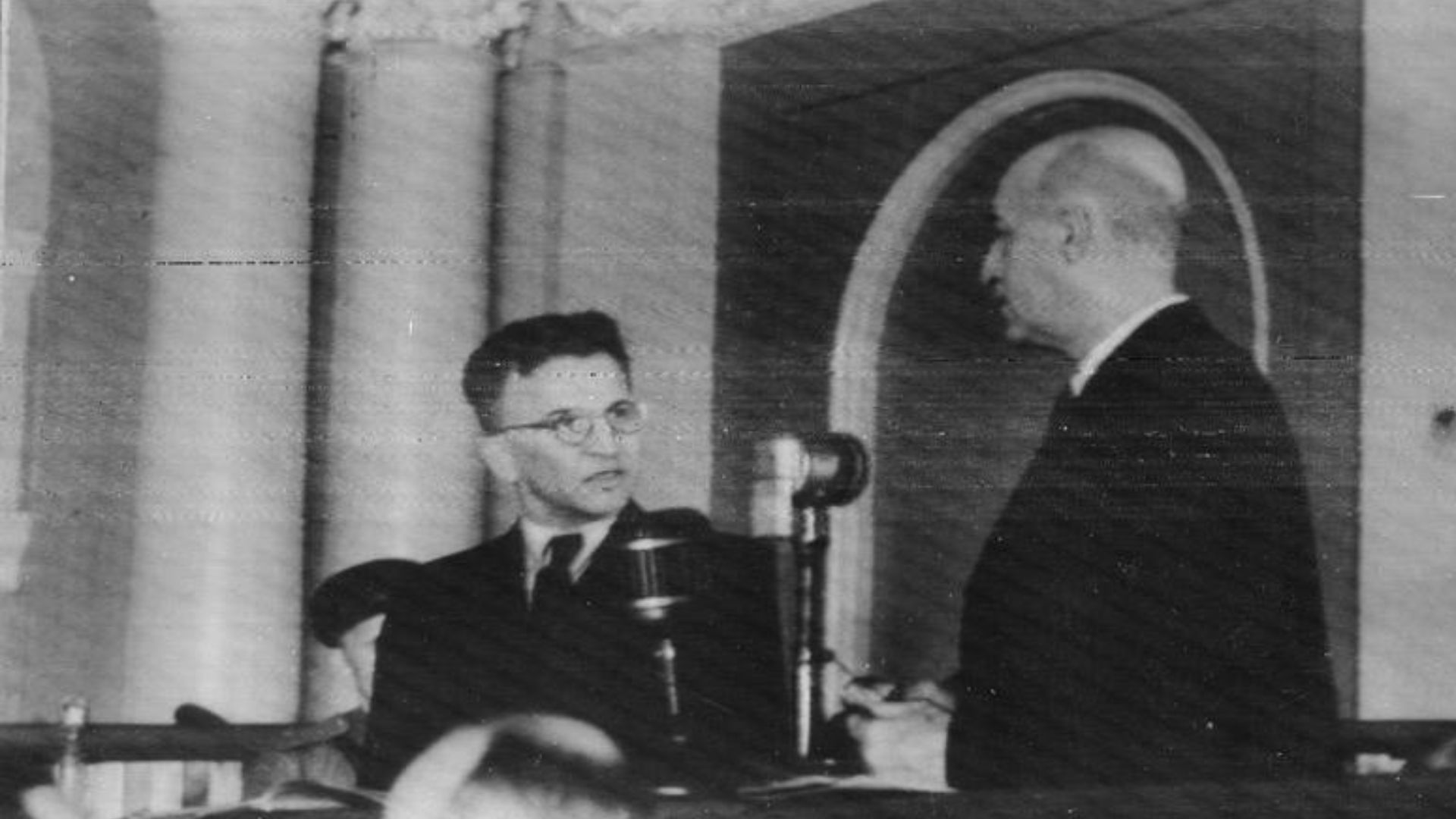 Petrusov, G. (Photographer) Soviet official photographer (Undefined) on Wikimedia
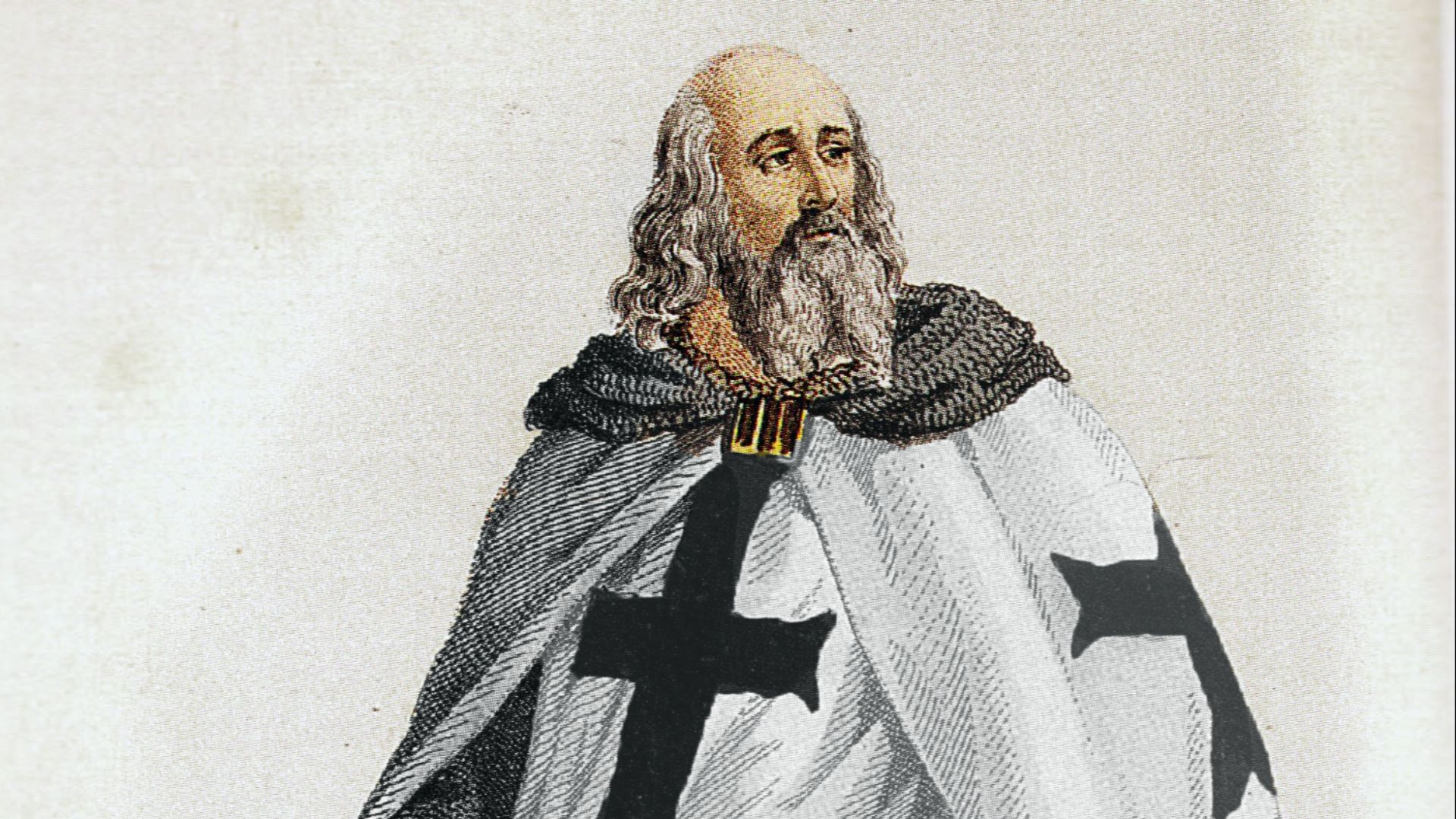
1. The Knights Templar, 1307
Jacques de Molay and scores of his knights admitted to denying Christ and worshipping an idol after French royal agents arrested them in a single coordinated sweep. Most retracted the moment the pressure lifted, and de Molay went to the stake in 1314 insisting on the order's innocence. A document found in the Vatican archives in 2001, the Chinon Parchment, showed that Pope Clement V had privately absolved the leadership of heresy in 1308, six years before de Molay burned.
 Unknown authorUnknown author on Wikimedia
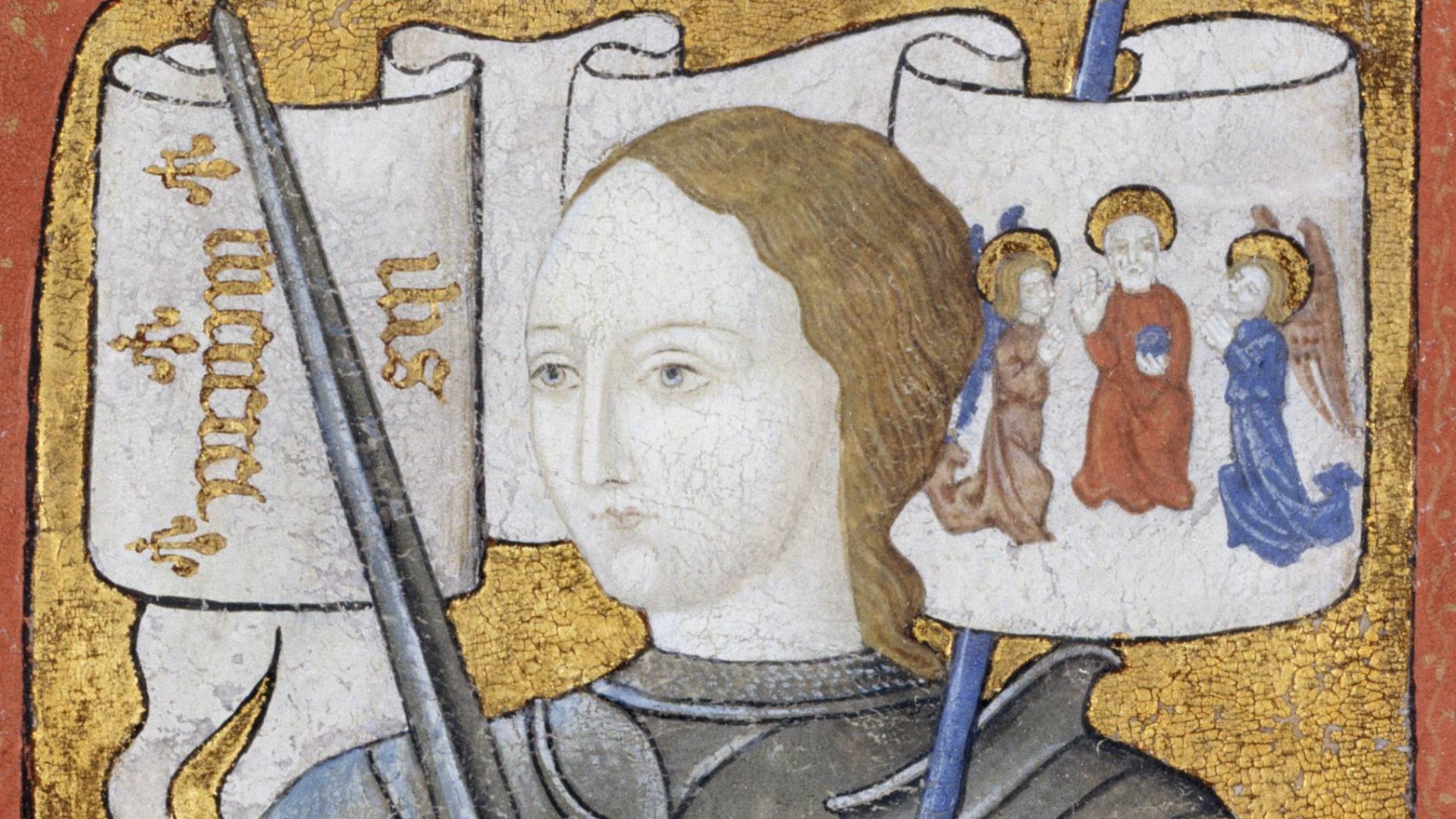
2. Joan of Arc, 1431
Her judges stopped short of torturing her, settling for a tour of the instruments and the man who would work them. Under threat of immediate burning she signed an abjuration she could not read, then repudiated it days later. A nullification trial in 1456 threw out the whole proceeding as fraudulent.
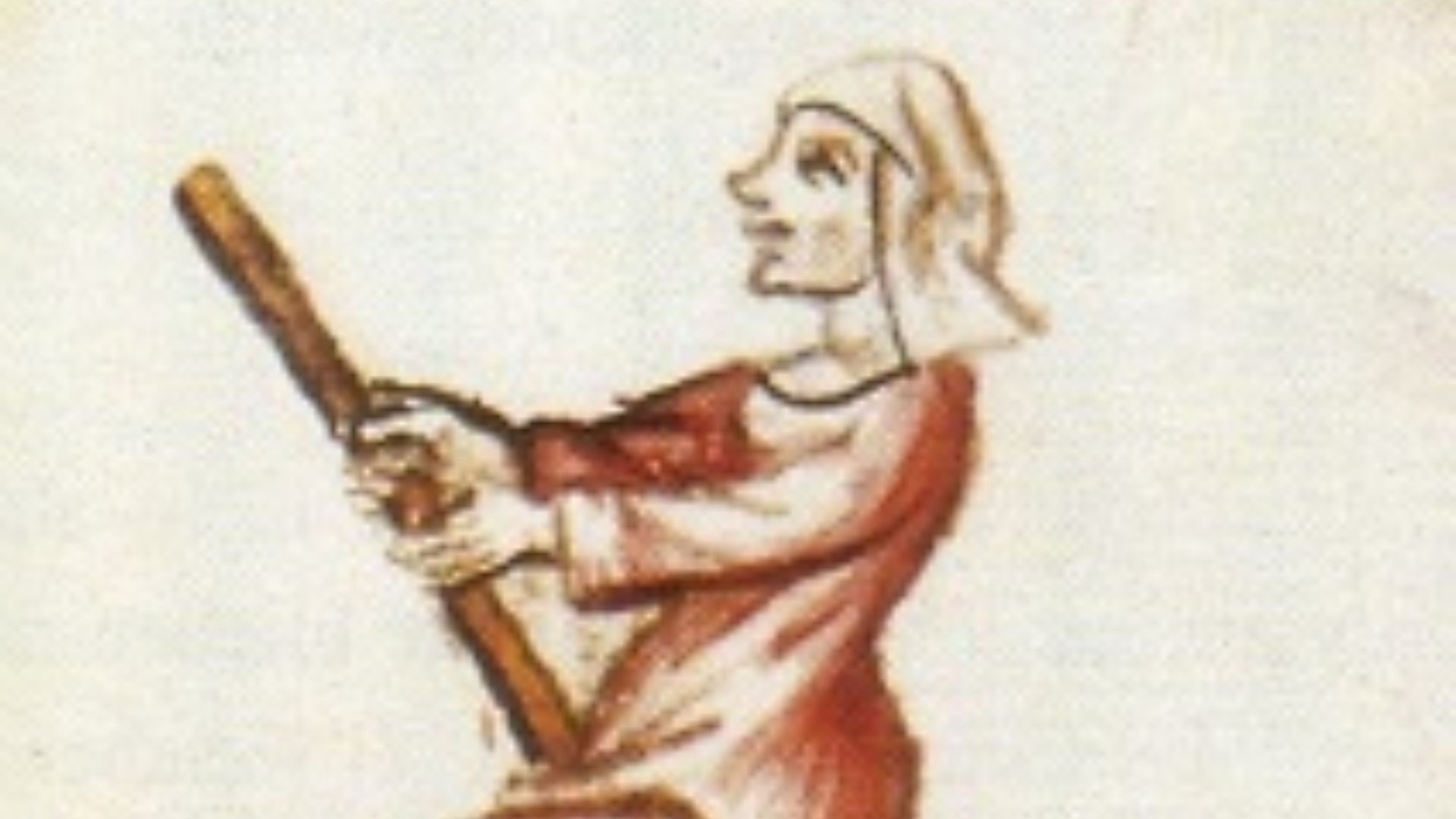
3. The Vauderie of Arras, 1460
Accusations in Arras produced confessions to night flights and demonic banquets, and a dozen people burned on the strength of them. Appeals dragged on for thirty years before the Parlement of Paris quashed the verdicts in 1491 and ordered the victims' names restored.
4. Simon of Trent, 1475
Fifteen Jewish residents of Trent confessed to killing a toddler for his blood, and the boy became an object of local veneration for centuries. Pope Sixtus IV's own commissioner doubted the case at the time. Rome abolished the cult in 1965 and struck Simon from the martyrology.
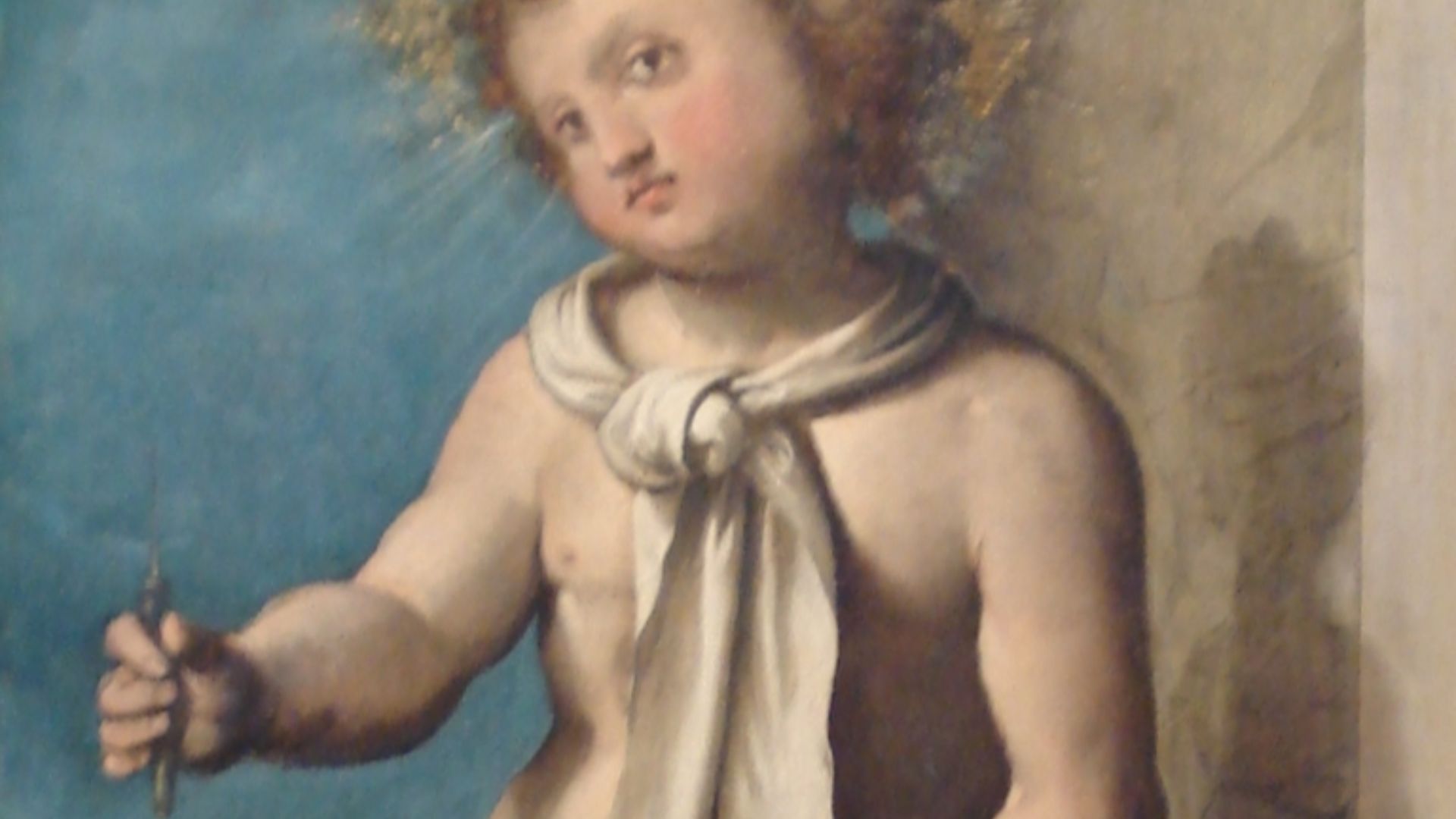
5. The Holy Child of La Guardia, 1491
Spanish inquisitors extracted confessions to the ritual murder of a Christian child near Toledo, then burned eleven men. No body was ever produced. No child was ever reported missing, and the victim of this murder has never been identified because he did not exist.
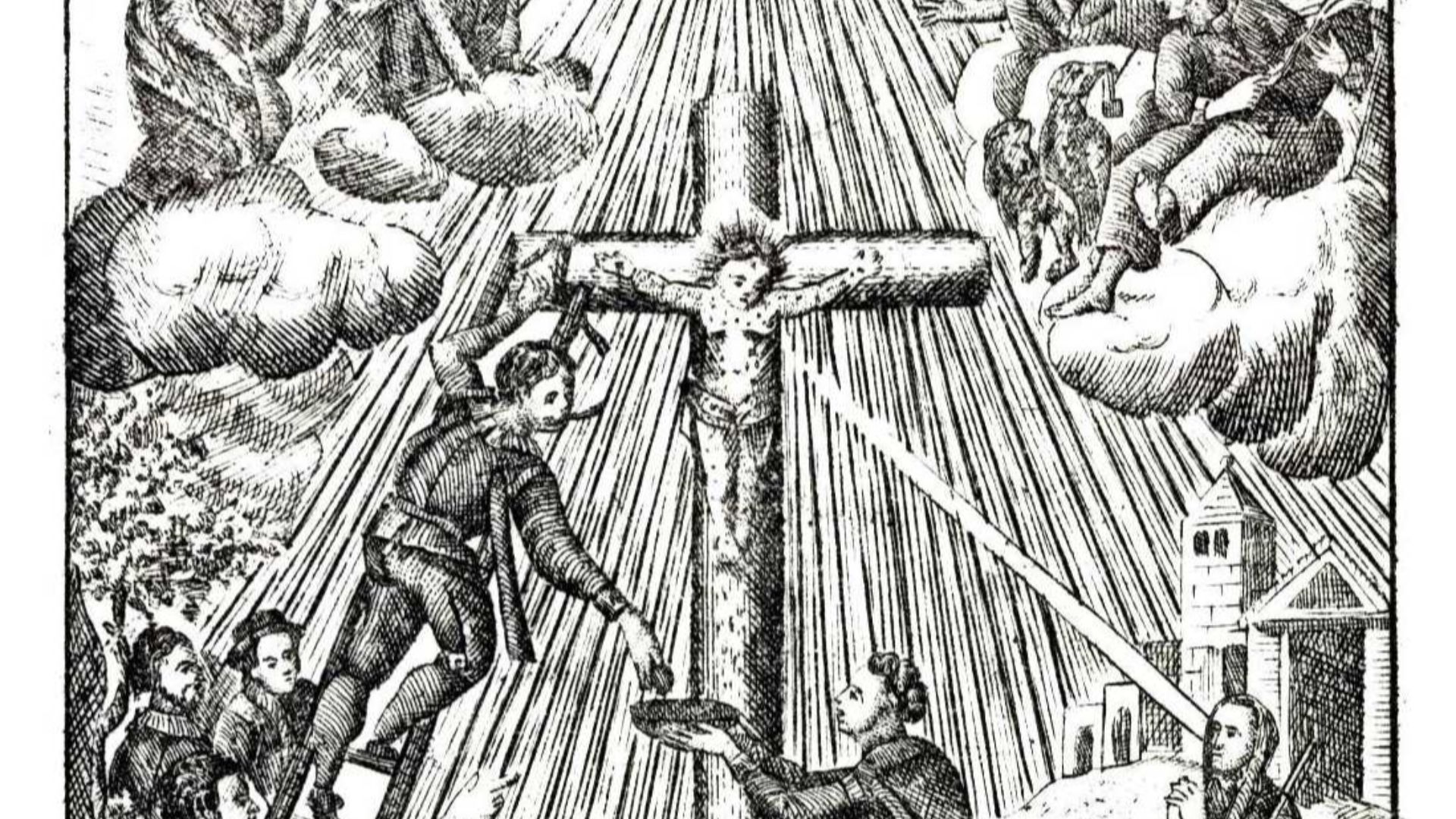 Unknown, 18th cent. on Wikimedia
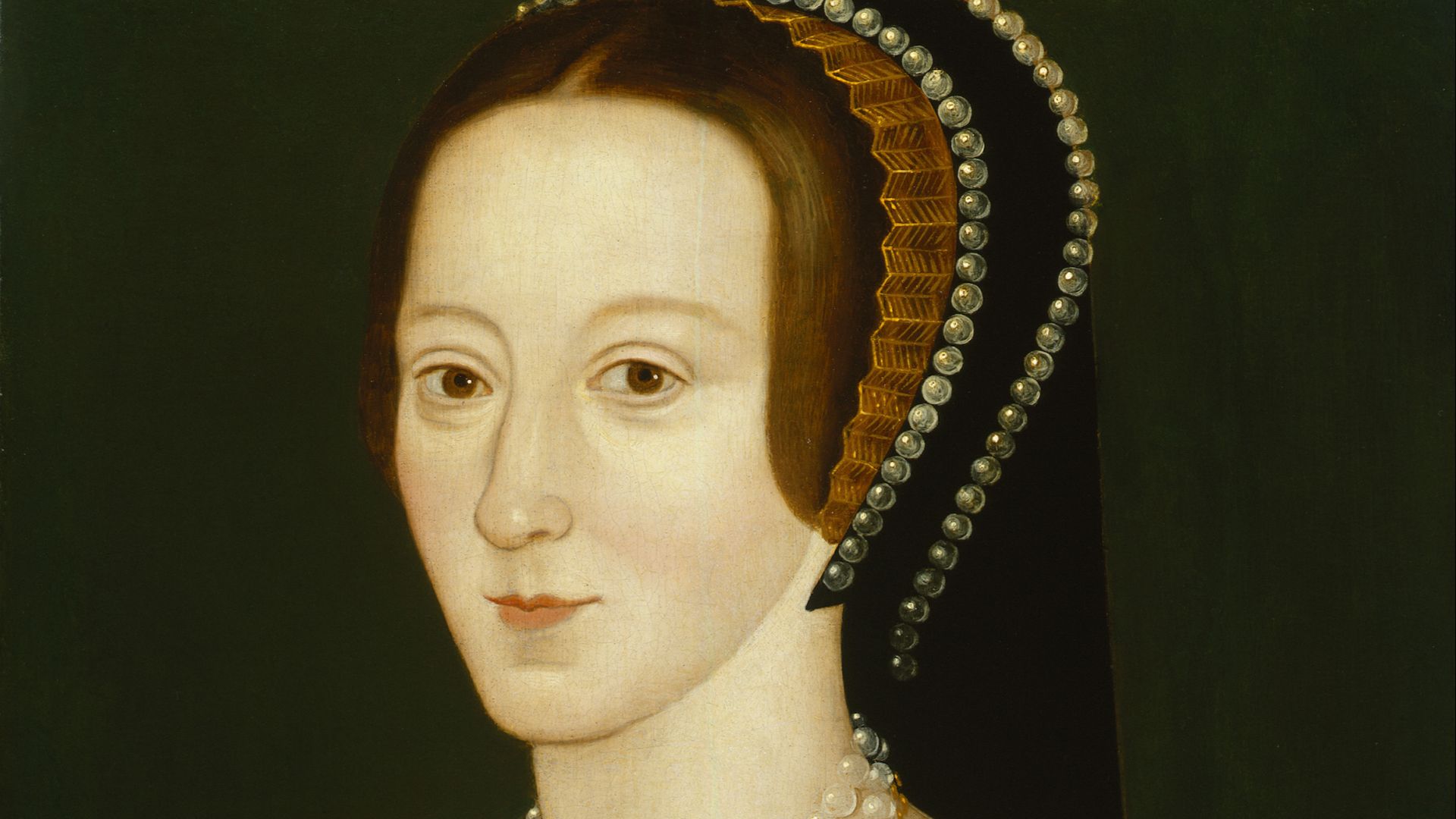
6. Mark Smeaton, 1536
Of the five men accused of sleeping with Anne Boleyn, only the court musician confessed, and only he lacked the gentle birth that would have shielded him from legal torture. The other four denied everything to the scaffold, and historians now treat the charges as a fabrication built to end a marriage.
 UnknownUnknown , English on Wikimedia
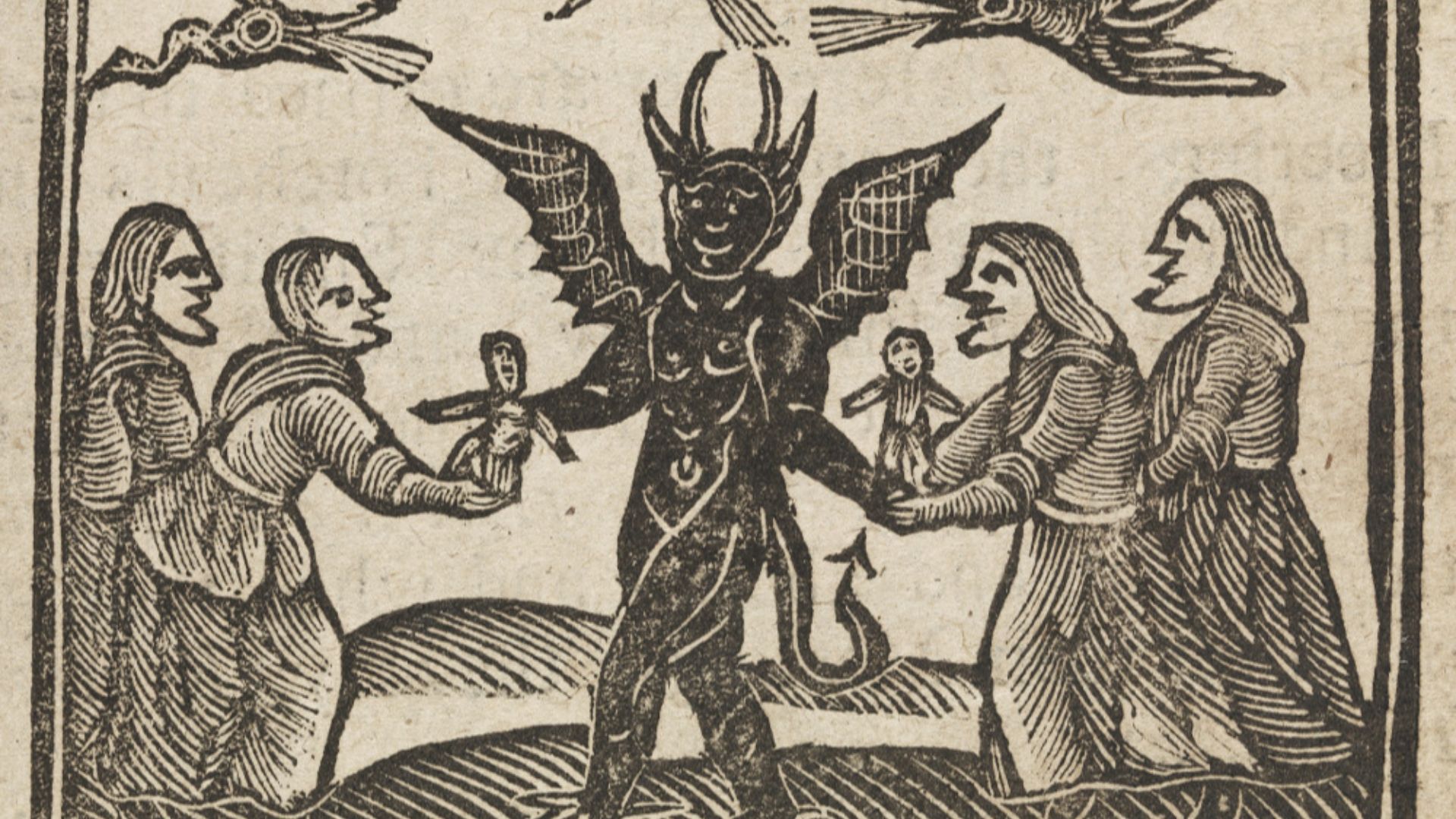
7. The North Berwick Trials, 1591
Agnes Sampson was stripped and shaved before her jailers locked an iron witch's bridle onto her head, and she confessed to gathering with two hundred witches to sink the king's ship. James VI attended her questioning personally and went on to write a book endorsing the hunt. Scotland's first minister apologized in 2022 to everyone convicted under the old witchcraft laws.
 Unknown authorUnknown author on Wikimedia
8. The Basque Witch Trials, 1610
Roughly two thousand people around Logroño confessed to witchcraft, several hundred of them children. Alonso de Salazar Frías, the inquisitor sent to follow up, interviewed them again and reported that the confessions came from torture and leading questions. Spain's Inquisition accepted his findings, and after 1614 it effectively stopped prosecuting witchcraft at all.
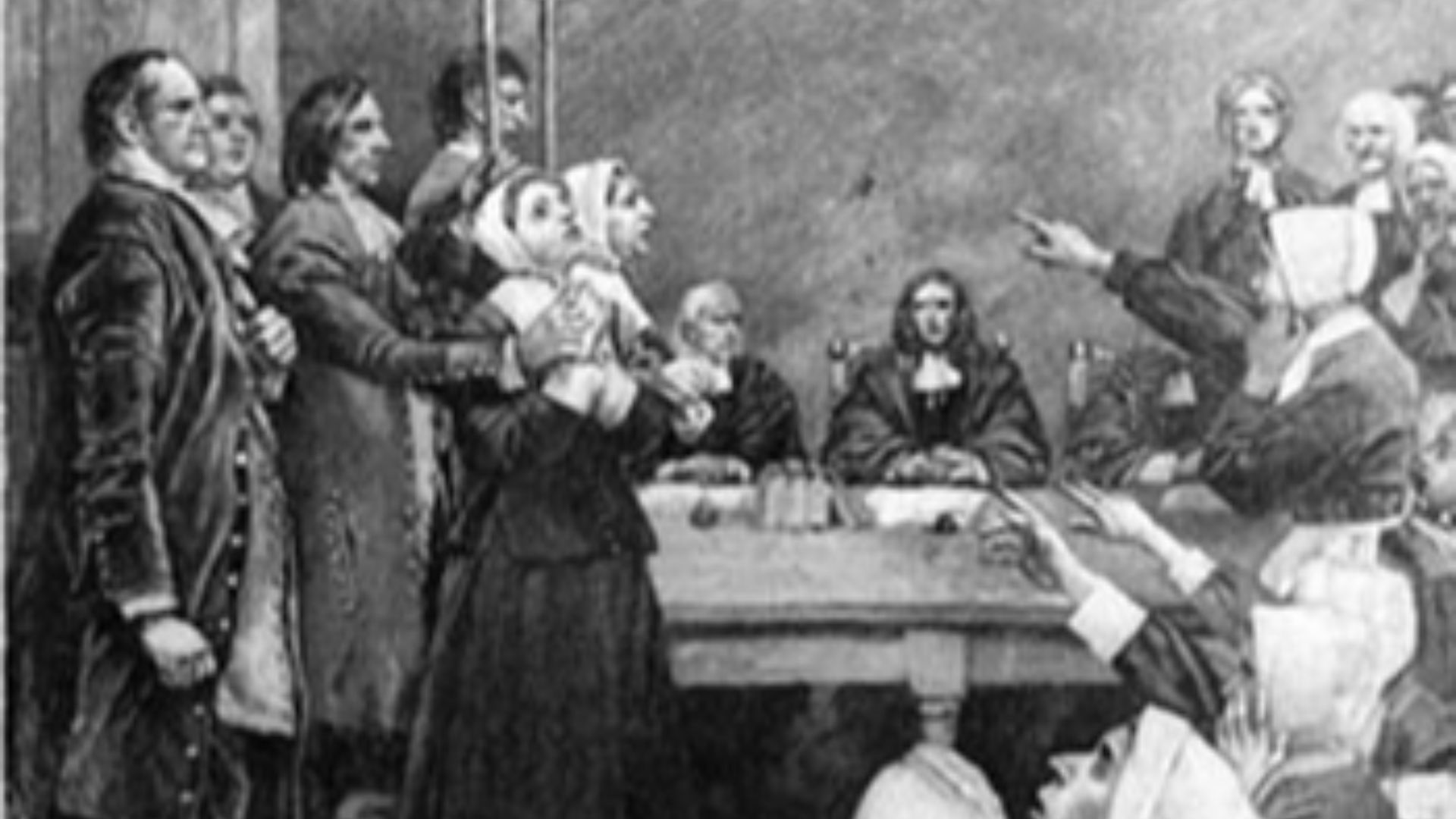
9. Katharina Henot, 1627
Cologne's postmistress was accused of sending a plague of caterpillars into a convent, and she was tortured three times without admitting anything. The court convicted and burned her regardless. Cologne's city council passed a resolution formally rehabilitating her in 2012, nearly four centuries on.
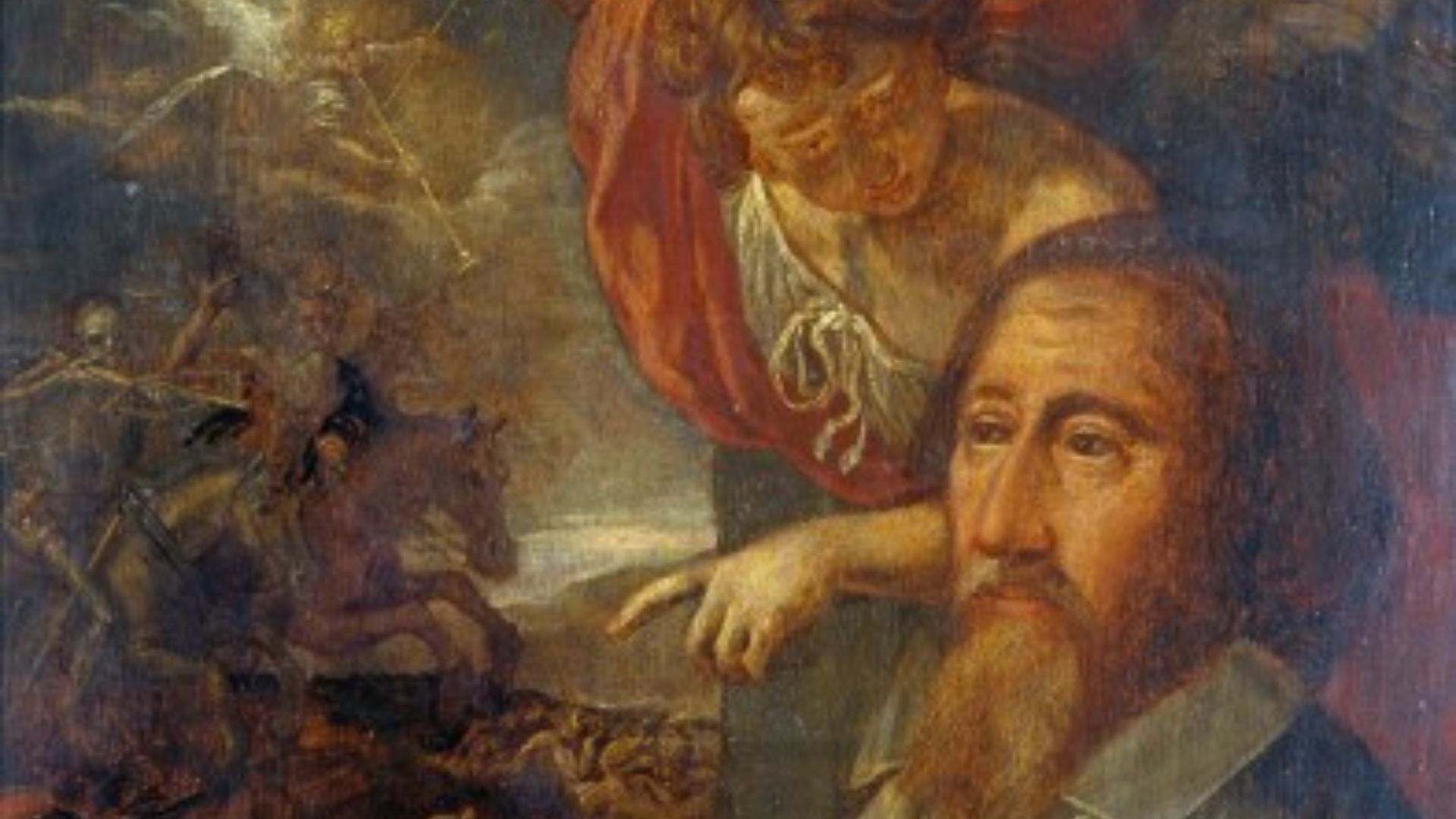 Peintre anonyme (1637). Photo : Wolfgang F. Meier on Wikimedia
10. Johannes Junius, 1628
The mayor of Bamberg confessed to attending a witches' sabbath and named dozens of neighbors, all of it under the thumbscrews and the strappado. He smuggled a letter to his daughter from his cell explaining that he had invented every word. The letter survives, and it is the closest thing the era produced to a signed retraction.
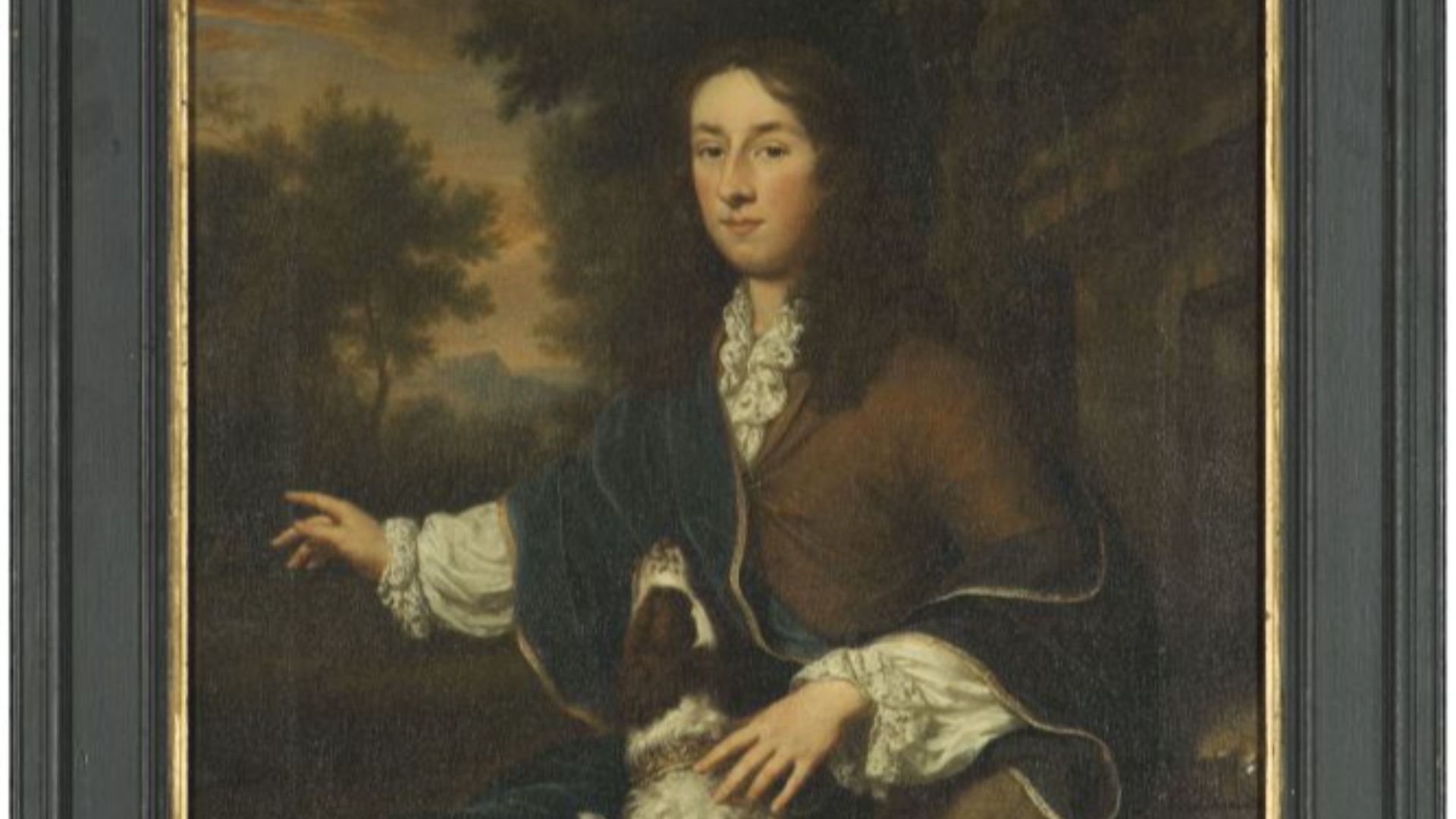
11. Matthew Hopkins's Accused, 1645
Hopkins and his associates kept suspects awake for nights on end and walked them until their feet blistered. Out came confessions to keeping animal familiars with names like Vinegar Tom, and around a hundred people hanged in East Anglia across three years. Contemporaries were already objecting in print, and Hopkins published a defense of his methods before dying young.
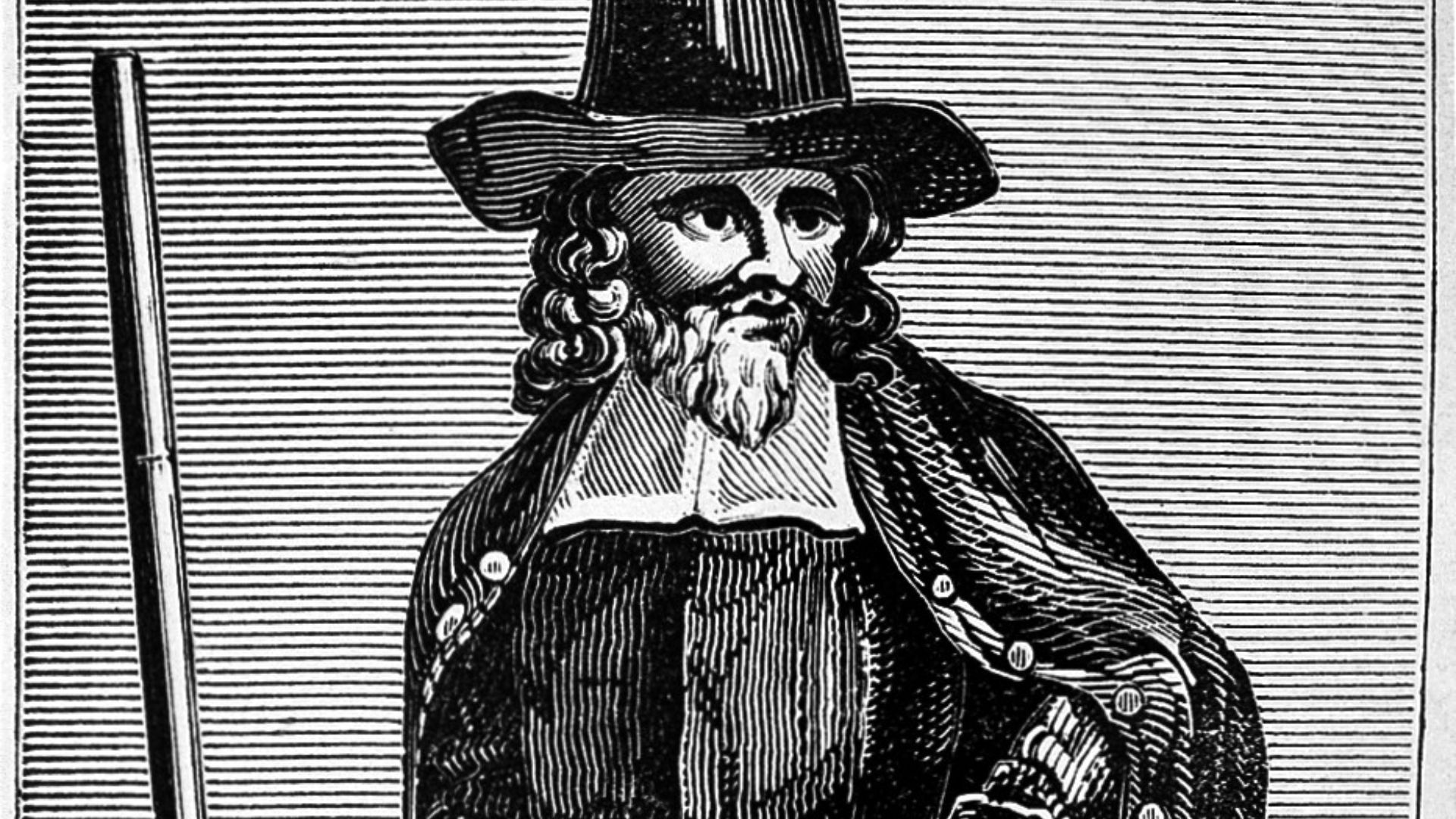
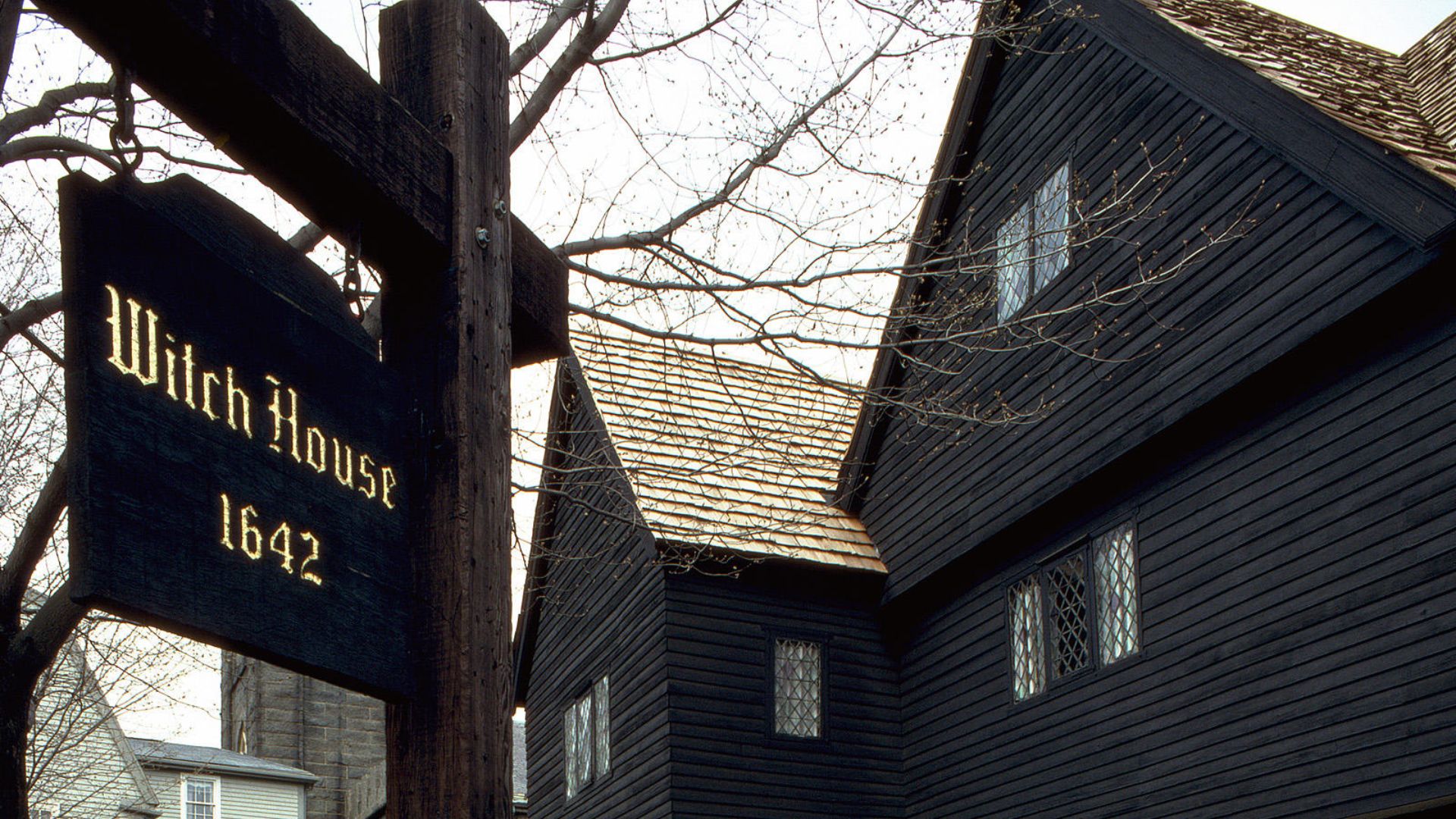
12. Salem, 1692
Confessing was the one reliable way to stay alive in Salem, so the accused produced elaborate stories about the devil's book. John Proctor petitioned from jail that his son had been tied neck to heels until blood ran from his nose. Massachusetts began reversing the convictions in 1711 and only finished the job in 2022, when the legislature cleared Elizabeth Johnson Jr.
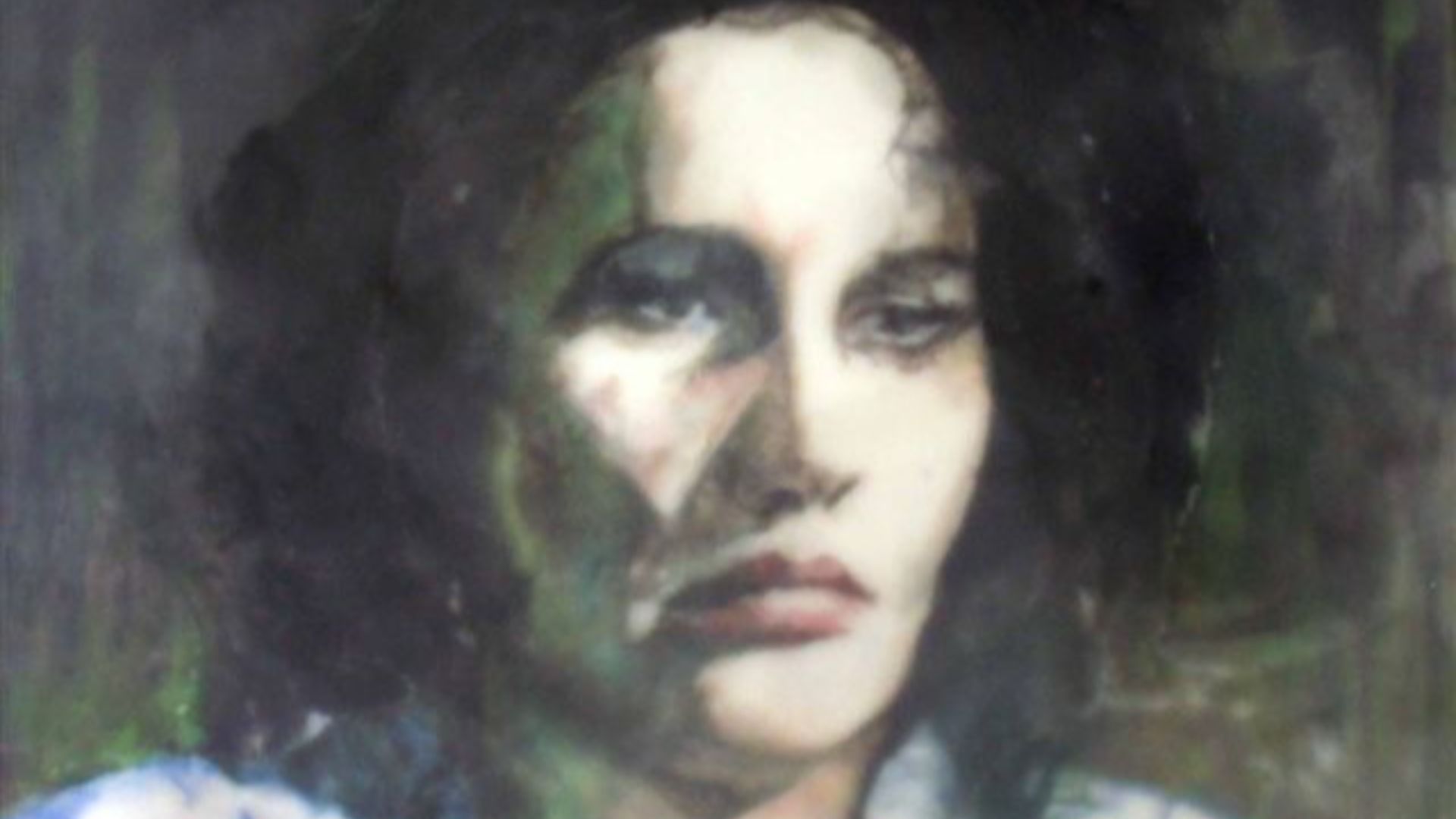
13. Anna Göldi, 1782
A servant in Glarus confessed to bewitching her employer's daughter into vomiting pins, and she was beheaded for it. Historians read the case as cover for an affair with the girl's father, a magistrate who wanted her discredited. The canton's parliament exonerated her in 2008.
 Patrick Lo Giudice on Wikimedia
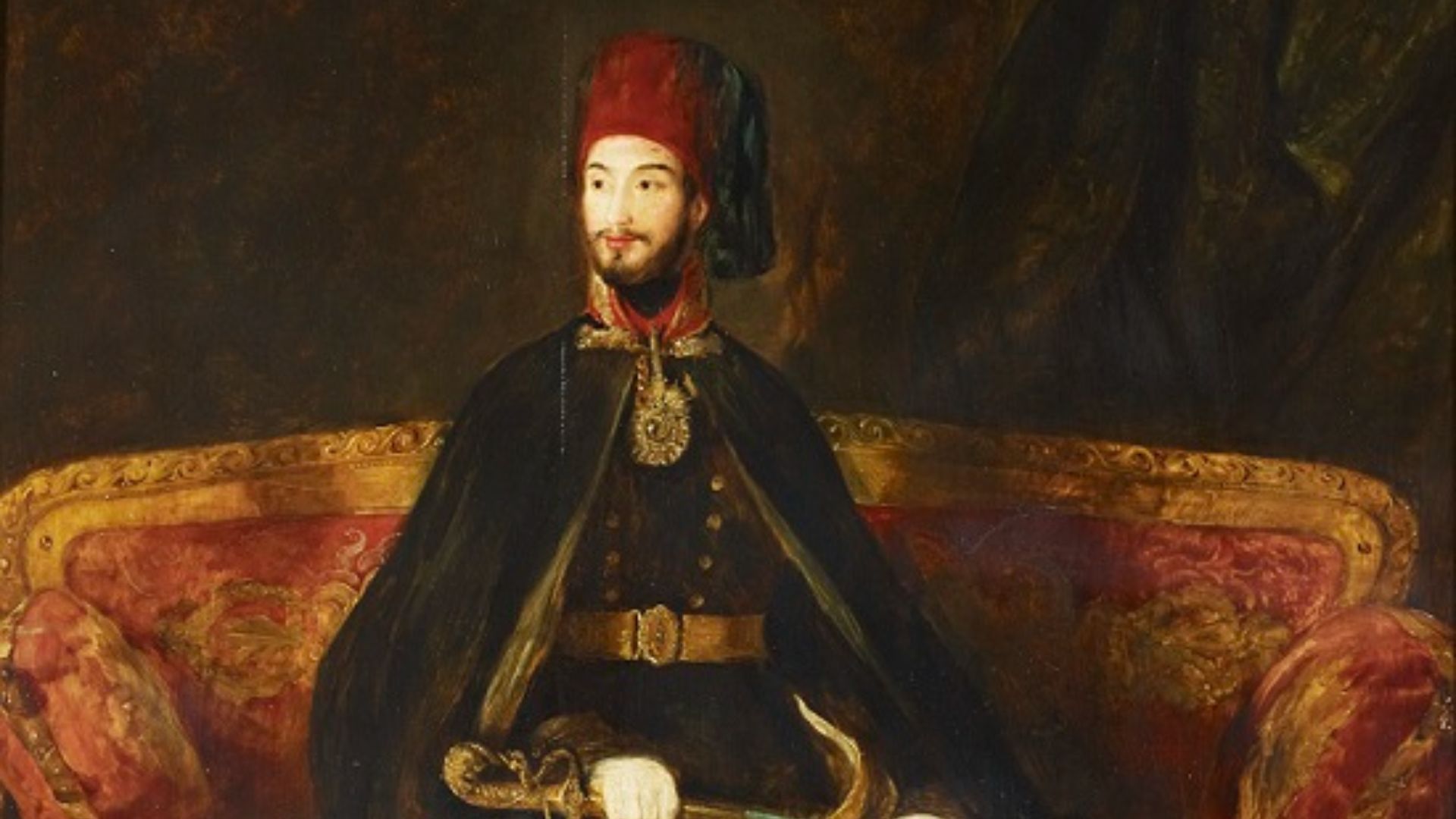
14. The Damascus Affair, 1840
Jewish residents of Damascus were beaten and had their feet burned until several confessed to murdering a missing Capuchin friar for ritual purposes. Two died under the questioning. Sultan Abdülmecid issued a firman that year declaring the blood accusation baseless and forbidding its use.
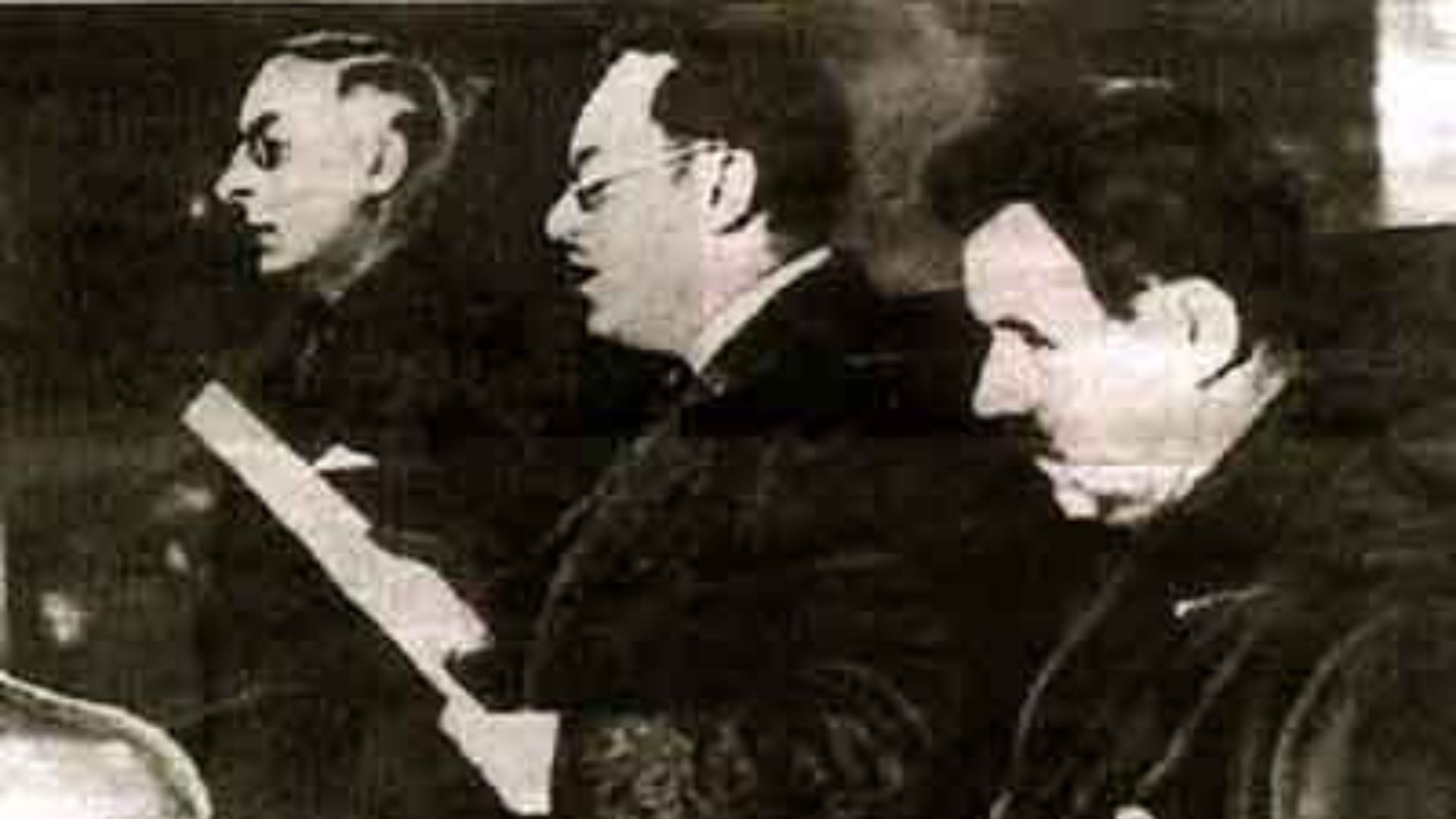
15. The Moscow Trials, 1936 to 1938
Old Bolsheviks stood up in open court and admitted to wrecking and plotting with foreign powers, which convinced a fair number of Western observers at the time. Interrogators had gotten there with sleep deprivation and threats against wives and children. Fifty years on, the Soviet Supreme Court rehabilitated Bukharin and his co-defendants.
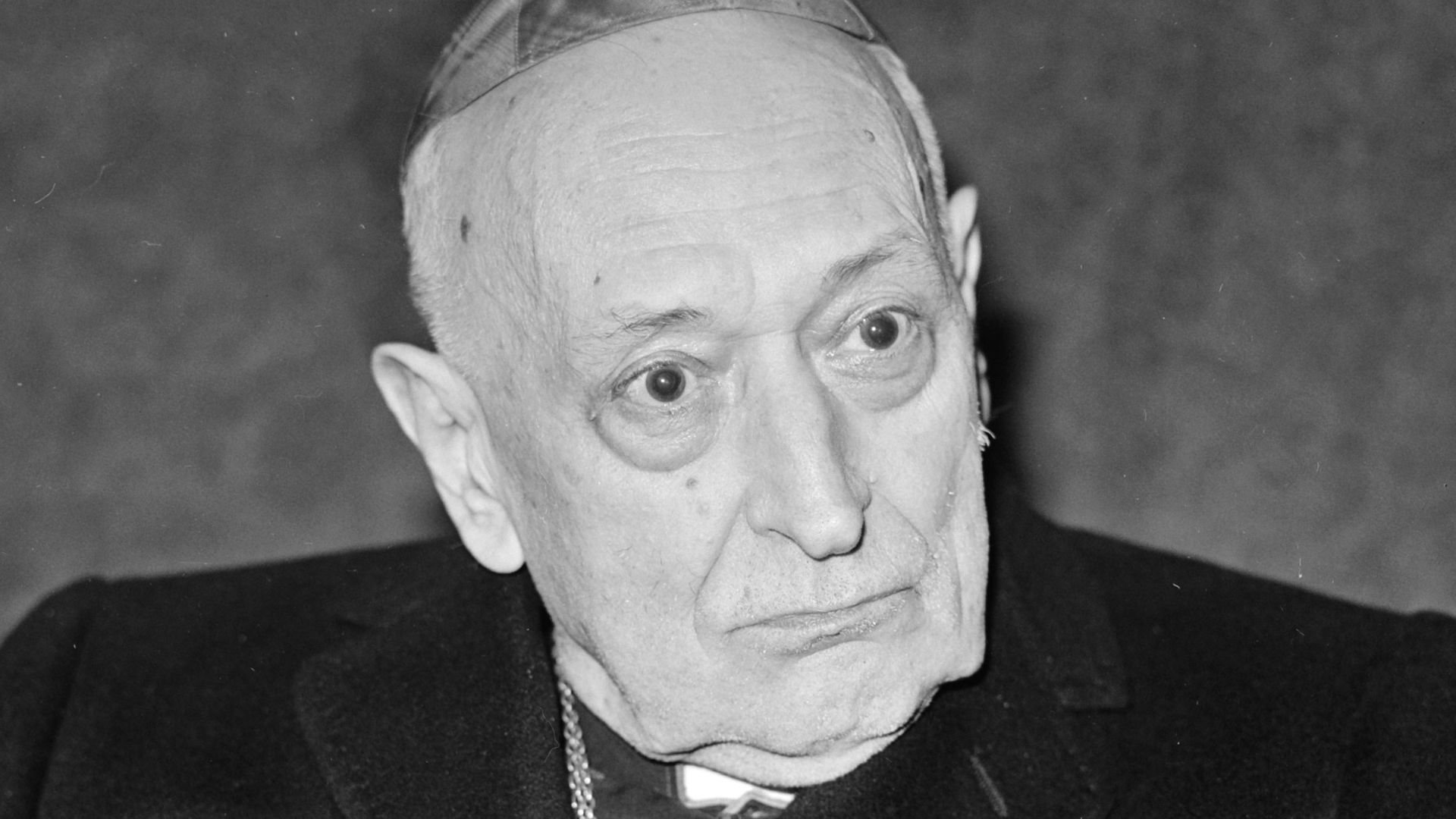
16. Cardinal Mindszenty, 1949
Hungary's primate signed a confession to treason and currency speculation after thirty-nine days of beatings and sleep deprivation, and he appeared in court visibly drugged. He had written to his bishops beforehand that any confession attributed to him should be treated as a product of human frailty. Hungary annulled the conviction in 1990, once the party that staged it was gone.
 Mieremet, Rob / Anefo on Wikimedia
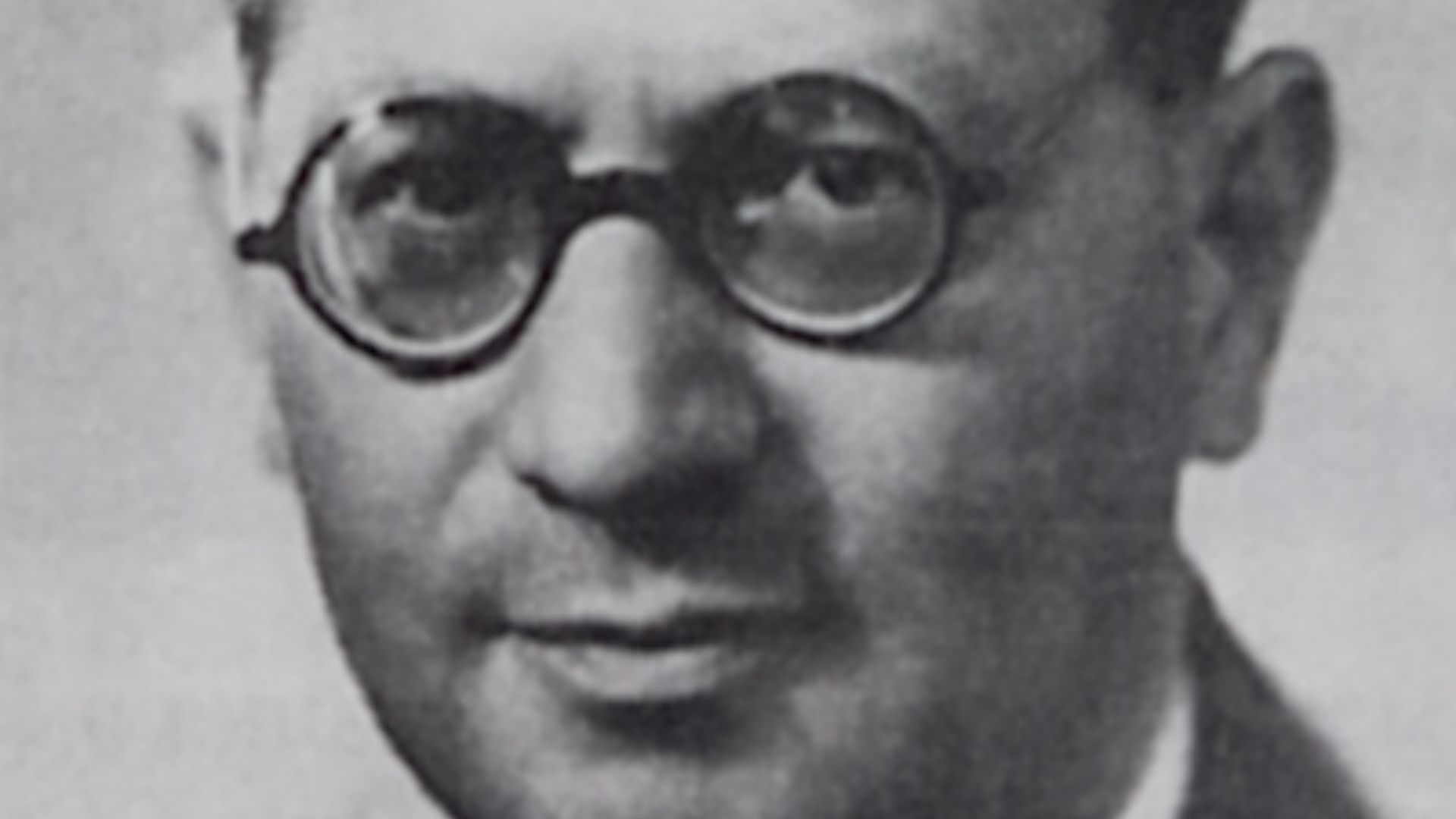
17. Traicho Kostov, 1949
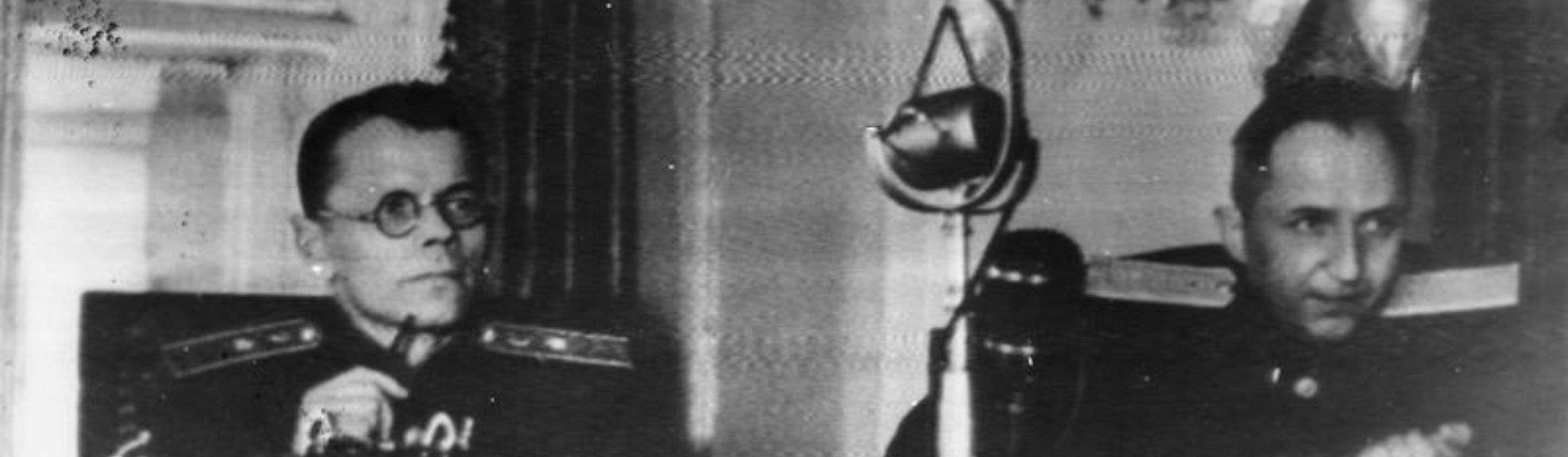
Bulgaria's former deputy prime minister had signed a confession to spying for Tito and the West. In the courtroom he took it all back in front of the microphones, and the broadcast was cut. He hanged within weeks, and Bulgaria rehabilitated him in 1956 once Moscow had changed its line.
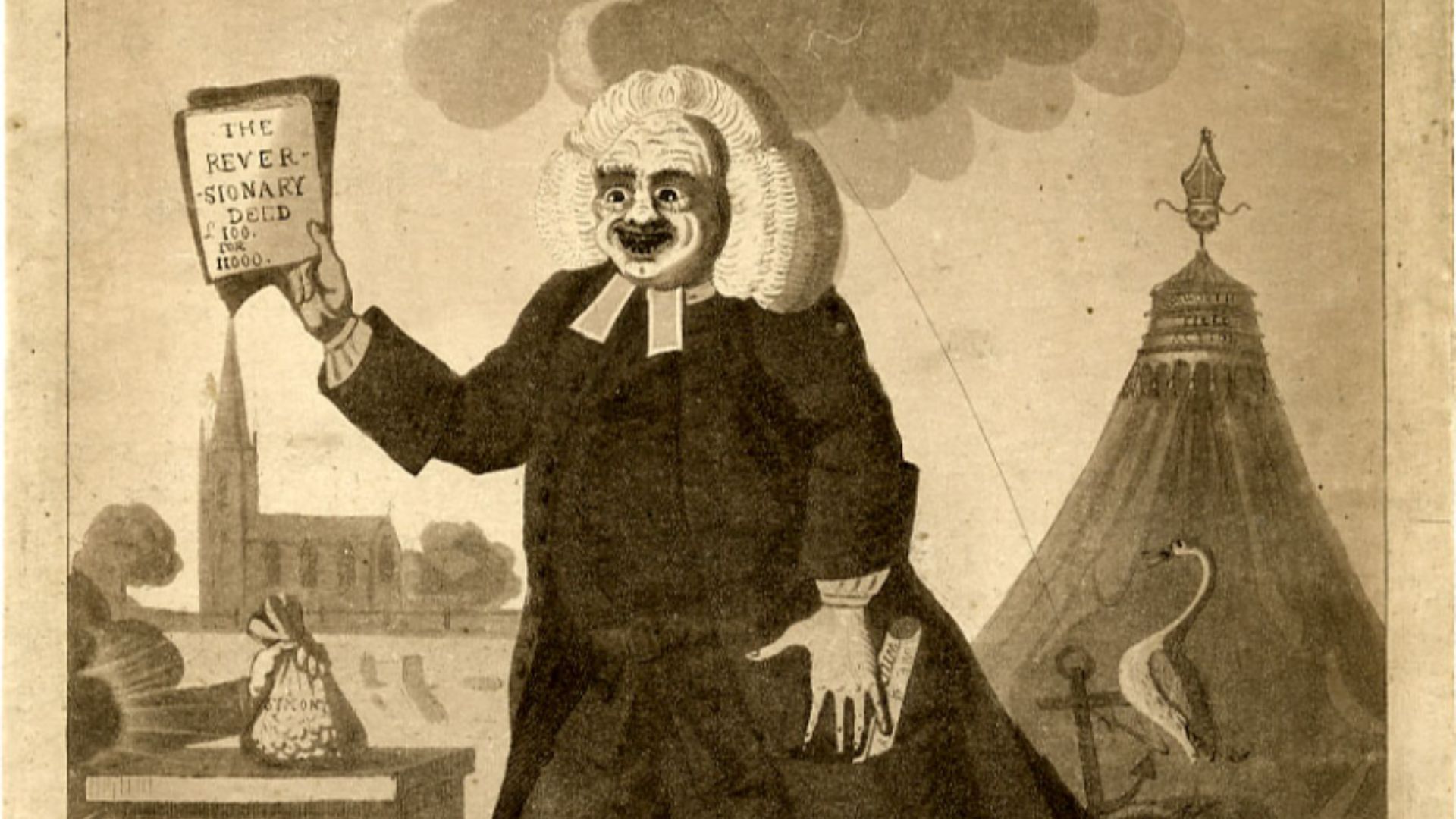
18. The Doctors' Plot, 1953
Kremlin physicians, most of them Jewish, confessed to murdering Soviet officials through deliberate misdiagnosis. Stalin died in March, and within a month Pravda announced that the case had been fabricated and the confessions obtained by impermissible methods. The surviving doctors walked out of prison that spring.
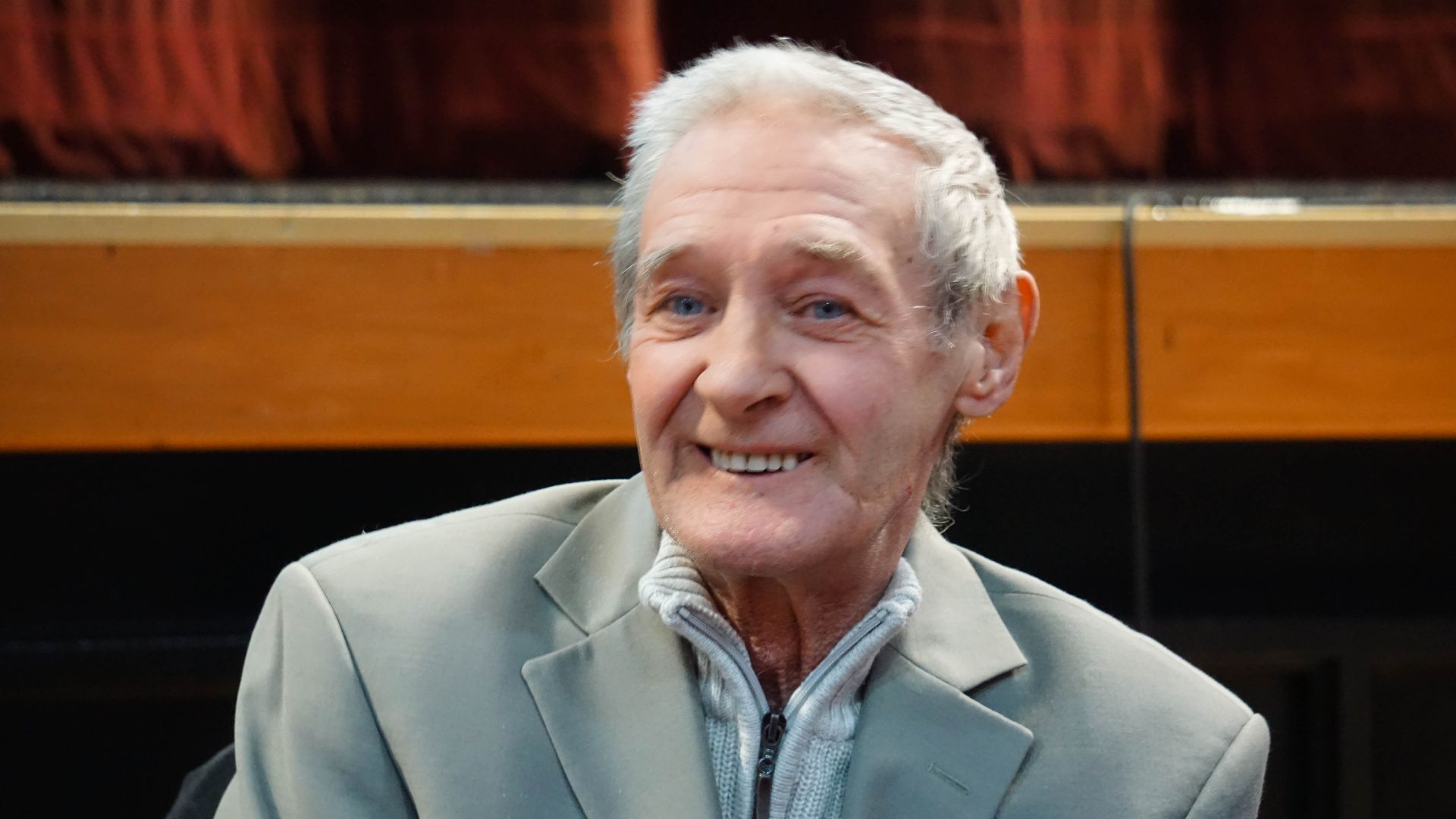
19. Iwao Hakamada, 1966
Twenty days of interrogation without a lawyer produced a confession to four murders from a former professional boxer in Shizuoka. He recanted at trial and spent more than forty-five years on death row waiting for someone to listen. A Japanese court acquitted him in September 2024, finding that investigators had fabricated evidence.
 https://www.youtube.com/@noahmatsukihalbur on Wikimedia
20. The Guildford Four, 1975
Four young Irish people confessed to the pub bombings in Guildford after days of threats and violence in police custody. Their statements contradicted each other and the forensic record. The Court of Appeal quashed the convictions in 1989, and the Birmingham Six walked free on similar grounds two years later.
 commons.wikimedia.org on Google
KEEP ON READING