10 Legendary Poisons That Were Real & 10 That Were Probably Myths
Half the Story Checks Out
Poison has always carried a certain mystique. A knife leaves little doubt about what happened, while a cup of wine can leave a room full of suspects and a chronicler plenty of room to embellish. Historians have since pulled many of those stories apart, comparing old descriptions of symptoms with what the alleged poisons actually do and checking whether the accused was even in the right country at the time. Some of the famous cases survive that scrutiny. Others collapse the moment the documents come out. Here are 10 poisons that were all too real and 10 that probably never existed.
1. Hemlock
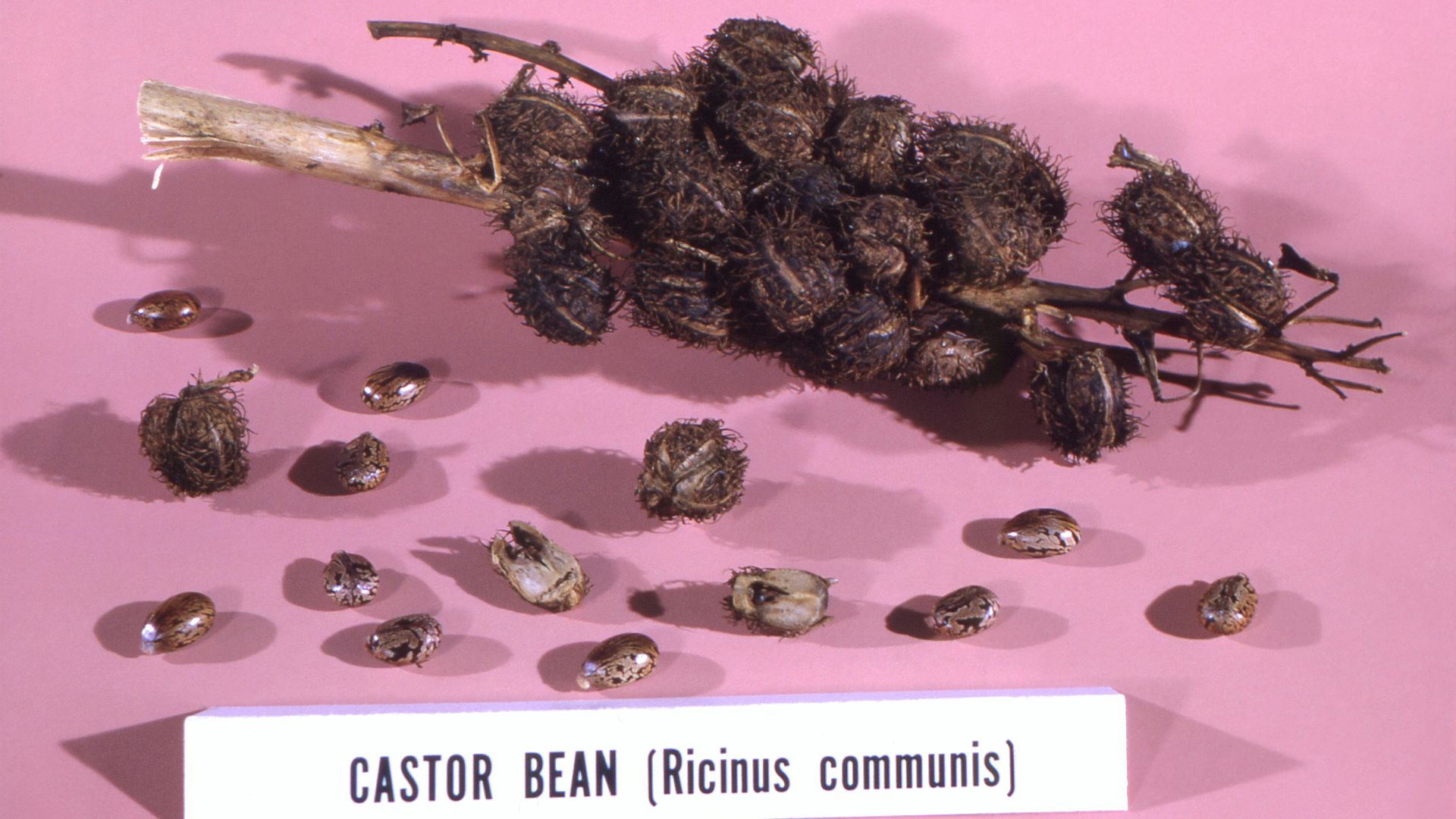
Athens executed Socrates in 399 BC with a cup of hemlock, and Plato described the numbness climbing from his feet toward his chest. Coniine, the compound in the plant, does precisely that by shutting down the nerves that drive muscle. The plant grew freely along roadsides, which made it the cheapest option the state had.
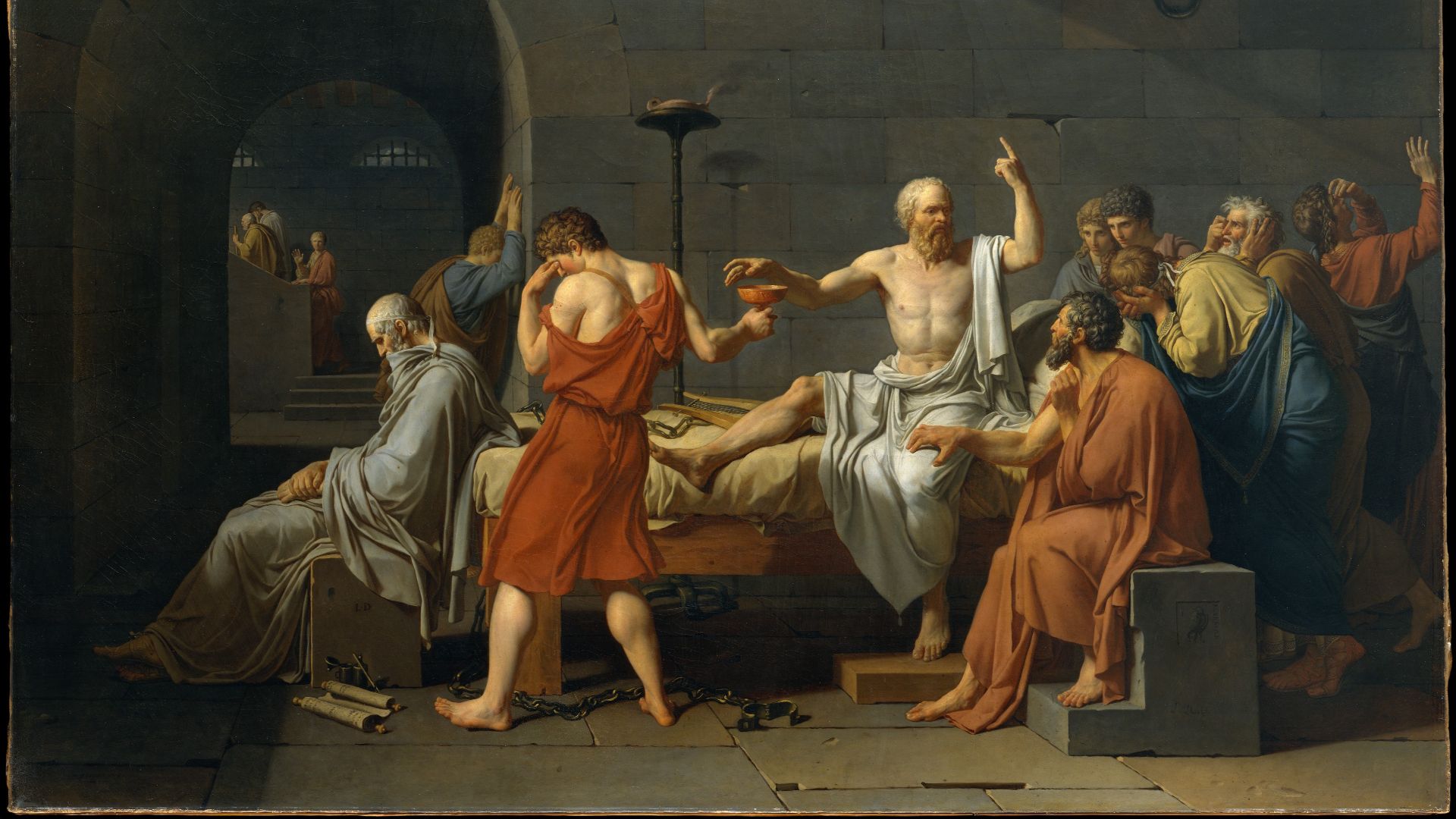 Jacques-Louis David on Wikimedia
2. Aconite
Monkshood earned the title queen of poisons in the ancient world and never lost it. A west London woman named Lakhvir Singh used it to kill a former partner in 2009 by adding it to a curry, and a court convicted her the following year. Garden centers still sell the plant.

3. Arsenic
Arsenic carried no taste and no smell, and its symptoms passed easily for cholera, which is how it picked up the nickname inheritance powder. France's Affair of the Poisons uncovered a Paris network selling it to women who wanted out of their marriages, and the fortune teller La Voisin burned for it in 1680. The Marsh test finally made the stuff detectable in 1836.
4. Aqua Tofana
Giulia Tofana sold an arsenic preparation in seventeenth-century Naples and Rome, marketed discreetly to wives with difficult husbands. Records from the circle around her survive, though the body count attributed to her grew with every retelling. She was executed in Rome, and the sources disagree on the year.
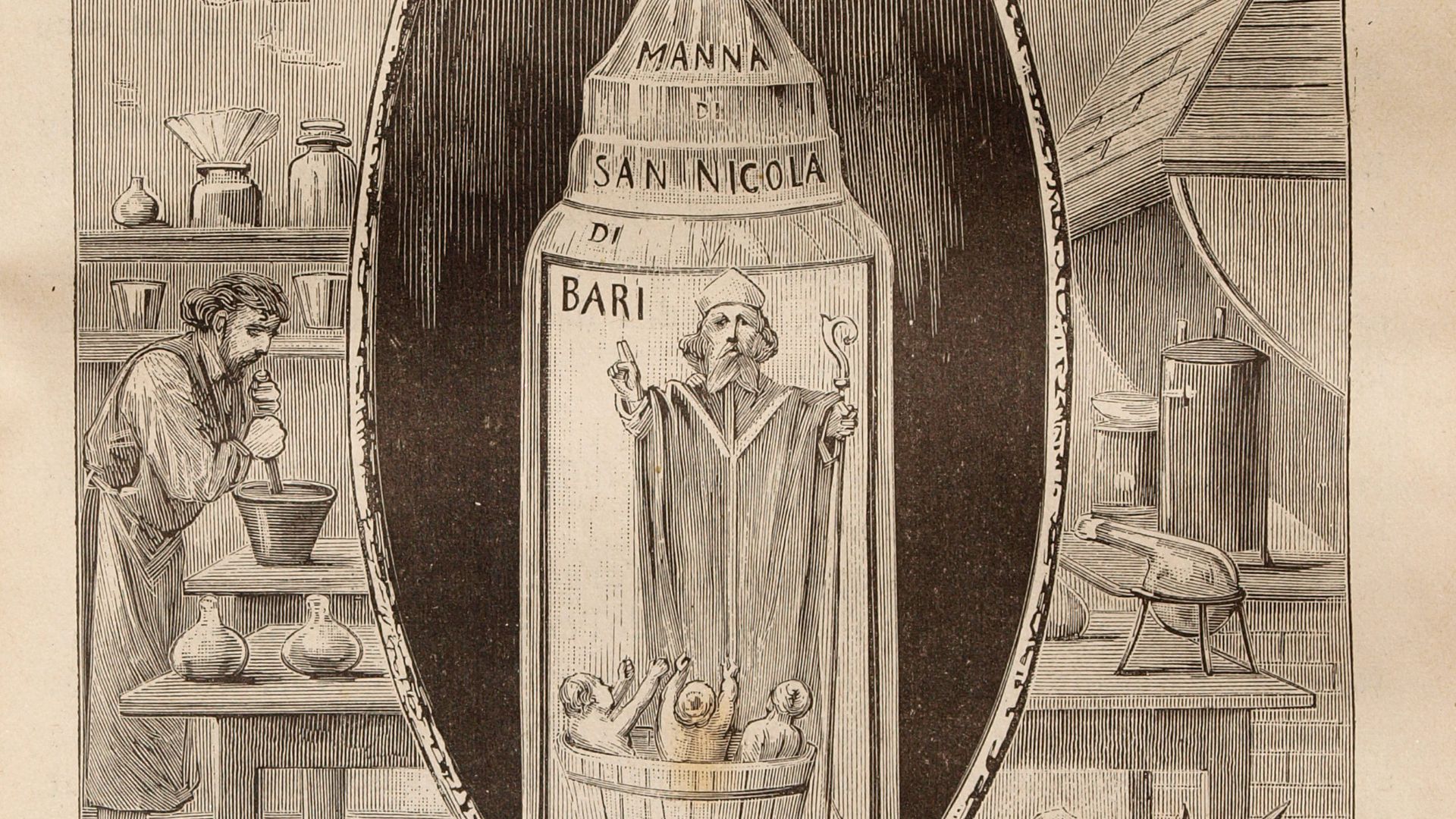 Gravure dessinée par Pierre Méjanel et gravée par François Pannemaker. on Wikimedia
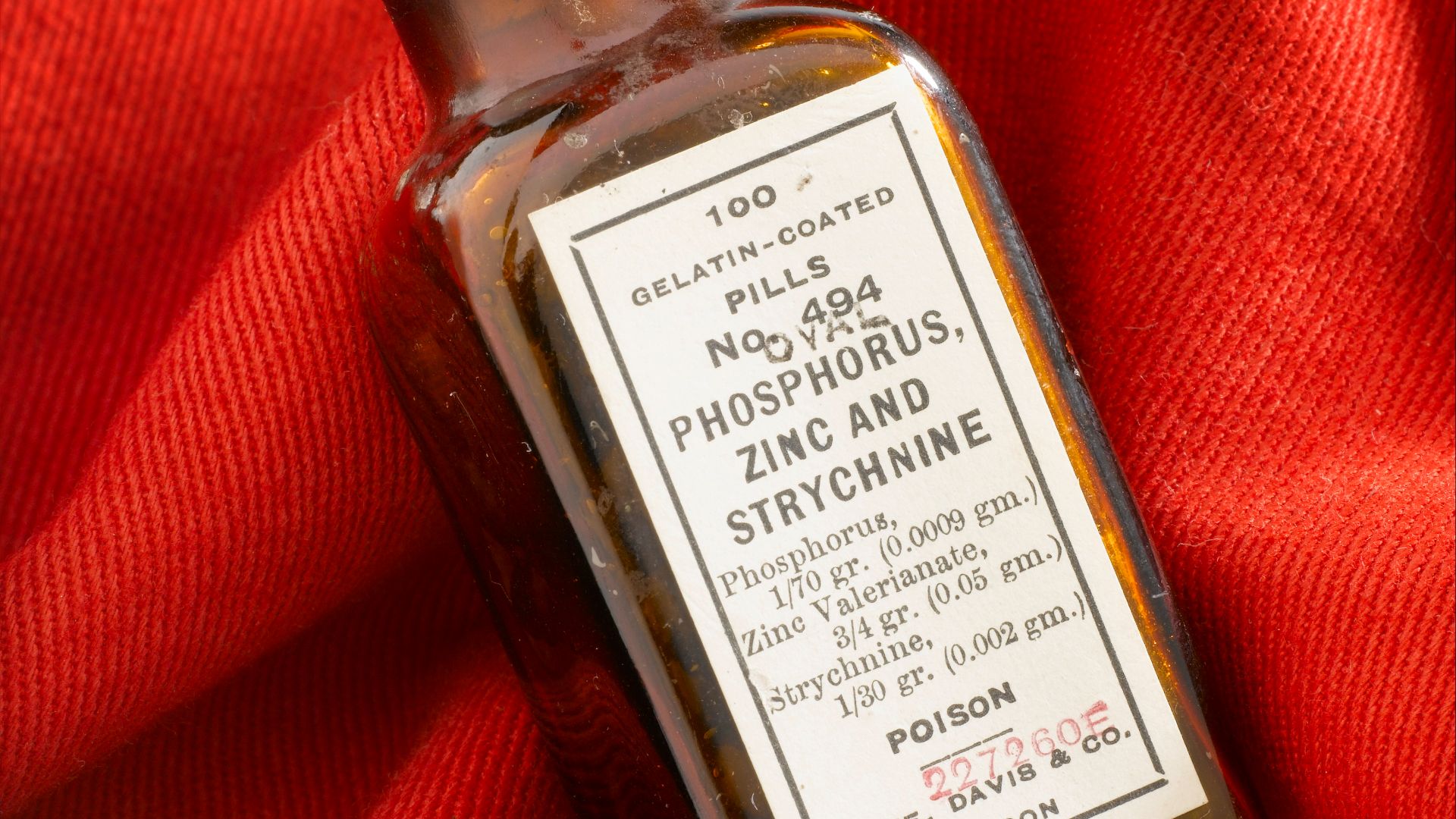
5. Strychnine
Strychnine locks every muscle in the body into a spasm at once, which makes it among the least subtle options ever used. Thomas Neill Cream poisoned several women in Lambeth with it and hanged in 1892. It stayed on sale as rat poison for decades afterward.
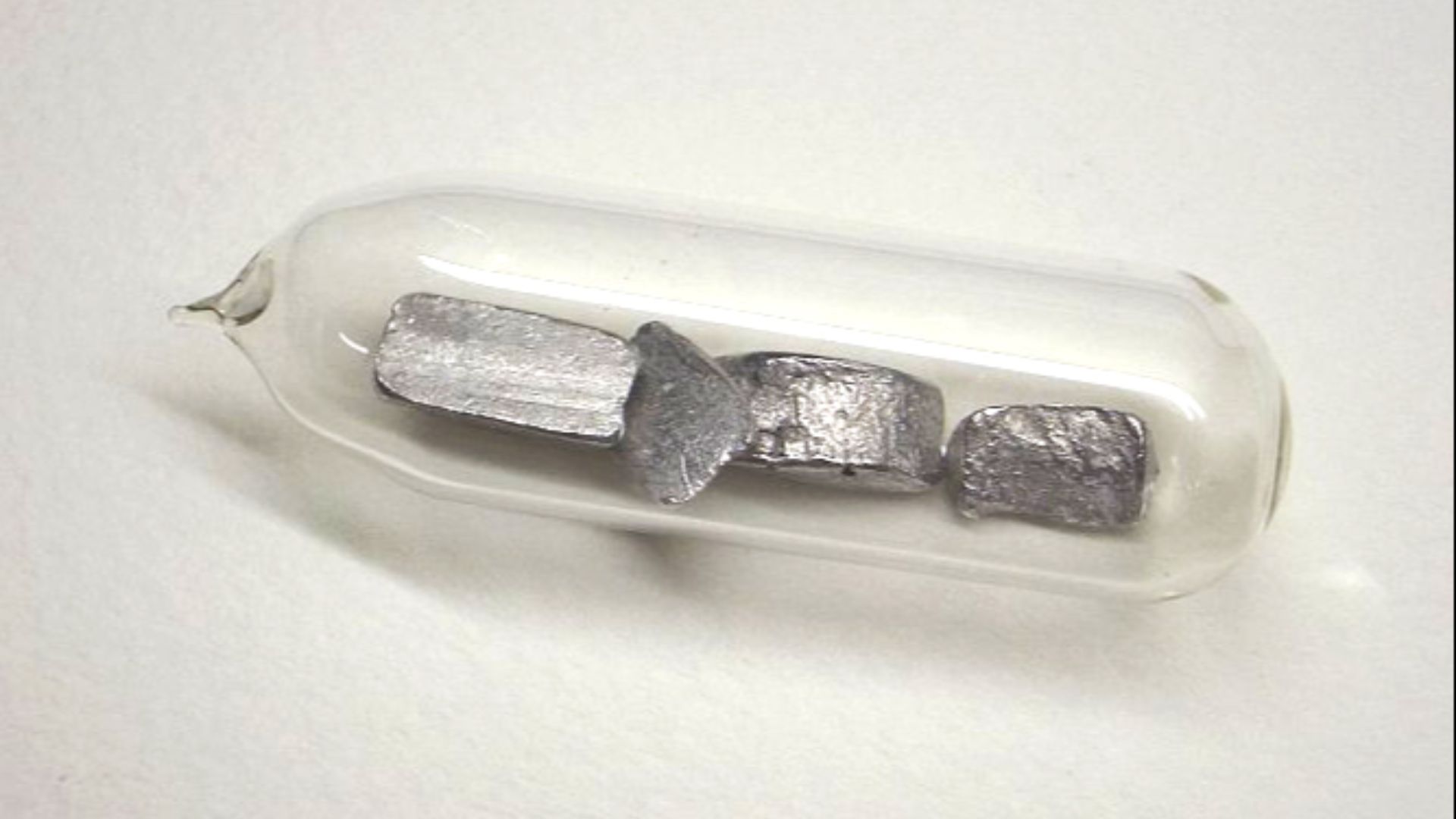
6. Thallium
Thallium has no taste and takes weeks to produce its hair loss and nerve damage, a delay that appealed to poisoners and novelists alike. Graham Young poisoned his family and later his coworkers in England before a court convicted him in 1972. Agatha Christie described the symptoms so precisely in The Pale Horse that a London nurse reading the novel in 1977 recognized them in a toddler nobody had been able to diagnose.
7. Curare
South American hunters coated darts with a plant preparation that paralyzed animals without spoiling the meat, since it works through the bloodstream rather than the gut. European chemists isolated tubocurarine from it in the twentieth century, and modern anesthesia still leans on the same mechanism.
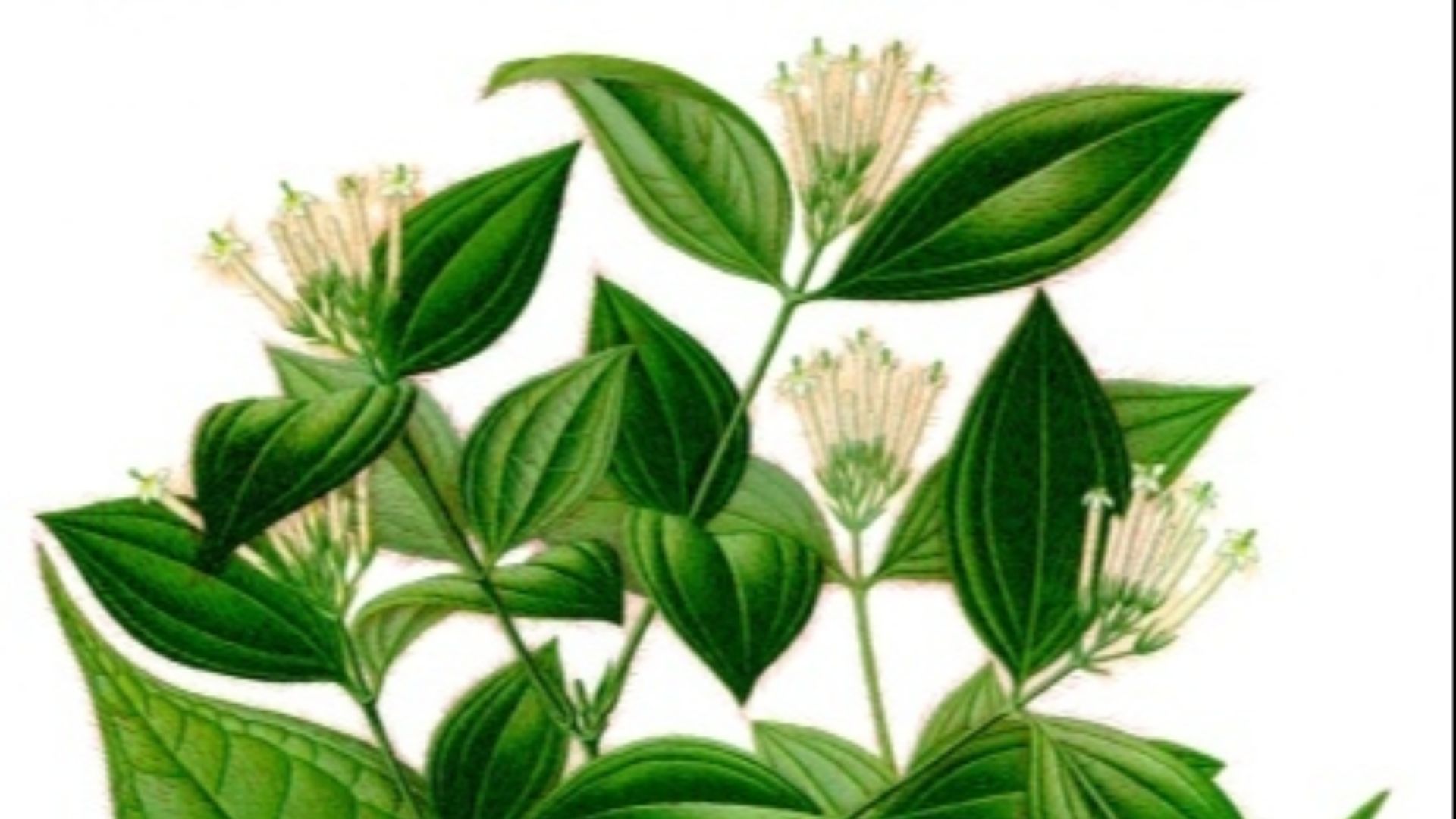 Franz Eugen Köhler, Köhler's Medizinal-Pflanzen on Wikimedia
8. Cyanide
Cyanide stops cells from using oxygen and often appeared in spy capsules and in mass poisonings. Seven people in the Chicago area died in 1982 after swallowing Tylenol capsules somebody had opened and refilled. Tamper-evident packaging exists because of that case.
9. Ricin
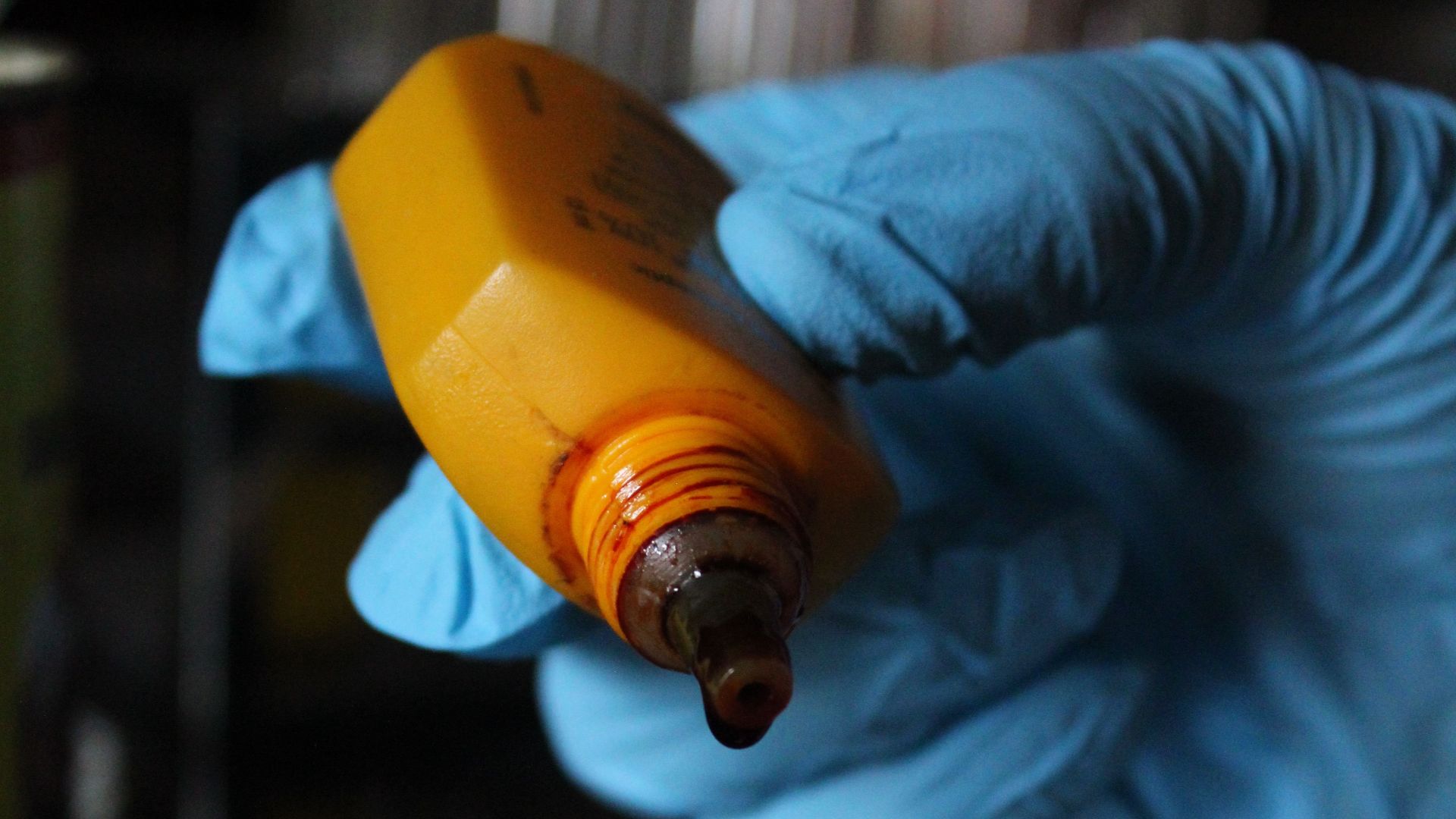
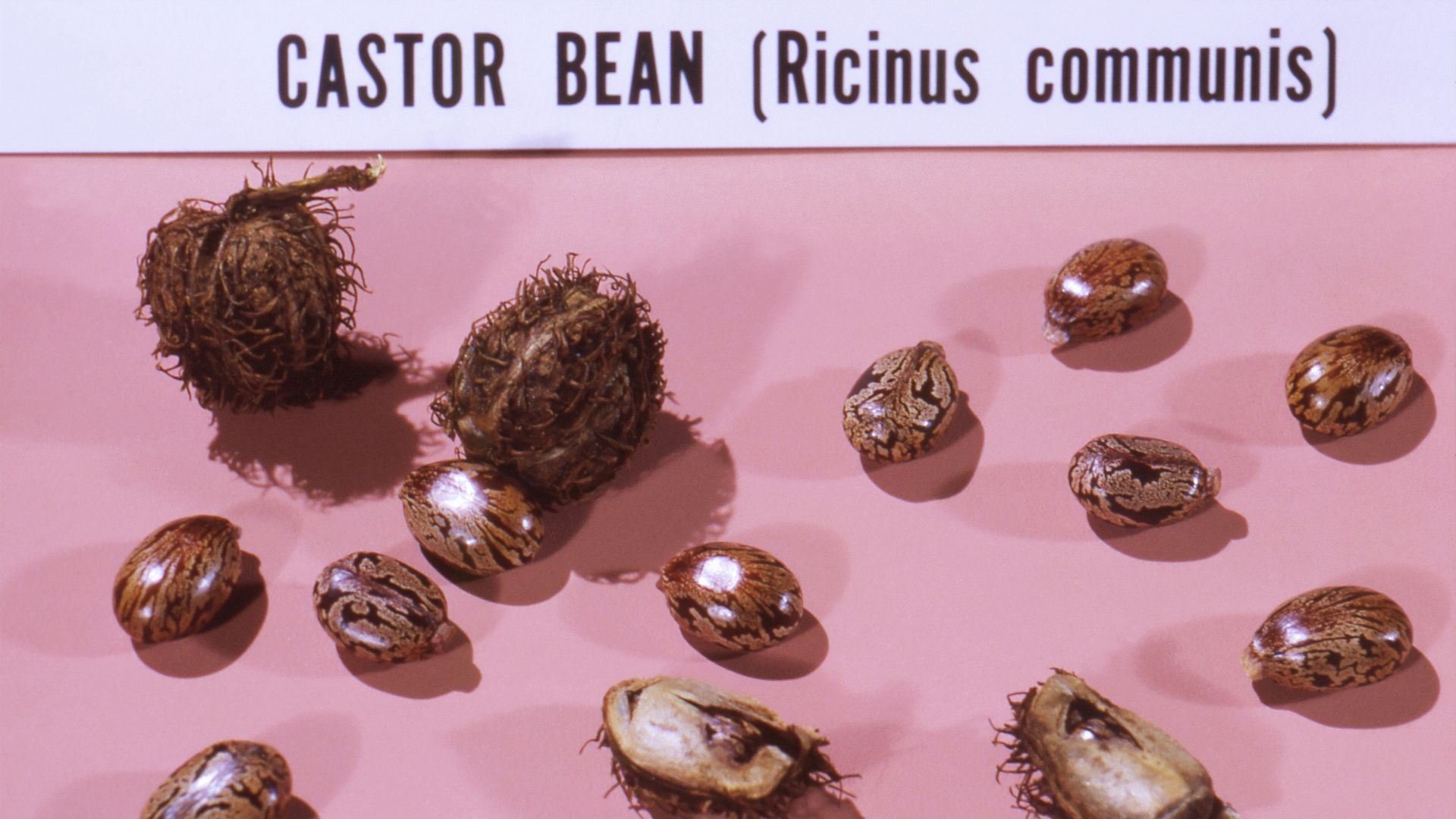
A metal pellet the size of a pinhead, drilled out to carry ricin from castor beans, killed the Bulgarian dissident Georgi Markov in London in 1978. The inquest returned a verdict of unlawful killing, and no antidote exists even now.
10. Polonium-210
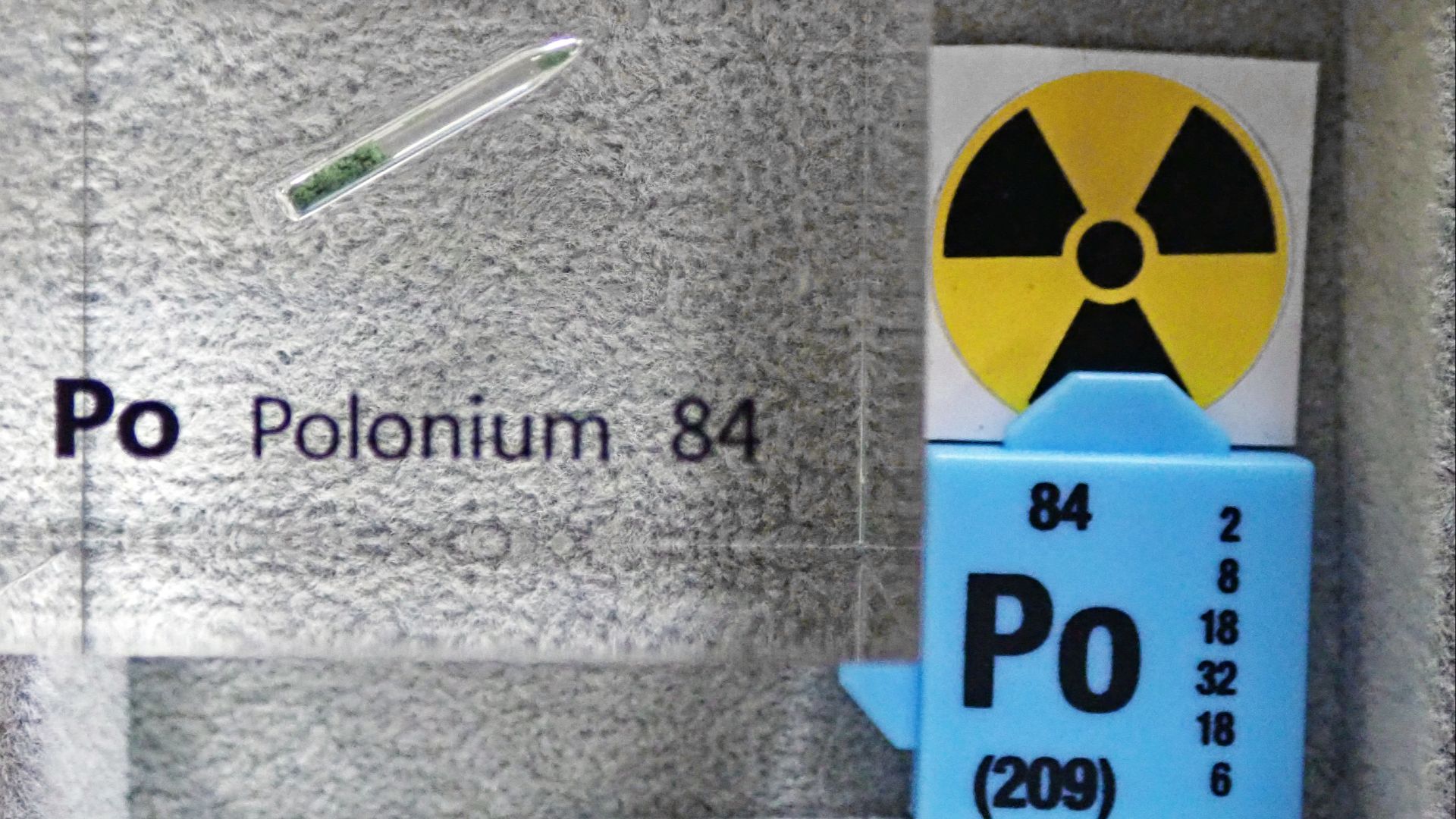
Polonium-210 does nothing at all on contact with skin and destroys tissue from the inside out. Alexander Litvinenko drank it in a London hotel in 2006 and took three weeks to die. A British public inquiry concluded in 2016 that two Russian agents had administered it.
Now, here's 10 that history has mostly filed under fiction.
1. The Mithridatium
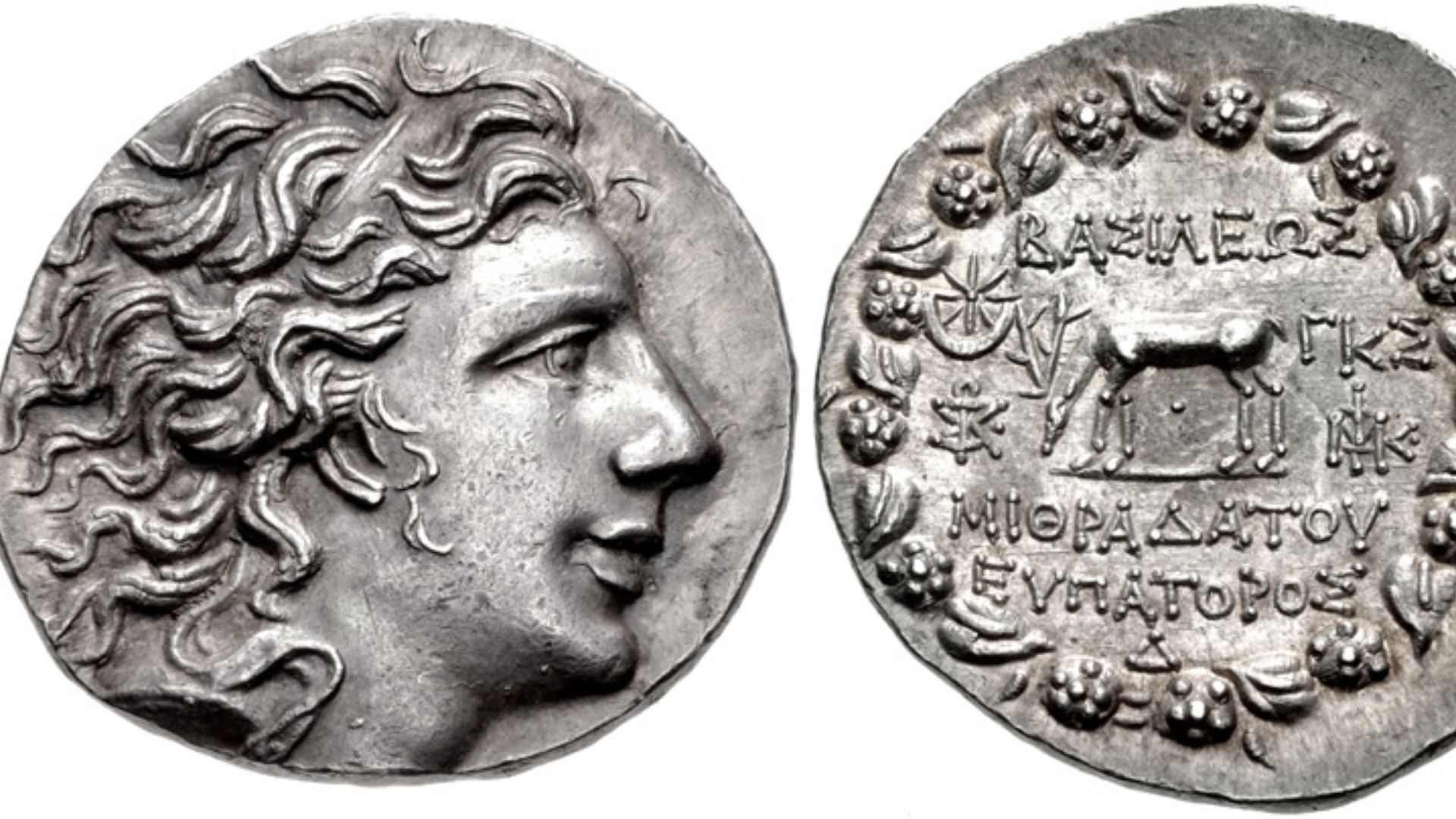
Mithridates VI of Pontus supposedly assembled an antidote from dozens of ingredients and dosed himself daily until no poison could touch him. Physicians sold versions of that recipe for the next eighteen centuries. Nothing in it could produce broad immunity, and the legend ends with the king unable to poison himself and asking a guard to finish the job.
 User:LouisAragon (uploader) on Wikimedia
2. Cleopatra's Asp
The snake at the breast is the most durable image in the history of suicide. Egyptian cobras run too long to smuggle past guards in a basket of figs, and their bites kill slowly and messily rather than on cue. Historians increasingly favor a prepared poison, and some question the suicide account altogether.

3. Cantarella
The Borgias were said to keep a slow poison called cantarella that killed on a timetable of the poisoner's choosing. No recipe survives and no contemporary account describes anything beyond ordinary arsenic. Most of the family's poison reputation was assembled by writers working long after the Borgias fell.
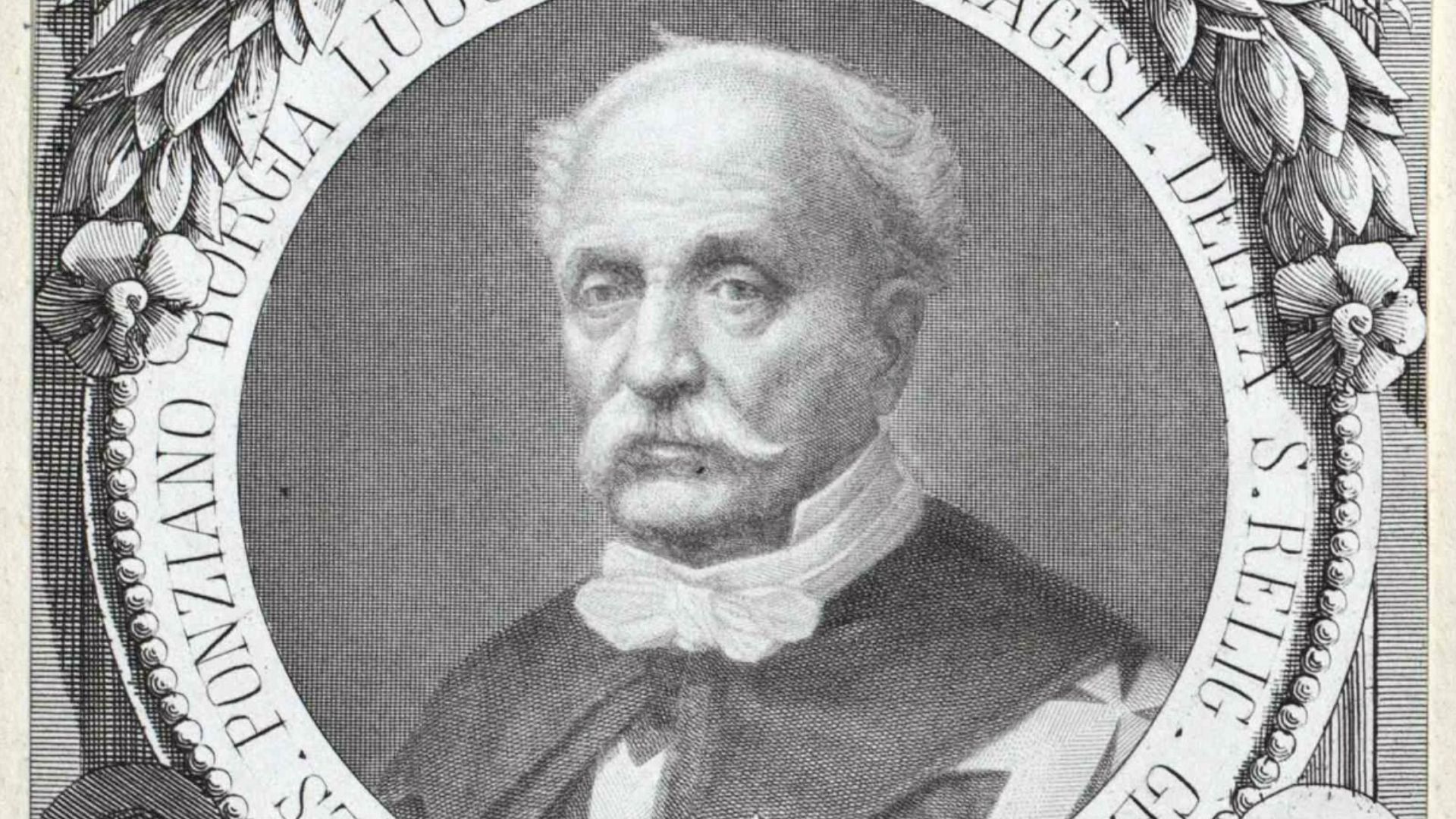 zeitgenössischer Stecher, 1867 on Wikimedia
4. Catherine de' Medici's Gloves
Catherine de' Medici was accused of killing Jeanne d'Albret in 1572 with a pair of perfumed gloves. An autopsy performed at the time found diseased lungs and no evidence of poison at all. The rumor traveled anyway, because a Florentine queen in France made an irresistible villain.
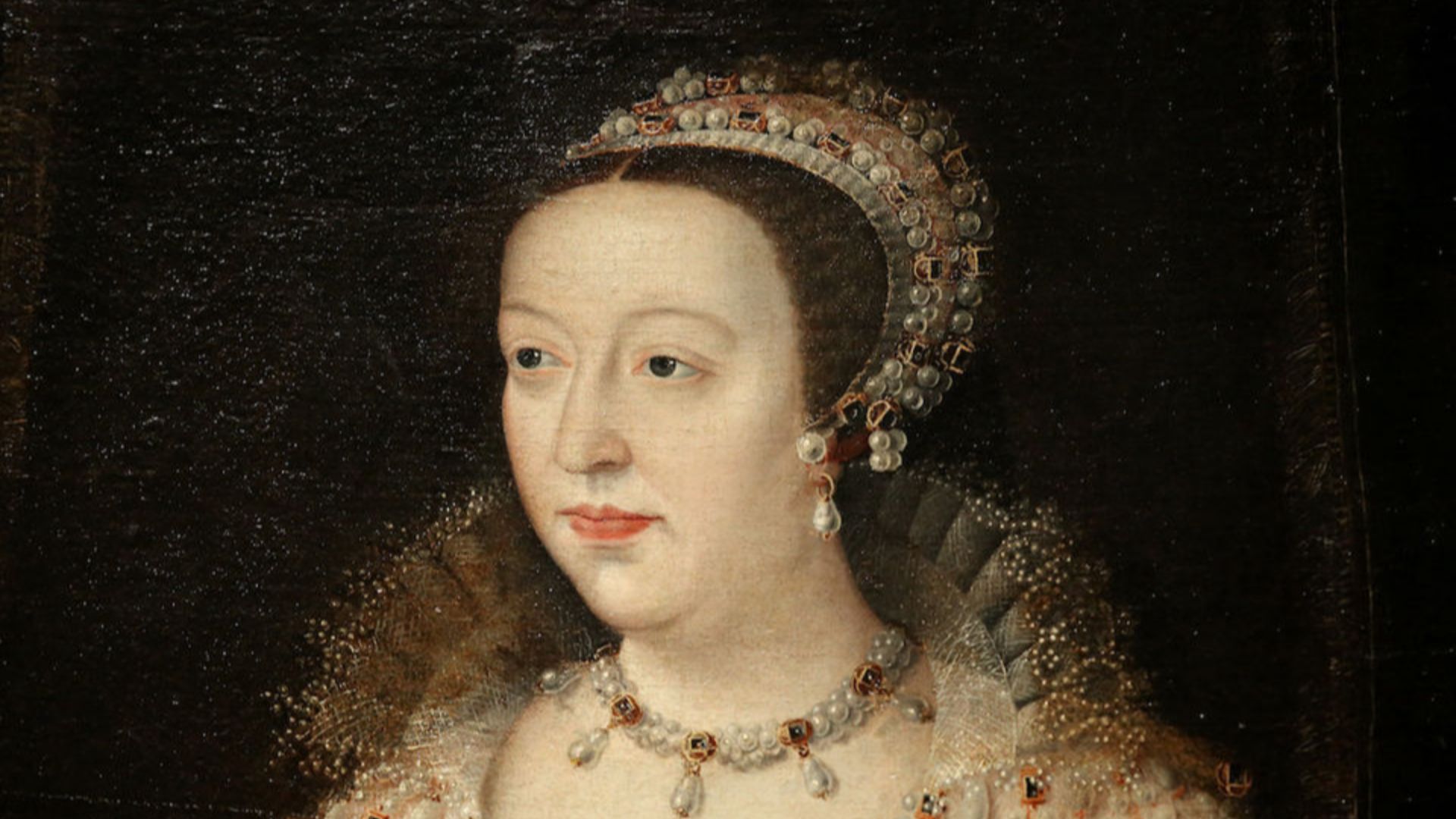 Attributed to Germain Le Mannier on Wikimedia
5. Alexander VI's Own Cup
The story has Pope Alexander VI dying from wine he had prepared for somebody else. He and his son Cesare both fell ill in August 1503 during a Roman summer notorious for fever. Malaria explains the timing as well as Cesare's recovery.
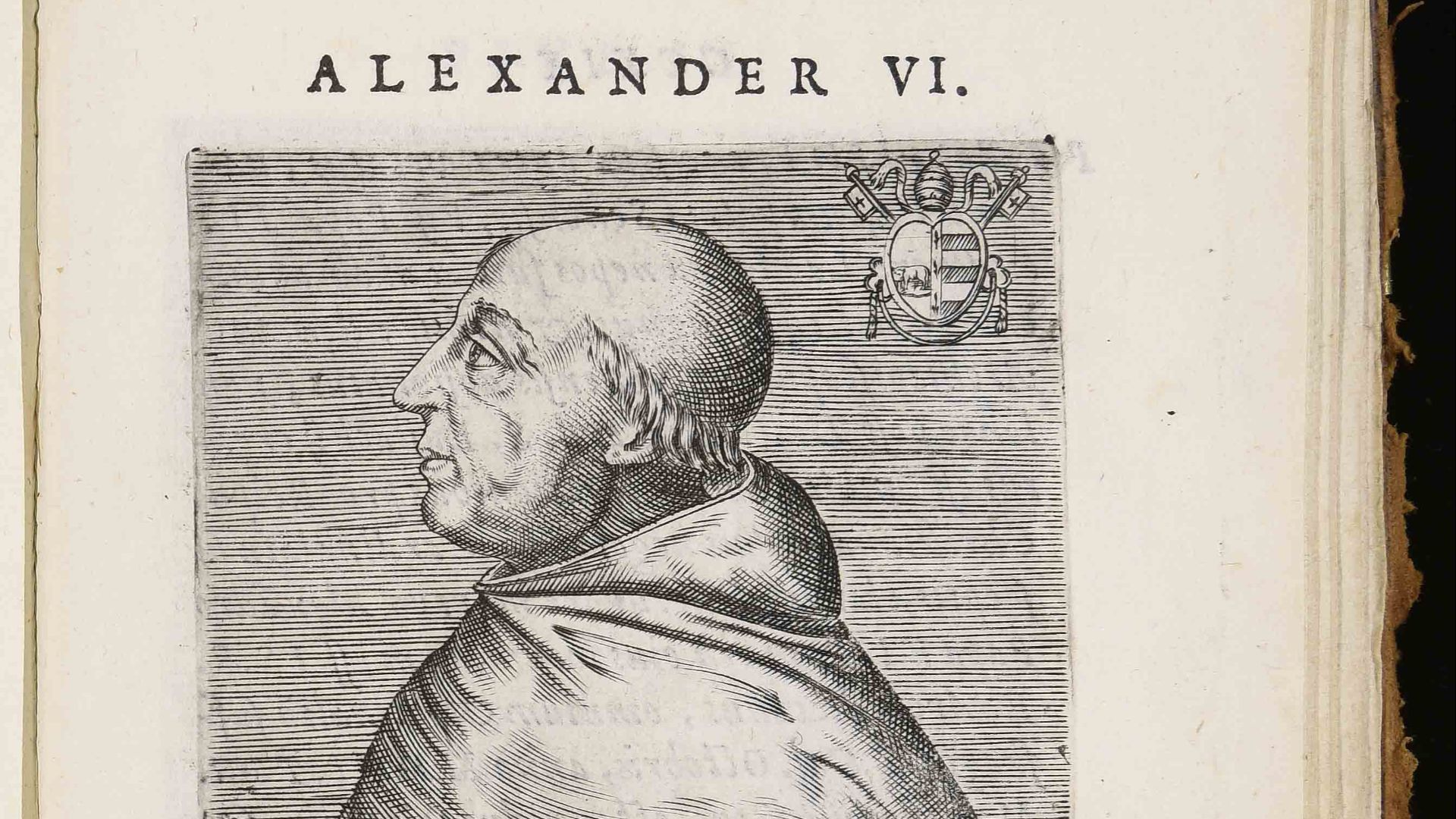 Giovanni Battista de'Cavalieri on Wikimedia
6. Salieri and Mozart
Antonio Salieri did not poison Mozart, though the rumor reportedly tormented him in old age. Mozart died in 1791 after weeks of fever and swelling, with rheumatic fever and kidney failure among the leading modern explanations. Pushkin turned the gossip into a play, and Amadeus sealed it two centuries later.
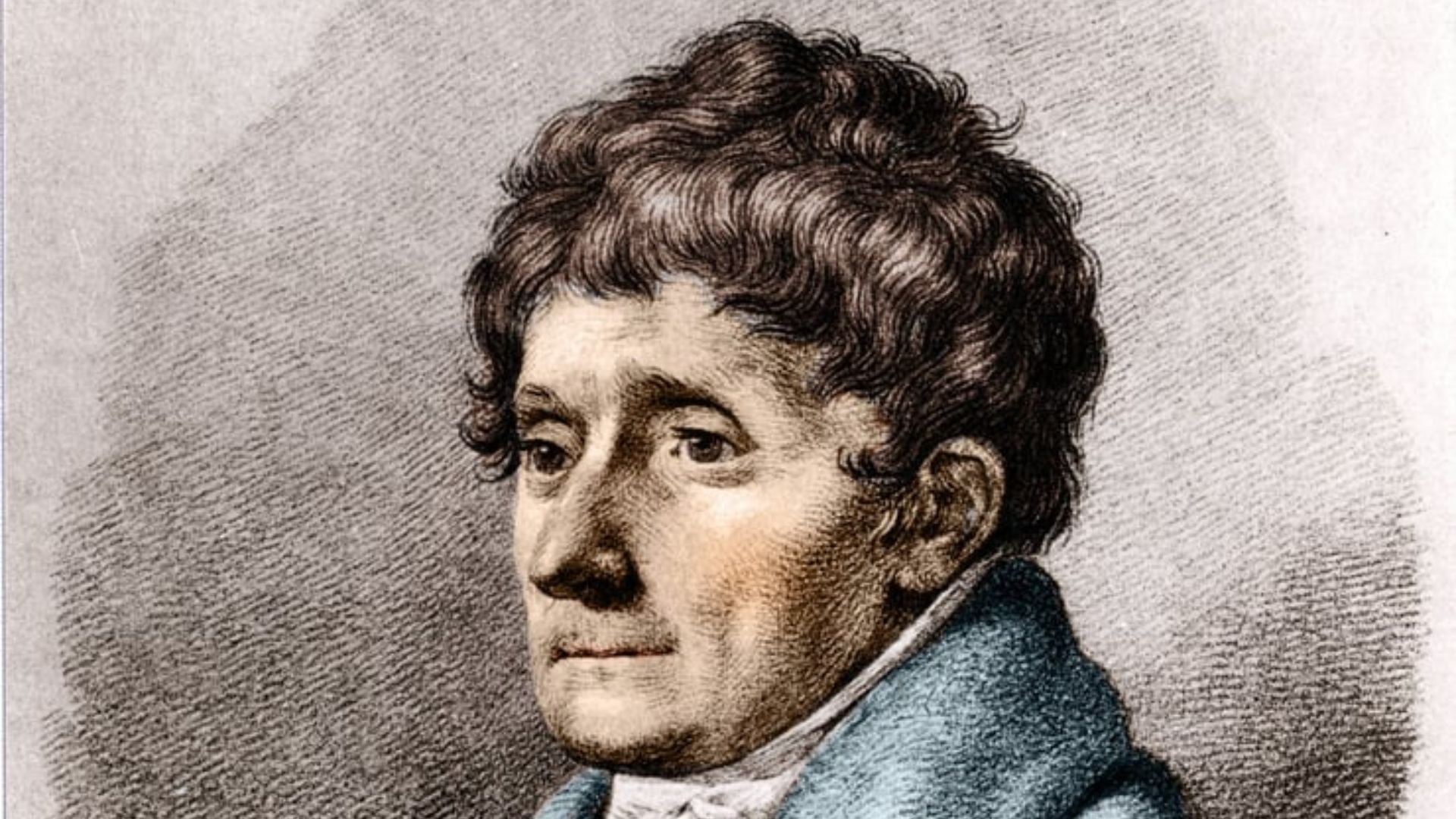 Unknown authorUnknown author on Wikimedia
7. The Bezoar Stone
A bezoar is a mass of hair or fiber pulled from an animal's stomach, and European courts paid fortunes for them as universal antidotes. Ambroise Paré tested one in 1567 on a condemned cook who volunteered in exchange for a pardon. The cook died in agony, and the bezoar trade carried on without him.
 Otis Historical Archives Nat'l Museum of Health & Medicine on Wikimedia
8. Napoleon's Wallpaper
Napoleon's hair does contain arsenic, and the wallpaper at Longwood House used a pigment that can give off arsenic fumes in damp rooms. Arsenic also sat in the tonics and preservatives of the period, which makes hair samples weak evidence of anything. The medical consensus points to stomach cancer.
 Jacques-Louis David on Wikimedia
9. The Poison Ring
Hollow rings survive in museum collections, and a few were certainly built to hold something small. No documented assassination was ever carried out with one, and the image comes mostly from Victorian novelists who found it too good to leave alone.
10. Rasputin's Poisoned Cakes
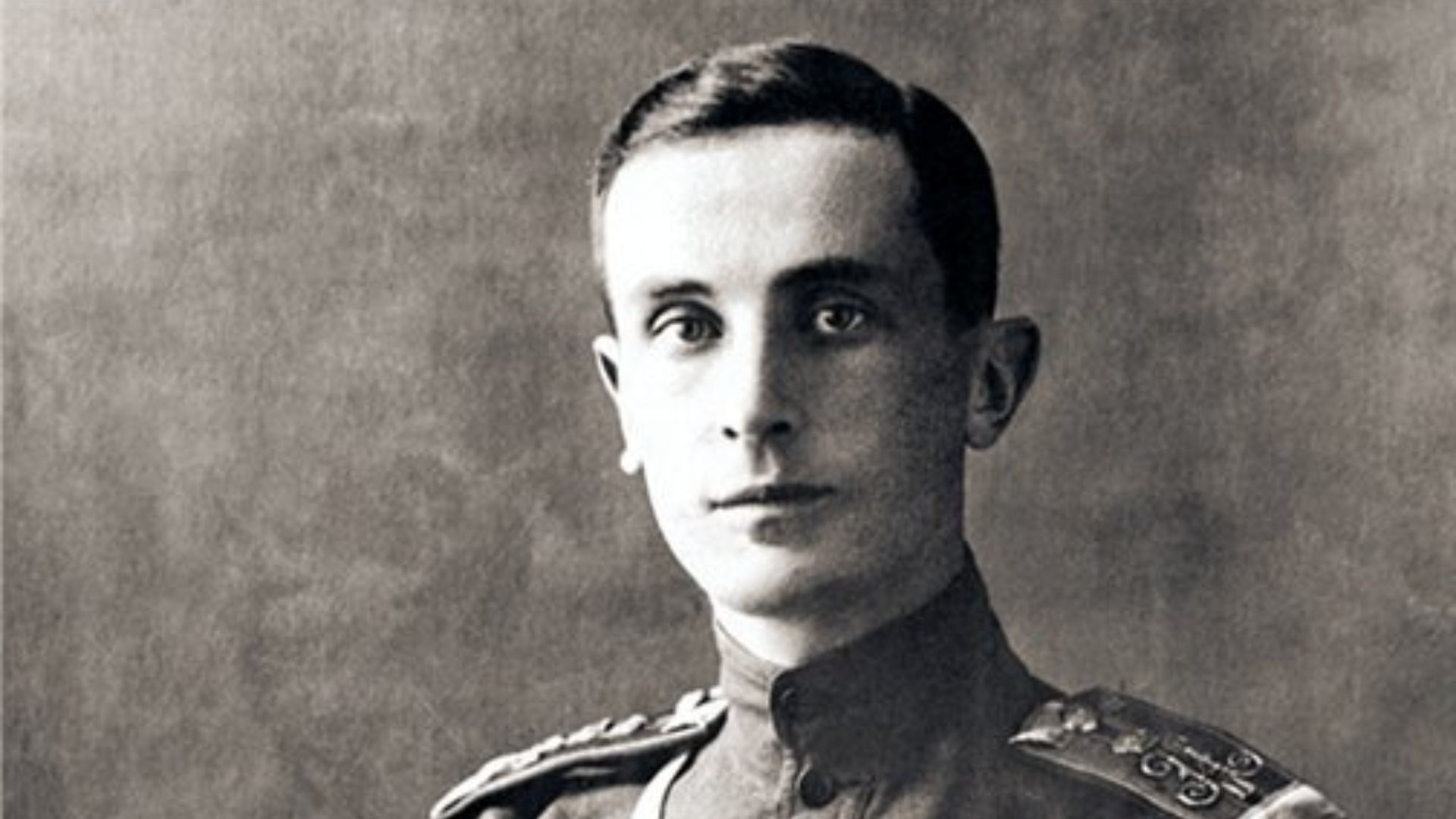
Felix Yusupov's memoir describes serving Rasputin cakes and Madeira laced with enough cyanide to kill several men, then watching him sit there asking for more wine. The autopsy performed after the body came out of the Neva found no poison in the stomach and recorded a gunshot to the head as the cause of death.
 Unknown authorUnknown author on Wikimedia