The Cover Story Came First
A staged death needs a plausible story, and for most of recorded history the easiest one to sell was illness. Nobody interrogated a sudden fever in a century without autopsies. What sets the cases below apart is that somebody eventually went back and checked, whether that meant a reopened inquest or a lab crew with access to a 700-year-old mummy. Some of those verdicts landed within a decade and others took centuries. Here's 20 political deaths that were written off at the time and later found to be something else.
 The Militant/ Ernest Harsch on Wikimedia
1. Britannicus, AD 55
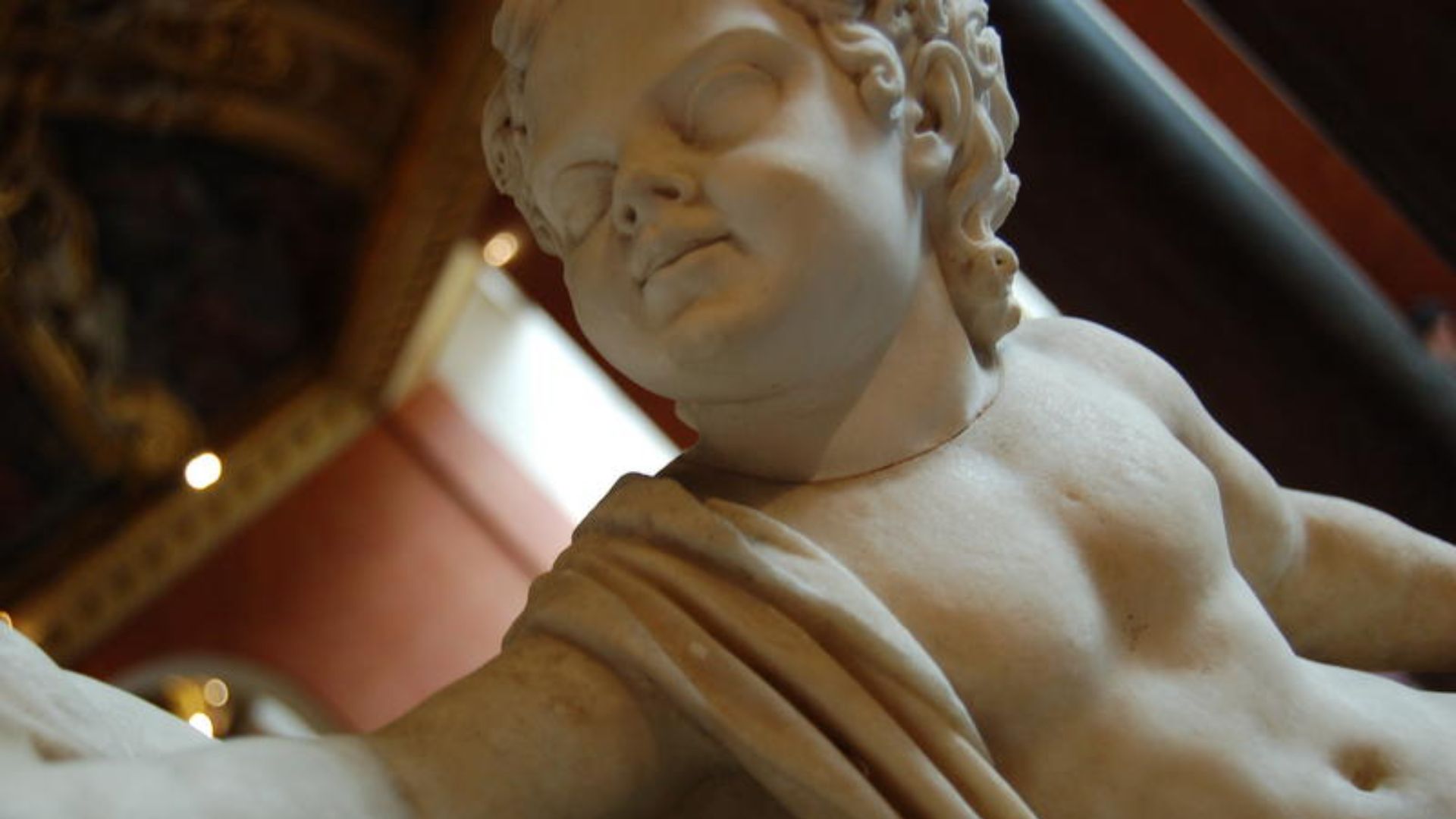
Nero's stepbrother collapsed at a palace dinner, and Nero assured the guests it was one of the epileptic fits the boy was known for. Tacitus wrote that the wine reached the table harmless and scalding hot, then got cooled with poisoned water once the taster had done his job. Britannicus was 13 and held the stronger claim to the throne.
 Unknown artistUnknown artist on Wikimedia
2. Agrippina the Younger, AD 59
A ship rigged to break apart at sea would have left a tidy story about a boating accident, which was the entire point of building it. Agrippina swam to shore. Soldiers finished the job at her villa days later, and Nero's court announced she had killed herself after a failed plot against the emperor.
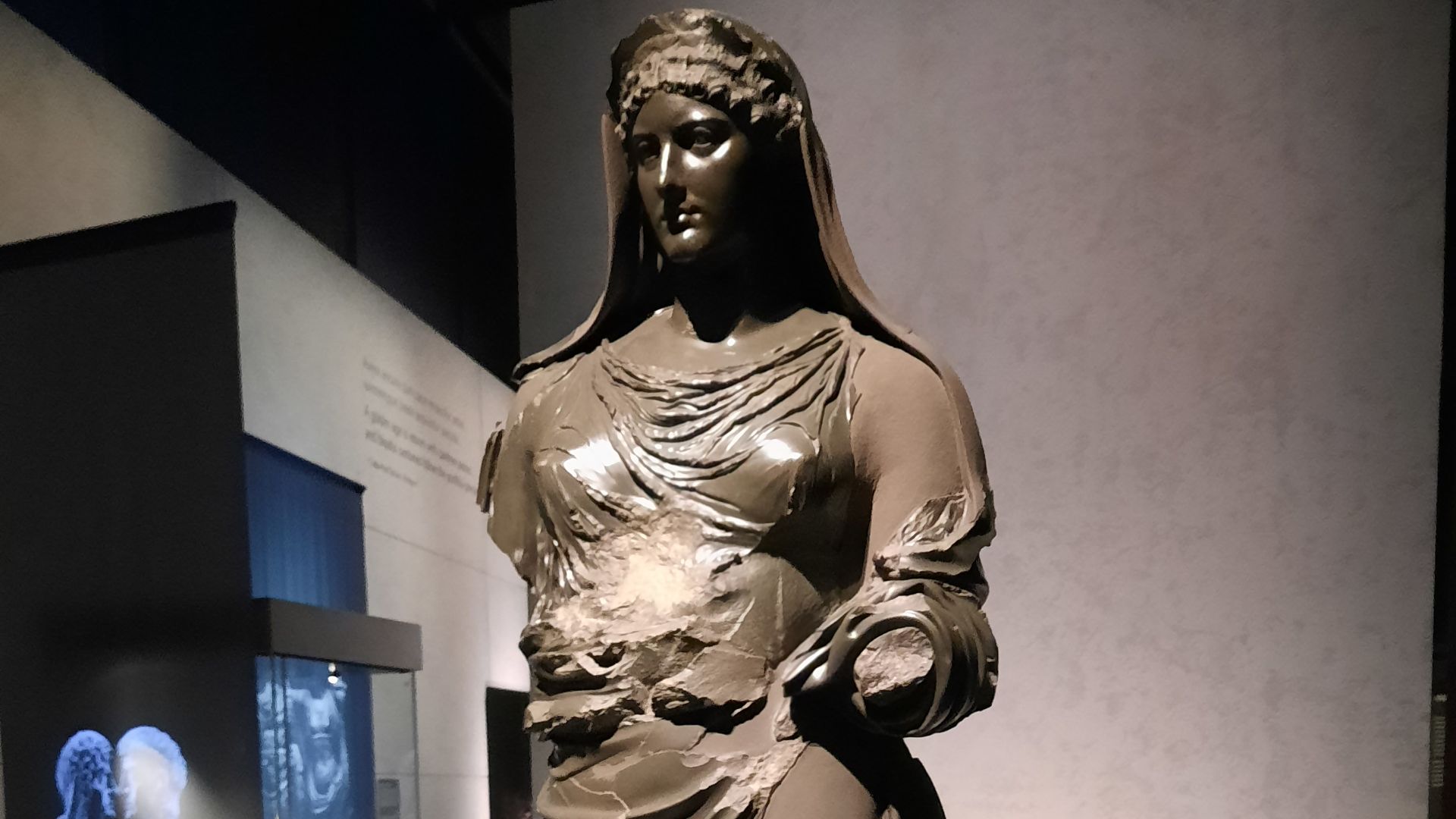
3. Cangrande della Scala, 1329
Chroniclers blamed a polluted spring when the lord of Verona died days after riding into the newly conquered city of Treviso. Italian researchers who examined his mummified remains reported in the Journal of Archaeological Science that the body held a lethal concentration of digitalis, the toxin in foxglove.
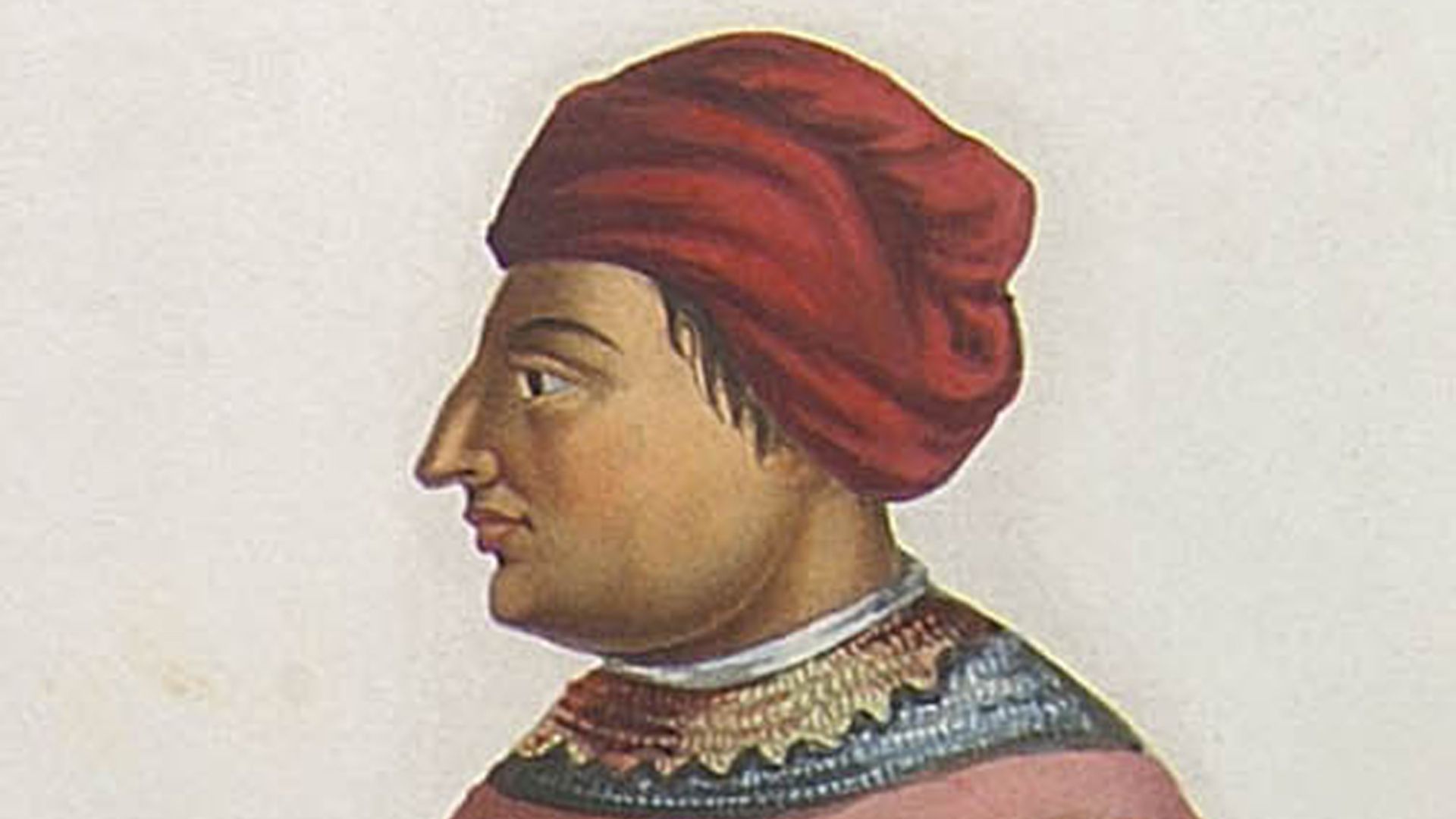
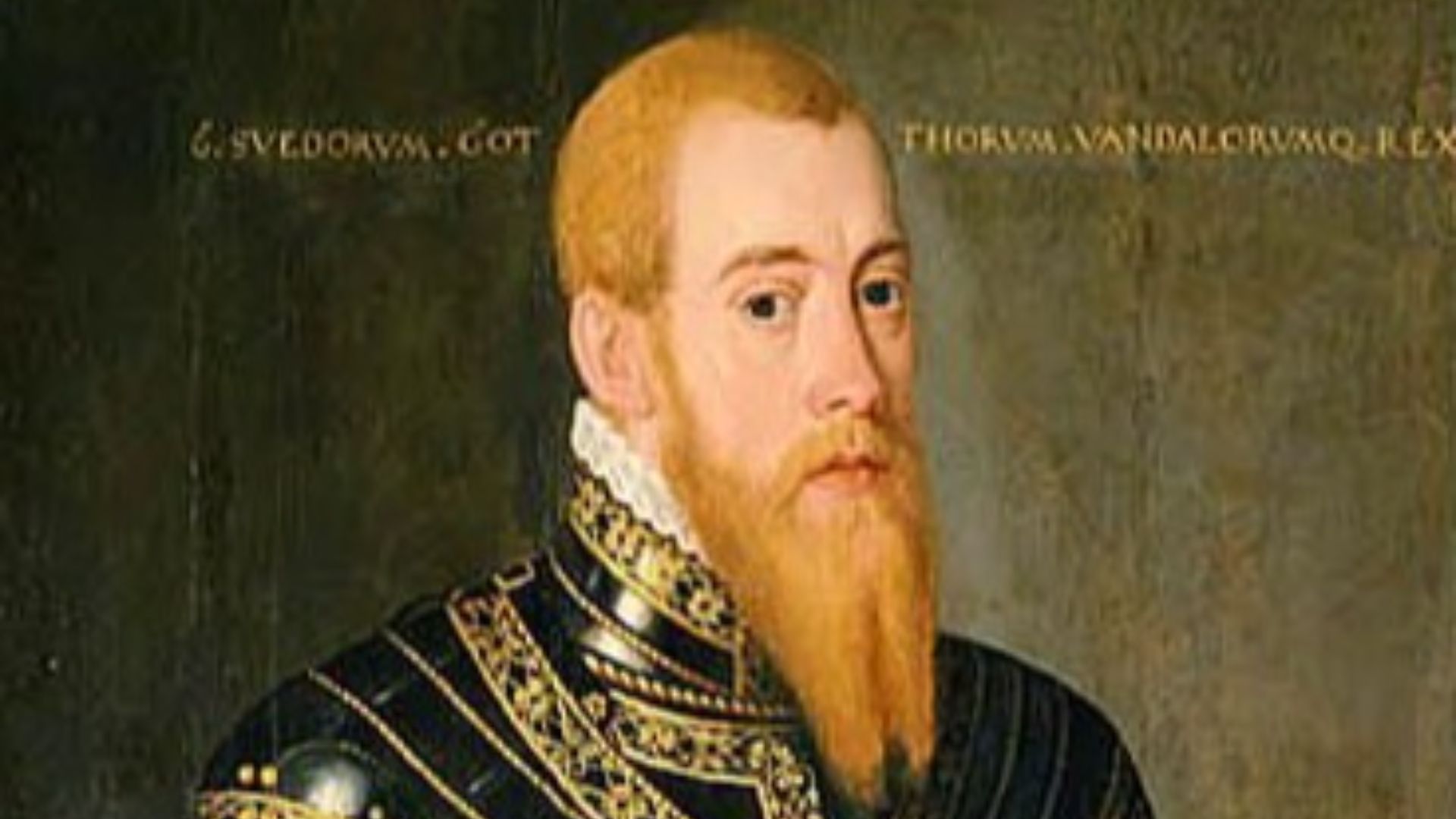
4. Erik XIV of Sweden, 1577
Illness was the official account for the deposed Swedish king, who had spent years in captivity being fed by his brother's men. An exhumation in 1958 turned up arsenic in his remains, which matched the long-circulating story of poison stirred into his pea soup.
 Attributed to Domenicus Verwilt on Wikimedia
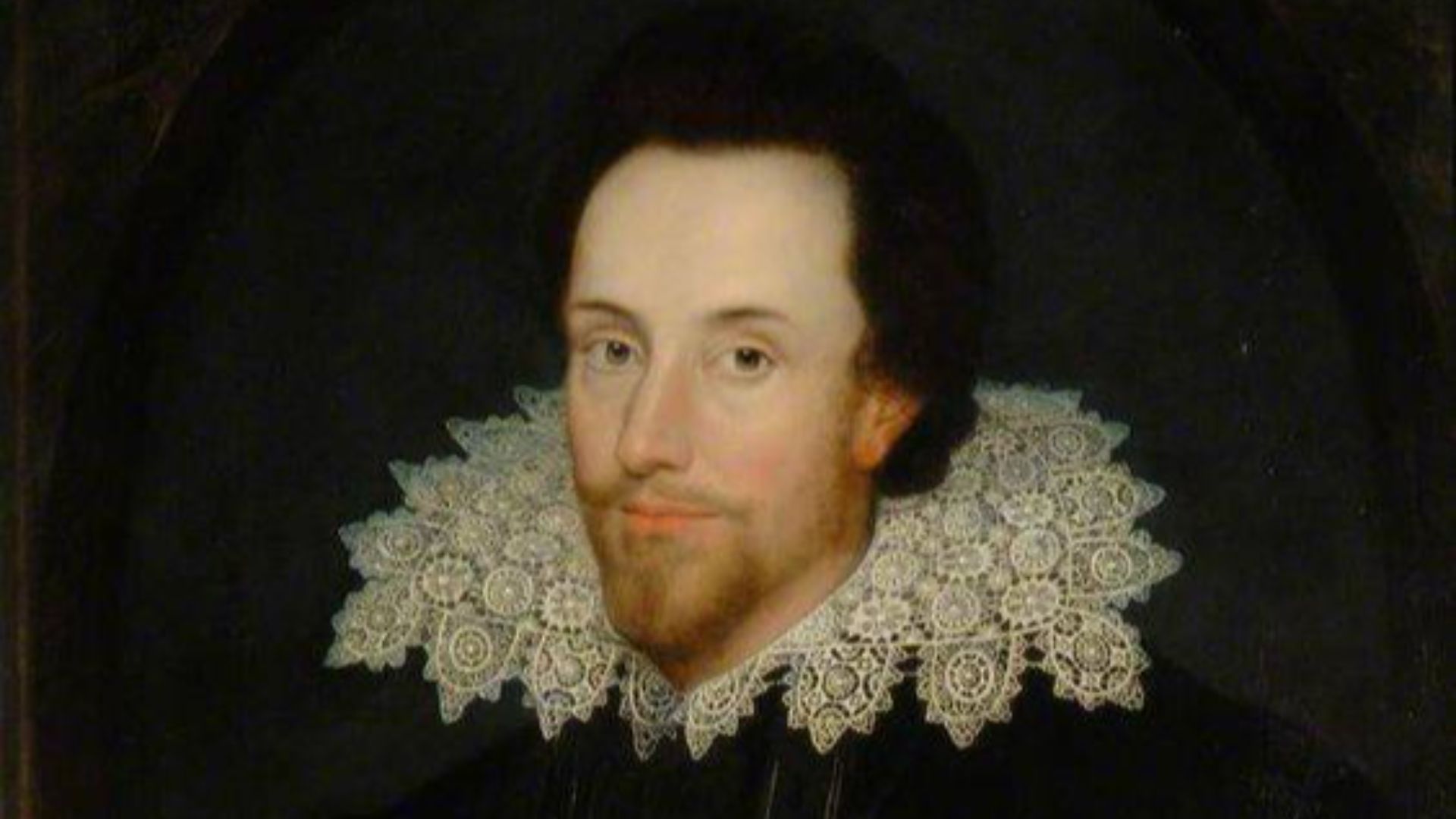
5. Sir Thomas Overbury, 1613
Overbury opposed a marriage that mattered a great deal to the most powerful couple at the court of James I, and he wound up in the Tower on a pretext. He sickened for months before dying, with natural illness given as the cause. Trials in 1615 established that his food and medicine had been dosed with poison, and four people were hanged for it.
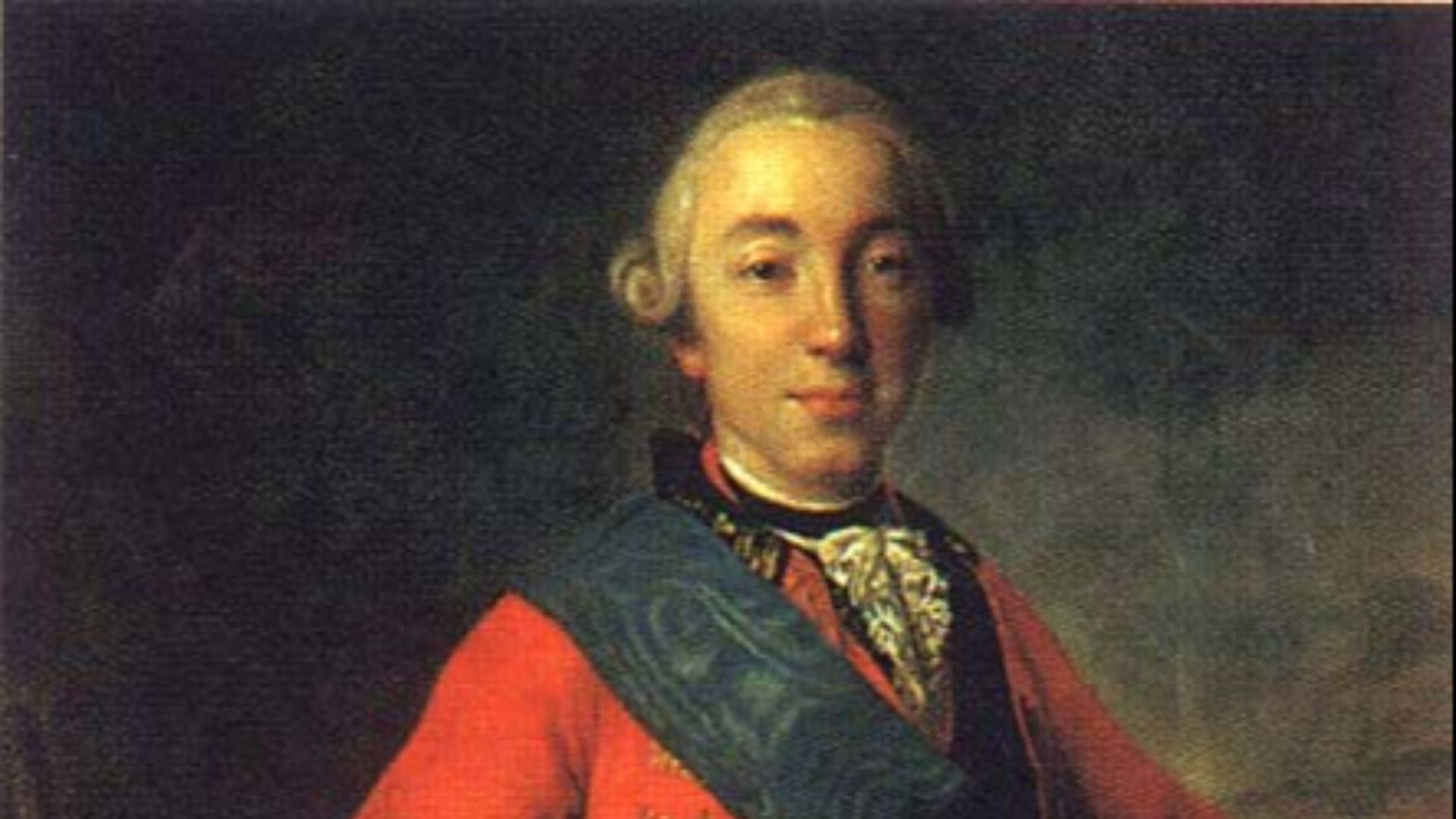
6. Peter III of Russia, 1762
Eight days after his wife seized the throne as Catherine the Great, the deposed tsar died in a scuffle with his guards at Ropsha. Her manifesto blamed a hemorrhoidal colic, a phrase that became a running joke among the diplomats of Europe.
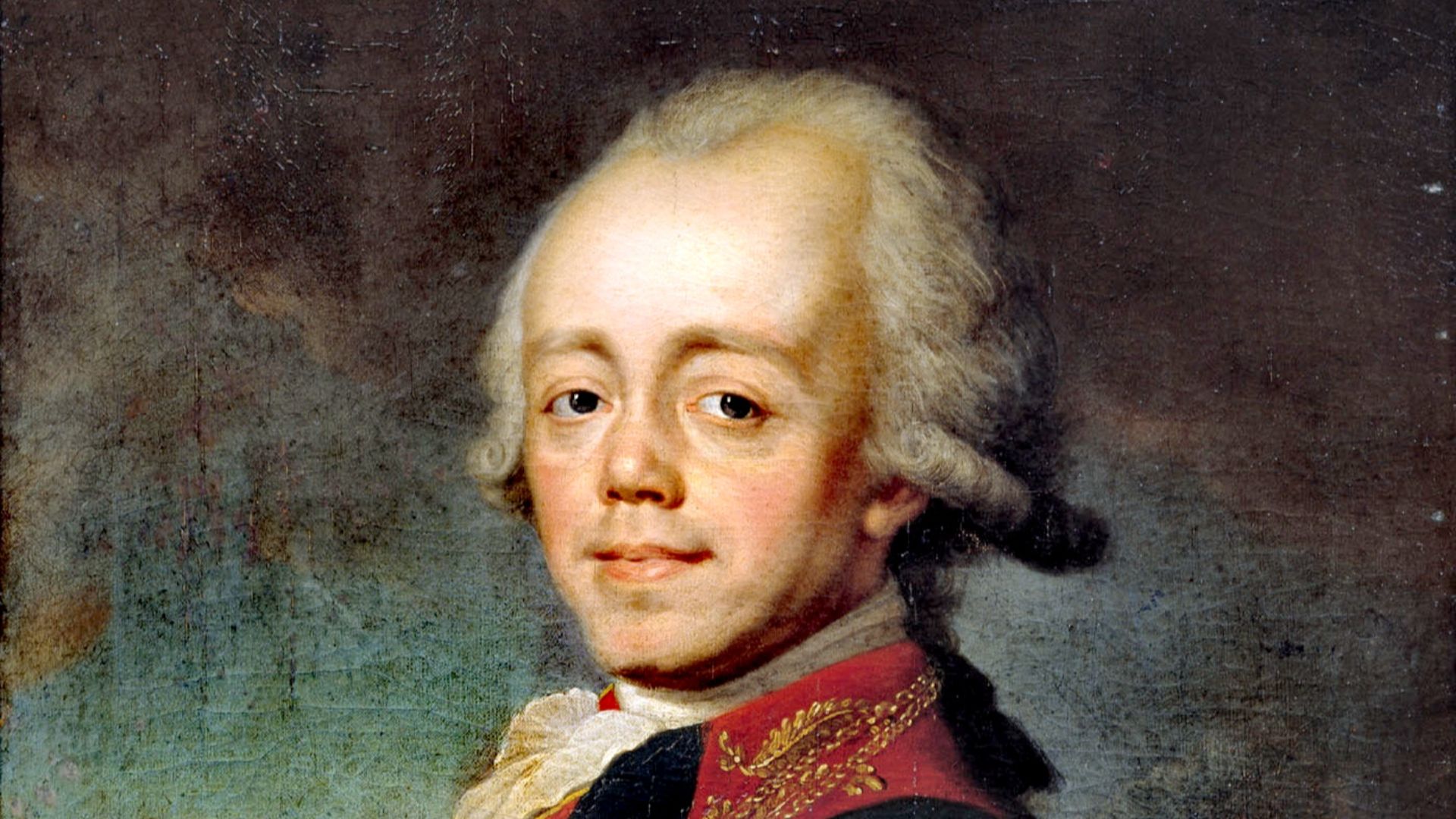
7. Paul I of Russia, 1801
A group of officers walked into the tsar's bedroom at the new Mikhailovsky Palace and beat and strangled him. The public announcement gave the cause as apoplexy. His son Alexander knew the coup was coming and took the throne that night.
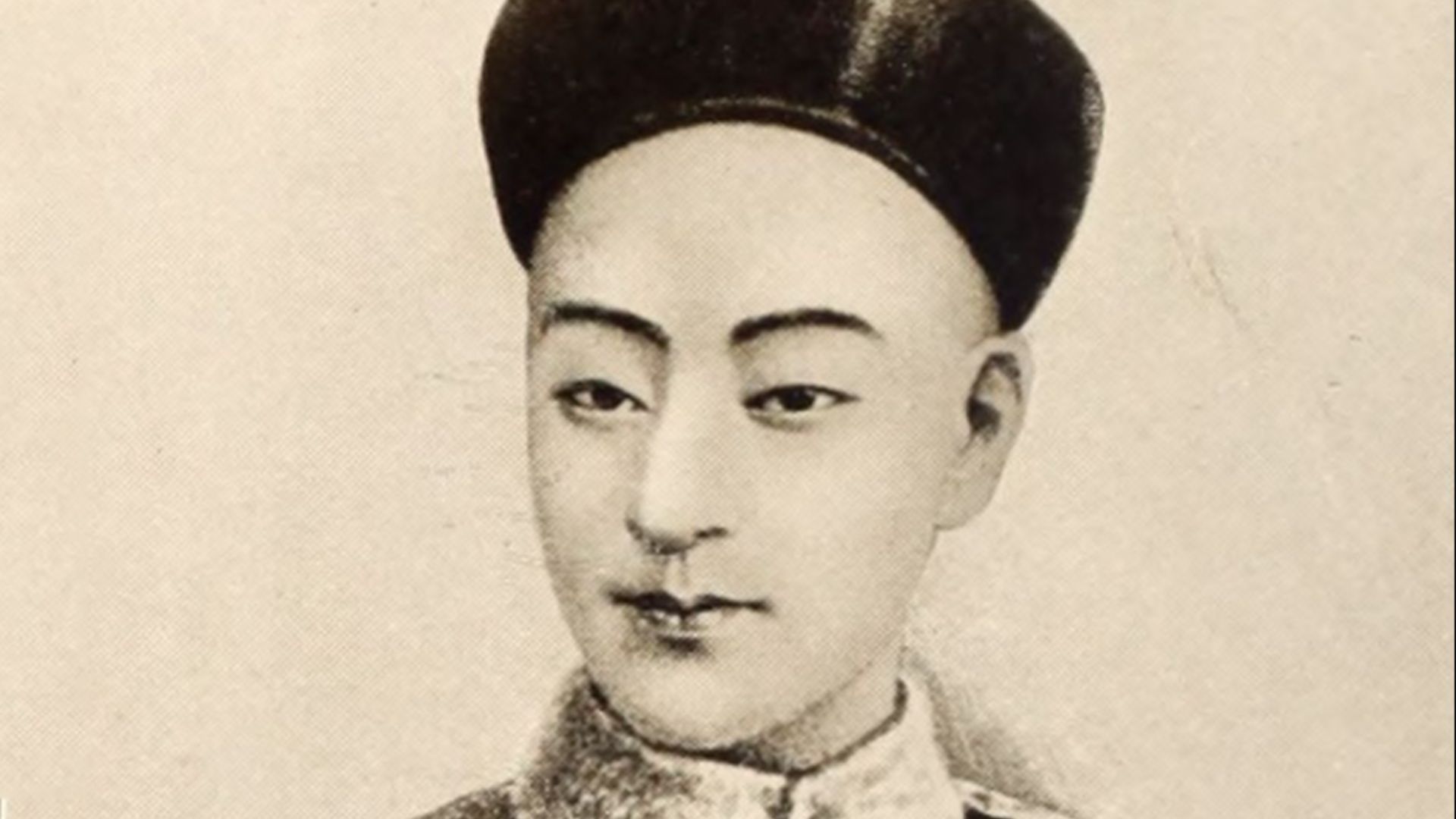
8. The Guangxu Emperor, 1908
Dying one day before the aunt who had kept him under palace arrest for a decade struck nearly everyone as convenient timing. Chinese investigators tested the emperor's hair and clothing in 2008 and found arsenic at levels no illness could account for. The court record had described a long decline.
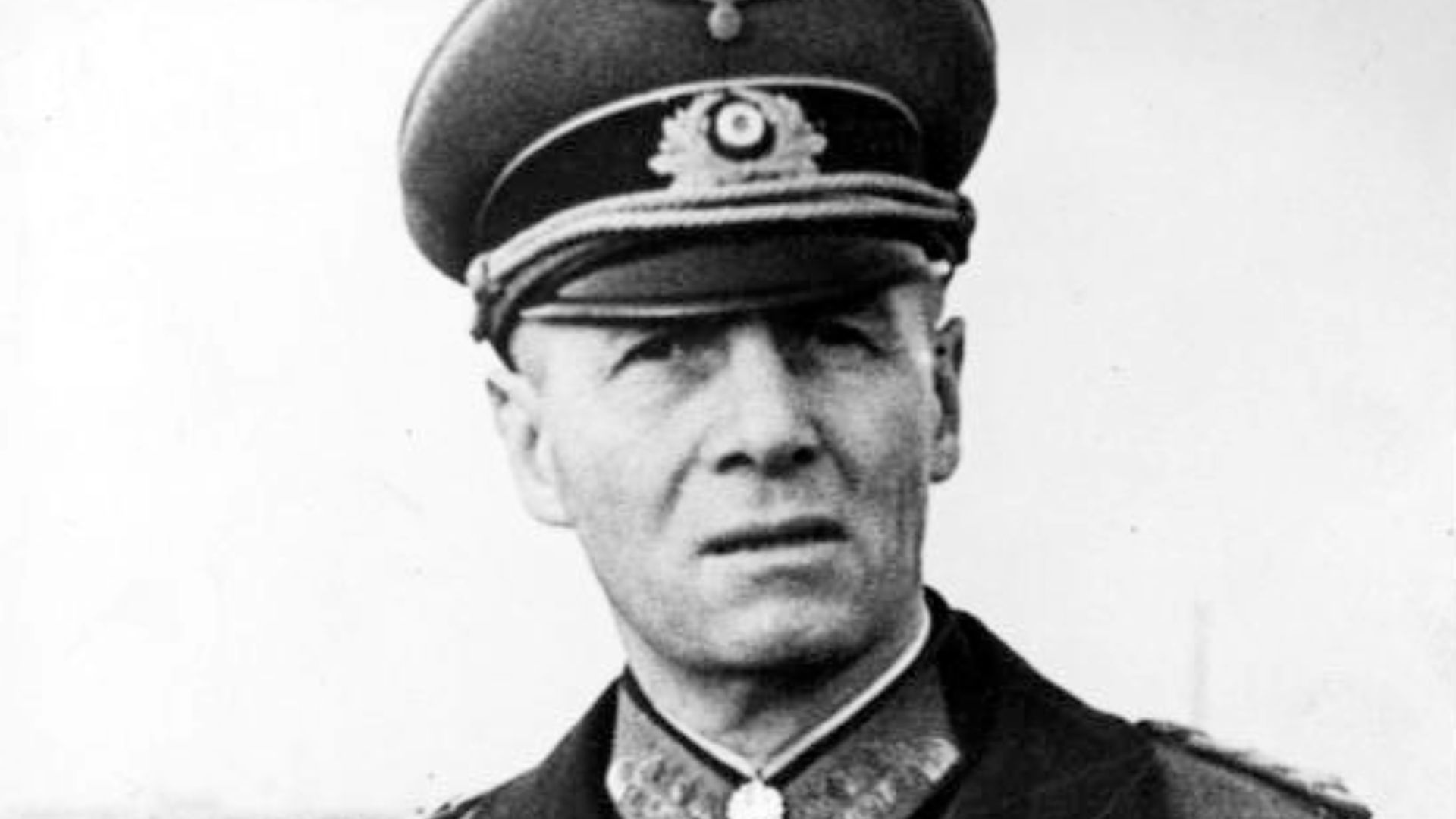
9. Erwin Rommel, 1944
Rommel's name surfaced in the investigation into the July 1944 plot against Hitler, and two generals arrived at his house with a cyanide capsule and an offer. He swallowed it to spare his wife and son. Berlin announced he had succumbed to wounds from an earlier strafing attack, then gave him a state funeral.
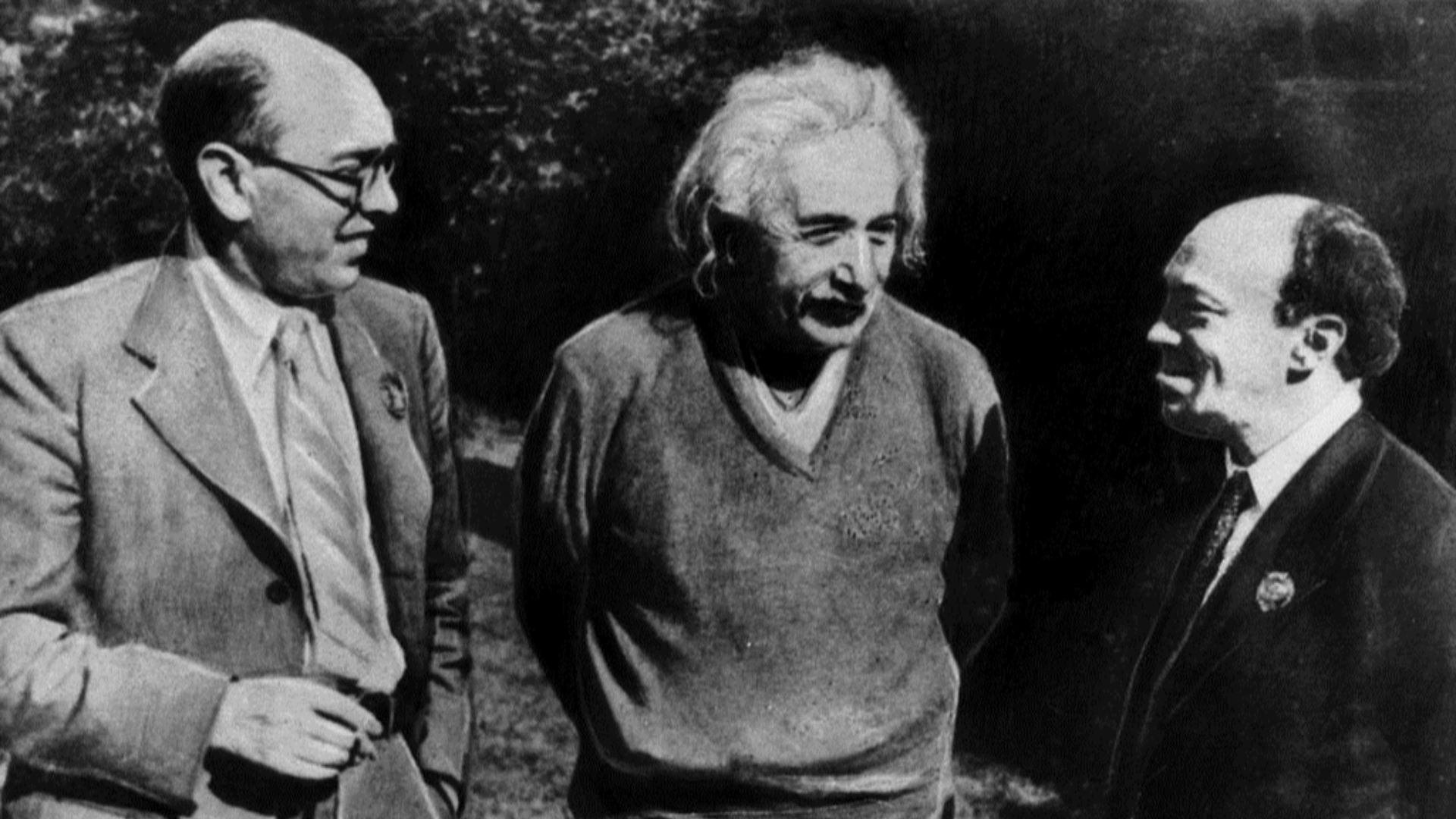
10. Solomon Mikhoels, 1948
Found dead on a Minsk street in what state media reported as a traffic accident, the Soviet Union's most famous Yiddish actor received an enormous public funeral. Security officers had killed him on Stalin's orders, a fact Soviet officials acknowledged in the years after Stalin died.
 Unknown (Mondadori Publishers) on Wikimedia
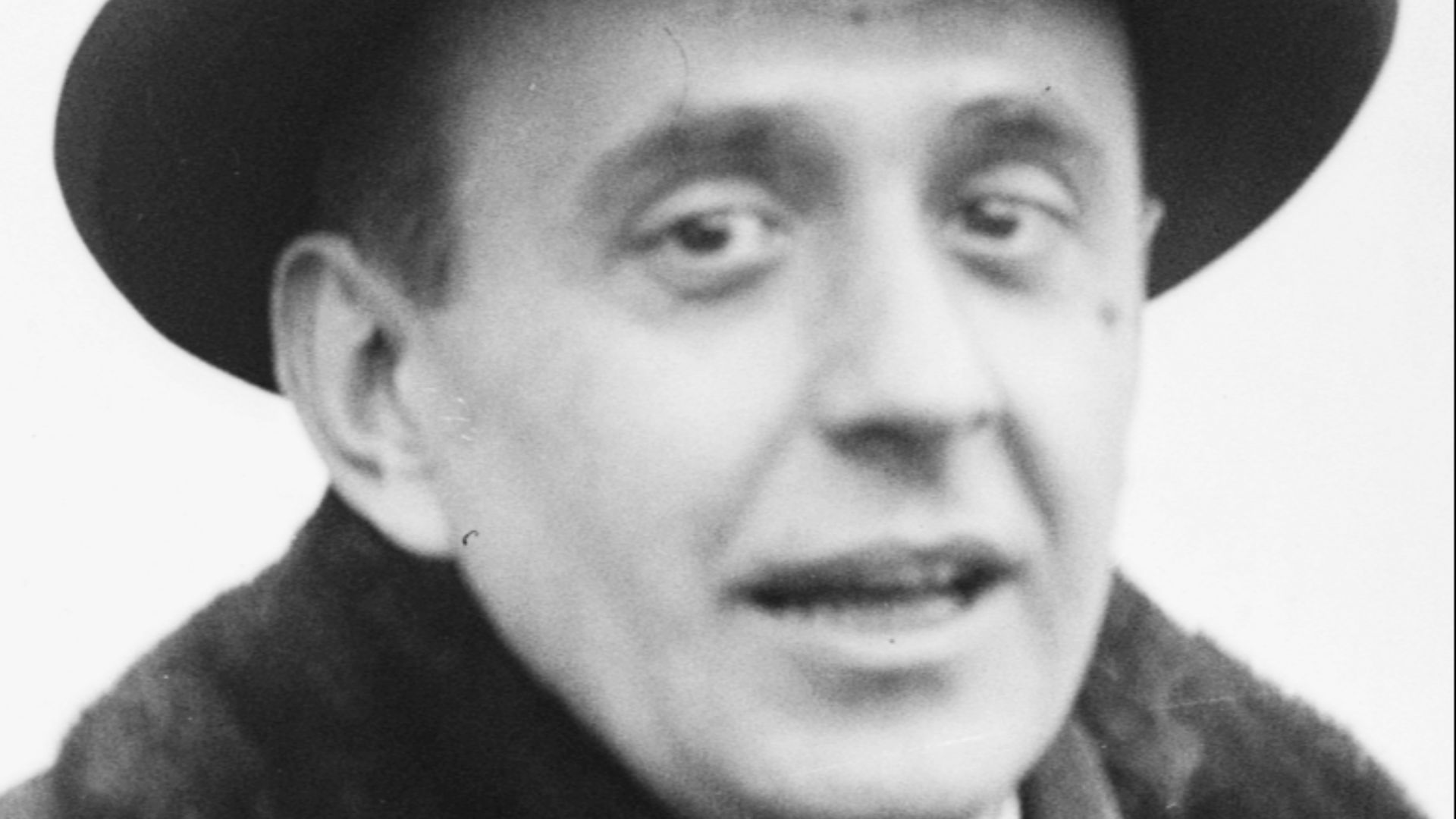
11. Jan Masaryk, 1948
Two weeks after the communist takeover in Prague, Czechoslovakia's foreign minister went out a bathroom window. The new government called it suicide. Czech police reopened the file and closed it again in 2004 as a murder, persuaded by a forensic specialist who argued Masaryk had landed too far from the wall to have jumped.
 George Grantham Bain Collection (Library of Congress) on Wikimedia
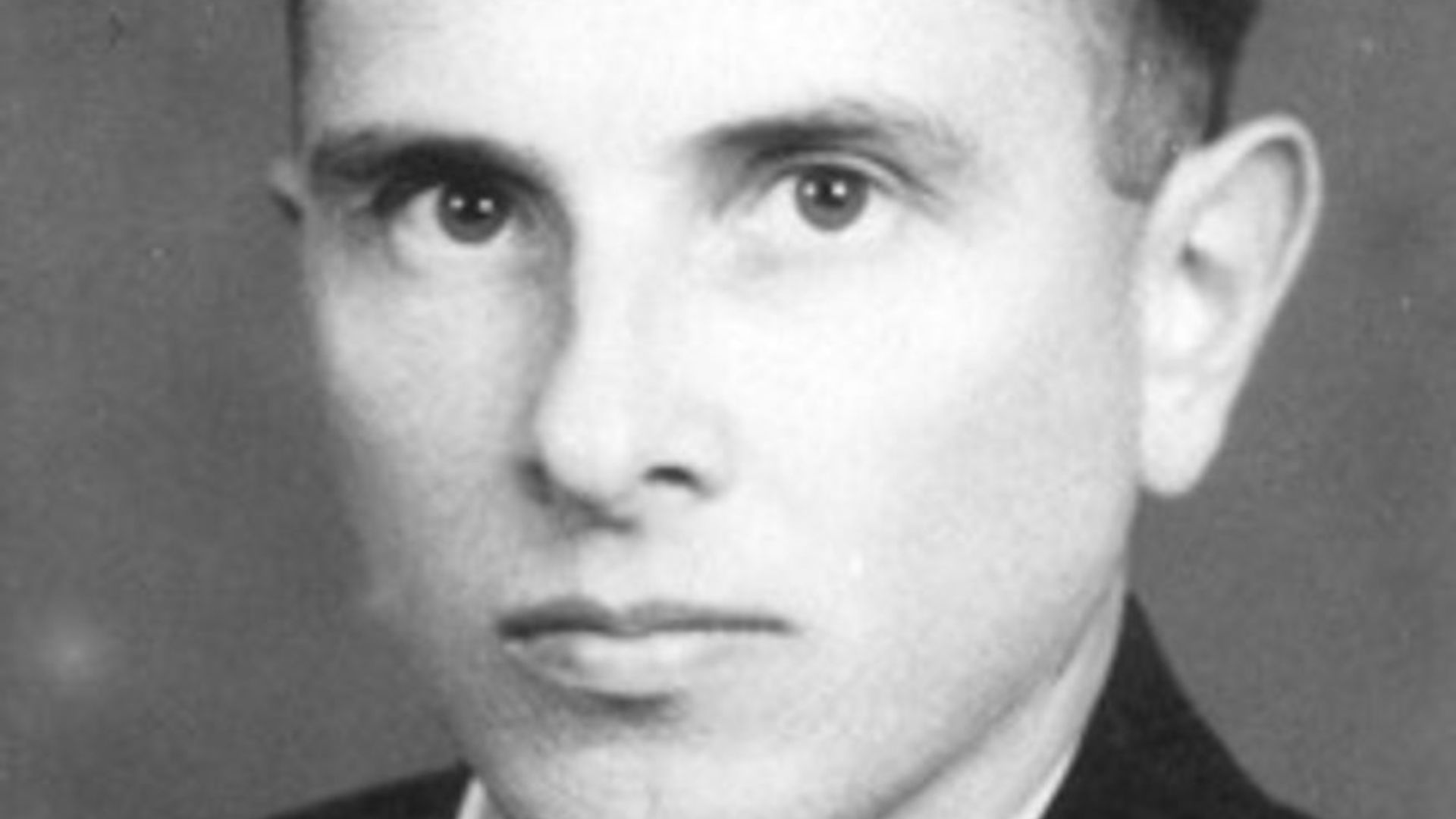
12. Stepan Bandera, 1959
The Ukrainian nationalist leader collapsed in the stairwell of his Munich apartment building and was carried off as a heart attack case. An autopsy found cyanide. Bohdan Stashynsky, the KGB officer who had fired it into his face from a modified pistol, confessed after defecting and was convicted in a West German court in 1962.
 Unknown authorUnknown author on Wikimedia
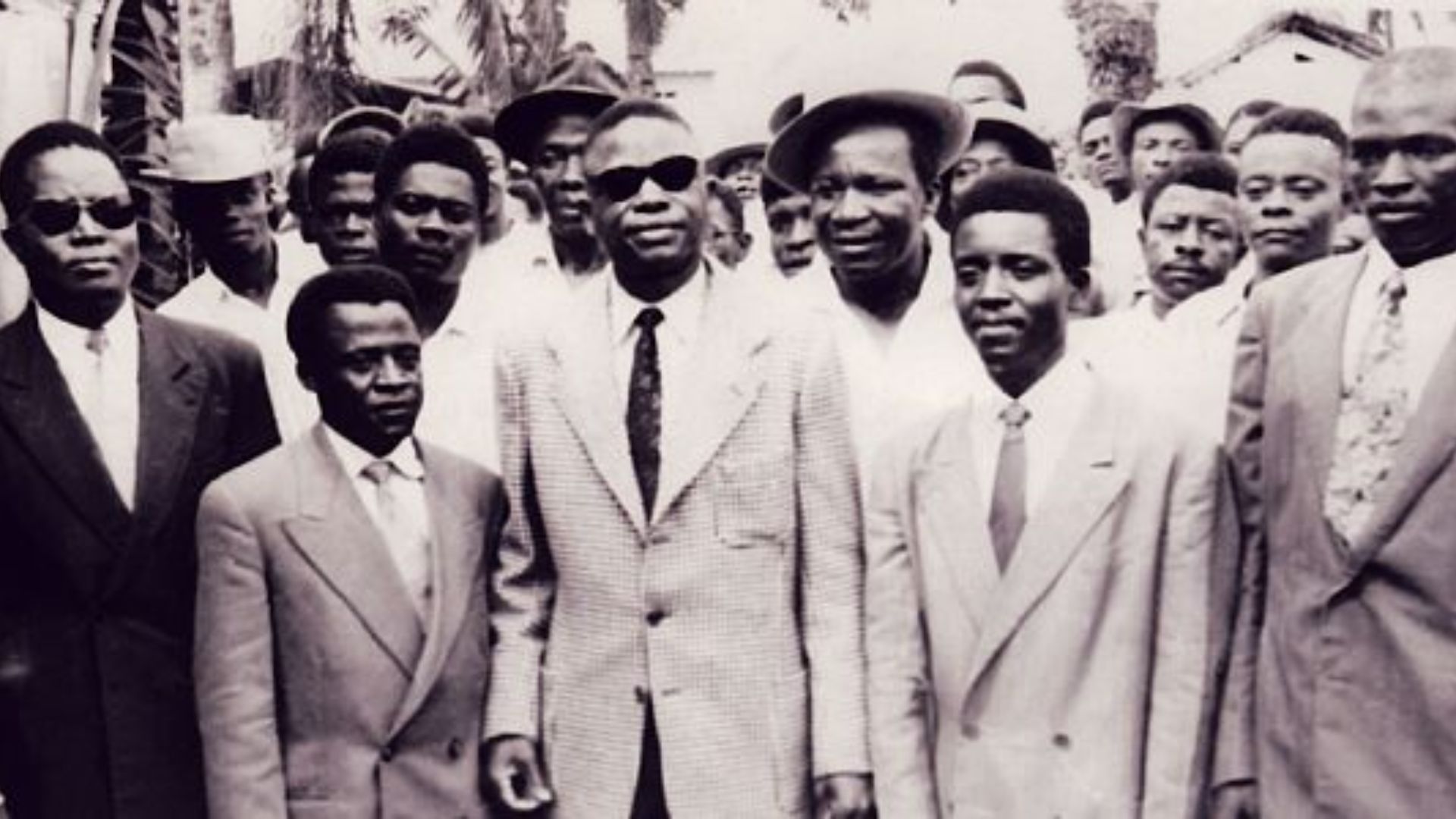
13. Félix Moumié, 1960
Over dinner in Geneva, a man claiming to be a journalist slipped thallium to Cameroon's independence leader. Moumié lingered for weeks with what presented as a stomach ailment. His dinner companion turned out to be a French intelligence agent named William Bechtel, arrested in Switzerland fifteen years afterward.
 commons.wikimedia.org on Google
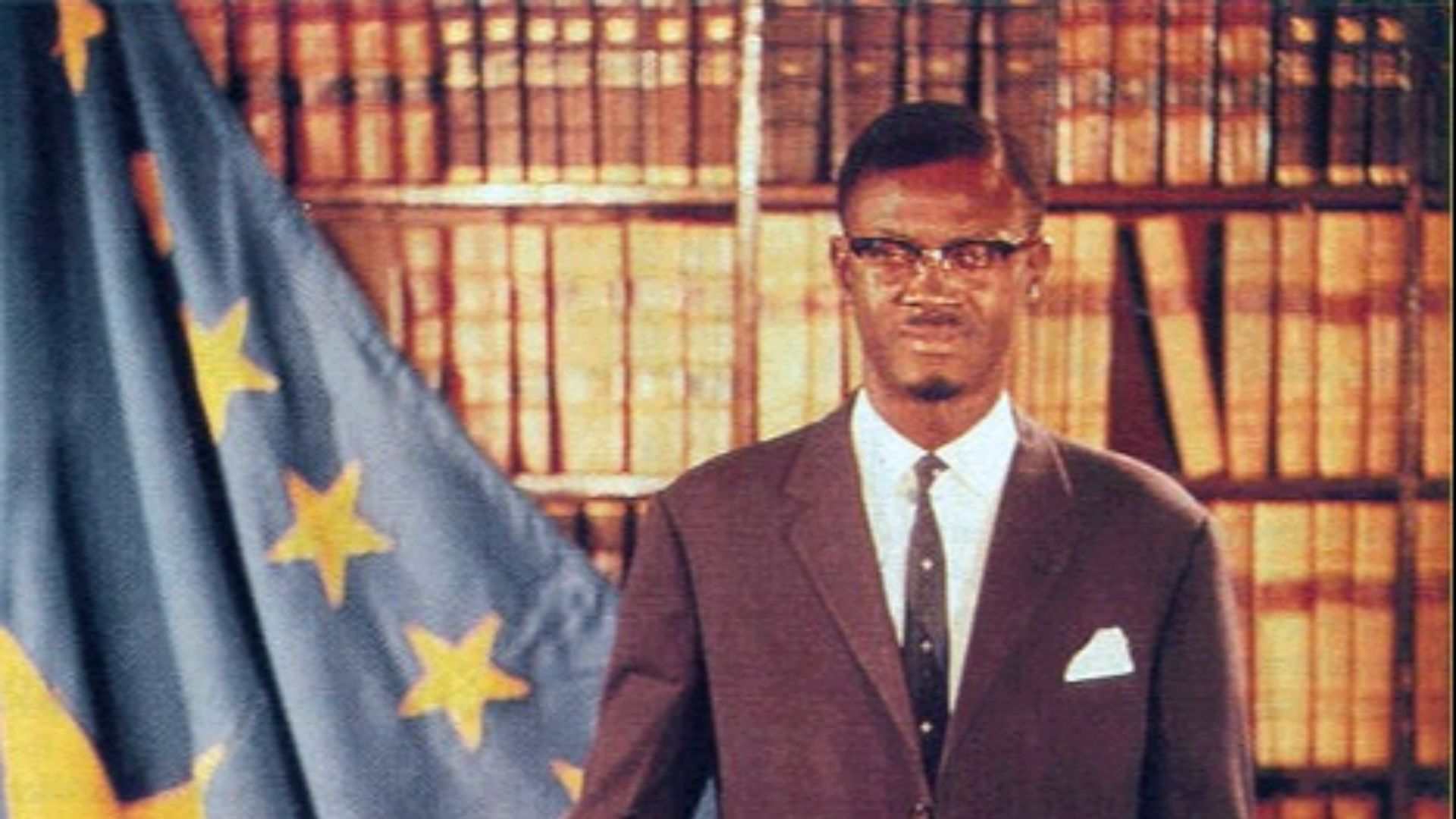
14. Patrice Lumumba, 1961
The story released at the time had Congo's first prime minister escaping custody and getting killed by villagers. A firing squad in Katanga shot him with Belgian officers standing by, and his body was later cut apart and dissolved in acid. A Belgian parliamentary commission concluded in 2001 that Belgium bore moral responsibility for the killing.
 unknown, Republic of the Congo (Léopoldville) government on Wikimedia
15. Enrico Mattei, 1962
Rain and a difficult approach explained the private plane that came down near Milan, at least according to the inquiries of the day. The dead man was the founder of Italy's state oil company, and he had spent years prying national fuel supply out of the hands of the major Western firms. An Italian judge eventually reclassified the crash as a homicide with perpetrators unknown.
 Unknown authorUnknown author on Wikimedia
16. Steve Biko, 1977
South African police said Biko had injured himself during a hunger strike, and the inquest that year found nobody responsible. He had reached the Pretoria prison hospital naked in the back of a Land Rover after a drive of roughly 700 miles, already dying of a brain injury. Testimony to the Truth and Reconciliation Commission established that his head wounds came from his treatment in custody.
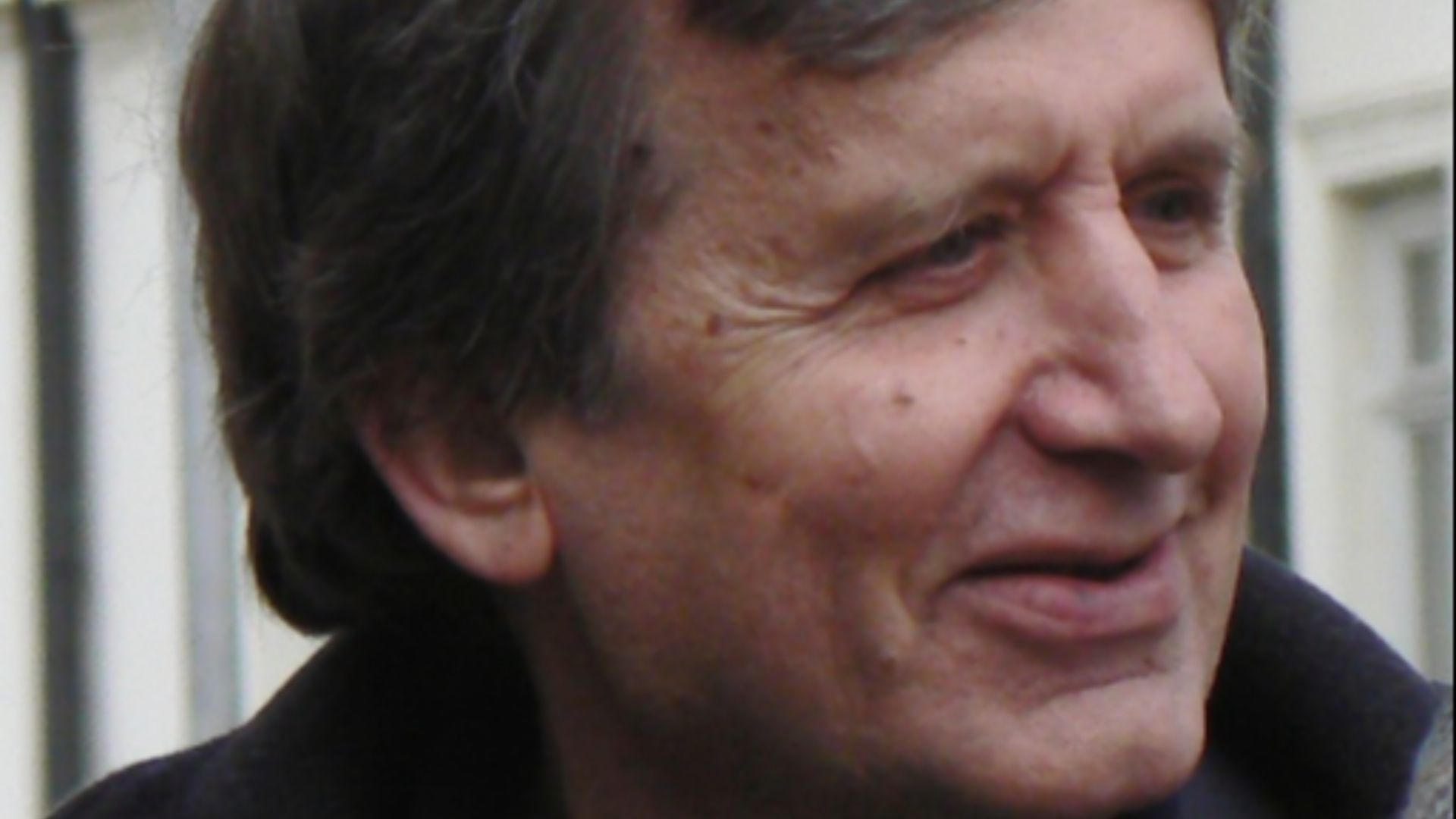
17. Georgi Markov, 1978
Waiting for a bus on Waterloo Bridge, a Bulgarian dissident felt a sharp jab in his thigh and turned to see a man picking up an umbrella. Doctors treated Markov for blood poisoning until he died four days later, at which point a pathologist recovered a metal pellet the size of a pinhead drilled out to carry ricin. The inquest returned a verdict of unlawful killing.
 Vassia Atanassova - Spiritia on Wikimedia
18. Walter Rodney, 1980
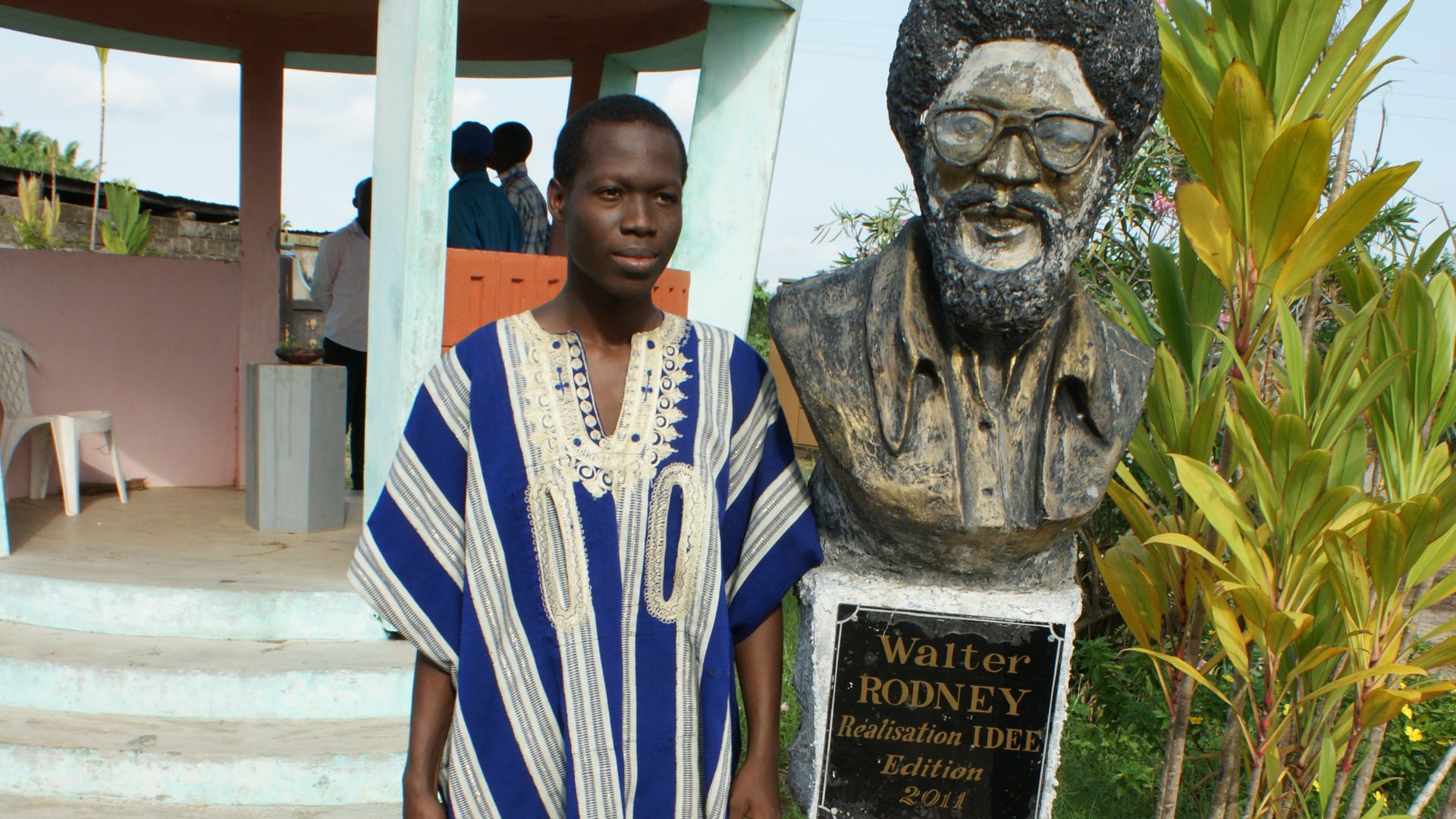
A government statement suggested the Guyanese historian had been carrying a bomb of his own when a device went off in a car. An army sergeant had handed it to him minutes earlier. A Guyanese commission of inquiry reported in 2016 that the killing was organized by the state, and that Prime Minister Forbes Burnham must have known.
 commons.wikimedia.org on Google
19. Roberto Calvi, 1982
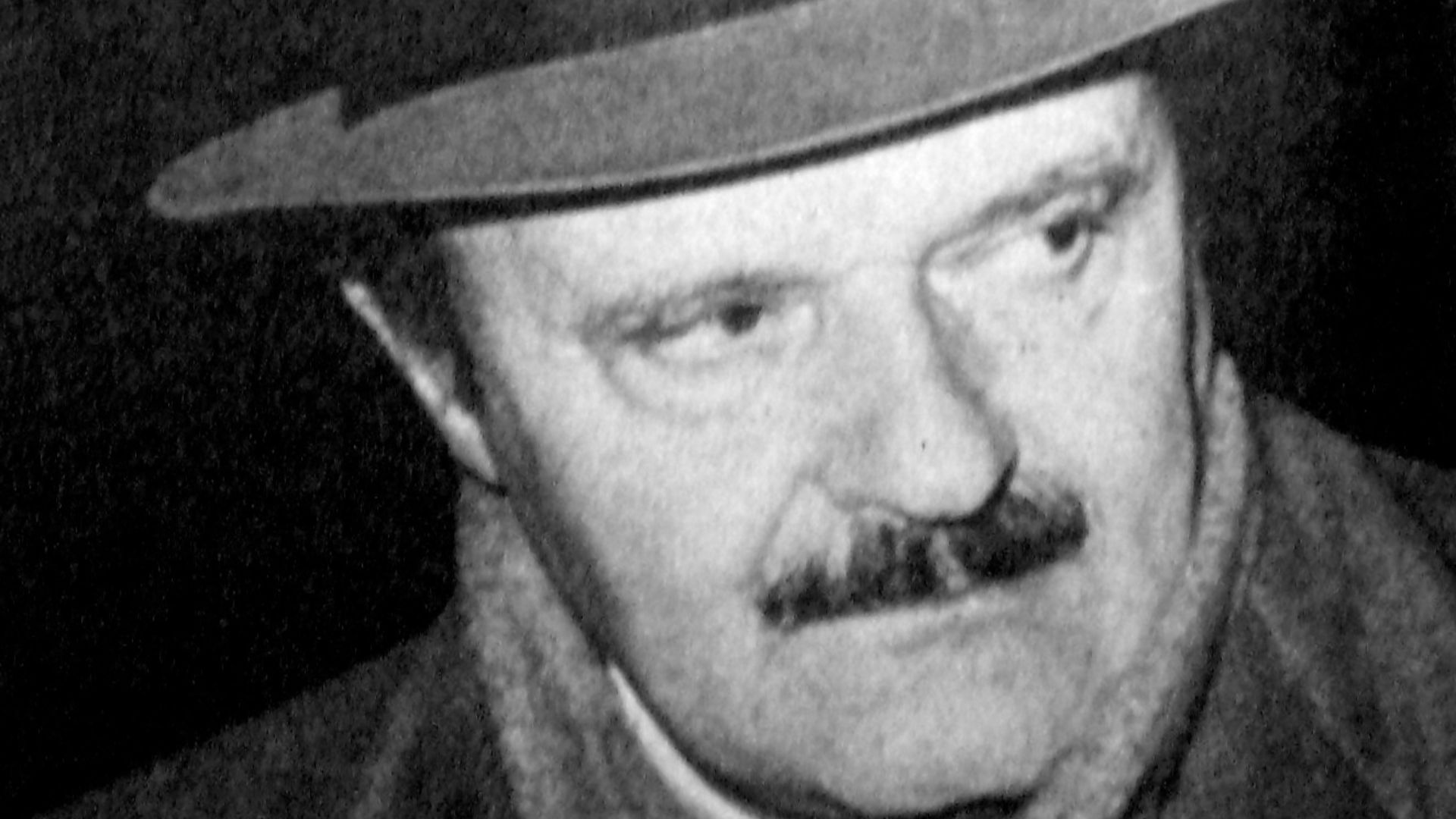
Bricks stuffed in the pockets and a rope under Blackfriars Bridge pointed the first London inquest toward suicide. The dead man chaired Banco Ambrosiano, which had collapsed days before. Italian forensic experts reexamined the body decades later and concluded he was strangled first, though a Rome trial of five defendants ended in acquittals in 2007.
 Unknown authorUnknown author on Wikimedia
20. Thomas Sankara, 1987
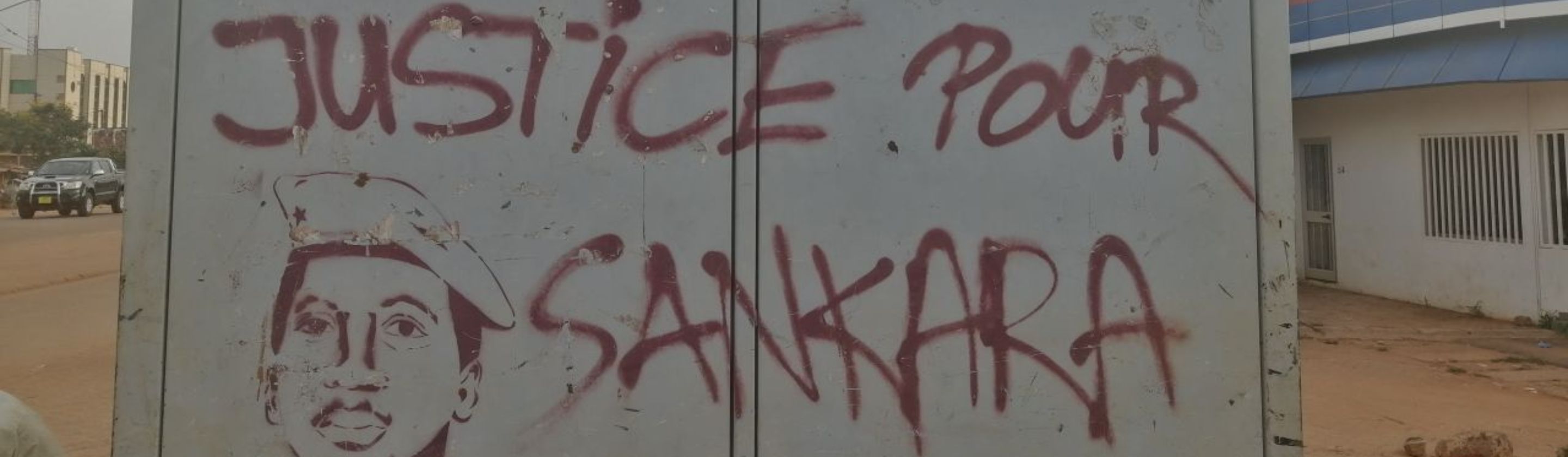
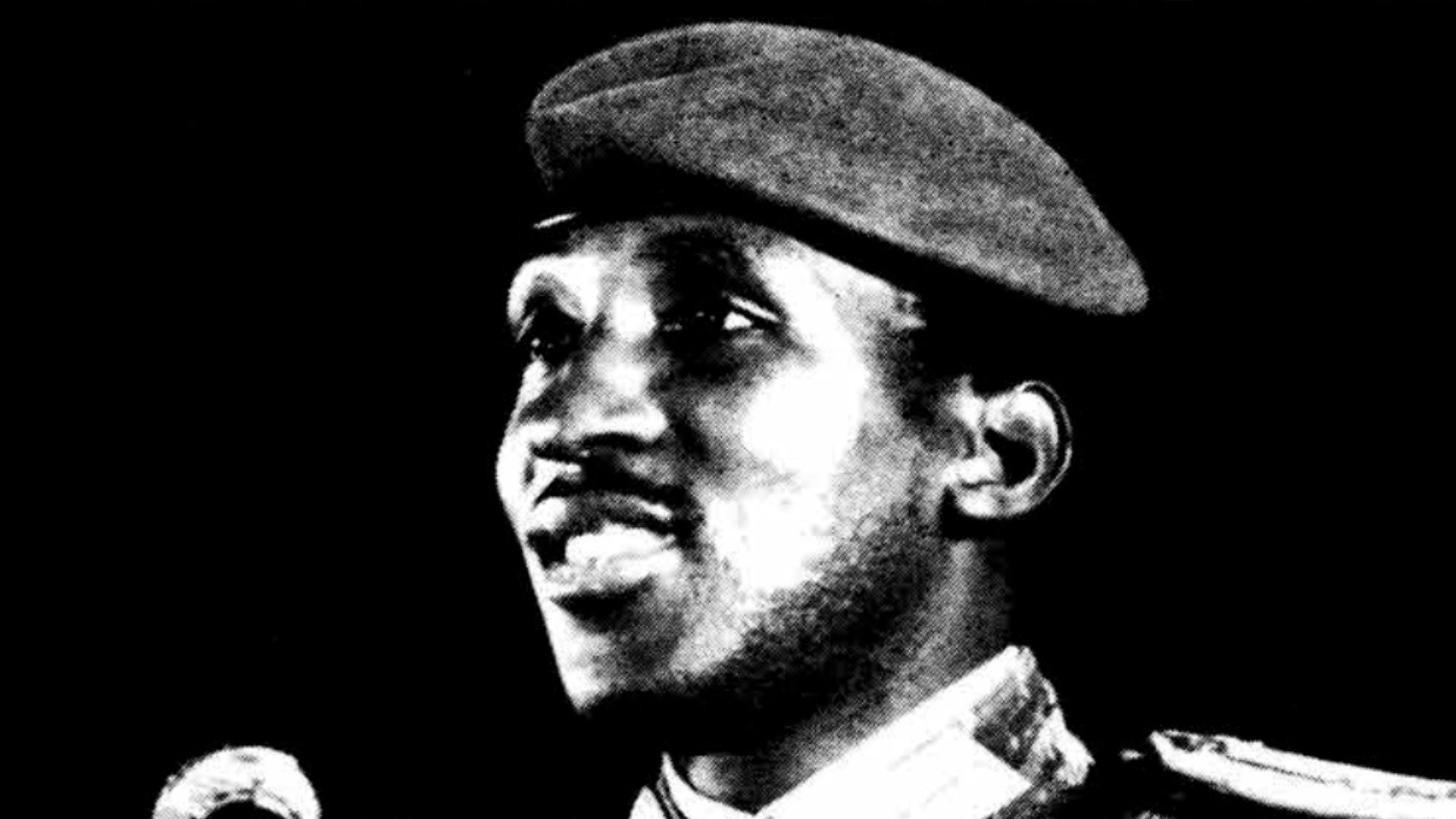
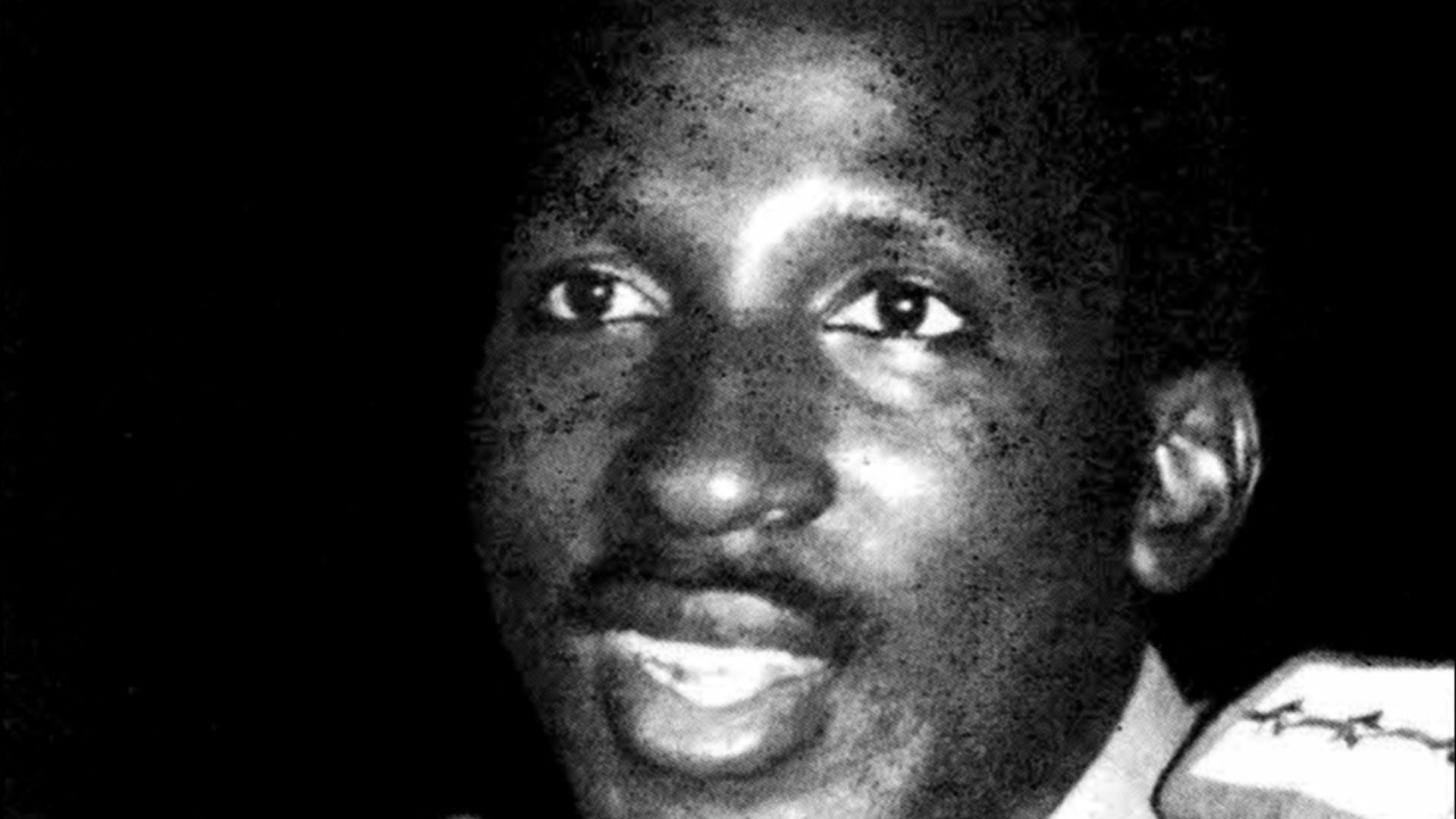
His death certificate recorded natural causes. Burkina Faso's president had been gunned down with twelve other people at a meeting in Ouagadougou, and the killings went uninvestigated for decades. A military court convicted his successor Blaise Compaoré of complicity in April 2022 and handed him a life sentence in absentia.
 The Militant/Sam Manuel on Wikimedia
KEEP ON READING