Some People Earn More Than a Footnote
History gives us plenty of rulers and troublemakers who already get more attention than they need. And sure, some of history’s most notable figures already found their way onto the calendar, but there are a few genuinely remarkable people who never did. From Fred Rogers making generations of children feel understood to Grace Hopper helping shape modern computing, these 20 figures accomplished enough good that giving them a day of their own ought to be in the cards.
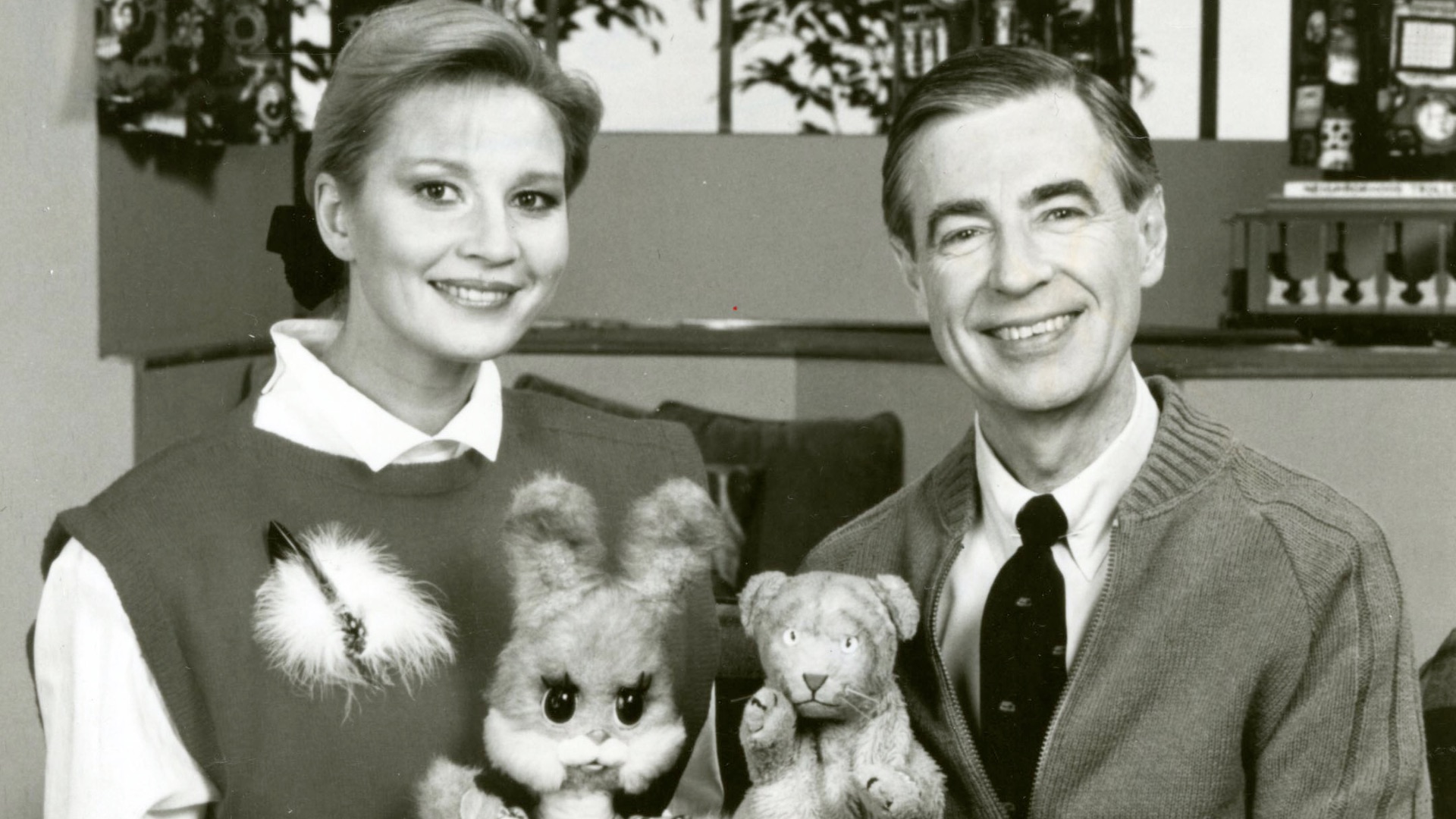
1. Fred Rogers
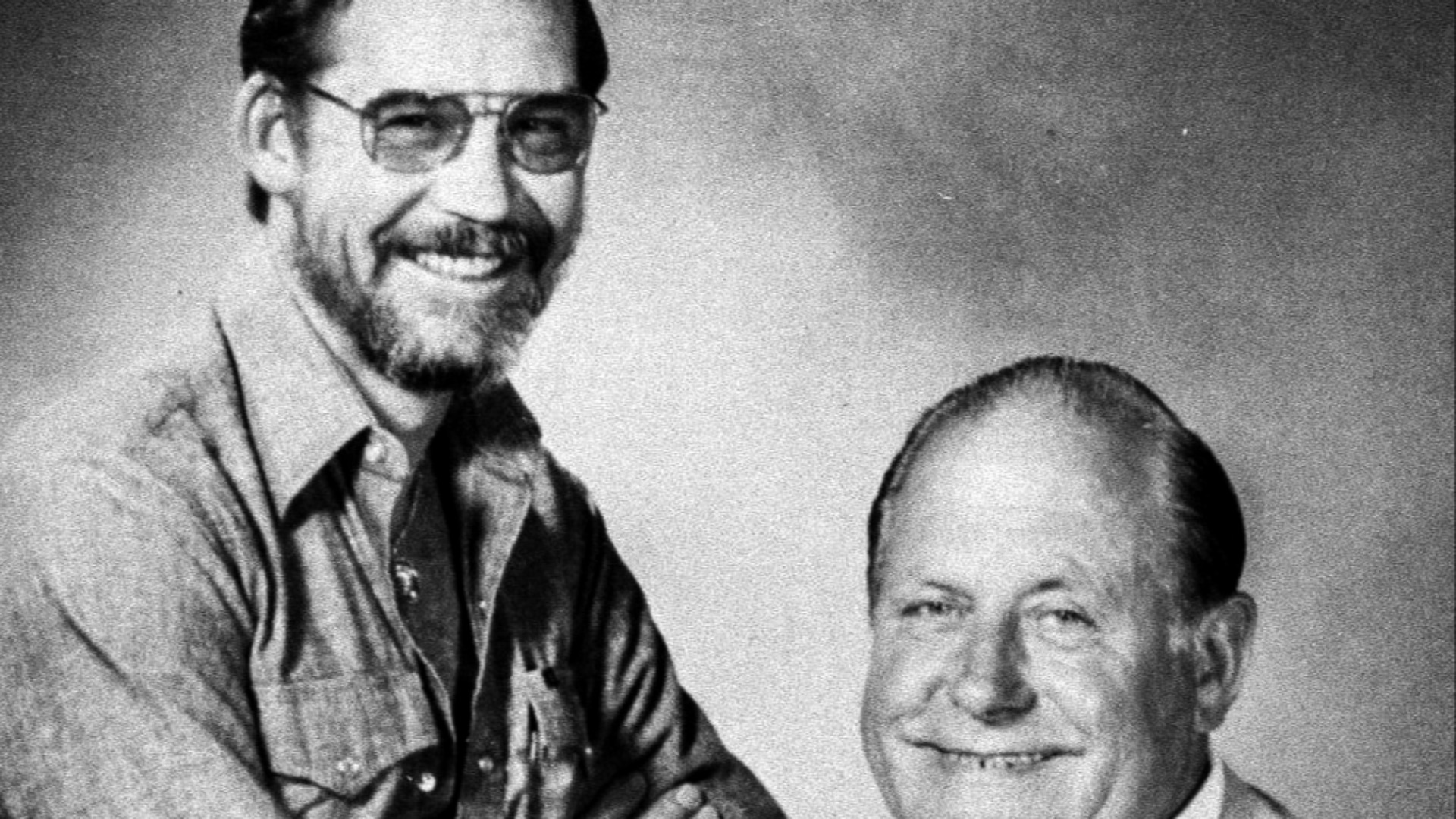
Fred Rogers became one of America's most trusted children's TV personalities when Mister Rogers' Neighborhood started airing in 1968. He remained in the neighborhood until 2001, teaching all of us about fear, anger, death, divorce, and self-worth in language everyone could understand. He was a walking ray of sunshine, and he deserves his own spot in the week.
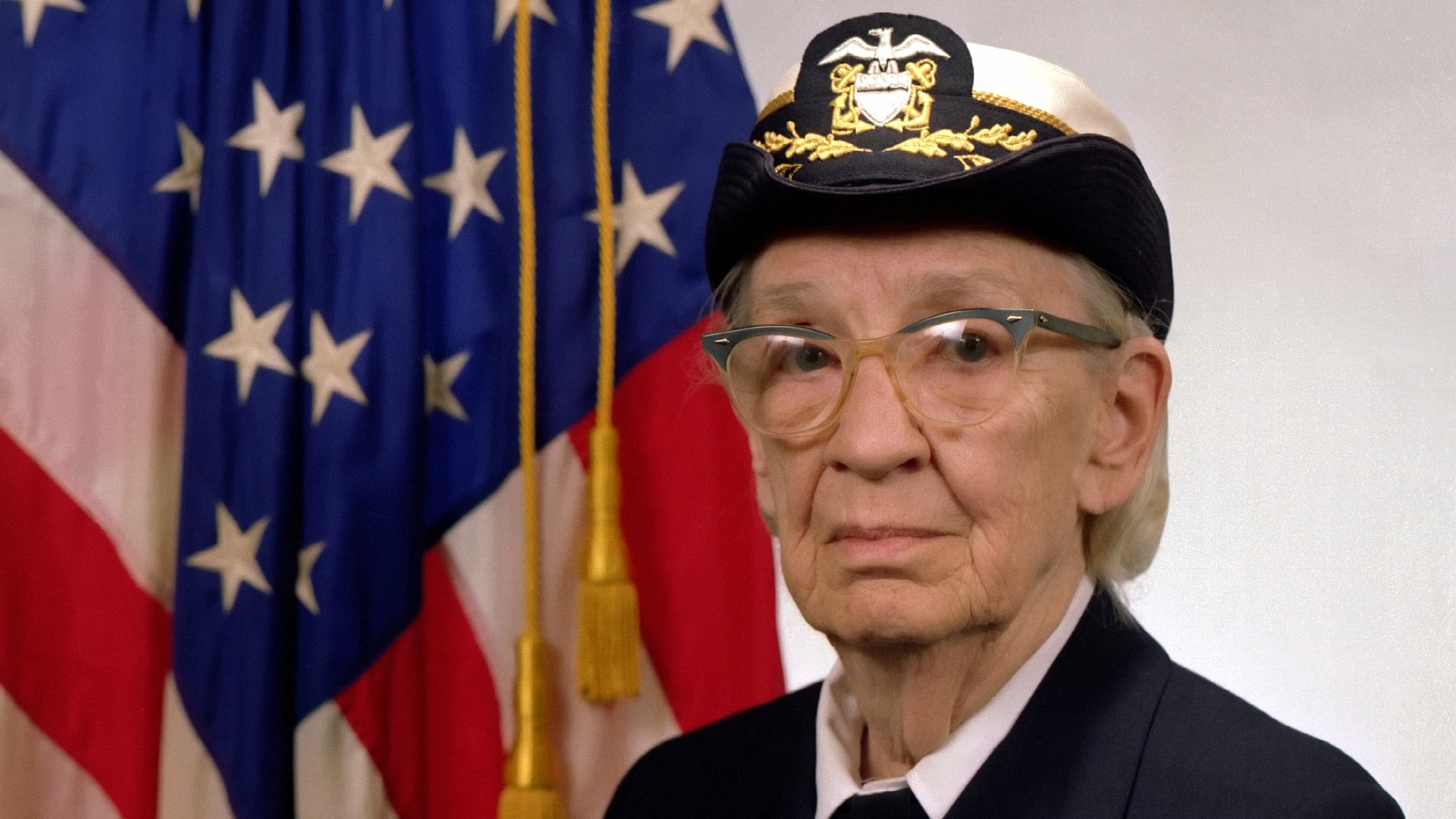
2. Grace Hopper
Computer science owes a big debt to Grace Hopper, the Navy officer and mathematician who worked on Harvard's Mark I computer during WWII. In 1952, she published important work on compilers, helping establish the idea that programmers shouldn't have to communicate with computers only through complicated code. If you’ve ever used software without entering thousands of strings of numbers, you have her to thank.
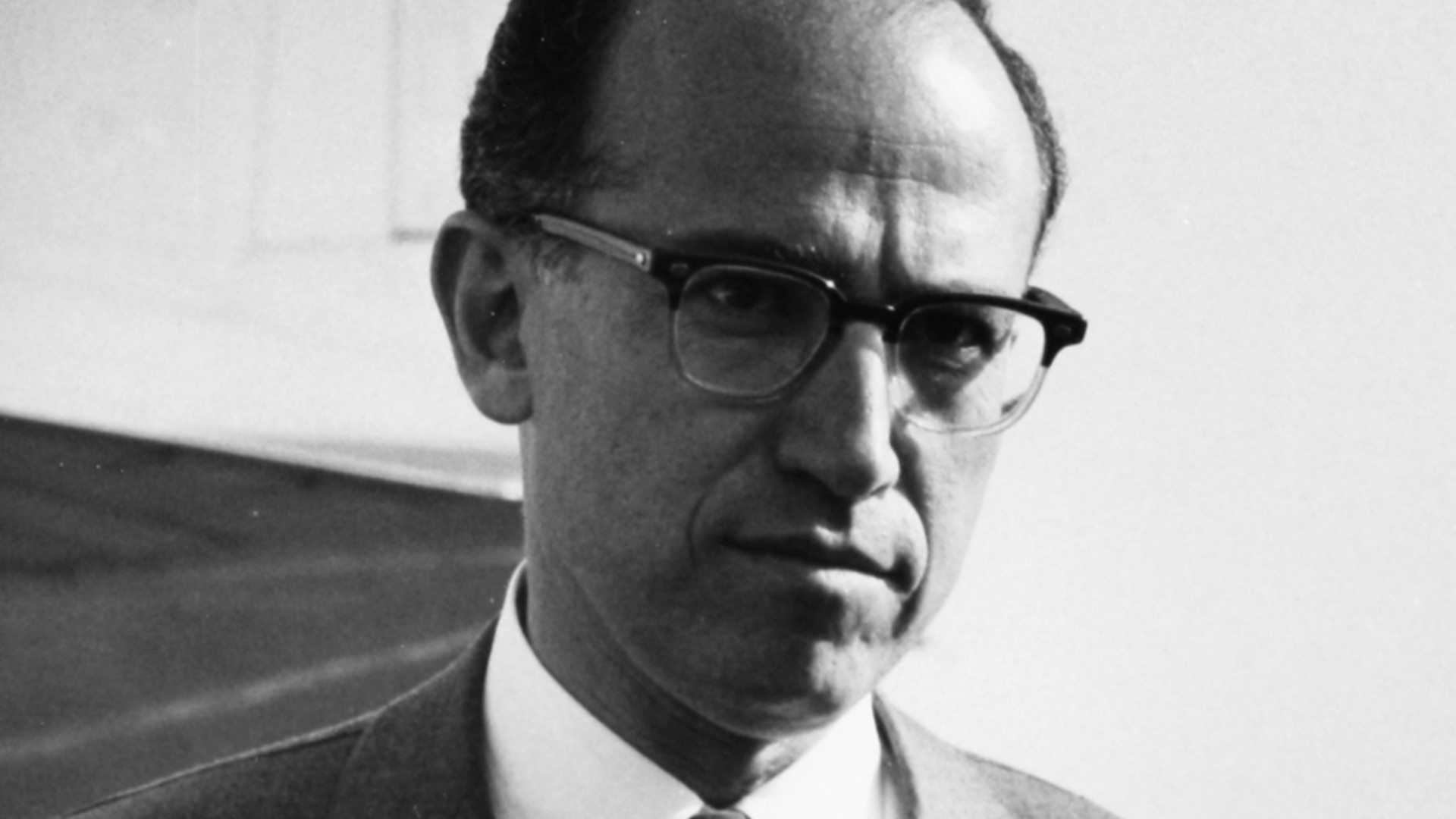
3. Jonas Salk
Few announcements brought as much relief to America as the 1955 declaration that Salk's polio vaccine was safe and effective. He directed research at the University of Pittsburgh, and after the vaccine became widely available, reported U.S. cases fell from more than 45,000 annually before widespread vaccination to 910 by 1962. He also chose not to patent the vaccine, making a Salk Day seem pretty overdue.
 SAS Scandinavian Airlines on Wikimedia
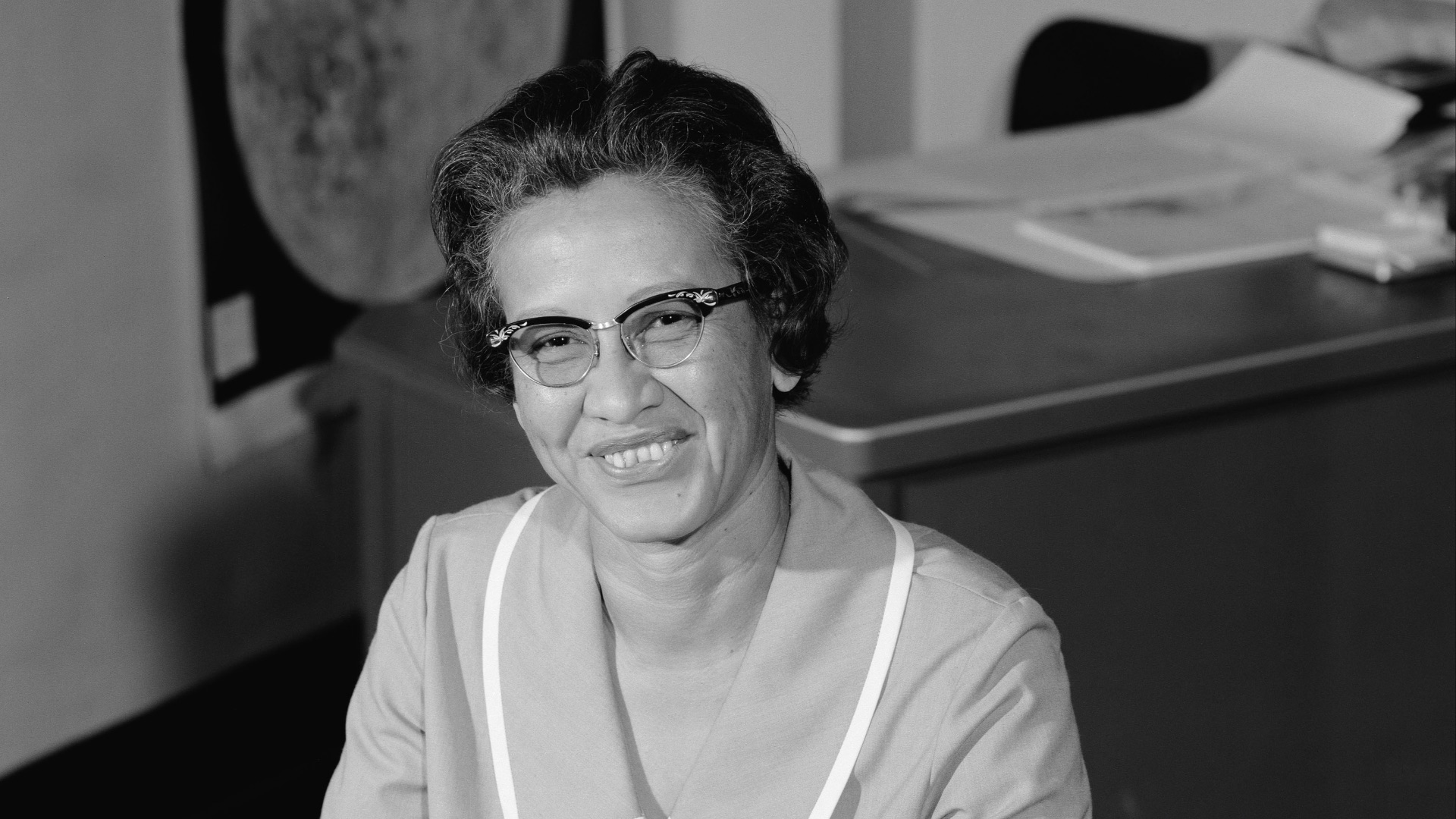
4. Katherine Johnson
Long before Americans knew her name, mathematician Katherine Johnson was helping NASA work out how to put astronauts where they needed to be. She didn’t just stumble her way into an office, either; John Glenn famously asked Johnson to personally verify the electronic computer's orbital calculations before his historic Friendship 7 flight in 1962, and her work later supported the Apollo lunar missions and Space Shuttle program.
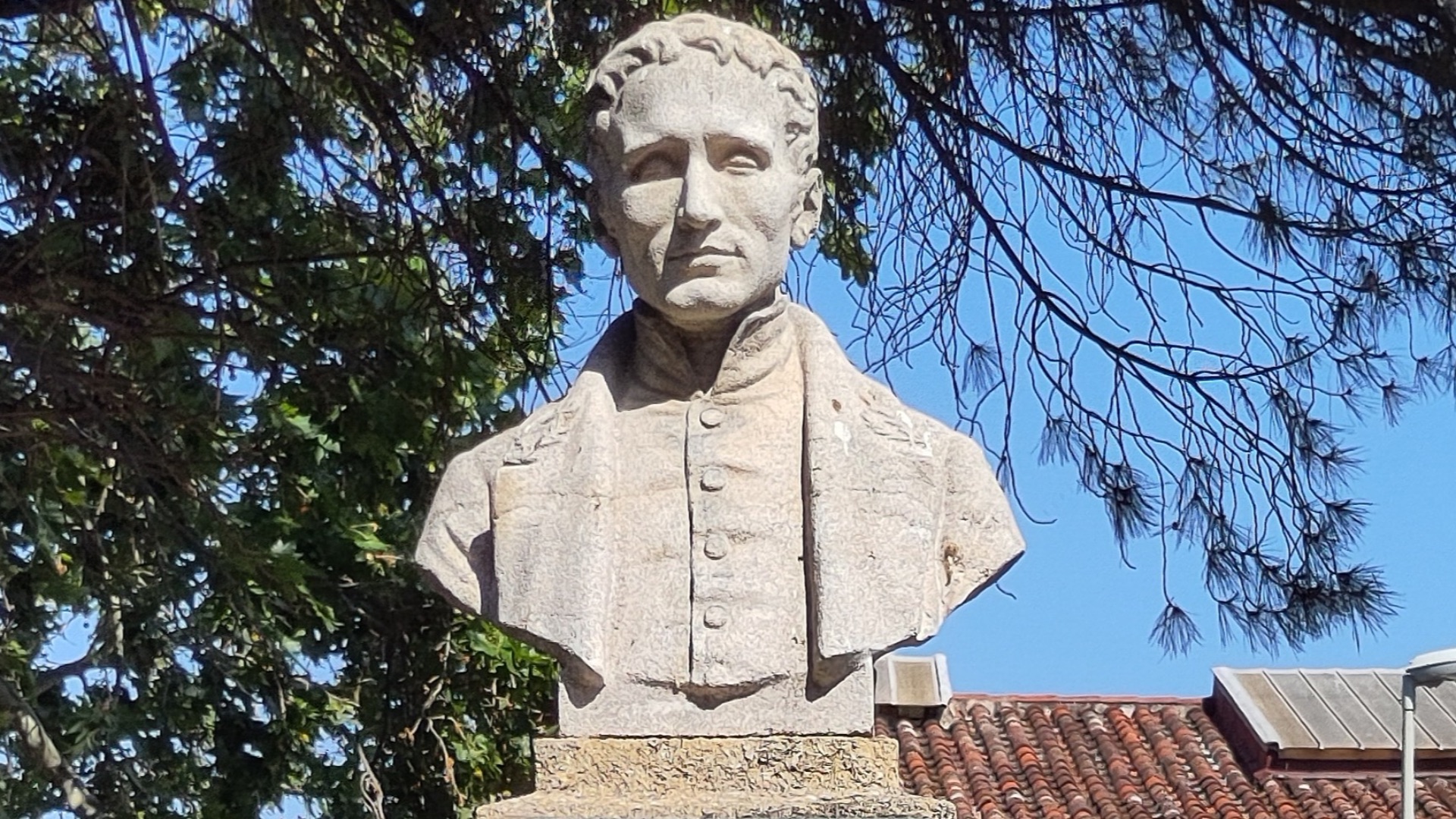
5. Louis Braille
Louis Braille was only a kid when he developed a system that would fundamentally change literacy for blind people. After encountering Charles Barbier's 12-dot military "night writing" system in 1821, Braille refined the idea into his far more practical six-dot method, completing an effective version by around 1824 when he was just 15. Nearly two centuries later, people around the world still read using that very system.
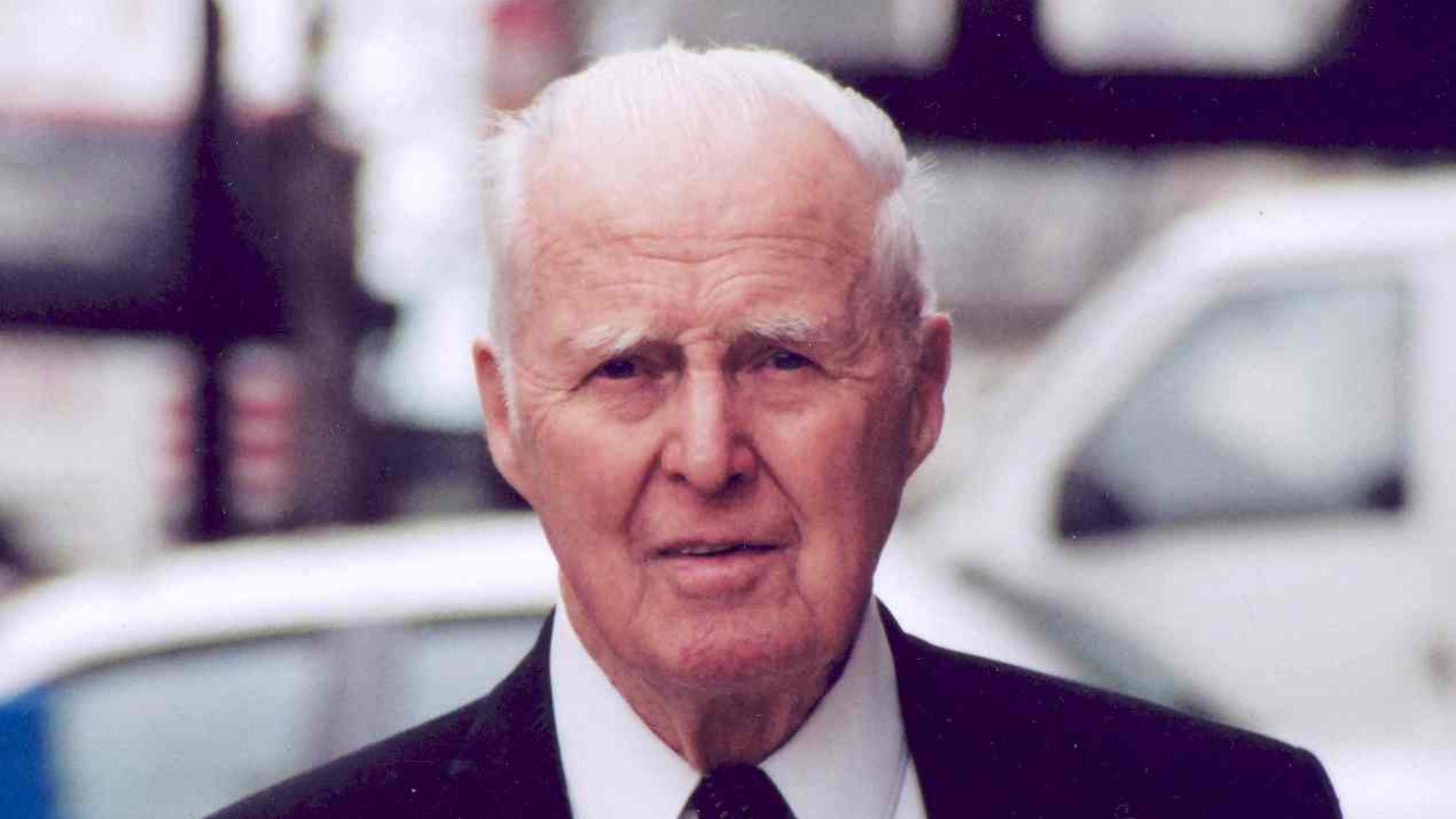
6. Norman Borlaug
Norman Borlaug isn't discussed as often as he should be—especially for a guy whose work affected food supplies. During the 1940s and ‘50s, he helped develop high-yield, disease-resistant wheat in Mexico, and similar methods later increased production in India and Pakistan during the ‘60s. Then, in the ‘70s, Borlaug rightfully earned the Nobel Peace Prize for his role in the Green Revolution.
 Ben Zinner, USAID on Wikimedia
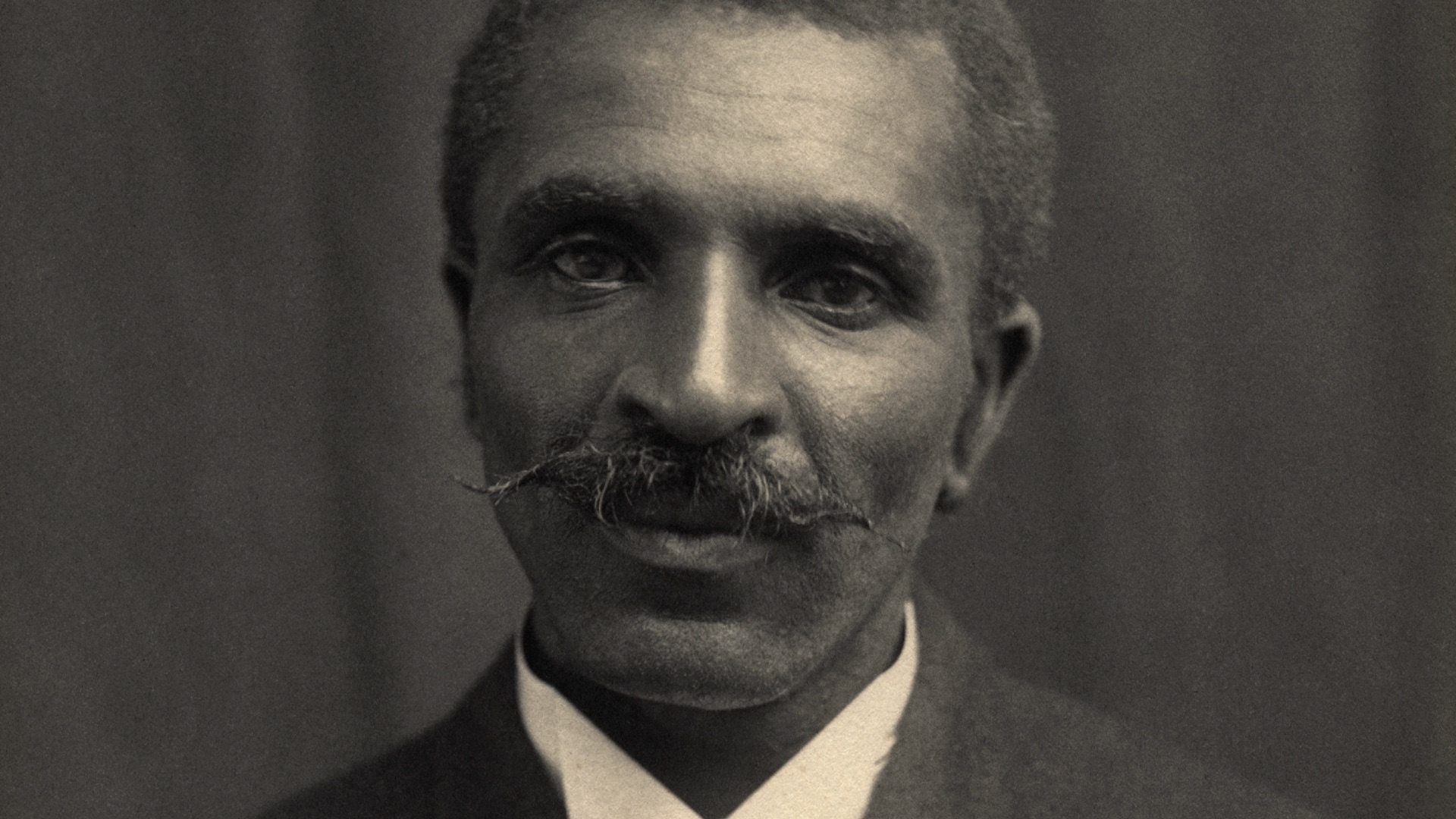
7. George Washington Carver
George Washington Carver spent much of his career figuring out how science could make life better for struggling farmers. So, after joining Tuskegee Institute in 1896, he promoted crop rotation. His 1906 Jesup Wagon also brought agricultural demonstrations directly into rural communities.
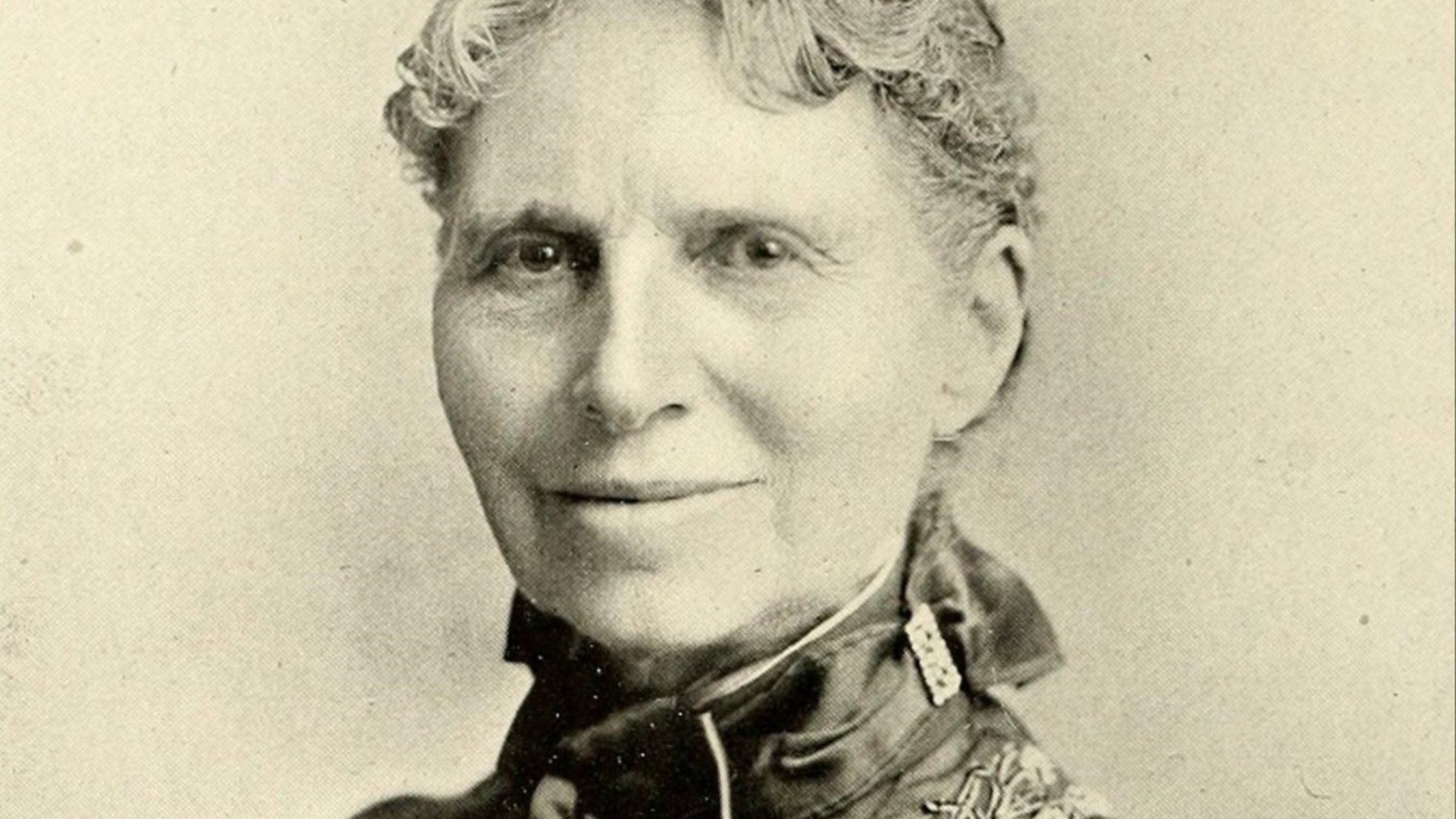
8. Clara Barton
During the American Civil War, Clara Barton personally brought supplies and nursing assistance to wounded soldiers, earning the enduring nickname "Angel of the Battlefield." As if that wasn’t enough, she also helped establish an office that assisted in identifying missing soldiers before founding the American Red Cross in 1881. Considering how many victims have received Red Cross assistance since then, Barton certainly left a mighty big legacy behind.
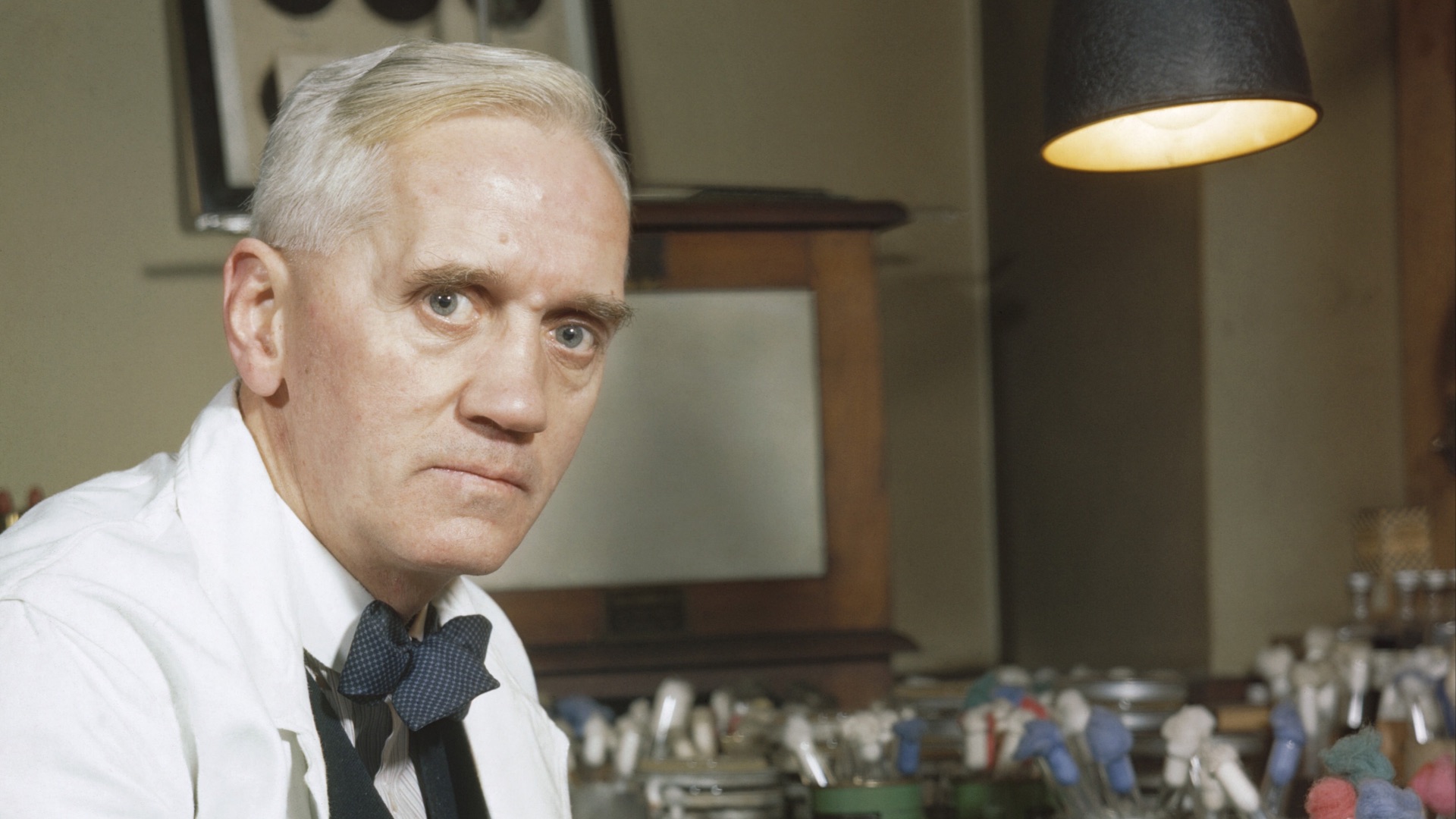
9. Alexander Fleming
In 1928, Alexander Fleming was tinkering away in his lab when he noticed that a mold was killing nearby bacteria. While we wouldn’t have made anything from that realization, that observation led to the identification of penicillin, and Fleming later shared the 1945 Nobel Prize in Physiology or Medicine as antibiotic treatment revolutionized the fight against infections.
 Official photographer on Wikimedia
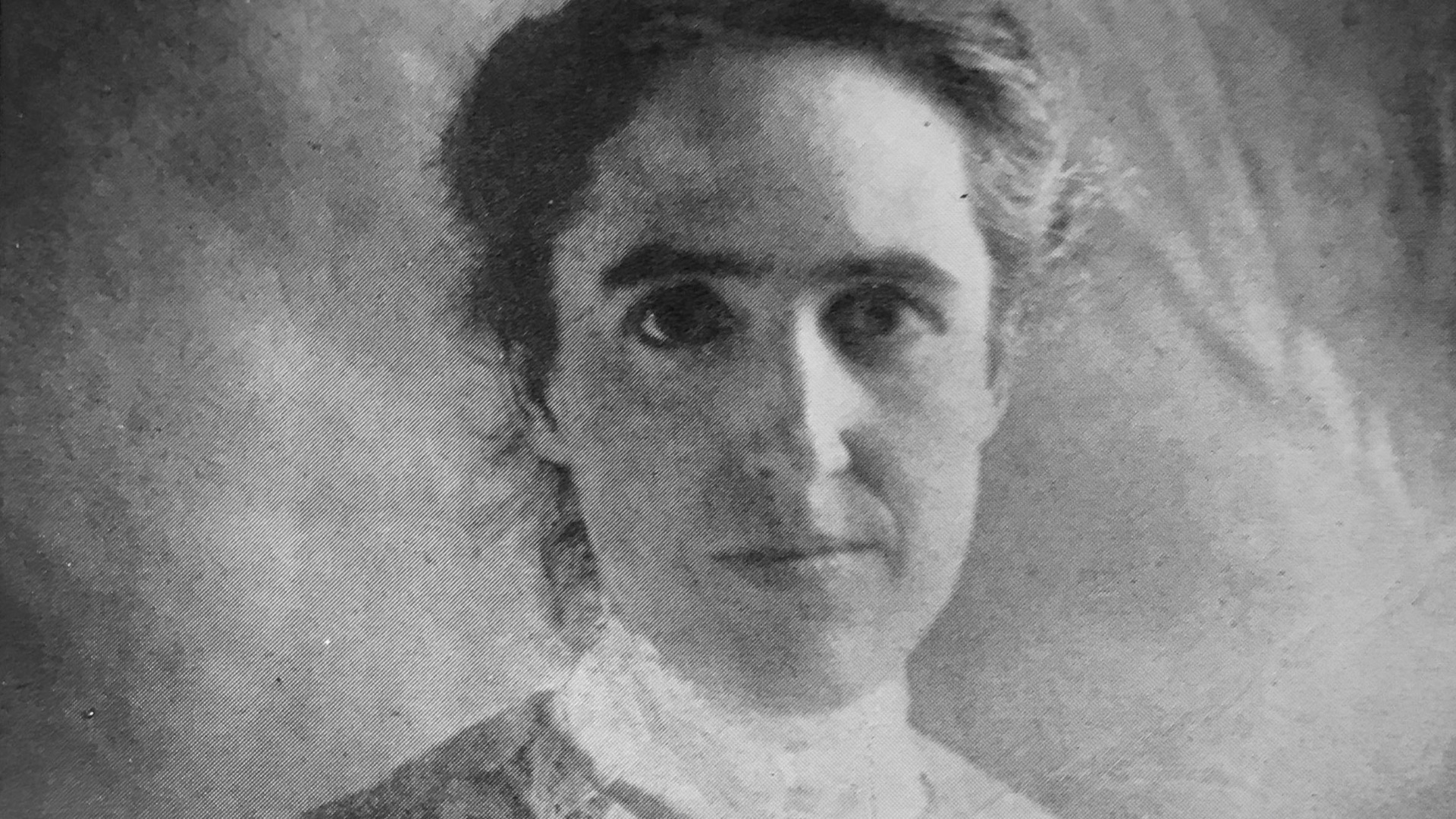
10. Henrietta Swan Leavitt
Henrietta Swan Leavitt spent years examining photographic plates at the Harvard College Observatory, and that work gave astronomers a way to measure the universe. In 1912, she published her finding that certain stars had a predictable relationship between their brightness and pulsation periods. What did that do for astronomy? It became a crucial method for calculating cosmic distances!
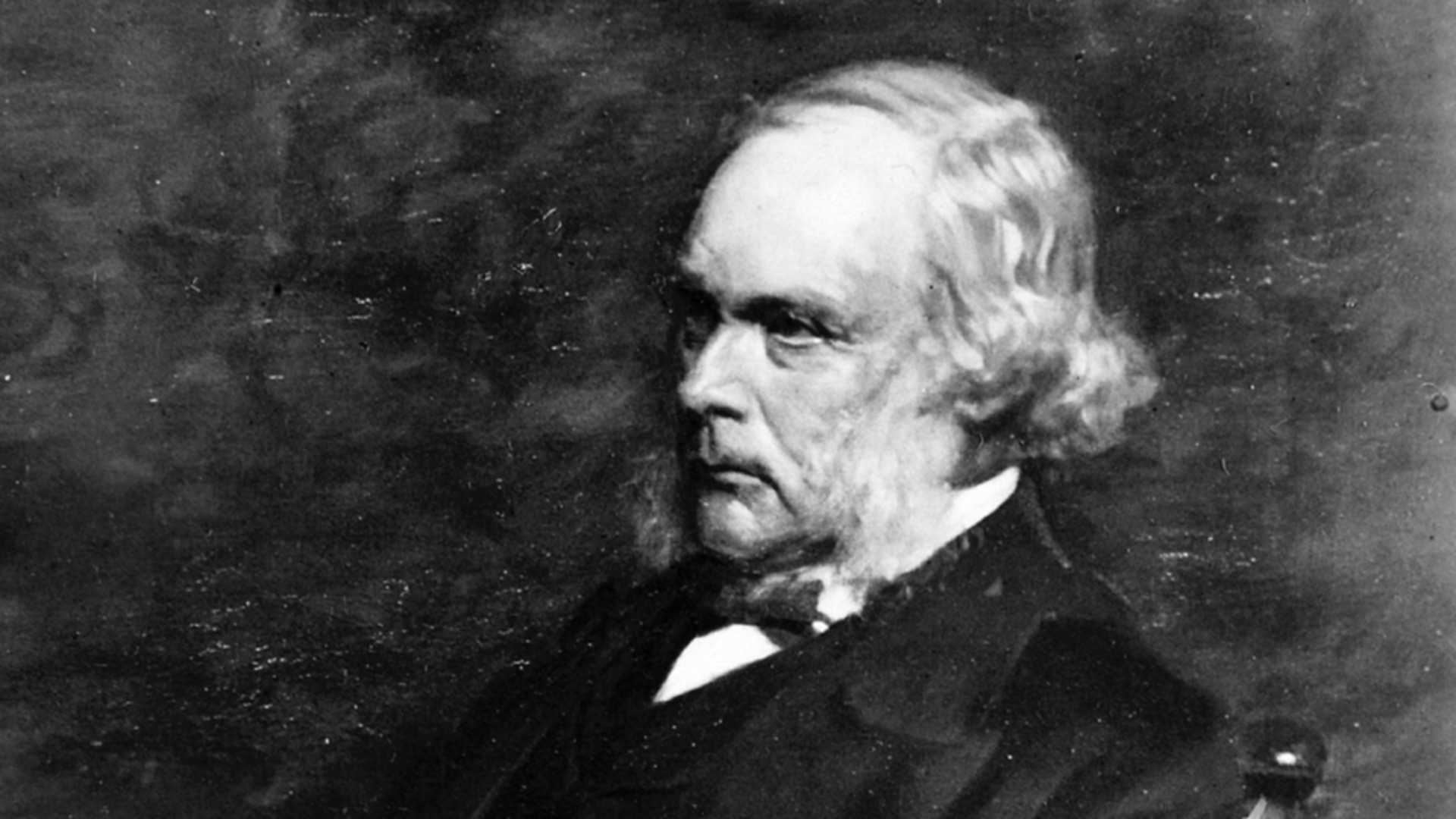
11. Joseph Lister
Surgery was a lot worse before Joseph Lister hit the scene—it took until the 1860s for one guy to insist that germs mattered. He experimented with carbolic acid to disinfect wounds, equipment, and surgical environments, publishing his antiseptic methods in 1867. Sure enough, his work helped turn infection prevention into a basic part of surgery, not just something you hoped for.
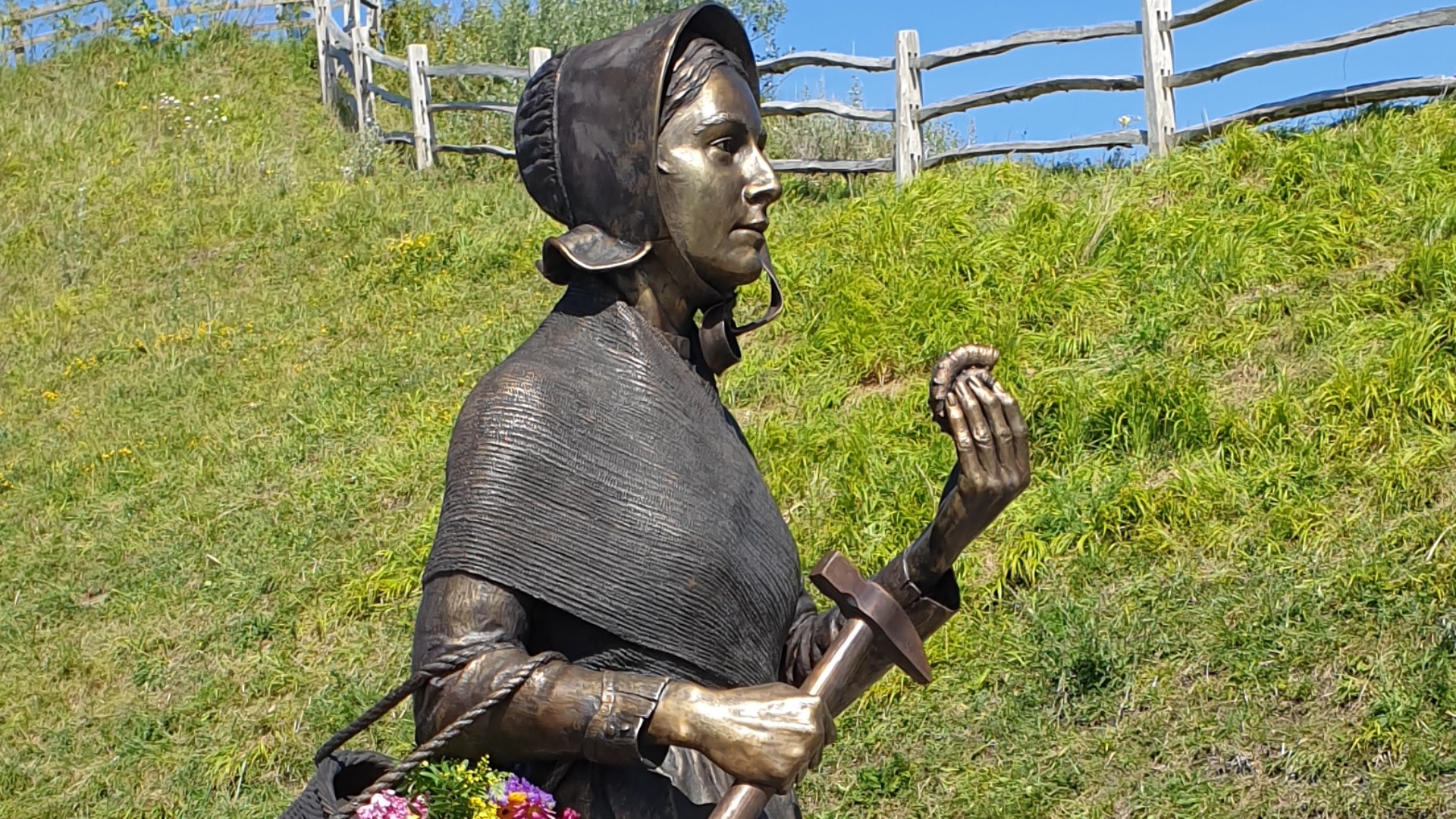
12. Mary Anning
Paleontology was still being laughed at when Mary Anning began uncovering extraordinary fossils along England's Jurassic Coast. She didn’t let the naysayers stop her, though, and after uncovering an ichthyosaur skeleton around 1811, she then discovered the first complete Plesiosaurus skeleton in 1823. Her hard work forced researchers to rethink what kinds of creatures had once existed.
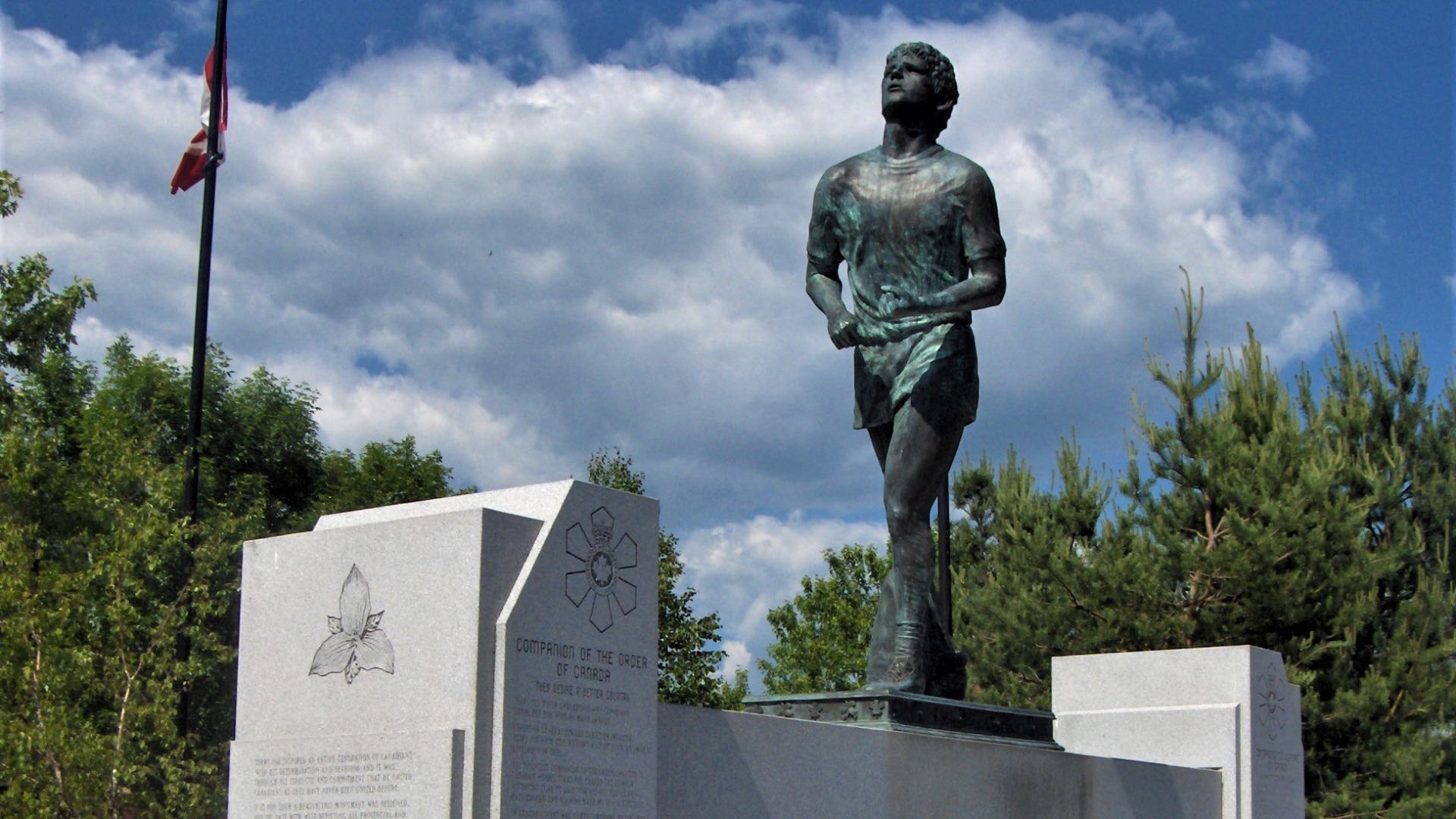
13. Terry Fox
In 1980, 21-year-old Terry Fox started running across Canada on an artificial leg. His goal was simple: raise money for cancer research. His Marathon of Hope started in Newfoundland, and he trucked on for 143 days before recurring cancer forced him to stop near Thunder Bay. Even today, annual Terry Fox Runs continue, so giving him his own official day wouldn’t be out of the question.
14. John Snow
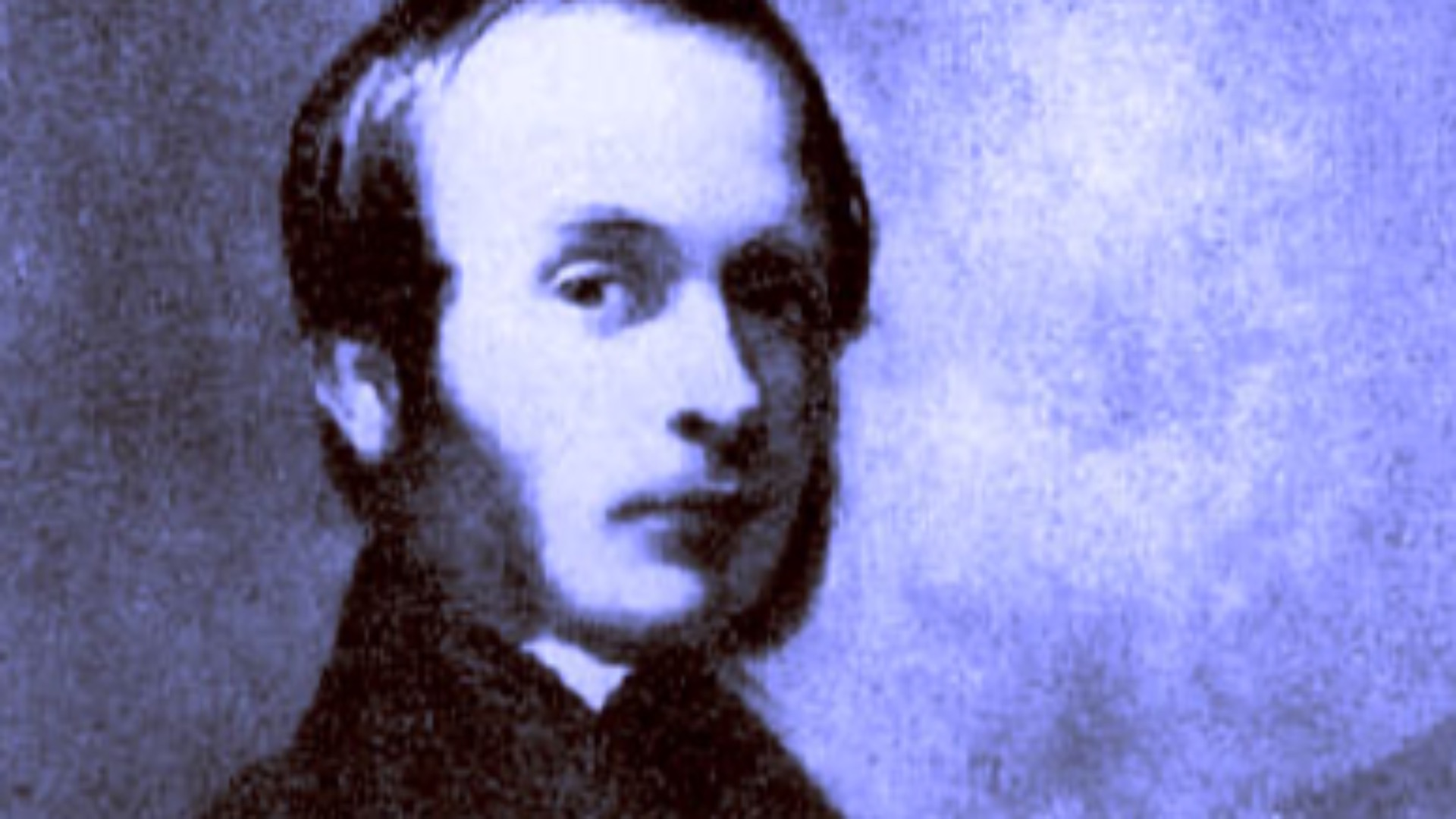
No, not that Jon Snow. This one was a London physician who helped establish modern epidemiology. During the Soho epidemic of 1854, he mapped cases and connected them to contaminated water from the Broad Street pump, supporting his argument that cholera was waterborne. It didn’t just stop there, though; every modern disease investigation involving maps, case patterns, and sources owes something to the methods he pioneered.
15. Anne Sullivan
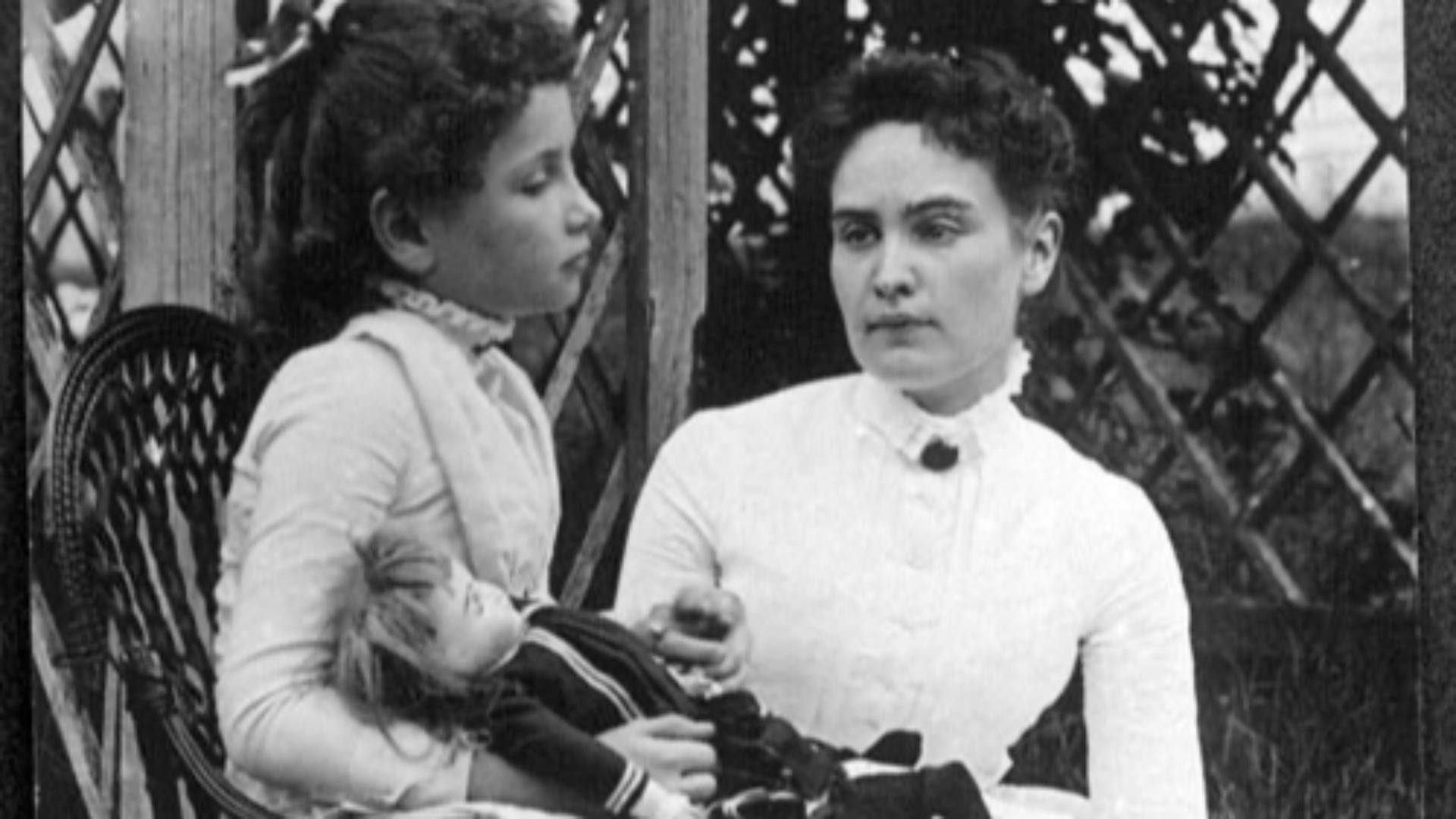
In 1887, Anne Sullivan was only 20 when she arrived in Alabama to teach seven-year-old Helen Keller, who was deaf and blind. Thanks to Sullivan's patient instruction, she helped her student learn hundreds of words and Braille. Their partnership lasted for decades, making Sullivan one of history's clearest examples of just how much one good teacher can change our possibilities.
16. Beatrix Potter
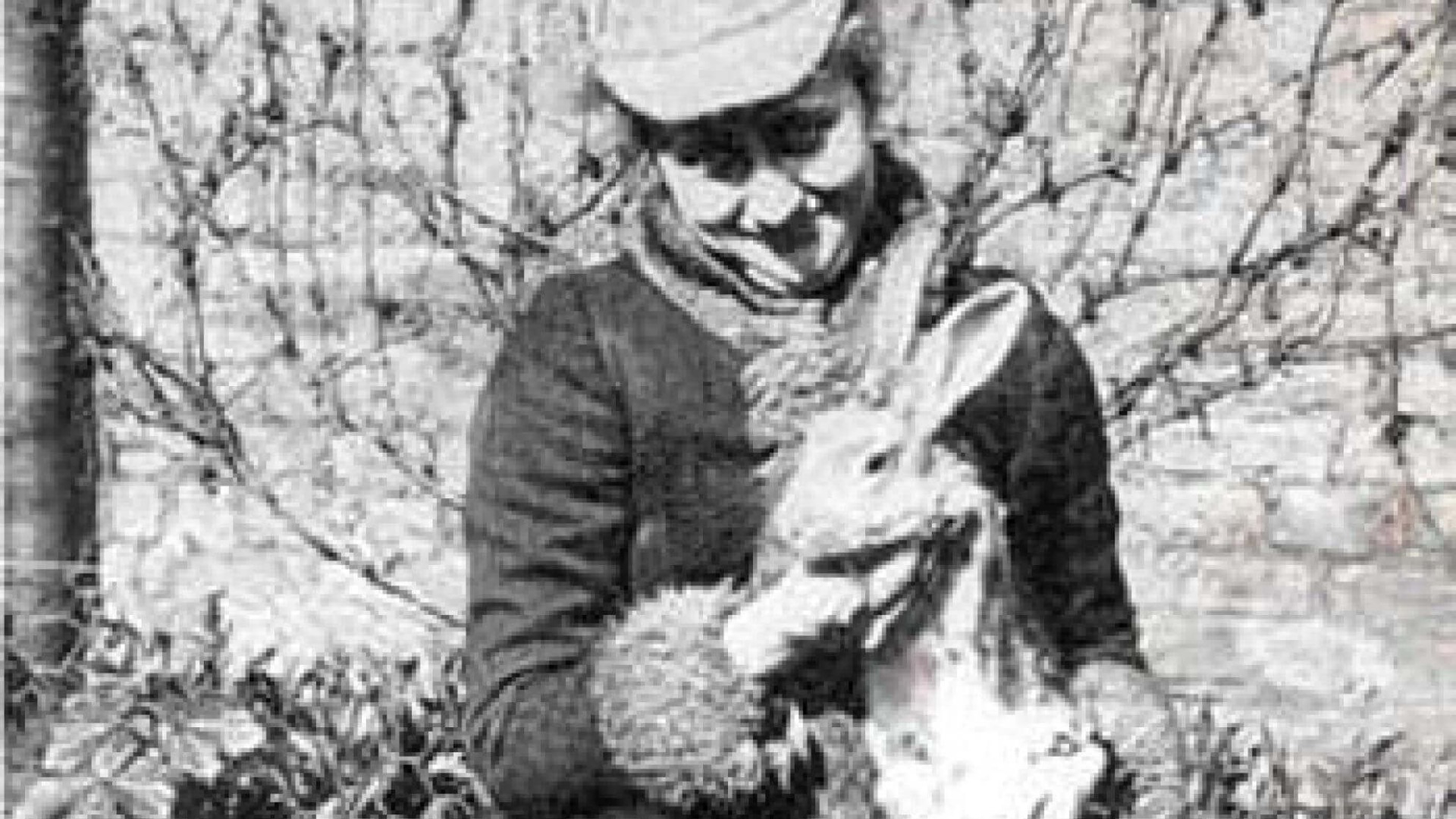
Kids know Beatrix Potter for Peter Rabbit, but her legacy stretches much further than one mischievous bunny. After privately printing The Tale of Peter Rabbit in 1901, she secured commercial publication in 1902, and the book became an instant hit. But she didn’t hoard that green for herself. She used the money to acquire and protect large areas of England's Lake District.
17. Jim Henson
Jim Henson started experimenting with TV puppetry during the 1950s, creating Sam and Friends in 1955. Next thing you know, his characters welcomed a new audience after the Muppets joined Sesame Street in 1969. Meanwhile, The Muppet Show became an international favorite after launching in 1976. Henson and his furry friends were all over the place, and those beloved characters still sit in our hearts today.
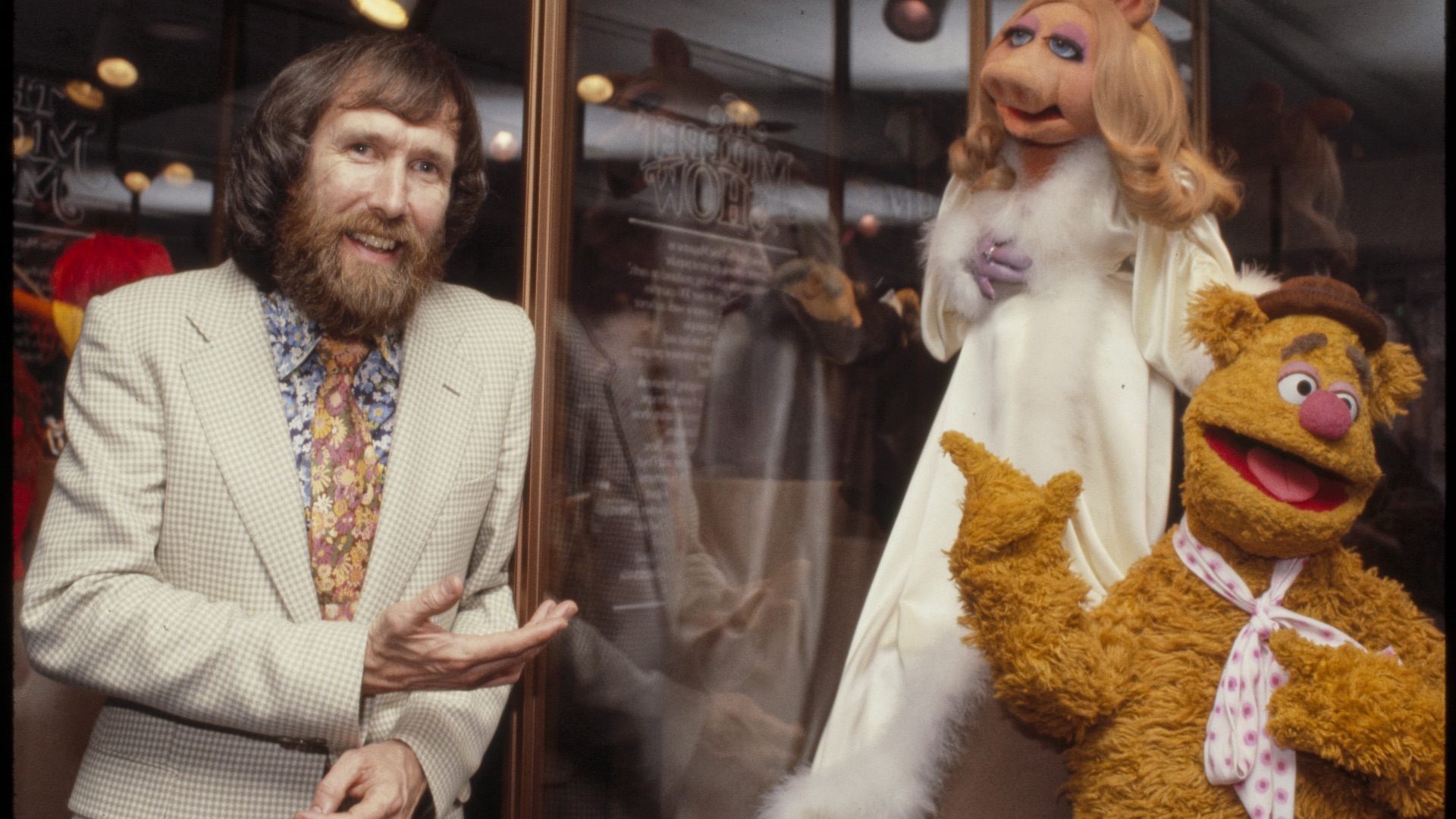 Gotfryd, Bernard, photographer on Wikimedia
18. Bob Ross
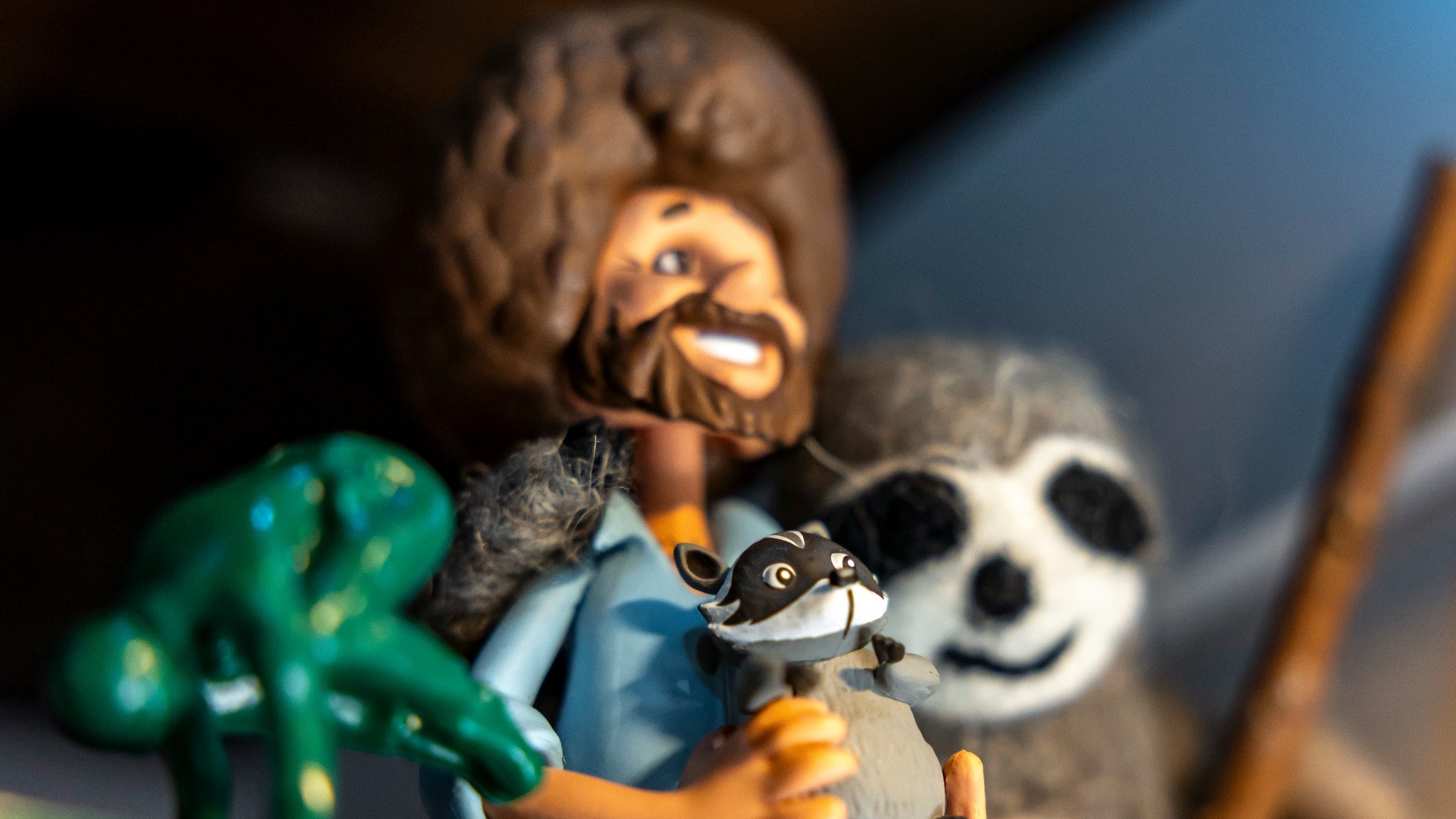
There goes a happy little cloud from his happy little painter. Bob Ross made painting look easy when The Joy of Painting hit public TV in 1983. Until the show's original run ended in 1994, he calmly completed landscapes within roughly half-hour episodes, encouraging millions of us to try painting with him. What looked impossible suddenly opened the door for creative minds, all with the kindest man to guide us through.
19. Steve Irwin
Steve Irwin’s enthusiasm for wildlife was contagious, and we all caught the bug when he became an international personality during the 1990s. The Crocodile Hunter turned him into a recognizable advocate for reptiles, wildlife habitats, and conservation until his death in 2006. He helped convince us that animals we feared most were really the ones worth protecting.
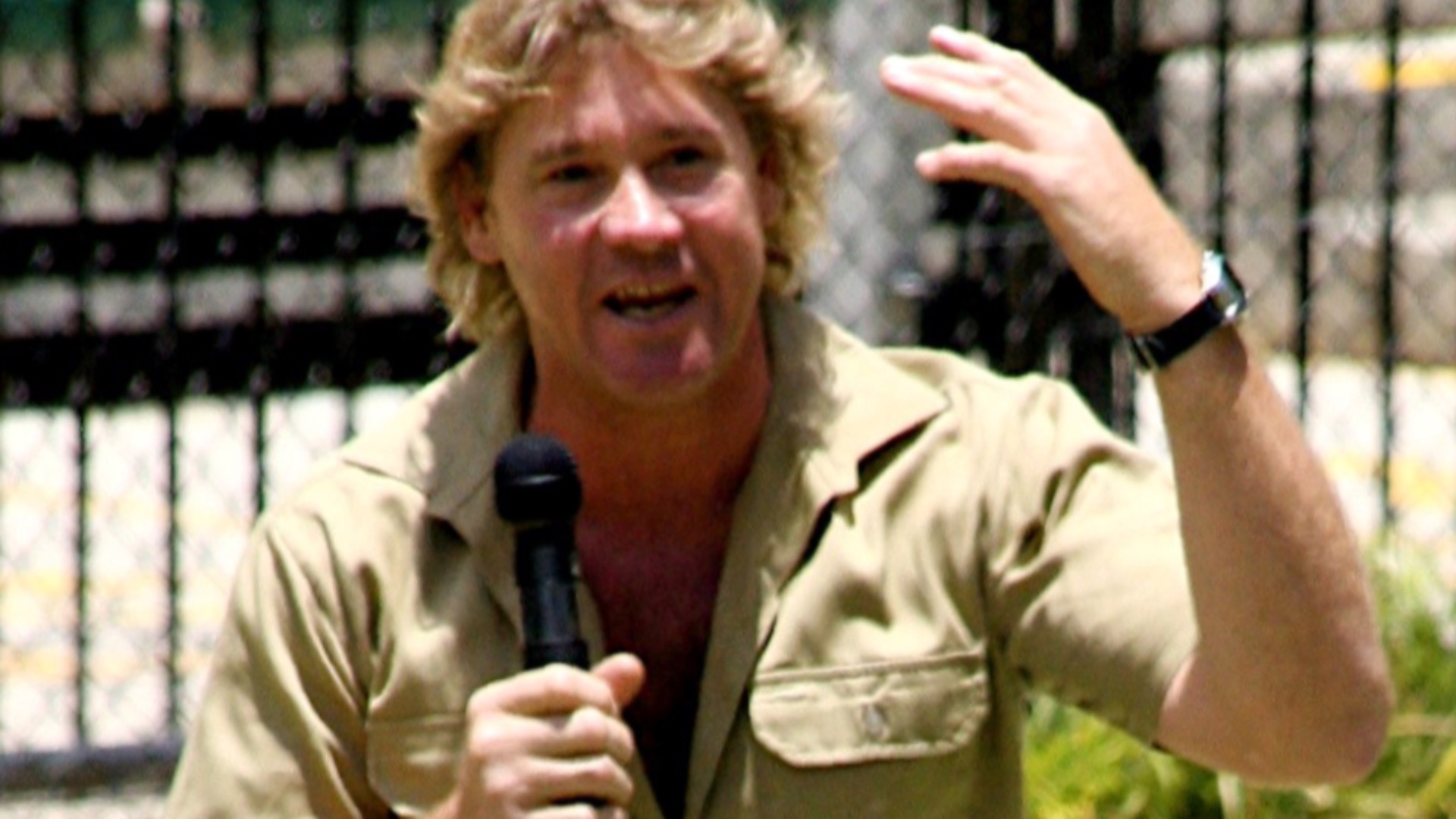 Richard Giles, aka User rich115 on Flickr on Wikimedia
20. Florence Nightingale
Florence Nightingale became famous during the Crimean War after arriving with a team of nurses in 1854 and working to improve conditions for wounded British soldiers. In the years that followed, she used statistics and hospital data to push for sanitation reforms, and in 1860 she established a nursing school at St. Thomas' Hospital in London. Modern nursing may have existed before her, but few did more during the 19th century to make it an evidence-based profession with actual training.