Mad Jack Churchill: The WWII Commando Who Fought With a Claymore and Longbow
Mad Jack Churchill: The WWII Commando Who Fought With a Claymore and Longbow
 Unknown authorUnknown author on Wikimedia
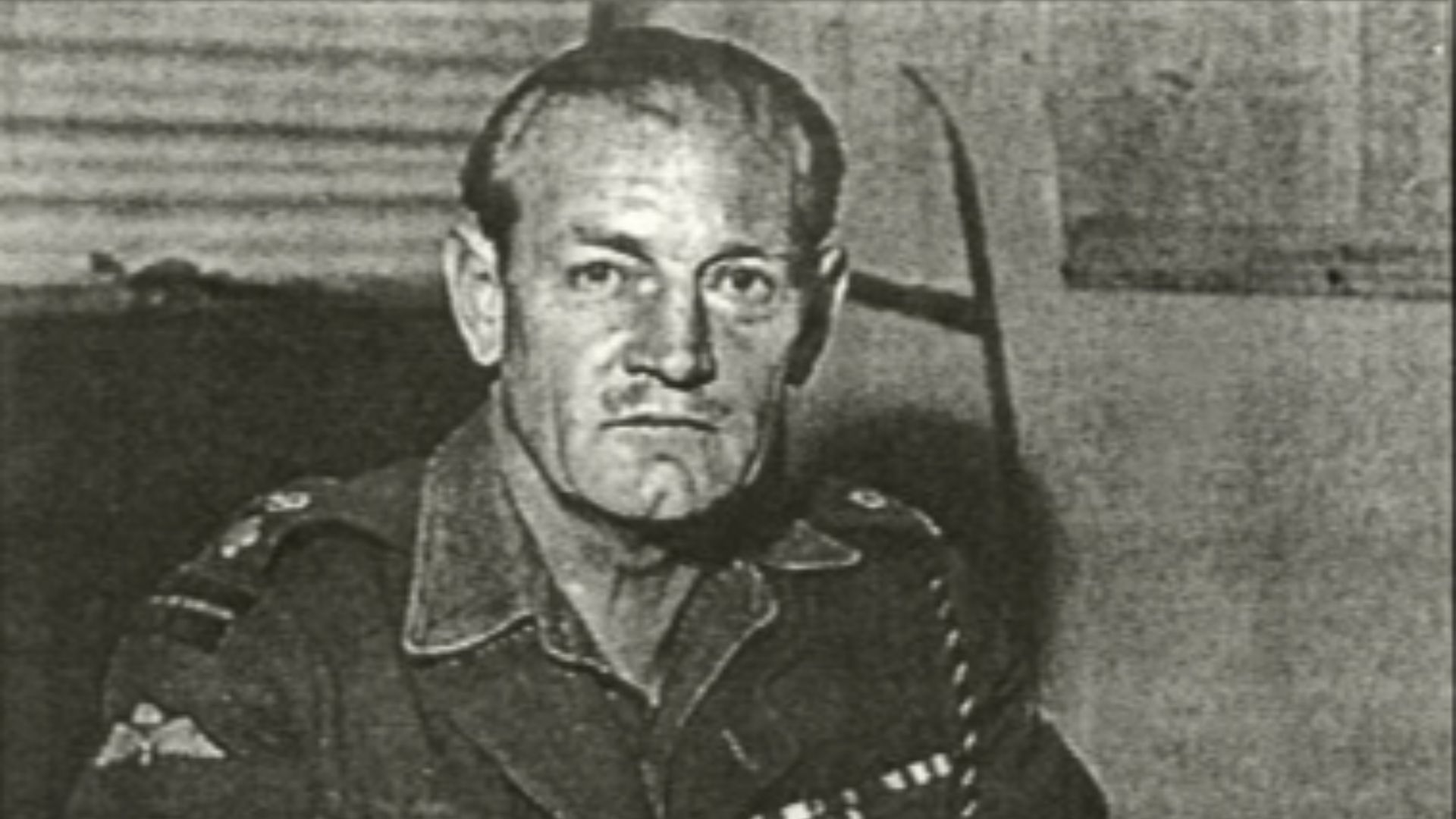
John Malcolm Thorpe Fleming Churchill, better known as “Mad Jack” or “Fighting Jack,” was one of the more unusual British officers of World War II. Born in 1906 in Ceylon, now Sri Lanka, he attended Sandhurst, served in the British Army, worked as a newspaper editor and model after leaving the Army in the 1930s, and represented Great Britain at the 1939 World Archery Championships. When Britain entered World War II, he returned to military service with an impressive collection of skills and a distinctly old-fashioned taste in equipment.
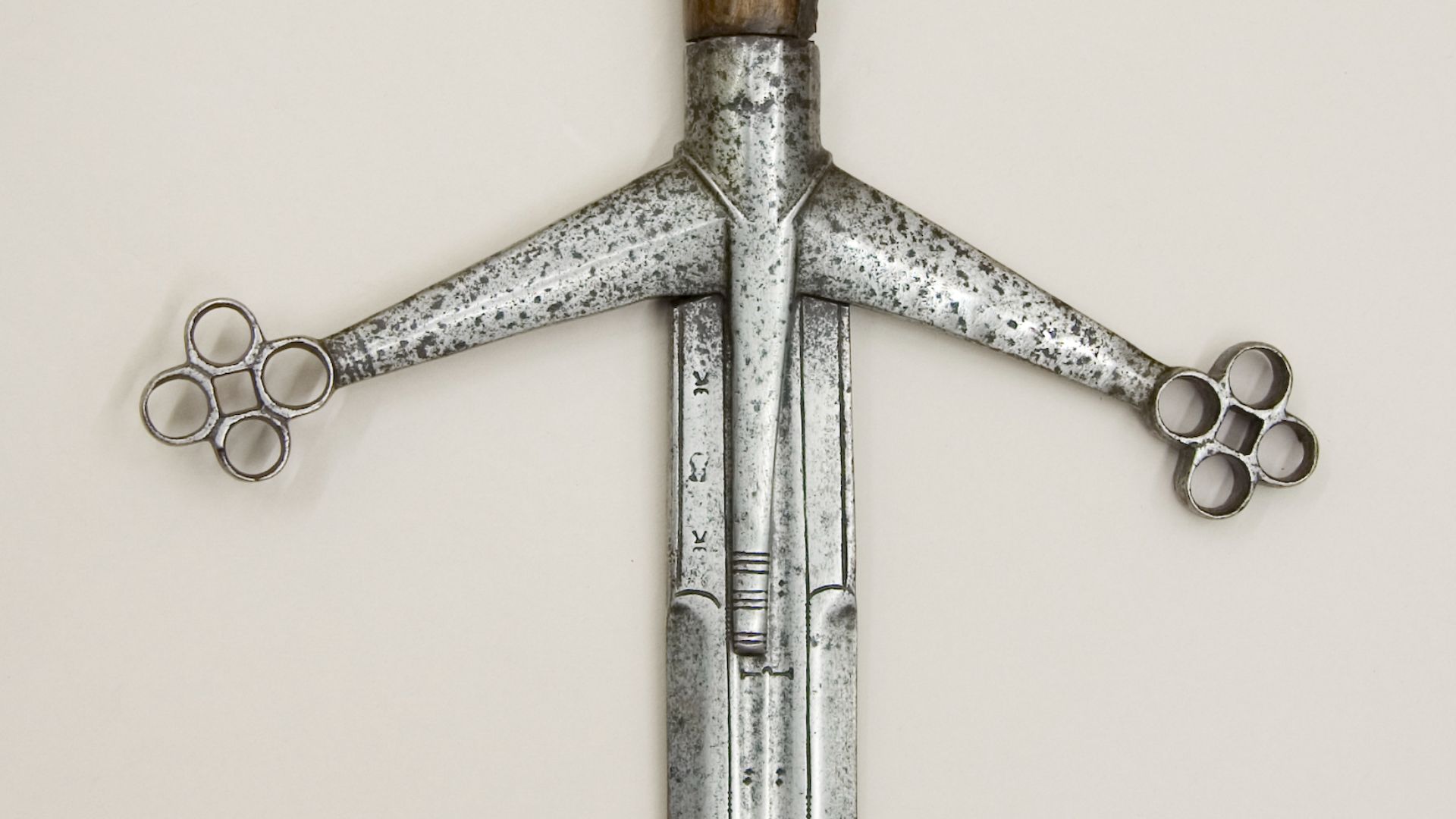
He was known to bring a basket-hilted broadsword, longbow, and bagpipes to battle. This is usually referred to as a claymore, but actually, the term used by military historians is basket-hilted broadsword or claybeg, not the giant two-handed Highland sword that most people think of when they hear claymore. He wasn't just being showy about these things, either, as he did help build his image by walking into battles.
Churchill's interest in archery wasn't a hobby he picked up after joining the Commandos. He was an accomplished archer before the war and represented Britain at the World Archery Championships in Oslo in 1939, just months before Germany invaded Poland. He also had experience playing the bagpipes, which would become another distinctive feature of his wartime career.
He actually served in the military before this time. Once he finished at Sandhurst, he joined the Army in 1926. Serving in many different locations, such as Burma, he resigned from the military in 1936. During his time as a civilian, he became an editor for a newspaper in Nairobi and also worked as a model, giving his prewar career a rather unusual variety.
In 1939, when war was imminent, Churchill re-enlisted with the Army. Joining up with the Manchester Regiment, he later decided to join the Commandos. Due to his aggressive attitude toward battle and daring feats of bravery, he would thrive in this unit. His personal preference for carrying a sword and occasionally using his longbow simply made him considerably more memorable than the average officer.
The Longbow and the Broadsword
Churchill's longbow became part of his legend during the fighting in France in 1940. There are conflicting accounts about exactly how many times he used it in combat, and later retellings have added details that aren't consistently supported by primary or contemporary sources. What is well established is that Churchill was an accomplished archer and that accounts of his wartime service associate him with using a longbow against German forces during the 1940 campaign.
Since he had his sword, he wasn't being secretive about having one with him. He told people that if they were to ask why he had a sword when going into battle, he would say, “If you don't have your sword, you aren't properly dressed for battle.” Whether you find that practical, eccentric, or both, it certainly tells you something about Churchill's personality.
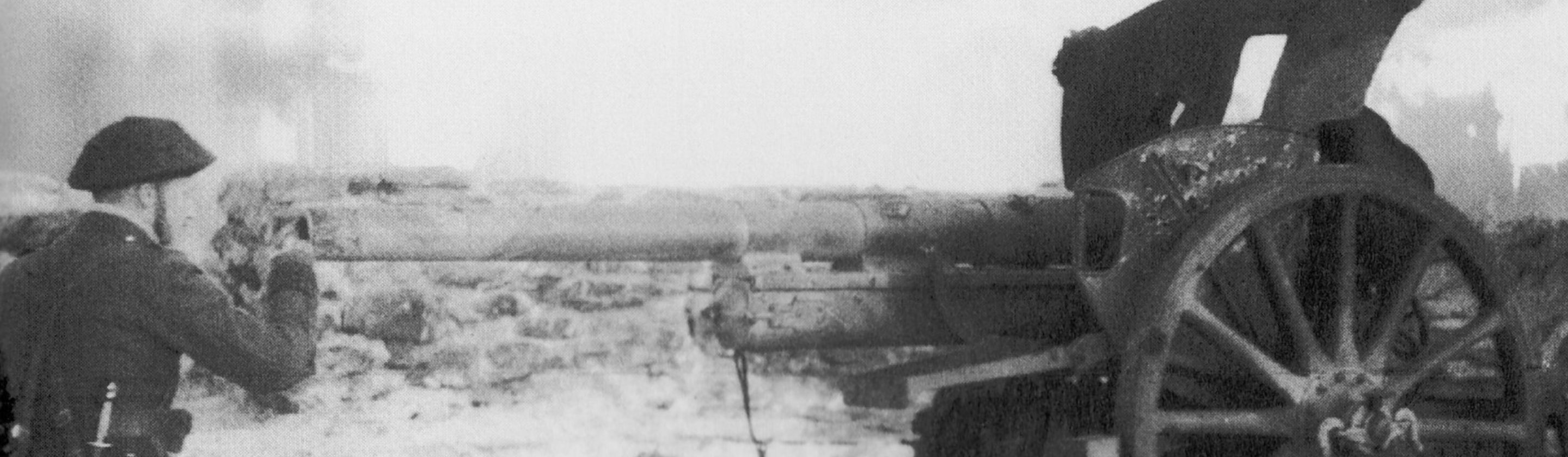
The Commandos also gave him opportunities to put his unusual style on display. During Operation Archery, the December 1941 raid on Vågsøy in Norway, Churchill was second in command of No. 3 Commando and famously played “March of the Cameron Men” on his bagpipes as the landing craft approached the shore. The raid was a serious military operation, however, and his decorations recognized his combat leadership rather than his musical entrance.
During this time period, Churchill continued to do the unexpected. When the Allies took over Sicily in 1943, Churchill was leading No. 2 Commando and was seen with his sword and various equipment. Not only did Churchill lead from the front, it was no act. During his time at war, he took part in many battles he was decorated for.
His most dramatic episode came in Yugoslavia in 1944. Churchill was serving with British Commandos supporting Josip Broz Tito's Partisans when he led an assault on the German-held island of Brač. The attack encountered heavy resistance, and Churchill was eventually captured after being knocked unconscious.
After being taken to Sachsenhausen, Churchill would once again defy what people expected of him. He escaped from Sachsenhausen, only to be recaptured. He later made another escape attempt before eventually being transferred to a prison camp in Tyrol. American forces liberated that camp in May 1945, bringing his extraordinary wartime journey to an end.
The Legend After the War
One reason Churchill's story has endured is that his eccentric equipment was backed by a genuine military career. He wasn't simply an officer who showed up to a battlefield with an antique weapon for attention; he had formal military training, commanded Commando units, participated in major operations, and received decorations for his service. His sword, bow, and bagpipes became memorable details attached to a much larger record of wartime service.
While some of these stories may be a little over the top due to many years of repetition, many will argue that some of the well-known tales may mix up the tools, over-exaggerate certain events, or state facts that may be disputed. What's fascinating about his story is that it can stand on its own when backed by fact.
After the war, he still lived life on the eccentric side and took part in some daring acts before retiring from his days in the Army. He died on March 8, 1996, at the age of 89. His reputation as “Mad Jack” survives largely because few World War II officers combined conventional military service with competitive archery, bagpipe playing, a Scottish broadsword, and a willingness to carry all of it into combat quite like he did.
KEEP ON READING