Before the Super Bowl
Fox reported a record 127.7 million US viewers for the 2025 Super Bowl. Romans crowded into the Circus Maximus for chariot races long before that, and New Yorkers once filled arenas to watch men walk in circles. Plenty of them had star athletes and betting markets long before anyone owned a TV. Some of these sports died out completely, and others hang on with small and stubborn fan bases. Here's 20 that once had fans as loyal as any NFL crowd.
 Alexander von Wagner on Wikimedia
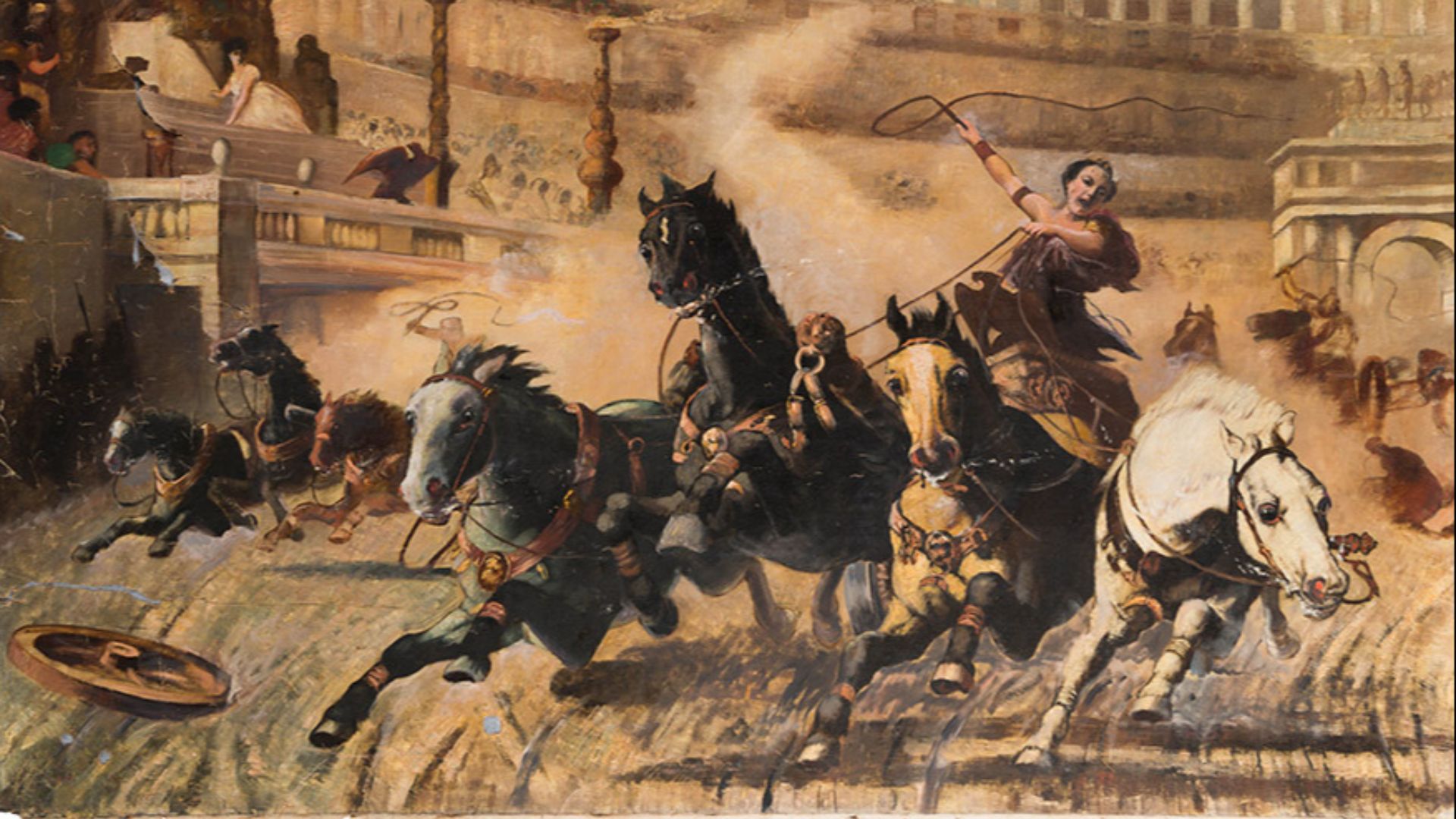
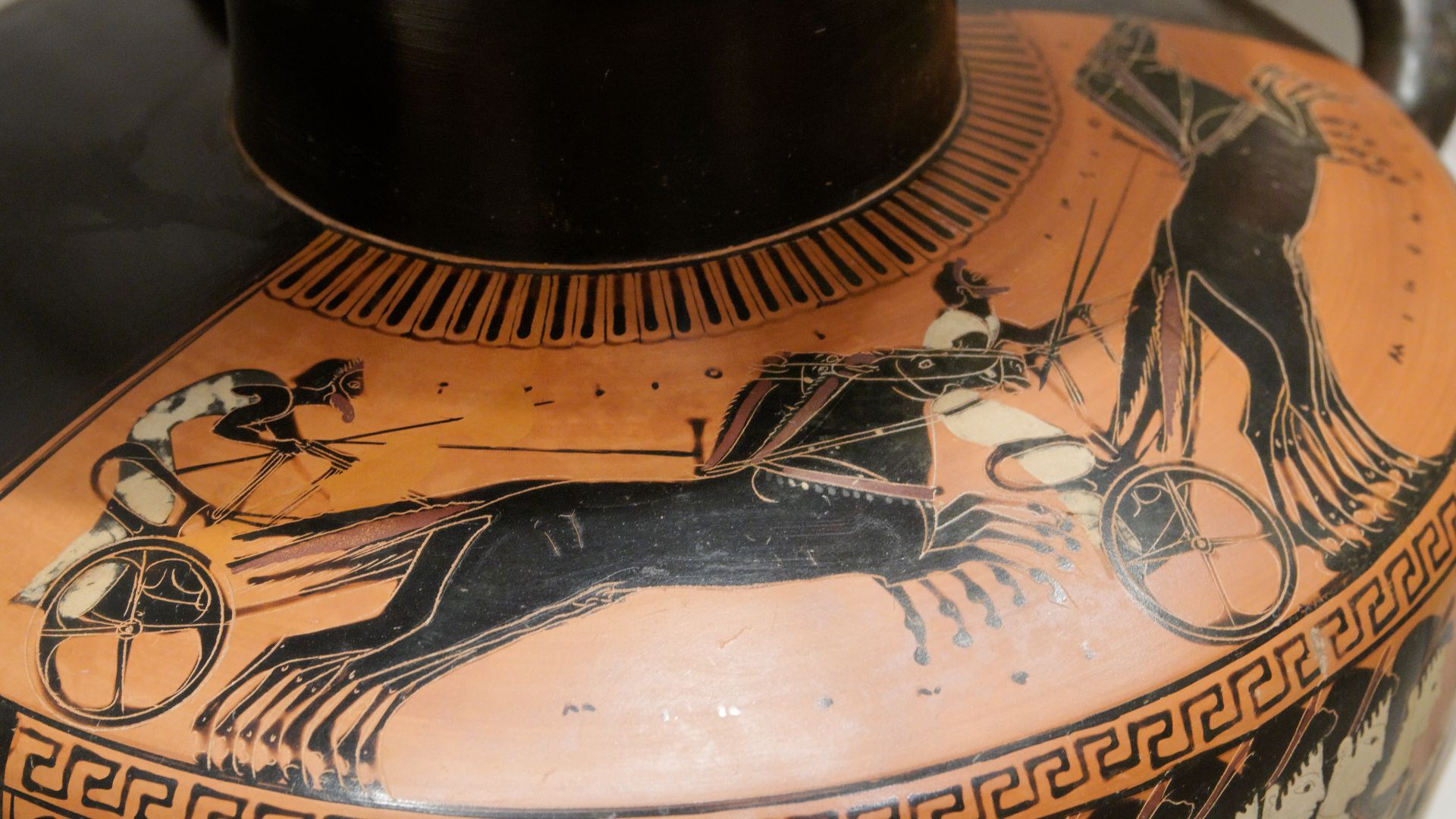
1. Chariot Racing
Rome's Circus Maximus could hold around 150,000 spectators for a day of chariot races, with each race running seven laps around a long central barrier. Fans picked sides among four racing factions, and the Blues and the Greens had the biggest followings. Fighting between those fan groups in Constantinople set off the Nika riots of 532, which the historian Procopius says left about 30,000 people dead.
 Attributed to the Priam Painter on Wikimedia
2. The Mesoamerican Ballgame
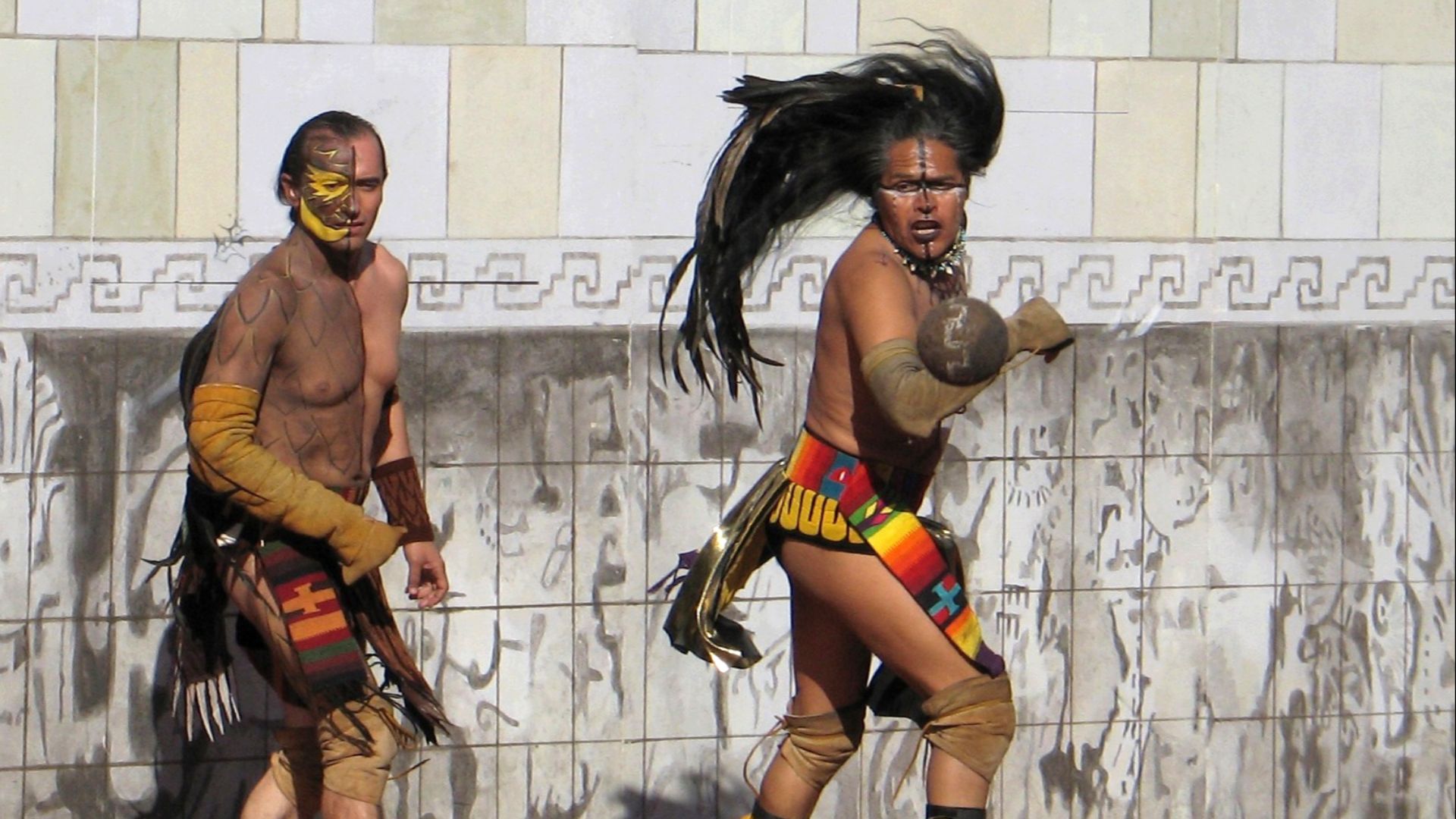
Players across ancient Mexico and Central America kept a solid rubber ball in play using their hips. The Great Ball Court at Chichén Itzá is the largest ever found in Mesoamerica, with stone rings set high on each wall. A version called ulama is still played in Sinaloa.
3. Real Tennis
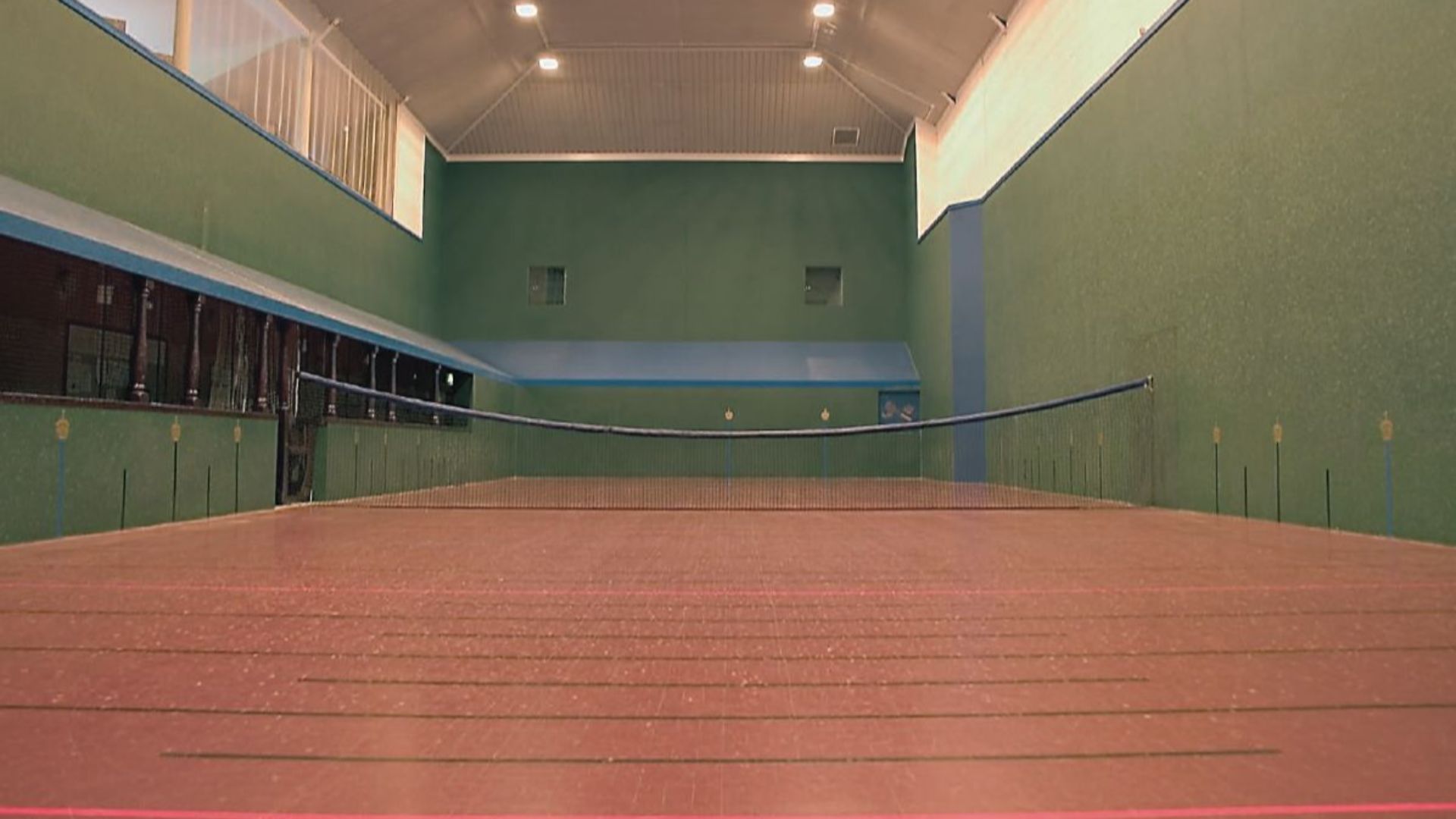
Before lawn tennis came along in the 1870s, tennis meant an indoor game played off the walls and sloping roofs of an enclosed court. Henry VIII was a fan, and the court at Hampton Court Palace is still in use. Only a few dozen courts survive worldwide, and about half of them are in Britain.
4. Pall-Mall
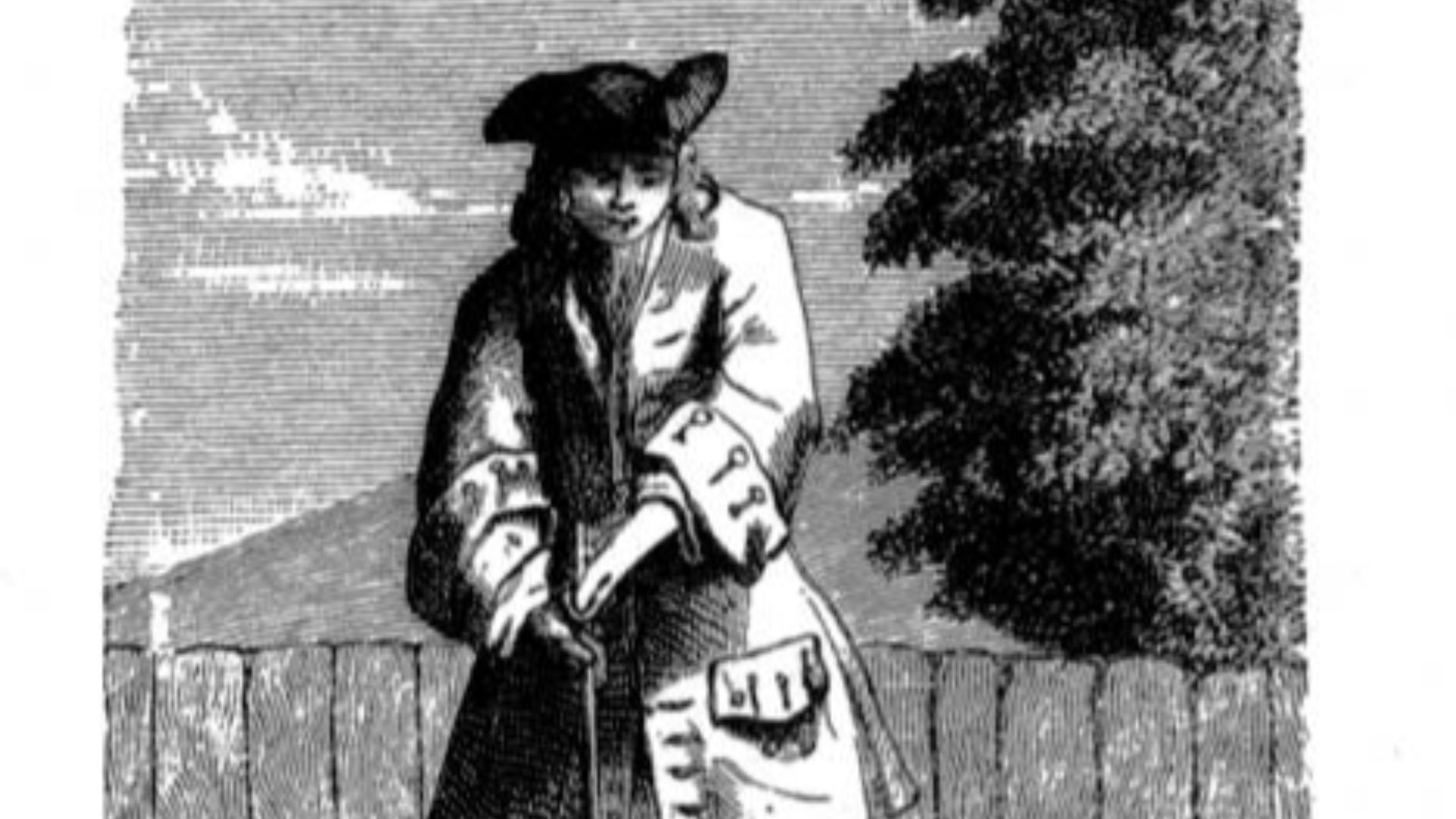
Players in 17th-century London drove a wooden ball down a long alley with a mallet and tried to send it through an iron hoop. Samuel Pepys wrote in his diary in April 1661 that he had just watched the Duke of York play in St. James's Park, his first time seeing the game. The London street Pall Mall is named after the game, and so is The Mall leading up to Buckingham Palace.
5. Cricket in America
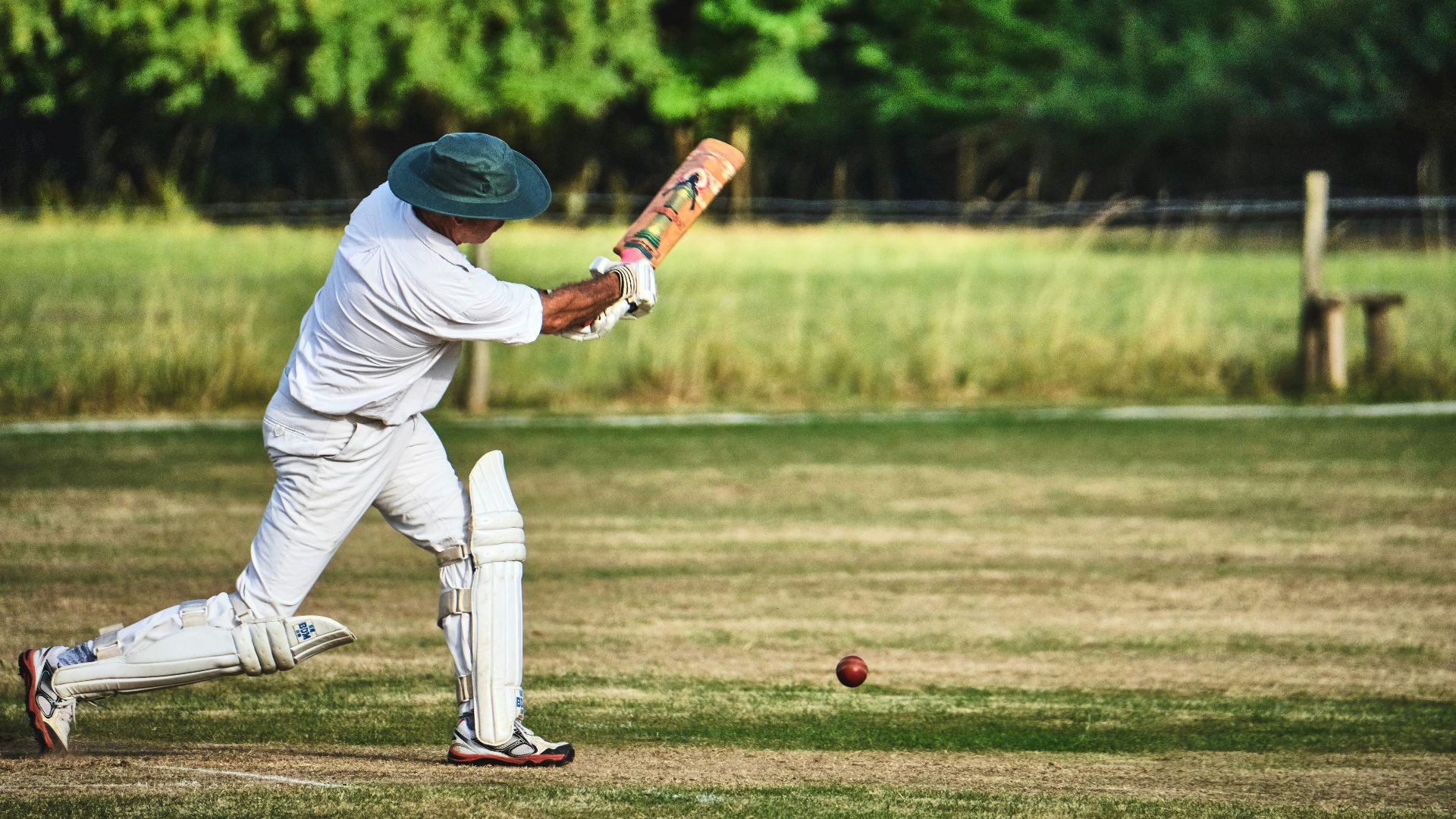
The United States and Canada played the first international cricket match on record in 1844 at the St George's Cricket Club in New York. Philadelphia stayed a cricket town into the early 1900s, long after baseball had taken over the rest of the country. Philadelphia bowler Bart King toured England three times, and in 1908 his bowling average was the best of the entire English season.
6. Pedestrianism
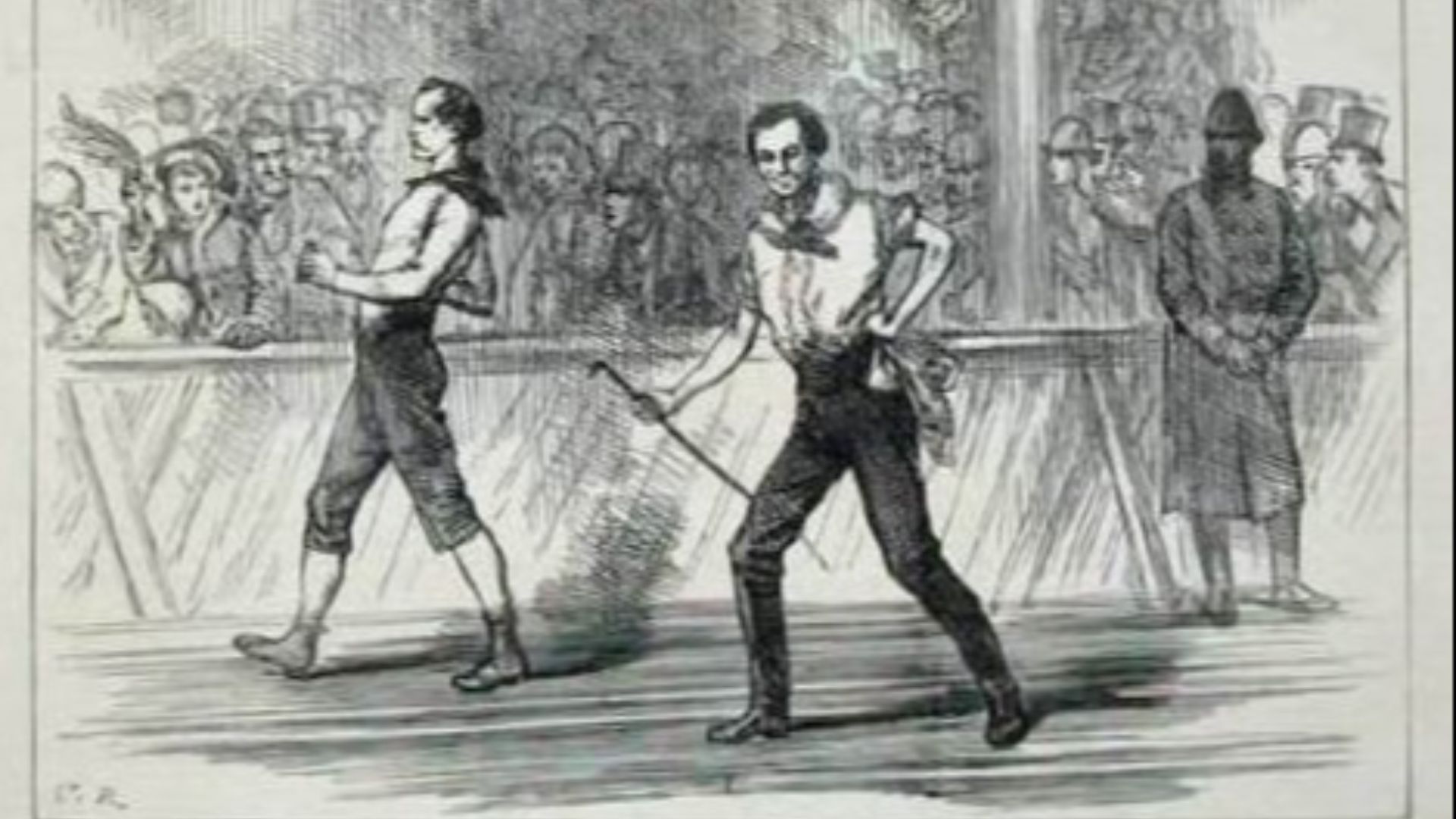
Edward Payson Weston walked about 1,200 miles from Portland, Maine, to Chicago in 1867, and around 50,000 people turned out to greet him at the finish. By the late 1870s, six-day walking races were drawing crowds to Madison Square Garden. Competitors napped on cots in tents beside the track and kept going around the clock, with the winners taking home a cut of the gate.
 AnonymousUnknown author on Wikimedia
7. Professional Sculling
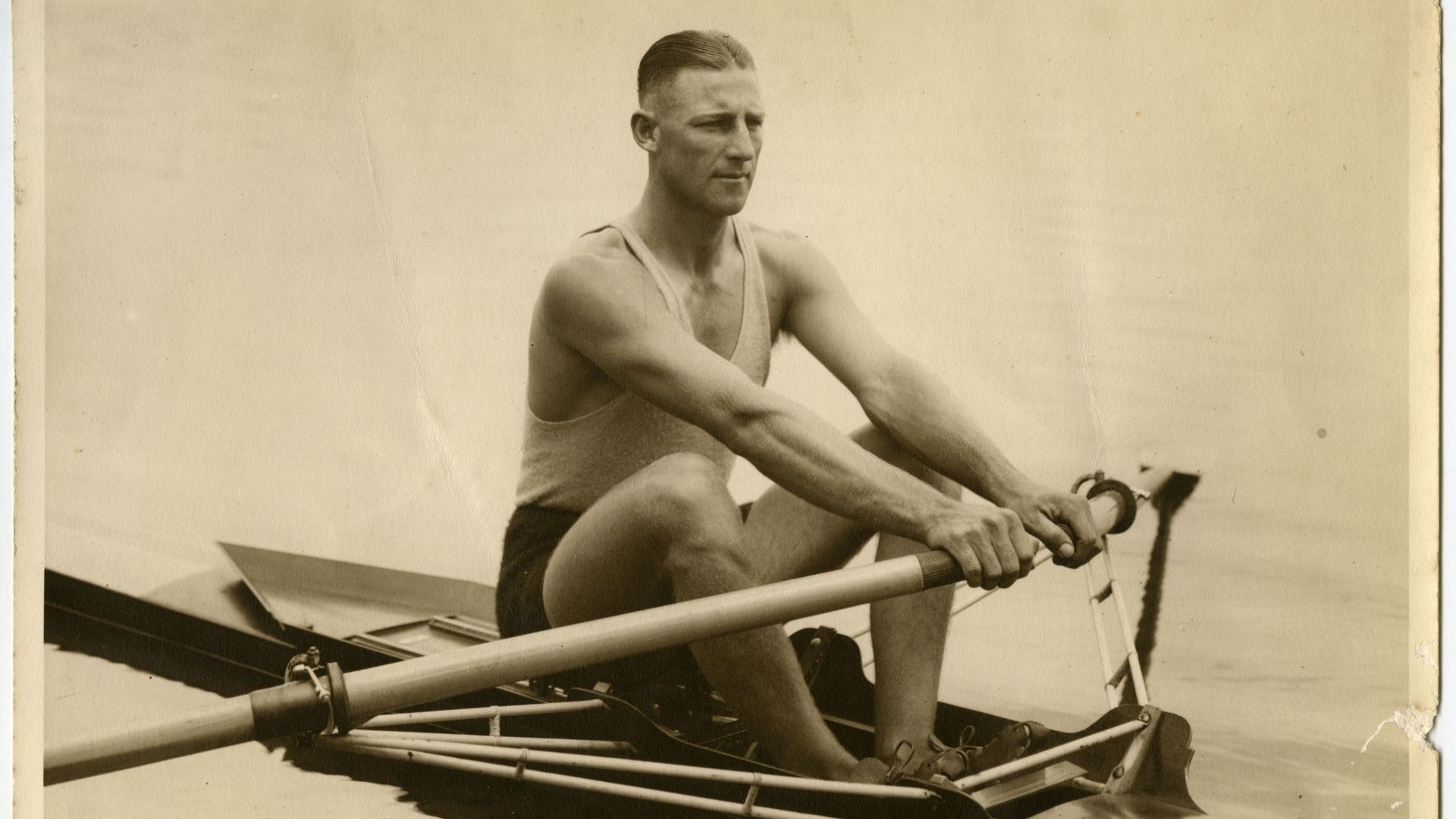
Races between single rowers drew crowds along the riverbanks and heavy betting in the late 1800s, and steamboats packed with spectators followed the rowers down the course. Ned Hanlan of Toronto won the world professional championship on the Thames in 1880 in front of an estimated 100,000 spectators. Hanlan's Point on the Toronto Islands carries his family's name.
 Australian National Maritime Museum on The Commons on Wikimedia
8. Croquet
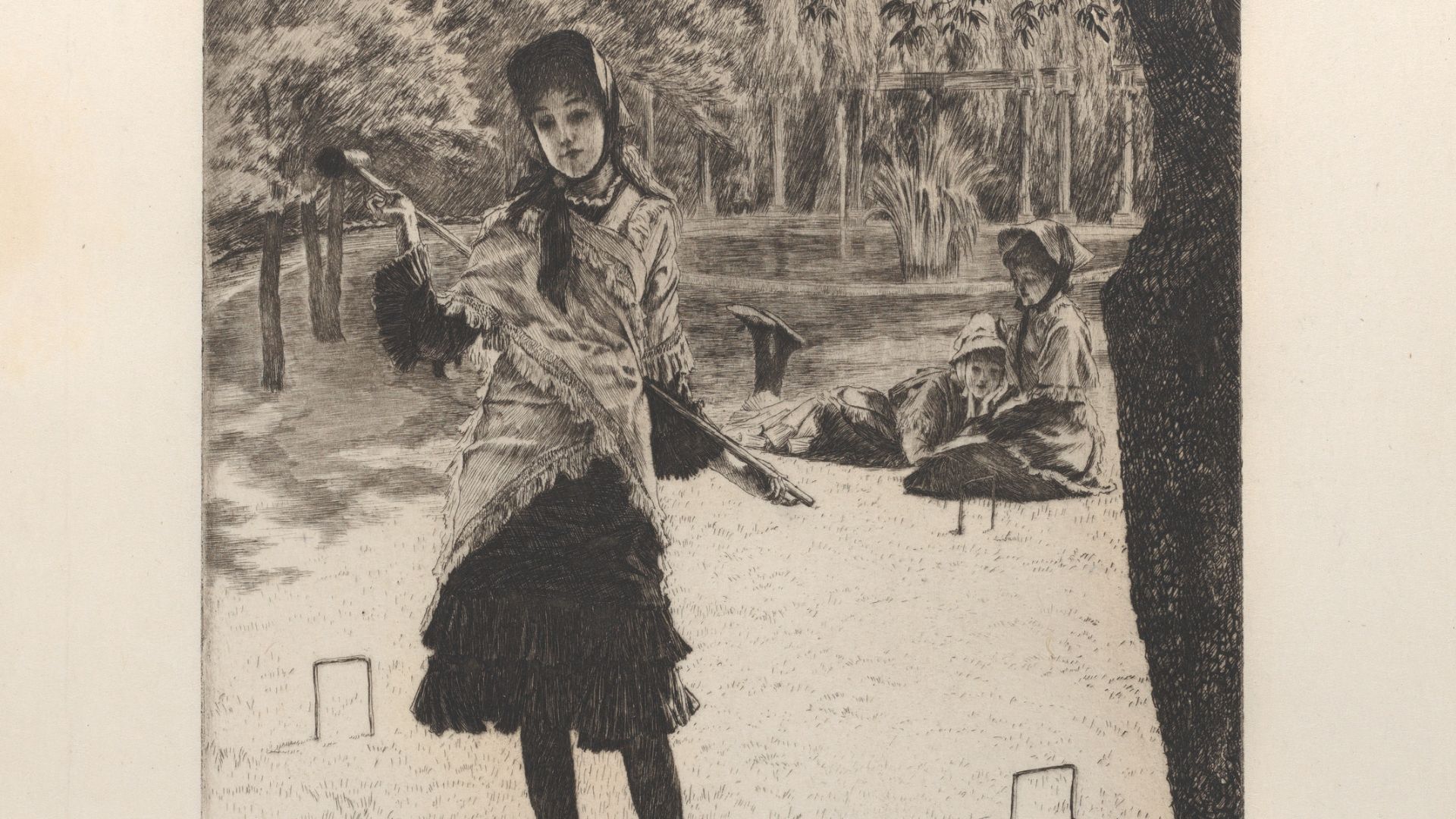
Croquet swept England and the US in the 1860s as a lawn game men and women could play together. It made the Olympic program once, at the 1900 Paris Games. An American variant called roque, played on a hard court with short mallets, showed up at the 1904 Games in St. Louis.
9. Six-Day Bicycle Racing
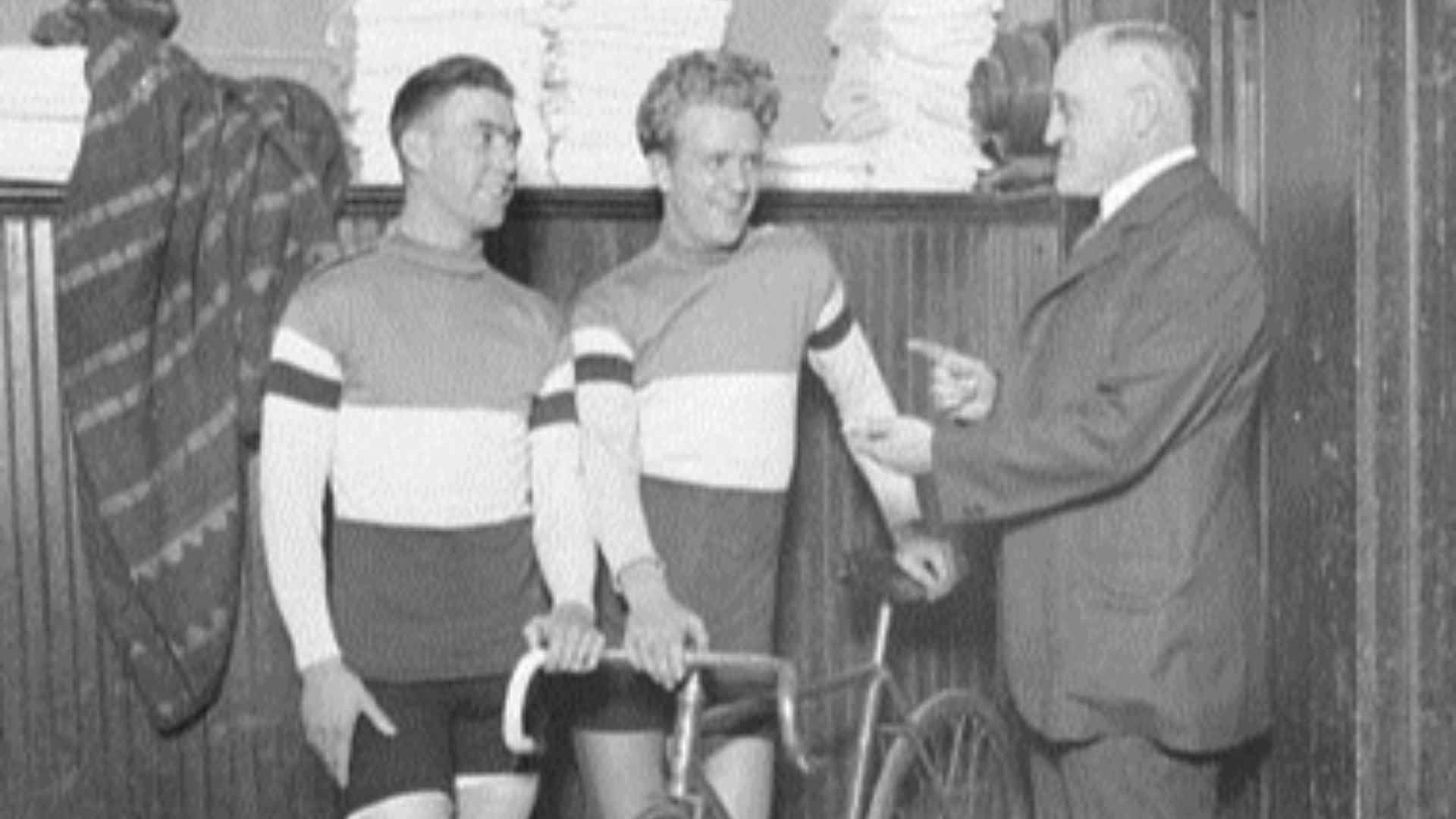
Six-day races put cyclists on the steep indoor track at Madison Square Garden for nearly a week straight. After New York capped riders at 12 hours a day in the late 1890s, teams of two started trading off, and that relay format took the name Madison. Solo riders before the rule change went days with little sleep, and a New York Times editorial in 1897 called the whole spectacle brutality.
 Chicago Daily News photographer may have been published in the newspaper. on Wikimedia
10. Harness Racing
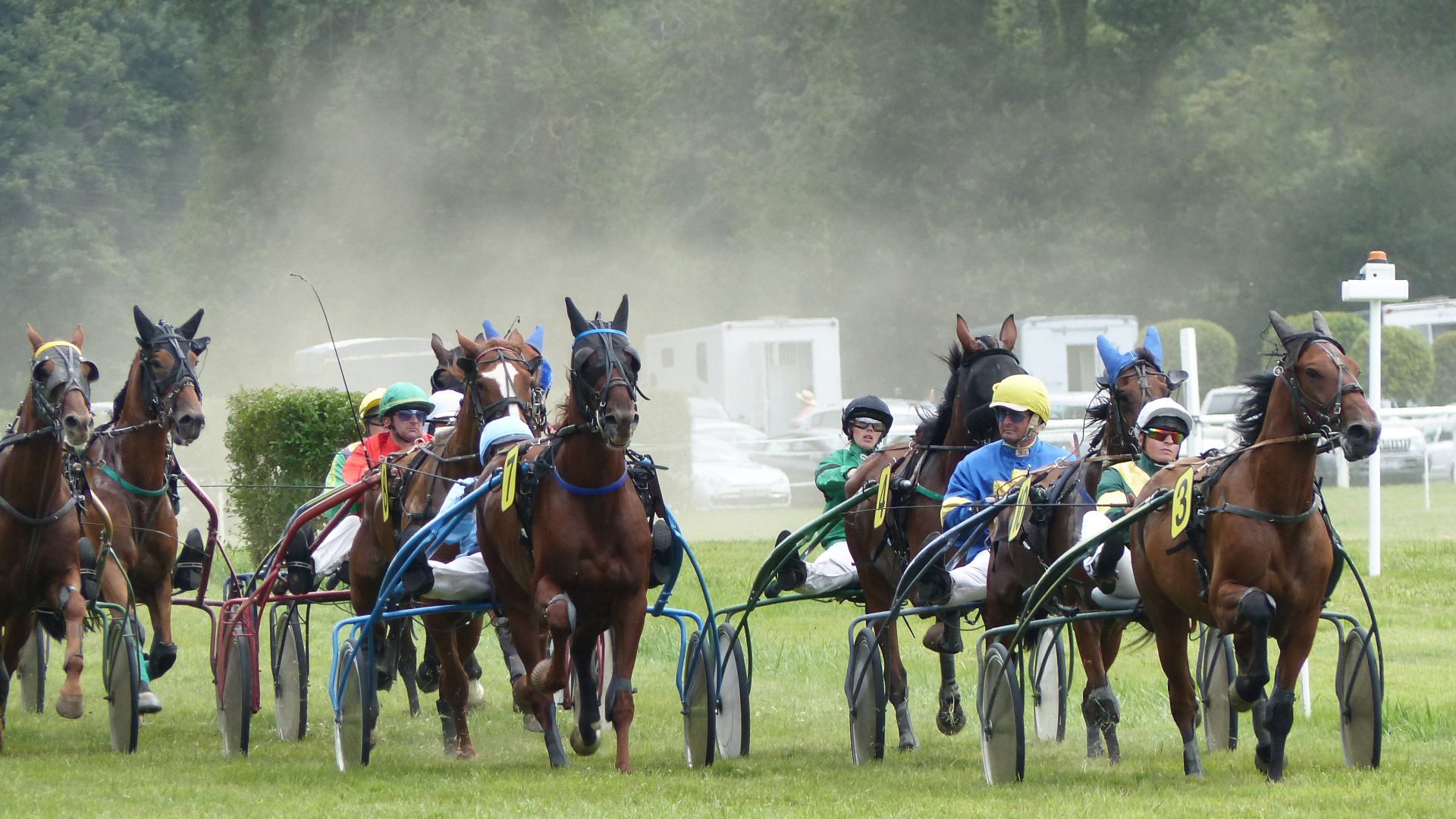
Currier & Ives sold prints of champion trotting horses in the 1800s the way sports card companies sell rookie cards now. A pacer named Dan Patch became a national celebrity in the early 1900s, and companies paid to put his name on their products. The town of Savage, Minnesota, is named after his owner, who kept the horse there.
 Amélie Tsaag Valren on Wikimedia
11. Tug of War
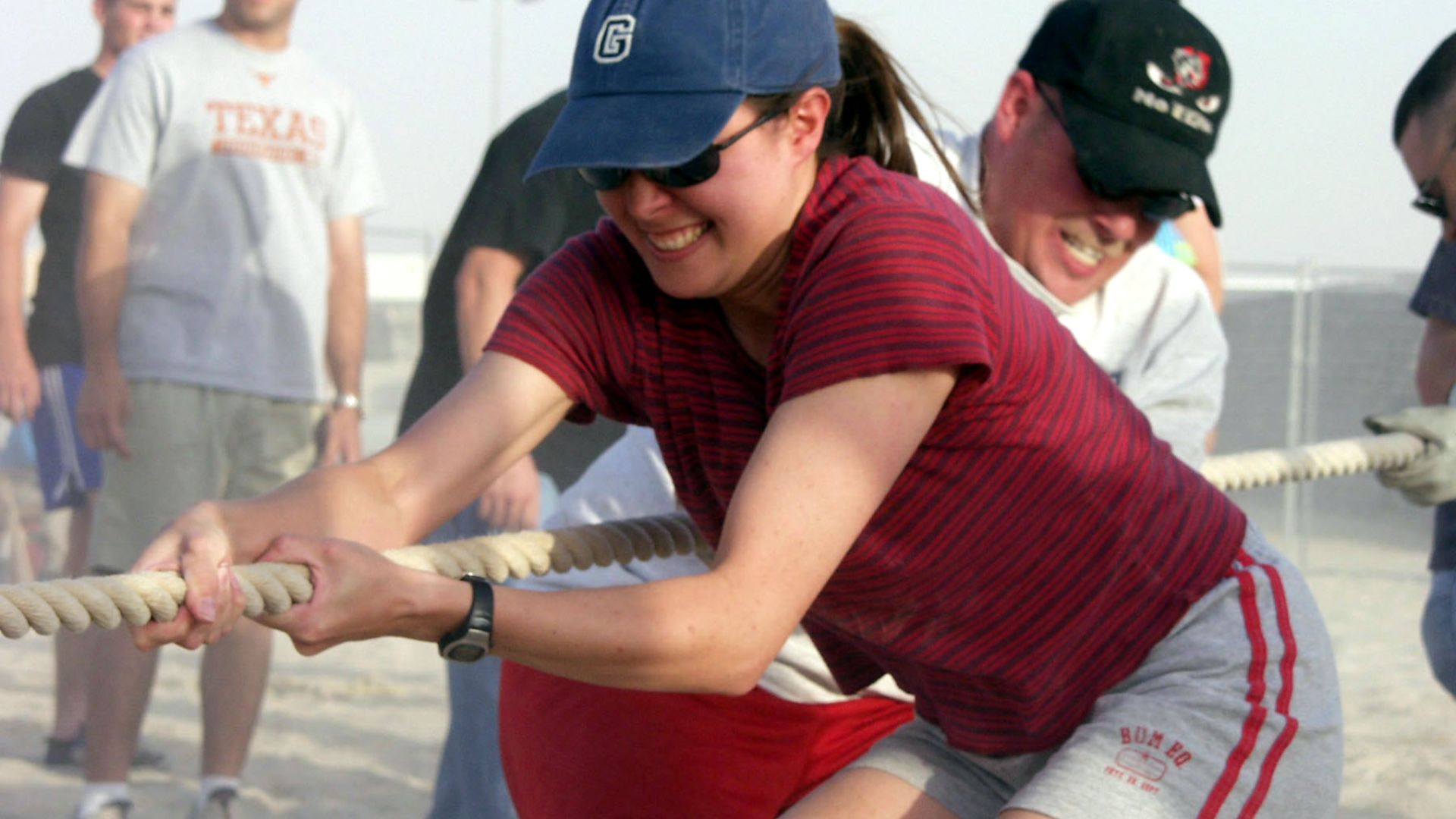
Tug of war teams won Olympic medals at five Summer Games, the last of them in 1920. A team from the City of London Police took gold at the 1908 London Games. The Americans protested an earlier loss that year, claiming the Liverpool Police team's heavy service boots broke the rules.
 Tech. Sgt. Dan Neely on Wikimedia
12. Rope Climbing
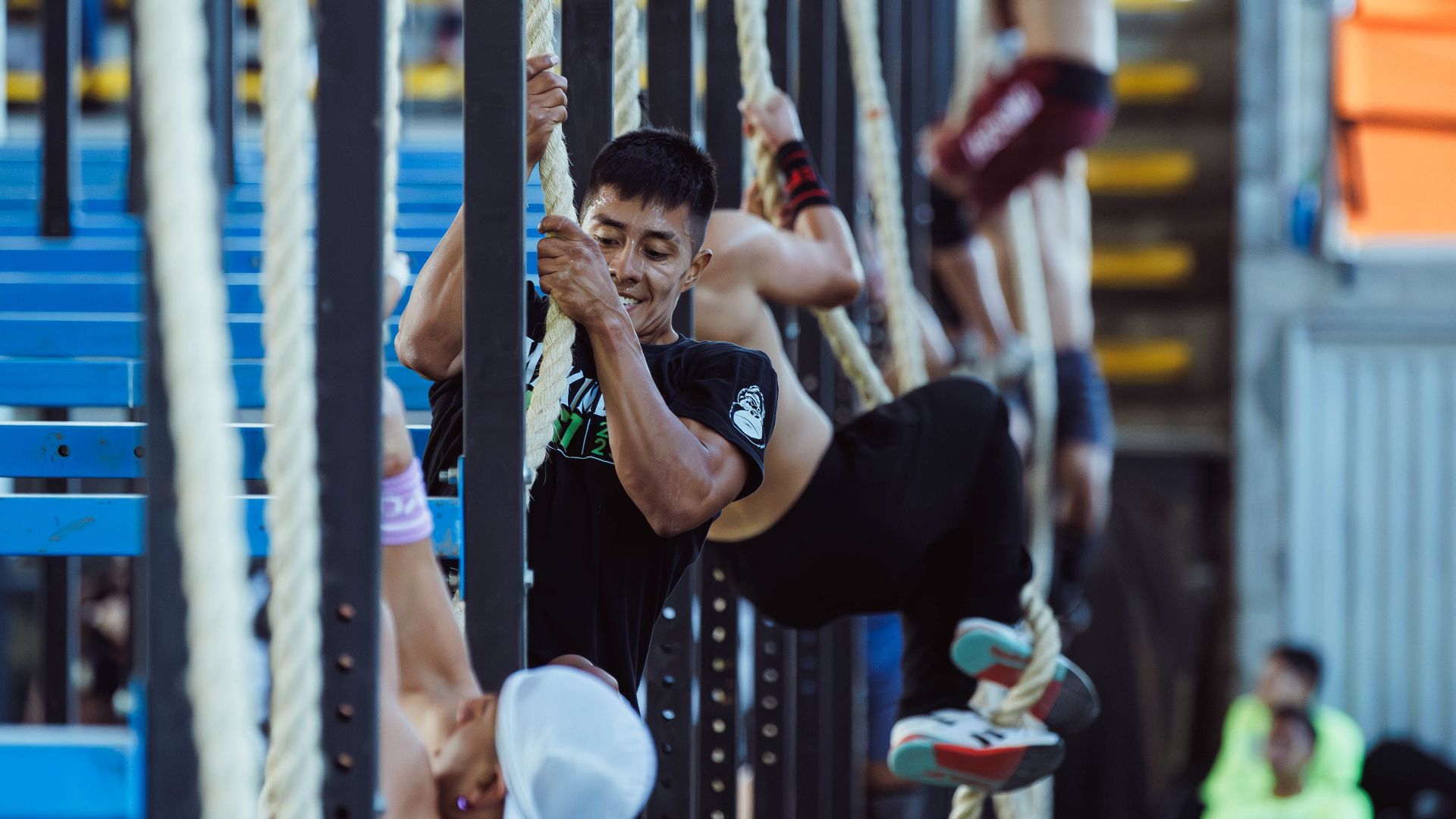
Rope climbing was an Olympic gymnastics event four times, the last of them in 1932. Climbers at the Los Angeles Games got three tries to race up an 8-meter rope against the clock. American Raymond Bass won that final contest in 6.7 seconds.
 CRISTIAN CAMILO ESTRADA on Pexels
13. Board Track Motorcycle Racing
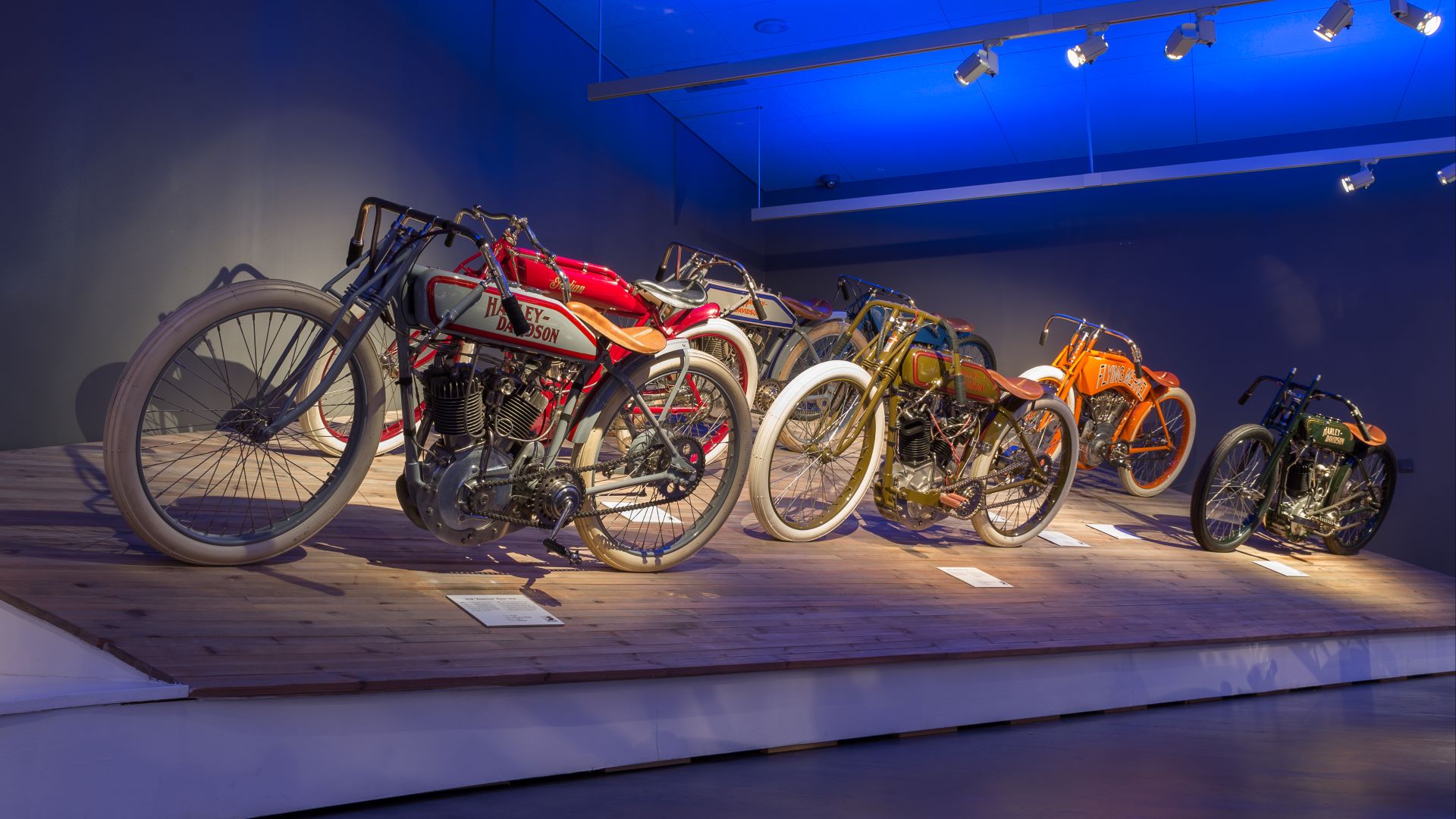
Motorcycles in the 1910s hit speeds close to 100 mph on steeply banked tracks built from wooden planks, with fans leaning over the top rail just above the riders. A 1912 crash at the Newark Motordrome in New Jersey killed two riders and several spectators. The planks were laid on edge and wore out within a few seasons, so most of those tracks were gone by the 1930s.
14. Pigeon Racing
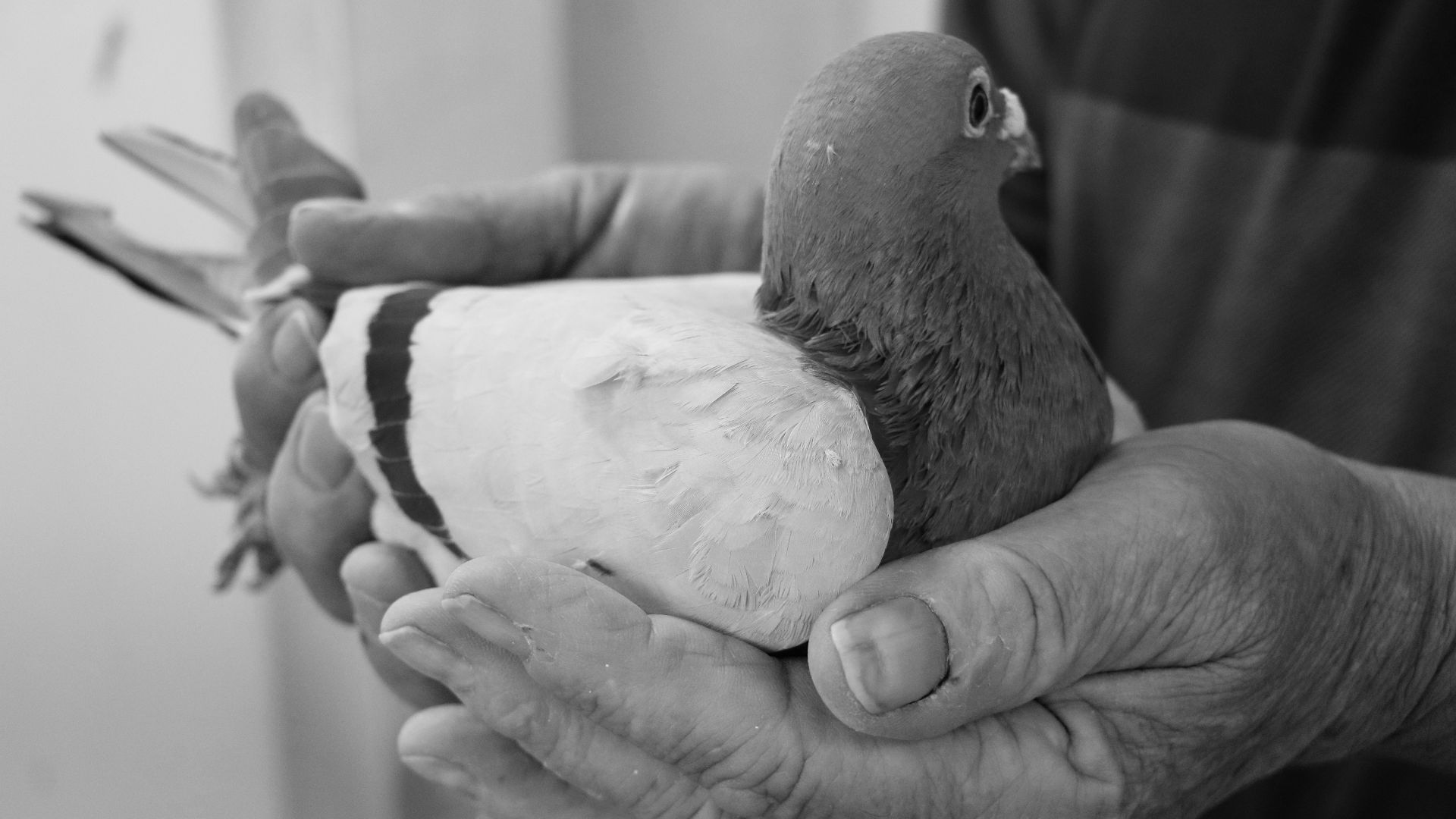
Racing pigeons were a popular working-class hobby in Belgium and northern England, and Queen Elizabeth II kept a loft at Sandringham. A Belgian pigeon named New Kim sold at auction in 2020 for €1.6 million to a buyer in China. During World War I, a US Army pigeon named Cher Ami carried a message that helped rescue a trapped American battalion, and the bird is now on display at the Smithsonian.
15. Jai Alai
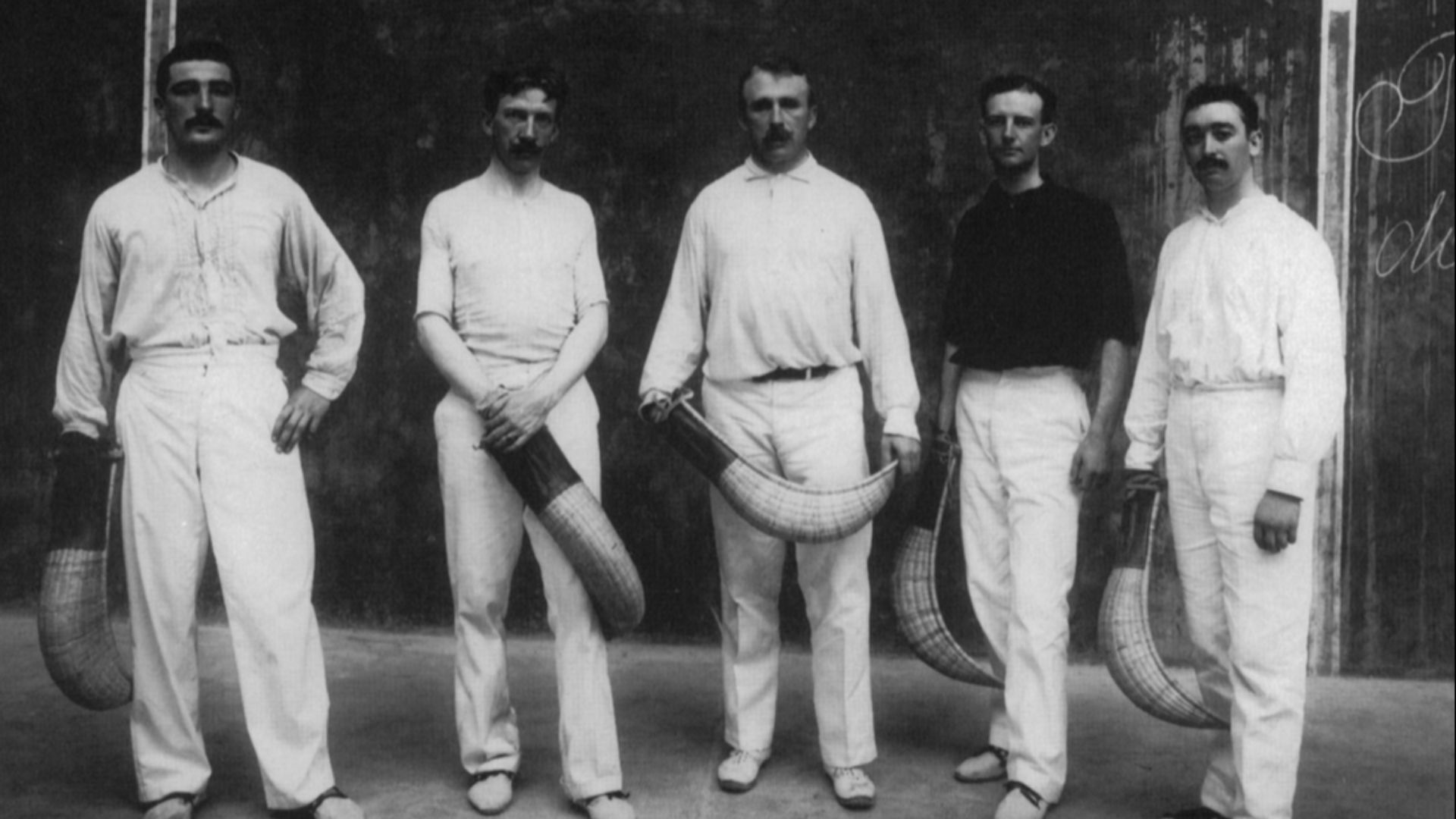
Miami Jai-Alai opened in 1926, and frontons across Florida filled with fans betting on a ball players hurl with curved wicker baskets. A players' strike that began in 1988 dragged on for years and drove many of those fans away. Guinness World Records lists jai alai as the fastest moving ball sport, with a ball clocked at about 302 kilometers per hour.
 Charles Edward Doty on Wikimedia
16. Dance Marathons
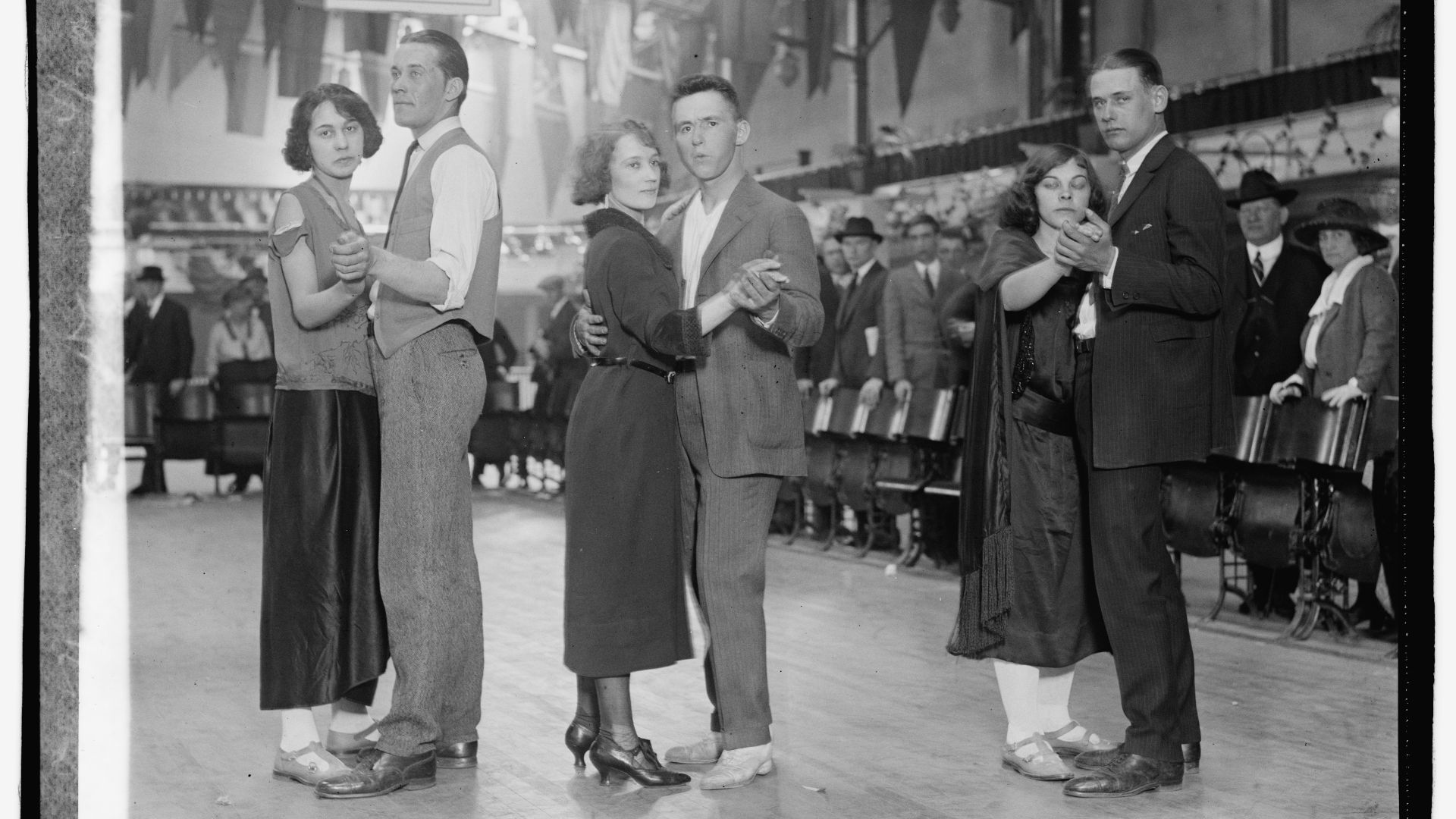
During the Great Depression, couples danced for days at a time, sometimes weeks, for cash prizes while spectators bought tickets and picked favorites. Horace McCoy turned the scene into his 1935 novel They Shoot Horses, Don't They? Jane Fonda starred in the film version in 1969.
 National Photo Company Collection on Wikimedia
17. Roller Derby
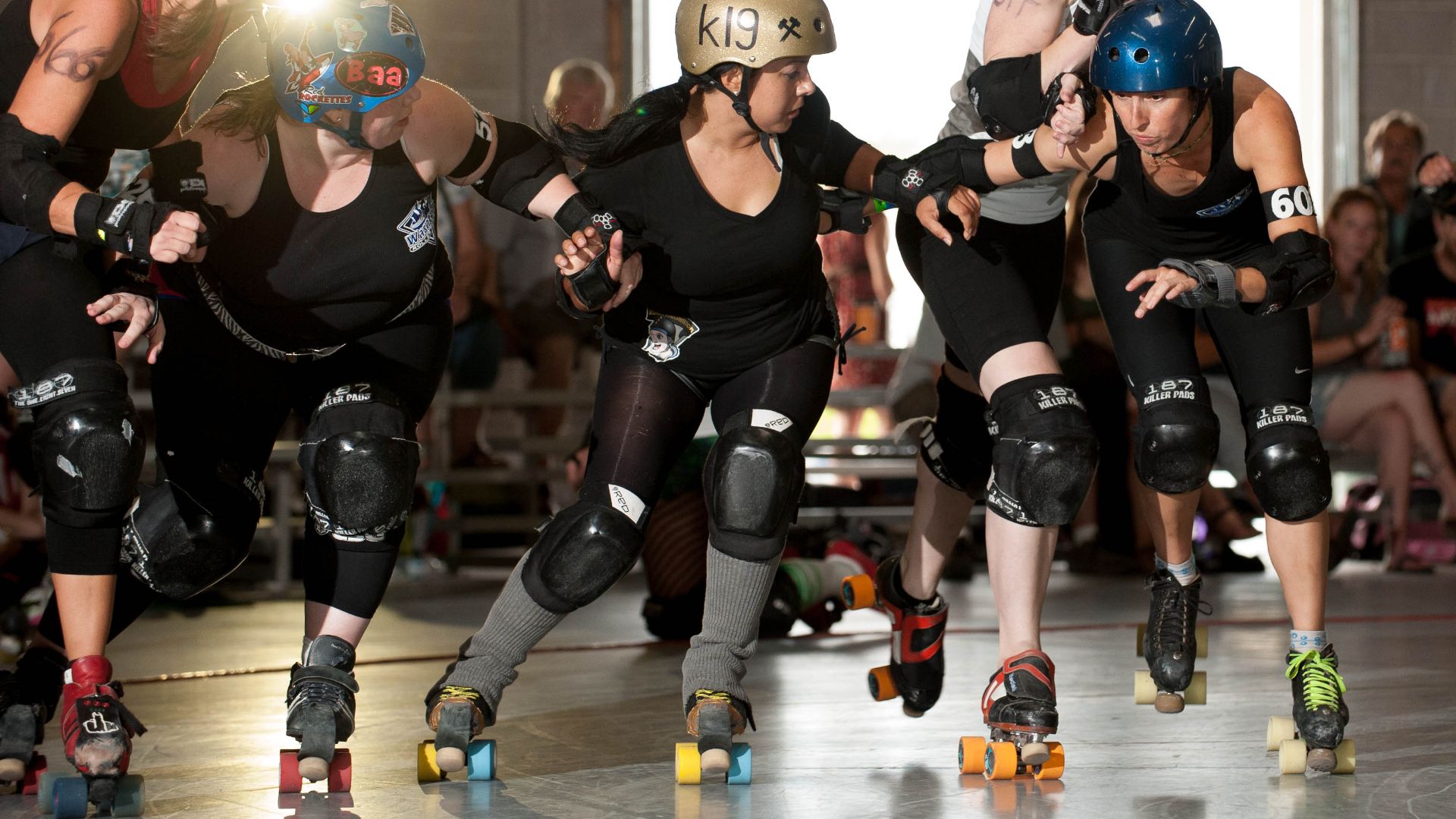
Leo Seltzer launched the Transcontinental Roller Derby in Chicago in 1935. Skaters were throwing elbows on network TV by the late 1940s. Flat-track leagues brought the sport back in the 2000s, starting in Austin.
18. Match Races
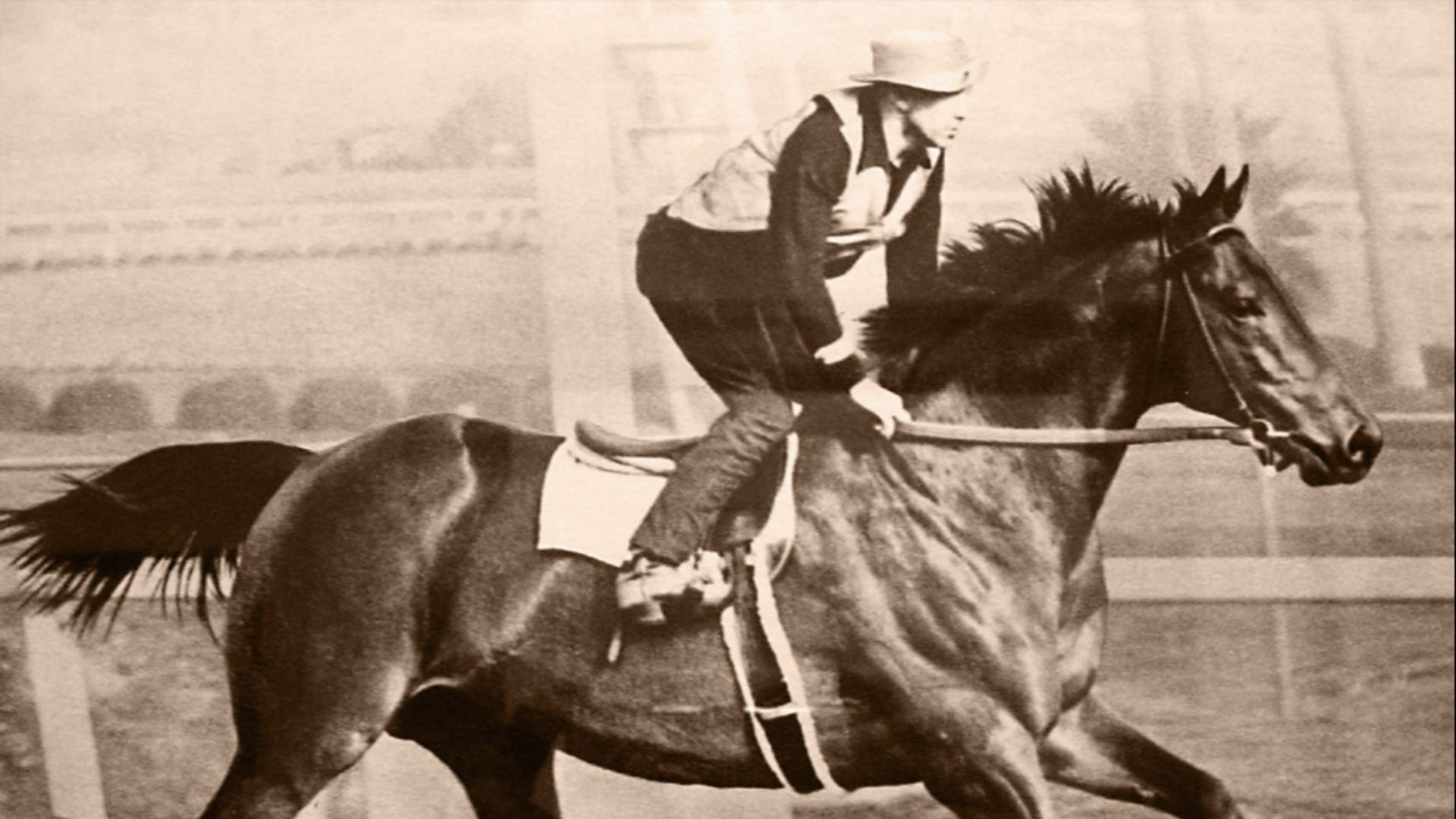
Seabiscuit beat War Admiral in a two-horse match race at Pimlico in 1938. War Admiral had won the Triple Crown the year before and went into the race as the favorite. The US Postal Service put the radio audience at 40 million when it honored the race on a 2009 stamped envelope, and President Franklin Roosevelt was one of those listeners.
 Seabiscuit Heritage Foundation on Wikimedia
19. Pankration
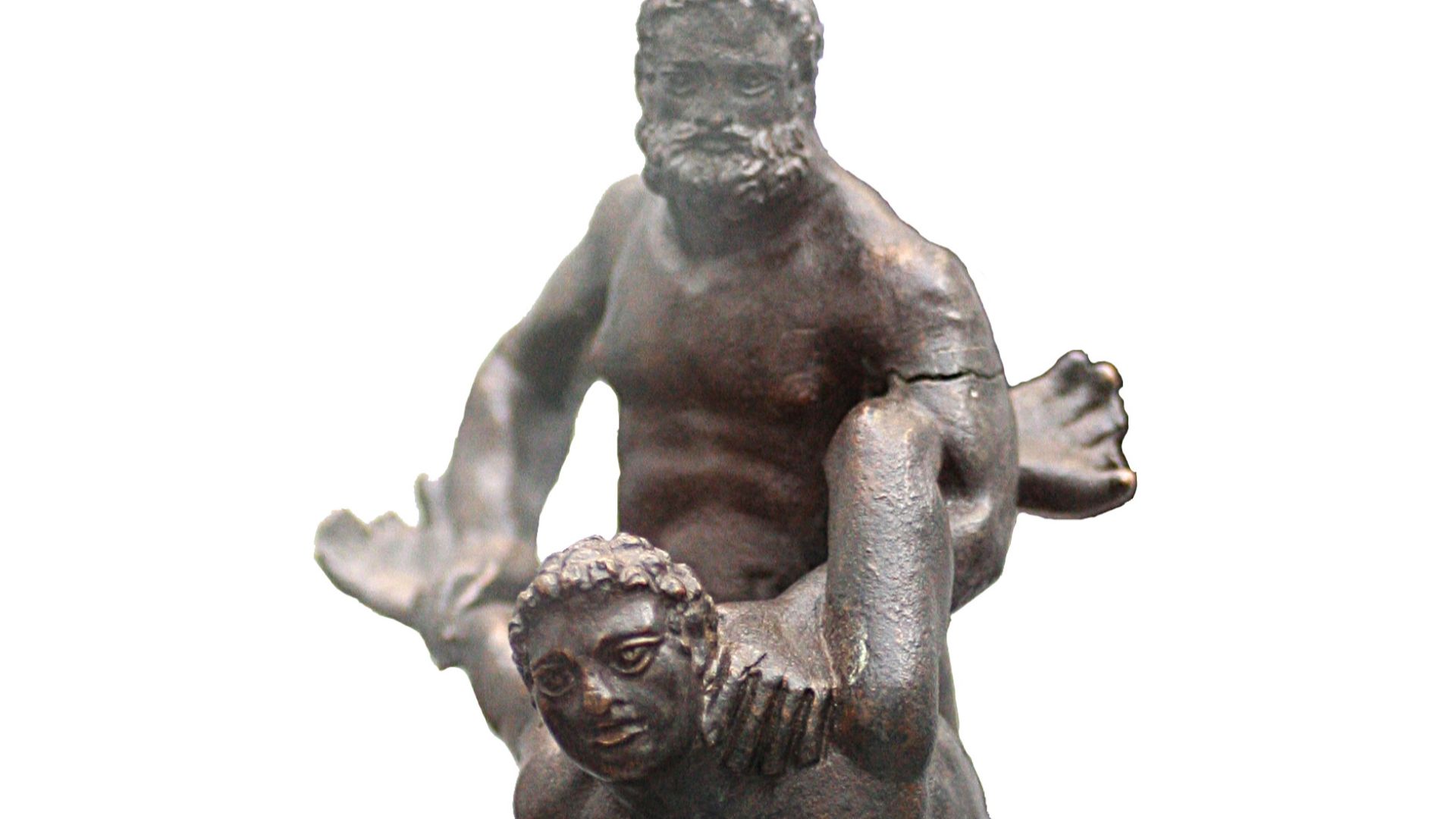
The Greeks added pankration to the Olympic Games in 648 BC, and it mixed boxing and wrestling with almost no rules. Biting and eye-gouging were banned, and nearly everything else was allowed. The travel writer Pausanias tells of Arrhichion of Phigalia, who died in the final bout of 564 BC and was still crowned champion because his opponent gave up at the same moment.
 User:MatthiasKabel on Wikimedia
20. Log Rolling
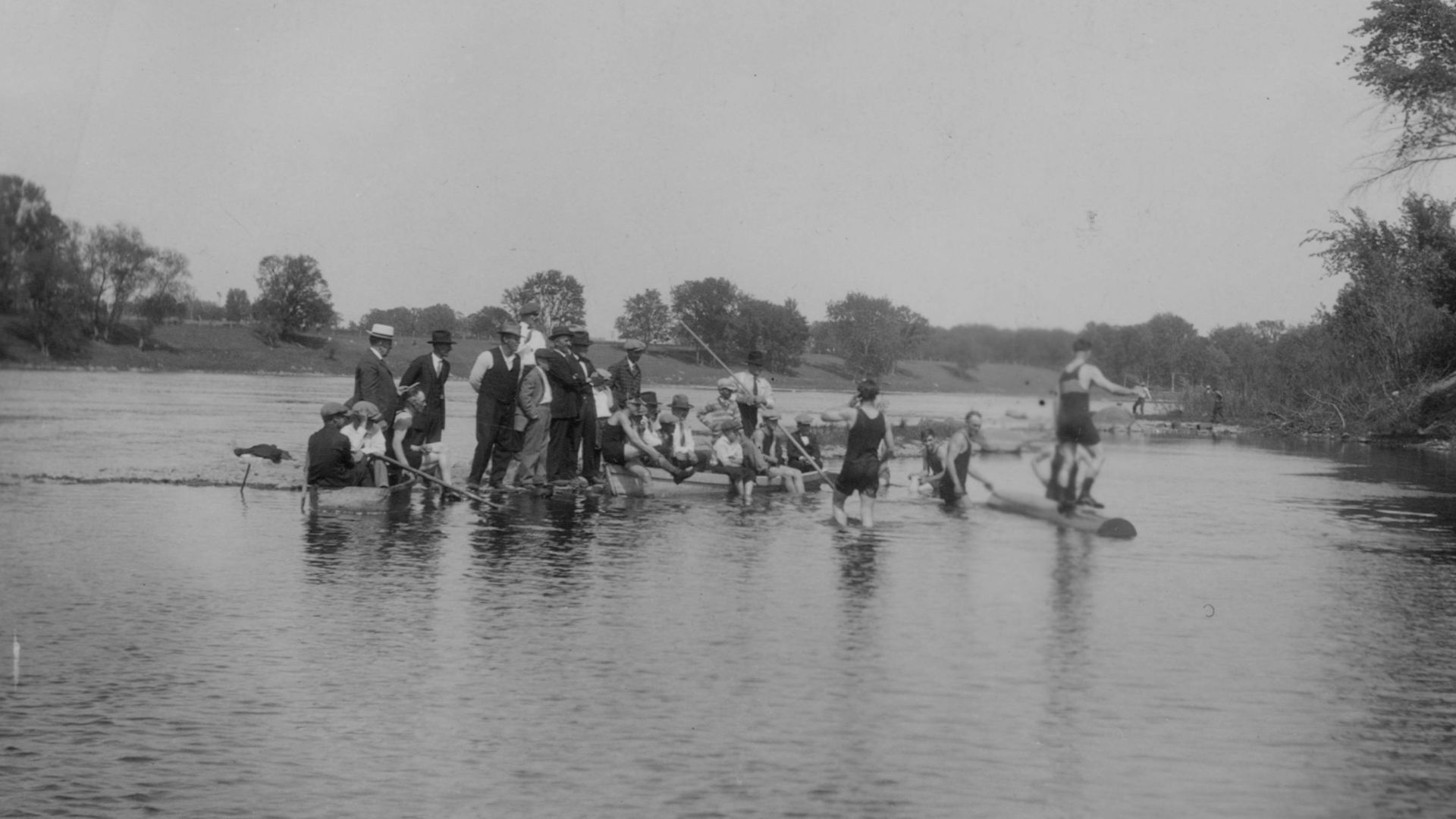
Log rolling started on river log drives, where lumberjacks spun floating logs to keep their footing while breaking up jams. The Lumberjack World Championships have been held in Hayward, Wisconsin, since 1960. Two rollers face off on the same floating log, and the first one to hit the water loses.
KEEP ON READING