How The World's Greatest Art Forger Fooled Everyone
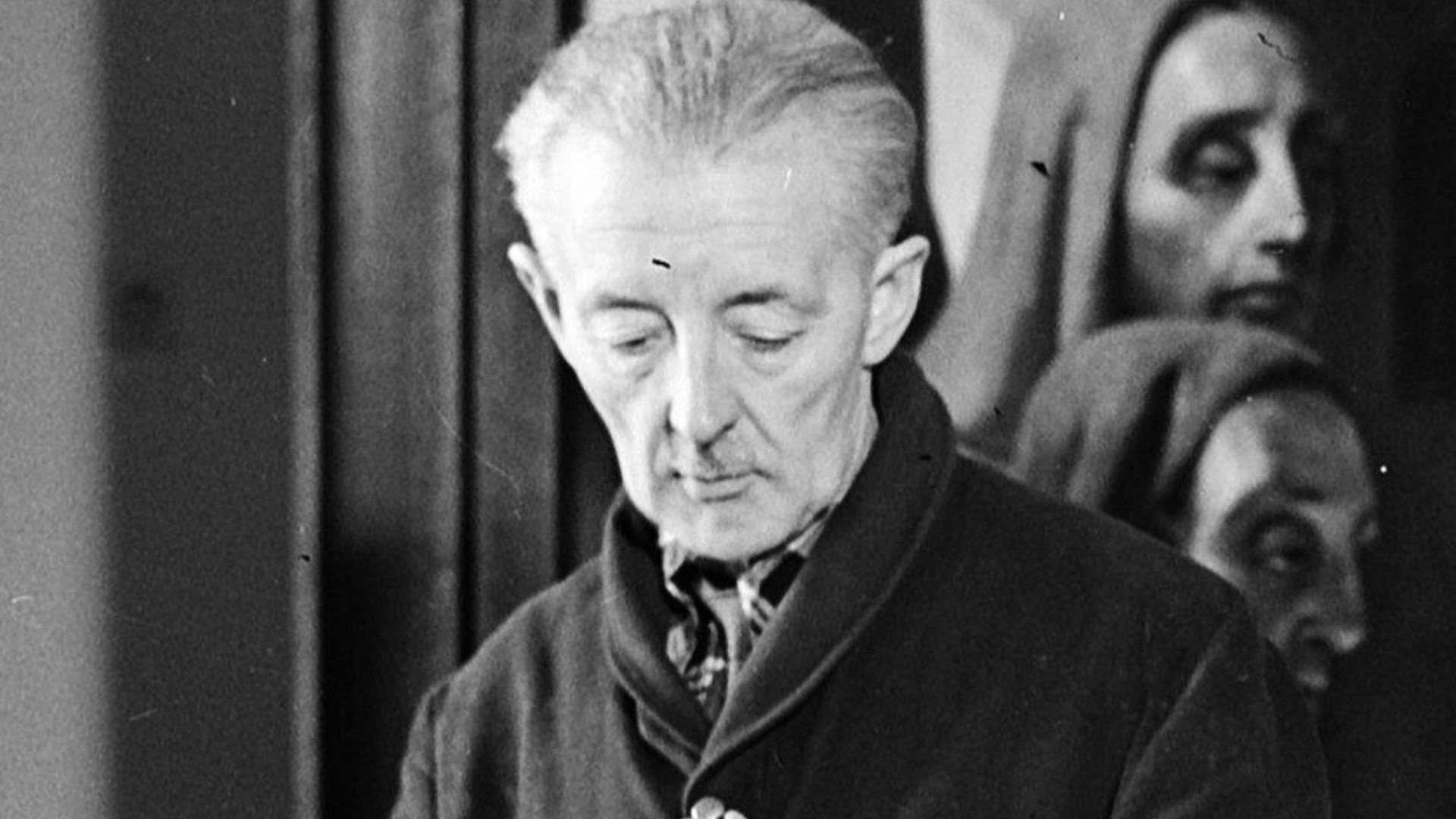 Photographer Koos Raucamp on Wikimedia
The art world has seen plenty of convincing fakes, but few stories are quite as remarkable as that of Han van Meegeren. The Dutch painter managed to create counterfeit works by Johannes Vermeer that fooled respected art historians, wealthy collectors, museum directors, and even one of Nazi Germany's most powerful figures. For several years, almost nobody seemed to suspect that the celebrated "discoveries" were coming from the studio of a living artist.
What made van Meegeren's scheme especially brilliant was that he didn't just copy paintings people already knew. Instead, he created supposedly lost works that seemed to fill gaps in Vermeer's artistic career, giving experts something they were already eager to find. By understanding what the art establishment wanted to believe, he made his paintings considerably easier to accept as genuine.
He Gave Experts Exactly What They Wanted
Van Meegeren was born in the Netherlands in 1889 and trained as an artist, but his own paintings never earned him the critical reputation he wanted. He later claimed that frustration with critics helped motivate him to prove that those same experts weren't nearly as perceptive as they believed. Forgery gave him a rather dramatic way of making that point.
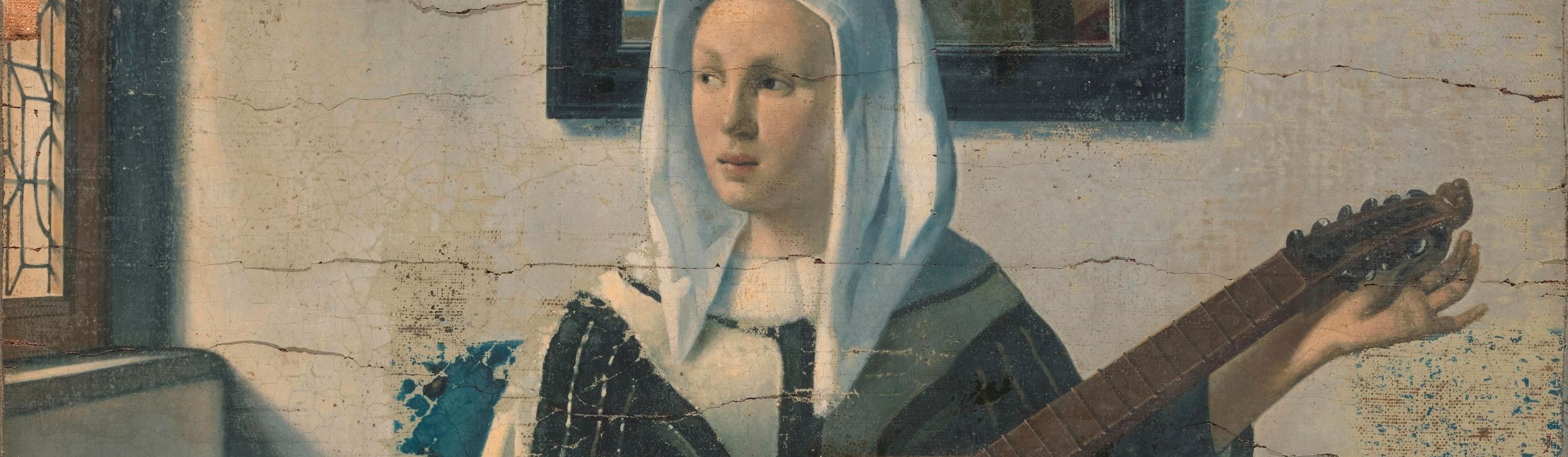
His main target became Johannes Vermeer, whose small surviving body of work made newly discovered paintings extremely exciting. Scholars were particularly interested in Vermeer's early career, which wasn't as well documented as his famous domestic interiors. Van Meegeren realized that an unfamiliar religious painting could therefore look like a missing chapter, and a very attractive one at that.
That thinking produced The Supper at Emmaus, completed in 1937 and presented as an early Vermeer. Influential art historian Abraham Bredius examined it and enthusiastically declared it genuine, even describing the painting as a masterpiece. Museum Boijmans Van Beuningen subsequently acquired the work as an important Vermeer, and its respected new home made the attribution appear even more convincing.
Once major experts had accepted the painting, questioning it became considerably harder. Van Meegeren wasn't merely fooling individual buyers; he had gained the approval of authorities whose opinions influenced everyone else. A fake that might have looked suspicious on its own suddenly arrived with an impressive stamp of legitimacy.
His Paintings Were Built to Survive Inspection
Creating something that resembled a Vermeer wasn't enough because experts could test whether the materials appeared centuries old. Van Meegeren reportedly spent years experimenting with ways to imitate the physical characteristics of an aged painting. He used old canvases and worked with materials that helped his freshly painted surfaces behave more like hardened antique paint.
One of his most famous tricks involved a synthetic resin related to Bakelite, which could help the paint harden much faster than ordinary oil paint. The finished canvas could then be heated, producing a surface that wouldn't immediately reveal itself as newly painted during the tests available at the time. Creating convincing cracks and using genuinely old materials added another layer of credibility.
But technique was only part of the deception. Van Meegeren understood that an entirely typical Vermeer could invite direct comparison with unquestionably authentic examples. Instead, his religious scenes were presented as unusual early works, allowing noticeable differences in style to be explained as evidence of an earlier stage in Vermeer's development.
His success eventually became extremely profitable, and more supposed Vermeers entered the market. During World War II, one of these works, Christ with the Woman Taken in Adultery, ended up in the collection of Hermann Göring. That transaction would ultimately transform van Meegeren's comfortable deception into a much more serious problem.
The Only Way Out Was to Confess
After the Netherlands was liberated in 1945, authorities traced the Göring painting back to van Meegeren. Selling what was believed to be an important piece of Dutch cultural heritage to a prominent Nazi put him under suspicion of collaboration. Suddenly, admitting that he'd spent years committing art fraud looked considerably better than allowing everyone to continue believing the painting was real.
There was one difficulty: people didn't initially believe his confession. Van Meegeren was essentially claiming that celebrated specialists, collectors, and museums had all been fooled by paintings he had produced himself. To support his story, he began creating another imitation Vermeer while under supervision, demonstrating how he'd carried out the fraud.
Scientific investigation eventually supported his admission, and the supposed masterpieces were recognized as modern forgeries. The collaboration case gave way to charges of fraud and forgery, and in 1947, a Dutch court sentenced van Meegeren to one year in prison. He died later that year before serving the sentence.
The strange twist is that van Meegeren eventually gained the fame he'd struggled to achieve as a legitimate painter. His work is now remembered not because anyone still mistakes it for Vermeer, but because respected experts once did. The Supper at Emmaus remains in the collection of Museum Boijmans Van Beuningen, no longer displayed as a lost Old Master but preserved as one of the most famous fakes in art history.
KEEP ON READING