The Last Time These Famous Historical Places Were Used
 The New York Public Library on Unsplash
Today, famous historical sites often feel as though they've always existed for visitors to admire. Yet many of these places once had very ordinary purposes, serving as prisons, homes, ports, religious centers, government buildings, theaters, and military installations. Their final days of practical use can be surprisingly interesting because they reveal how dramatically their roles changed over time.
There have been some locations that have been defunct for hundreds of years. Others have remained until very recently. There are also structures that outlived their use and became museums or historic sites. Using the date that these attractions stopped being utilized for their original function can give another insight into why it is now a tourist attraction.
Alcatraz is one of the many tourist attractions located in San Francisco. It was used as a federal penitentiary from 1934 to March 21, 1963. Due to the high cost of maintaining a remote prison facility, Alcatraz was shut down. Not only did they have to pay for upkeep on the buildings, but the price to run Alcatraz was almost triple that of a similar-sized prison on land.
The final prisoners were transferred off the island on the day the prison closed. Alcatraz had already served as a military prison before becoming a federal penitentiary, so its history didn't end when the last inmates left. The island later became the site of a major Native American occupation from 1969 to 1971 before eventually becoming part of the Golden Gate National Recreation Area.
Not Too Long Ago
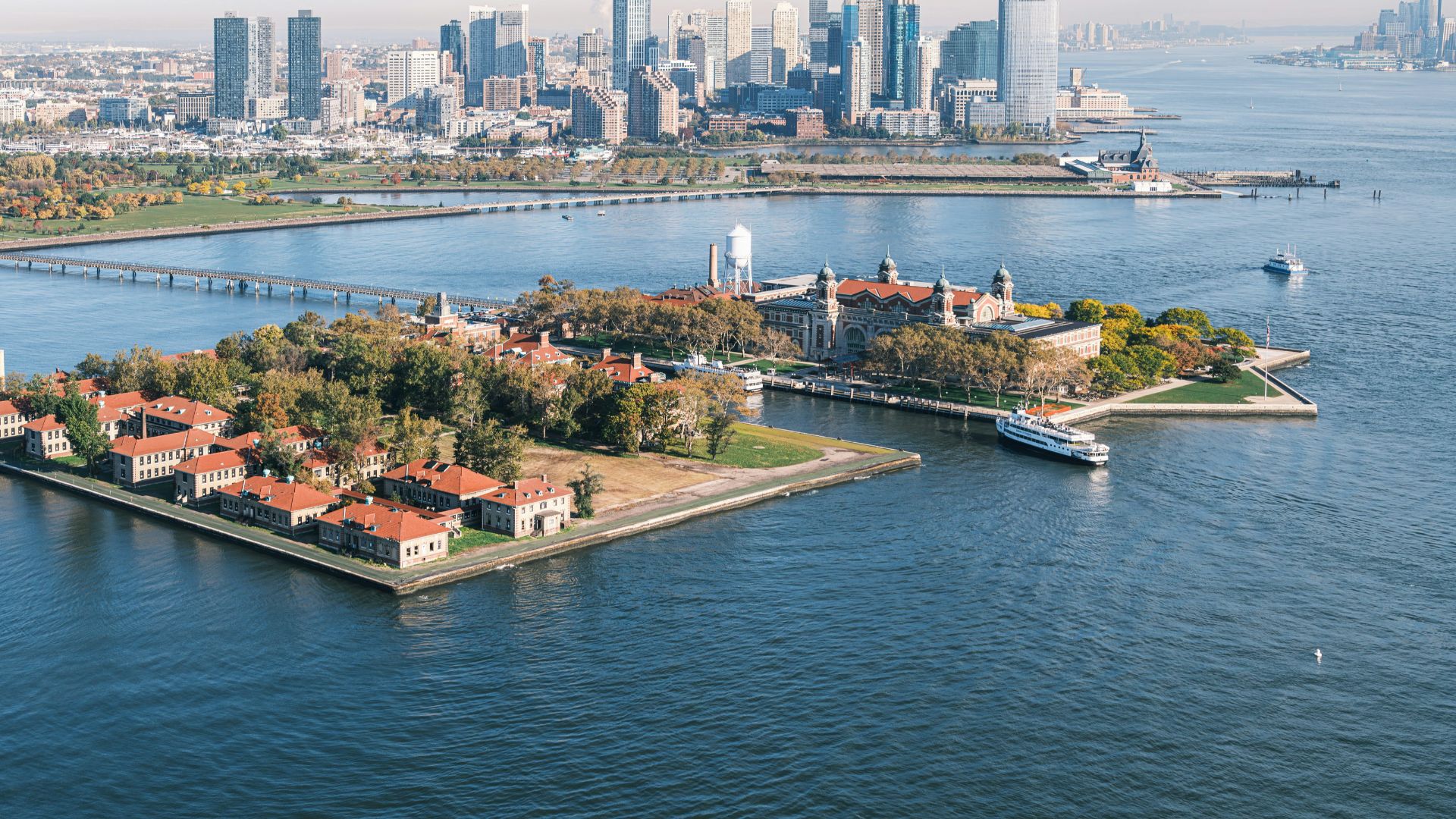
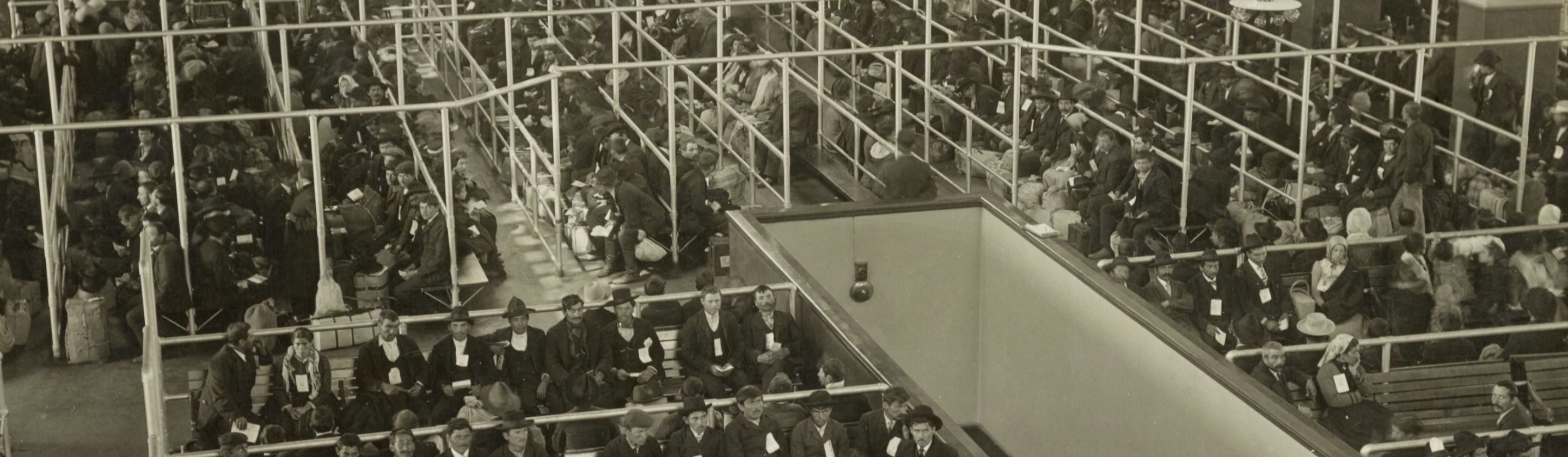
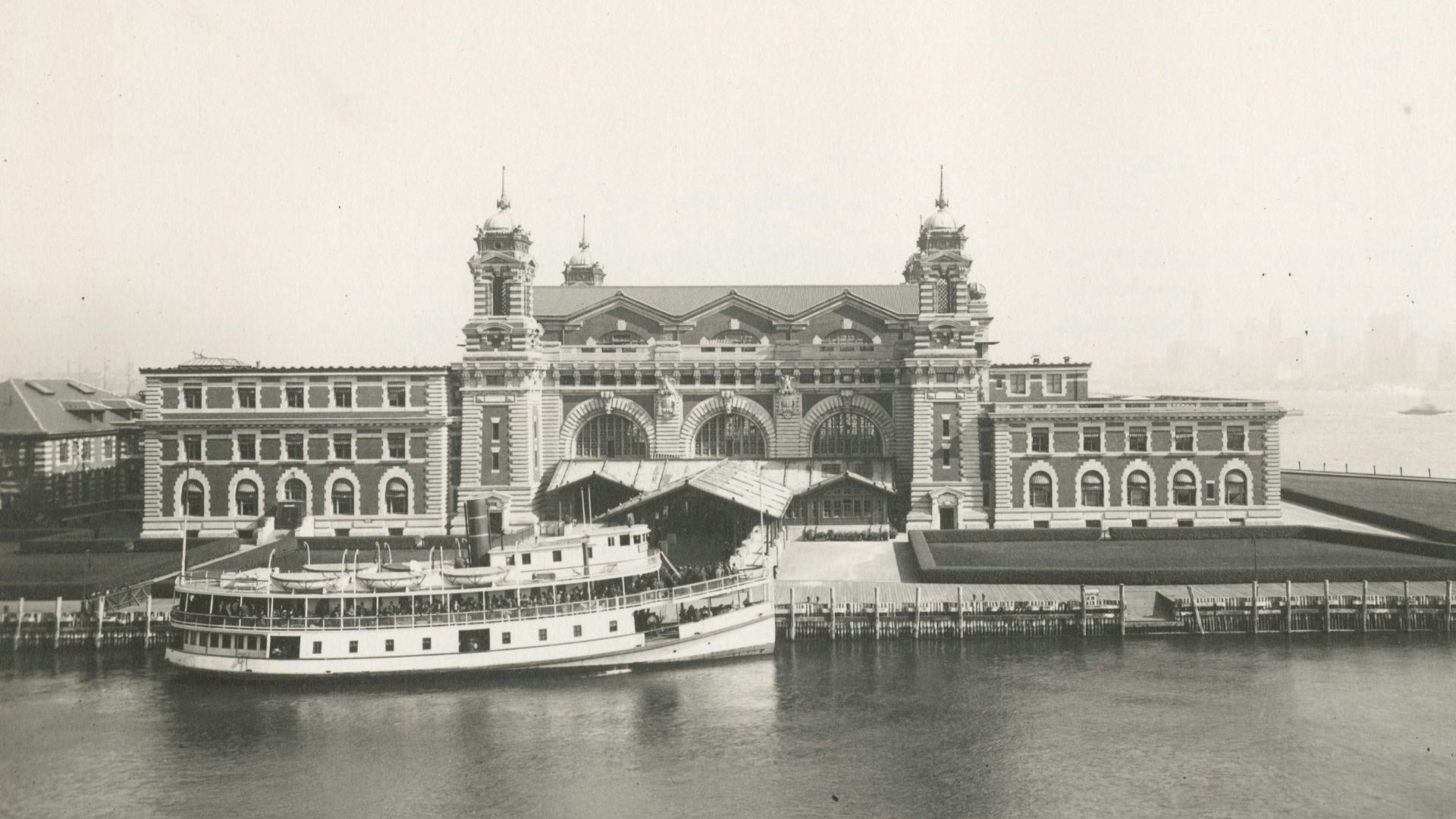
For many, it is best known as the immigration station to the United States. Ellis Island housed an immigration station until 1954, when the majority of the island became abandoned. After the National Park Service took over, Ellis Island began to be restored. The National Park Service later became responsible for the island, and restoration eventually turned the historic complex into a public attraction.
Ellis Island isn't quite a place where everything simply stopped on one particular day, since different facilities had different uses and periods of activity. However, the closure of the immigration station in 1954 marked the end of its defining role. Today, visitors can explore the restored buildings and learn about the people who passed through the station during its years of operation.
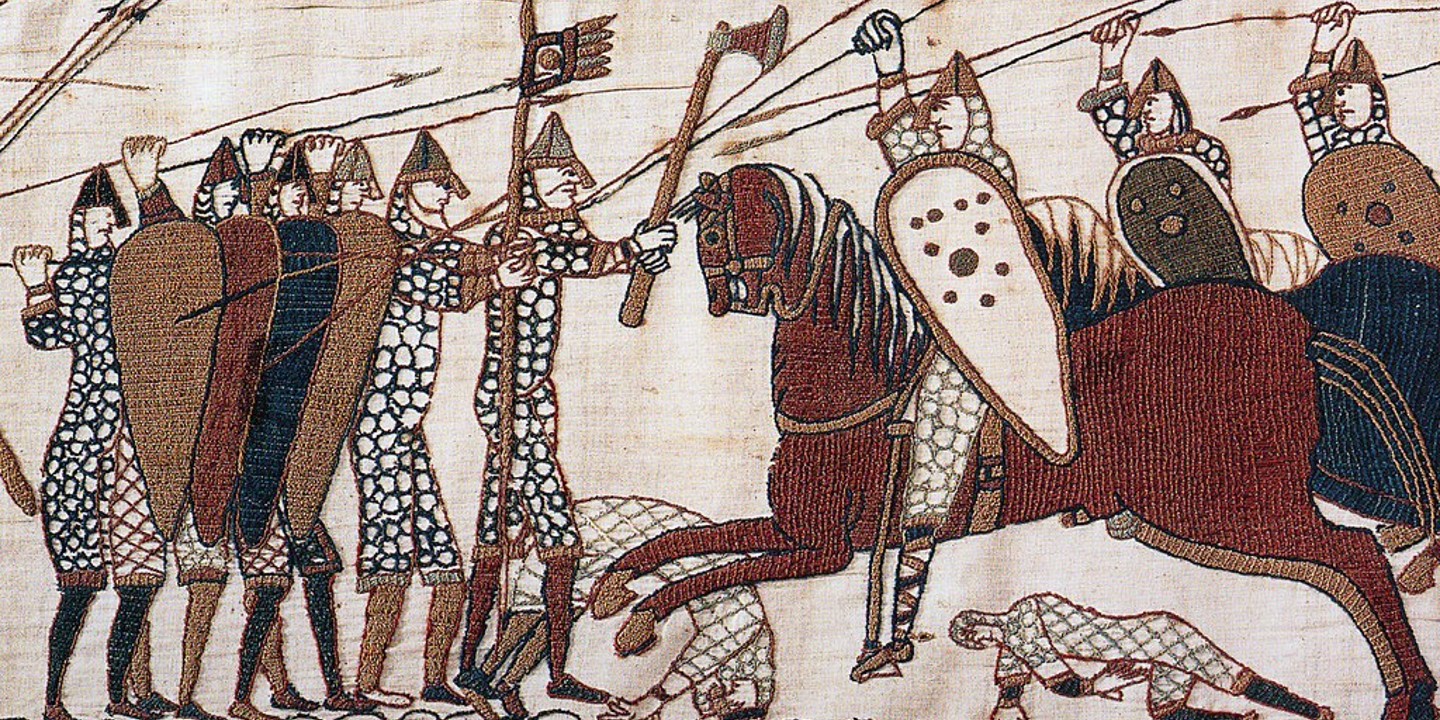
There have been many last uses for the Tower of London, depending on what aspect of the tower you look at. After the construction of the White Tower, it was considered to be a castle by William the Conqueror in the late 1000s. It was also used for military defense and housed kings and their assets, as well as a prison. UNESCO notes that it is no longer used as a fortress, although the historic complex remains remarkably intact.
Its role as a royal residence also gradually faded as Britain's monarchs moved to other residences. The Tower continued to serve various official purposes long afterward, including its association with the Crown Jewels, which have been kept there since the 17th century. In other words, this isn't a building with one clean final day of use so much as a place whose functions slowly changed.
Ancient Places That Eventually Fell Silent
Pompeii was a functioning Roman city until the catastrophic eruption of Mount Vesuvius in 79 A.D. The eruption buried the city under volcanic material, effectively ending its life as a populated urban center. Historical evidence shows that Pompeii had been a thriving city before the disaster, rather than simply being a small settlement that happened to sit near a volcano.
It's ironic how everyday life in the city ended up being at the end of its days. People were still living, using markets and places of worship and businesses that were located within the city up until the fall of the city. Pompeii remained undiscovered for centuries after the fall of the city. It wasn't until the discovery of Pompeii and the excavation that began that the once-city was turned into an archaeological site of interest around the world.
The Colosseum in Rome was originally built for public spectacles, including gladiatorial contests and other forms of entertainment. Its use for large-scale spectacles declined during late antiquity, and historians generally place the final recorded gladiatorial games in the early fifth century. The building continued to have other uses afterward, so its history didn't simply end when the arena stopped hosting games.
Through time, earthquakes and stones taken from the Colosseum would take their toll on the huge structure that housed the Roman Empire. Now it stands as a reminder of what used to be, and you can tour the remains with no sight of the spectacle that the Colosseum once held for its spectators.
Machu Picchu was built by the Inca in the 15th century and was abandoned sometime in the 16th century, around the period of the Spanish conquest. Its exact purpose and the circumstances surrounding its abandonment continue to be studied by archaeologists. Unlike some historical places, there isn't a single documented "last day" when its residents officially packed up and left.
The site's isolation helped preserve many of its structures for centuries. European visitors didn't encounter the ruins as part of a continuing Inca settlement because the site had already been abandoned. Its later international fame came after the Yale-led expedition associated with Hiram Bingham brought widespread attention to the ruins in the early 20th century.