
Would You Survive as a Victorian Woman?
The Victorian era, which lasted from 1837 to 1901 during Queen Victoria's reign, came with a long list of social expectations for women, particularly those from the middle and upper classes. A woman's reputation could influence her marriage prospects, social standing, and even her family's respectability, making everyday decisions feel surprisingly consequential. From choosing appropriate clothing to navigating conversations with men, women were expected to follow rules that often prioritized modesty, obedience, and domestic responsibility.
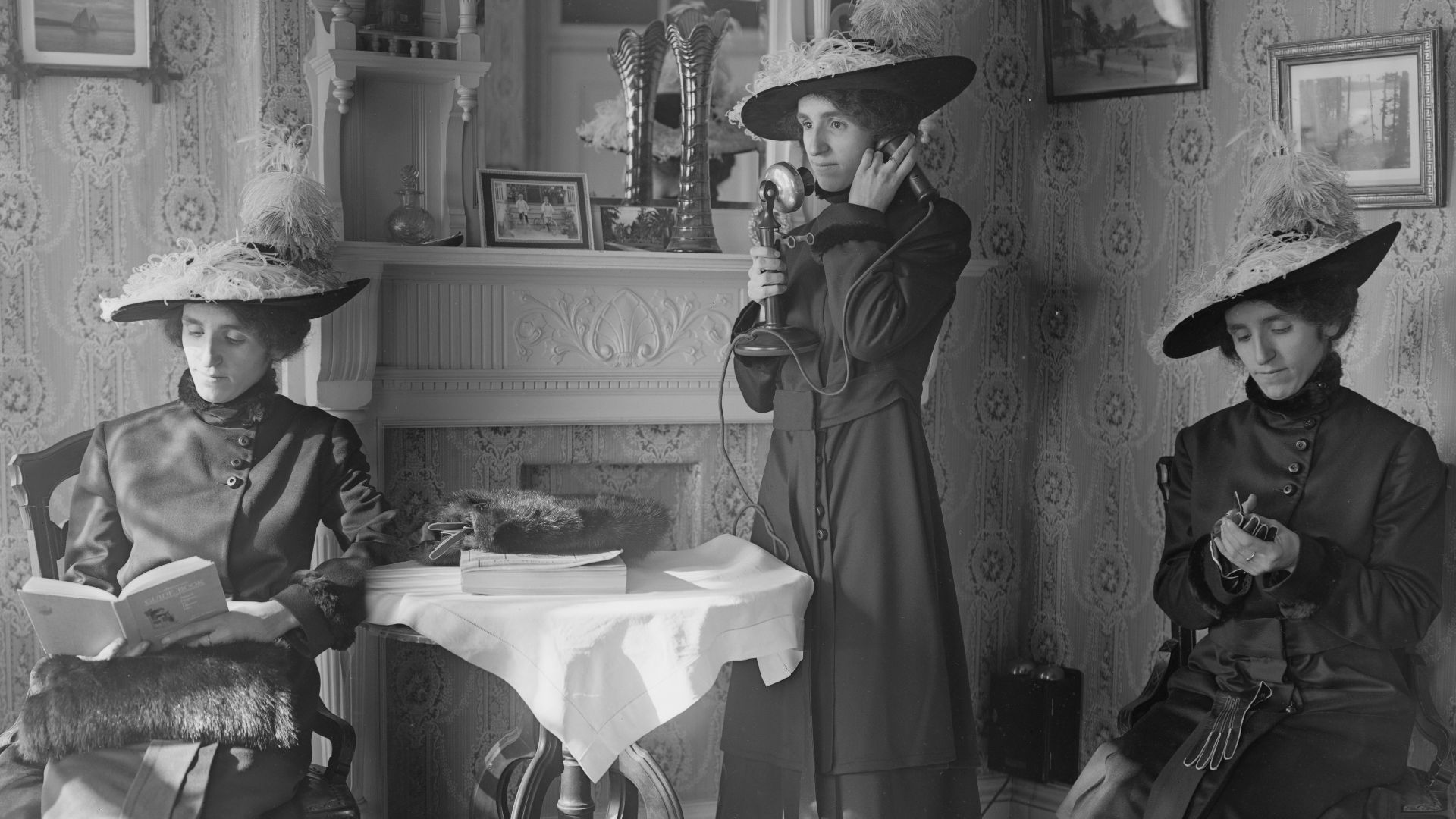 Boston Public Library on Unsplash
1. Always Protect Your Reputation
Your name was very important if you were a woman during this time. If gossip spread about what you were doing, who you were seeing, or whether you were not proper enough, your name would be tarnished. Whether it was true or not didn't matter to many people.

2. Dress Modestly in Public
There were many rules that you had to follow if you wanted to maintain your dress standards during Victorian times. During normal everyday life, your outfit should cover most of your body. Wealthier women could spend considerable sums maintaining appropriate wardrobes, while working-class women often had fewer garments to choose from. Looking respectable wasn't simply about personal taste; it was also a way to communicate social position.

3. Learn the Art of Running a Household
For middle- and upper-class women, managing a household was widely considered a central responsibility, even if servants handled much of the physical work. You would need to know how to plan meals and manage money for your household. There were also people who were hired to clean your home and cook your food. Either way, you had to know how to be a housewife.
4. Avoid Being Too Forward With Men
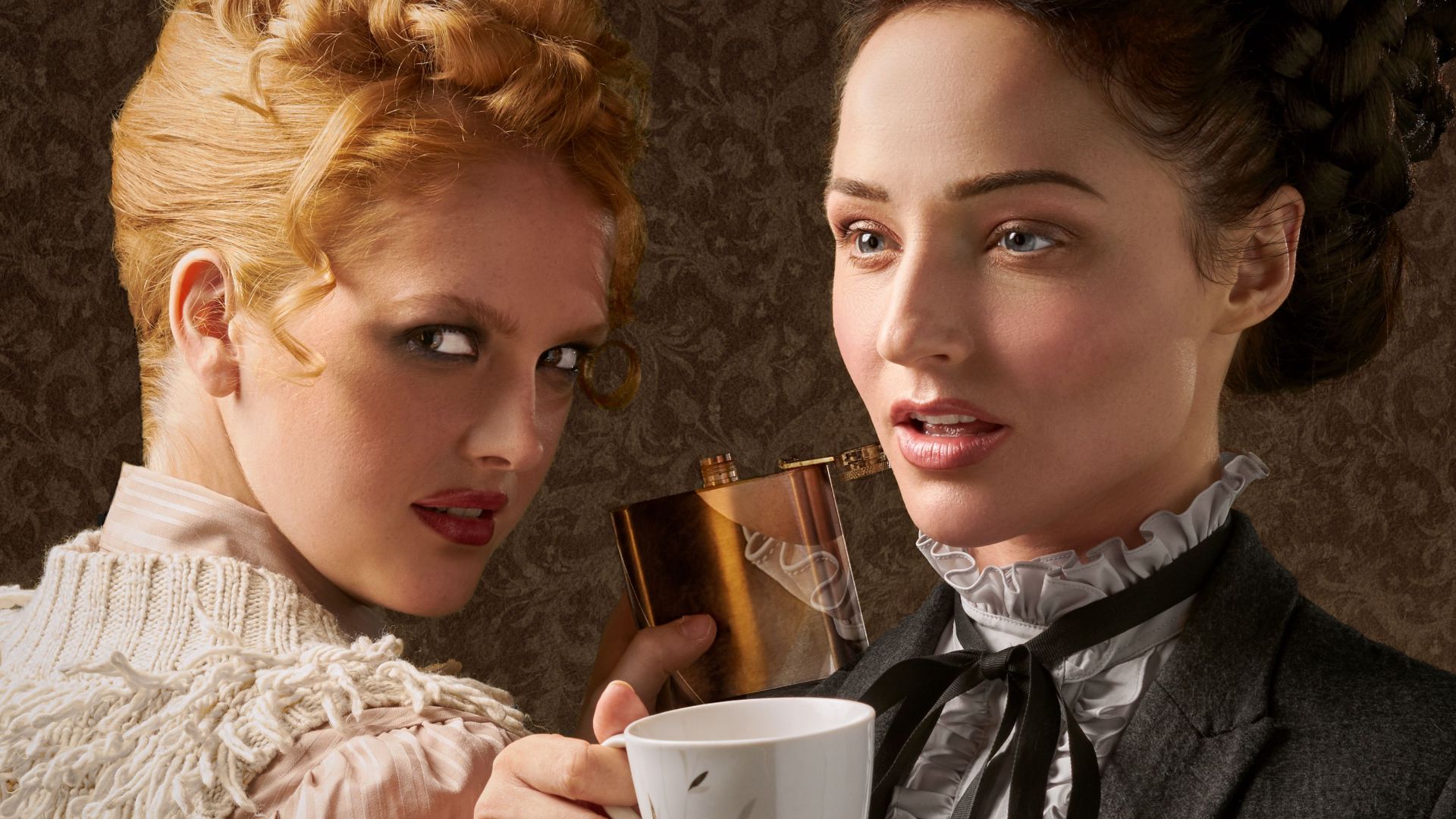
Courtship was surrounded by rules intended to protect a woman's reputation and distinguish respectable behavior from perceived impropriety. Women were taught not to show too much interest in a man. Depending on where you lived and how rich or poor you were, there were many ways to meet a man.
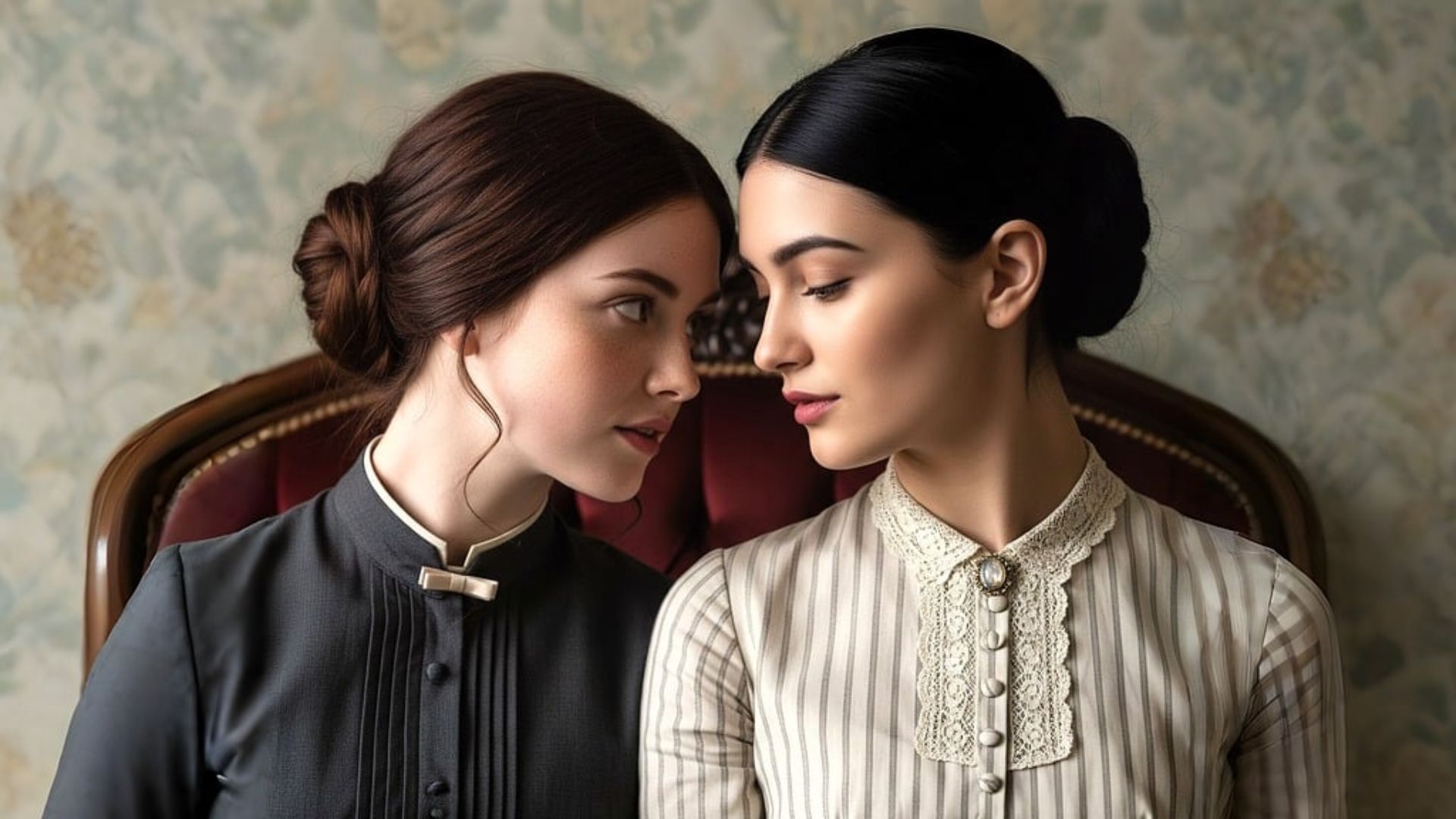
5. Understand the Importance of a Chaperone
If you were an unmarried woman dating a gentleman, it was best to have a chaperone. This person was usually your mother or another woman who was close to you. This was another way to help you avoid ruining your reputation. Romance was possible, naturally, but privacy often came with considerably more planning.
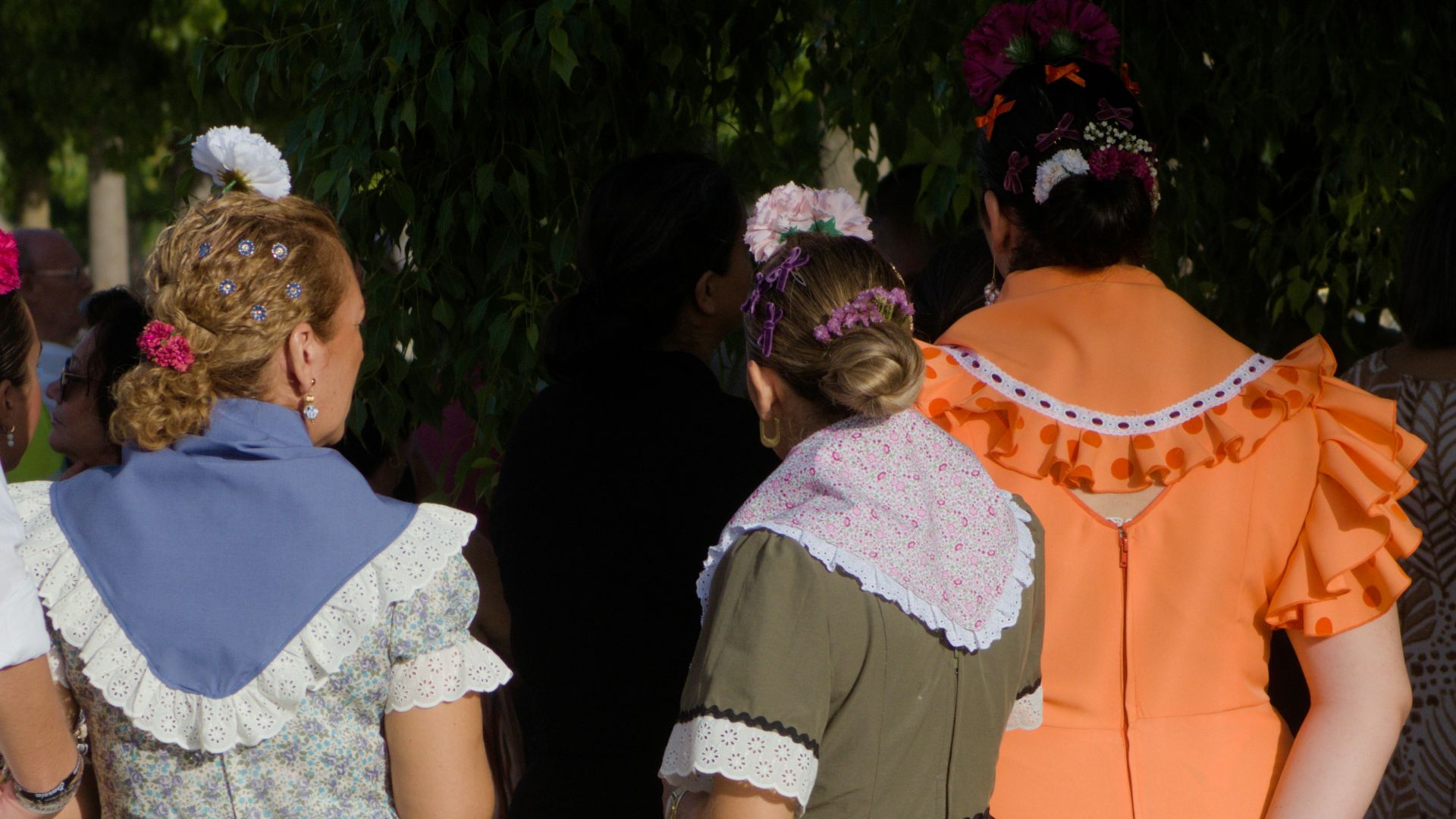
6. Master the Rules of Conversation
There were certain topics that might seem inappropriate to discuss if you were a "nice" lady. You shouldn't have overly flirty. Good manners included knowing when to speak, how to address people, and how to avoid embarrassing a host or guest. In short, social skills mattered, and saying the wrong thing in the wrong company could follow you home through the neighborhood gossip network.
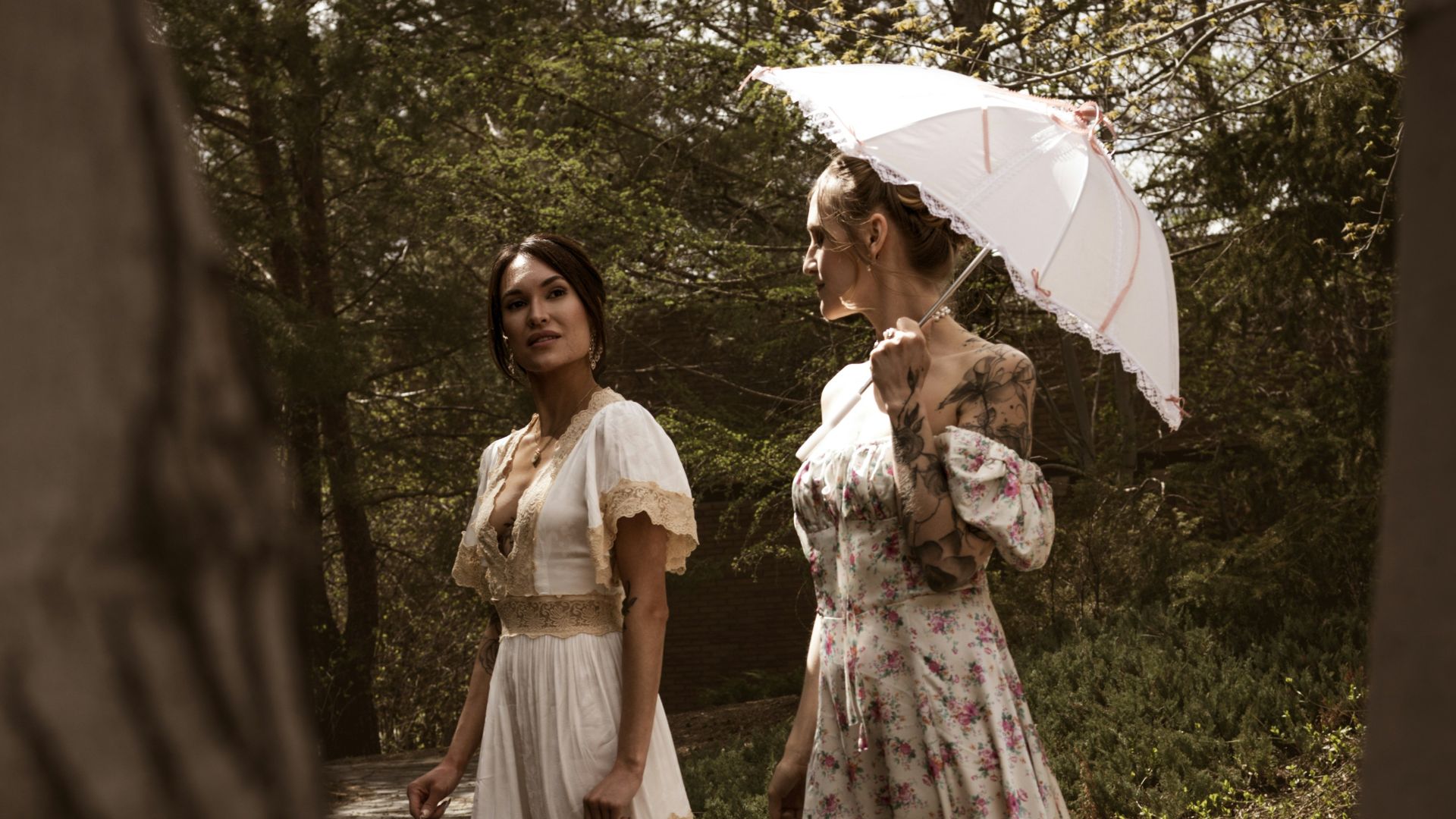
7. Learn Needlework and Other Domestic Skills
Sewing, embroidery, mending, and other forms of needlework were considered important accomplishments for many Victorian girls and women. These skills were practical for families. Of course, some ladies were able to afford nice dresses, but learning how to sew allowed some women to earn a living as well. It could also come in handy when you were courting.
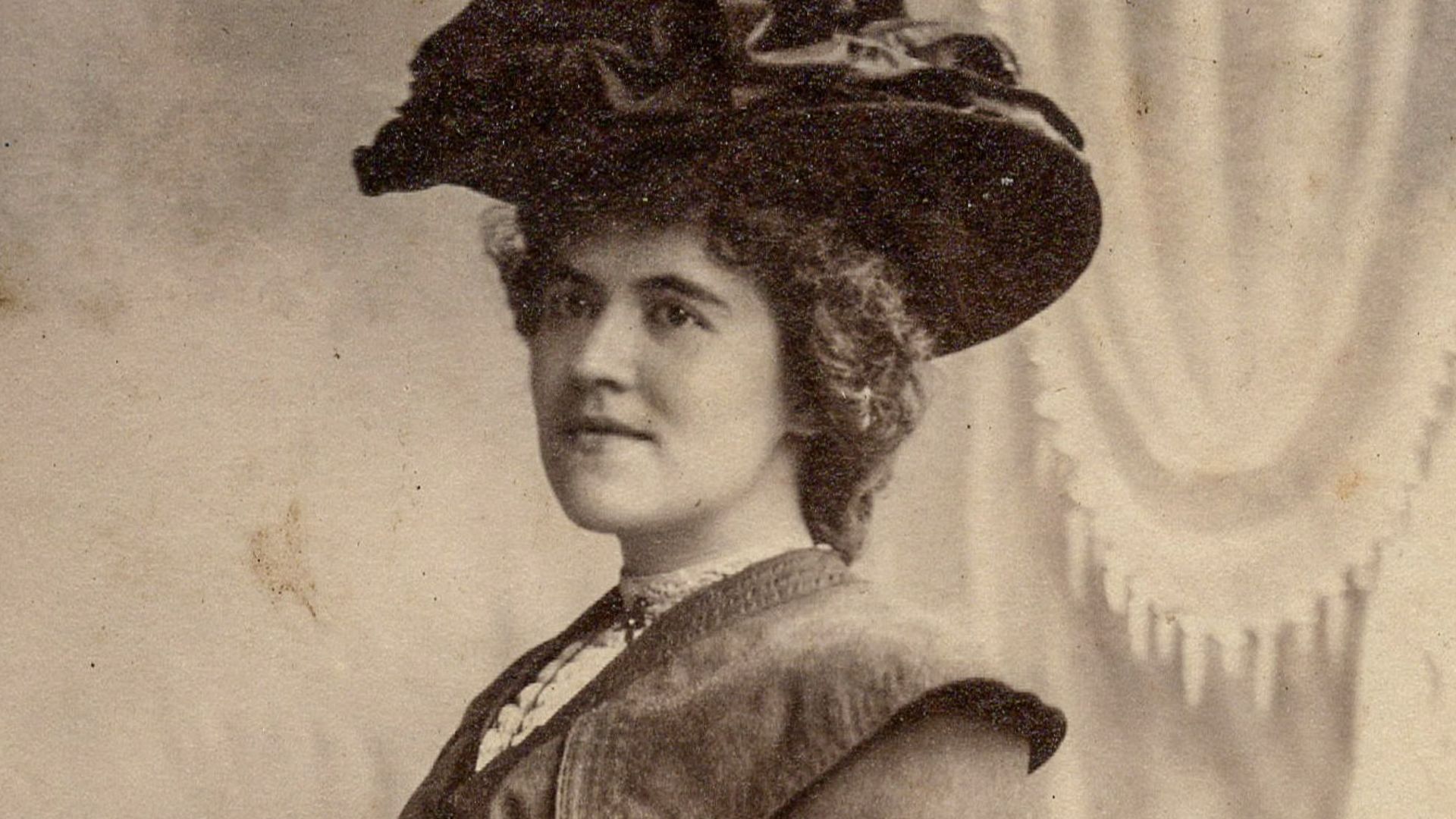
8. Be Careful About Accepting Gifts From Men
Some gifts from a gentleman could cause your reputation to be ruined if people assumed you were dating. For example, if a gentleman gave you an expensive gift, people might think you were engaged. Jewelry could also lead to assumptions about you.
9. Know Your Place at Social Events
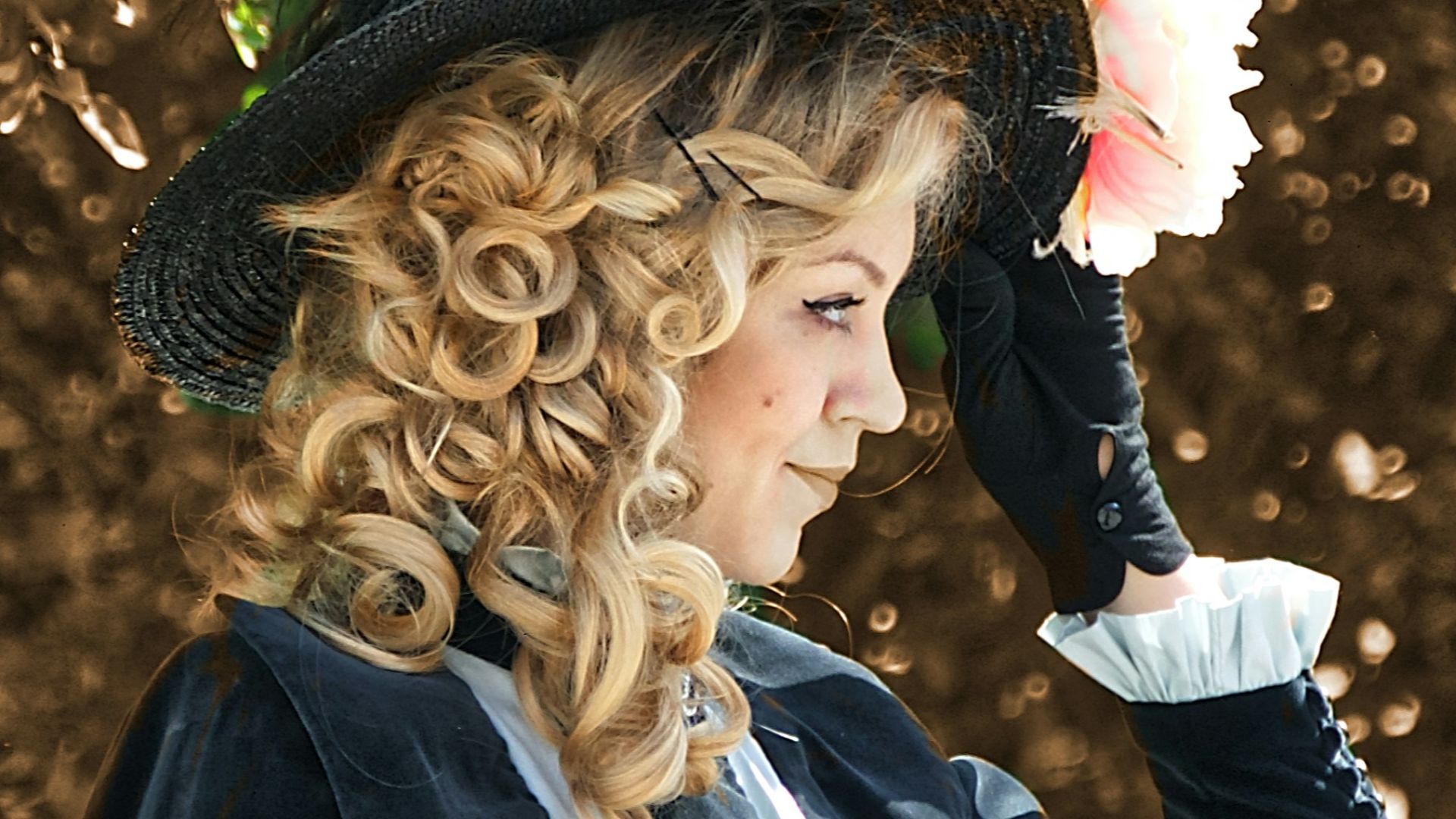
When attending social gatherings, you had to know your etiquette. You might not know whom to talk to or whom to befriend if you were introduced to many people. Your age and family ties would play a factor in how you were received.

10. Don't Let Ambition Outshine Respectability
You might have wanted to learn more or perhaps wanted to work, but your life was usually limited. Women spent much of their lives getting married and raising children. As a result, there weren't many jobs open to them. Still, plenty of Victorian women challenged those expectations, becoming writers, teachers, reformers, and advocates for greater opportunities.
11. Maintain a Composed Appearance
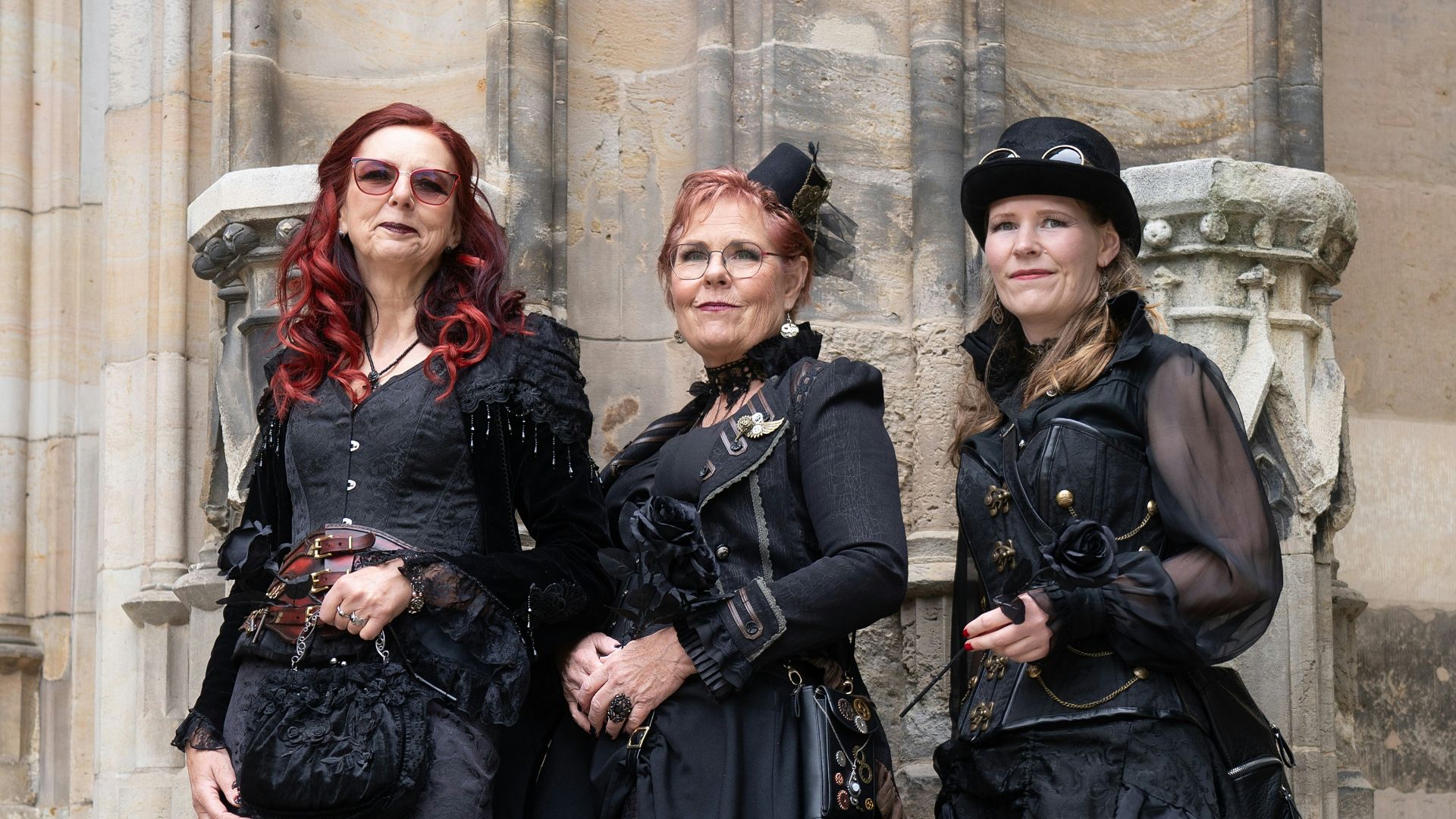
It was not considered acceptable to display too many emotions in public if you wanted to maintain a respectable appearance. People looked down on you if you had angry outbursts or acted out of line. Just like anything else, it depended on how rich or poor you were, but you still had to act as though you knew better than everyone else.
 Fylkesarkivet i Vestland on Unsplash
12. Treat Marriage as a Major Life Goal
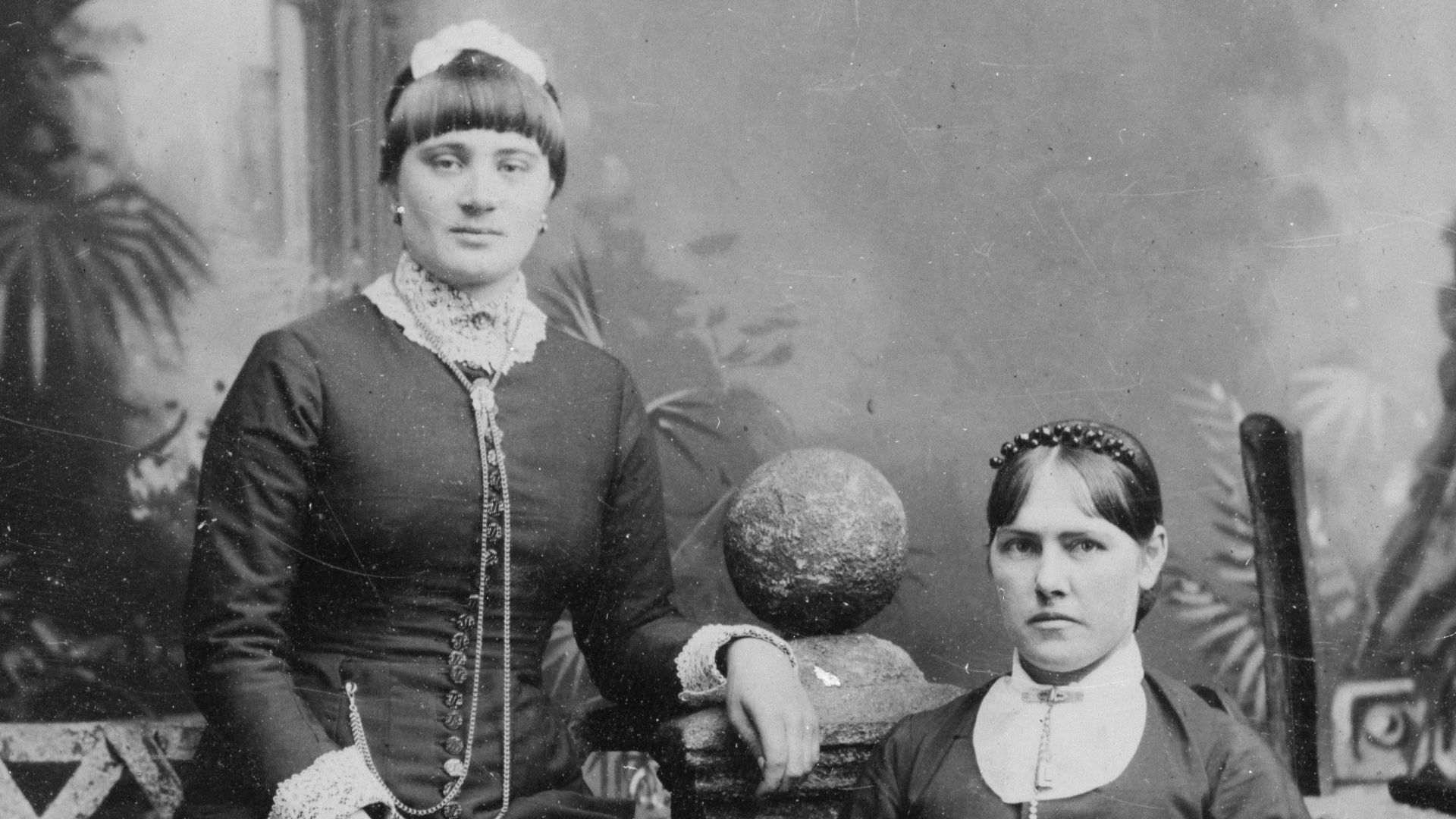
There were many reasons to get married if you were a middle- or upper-class woman. One was that it gave you the opportunity to worry less about how you were going to pay the bills. Remaining unmarried wasn't necessarily a disgrace, but it could attract unwanted questions about a woman's future.
 Boston Public Library on Unsplash
13. Be Knowledgeable About Proper Mourning
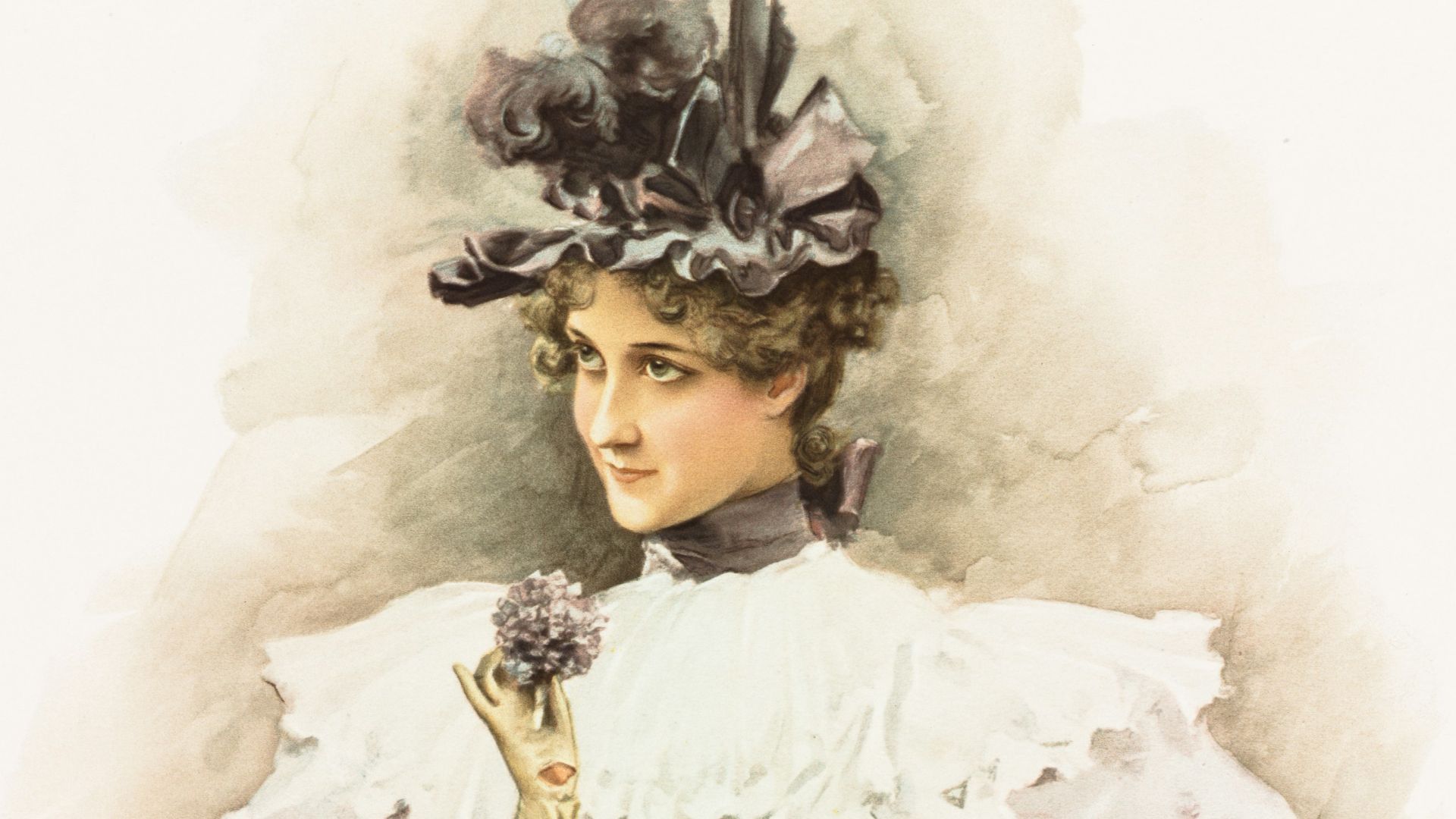
Victorian mourning customs prescribed particular ways of dressing and behaving after a death, especially among the middle and upper classes. Widows were often expected to wear black and observe an extended period of mourning, with the length and details influenced by their relationship to the deceased. Depending on how wealthy you were, you could buy more clothes to show that you were in mourning, or, if you didn't have the money, you could wear what you had.
14. Follow the Rules of Calling on Friends
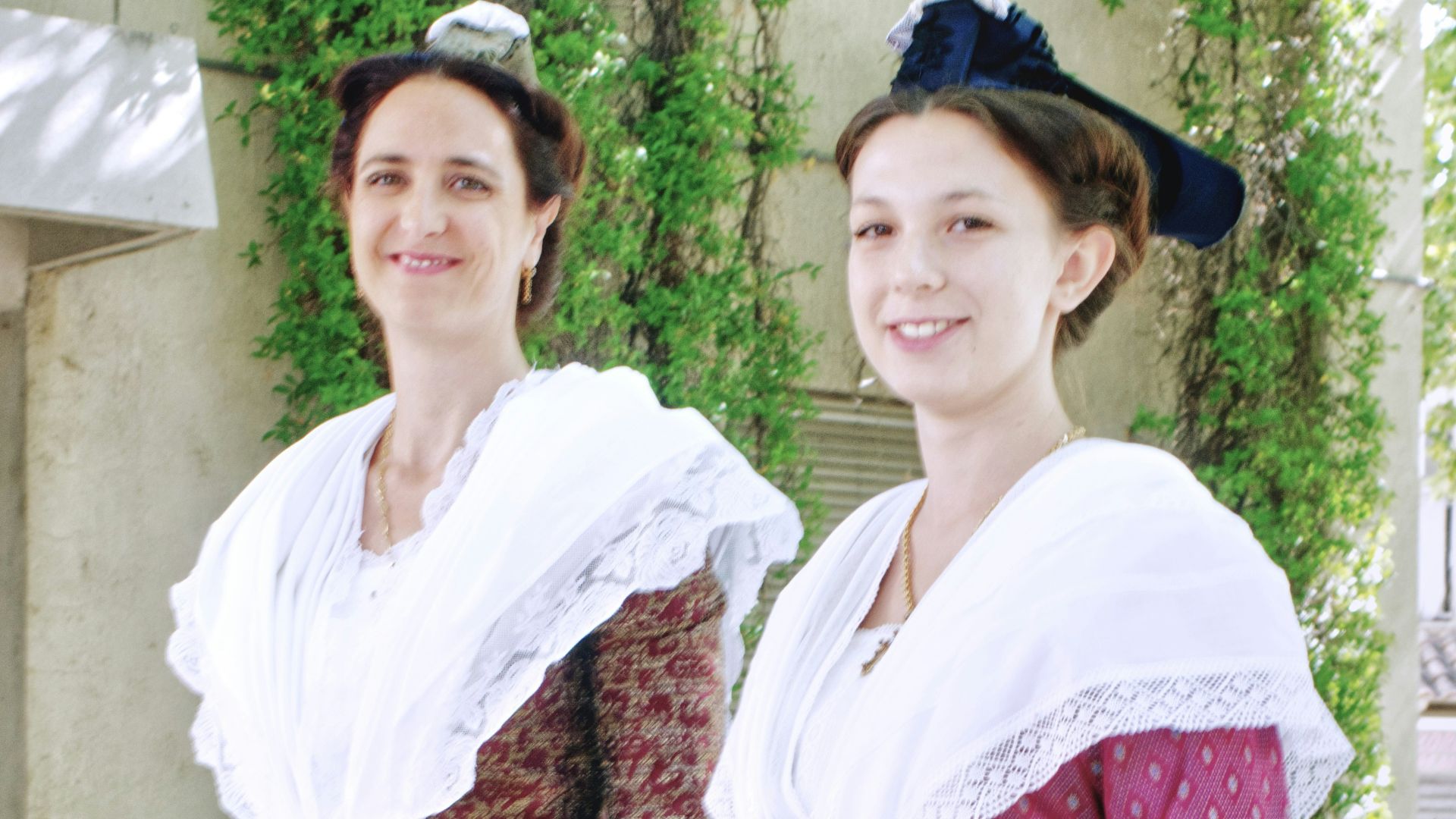
Paying calls was common during the Victorian era. You were supposed to visit your friends during certain times and not come over whenever you wanted. There were other rules, but if you knew your friends well, they might not mind if you dropped by at odd hours.
15. Be Careful About Discussing Money
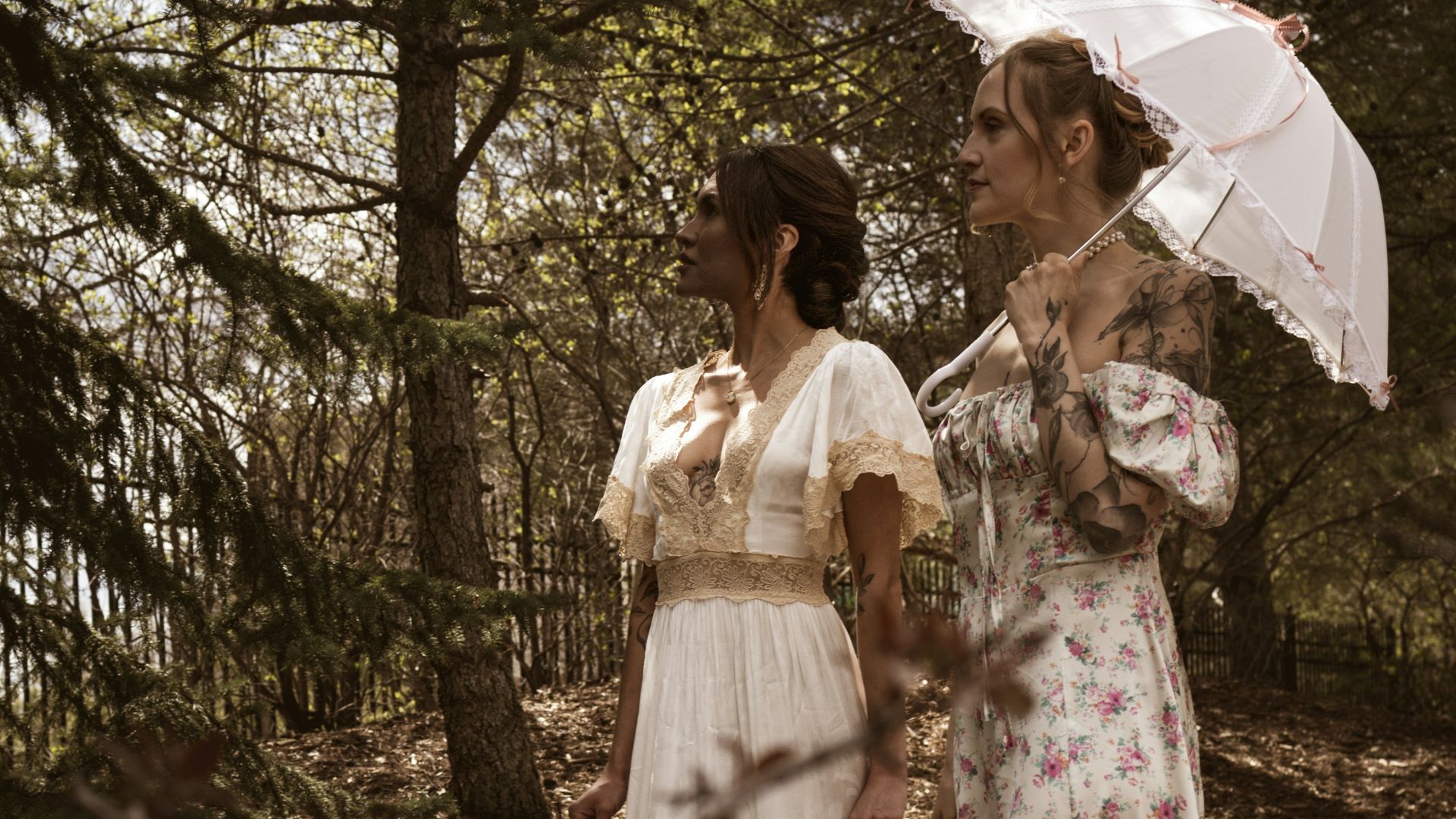
Although money was important when it came to men and getting married, some people felt that bringing it up made you seem greedy. Financial dependence could make it especially important for women to understand the practical consequences of marriage, even when social etiquette discouraged direct conversations about money.
 The Metropolitan Museum of Art on Unsplash
16. Supervise Your Behavior in Public
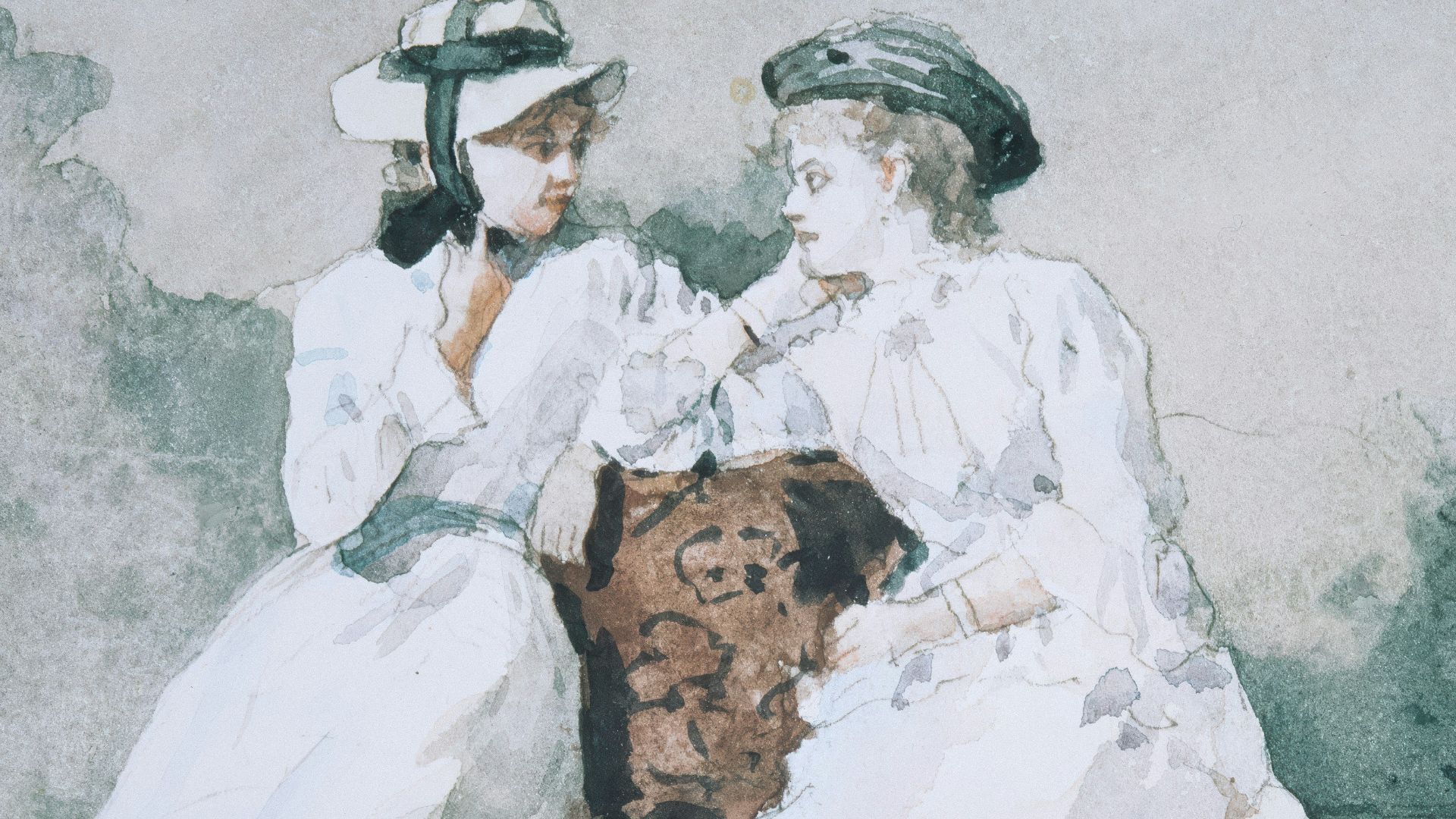
If you wanted to be seen as classy, you had to watch what you did when you were out in public. There were some things a woman could do that wouldn't be frowned upon if a man did them. It went back to the previous point about class. Rich women didn't have to follow some rules that poor women had to follow. The result was a culture in which public behavior could become another measure of a woman's supposed respectability.
 The Metropolitan Museum of Art on Unsplash
17. Make Religion Part of Respectable Life
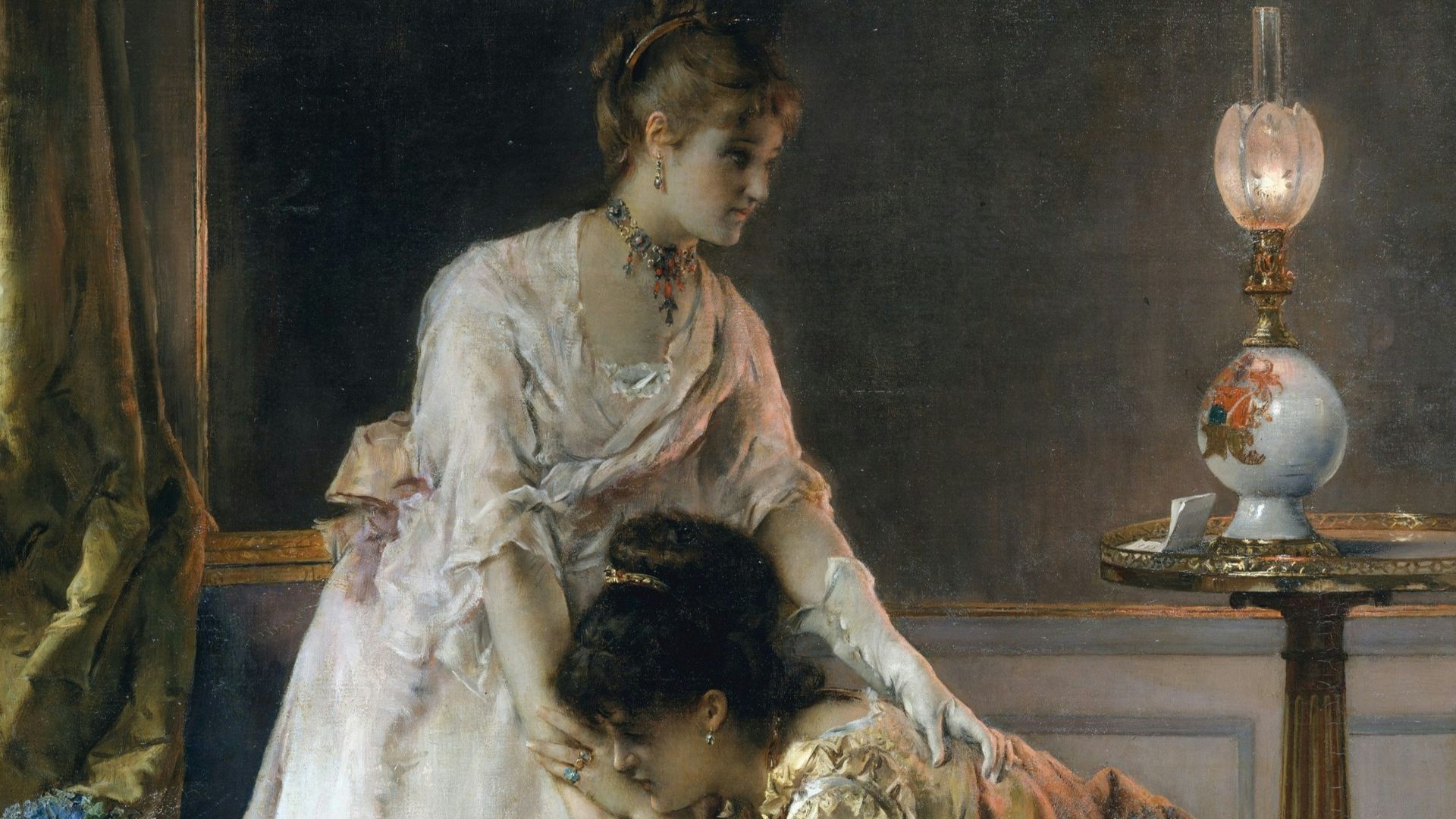
Having religion in your life was common. If you wanted to appear respectable in front of others, you should act as though you were a believer. Faith could be both a personal commitment and a social expectation, depending on the individual and her community.
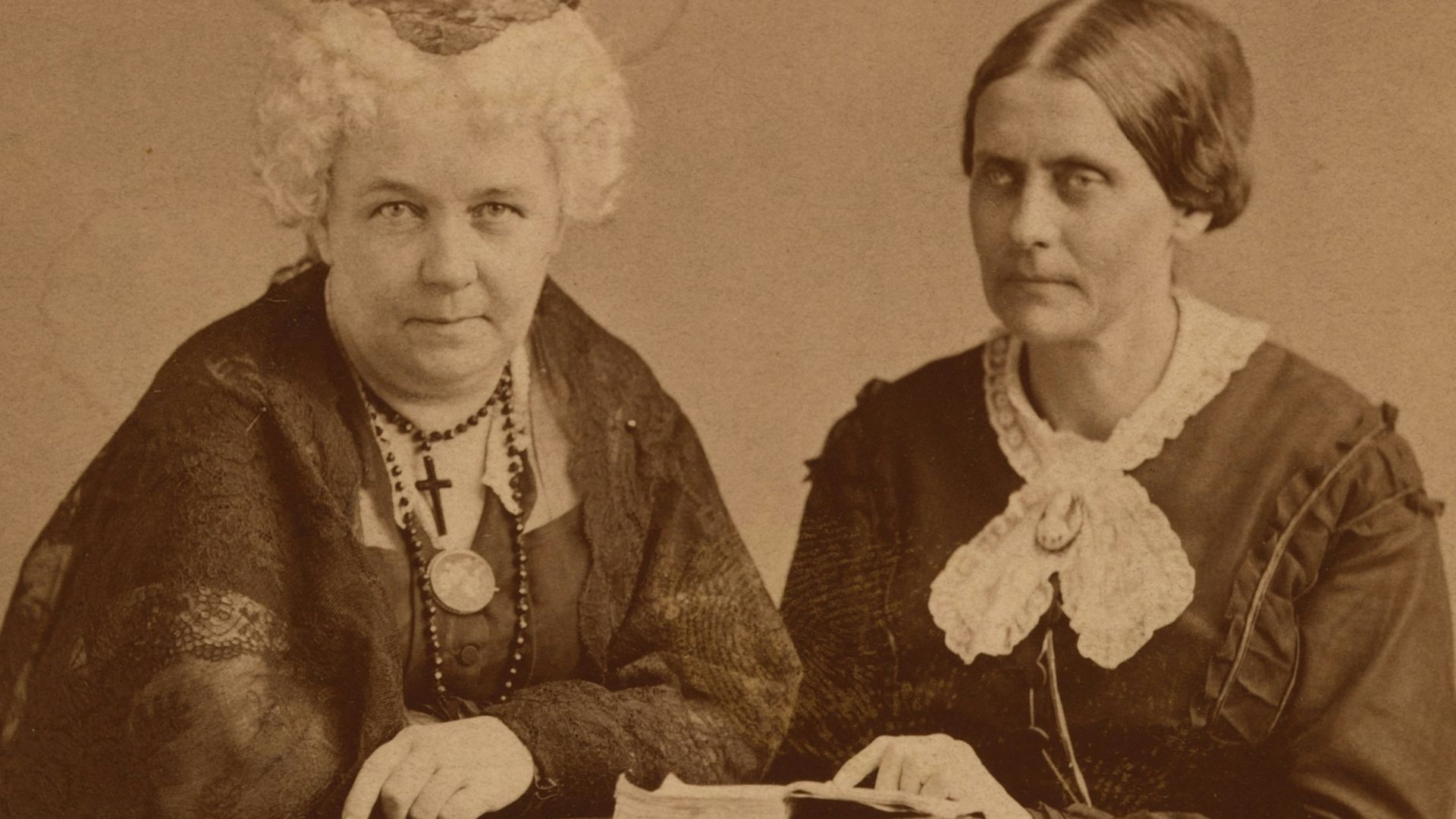
18. Raise Children According to Social Expectations
Most children were raised by their mothers. They taught their children how to be moral and how to behave properly. Mothers could be judged harshly for their children's behavior, even when circumstances made meeting every expectation difficult.
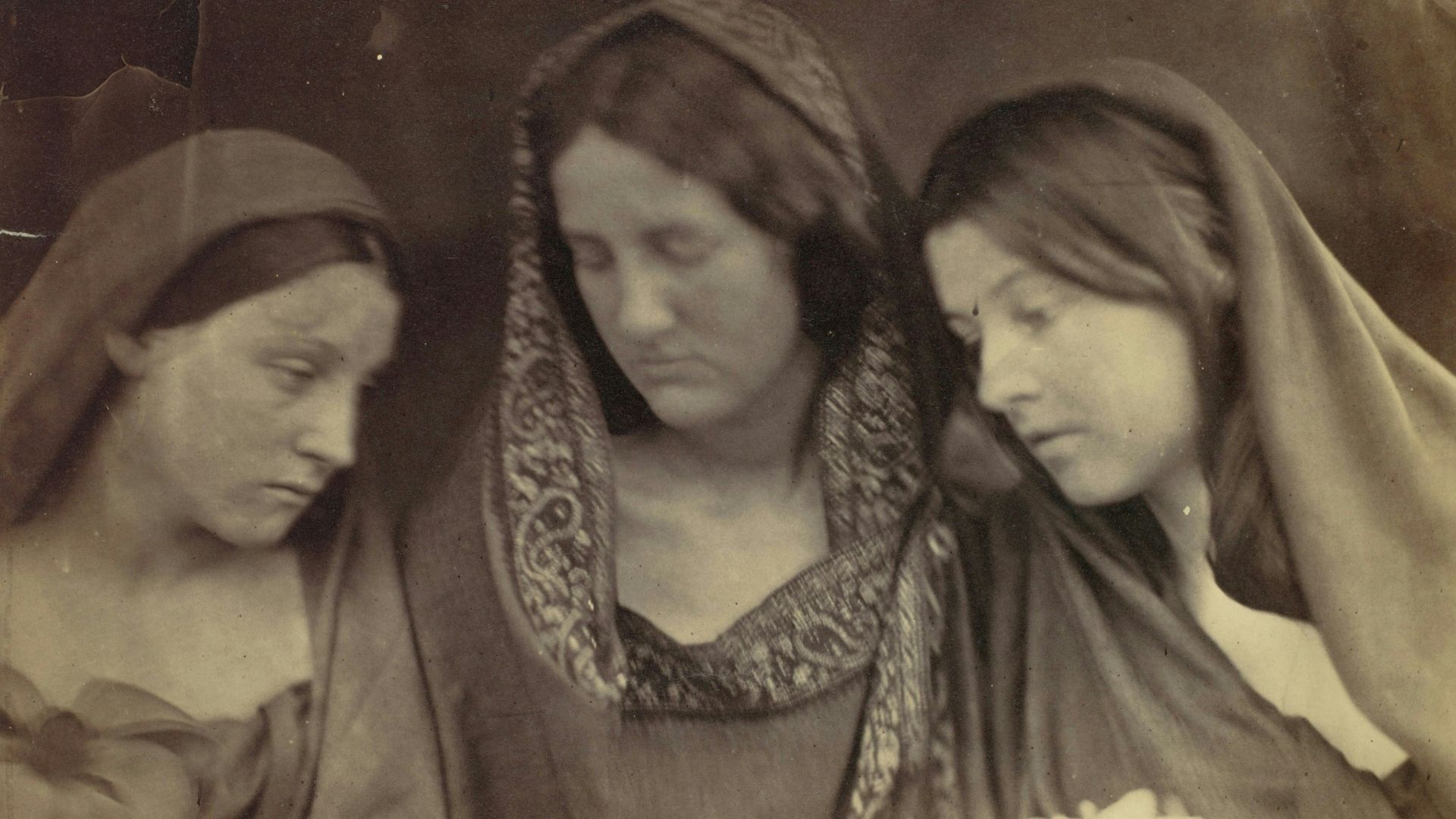 The Metropolitan Museum of Art on Unsplash
19. Understand the Rules of Correspondence
Communication was something you needed to understand when corresponding with others. Making sure that you wrote correctly would help ensure that your letters were well-written if someone were to read them. Even a private message wasn't necessarily safe from public scrutiny if it ended up in the wrong hands.

20. Remember That the Rules Weren't the Same for Everyone
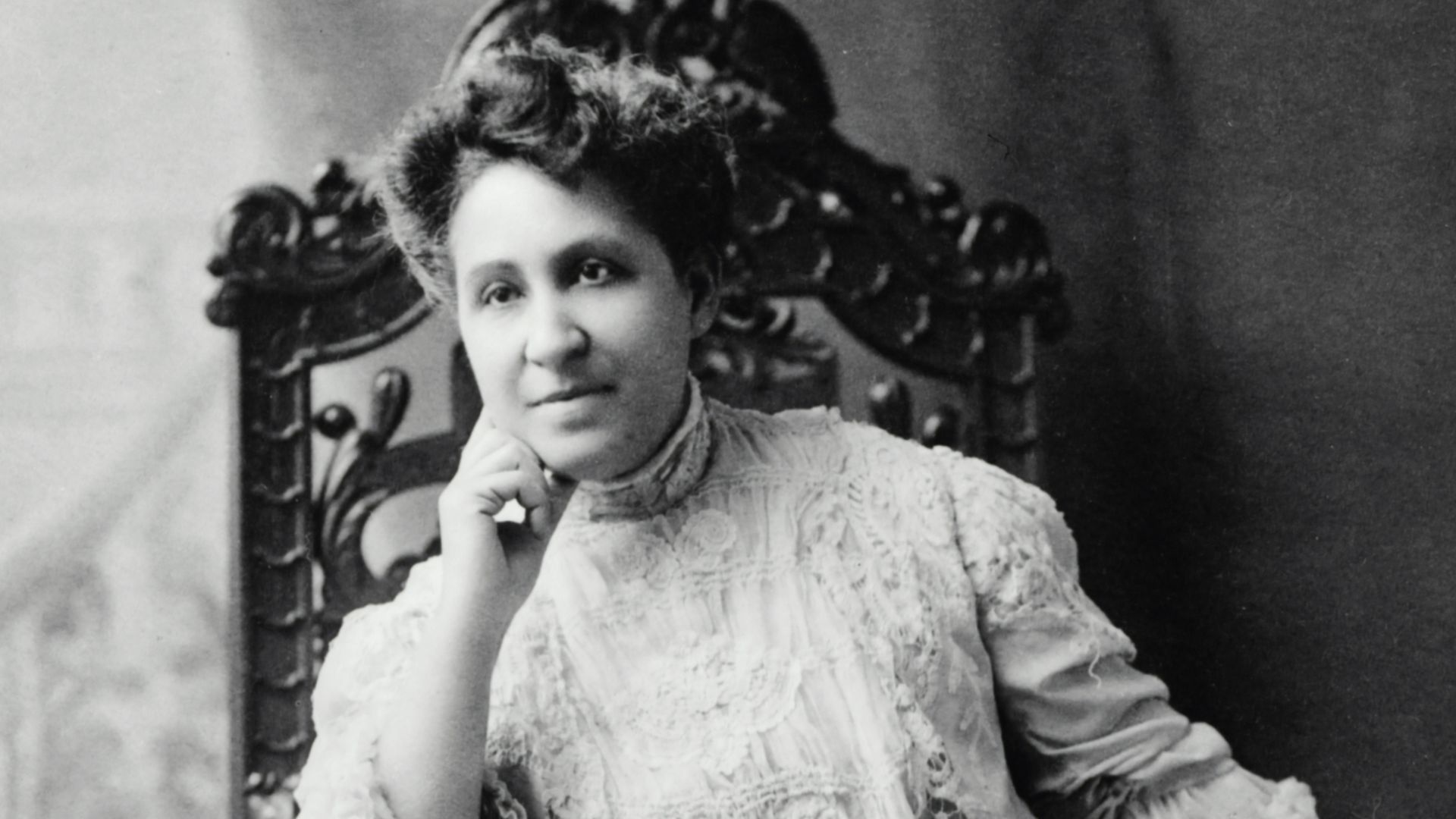
One of the biggest misconceptions about Victorian women is that they all lived according to the same strict code. A wealthy married woman, a factory worker, a domestic servant, and a woman campaigning for political rights could experience entirely different expectations and freedoms. Social conventions were influential, but women also challenged them through employment, education, writing, activism, and changing family arrangements.
 Library of Congress on Unsplash
KEEP ON READING