Neighbors, Prey, And Predators
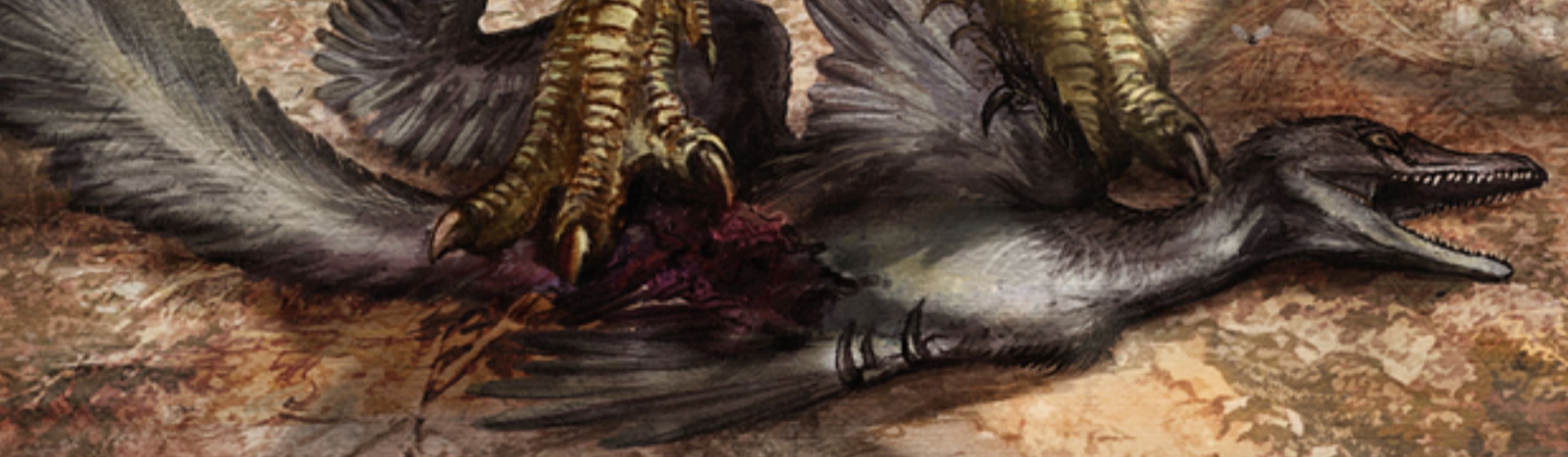
The Ice Age wasn't a warm-up act for human history. People were already here, painting on cave walls and making tools, while animals that now exist only as museum exhibits roamed the landscape. Some of them ended up in those paintings. Others ended up over a fire, and a few treated humans as prey. Here are 20 animals that shared the planet with our ancestors and left the evidence behind.
 commons.wikimedia.org on Google
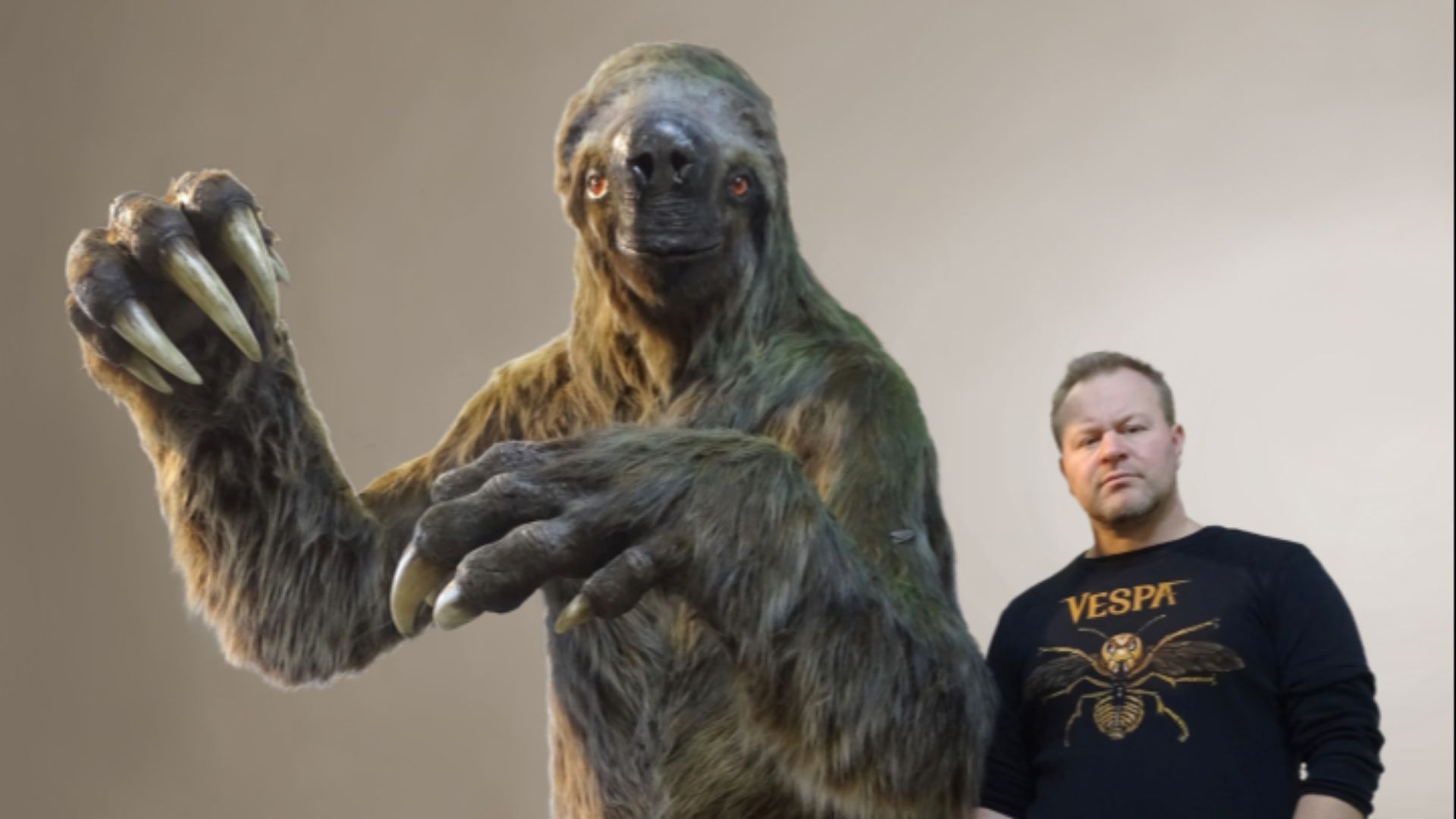
1. Woolly Mammoth
Not all of them died when the glaciers pulled back. A population held on at Wrangel Island until about 4,000 years ago, overlapping with the crews building the pyramids at Giza. Rouffignac, in the Dordogne, carries around 160 mammoth images on its walls.
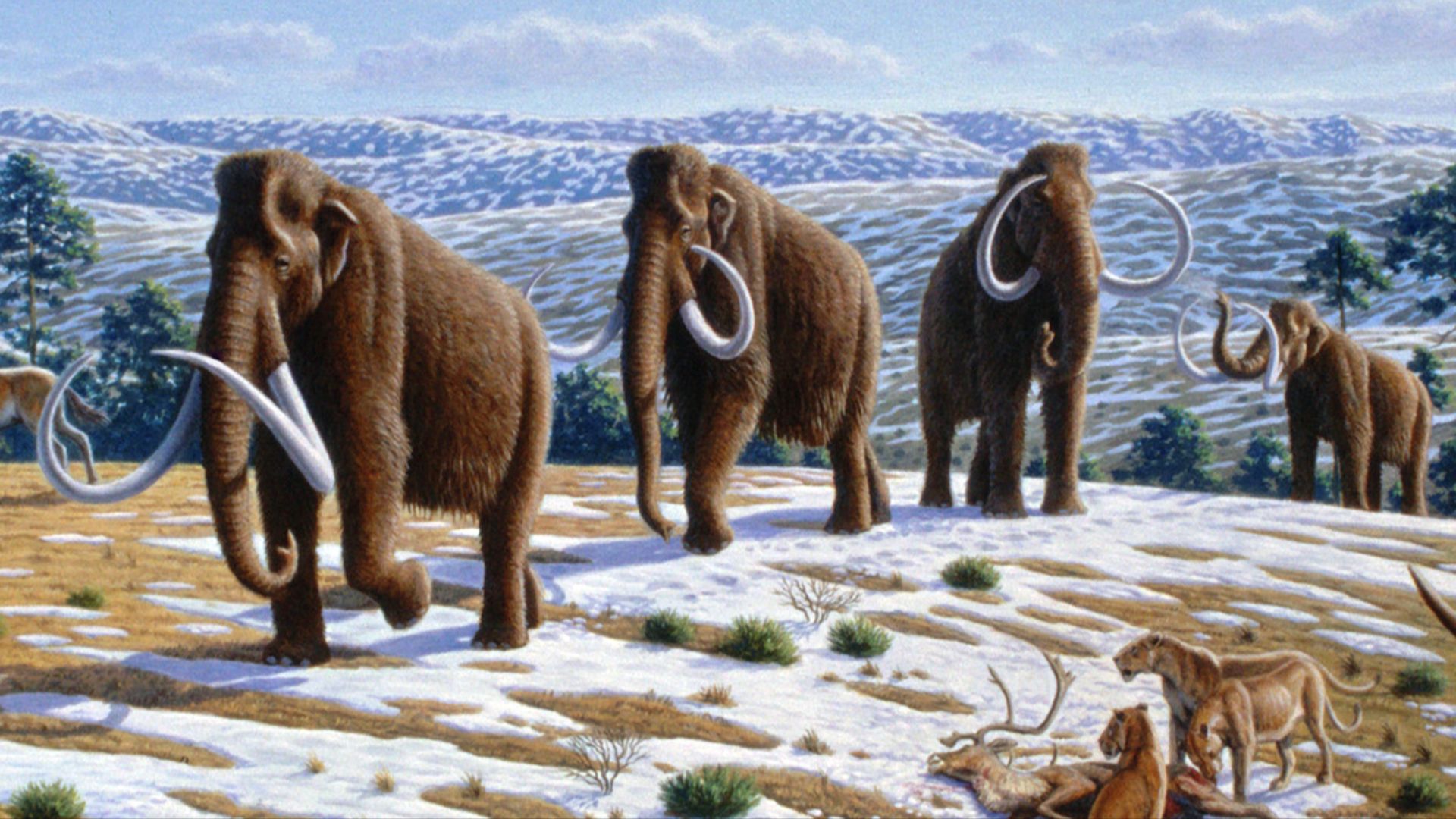
2. Woolly Rhinoceros
Chauvet Cave has a panel of them drawn with long curved front horns, and the frozen specimens pulled from Siberian permafrost match. Horn is keratin rather than bone and rarely survives outside a mummy. Whoever painted that wall had stood close enough to get the proportions right.
3. Cave Lion
Someone in southern Germany spent hundreds of hours carving a lion-headed figure out of mammoth ivory 40,000 years ago. The Lion Man of Hohlenstein-Stadel is among the oldest figurative sculptures known, and its subject could have killed the sculptor. The Chauvet drawings show males with no manes.
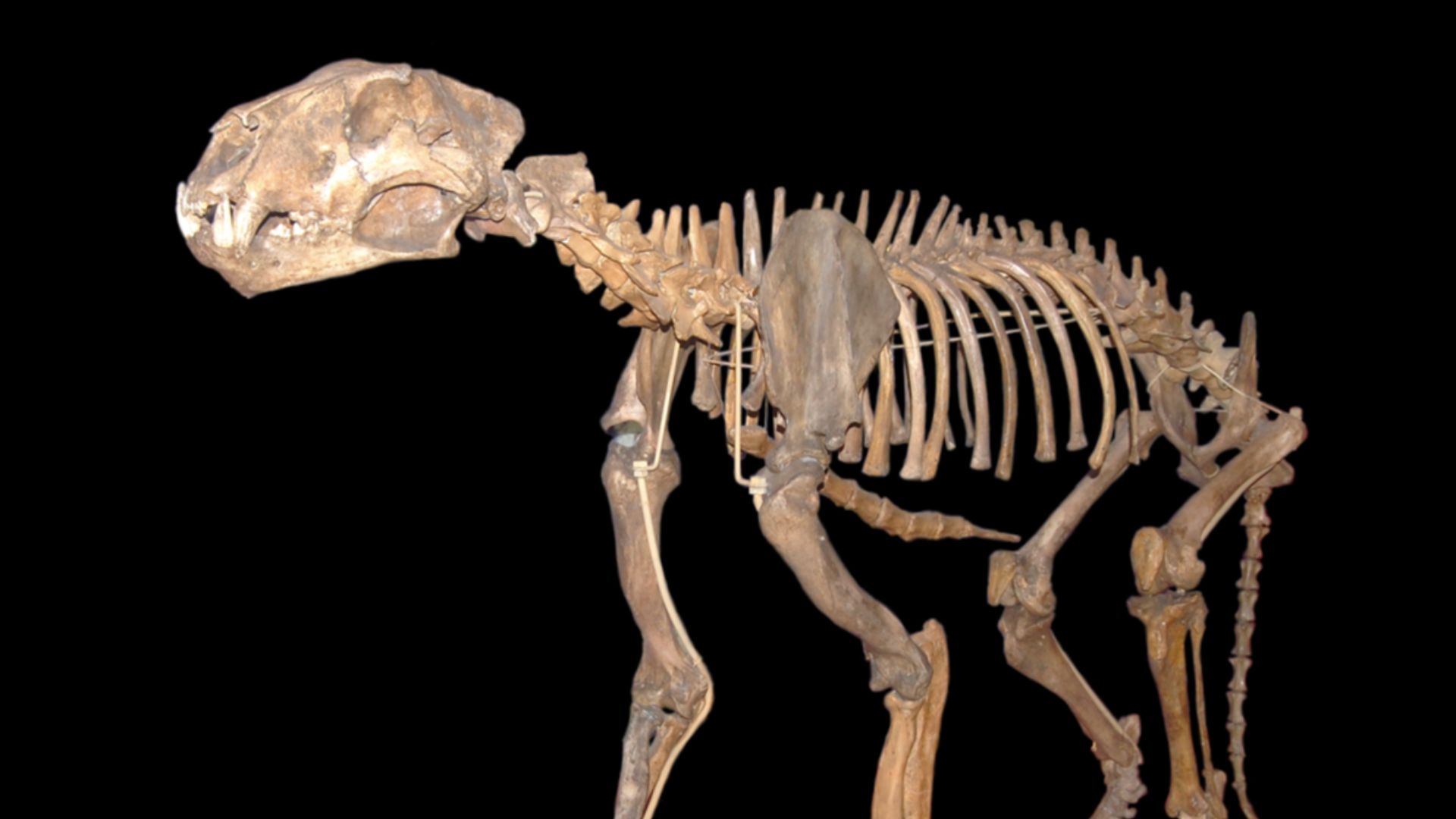
4. Cave Bear
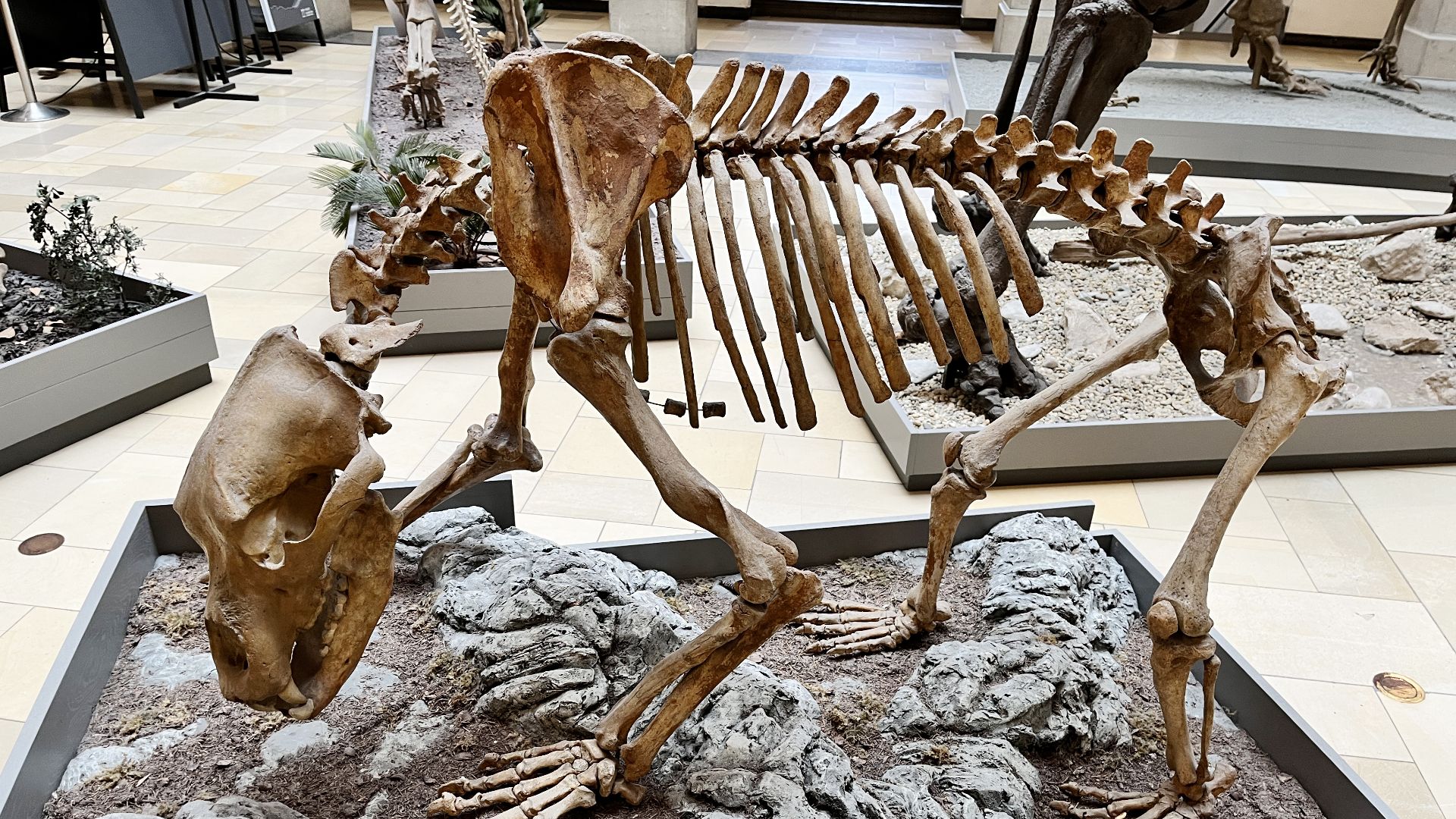
Humans and cave bears competed for the same real estate. Both needed deep caves for winter, and the bone counts at Austria's Drachenhöhle run into the tens of thousands. Isotope readings point to a mostly plant diet, so the standoff was less deadly than it looks.
5. Steppe Bison
Blue Babe is a 36,000-year-old bison mummy cut out of frozen ground near Fairbanks, Alaska, with lion claw marks still legible on the hide. Dale Guthrie, the paleontologist who studied it, had part of the neck stewed for his excavation team and wrote afterward that it was edible.
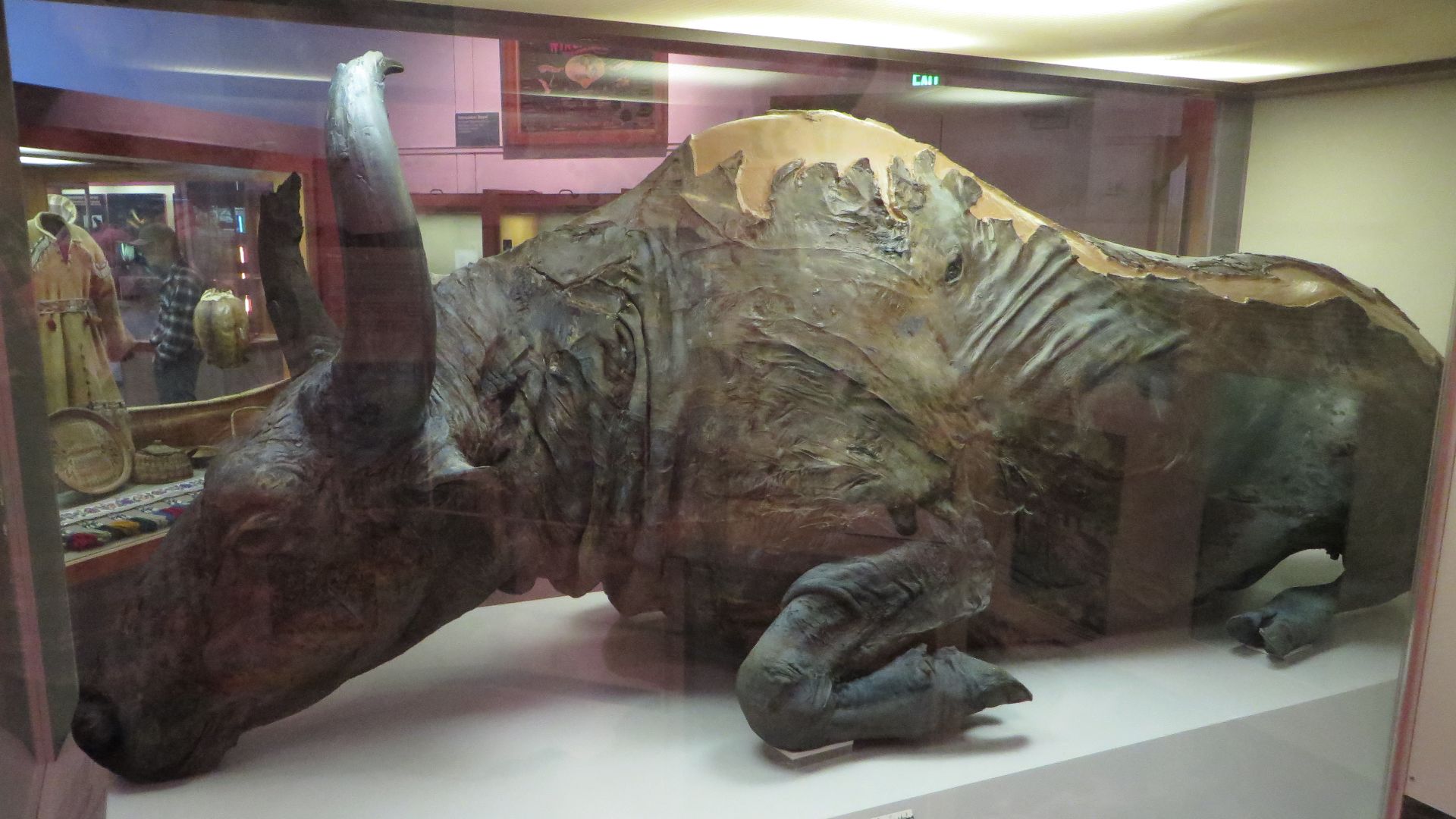 Bernt Rostad from Oslo, Norway on Wikimedia
6. Aurochs
The wild cattle across the Hall of the Bulls at Lascaux made it into the modern era. The last known aurochs died in 1627 in Poland's Jaktorów Forest, a documented final year almost no Ice Age animal gets. Every breed of domestic cattle descends from them.
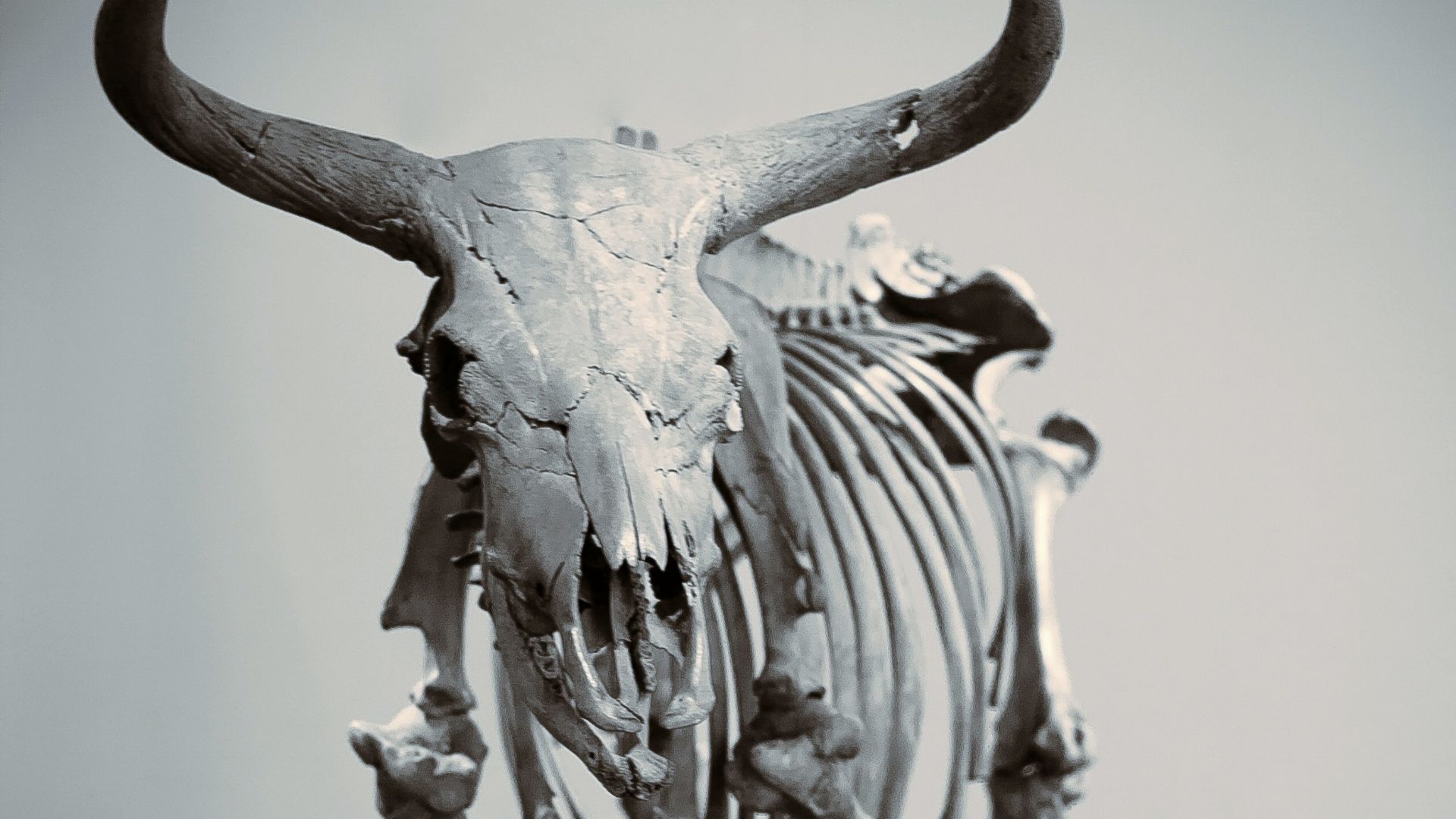 Marcus Sümnick from Rostock, Germany on Wikimedia
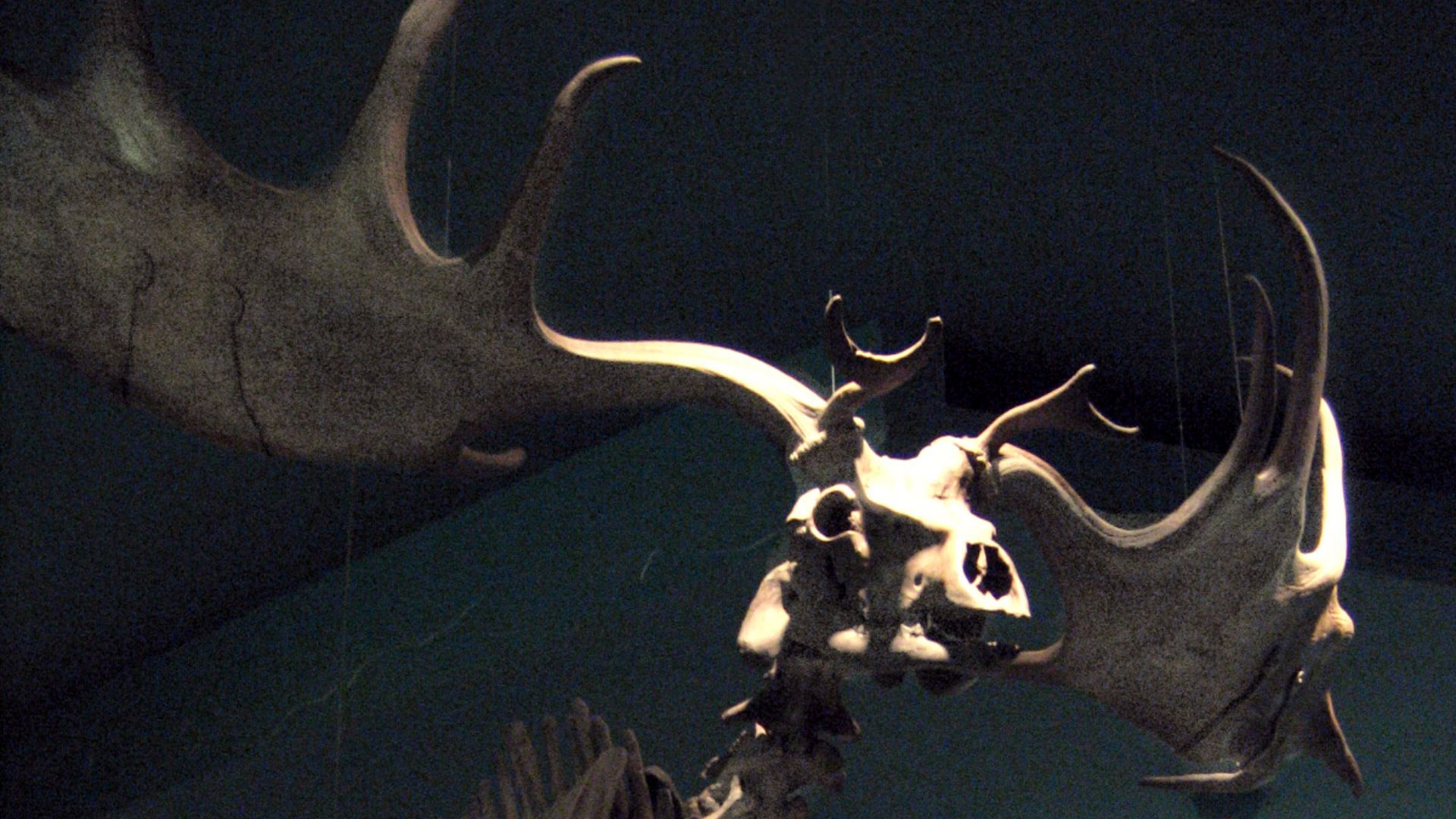
7. Giant Deer
Antlers on the big males spanned close to twelve feet. The name Irish elk is wrong twice over, since the animal ranged across Eurasia and belongs with deer. Irish bogs just preserved a lot of skeletons. The last of them held on in western Siberia until about 5700 BCE.
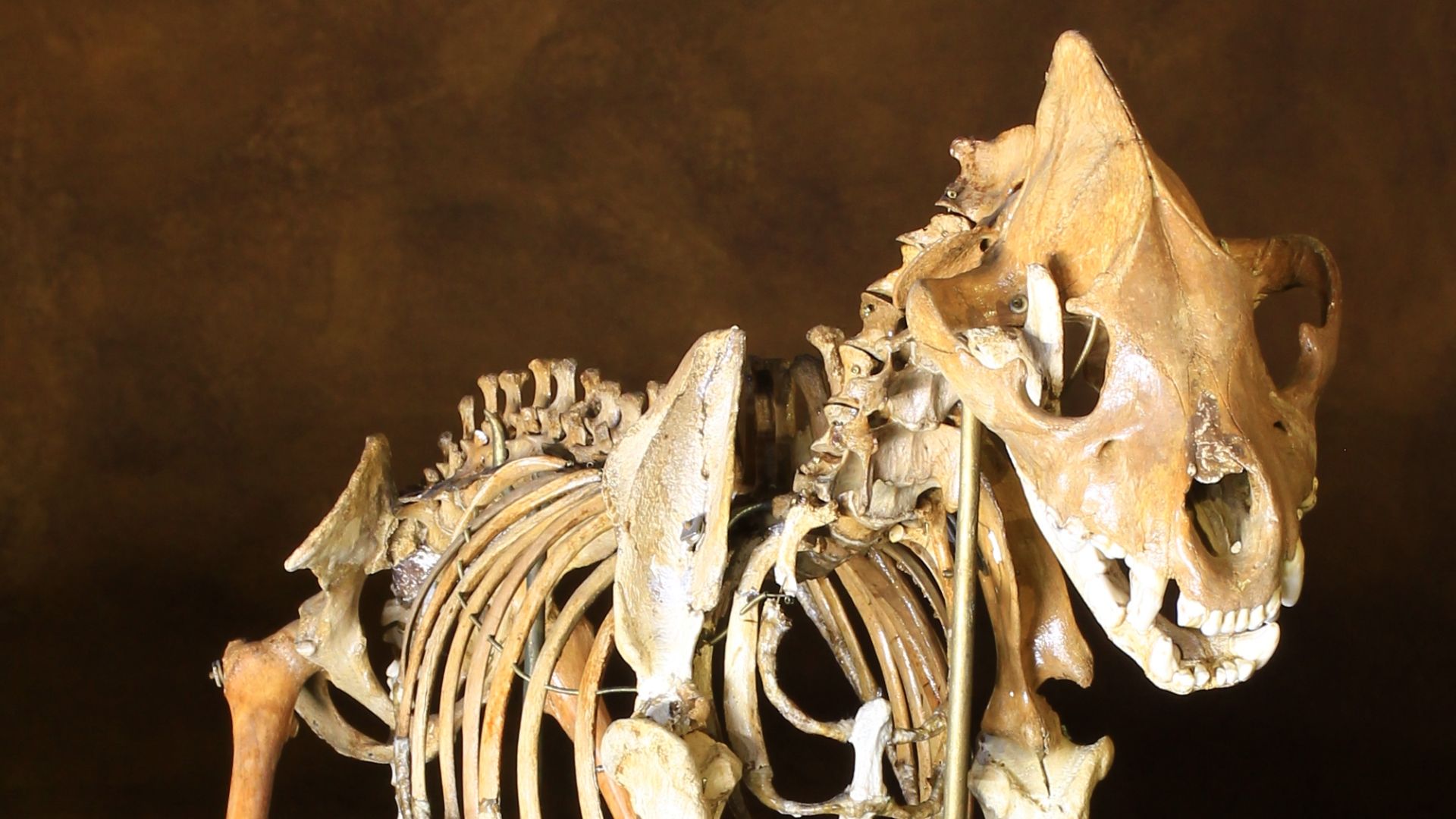
8. Cave Hyena
Dens packed with chewed bone turn up across Europe, and some of that bone is Neanderthal. Hyenas and people hunted the same herds and wanted the same shelter, and the relationship ran both directions. Their jaws cracked leg bones every other predator had given up on.
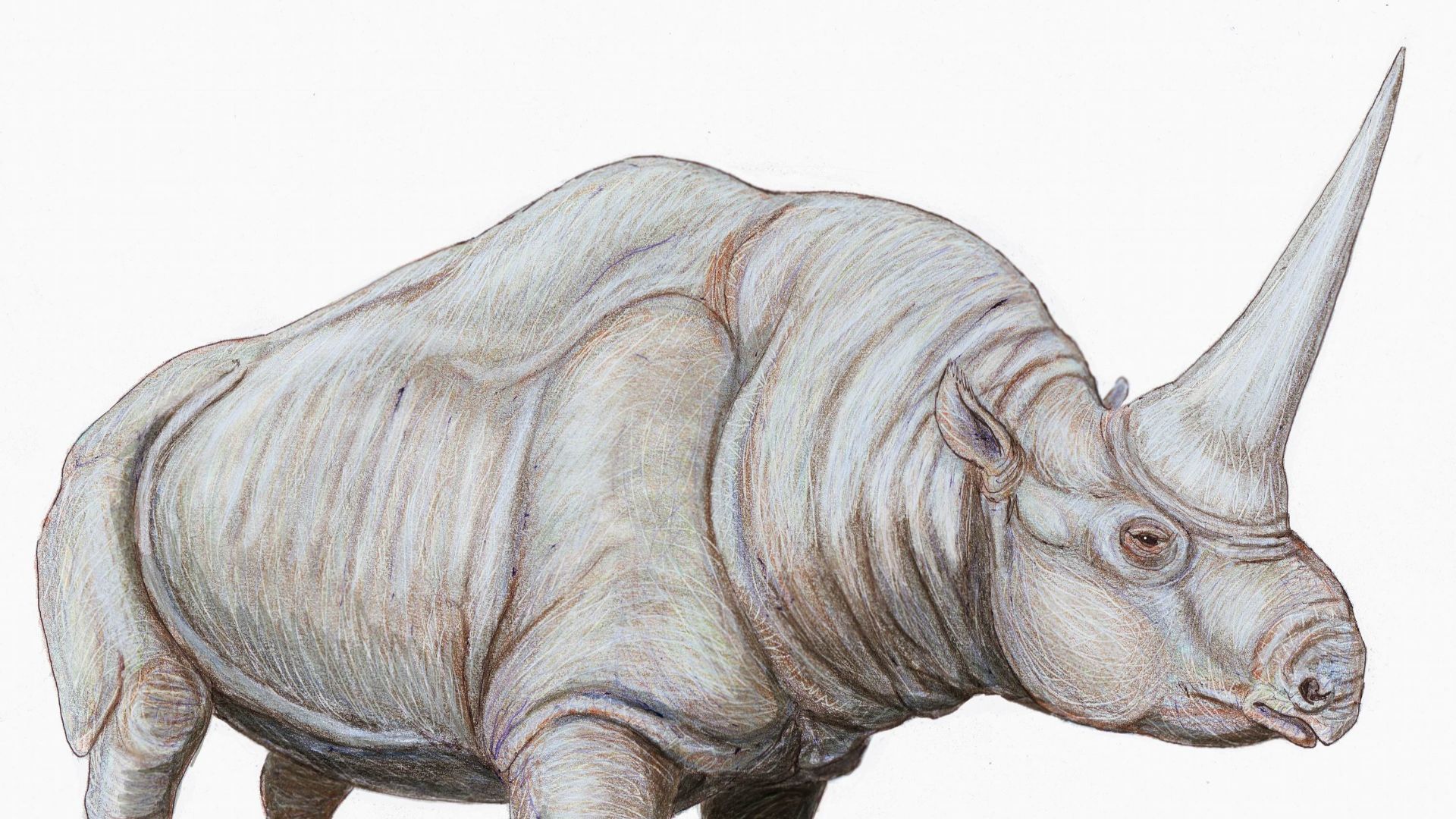
9. Elasmotherium
The Siberian unicorn label is marketing for a real animal, a rhino as heavy as a small truck with a bony dome on its forehead. A 2018 redating moved its extinction forward to about 39,000 years ago, well inside the era of modern humans in Eurasia. Earlier work had it long gone.
 Creator:Dmitry Bogdanov on Wikimedia
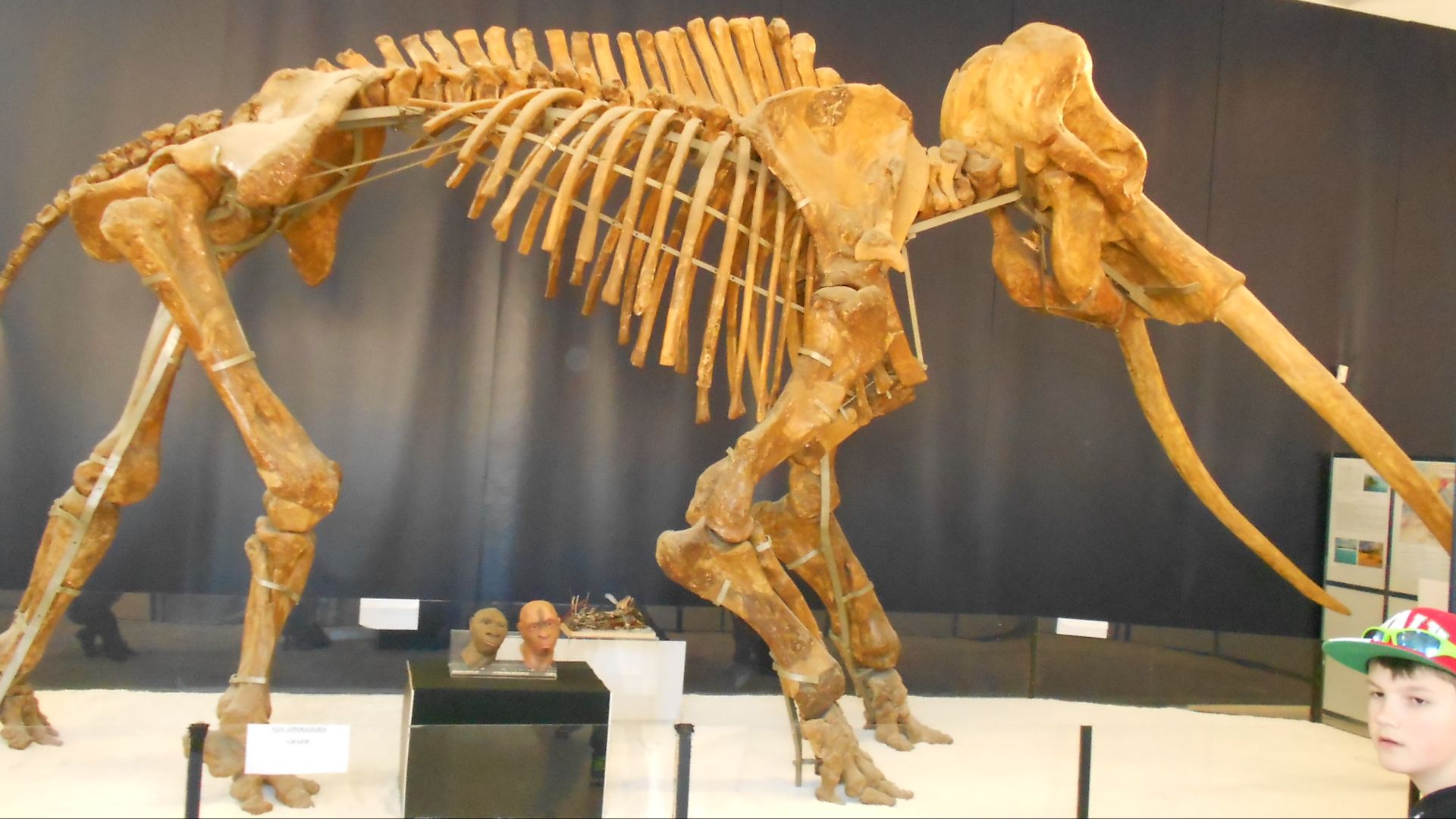
10. Straight-Tusked Elephant
Thirteen tons at the top end, close to double a modern African elephant. At Neumark-Nord in Germany, cut marks on the bones show Neanderthals butchering them around 125,000 years back. Getting through that much meat before it spoiled implies larger groups than Neanderthals once got credit for.
11. Scimitar Cat
Homotherium supposedly vanished from Europe long before modern humans turned up. A jawbone dredged off the North Sea floor dated to about 28,000 years old and moved the finish line. Its canines were serrated and shorter than a Smilodon's, built for slicing instead of stabbing.
12. Saber-Toothed Cat
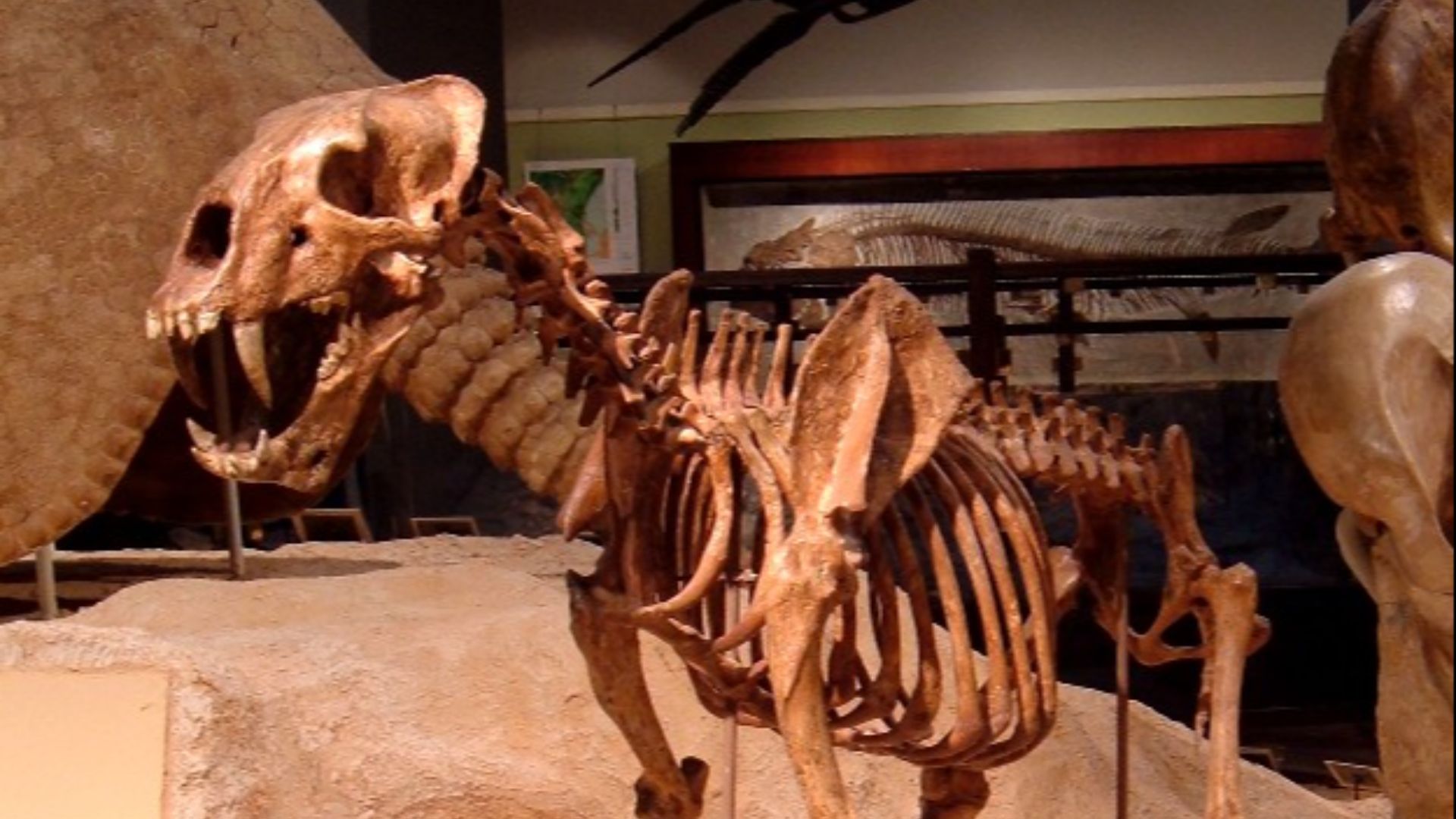
More than two thousand individual Smilodon have come out of the asphalt at La Brea, most drawn in by prey already stuck. Plenty of the bones show healed breaks, evidence that injured cats survived long enough to mend. The canines reached seven inches and snapped easily.
13. Dire Wolf
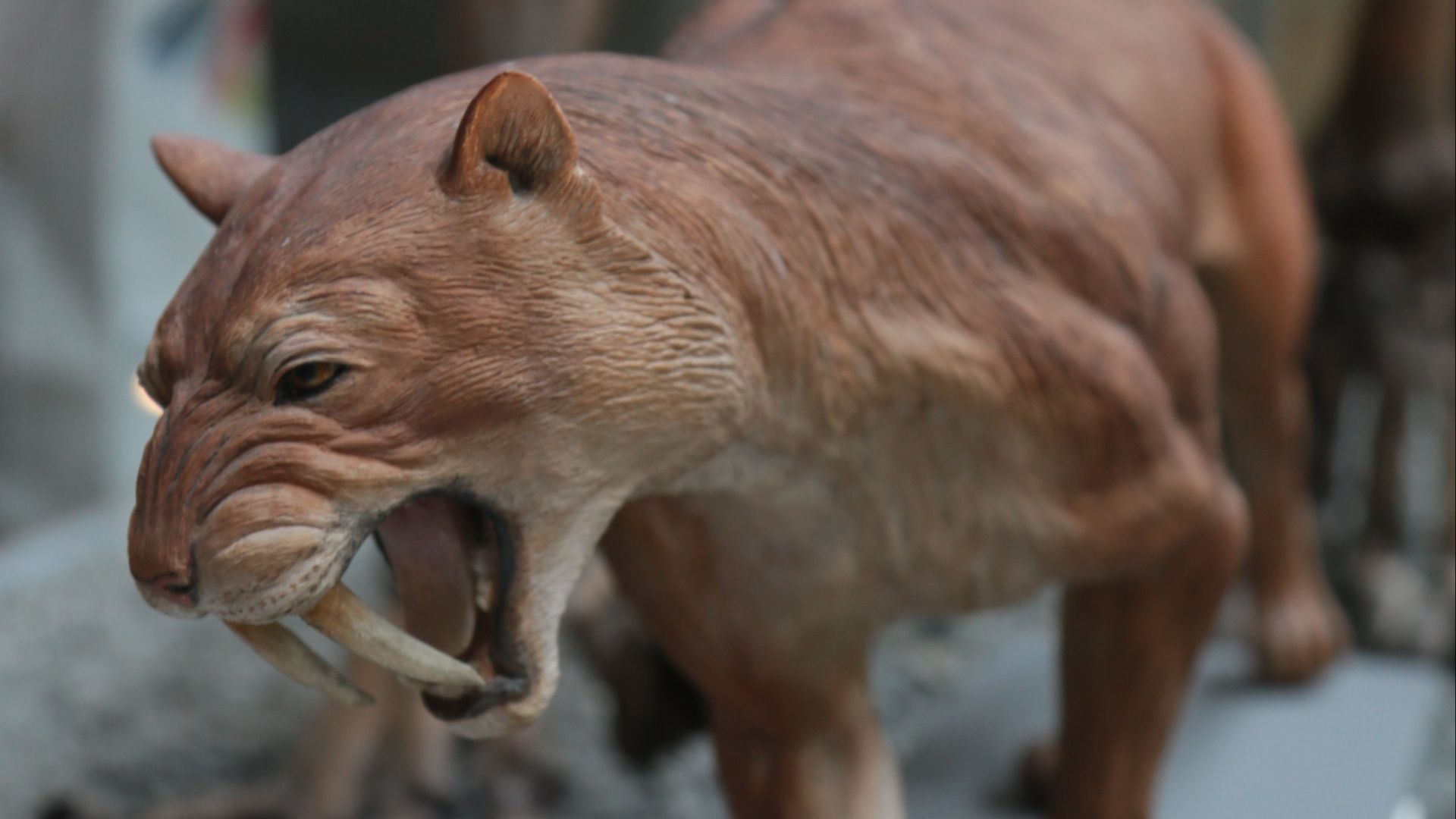
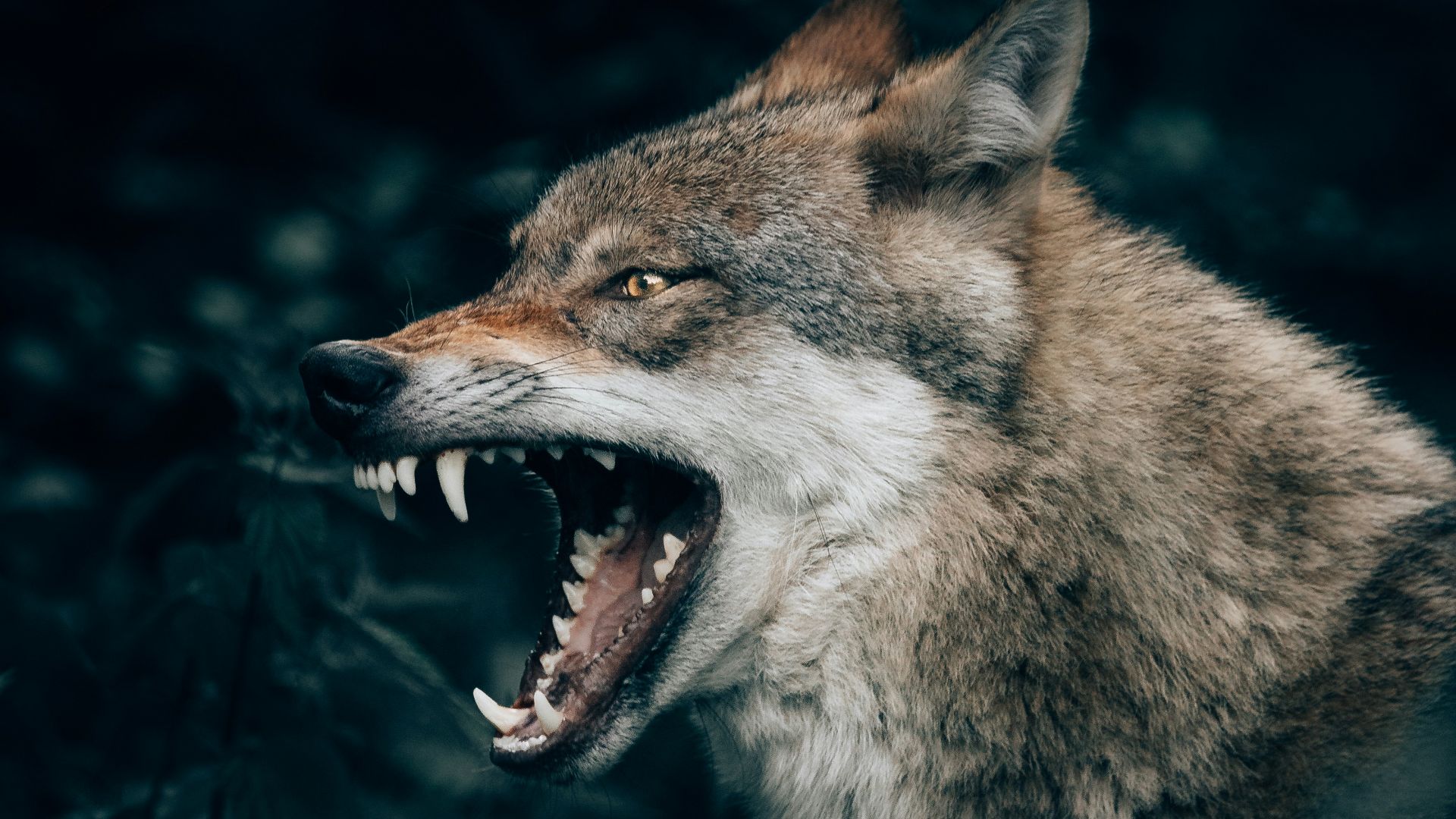
A 2021 paper in Nature found that dire wolves split from the gray wolf line almost six million years back and never interbred. The resemblance came from convergence rather than kinship, and the animal picked up a new genus name, Aenocyon. People arriving in North America met them often.
14. Short-Faced Bear
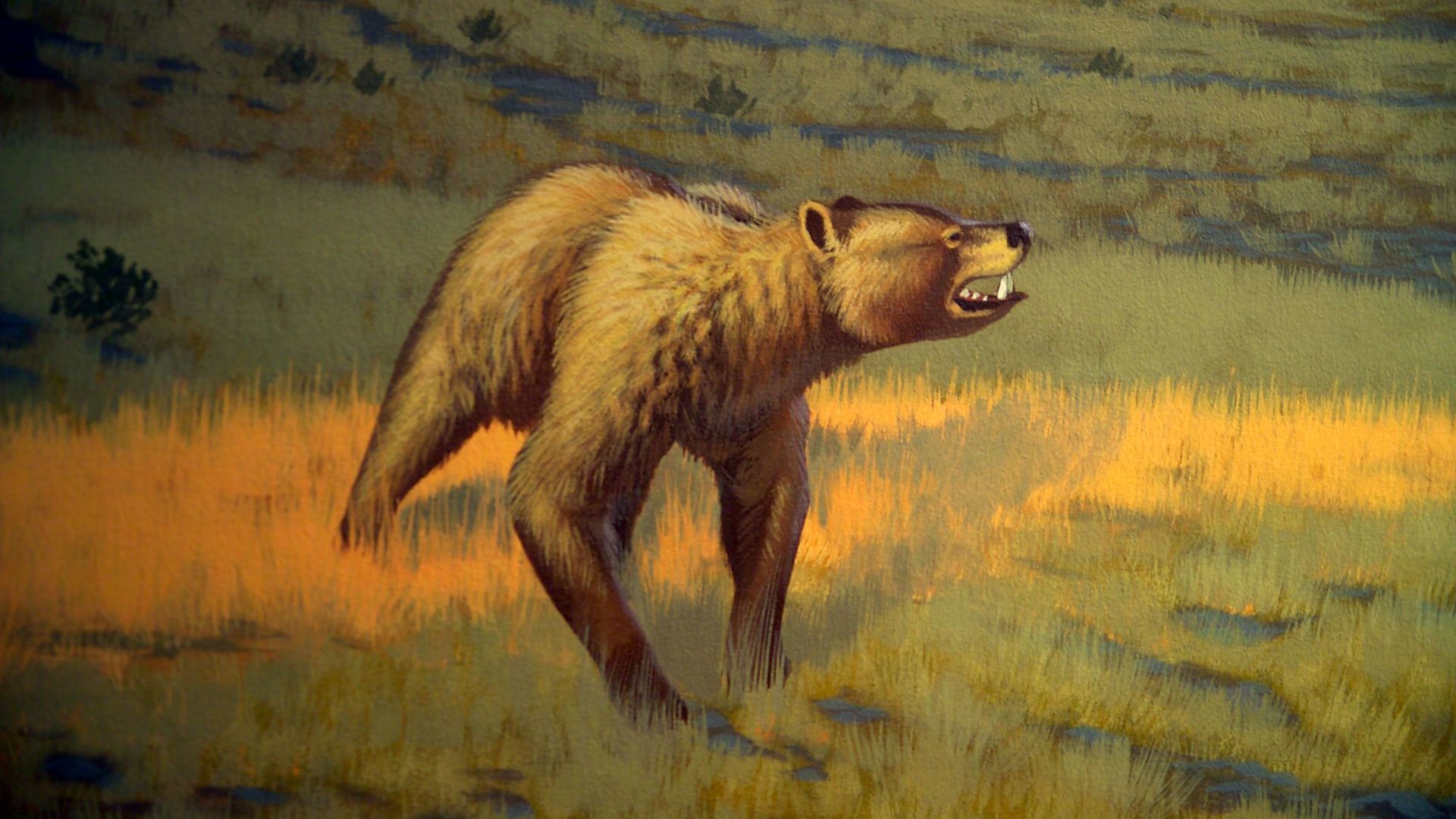
Up on its hind legs, Arctodus simus cleared eleven feet. It had long legs for a bear and covered open country well, though whether it chased prey or muscled kills away from other predators is still argued. Both versions are bad news for anyone crossing that valley.
15. American Mastodon
A rib from the Manis site in Washington has a bone projectile point stuck in it, driven hard enough to leave the tip behind. Dating put the hit at roughly 13,800 years ago, older than the Clovis points once thought to mark the first Americans. Bone had grown around the wound, so the animal survived it.
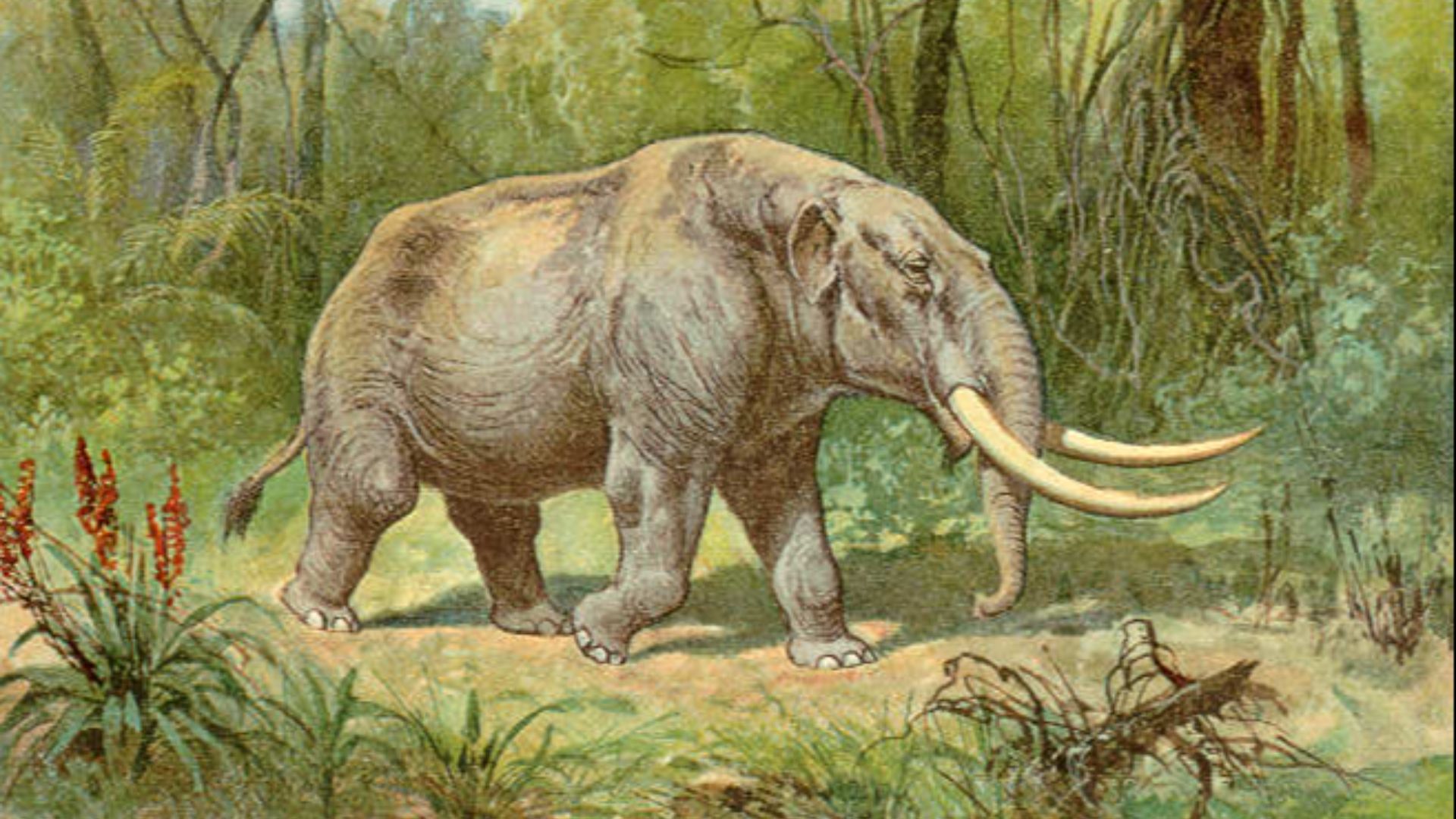 Heinrich Harder (1858-1935) on Wikimedia
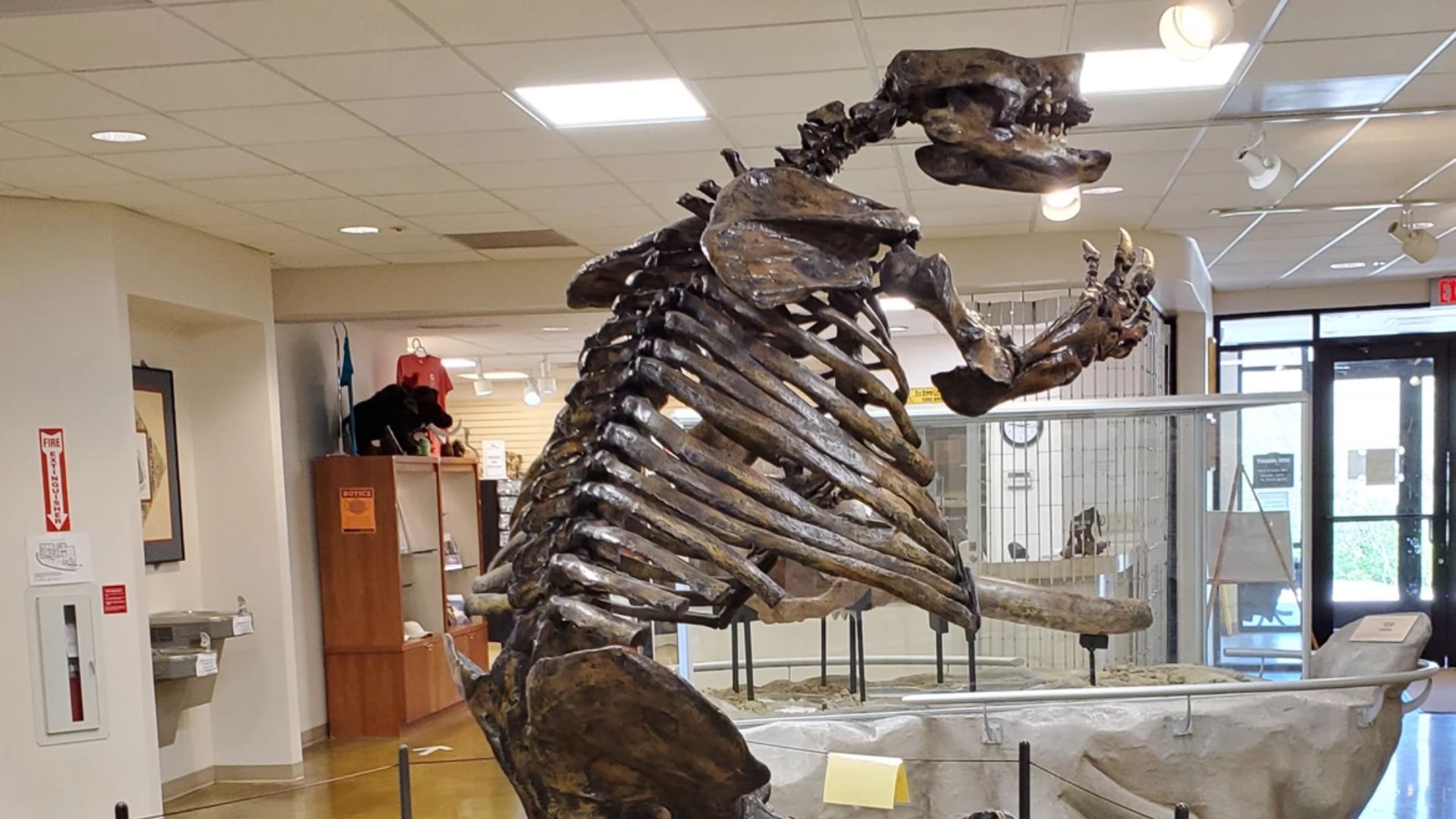
16. Giant Ground Sloth
At White Sands in New Mexico, human footprints sit inside giant sloth tracks, and the sloth prints turning and rearing where people closed in. Megatherium in South America hit about four tons and could rear up to pull down branches. Its foreclaws outsized kitchen knives.
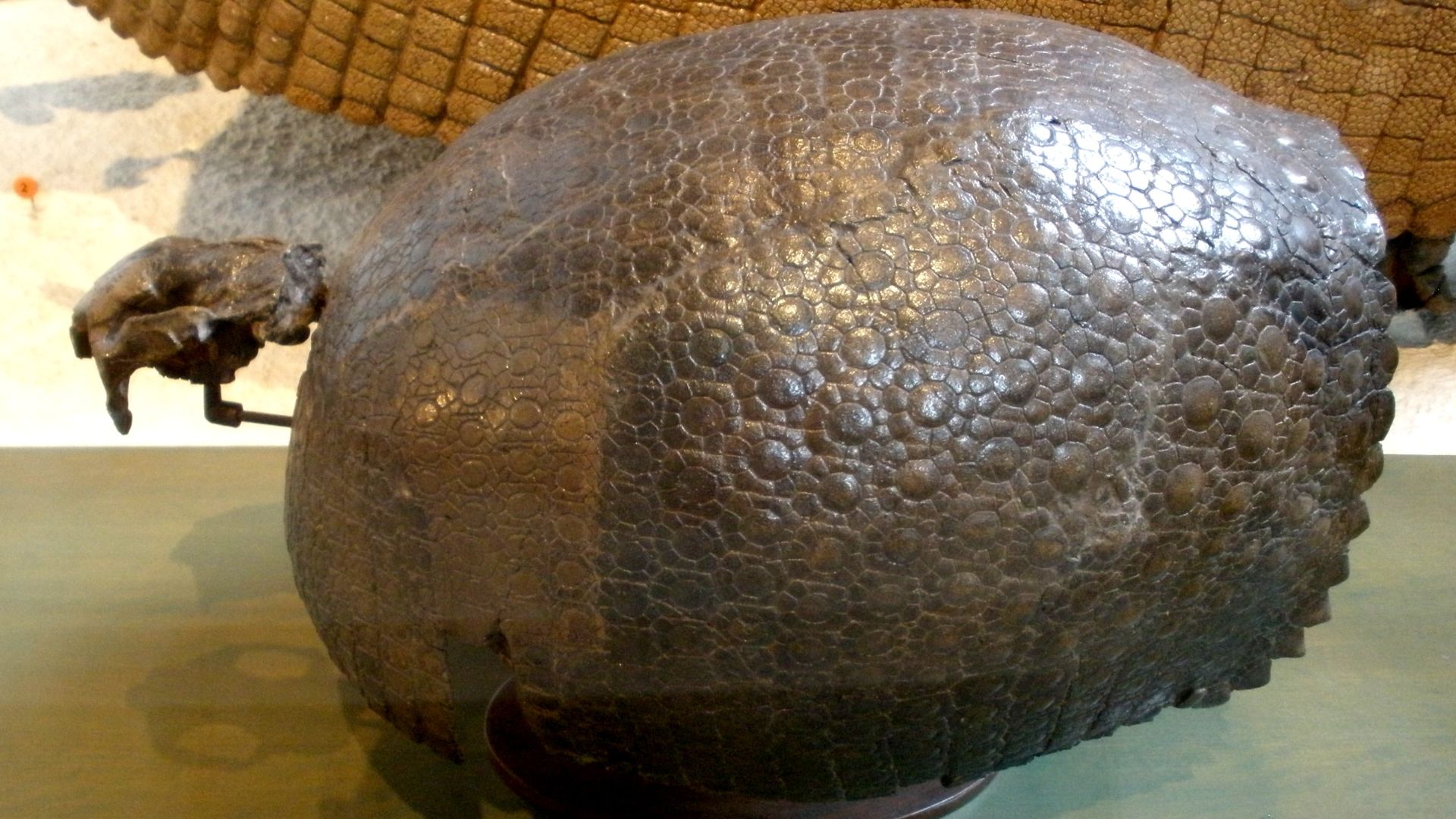
17. Glyptodont
Scale an armadillo up to the size of a compact car and swap the bands for one fused dome of bone. A relative, Doedicurus, swung a spiked club on the end of its tail. People in South America lived alongside both for thousands of years.
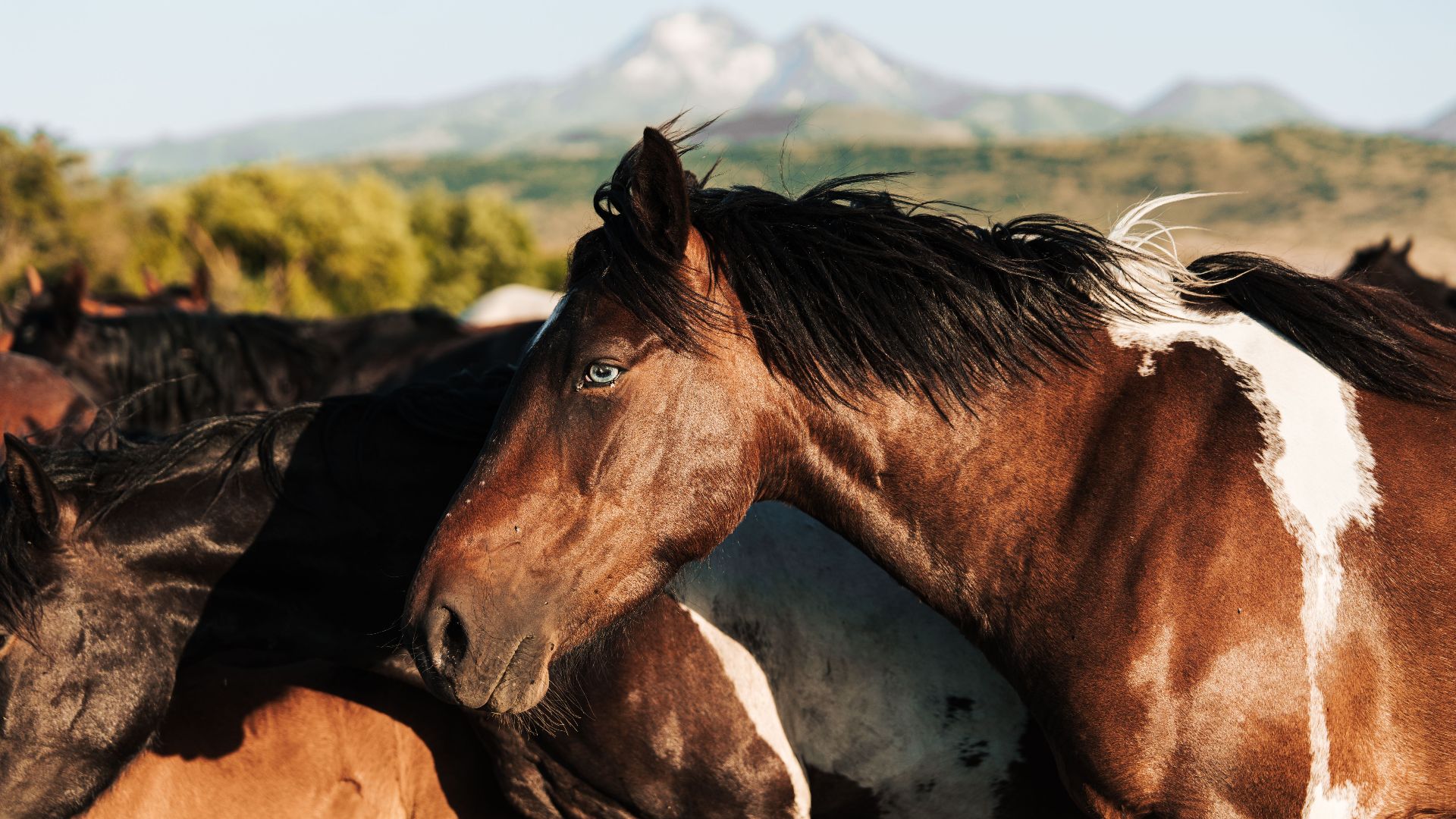
18. North American Horse
Horses evolved in North America and then disappeared from it around ten thousand years ago, leaving butchered bone at early human sites on the way out. The continent had none until Spanish ships brought them back in the 1500s. Every mounted culture on the Plains fits inside those four centuries.
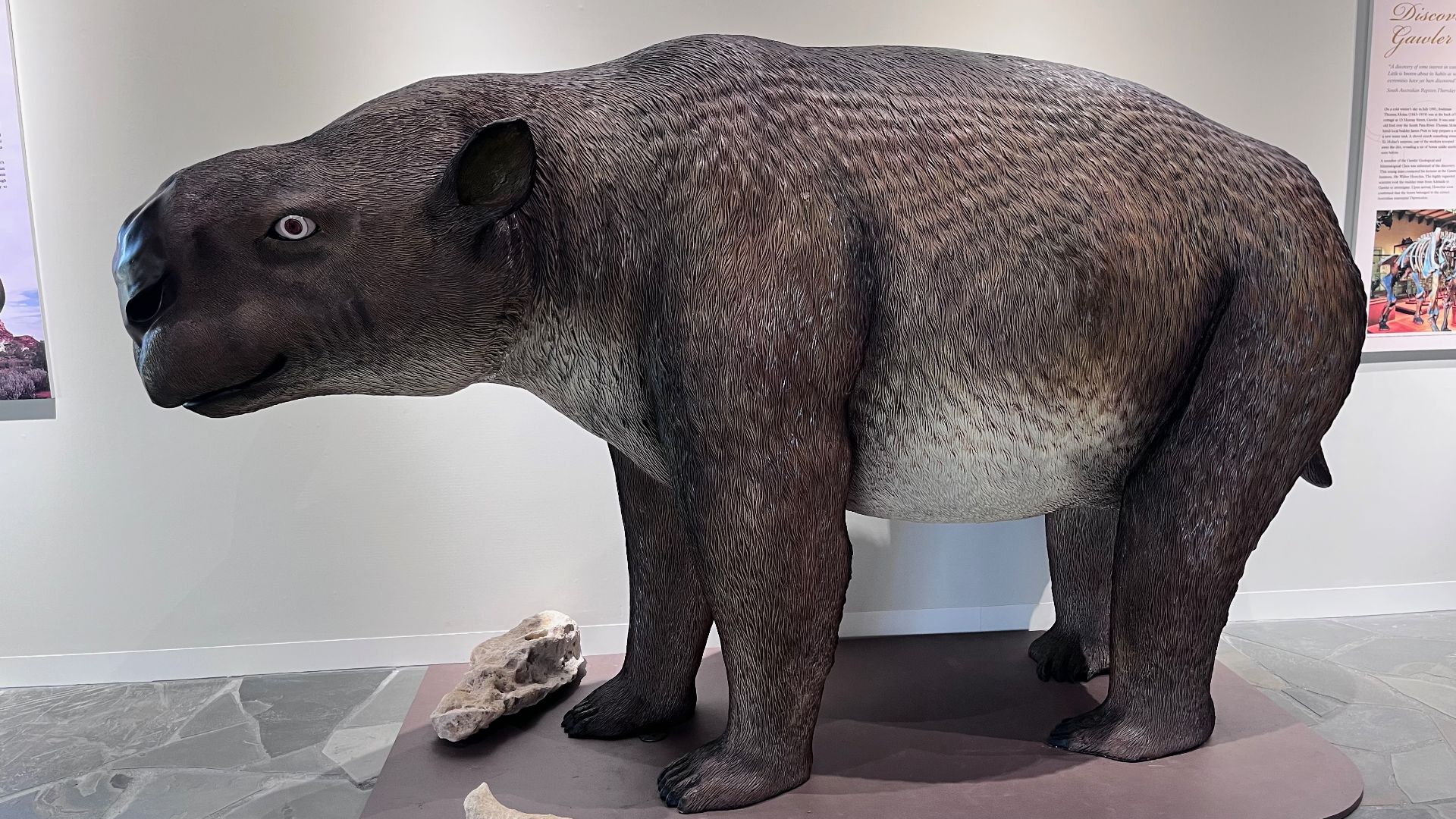
19. Diprotodon
The largest marsupial known, built along the lines of a rhinoceros and weighing close to three tons. People reached Australia at least fifty millennia back and shared the continent with these for a long stretch. Air pockets riddled the skull, keeping the head light enough to hold up.
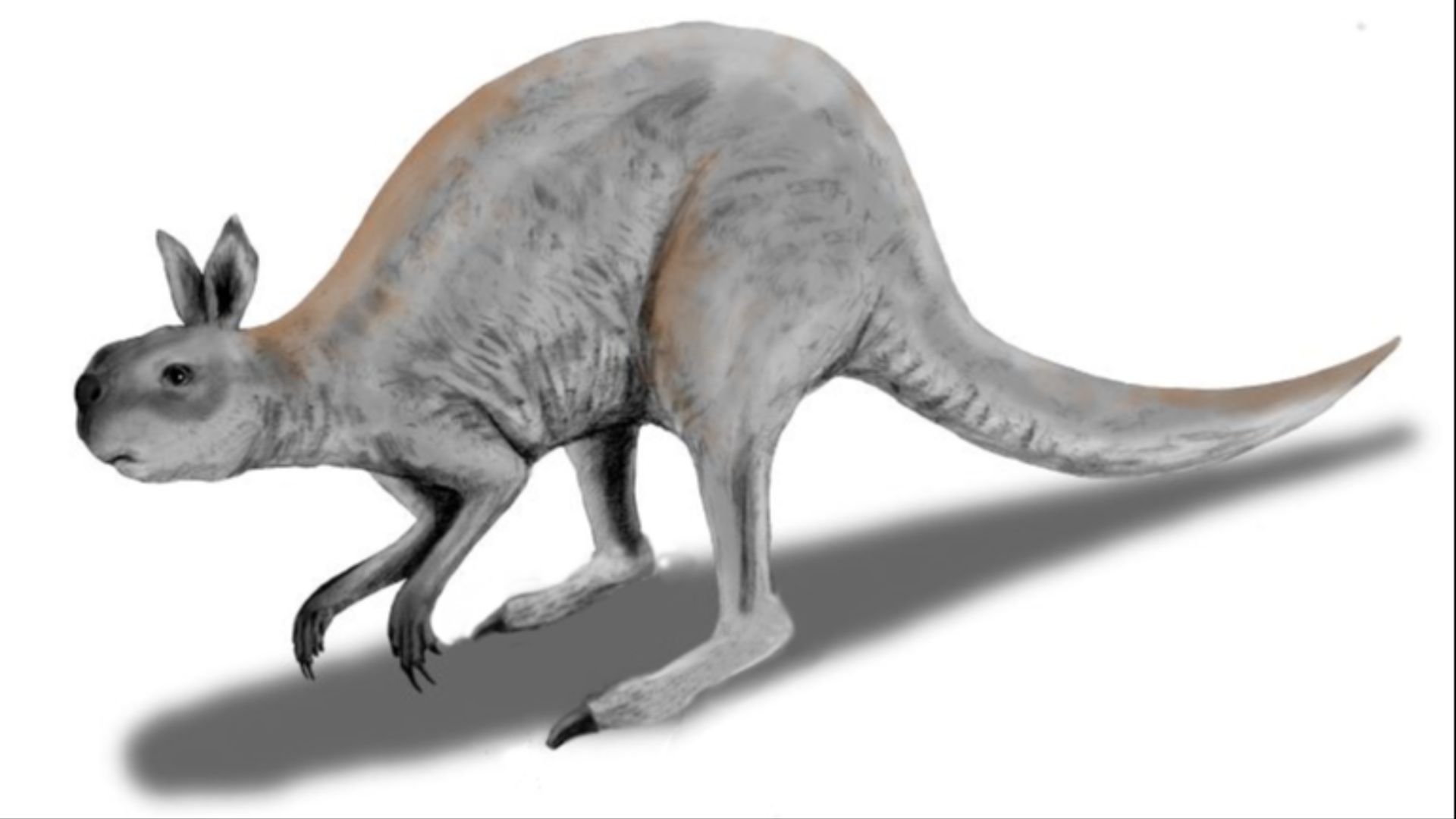
20. Giant Short-Faced Kangaroo
Procoptodon stood over six feet and carried around five hundred pounds, too much weight for hopping at speed. Christine Janis at Brown University has argued it walked on two legs, one foot after the other. Its face was flat and its arms reached high.
KEEP ON READING