Caught Mid-Motion
Most fossils preserve a body, not a moment. An animal dies, decomposes, and gets buried, leaving almost nothing behind about what it was doing that day. Every so often, though, burial happens fast enough to preserve something closer to a snapshot: an animal fighting, feeding, giving birth, or simply caught in the middle of its last ordinary act. Some of those fossils revealed behavior scientists had never seen before, while others settled arguments that bones alone couldn't. Here are 20 fossils that caught an animal in its final hours.
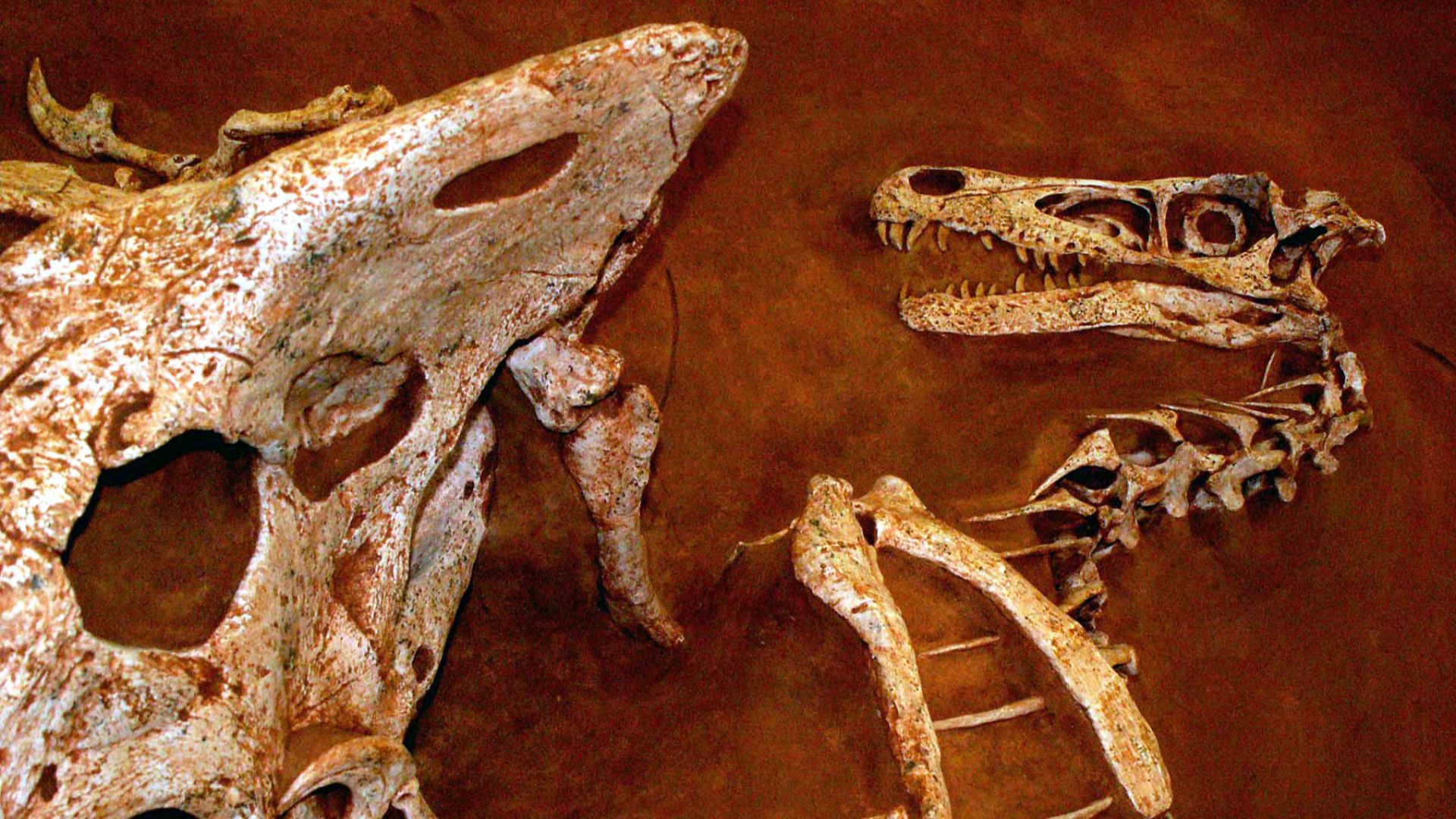
1. The Fighting Dinosaurs
A Velociraptor and a Protoceratops came out of the Gobi in 1971, locked together. The raptor's right hand is caught in the plant-eater's jaws, with both hind claws aimed at the belly and throat. Nobody has settled whether a dune collapsed on them or a sandstorm buried them alive.
 cobalt from Phoenix, Arizona, USA on Wikimedia
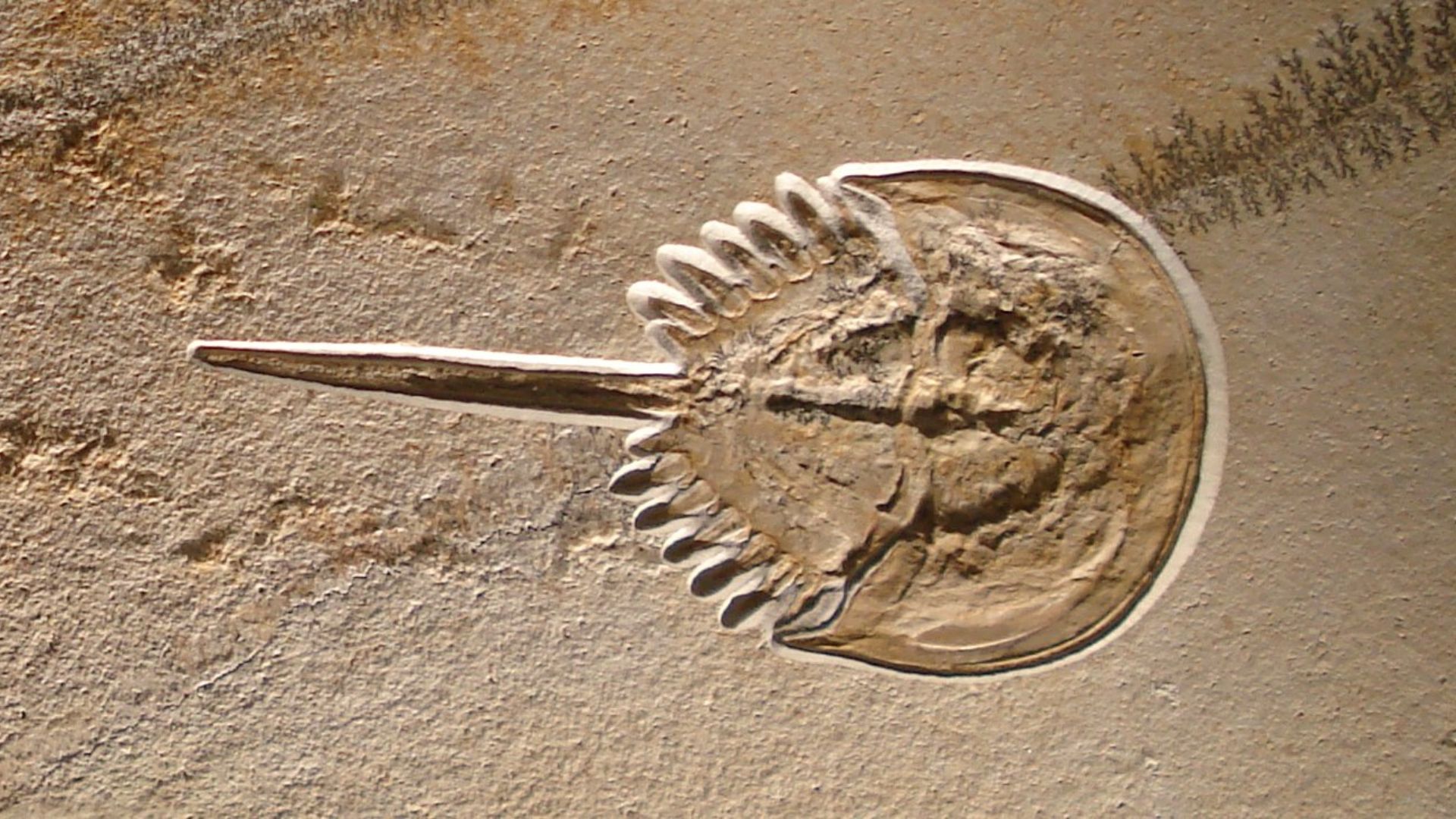
2. A Horseshoe Crab's Last Walk
The track runs about 31 feet across the limestone, and the animal is sitting at the end of it. A storm seems to have thrown the young crab into a lagoon with no oxygen at the bottom, where it staggered along leaving footprints and a tail drag. The whole trail may represent only a few minutes.
3. Turtles That Died Mating
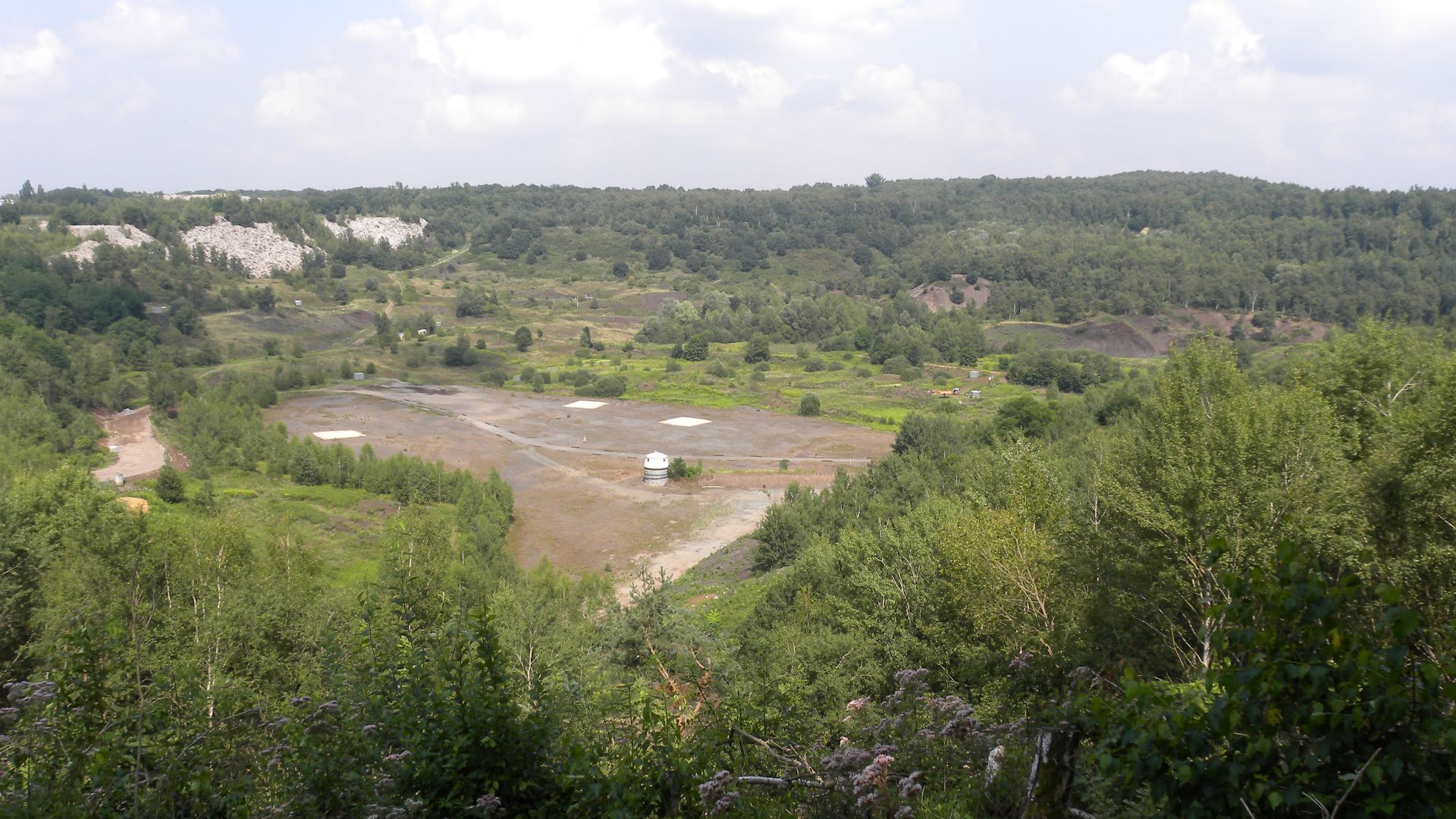
Nine pairs of turtles came out of a German quarry still joined. They had started near the surface of a lake and sank as they went, down into water poisonous enough to kill them through their skin. No other vertebrates have been found fossilized in the act.
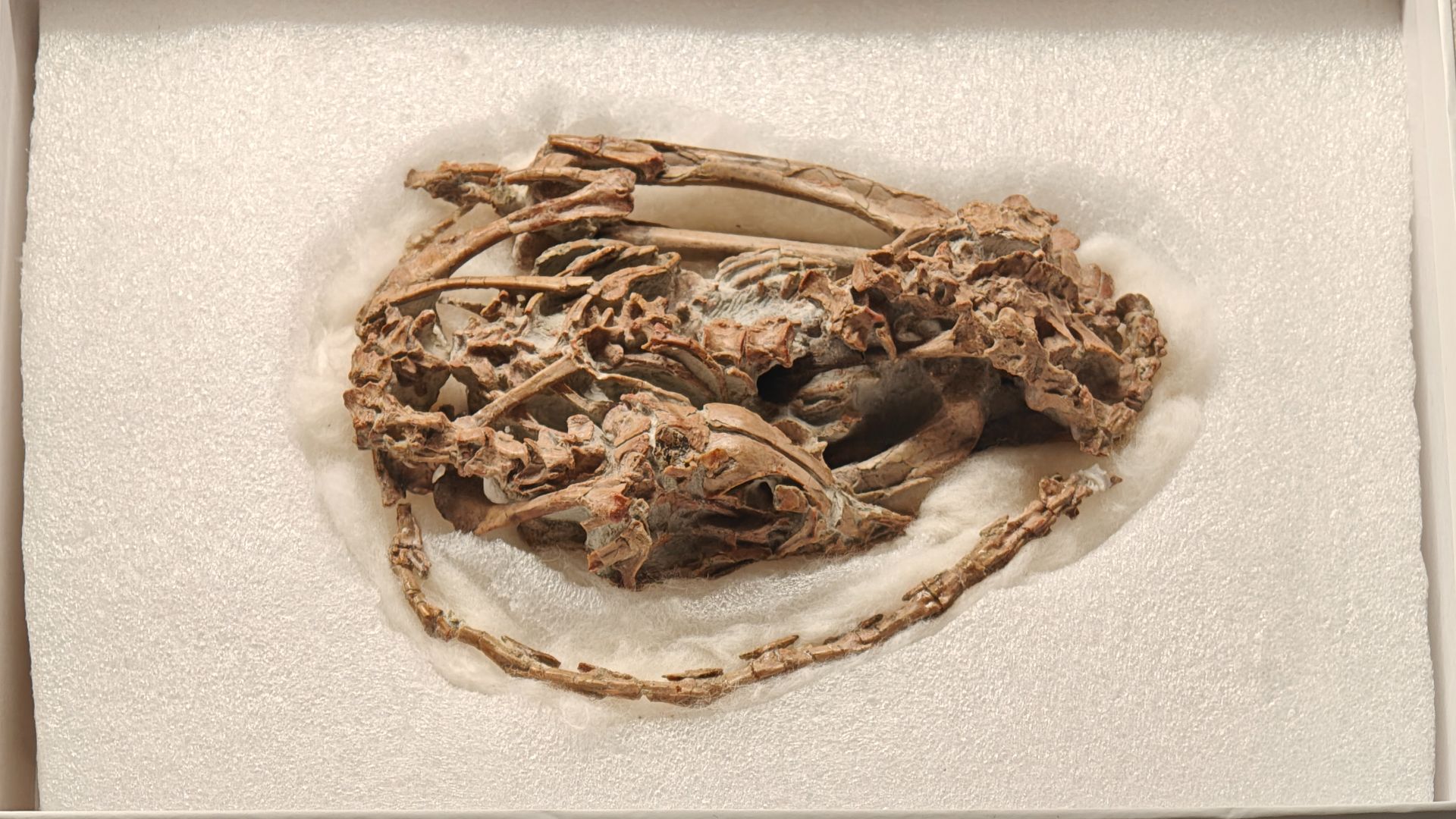
4. The Sleeping Dinosaur
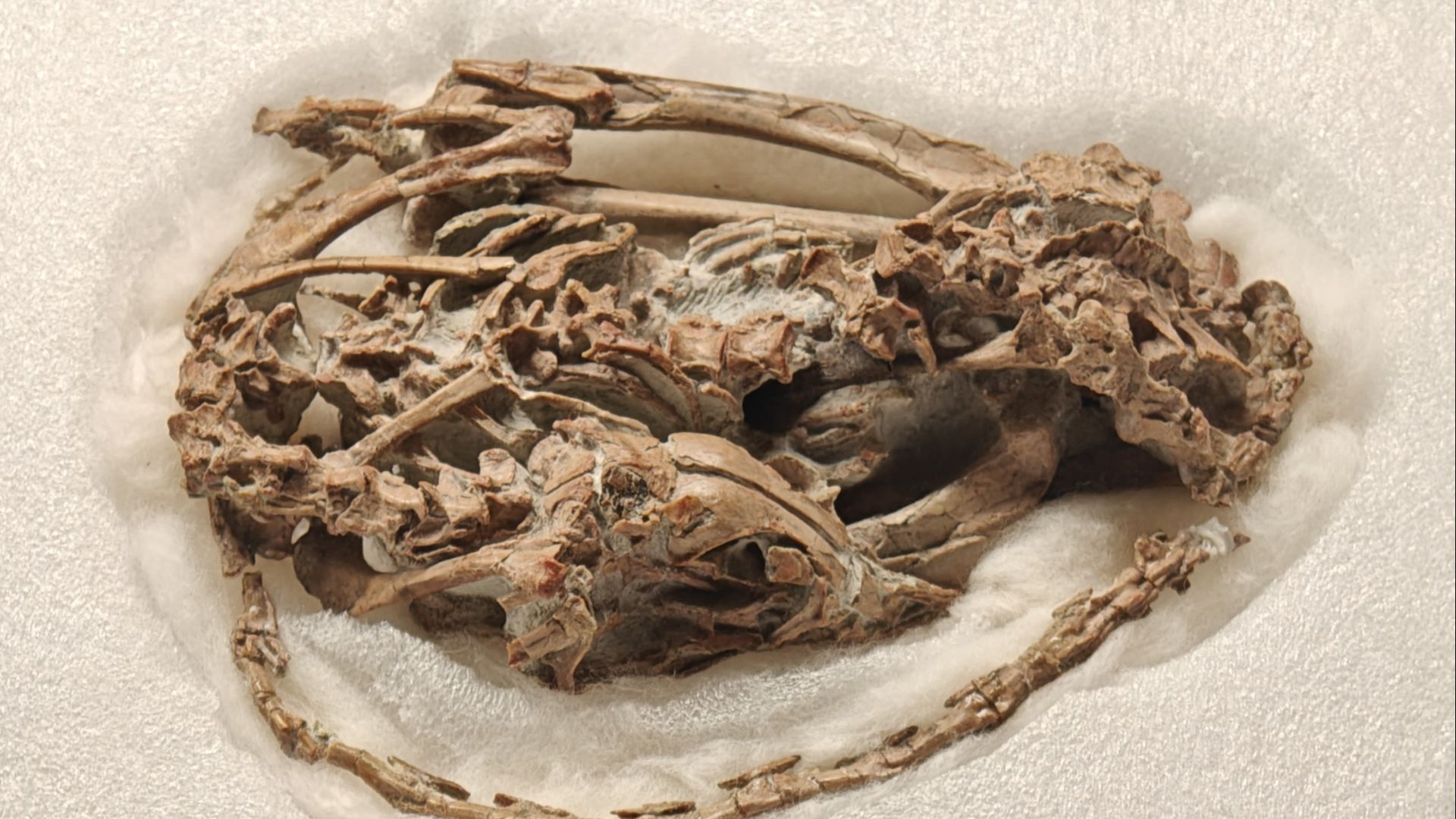
Mei long was found curled with its snout tucked under one forelimb and its legs folded underneath, which is how a bird sleeps. The pose held because volcanic ash covered it almost immediately. It may have been dead before the ash arrived, knocked out by gas coming off the eruption.
5. Blue Babe
Claw marks run across the back of this 36,000-year-old bison, with tooth punctures in the hide. An American lion got it in fall or winter, and the cold froze the carcass before anything could finish the job. The blue is a mineral that formed on the skin underground, long after.
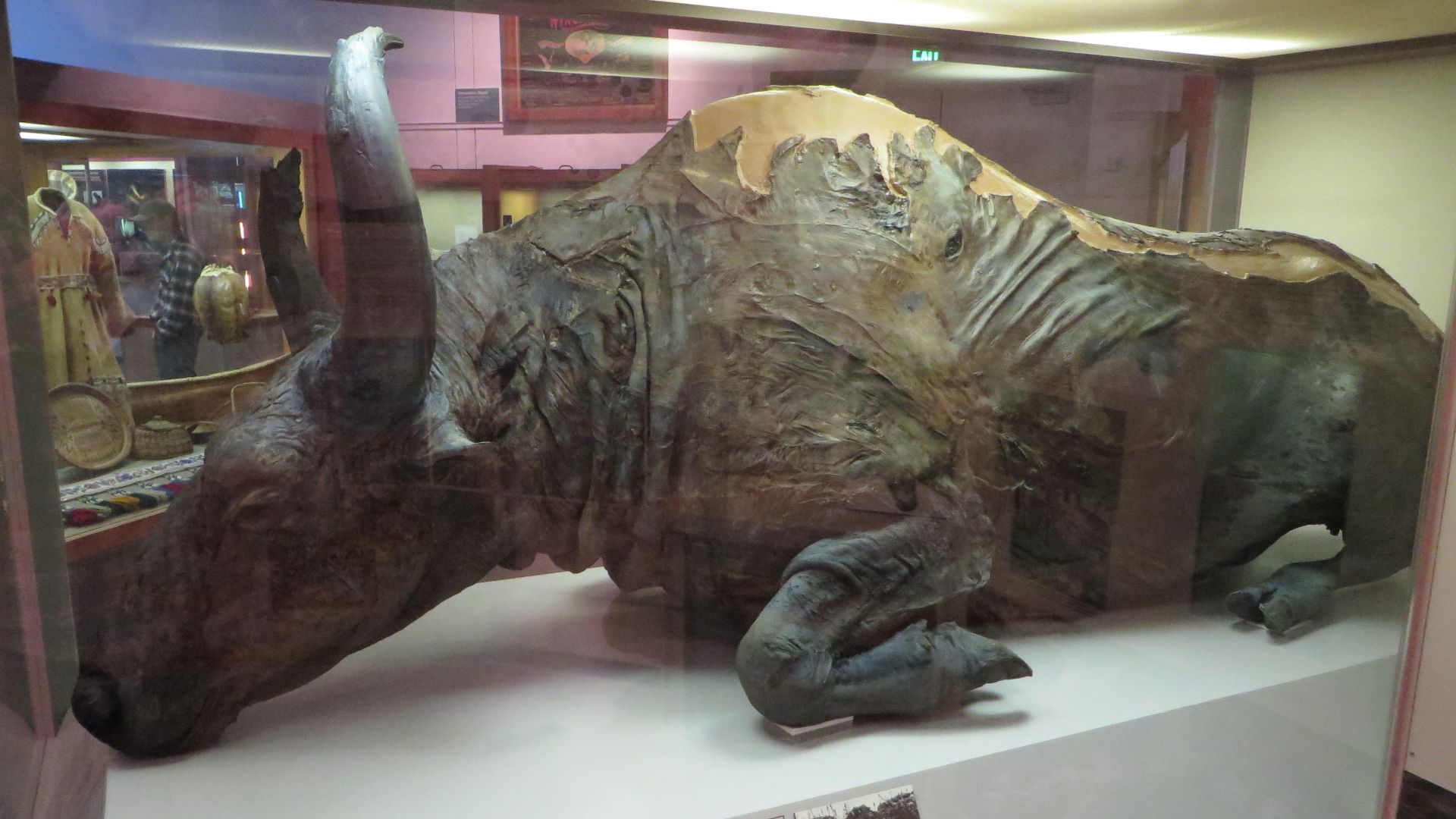 Bernt Rostad from Oslo, Norway on Wikimedia
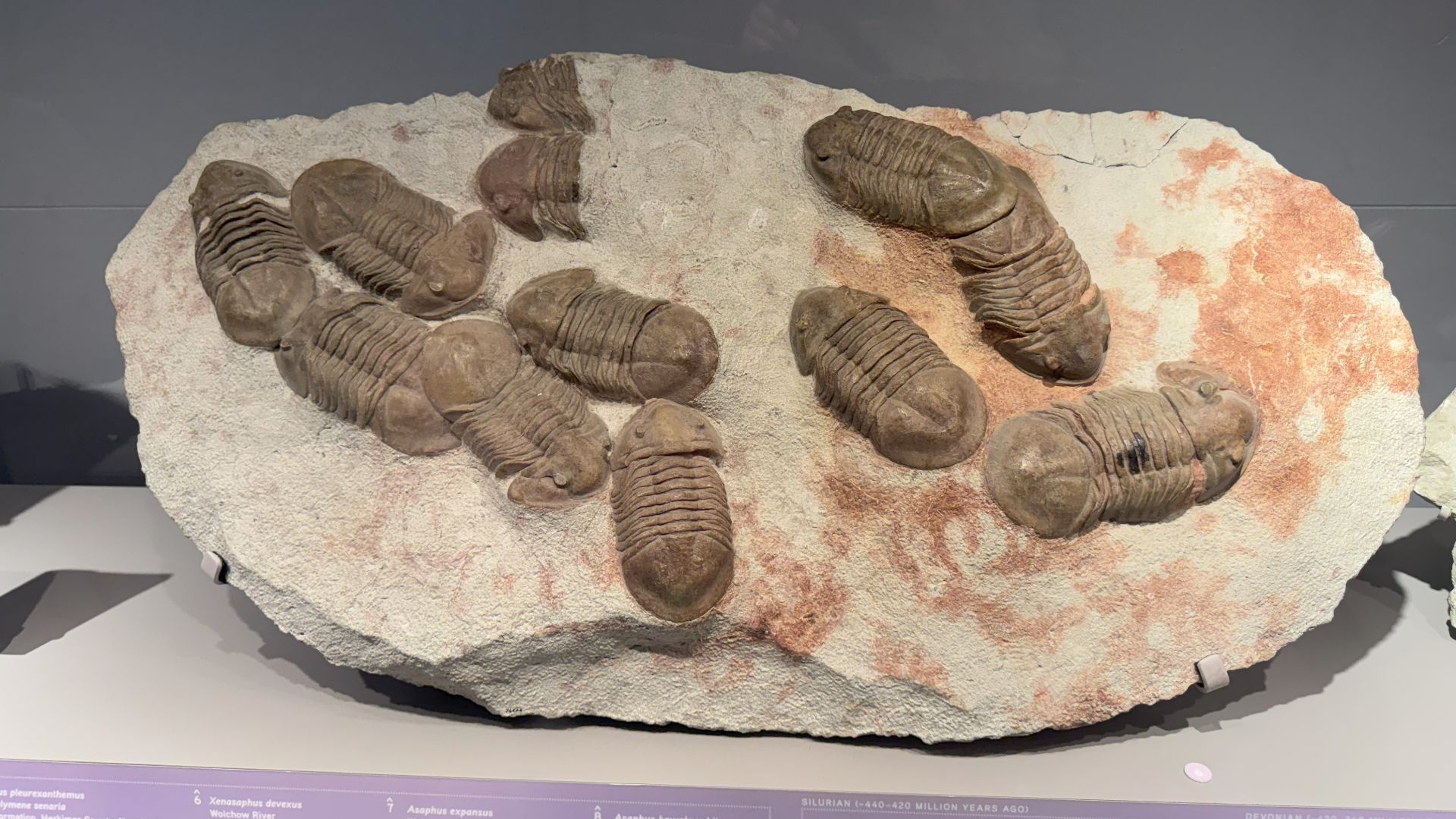
6. Trilobites in a Line
Several groups from Morocco are lined up single file, all facing the same way and touching each other with their spines. A storm most likely buried them mid-journey 480 million years ago, and it's the oldest marching line anyone has found.
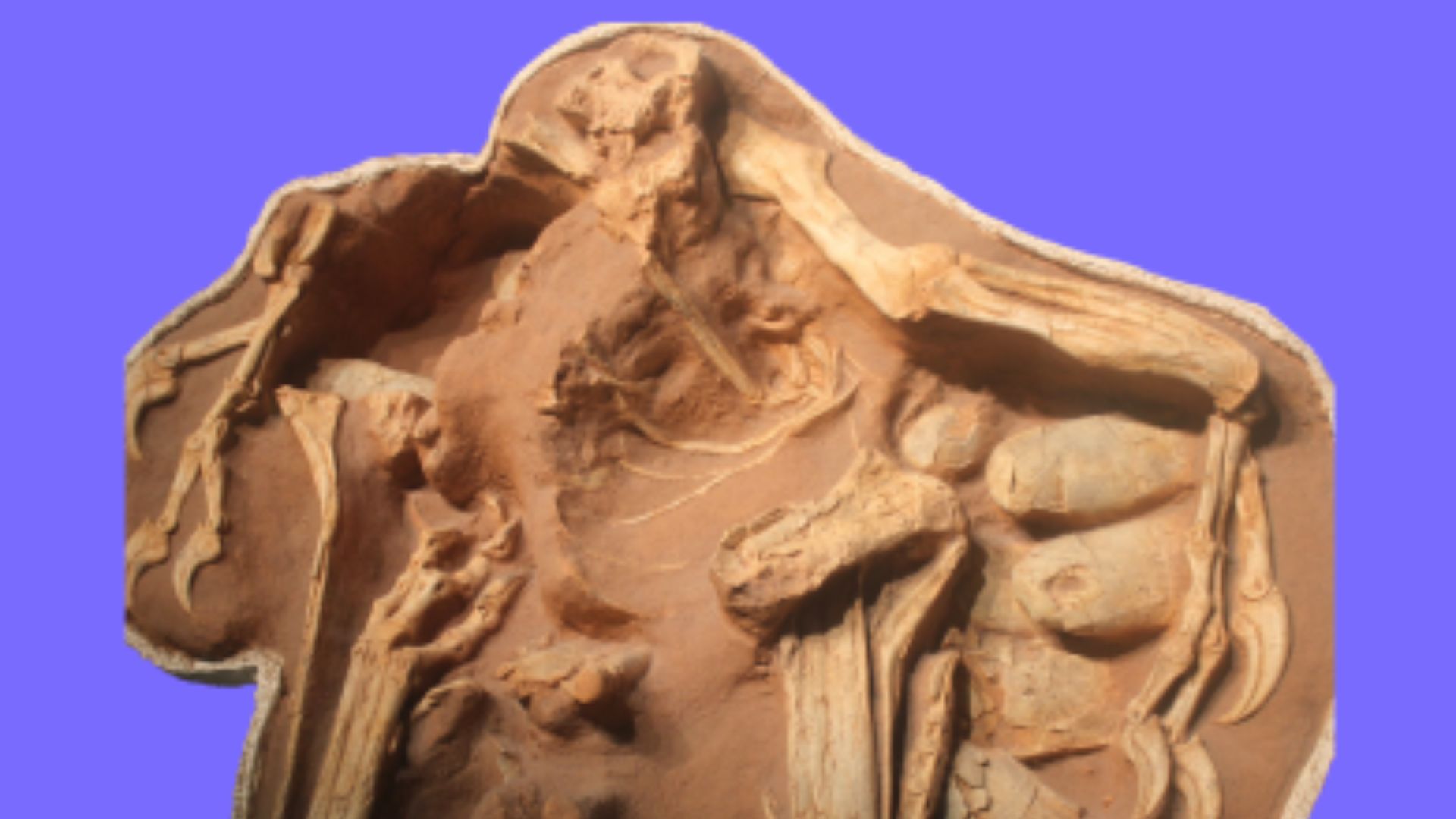
7. The Dinosaur on Its Nest
Big Mama sits on her eggs with her feet and belly against them and her arms spread around the rim. An ostrich broods in much the same posture. She turned up in Mongolia in 1993, and a full clutch for her species could run to 22 eggs.
 Jonathan Chen https://commons.m.wikimedia.org/wiki/User:Morosaurus_millenii on Wikimedia
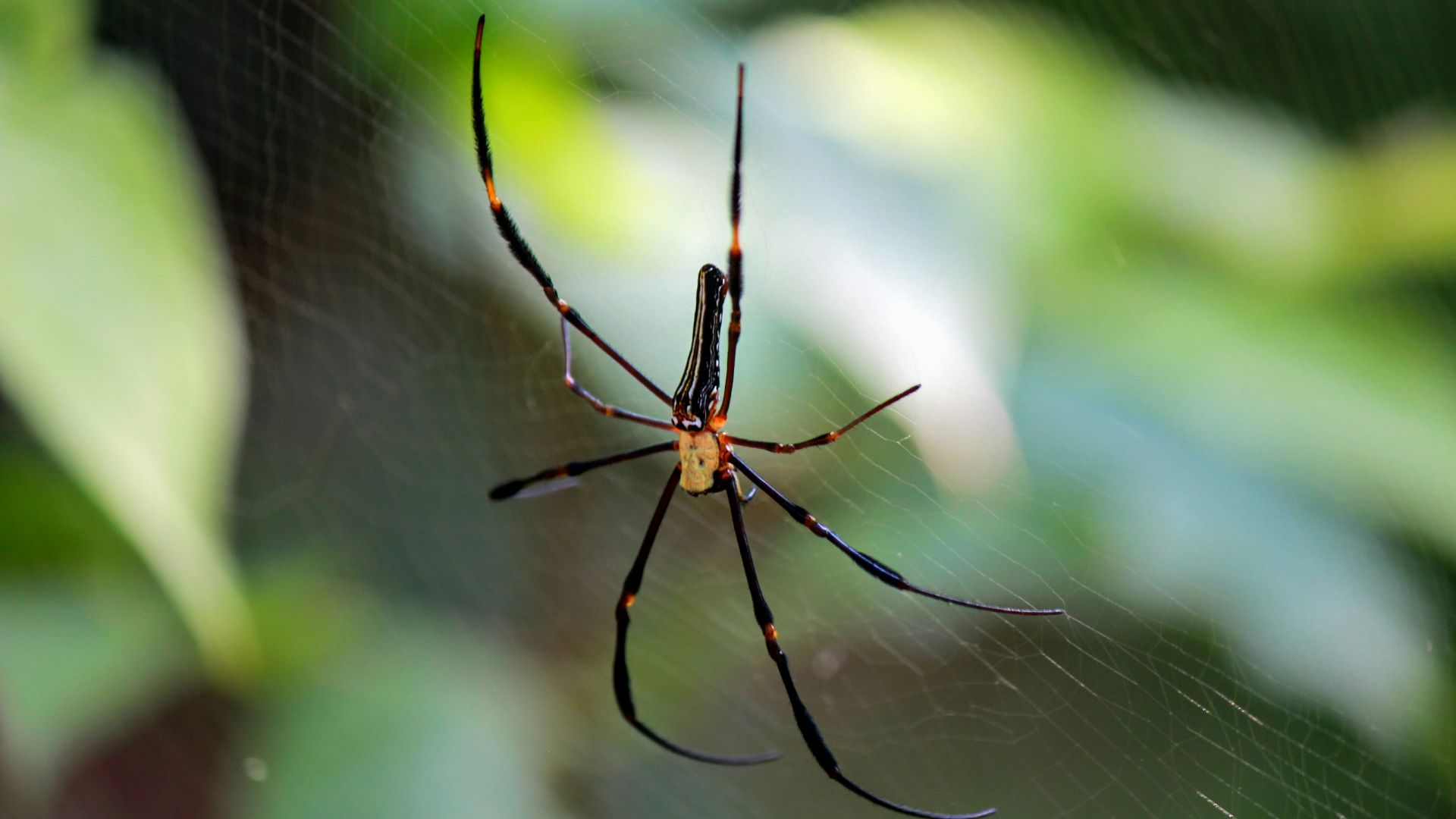
8. A Spider Mid-Pounce
Tree resin caught an orb-weaver a split second before it reached a wasp tangled in its web. Both are still there 100 million years later, in amber from Myanmar. A second spider sits in the same web, which is the oldest hint anyone has that these spiders lived together.
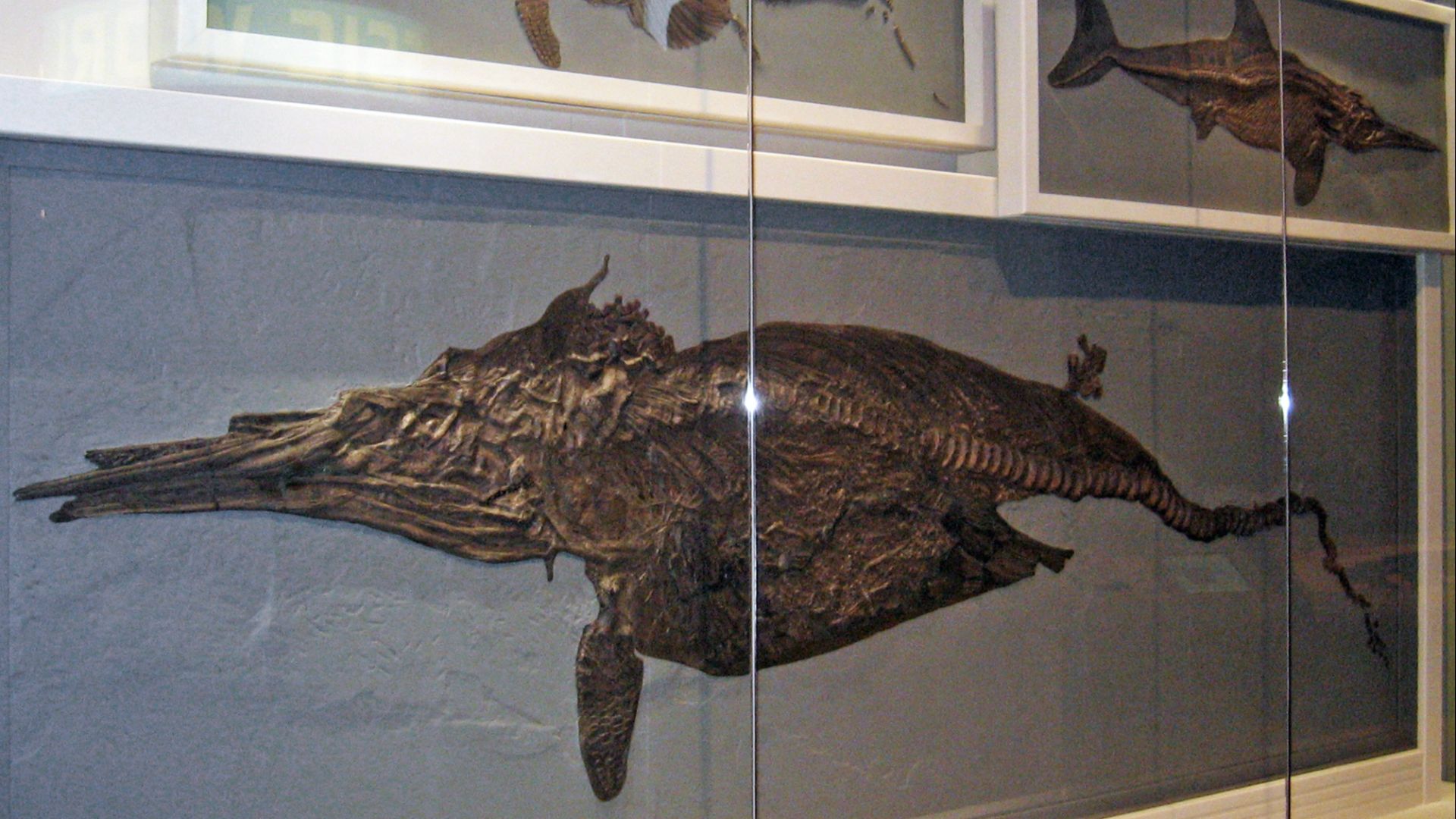
9. An Ichthyosaur Giving Birth
The mother came from a German shale quarry with her pup halfway out, tail first. Ichthyosaurs bore live young instead of laying eggs, and tail-first is how dolphins and whales still do it. Something went wrong here about 182 million years ago.
10. The Coelophysis Quarry
Hundreds of skeletons of one small Triassic predator came out of a single New Mexico block, adults and juveniles mixed together. A flash flood looks to have killed and buried them at once, and most of what anyone knows about the species comes from that one block.
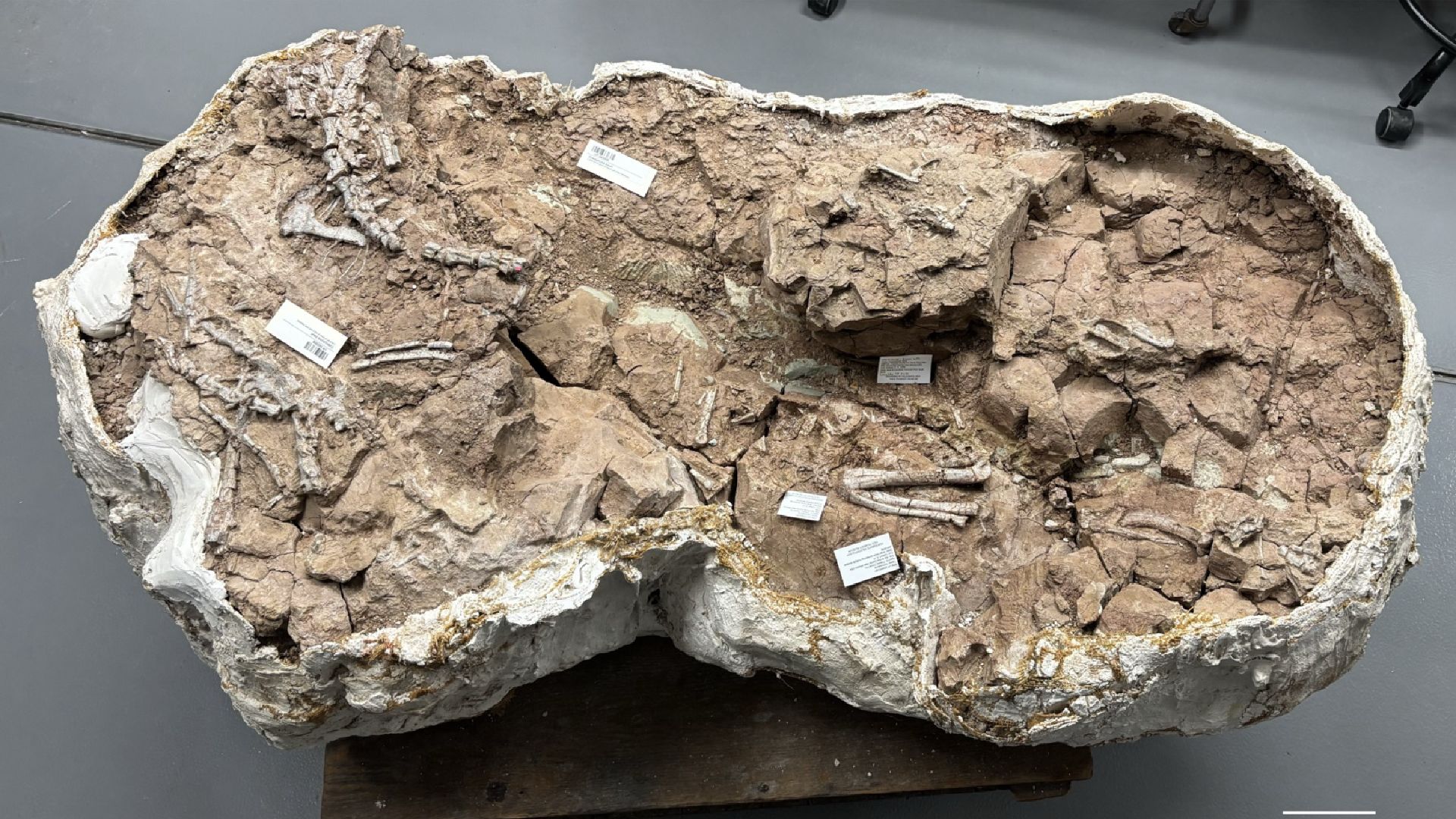 M. Margulis-Ohnuma, A. A. Ruebenstahl, D. L. Meyer & B.-A. S. Bhullar on Wikimedia
11. Insects Caught in the Act
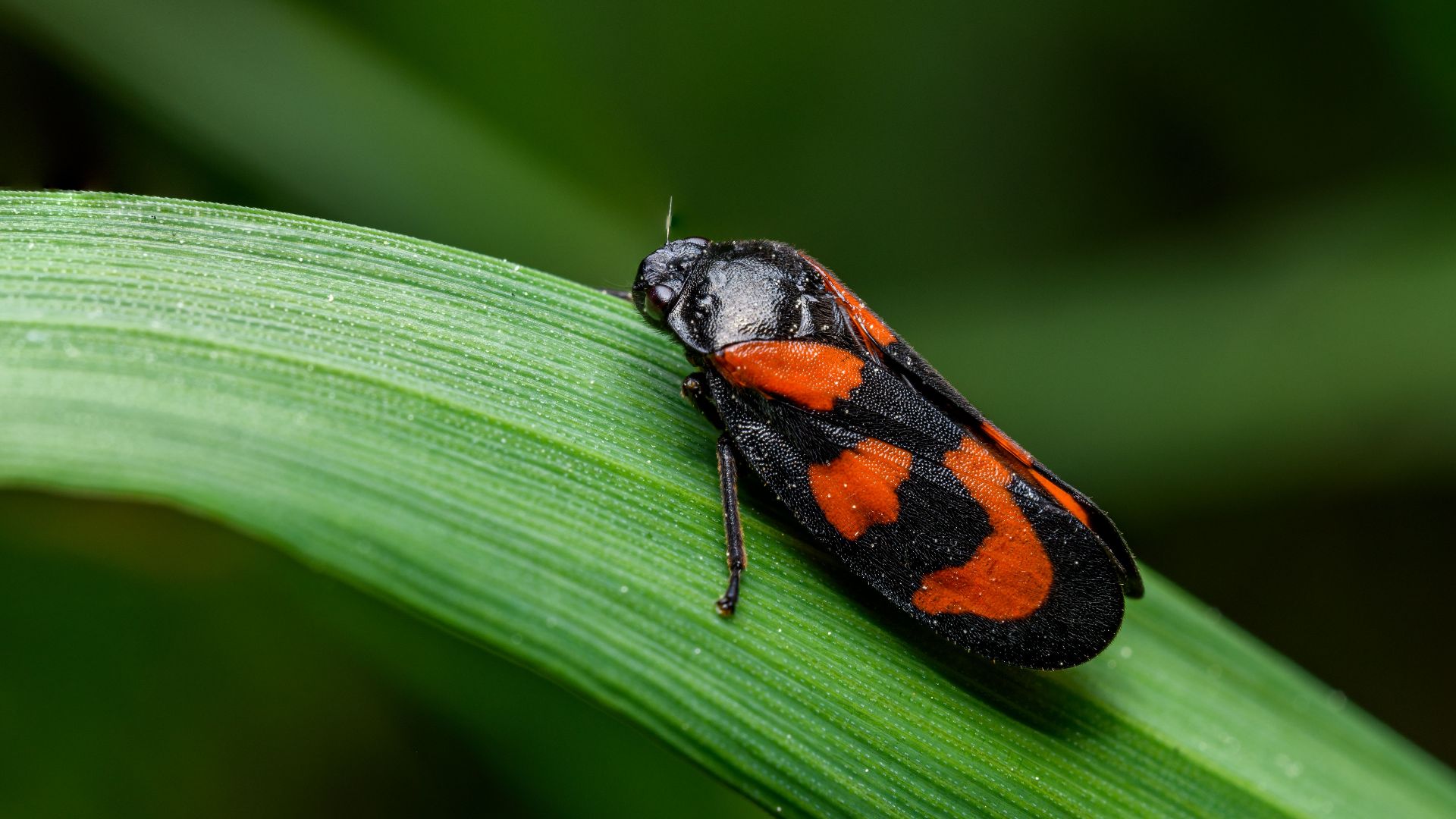
Two froghoppers from northeastern China
lie belly to belly, caught mid-copulation 165 million years ago. You can see where the male's anatomy meets the female's. Froghoppers still mate in that position, which makes it one of the longest-running behaviors on record.
12. The Day of the Asteroid
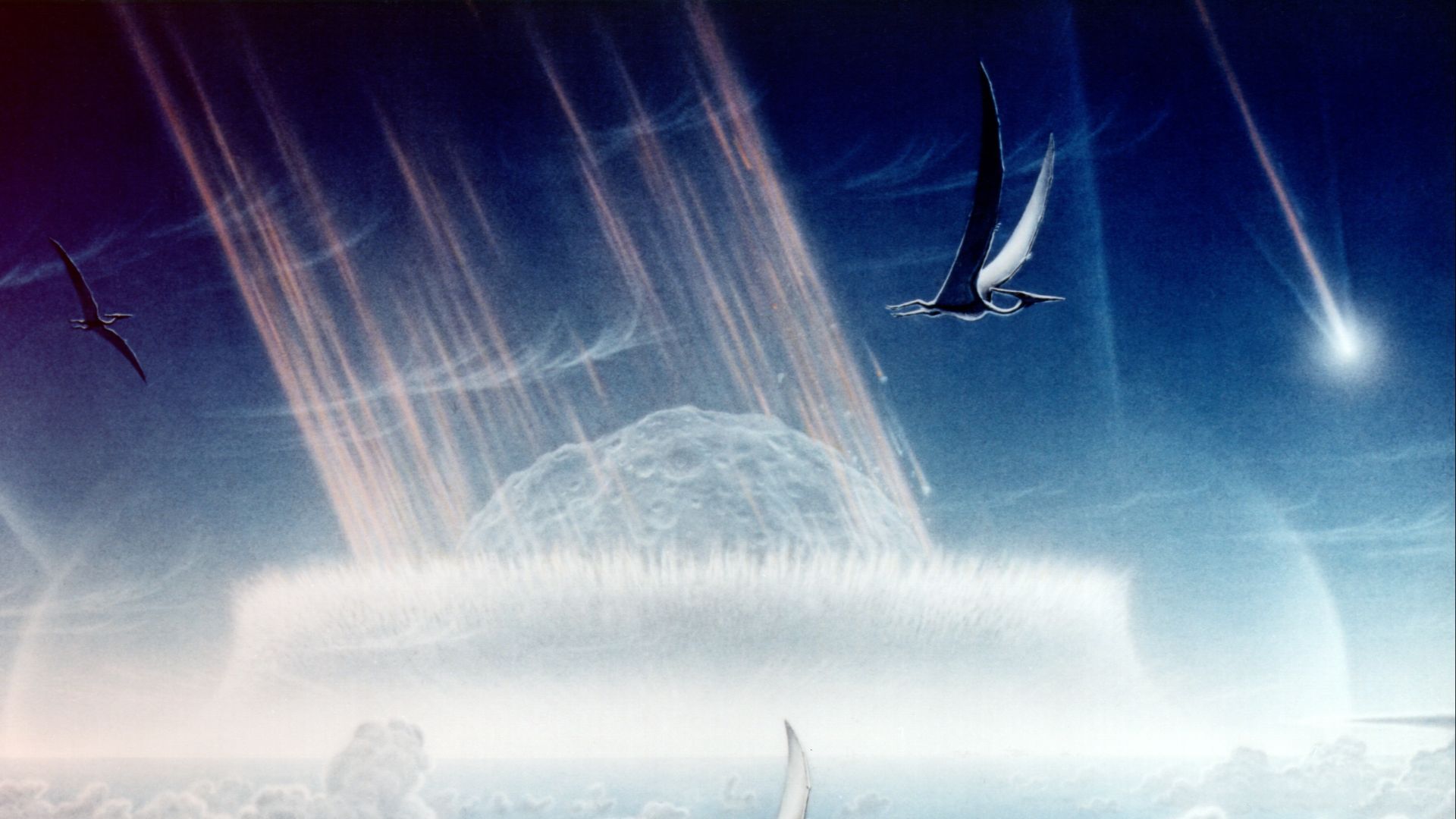
Fish from a North Dakota site have tiny glass beads lodged in their gills, the kind thrown up by the Chicxulub impact and rained back down. If the reading holds, they were breathing while the debris was still falling, which puts their deaths within hours of the strike. The site is early in its analysis, so treat it as the least settled entry here.
13. The Dinosaur in Its Burrow
Changmiania means eternal sleep, and both specimens lie as though resting at the bottom of their burrows. The shovel-shaped snout says they were diggers, and an eruption appears to have sealed them underground about 125 million years ago.
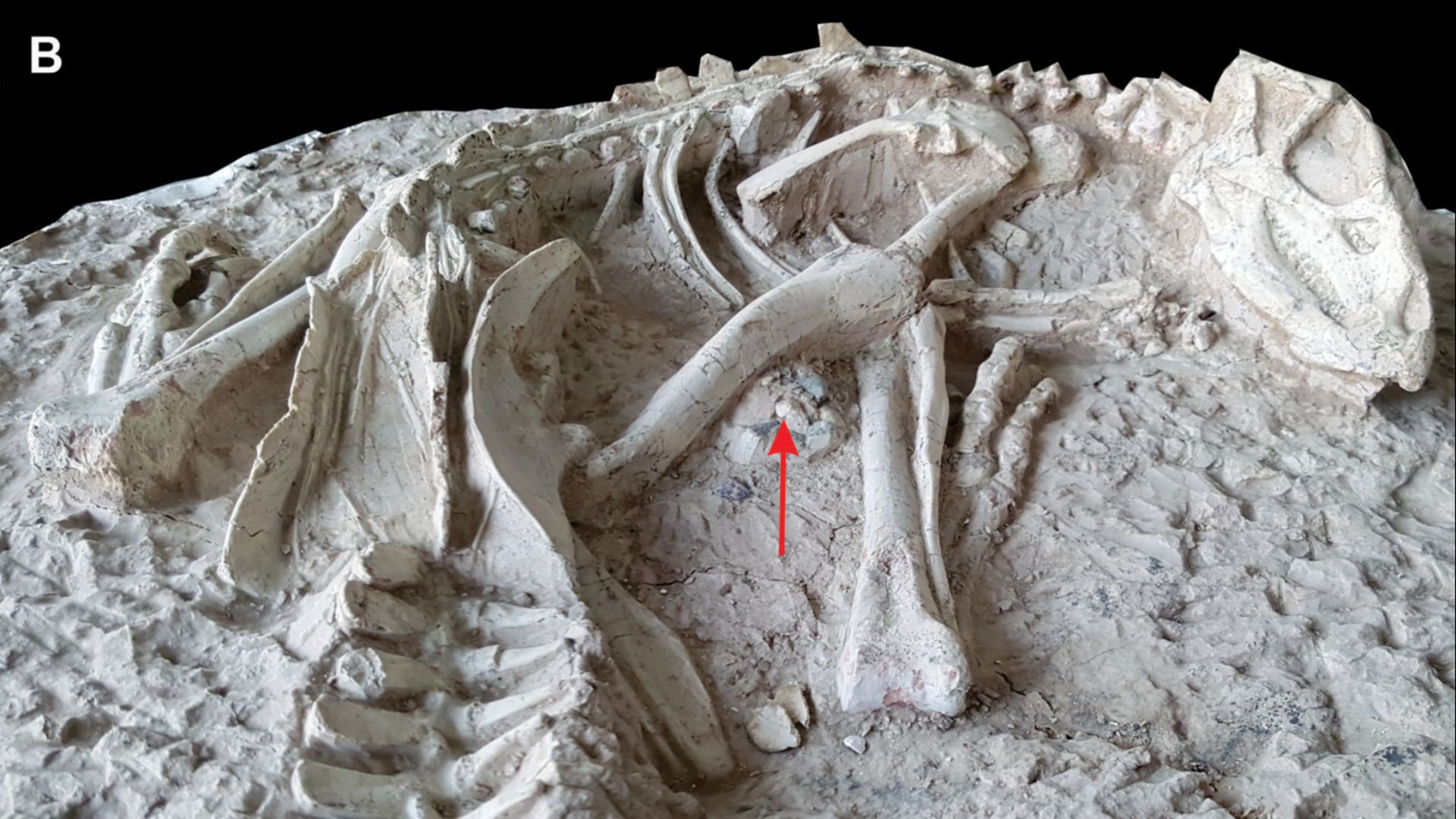 Yuqing Yang, Wenhao Wu, Paul-Emile Dieudonné & Pascal Godefroit on Wikimedia
14. A Snake at the Nest
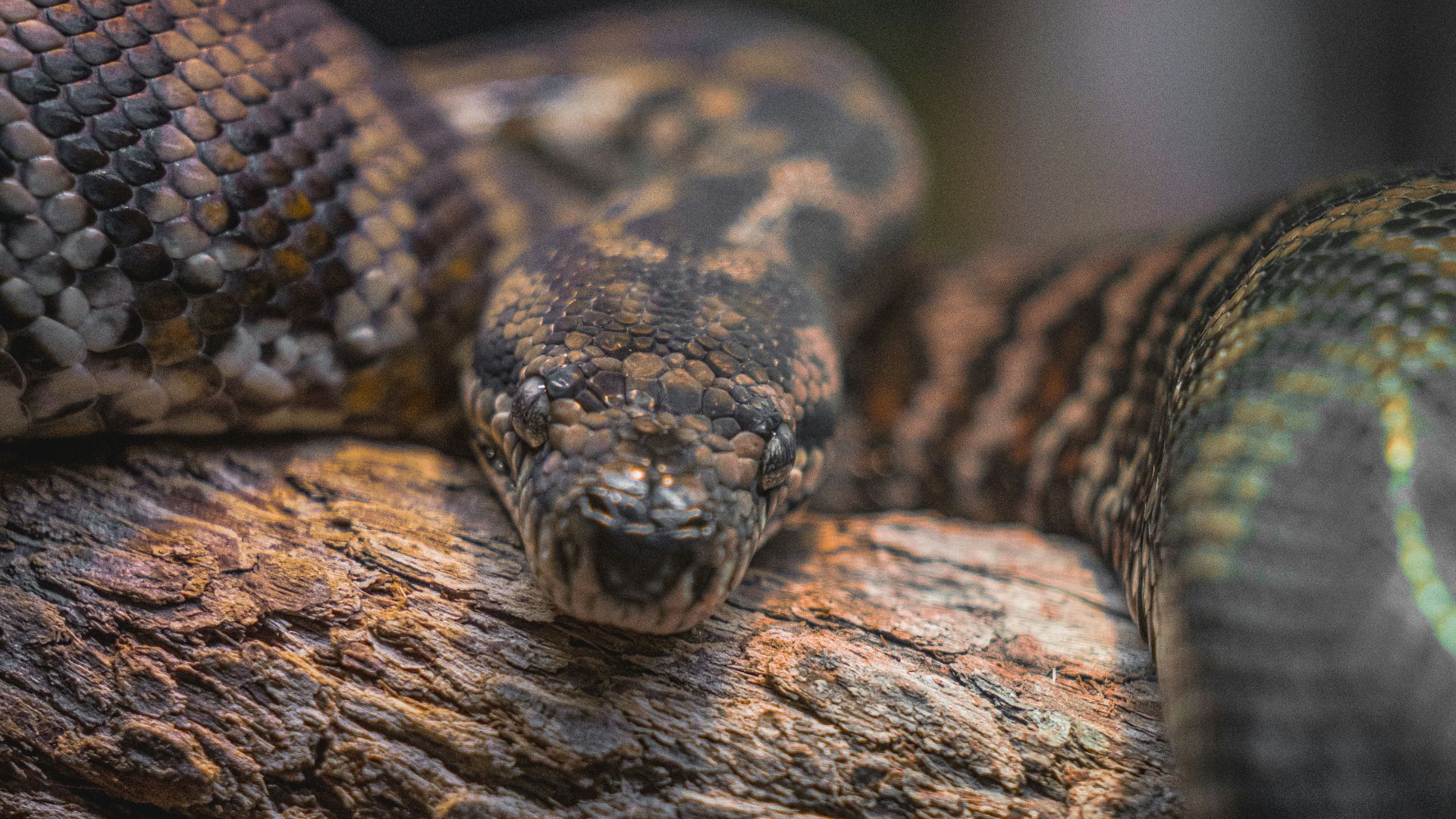
Coiled around a crushed sauropod egg lies an eleven-foot snake, with a newly hatched baby beside it. Sand buried the scene in India about 67 million years ago, probably during a storm. Other snakes have turned up with egg clutches at the same site.
15. Mrs T
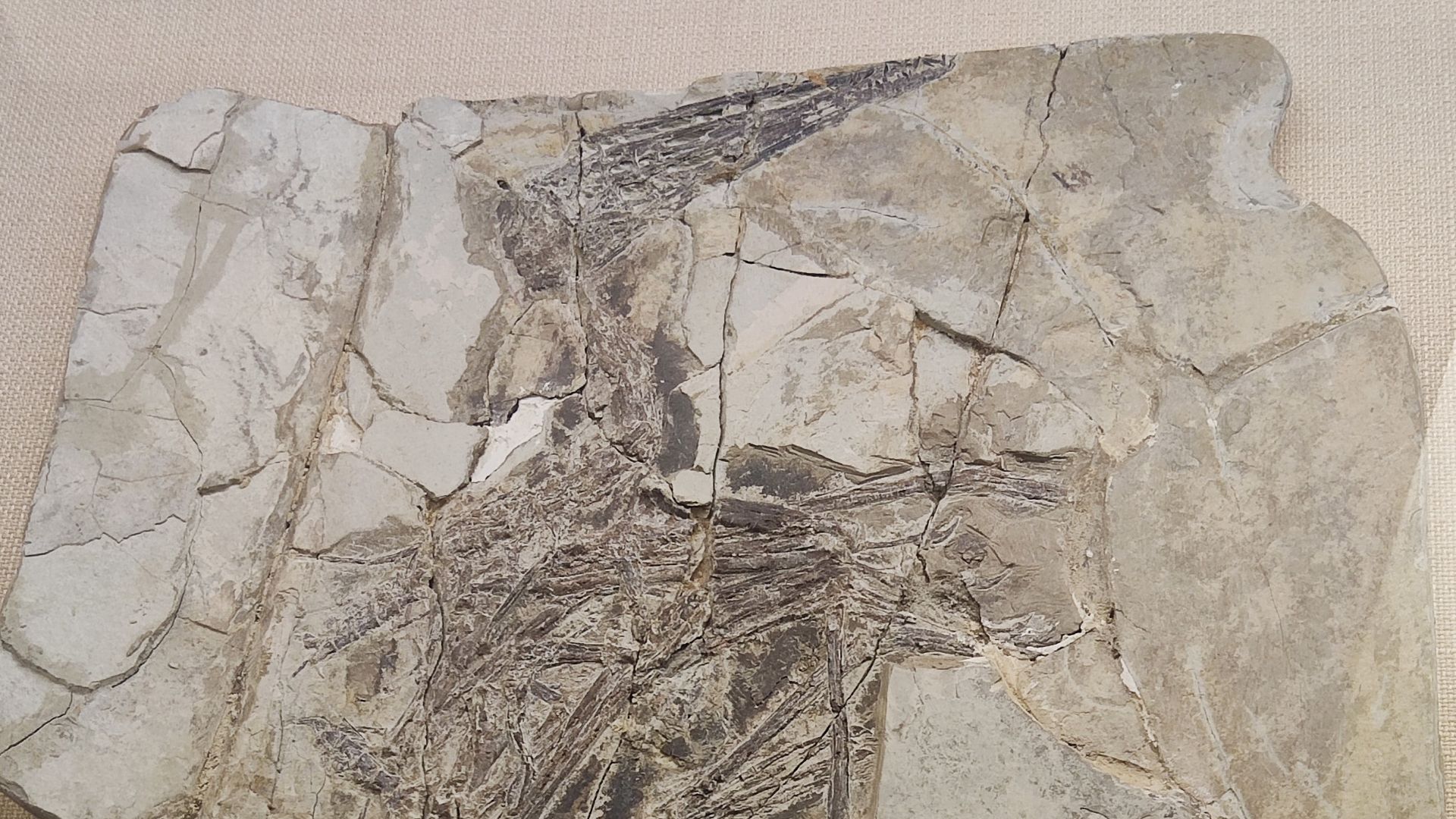
She fell into a lake with an injured wing and an egg still inside her. The egg sits just below her pelvis, which confirmed she was female and settled a long argument about the crests on these animals. Her skull is plain, so the crested ones were males.
16. The Sinkhole Trap
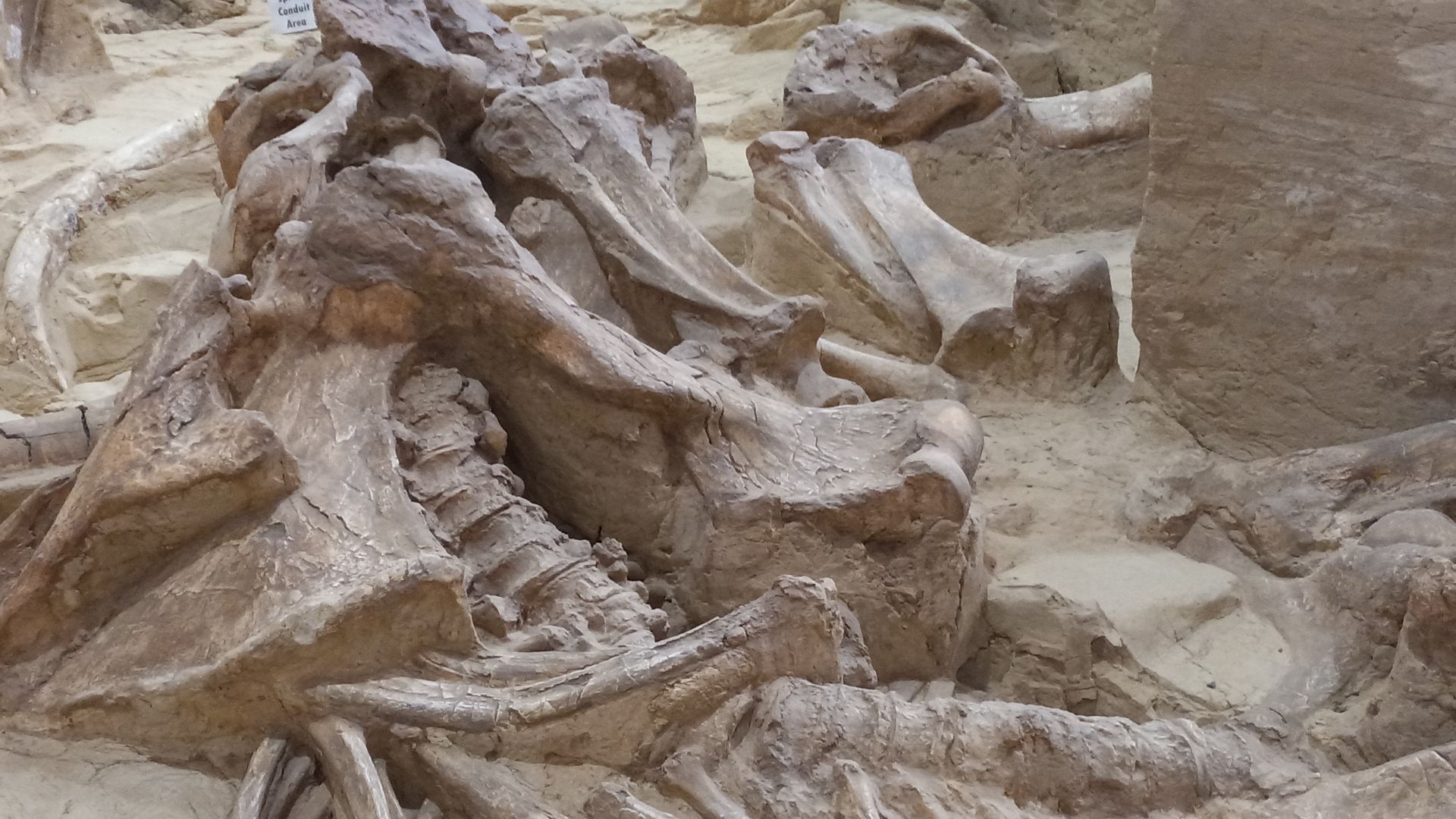
Mammoths kept coming to drink at a flooded South Dakota sinkhole, and the slick shale sides meant some never climbed back out. Of the 61 recovered so far, most are young males.
17. A Tick on a Feather
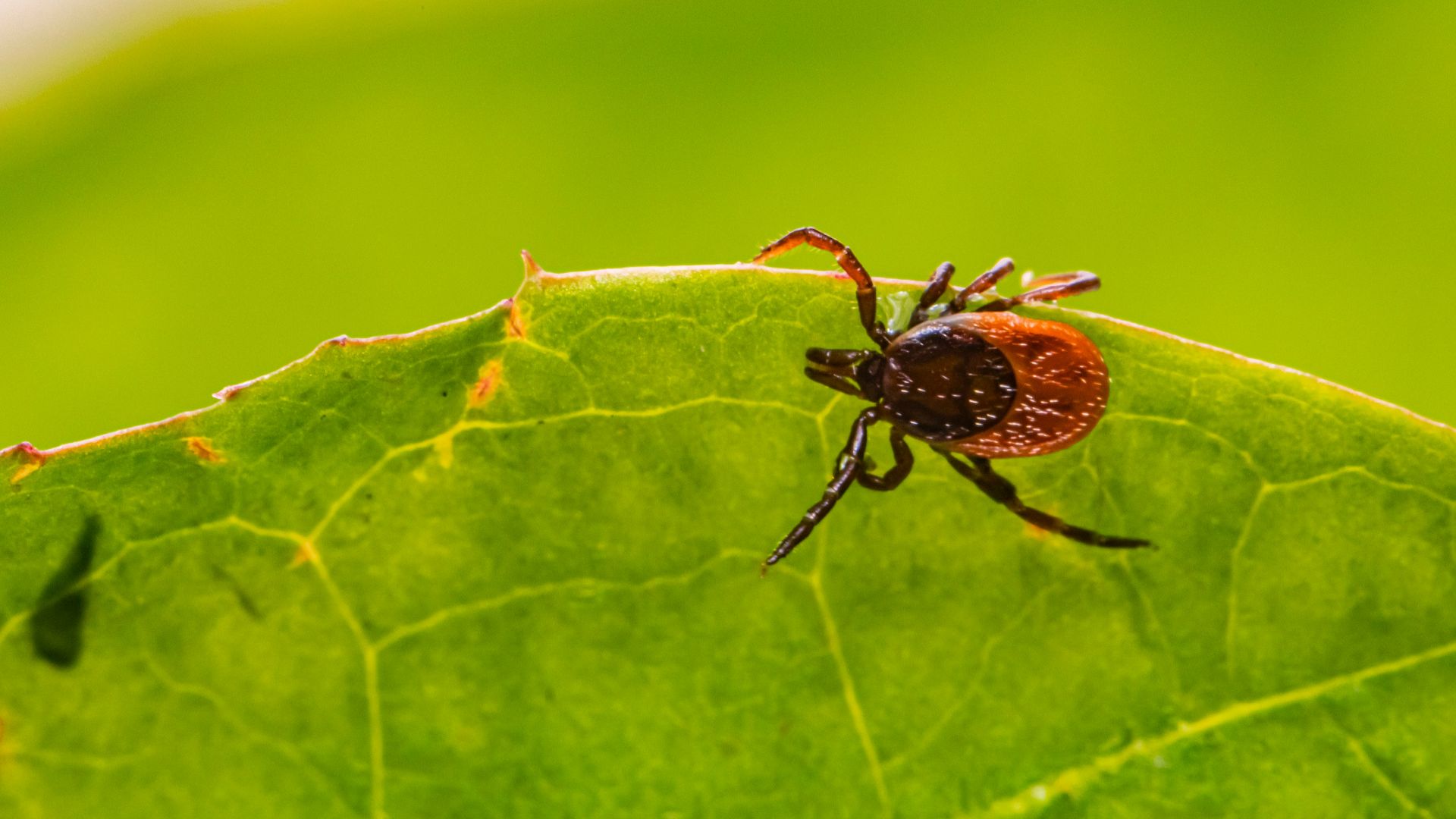
A tick nymph grips a dinosaur feather in amber, the only direct evidence of what fed on feathered dinosaurs. Another tick in the same collection is swollen with blood to eight times its normal size.
18. Fifteen Baby Dinosaurs
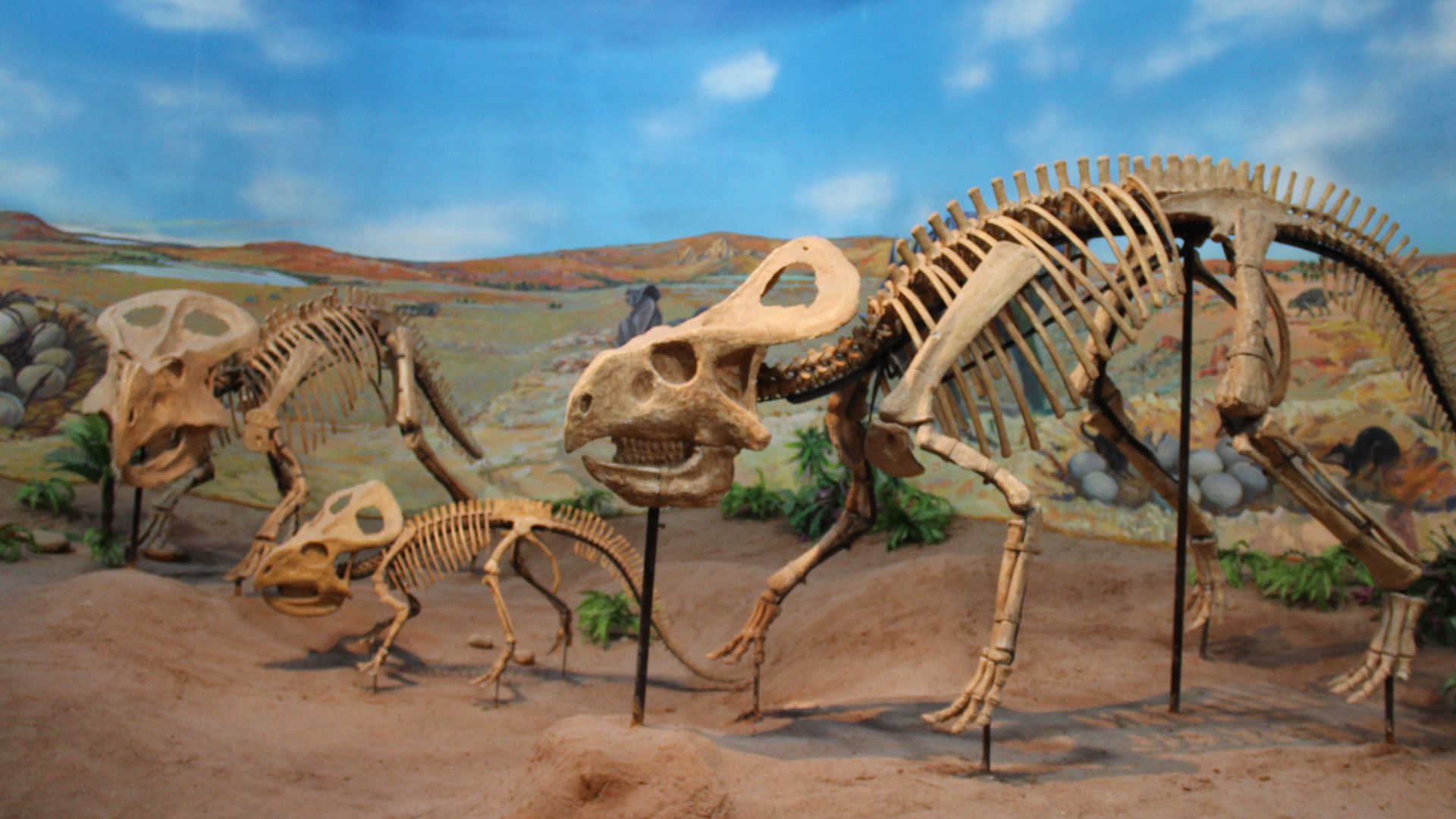
Fifteen young Protoceratops share one Mongolian nest, all past the newborn stage and with no adult among them. A sandstorm buried them alive.
19. Yuka
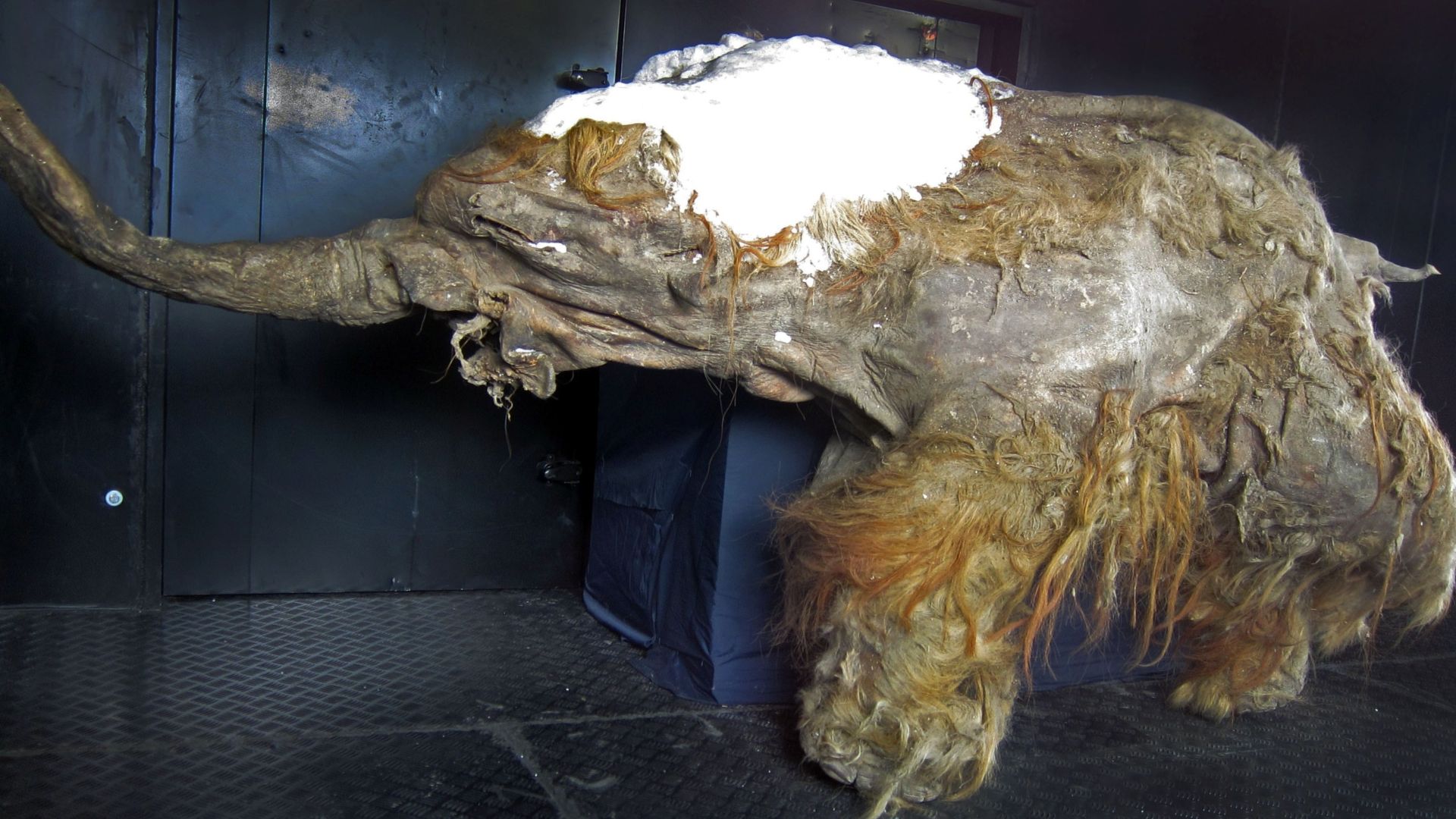
Scratches on the hide and bites on the tail say lions chased this mammoth, and it broke a hind leg in a fall shortly before dying. What makes Yuka strange is what came after, with cut marks and missing bones pointing to people taking the meat. That part is an interpretation and not a settled finding.
20. The Mammal That Fought Back
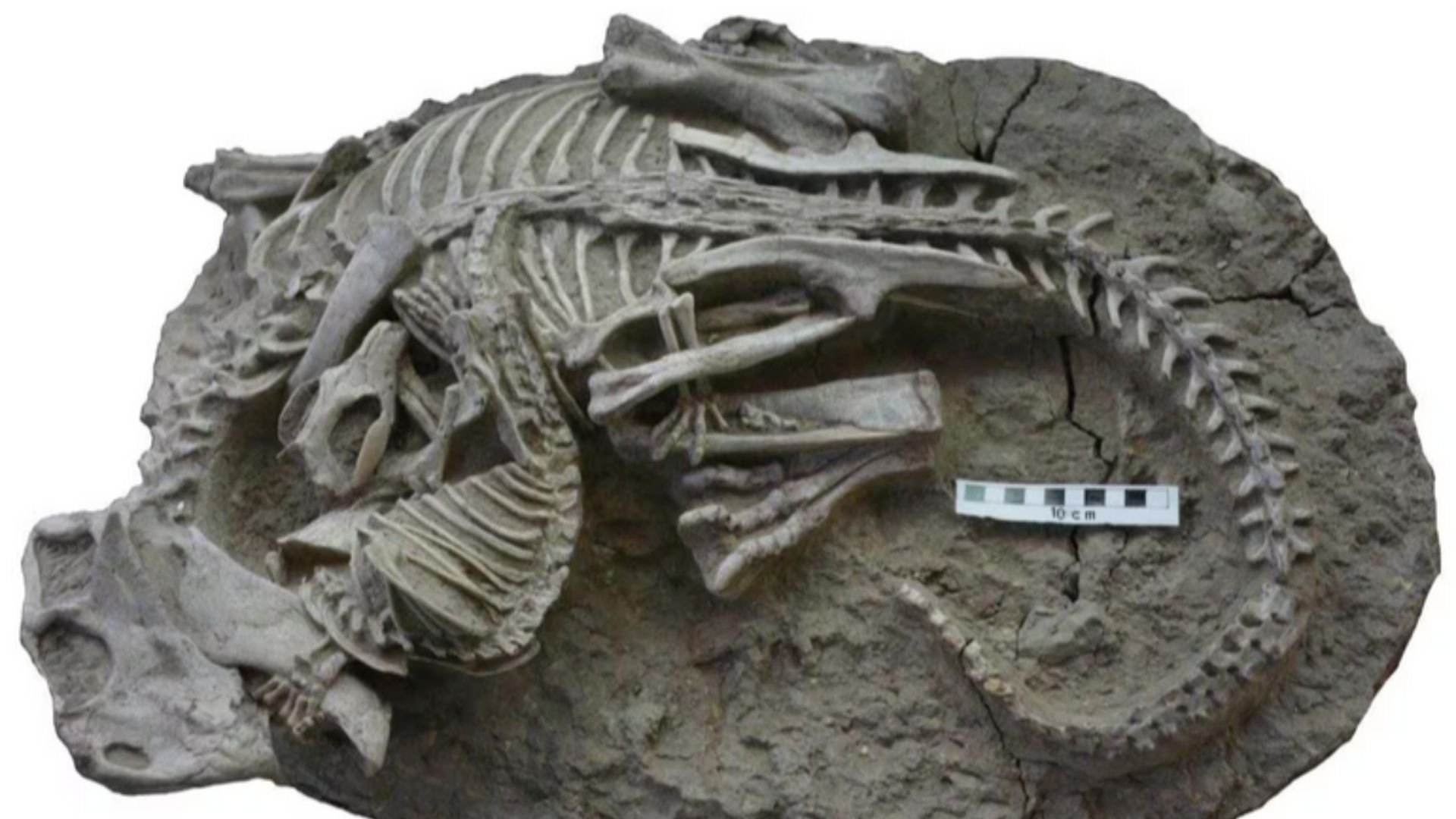
A 125-million-year-old fossil from China preserves Repenomamus robustus attacking a Psittacosaurus roughly three times its weight. The mammal is sprawled across the dinosaur, gripping its jaw and hind leg while biting into its ribs. Their position, combined with the lack of scavenging marks, convinced researchers that this was an attack in progress when a volcanic debris flow buried them both.
 photographied by Morosaurus millenii on Wikimedia
KEEP ON READING