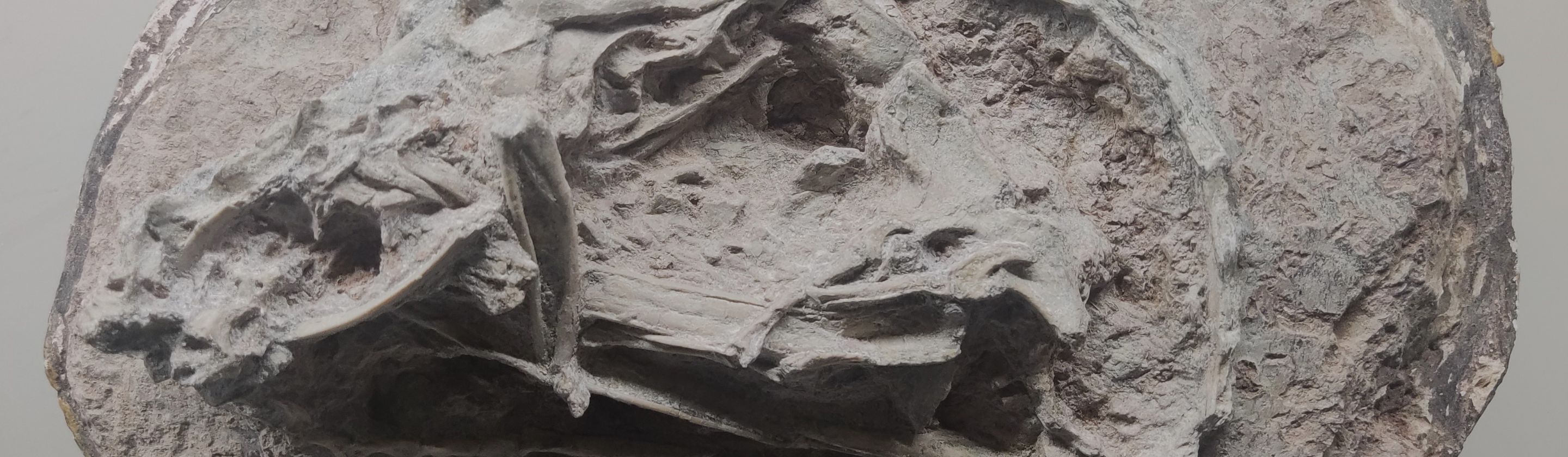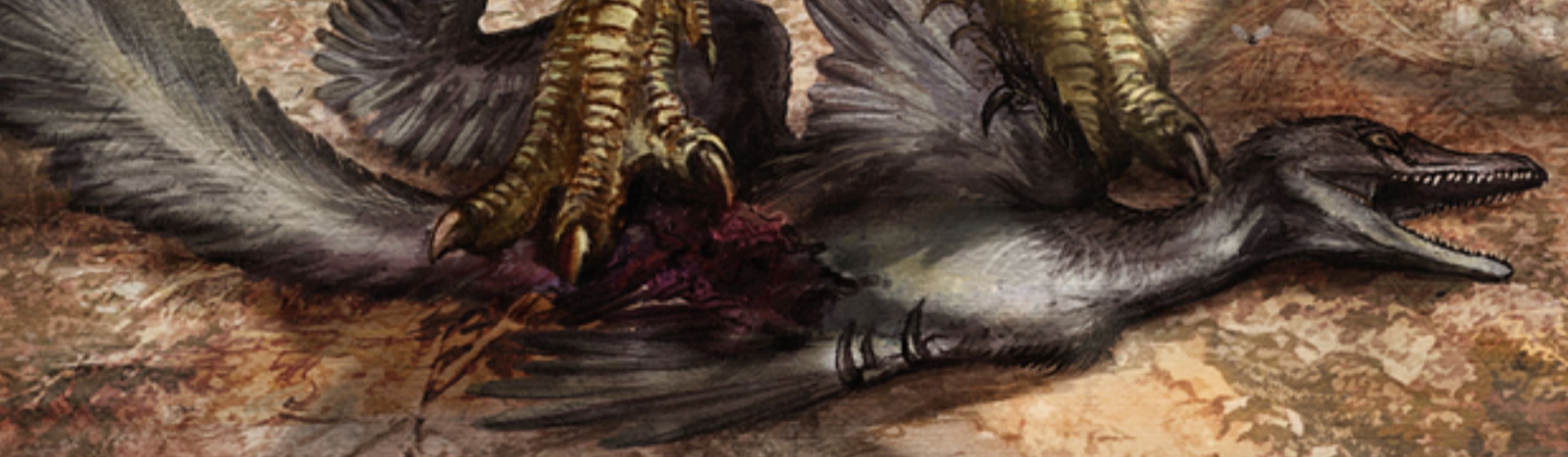
Fossils That Died Mid-Digestion
Gut contents almost never fossilize. Soft tissue breaks down in days, so a last meal only survives if the animal died and got buried right away, usually in mud with no oxygen in it. What you get is a snapshot of one afternoon from millions of years ago, which is a stranger thing to hold than a skeleton. Paleontologists have found a few dozen, and some of them settled arguments that bones alone couldn't. Here's 20 animals whose last meals are still sitting where they left them.
 Xing L, Bell PR, Persons WS IV, Ji S, Miyashita T, et al. (2012) on Wikimedia
1. Compsognathus
A whole lizard sits in the body cavity of the German specimen, swallowed in one piece and barely digested. The lizard was a quick one, long-legged and built for running, which means the little dinosaur that caught it was quicker.
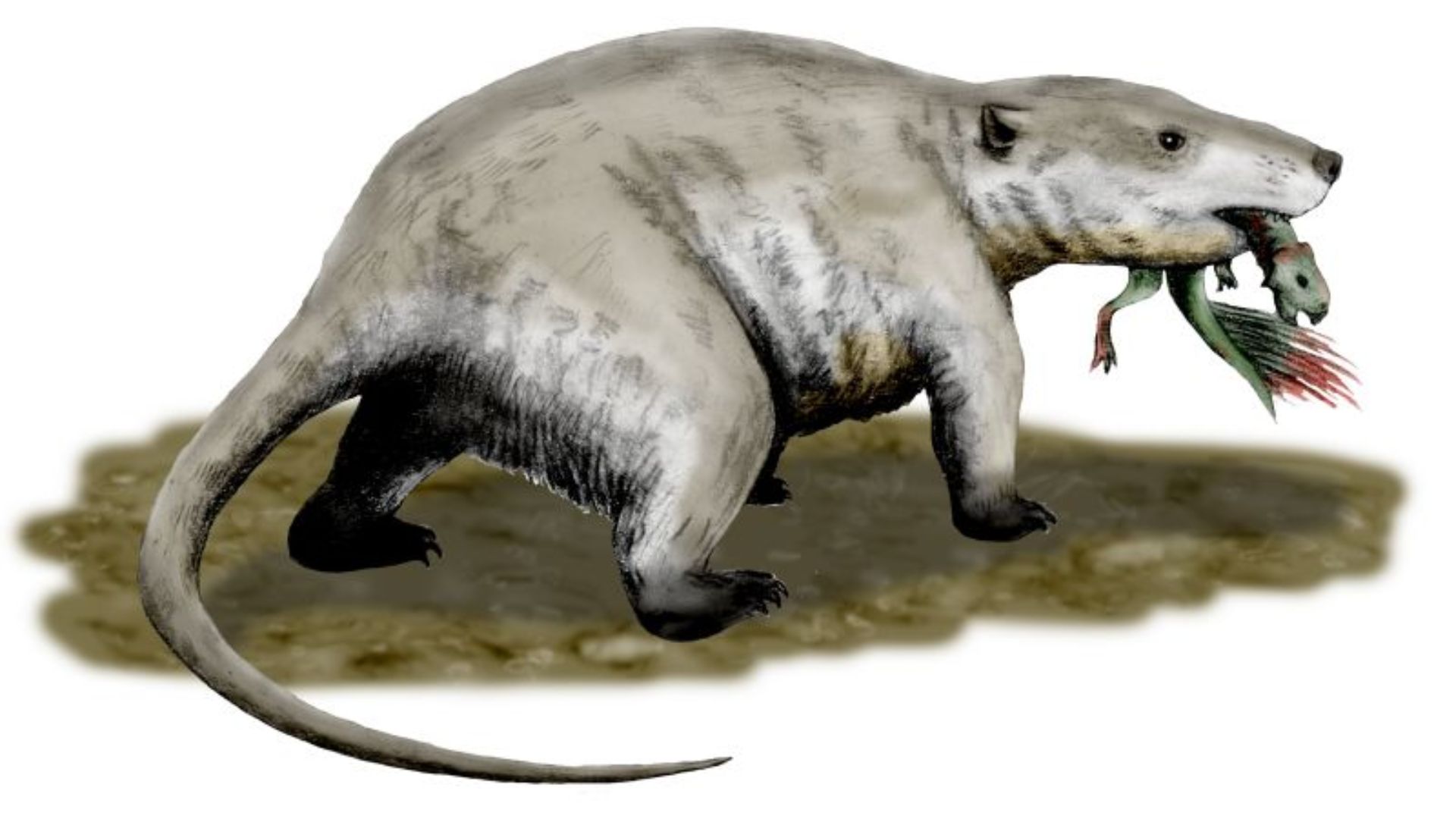
2. Repenomamus
Here the usual arrangement runs backward. Repenomamus was a mammal a little over three feet long, and inside it sat the torn-up remains of a baby Psittacosaurus. Before this, the assumption was that mammals spent the age of dinosaurs out of the way.
 Nobu Tamura (http://spinops.blogspot.com) on Wikimedia
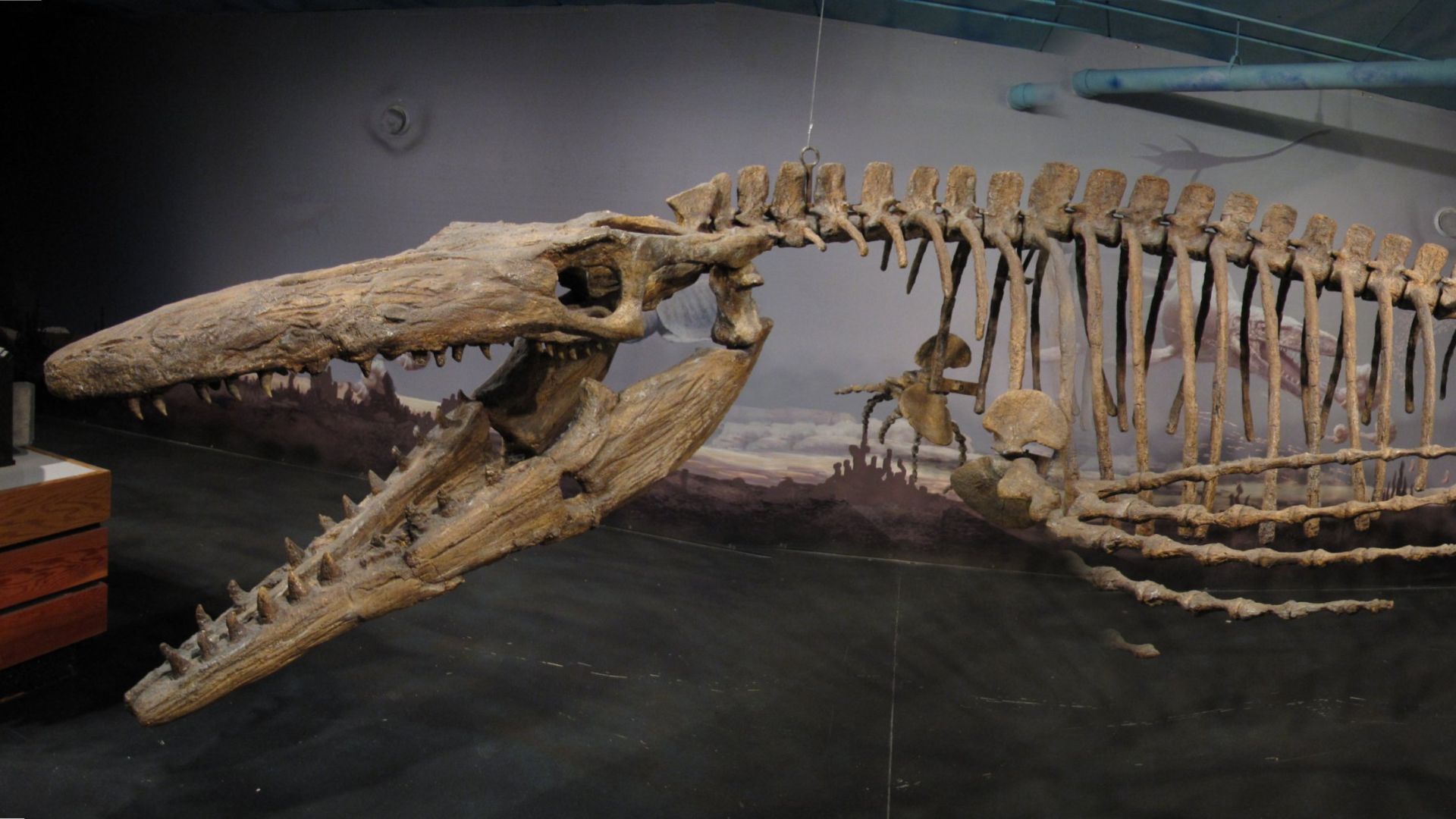
3. The Tylosaurus That Ate a Mosasaur
A big Tylosaurus from South Dakota went down with a smaller mosasaur in its stomach, a different species entirely. A half-digested fish and a flightless diving bird were in there with it. Shark teeth turned up too, though nobody can say those were a meal.
 Loozrboy from Toronto, Canada on Wikimedia
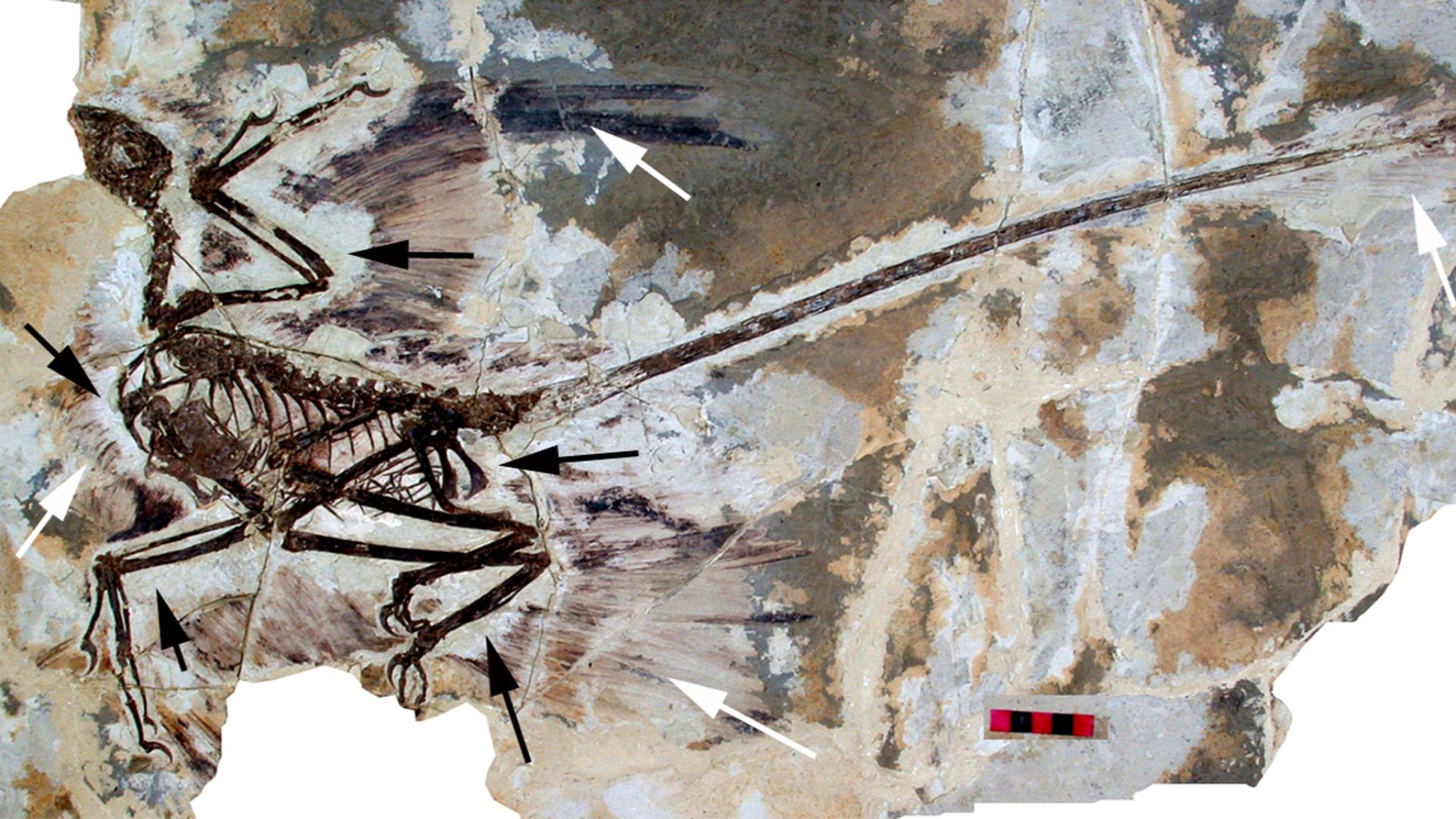
4. Microraptor
One Microraptor fossil was found with a lizard still preserved in its stomach, apparently swallowed whole and head-first. The lizard was complete enough to be identified as a new species in 2019. Four Microraptor fossils are now known with stomach contents, and each preserves a different kind of prey.
 David W. E. Hone, Helmut Tischlinger, Xing Xu, Fucheng Zhang on Wikimedia
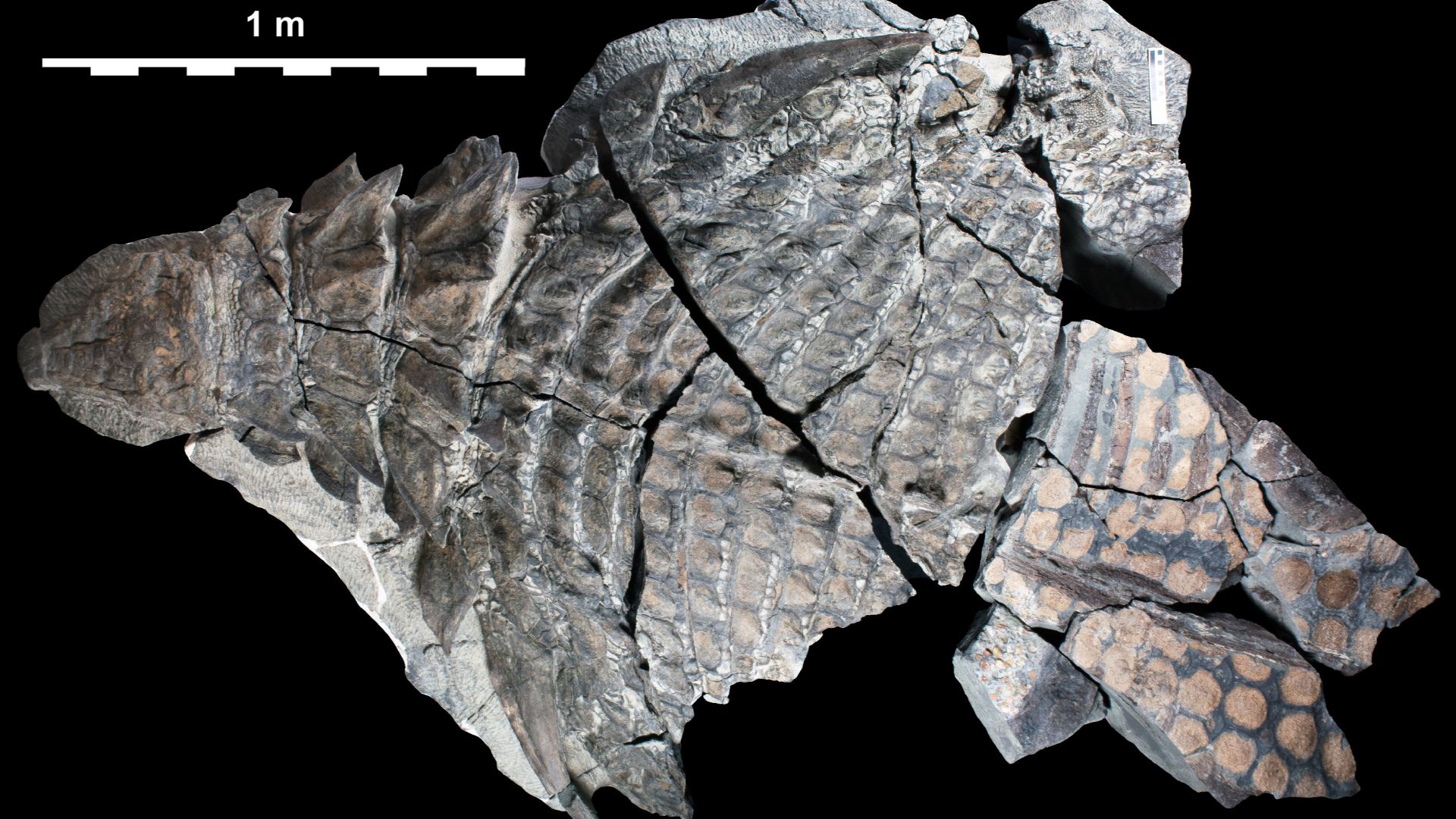
5. The Armored Nodosaur
Almost everything in Borealopelta's stomach was chewed leaves, and most of those came from a single kind of fern. There was charcoal in there too, from ground that had burned not long before. The twigs it ate still had their growth rings, which put the meal in early summer, hours before the animal died.
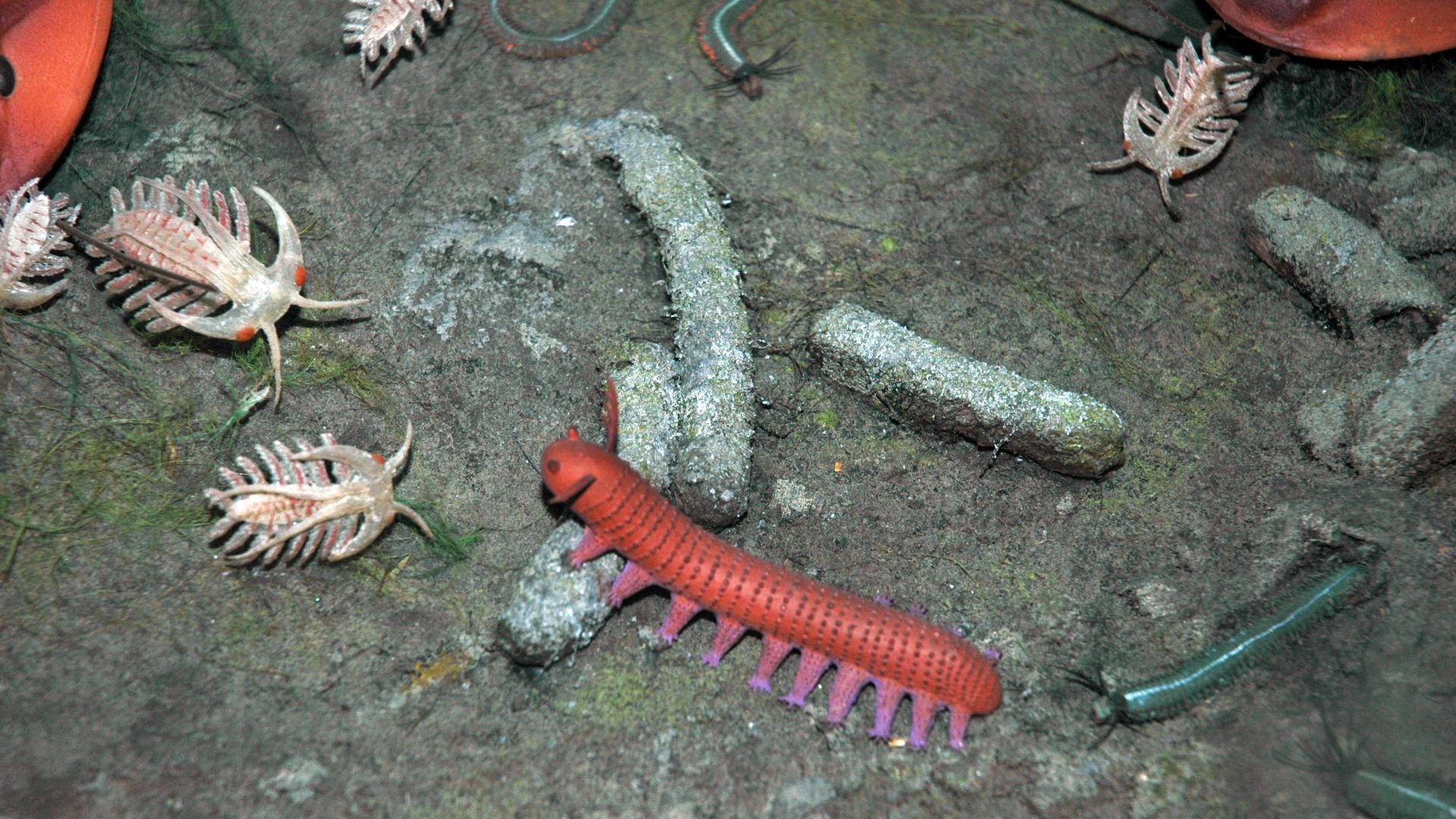
6. The Burgess Shale Worm
Ottoia fossils have repeatedly been found with small shelled animals preserved in their guts, apparently swallowed head-first and with the shells still intact. The worm lived in a U-shaped burrow and used a spiny, extendable snout to seize prey passing nearby. Some specimens even contain the remains of other Ottoia, suggesting they occasionally ate one another.
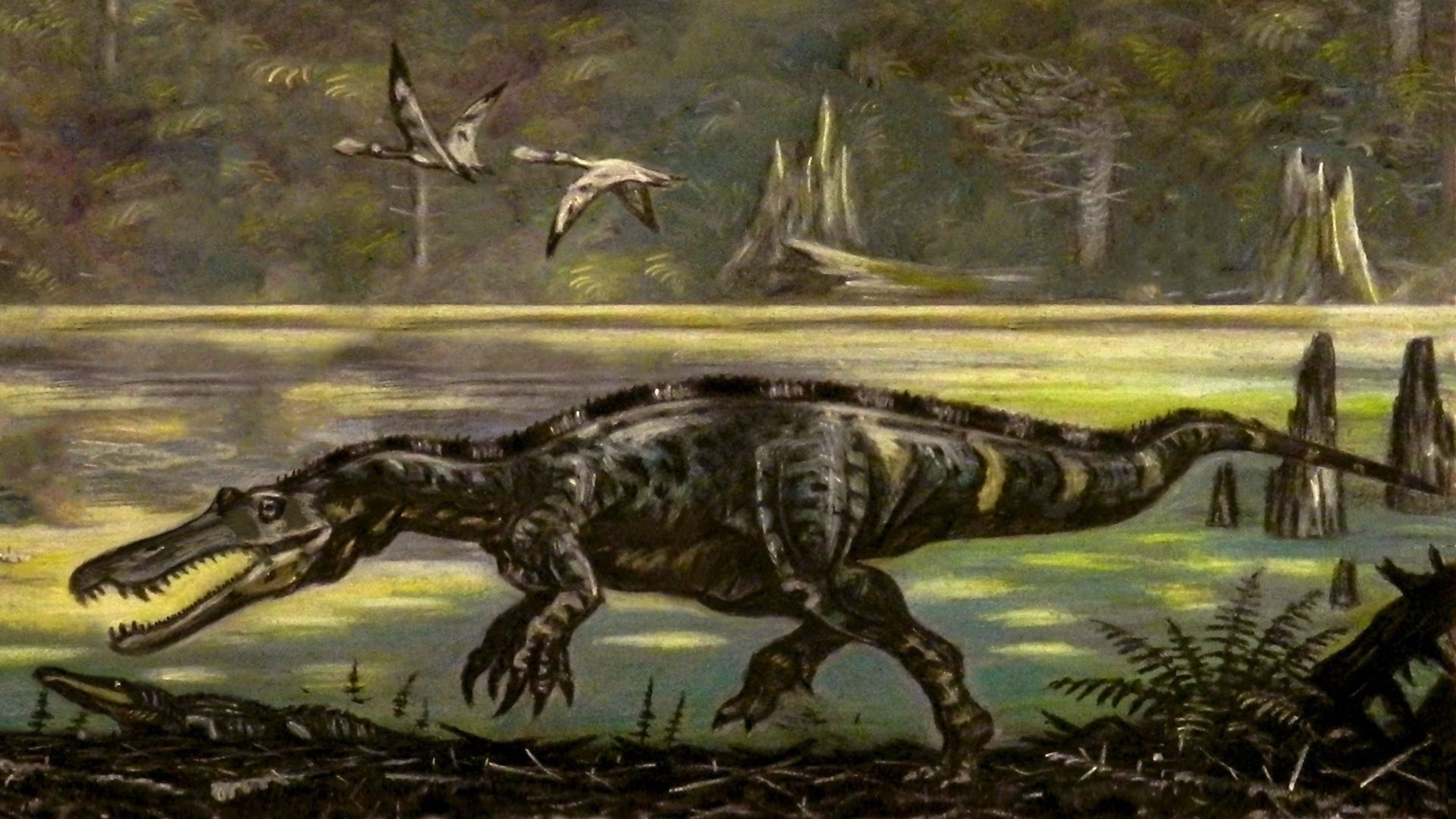
7. Baryonyx
Fish scales were found where its stomach would have been, alongside the bones of an Iguanodon. That combination showed that Baryonyx was not strictly a fish-eater, despite the long, crocodile-like jaws that made it look specialized for catching fish.
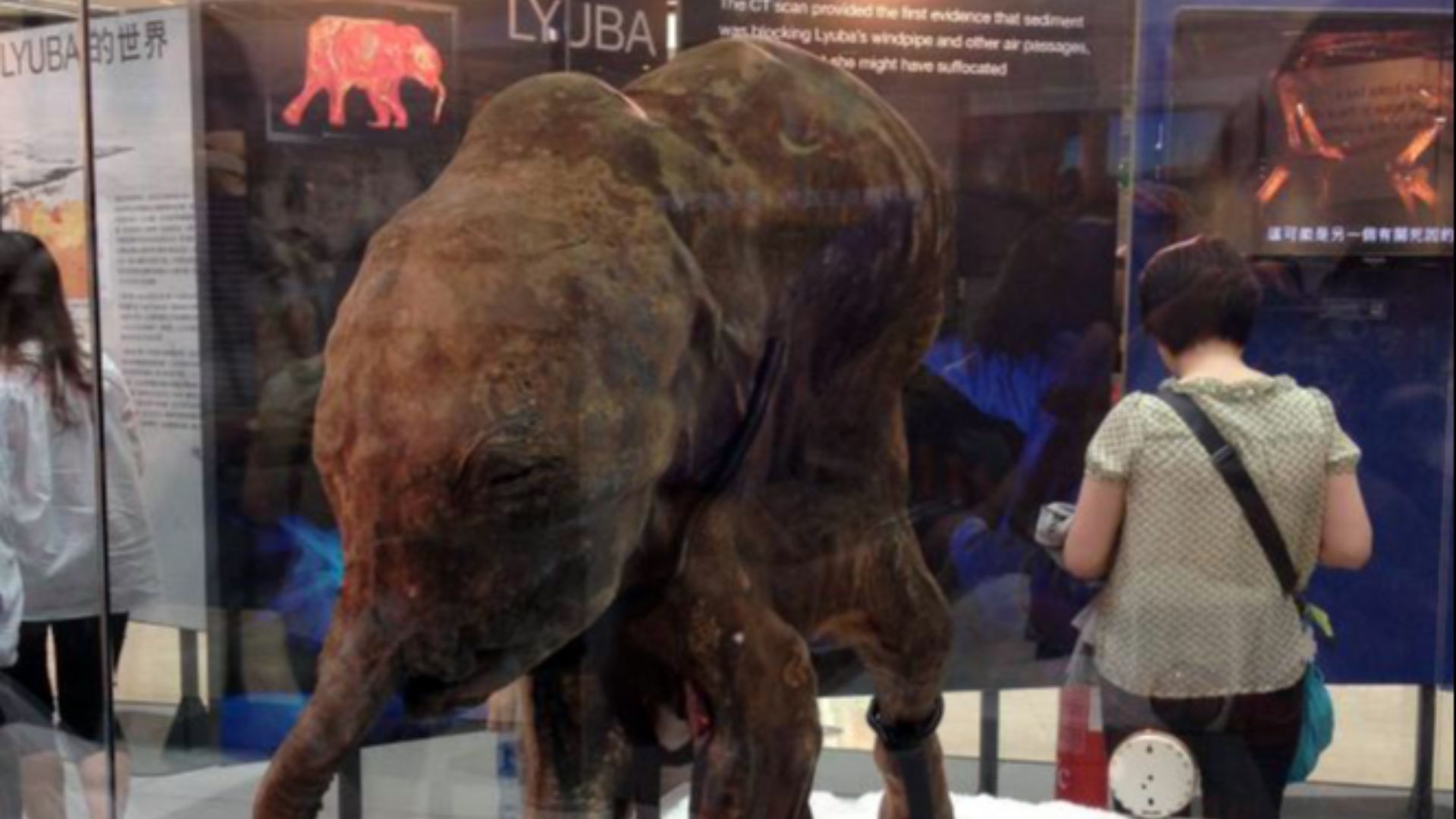
8. Lyuba
The mammoth calf pulled out of Siberian permafrost still had her mother's milk in her stomach and dung in her intestines. Baby elephants do the same thing today, apparently to build up the gut they'll need once they stop nursing. Lines in her teeth put her at about a month old, and she'd been in the ground 42,000 years when a reindeer herder found her in 2007.
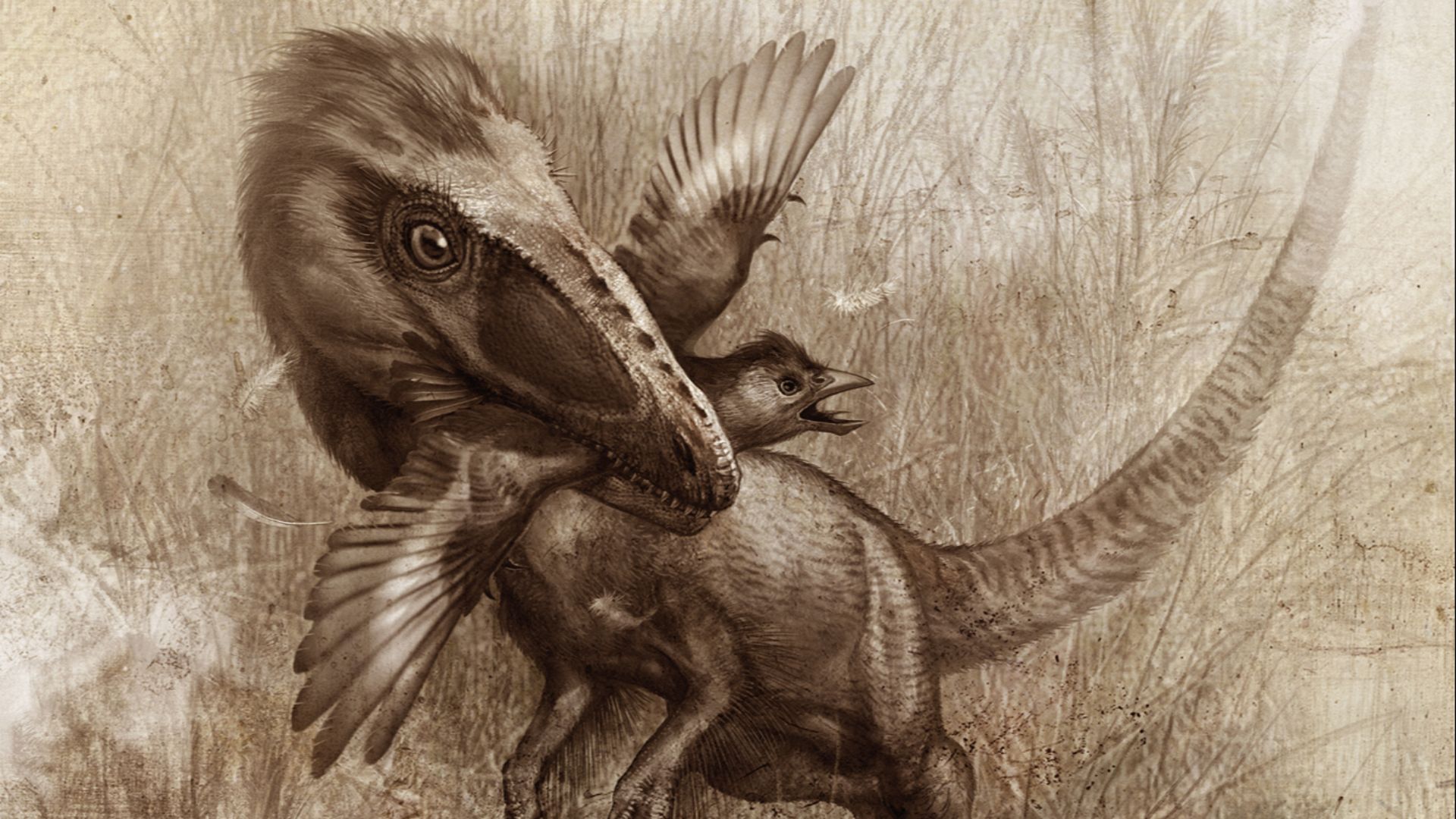
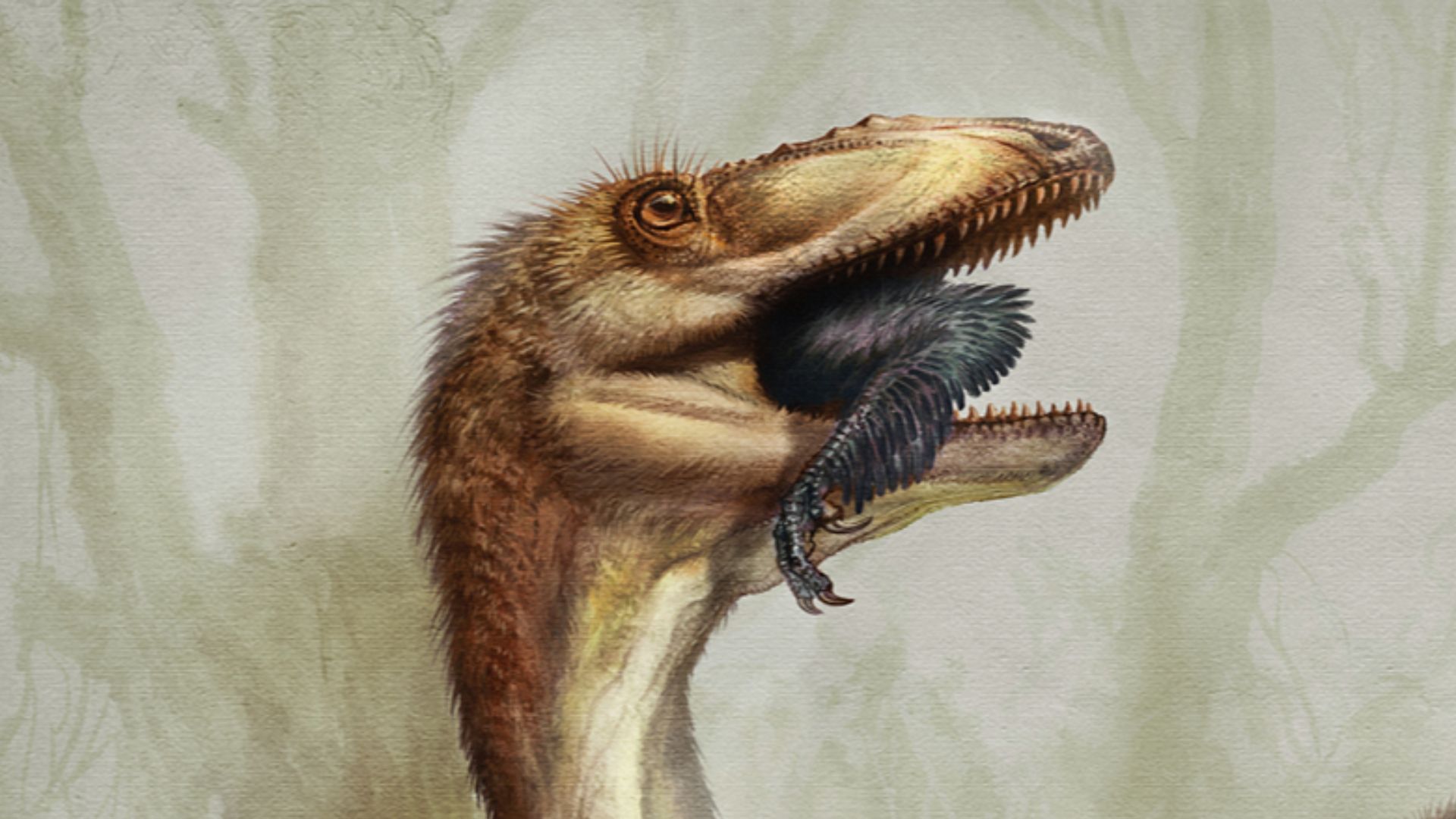
9. Sinocalliopteryx
Two birds, same stomach. A Sinocalliopteryx from China held a pair of them along with bones from a plant-eating dinosaur, and the birds looked to have gone down one after the other. The researchers called that a guess, since a scavenger would leave much the same mess.
 Xing L, Bell PR, Persons WS IV, Ji S, Miyashita T, et al. (2012) on Wikimedia
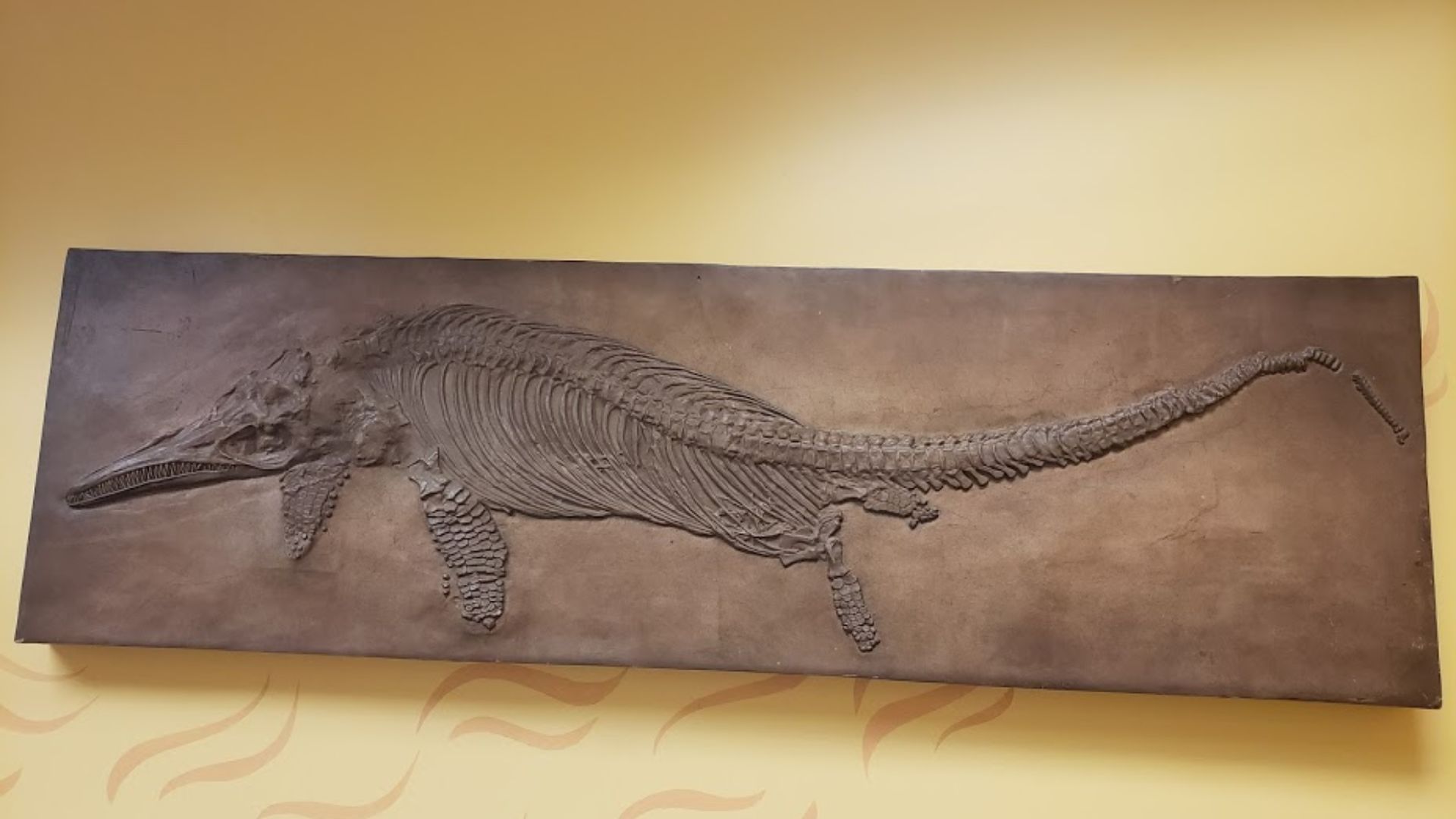
10. Ichthyosaur
The predator was nearly 15 feet long, and it had swallowed the middle section of another marine reptile. The preserved chunk stretched from the prey's front limbs to its hind limbs, suggesting the entire animal was about 12 feet long. The predator was a Guizhouichthyosaurus, and the prey's tail was found preserved separately nearby.
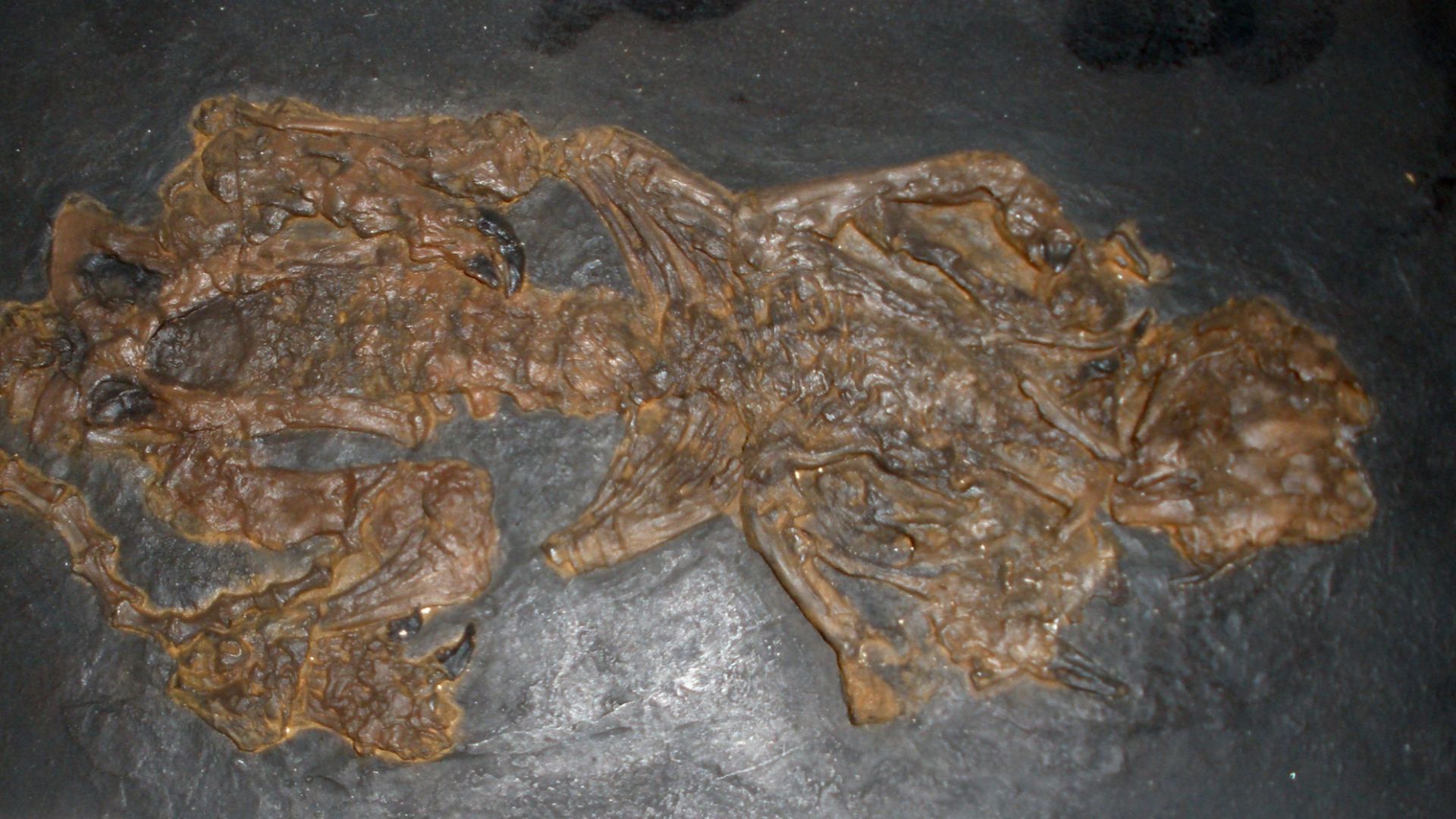
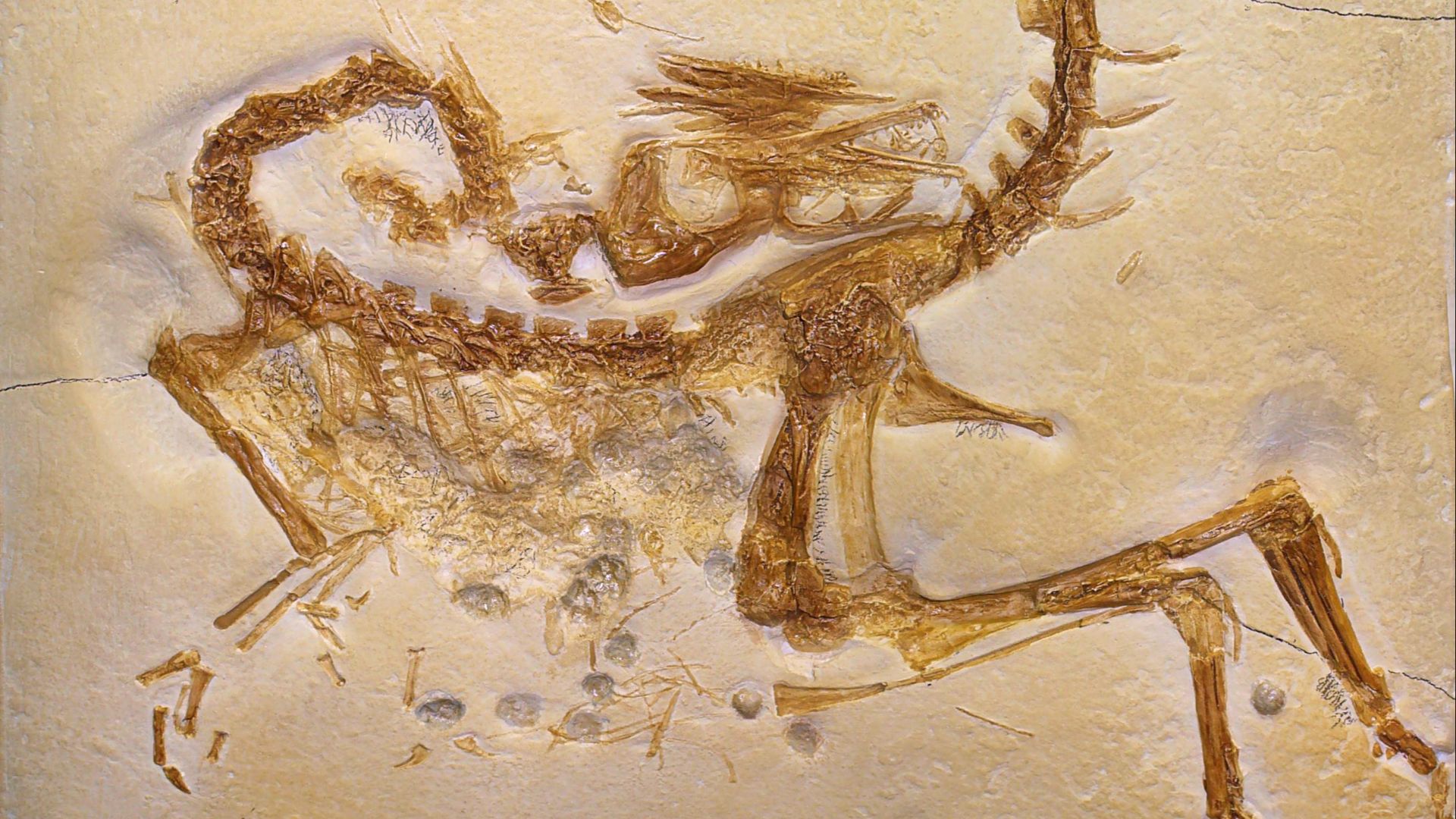
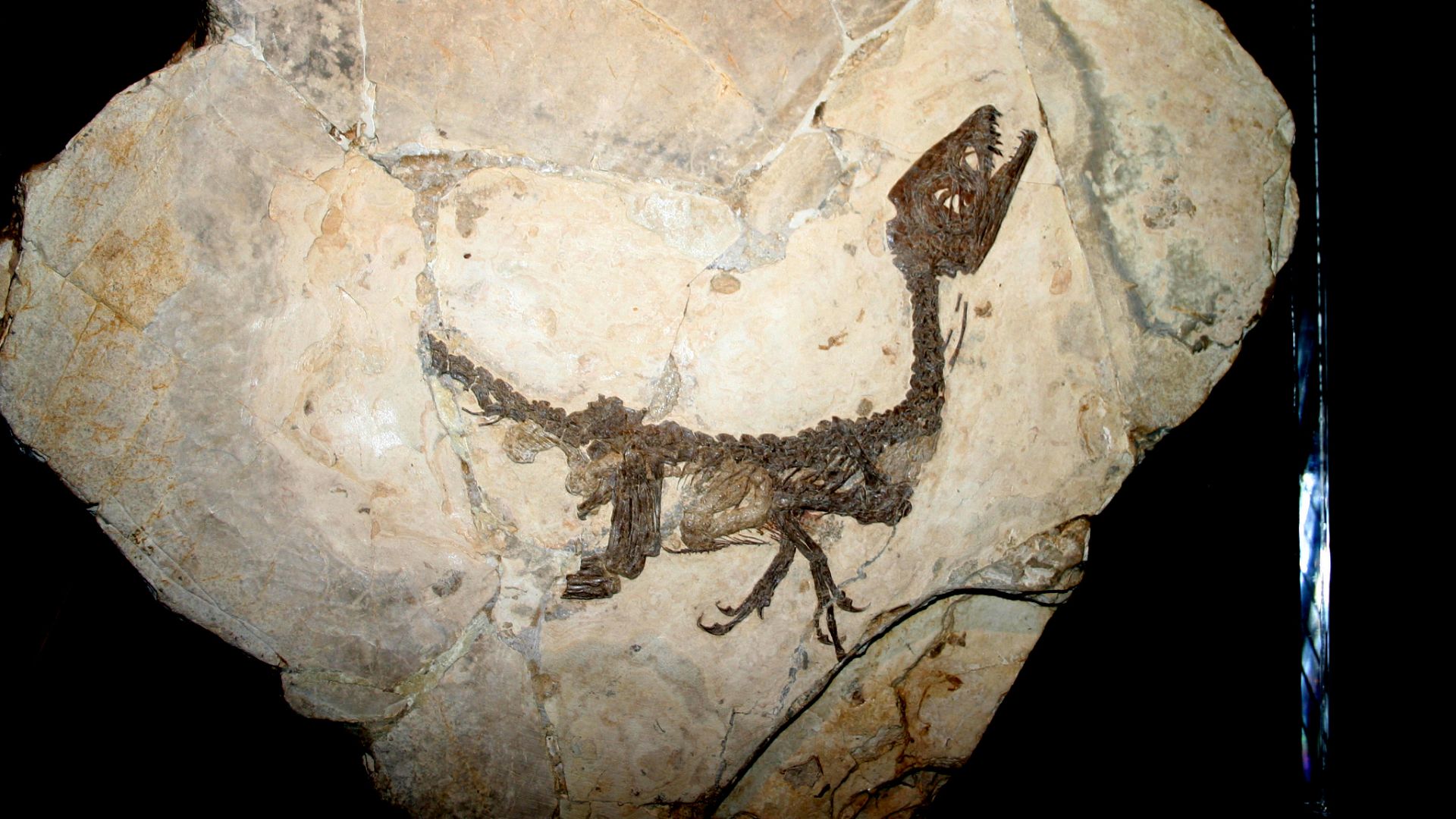
11. Ciro
Ciro is an Italian dinosaur about the size of a crow, and he preserves more soft tissue than nearly any other. You can see his intestines, with fish and lizard remains still sitting in them.
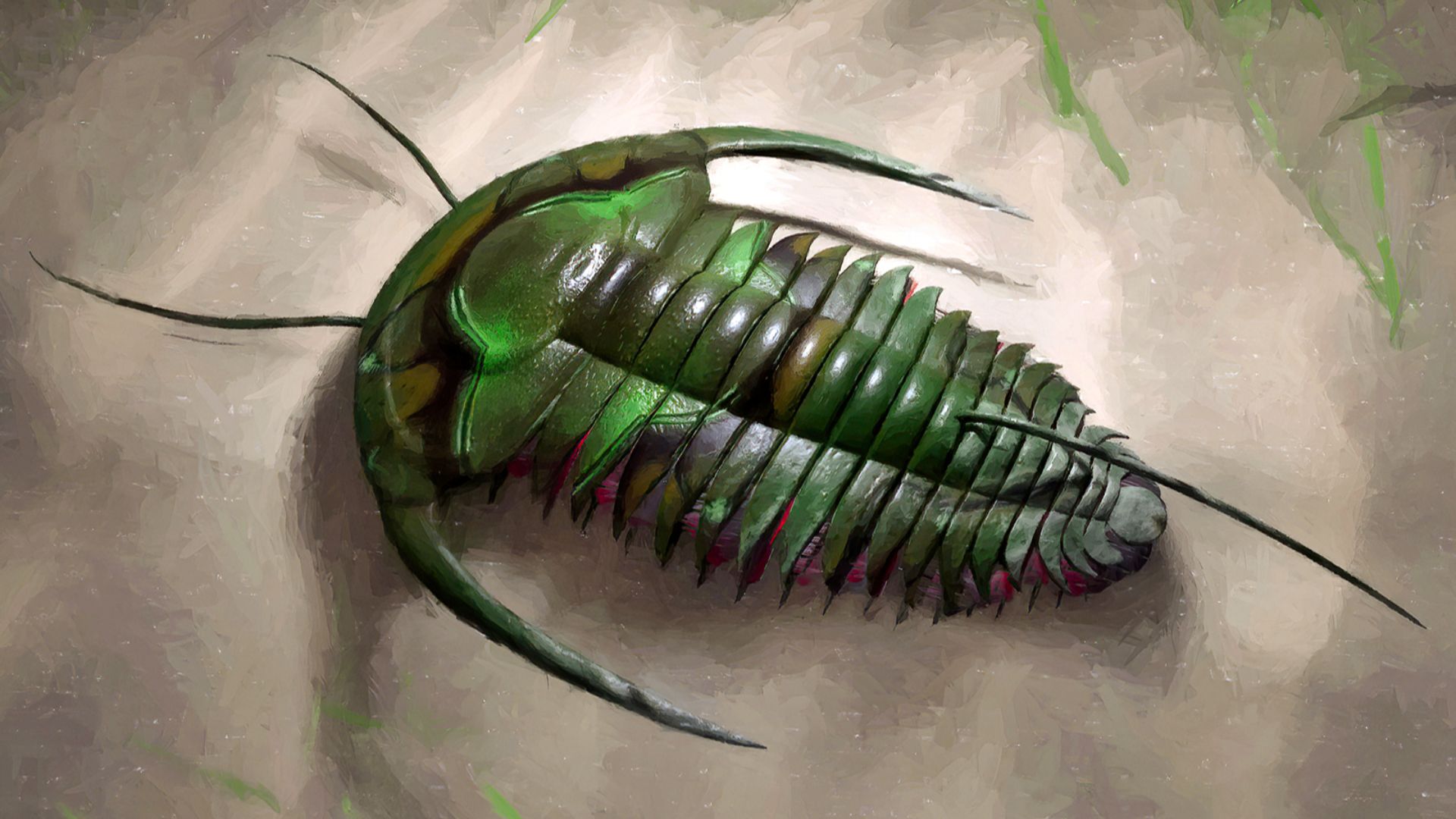
12. The Czech Trilobite
A trilobite from near Prague came out with its gut packed end to end with broken shells. It's 465 million years old, and the digestion seems to have worked without much acid. Scavengers tunneled in and ate the soft parts while leaving the gut alone, so something in there was still unpleasant.
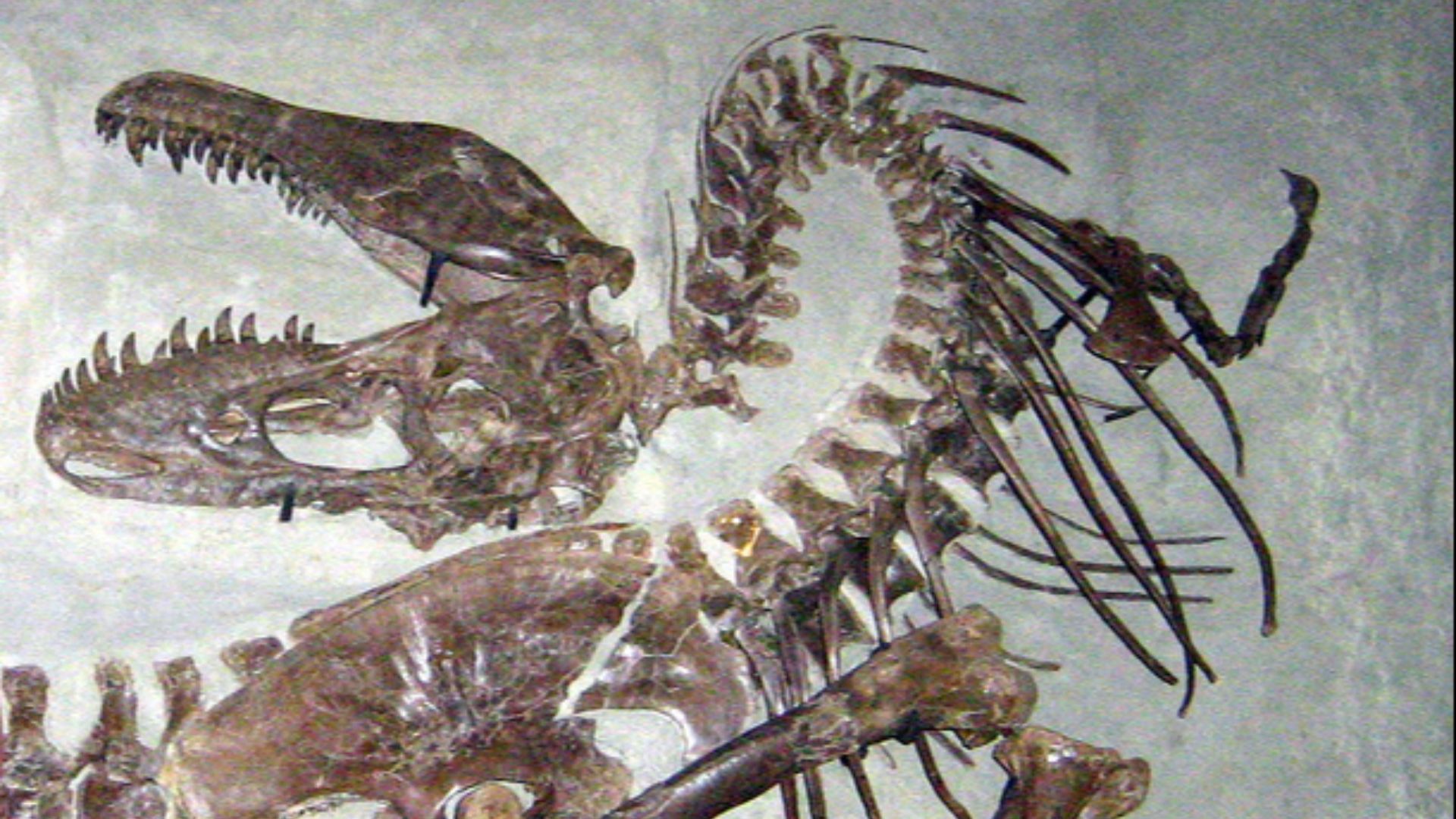
13.Tyrannosaur
Inside a young Gorgosaurus—a relative of T. rex—were the hind legs of two small birdlike dinosaurs. One set was further along in digestion than the other, suggesting the meals came days apart. The Gorgosaurus was only five to seven years old and appears to have been picking out the meatiest parts.
 Traumador the Tyrannosaur on Wikimedia
14. Rhamphorhynchus
A pterosaur caught mid-swallow, with fish bones in its throat and a second fish clamped onto its wing. The same pairing shows up in several fossils, so whatever went wrong here went wrong fairly often.
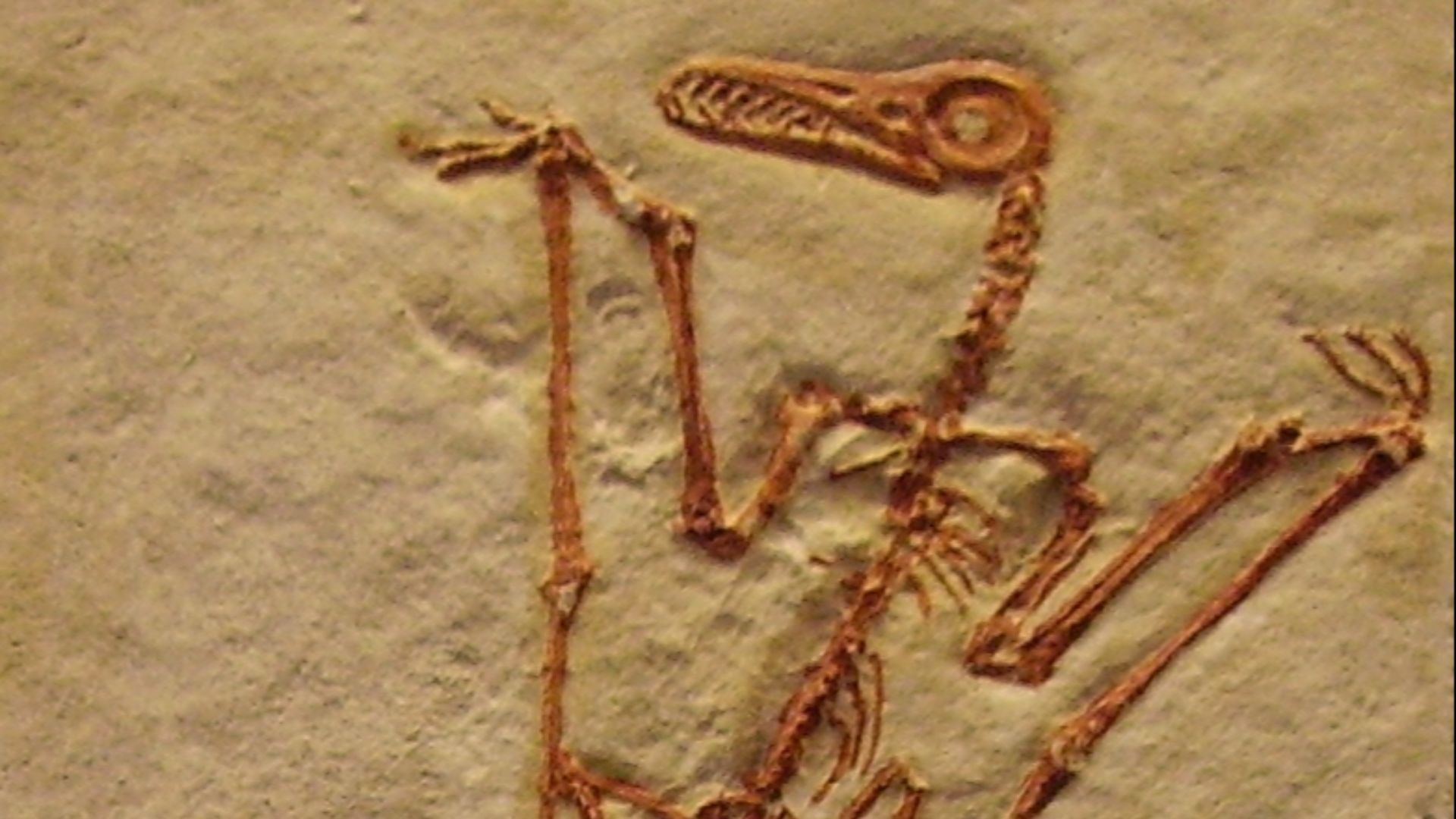
15. The Fish Within a Fish
Swallowing the meal is what killed this one. A 14-foot Xiphactinus from the Kansas chalk beds holds a six-foot fish whole inside it, and the big one died not long after, most likely because the smaller one thrashed hard enough to tear something.
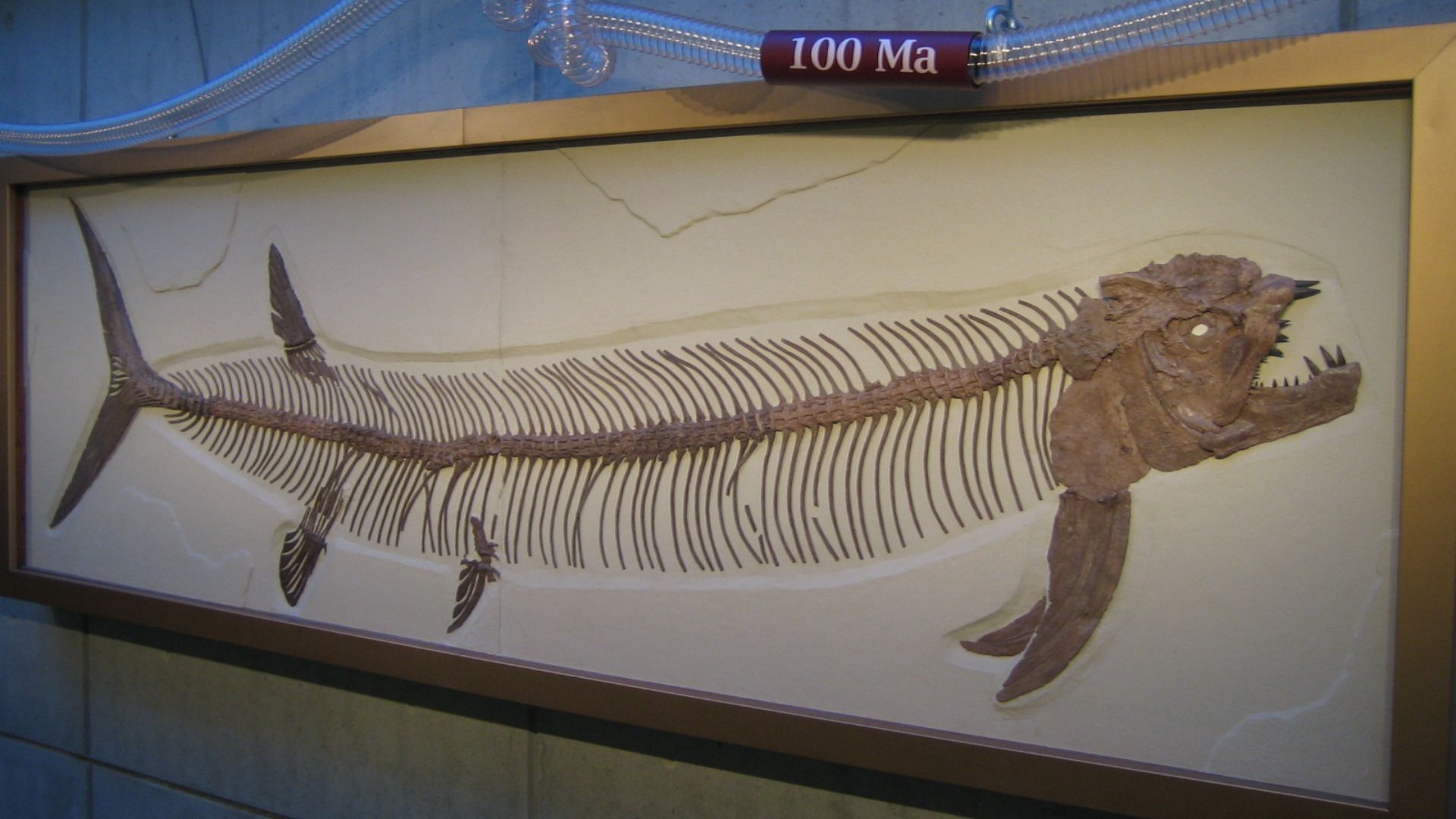 Eduard Solà Vázquez on Wikimedia
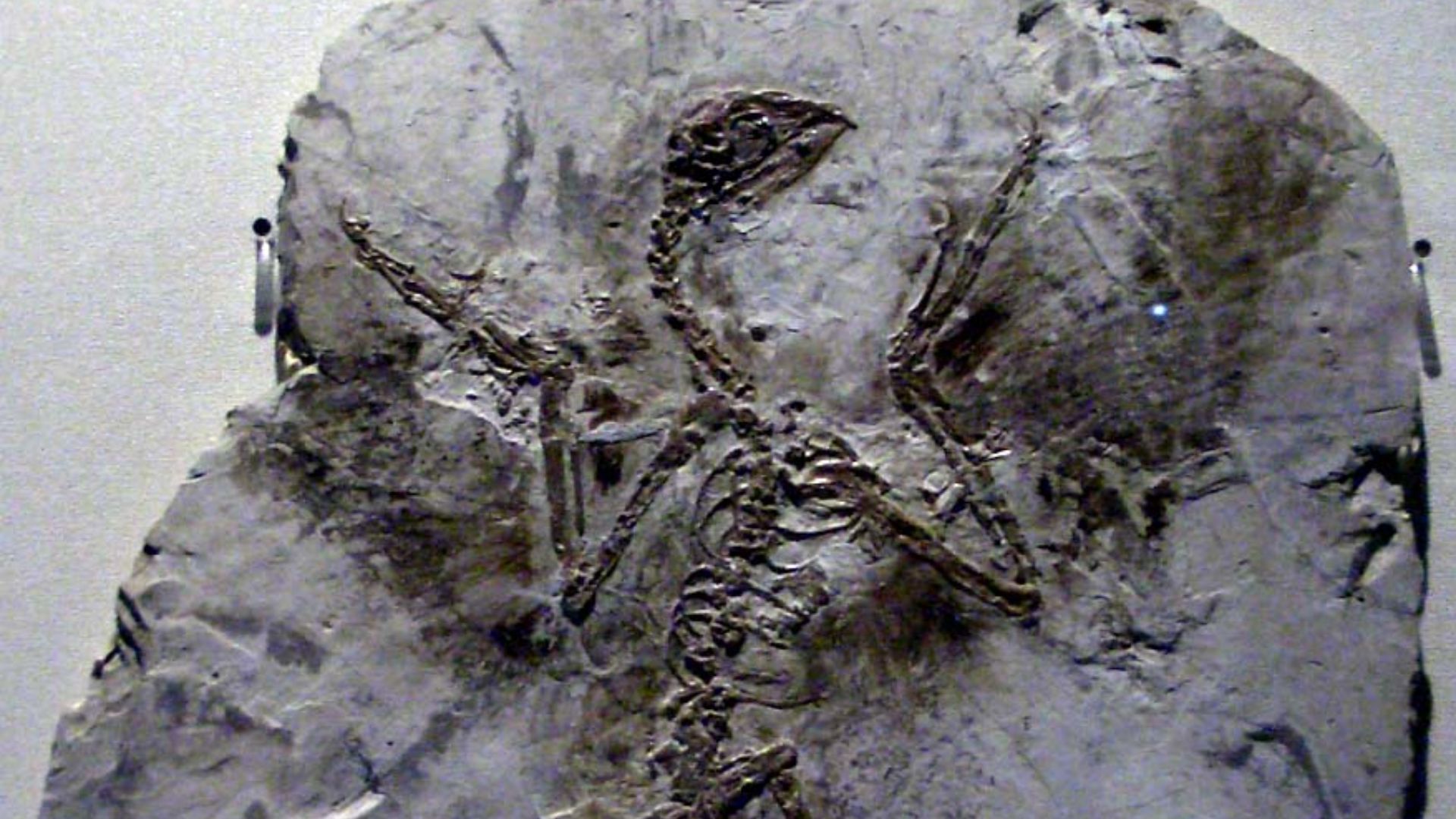
16. The Fruit-Eating Bird
Seeds sit whole and uncrushed in the belly of Jeholornis, a bird that flew about 120 million years ago. Uncrushed matters, since a grinding gizzard would have broken them, and no fossil has both seeds and gizzard stones. That makes it the oldest fruit eater anyone has found.
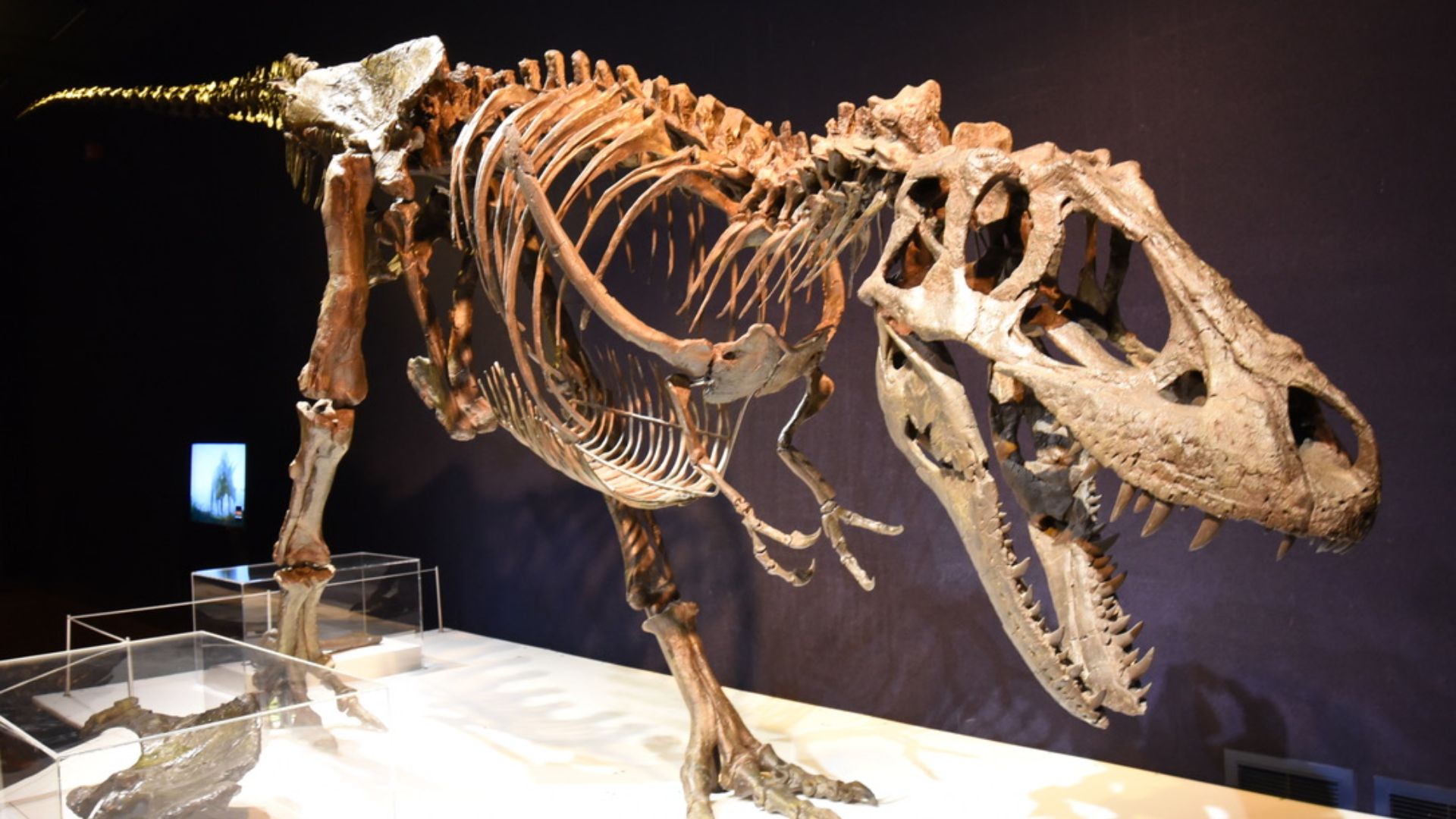
17. The Montana Tyrannosaur
A Daspletosaurus from western Montana was the first tyrannosaur anyone found with its stomach contents intact. The meal was a young duck-billed dinosaur, down to a piece of jaw and some vertebrae. The bone surfaces are pitted the way stomach acid pits bone in birds and crocodiles today, so it had been in there a while.
18. The Three-Level Fossil
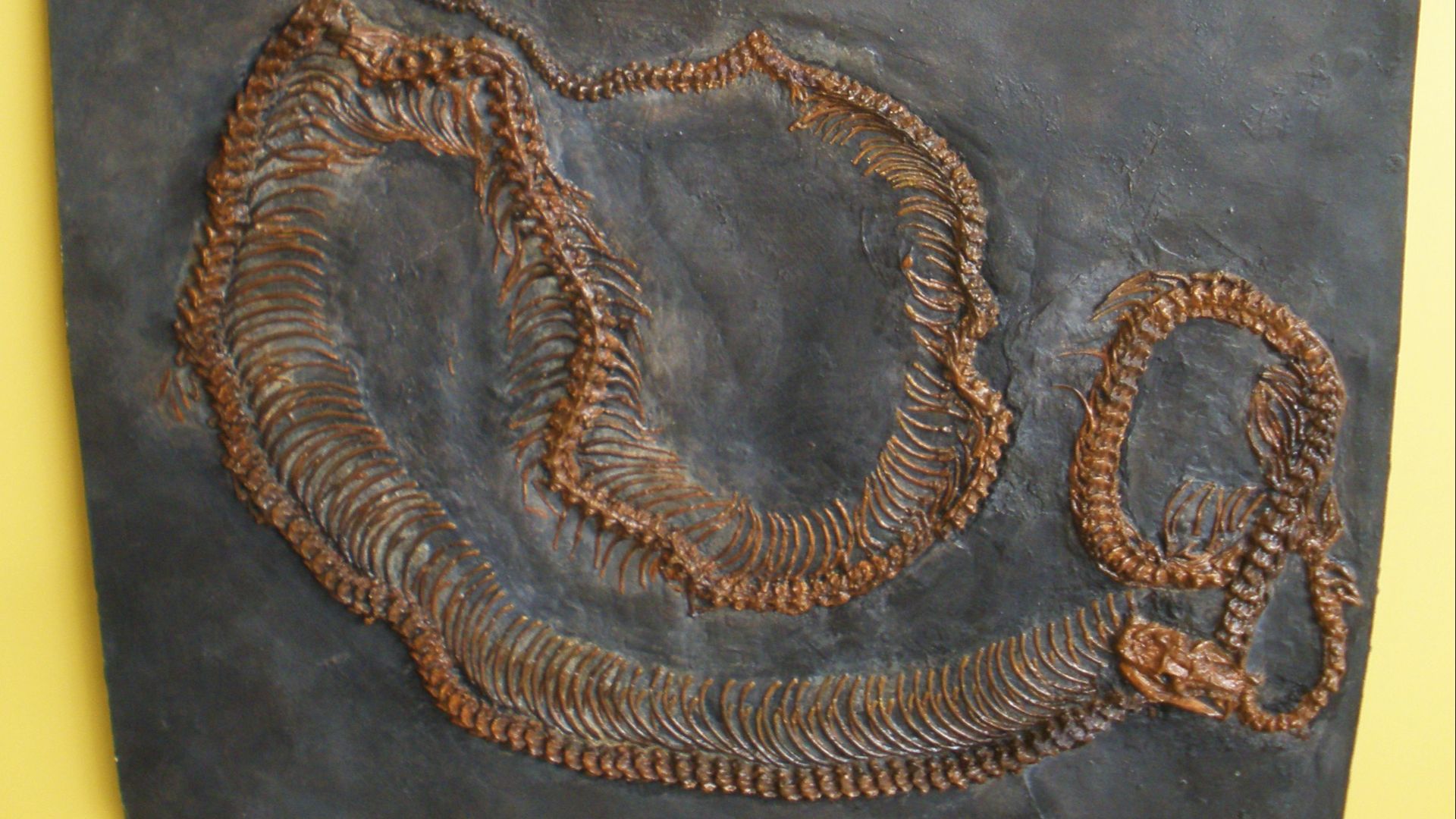
Fossils nested like this are rare, and this German one has three animals in it. A young Palaeopython about a meter long swallowed a lizard, and the lizard had already swallowed a beetle. The beetle is too far gone for anyone to identify, though it's sitting right there 48 million years later.
19. Leonardo
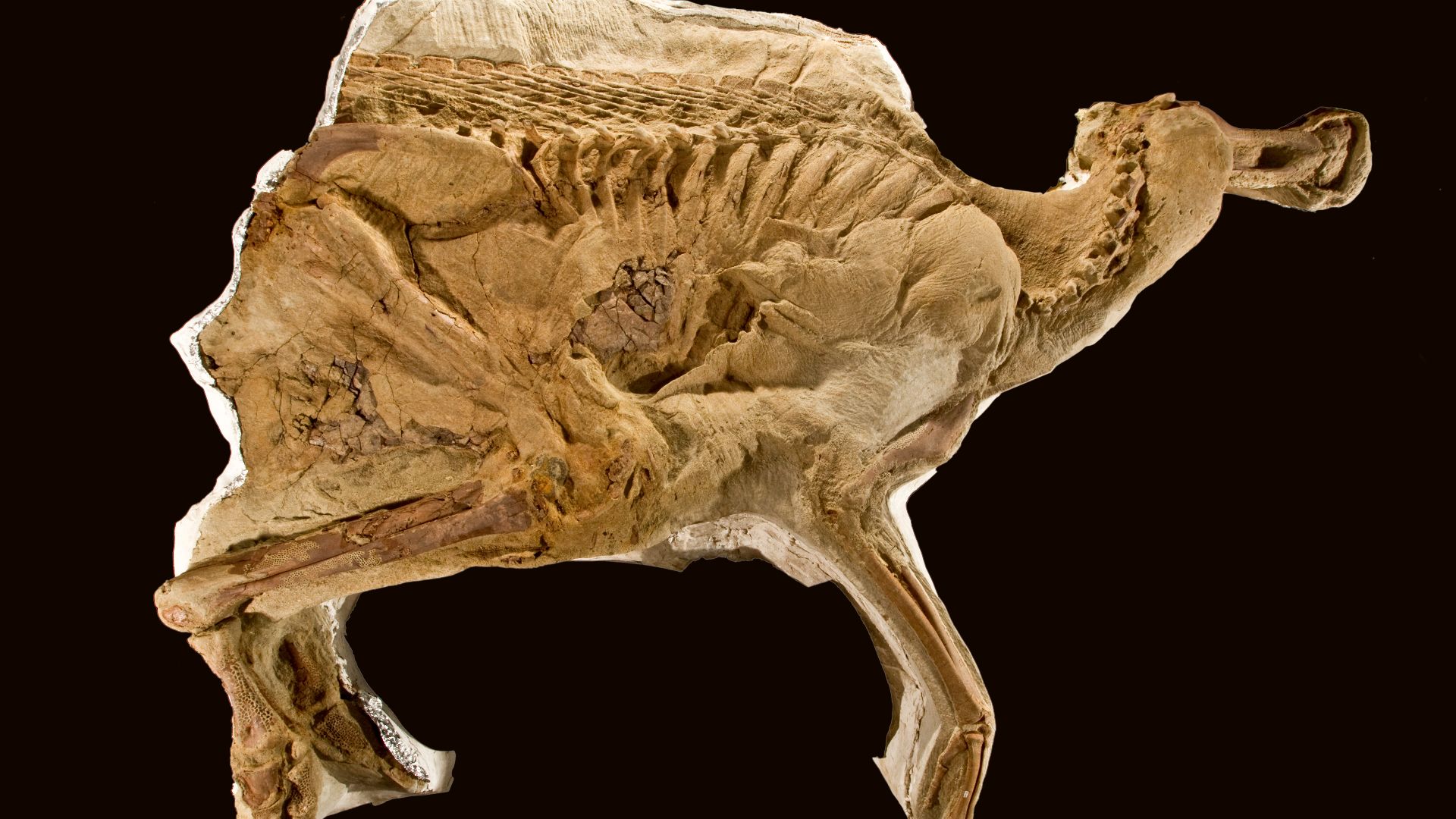
Leonardo is a Brachylophosaurus from Montana that came out of the ground still wrapped in fossilized skin. What's in his gut is mostly leaves, chewed down to pieces smaller than a grain of rice. There's pollen in there too, though some of that may have come from drinking water instead of food.
20. An Early Pangolin
Eomanis turned up in Germany with insects and plant matter in its stomach. Pangolins today eat ants and termites and almost nothing else, so the plants are the part that doesn't fit.