
How a Playboy Party Saved One of America's Most Iconic Landmarks
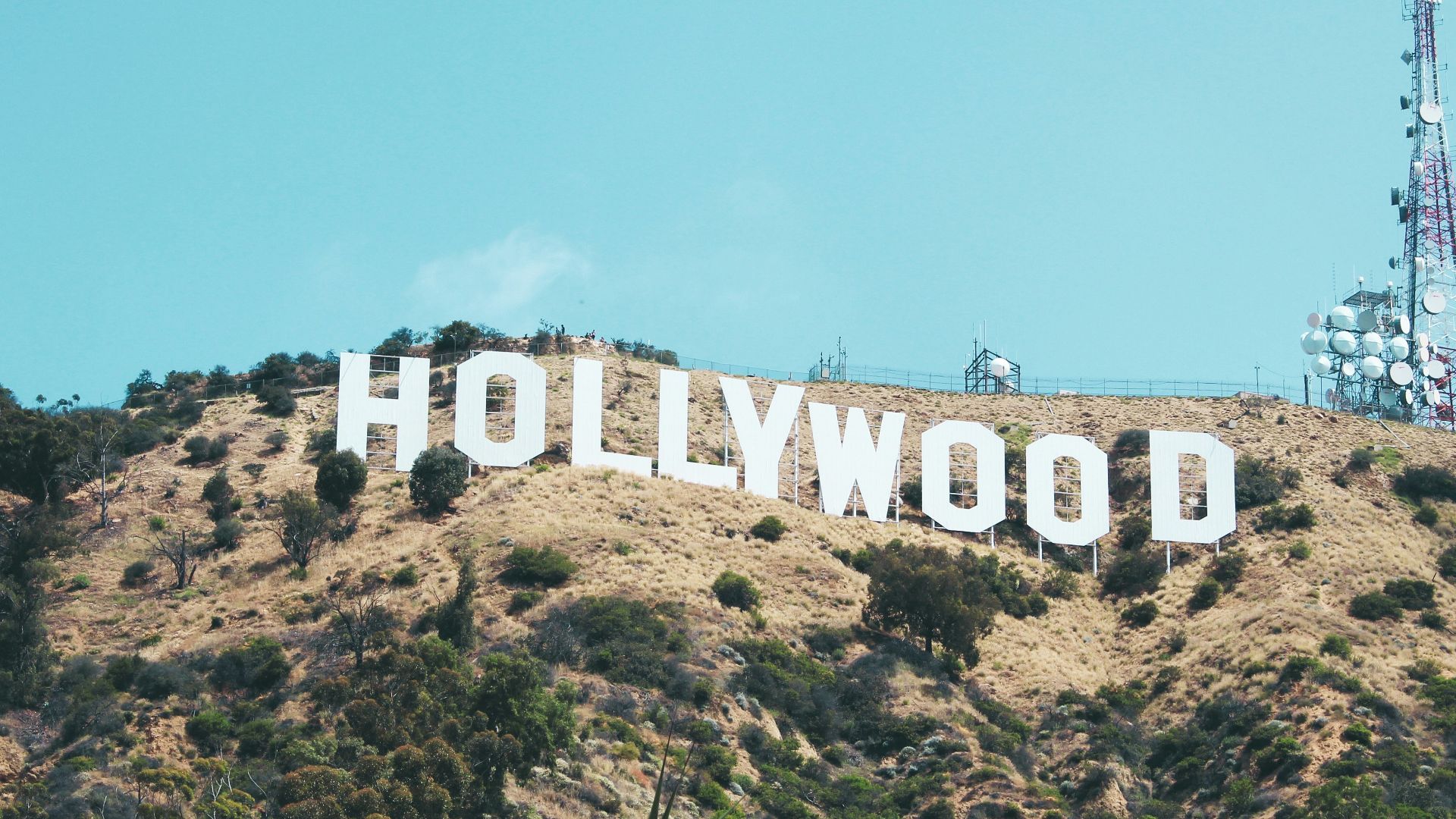
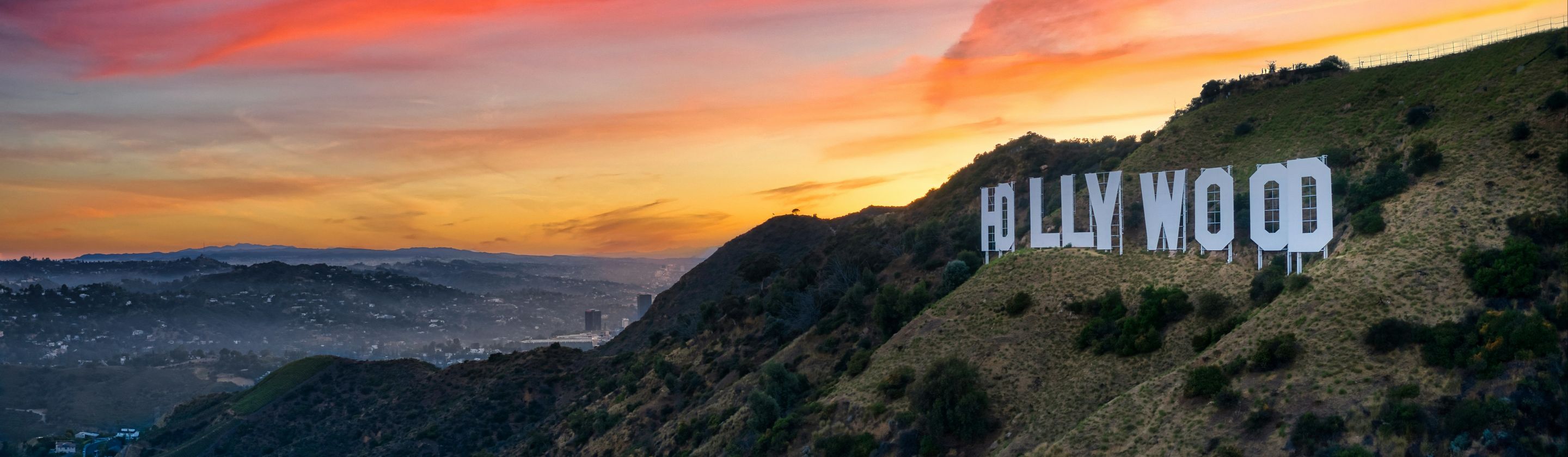
The Hollywood Sign has overlooked Los Angeles for more than a century, but the letters standing there today are much newer. The original went up in 1923 to advertise a housing development, and decades of neglect eventually left it falling apart. By the 1970s, repairs were no longer enough. A fundraising campaign that included a party at the Playboy Mansion helped pay for an entirely new sign in 1978, built from steel rather than the original wood and sheet metal. One of Hollywood's most recognizable landmarks is actually a replacement.
The popular version of the story is tidy. Hugh Hefner threw a gala, nine letters went under the hammer, and a landmark was saved by breakfast. The account kept by the Hollywood Sign Trust is messier, and the messier one is better, because the party covered less than a fifth of what the job cost.
The Sign Was Coming Apart in Public
It was never meant to be permanent. The letters went up in 1923 to advertise Hollywoodland, a real estate development backed by Harry Chandler. The original flashed Holly, then Wood, then Land before lighting the whole word at once. The Chamber of Commerce took the final four letters down in 1949 and patched up what was left, which is how a billboard became a landmark by subtraction.
Weather and neglect handled the next few decades. The top of the D and the entire third O slid down Mount Lee, and an arsonist set fire to the bottom of the second L. Pictures from the period show a word with chunks missing, sagging over a neighborhood that had seen better decades itself. It read less like a landmark than like something the city had stopped paying attention to.
The Hollywood Chamber of Commerce concluded that the sign needed to be replaced rather than repaired again. The estimated cost was $250,000, roughly $1.2 million today. Raising that kind of money was a challenge. The sign was one of Los Angeles's most recognizable landmarks, but there was no dedicated fund to rebuild it. The Chamber would have to find donors willing to pay for something the entire city had come to take for granted.
Nine Letters, Nine Buyers
The solution was to sell the sign by the letter. Sponsors paid $27,700 each for the privilege and got their name attached to a piece of the skyline in return, with the D going slightly cheaper at $27,000. Nine letters, nine donors, and a fundraising structure clean enough that charities still copy it for bricks and stadium seats. The sign had an advantage those don't, since the whole county could see the product from the freeway.
The buyers were an odd assortment. Alice Cooper took the third O in honor of Groucho Marx, Gene Autry and KTLA took the second L, and Les Kelley of Kelley Blue Book bought the first. An Italian film producer named Giovanni Mazza took the first O while Warner Bros. Records took the second, and a local newspaper publisher covered the H. The list reads like a seating chart nobody would have assembled on purpose.
On June 29, 1978, Hugh Hefner hosted a fundraising gala at the Playboy Mansion, with tickets priced at $150 each. Rita Hayworth and the mayor of Los Angeles were among the guests, and the evening raised $45,000 toward the new sign. It was a promising start, though still far short of the $250,000 needed. During the party, the Chamber's president announced that $27,700 would sponsor the letter Y in Hefner's honor. Singer Andy Williams then stepped forward to sponsor the W.
What the Night Actually Bought
That math deserves a second look. The gala funded one letter out of nine, and Alice Cooper had claimed his O on June 14, two weeks before anyone arrived at the Mansion. The version in wide circulation has all nine auctioned in a single evening, often at an oddly precise $27,777.77 apiece, which is not the figure in the Trust's own record.
What the night actually delivered was coverage. A quarter-million-dollar repair bill for a hillside sign is a municipal chore that nobody writes about, while a party with Playmates, a faded screen legend, and the mayor is a story that runs everywhere. The old sign came down starting August 8, and Hollywood spent roughly three months with an empty ridgeline where the word had been.
The replacement used 194 tons of steel and concrete and was unveiled on November 11, 1978, timed to the 75th anniversary of Hollywood's incorporation as a city. Hefner showed up for the sign once more in 2010, covering the last shortfall in a $12.5 million campaign to stop 138 acres on Cahuenga Peak from being built on behind the letters.
KEEP ON READING