

The Tragic Story Of Vladimir Komarov, The Soviet Test Pilot Everyone Failed
The Tragic Story Of Vladimir Komarov, The Soviet Test Pilot Everyone Failed
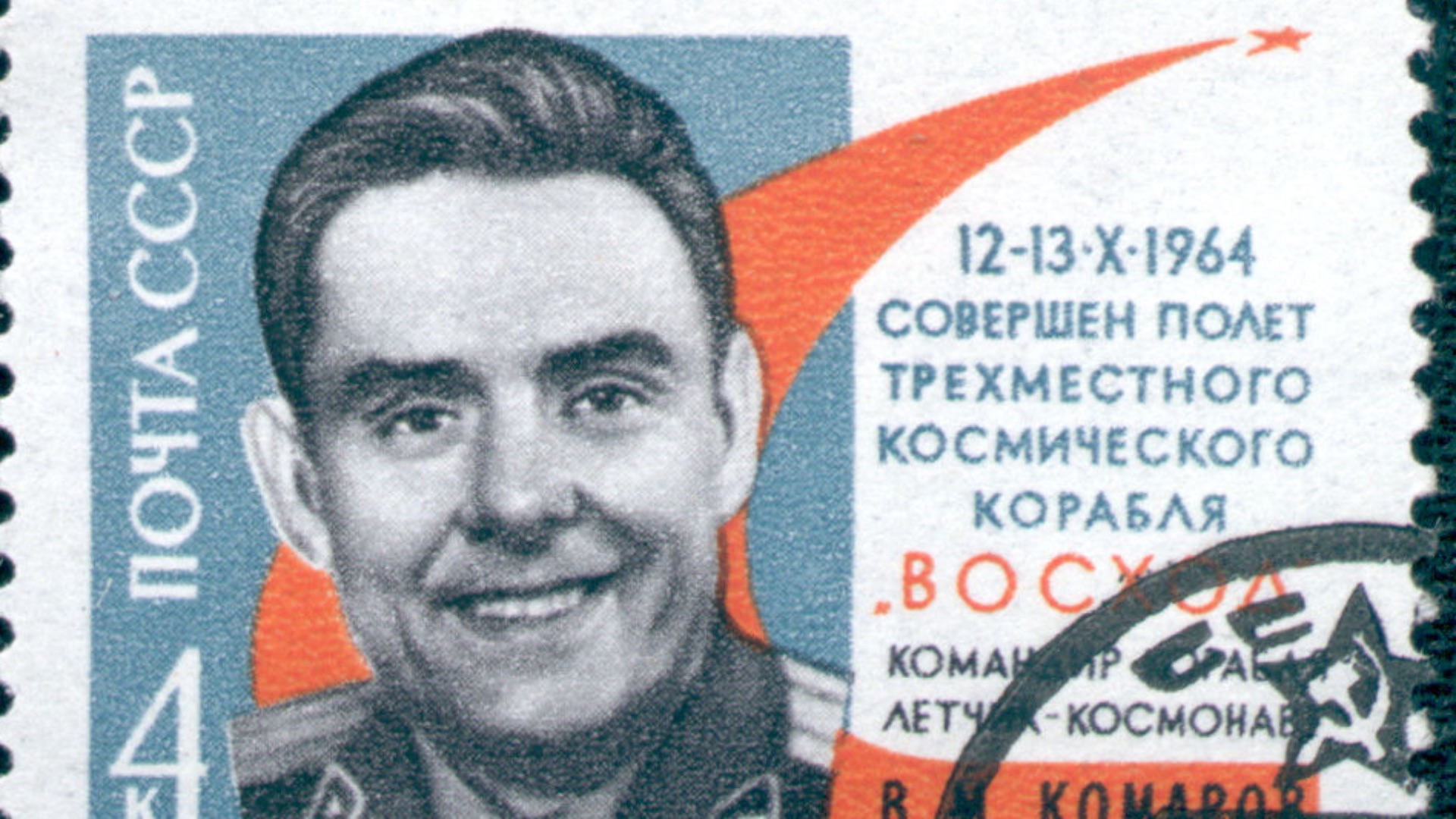 Post of the Soviet Union (Lesegri). on Wikimedia
Vladimir Komarov had already made history once when the Soviet Union selected him for another groundbreaking space mission in 1967. It all seemed like a cut-and-dry success in the making. The experienced test pilot and cosmonaut was supposed to demonstrate the capabilities of the country's newest spacecraft, Soyuz 1, during a dangerous period of competition with the United States. Instead, he became the first person to die during a spaceflight.
What makes his death so disturbing is that Soviet officials knew Soyuz would run into technical problems before its launch. Earlier tests had practically ended in flames, engineers had voiced their concerns, and political pressure complicated the decision to proceed. And still, on April 23, 1967, the 40-year-old pilot climbed aboard a spacecraft that hadn't completed a successful uncrewed orbital test—and he paid for it.
A Decorated Pilot Given a Dangerous Assignment
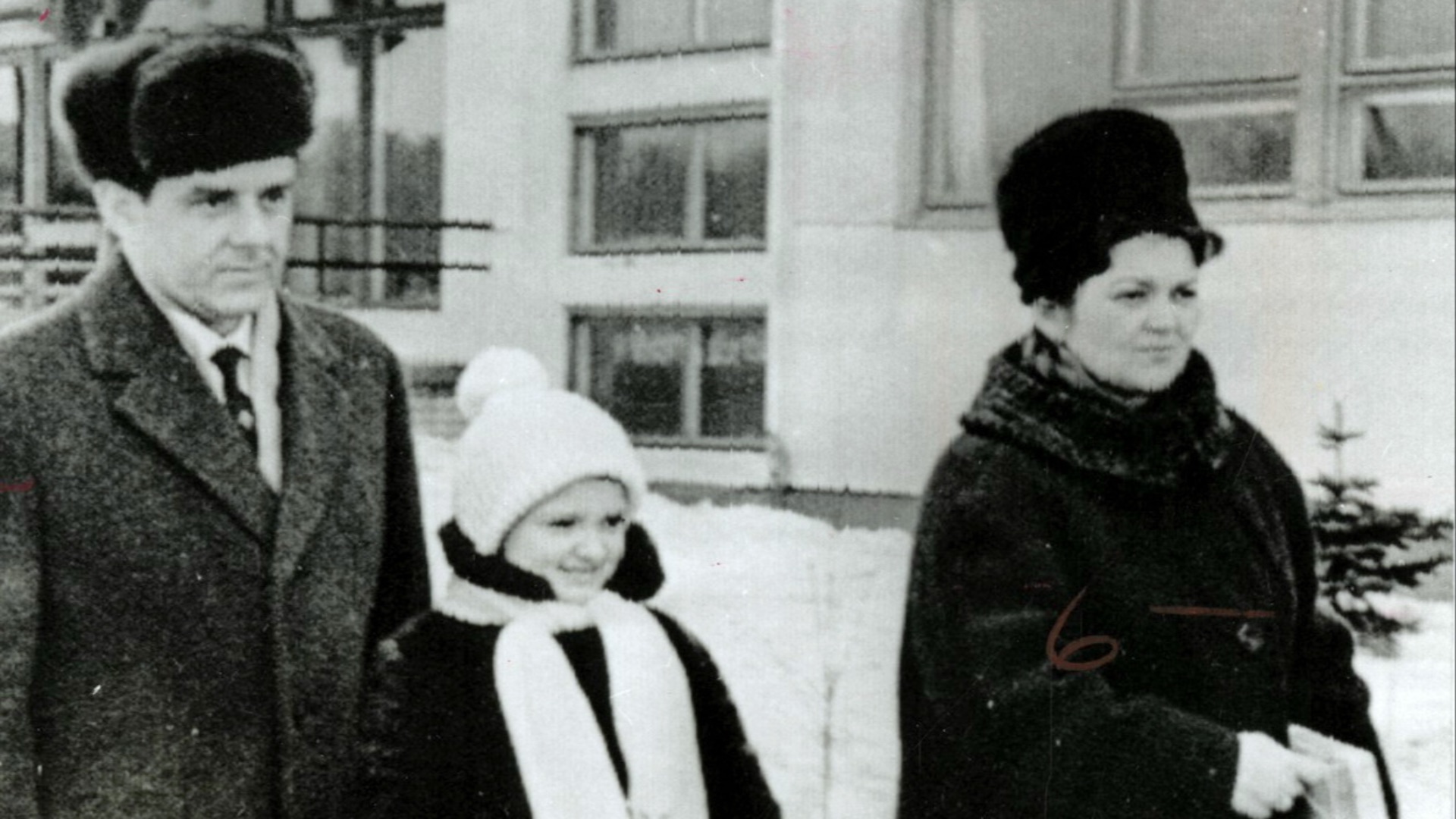 Smithsonian Institution from United States on Wikimedia
You could almost say that Komarov was born to be in the sky. Born in Moscow on March 16, 1927, he developed an interest in aviation while growing up under Soviet rule. He pursued a military flying career, eventually becoming a skilled test pilot and aerospace engineer. His qualifications earned him a place among the Soviet Union's original group of cosmonauts, selected in 1960 to prepare for the emerging age of human space exploration.
It wasn’t long before he first traveled into orbit aboard Voskhod 1. On October 12, 1964, he commanded the world's first spacecraft to carry three people: himself, engineer Konstantin Feoktistov, and physician Boris Yegorov. Together, they spent approximately 24 hours in space, and their successful return established Komarov as an accomplished cosmonaut.
But by 1967, the Soviet space program was struggling to maintain its early advantage over the Americans. Though it seems borderline petty to think about now, back in the ‘60s, the space race was in full swing, and countries clamored over each other to see who could do it better. So, following the death of chief spacecraft designer Sergei Korolev in 1966, his successor, Vasily Mishin, inherited enormous technical and political responsibilities. The ambitious Soyuz program offered another opportunity to demonstrate Soviet achievements, but its development was already encountering serious difficulties.
The Warning Signs Soviet Officials Couldn't Ignore
Soyuz was doomed from the start. Three attempted uncrewed tests between November 1966 and February 1967 had produced alarming results. One spacecraft suffered control problems, another launch ended in a rocket explosion, and a third capsule experienced serious damage during reentry. None of that stopped Soviet officials, however, who approved a crewed mission.
Komarov's assignment was far more complicated than simply reaching orbit and returning home, too. Soyuz 1 would launch first, followed by Soyuz 2, carrying three additional cosmonauts who were supposed to participate in an orbital rendezvous and docking. Two crew members would then transfer between spacecraft during a spacewalk, demonstrating techniques essential for future Soviet missions.
If that all sounds like a disaster waiting to happen, it’s because it was, and since then, the decision to proceed has been cause for debate among space historians. Some accounts even suggest that Komarov feared the spacecraft would kill him and accepted the mission to protect his backup, Yuri Gagarin, though this story remains disputed. As the Smithsonian's examination of the mission explains, contemporary evidence also indicates that Komarov himself was eager to resume crewed flights, making the situation more complicated than later retellings suggest.
A Fatal Return to Earth
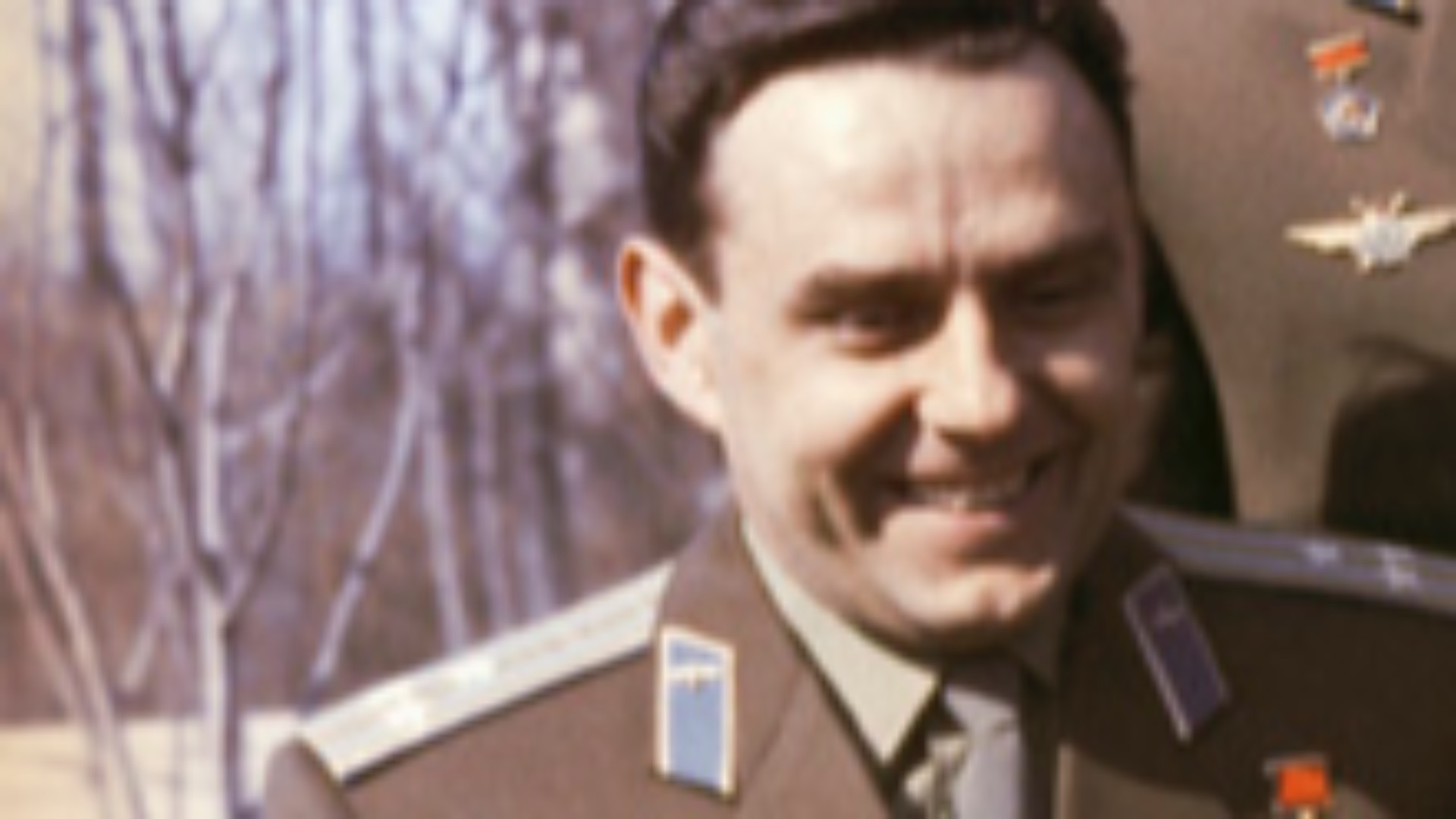 Alexander Mokletsov / Александр Моклецов on Wikimedia
Soyuz 1 launched from Baikonur on April 23, 1967, and initially reached orbit without any problems—that is, until one of its solar panels failed to deploy, leaving the spacecraft short of electrical power and creating serious difficulties with its orientation systems. Komarov attempted to maneuver the capsule manually, but the technical failures eventually forced mission controllers to abandon the planned docking and cancel Soyuz 2's launch.
Returning to Earth was no walk in the park, either. The spacecraft couldn't maintain its intended orientation reliably, and after a failed attempt to begin reentry during his 17th orbit, Komarov managed to complete the maneuver on his 18th, bringing Soyuz 1 back through the atmosphere. He had successfully overcome the spacecraft's malfunctioning guidance equipment, and a safe landing finally appeared possible.
But it was problem after problem, and unfortunately, the spacecraft's parachute system contained the defect that would ultimately prove fatal. Its main parachute failed to deploy properly, while the reserve became entangled with the smaller drogue parachute, preventing the capsule from slowing sufficiently. Soyuz 1 struck the ground on April 24, killing Komarov instantly.
An investigation promptly followed, but it only exposed more issues with the spacecraft's construction and testing procedures. Engineers thereby redesigned the parachute system, addressed other technical deficiencies, and conducted additional uncrewed flights before allowing another cosmonaut aboard in October 1968. Komarov received a posthumous state funeral, and his ashes were interred in the Kremlin Wall.
A story like this is bound to draw attention, and his death inevitably picked up several dramatic embellishments. However, historical investigations haven't substantiated those widely repeated accounts, and the documented circumstances are already devastating enough without them. Komarov was an experienced professional who performed remarkably under pressure, but his abilities couldn't overcome the preventable engineering failures that ended his life.