
Good Bones, Bad Guesses
Fossils almost never come out of the ground complete. Someone has to decide which end is the head and whether the bones even belong to the same animal. Those calls get made with whatever evidence exists at the time, which in a few cases was a pair of arms and nothing else. Most of them hold up fine. Here's 20 that didn't, and what it took to sort each one out.
1. Iguanodon's Thumb Spike Went on Its Nose
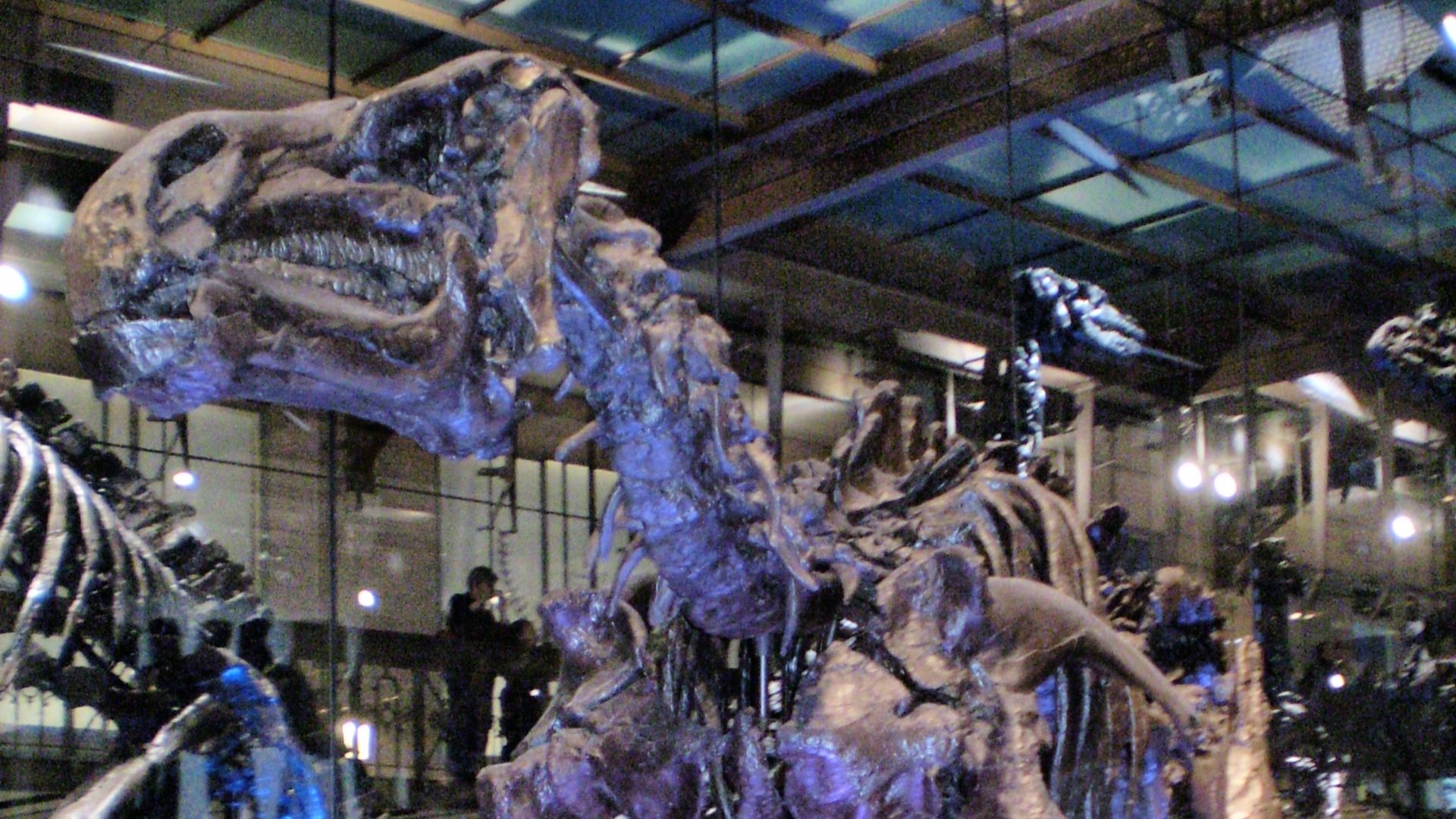
Gideon Mantell had a conical spike and a handful of teeth to work from, so he set the spike on the snout like a rhinoceros horn. That version lasted decades. A coal mine at Bernissart in Belgium gave up dozens of near-complete skeletons in 1878, and Louis Dollo's work moved the spike to the hand.
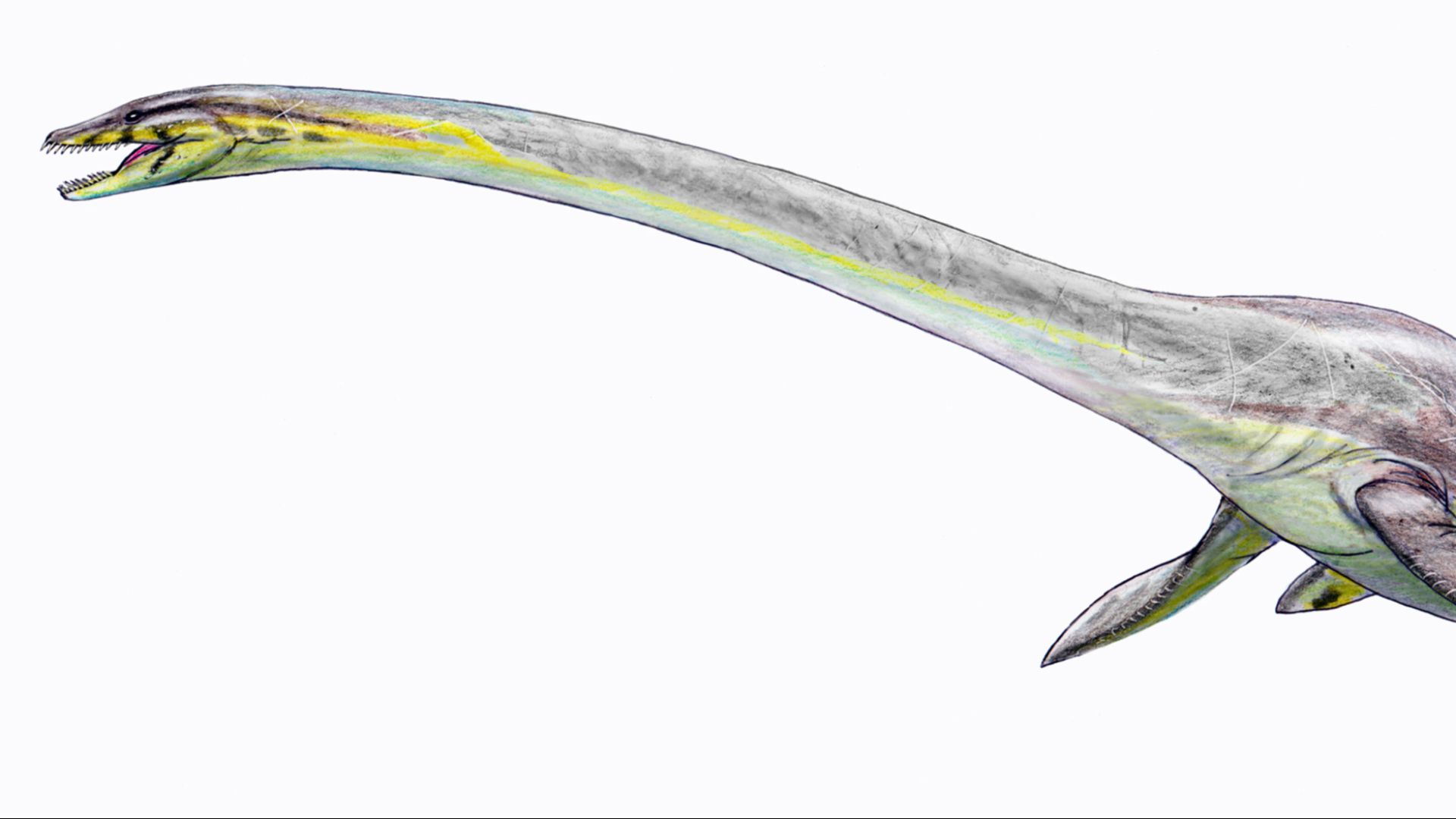
2. Elasmosaurus Got Its Skull on the Wrong End
The 1869 plate shows the head at the tip of the tail. Edward Drinker Cope had reasoned from where the jaws turned up in the ground, which put the neck vertebrae at the back. Joseph Leidy raised it at an Academy of Natural Sciences meeting the next year, and Cope tried to recall every copy of the preprint.
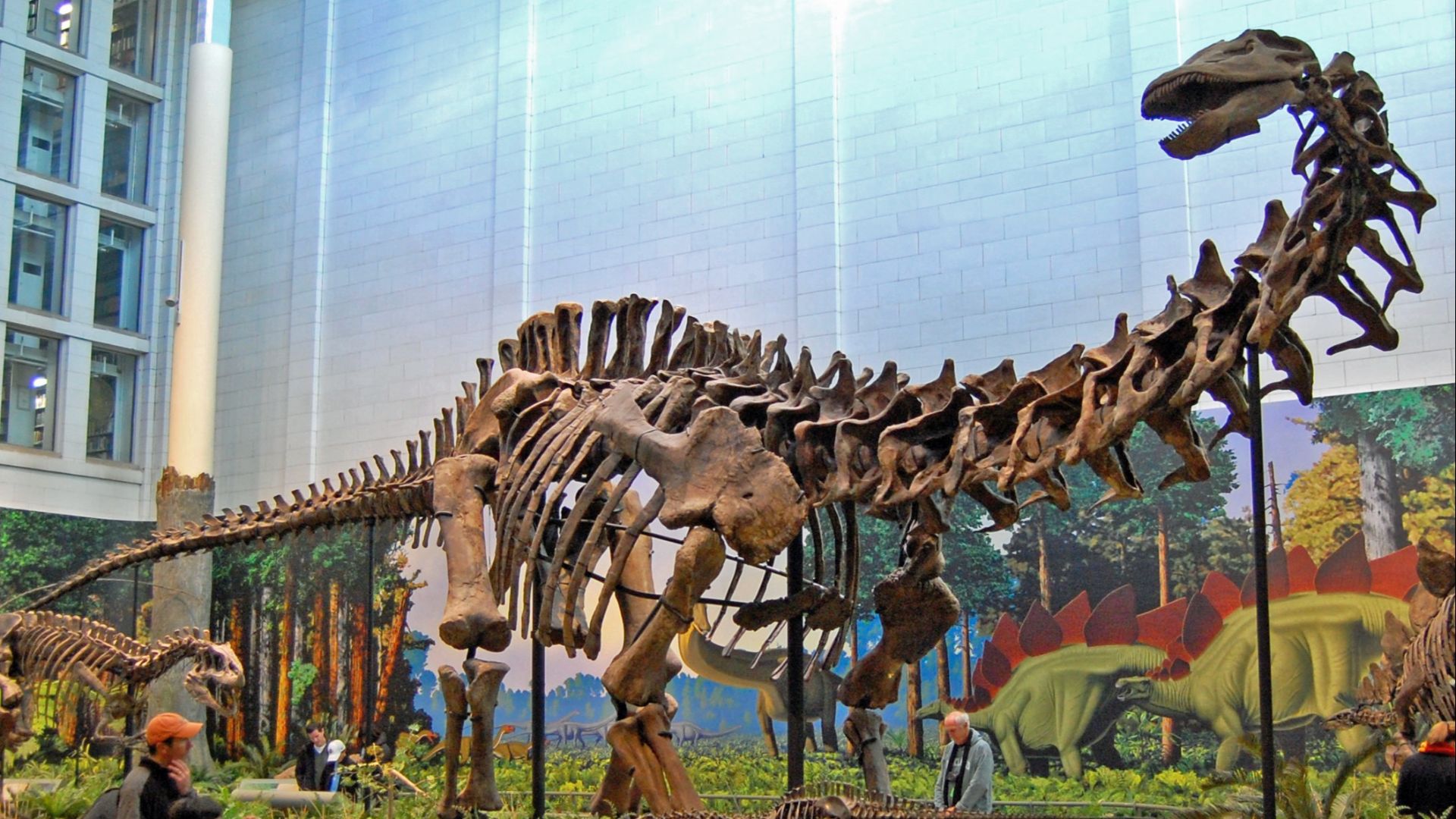
3. Apatosaurus Wore a Camarasaurus Head
The Carnegie Museum mounted a blunt, broad-toothed skull on its Apatosaurus in 1932. A more Diplodocus-like skull had been found with the skeleton back in 1910. Dave Berman and Jack McIntosh made the case for that one in 1978, and the museum swapped the head the following year.
 Tadek Kurpaski from London, Poland on Wikimedia
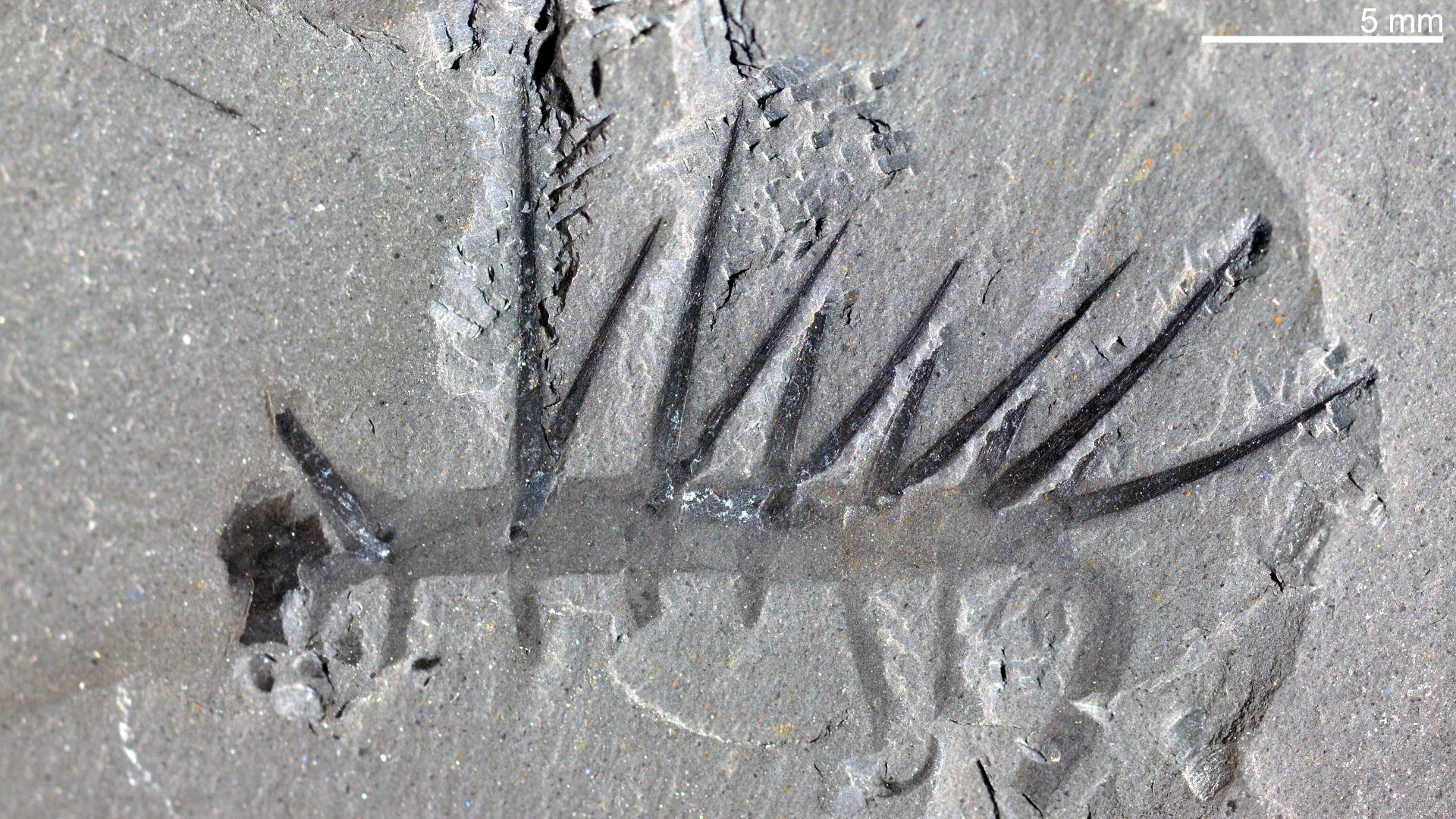
4. Hallucigenia Was Reconstructed Upside Down
Picture an animal balanced on seven pairs of rigid spines, with tentacles waving along its back. That's Simon Conway Morris's 1977 reconstruction, and it's inverted. Lars Ramsköld and Hou Xianguang turned it over in 1991, and Martin Smith and Jean-Bernard Caron sorted out which end was the head in 2015.
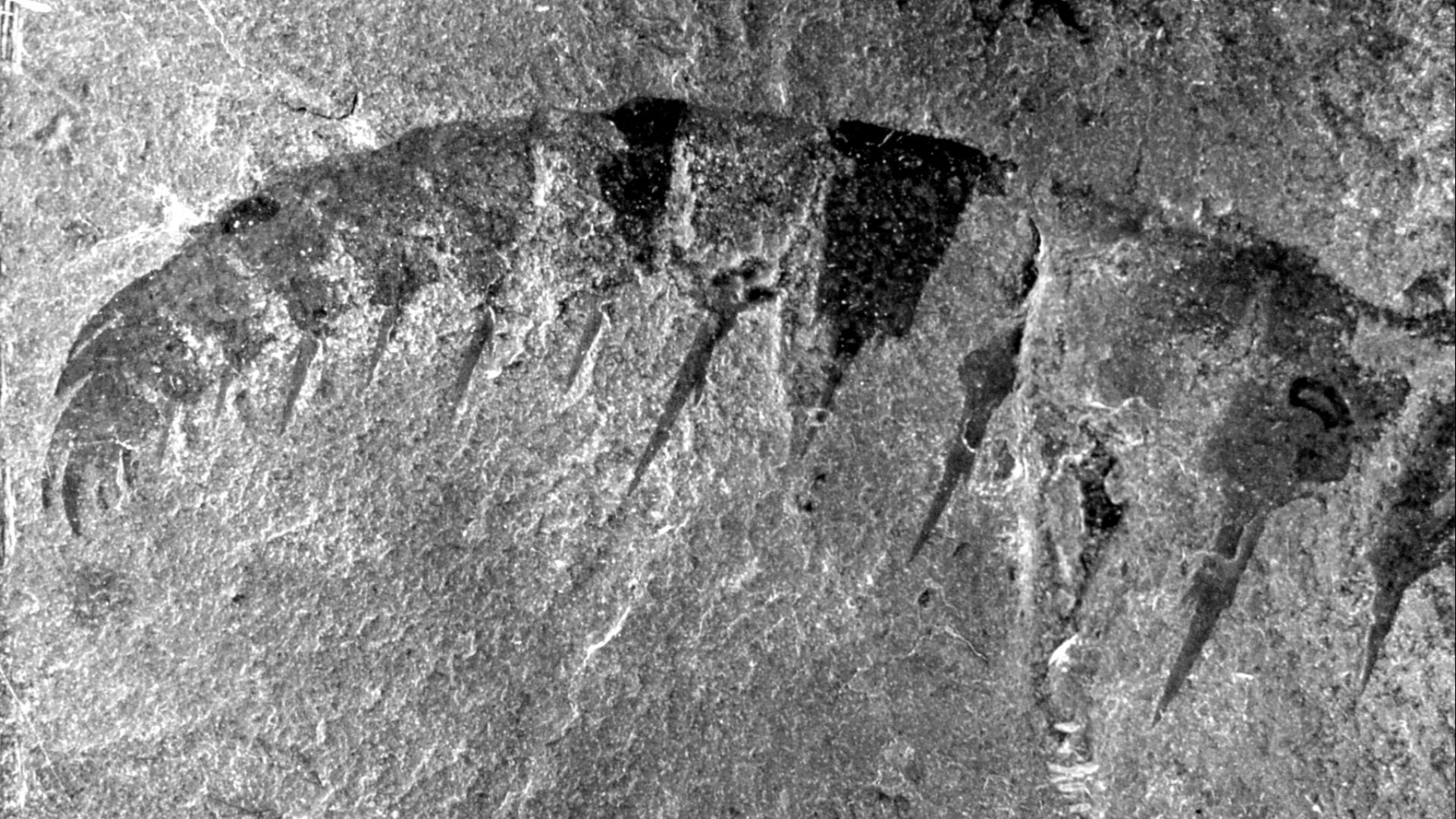
5. Anomalocaris Was Catalogued as Three Animals
Charles Walcott pulled the pieces out of the Burgess Shale and filed them separately. The circular mouth became a jellyfish he named Peytoia, and the feeding appendage looked enough like a shrimp to get its own name. Harry Whittington and Derek Briggs reassembled the parts and published the whole animal in 1985.
6. Tanystropheus Neck Bones Were Called Pterosaur Wings
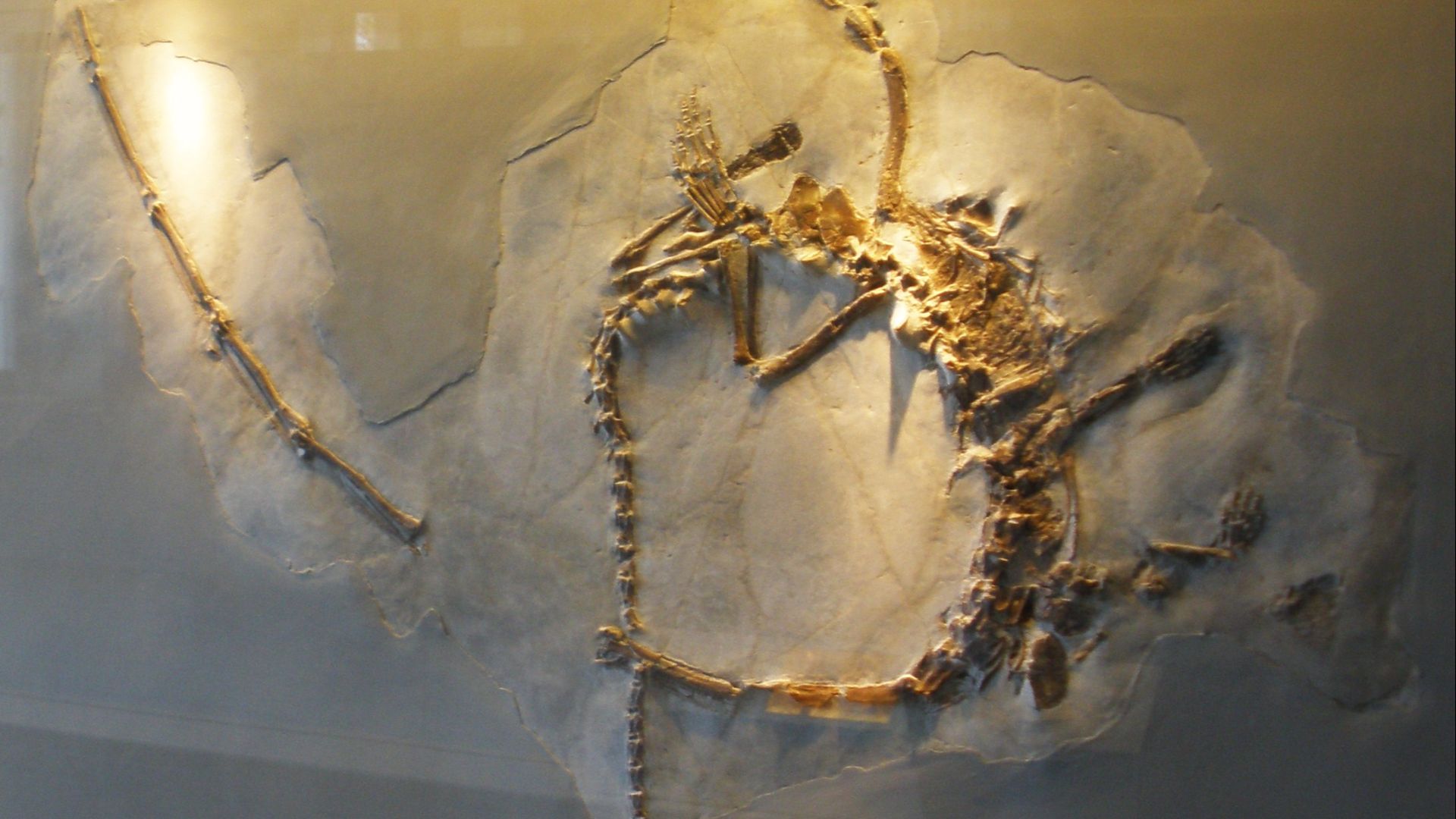
A set of long thin bones from northern Italy looked like the finger that holds up a pterosaur wing. They were neck vertebrae from a reptile that never flew, and Francesco Bassani's 1886 description named it Tribelesodon longobardicus. Bernhard Peyer's excavations in the 1920s and 1930s settled the matter, more than forty years later.
7. Dunkleosteus Was Sized Like a Shark
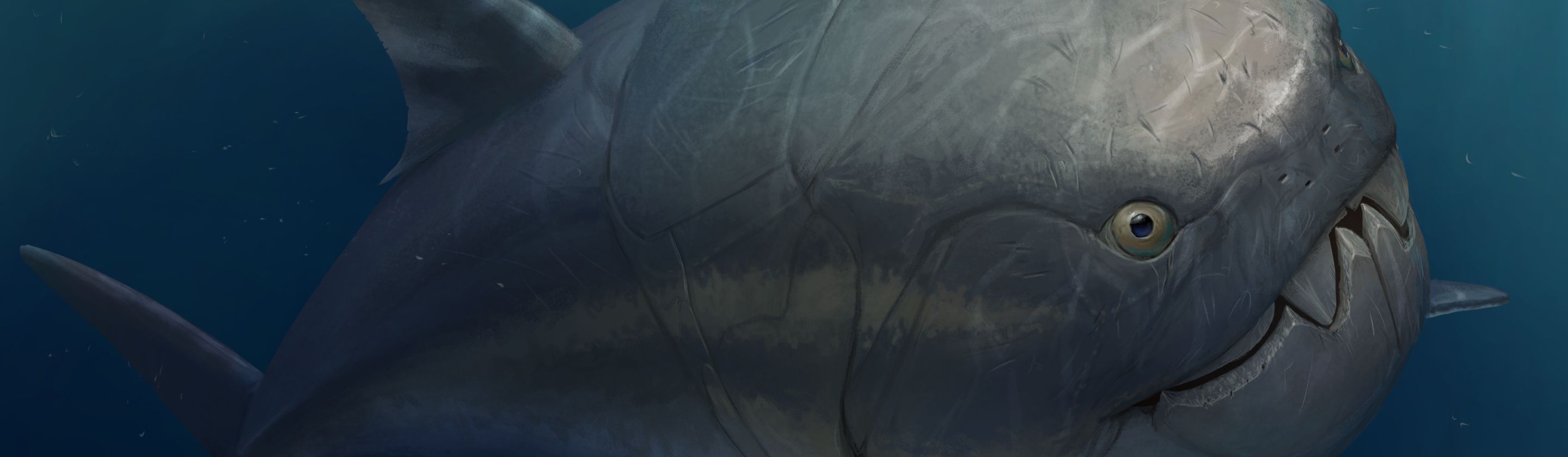
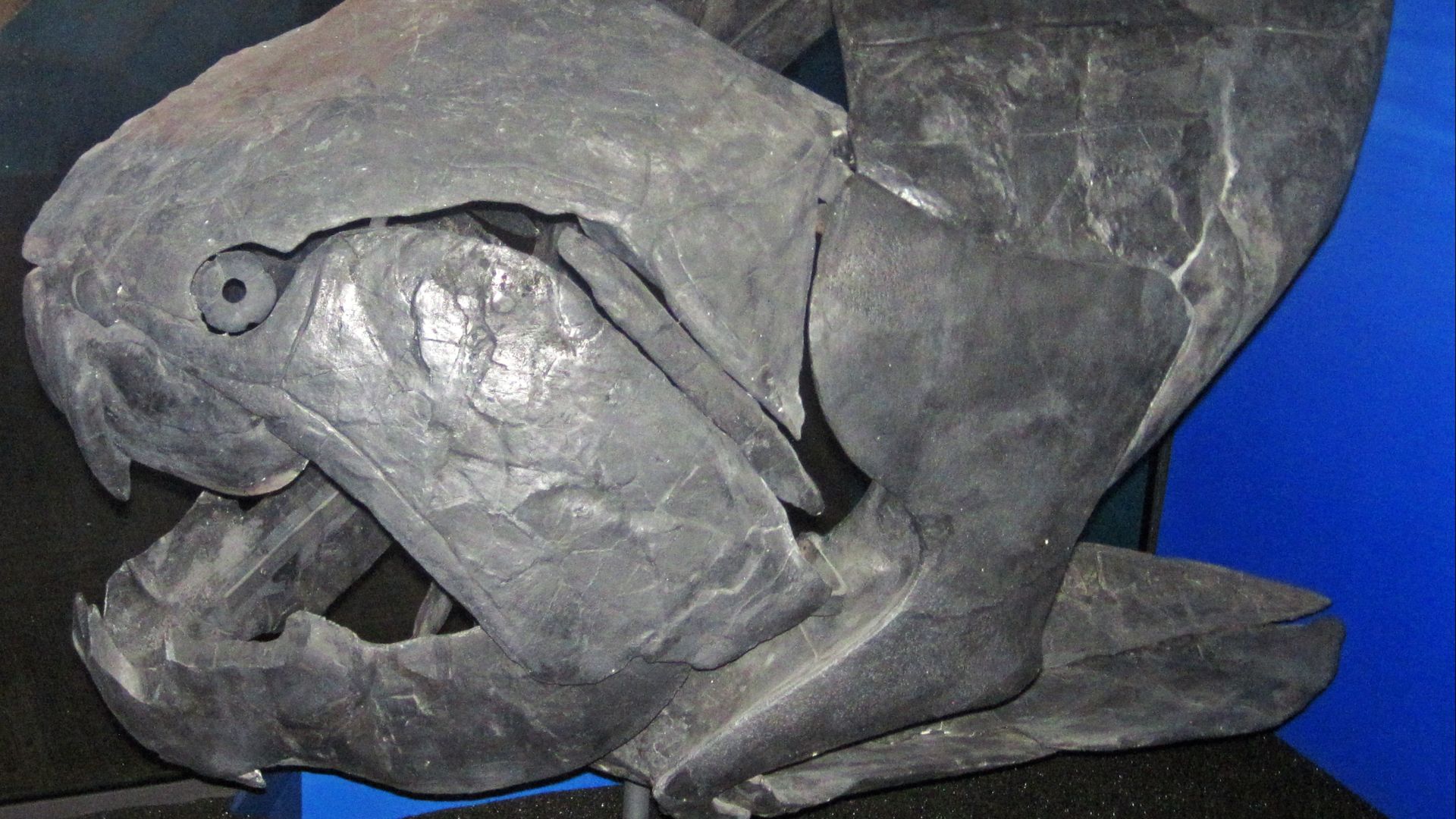
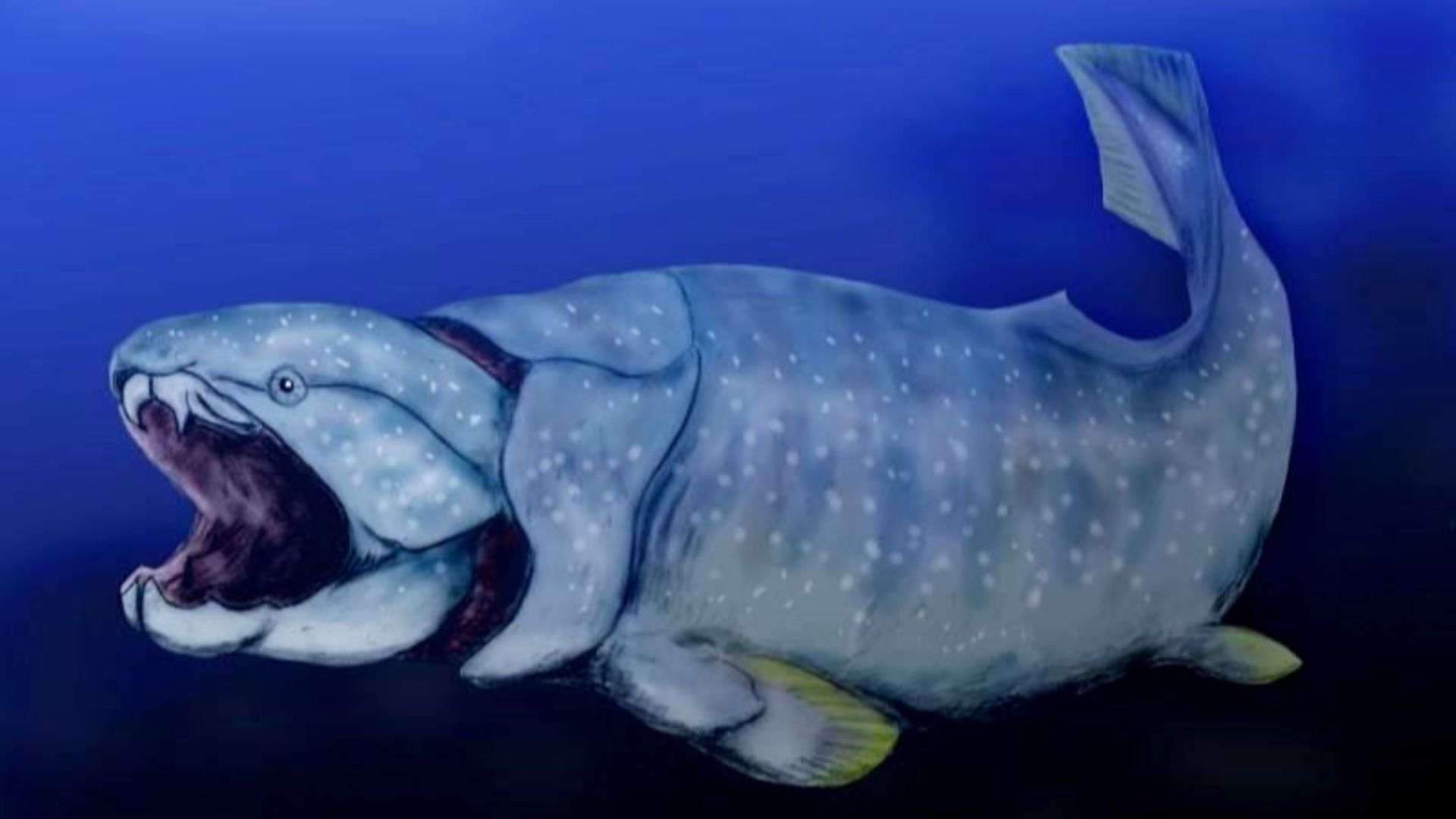
Only the armored head of this Devonian fish fossilizes, since the rest of the skeleton was cartilage. Reconstructions borrowed shark proportions and stretched it to around 30 feet. Russell Engelman's 2023 revision in the journal Diversity brought it down to roughly 11 to 13 feet, built more like a stocky tuna.
 Nobu Tamura (https://spinops.blogspot.com) on Wikimedia
8. Archaeoraptor Was Glued Together From Parts
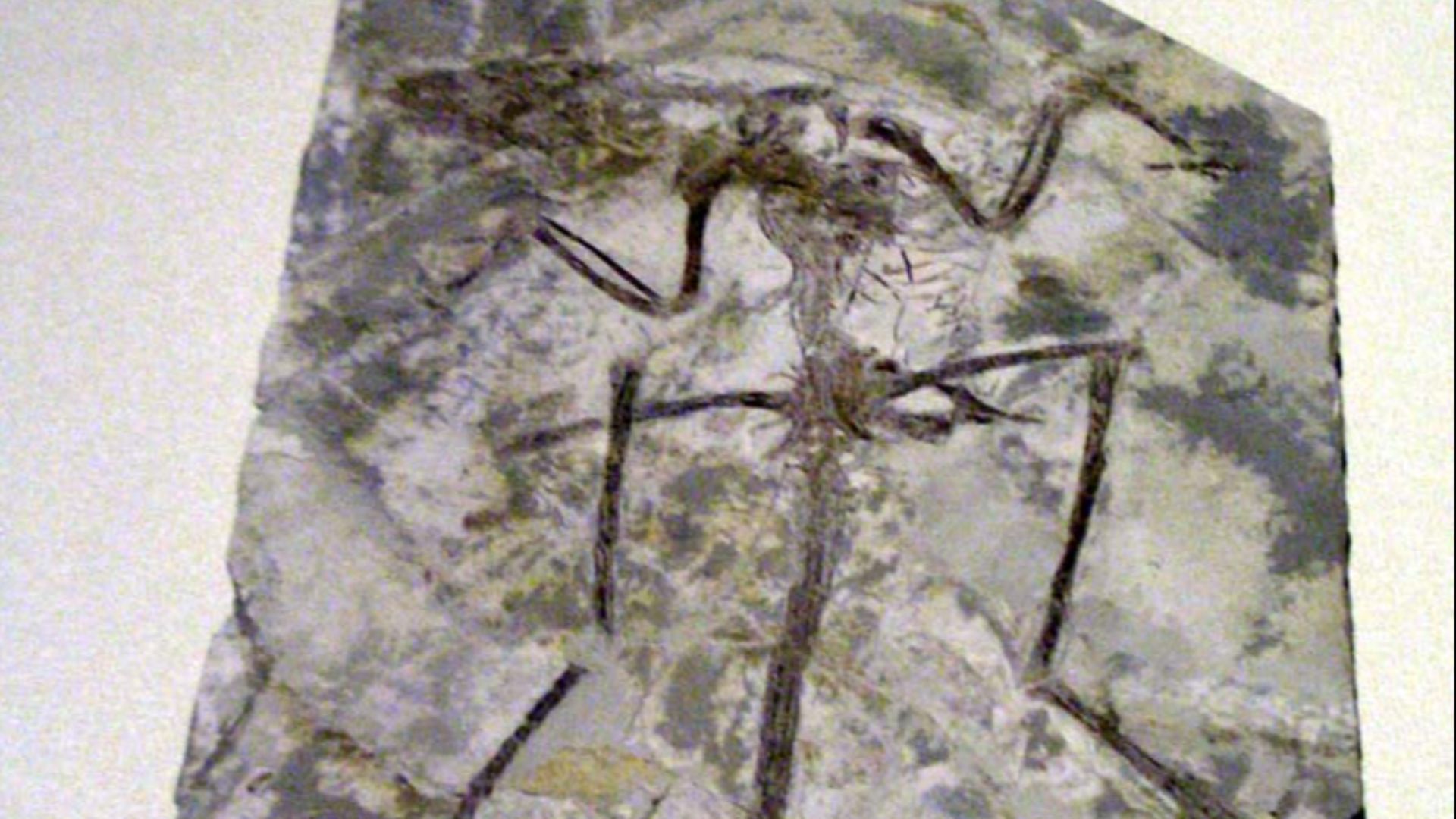
National Geographic ran it in November 1999 as a missing link between dinosaurs and birds. The head and upper body came from a primitive bird called Yanornis, while the tail belonged to the dromaeosaur Microraptor. Timothy Rowe's CT scans had already shown the tail wasn't attached, and Xu Xing found the matching Microraptor counterslab that December.
9. Oviraptor Was Accused of Stealing Eggs
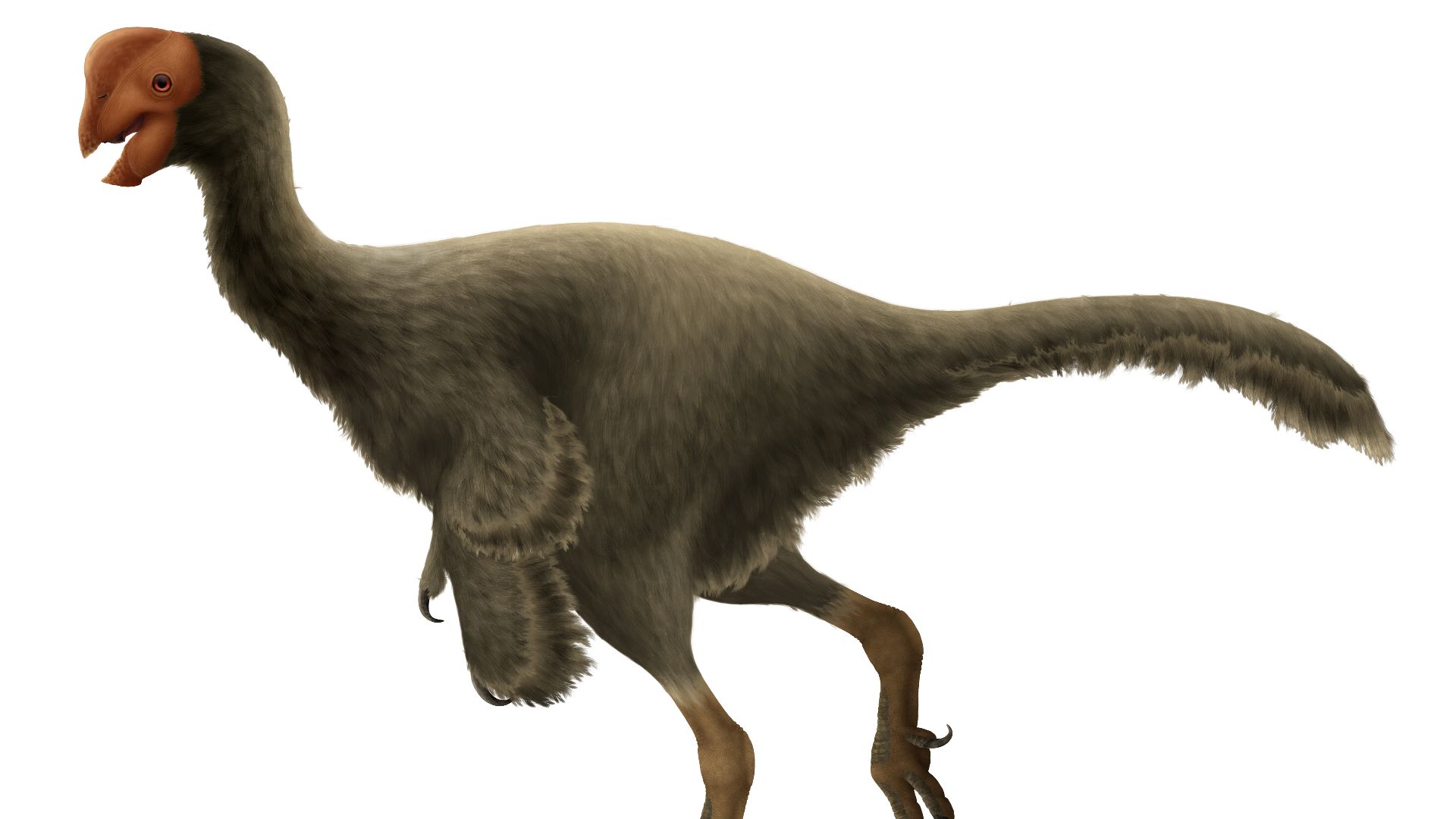
The holotype was lying across a clutch of eggs that Henry Fairfield Osborn took for a Protoceratops nest, so in 1924 he named it egg thief. An embryo described by Mark Norell and colleagues in Science in 1994 showed the eggs were oviraptorid. The animal was a parent brooding its own nest.
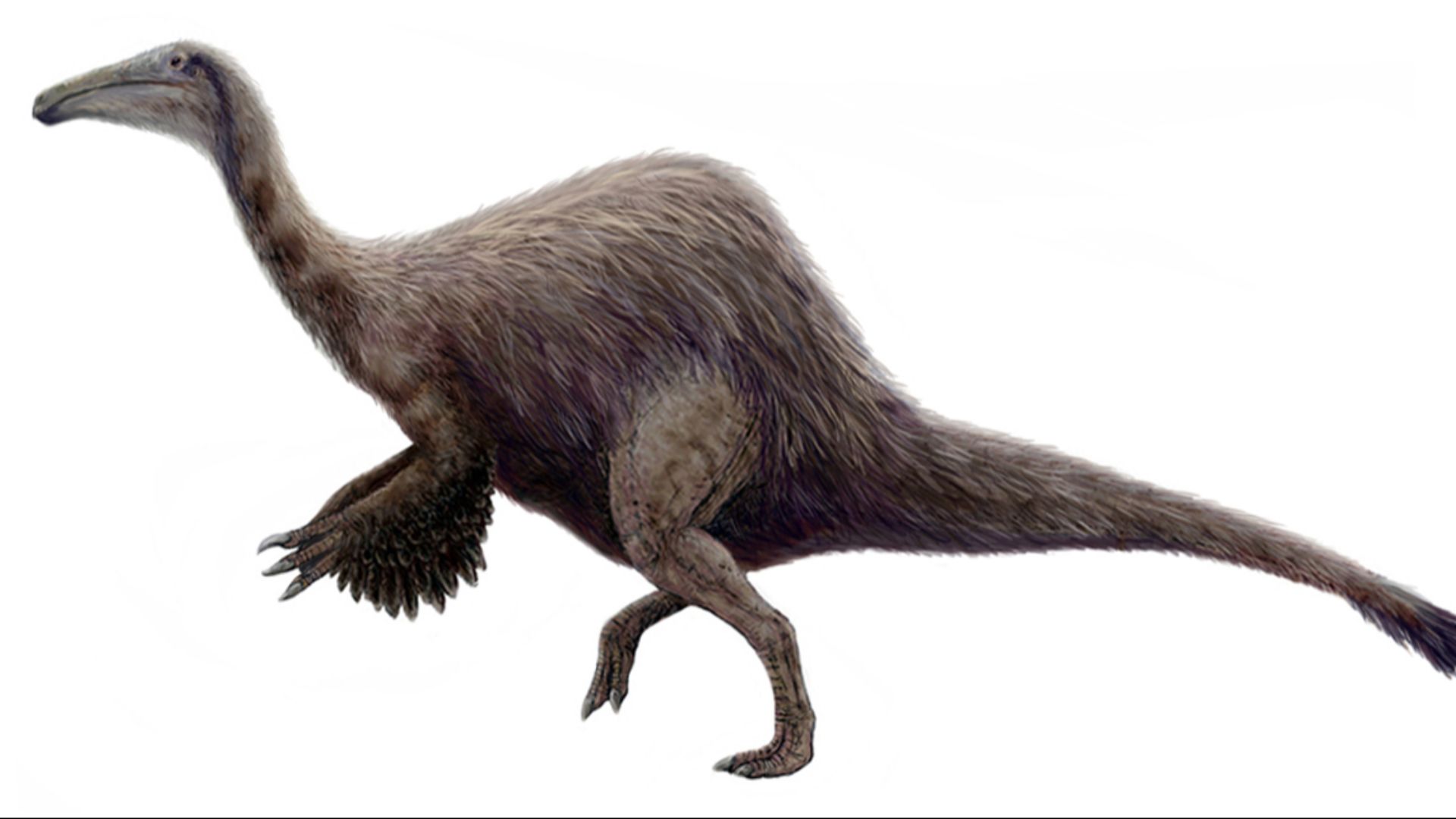
10. Deinocheirus Was Known Only From Its Arms
Zofia Kielan-Jaworowska found a pair of eight-foot arms in Mongolia in 1965, and that was the entire animal for close to fifty years. Halszka Osmólska and Ewa Roniewicz named it in 1970 and placed it with the carnosaurs, which made it a giant predator in most illustrations. Fuller specimens described in 2014 by Lee and colleagues produced a humpbacked omnivore with a duck-like beak.
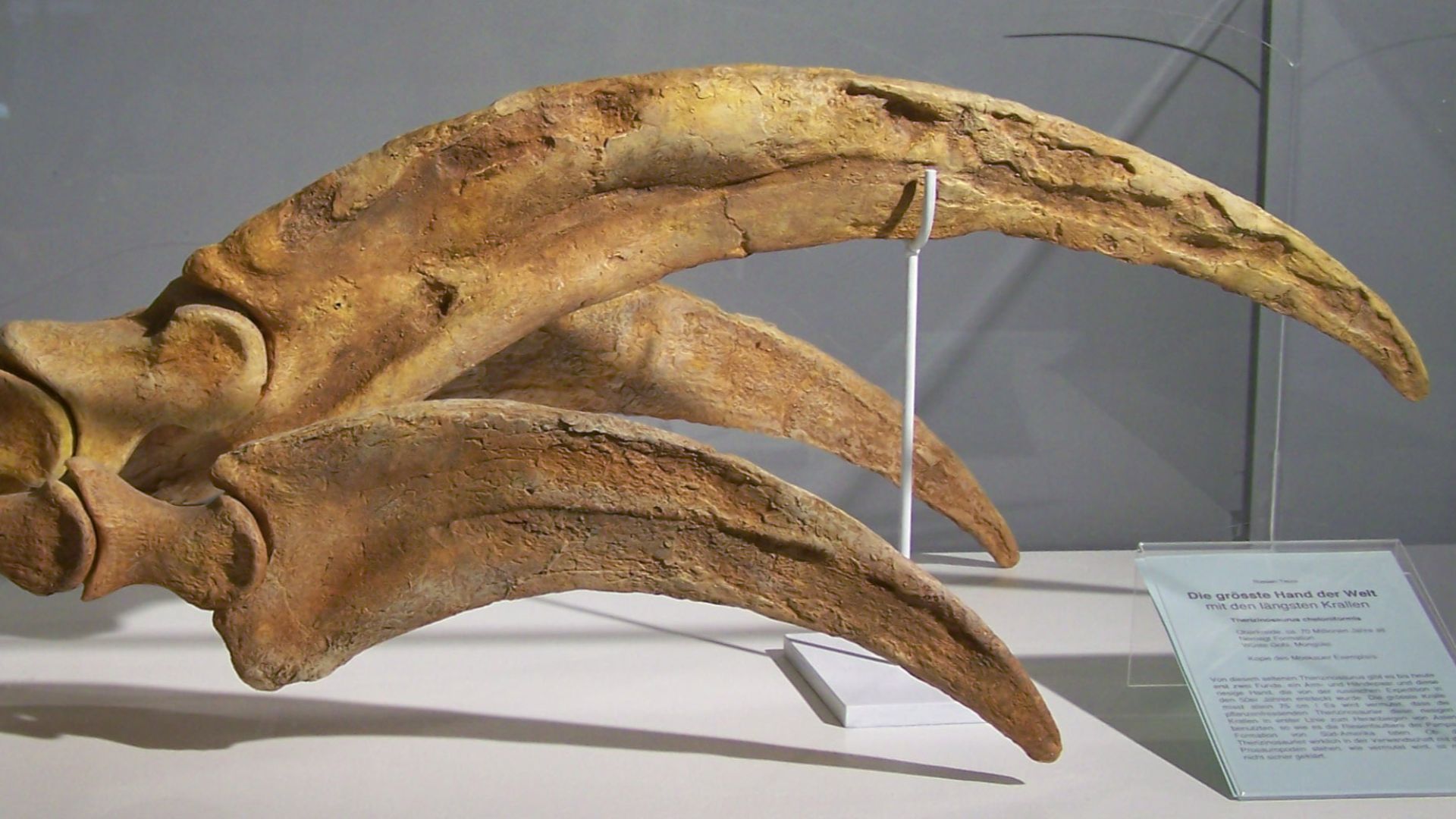
11. Therizinosaurus Claws Were Assigned to a Turtle
Giant curved claws came out of Mongolia and went into the record as a huge marine turtle, described by Evgeny Maleev in 1954. The animal they belong to is a long-necked theropod with a pot belly that ate plants. Related therizinosaurs filled in the body later, which looks almost nothing like the predator those claws suggest.
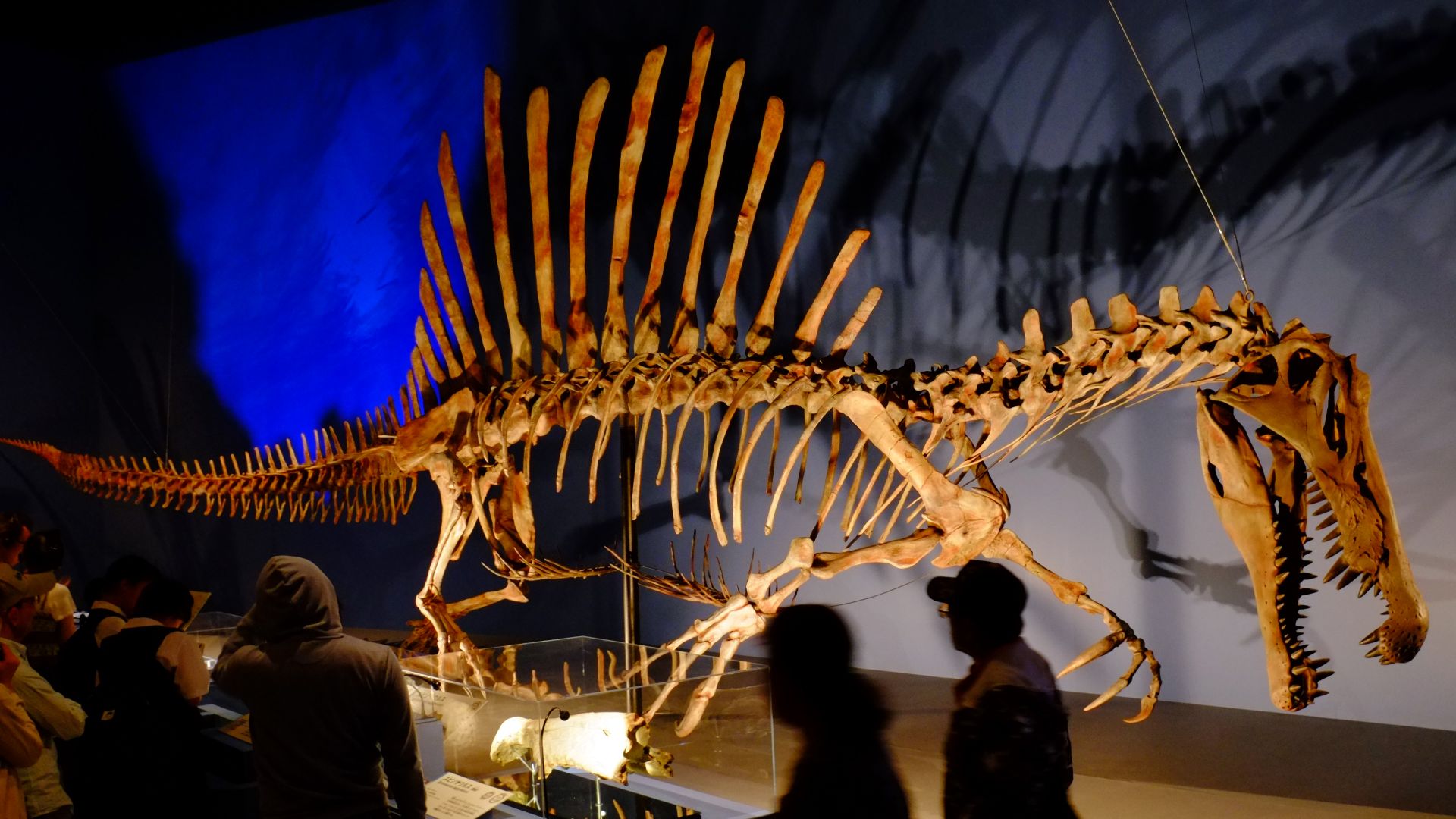
12. Spinosaurus Has Been Rebuilt More Than Once
The original bones no longer exist. Ernst Stromer named the animal in 1915, and the Munich museum holding the fossils was bombed in 1944, which left a 1936 restoration patched with Tyrannosaurus parts as the reference. Nizar Ibrahim's team proposed short hind limbs and a four-legged stance in 2014, and the argument over how it stood is still going.
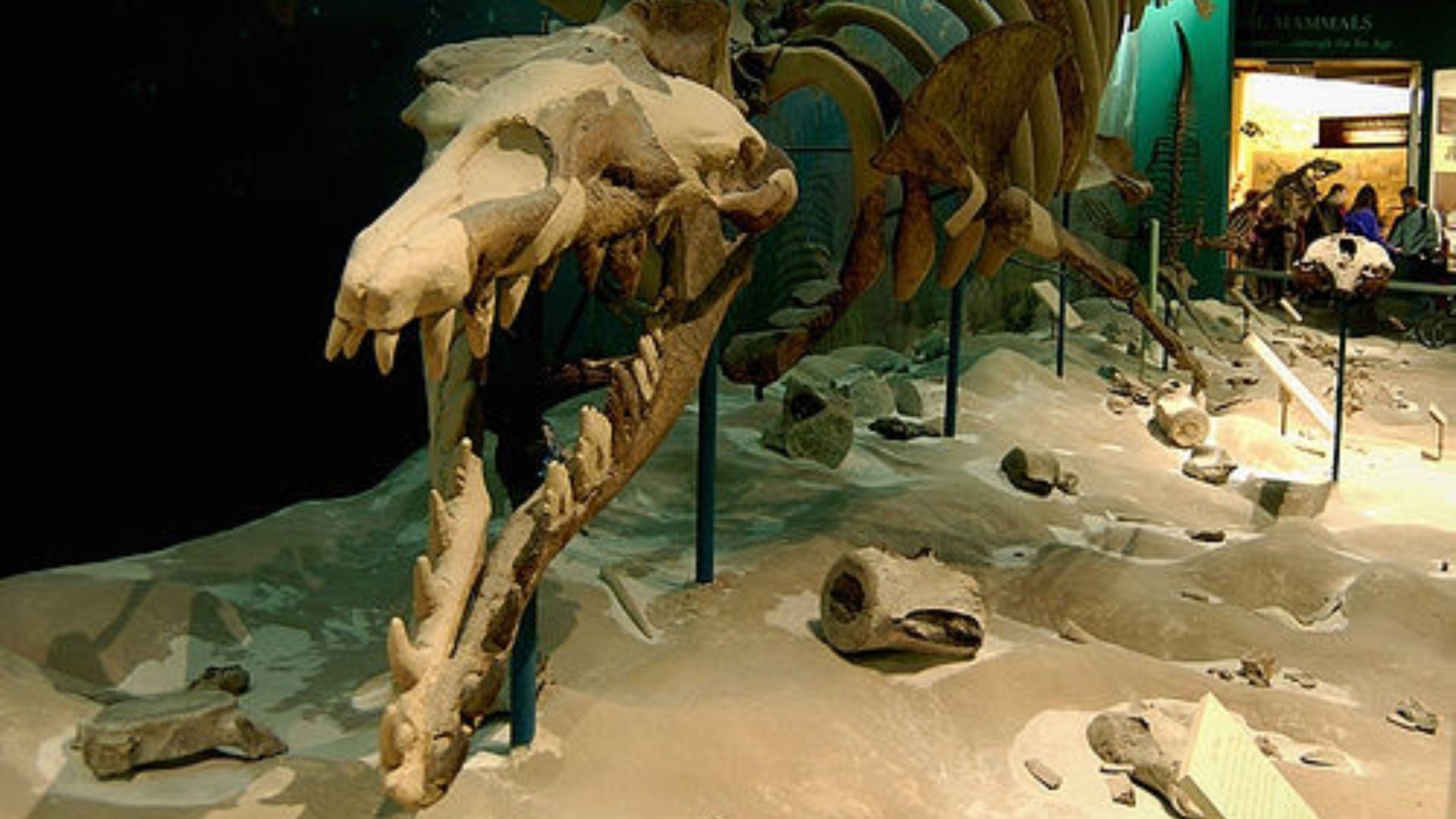
13. Basilosaurus Was Named as a Reptile
King lizard is an odd name for a whale. Richard Harlan described the vertebrae in 1834 and took them for a marine reptile, since nothing in the bones suggested a mammal to him. Richard Owen examined the teeth and identified it as a whale, proposing Zeuglodon instead, though the original name had priority and stuck.
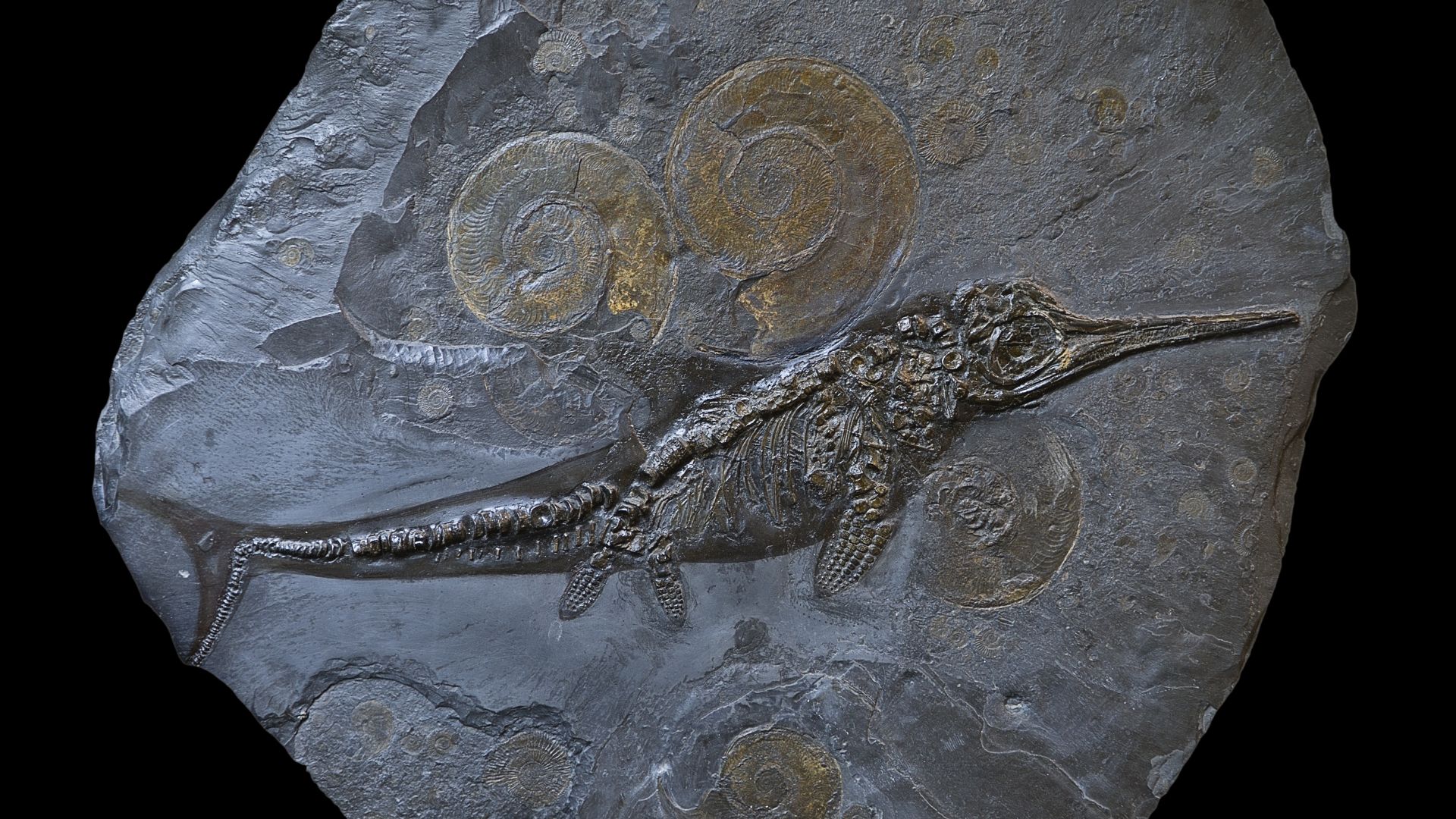
14. The Ichthyosaur Tail Bend Was Called Damage
Early workers saw a sharp downward kink in the tail vertebrae and read it as a carcass crushed after death. The kink kept turning up in specimen after specimen. Shales at Holzmaden in southern Germany later produced skeletons with a dark body outline around them, showing a tail fin and a dorsal fin that bone alone never recorded.
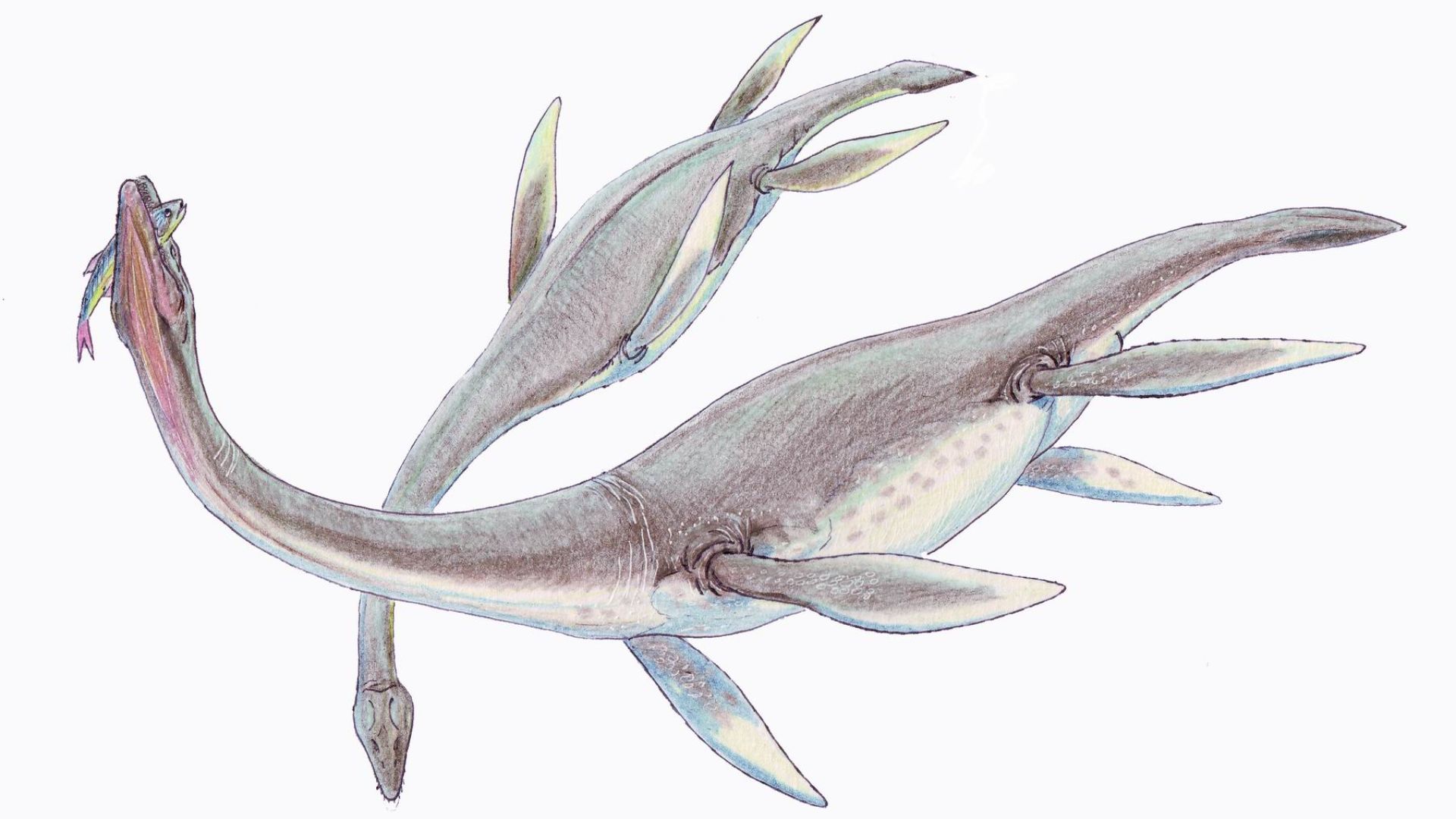
15. Plesiosaurs Were Posed Like Swans
Nineteenth-century mounts and paintings reared the neck up out of the water in a tall S-curve. The vertebrae don't allow it. Their joint faces permit far more side-to-side movement than lift, which gives you an animal holding its neck closer to horizontal.
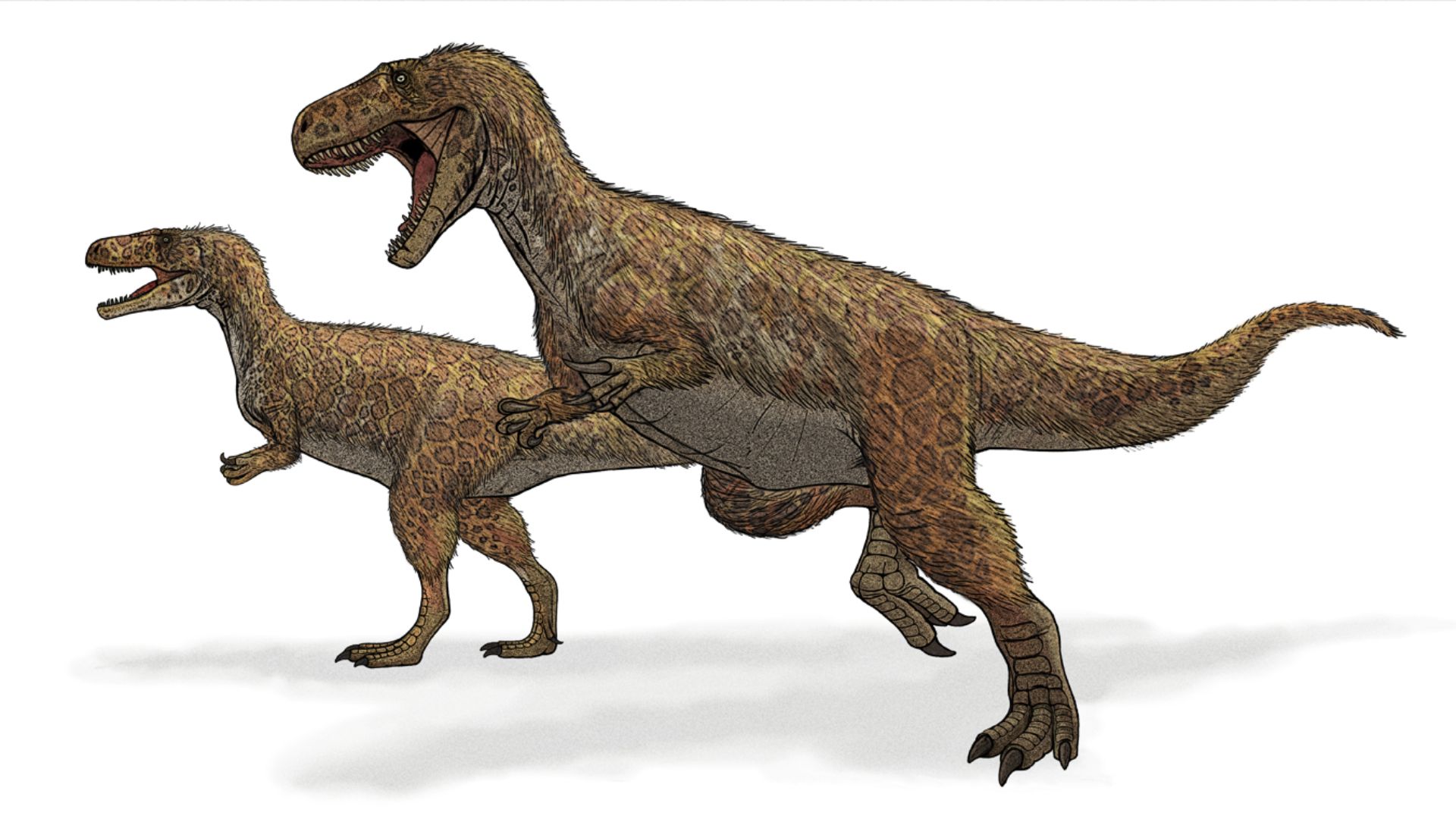
16. Megalosaurus Was Sculpted as a Four-Legged Mammal
The Crystal Palace Megalosaurus walks on four pillar-like legs with a hump over its shoulders, closer to a scaled-up mastiff than a theropod. Benjamin Waterhouse Hawkins built it in the early 1850s under Richard Owen's direction, working from a jaw and some fragments.
 LadyofHats Mariana Ruiz Altered by FunkMonk and Steveoc 86 on Wikimedia
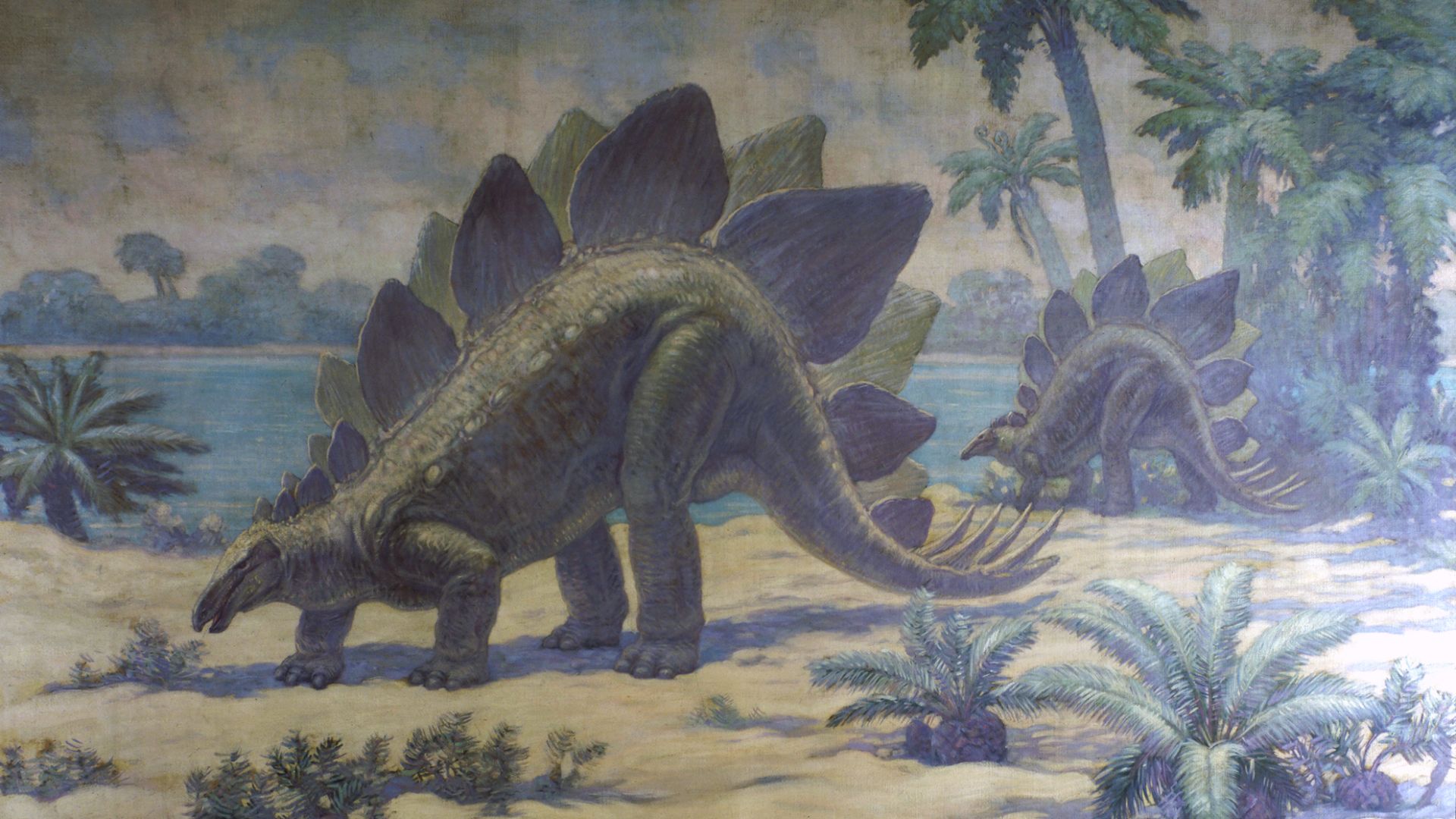
17. Stegosaurus Plates Were Laid Flat Like Tiles
Othniel Charles Marsh's first restorations laid the plates flat along the back, overlapping like roof tiles, which is where the name comes from. He later stood them upright in a single row. The staggered double row you see now came from specimens with the plates preserved close to their original positions.
 Charles R. Knight on Wikimedia
18. Three Dome-Headed Dinosaurs Were One
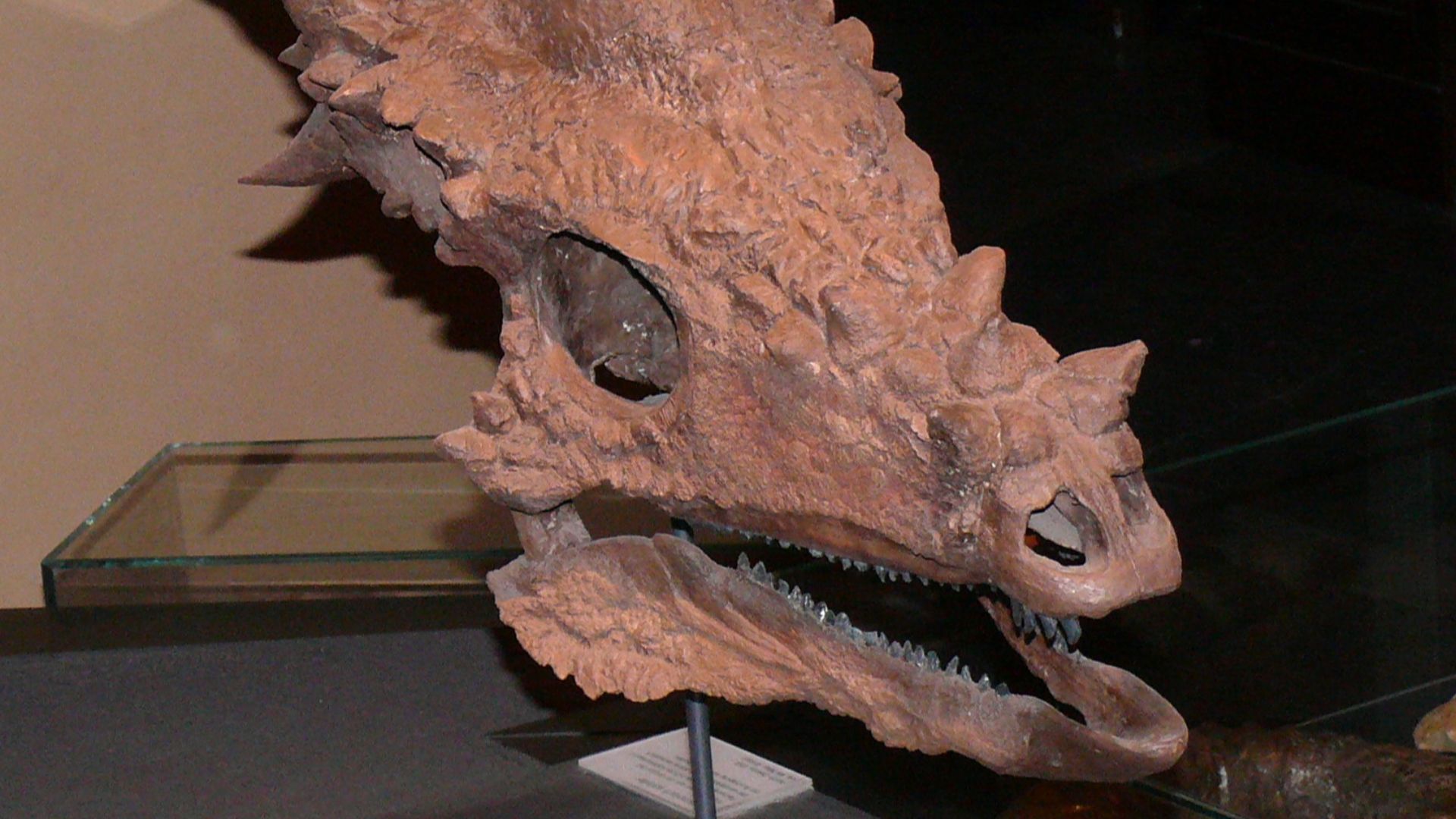
Dracorex and Stygimoloch each got a genus of their own, on the strength of flat spiky skulls unlike the thick dome of Pachycephalosaurus. Jack Horner and Mark Goodwin argued in 2009 that the bone texture pointed to young animals and that the dome thickens with age. Two of the three names are juveniles of the third.
 User:Haplochromis on Wikimedia
19. The First Pterosaur Was Taken for a Swimmer
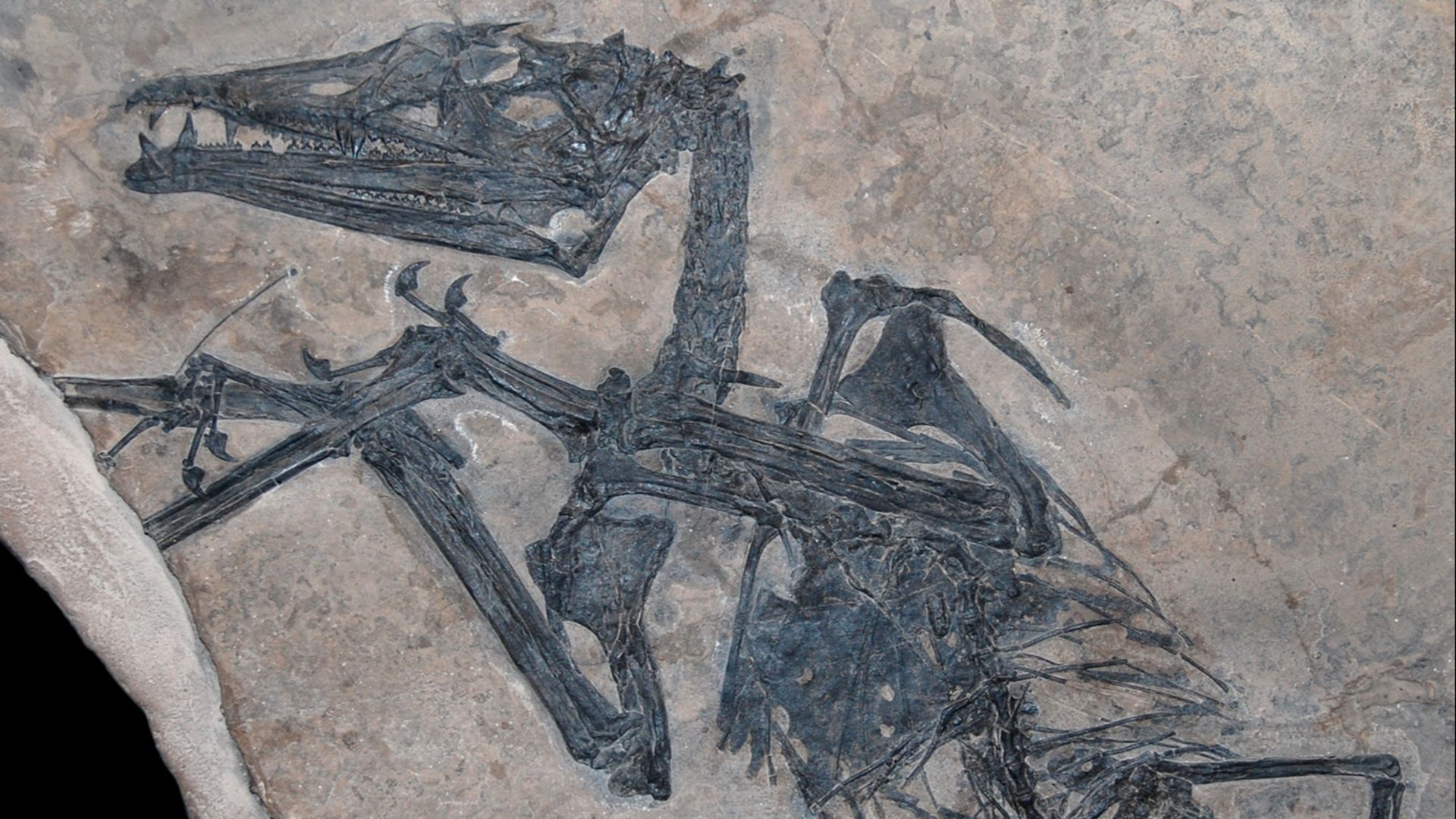
A fourth finger far longer than the rest had no equivalent in any living animal. Cosimo Alessandro Collini, describing the specimen in 1784, guessed at a sea creature using its limbs as paddles. Georges Cuvier read the same bones as a flying reptile around 1801, which was correct and far from obvious at the time.
20. Nebraska Man Was Built From One Tooth
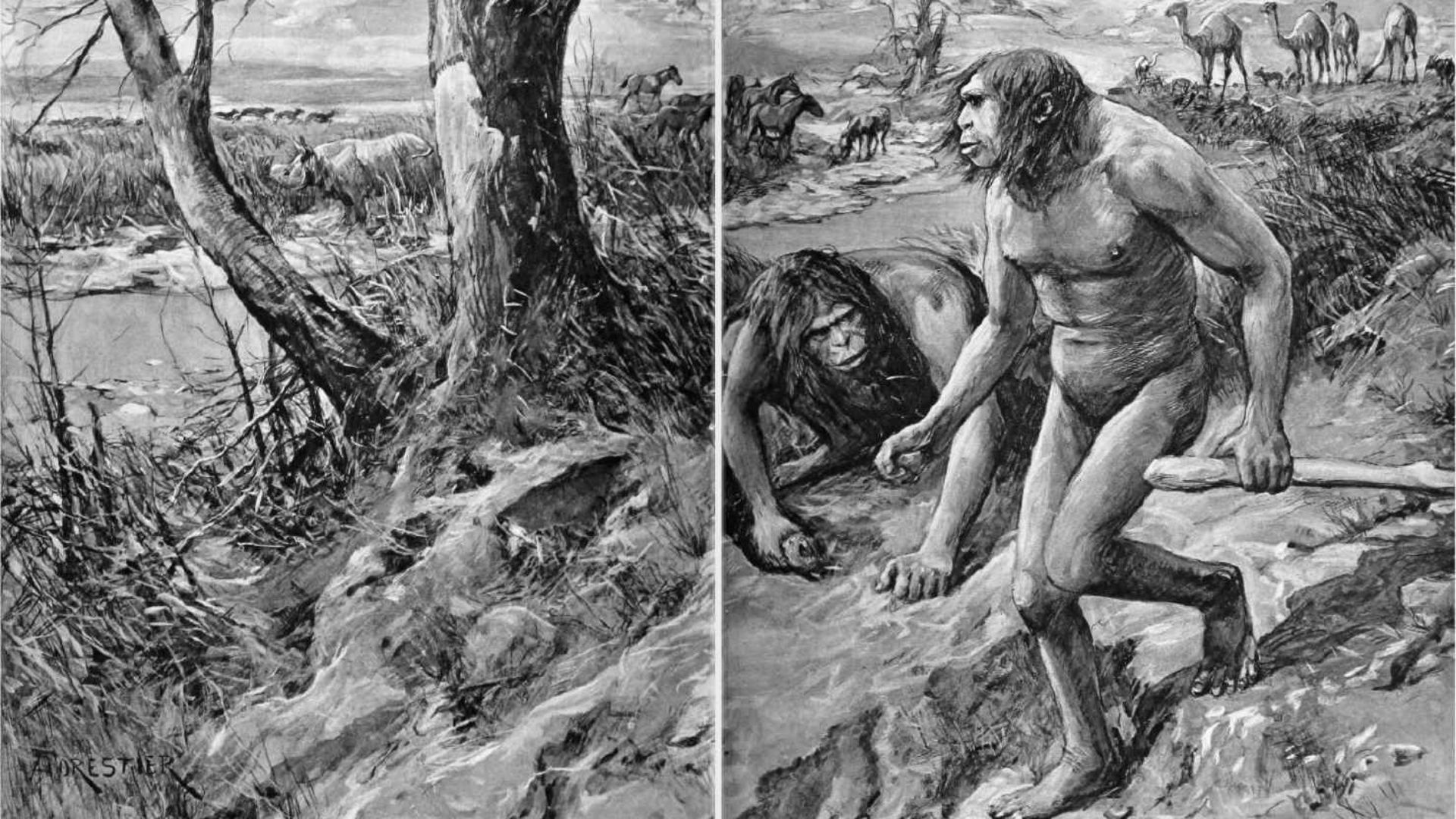
A single worn molar from Nebraska became Hesperopithecus in 1922, named by Henry Fairfield Osborn. The Illustrated London News ran a full reconstruction of a hairy couple on a plain, well beyond what one tooth could support. William Gregory published a retraction in 1927 after more collecting showed the molar came from a peccary.
 Amédée Forestier (1847-1930) on Wikimedia