20 Kings & Queens From History With Disturbing Personal Habits
Royal Life Could Get Pretty Strange
Being a king or queen came with wealth, power, enormous palaces, and very few people willing to tell you that your behavior was getting weird. Throughout history, royal courts recorded rulers with obsessive routines, unsettling hobbies, questionable hygiene, and habits that would make even their closest servants uncomfortable. Here are 20 kings and queens whose personal habits were anything but ordinary.
 After Levina Teerlinc on Wikimedia
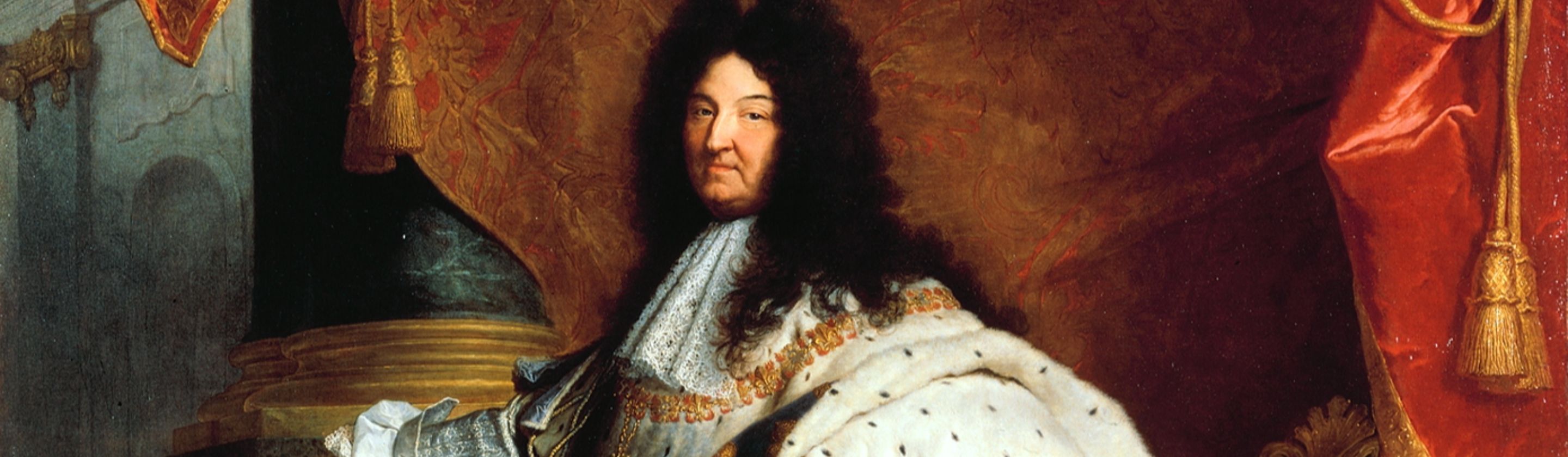
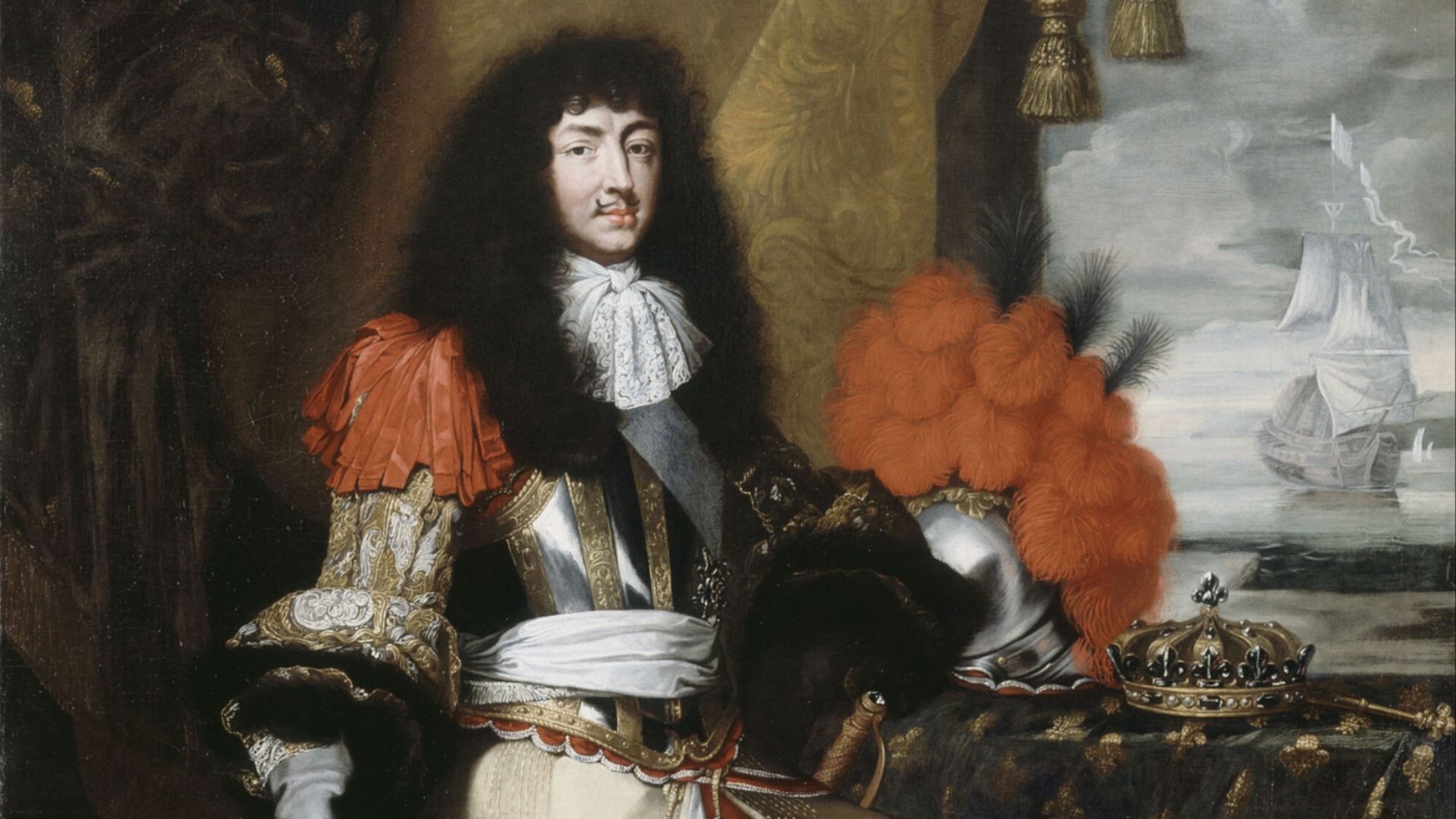
1. Louis XIV Turned Meals Into Public Performances
Louis XIV of France didn't simply sit down for dinner when he was hungry. His meals could become elaborate court ceremonies in which nobles gathered to watch the king eat according to strict rules of etiquette. Even relatively private moments in his day were turned into carefully managed displays of royal status.
 Claude Lefèbvre / Formerly attributed to Philippe de Champaigne on Wikimedia
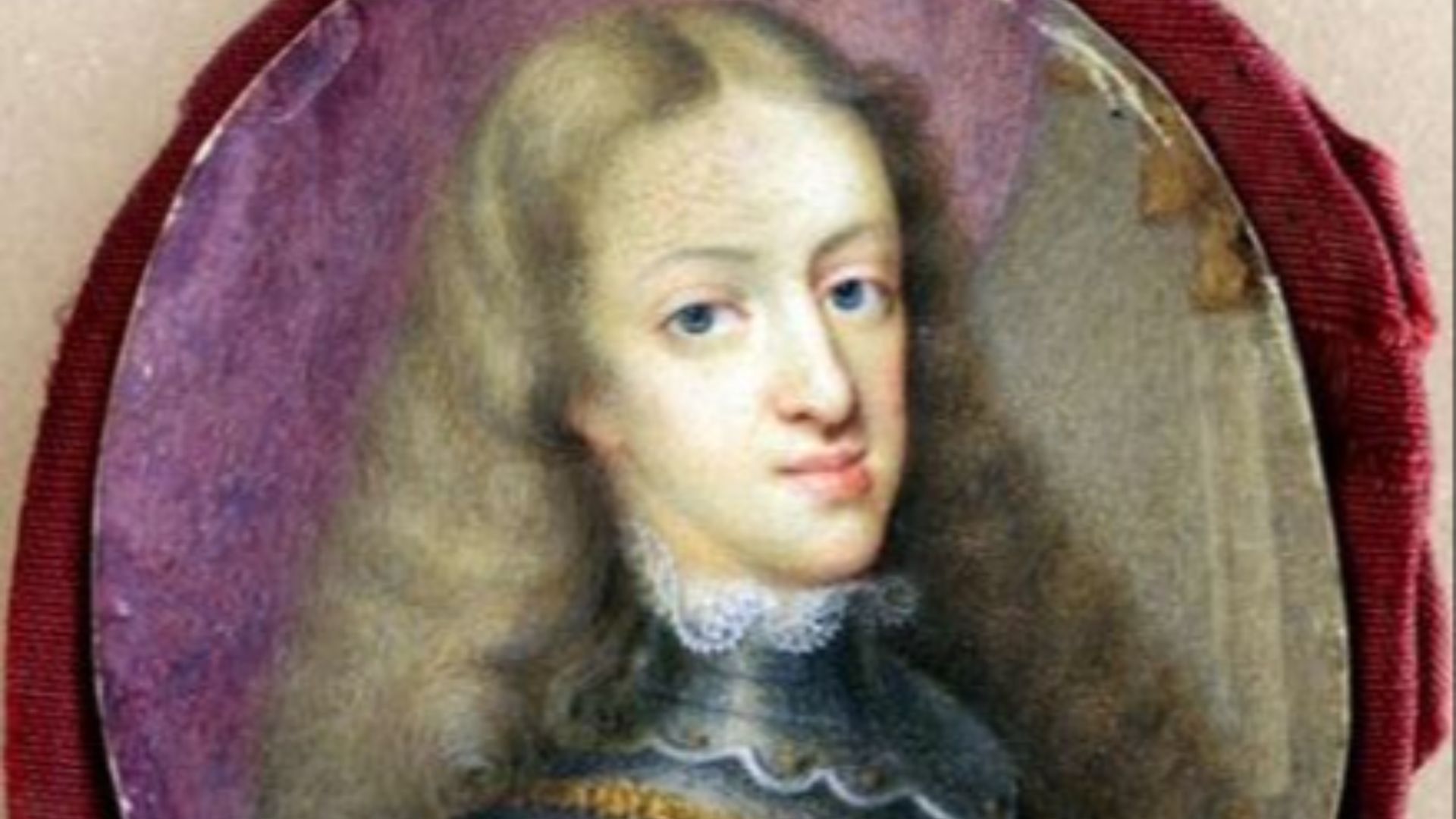
2. Charles II of Spain Was Reportedly Rarely Bathed
Personal hygiene wasn't exactly modern by today's standards, but Charles II of Spain developed an especially grim reputation. Contemporary descriptions portray a sickly monarch whose appearance and cleanliness frequently concerned people around him. His poor health made ordinary grooming and bathing more difficult as he grew older. Life at the Spanish court may have looked glamorous from a distance, but getting close to the king wasn't always appealing.
 John Michael Wright on Wikimedia
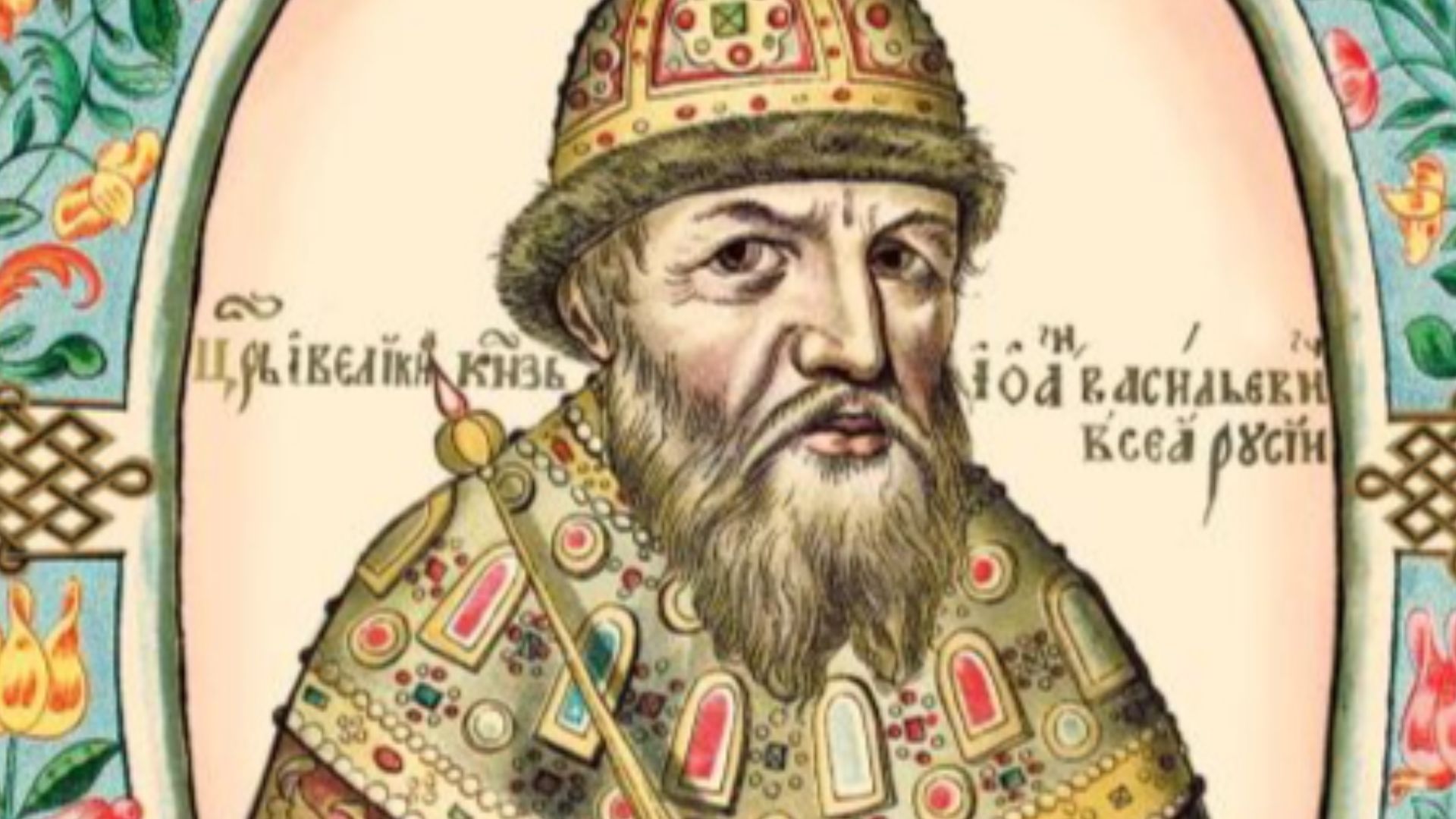
3. Ivan the Terrible Enjoyed Watching Animals Suffer
Accounts of Ivan IV's youth describe behavior that was disturbing long before he became infamous as Russia's first crowned tsar. Several later chroniclers claimed that he tortured animals and threw them from high places for amusement. Some details may have been exaggerated, but stories of his cruelty appeared repeatedly in descriptions of his early life, and his treatment of humans later was just as bad.
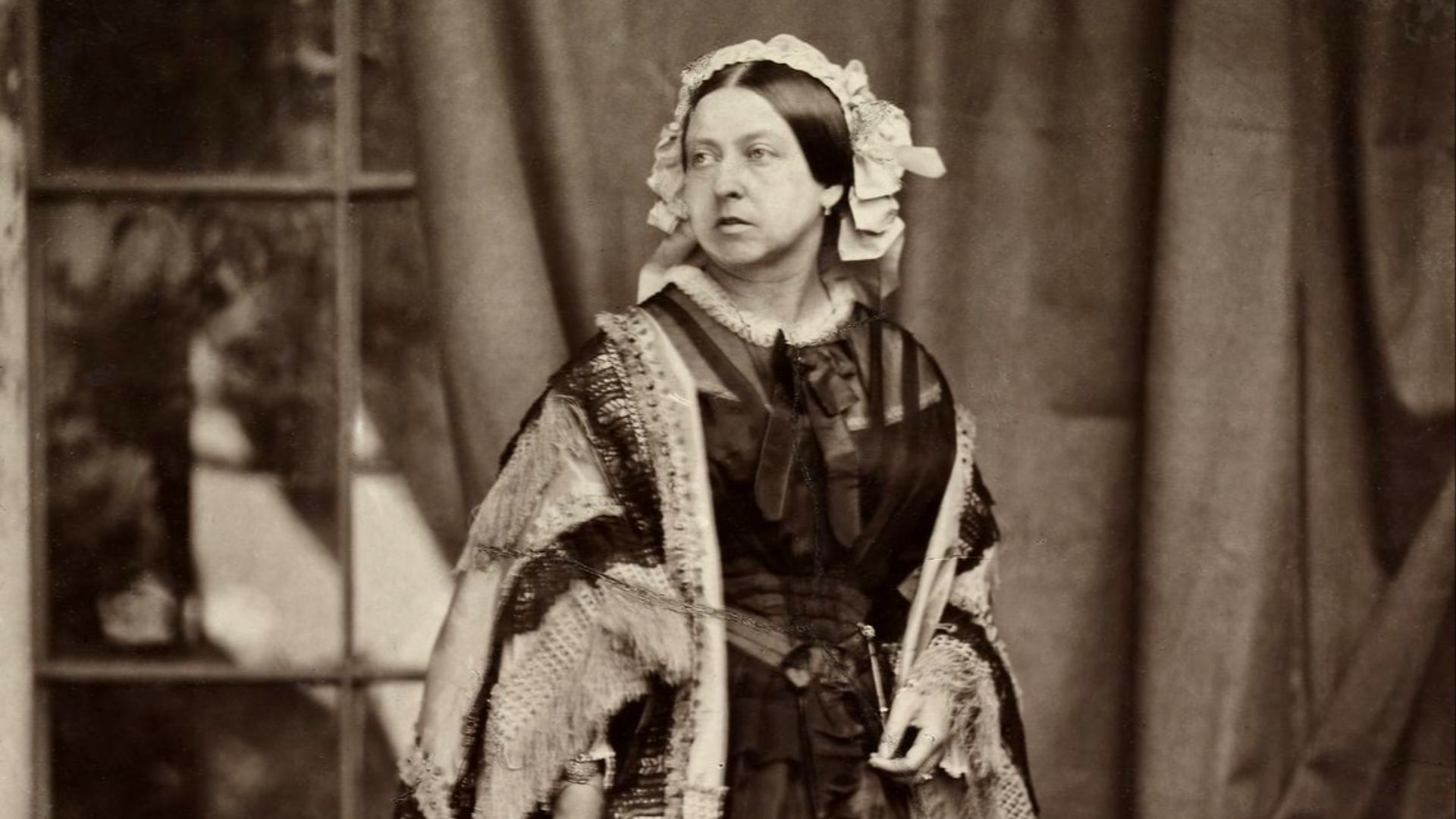
4. Queen Victoria Slept Beside Prince Albert's Clothes After He Died
Queen Victoria's mourned Prince Albert's death in 1861 for a famously long time and in unusual ways. She reportedly ordered servants to continue laying out his clothes and preparing items for him as though he were still alive. His rooms were carefully maintained, and hot water was even brought for his shaving routine.
 John Jabez Edwin Mayall on Wikimedia
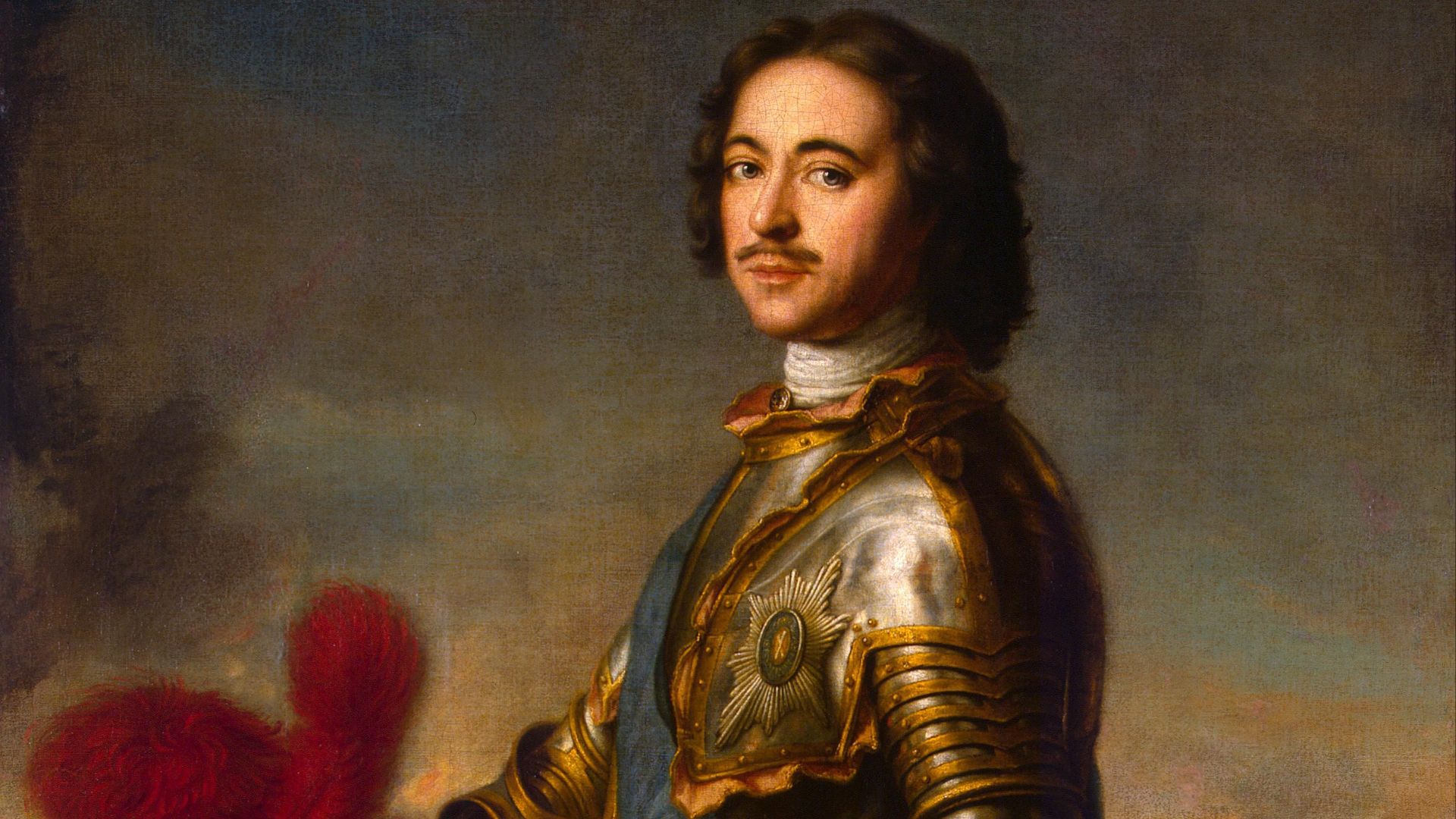
5. Peter the Great Collected Human Teeth
Peter the Great of Russia had an unusually enthusiastic interest in medicine and dentistry. He enjoyed pulling teeth himself and kept some of the teeth he extracted, many of which survive in museum collections. Unfortunately for the people around him, the tsar wasn't a professionally trained dentist, so courtiers with toothaches had good reason to avoid mentioning them too loudly.
 Attributed to Jean-Marc Nattier on Wikimedia
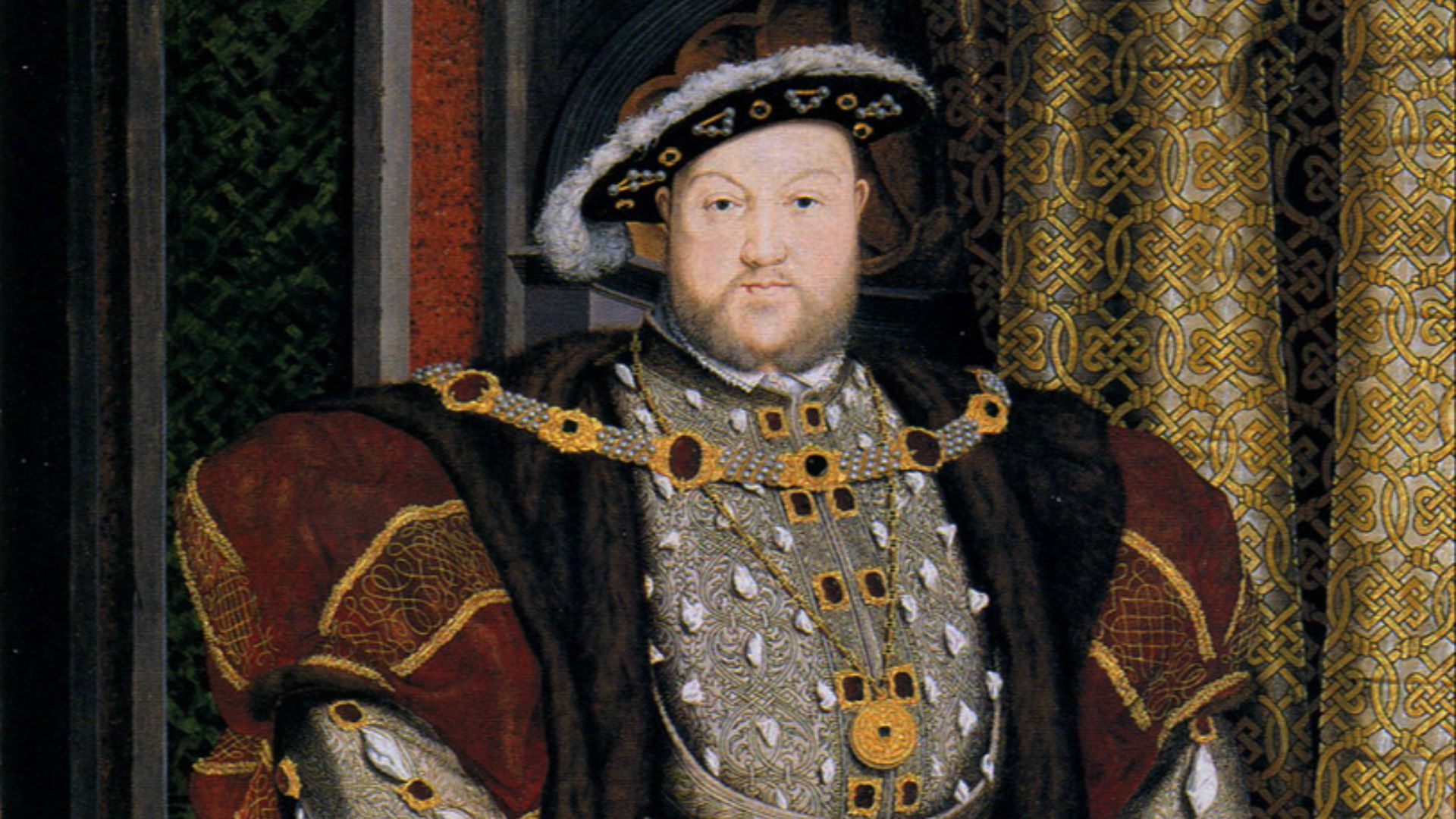
6. Henry VIII Ate Enormous Meat-Heavy Meals
Henry VIII's royal kitchens prepared staggering quantities of food for the Tudor court, and the king himself developed a reputation for an extremely rich diet. Meat such as beef, venison, pork, and poultry featured heavily at royal tables, along with pies, bread, wine, and sweets. His eating habits became less compatible with his lifestyle once injuries limited his ability to exercise. By his later years, Henry's weight and declining health had become serious problems.
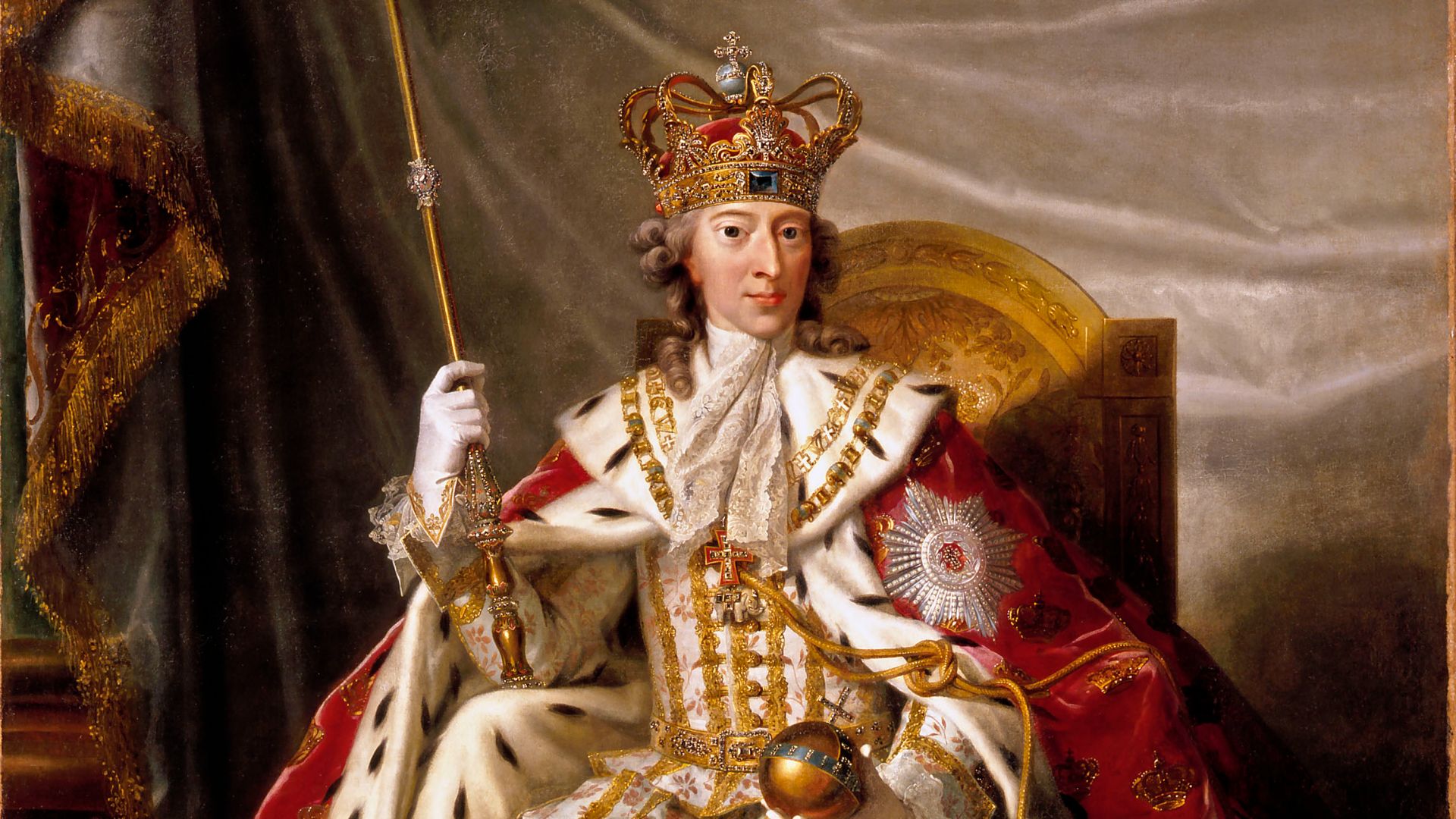
7. Christian VII Had Some Extremely Uncomfortable Public Habits
King Christian VII of Denmark struggled with serious behavioral problems that baffled and embarrassed members of his court. Contemporary accounts describe inappropriate joking, unpredictable outbursts, and behavior that ignored nearly every expectation placed on a monarch. He sometimes wandered Copenhagen at night with companions while visiting taverns and causing trouble while much of the actual governing was carried out by others.
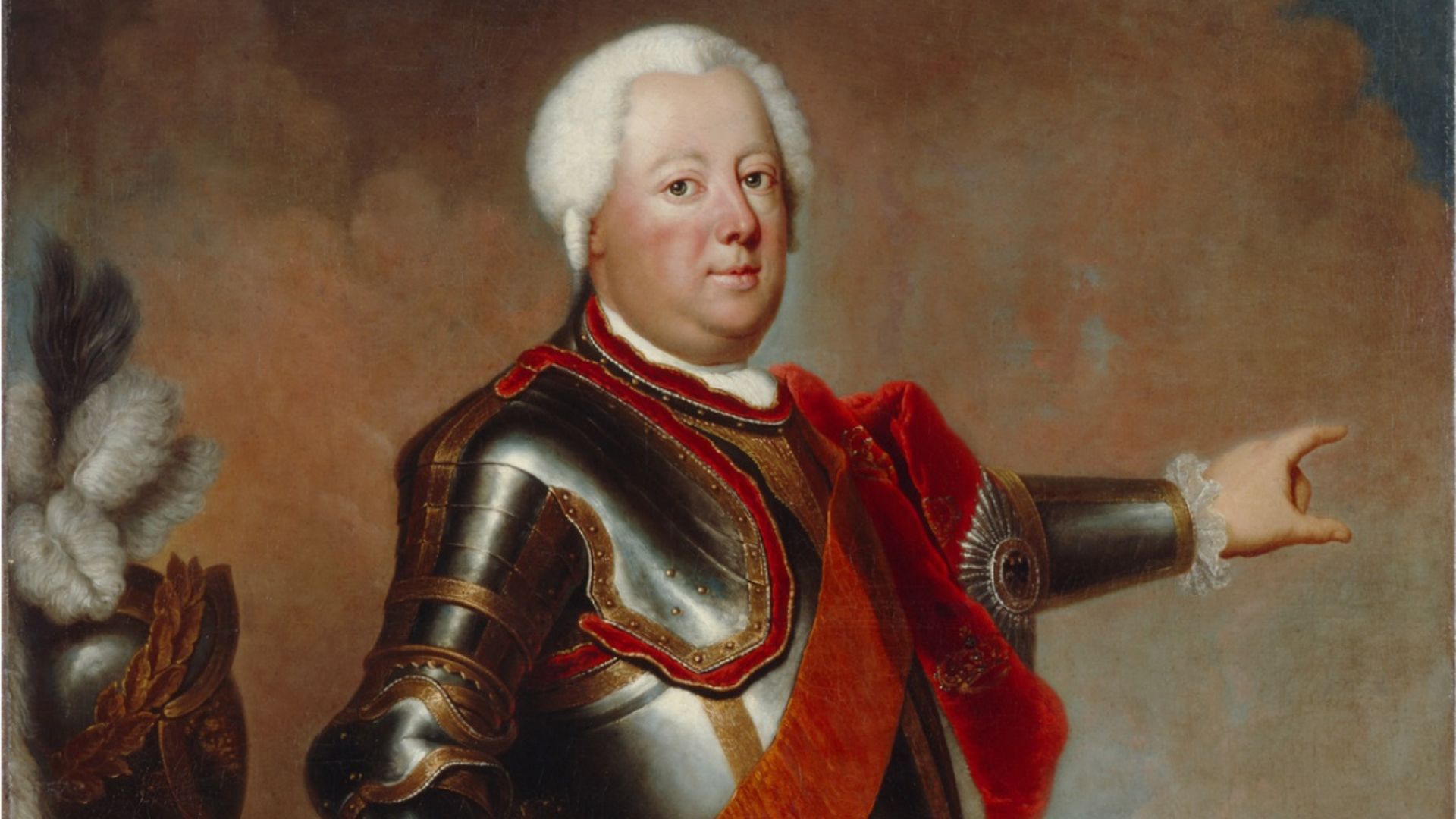
8. Frederick William I Collected Extremely Tall Soldiers
Frederick William I of Prussia became obsessed with recruiting unusually tall men into a regiment commonly known as the Potsdam Giants. He spent enormous amounts of money obtaining tall soldiers and sometimes received them as diplomatic gifts from other rulers. Men could even be pressured or forcibly recruited simply because of their height. For the king, building the regiment became less of a military necessity and more of a personal fixation.
 Workshop of Antoine Pesne on Wikimedia
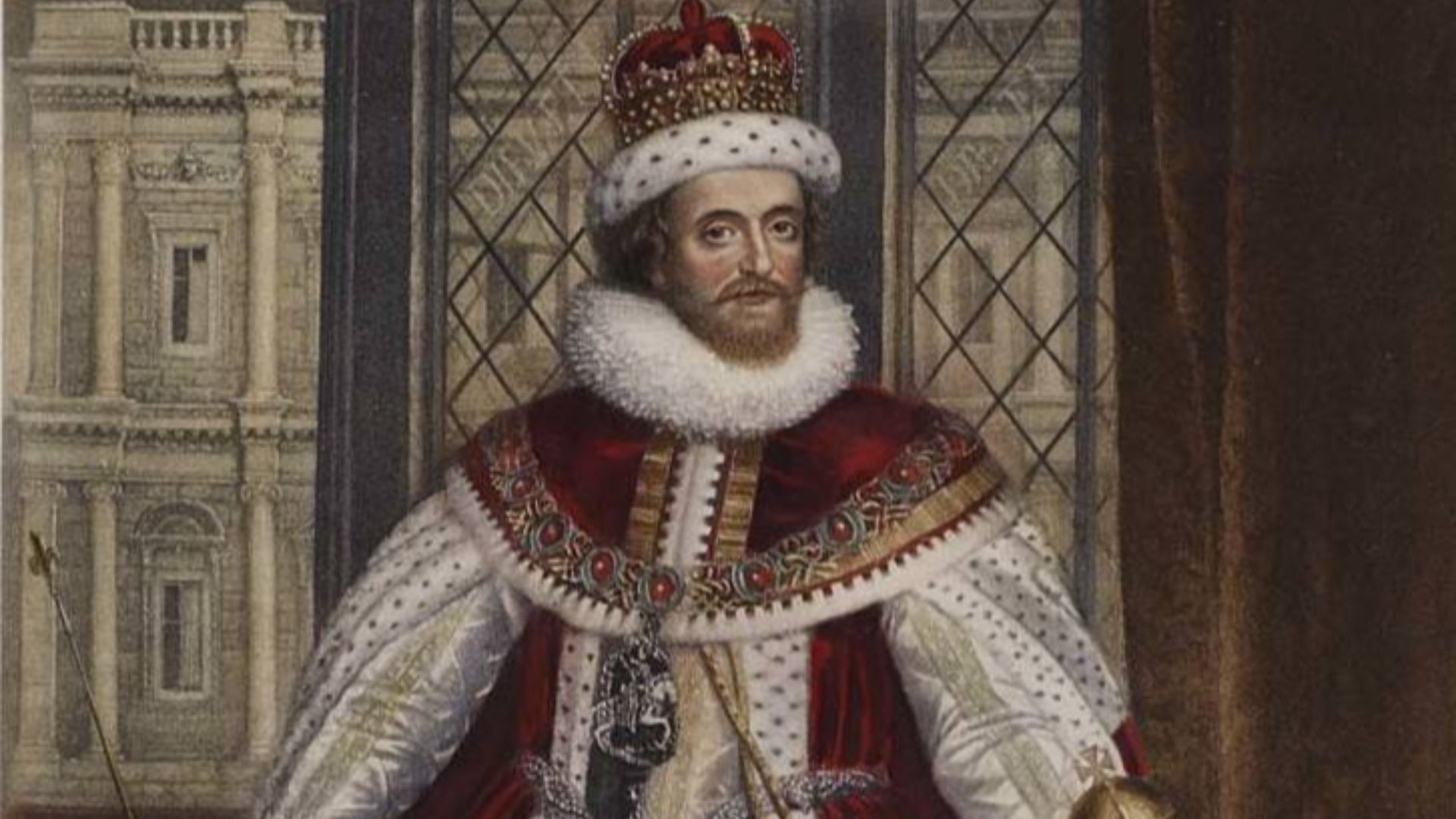
9. King James VI & I Had a Strong Aversion to Washing
James VI of Scotland, who later became James I of England, wasn't remembered for being especially enthusiastic about bathing. Accounts from his era suggest that he disliked washing his body frequently and reportedly preferred limited cleaning rather than full baths. Standards were certainly different in the early 1600s, but even contemporaries occasionally commented on his personal habits.
 National Library of Scotland on Wikimedia
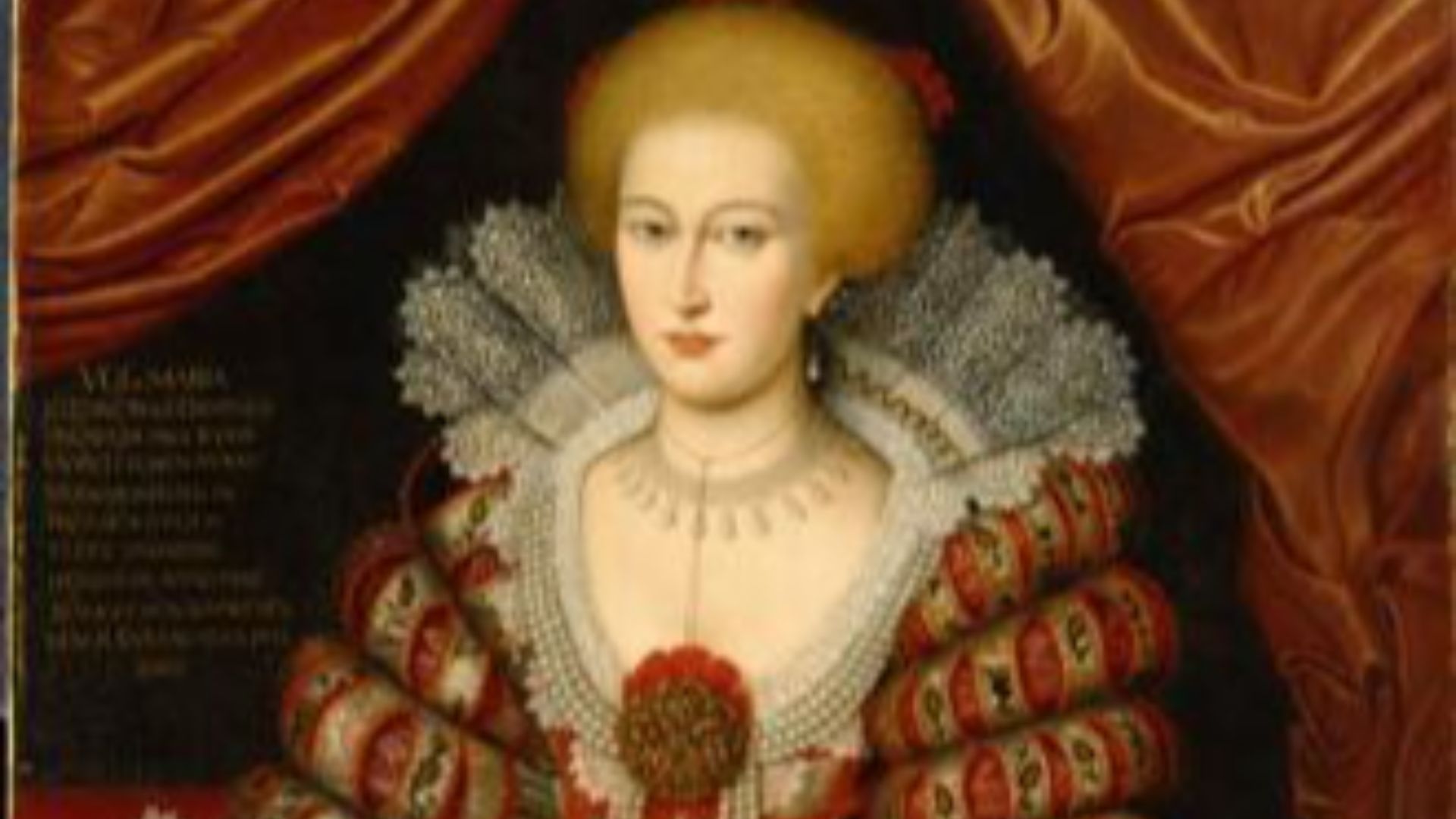
10. Maria Eleonora Kept Her Husband's Heart Near Her
After King Gustavus Adolphus of Sweden was killed in battle in 1632, Queen Maria Eleonora's grief became extremely intense. She reportedly kept his embalmed heart in a container near her and resisted allowing his body to be buried for an extended period. The king's remains stayed above ground for months while she mourned, alarming members of the royal court.
 After Michiel Jansz. van Mierevelt on Wikimedia
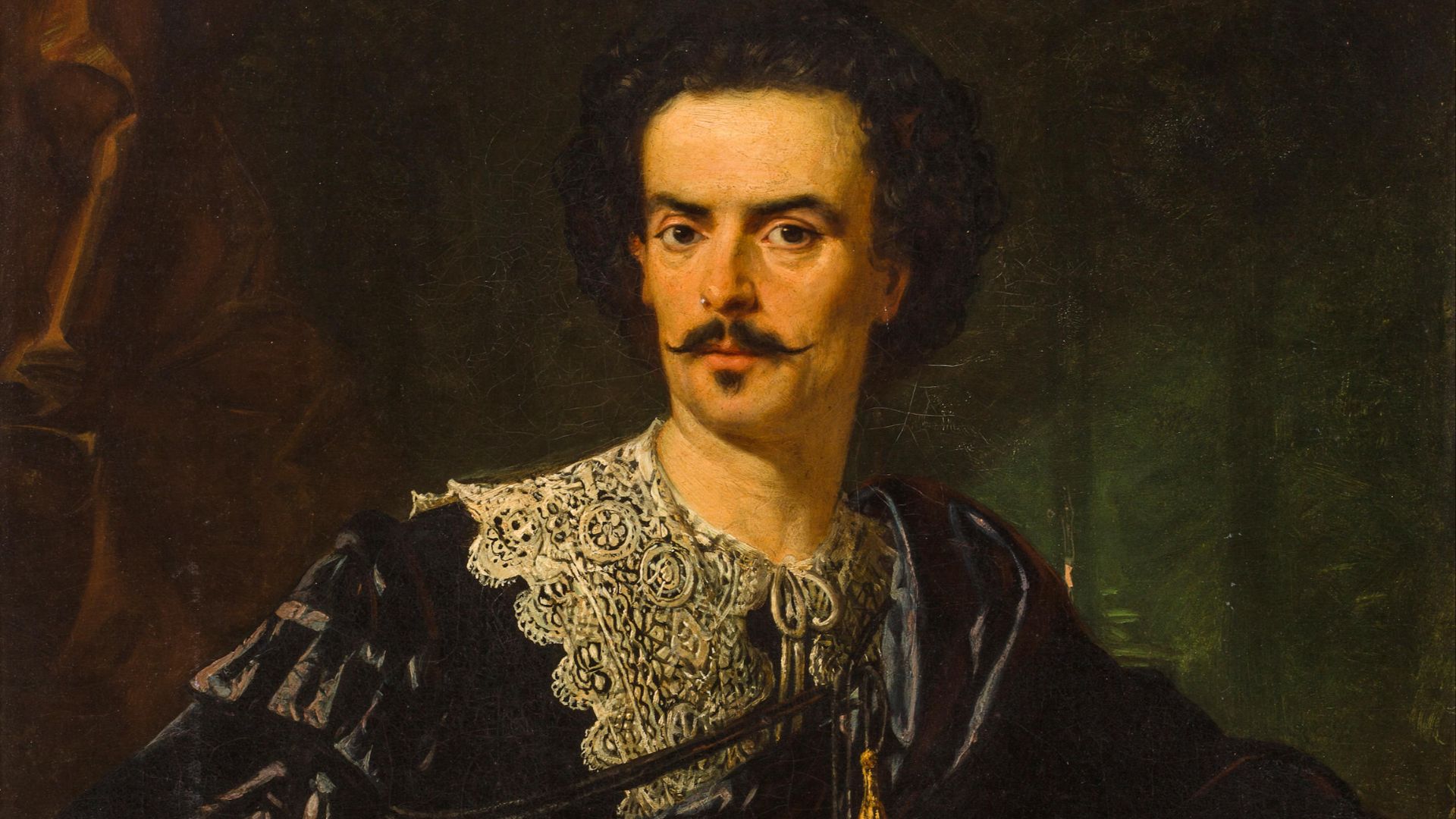
11. Ludwig II Preferred Eating Without Other People
King Ludwig II of Bavaria increasingly withdrew from public life and became uncomfortable with ordinary court interaction. He sometimes arranged meals so that he could dine without servants or guests nearby, including using mechanical systems that allowed tables to be raised into rooms. His desire for privacy grew stronger as his reign continued and he spent the latter part of his life in extreme, self-imposed isolation, earning himself the nickname, "The Recluse."
 Frédérique Émilie Auguste O'Connell on Wikimedia
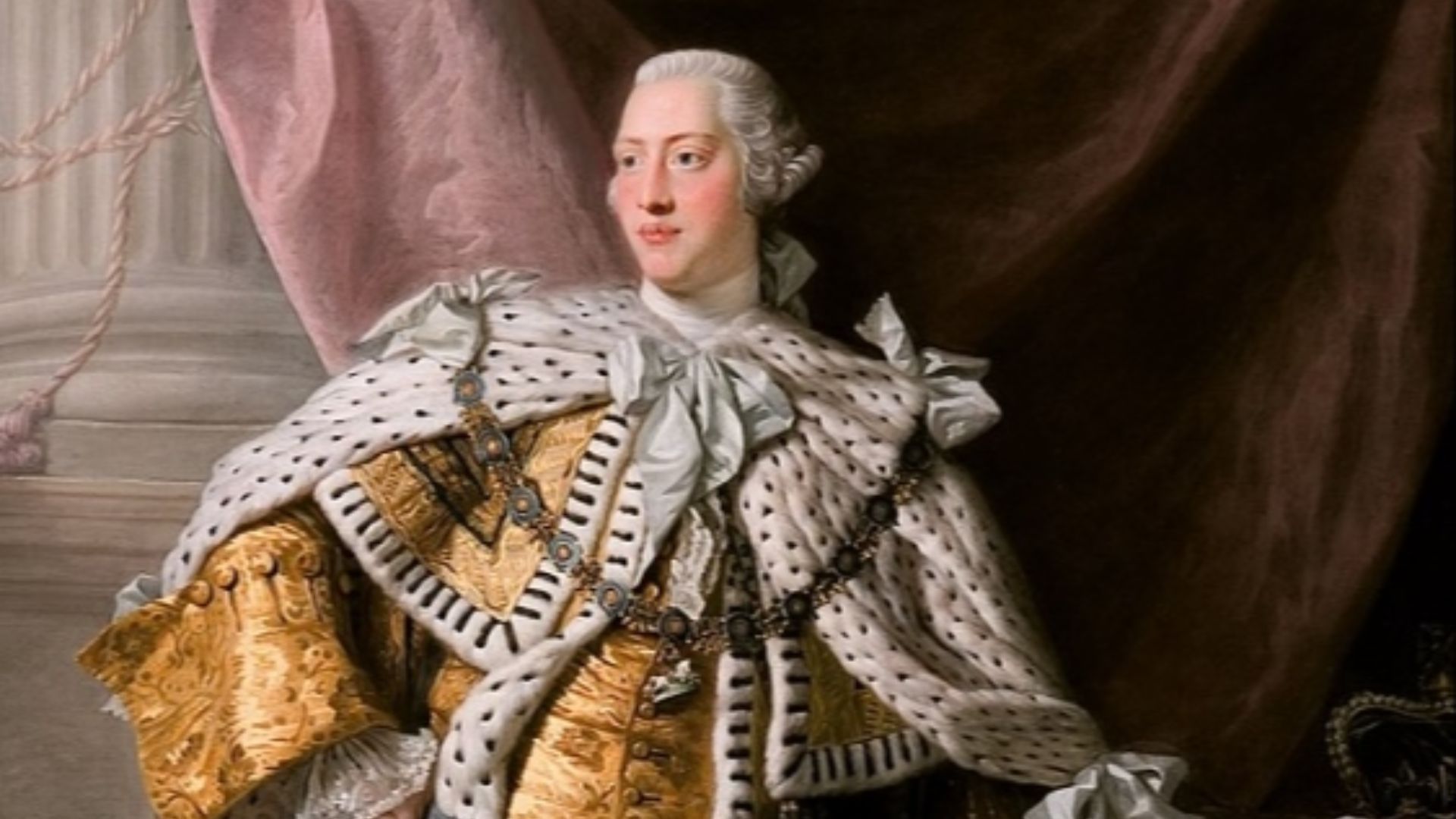
12. George III Carefully Recorded Tiny Farming Details
George III wasn't simply interested in agriculture; he could become deeply absorbed in it. Nicknamed "Farmer George," he kept close track of farming methods, crops, livestock, and agricultural experiments on royal estates. His fascination was unusual enough for a king that political opponents sometimes mocked him for it.
13. Catherine de' Medici Consulted Astrologers Constantly
Catherine de' Medici took astrology and prophecy seriously enough to keep astrologers close to the French court. Among the figures associated with her was Nostradamus, whose predictions attracted enormous attention during her lifetime. Catherine reportedly consulted astrologers about political events and the futures of her children. Important decisions in Renaissance France could therefore involve both advisers and star charts.
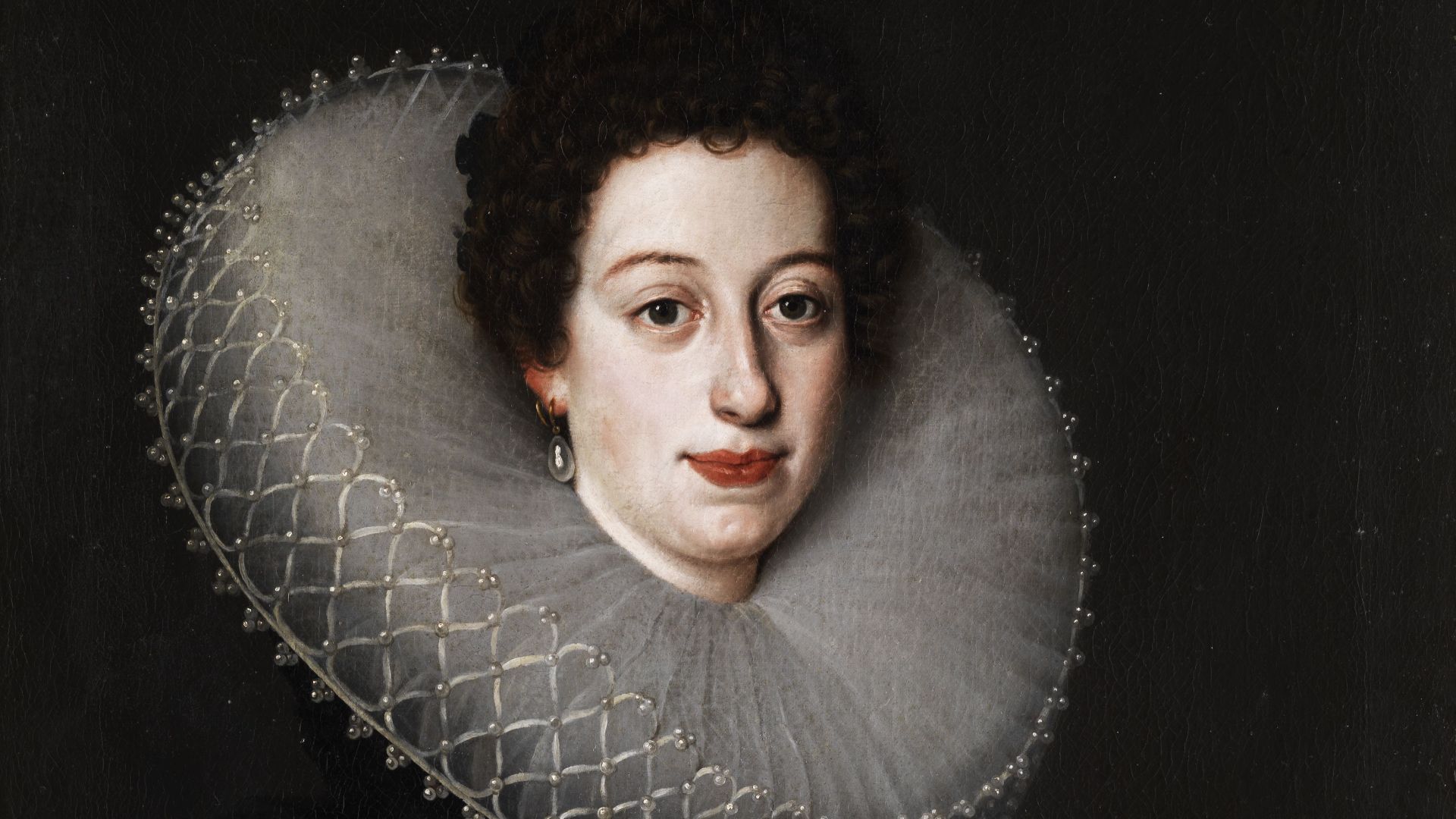 After Justus Sustermans on Wikimedia
14. Charles VI Sometimes Believed He Was Made of Glass
King Charles VI of France experienced severe episodes of mental illness during his reign. During certain periods, he reportedly believed that his body was made of glass and feared that physical contact might cause him to shatter. According to later accounts, he wore reinforced clothing to protect himself from breaking.
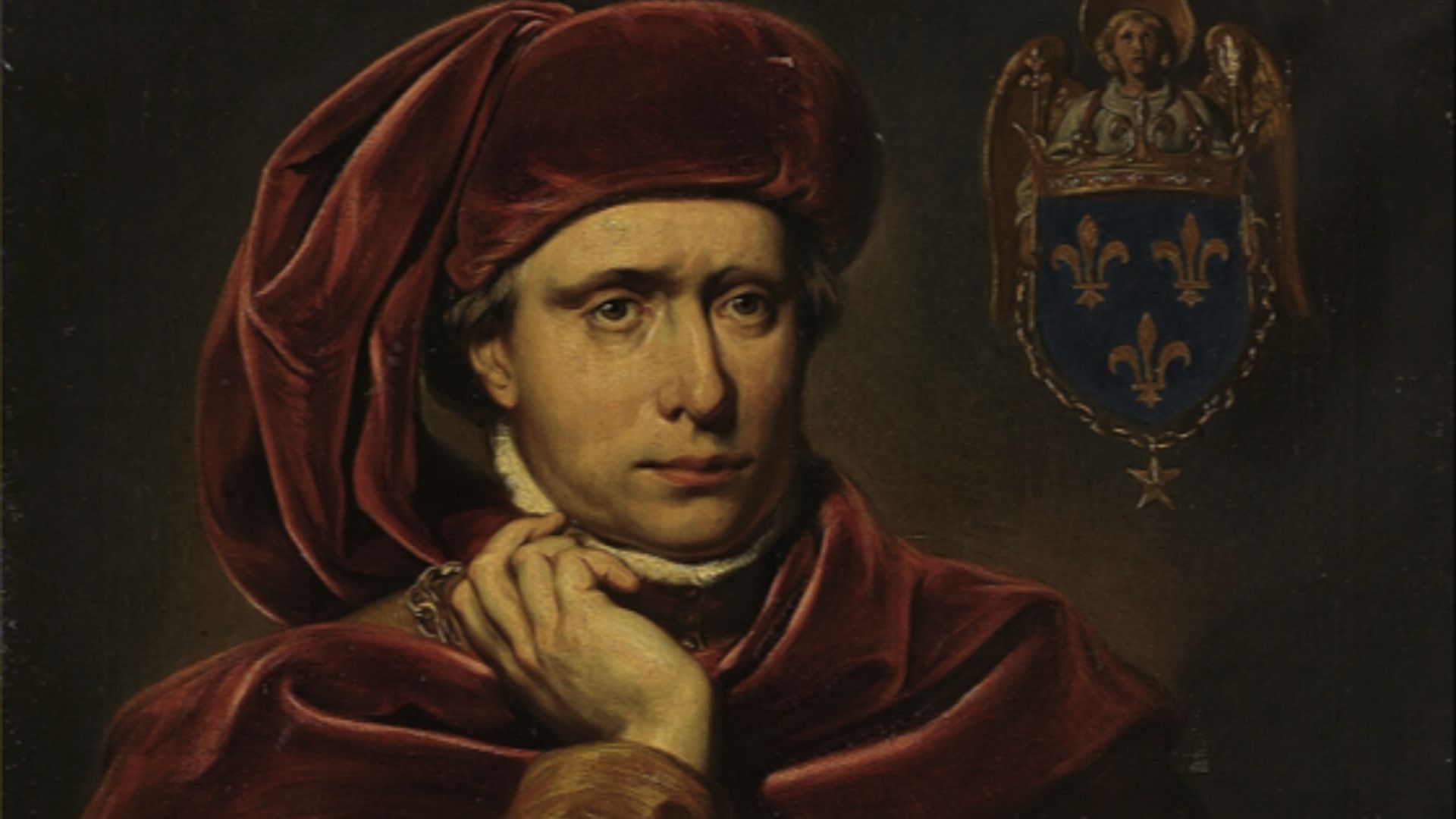 Gillot Saint-Evre on Wikimedia
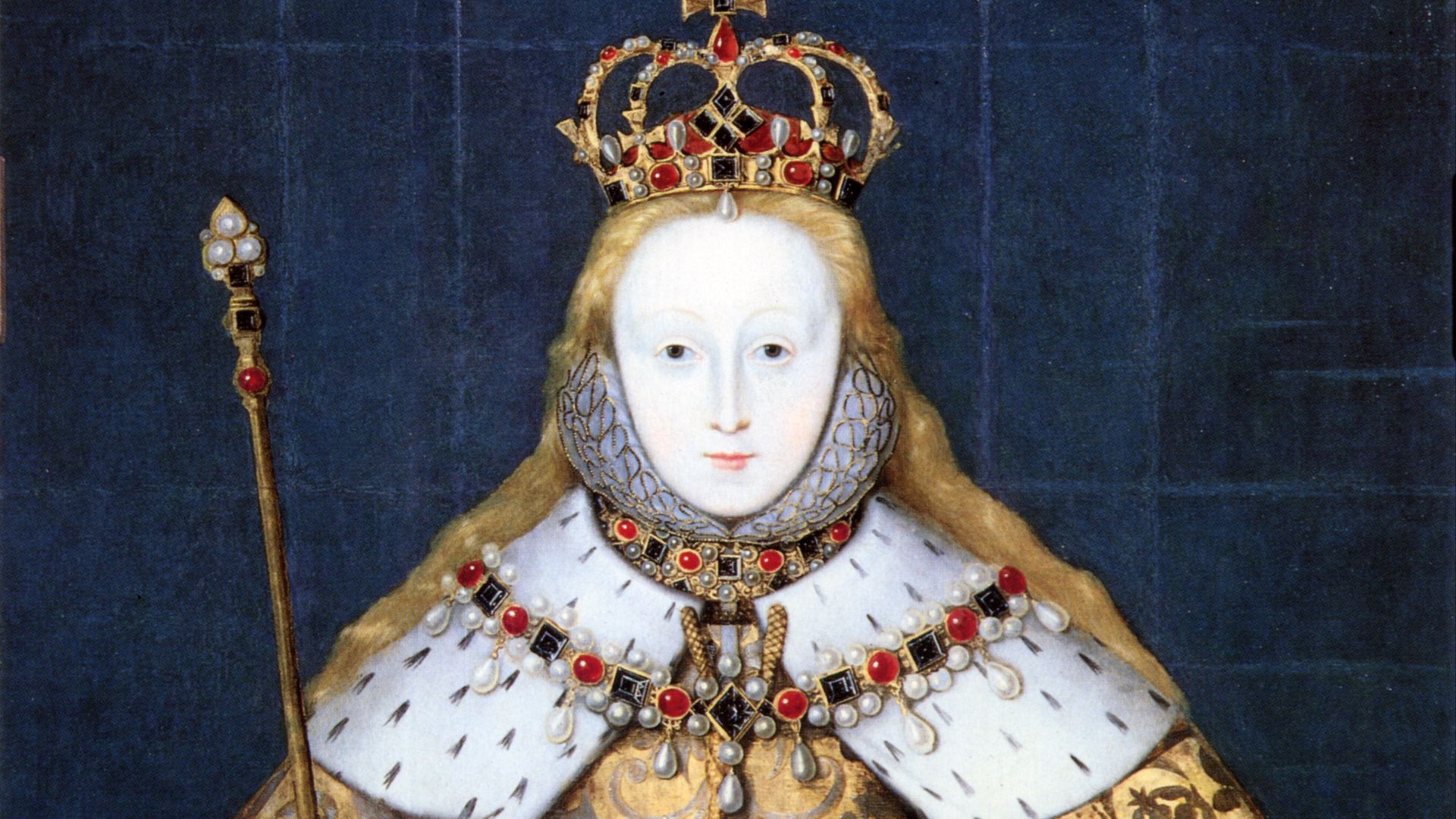
15. Elizabeth I Used Increasingly Heavy Makeup
Queen Elizabeth I became famous for the extremely pale complexion seen in many later portraits. She used white facial cosmetics, including products that could contain lead, particularly after surviving smallpox and developing facial scarring. In addition to the skin damage she was probably causing by using so much lead-based makeup, imagine seeing your queen look so unnaturally, ghostly white.
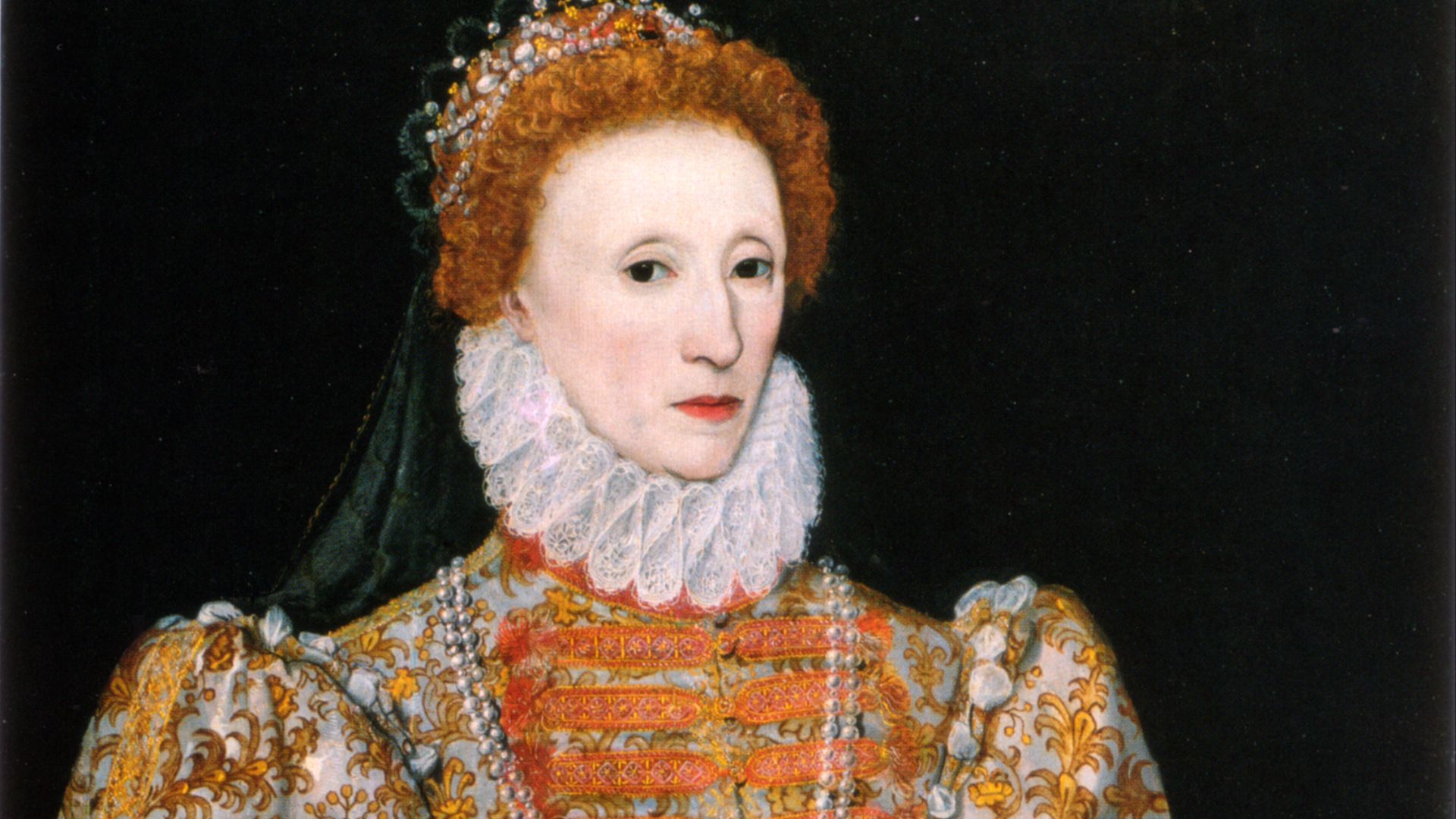 Unidentified painter on Wikimedia
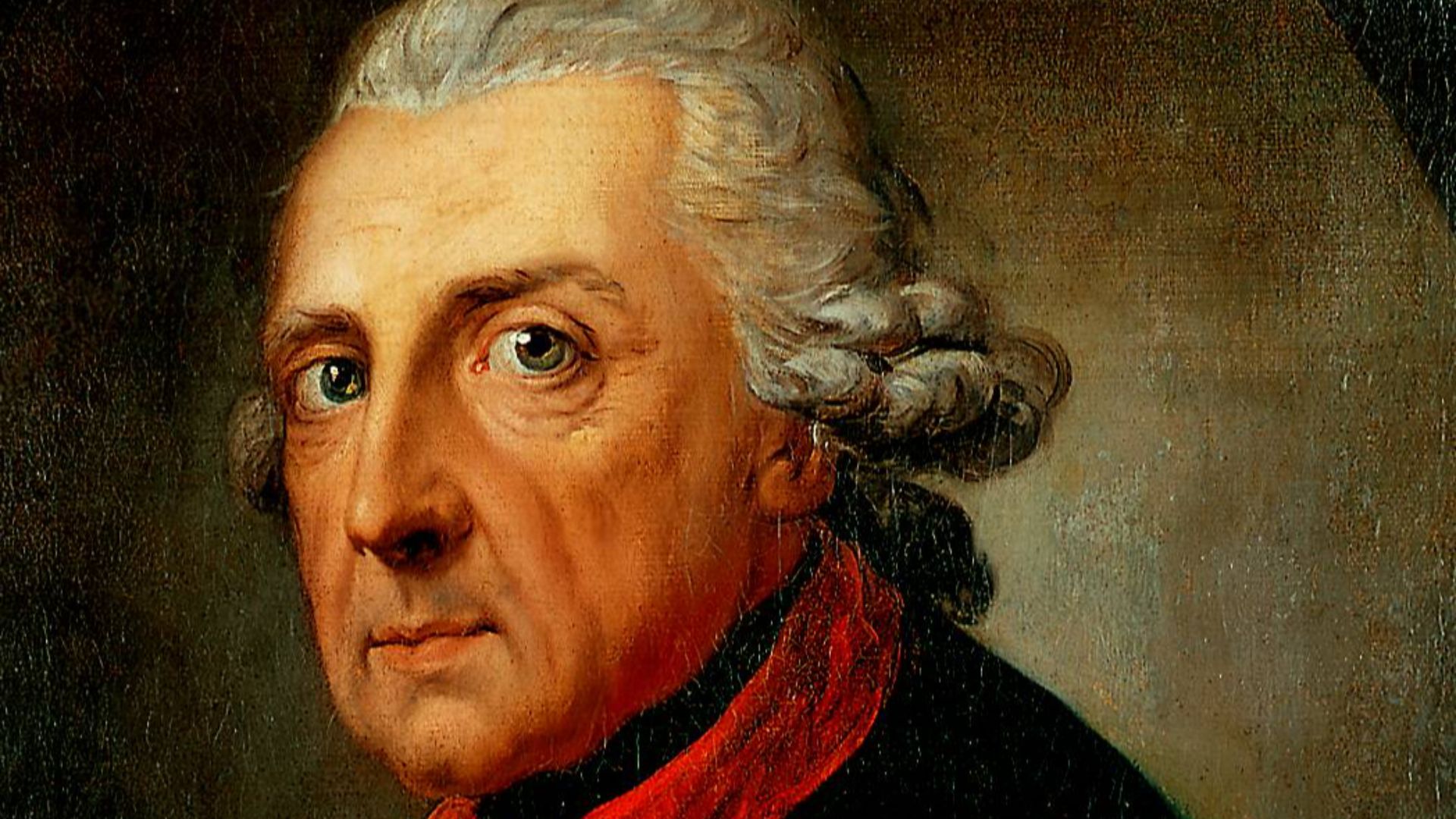
16. Frederick the Great Was Almost Constantly Surrounded by Dogs
Frederick II of Prussia strongly preferred the company of his Italian greyhounds to many of the people at his court. His dogs slept in his rooms, followed him around his palaces, and were treated with remarkable affection. He even requested to be buried near his beloved greyhounds at Sanssouci. For a ruler known for military discipline, his private life could revolve surprisingly heavily around small dogs.
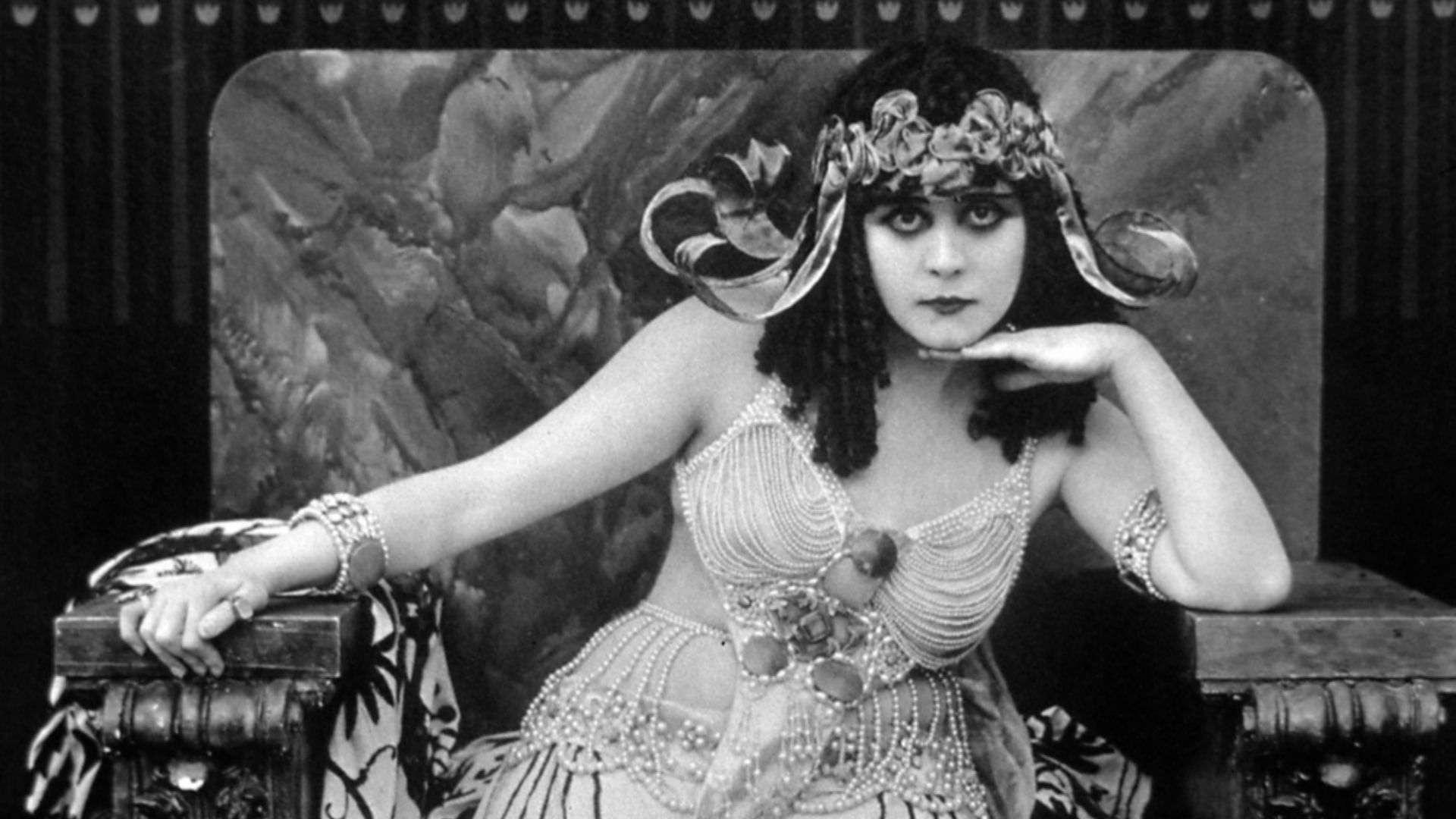
17. Cleopatra Reportedly Experimented With Cosmetics and Medicines
Ancient writers described Cleopatra VII as having an intense interest in cosmetics, medicine, and beauty treatments, although some later stories about her routines are difficult to verify. Texts associated with her name included remedies involving oils, herbs, and other preparations used on the body. The famous stories about extravagant milk baths, however, mostly come from much later traditions.
 Fox Film Corporation on Wikimedia
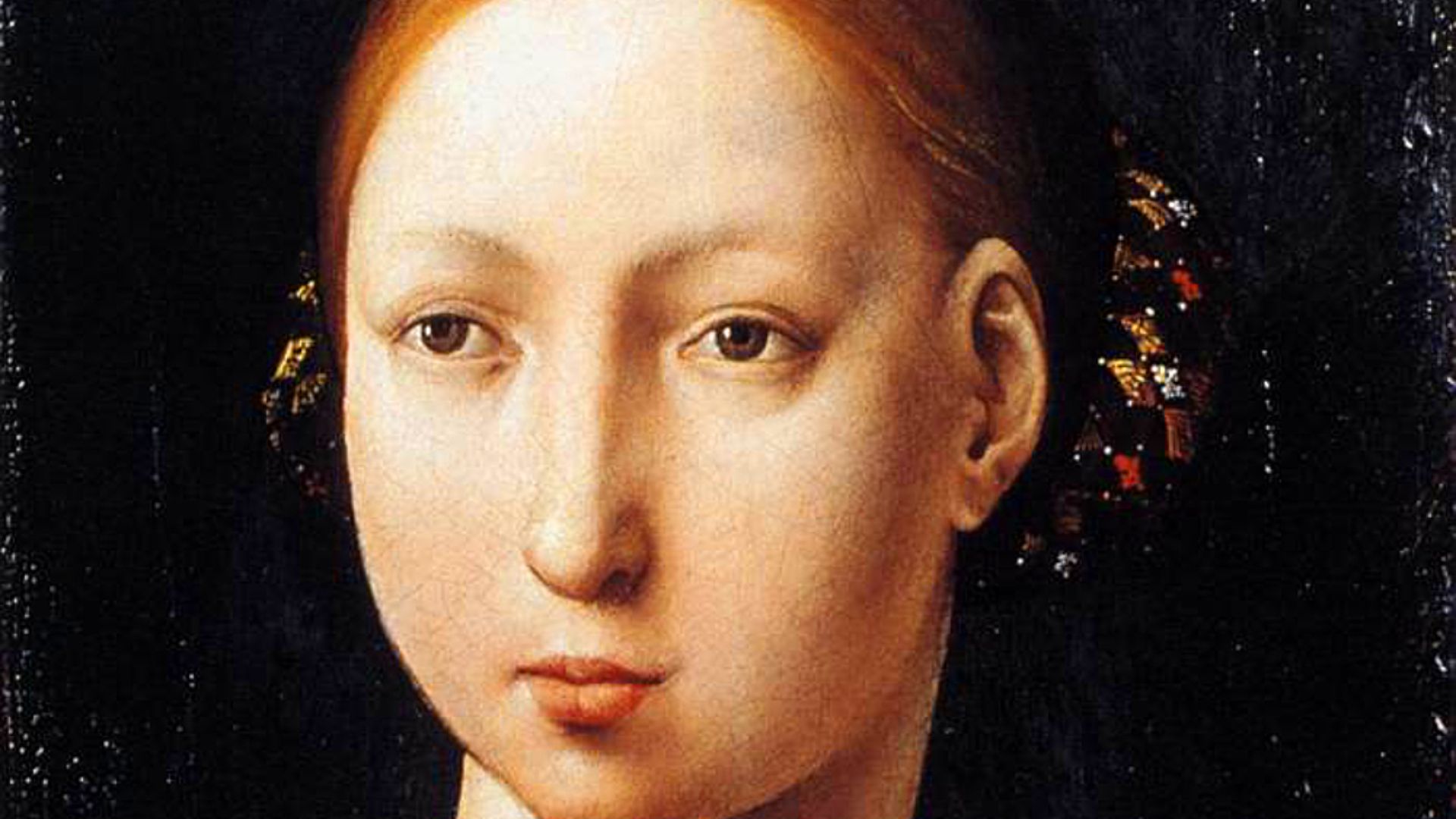
18. Joanna of Castile Traveled With Her Husband's Coffin
After Philip the Handsome died in 1506, Joanna of Castile's mourning became the subject of some of Europe's strangest royal stories. Historical accounts describe her accompanying his coffin during a lengthy journey through Spain and resisting efforts to separate her from his remains. Later writers embellished the story considerably, so some dramatic details should be treated cautiously, but even without the legends, her prolonged attachment to Philip's body deeply unsettled observers.
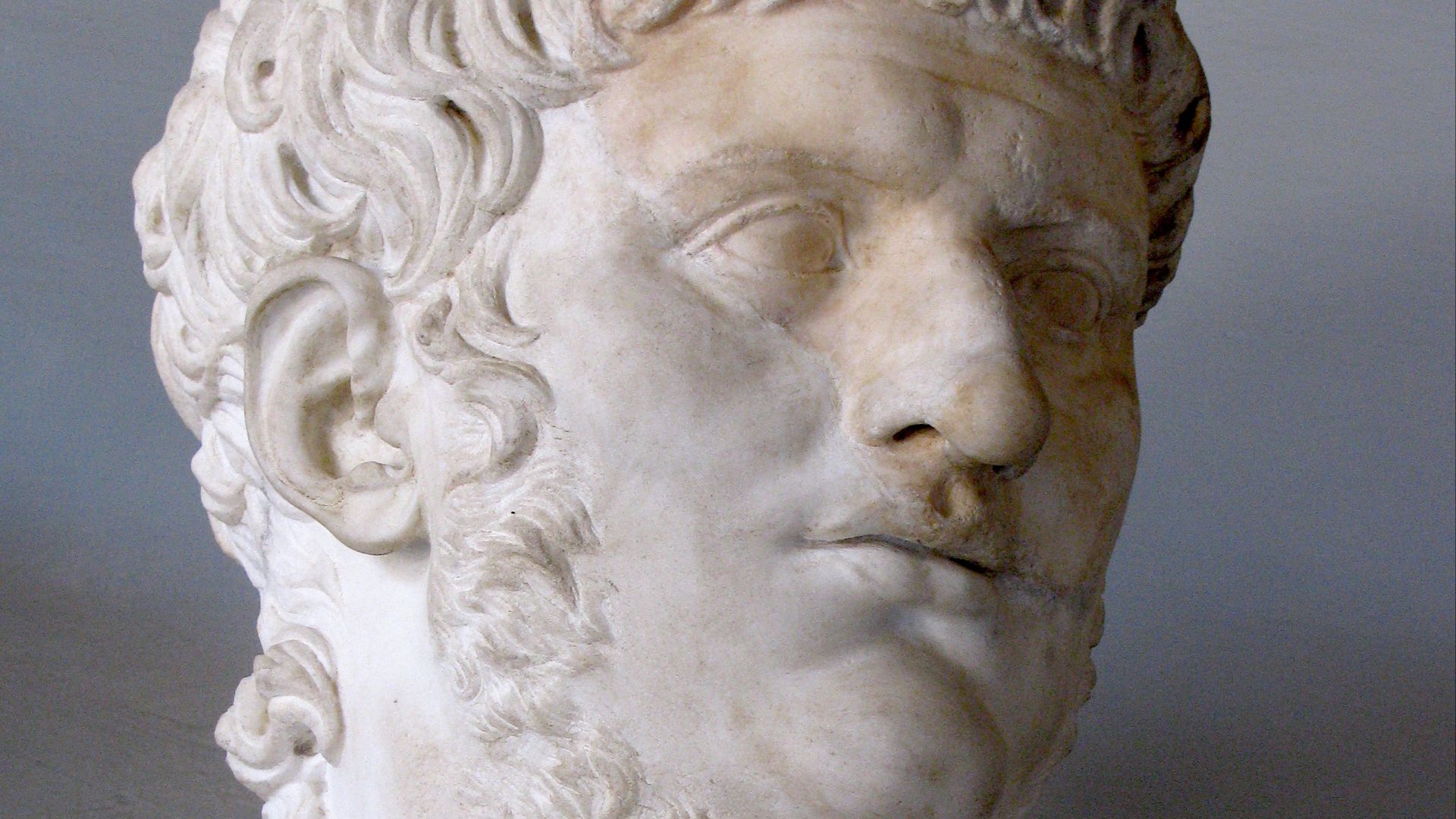
19. Nero Loved Performing for Captive Audiences
Emperor Nero wasn't technically a king, but his position as Roman emperor gave him more power than most monarchs could dream of. He loved music, poetry, chariot racing, and public performance, frequently appearing before audiences himself. Ancient writers claimed that spectators weren't always free to leave during his famously long performances.
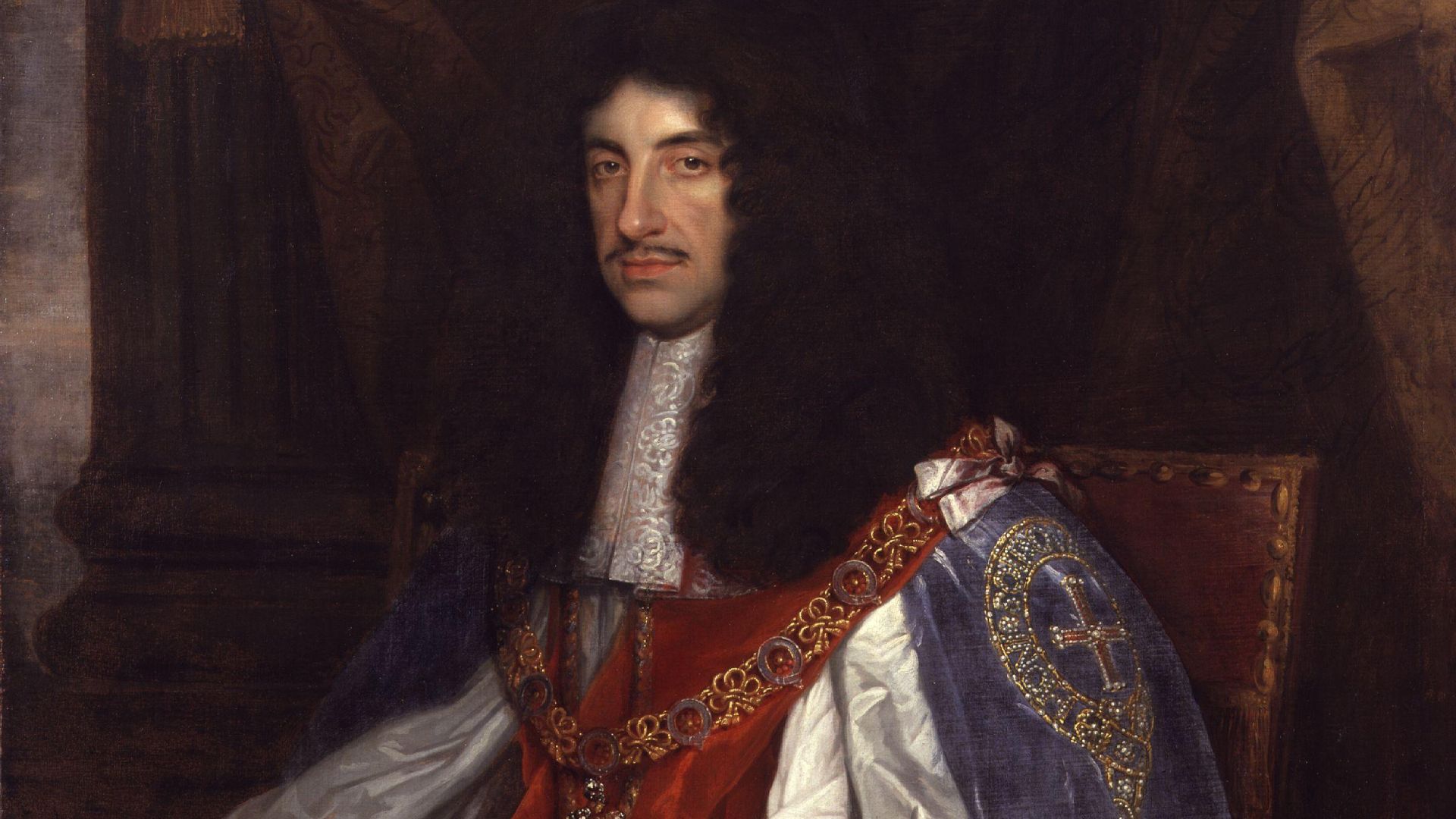
20. Charles II of England Experimented With Human Remains
Charles II of England had an interest in scientific experiments, medicine, and chemistry that occasionally took a very strange turn. He reportedly used a preparation known as "King's Drops," which included material derived from human skulls and was promoted as a treatment for various illnesses. Medicines containing human remains weren't unheard of in early modern Europe, but that doesn't make it any less disturbing by today's standards.
 Jan van Kessel the Younger on Wikimedia
KEEP ON READING