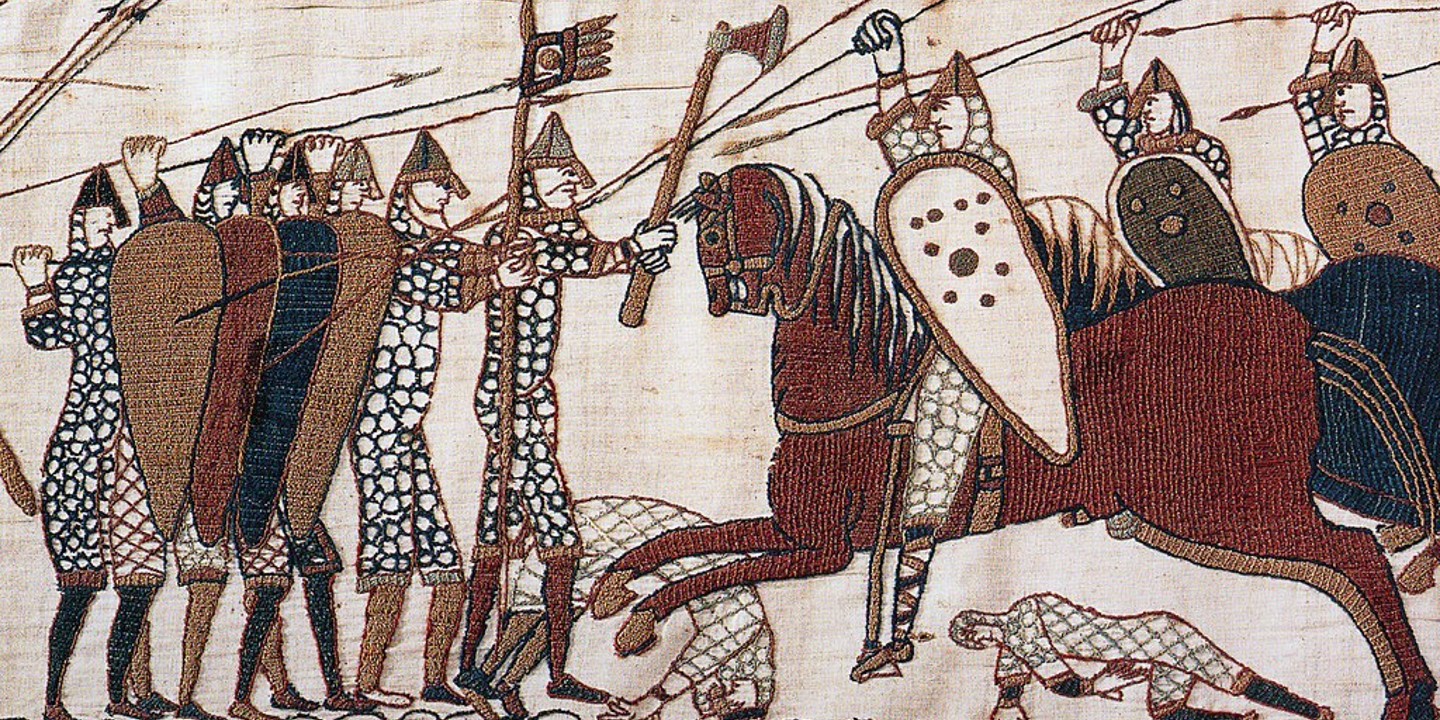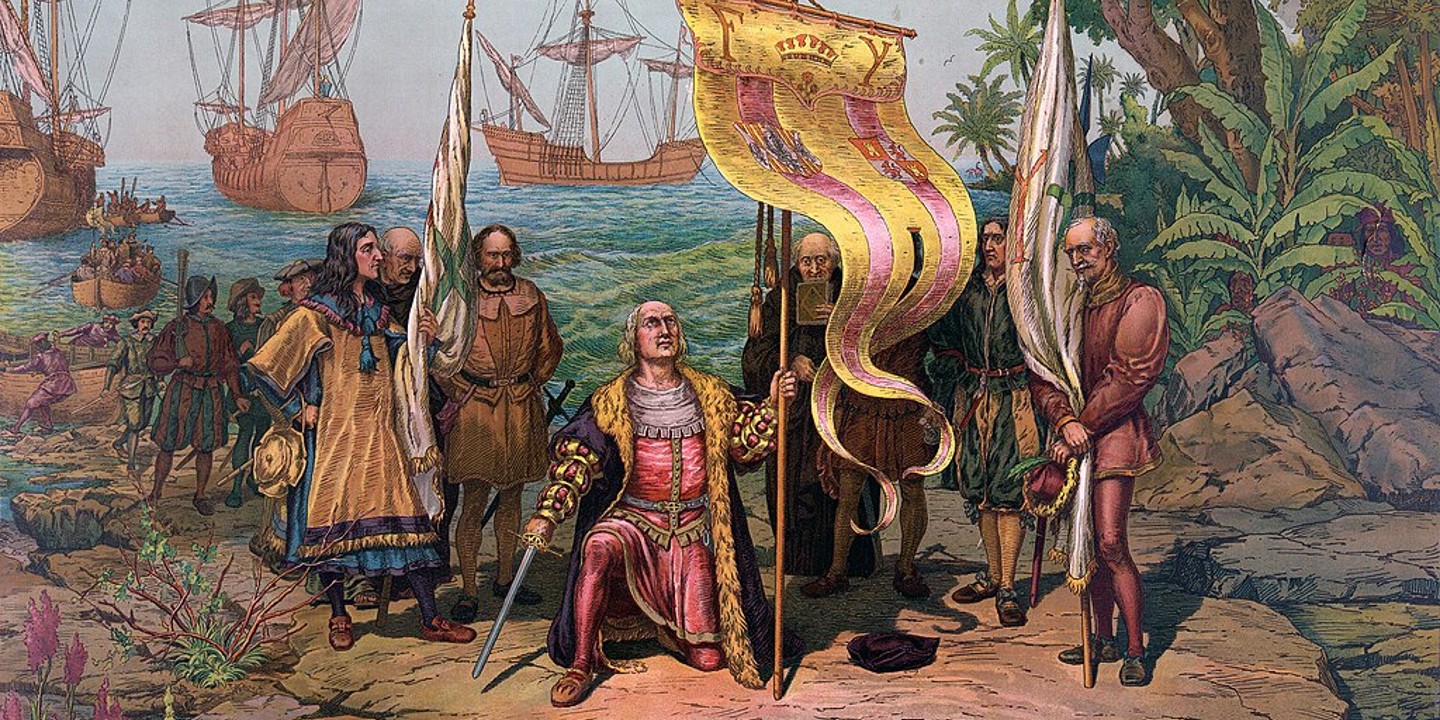
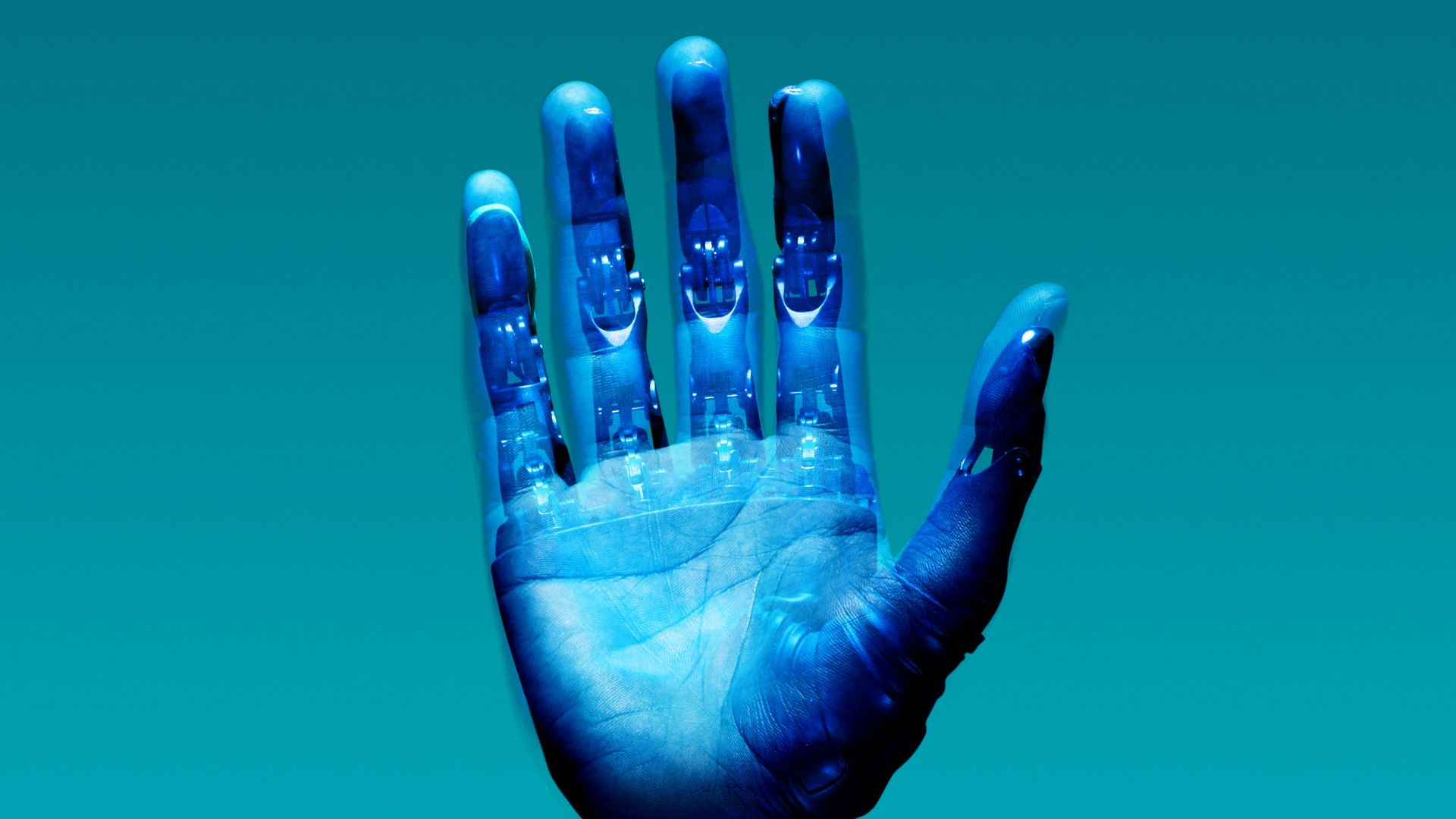
It can be difficult to appreciate how dramatically the world has changed when you're living through the changes one day at a time. A new phone arrives, another service moves online, transportation gets faster, and another medical treatment becomes routine, but each development can seem relatively ordinary on its own. Look back across several decades, however, and the difference becomes much easier to see.
Technology has progressed at an insane rate in the last few generations. Children that did not know about the internet, or smartphones, or even the concept of instant messaging have come to live with those things around them as normal. Not only has technology grown, but we have made big strides in life expectancy, as well as better education and overall quality of life.
Technology Went From Occasional to Constant
The internet is probably one of the most obvious advancements in technology. Technology is still very new, but as of 2023, 63% of the human population had access to the internet. Whether it's talking to someone, learning something new, banking, watching shows, shopping, etc., we have all been able to use the internet for multiple things that would have required different methods previously.
Smartphones pushed that transformation even further by putting many of those services into a device that fits in your pocket. Instead of sitting down at a particular computer to go online, you can now check directions, send a message, take a photograph, read the news, or make a payment almost anywhere. That change has been particularly noticeable because smartphones combine several technologies that used to require separate devices.
With social media, we can talk to millions of people at once. In the United States, the share of adults using social media rose from 5% in 2005 to 79% in 2019, according to data compiled by Our World in Data. What was once a relatively unusual way to communicate became a routine part of how many people maintain relationships, follow events, and share information.
Communication isn't the only area that became dramatically more convenient. Modern transportation, telecommunications, and digital services have made it easier for people and businesses in different parts of the world to interact. Our World in Data notes that transportation, telephones, and the internet have helped people collaborate globally in ways that would have been difficult to imagine in earlier periods.
Another good example is shopping; you can shop from other companies around the world. Look up prices and see what others have to say about that product. You can then buy that item all without leaving your house. Yes, you still have to buy items, but now there are more options to look at before deciding to buy something.
Similar to shopping, learning has advanced as well. You're not stuck on what you know or what may be in your house or near you. Because you can find many books and learn from them on your device. People have become more literate throughout time as well. Over half of the world's population can now read and write. There are still gaps in some areas of the world and some demographics.
Health and Living Standards Transformed Expectations
Medical progress has perhaps changed people's expectations in ways that are easy to overlook. Vaccines, antibiotics, improved sanitation, better nutrition, and advances in medical care have all contributed to longer lives and lower mortality. Global average life expectancy increased from about 32 years in 1900 to 73.2 years in 2023, although that statistic reflects enormous differences among countries and shouldn't be interpreted as the expected lifespan of every individual.
The improvement isn't explained only by fewer children dying young. Research summarized by Our World in Data indicates that life expectancy has increased across different age groups, meaning people have also become more likely to survive into older adulthood. That has helped make longer lives a normal expectation in many parts of the world rather than something experienced by a relatively small portion of the population.
It's also crazy how fast we get used to things. Clean water to drink. Being able to talk to someone on the other side of the world. Advanced medicine. Airplanes. And access to the internet. If you were born with these things your whole life, it's easy to overlook that there are people who lived without them. Another thing to learn is how you can become used to something big changing over time. There was probably not one specific day where this happened, but day after day, it's becoming more different from how your parents grew up.
That may be why looking at history through a single lifetime can be so surprising. Someone born into a world of landline telephones and physical encyclopedias could later watch smartphones, video calls, online banking, streaming entertainment, and artificial intelligence become familiar technologies. The world hasn't simply become more advanced in one particular area; technology, medicine, education, communication, and living standards have all shifted at the same time.