What Married Life Was Really Like
Marriage in ancient Egypt was an important part of everyday life, but it wasn't organized exactly like modern marriage. Egyptians generally viewed marriage as a household partnership involving companionship, children, property, and shared responsibilities rather than as a religious ceremony requiring a priest. The surviving records also show that relationships could be surprisingly practical, with people making arrangements for property, inheritance, and separation when circumstances changed.
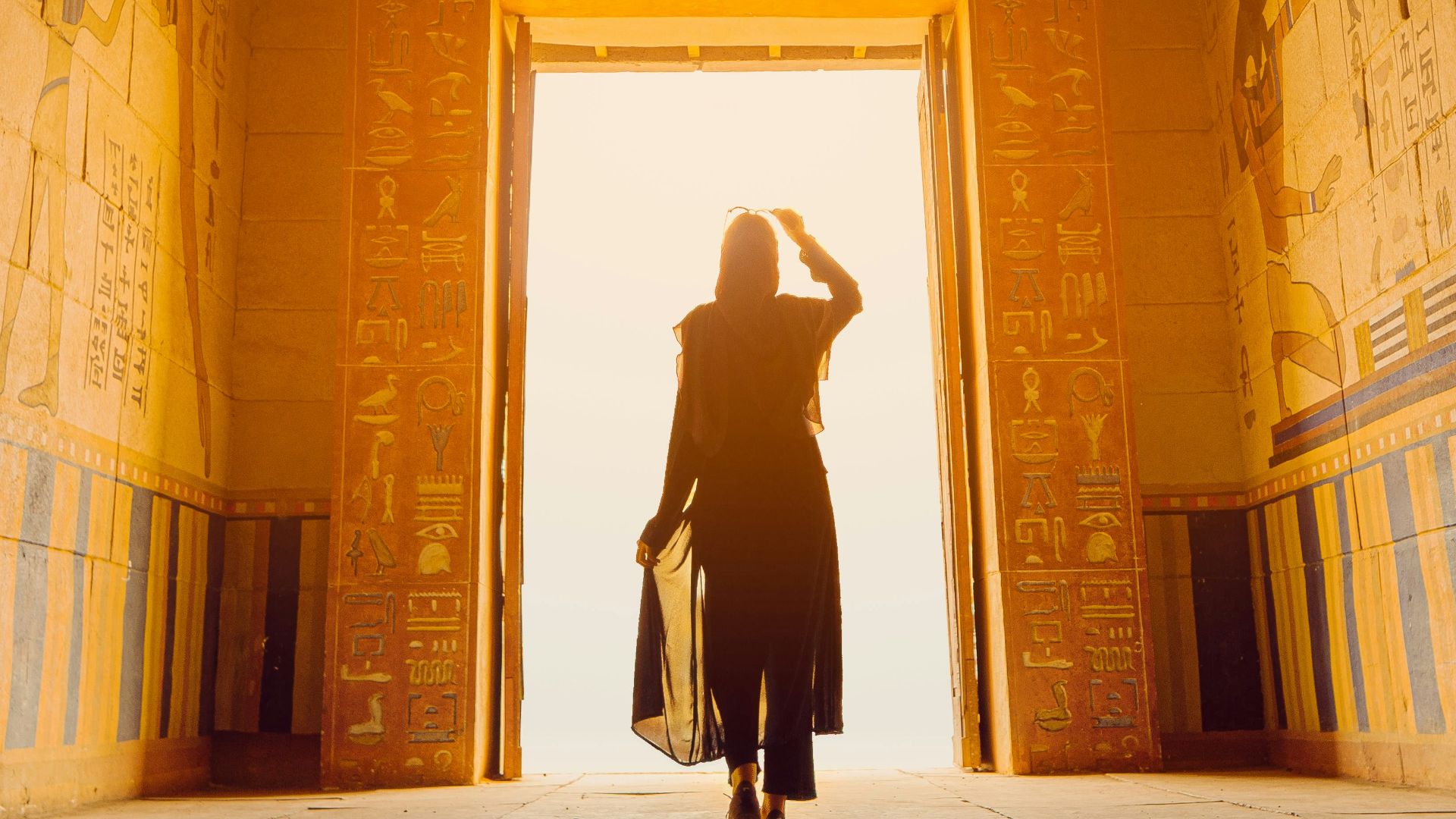
1. Marriage Didn't Usually Require A Wedding Ceremony
As you can see, there didn't have to be any type of wedding for two people to be married in ancient Egypt. Having a household together could signify that the couple was married. Paperwork could also determine how things worked out for the couple.
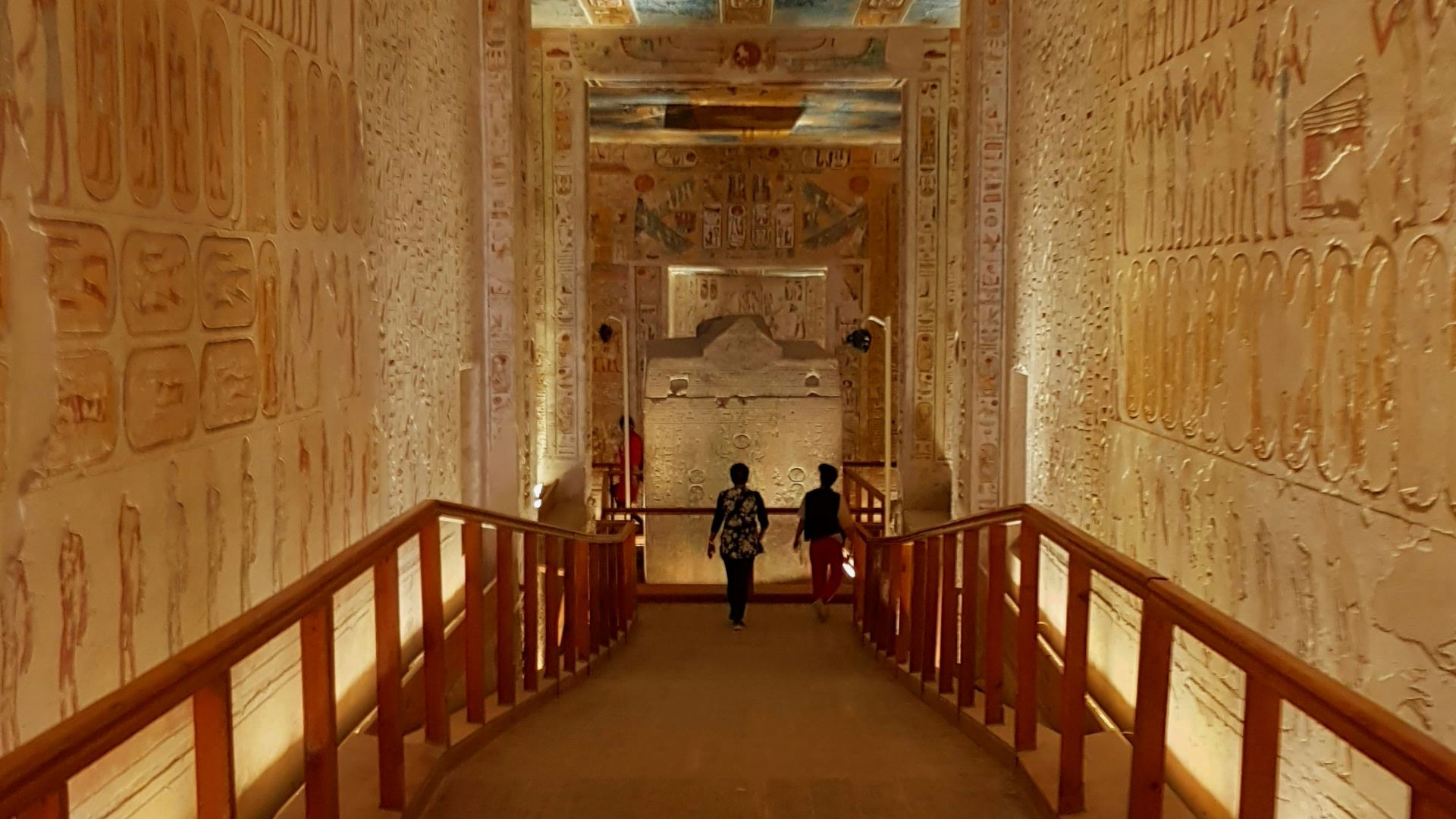
2. Love Could Be Part Of The Equation
There are a lot of endearing words said between lovers in the poems that were found in ancient Egypt. These love poems talk about missing your loved one and wanting to be around them. There could have been some level of love between your husband or wife in ancient Egypt.

3. Women Had Significant Legal Rights
As we can see, there were rights that women had that we may not think they had in other cultures during this time. They were able to obtain and keep property, gain wealth, contract with others, and could sue each other if something went wrong. When a woman got married, her property would not become her husband's automatically.
4. Husbands And Wives Had Household Responsibilities
Whether you were a man or a woman, you had your duties to do around your household. Typically, the males would be known to bring back money and the females would help out with housework and take care of the children. But we know there are always exceptions, and that could have gone either way in a household.

5. Children Were An Important Part Of Marriage
Just like today, when people get married, they want to have kids. Back then, having children was important because you would pass down your belongings and other assets to them. Families could also be quite concerned with securing legitimate heirs, particularly when property or social status was involved.
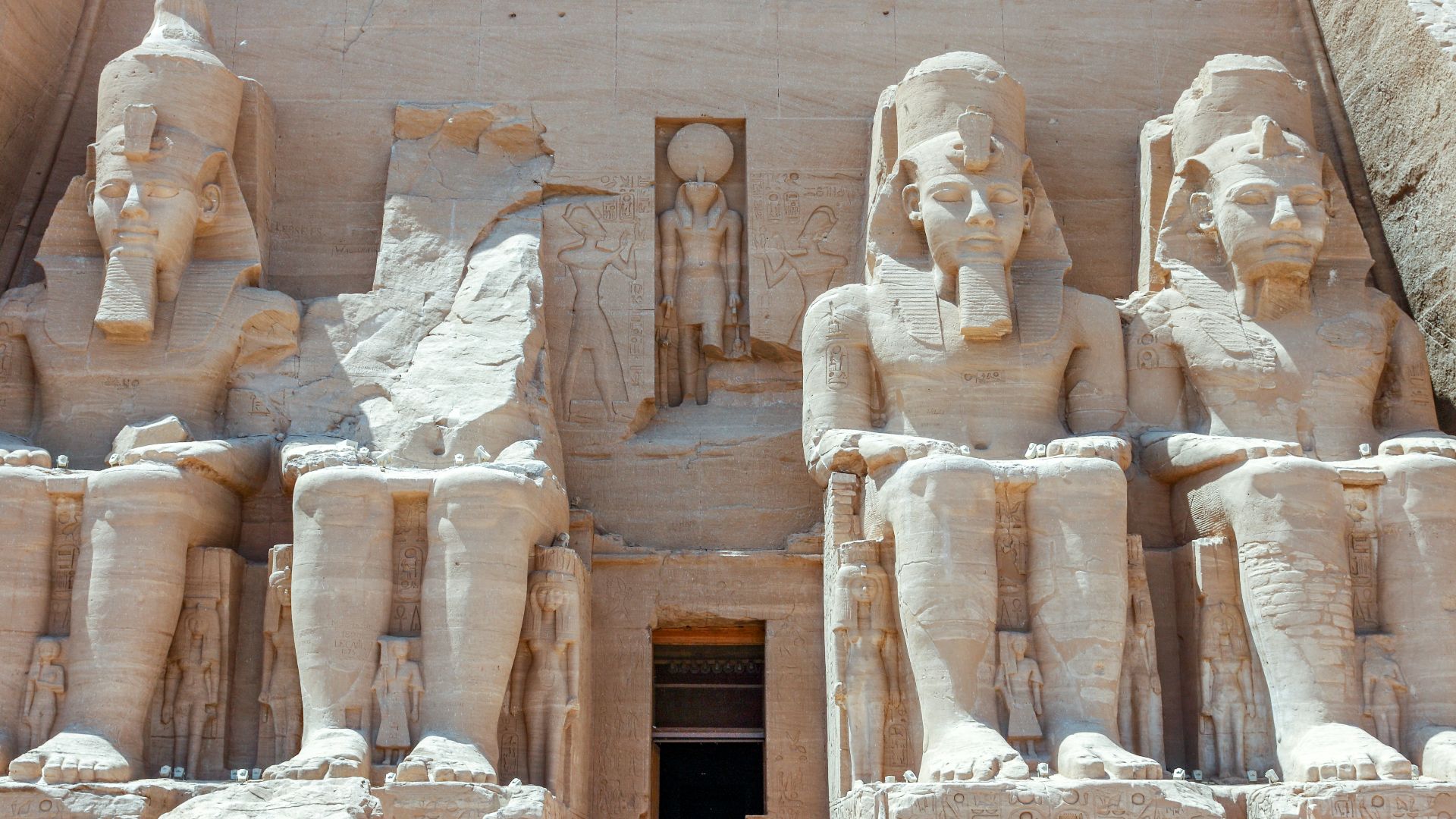
6. Divorce Was Possible
There wasn't a reason that when you got married that you couldn't get divorced. Just because you built a household together with someone doesn't mean you couldn't get divorced. We can see that people divorced in Egypt and what they had to give up when the couple split up.
7. Property Could Matter A Lot
There was obviously money that went into your marriage. When you got married, your property didn't automatically go to your husband or wife. It was shown that there were laws put in place when you got married and what could be passed down to you.
 Kévin et Laurianne Langlais on Unsplash
8. Marriage Contracts Could Protect Financial Interests
It was common to have a written agreement that stated what your husband would give you or what your wife would give you if you were to get divorced. So it goes to show that they were smart enough to write things down.
9. Marriage Wasn't Necessarily A Religious Institution
Yes, there were many holy practices, but they weren't performed on your wedding day. Just because you were married didn't mean that you had to be married off at a priest's ceremony. As long as you built a household with that person, you were considered married.
10. Wealth Could Change The Experience
Because we know that some people had more money than others when they were married, it must have been different for them. There were servants and property that could have been in their home. We tend to look at the tombs that were made for the rich and see that they were all similar to one another.

11. Marriage Within The Family Could Happen
We know that there was evidence of people marrying their sister or relatives during some points of ancient Egyptian history. Royal families were especially associated with close-kin marriages, which could be connected to dynastic concerns and ideas about royal legitimacy. However, it's important not to assume that every Egyptian household practiced the same customs seen among the ruling elite.
12. Second Marriages Were Possible
Once someone passed away from you, you could always get remarried. You didn't have to stay by yourself once your partner died; you could find someone else. Depending on your age and if you had children, they could also be taken into consideration.
 Dmitrii Zhodzishskii on Unsplash
13. Inheritance Was A Major Family Concern
You knew that when you got married, your children would grow up and would want your possessions one day. So you wanted to make sure that there were proper heirs who could receive what you had to pass down. This could be your house or land that you had accumulated throughout your lifetime.
14. Couples Didn't Always Have Equal Social Power
Even though we saw that there were rights given to women when they got married, your husband still had more power than you did. We shouldn't assume that just because they gave women certain rights that you were on the same level as your husband.
15. Infidelity Was Taken Seriously
We know that cheating could have played a factor when you were married. It was not allowed for your husband to cheat on you or for you to cheat on your husband. But we can't assume that everyone felt the same way that Egyptians felt about their partner cheating.

16. Marriage Could Be Quite Practical
When you decide to get married, you know that you're going to have to spend the rest of your life with this person. Whether you enjoy it or not, you're going to have to spend the rest of your life with that person. That doesn't mean affection was absent, but marriage had plenty of practical purposes alongside personal relationships.

17. Ordinary Couples Left Few Personal Records
As you can tell, we only have limited knowledge on what people actually thought about their marriages. We have many records that tell us about laws that people had to follow when they got married. As a result, historians can learn a great deal about the rules surrounding marriage while knowing much less about how an average husband and wife felt on an ordinary Tuesday.
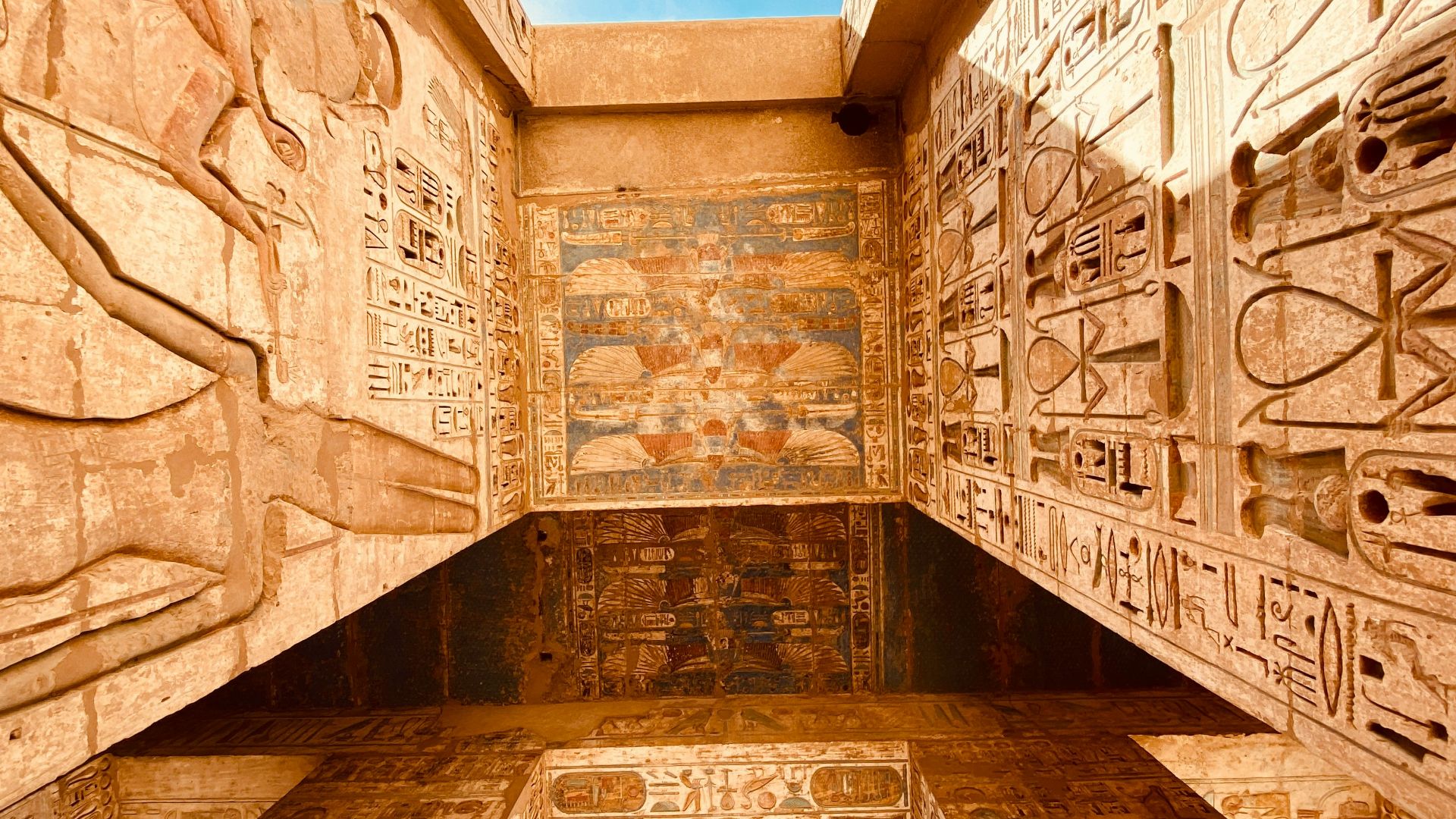
18. Marriage Could Connect Families
Not only did you have to worry about your significant other, but you also had to worry about your family. Maybe you owned land that you wanted to pass on to your children. For families with land or social standing, choosing a spouse could therefore have consequences well beyond the couple's personal relationship.

19. Married Life Could Be Surprisingly Ordinary
Despite the enormous temples and impressive tombs associated with ancient Egypt, most married people still had to deal with everyday responsibilities. Cooking, childcare, work, finances, relatives, and household management didn't disappear just because someone lived thousands of years ago. Much of married life was probably considerably less dramatic than the stories surrounding pharaohs and royal families.

20. Ancient Egyptian Marriage Wasn't One-Size-Fits-All
We know that people have been married for a long time now, and that includes our ancestors. When looking at the records that were left for us by the Egyptians, we know that there are many ways that people could be married. The surviving evidence paints a picture of marriage as a flexible social and legal relationship that could involve affection, family responsibilities, financial arrangements, and plenty of ordinary complications.

KEEP ON READING