A Better Look At An Ancient Giant
Megalodon has been famous for its enormous teeth for generations, but scientists are still learning surprising things about the animal itself. Because its skeleton was made largely of cartilage and didn't fossilize as readily as its teeth, researchers have had to piece together its biology using vertebrae, teeth, body proportions, chemistry, and comparisons with living sharks. Recent studies have offered new ideas about its size, shape, growth, diet, and possible reasons for its disappearance, although several of these conclusions remain hypotheses rather than settled facts.
1. It May Have Reached About 24 Meters
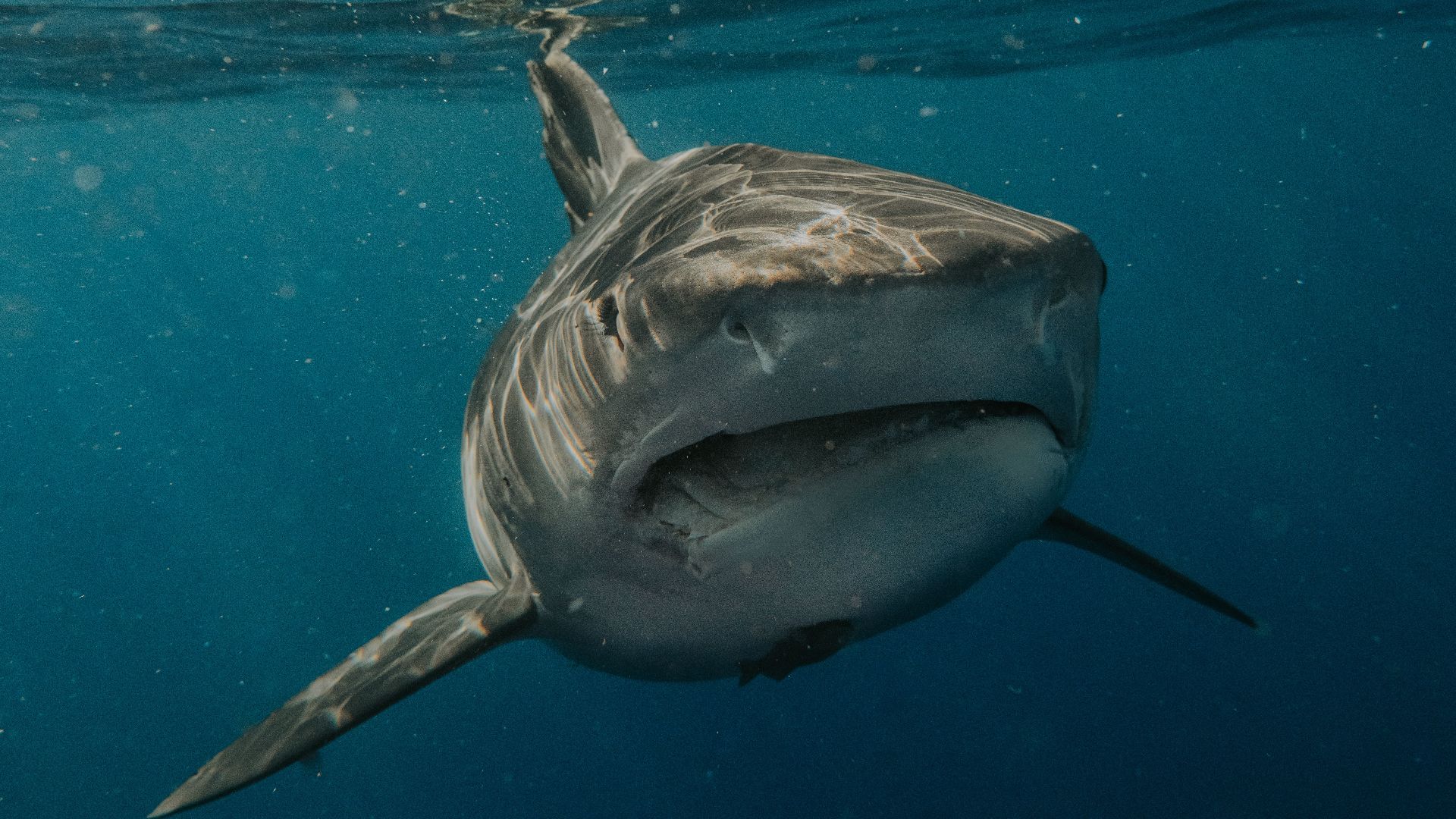
A study done in 2025 thinks that the biggest megalodons could have gotten up to around 24.3 meters, which is about 80 feet long. Previously, megalodons have been thought to get larger than most of those numbers. The estimate comes from a new analysis of fossil vertebrae and body proportions rather than from finding an entire megalodon skeleton.
2. It Probably Had A Slenderer Body
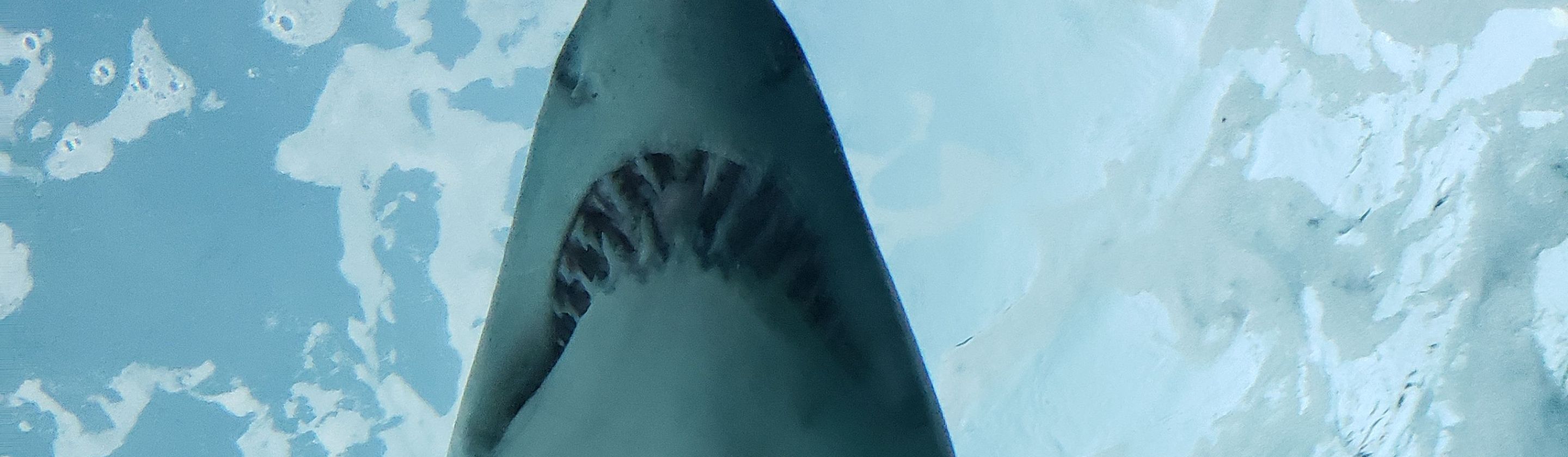
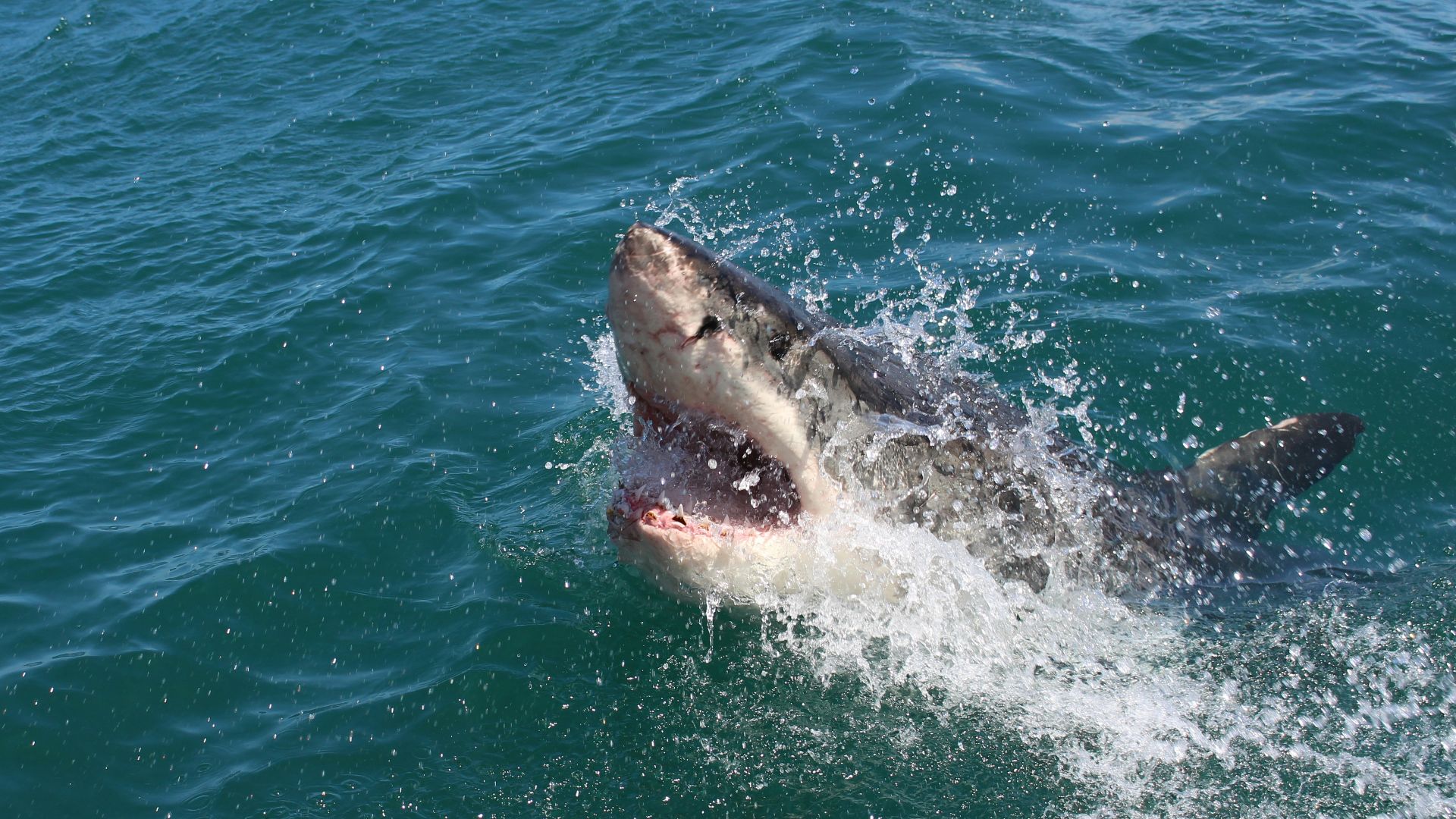
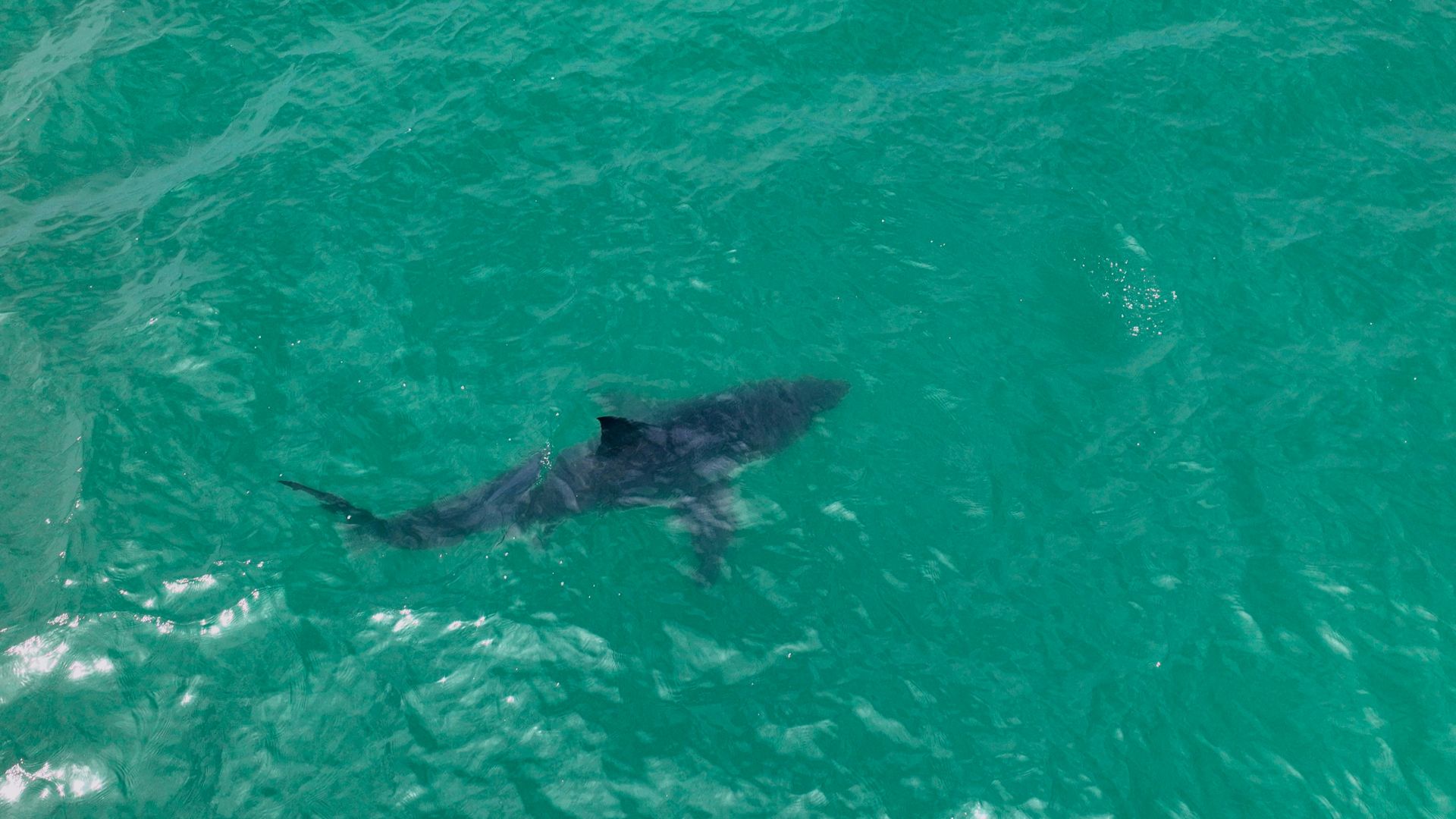
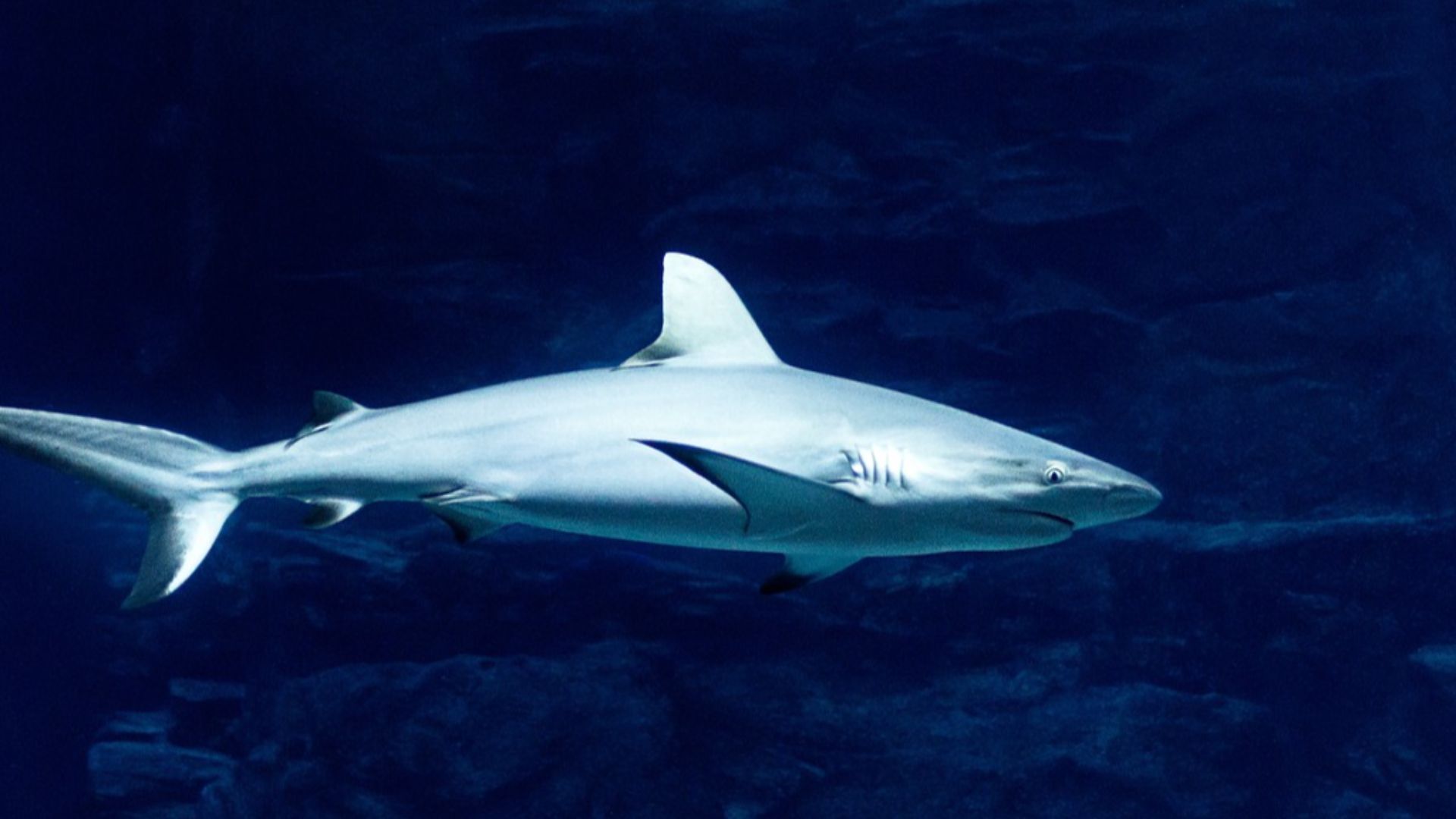
We know that megalodon looked somewhat similar to today's great white shark. But recently, some scientists believe that it had a slimmer build. They think that its body may have been slim since, if it had a larger build, it would have cost them more in hydrodynamics.
 Erick Morales Oyola on Unsplash
3. Its Possible Weight Was Enormous
With the most recent study saying that megalodon could have reached a length of 24.3 meters, we can assume that its weight was huge. Some scientists say it could have reached a weight of 94 metric tons. That's an estimate rather than a measurement because nobody has found a complete megalodon body to put on a scale. Even so, the calculation provides a useful way to explore how its enormous size might have affected movement and energy.
 Gabriel Schumacher on Unsplash
4. Scientists Have Estimated Its Cruising Speed
The same 2025 research estimated a cruising speed of roughly 2.1 to 3.5 kilometers per hour for a 24.3-meter individual. Cruising speed isn't the same thing as maximum swimming speed, so this doesn't mean megalodon could only move that quickly. Instead, the estimate helps researchers think about how such a massive shark might have traveled efficiently through the ocean.
 National Cancer Institute on Unsplash
5. Megalodon Was Already Several Meters Long At Birth
Researchers reanalyzing growth bands in megalodon vertebrae estimated that newborn individuals were approximately 3.6 to 3.9 meters long. That would have made even a newborn megalodon a very large animal compared with most living sharks. The researchers' interpretation also supports earlier evidence that megalodon reproduced through ovoviviparity, in which embryos develop inside the mother before being born alive.
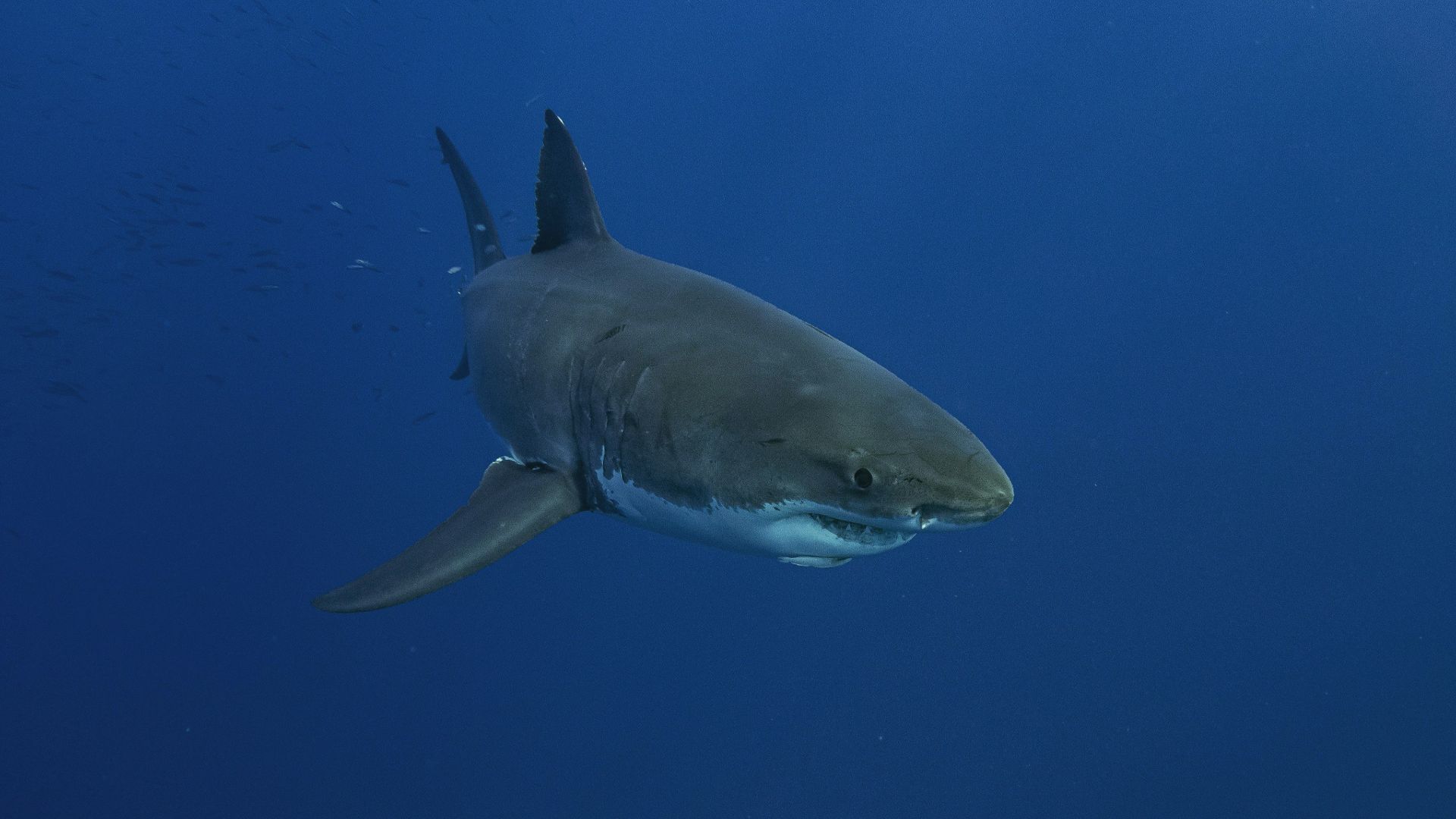
6. Its Young May Have Eaten Their Siblings Before Birth
They believe that megalodon had intrauterine oophagy, which means that the young ones may have eaten their siblings while in utero. This can be seen in some of today's sharks as well. Since no one has witnessed a megalodon pregnancy, we can only go off these clues.
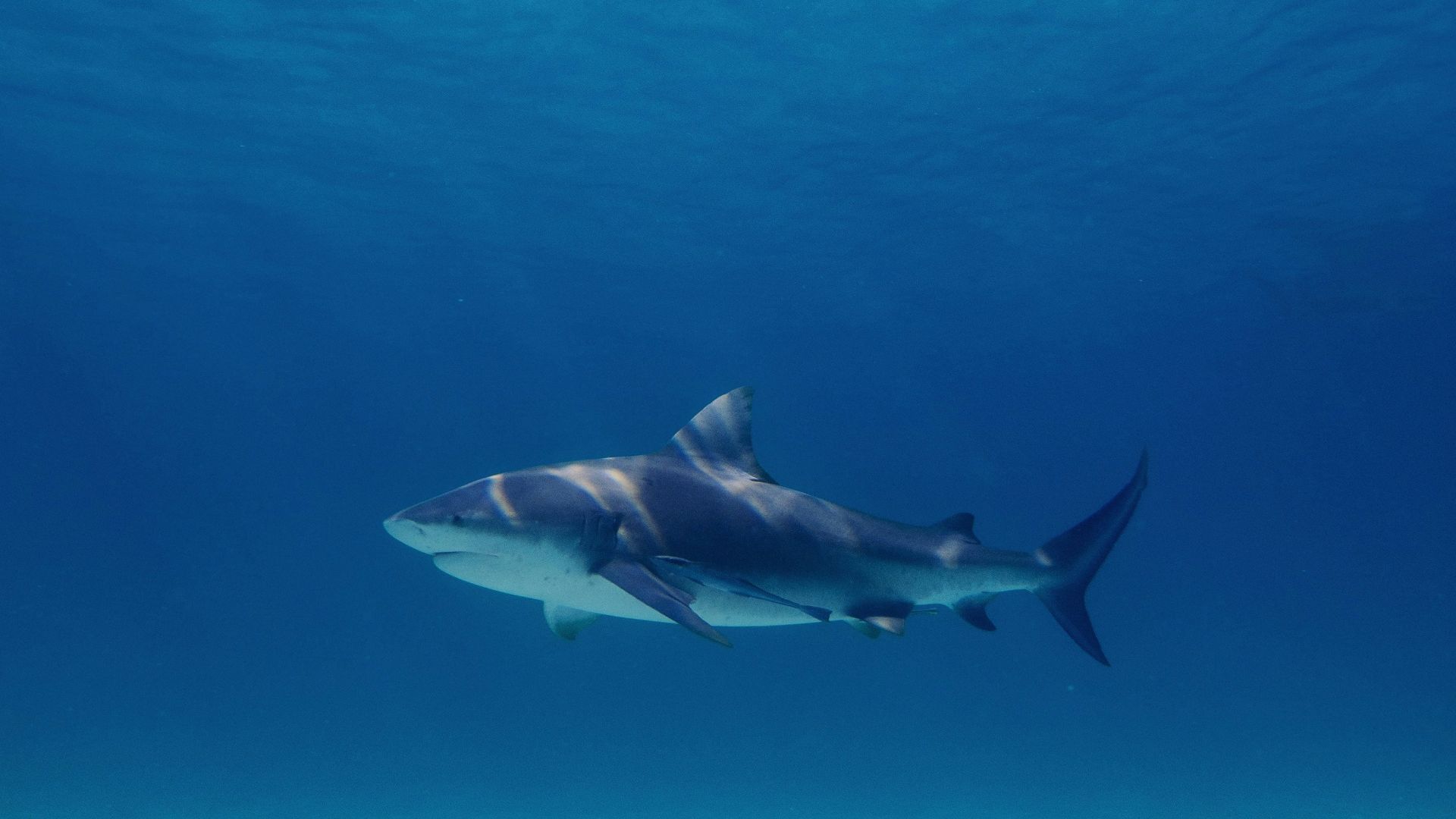
7. Nurseries May Not Have Been As Essential As Once Thought
There has been plenty of evidence to suggest that megalodons did have nurseries. Some have said that because there was an abundance of baby teeth in some areas, they must have had nurseries. But with this new information, it could have meant that they didn't need nurseries since they were already born big.
8. Its Teeth Can Reveal What It Ate
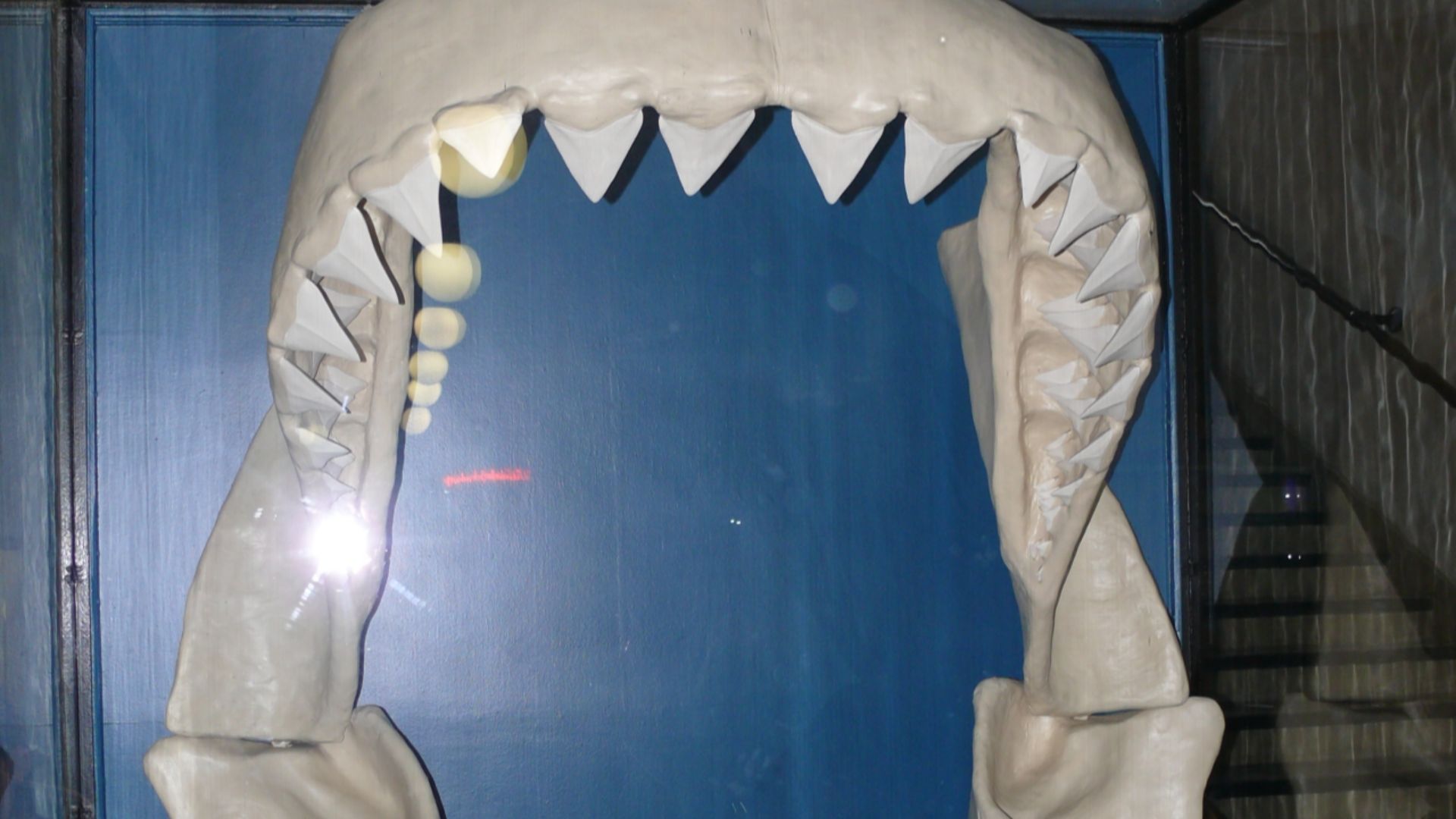
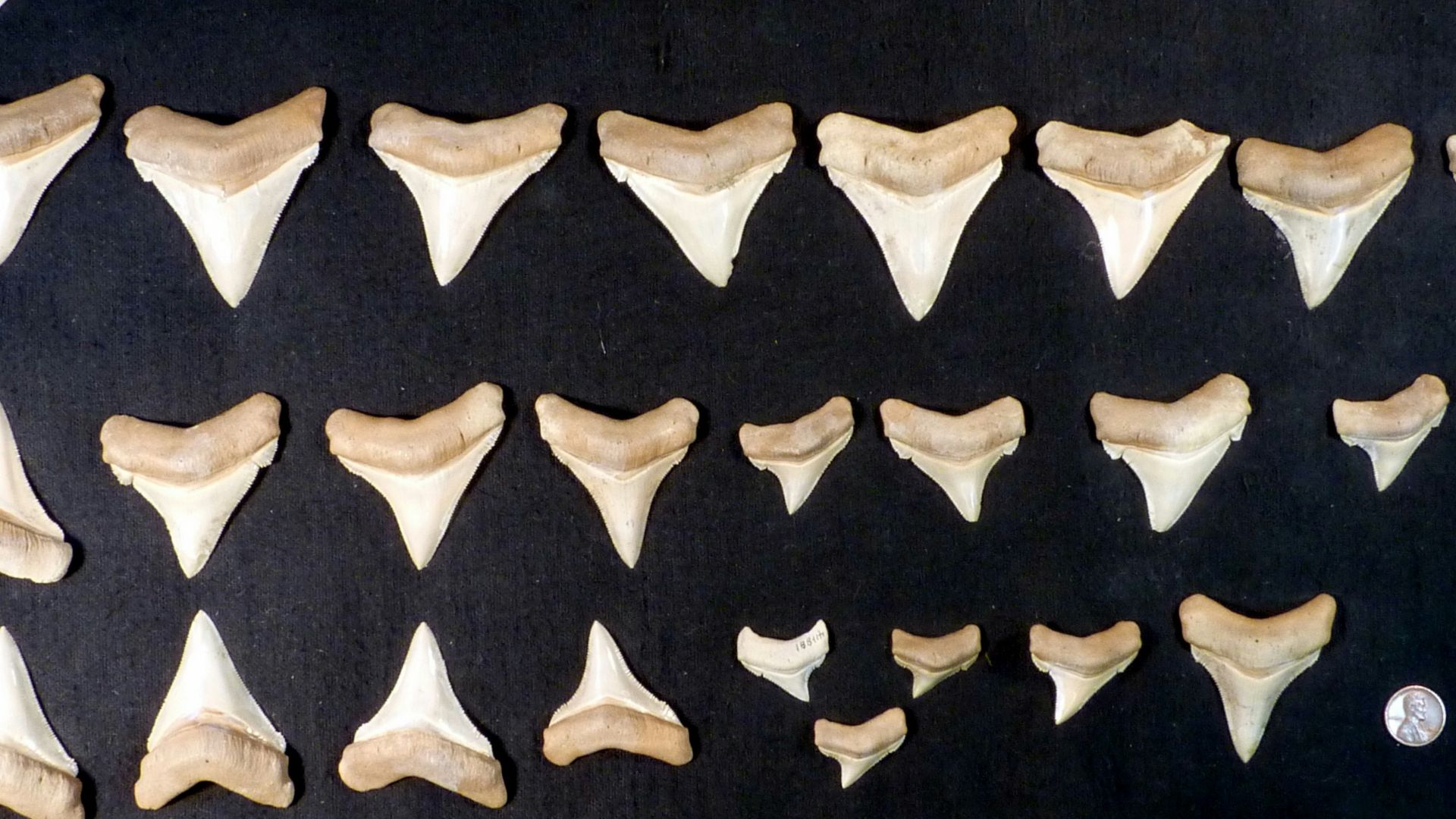
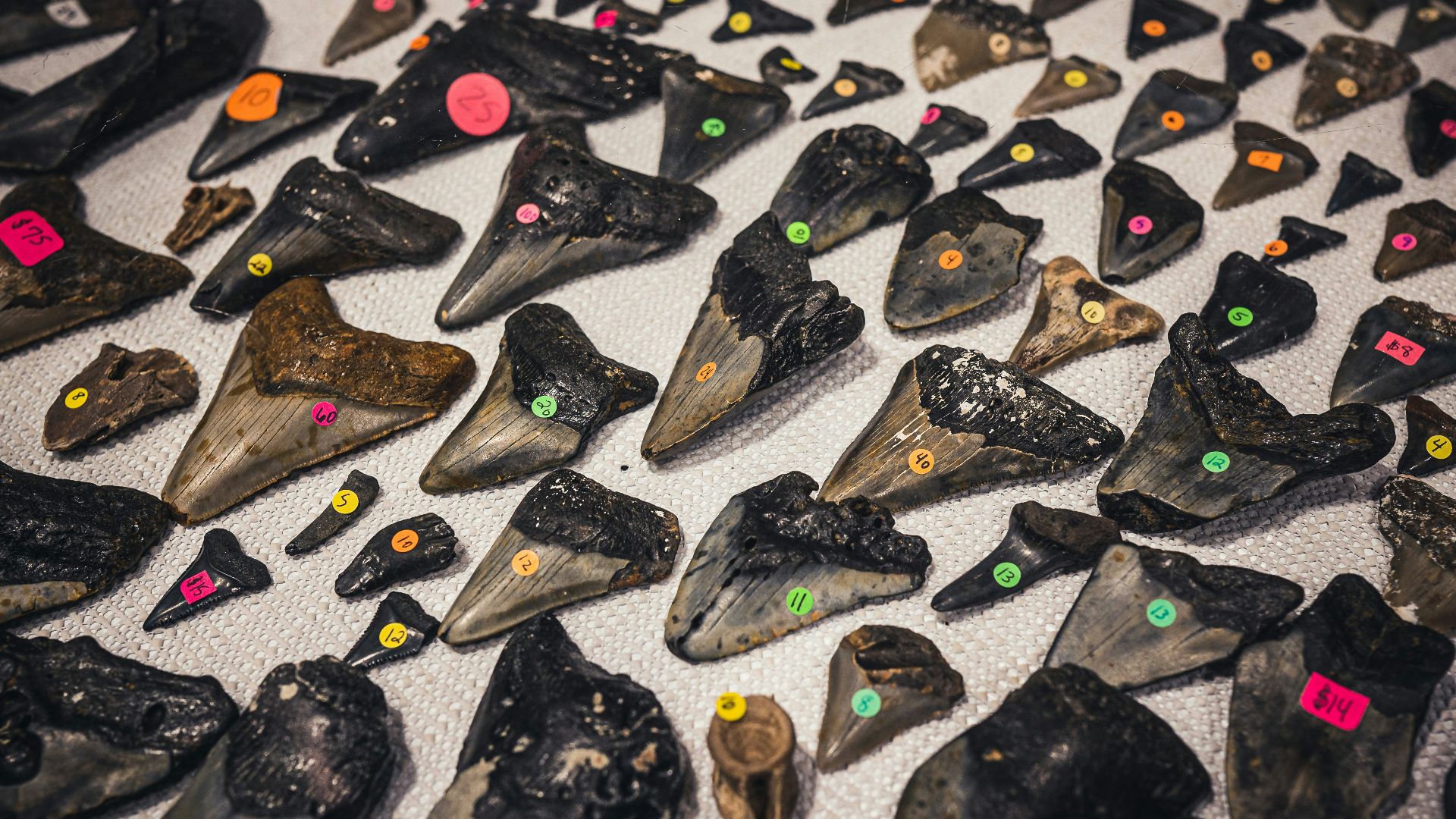
Not only do we have megalodon's teeth to display, we can learn things from them too. Scientists can find out what trophic level megalodon fed at by studying its teeth. In one study, they used zinc isotopes to see what level megalodons fed at along with other sharks.
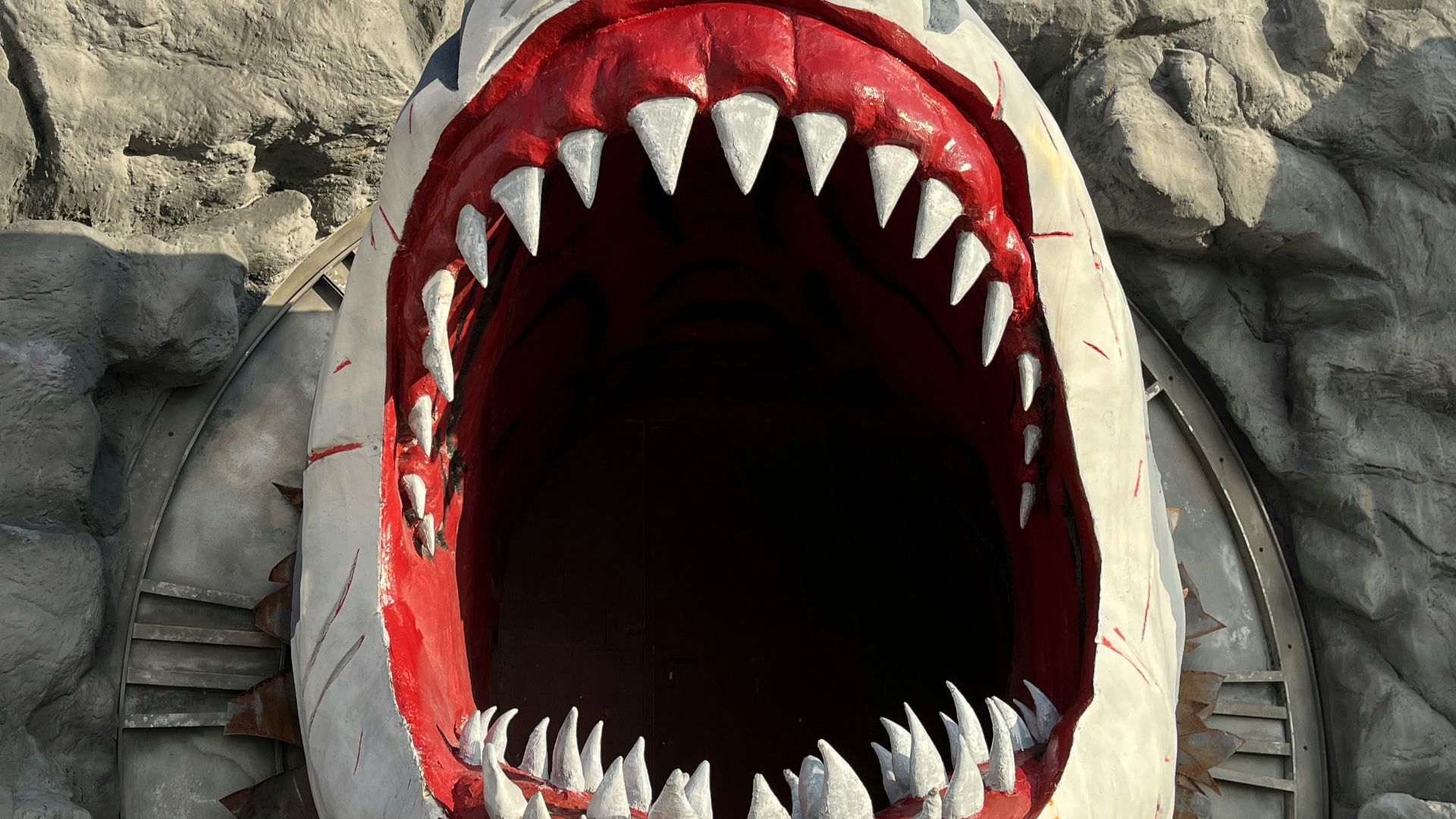
9. Megalodon Occupied A Very High Trophic Position
From this study, they believe that megalodon was high up on the food chain. So they weren't eating near the bottom. This also helps scientists figure out what they could have eaten along with other animals from that time period.
 Gunnar Ries Amphibol on Wikimedia
10. Its Diet May Have Changed Over Time
Studies have shown that megalodon may not have fed at the same level during its existence. The 2022 study found dietary shifts within the megatooth shark lineage and differences between populations. That suggests megalodon wasn't simply following one unchanging menu for millions of years.
11. It May Have Shared Food Resources With Great Whites
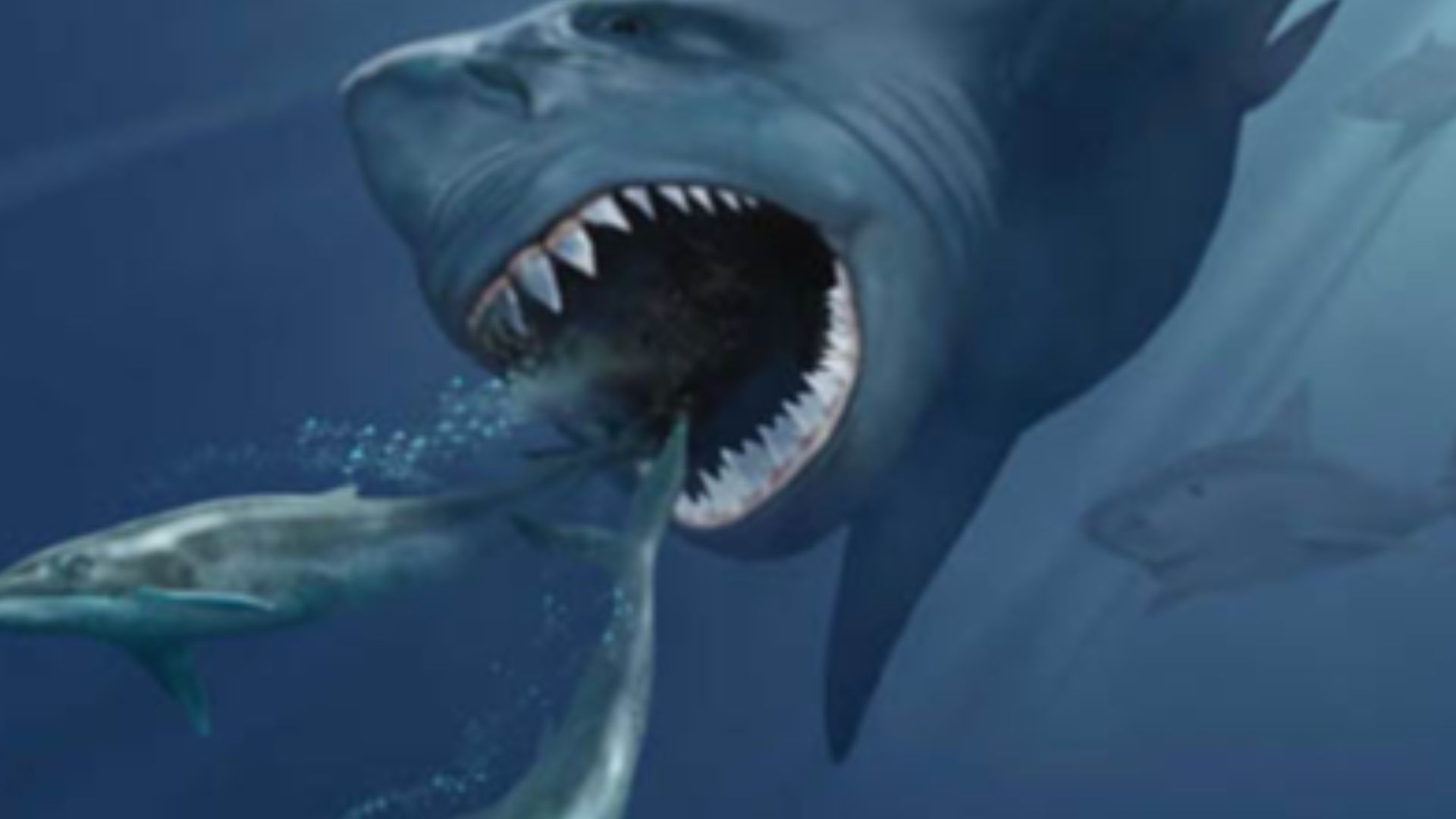
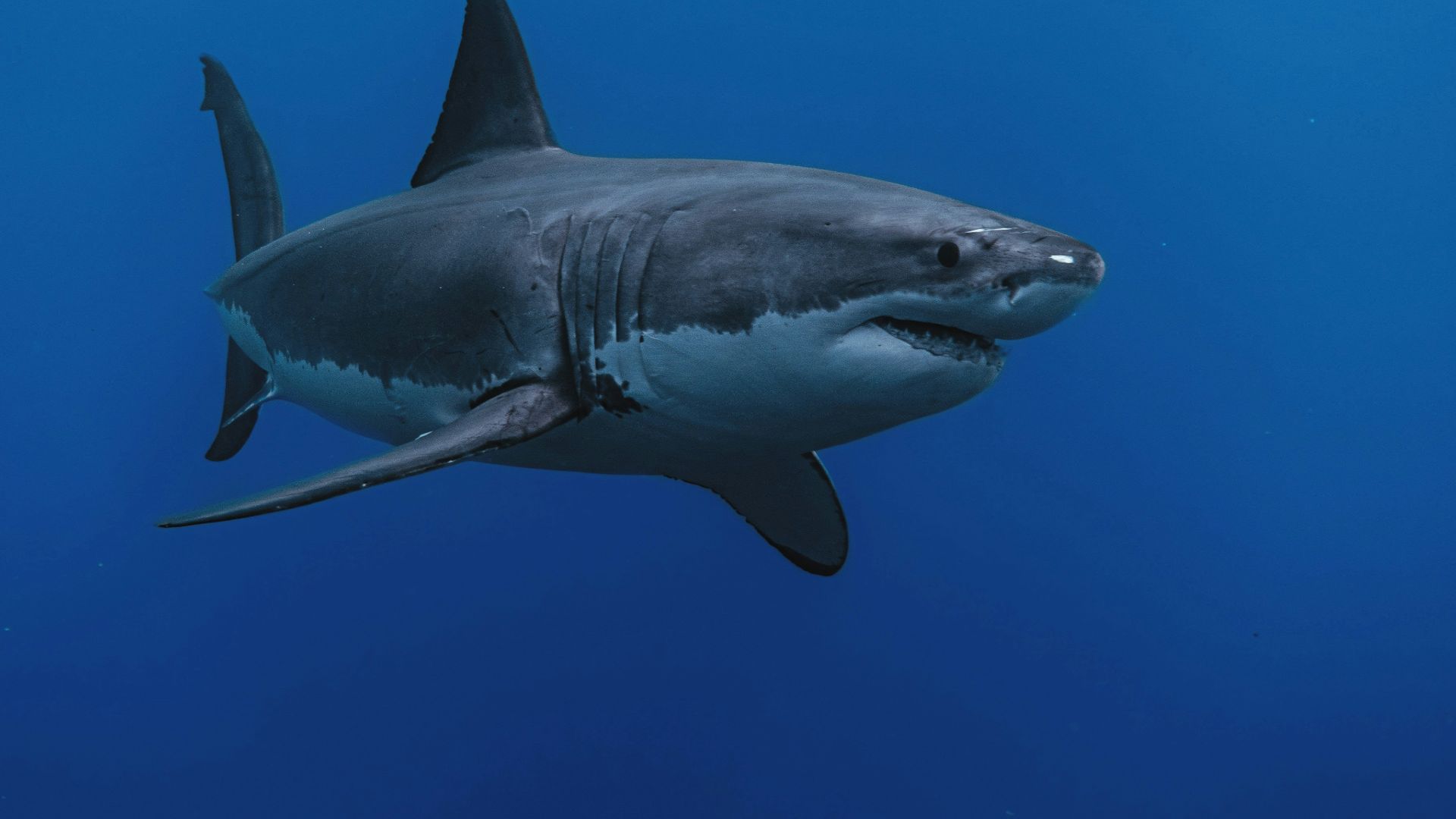
One thing that was discovered was that megalodon and great white sharks may have competed for food. In the early Pliocene, they found that megalodon and great white sharks had similar average trophic levels. This led researchers to think that they may have competed for food.
12. Great Whites Weren't Necessarily Eating Completely Different Things
The comparison with great whites is useful because scientists can examine both extinct and living sharks using related chemical techniques. The results show that their feeding positions could overlap, particularly during parts of the Pliocene. That gives researchers more information about how two large predatory sharks may have interacted in ancient marine ecosystems.
13. Scientists Can Use Fossil Teeth To Study Ancient Temperatures
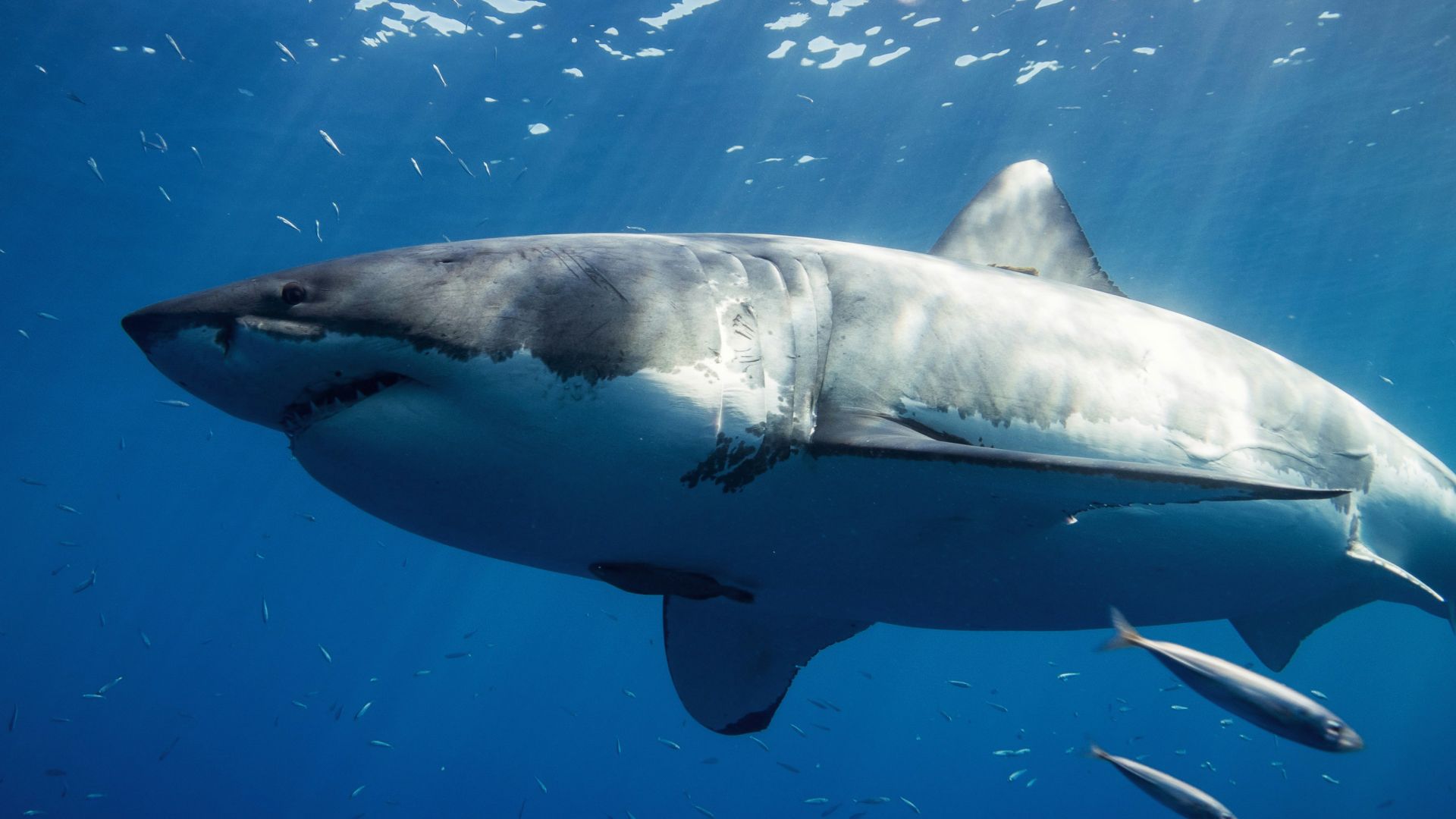
Just like finding what level they fed at, we can find out the temperature of their surroundings as well. By studying oxygen isotopes, scientists can figure out what temperature these animals lived in. Another clue to help with megalodon's extinction.
14. Climate Change Is Still Part Of The Extinction Discussion
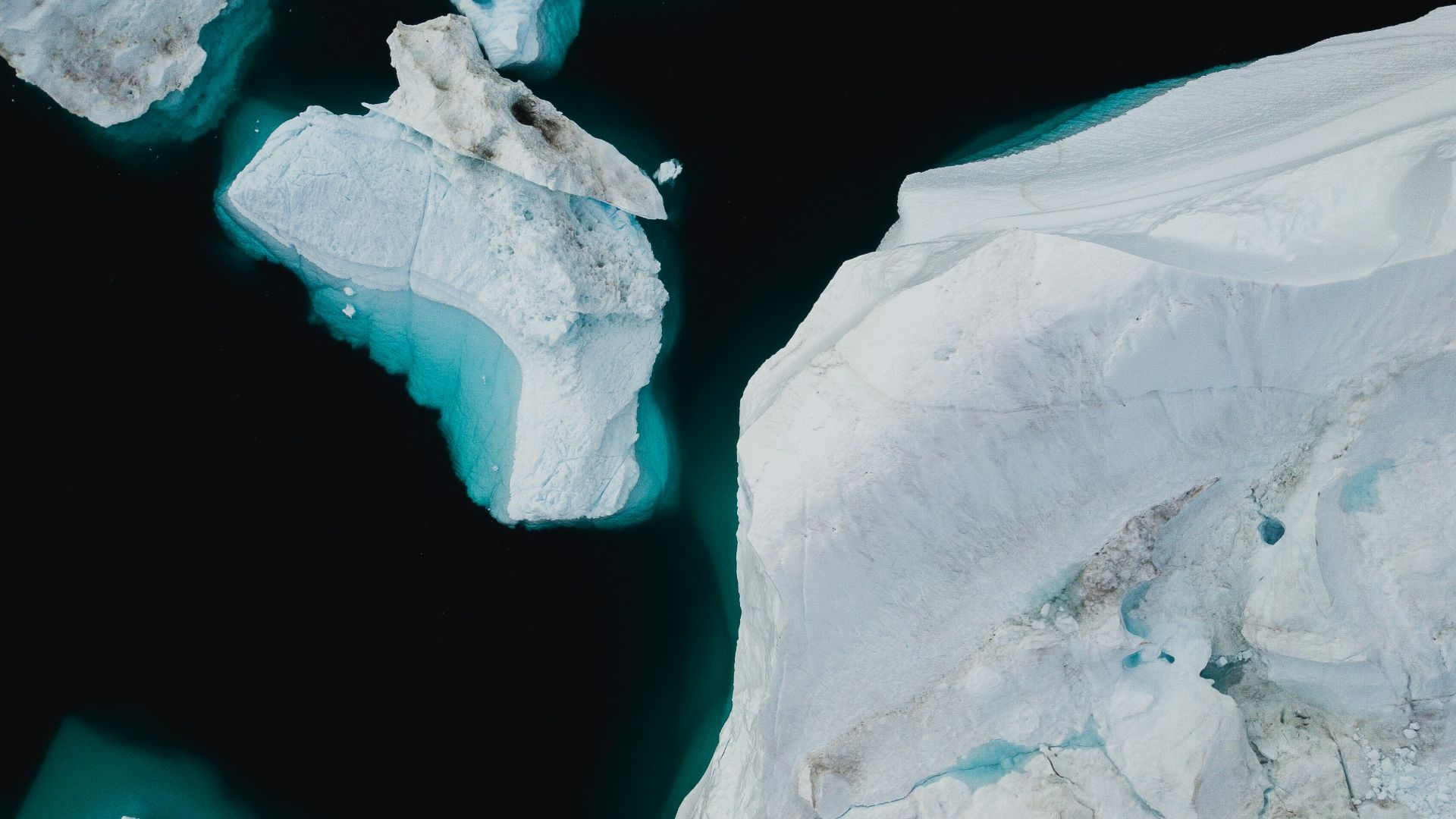
There could have been multiple factors that contributed to megalodon's extinction. One factor being the climate and temperature that they lived in. When temperatures change, animals may have trouble surviving in those conditions.
15. Changes In Prey Could Have Created Problems
With how big megalodon was, they would have needed a lot of food. If they didn't have enough food to sustain them, they could have gone extinct from lack of food. Scientists have thought that their prey could have decreased, causing them to go extinct.
16. Its Huge Size May Have Come With A Cost
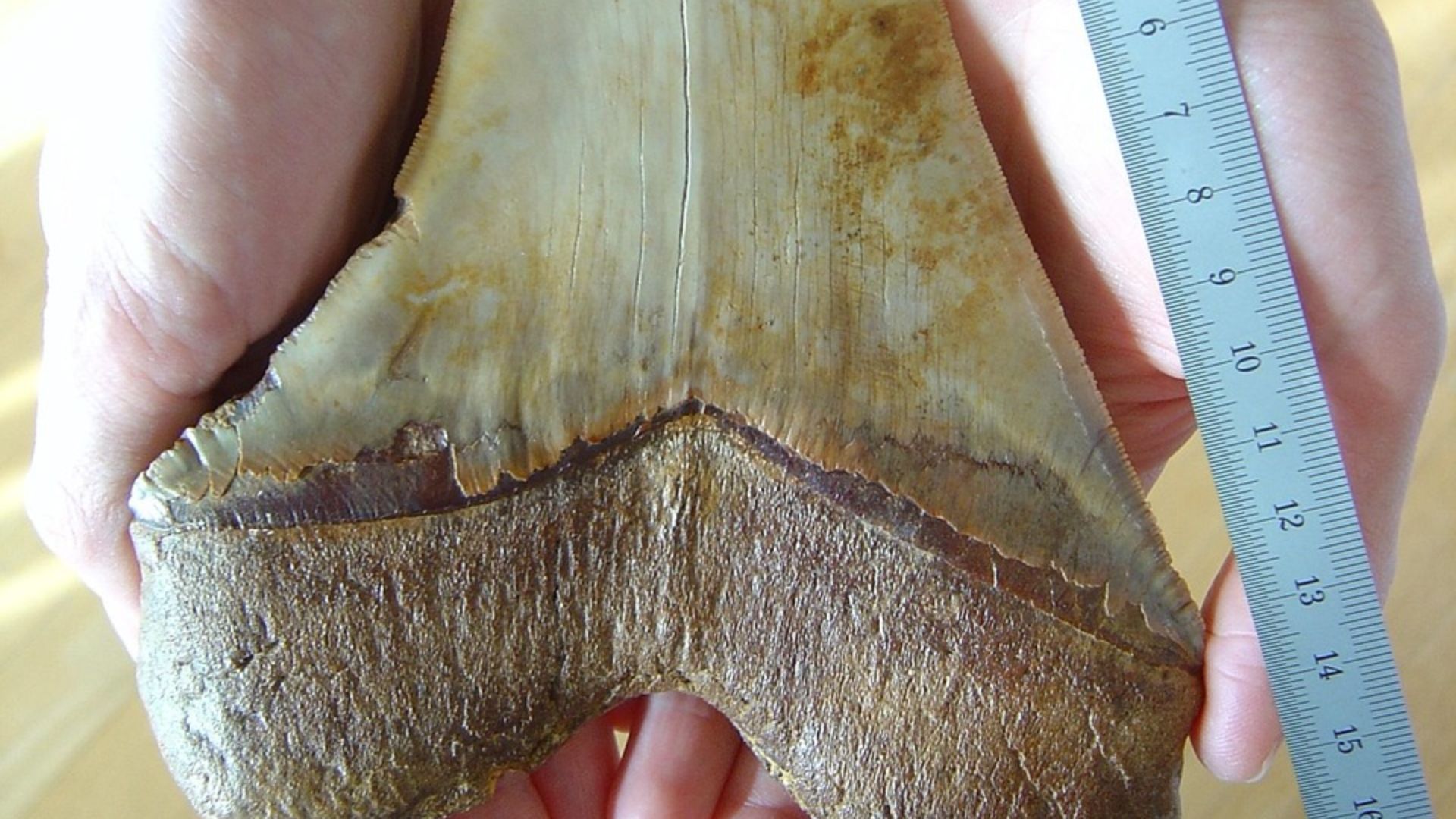
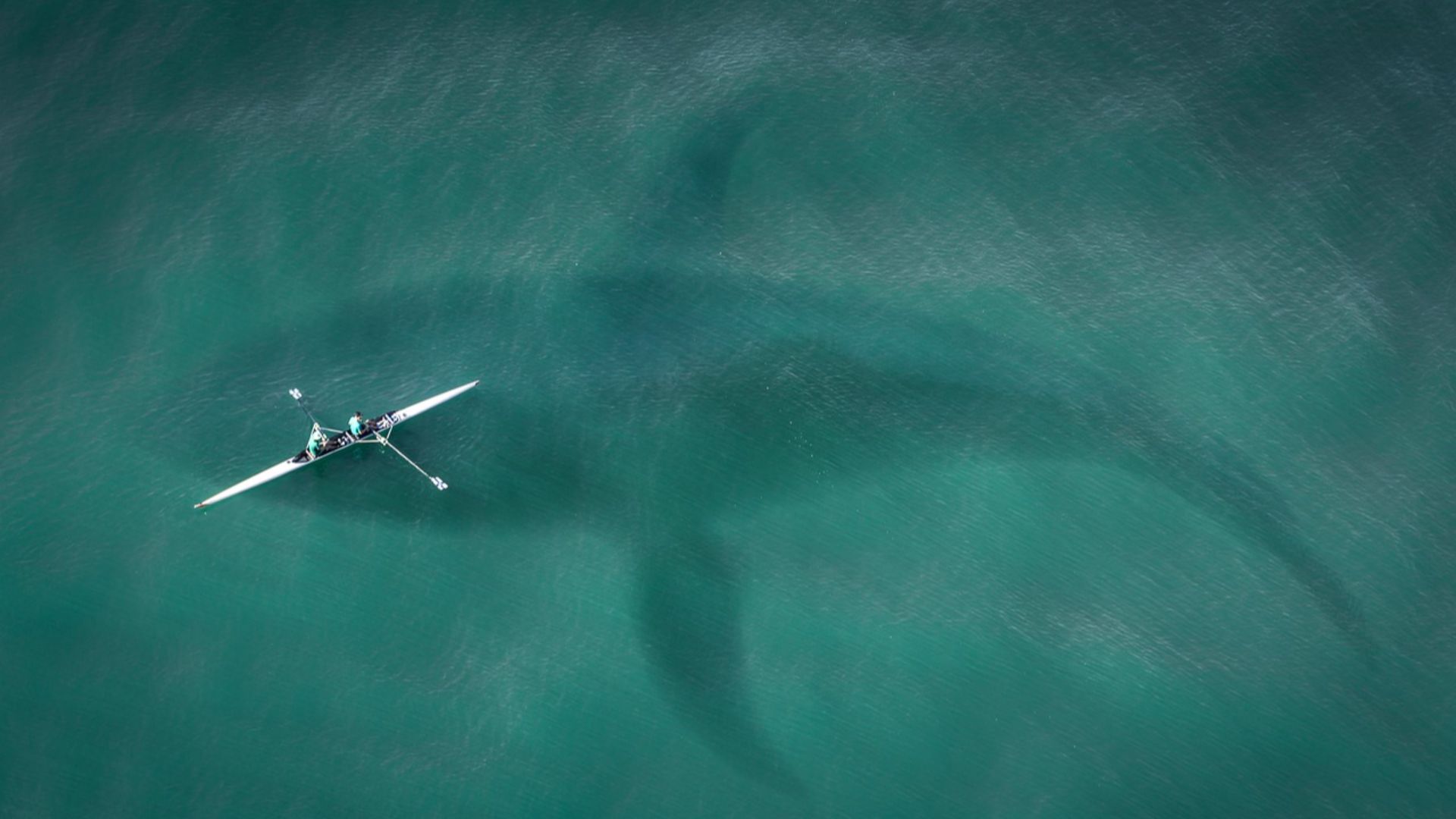
Like mentioned above, there are pros of being big. But it could also take its toll. We know that megalodon had to spend more energy due to its size. That makes megalodon's enormous size important when scientists consider how it lived, reproduced, and eventually disappeared.
17. Researchers Are Using More Than Just Teeth To Reconstruct It
Most of the time, we only use teeth to study megalodon because that's all that's usually found. But recently, they have been doing more research with vertebrae. They also used many other sharks, both extinct and current, to help study megalodon. The 2025 study, for example, compared megalodon with 165 species of extinct and living sharks across 10 orders.
 National Cancer Institute on Unsplash
18. Its Exact Body Shape Is Still An Open Question
We can never really know what megalodon looked like without finding a full skeleton. The 2025 study describes the slender-body interpretation as a working hypothesis that can be tested as new evidence becomes available. Future fossils could therefore change how researchers reconstruct the animal's proportions.
19. Its Extinction Probably Had Multiple Causes
We don't know exactly why megalodon went extinct. Researchers have discussed combinations of climate change, prey changes, ecological shifts, and competition with other predators. The zinc isotope study specifically presents several possible interacting factors rather than identifying a single definitive cause.
20. Scientists Still Have Plenty To Learn About It
Perhaps the most important recent discovery is how much information can still be extracted from fossils that have been sitting in collections for years. New techniques can reveal clues about megalodon's diet, growth, body size, swimming, reproduction, and environment without requiring a complete skeleton. As researchers find more vertebrae and teeth and develop better ways to analyze them, some familiar ideas about this enormous shark will likely continue to be revised.

KEEP ON READING