A Diverse Ancient Food Culture
Food in ancient India varied considerably depending on geography, climate, occupation, wealth, religion, and the period being discussed. Rice, barley, wheat, pulses, dairy products, fruits, vegetables, and spices all appeared in different regional diets, while literary sources also describe foods prepared for religious ceremonies and special occasions. Meat was eaten in some communities and periods, while other traditions emphasized vegetarian foods.
1. Rice
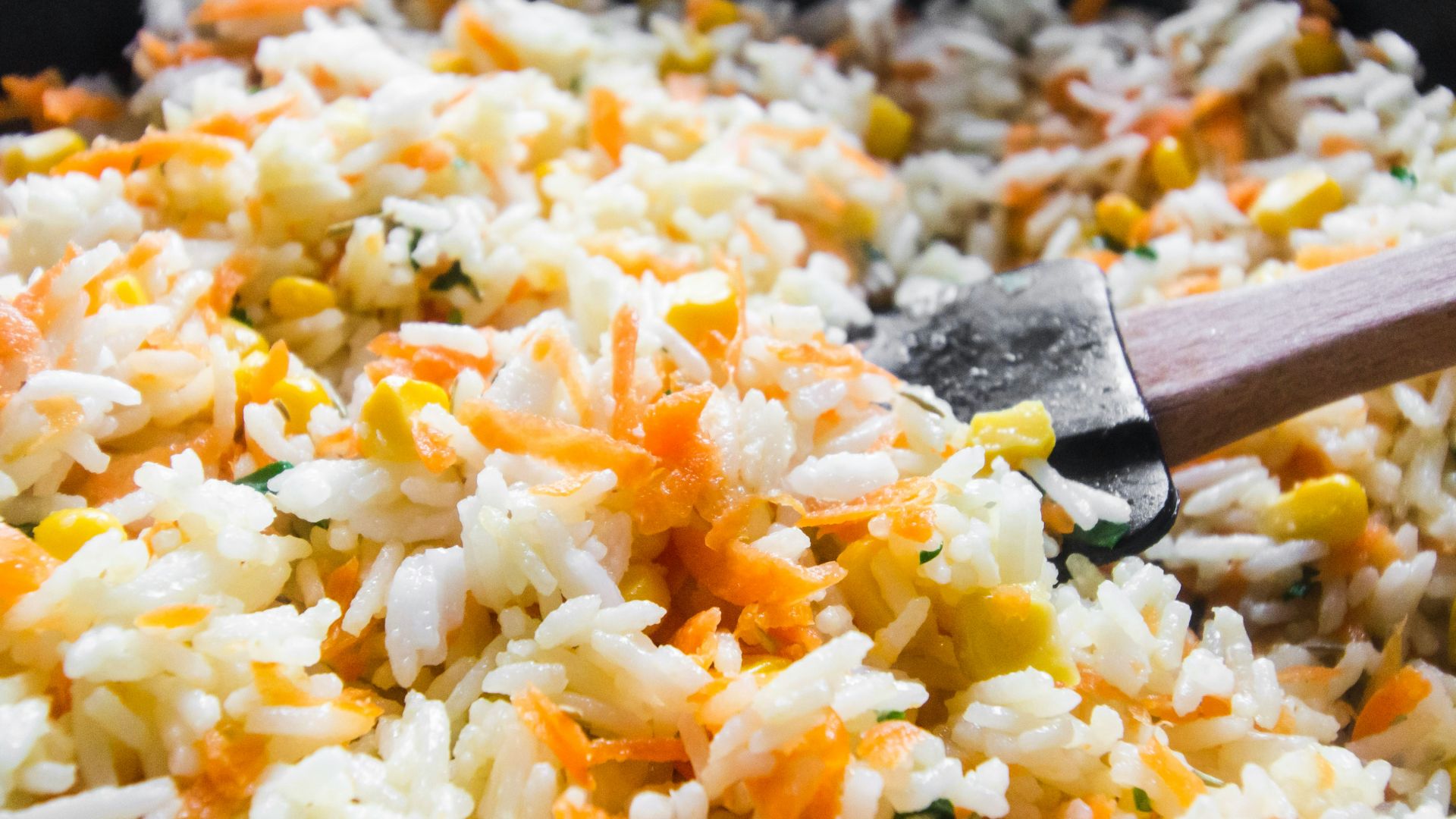
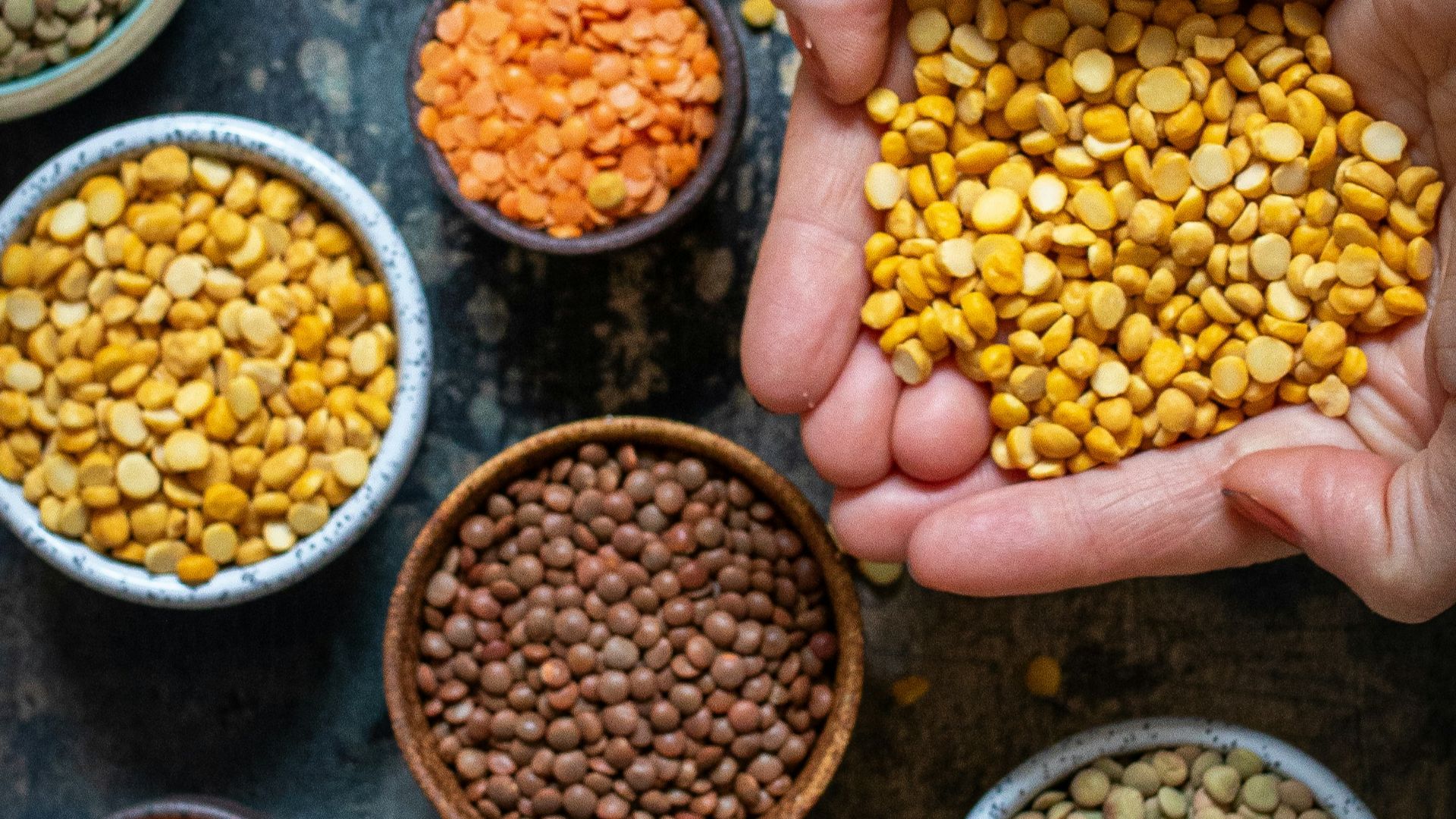
In different areas of India, rice was commonly found as a food item. It could be made in a variety of ways and simply eaten, or it could be made into a more complex meal. There was also religious significance that involved offering up rice.
2. Barley
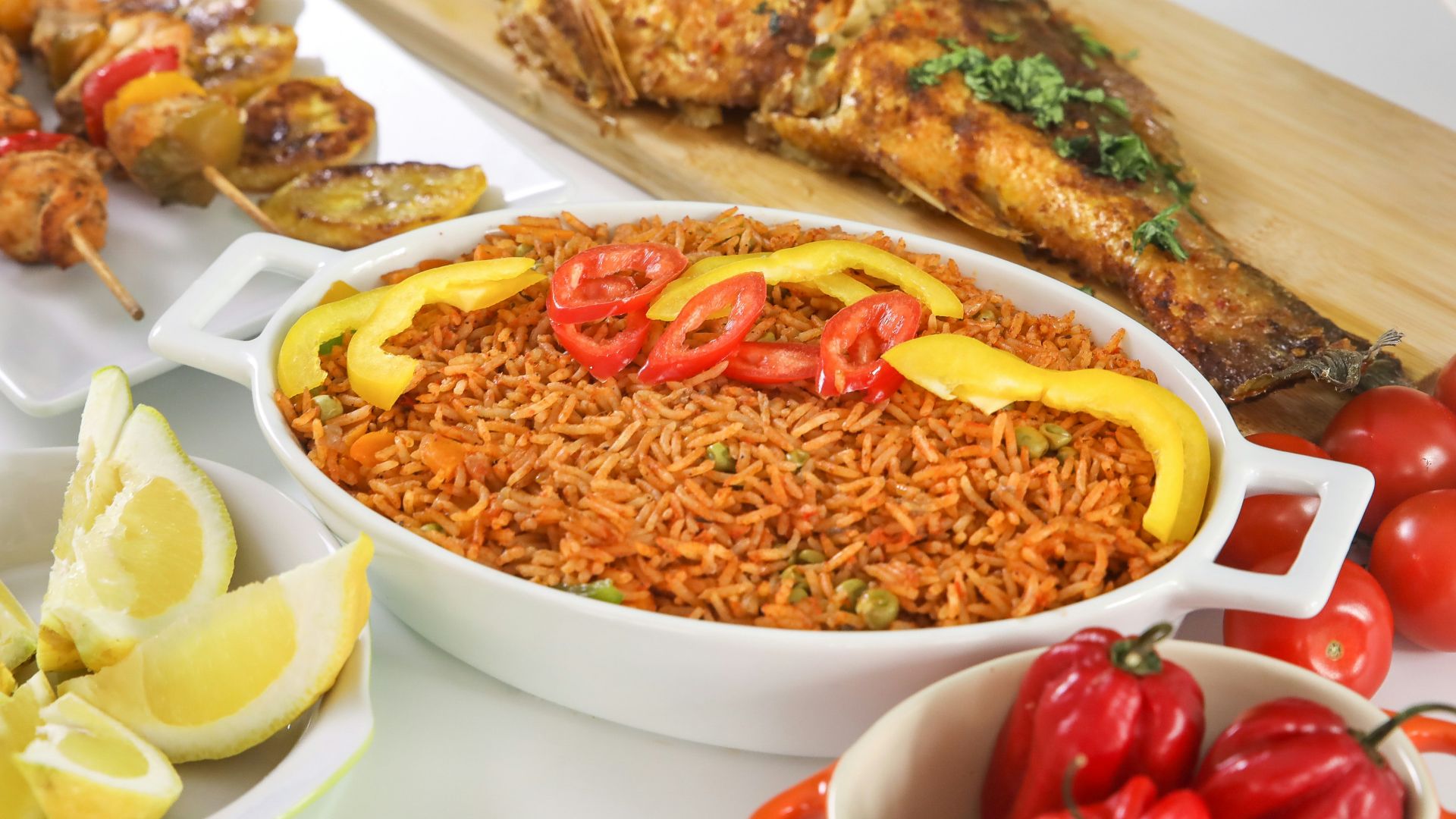
In different areas of India, barley was commonly found as a food item. It could be made in a variety of ways and simply eaten, or it could be made into a more complex meal. There was also religious significance associated with barley, and the grain was important enough to appear in ancient religious and literary traditions.
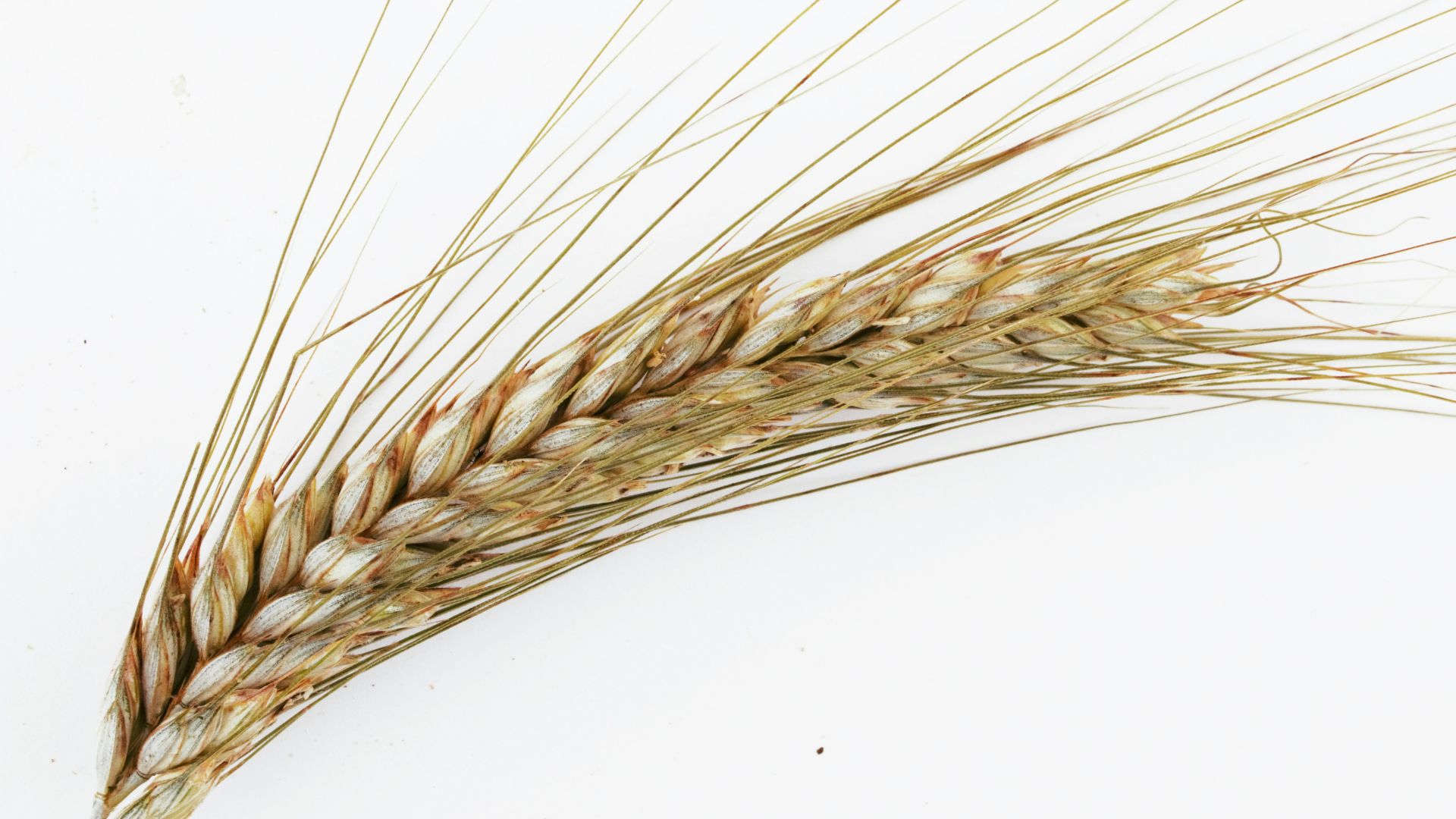
3. Wheat
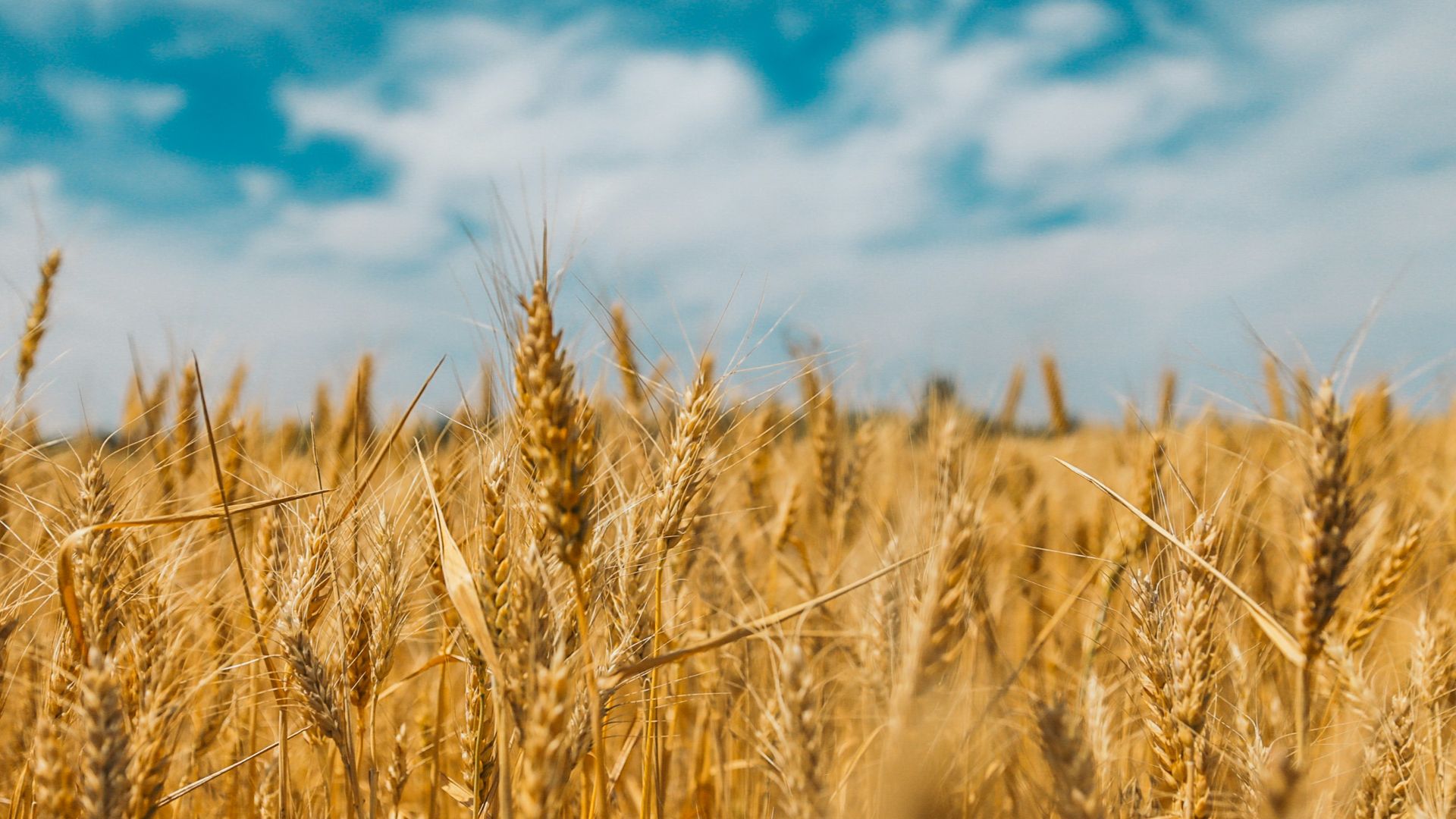
There are some regions where wheat was found to be a common food in India. One could create flour out of wheat and prepare different types of meals. However, not all of India had wheat, so it wasn't the only thing consumed in this area.
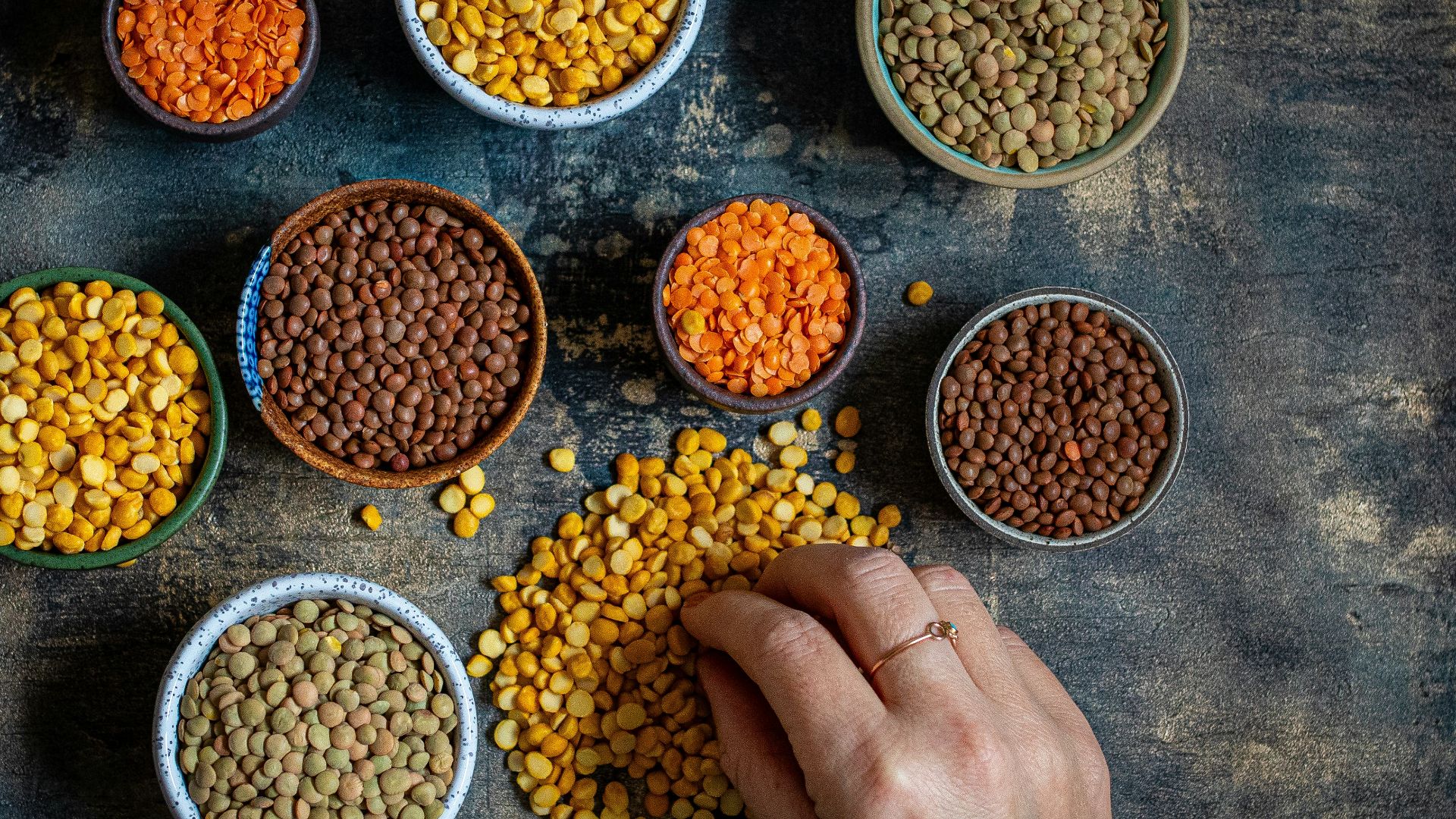
4. Lentils
Many foods contain lentils, and they provide a good amount of protein. Various types of dal can be created using vegetables and spices. If you just cook a pot of lentils, you could easily feed several people.
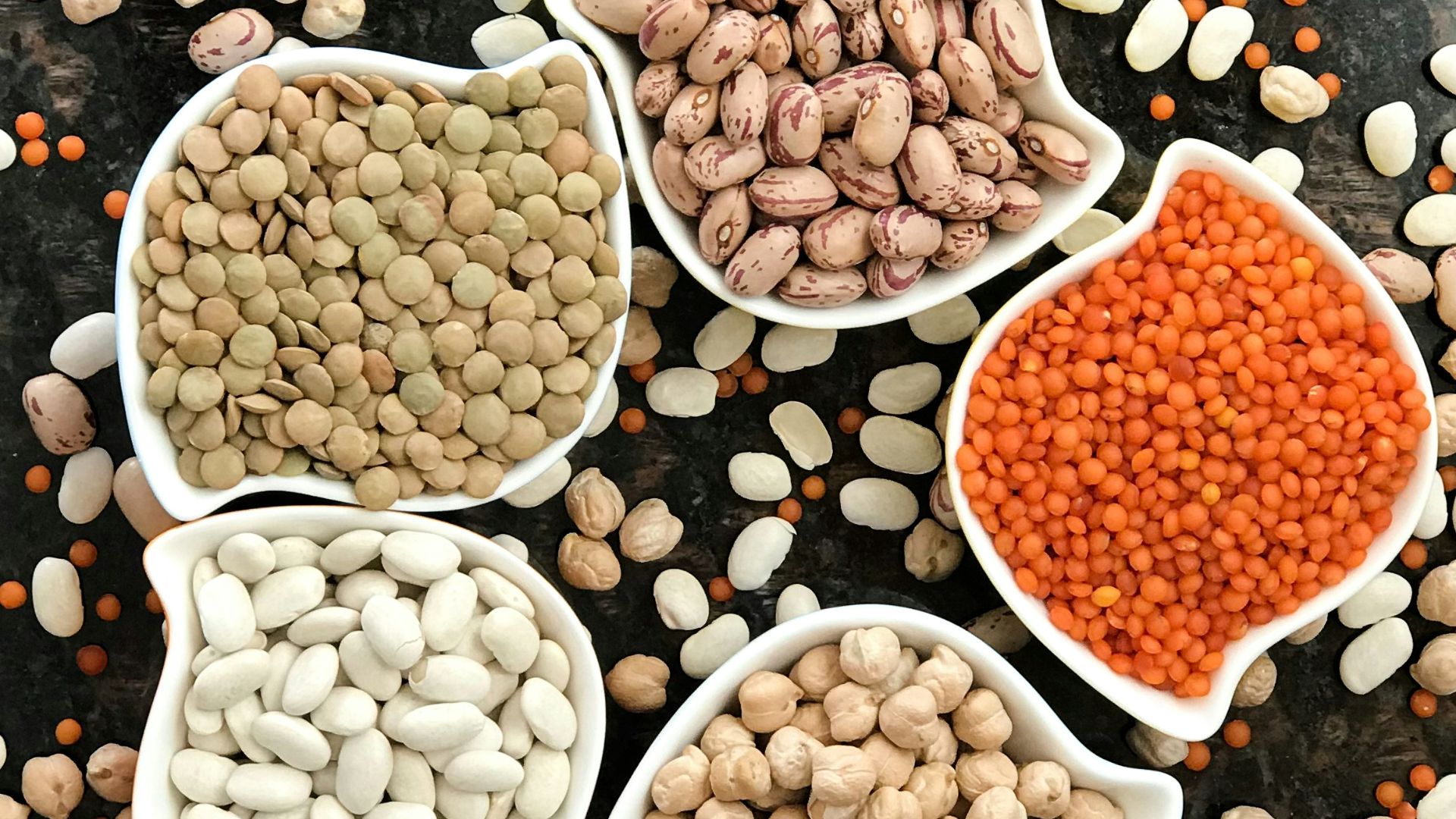
5. Other Pulses
Indians consumed many types of beans and lentils. Beans can be turned into meals or used as an addition to other meals. Dal provided a lot of nutrition, which is why it's such a common meal.
6. Milk
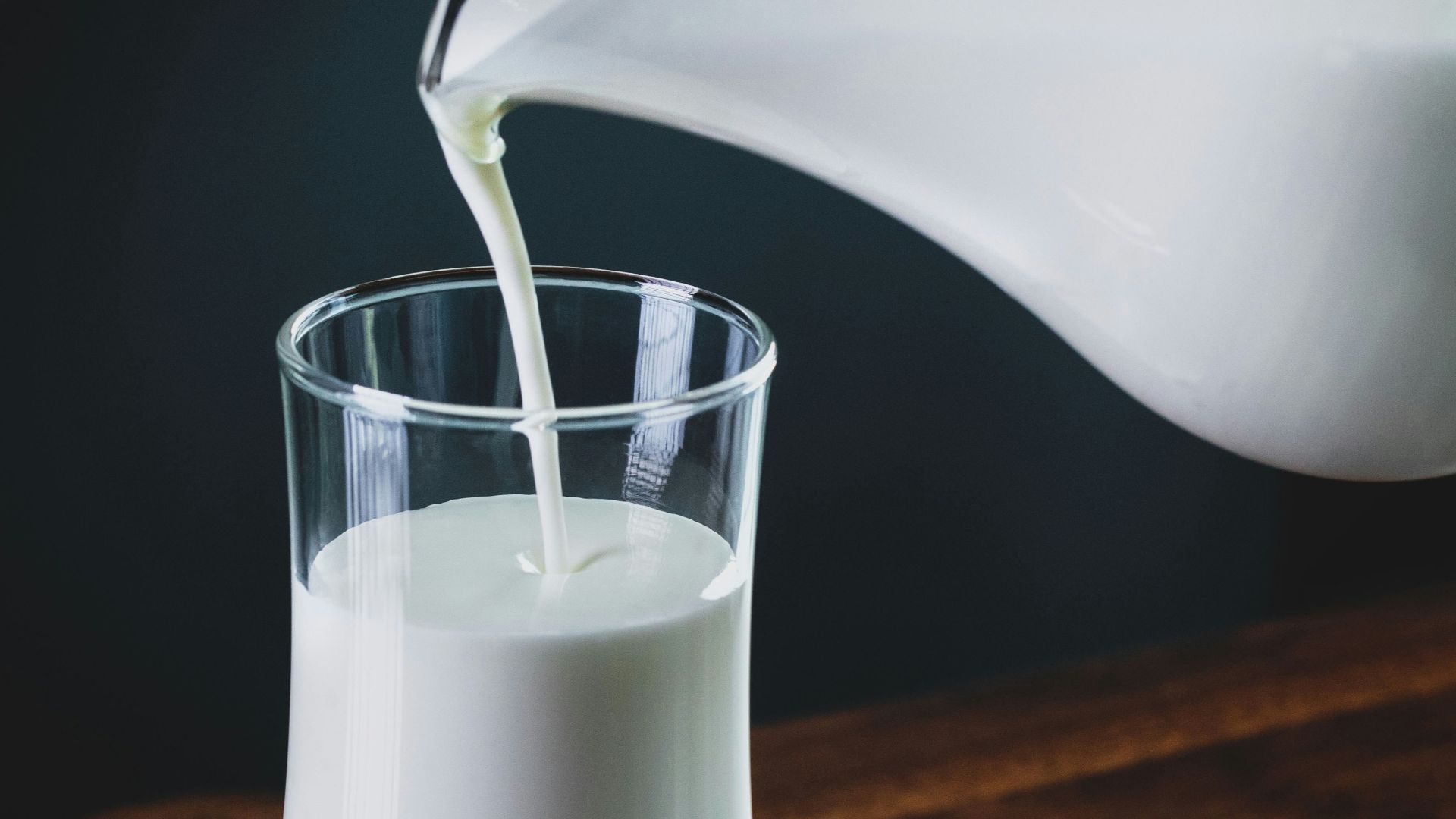
Cows and milk played a big role in many Indian cultures. You could drink the milk or use it to create other milk products. Cattle were especially significant in ancient Indian society, and literary sources contain numerous references to cows, milk, and dairy products.
7. Ghee
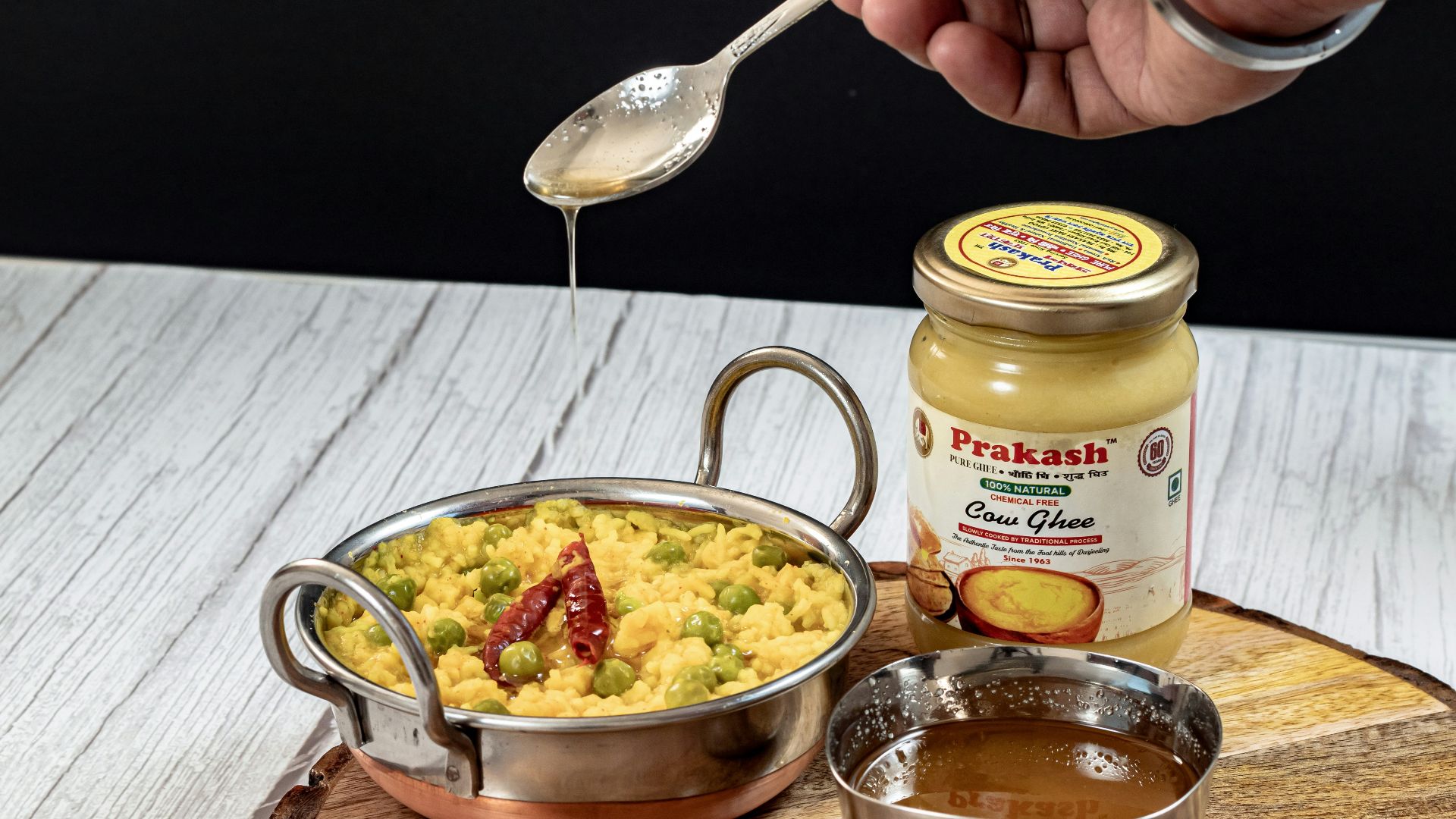
Butter or ghee is used in foods as well as offered during ceremonies. It can also help lengthen your shelf life if stored properly. Ancient Indian sources frequently associate dairy products and ghee with food, ritual, and hospitality.
8. Curd
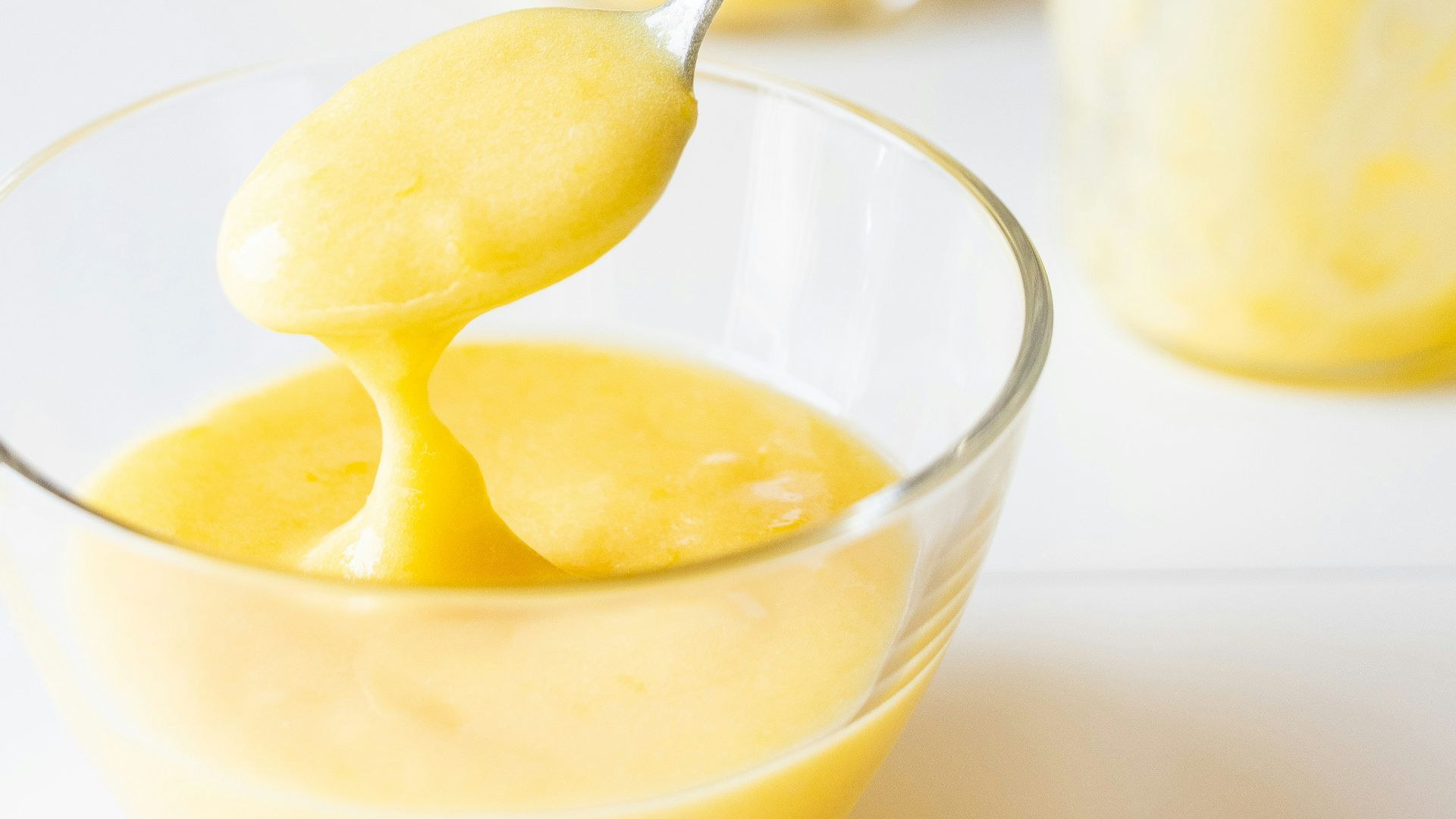
There are many ways you can consume milk, and one of those ways is through curd. Curd is a good food to have along with milk, as it is cold and refreshing. It can be used to help make various meals as well.
9. Vegetables
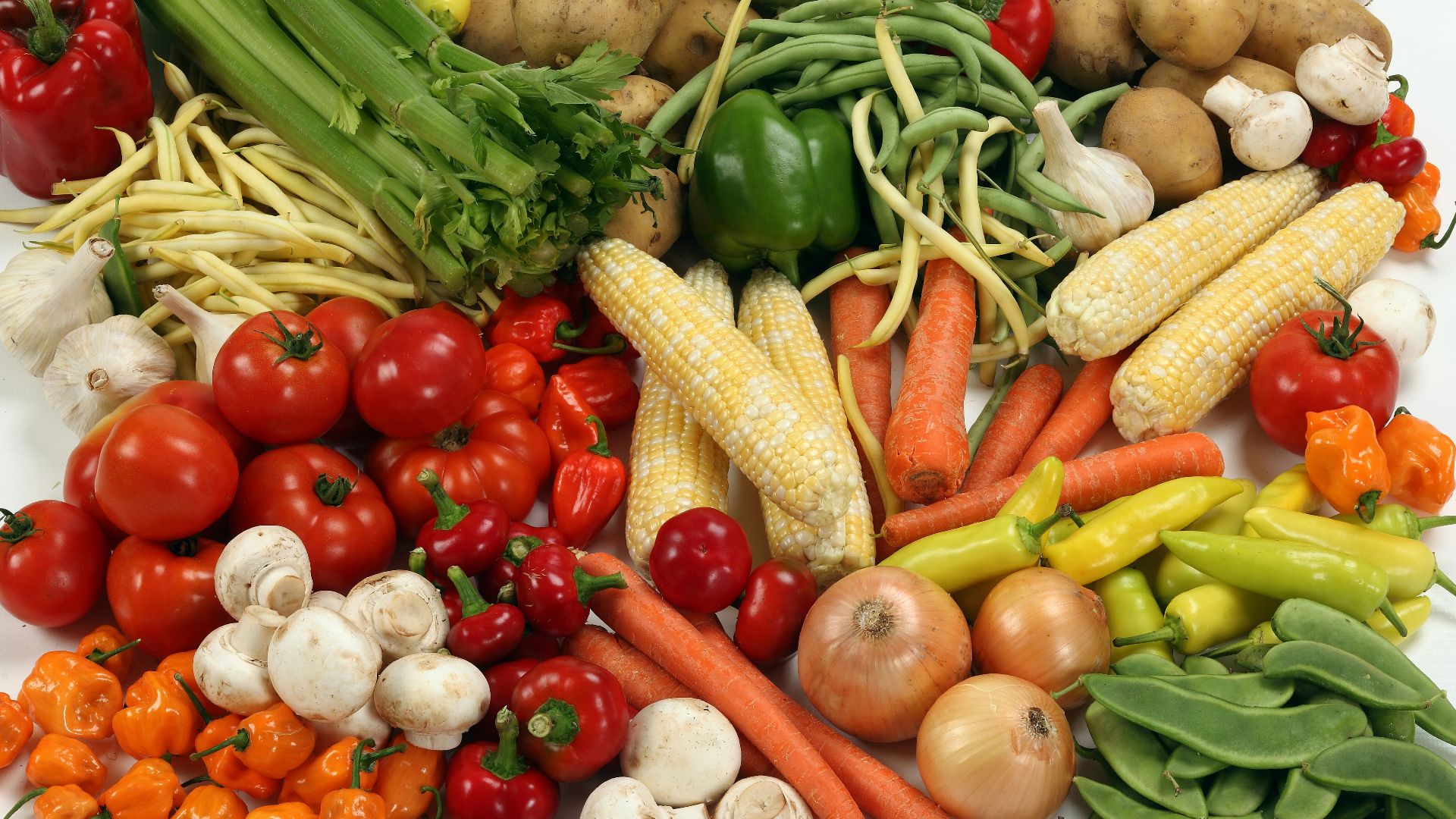
People ate vegetables in India as well. Depending on where you lived and the weather, there would be certain vegetables that were found more commonly. There are many different types of leafy greens and root vegetables that are grown in India today.
10. Leafy Greens
Some foods would be cooked with spices or as part of a bigger meal. In southern India, we can see different plants that were used as food that grew near cows when they were grazing. These plants could become part of the local diet depending on the region and available resources.
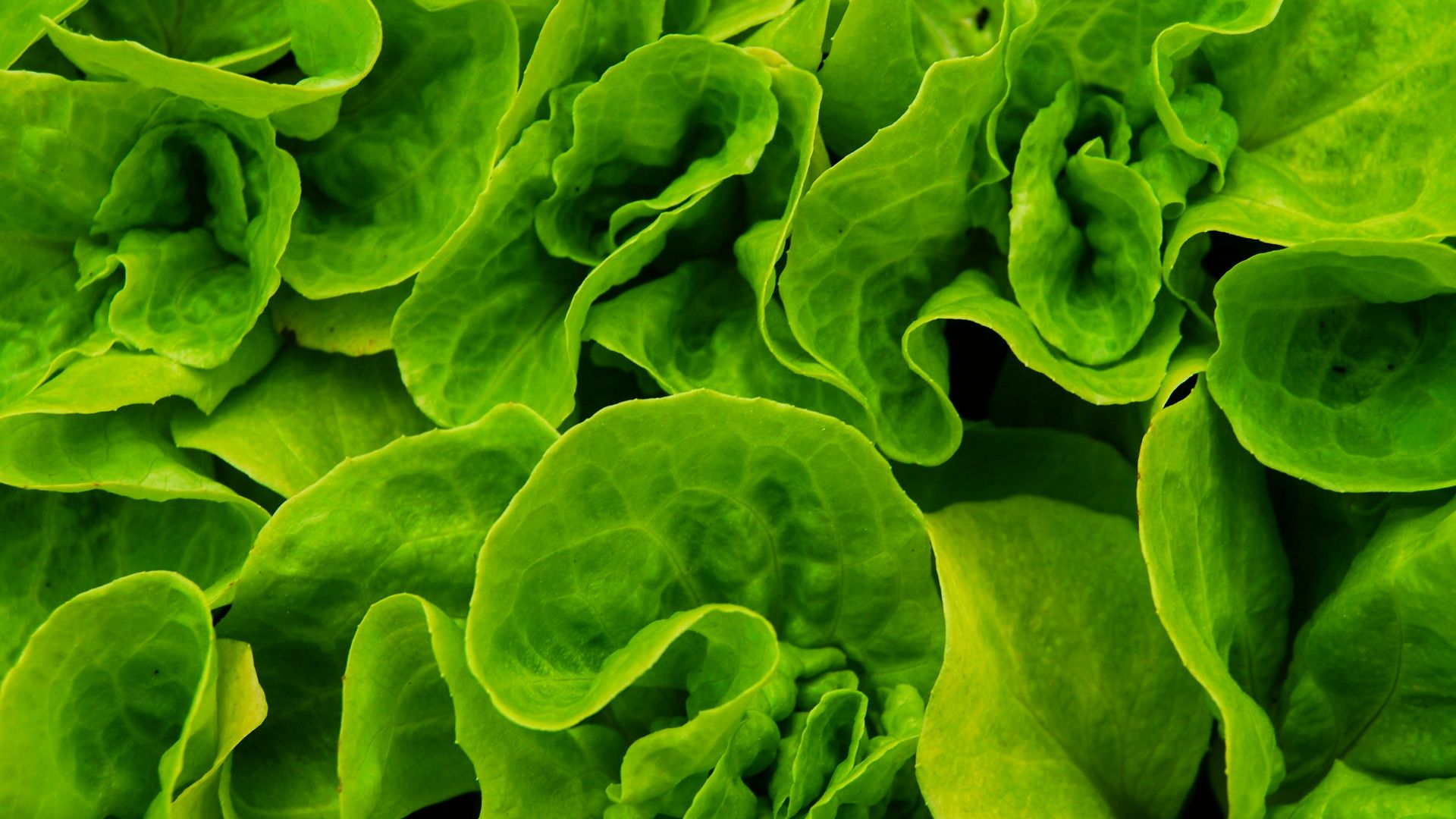
11. Fruits
India is known for having a lot of fruit that grows in its region. We see many fruits mentioned in texts that are indigenous to India. Fruit could be eaten fresh when available or incorporated into other preparations.
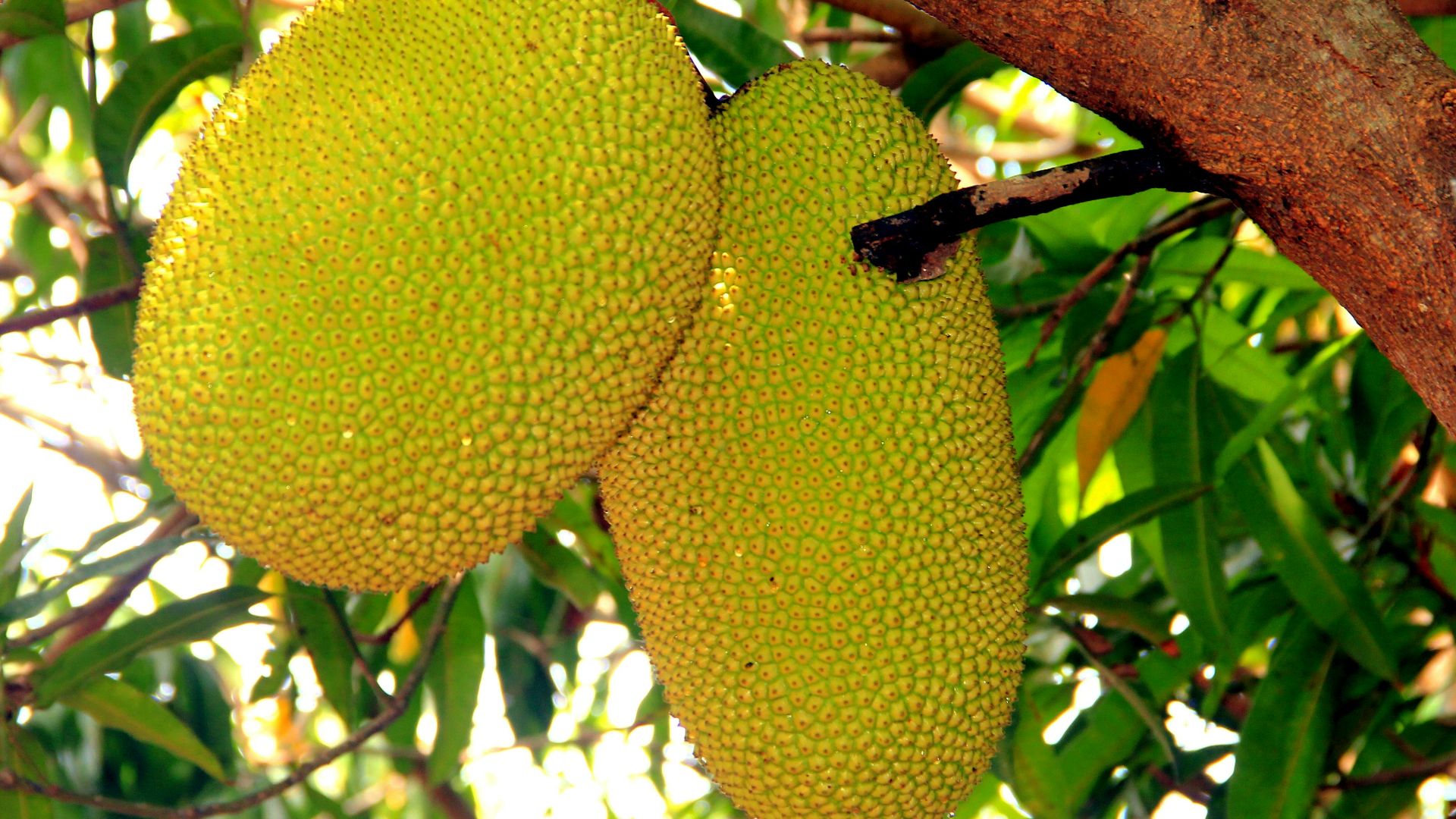
12. Jackfruit
There are verses in the Sangam texts that reference jackfruit, and there was a large amount of it in India at that time. We even see jackfruit mentioned when describing what cattle were eating. Even animals appear in ancient descriptions enjoying jackfruit, giving us a glimpse into how familiar the fruit was within the landscape.
 Antonio Castellano on Unsplash
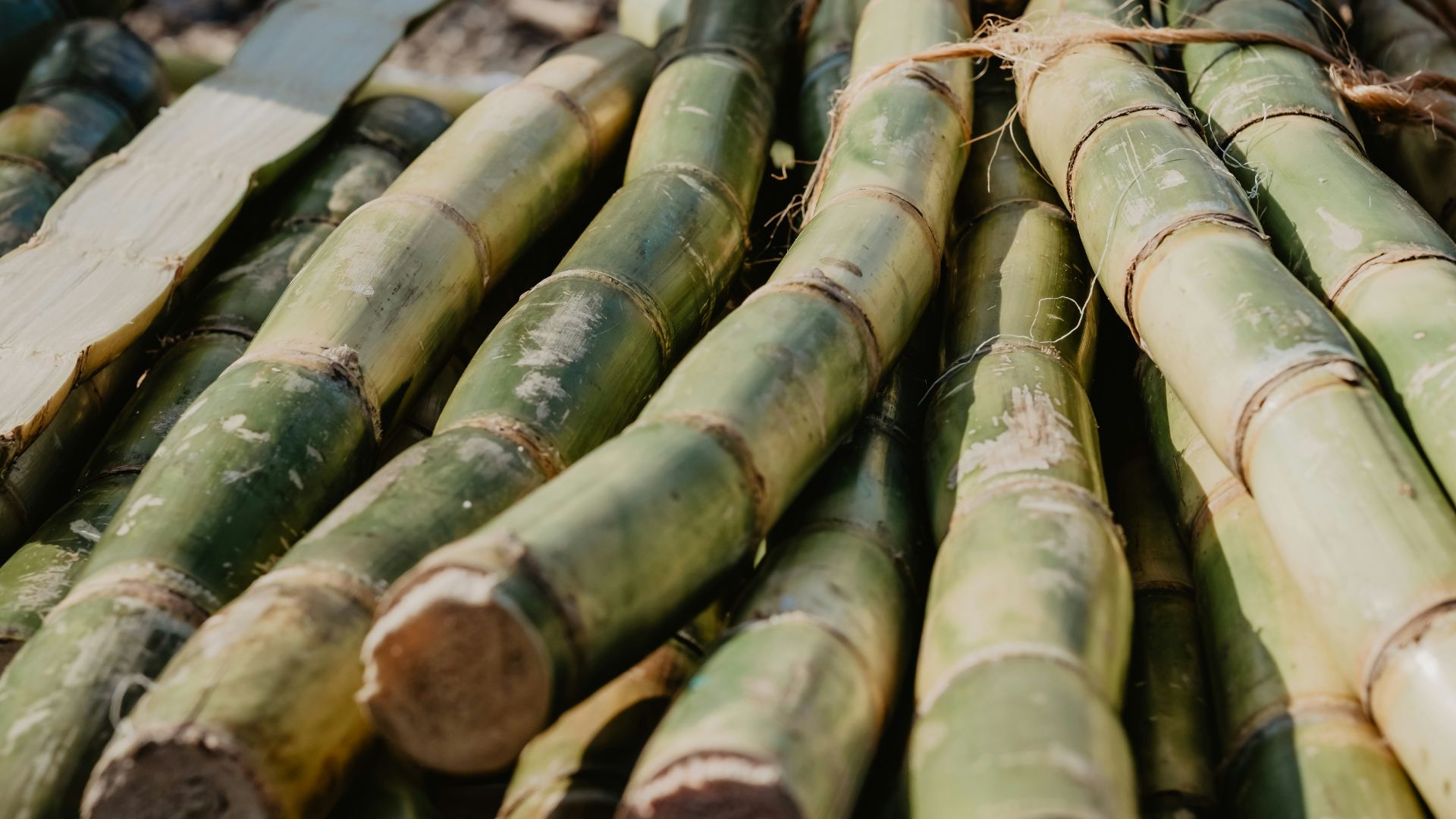
13. Sugarcane
Sugarcane has been a food that has grown in India for many years. They were able to obtain a sweet substance from sugarcane that we know of today. We also have verses that speak of sweets being offered in sacred times.
 Victoria Priessnitz on Unsplash
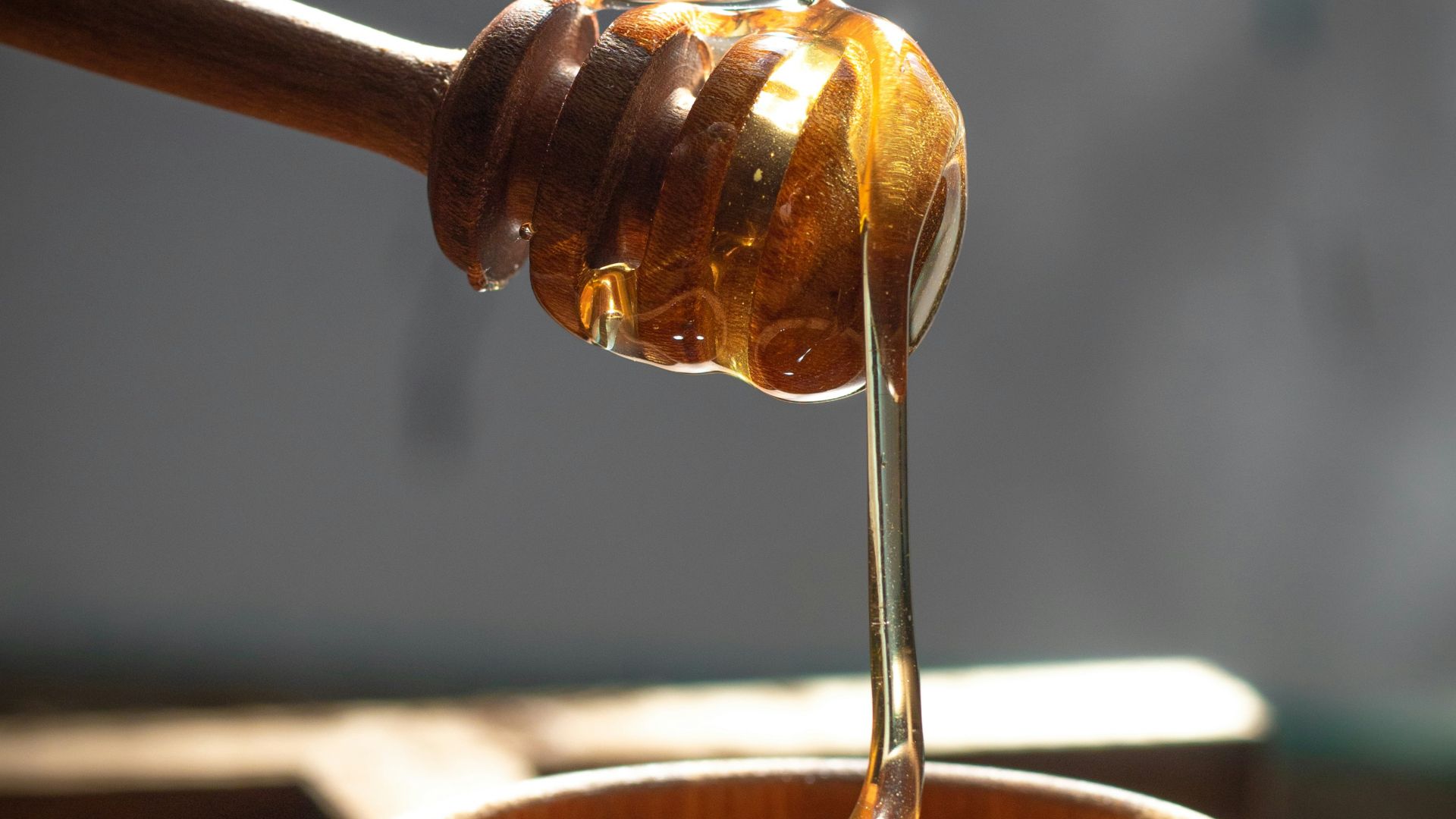
14. Honey
Before sugar was commonly used, we would obtain sweetness from honey. Honey can be used as a standalone food or used with other foods. If you want to sweeten a meal, honey is always a good choice.
15. Sesame
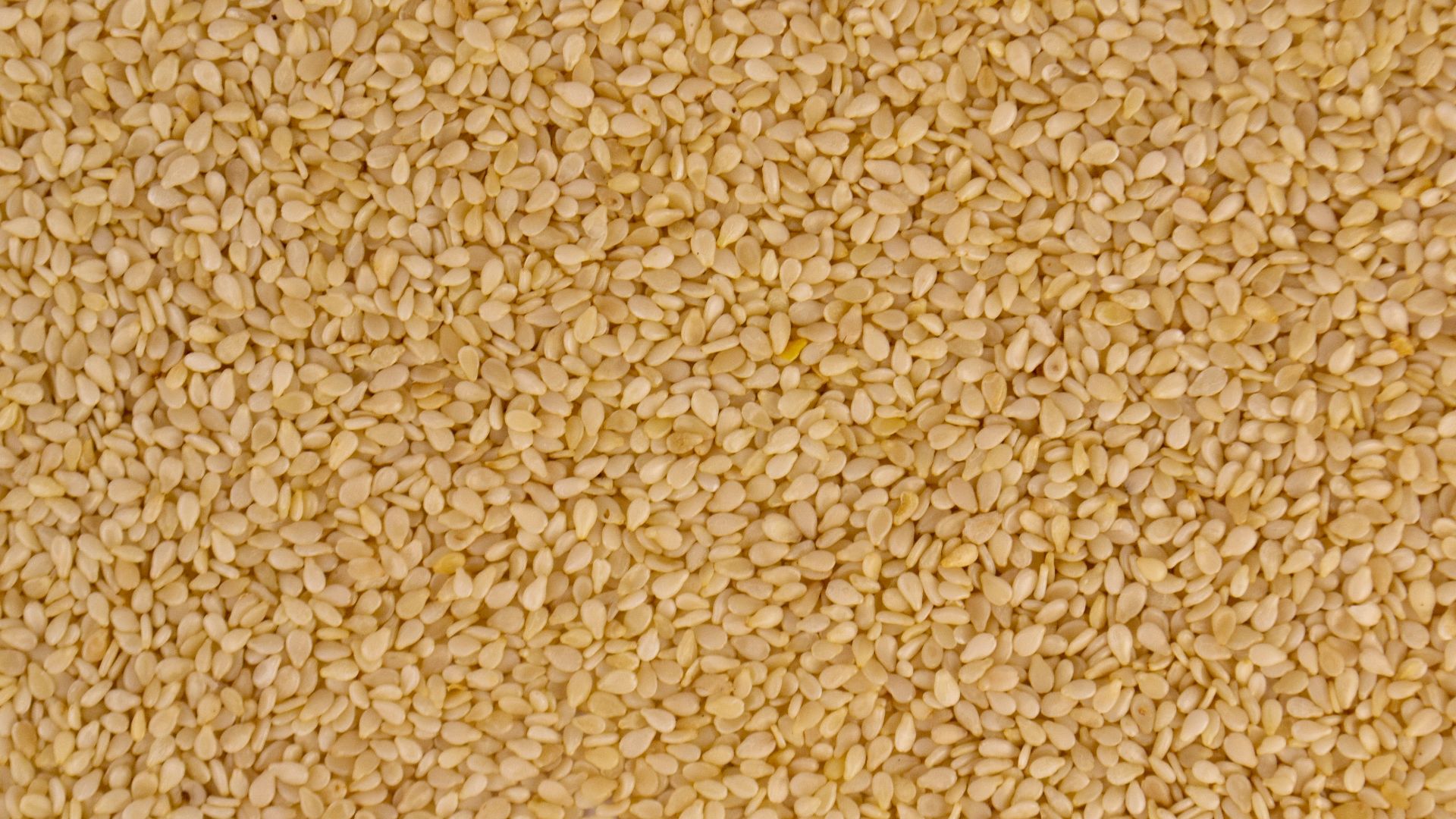
Sesame was commonly used in India, as it can be cooked in many ways. Its seeds could be eaten and processed for their oil. Sesame's versatility made it useful for both everyday cooking and preparations associated with ceremonies.
16. Spices and Herbs
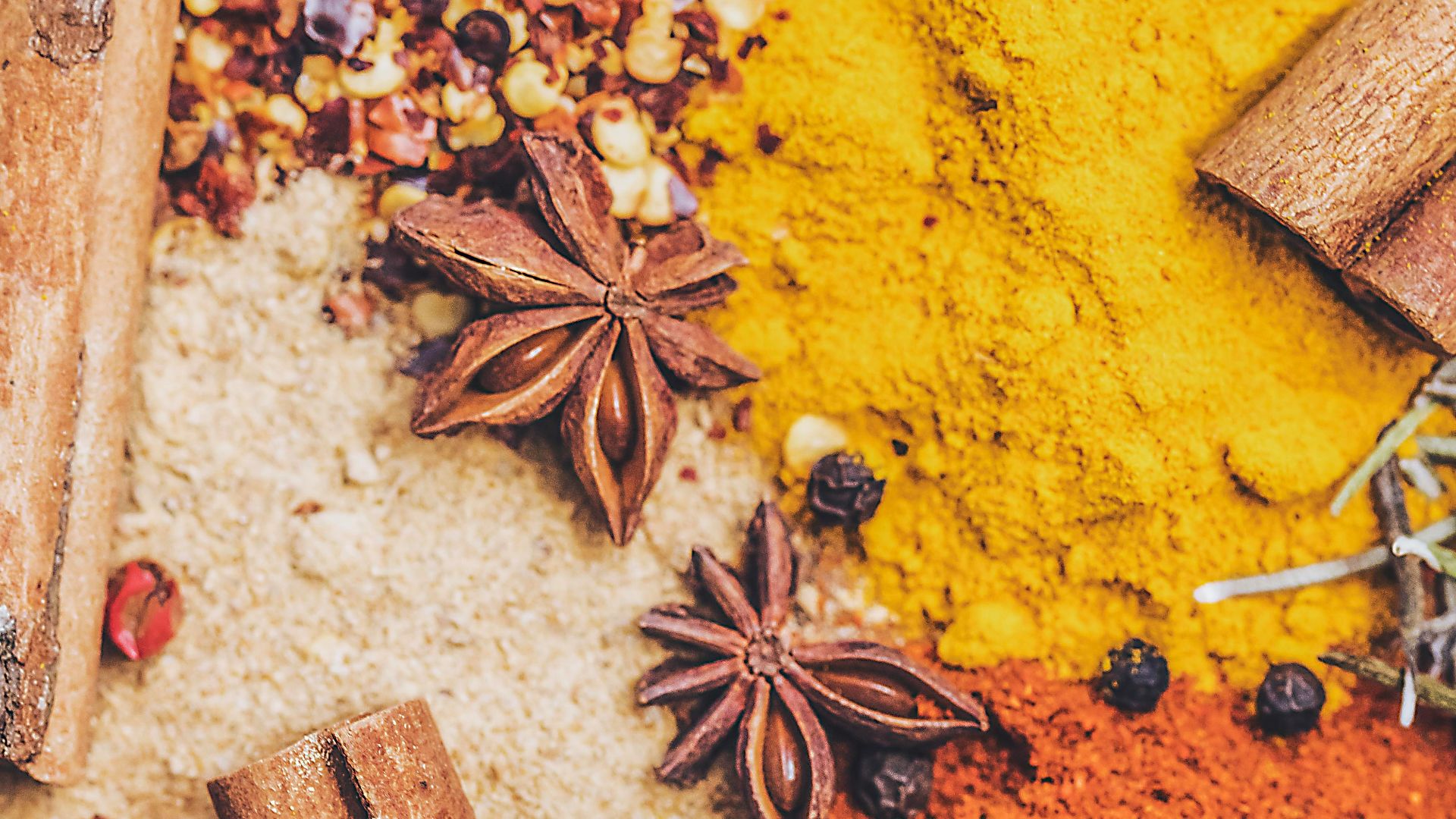
There are many types of herbs that can be found throughout India. Different meals can be seasoned with various spices that may have been indigenous to the region where they were living. This doesn't mean every ancient meal was packed with the spice combinations associated with modern Indian cuisine, since recipes and ingredients changed substantially over time.
17. Nuts
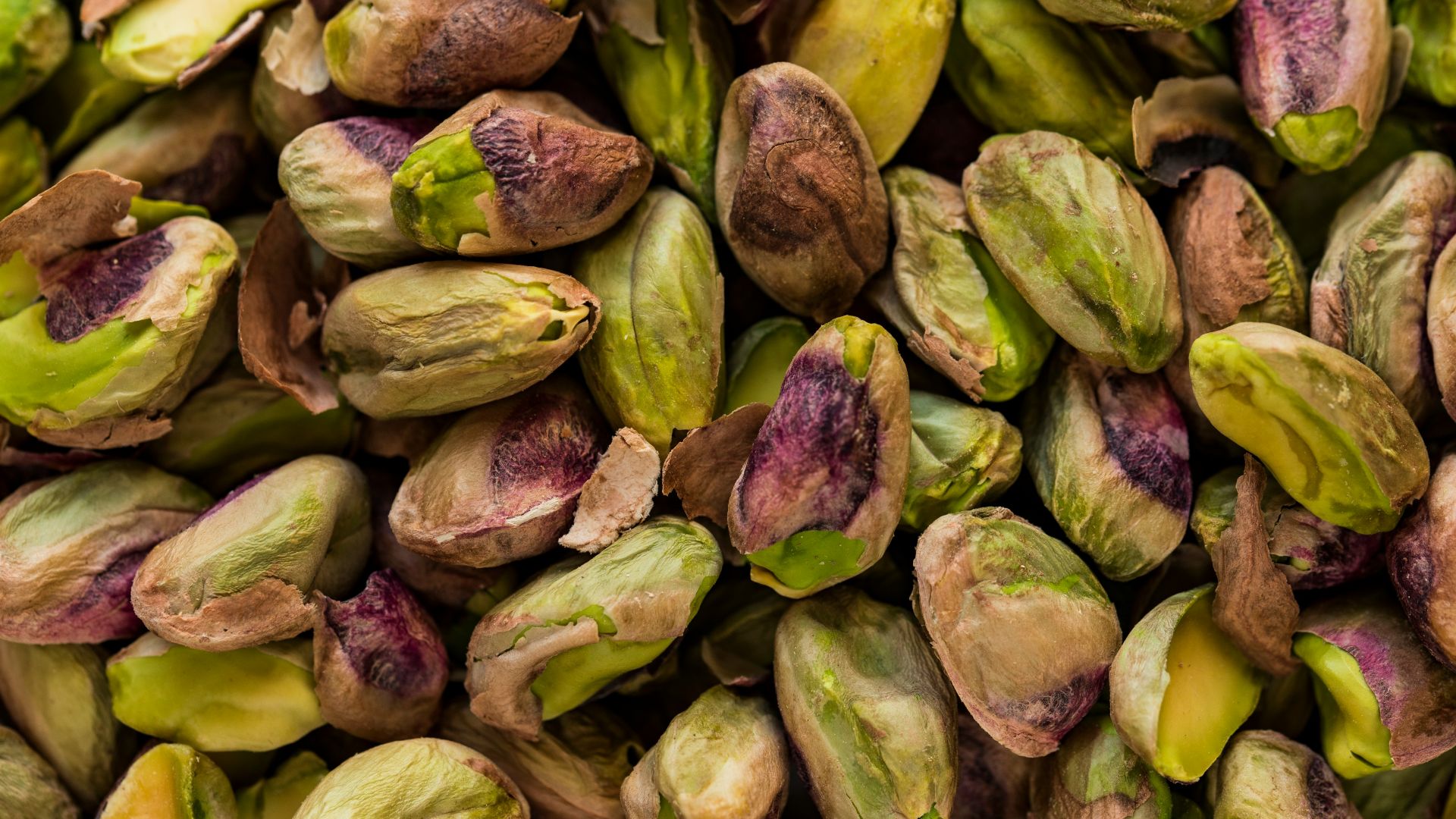
Nuts and other edible seeds could provide additional sources of fat and nutrients. Some were eaten directly, while others could be incorporated into richer dishes or ceremonial foods. Almonds and raisins, for example, appear among foods described in later Indian religious traditions, although they shouldn't automatically be treated as evidence of the diet in every ancient period.
18. Fish
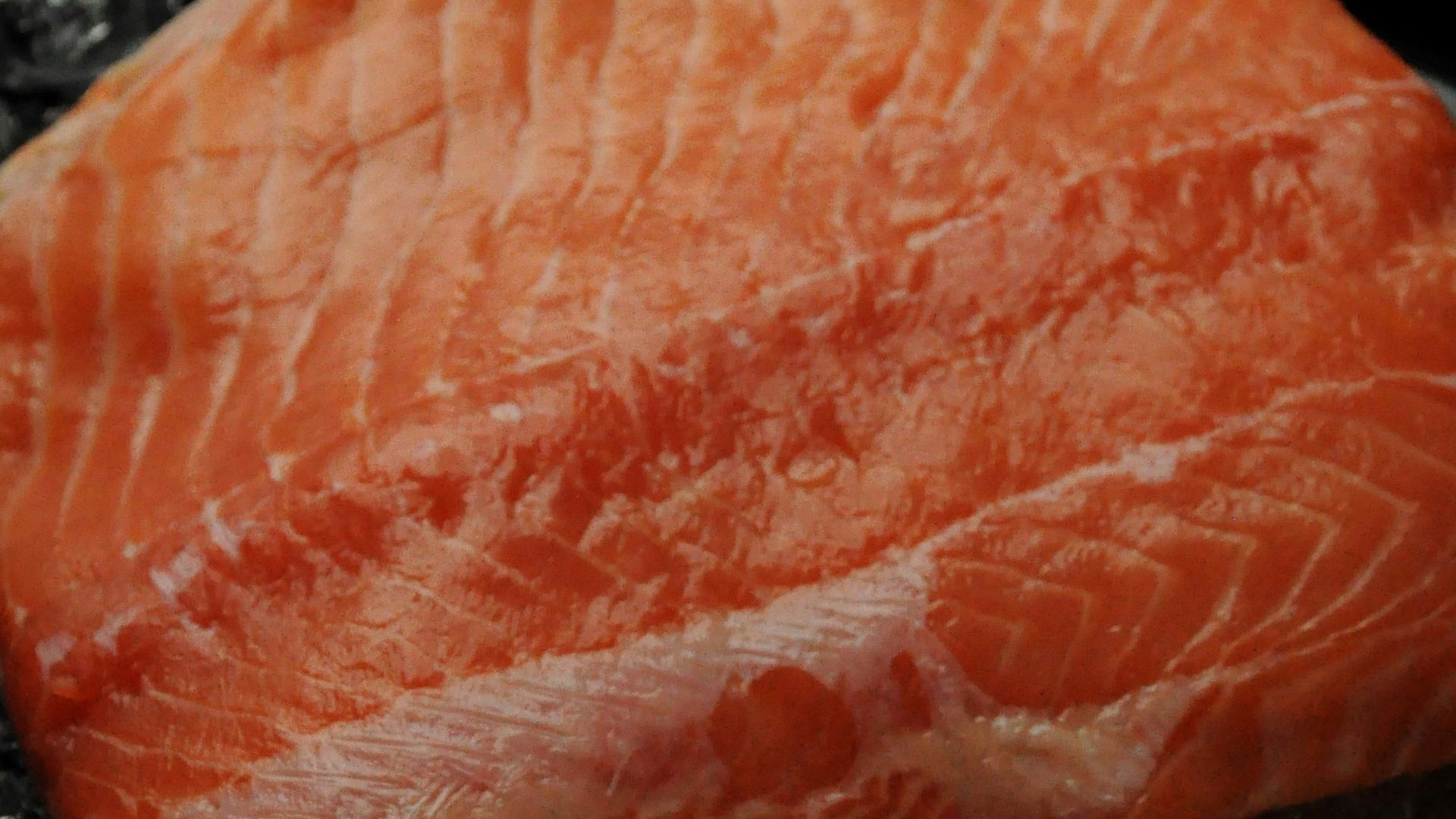
Depending on where you lived, there is a possibility you consumed fish. India is surrounded by water, so if you lived in an area with that kind of access, then yes, they did eat fish. Not everyone who lived in India was a vegetarian.
19. Meat
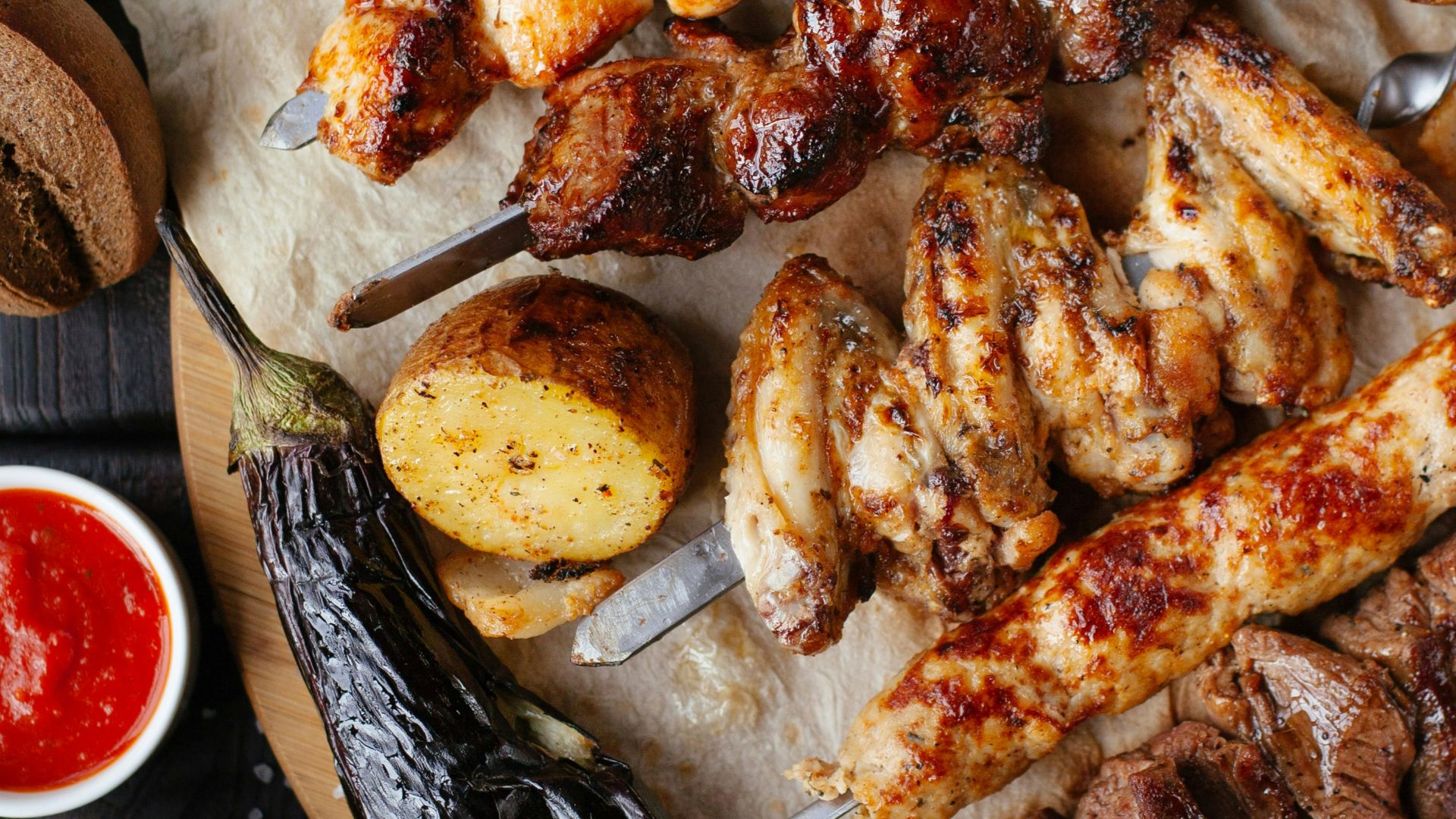
Similar to fish, depending on what religion you practiced, there may have been meats that you consumed or avoided. Not all cultures ate the same foods at the time, so they could have consumed different types of meat. Dietary practices also varied depending on the region and community.
20. Sweets and Sweetened Rice
India is known for having lots of sweet foods. These can be used in meals or eaten by themselves. Many of these contain rice and milk, which I mentioned earlier when explaining rice, and there are also references to sweets being made and offered during festivals.