20 Things Ninjas Actually Did That Were Nothing Like the Movies
The Real Job Was Much Less Flashy
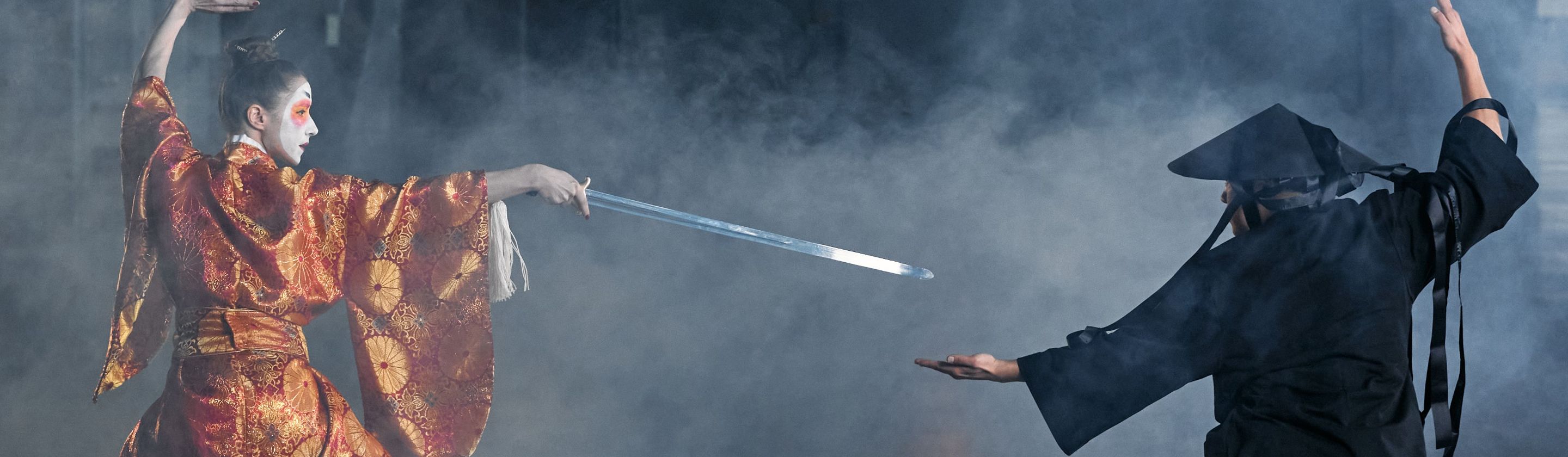
Movies have turned ninjas into black-clad martial artists who spend most of their time throwing stars, flipping over walls, and disappearing in clouds of smoke. History's real ninjas, known as shinobi, were generally far more interested in gathering information, blending into crowds, and getting home without anyone realizing they'd been there. Many of their most valuable skills involved patience, observation, communication, and practical survival rather than spectacular fighting. Here are 20 things real ninjas did that Hollywood movies chose not to emphasize.
1. They Spent a Lot of Time Spying
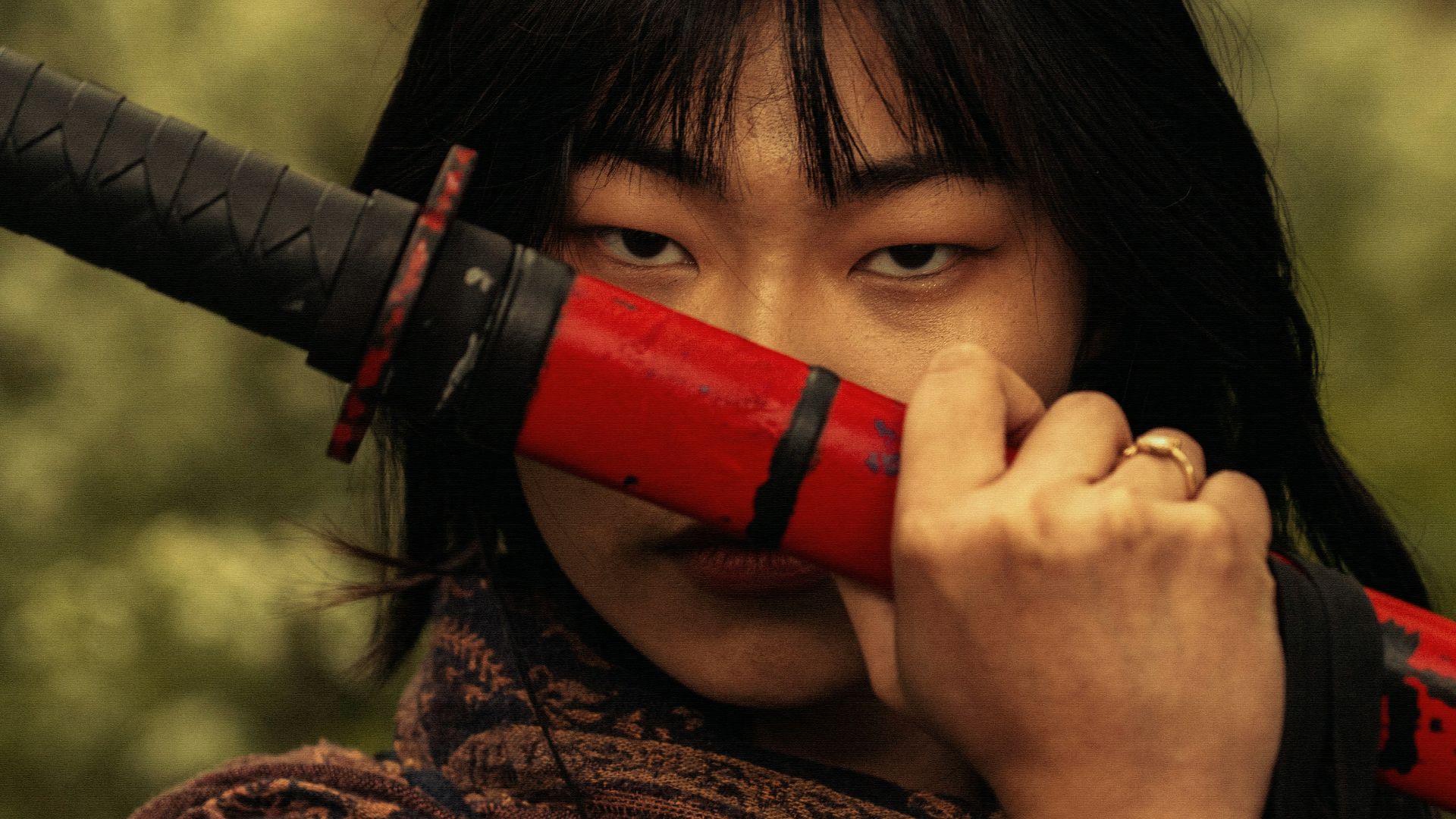
Intelligence gathering was one of the shinobi's most important responsibilities. They were sent into enemy territory to learn about troop movements, terrain, supplies, fortifications, and other useful details. The goal wasn't necessarily to defeat anyone while they were there, because getting the information safely back to their employer mattered more.

2. They Usually Tried to Avoid Fighting
While a movie ninja can take on an entire room of armed guards without much concern, real ninjas tended to avoid this situation. Historically, getting into a fight could mean the mission had already gone badly, especially if the shinobi was carrying valuable intelligence. Training therefore included techniques meant to help someone escape danger rather than stand around trying to win an impressive duel.
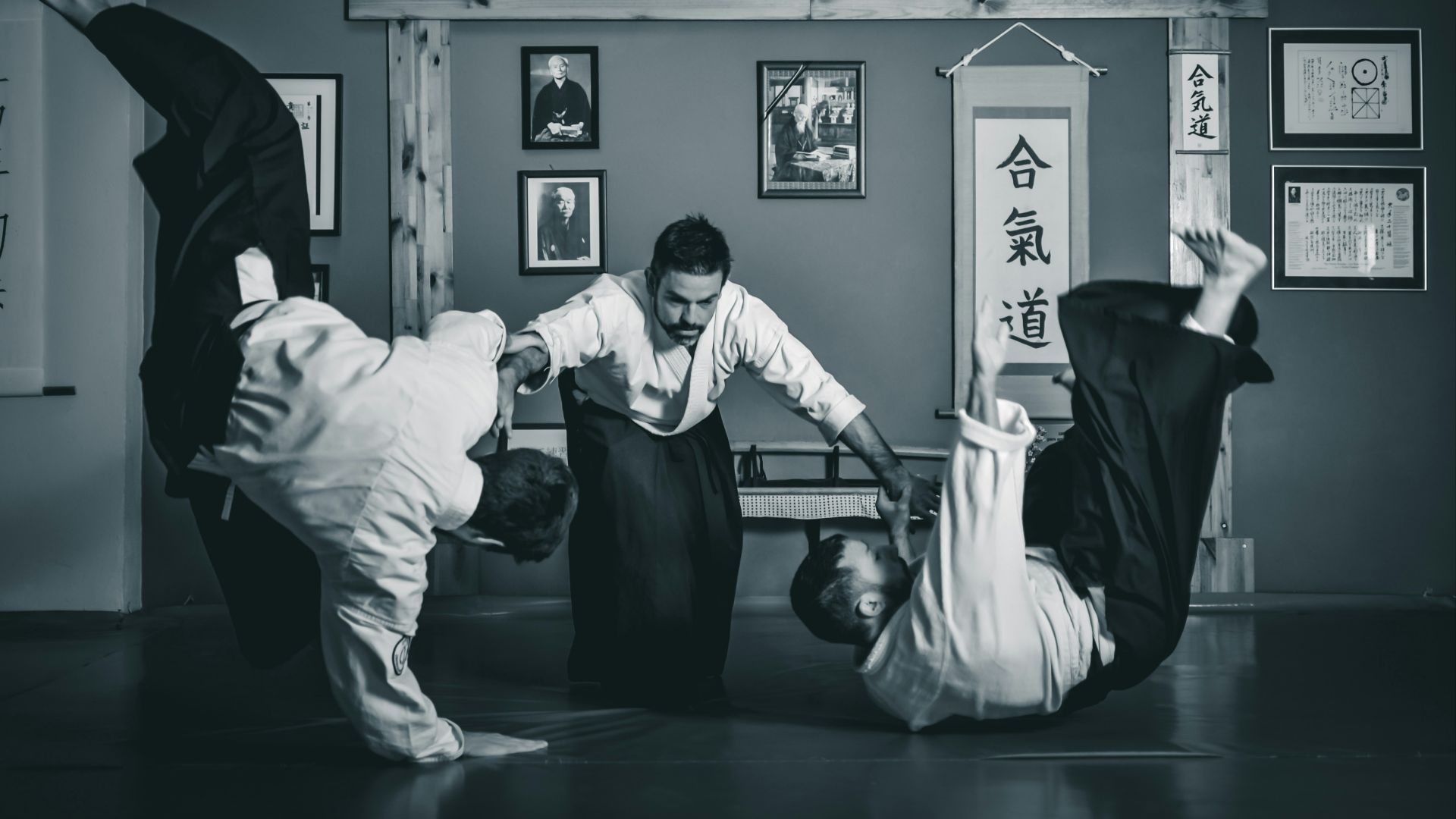
3. They Disguised Themselves as Ordinary People
Walking around dressed like an obvious ninja would've defeated the entire purpose of being undercover. Historical manuals described disguises such as merchants, priests, traveling performers, mountain ascetics, and other people who could move around without attracting much attention. A convincing outfit could get you much further than dramatic rooftop sneaking.

4. They Sometimes Walked Right Through the Front Door
Not every infiltration required scaling a castle wall at midnight. A shinobi might approach someone openly while posing as a merchant, monk, or other harmless visitor, then build enough trust to start gathering information. That's why being friendly and persuasive was often more useful than being physically stealthy.

5. They Needed Good Conversation Skills
Real shinobi weren't supposed to spend every interaction silently staring from behind a mask. Ninjutsu manuals included material on communication, dealing with local people, persuasion, and other social skills useful for intelligence work. Someone capable of getting people to casually reveal useful information could be extremely valuable.
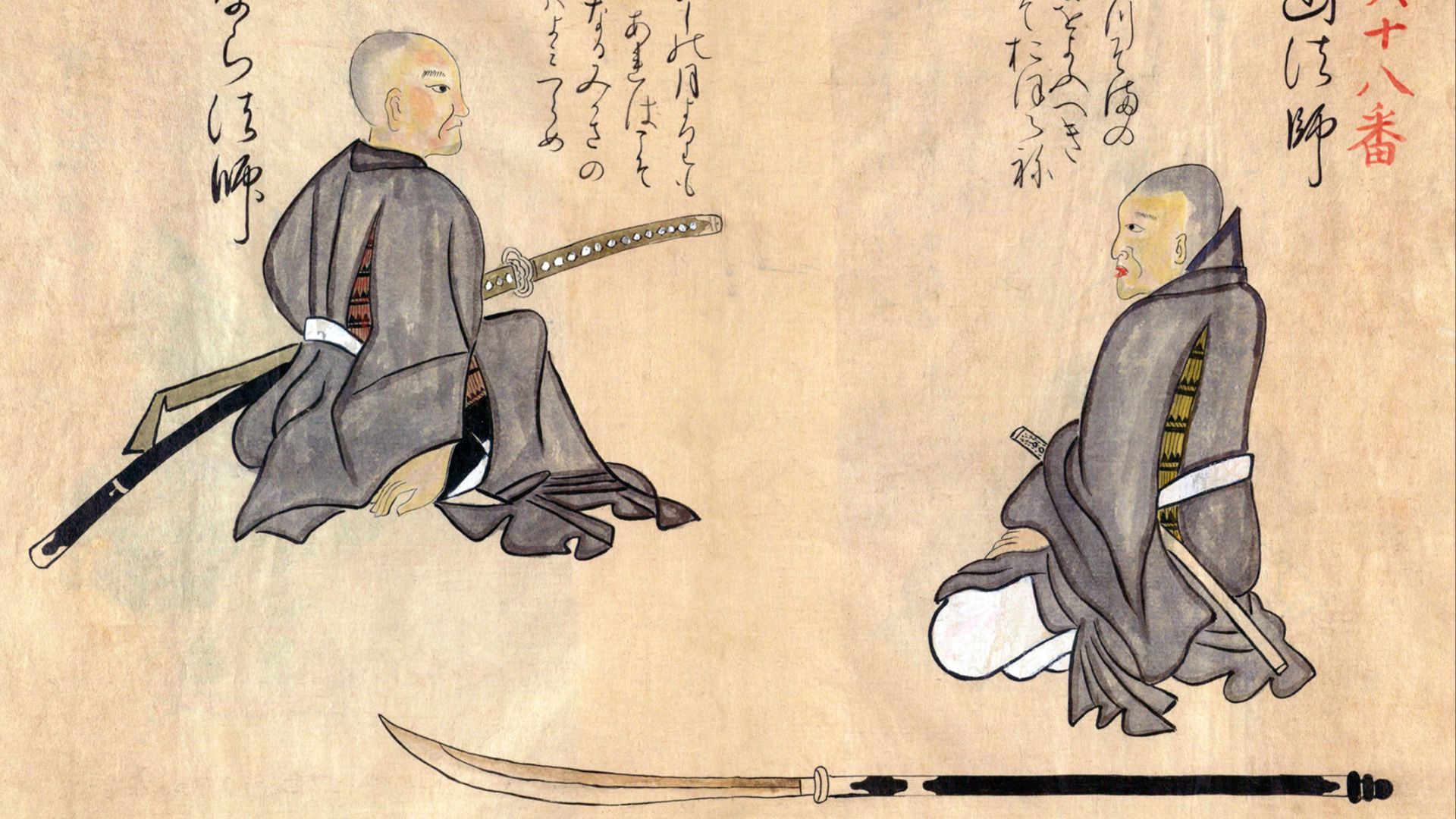 Unknown, artwork is from the Meiwa era. on Wikimedia
6. Many of Them Were Farmers When They Weren't Working
Being a shinobi wasn't necessarily a full-time lifestyle complete with a secret underground headquarters. In areas such as Iga and Kōka, people associated with shinobi traditions could spend part of their day handling ordinary family work, including farming, before training later. Their everyday lives could therefore look surprisingly normal.

7. They Didn't Have One Famous Black Uniform
The head-to-toe black ninja outfit became strongly associated with the character through later theater, artwork, and fiction. Historical shinobi would've had good reason to wear whatever clothing allowed them to blend into their surroundings, which was not typically all-black gear and a headband. Even clothing used for nighttime activity was connected to ordinary regional workwear rather than some universally issued ninja costume.
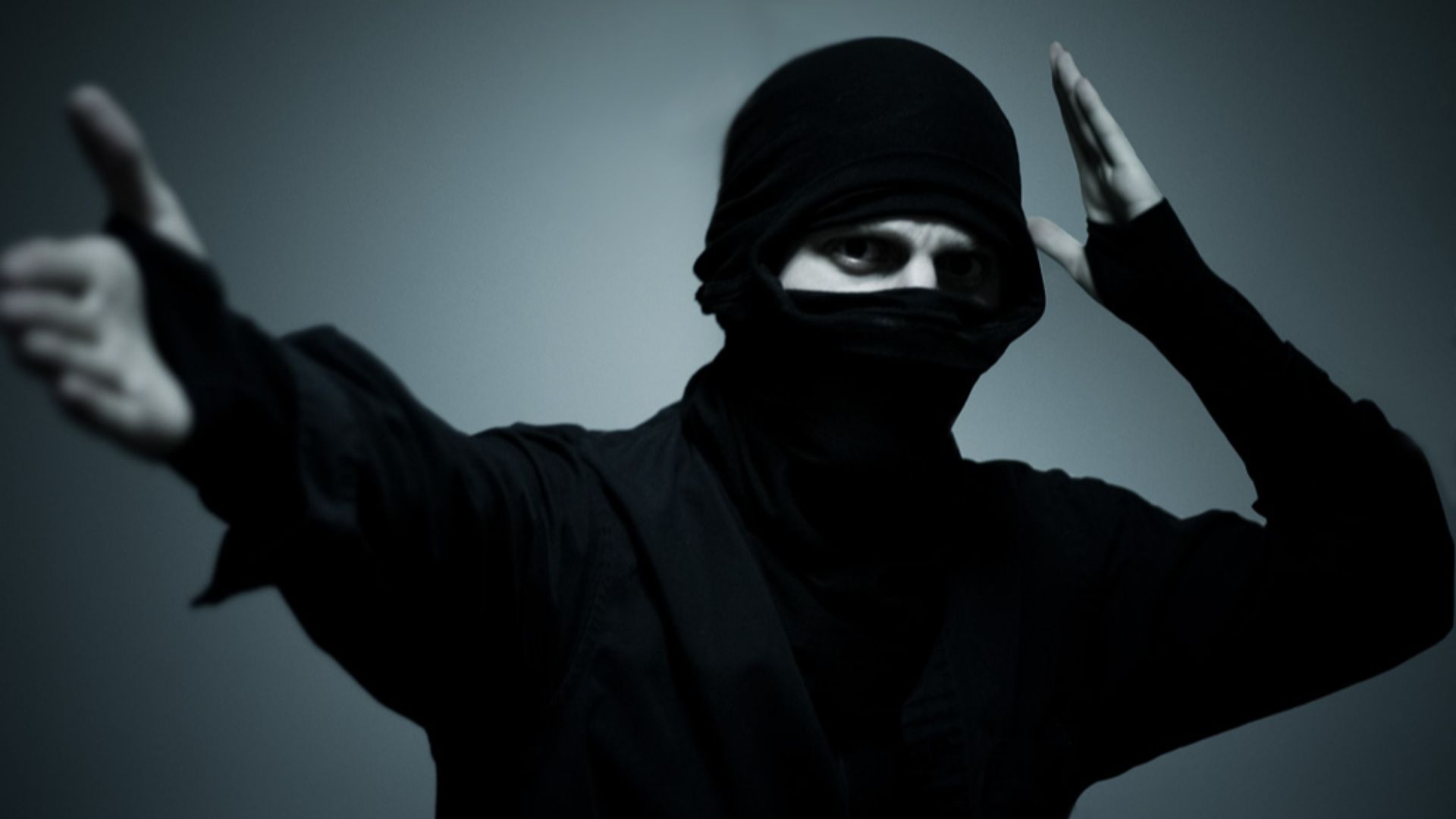
8. They Didn't Constantly Carry Throwing Stars
Few objects scream "ninja" today more loudly than the shuriken, but carrying recognizable weapons around wasn't always a smart move for an undercover agent. The Ninja Museum of Igaryu notes that shinobi may have avoided carrying them regularly because discovering one during an inspection could expose their identity. Everyday objects were much easier to explain.

9. They Turned Farm Tools Into Weapons
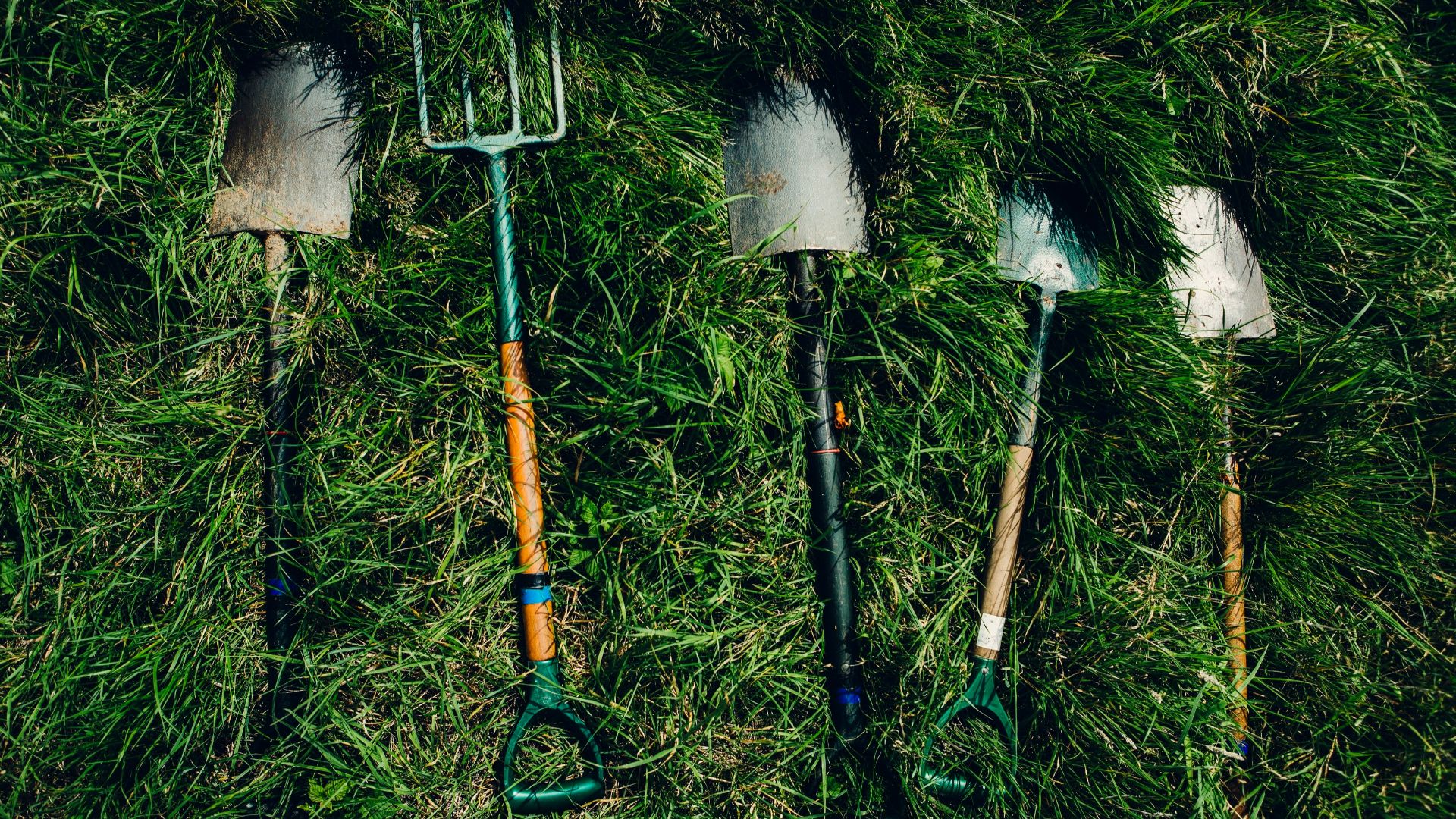
If you wanted to travel without attracting suspicion, an ordinary sickle made considerably more sense than an armful of exotic blades. Agricultural tools could have perfectly innocent explanations while still being useful for defense or other tasks when necessary. That practicality suited people whose survival depended on not looking suspicious.
10. They Paid Close Attention to the Weather
Weather forecasting actually appears in historical ninjutsu manuals. Rain could cover the noise and visibility of an infiltration, while wind and dry conditions mattered when planning an arson attack. Shinobi therefore learned traditional methods of predicting weather by observing natural signs, although not every method would hold up to modern meteorology.

11. They Used Fire for More Than Dramatic Explosions
Fire could serve several practical purposes, including sabotage, illumination, signaling, and creating confusion. Historical ninjutsu texts describe an enormous variety of fire-related devices and techniques, ranging from torches to smoke signals and incendiary tools. Knowing how to make something burn reliably could sometimes matter more than knowing how to swing a sword.
12. They Set Buildings on Fire
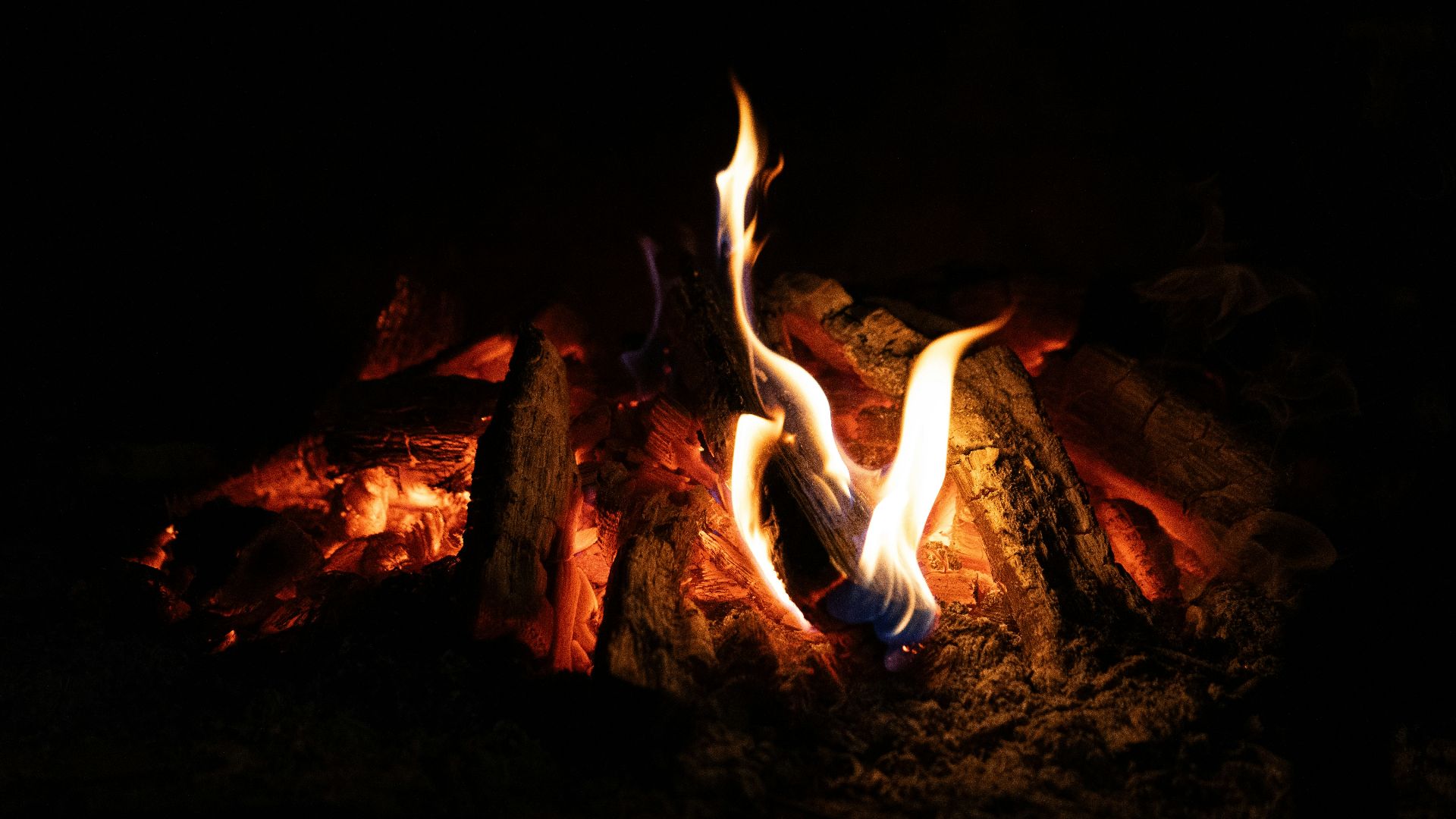
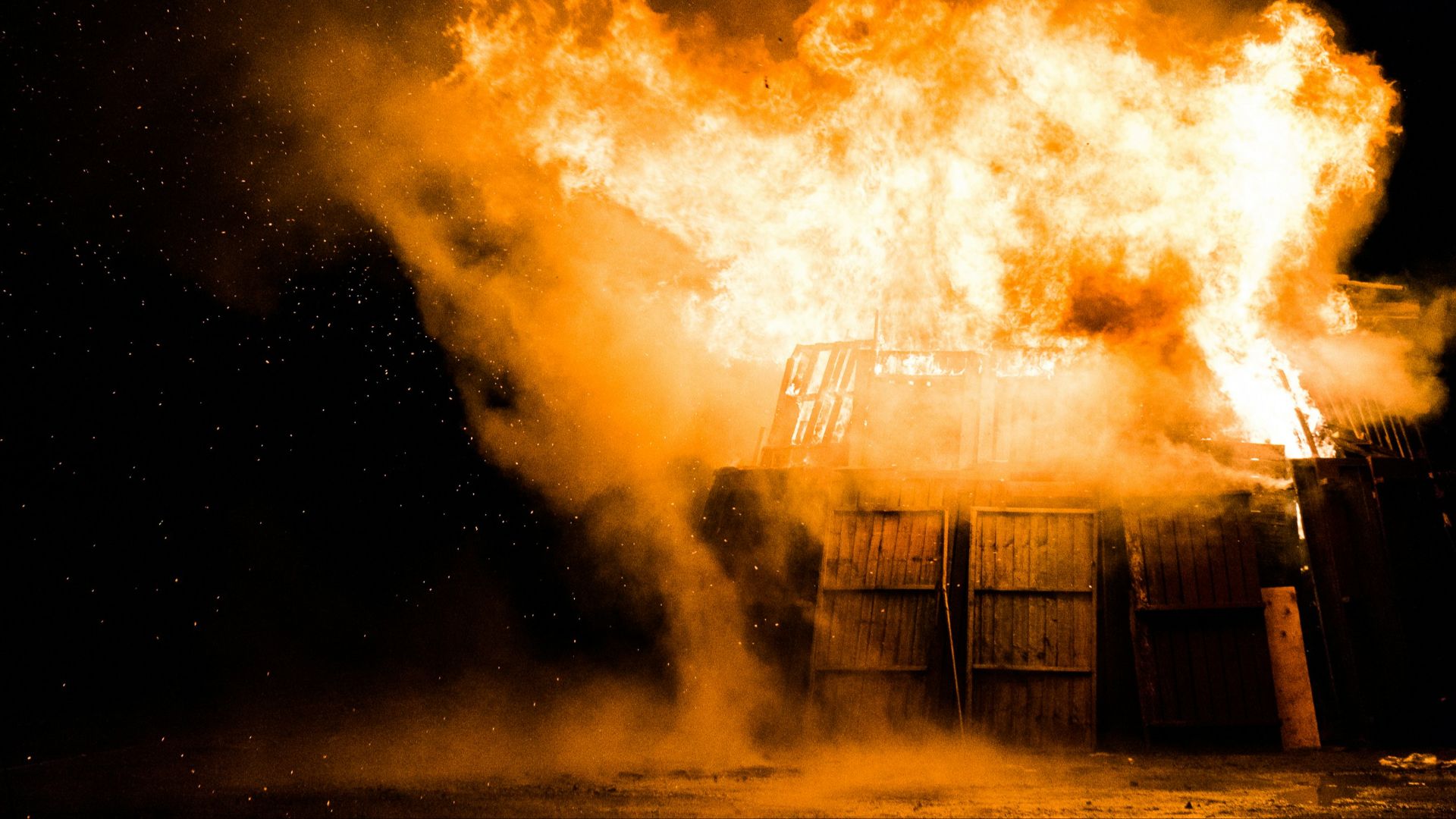
Arson was a genuine part of shinobi operations rather than something invented to make action scenes more exciting. One early account describes a shinobi infiltrating an enemy-controlled area and setting structures ablaze to create panic. During later conflicts, shinobi were also reportedly used to burn important enemy locations and disrupt their opponents.
13. They Studied Medicine & Pharmacy
A shinobi's knowledge wasn't limited to weapons and sneaking around castles. Surviving dangerous missions could require some understanding of medicine, medicinal substances, and ways of treating yourself away from help. Ninjutsu manuals consequently collected information covering medicine and pharmacy alongside espionage techniques.

14. They Carried Portable Food
Long missions required something slightly more useful than cinematic determination. Historical ninja traditions describe preserved and portable foods that could be carried while traveling, including dried grains and compact preparations designed to help manage hunger or thirst. Staying fed without depending on local kitchens was an obvious advantage when you weren't supposed to advertise your presence.

15. They Used Sewing Needles for Several Jobs
A simple needle was useful precisely because nobody would immediately assume you were a spy for carrying one. Accounts of ninja equipment describe needles being used for ordinary repairs, navigation-related techniques, medical purposes, and potentially as small weapons. It was the kind of unremarkable object that suited undercover work perfectly.

16. They Learned Ways to Memorize Information
Stealing a giant stack of secret documents isn't particularly subtle, especially when you then have to escape with them. Historical ninjutsu manuals included mnemonic techniques because shinobi sometimes needed to store information in their brain rather than physically carry evidence. A good memory could be an intelligence tool all by itself.
 https://kaboompics.com/ on Pexels
17. They Used Codes & Secret Writing
When shinobi did need to send information, keeping it understandable only to the intended recipient was important. Ninja traditions include special characters and systems intended to make written messages difficult for outsiders to interpret. Espionage depended on protecting information long before anyone had encrypted emails.
18. They Could Create Distractions Instead of Fighting
Smoke, fire, noise, scattered objects, and other distractions could provide the few seconds necessary to escape. Rather than dramatically defeating every pursuer, the shinobi's better option was often to make the enemy confused enough to lose track of them. It may make for a great movie, but in the real world, once you've gathered the information you came for, sticking around for an unnecessary battle doesn't accomplish much.

19. Some Eventually Worked as Guards
Once Japan entered the relatively peaceful Edo period, there was less demand for wartime infiltration and sabotage. Some people from shinobi traditions instead served in roles connected with security, bodyguard work, and guarding castles or important individuals. That's quite different from spending every night secretly breaking into enemy fortresses.

20. Their Greatest Skill Was Often Looking Completely Unremarkable
The biggest difference between historical shinobi and movie ninjas may be that the real ones generally didn't want anybody noticing how impressive they were. Their success depended on gathering information, adapting quickly to unfamiliar situations, deceiving people when necessary, and leaving without exposing themselves. A shinobi who completed an entire mission without anyone realizing a shinobi had been there had probably done the job exactly right.
KEEP ON READING