Take a Second Look at That Sloth
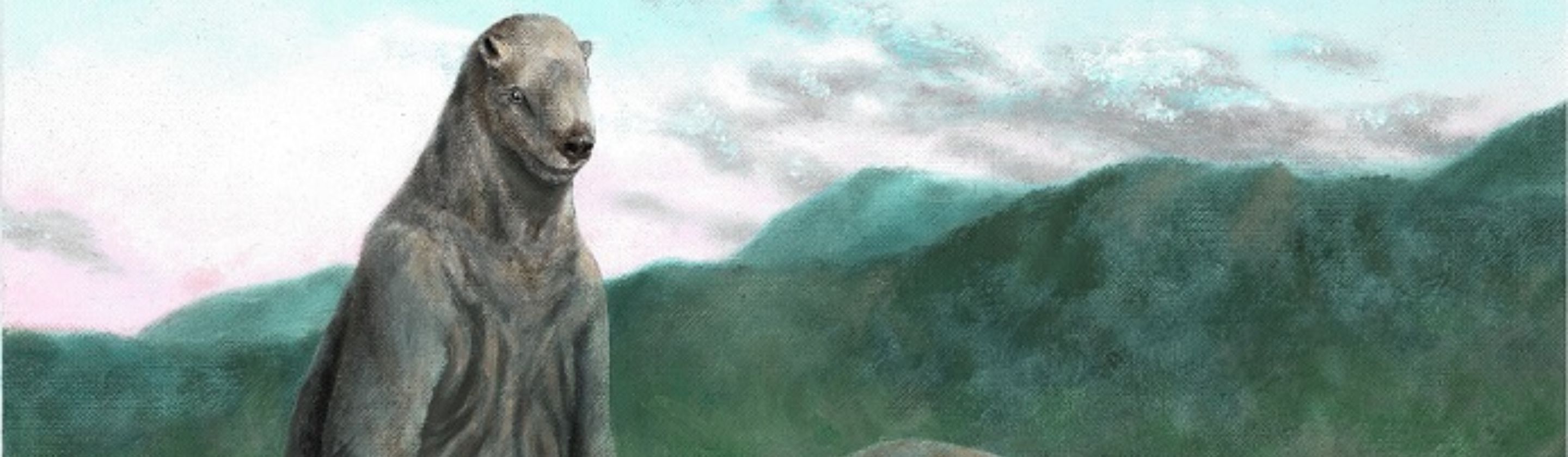
The animal kingdom has produced some surprisingly oversized versions of creatures that still exist today. Modern elephants, crocodiles, birds, sloths, and even armadillos can look pretty impressive, but some of their extinct relatives were on an entirely different scale. From giant ground sloths that could stand around 12 feet tall to enormous armadillo relatives weighing more than a ton, these animals show just how dramatically body sizes can change over evolutionary time.
 Nobu Tamura email:[email protected] http://spinops.blogspot.com/ on Wikimedia
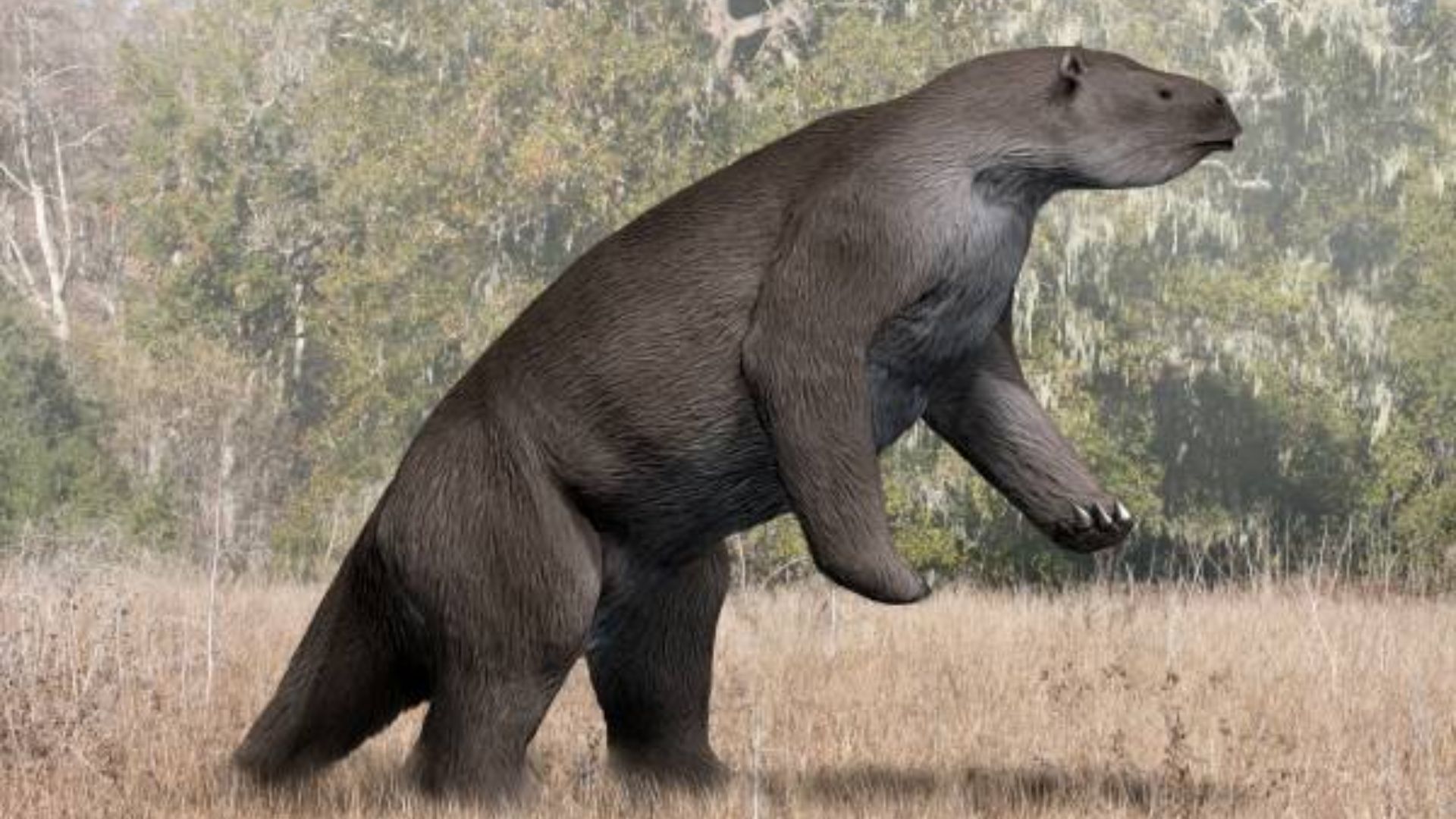
1. Megatherium Was an Enormous Sloth
Current-day sloths are pretty small and live mostly in trees. Megatherium americanum was one of their close cousins that could get to about 4 tons and stand at about 12 feet. It was a plant-eater despite having enormous claws, making its size even more surprising when compared with the tree-dwelling sloths alive today.
 ДиБгд at Russian Wikipedia on Wikimedia
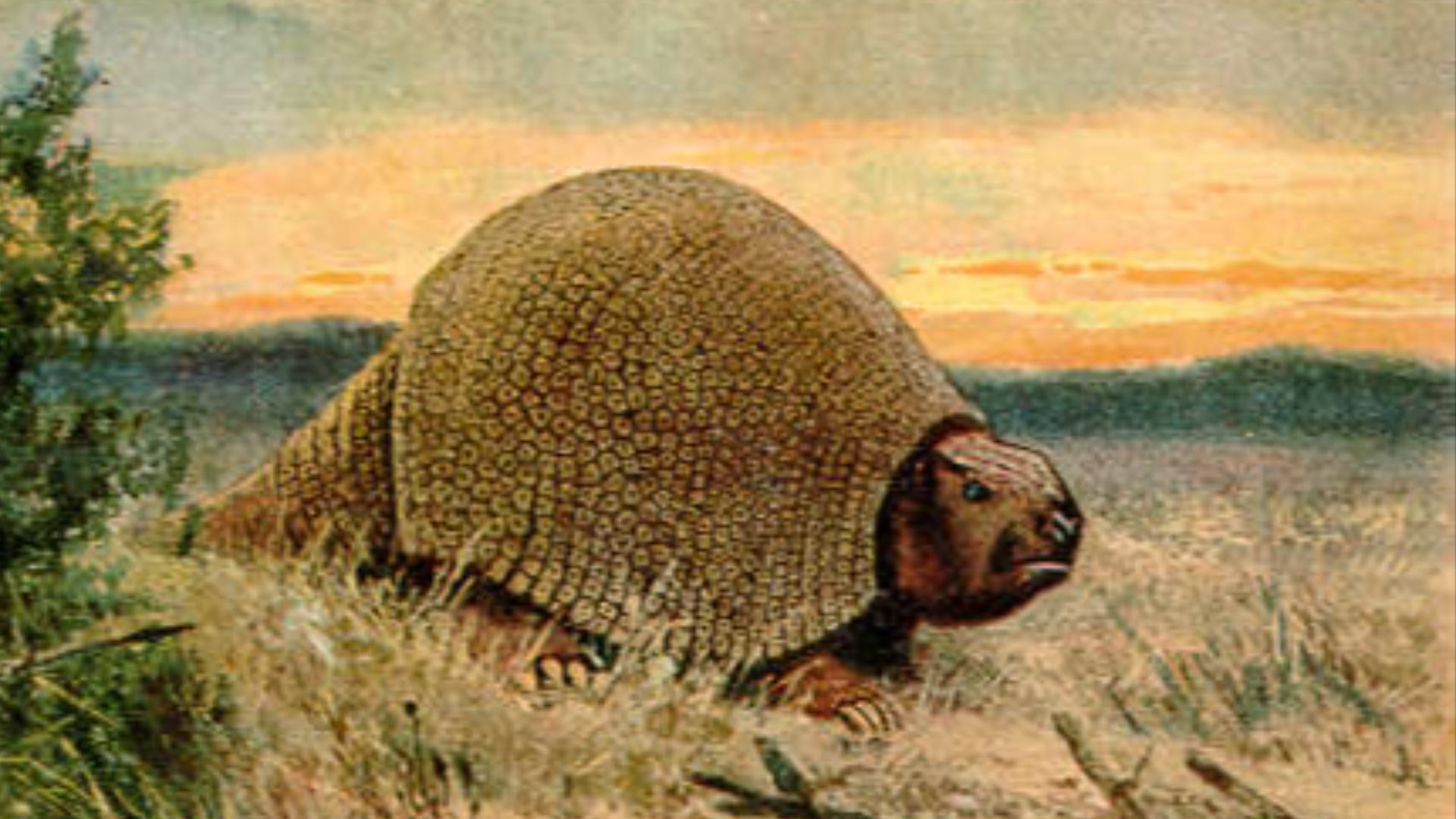
2. Glyptodon Turned the Armadillo Into a Giant
Glyptodon was similar to the current-day giant armadillo, which is the biggest armadillo we have left today. However, Glyptodon was still able to grow much larger than it and was several feet in length. Instead of looking like an unusually large armadillo, Glyptodon would have been a genuinely enormous animal to encounter.
 Heinrich Harder (1858-1935) on Wikimedia
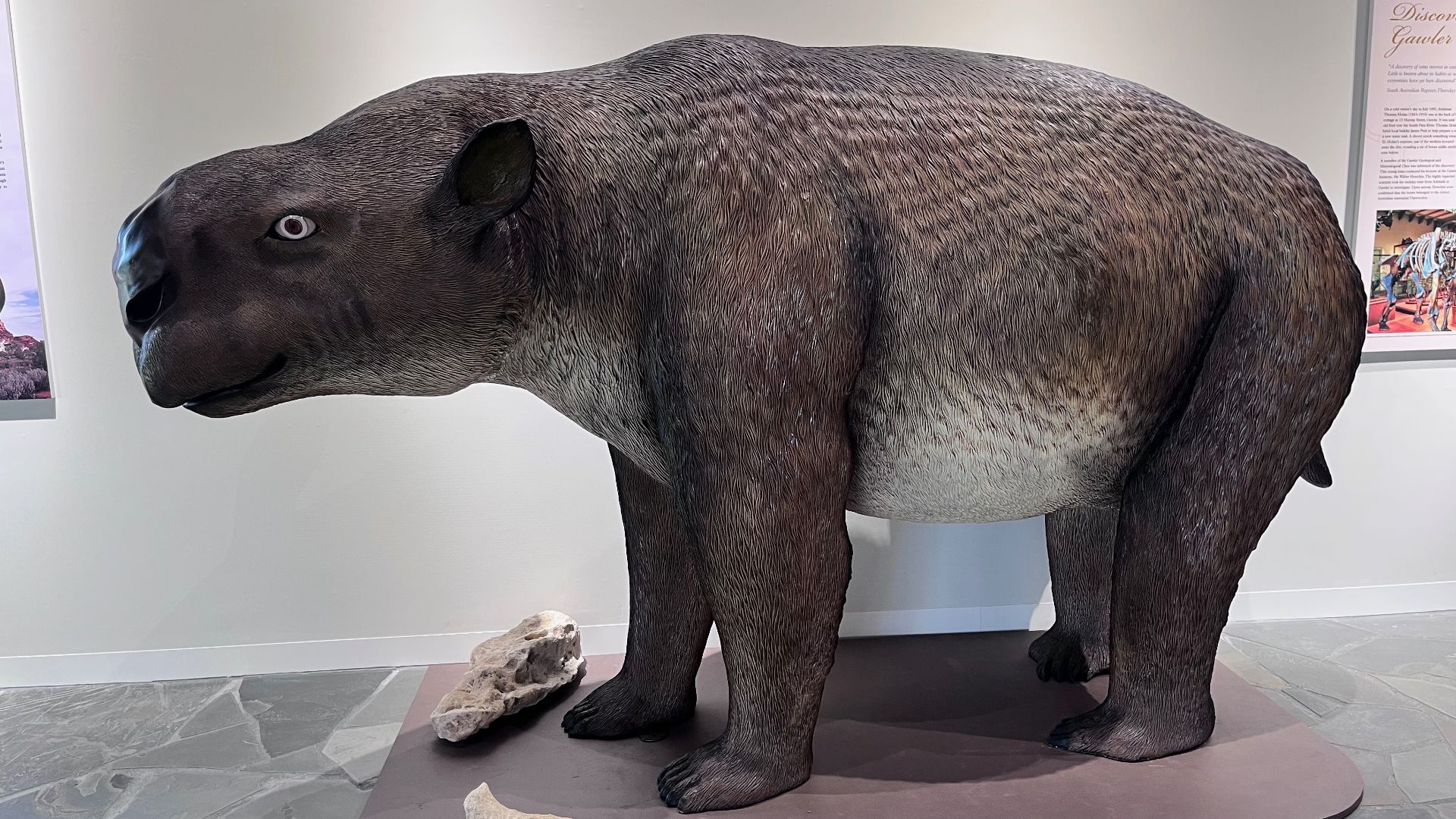
3. Diprotodon Was a Wombat on a Massive Scale
Similar to giant ground sloths, Diprotodon was a much larger version of its modern counterpart. Being one of the largest marsupials, Diprotodon could get as heavy as a ton, making our current-day wombats seem really small. They were both marsupials, as are modern koalas, just on a much larger scale.
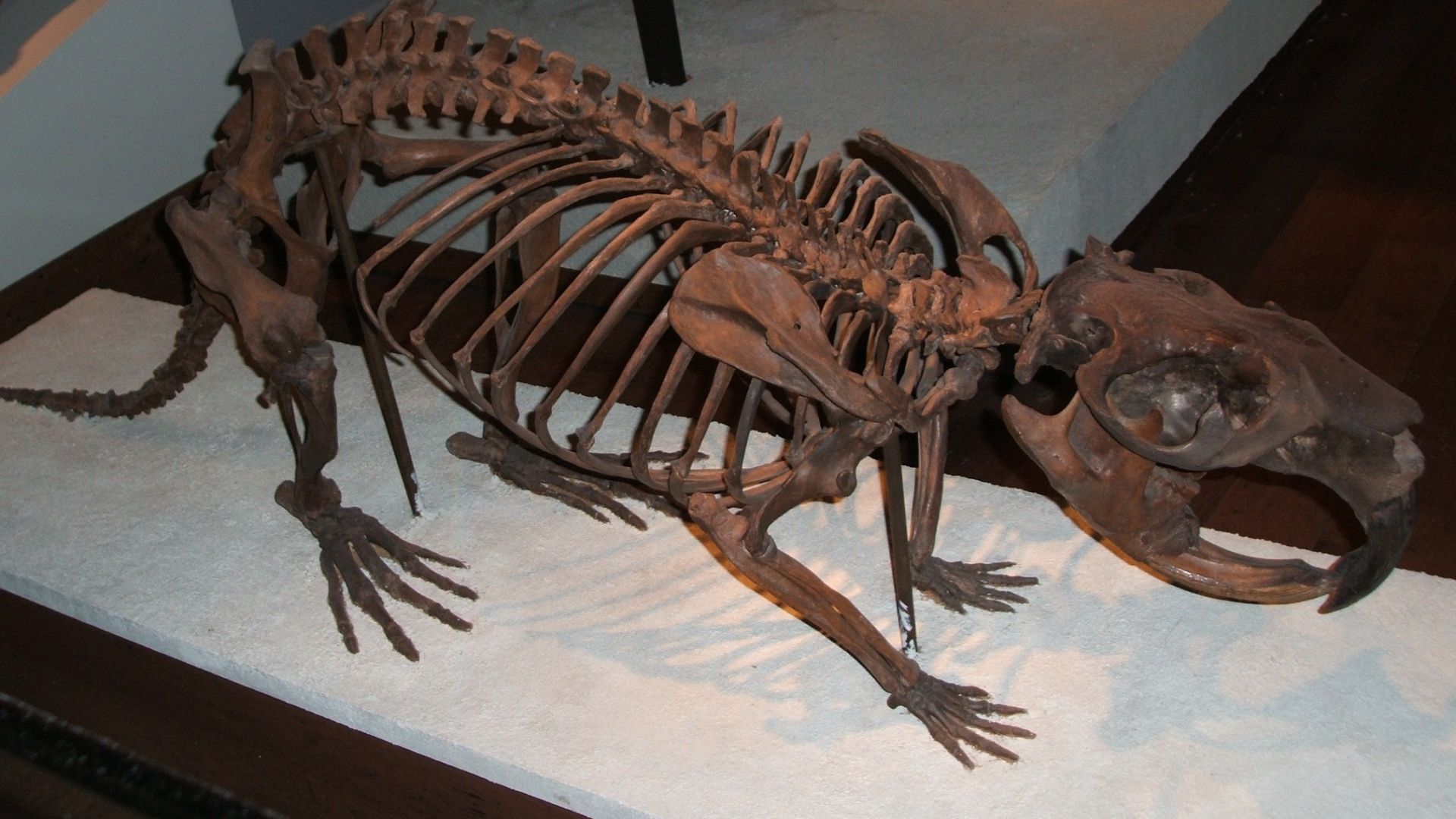
4. Castoroides Was a Giant Beaver
Beavers are the largest rodents we have today, but Castoroides took beavers and made them even bigger. This Pleistocene beaver was about the size of a large bear but kept its similarities to a beaver. Unlike modern beavers, it probably wasn't building the enormous dams that make today's species so recognizable.
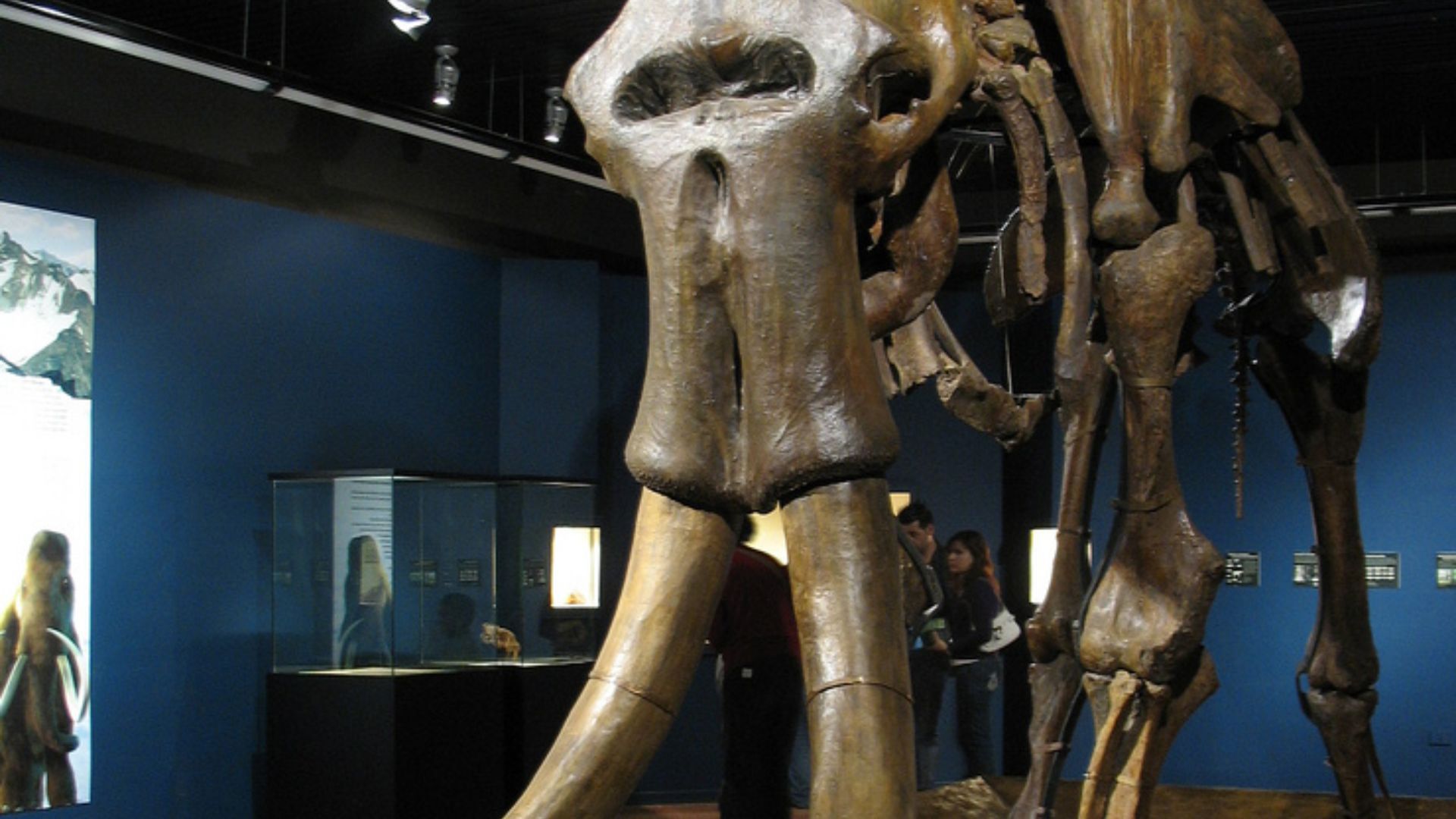
5. Steppe Mammoths Were Bigger Than Today's Elephants
The steppe mammoth was another type of mammoth that got larger than our modern-day elephant. These mammoths were able to reach 4 meters and could get around 10 tons, which puts them at bigger than your normal elephant. So, mammoths were able to reach larger sizes than elephants.
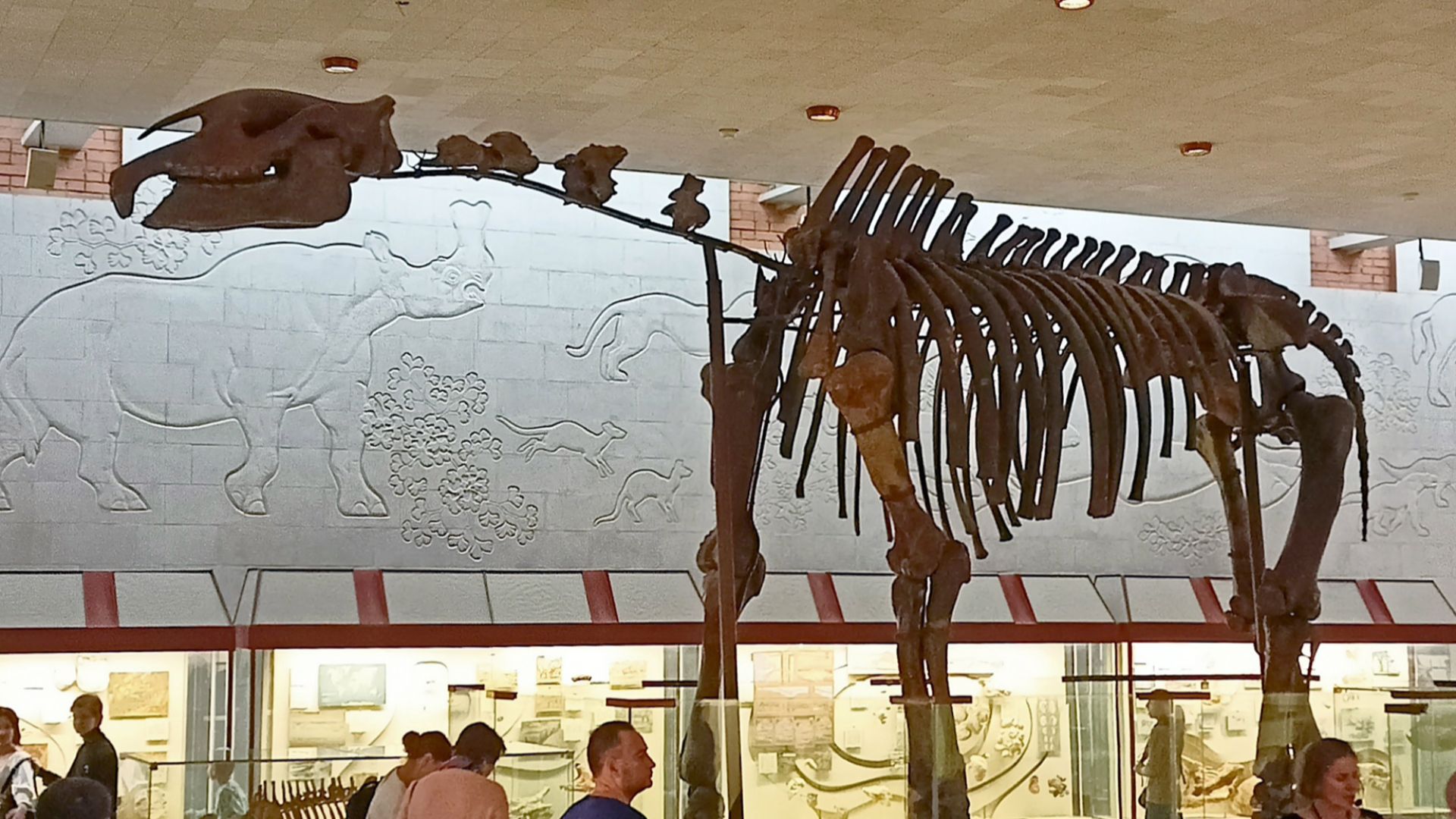
6. Paraceratherium Was an Absolutely Huge Rhino Relative
If you thought rhinos were big, Paraceratherium was on another level. This extinct hornless rhino was able to reach around 18 feet tall at its shoulder. Its head was able to go as high as 25 feet off the ground. It lived tens of millions of years ago and represents one of the largest land mammals known to science.
7. Arctodus Was a Giant Relative of Modern Bears
Arctodus simus lived throughout North America during the Pleistocene epoch. Depending on what estimate you use, it is believed that they could grow much larger and taller than our current-day bears. It was one of the most imposing mammals in the Ice Age ecosystems of North America.
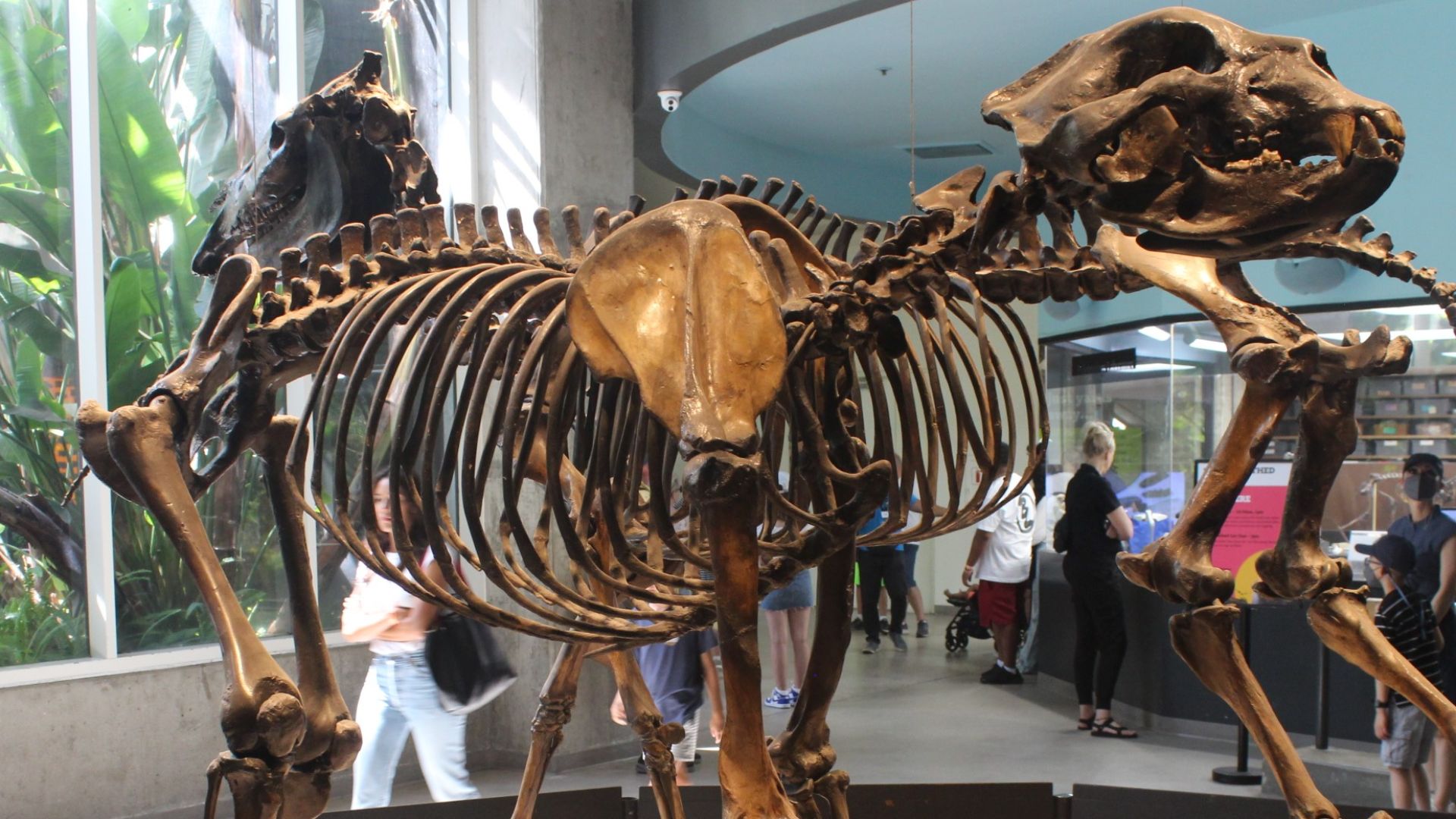
8. Smilodon Was Far Larger Than Most Modern Cats
More popularly known as the saber-toothed tiger, Smilodon was a larger version of your average big cat. They were able to grow heavier than most of our current-day big cats and were known for their large forearms and canines. Modern lions and tigers are still formidable animals, but Smilodon's proportions and build made it a very different kind of feline predator.
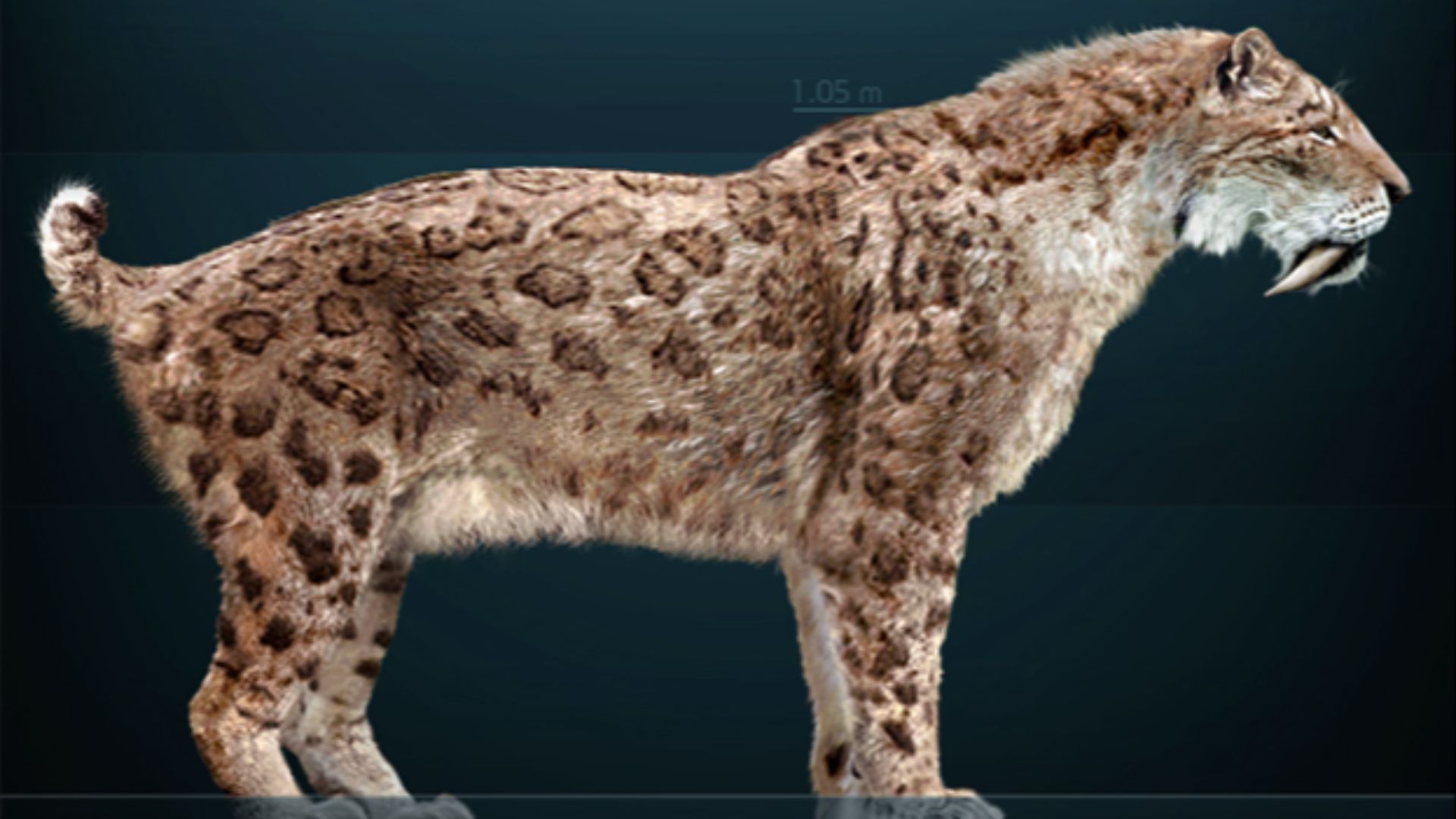 Sergiodlarosa (Sergio De La Rosa) on Wikimedia
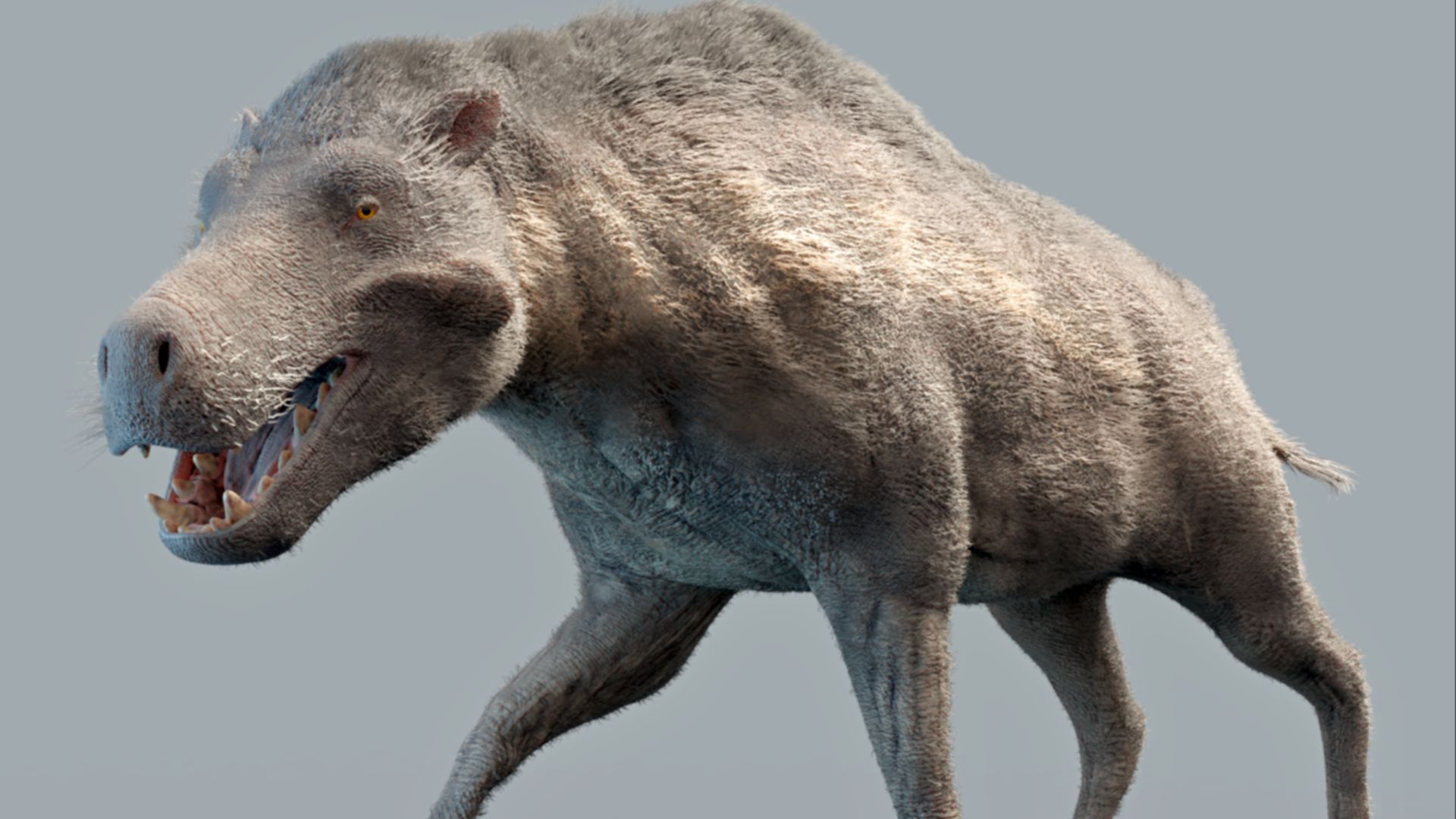
9. Daeodon Was a Giant Relative of Pigs
Daeodon belonged to an extinct group of mammals known as entelodonts, which are sometimes informally called "hell pigs." Despite their pig-like appearance, they weren't actually members of the modern pig family, and some species reached roughly the size of a large steer. Their massive skulls and powerful jaws made these ancient omnivores considerably more imposing than any pig wandering around a farm today.
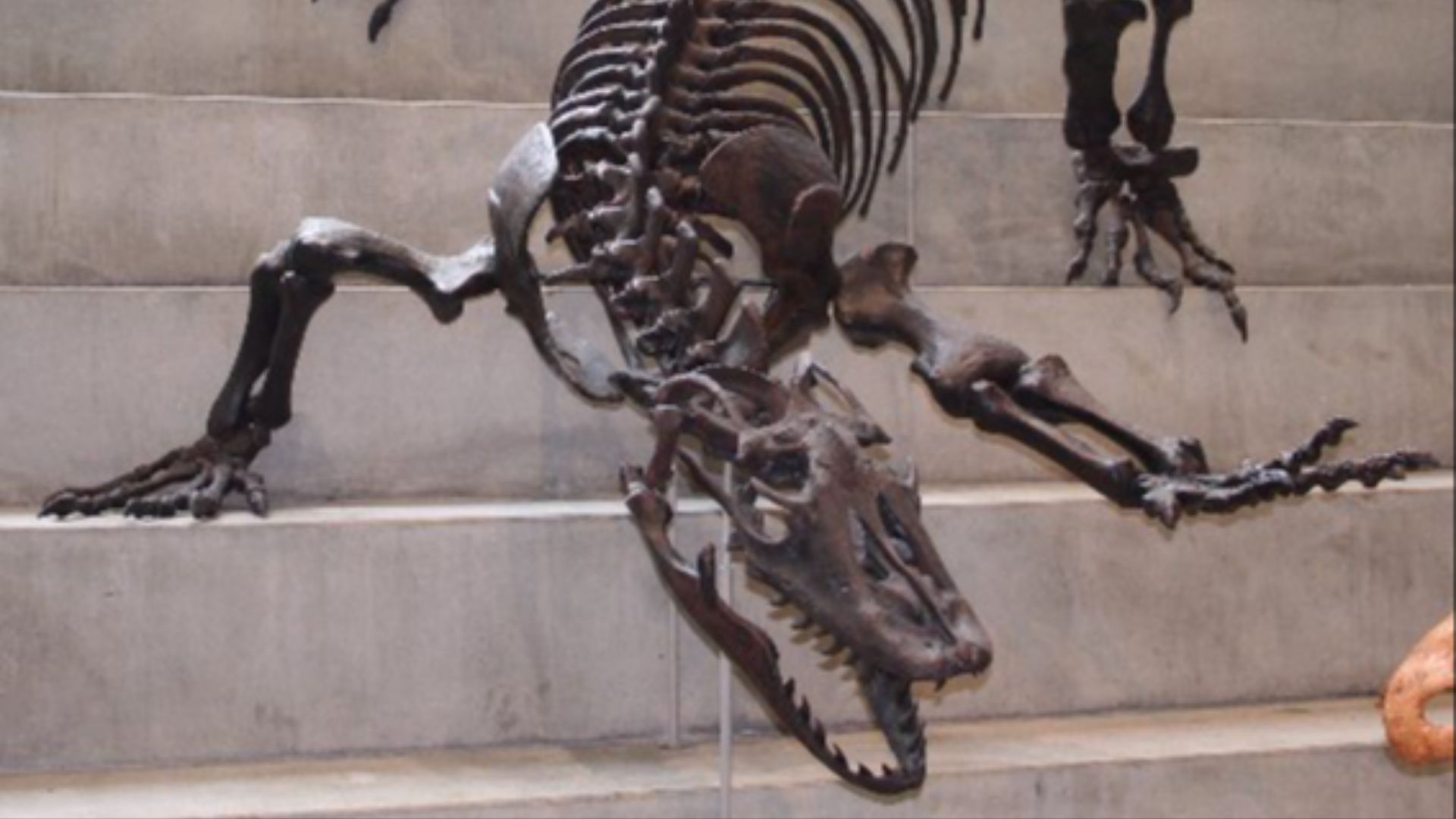
10. Megalania Was a Giant Monitor Lizard
The Komodo dragon is the largest lizard alive today, but they were still outsized by Megalania. Found in Australia, this huge monitor lizard is thought to have grown quite large. Whatever its exact maximum size was, it was considerably larger than today's Komodo dragon and occupied a very different place in Australia's ancient ecosystem.
11. Elephant Birds Were Taller Than Most People
Found on the island of Madagascar, there were multiple varieties of elephant birds. These enormous flightless birds were related to modern birds, although their closest living relatives are much smaller. They disappeared only around a thousand years ago, meaning humans encountered these giants far more recently than many people realize.
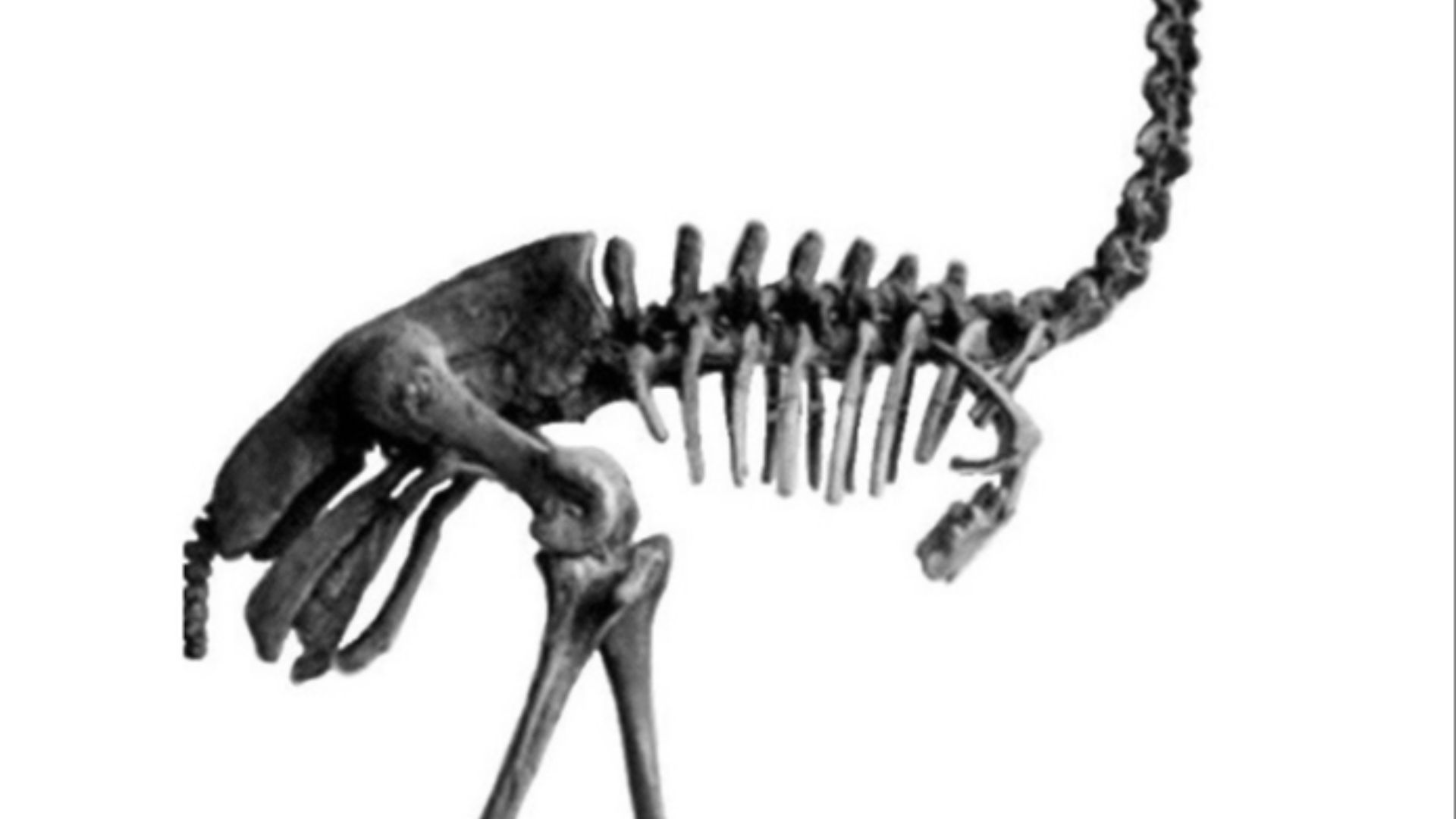
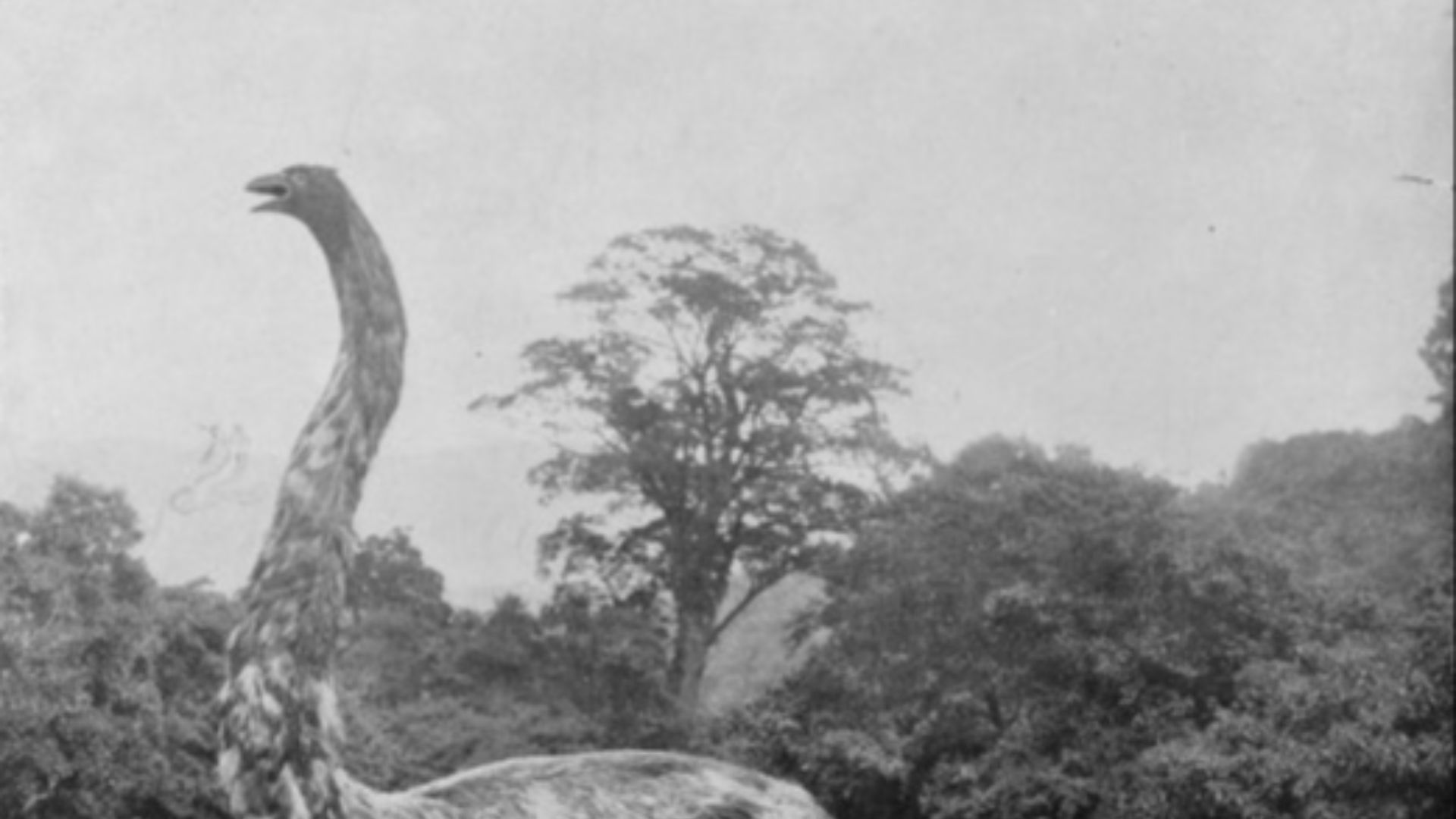
12. Moa Made Modern Flightless Birds Look Small
Like many other animals that went extinct, the moa was another bird that lived on Earth that was much larger than its cousins today. Able to grow to be several feet tall, the moa was a bird that people underestimated. They belonged to a group of flightless birds that disappeared after humans arrived in New Zealand, leaving modern flightless birds such as kiwis looking tiny by comparison.
 Augustus Hamilton on Wikimedia
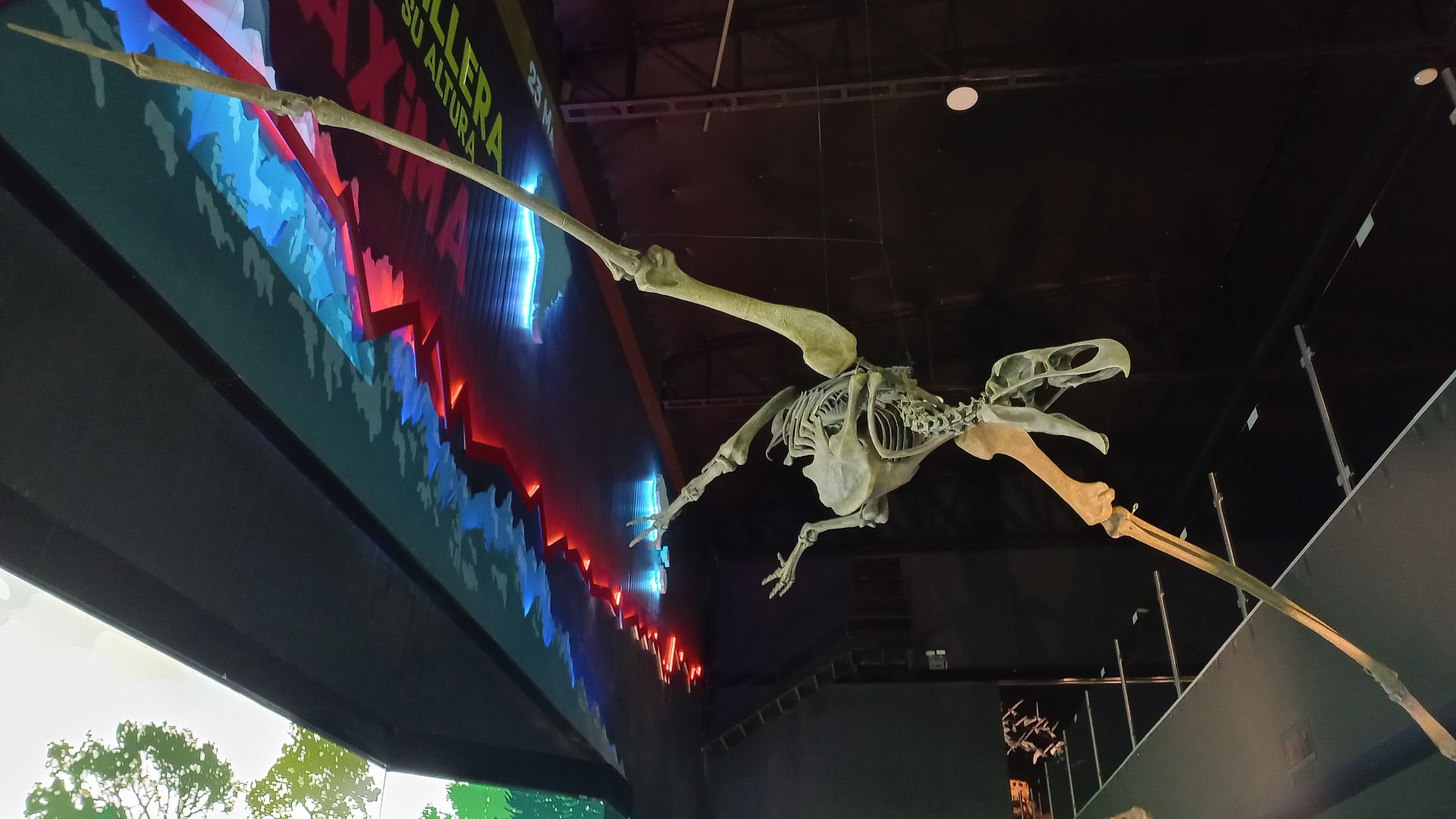
13. Argentavis Was a Giant Relative of Modern Flying Birds
One of the biggest birds that flew was Argentavis magnificens. They are related to the birds we have today that live in New World countries. They had wingspans of about 23 feet and could grow much larger than your typical bird we see today.
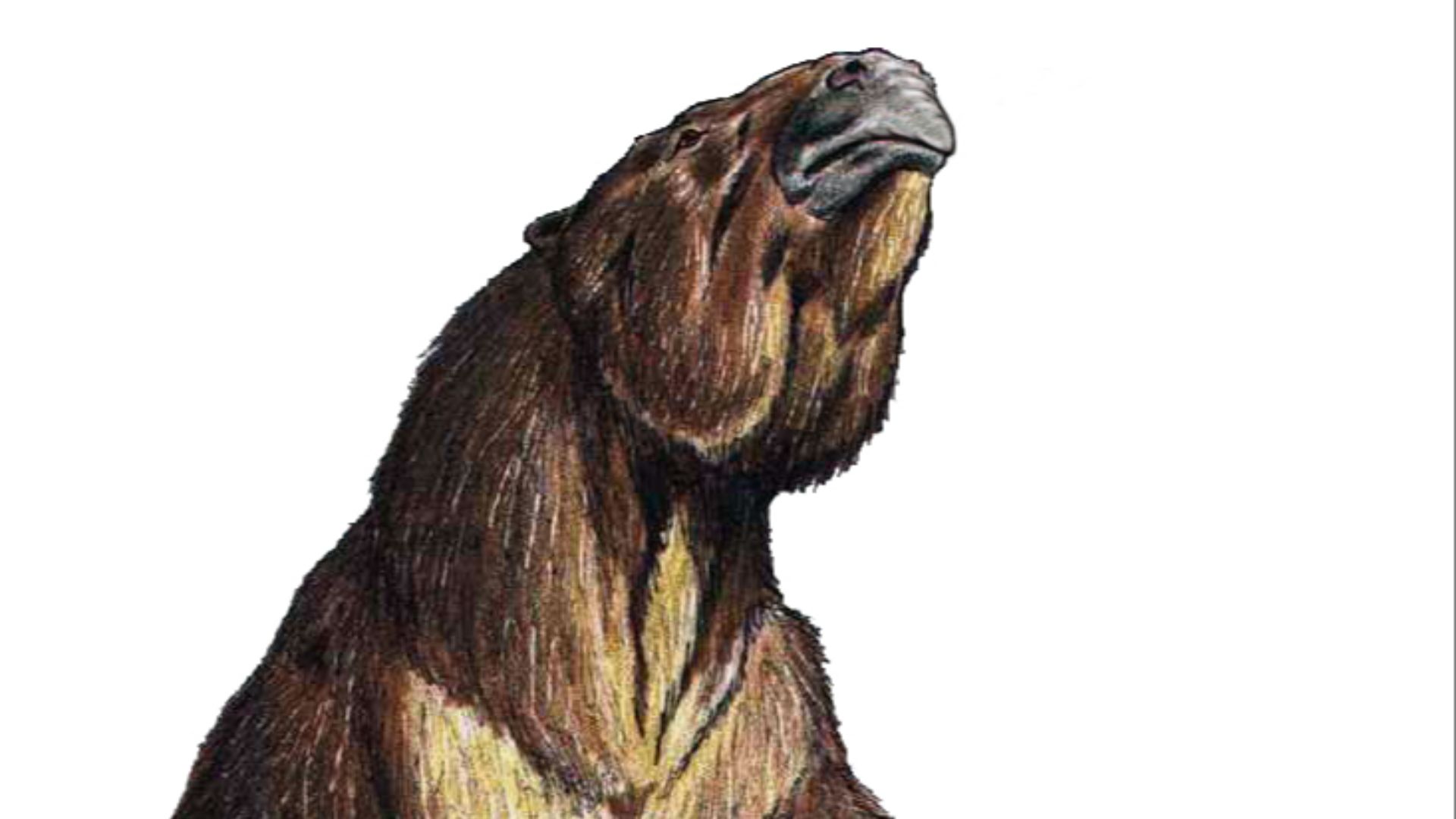
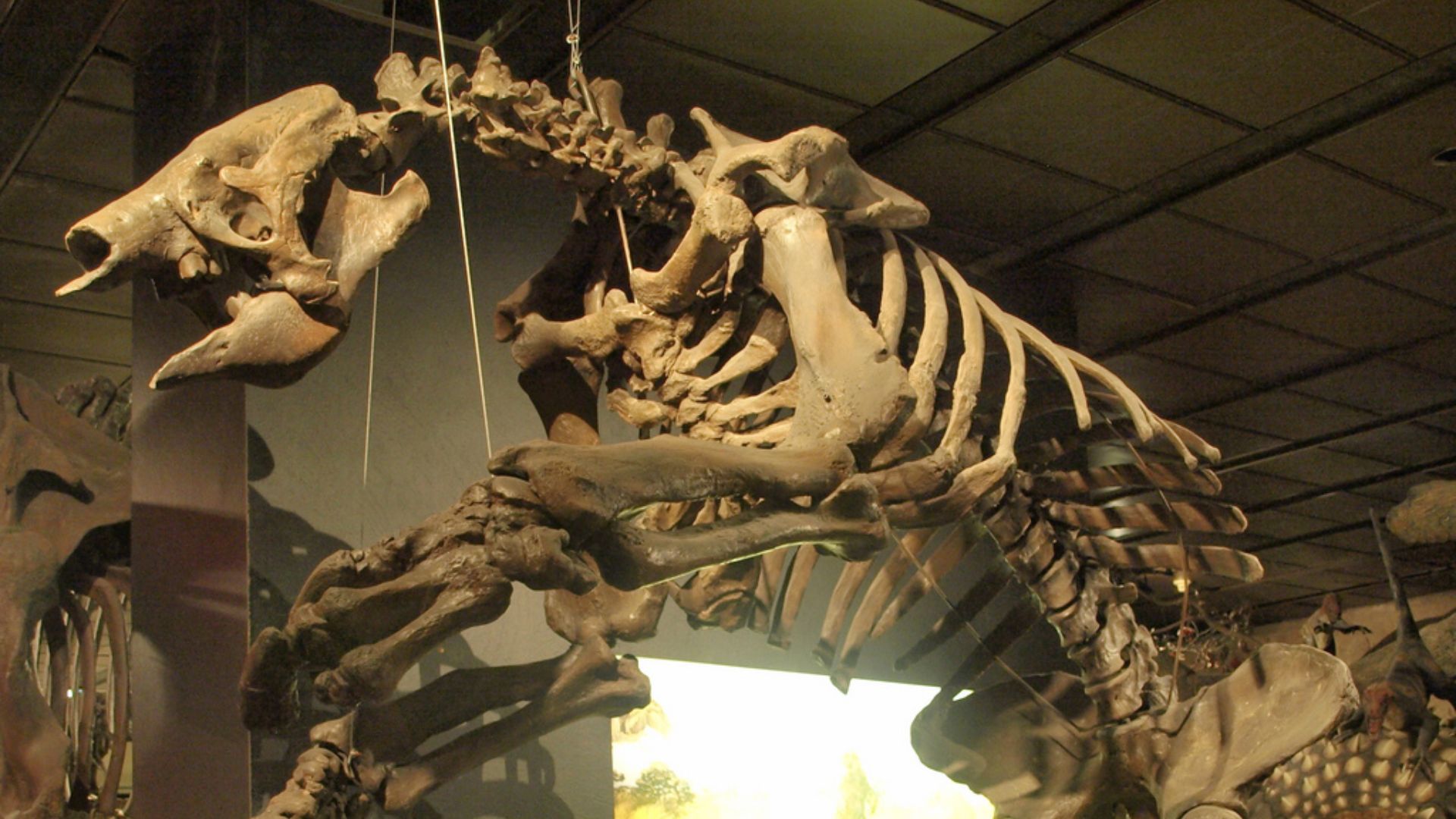
14. Eremotherium Was Another Colossal Sloth
Similar to Megatherium, Eremotherium was also a larger version of our modern-day sloth. They could grow to be as big as an elephant and roamed around during the Pleistocene. It's crazy to think that a current-day sloth that lives in trees was once a huge mammal on land.
 Wikipedia Loves Art participant
15. Thylacoleo Was a Huge Marsupial Predator
Found in Australia, Thylacoleo carnifex was also known as the marsupial lion. This huge mammal was one of the many predators that lived in Australia. Despite its common name, it wasn't a true lion, instead belonging to an extinct branch of the marsupial family tree.
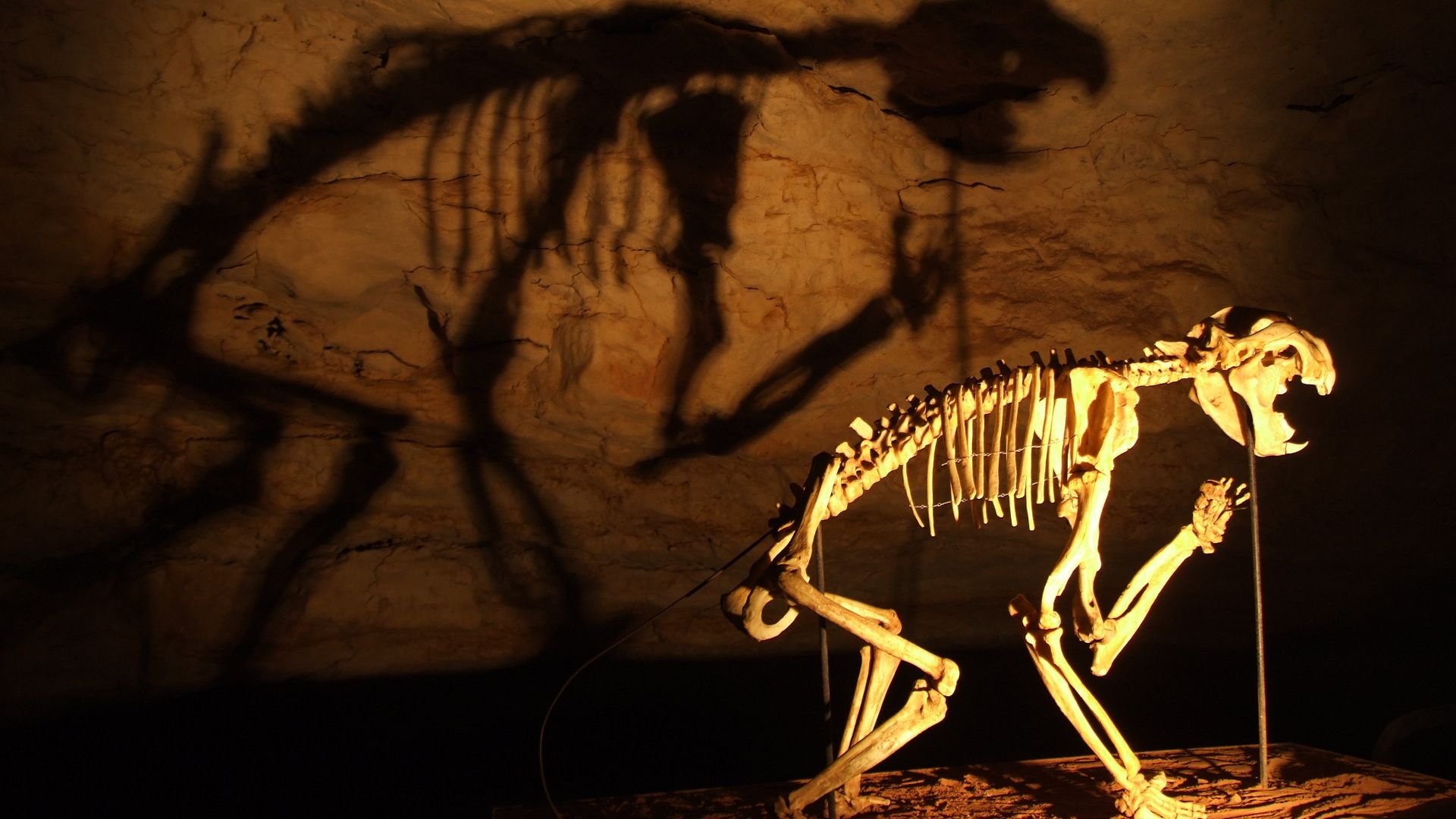
16. The Cave Lion Was Bigger Than Modern Lions
Just like the American lion, the cave lion was larger than the lions we have today. They lived during the Pleistocene in most of Europe and were part of the Panthera family as well. Fossils show that these large cats were important predators in the cold ecosystems where they lived.
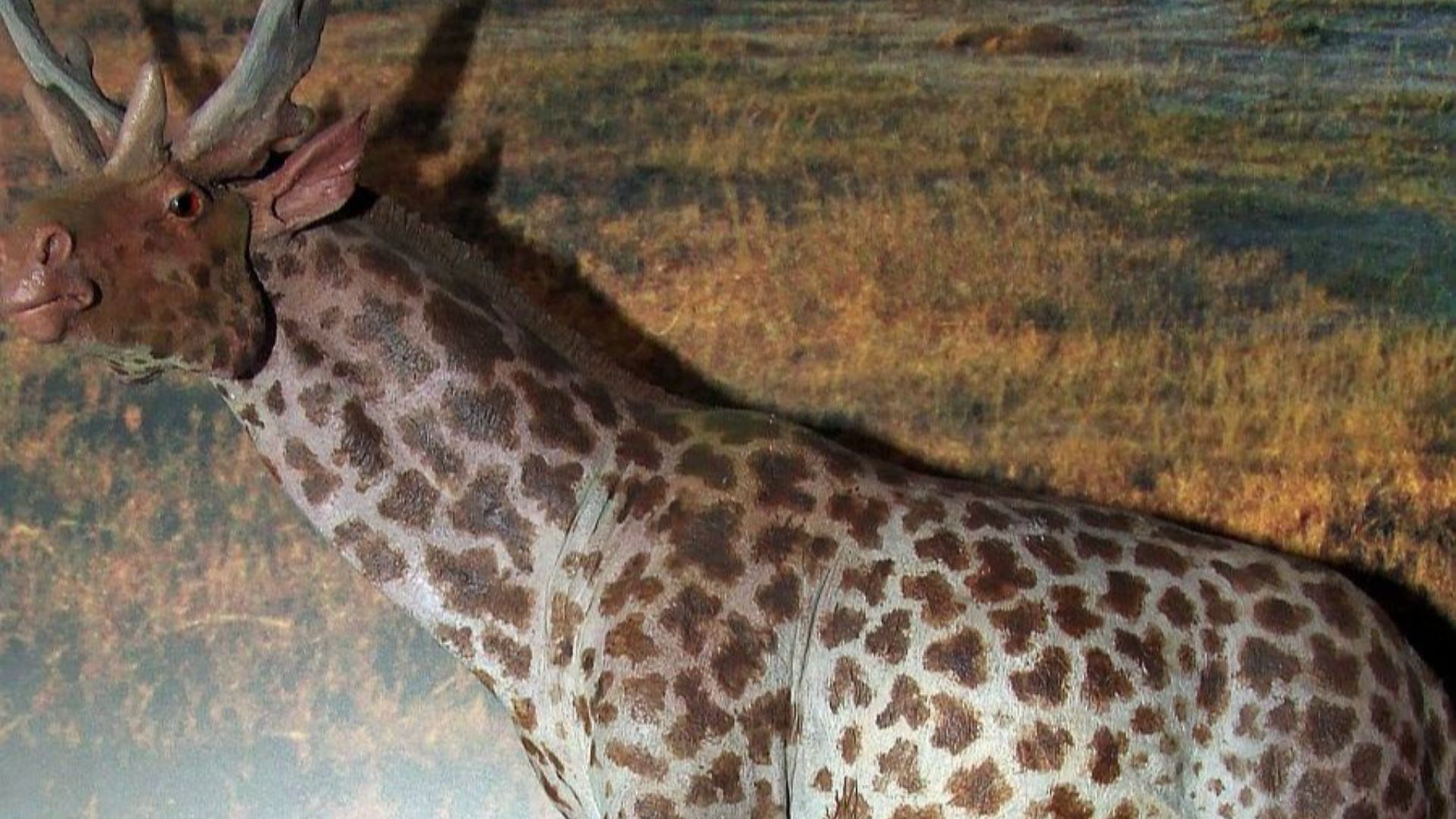
17. Sivatherium Was a Giant Relative of Giraffes
Sivatherium was related to the current giraffe, but you might not think that at first. It had a thicker body and much shorter neck but still resembled the giraffe. Its overall size could be enormous compared with living giraffes' smaller relatives, making it one of the more unusual members of the giraffe lineage.
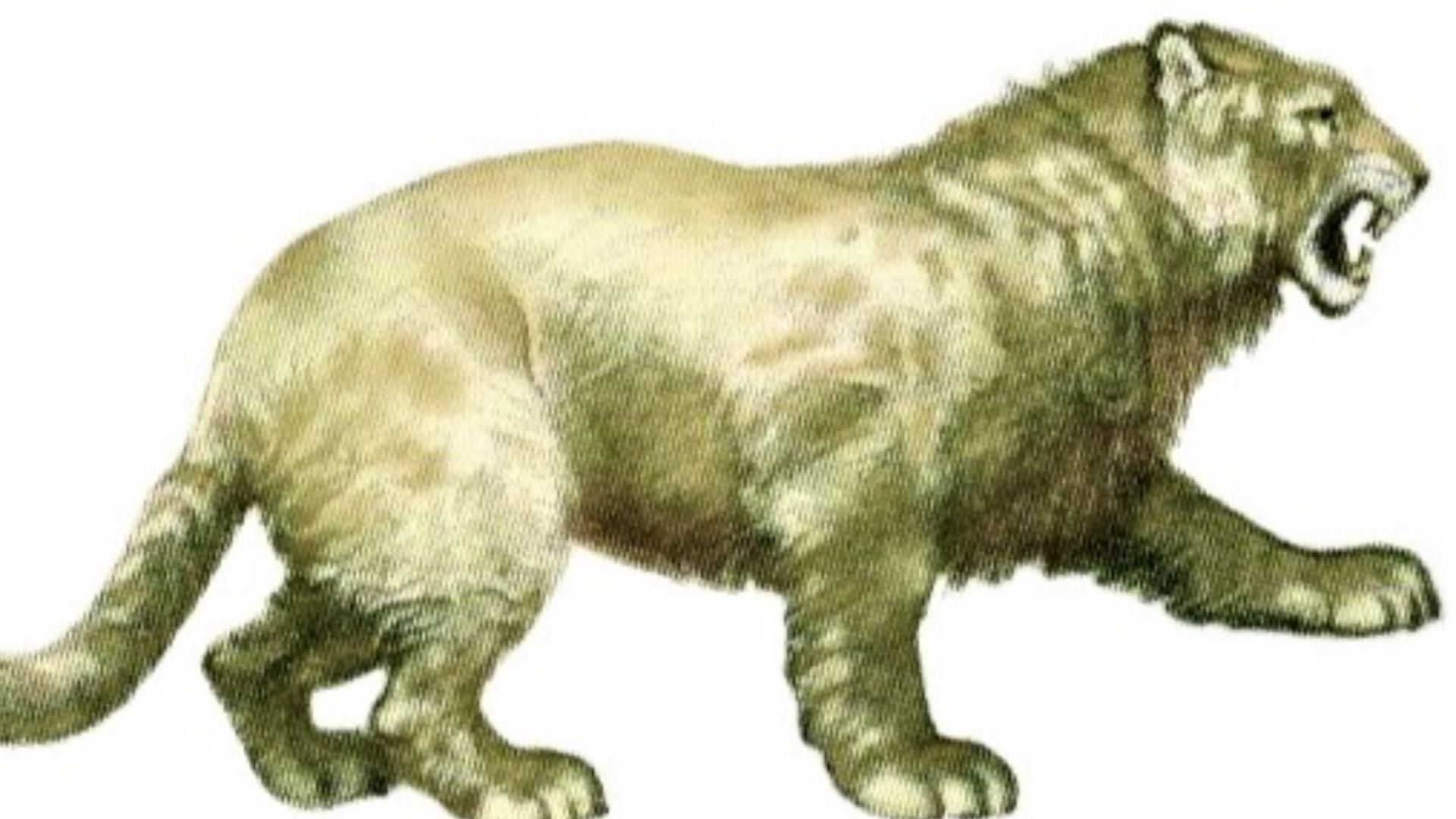
18. The American Lion Was Bigger Than Today's Lions
Panthera atrox lived throughout North America and was larger than most lions we see today. It was closely related to modern lions and is generally estimated to have been larger than most living lions, with some estimates placing large individuals at more than 400 pounds. It was one of several enormous cats that occupied North America before disappearing near the end of the Ice Age.
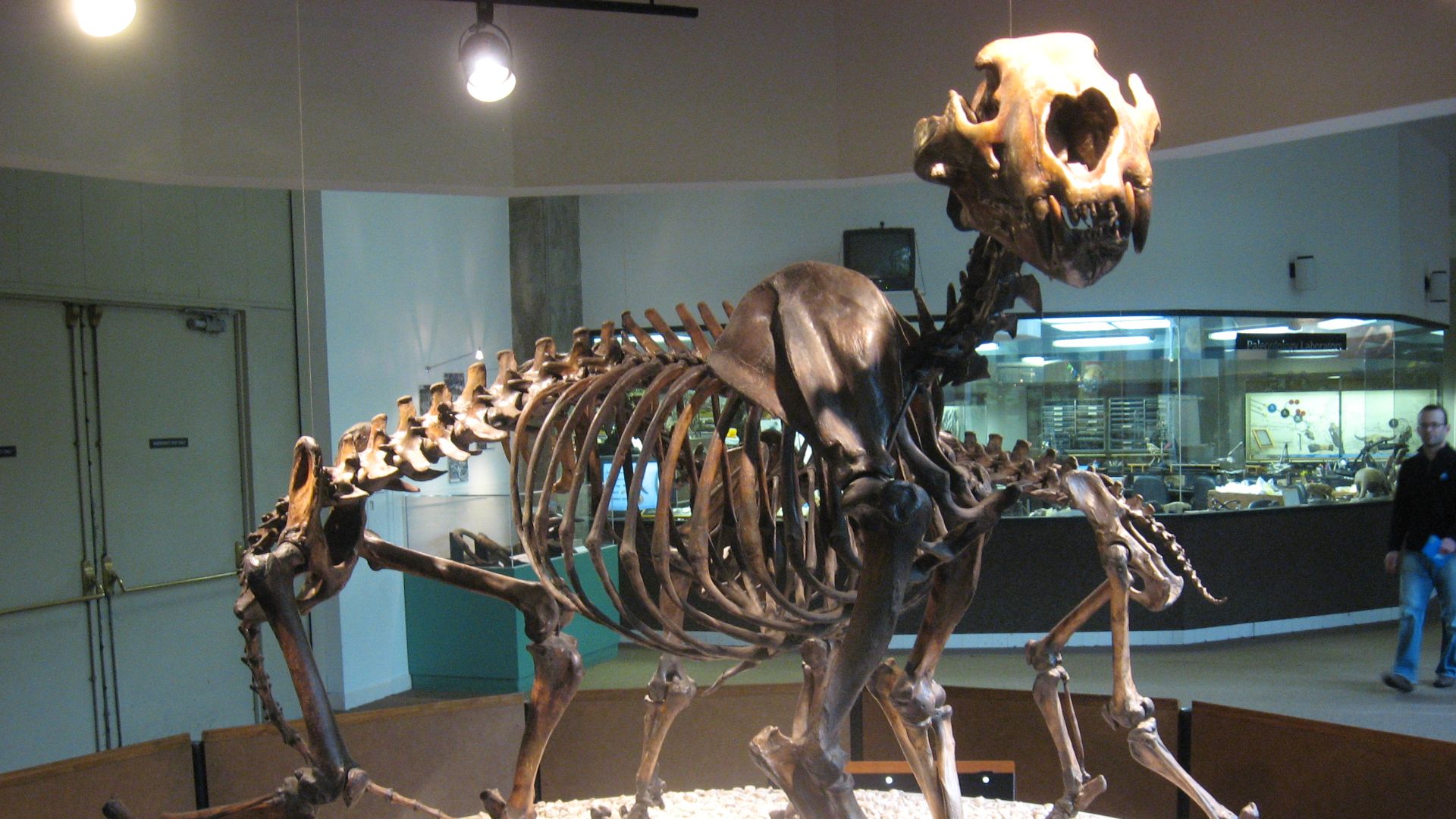
19. Haast's Eagle Was a Giant Among Eagles
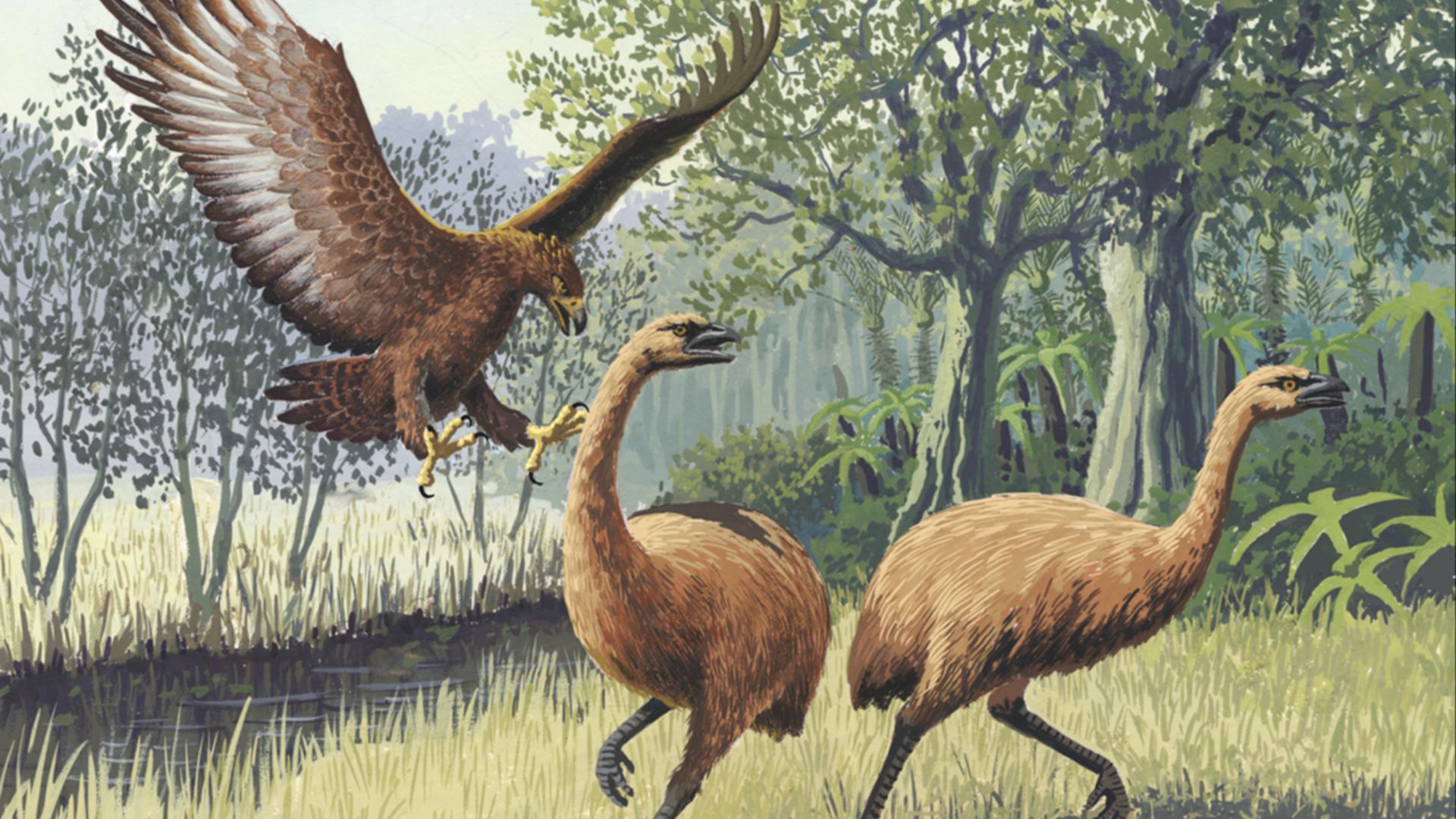
Living on the island of New Zealand, Haast's eagle could grow quite a bit larger than our modern eagles. When living on an island with huge flightless birds, the eagle could reach amazing heights. Their wingspan was bigger than just growing a current eagle to a larger size.
20. Andrewsarchus Was a Huge Mystery
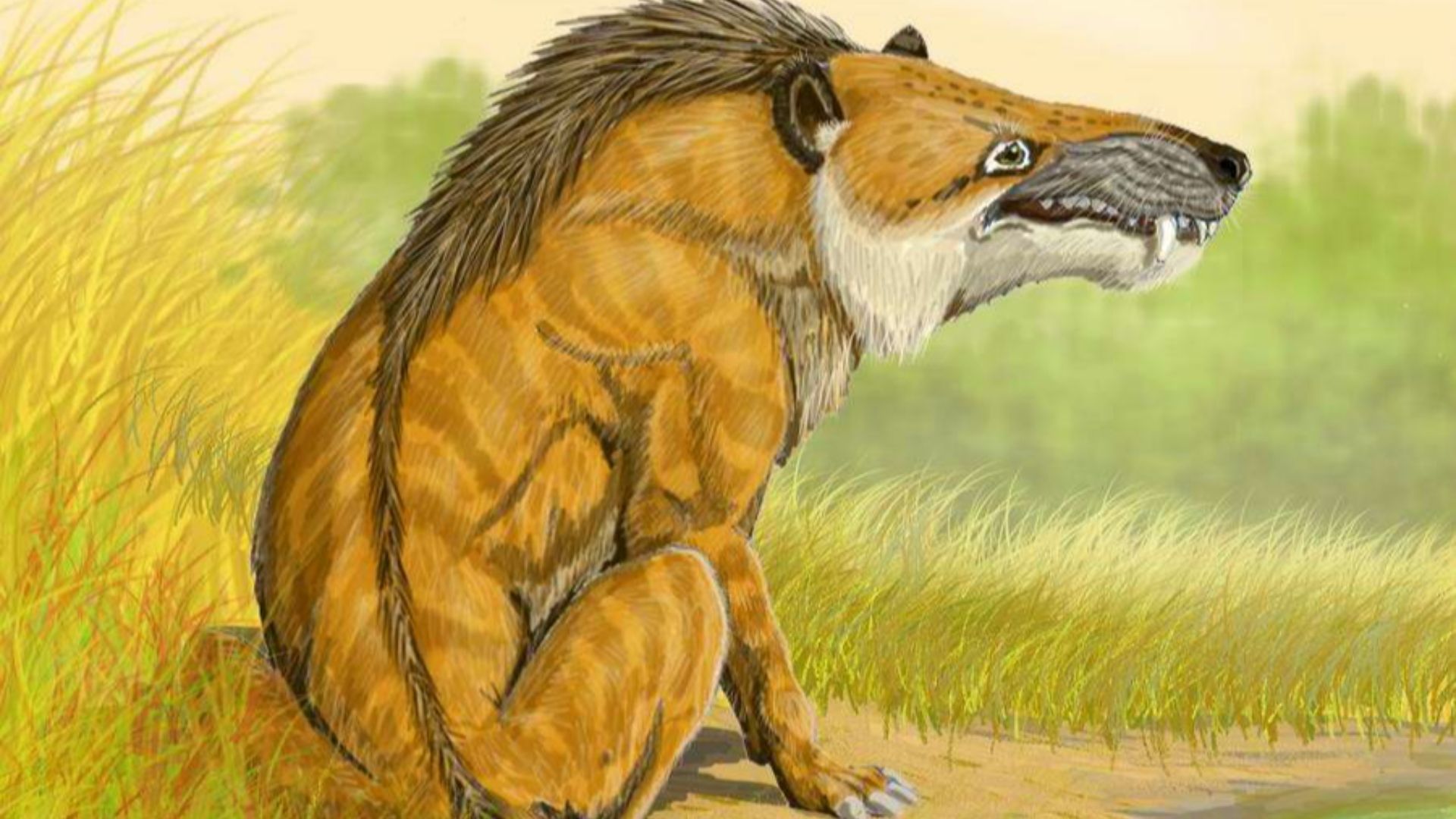
Due to Andrewsarchus being unknown, we don't know how large this animal could get. Based on its skull alone, it can be estimated that they were huge mammals. Later research has questioned those original body-size estimates, but the fossil still belongs to an extinct mammal lineage with no comparable modern animal in terms of its enormous skull.
 w:en:User:DiBgd (Богданов) on Wikimedia
KEEP ON READING