Step Into the Odd Side of the Empire
When you think of ancient Rome, massive gladiatorial games, marble statues, and grand Senate speeches probably come to mind. While those major historical moments certainly shaped their world, the daily life of an average Roman was actually filled with some incredibly bizarre, hyper-specific customs that rarely make it into modern movies. From using unconventional household fluids for laundry to throwing festivals dedicated entirely to mild public insults, their societal norms were beautifully chaotic.
 Birmingham Museums Trust on Unsplash
1. Laundering Clothes With Urine
If you wanted to get your white toga looking pristine and bright, you didn't reach for scented soap. Instead, Romans collected human urine from public restrooms because the natural ammonia worked wonders for breaking down tough stains. Fullers, who were the professional clothes cleaners of the time, would spend their workdays stomping around in vats to scrub the fabrics clean.

2. The Lemuria Ghost Festival
If you were worried about evil spirits plaguing your home, Romans advised spitting beans at them. During Lemuria every May, fathers of the household had to walk around their houses muttering incantations and throwing black beans over their shoulders to keep restless ancestors at bay.

3. Drinking Gladiator Blood
Whenever a fighter fell in the arena, spectators would rush down to secure a fresh sample of the premium fluid. Many Romans genuinely believed that consuming the essence of a brave, strong gladiator could cure serious ailments like epilepsy. It was essentially treated as a high-stakes, magical medicine that people were eager to swallow for a health boost.
 Maria Dolores Vazquez on Unsplash
4. Mourning the Passing of Pet Fish
Patricians often enjoyed keeping fish ponds instead of dogs or cats. Many Romans grew extremely attached to their pets and mourned their passing by crying, burying them with gold jewelry, and building statues in their honor.

5. Feeding Sacred Chickens Before Battle
Romans liked checking with the chickens before going to war. Priests would hold ceremonies on ships prior to battle to see if the chickens would eat grain near the water. If they did, it was a favorable sign, and the general could proceed with the campaign.

6. Shaving the First Beard as a Sacrifice
Reaching manhood was a massive milestone for teenage boys, and it required a formal ceremony called the barbatoria. A young man would carefully save the very first trimmings of his facial hair and place them inside a decorative gold or silver box. This hairy treasure was then dedicated to a favorite deity to ensure good fortune for his adult future.

7. Wearing Bullae for Protection
Bullae were worn around children's necks from birth. These pouch-shaped charms were thought to protect babies from evil spirits and were typically filled with items believed to have magical properties. When boys came of age, they would tie their bullae to their families' lar shrines.

8. The Feast of Saturnalia Role Reversal
During the wild winter festival of Saturnalia, social hierarchies were completely turned upside down for a few chaotic days. Masters would actually serve dinner to their enslaved workers, and everyone was encouraged to gamble, drink, and play games together. It was a brief, state-sanctioned period.

9. Bull Blood Baptism in the Mithraic Mysteries
High-ranking members of Mithras, a mystery religion, would go through intense rituals to join the cult. One such ceremony included kneeling under a grate while a priest sacrificed a bull on top of them. They believed they were being spiritually cleansed and reborn into a higher state of being.
 Quaritsch Photography on Unsplash
10. The Lupercalia Whipping Ritual
Every February, young noblemen would run through the streets of Rome wearing nothing but goatskin undergarments. They carried strips of leather and used them to gently lash any women who stepped into their path. Women actively welcomed these hits because the custom was thought to guarantee fertility and ease the pains of future childbirth.
 Annibale Carracci on Wikimedia
11. Commemorating Defeats on Allia Day
The Romans decided to commemorate their loss with a holiday. August 5th was known as Allia Day and honored one of their darkest military defeats against the Gauls. Romans refused to start new projects or businesses on that day because it was thought to bring bad luck.
12. Using Condemned Criminals as Theater Actors
If a theatrical play called for a character to meet a gruesome end on stage, Roman directors preferred realism over special effects. They would swap out the professional actor at the last second for a sentenced criminal, executing the criminal live for the audience's entertainment. It turned a regular afternoon of drama into a terrifyingly real display of imperial justice.
 Tingey Injury Law Firm on Unsplash
13. Flaming War Pigs Against Elephants
Perhaps some of Rome's biggest enemies were elephants. When the elephants began advancing during a battle, Roman soldiers would hurl flaming pigs toward the enemy. Terrified of the flames and screams, the elephants would charge through their own lines.
 Wolfgang Hasselmann on Unsplash
14. Plucking Hair With Bat Blood
Personal grooming was incredibly important to upper-class Romans, who generally preferred their bodies to be completely hairless from head to toe. To prevent unwanted fuzz from growing back after plucking, people rubbed a paste made of bat blood onto their skin. It was a messy, stomach-churning beauty secret that citizens swore by to keep their complexions smooth.
 Ishan @seefromthesky on Unsplash
15. The Bridal Doorpost Anointing Custom
Salt wasn't actually thrown over brides' shoulders. However, they would pour wolf fat or olive oil on doorposts and tie woolen strips around them as a protection charm against witches.

16. Using Mouse Brains for Toothpaste
To keep their smiles bright and fight off bad breath, Romans utilized some pretty alarming ingredients in their dental hygiene routines. A popular recipe involved crushing the brains of mice and mixing the powder into a paste to clean enamel. They truly believed this rodent-based mixture would keep teeth strong and prevent painful cavities over time.

17. The Cult of the Severed Finger
Whenever a Roman passed away from home or in battle, it was difficult to transport the entire body back for a traditional funeral. Family members would cut off a single finger from the deceased and bring it back to Rome to bury it properly. This symbolic gesture allowed the family to perform the necessary religious rites without hauling a decaying body across provinces.

18. Throwing Pastries at the Liberalia Festival
Springtime brought about a festive celebration dedicated to Liber Pater, the god of fertility and wine. Citizens would gather in the streets to sing bawdy songs and purchase small, sweet honey cakes from elderly priestesses. These pastries were offered to the god on small portable altars before the crowd dissolved into a day of drinking and merrymaking.

19. Pouring Wine Into Tombs
You couldn't simply toss a cup of wine onto your deceased family members' graves. Romans went through the trouble of installing pipes into their tombs so they could pour libations directly into their ancestors' mouths during festivities.
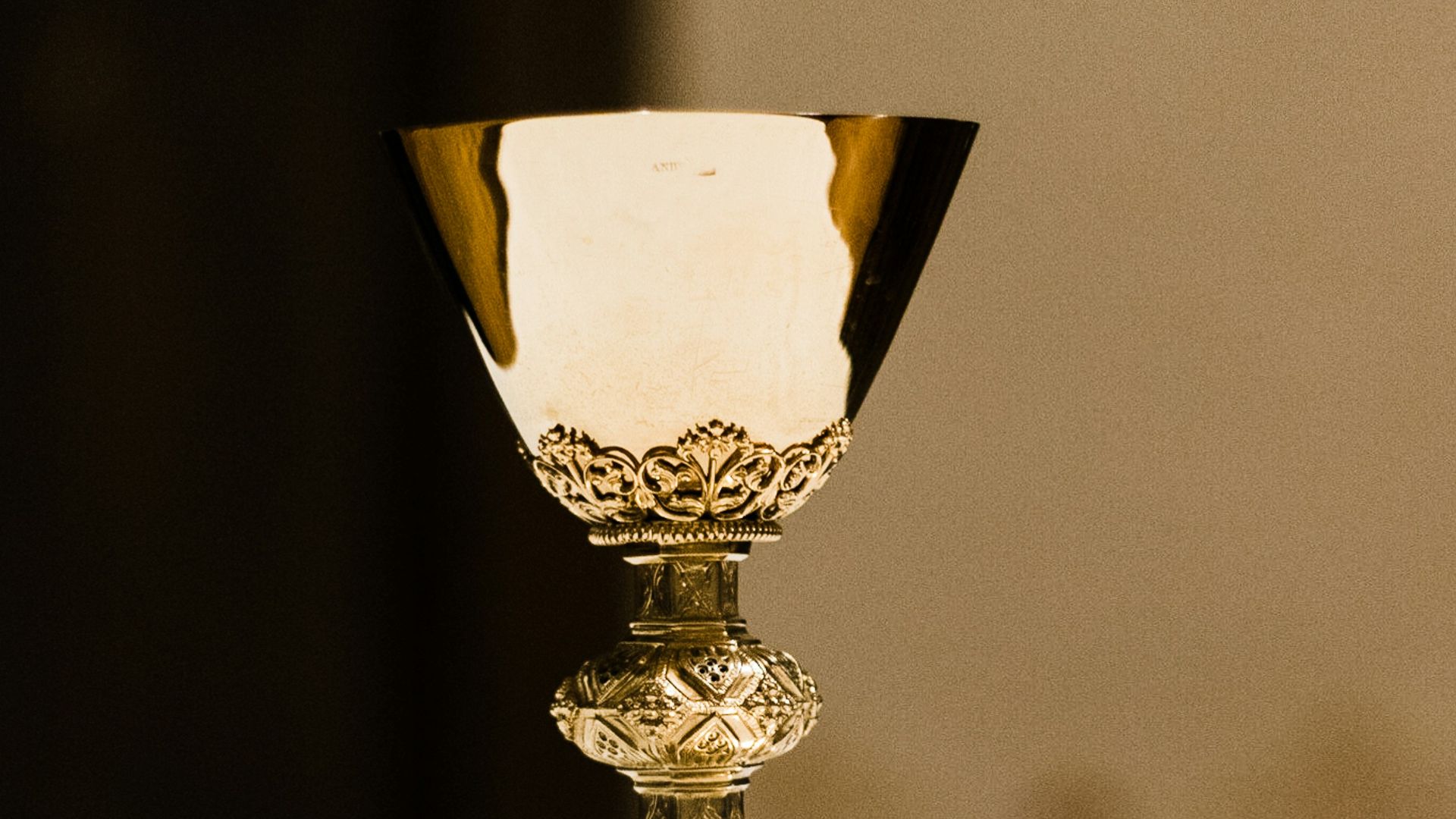
20. Wearing Wreaths to Prevent Inebriation
During long, extravagant banquets, guests would often crown themselves with elaborate wreaths woven from ivy or flowers. The Romans firmly believed that certain plants possessed natural cooling properties that could counteract intoxicating effects. While it obviously didn't keep them sober, it certainly gave the party a festive, colorful aesthetic.

KEEP ON READING