Fiction Has Always Been A Great Place To Settle Scores
Long before anonymous online reviews or thinly veiled subtweets, writers had novels and plays for working out their grudges. A rival critic, an ex-lover, a pompous editor, or a political enemy could be flattened, exaggerated, and handed a ridiculous name, then sent out into the world for readers to laugh at. Some of these portraits were gentle jabs meant to needle a friend. Others were closer to public executions on the page, and the people they targeted knew exactly who they were looking at. Literary history is full of these scores, some settled with real elegance and others with almost no subtlety at all. Here's 20 authors who turned real people into characters, usually to their lasting embarrassment.
1. Jonathan Swift
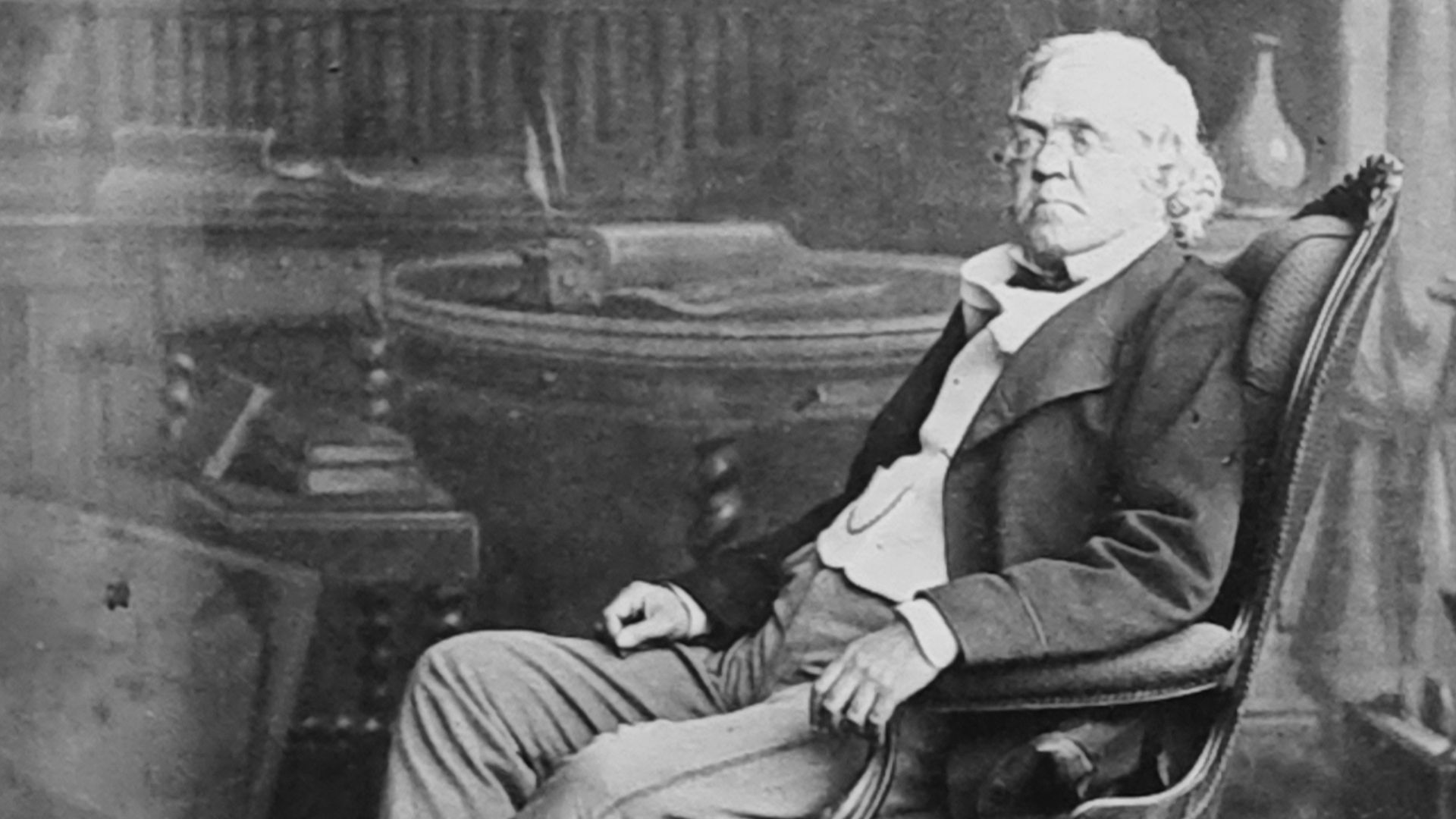
In "Gulliver's Travels," Swift gave the world Flimnap, a scheming, rope-dancing courtier widely understood to represent Robert Walpole, England's first prime minister. The image of a powerful statesman literally tightrope-walking for approval was Swift's way of mocking the political maneuvering he despised. It's a small moment in the book, but it lands with real bite.
2. Alexander Pope
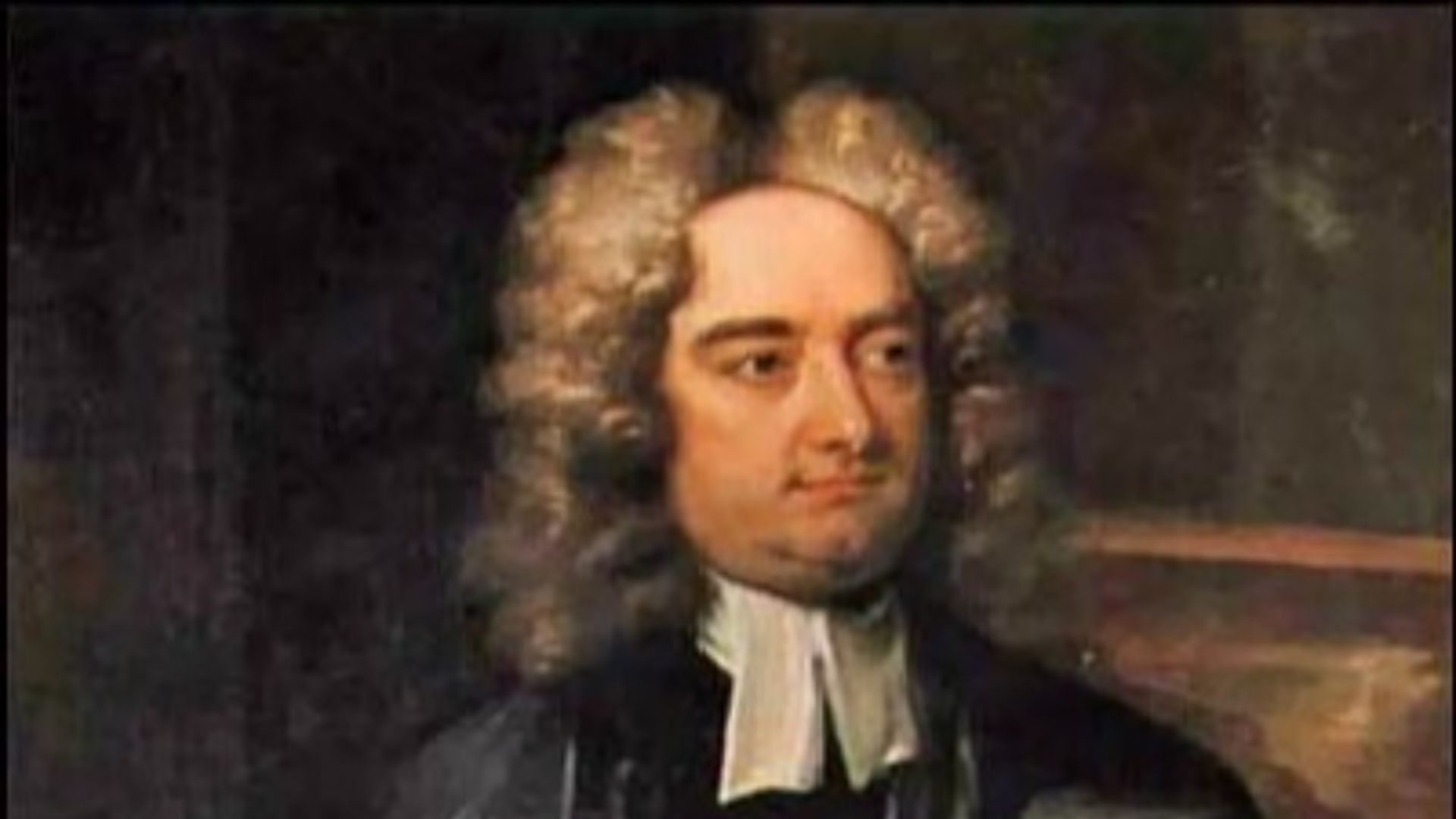
Pope's "The Dunciad" is basically an entire poem built around humiliating people who annoyed him. Colley Cibber, a popular playwright and actor Pope considered talentless, was crowned "King of the Dunces" and paraded through the poem as the embodiment of bad taste. Pope revised the poem multiple times just to keep tormenting his targets.
 Jean-Baptiste van Loo on Wikimedia
3. Ben Jonson
During his very public feud with fellow playwrights John Marston and Thomas Dekker, Jonson wrote "Poetaster," a satire that placed thinly disguised versions of both men on stage. Marston became Crispinus, a pretentious poet forced to vomit up his own overwrought vocabulary, while Dekker appeared as the lesser talent Demetrius. It was petty, theatrical, and everybody in London's literary scene knew exactly who was being roasted.
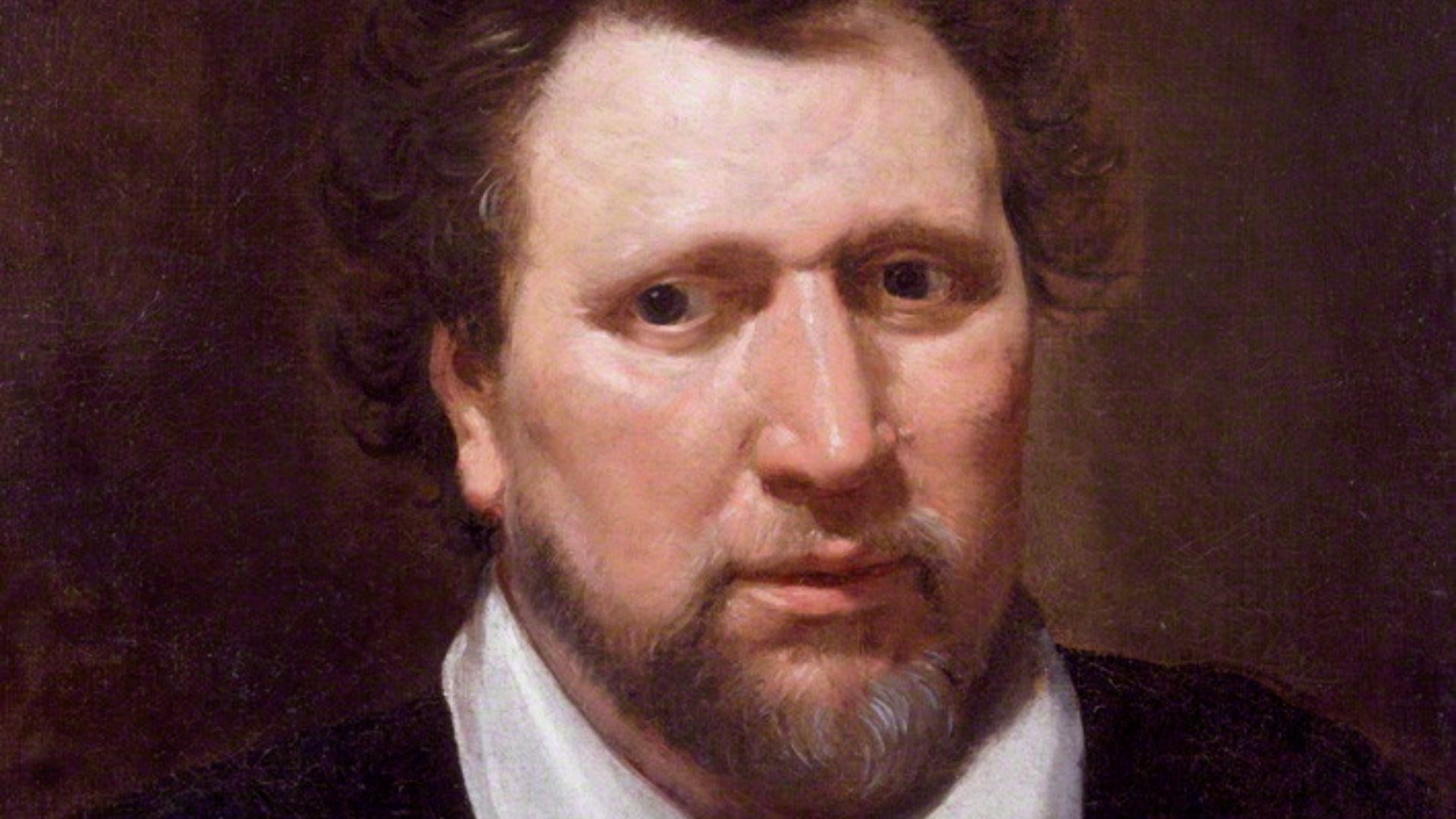 After Abraham van Blijenberch on Wikimedia
4. William Makepeace Thackeray
The Marquis of Steyne in "Vanity Fair" is one of literature's great villains, and Thackeray based him closely on the real-life Marquess of Hertford, a notorious aristocrat known for his excess. The resemblance in Thackeray's own illustrations was so obvious that one of them was pulled before publication over fears of a libel suit. Steyne's cold, corrupt charm reads less like invention and more like reporting.
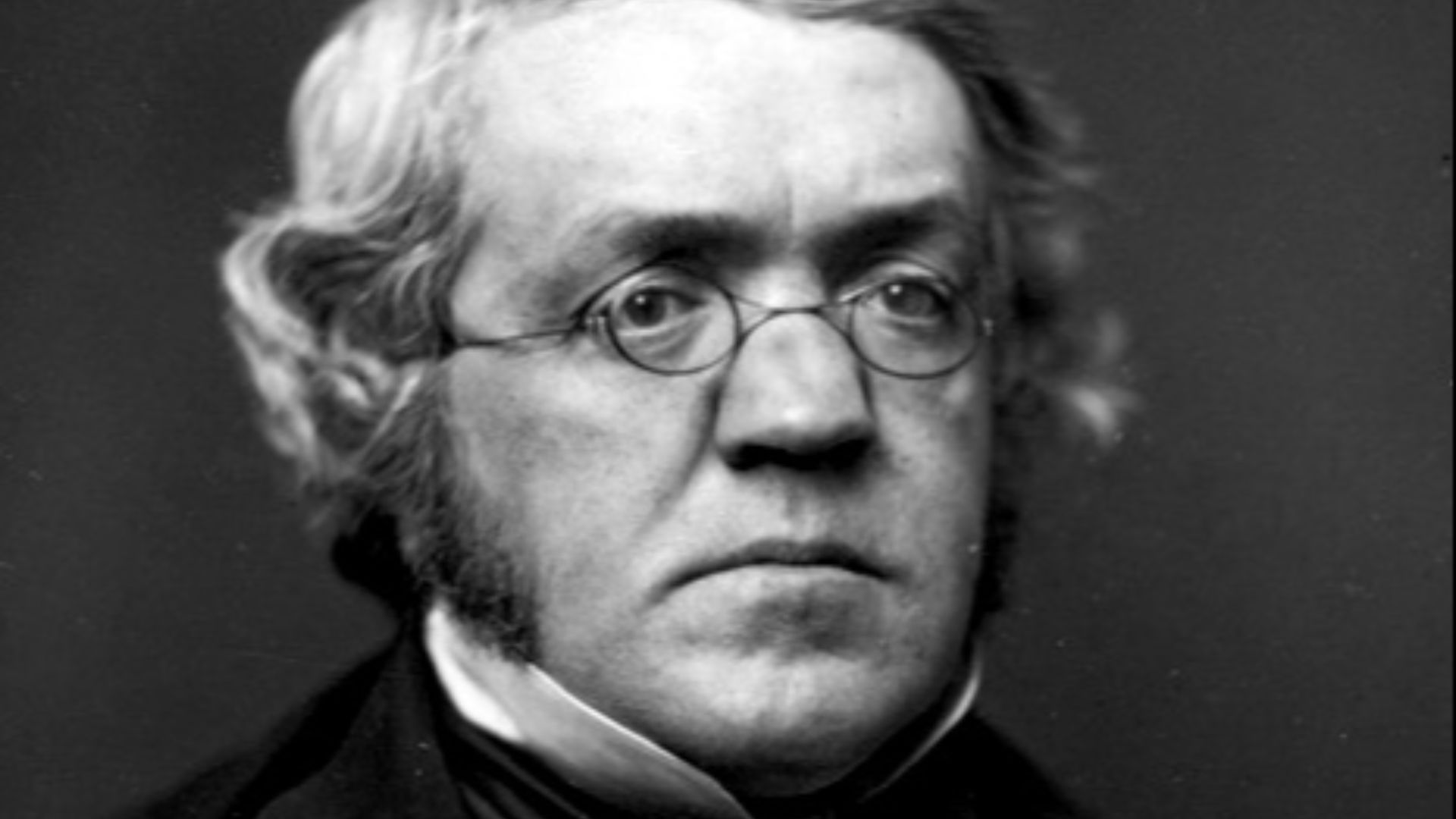 Jesse Harrison Whitehurst on Wikimedia
5. Charles Dickens
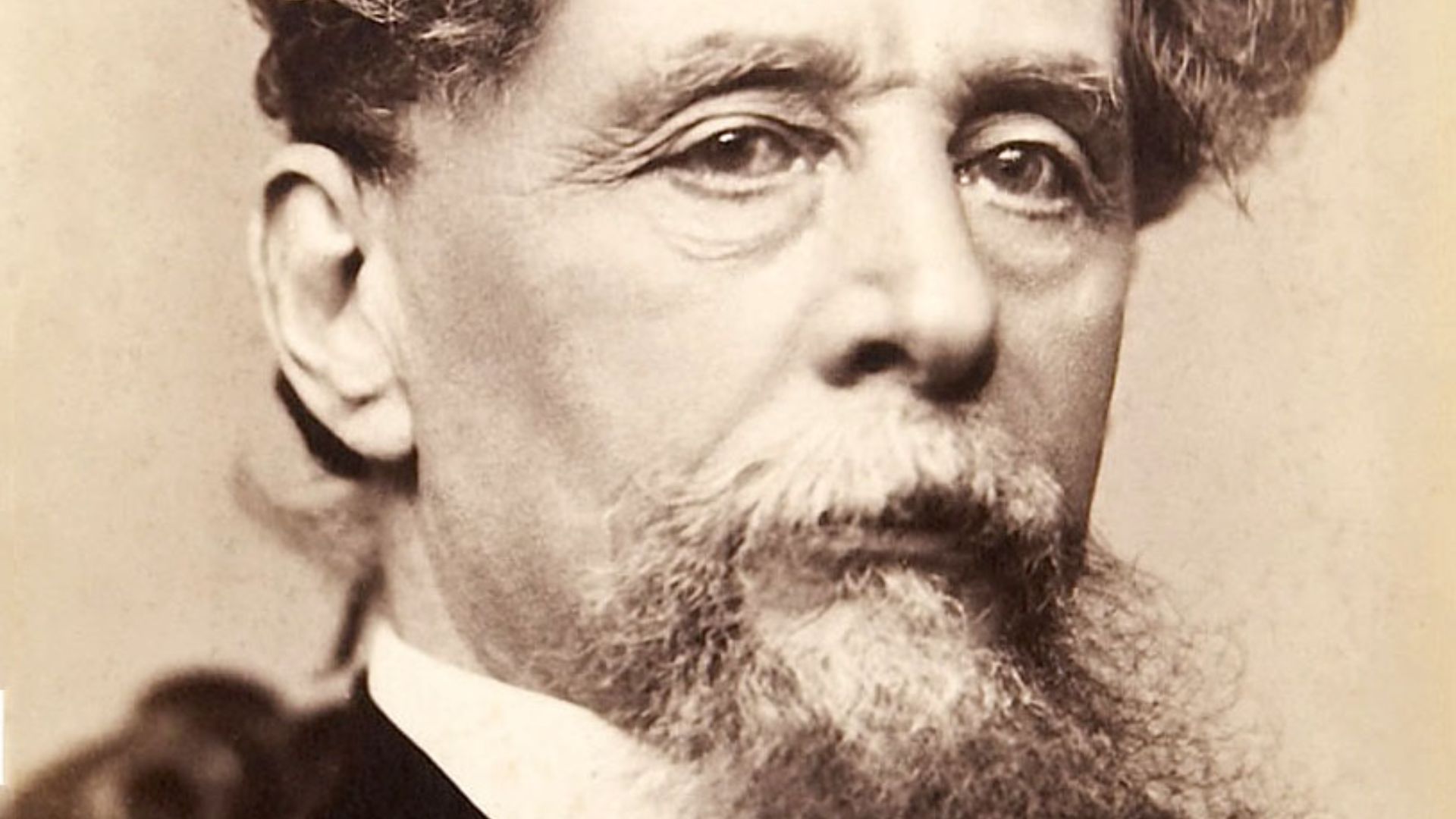
Harold Skimpole in "Bleak House" is a charming freeloader who talks endlessly about his childlike innocence while letting everyone else pay his bills, and Dickens based him on his friend Leigh Hunt. Hunt reportedly recognized himself immediately and was hurt by it, which didn't stop Dickens from keeping the resemblance intact through the whole novel. Friendship, apparently, only bought so much protection from Dickens's pen.
6. Anthony Trollope
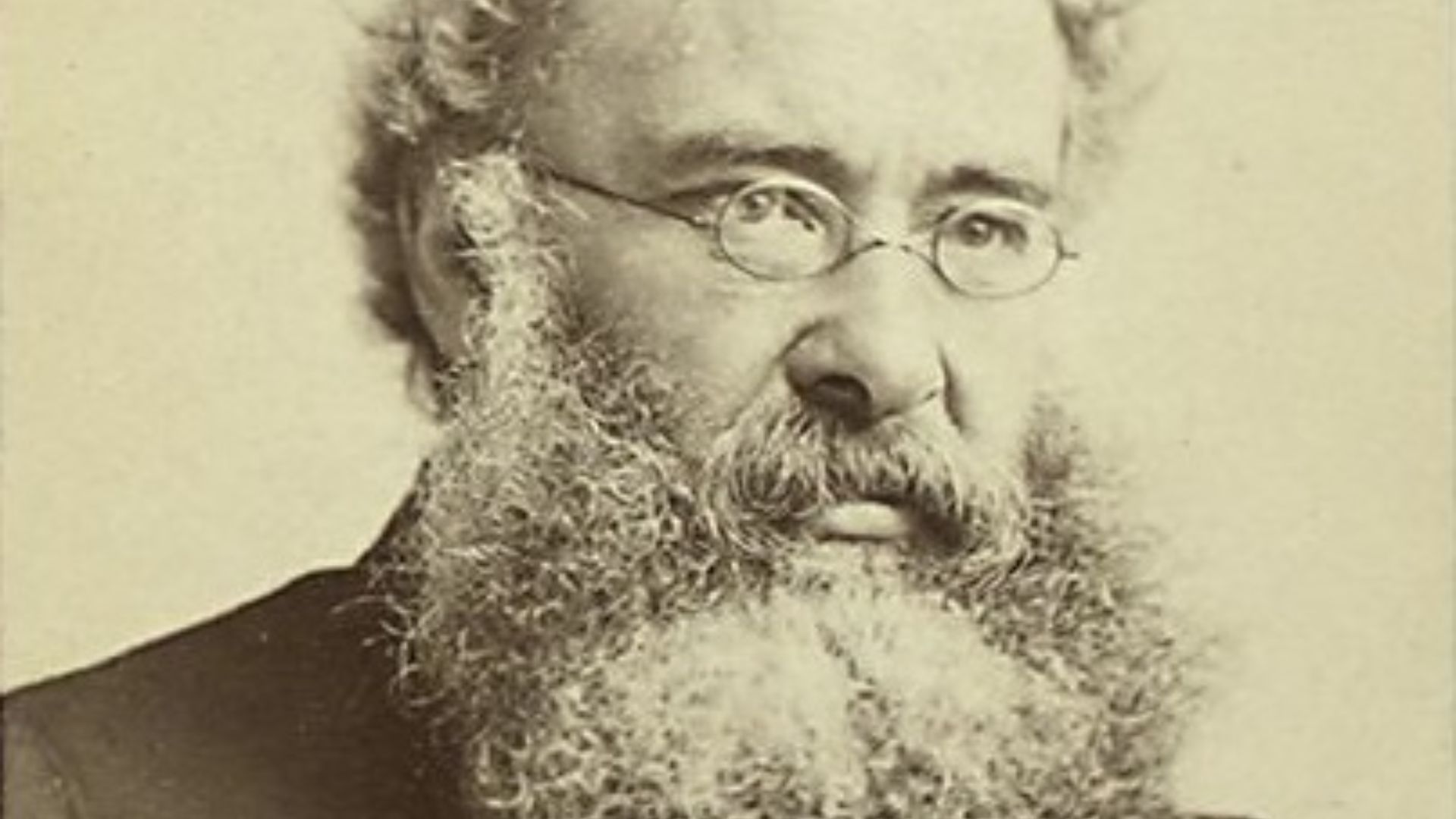
"The Way We Live Now" gave readers Augustus Melmotte, a swindling financier whose entire empire is built on lies and borrowed confidence. Trollope drew heavily on real financial scandals of his day, particularly the collapses of fraudulent bankers and speculators who had wrecked ordinary investors. The novel reads like a direct response to a decade of headlines about men just like Melmotte.
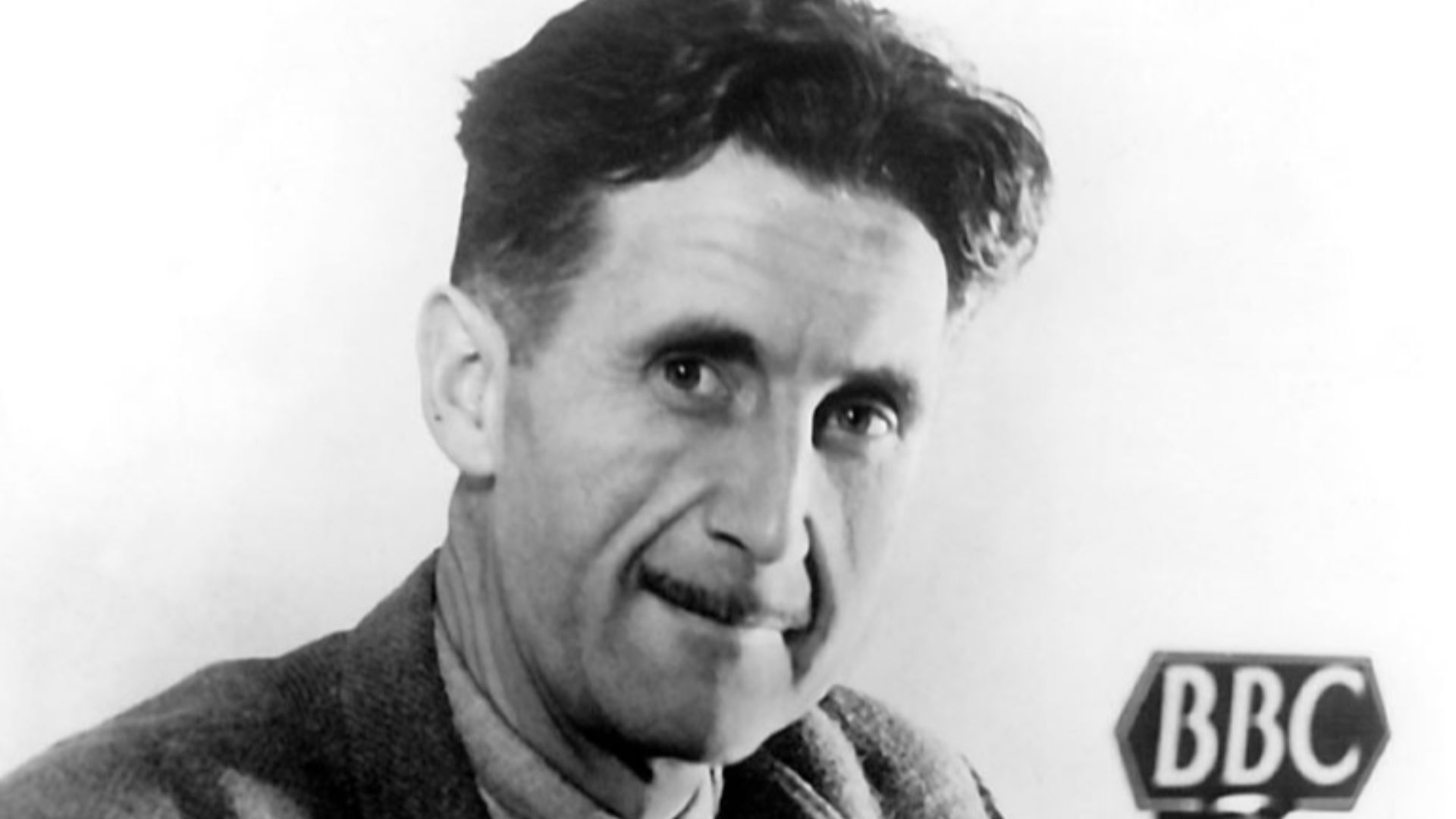
7. George Orwell
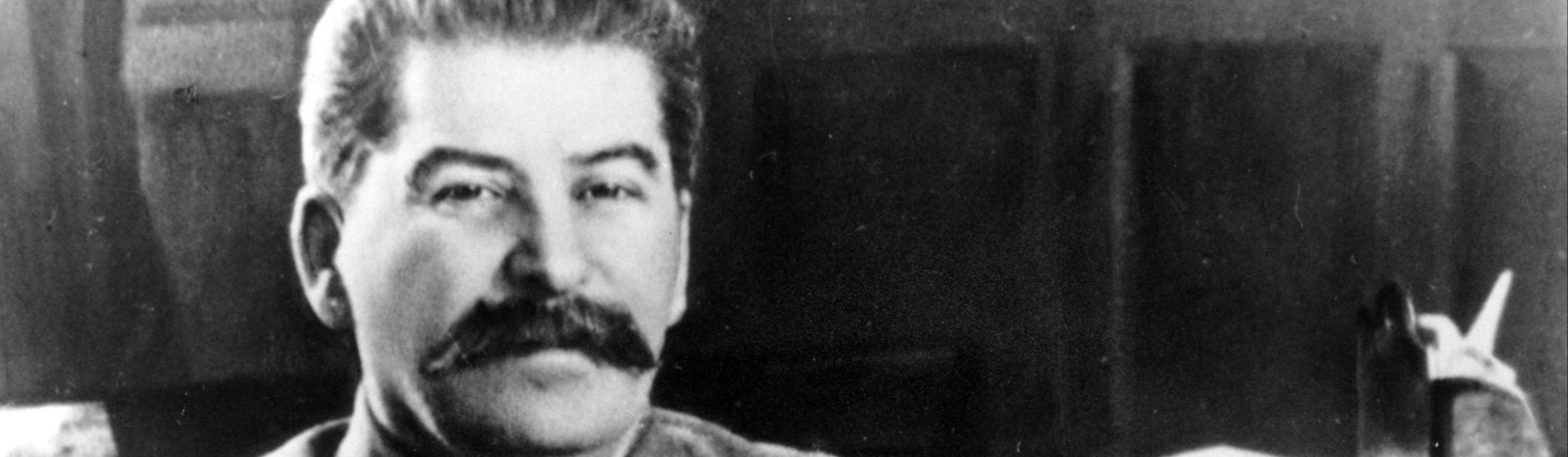
"Animal Farm" is allegory rather than direct caricature, but nobody missed who Napoleon the pig was supposed to be. Orwell built the character as a clear stand-in for Joseph Stalin, right down to the ruthless consolidation of power and the rewriting of history to suit him. Snowball, the pig who gets driven out and vilified, mirrors Leon Trotsky just as pointedly.
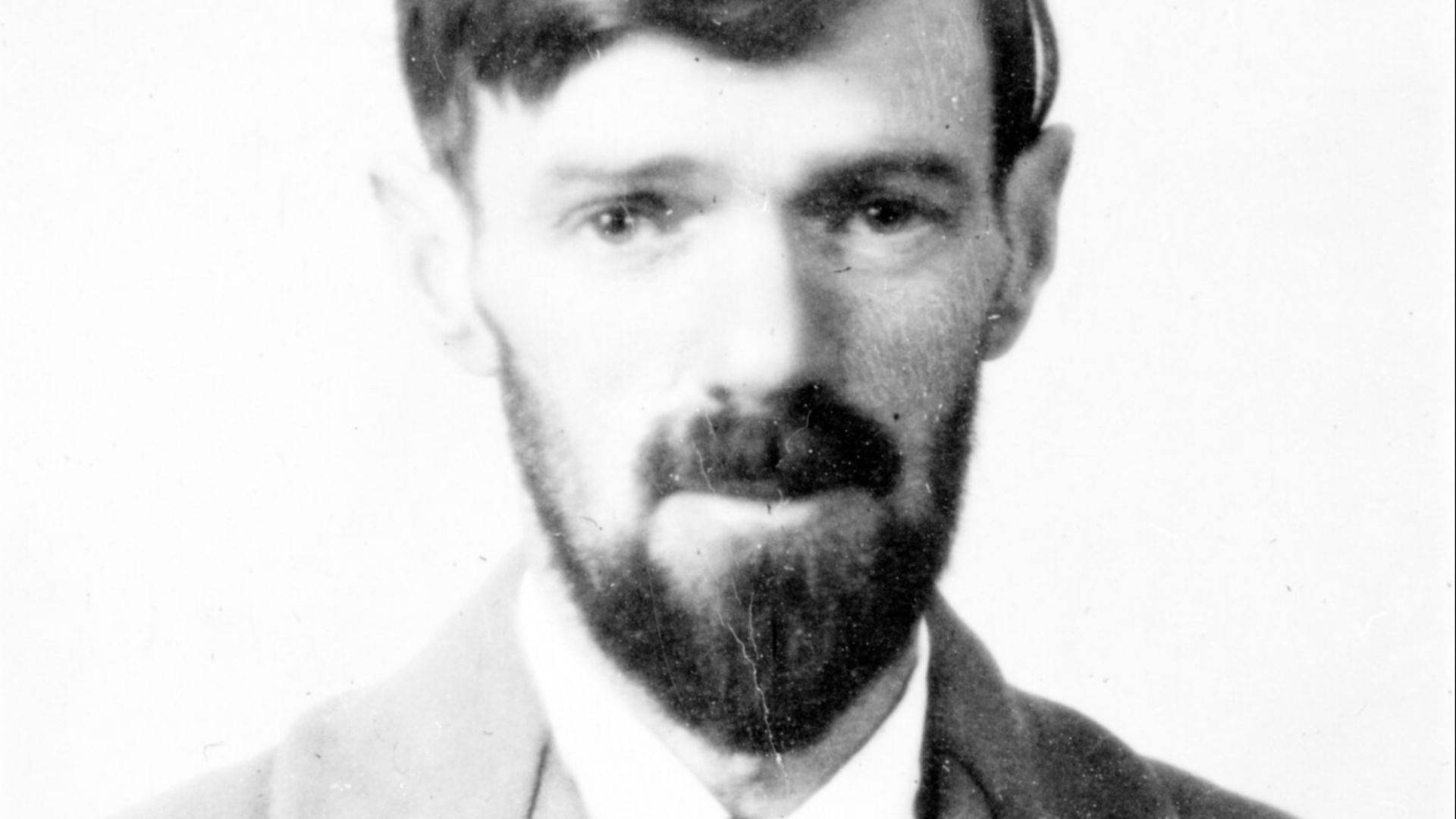
8. D.H. Lawrence
Lady Ottoline Morrell hosted half of literary London at her country estate, and Lawrence repaid her hospitality by turning her into Hermione Roddice in "Women in Love." The portrait leaned into everything Lawrence found absurd about Morrell's intellectual pretensions and dramatic flair. Morrell was reportedly devastated when she read it.
 Unknown authorUnknown author (passport office) on Wikimedia
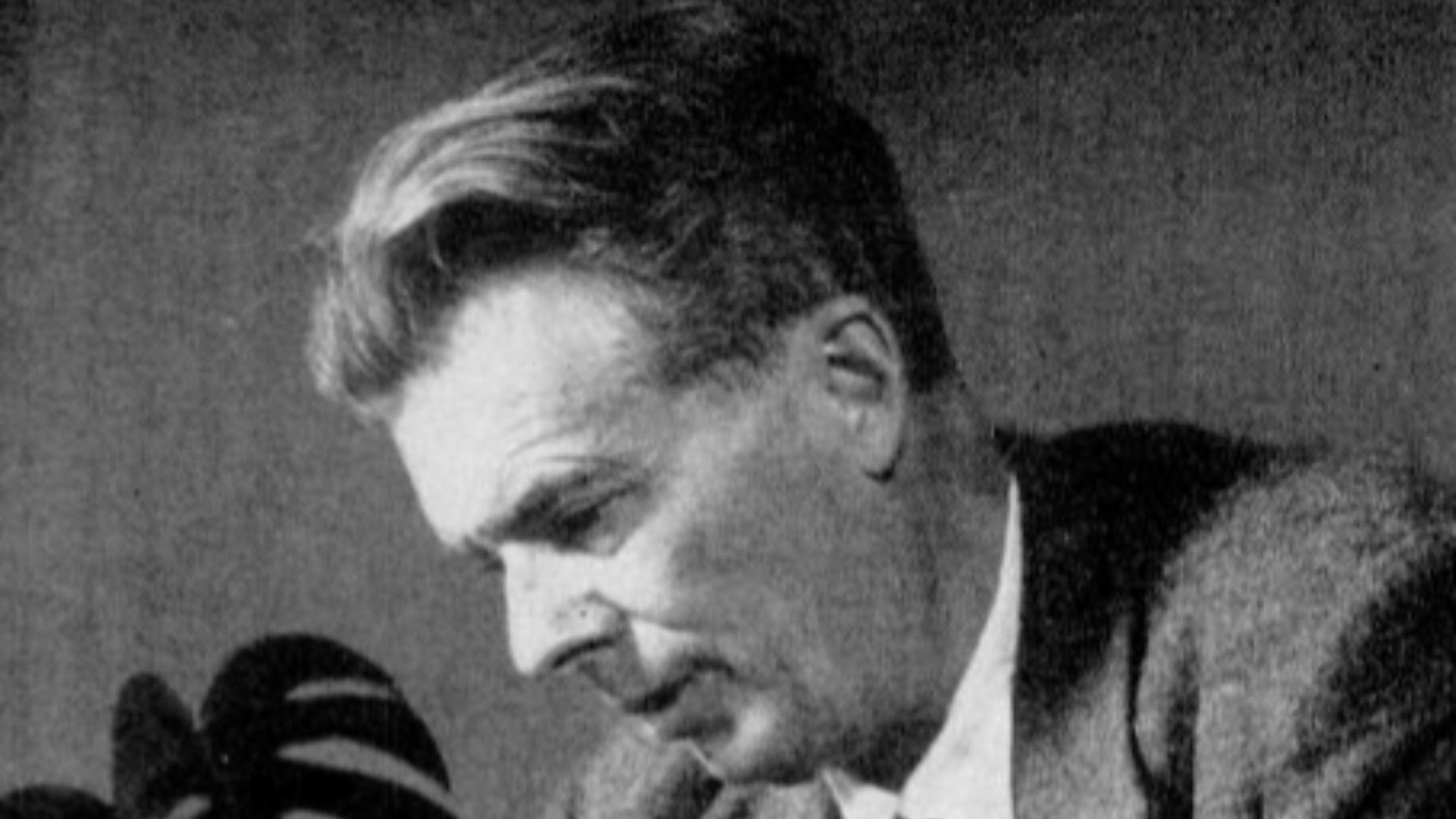
9. Aldous Huxley
Huxley also spent time at Morrell's estate, and he took his own shot at her in "Crome Yellow" through the character of Priscilla Wimbush. The satire was softer than Lawrence's, more amused than cruel, but Morrell still recognized herself instantly. Being hosted by someone, it turns out, was no guarantee of gentle treatment from either writer.
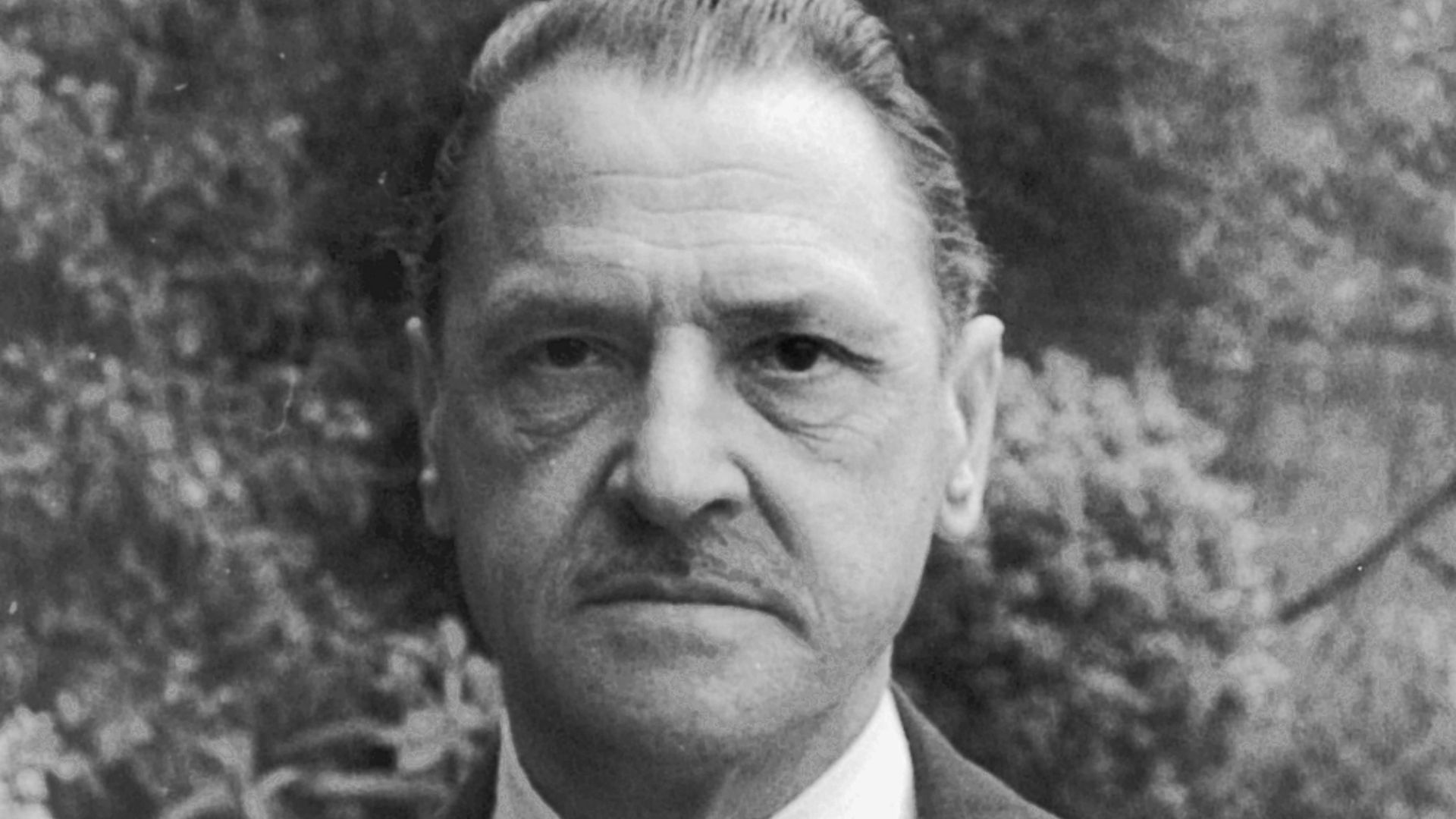
10. W. Somerset Maugham
In "Cakes and Ale," Maugham created Alroy Kear, a socially ambitious, mediocre novelist who schmoozes his way to literary prominence. Most readers at the time understood this as a jab at Hugh Walpole, a contemporary Maugham considered talented at self-promotion but not much else. Walpole was reportedly humiliated once the resemblance became public knowledge.
 Carl Van Vechten (1880 - 1964) on Wikimedia
11. Evelyn Waugh
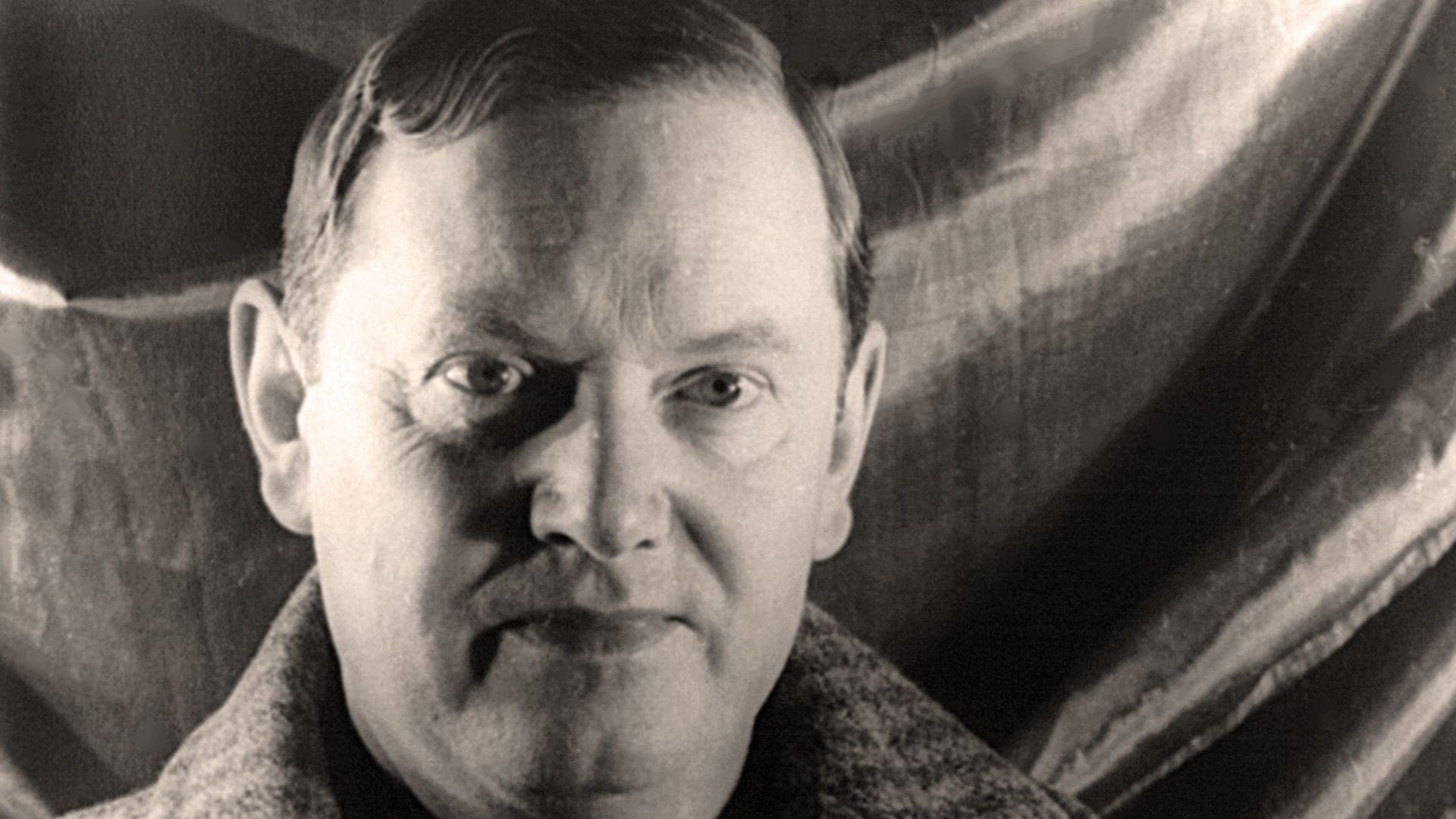
Anthony Blanche, the flamboyant, stammering aesthete in "Brideshead Revisited," was drawn from two real figures Waugh knew at Oxford, Harold Acton and Brian Howard. Both men were known for their theatrical personalities and their outsized presence in Oxford's social scene. Waugh blended their most memorable qualities into one unforgettable character.
 Carl Van Vechten (1880–1964) on Wikimedia
12. Ernest Hemingway
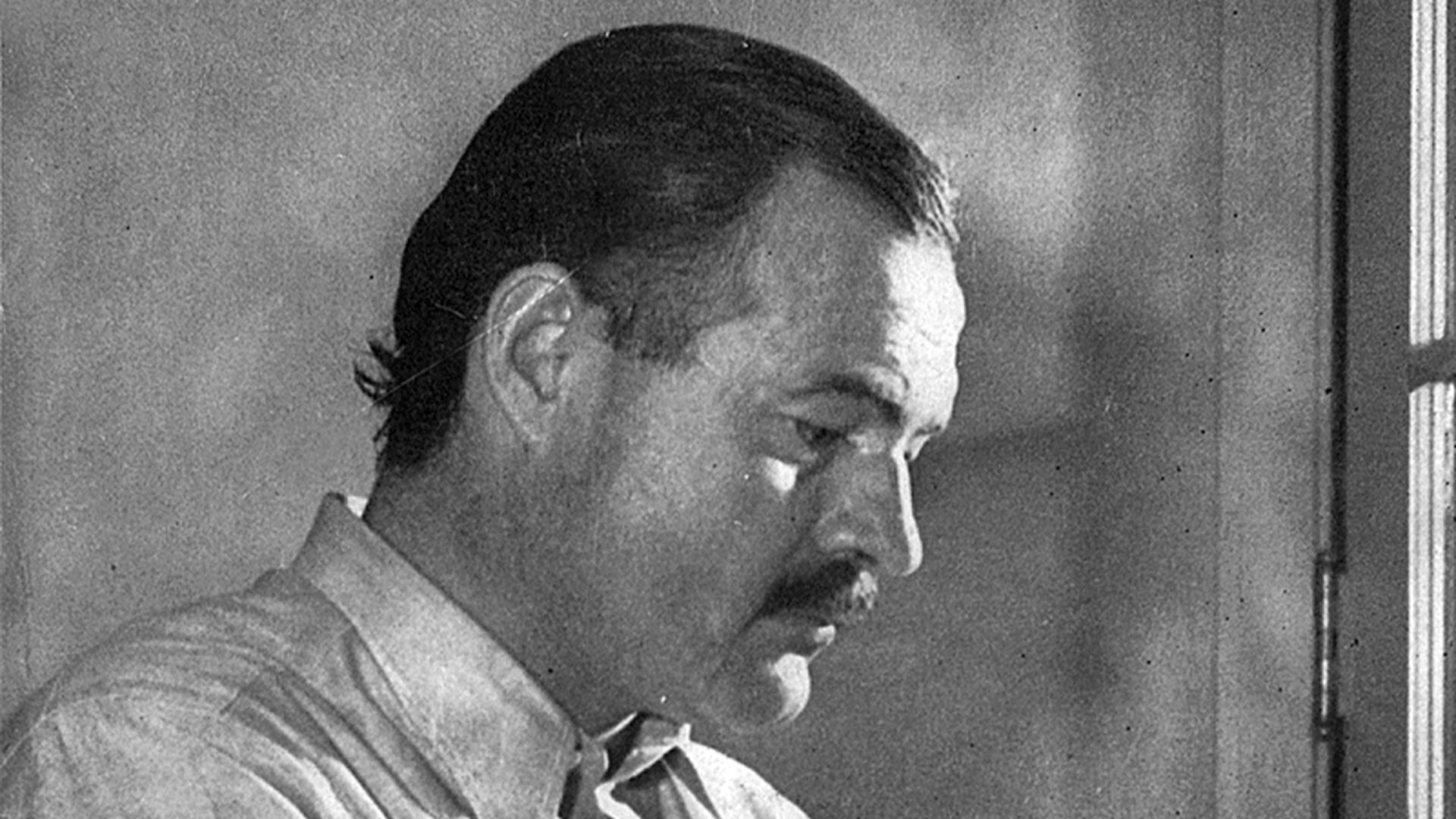
"The Torrents of Spring" was Hemingway's deliberate, almost gleeful takedown of Sherwood Anderson, a writer who had once mentored him. Hemingway mimicked Anderson's style so closely and mocked it so directly that the book reads less like fiction and more like a public breakup letter. The friendship, unsurprisingly, did not survive it.
13. James Joyce
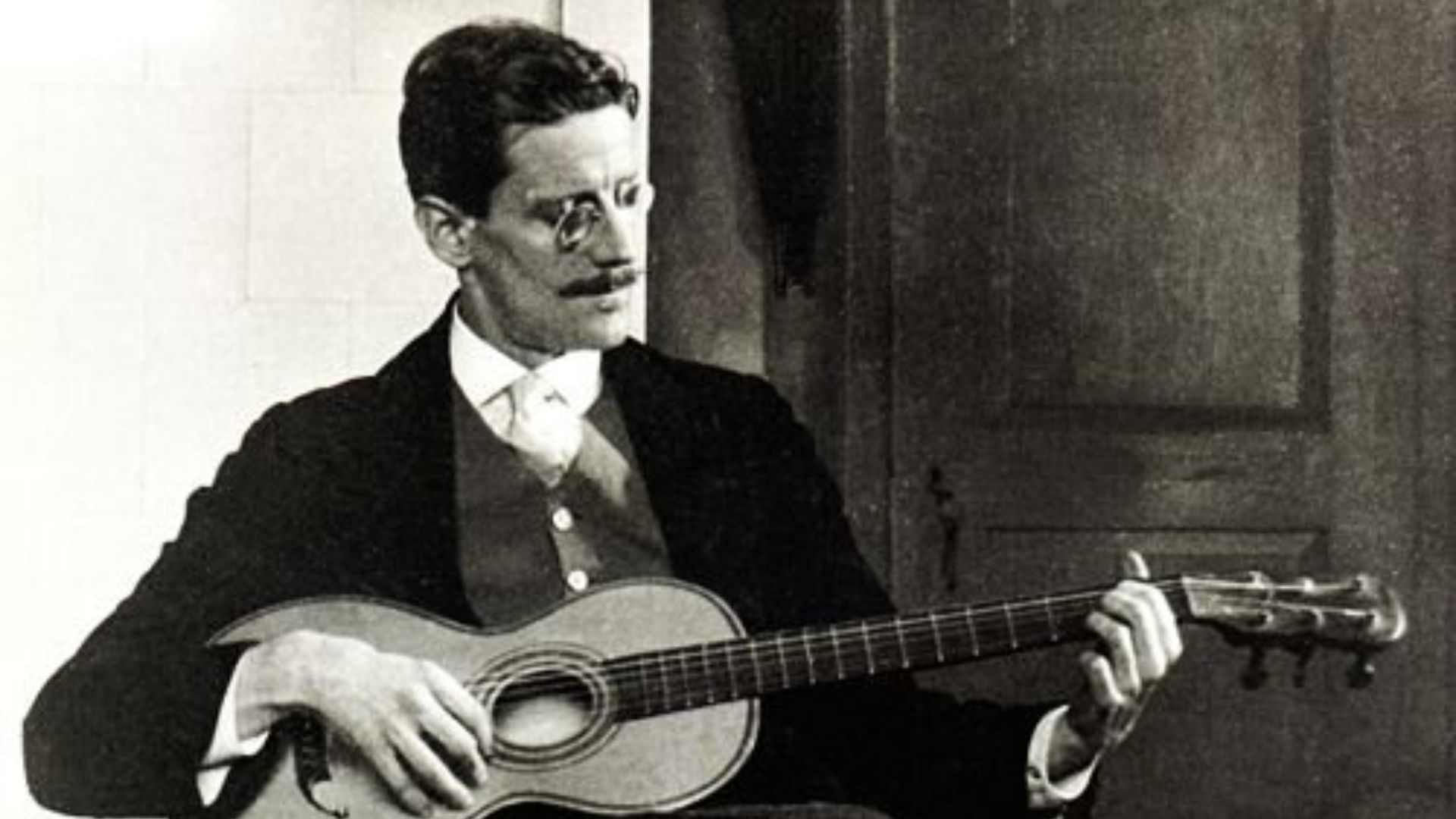
Buck Mulligan, the brash and irreverent medical student who opens "Ulysses," was based on Oliver St. John Gogarty, a real friend and fellow writer Joyce had once lived with. Gogarty apparently found the portrayal insulting enough that the friendship never fully recovered. Joyce, for his part, seemed entirely unbothered by that outcome.
 Ottocaro Weiss (photographer) on Wikimedia
14. Truman Capote
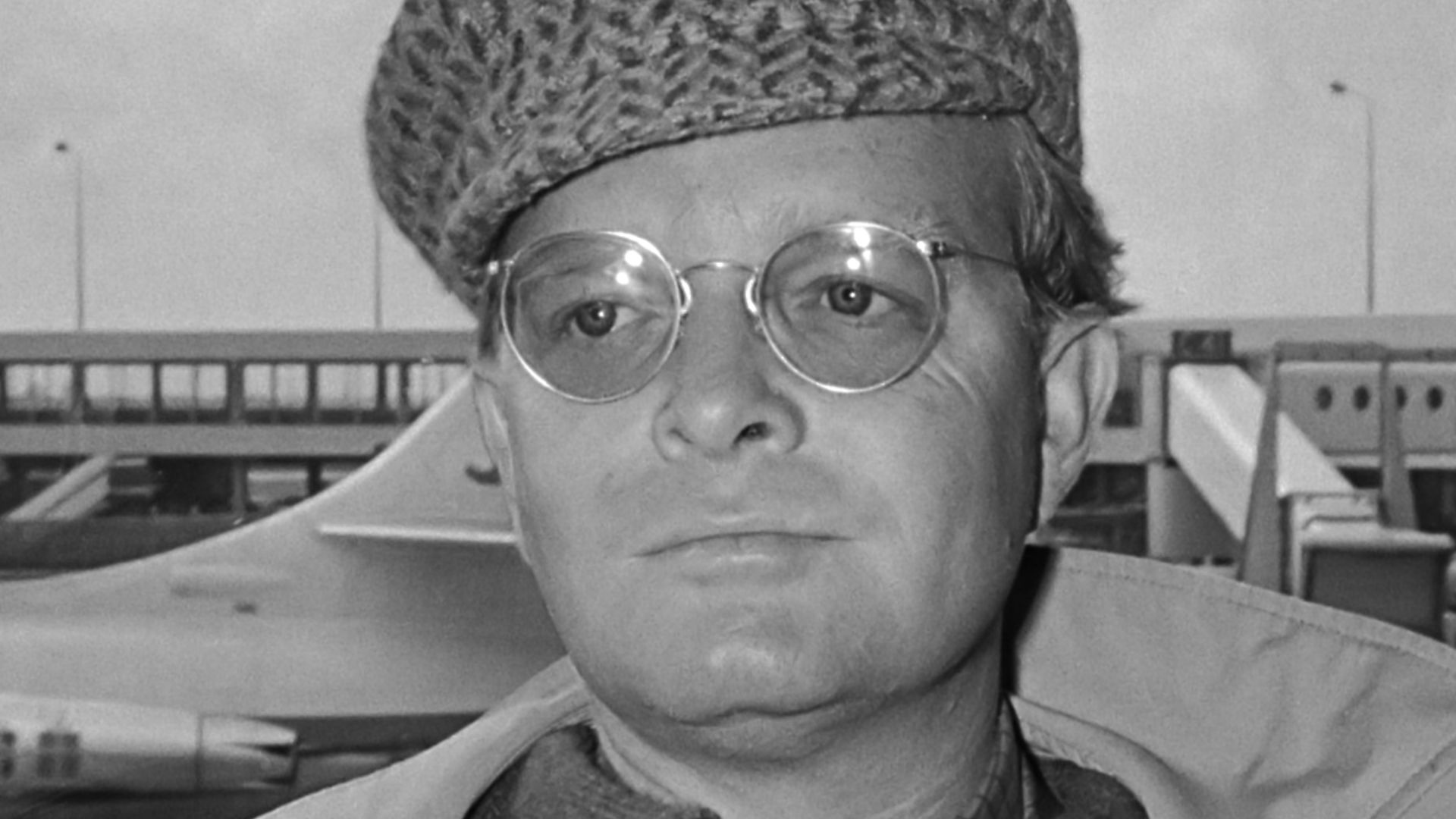
Capote's unfinished "Answered Prayers," particularly the excerpt "La Côte Basque, 1965," ripped through New York high society with barely disguised versions of his wealthy socialite friends. The gossip and scandal in the piece were drawn straight from private conversations these women had trusted him with. Capote lost most of his social circle overnight once it was published.
 Eric Koch for Anefo on Wikimedia
15. Jacqueline Susann
Neely O'Hara, the self-destructive singer in "Valley of the Dolls," has long been read as a version of Judy Garland, right down to the pills and the industry cruelty. Susann never confirmed it outright, but the parallels were close enough that readers made the connection immediately. The character's rise and collapse mirrored Garland's public struggles almost beat for beat.
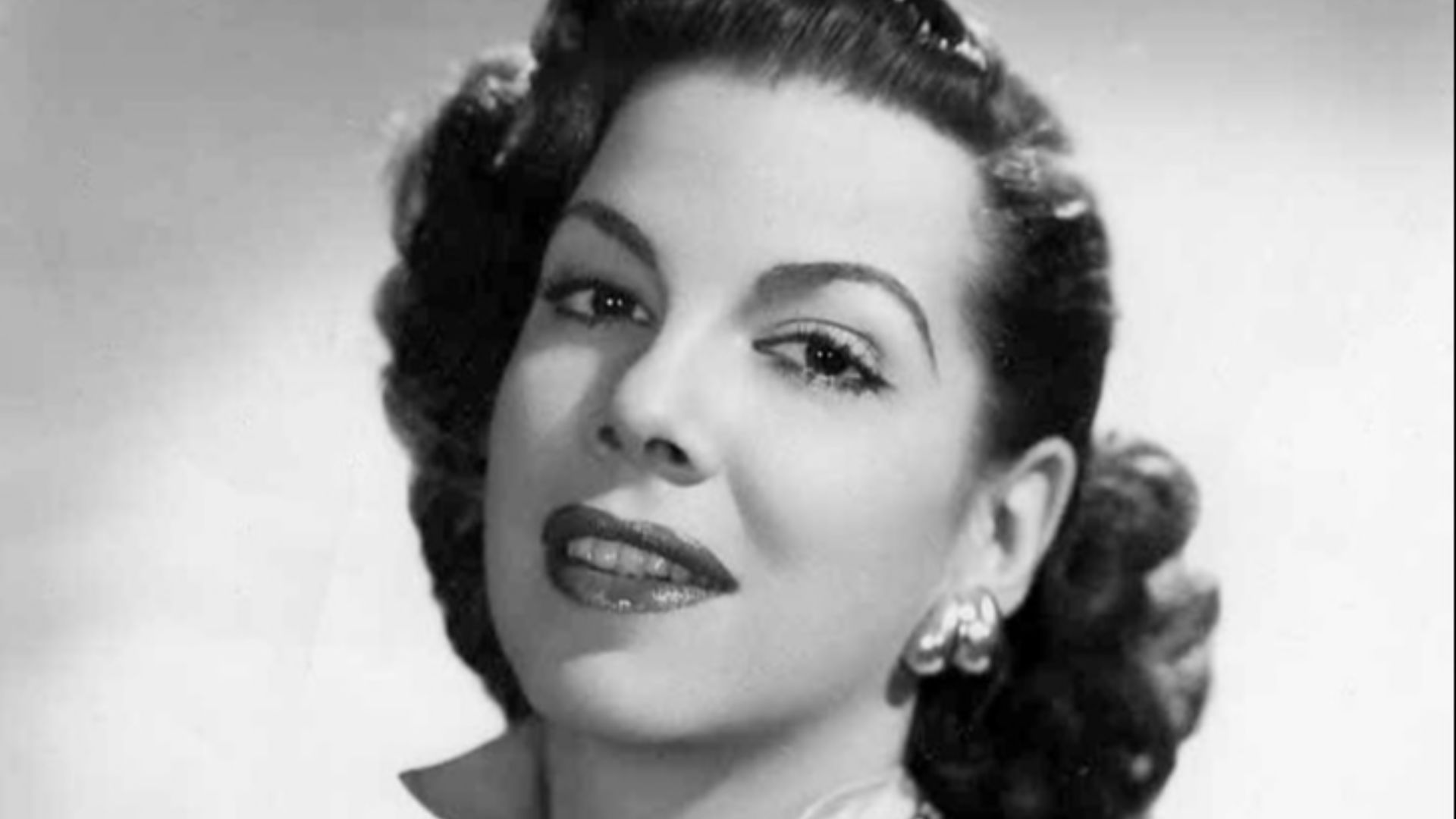
16. Mary McCarthy
"The Group" followed a circle of Vassar graduates navigating adulthood, and McCarthy drew several characters directly from real classmates. Some of those former friends recognized themselves and were reportedly furious about how they'd been portrayed. McCarthy's gift for observation cut both ways once it was aimed at people she actually knew.
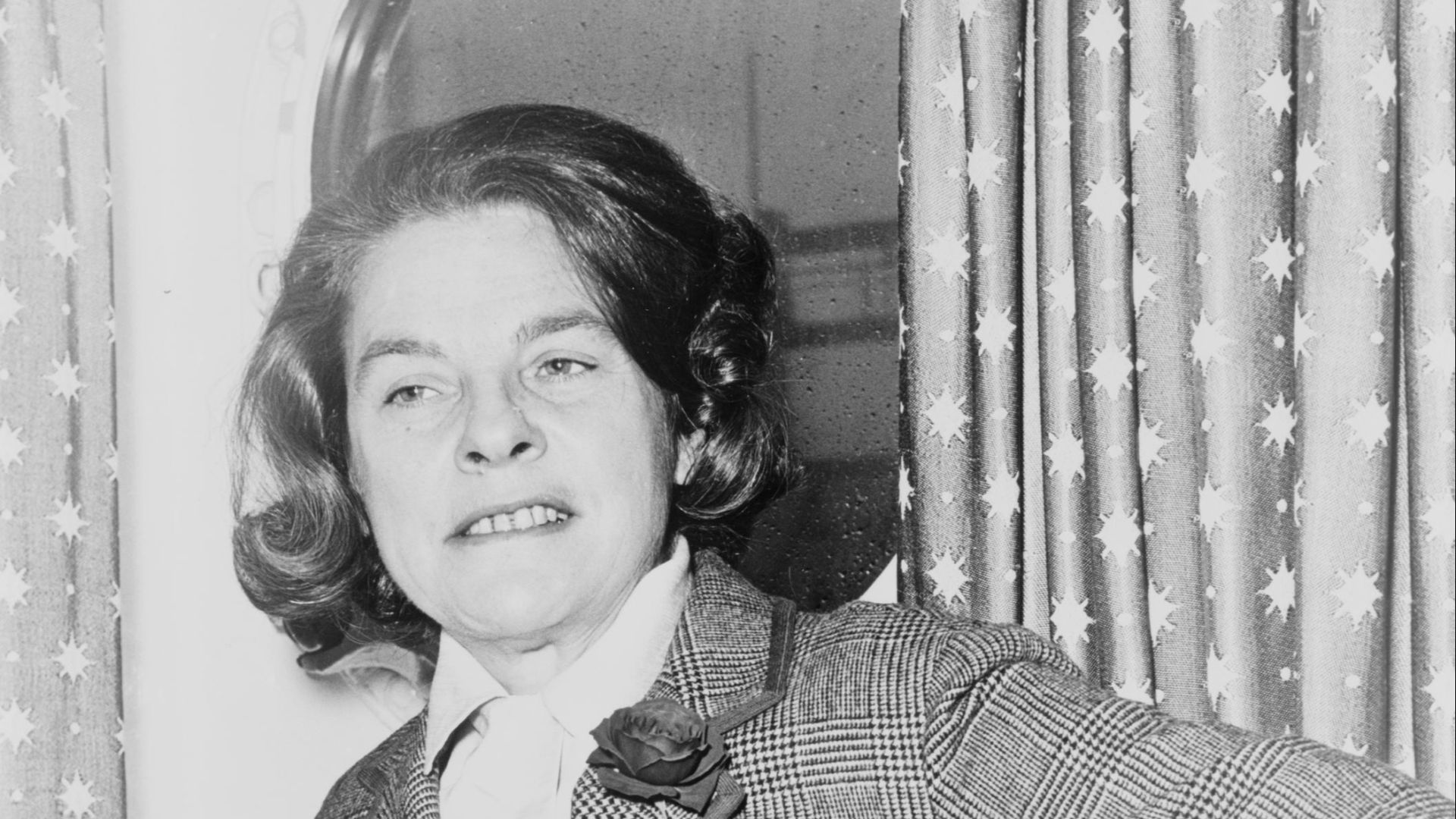 Dick DeMarsico, World Telegram staff photographer on Wikimedia
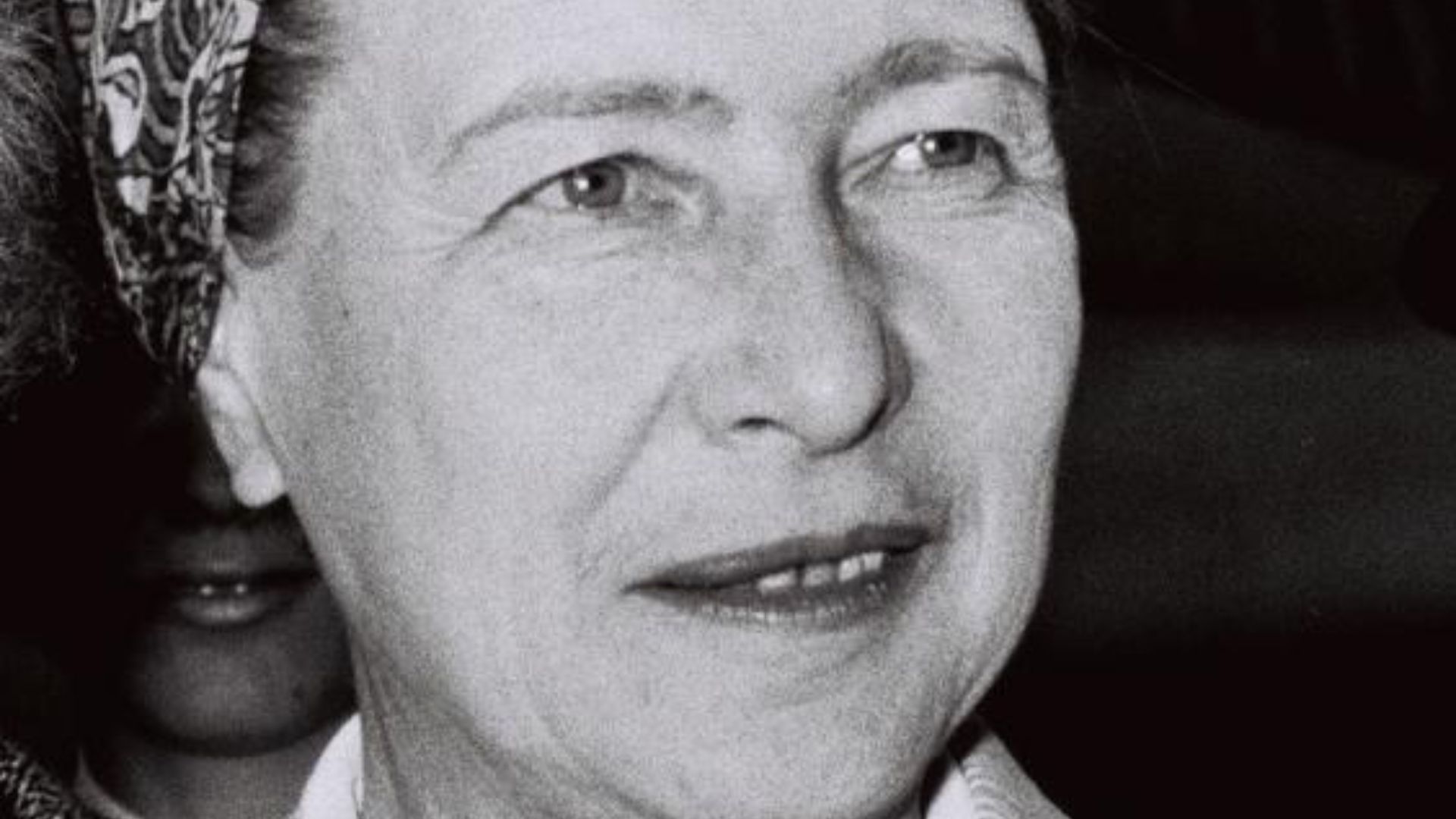
17. Simone de Beauvoir
In "The Mandarins," the character Lewis Brogan is a fairly transparent portrait of Nelson Algren, Beauvoir's real-life lover. The novel dramatized their affair with enough detail that Algren felt exposed and betrayed once he read it. He reportedly never forgave her for turning their relationship into material.
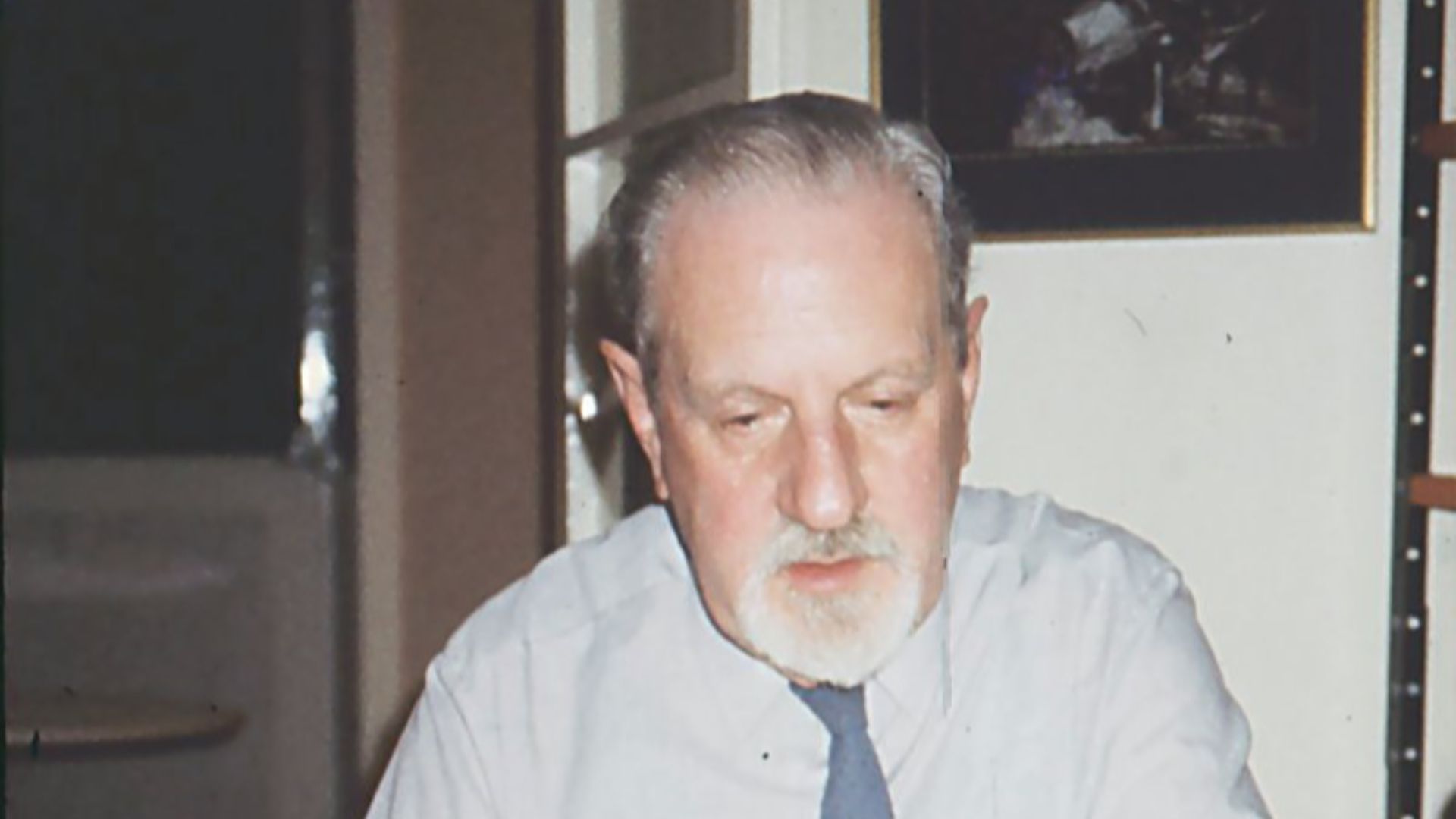
18. Kingsley Amis
"Lucky Jim" is packed with pompous academics and social climbers that Amis clearly drew from real colleagues he'd encountered in university life. The satire was sharp enough that some readers in academic circles claimed to recognize specific professors in the novel's more ridiculous figures. Amis never named names, but plenty of people had their guesses.
19. Anthony Powell
X. Trapnel, the brilliant, chaotic writer in "A Dance to the Music of Time," was closely based on Julian Maclaren-Ross, a real novelist known for his eccentric habits and constant financial disasters. Powell captured Maclaren-Ross's charisma alongside his self-destructive streak with an almost documentary precision. Maclaren-Ross reportedly recognized himself and was not entirely flattered.
 Unknown authorUnknown author on Wikimedia
20. Philip Roth
In "I Married a Communist," Roth created Eve Frame, a manipulative actress whose portrayal was widely seen as retaliation against his ex-wife Claire Bloom, following her unflattering memoir about their marriage. The character's flaws mirrored accusations Bloom had made about Roth, only redirected and amplified against her. It stands as one of literature's more openly vindictive responses to a memoir.