Lives Behind Bars That Changed History
Throughout history, the imprisonment of certain individuals has influenced wars, dynasties, political movements, and even the borders of entire nations. Whether they were kings, military leaders, religious figures, or political rivals, their captivity often triggered consequences far beyond their prison walls. These 20 stories show how holding just one person could reshape the course of history in unexpected but well-documented ways.
1. Richard The Lionheart
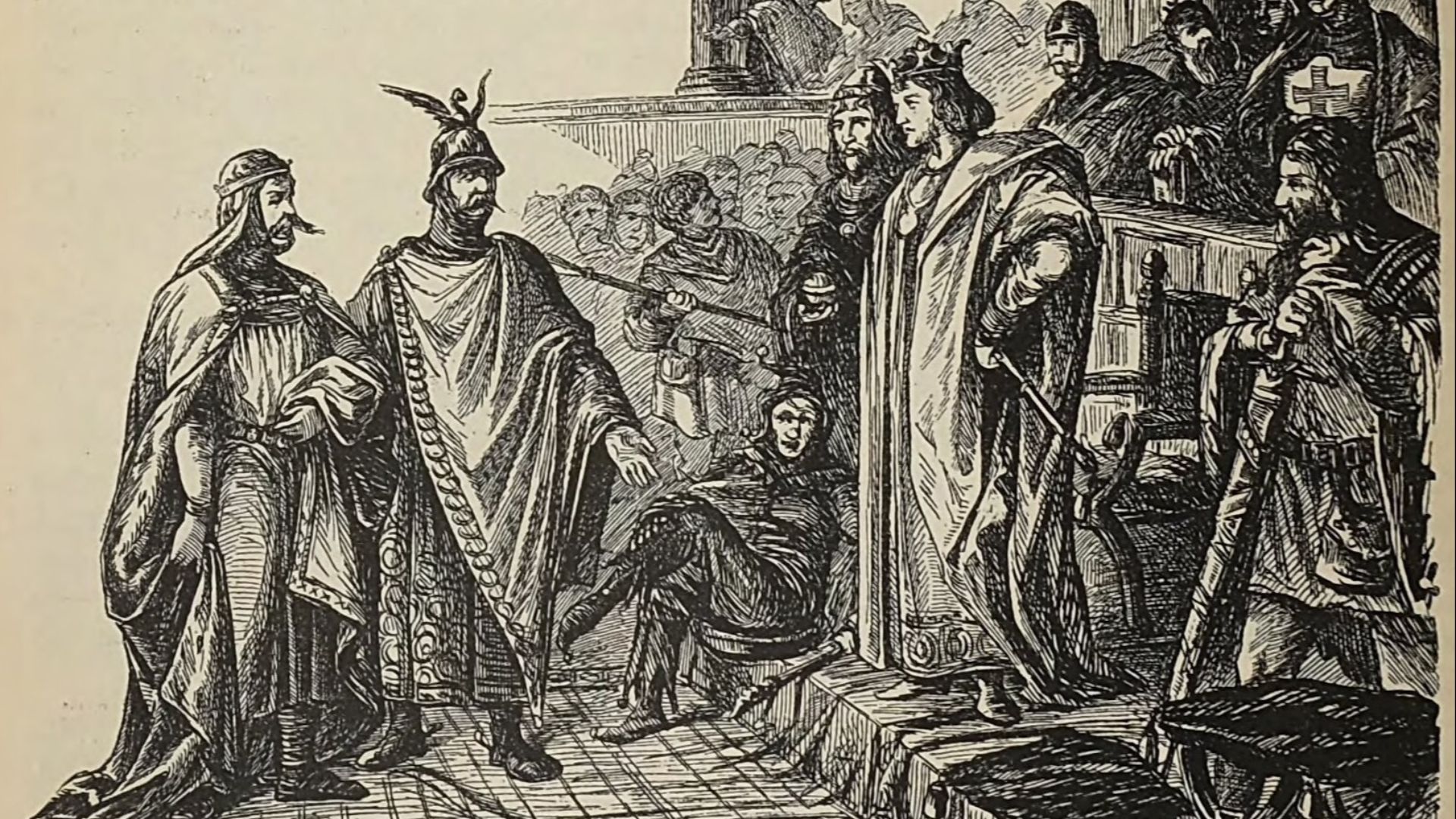
England's King Richard I was captured in 1192 while returning from the Third Crusade and held for ransom by Duke Leopold V of Austria and Emperor Henry VI. His absence also encouraged political maneuvering at home, particularly by his brother John, whose ambitions later shaped English history.
 Emil Nietzsch Sohn on Wikimedia
2. Francis I Of France
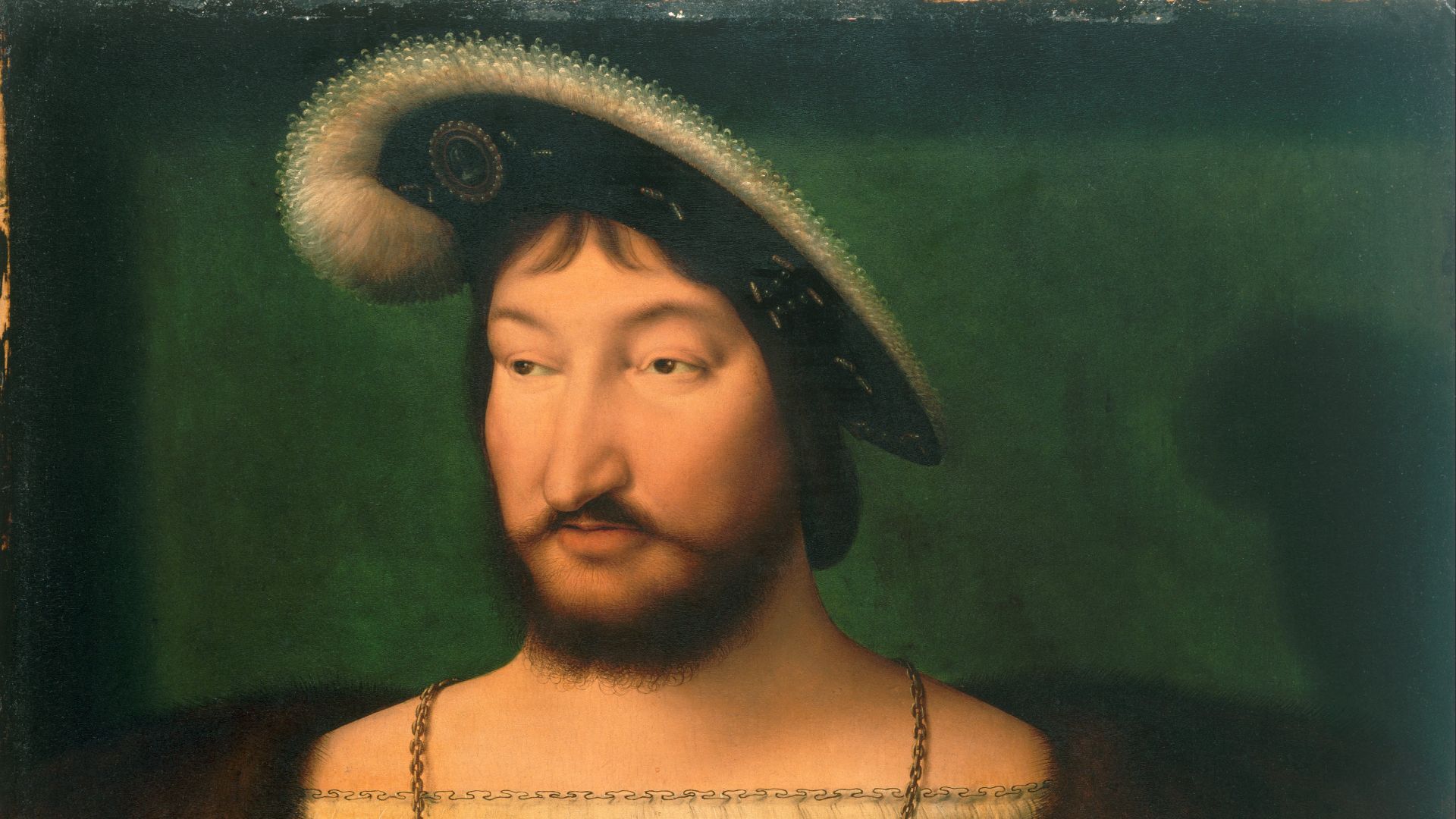
After the Battle of Pavia in 1525, the French king became the prisoner of Holy Roman Emperor Charles V. His captivity forced him to sign the Treaty of Madrid, although he later rejected many of its terms after returning home. The episode dramatically affected the balance of power between France and the Habsburg Empire during the Italian Wars.
3. Montezuma II
The Aztec emperor was effectively held captive by Hernán Cortés after the Spanish entered Tenochtitlán in 1519. Although still treated ceremonially, his freedom was severely restricted while the Spanish consolidated their position. His captivity weakened Aztec authority and helped accelerate the Spanish conquest of the empire.
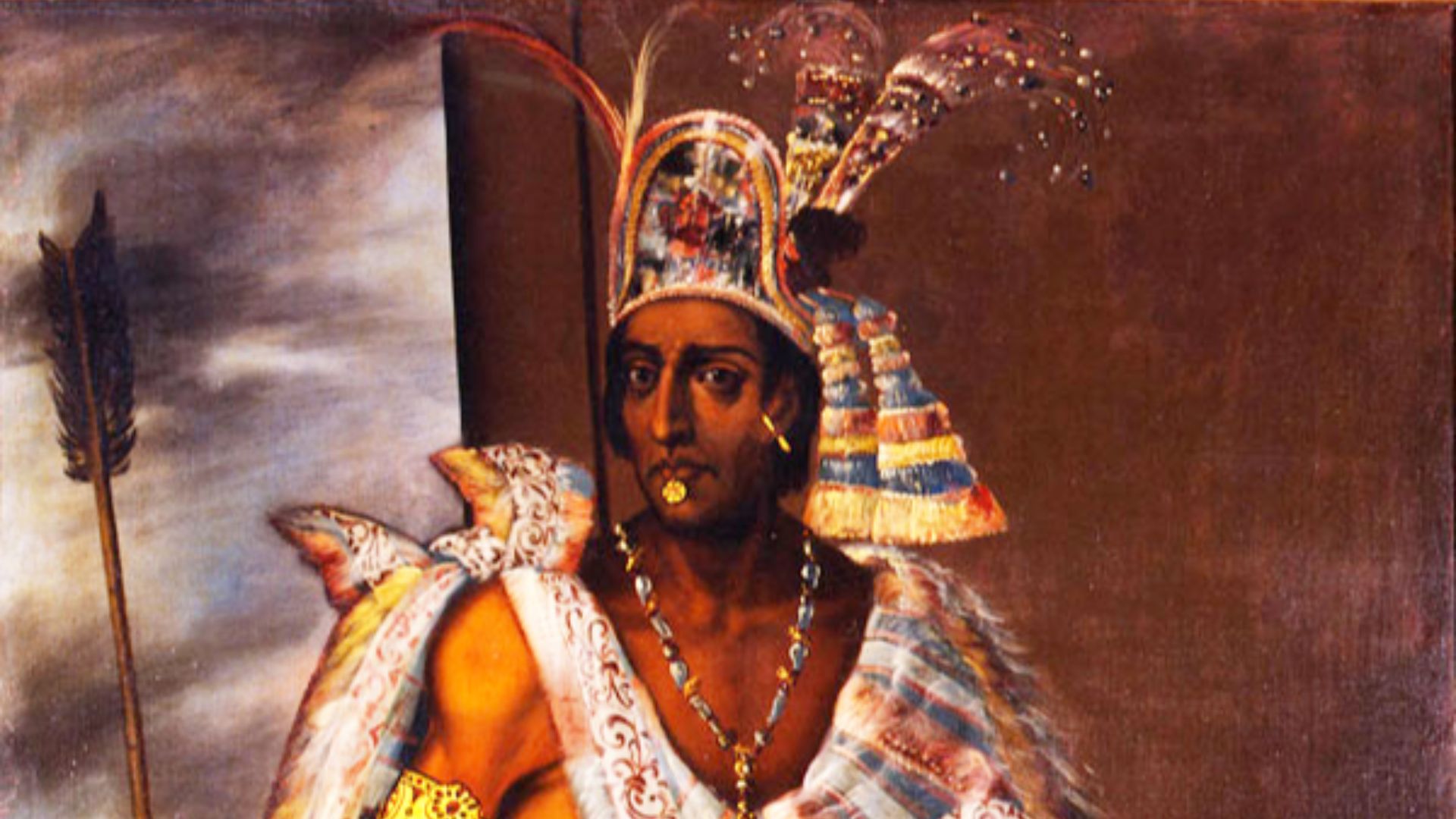 attributed to Antonio Rodriguez (1636-1691) on Wikimedia
4. Atahualpa
The Inca emperor was seized by Francisco Pizarro in 1532 during a surprise attack at Cajamarca. His imprisonment shattered centralized Inca leadership and hastened Spain's conquest of the Andes.
 Unknown authorUnknown author on Wikimedia
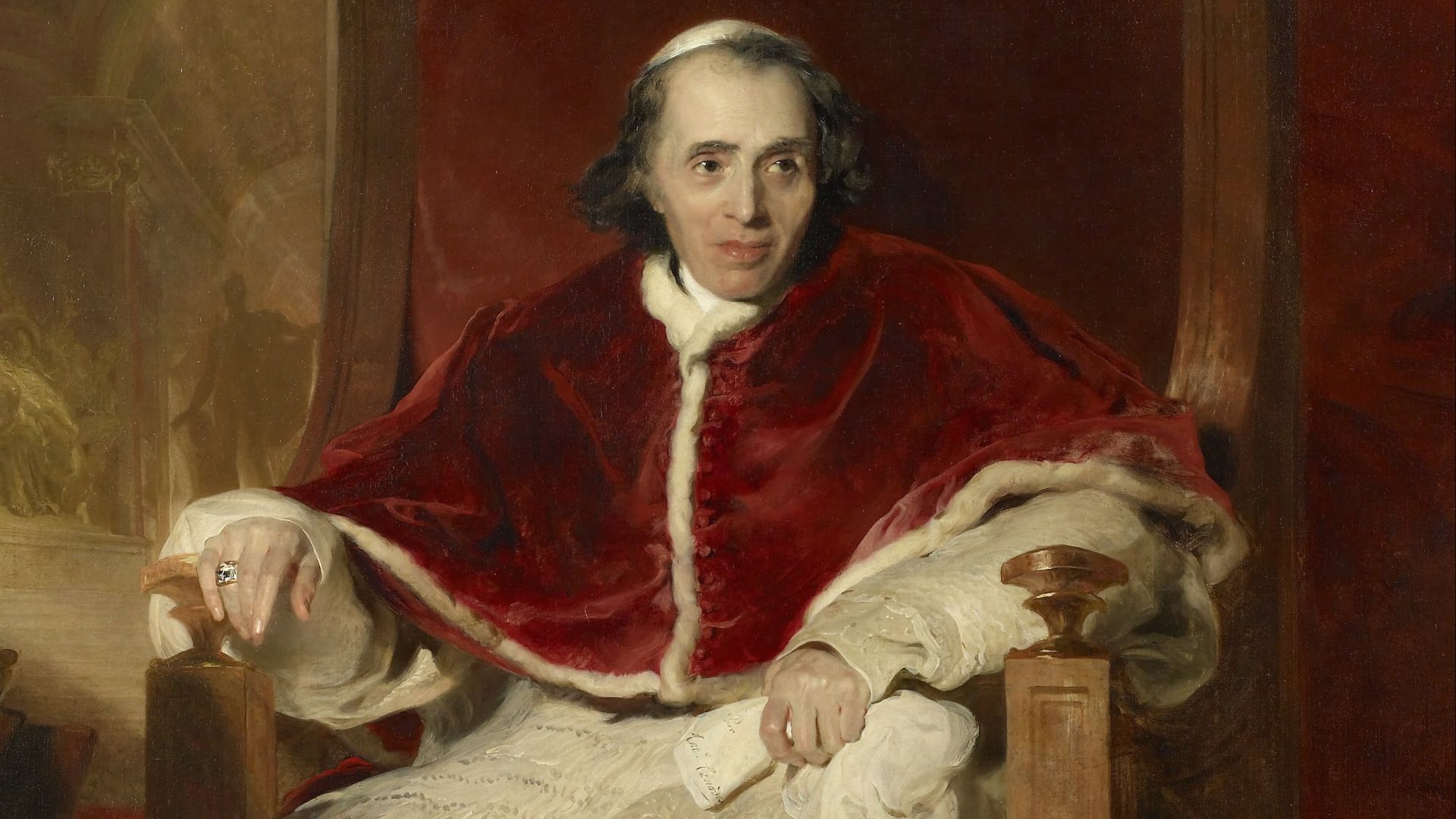
5. Pope Pius VII
Napoleon ordered Pope Pius VII arrested in 1809 after disputes over political authority in Italy. The pope remained in French custody for several years while resisting pressure to surrender the Church's independence. His eventual return strengthened the papacy's moral authority after Napoleon's downfall.
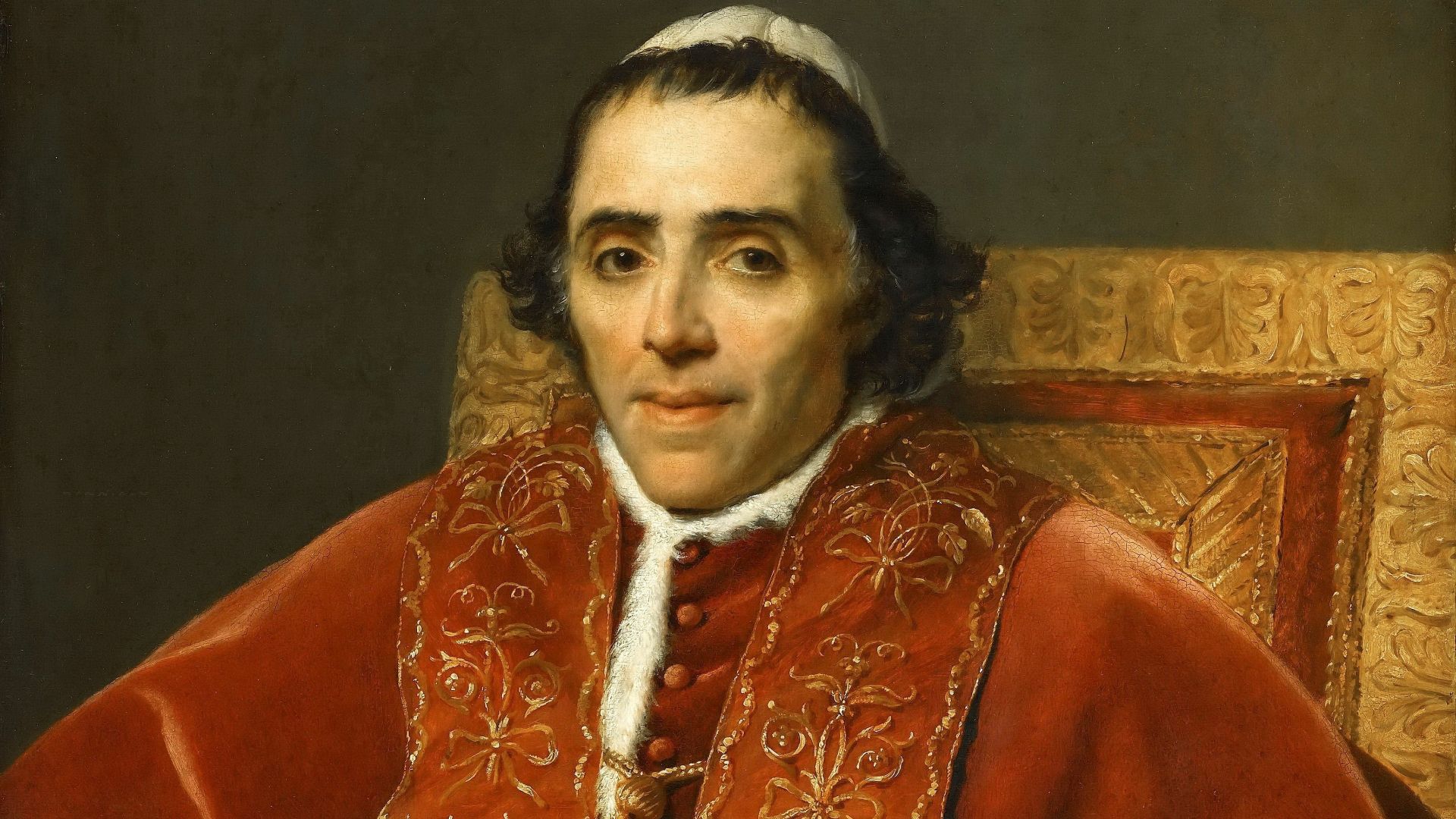 Jacques-Louis David on Wikimedia
6. Mary, Queen Of Scots
Mary spent nearly nineteen years imprisoned in England under the orders of Queen Elizabeth I. Following her execution, tensions with Spain increased and contributed to events leading toward the Spanish Armada.
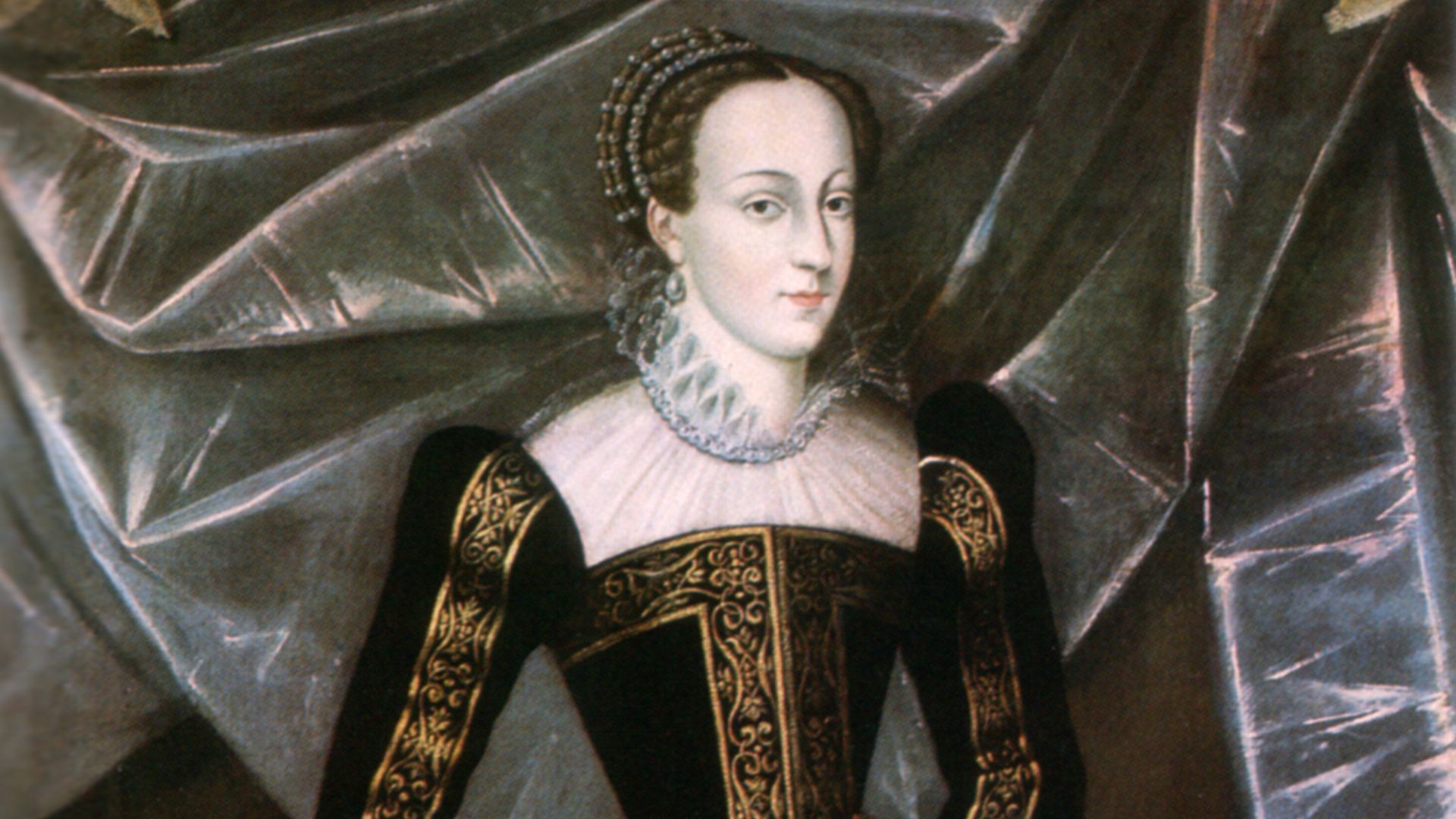 Unidentified painter on Wikimedia
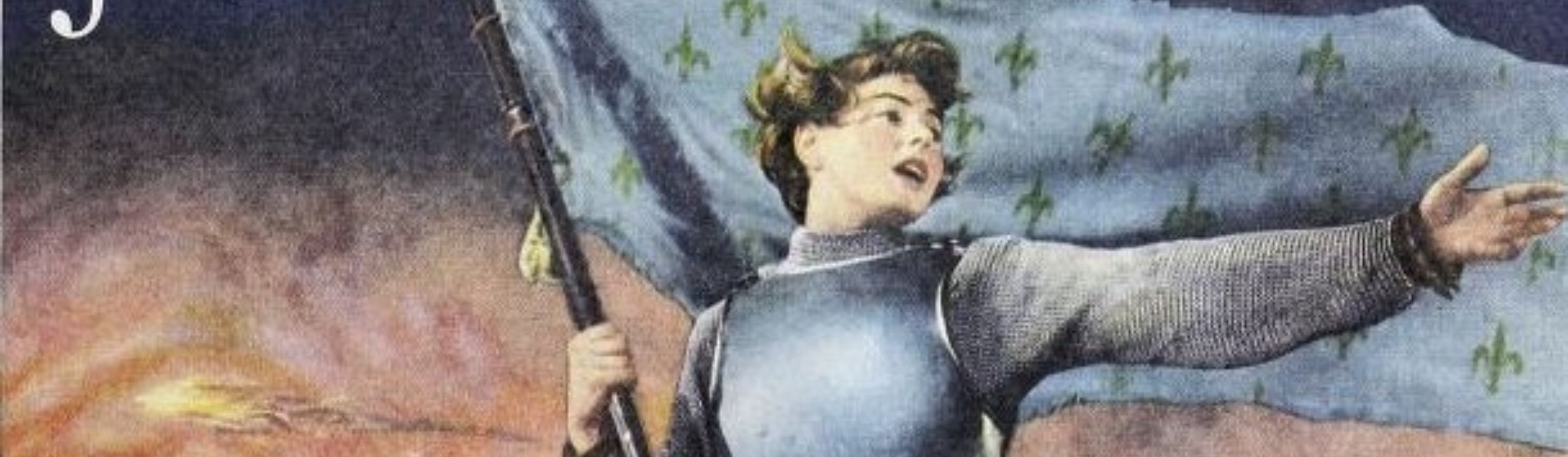
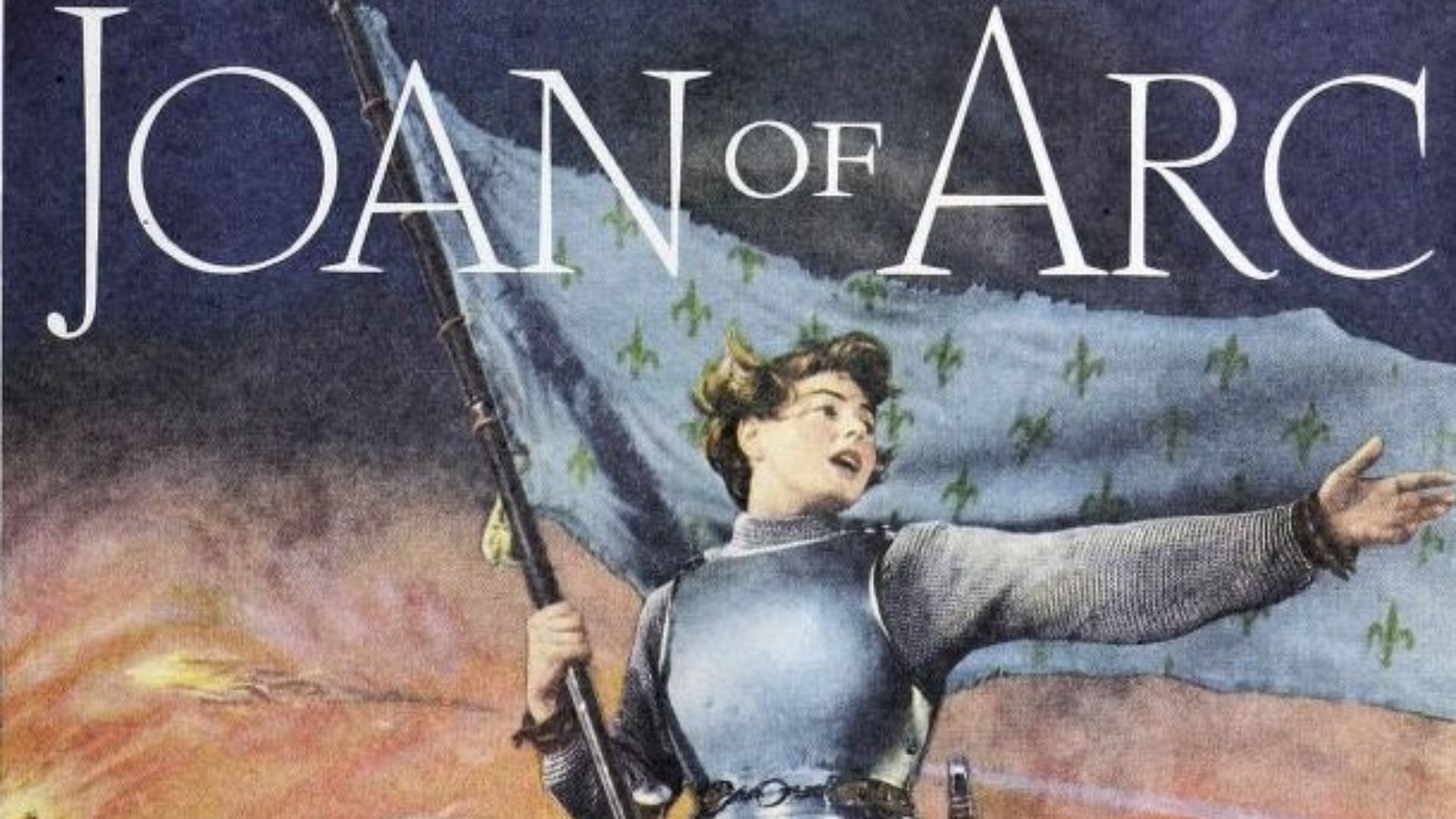
7. Joan Of Arc
Captured by Burgundian forces in 1430 and handed over to the English, Joan was tried and executed the following year. Her imprisonment removed one of France's most inspiring military figures during the Hundred Years' War. Over time, however, her legacy strengthened French national identity and morale.
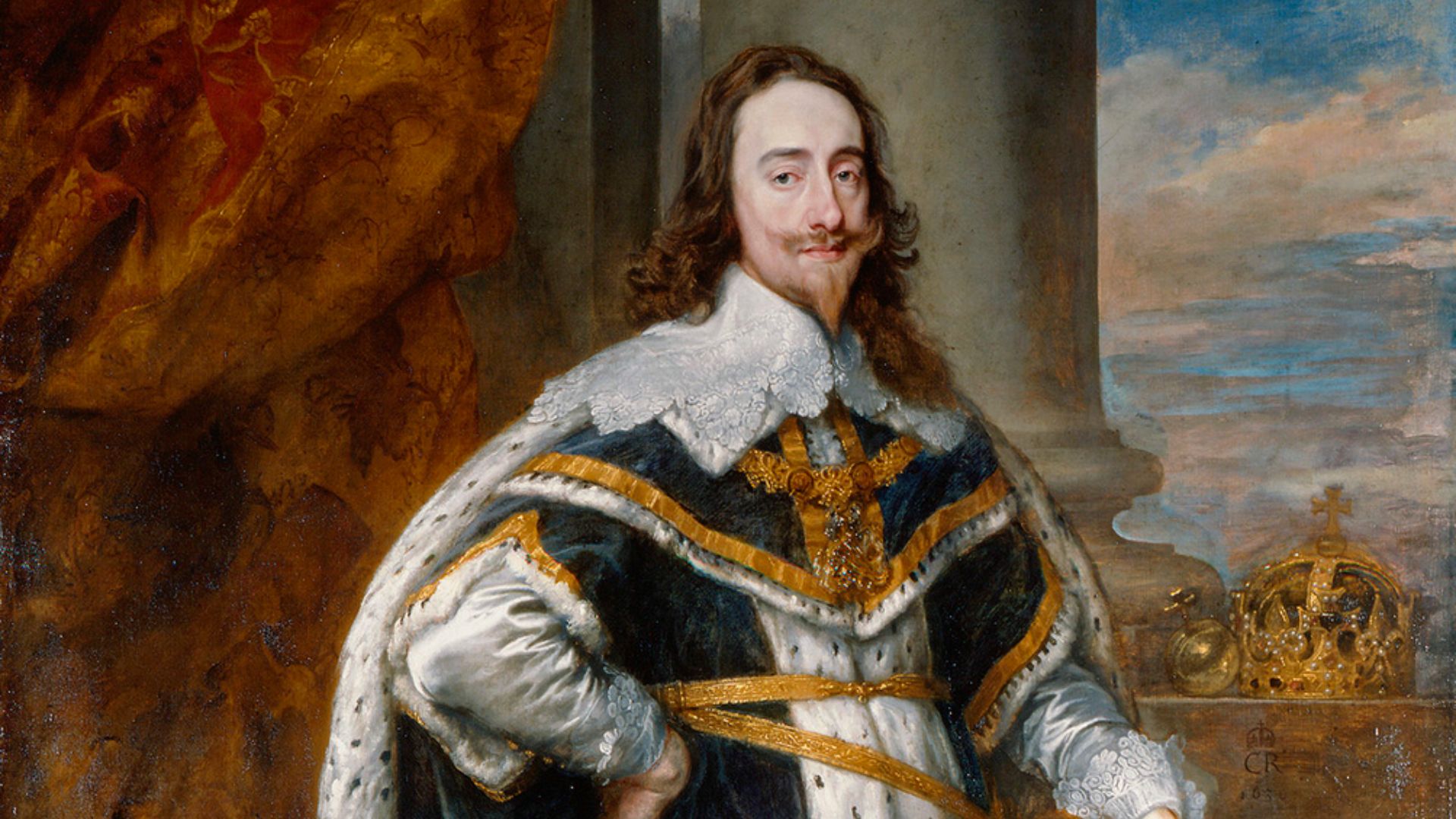
8. Charles I Of England
Following defeat in the English Civil War, Charles I was imprisoned by Parliamentary forces. His refusal to compromise politically ultimately led to his trial and execution in 1649. England briefly became a republic under Oliver Cromwell, marking one of the country's most significant constitutional turning points.
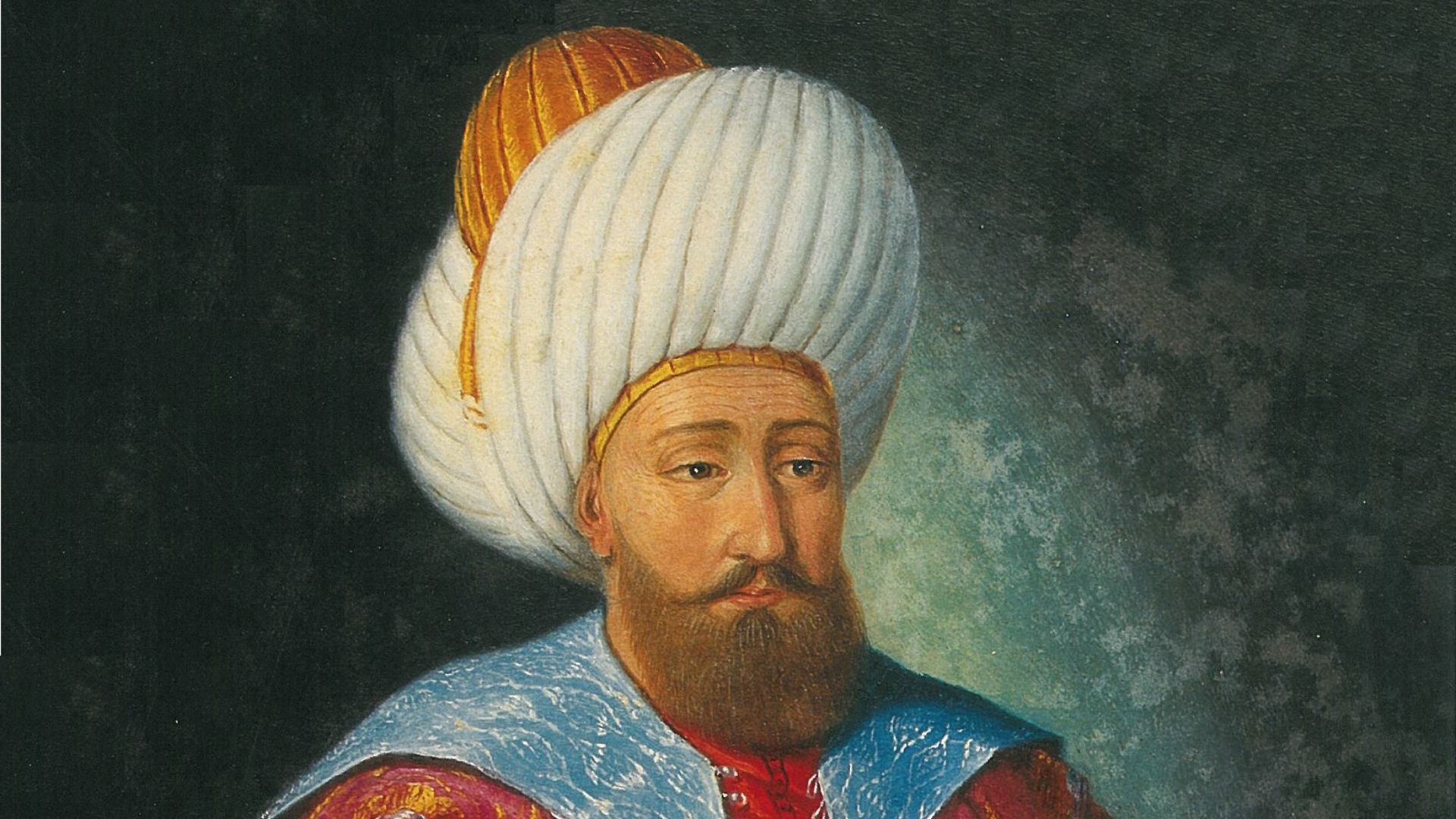
9. Sultan Bayezid I
The Ottoman ruler was captured by Timur after the Battle of Ankara in 1402. The resulting instability delayed Ottoman expansion into Europe for several years.
 Original: Belli değil
Original Uploder was Osmanlı98 on Wikimedia
Original: Belli değil
Original Uploder was Osmanlı98 on Wikimedia
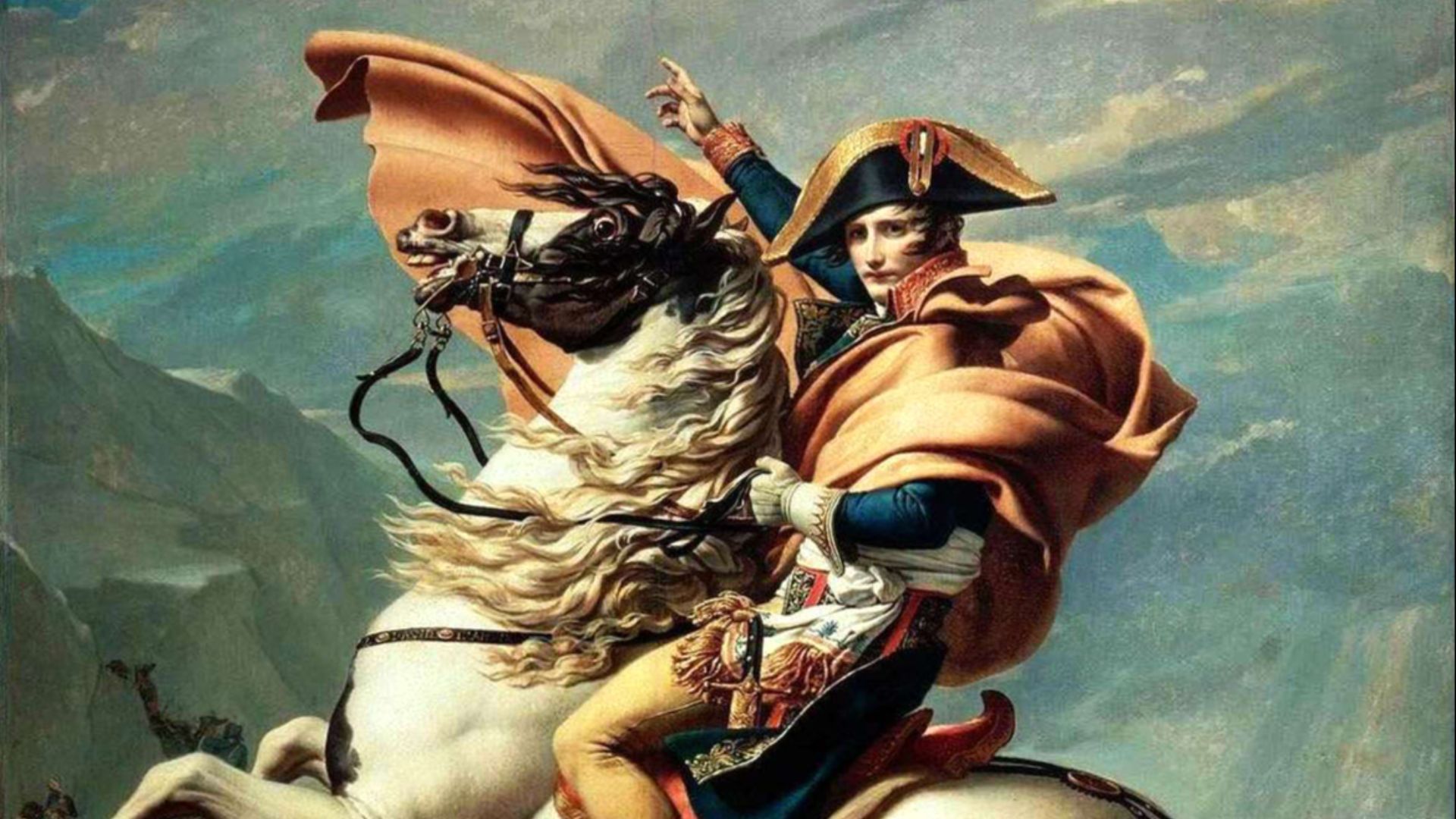
10. Napoleon Bonaparte
After his first abdication, Napoleon was exiled to Elba before escaping and briefly reclaiming power during the Hundred Days. Following Waterloo, he was sent into permanent captivity on Saint Helena. His final imprisonment ended decades of European conflict associated with the Napoleonic Wars.
 Jacques-Louis David on Wikimedia
11. John II Of France
King John II was captured by the English during the Battle of Poitiers in 1356. His imprisonment resulted in the Treaty of Brétigny and a massive ransom that strained France's finances. The political and economic consequences affected the kingdom for decades during the Hundred Years' War.
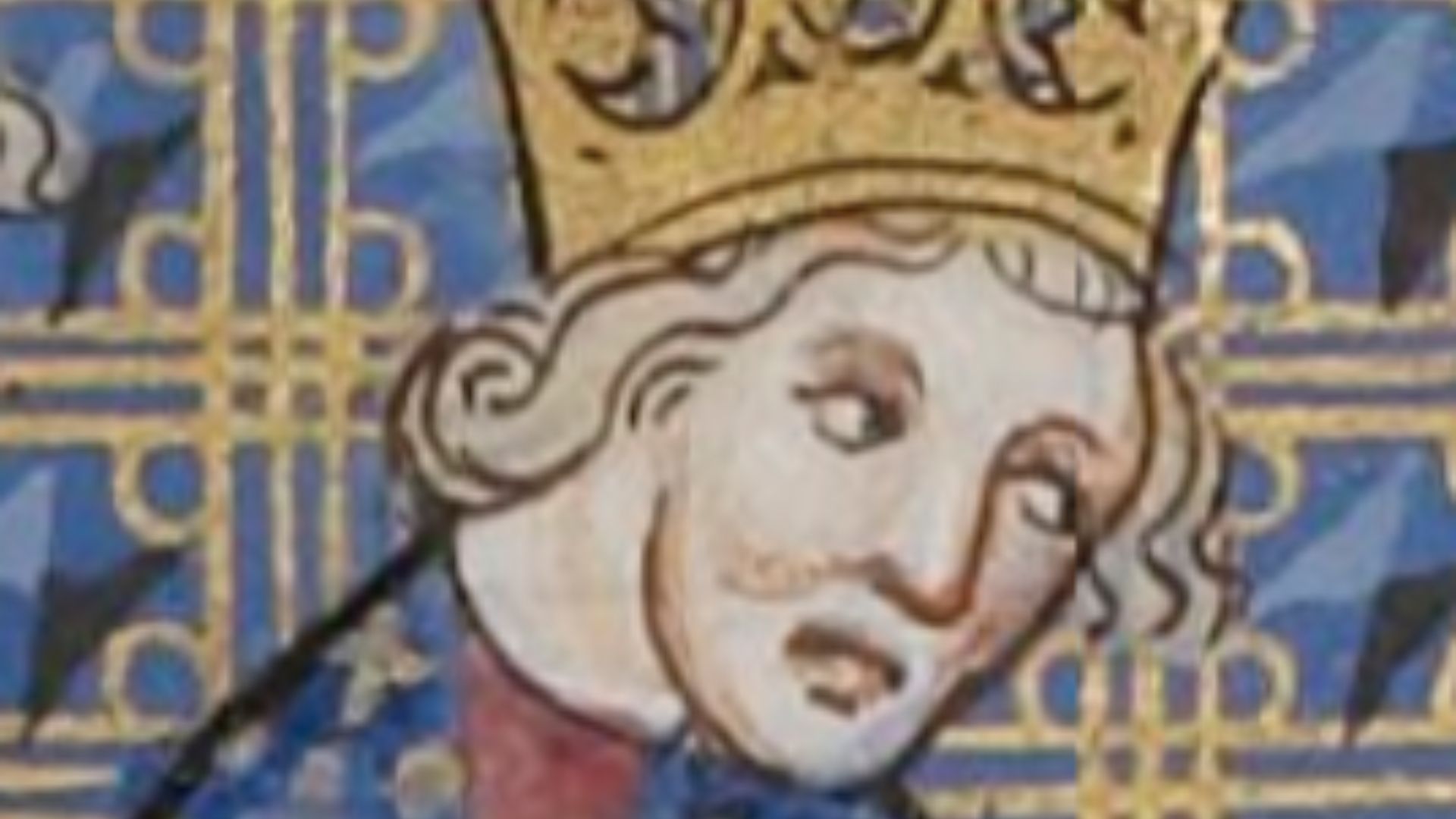 AnonymousUnknown author on Wikimedia
12. Louis IX Of France
During the Seventh Crusade, Louis IX was captured by Egyptian forces after the Battle of Fariskur. His experience influenced later crusading policy and strengthened his reputation as a deeply devoted ruler.
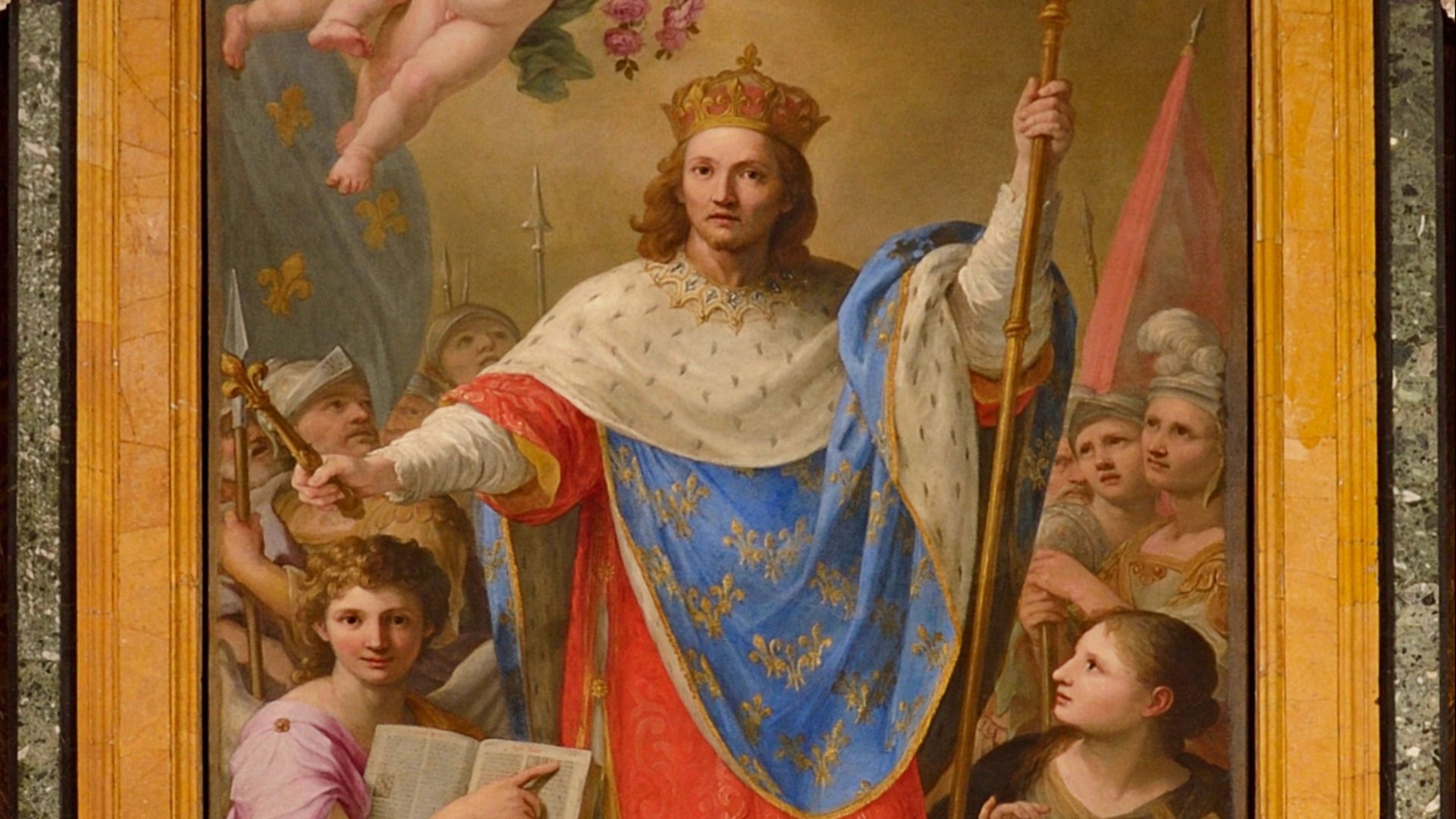 Livioandronico2013 on Wikimedia
13. Harold Godwinson's Brother Wulfnoth
Wulfnoth Godwinson spent many years as a political hostage in Normandy before and after the Norman Conquest. Although less famous than his brother Harold, his imprisonment formed part of the political landscape surrounding England's conquest in 1066.
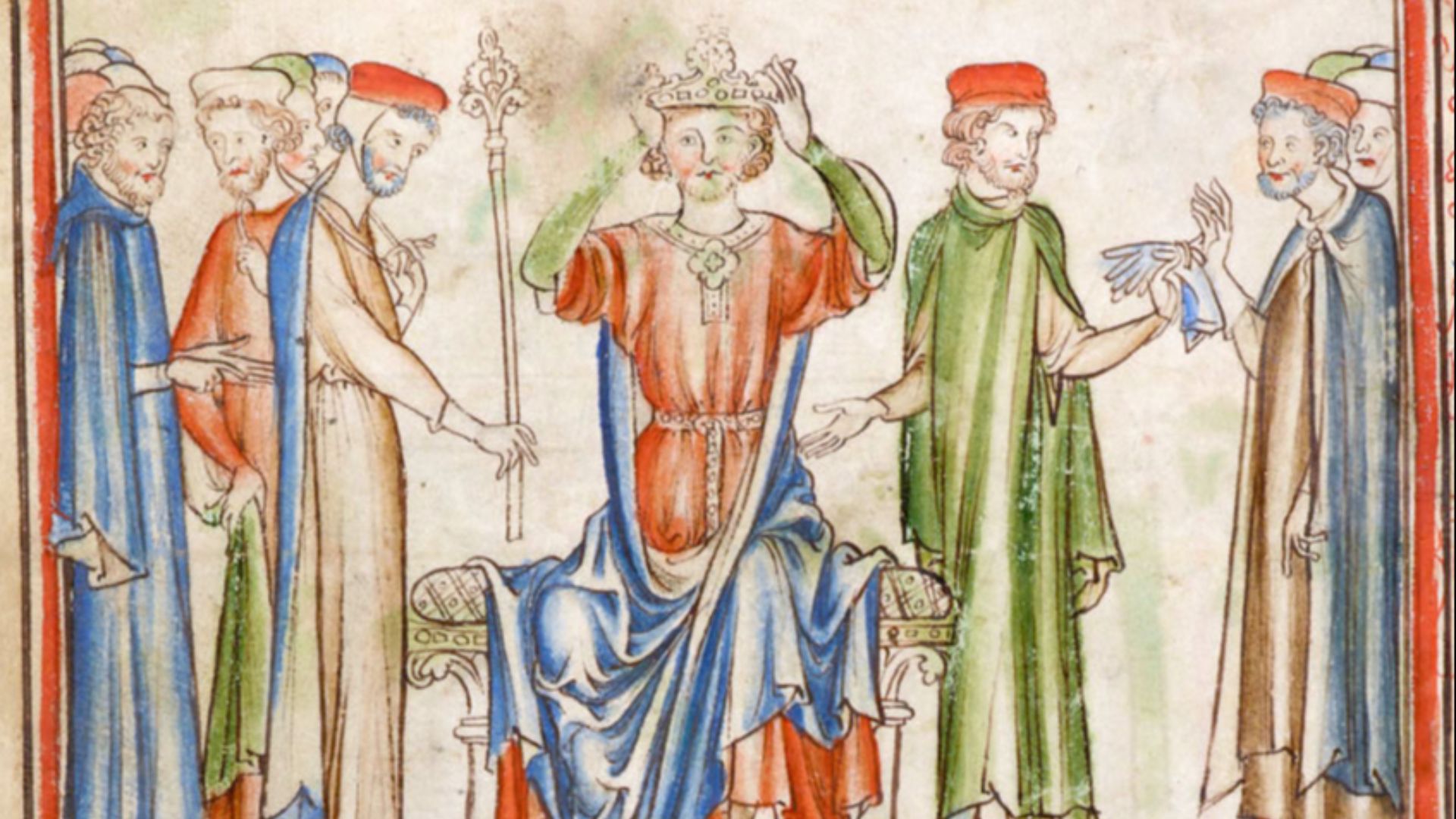 Anonymus (The Life of King Edward the Confessor) on Wikimedia
14. King David II Of Scotland
David II was captured by the English at the Battle of Neville's Cross in 1346. He remained a prisoner for over a decade before Scotland negotiated an expensive ransom. His prolonged absence complicated Scottish politics during a difficult period of conflict with England.
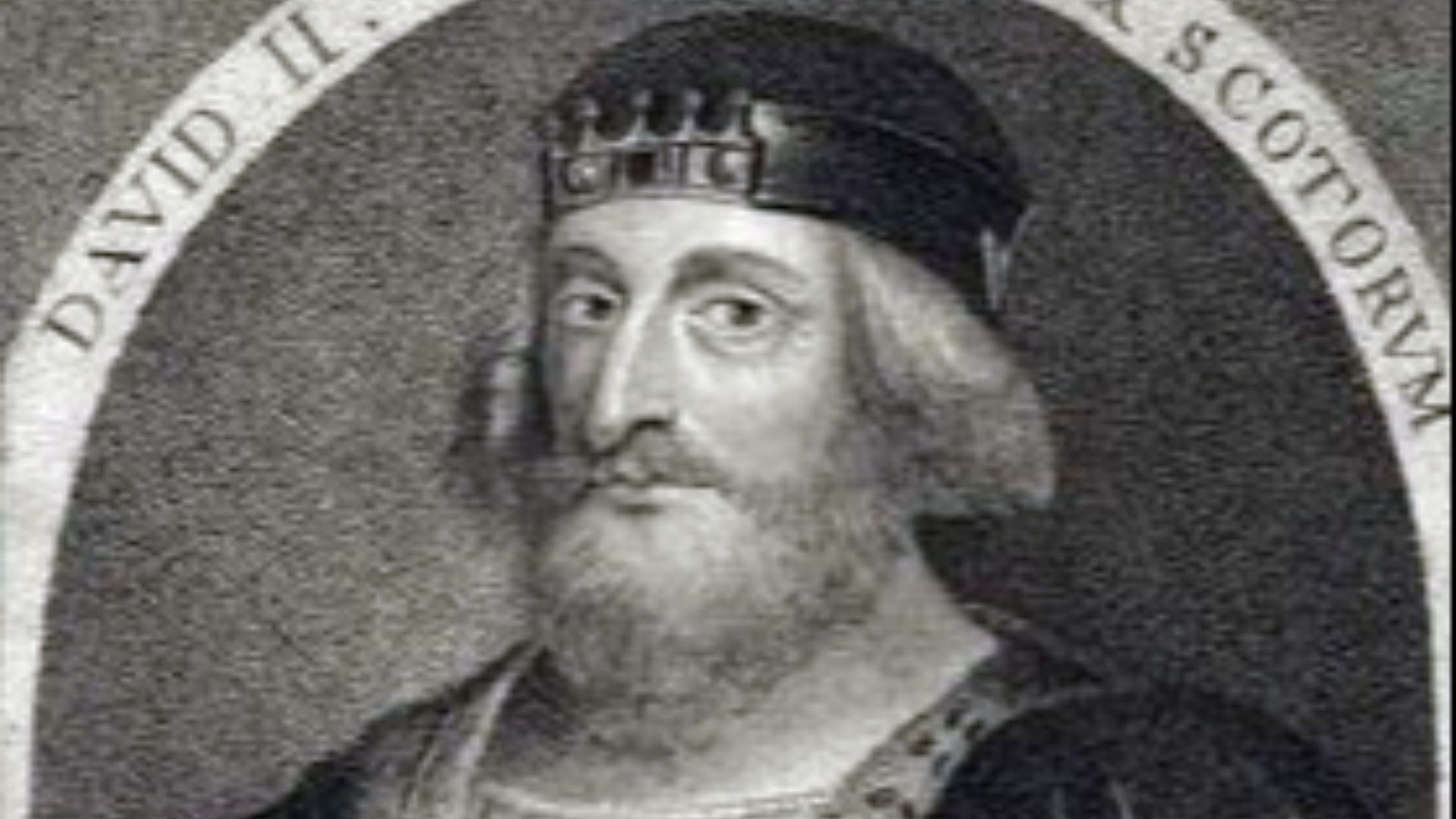 Silvester Harding / Edward Harding on Wikimedia
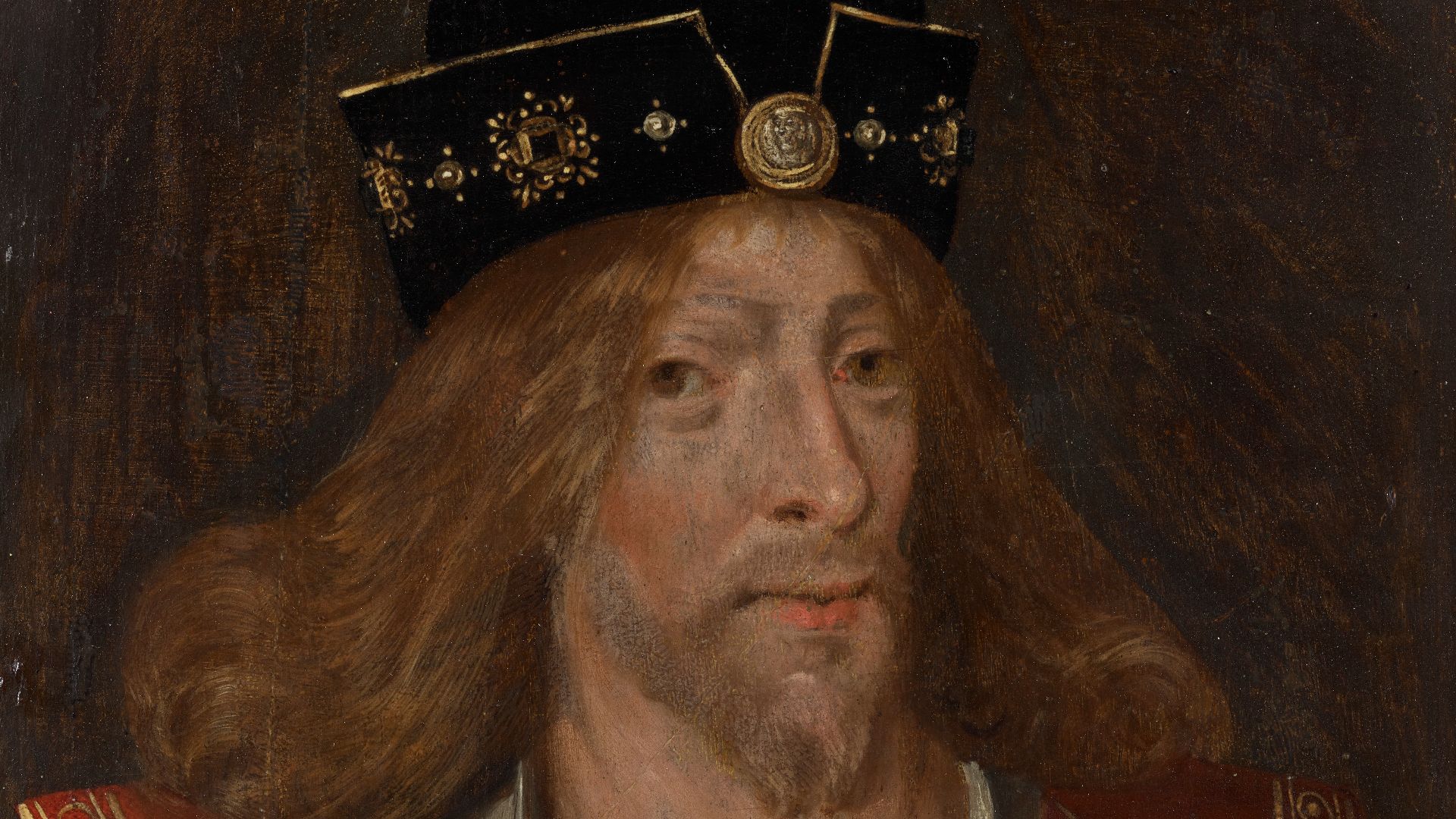
15. James I Of Scotland
Captured by English pirates as a young prince in 1406, James spent eighteen years in English custody. After returning to Scotland, he introduced significant administrative reforms while strengthening royal authority.
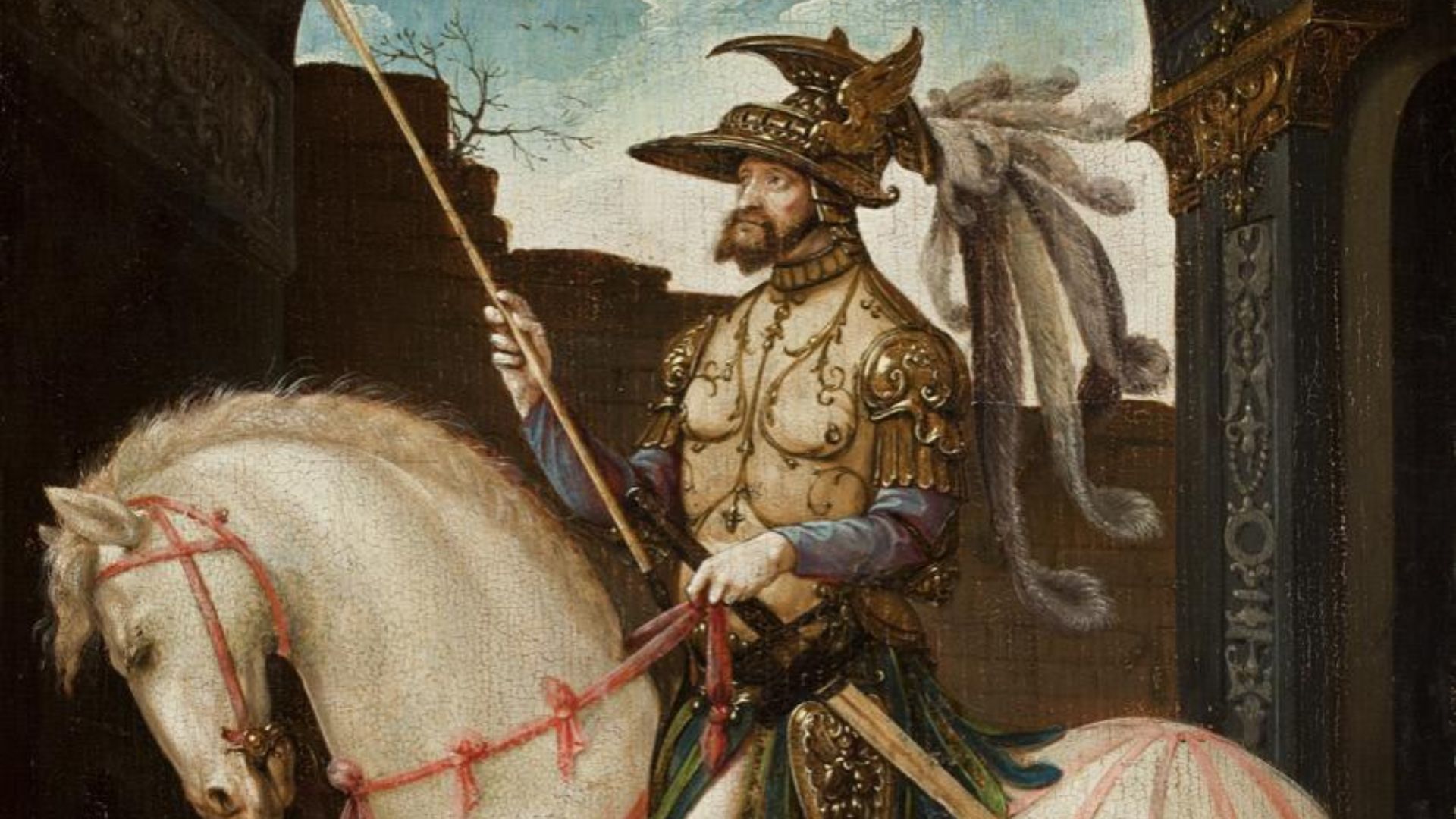
16. King Valerian
Roman Emperor Valerian was captured by the Persian ruler Shapur I in AD 260, becoming the only Roman emperor known to have been taken alive by a foreign enemy. The event exposed weaknesses that encouraged further challenges along Rome's frontiers.
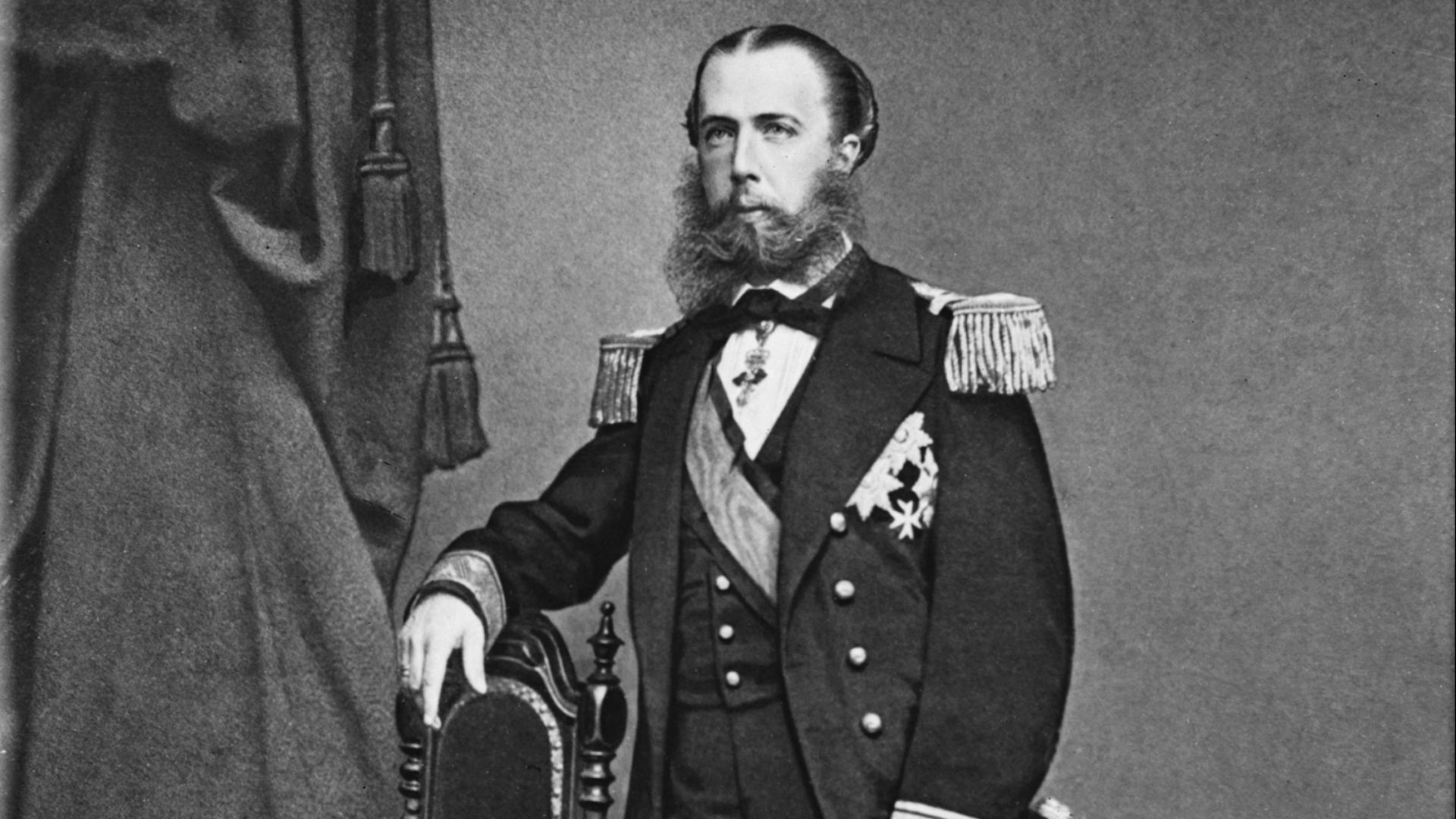
17. Maximilian I Of Mexico
After the fall of Querétaro in 1867, Emperor Maximilian was captured by Republican forces loyal to Benito Juárez. The restoration of the Mexican Republic reinforced national sovereignty and discouraged future European intervention.
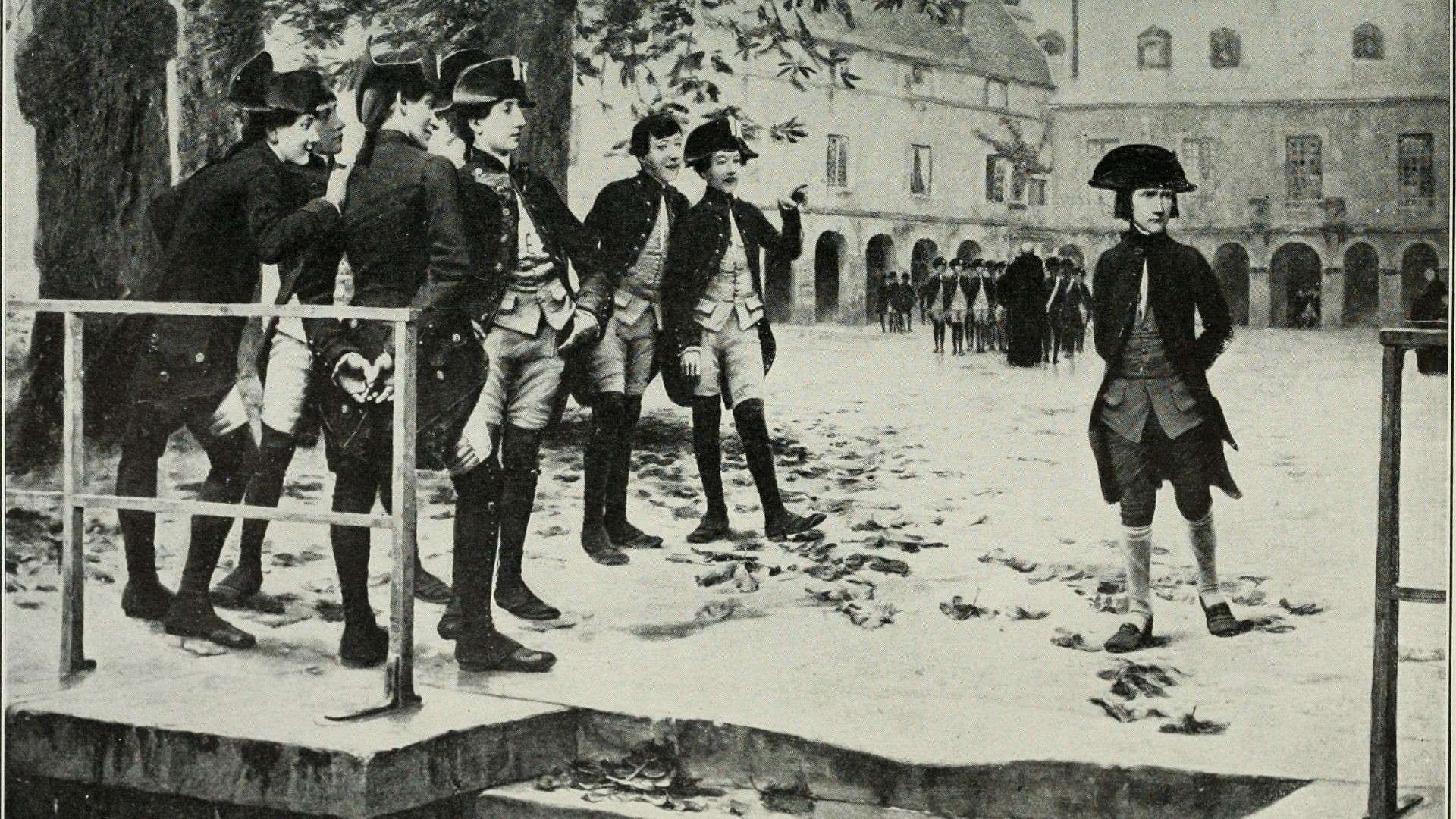
18. Bohemond II Of Antioch
Bohemond II was briefly held by regional rivals during the shifting alliances that characterized the Crusader states. Episodes like this demonstrated how imprisoning a single ruler could quickly reshape alliances across the eastern Mediterranean.
 Internet Archive Book Images on Wikimedia
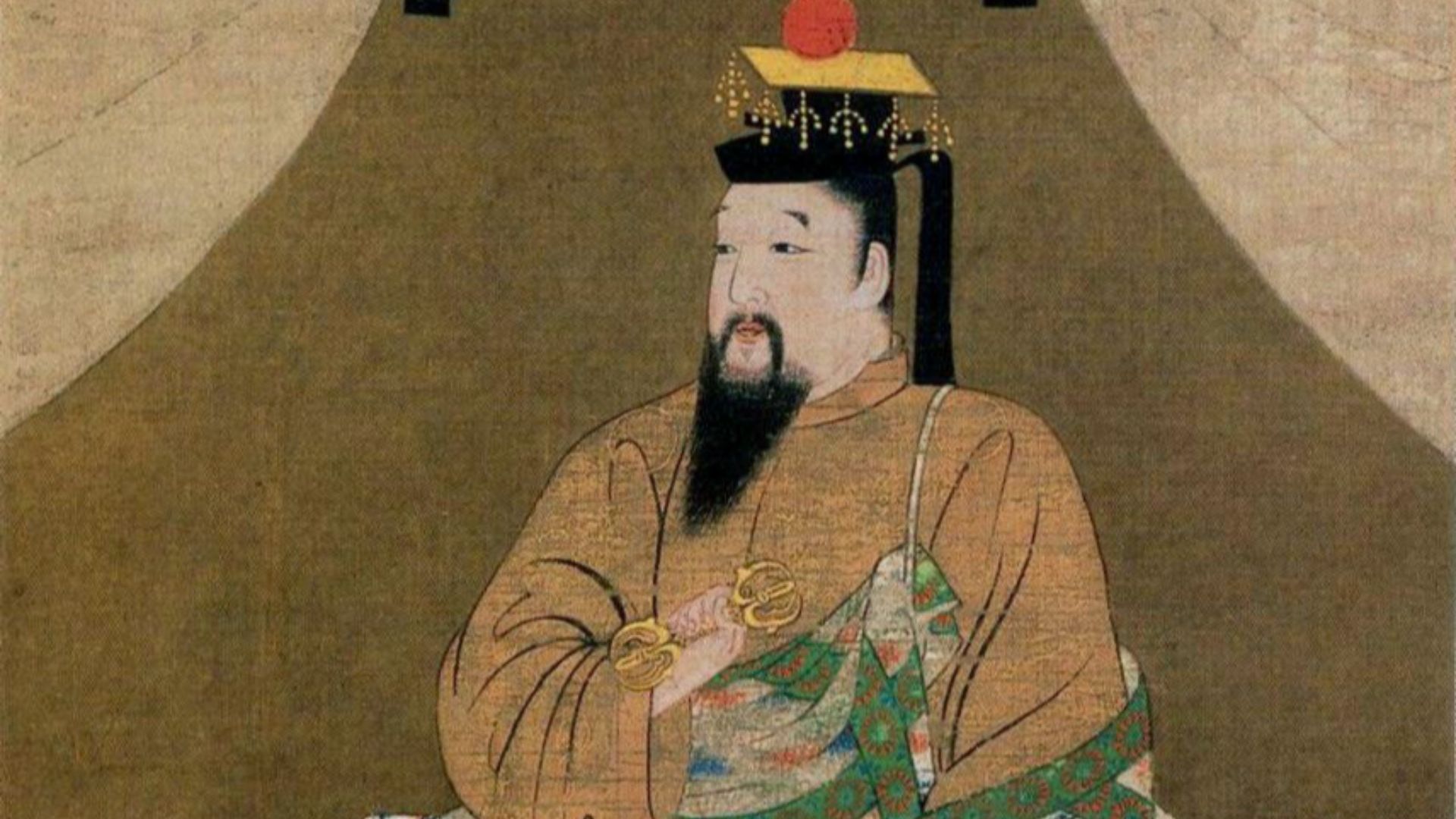
19. Emperor Go-Daigo
Japan's Emperor Go-Daigo was captured and exiled in 1332 after challenging the Kamakura shogunate. His captivity ultimately contributed to one of medieval Japan's most significant political transitions.
20. Charles Of Orléans
Captured by the English at the Battle of Agincourt in 1415, Charles remained a prisoner for nearly twenty-five years. After returning to France, he became better known for his literary contributions, while his absence had already shaped the political landscape for a generation.
KEEP ON READING