A Different Kind of Legacy
History loves a dramatic romance, but some famous lives were shaped just as strongly by the decision to avoid marriage, consummation, or domestic expectation altogether. It wasn’t always the same story, either. Some of these figures made formal vows of chastity. Others became famous for remaining unmarried. Some even built a public identity around spiritual discipline or personal independence. Whatever the case may be, these 20 figures remained lily white all their lives.
1. Siddhartha Gautama
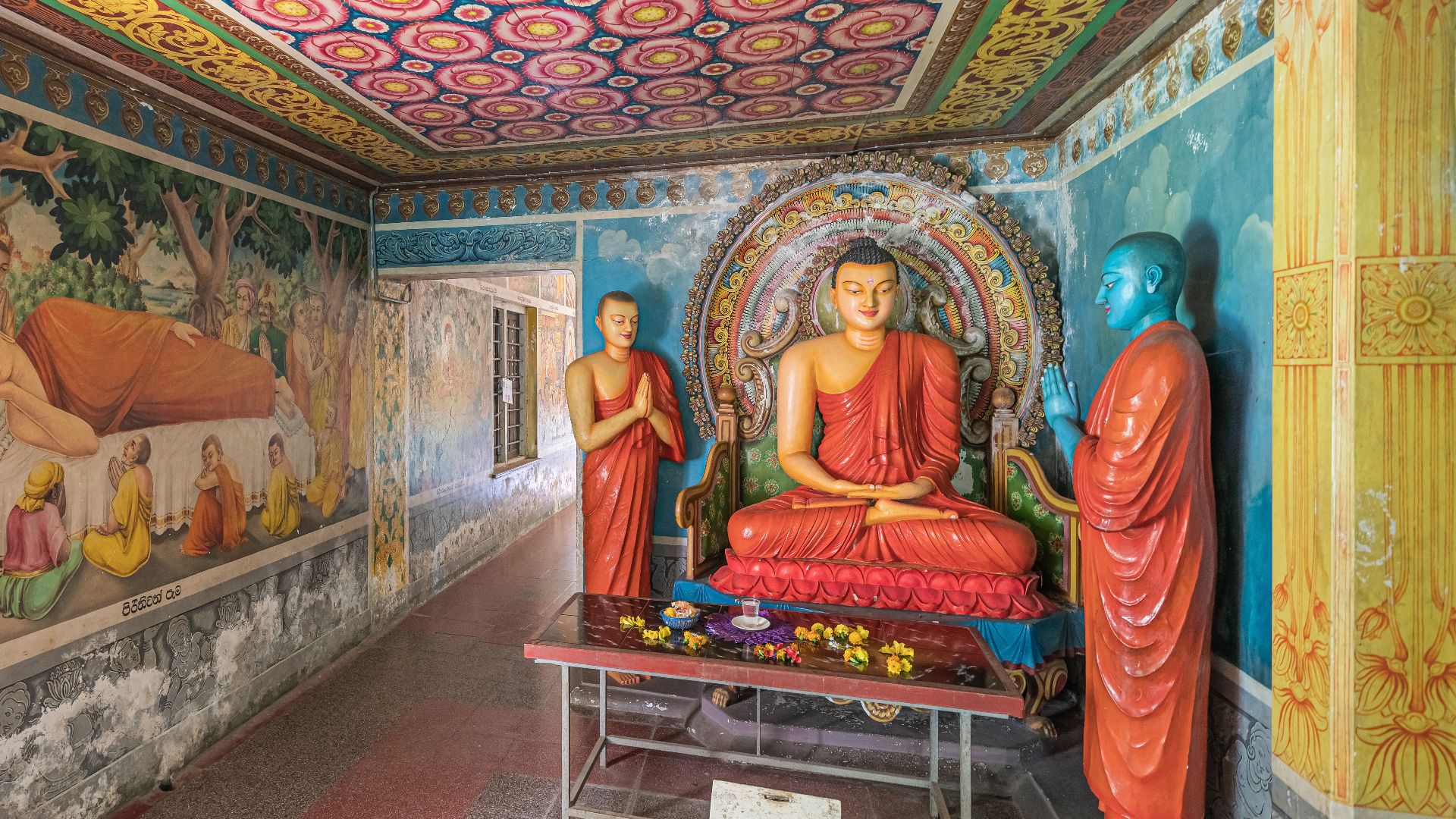
Siddhartha Gautama, later known as the Buddha, wasn’t actually a lifelong celibate, believe it or not. Buddhist tradition says he married Yasodhara and had a son named Rahula before his renunciation. However, around the age of 29, he chased after enlightenment, and once he became the Buddha, his path became closely tied to monastic celibacy, which shaped Buddhist communities for centuries.
2. Joan of Arc
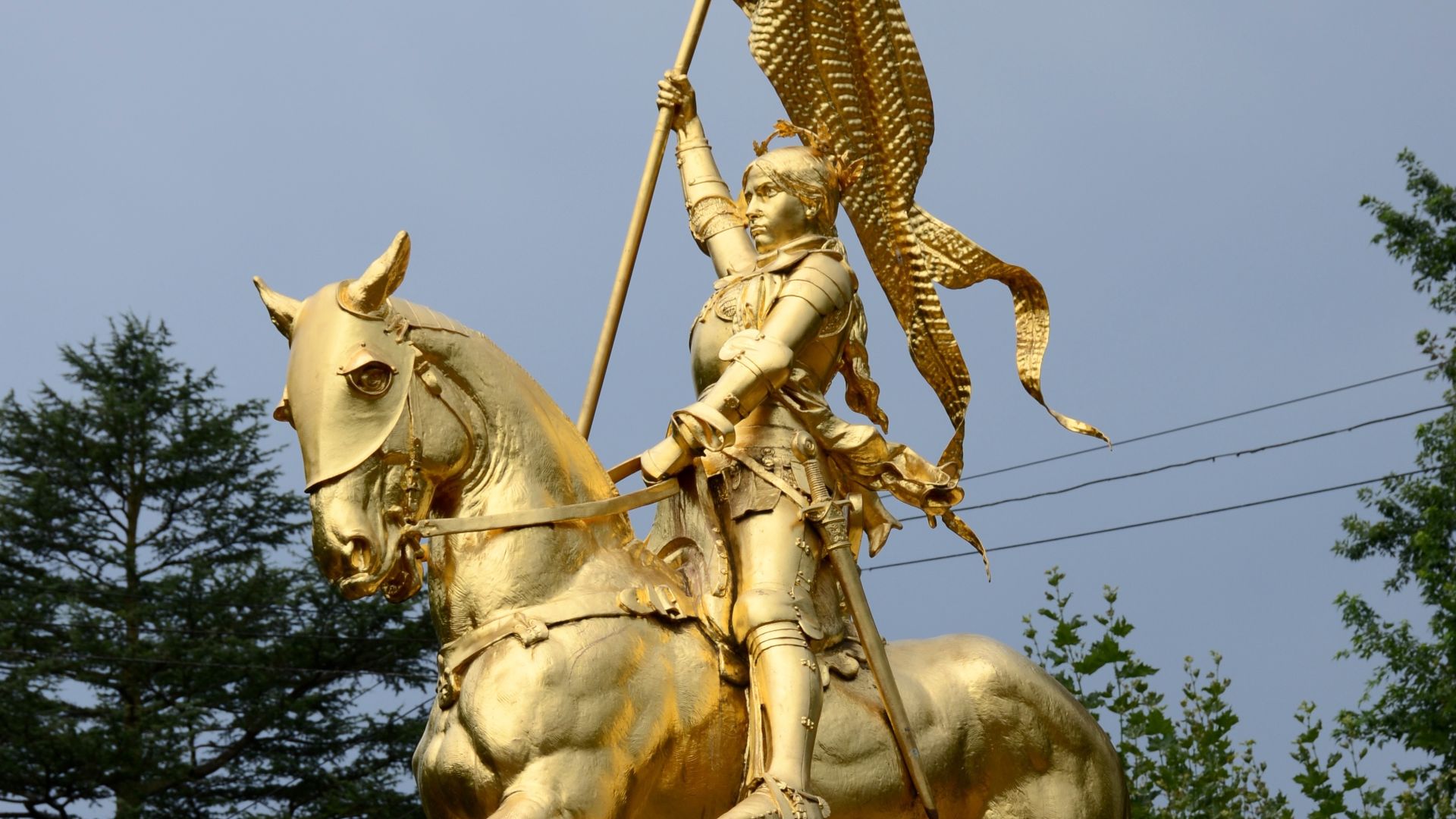
Though it’s a little intrusive by today’s standards, Joan of Arc’s chastity became a serious political and religious matter during the Hundred Years’ War. At her 1431 trial, officials investigated her reputation and even ordered an examination that declared her a virgin, all because her enemies wanted any charge they could throw in her face. But Joan connected her purity to her divine mission.
3. Queen Elizabeth I
Elizabeth I never married. She never had any children, either, and she turned those unusual choices into one of the most powerful images of her reign. She ruled England from 1558 to 1603 and eventually became known as the “Virgin Queen,” even while courtiers and foreign rulers repeatedly tried to slip a ring on her finger. Historians still debate her private feelings, but her public identity was carefully built around chastity and devotion to the kingdom.
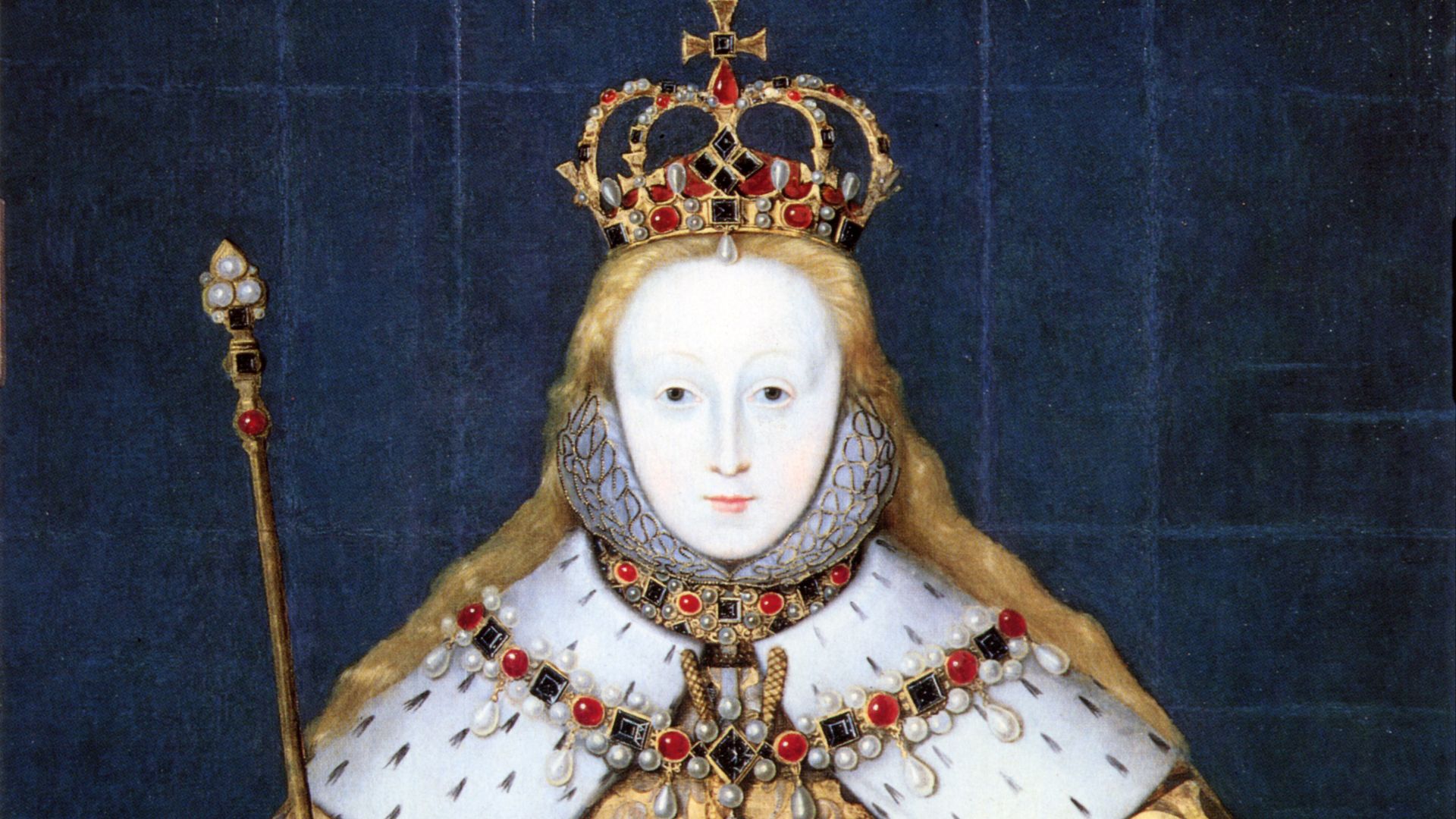 After Levina Teerlinc on Wikimedia
4. Isaac Newton
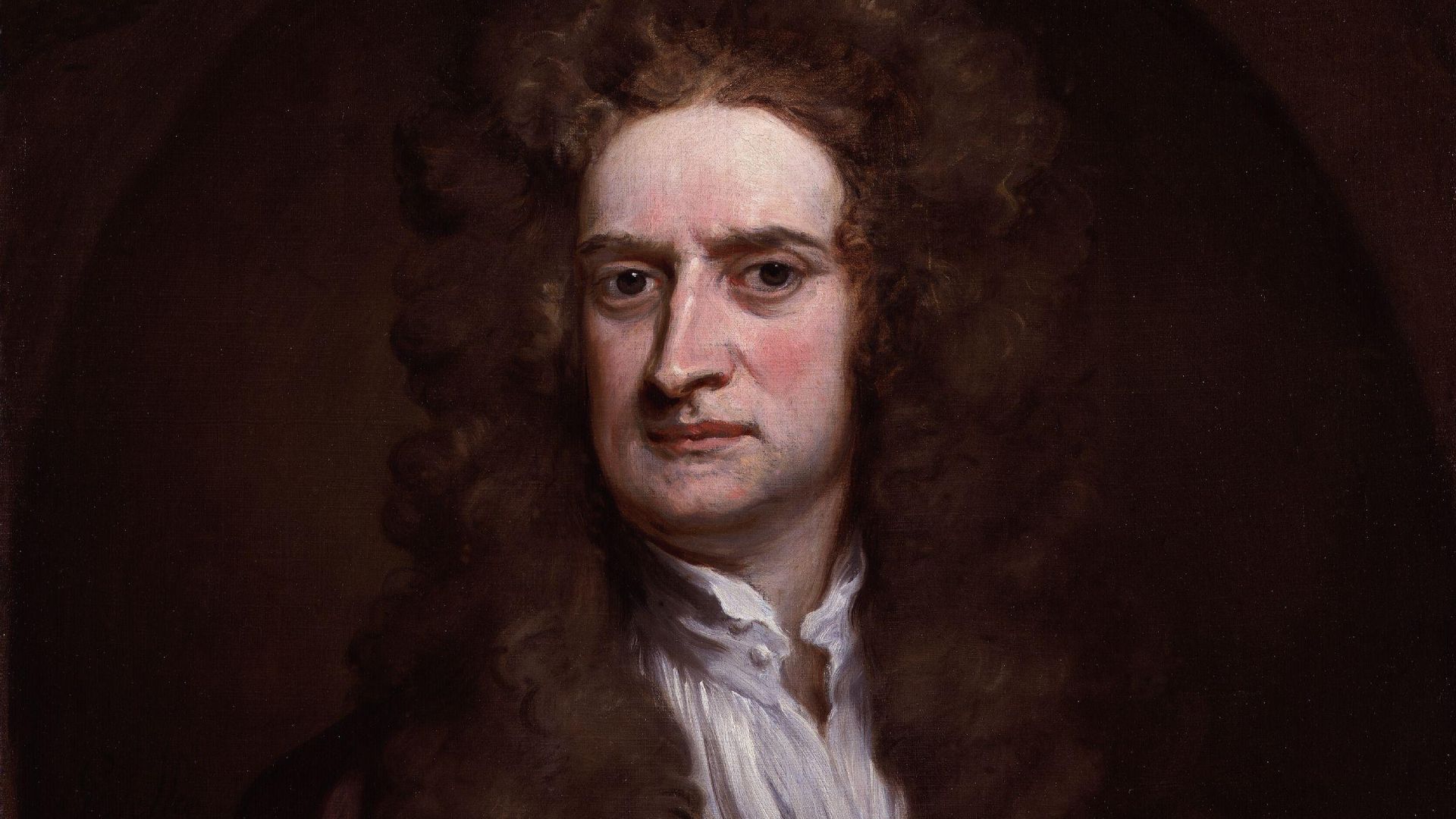
Isaac Newton never married, and there’s not even a firm record of any romantic partnerships in his adult life. His days were pretty much consumed by mathematics, optics, theology, alchemy, and his long association with the Royal Society. Though writers often described him as celibate, the safest bet is that he really just lived as an unmarried scholar whose work left little room for domestic life.
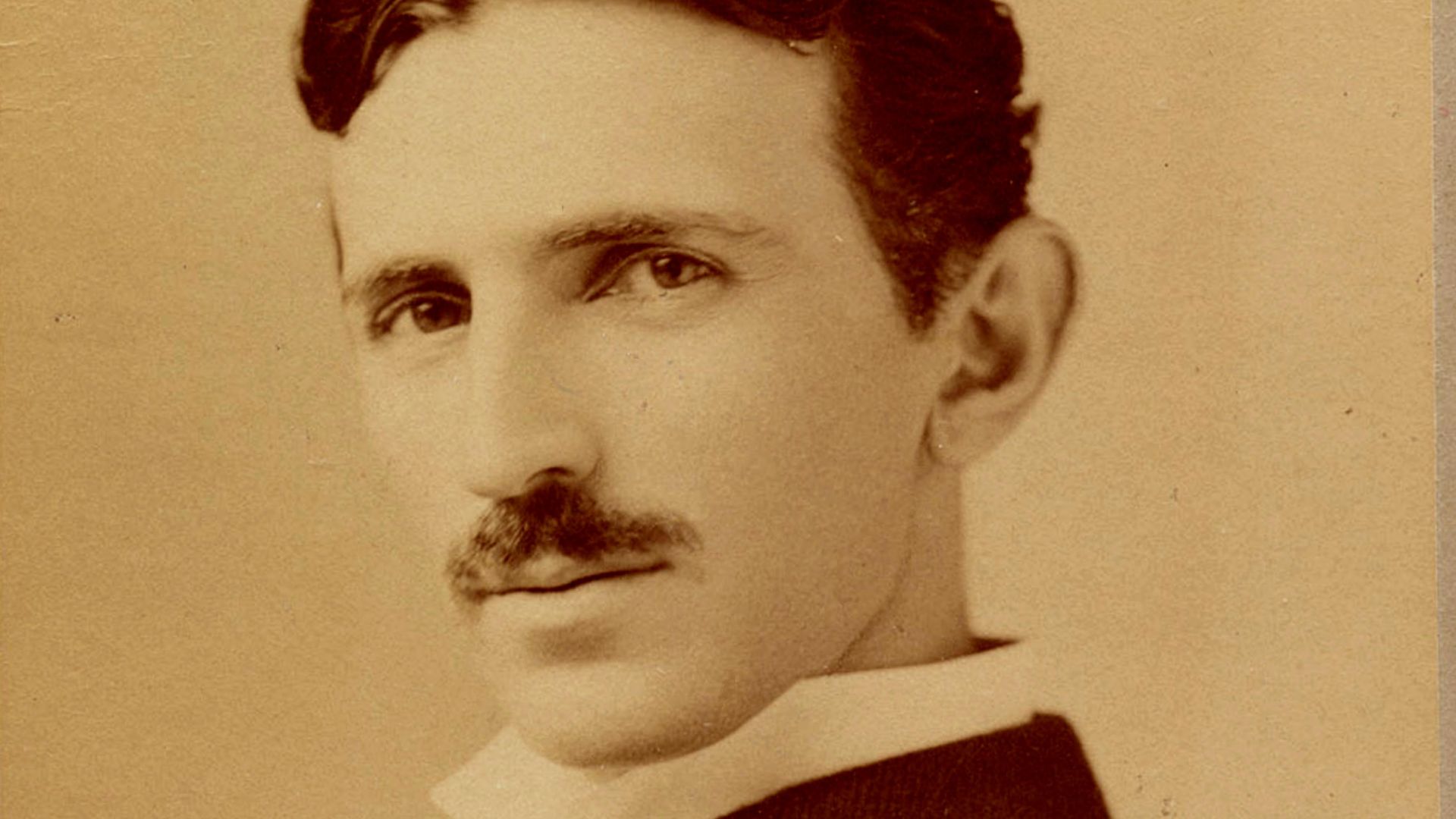
5. Nikola Tesla
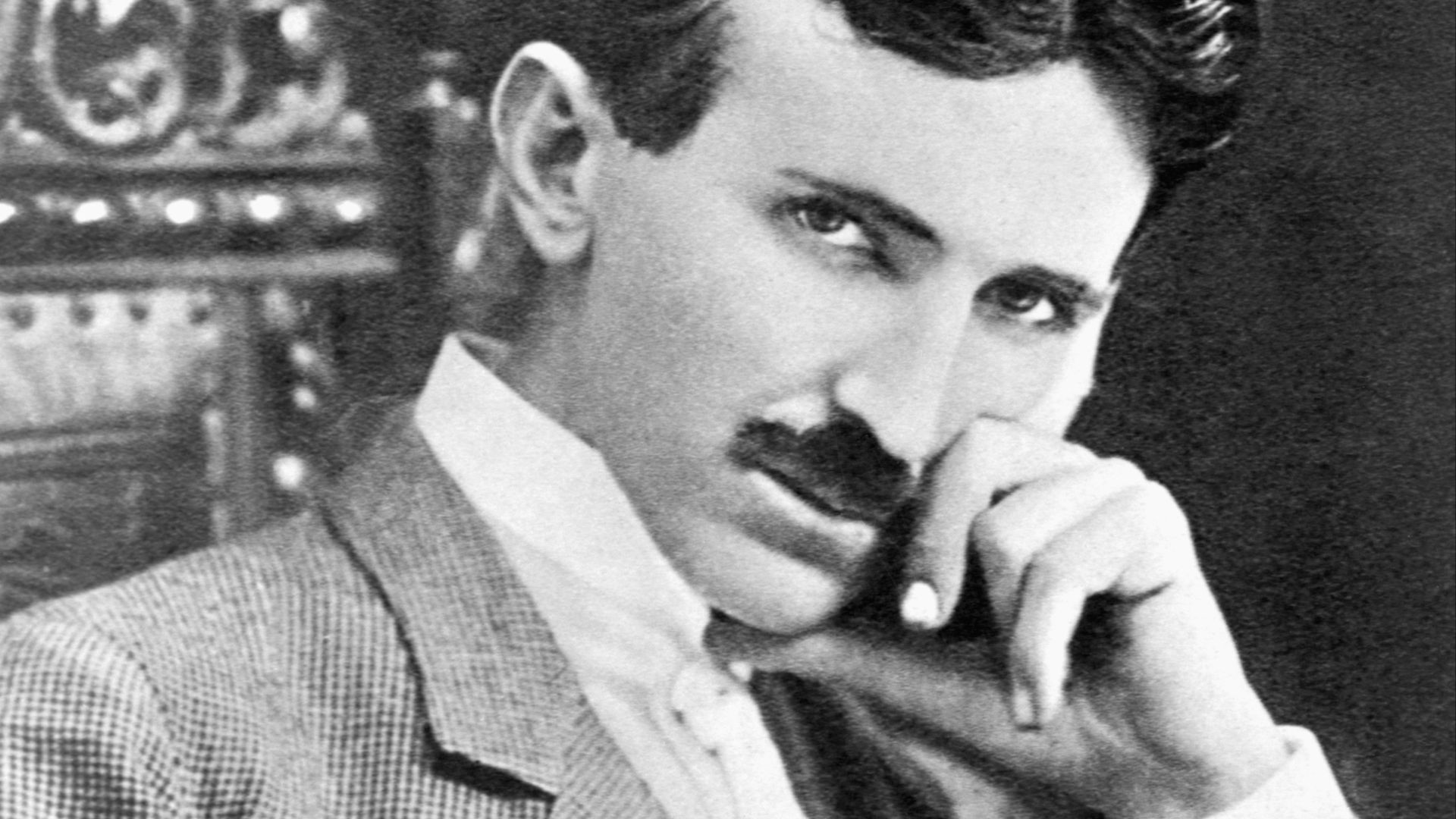
Newton wasn’t the only guy with his nose in a book. Nikola Tesla never married either, and he openly linked that choice to his scientific ambitions. In interviews, he said that marriage would have distracted him from invention. Next thing you know, his celibacy became part of the legend surrounding his work.
6. Mahatma Gandhi
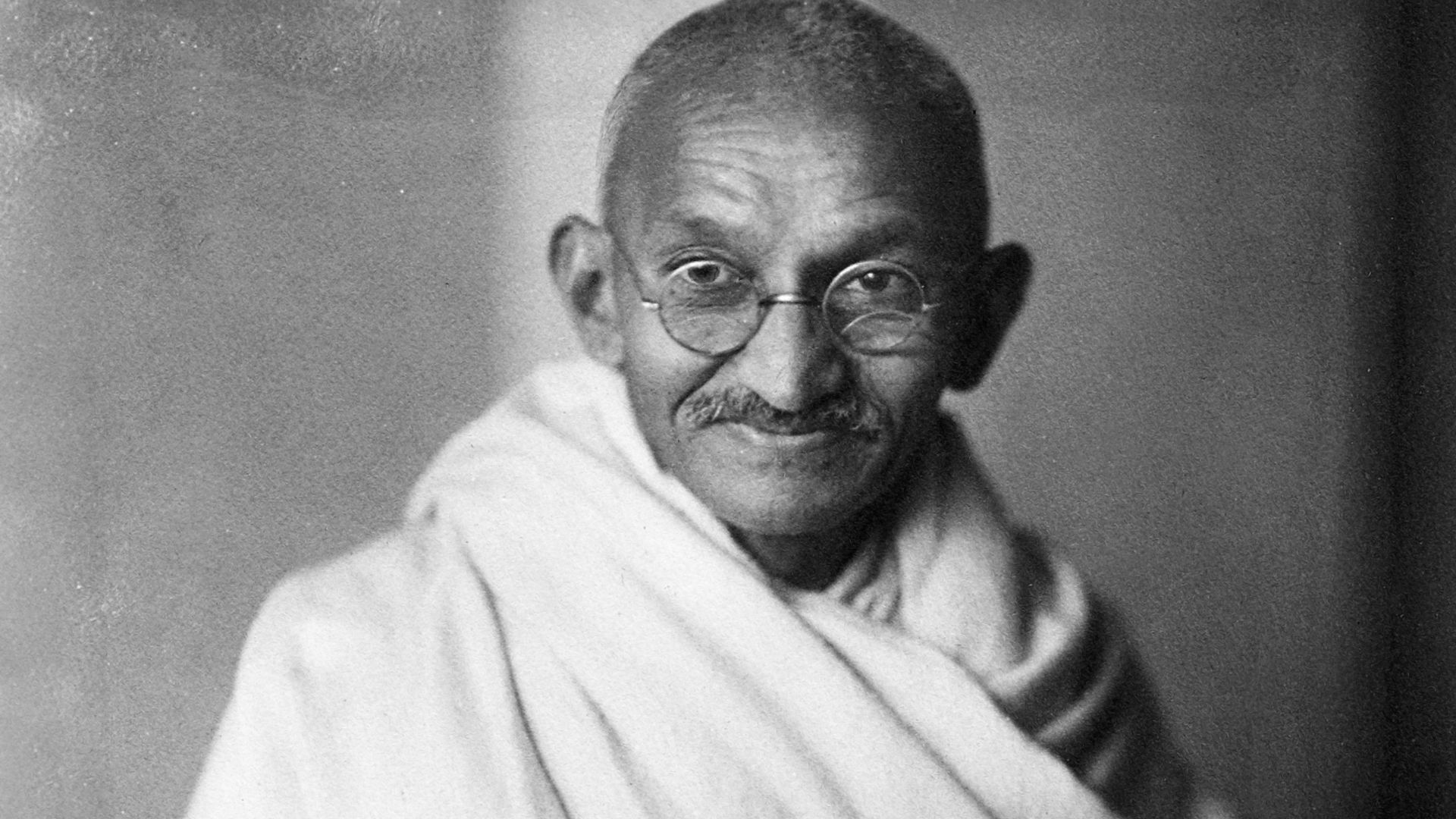
The thing to know about Mahatma Gandhi was that he was, in fact, married as a teenager. However, in 1906, while still married to Kasturba Gandhi, he took a vow of brahmacharya, which meant restraint as part of a broader spiritual discipline. The move backfired, though; the vow grew to be one of the most debated parts of his life, especially because he later conducted “experiments” to test his so-called self-control.
7. Mother Teresa
We may have blown the whistle on Mother Teresa by now, but some parts of her legacy remain true. She entered religious life as a young woman and took vows that included chastity, poverty, and obedience. Her celibacy wasn’t a private eccentricity; it was part of what defined her public mission.
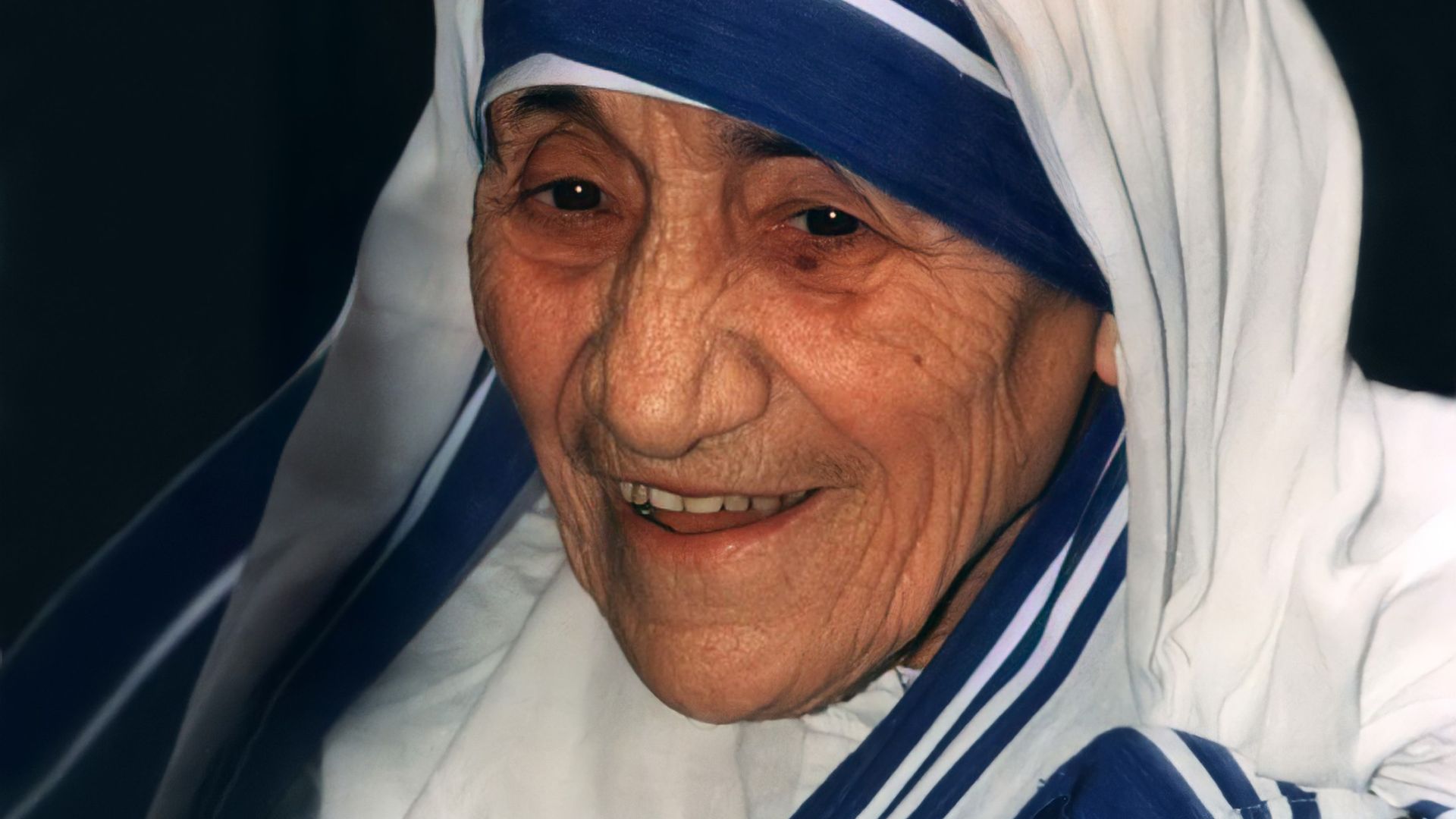 Kingkongphoto & www.celebrity-photos.com from Laurel Maryland, USA on Wikimedia
8. St. Francis of Assisi
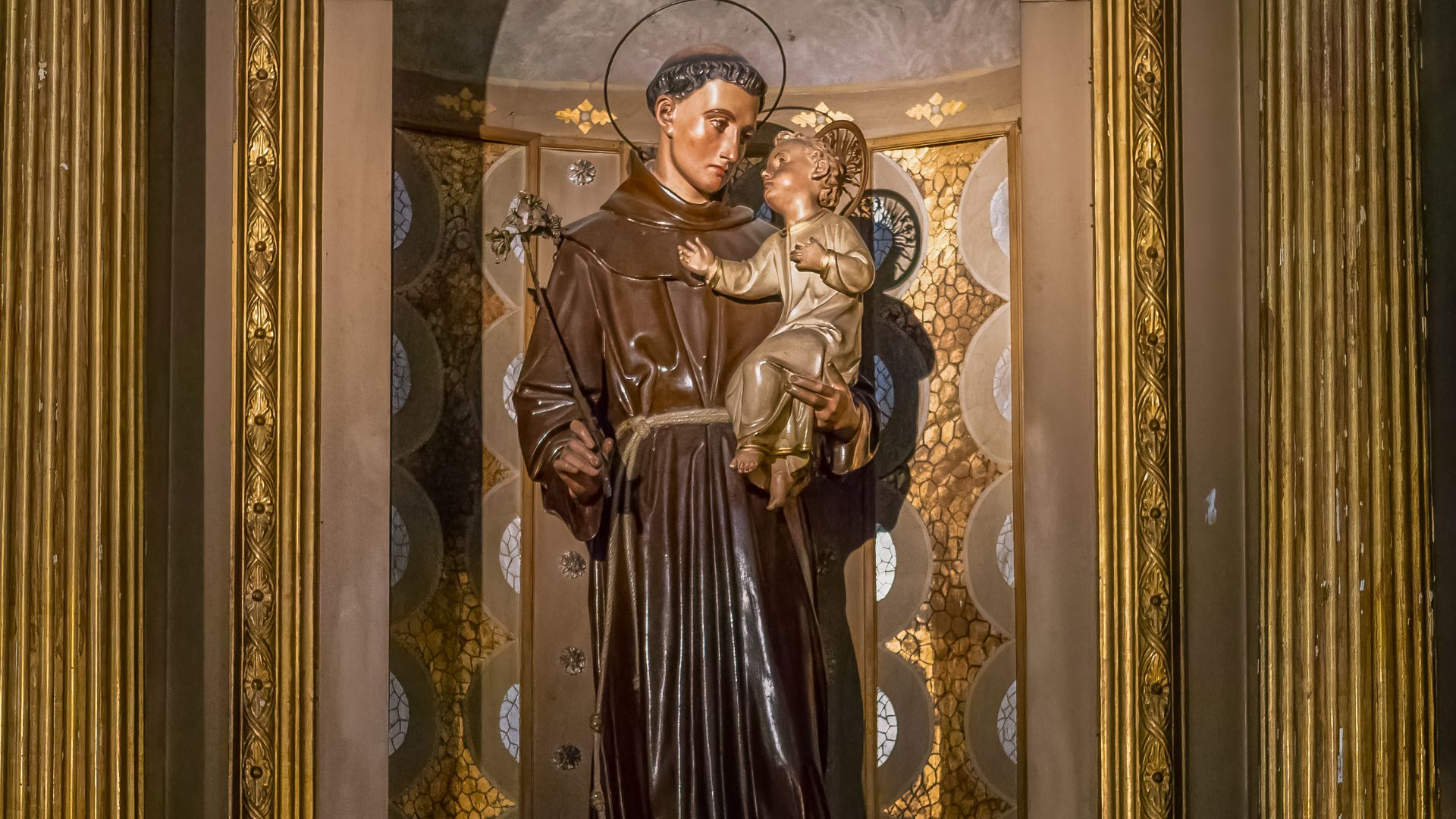
Francis of Assisi was born around 1181, but he rejected everything you assume the average person would want: wealth and status. He also denied family expectations after a religious conversion. As a friar, he embraced poverty and chastity while gathering followers who wanted a simpler life. If anything, his celibacy actually fit into a larger rejection of luxury.
9. St. Clare of Assisi
Francis’s movement worked, too—just look at Clare of Assisi, who ran from a planned noblewoman’s life and joined his religious movement in the early 1200s. In 1212, she helped found the women’s order later known as the Poor Clares, where poverty and chastity were central commitments. Her family reportedly tried to pull her back into her old life, but she stayed in religious community and became one of medieval Italy’s most influential women.
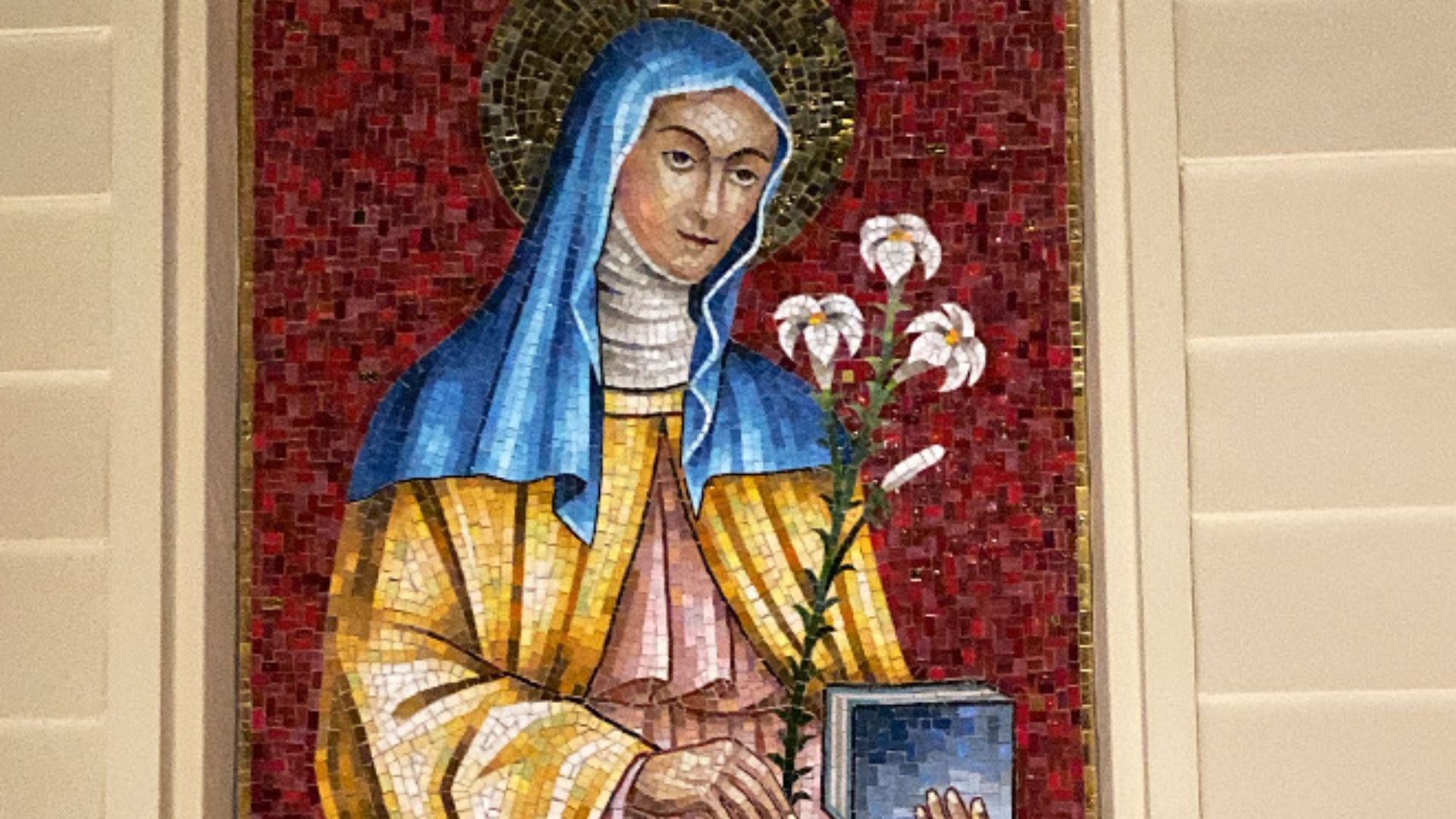 Willthacheerleader18 on Wikimedia
10. Hildegard of Bingen
Hildegard of Bingen entered religious life when she was only a child oblate, but she grew into one of the most extraordinary abbesses of the 12th century. She wrote visionary theology, composed music, advised powerful churchmen, and most notably, led convent communities while living under vows.
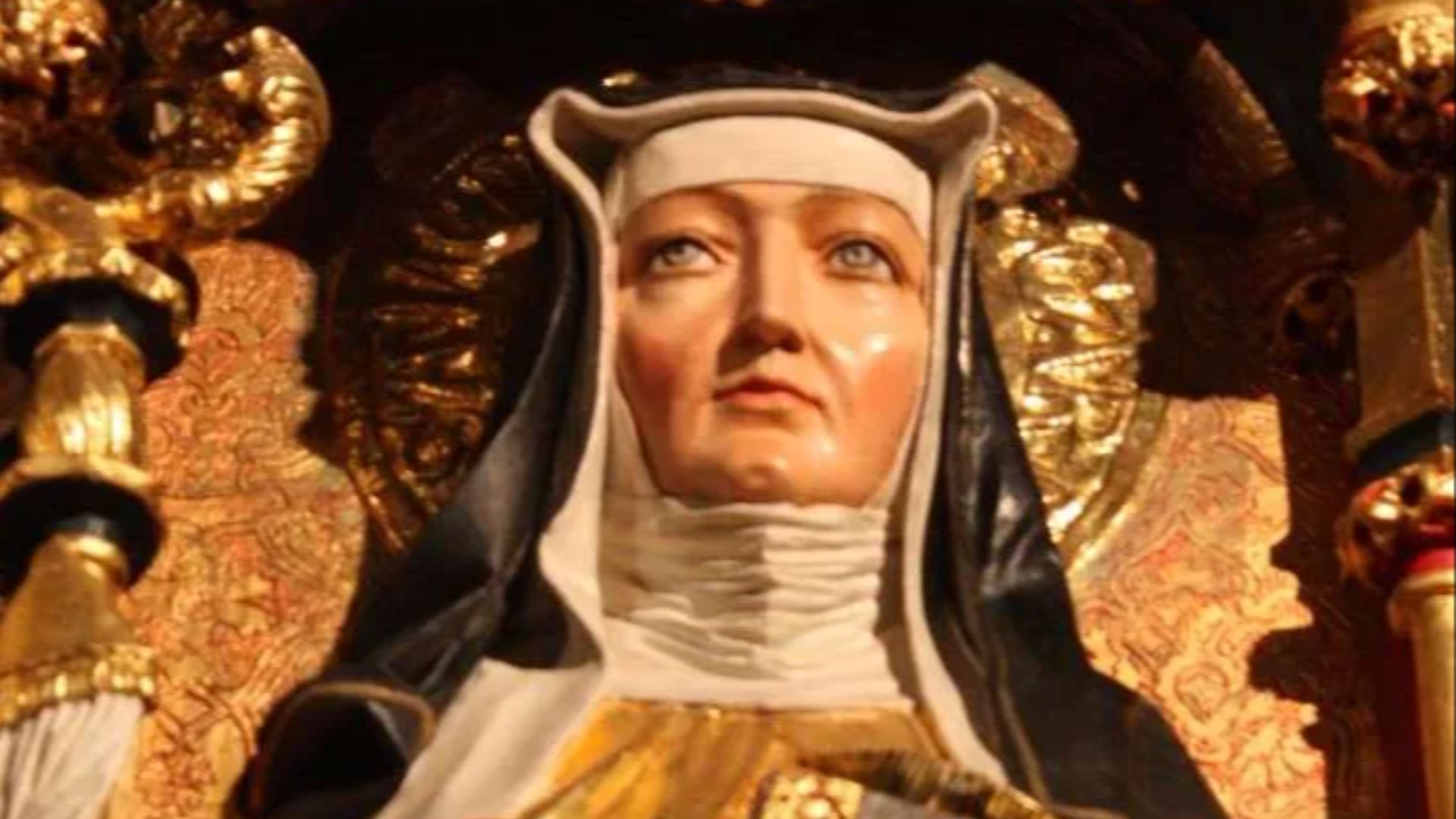 Beloved female saints on Wikimedia
11. Teresa of Ávila
Teresa of Ávila became a Carmelite nun in 16th-century Spain and later pushed for major reform inside the order. By nature, her religious life required chastity, but she was hardly withdrawn from the world; she founded convents, wrote spiritual classics, and dealt with suspicion from church authorities. By the time she died in 1582, she practically turned disciplined convent life into her legacy.
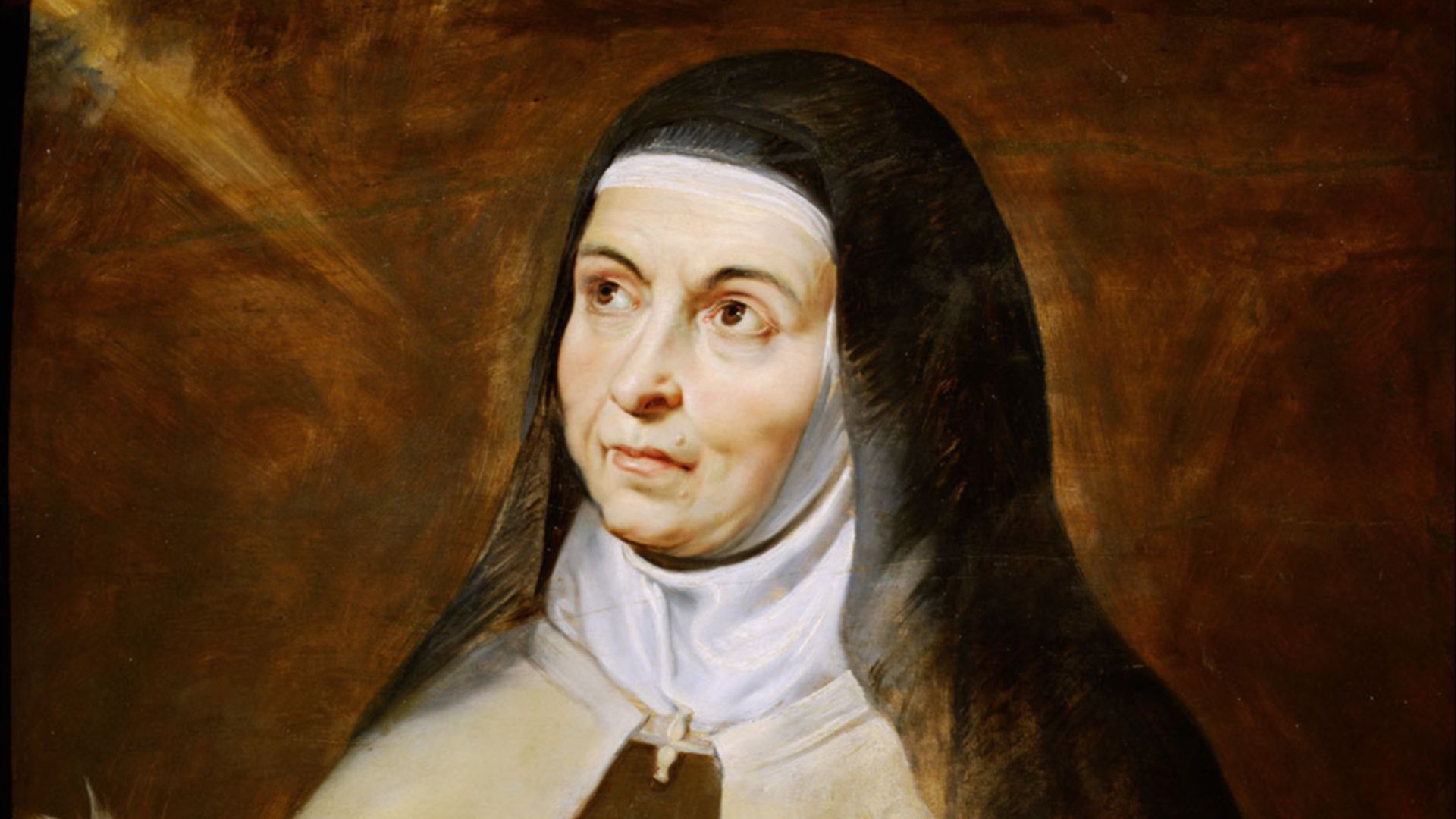 Peter Paul Rubens on Wikimedia
12. Catherine of Siena
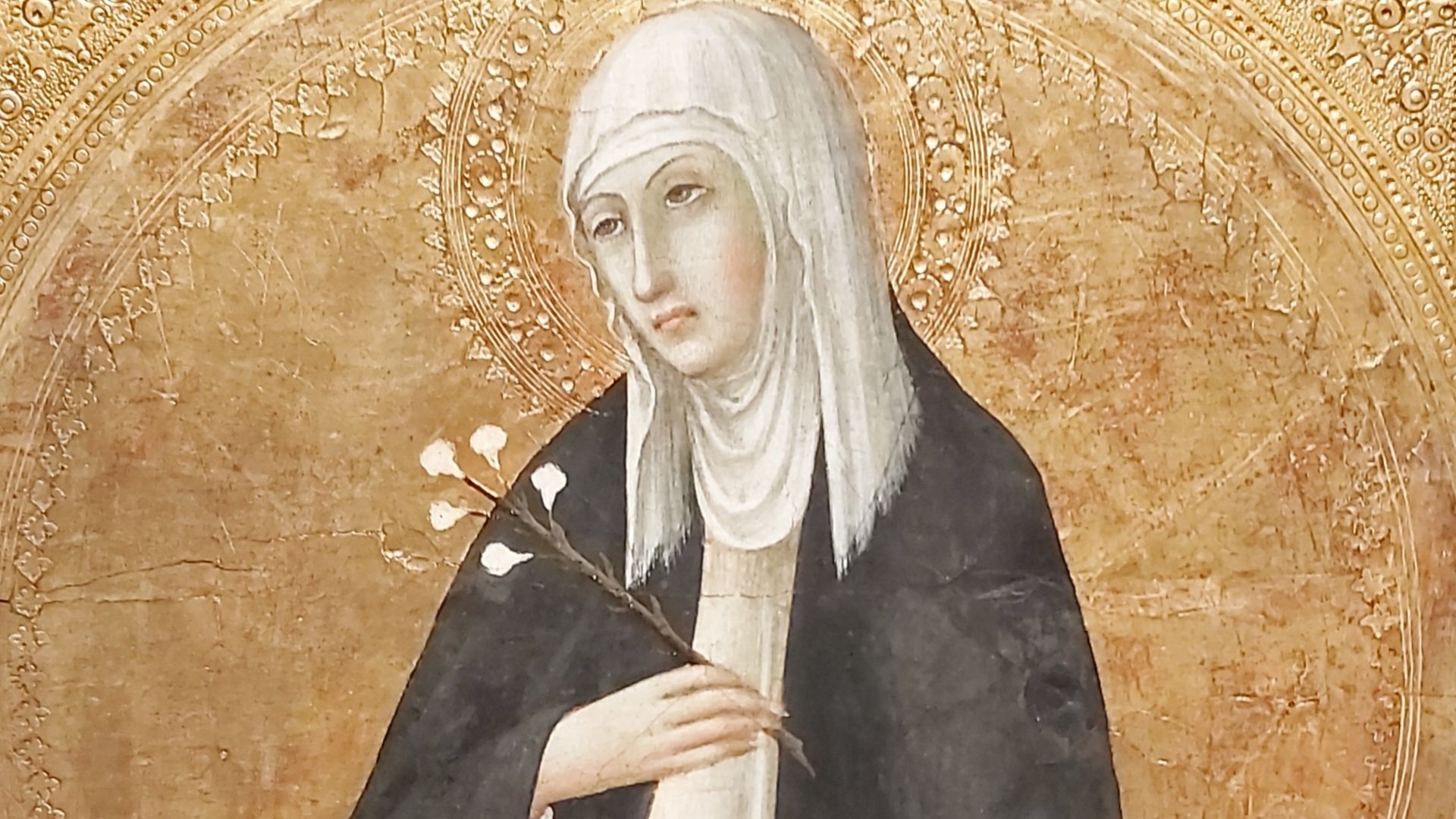
Catherine of Siena refused the marriage path her family expected from her. Instead, she committed herself to a religious life. Born in 1347, she became a Dominican tertiary and gained influence through letters and direct involvement in the church. More than anything, her celibacy was tied to fierce religious conviction.
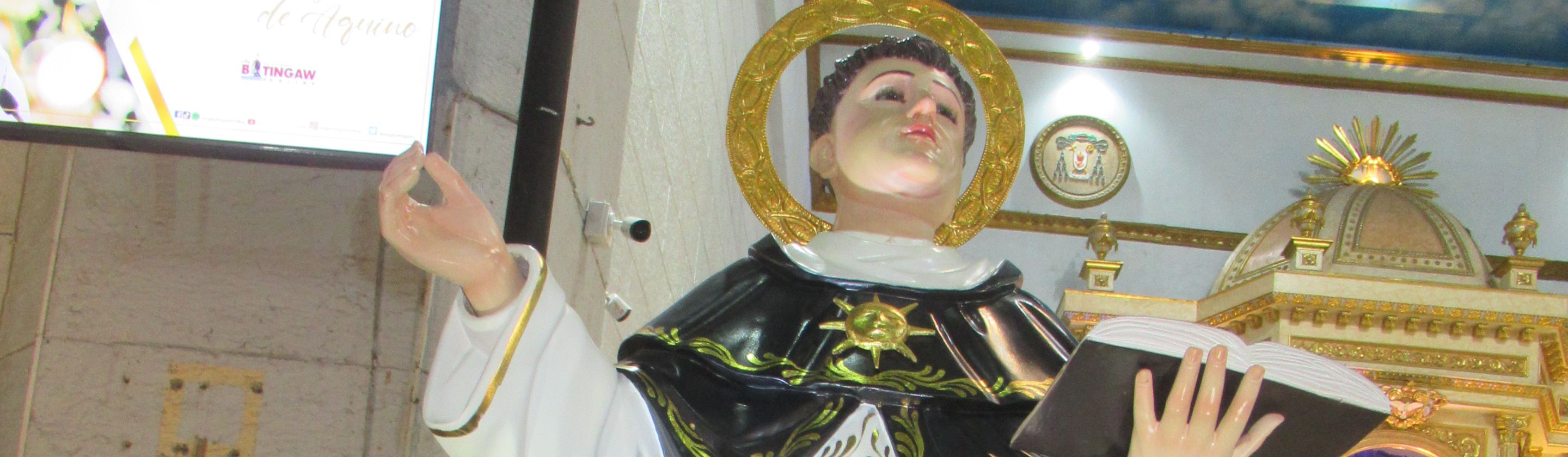
13. Thomas Aquinas
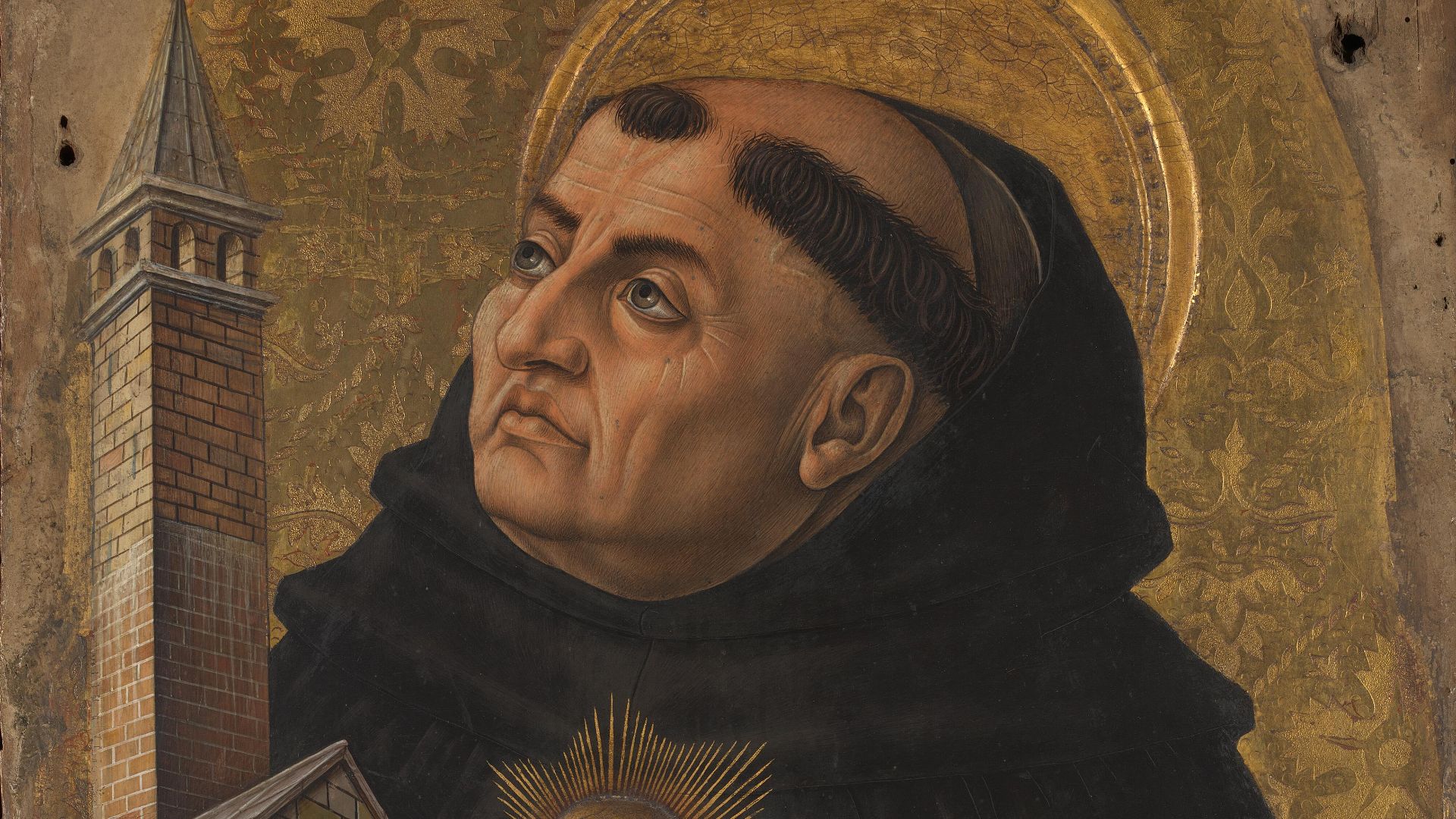
Thomas Aquinas entered the Dominican order despite heavy pushback from his noble family. They obviously wanted a more prestigious path for him, and medieval accounts say his family even tried to tempt him away from religious life—but Thomas remained committed to chastity and his studies.
14. Anthony the Great
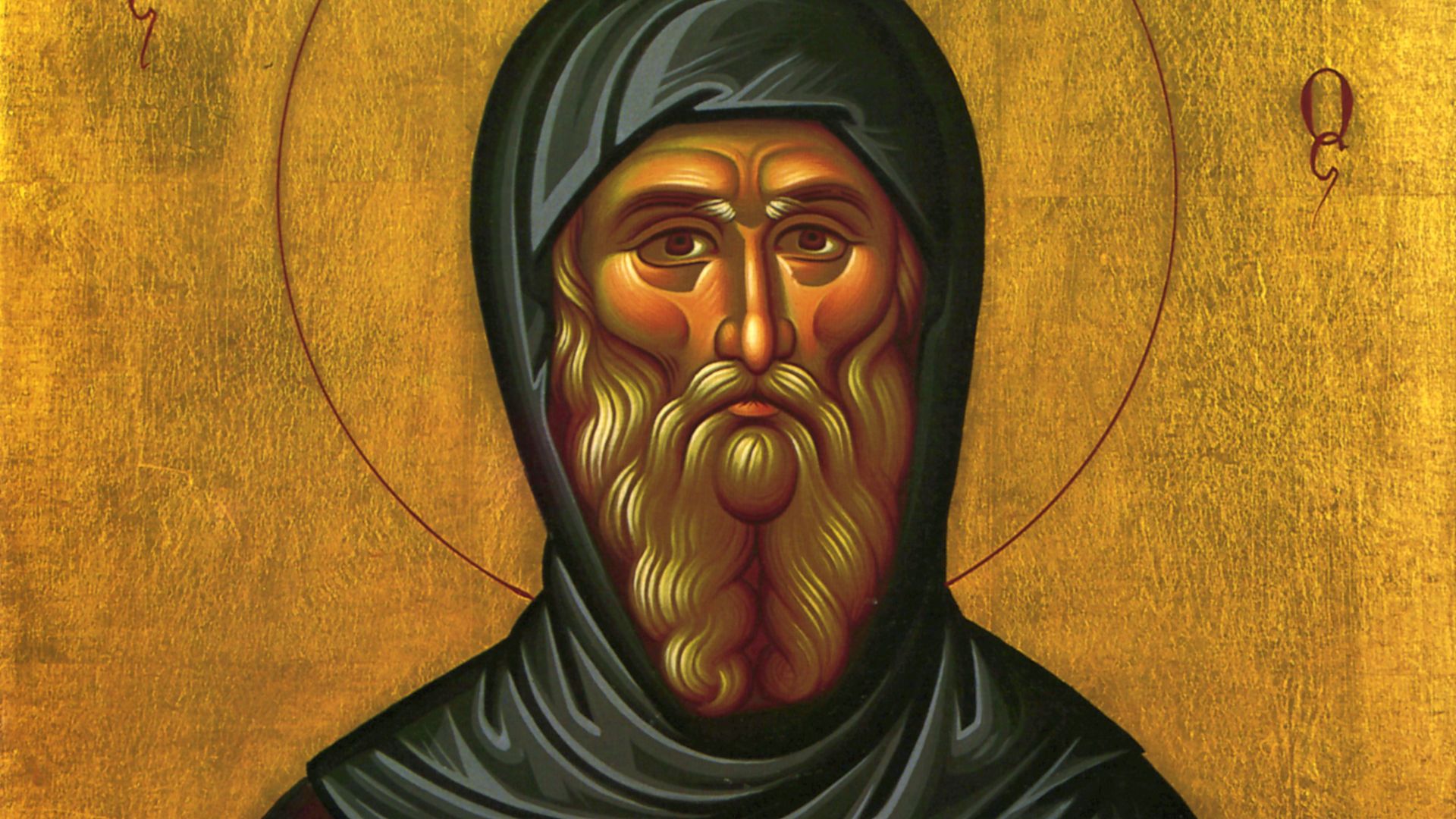
Monks have been around way longer than you think! Case in point: Anthony the Great, born around 251, was one of the most famous early Christian monks. After giving away his inheritance, withdrew into the desert and embraced a life of celibacy. He also devoted a big part of his life to prayer and physical hardship. The very example he set helped shape Christian monasticism.
15. Benedict of Nursia
Benedict of Nursia became central to Western monastic life thanks to the Rule of St. Benedict, which was written in the 6th century. The rule organized prayer, work, obedience, and chastity into a disciplined pattern for monks. What did that mean for him? It meant his own celibate life mattered less as gossip and more as a model that influenced monasteries for centuries.
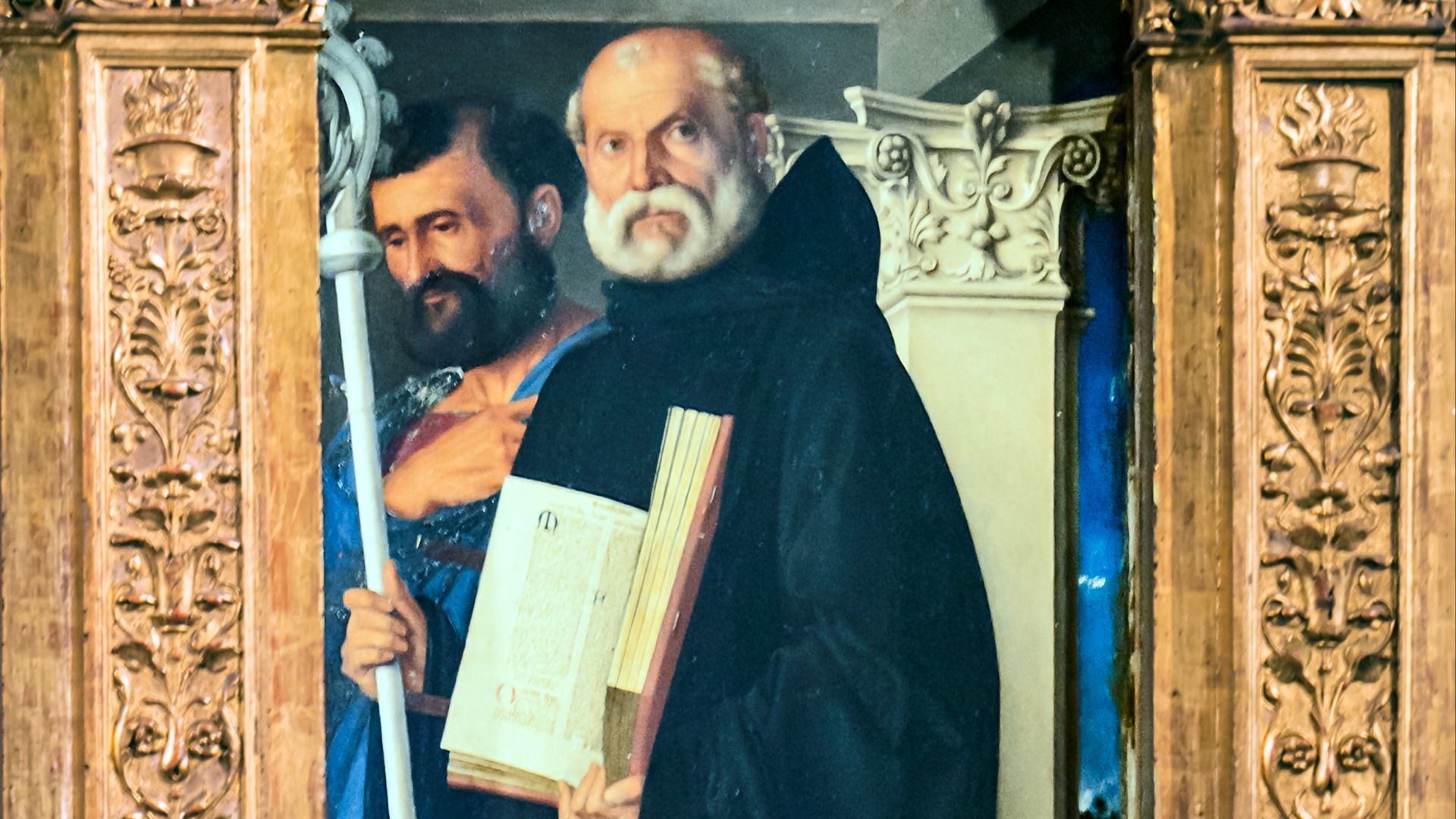
16. Scholastica
Scholastica, usually described as Benedict of Nursia’s twin sister, also became an important figure. She led a religious community of women and was remembered for her devotion and spiritual bond with Benedict. Details of her life remain fuzzy, but her place in tradition rests on the same kind of celibate commitment that shaped Benedictine communities.
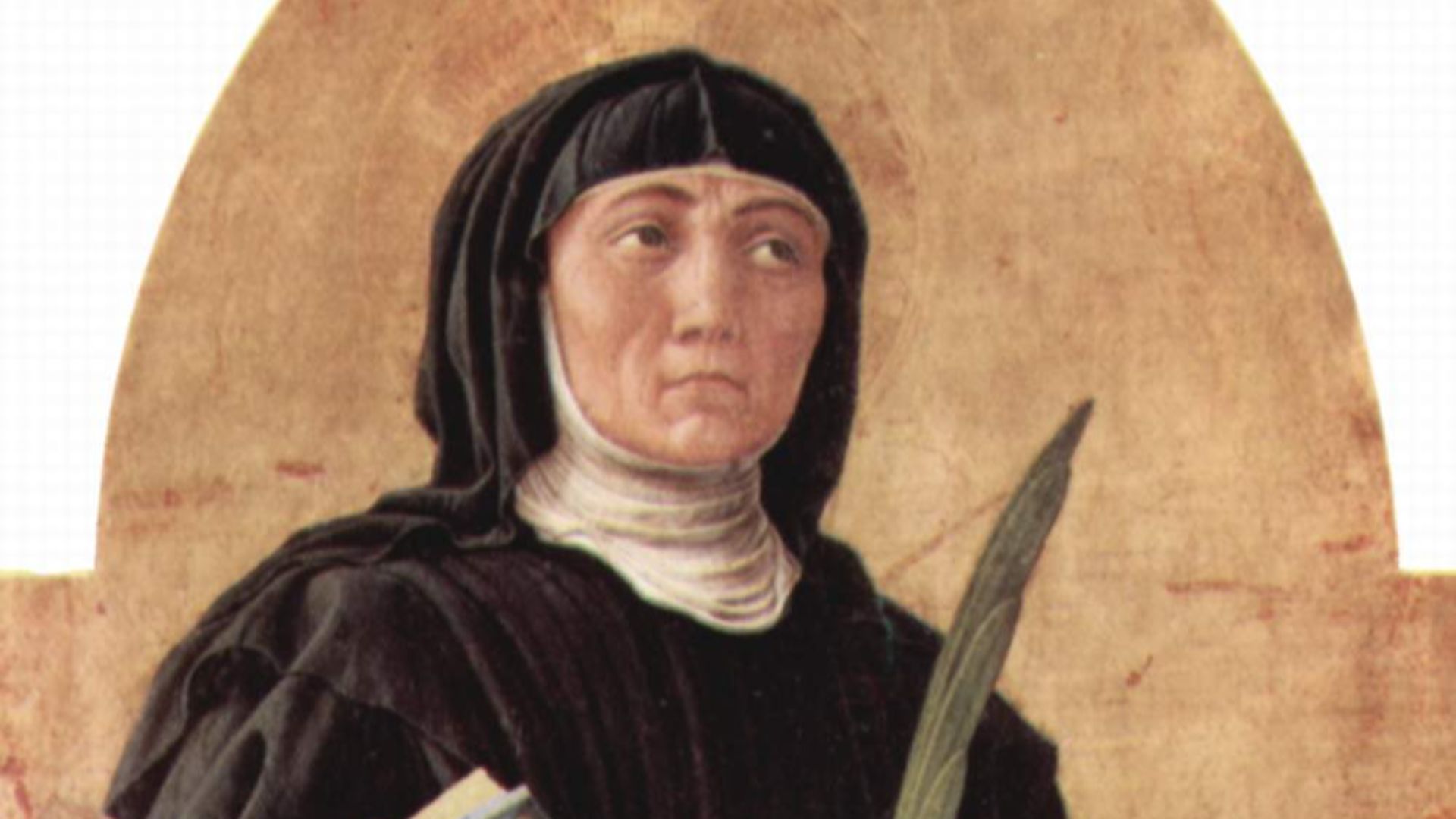
17. John of the Cross
John of the Cross was a 16th-century Spanish Carmelite friar who actually helped Teresa of Ávila reform the Carmelite order. His vows also included chastity, and his writings centered on themes of spiritual purification, suffering, and union with God—even if he was imprisoned by opponents within his own order.
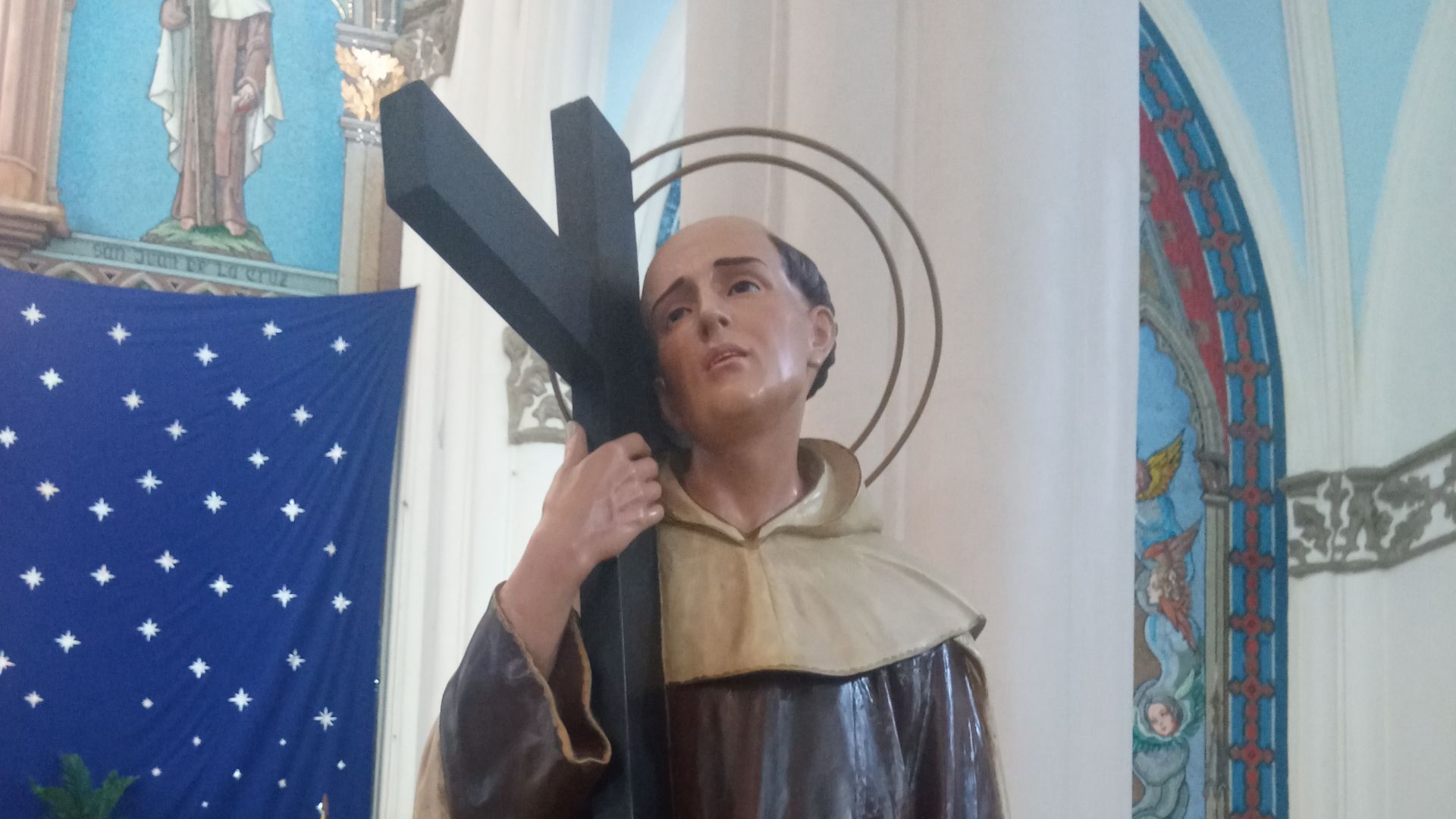
18. Swami Vivekananda
Hindu monk, Swami Vivekananda brought Vedanta and yoga to wider Western attention after his famous appearance at the 1893 Parliament of the World’s Religions. As a monk, he obviously practiced celibacy, but his life shows how that wasn’t only a Christian monastic idea; it played a major role in Hindu spiritual leadership.
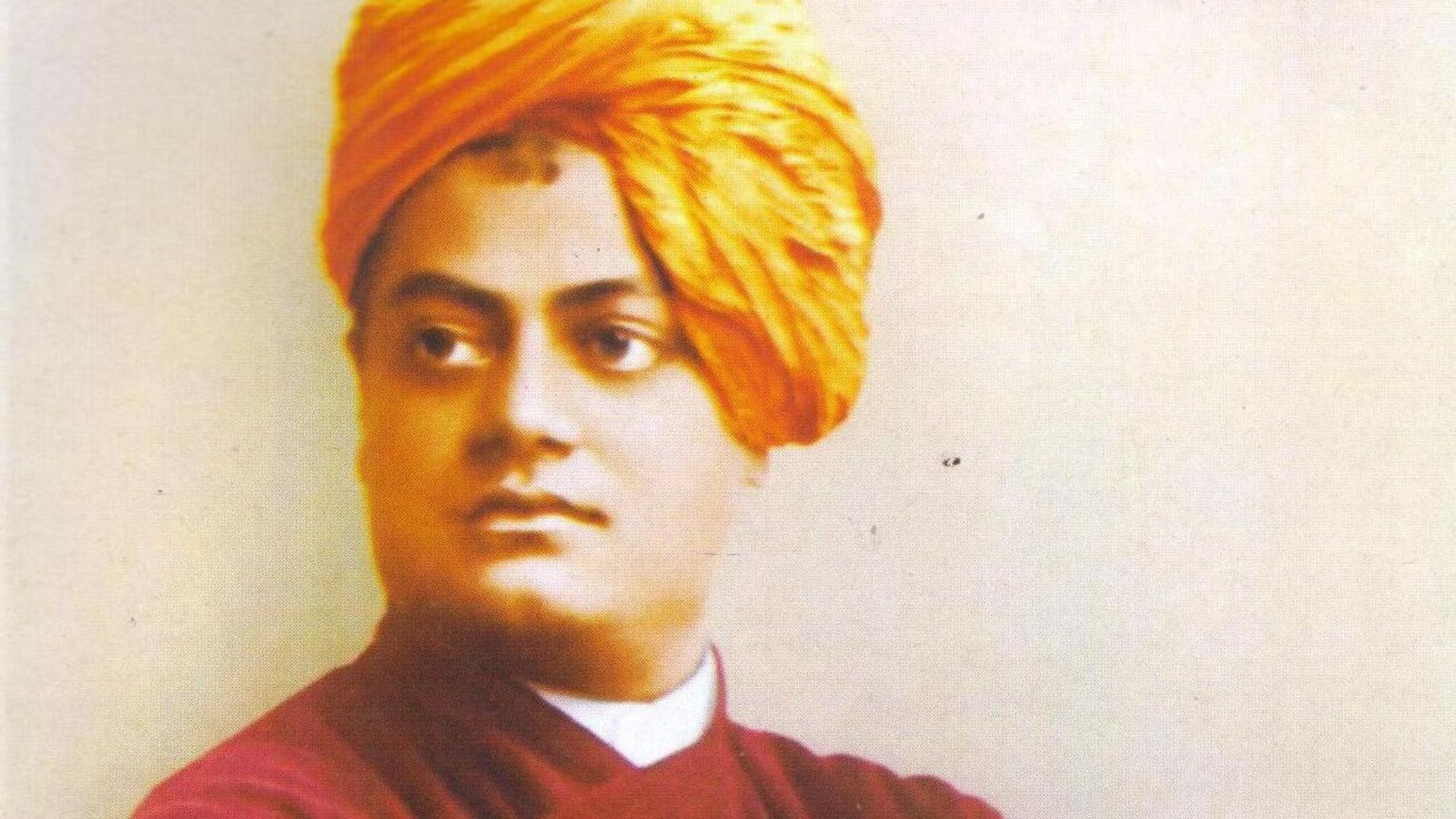
19. Florence Nightingale
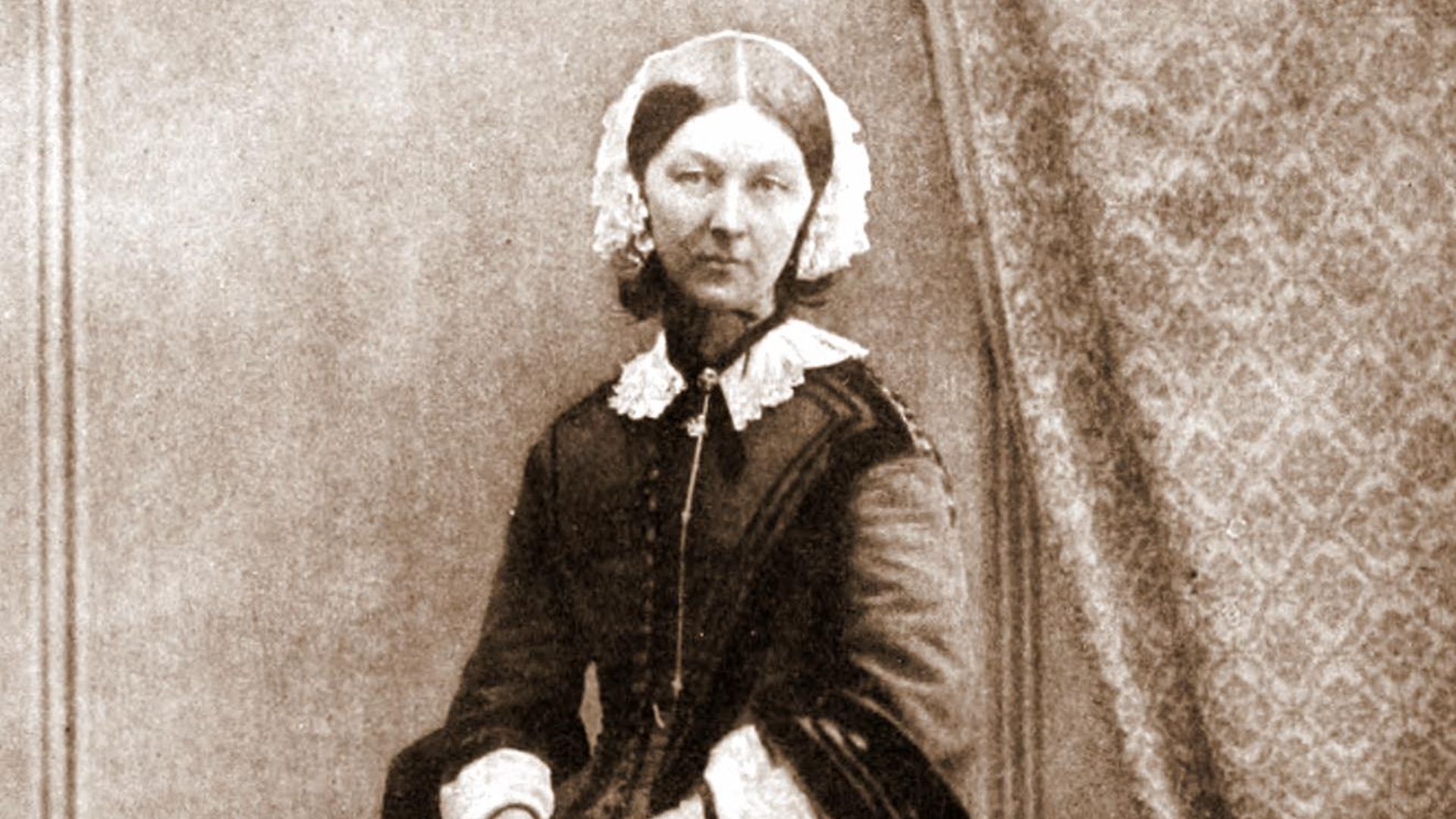
Florence Nightingale never married, even though she wasn’t hard up for suitors. None of that mattered, though. She believed domestic life would only get in the way of the work she wanted to do: nursing reform and public health.
20. Susan B. Anthony
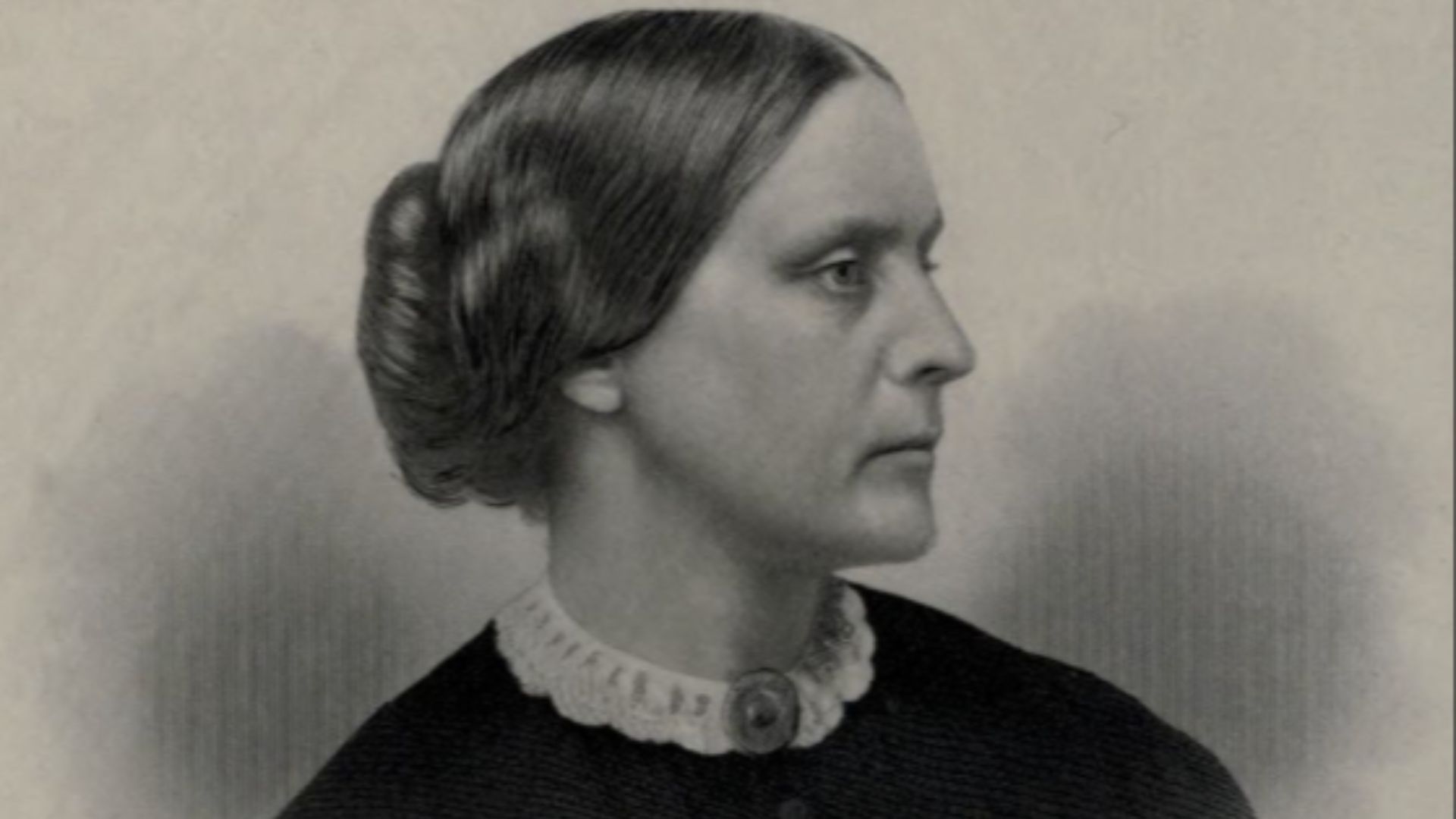
Interestingly, Susan B. Anthony never married, and she often treated that fact as part of her freedom to work for abolition and women’s suffrage. Over the years, she watched other women’s activism dwindle because of marriage and motherhood, which made Anthony’s independence more politically useful than purely personal.
KEEP ON READING