Behind the Closed Doors of History
Keeping a modern household spotless takes a bit of elbow grease, but you can thank your lucky stars for vacuum cleaners, antibacterial sprays, and indoor plumbing. If you traveled back a few centuries, you would find a domestic world where cleanliness was driven by desperation, superstition, and a staggering lack of chemical safety. Our ancestors faced a never-ending battle against soot, vermin, and grime, and their solutions were often far more hazardous than the filth they were trying to scrub away.
1. The Corrosive Power of Lye
Before gentle scouring liquids were invented, cleaning housewives relied on homemade lye to remove grease and disinfect countertops. They made this noxious detergent by soaking hardwood ashes in water until it became alkaline enough to liquefy oils and fats. You could burn your skin clean off.
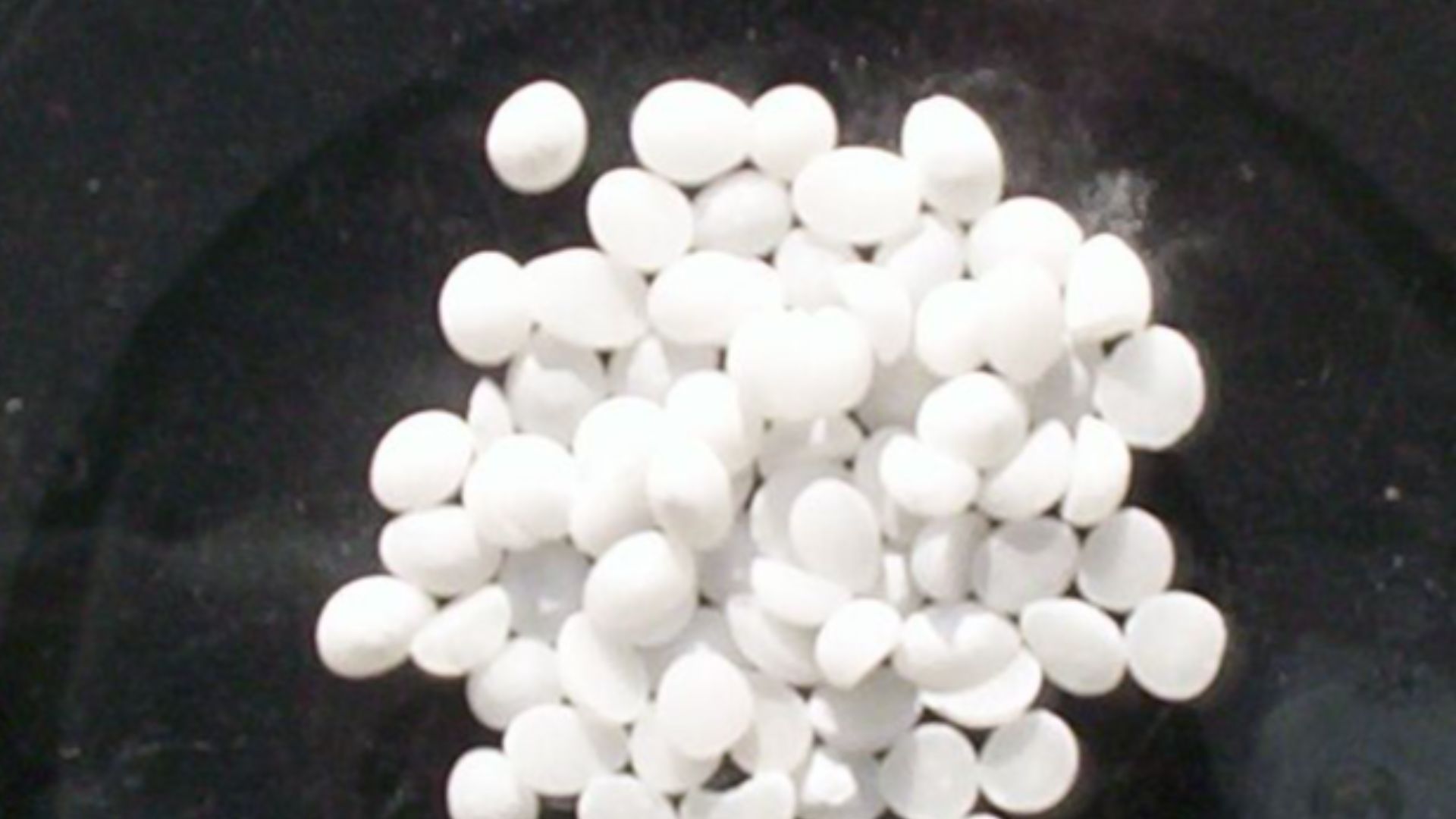 No machine-readable author provided. Walkerma assumed (based on copyright claims). on Wikimedia
2. Bleaching Fabrics
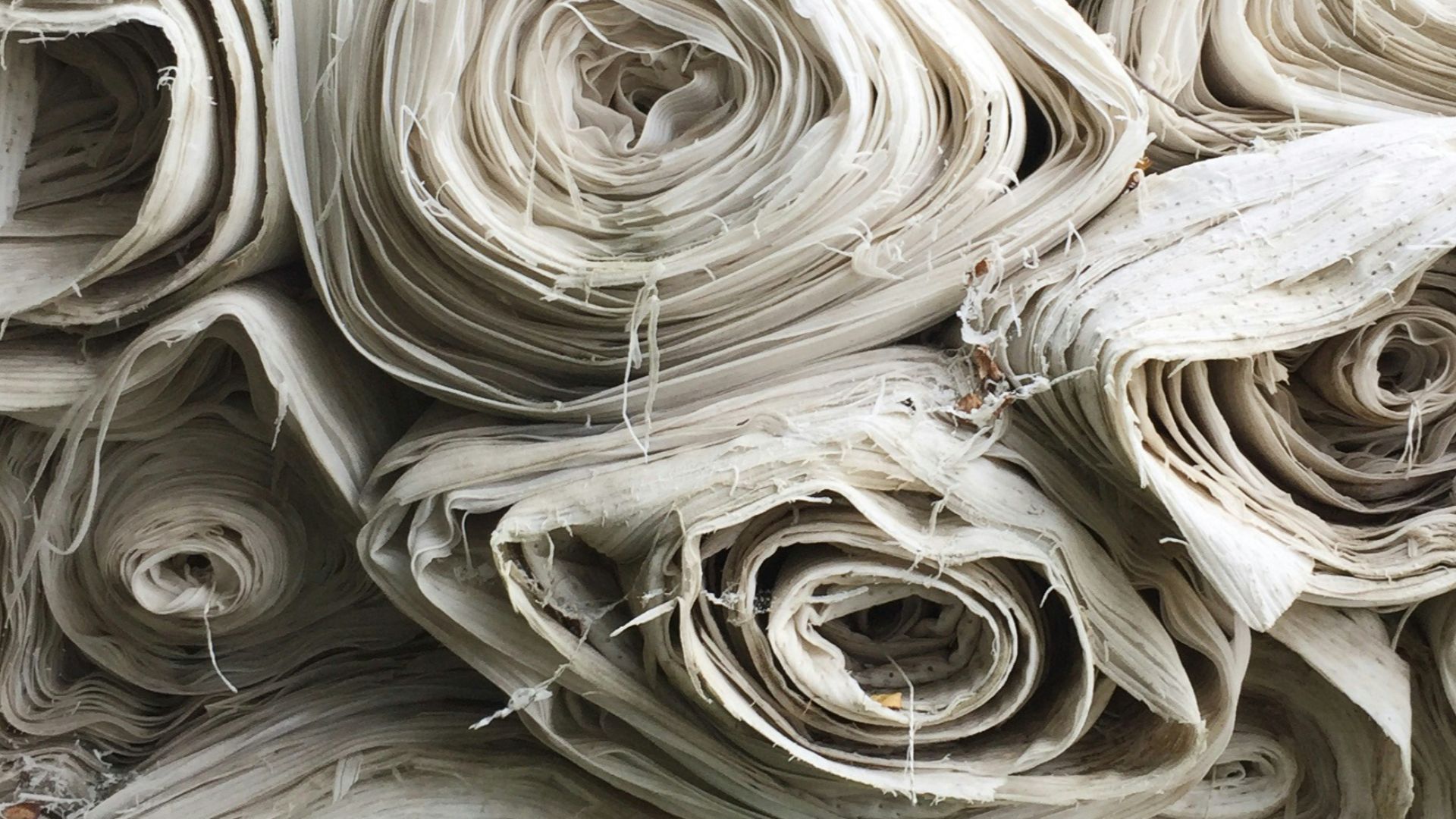
If you wanted your stained linens to look bright and white in the pre-industrial world, your best bet was a trip to the chamber pot. People collected aged urine, which breaks down into ammonia, to serve as a powerful bleaching agent and laundry detergent. Laundresses would spend hours hands-deep in tubs of fermented pee, stomping on sheets to work the foul liquid through the fabric fibers.
3. Arsenic as a Wall Treatment
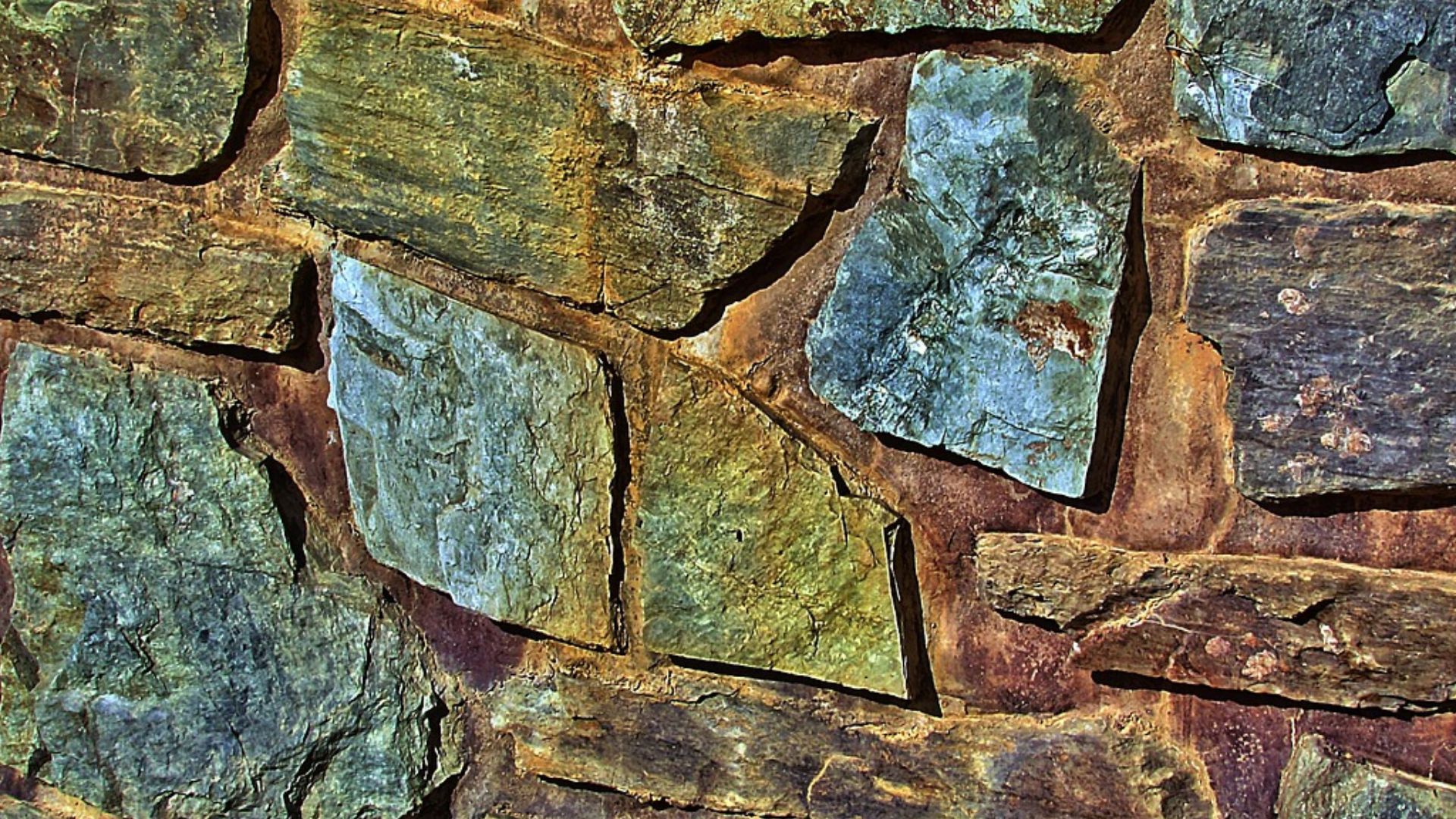
Victorian-era homeowners had a passion for beautiful, deep green wallpaper that contained a poisonous secret. The rich color was made by processing copper arsenic, which crumbles away into poisonous dust every time you clean your walls. Families were literally poisoning themselves.
4. Sweeping Up Dust with Moist Tea Leaves
Carpets were absolute magnets for dirt, soot, and flea larvae before vacuum cleaners existed to suck the debris away. To prevent dust clouds from choking the house during sweeping, maids scattered damp, used tea leaves across the floors to trap the loose particles. You would then push the wet, stained leaves around with a broom to gather up the embedded grime.
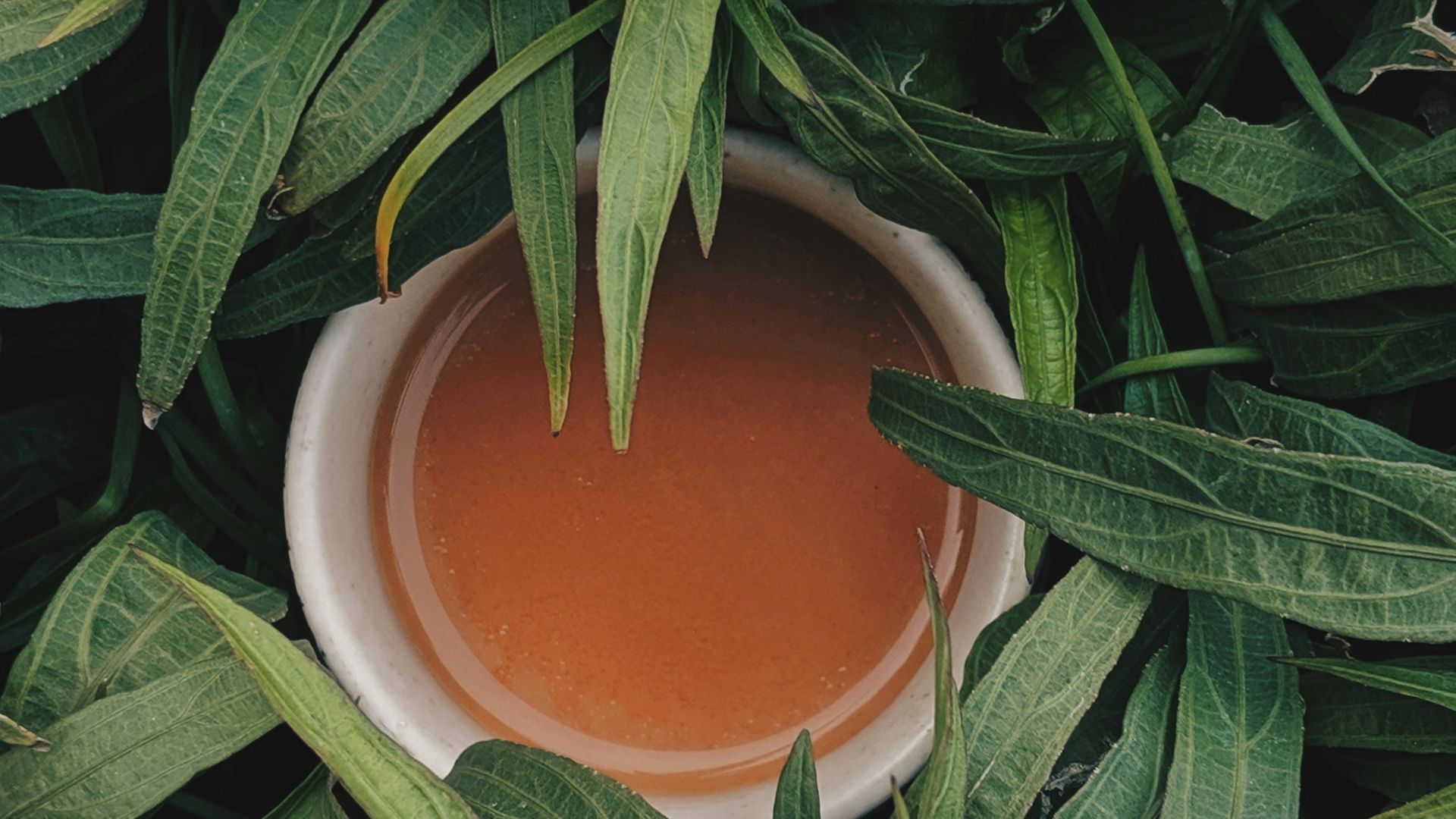 Aniketh Kanukurthi on Unsplash
5. Whitewashing Walls with Poisonous Lead
If you wanted to brighten up a room before paint existed, you might cover your walls with whitewash. Whitewash was often mixed with heavy metals like lead that easily crumbled from walls over time. Children and pets would ingest the flakes on the floor.

6. Dealing with Bugs Using Mercuric Chloride
Insects were a constant nightmare in old mattresses, and our ancestors went to extreme lengths to wipe them out. People painted their bedframes with a solution of mercuric chloride, an incredibly toxic heavy metal compound that lingers in the environment for years. Sleeping in these treated beds meant breathing in invisible, brain-damaging vapors every single night.

7. Scouring Pots with Dangerous Sand and Ash
Pre-nonstick pans used in cooking became encrusted with thick layers of burned grease and carbon. To remove the ugly black buildup, cooks would scour their pots with abrasive bowls of sand, pulverized bones, and wood ash. The mixture would grind down the pan with use.
8. Rotten Straw Flooring in Tudor Homes
Grand old estates often utilized rushes and straw to cover up damp stone floors and absorb dropped food and spilled drinks. Instead of removing the dirty material entirely, servants usually just threw a fresh layer of straw right over the top of the old, decomposing filth. This created a spongy, disgusting breeding ground for mice, lice, and ancient bacteria right under your feet.

9. Washing Clothes with Caustic Beef Gall
Soap was too abrasive for washing certain clothes like silk or wool back in the day. Instead, folks used cow gall (bile) to clean their delicates because it cut grease without damaging dyed fabrics. You had to love the smell of rancid meat spraying from your clothing whenever you wore it.

10. Scrubbing Floors with Sulfuric Acid
Industrial-era factories and city homes often accumulated thick layers of greasy coal soot that normal soap could not budge. Housekeepers resorted to diluted sulfuric acid to strip the black tar off brickwork and stone hearths. One wrong move with the bucket could ruin your clothes, melt your boots, or permanently blind you with a single stray splash.
11. Preserving Books with Toxic Carbolic Acid
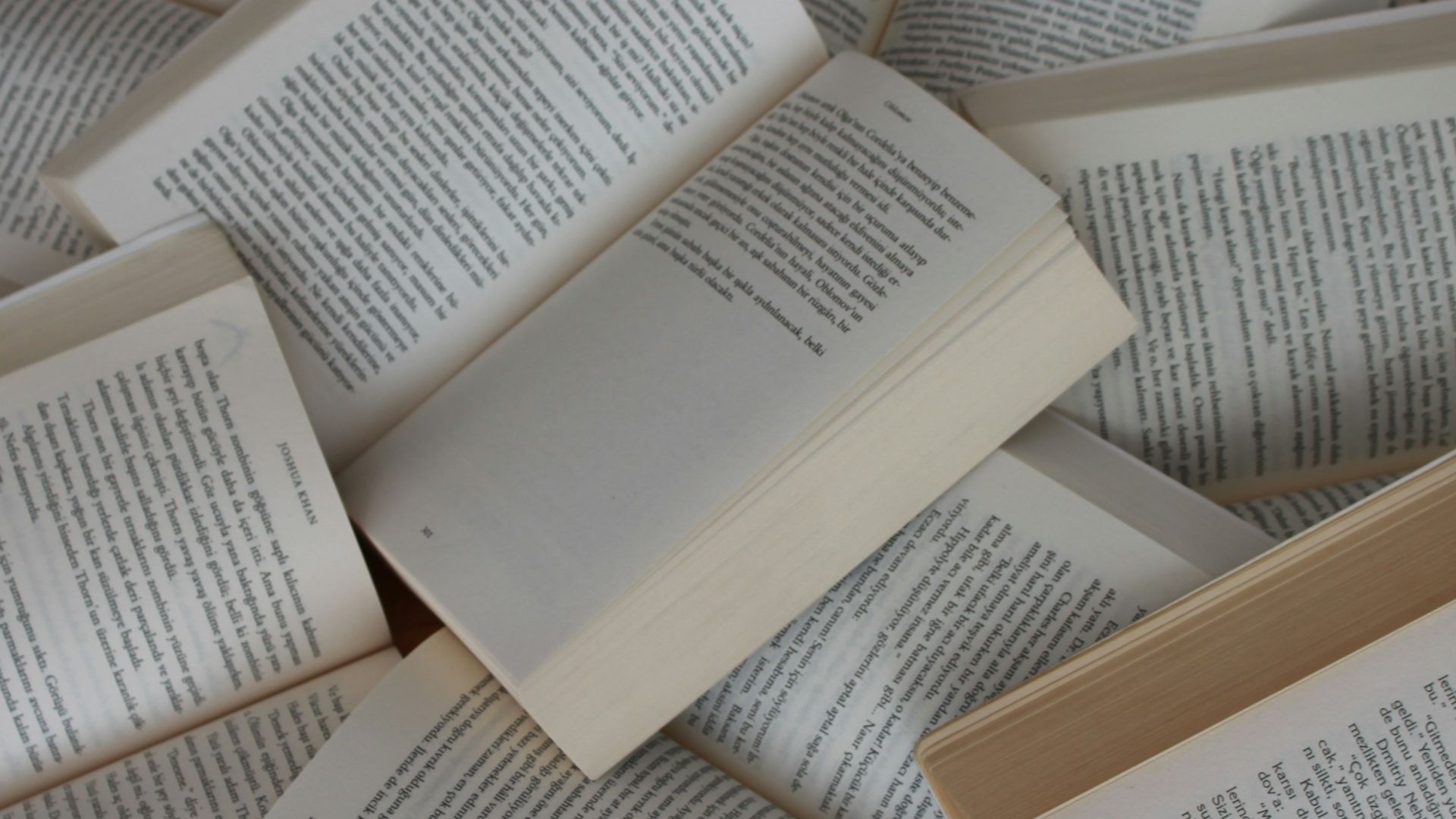
Books were susceptible to rodents and worms that would eat through pages and ruin entire collections. Owners sprayed carbolic acid on shelves to prevent vermin from munching on expensive reads. Carbolic acid happens to cause long-term lung damage.
12. Deodorizing Rooms with Burning Charcoal
Without proper ventilation, historic homes quickly began to smell like damp wool, rotting food, and unwashed bodies. To combat the stench, people set iron pans filled with glowing charcoal around the house to absorb odors through smoke and heat. This practice frequently filled unventilated bedrooms with lethal carbon monoxide, turning a simple deodorizing trick into a dangerous sleep trap.
 Brian Patrick Tagalog on Unsplash
13. Disinfecting Blankets via Scalding Steam
If a loved one became infected with a disease, you had to wash their bed sheets with extreme care and precaution. Women would boil large wool blankets until they shrank up small, then squeeze the toxic steam out over their heads.

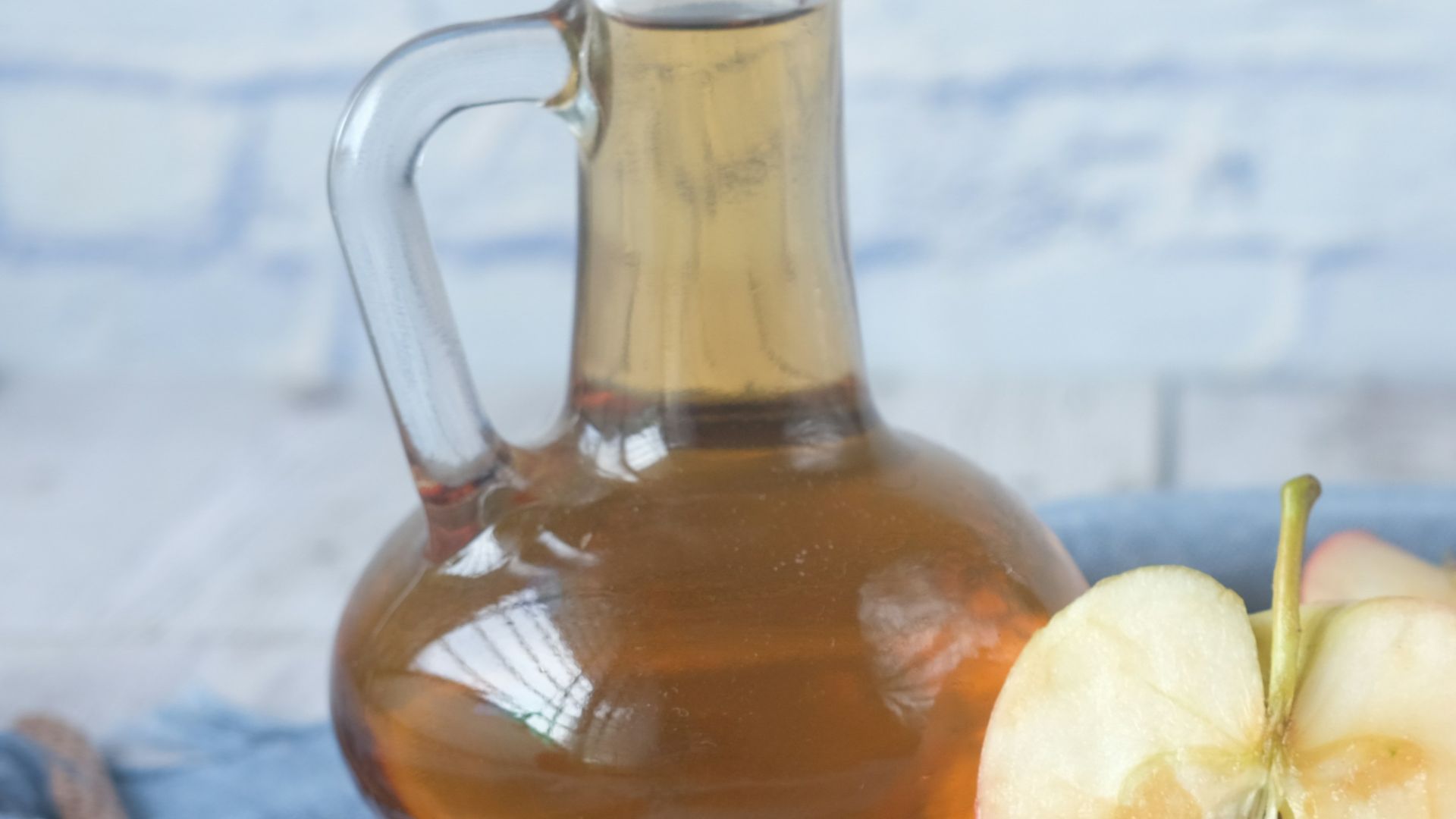
14. Purifying Air with Toxic Vinegar Vapor
During outbreaks of the plague or yellow fever, people believed that bad smells in the air were the actual source of the sickness. Homeowners poured strong vinegar onto hot iron plates to fill their living spaces with thick, pungent clouds of acidic steam. Breathing in these concentrated fumes irritated the lungs and throat, making everyone inside more vulnerable to actual respiratory infections.
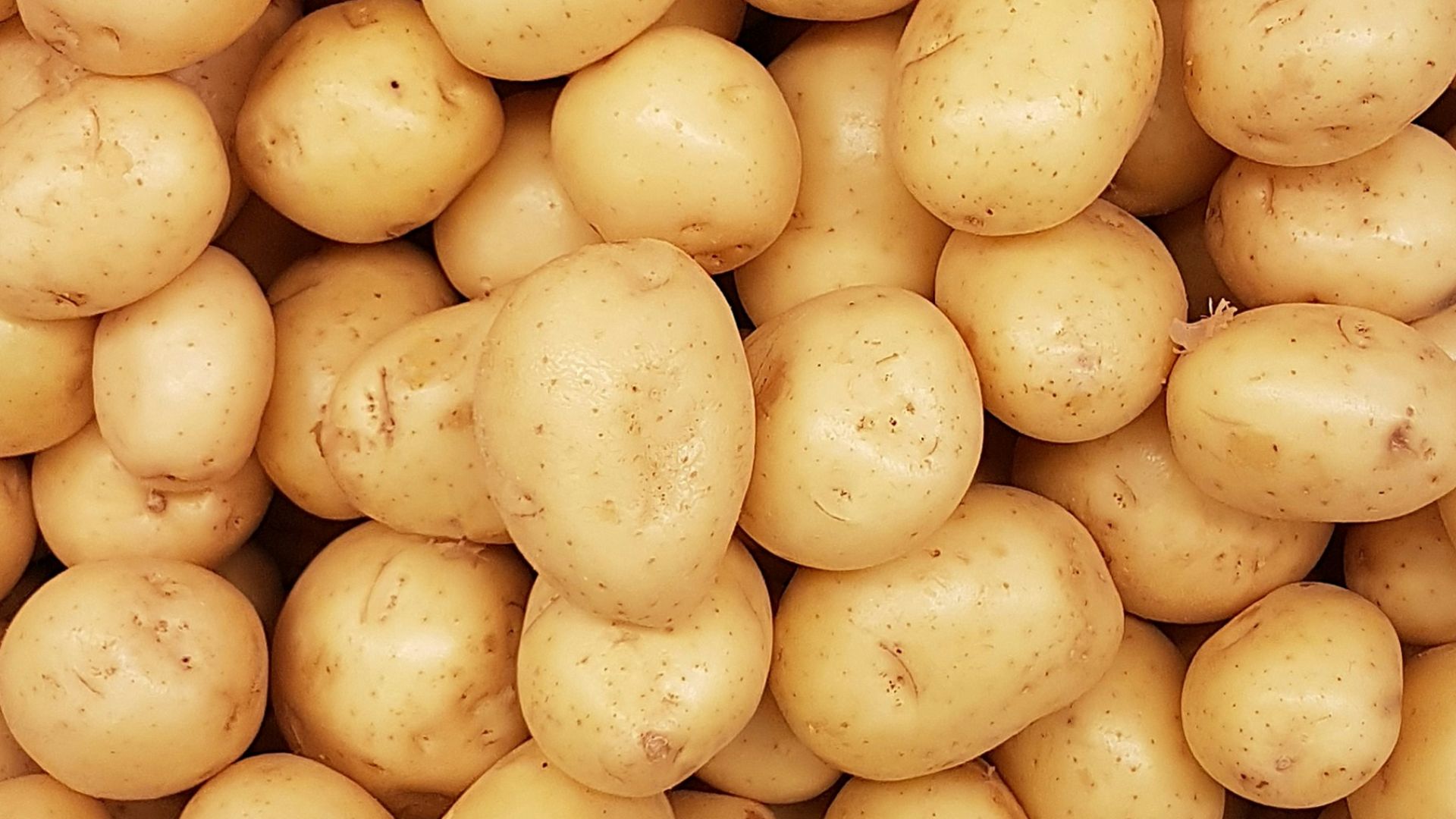
15. Cleaning Windows with Rotting Potatoes
Commercially made glass cleaning formulas didn’t exist before the 20th century, so windows were difficult to clean. One trick was to buff your window panes with the cut side of a raw potato, then wipe the glass down with newspaper.
16. Scenting Closets with Mothballs
Protecting winter wardrobes from insect damage led to the widespread use of naphthalene, the active chemical in traditional mothballs. These little white spheres vaporized into a heavy gas that effectively suffocated insects but was also highly toxic to humans and pets. Your clothes would reek of the chemical for months, ensuring you breathed in the poison wherever you went.
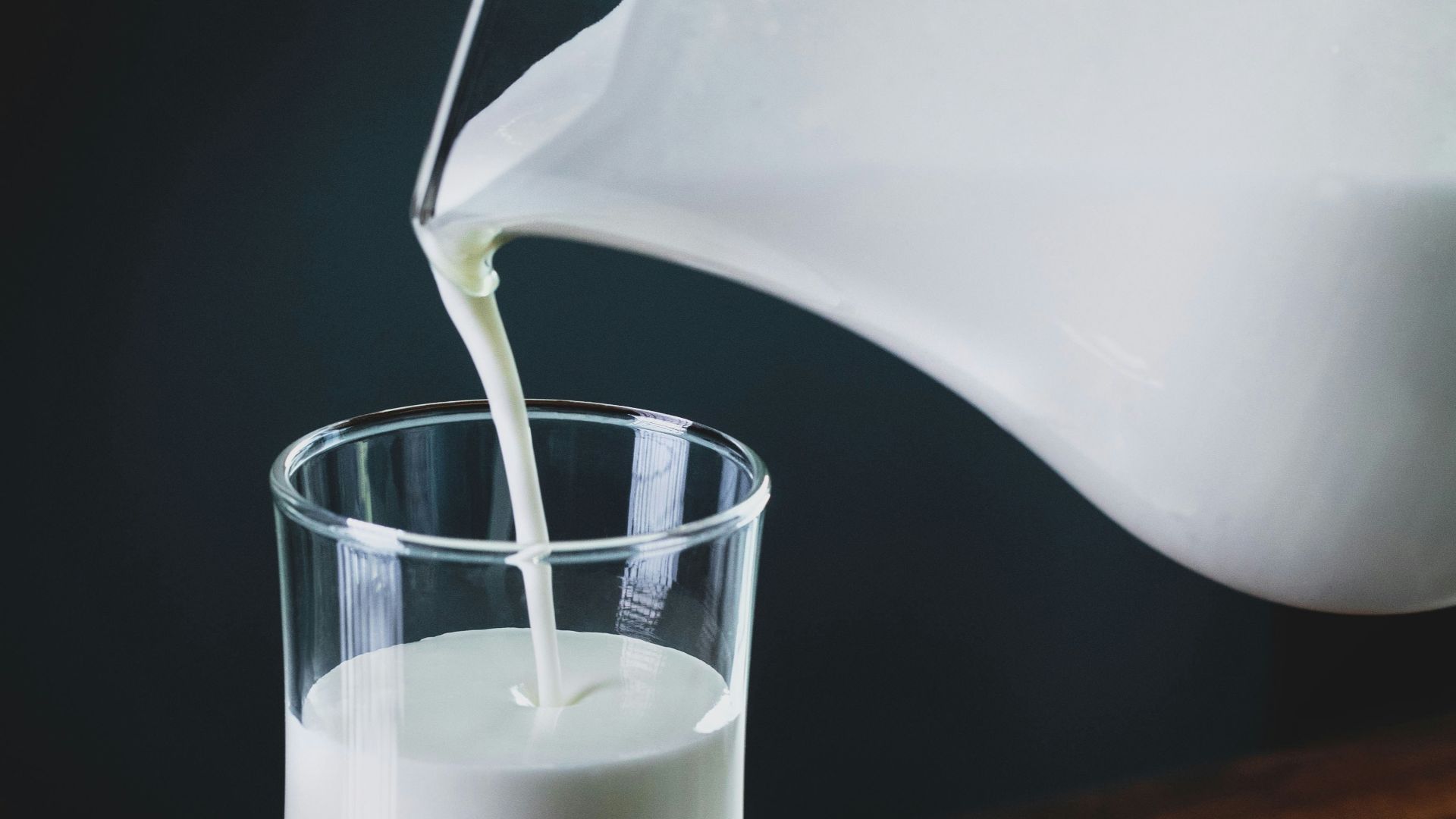
17. Stripping Grime with Rotten Milk
Believe it or not, cleaning marble with sour milk was a popular way to wipe down countertops. The lactic acid would eat away stains without harming the stone underneath. Too bad you'll smell spoiled milk every time you walk into your living room.
18. Polishing Furniture with Combustion Leftovers
To give wooden tables a brilliant, glossy sheen, historical maids mixed beeswax with turpentine and lampblack, which is the pure carbon soot scraped out of oil lamps. This messy paste did a great job of conditioning the wood but left a flammable, dark residue on everything it touched. It also filled the home with toxic solvent fumes that caused chronic headaches and dizziness.
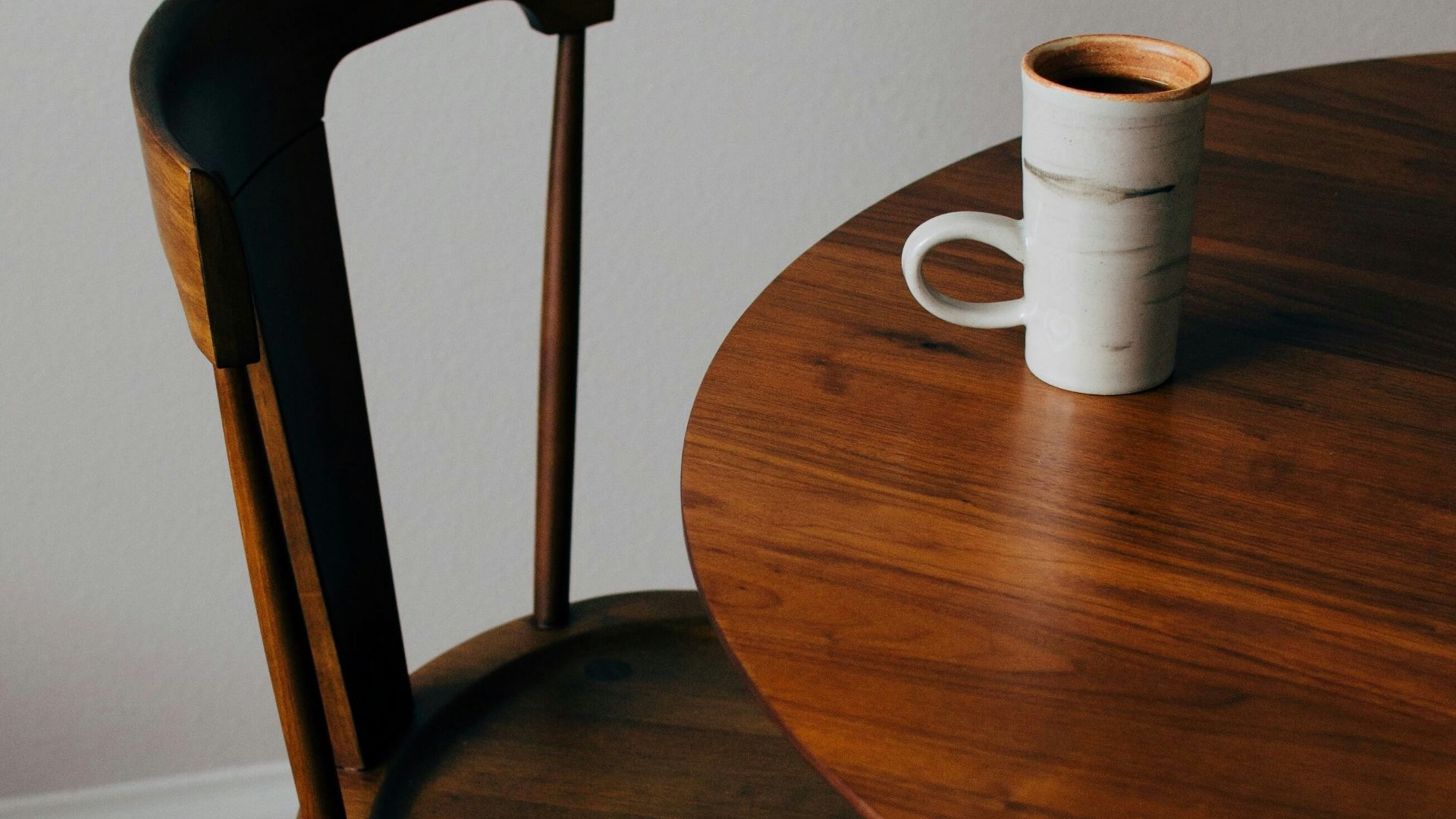
19. Bleaching Wooden Floors with Oxalic Acid
Oak floors used to be bleached white as a status symbol in the 1800s. Families achieved this by scrubbing their wood floors with oxalic acid, a natural acid derived from sorrel leaves. When the floors dried, toxic dust would be left on the ground.
20. Exterminating Household Rats with Strychnine
Before professional pest control, sharing your kitchen with rats was a common, unpleasant reality of daily life. Homeowners scattered breadcrumbs laced with strychnine around the pantry floor to eliminate the rodents quickly. This sloppy method frequently resulted in family dogs, cats, or even curious toddlers accidentally consuming the poison instead of the targets.

KEEP ON READING