10 Weapons That Changed Empires & 10 That Changed Nothing At All
Weapons That Reshaped History
Throughout history, certain weapons permanently altered how wars were fought and how nations rose or fell. Others generated enormous excitement but ultimately failed to influence military history in any meaningful way. Looking at both sides shows that innovation alone doesn't guarantee lasting impact. Here are 10 weapons that changed empires and 10 that changed nothing at all.
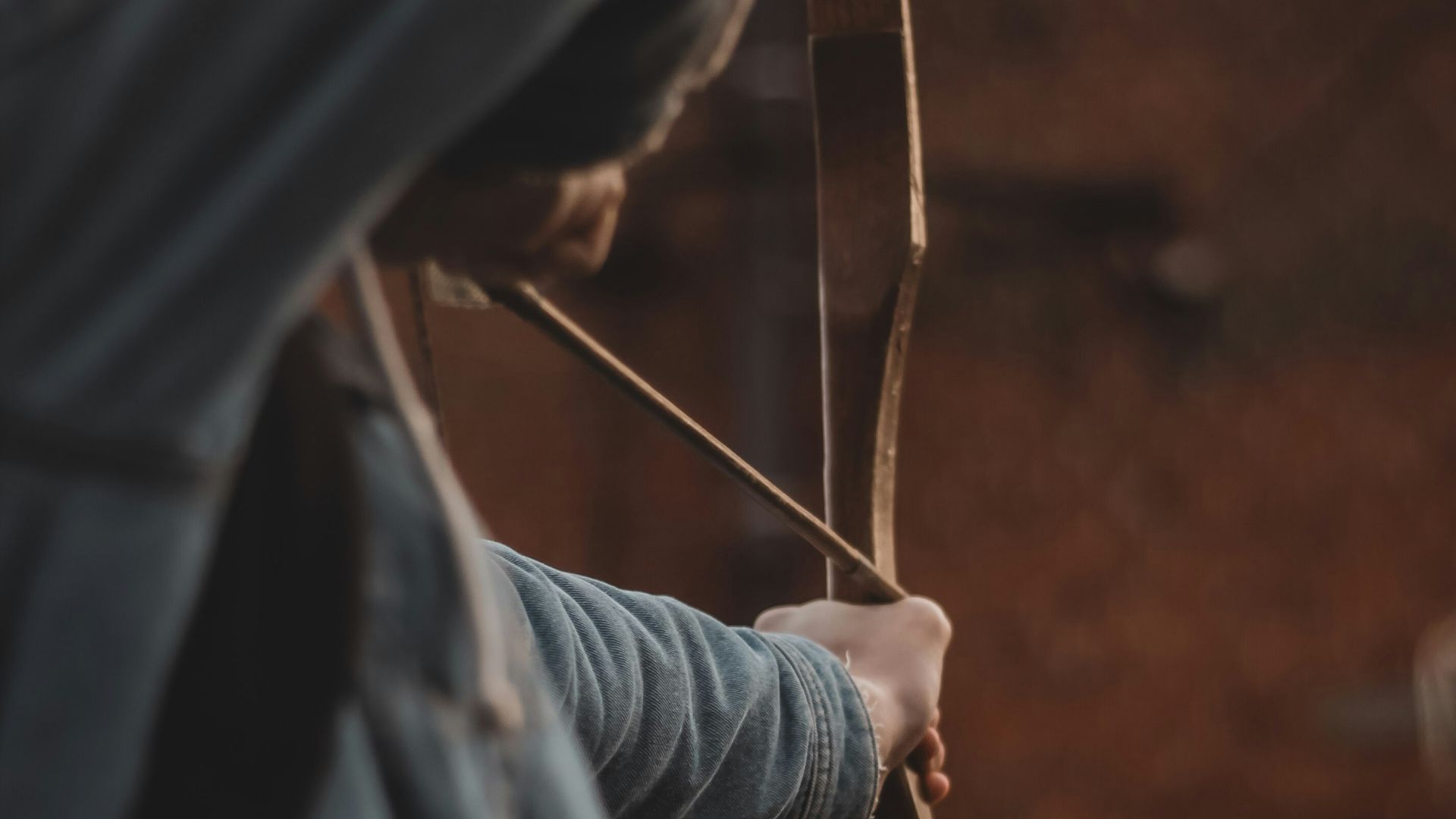
1. The English Longbow
The English longbow proved devastating during the Hundred Years' War, particularly at battles like Crécy and Agincourt. Its range, power, and rate of fire allowed skilled archers to overwhelm heavily armored knights. While it didn't make armor obsolete overnight, it fundamentally changed medieval battlefield tactics.
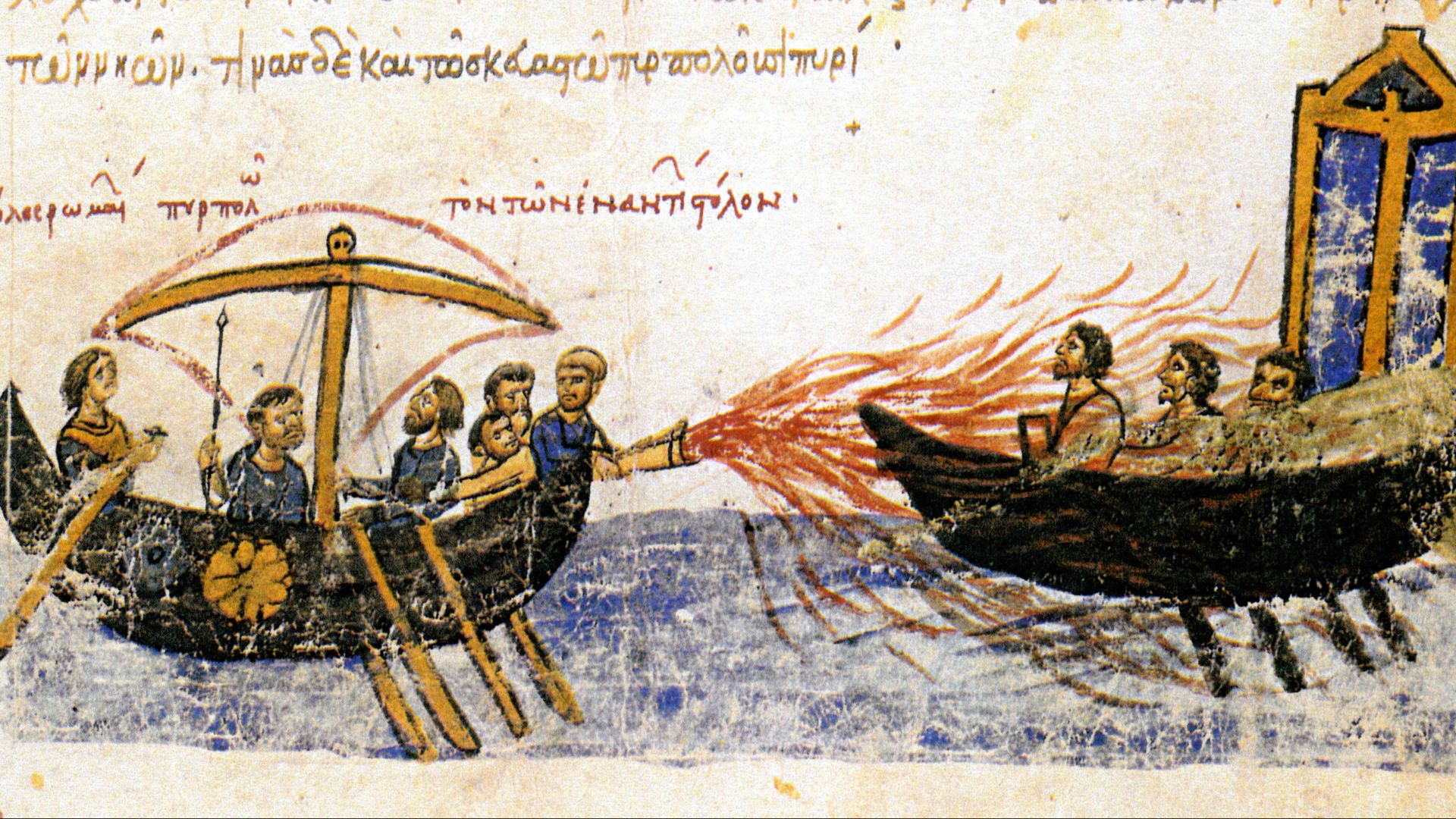
2. Greek Fire
The Byzantine Empire closely guarded the formula for Greek fire for centuries. The incendiary weapon could continue burning on water, making it especially effective during naval engagements. Its use helped Constantinople withstand several major sieges and preserve the empire during critical periods.
 Unknown authorUnknown author on Wikimedia
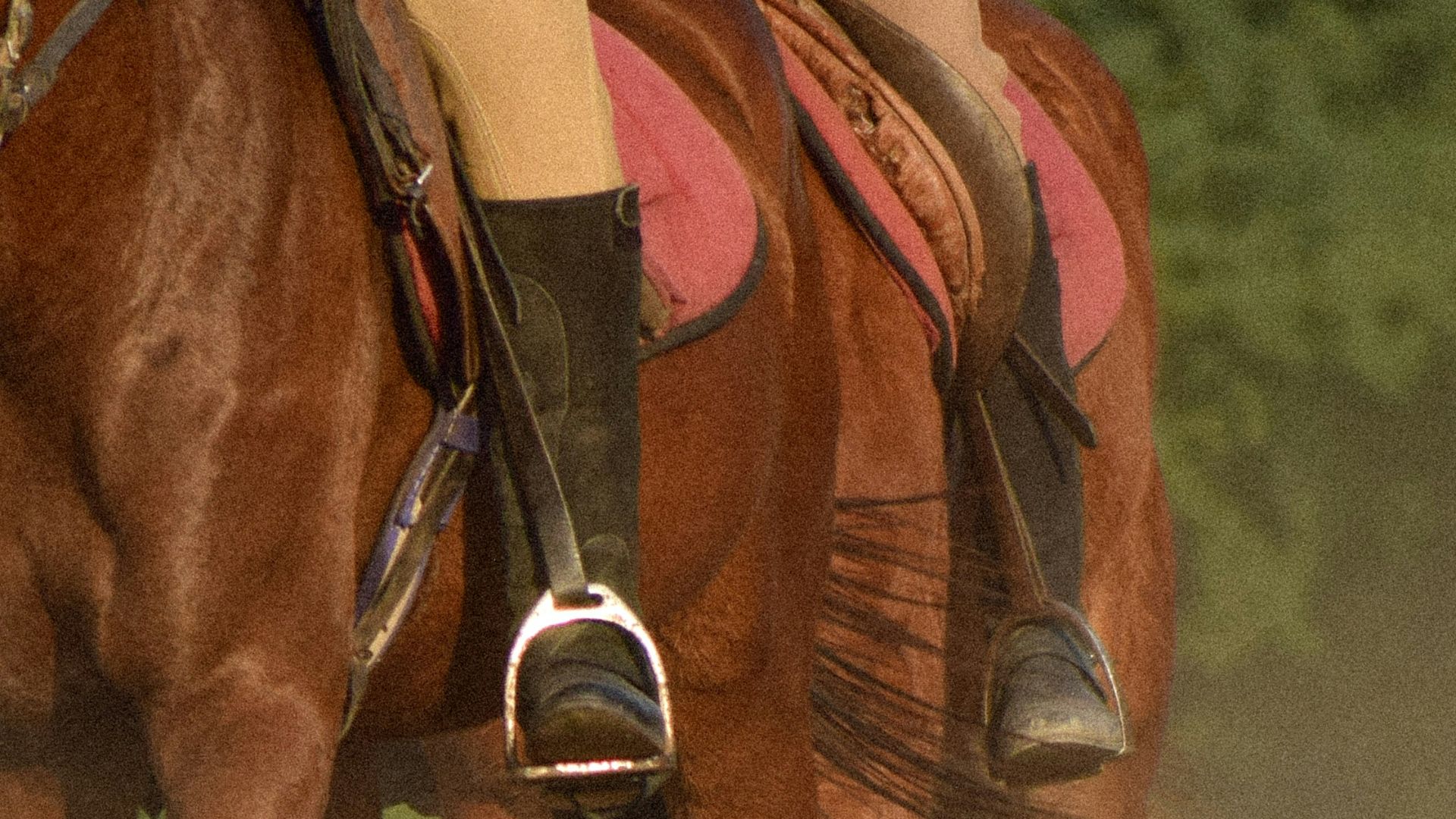
3. The Stirrup
Although technically equipment rather than a weapon, the stirrup transformed mounted warfare by giving riders greater stability in combat. Cavalry could strike harder with lances while maintaining balance. That advantage helped shape medieval armies across Europe and Asia.
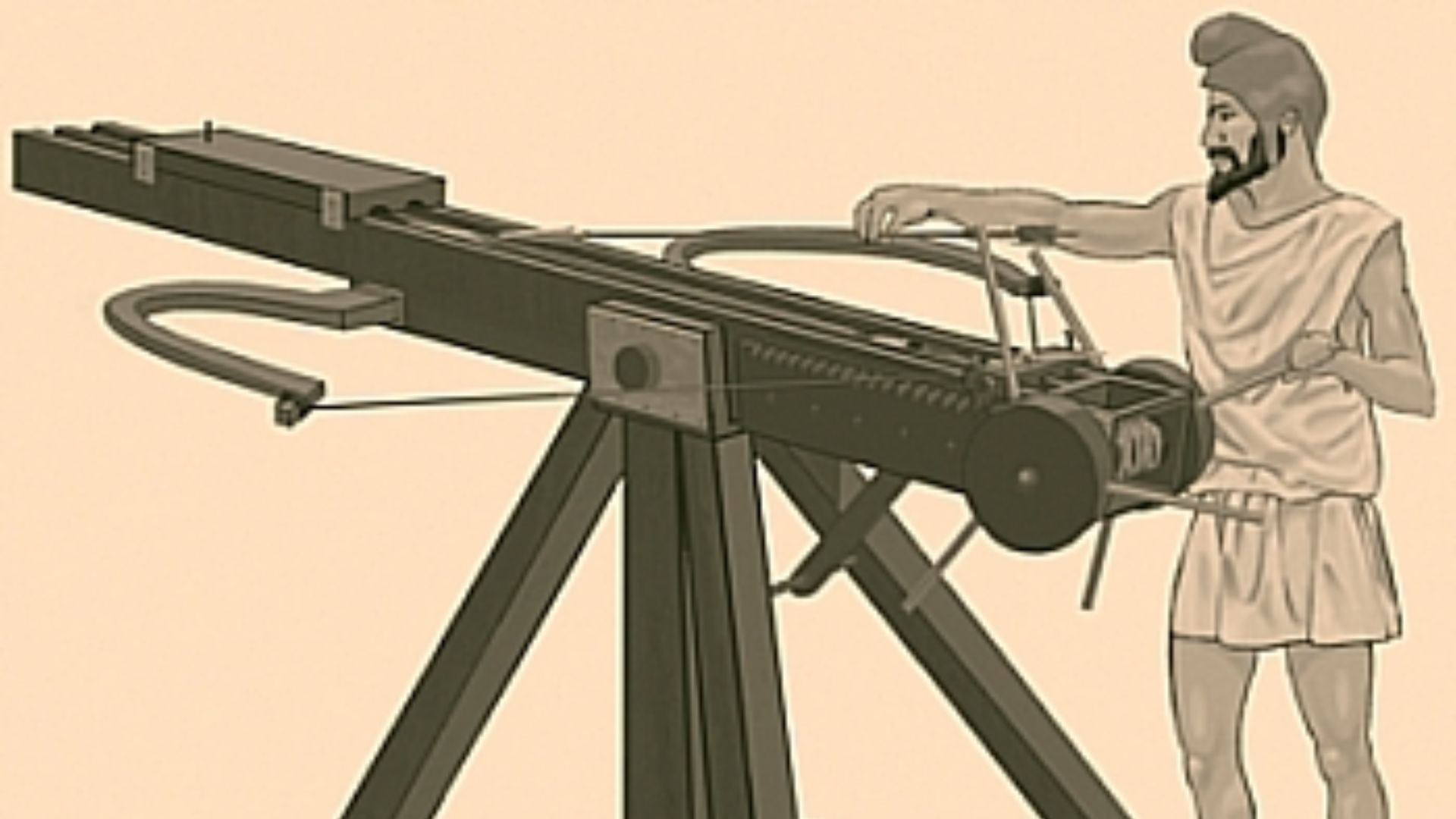
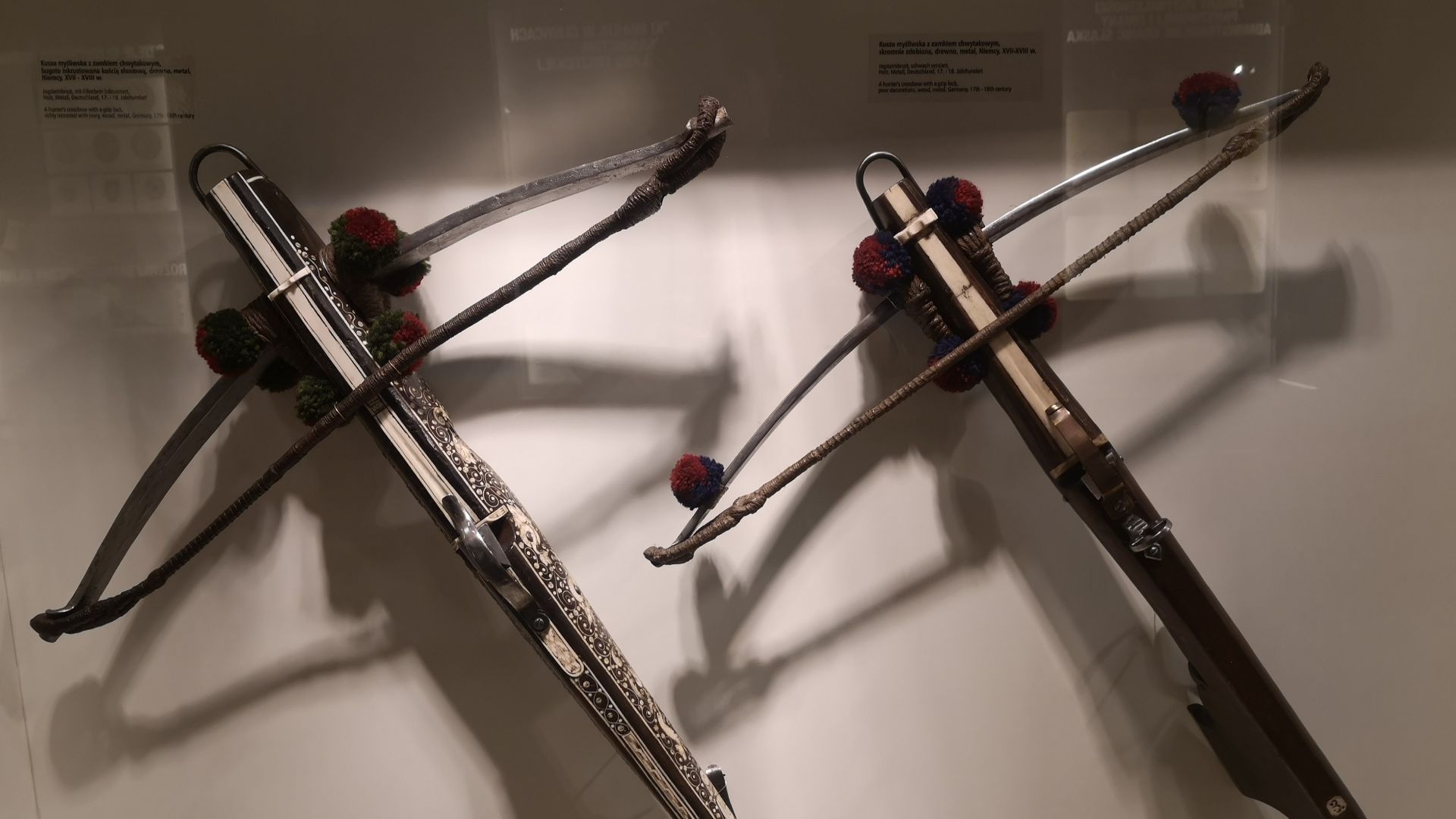
4. The Crossbow
The crossbow required far less training than the traditional longbow while delivering tremendous penetrating power. Infantry armed with crossbows could threaten heavily armored nobles, reducing the battlefield dominance of mounted knights. Its widespread adoption shifted military organization throughout medieval Europe.
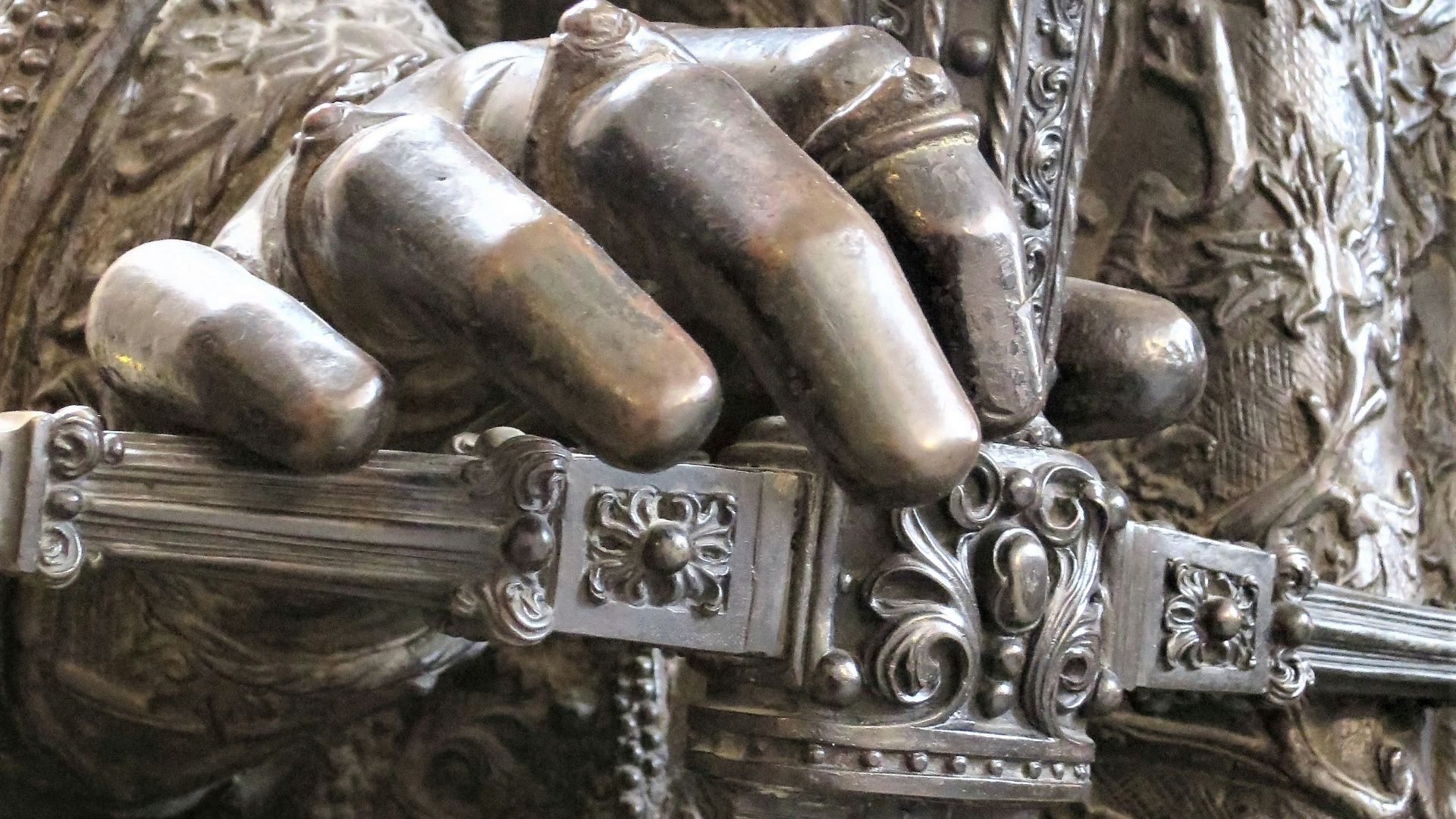
5. Bronze Swords
The development of bronze weaponry marked a significant leap from stone tools during the Bronze Age. Better durability and sharper edges gave organized armies clear advantages over less advanced rivals. Entire civilizations expanded their influence with superior metalworking.
6. Gunpowder Cannons
Early cannons gradually made massive stone castles far less secure than they had been for centuries. Fortifications had to be redesigned as artillery improved in both accuracy and power. Gunpowder weapons accelerated the decline of medieval warfare across Europe and beyond.
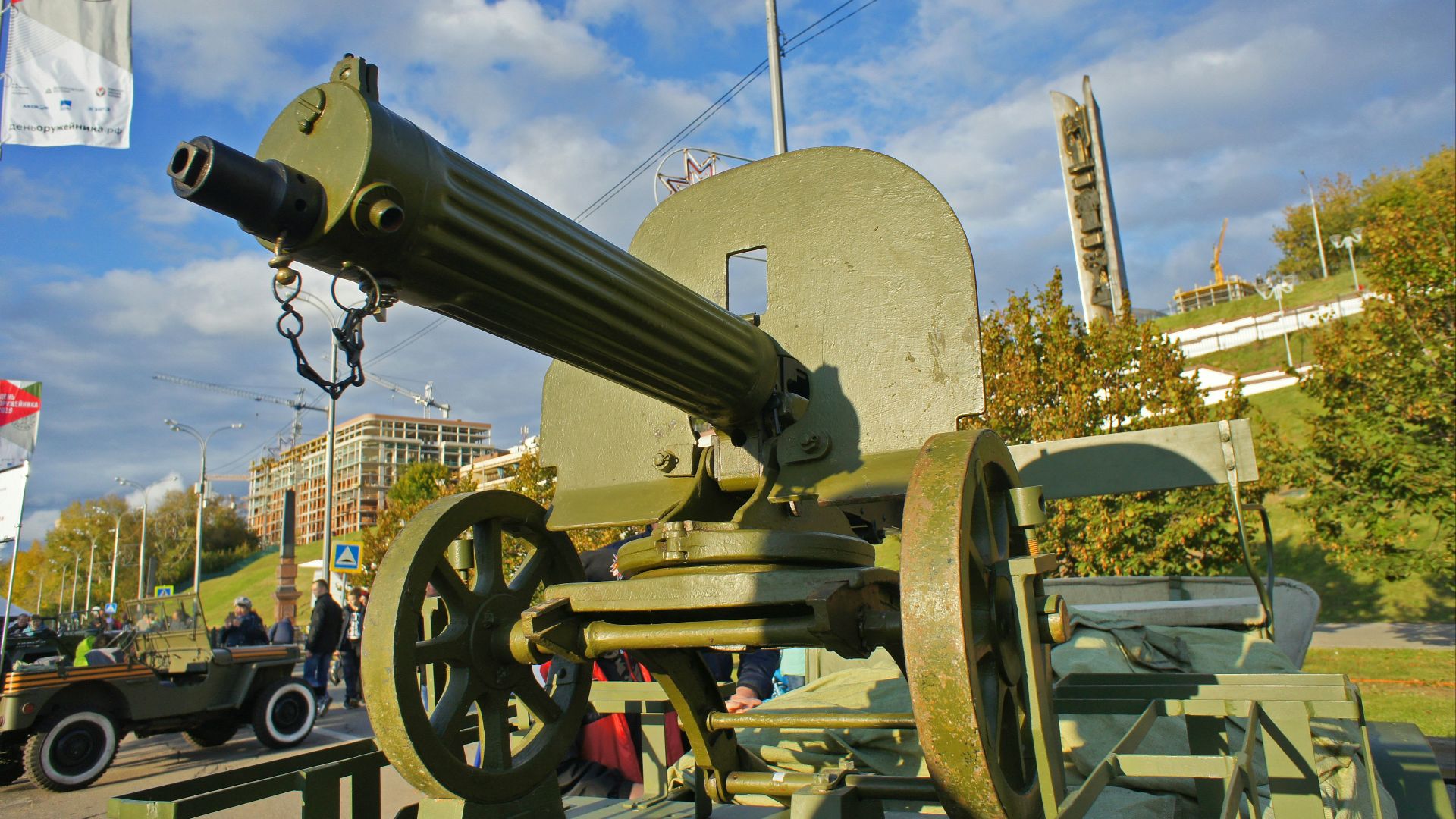
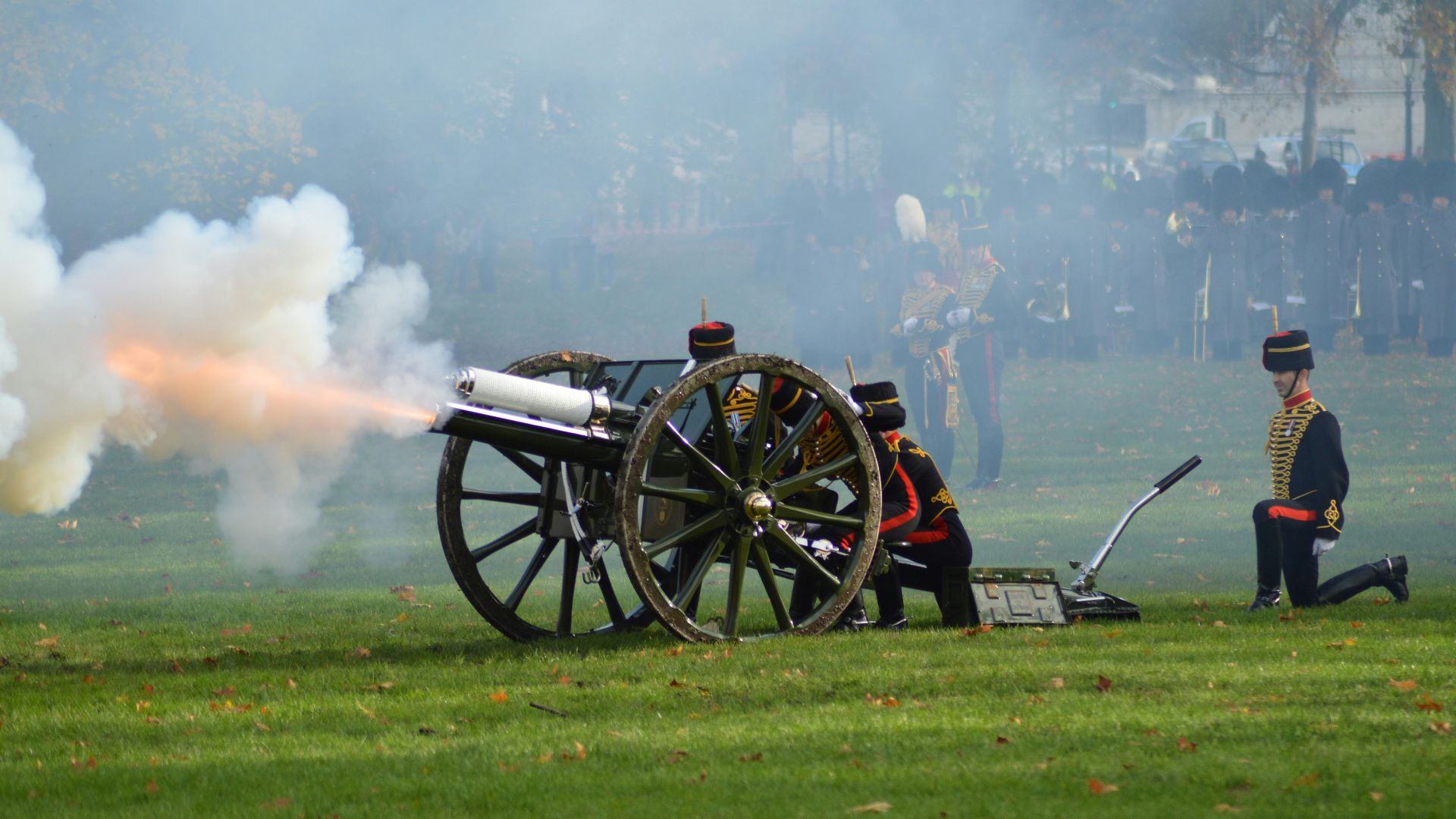
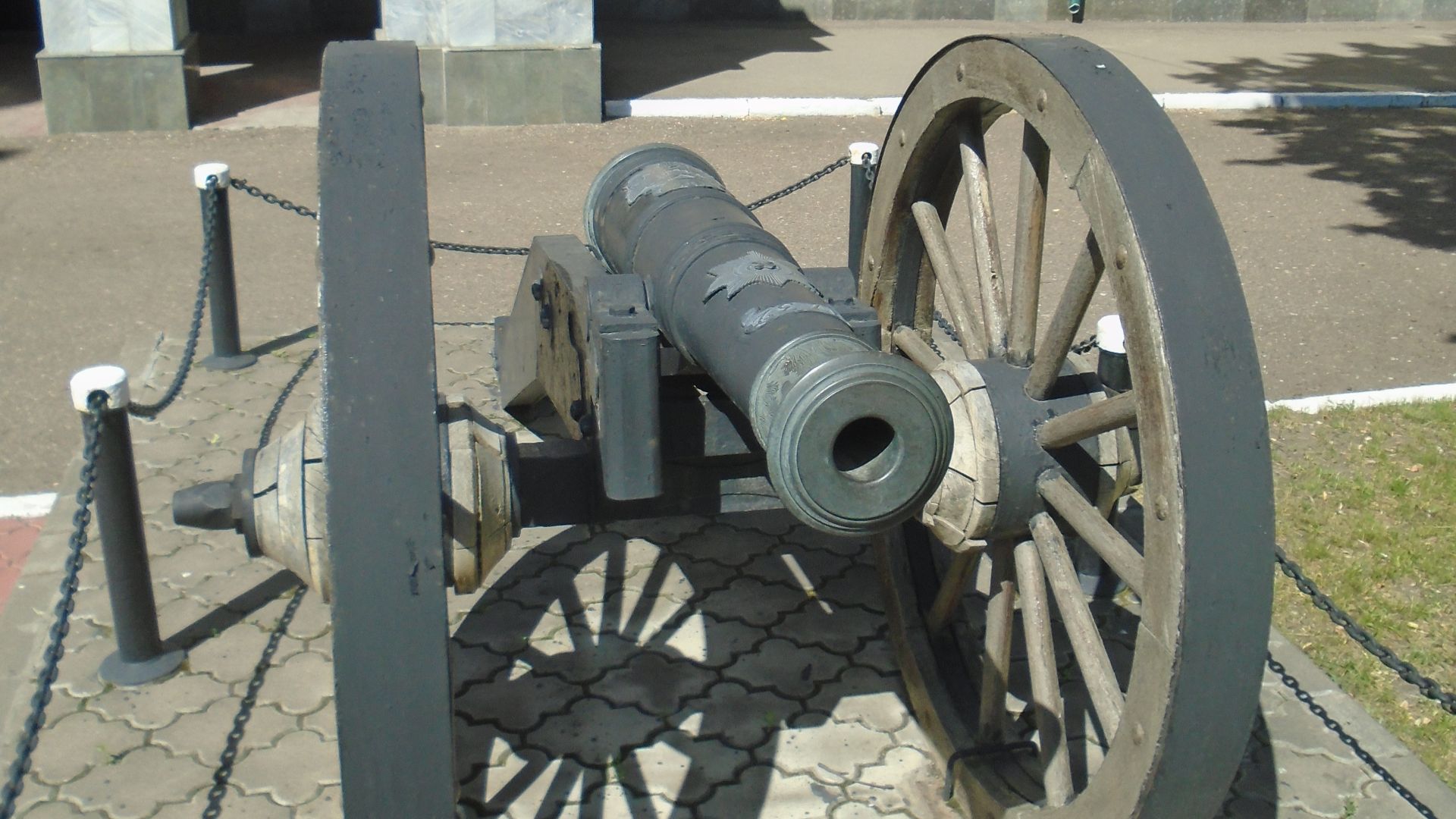 Vyacheslav Kirillin on Wikimedia
7. The Maxim Gun
The Maxim gun became the world's first fully practical automatic machine gun. European colonial powers used it to overwhelm much larger forces equipped with older weapons. Its effectiveness dramatically influenced imperial expansion during the late nineteenth century.
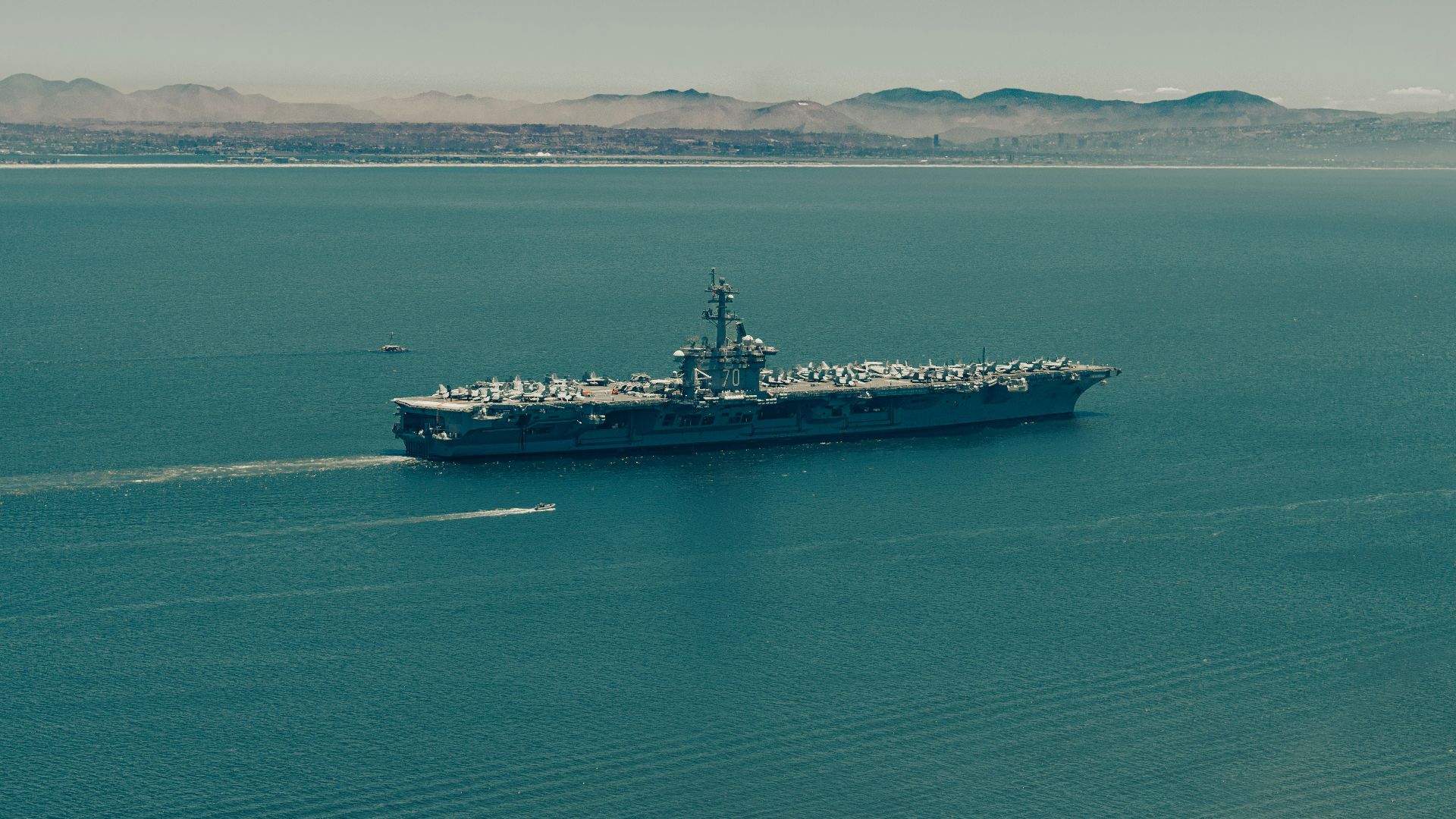
8. The Aircraft Carrier
Aircraft carriers fundamentally changed naval warfare during the Second World War. Battles increasingly depended on aircraft rather than direct engagements between battleships. Control of the skies became just as important as control of the sea.
9. The Atomic Bomb
The atomic bomb introduced destructive power unlike anything previously seen in warfare. Its use at the end of World War II helped usher in the nuclear age and permanently changed international military strategy. Since then, deterrence has become a central part of global security policy.
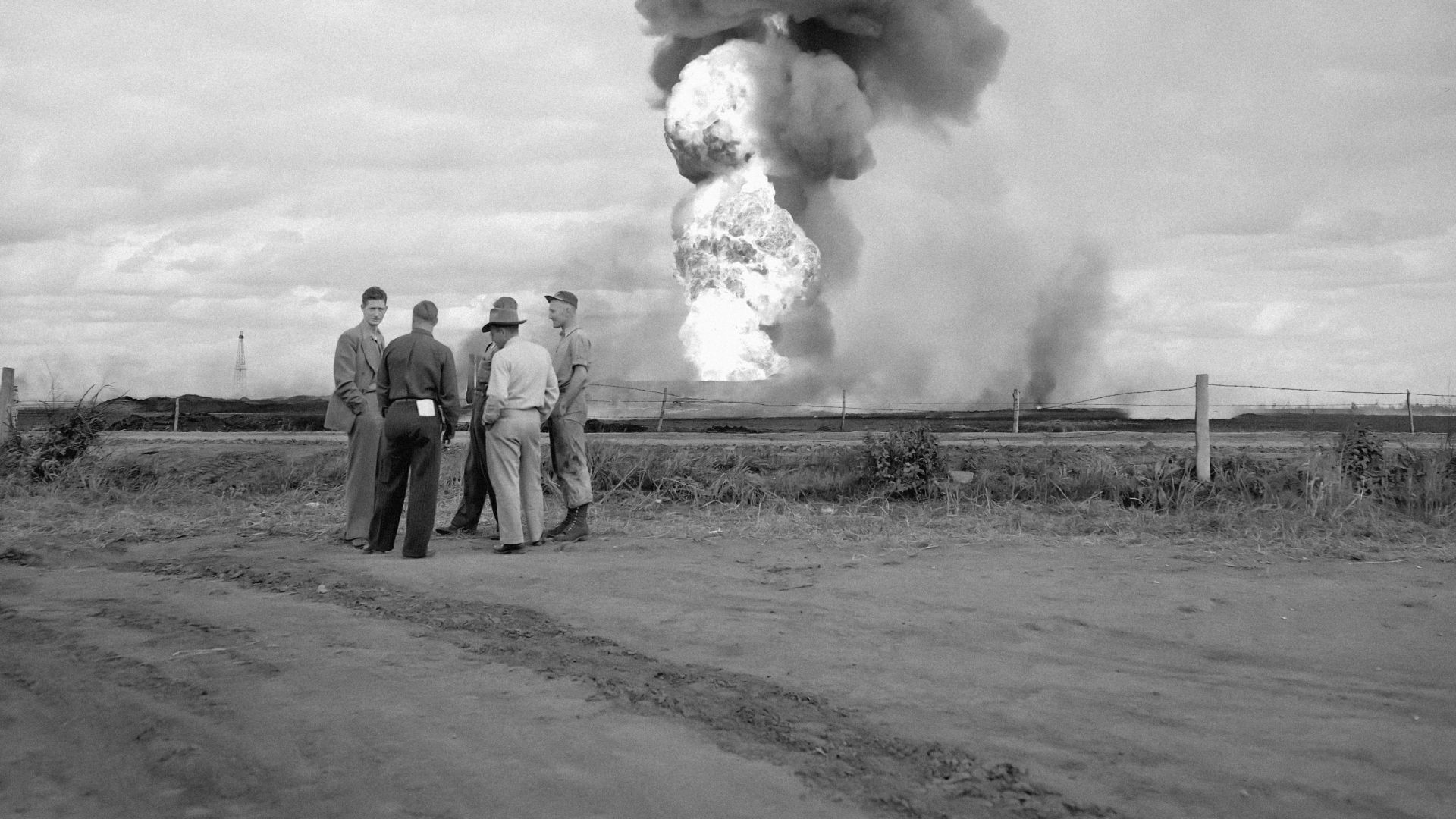 Provincial Archives of Alberta on Unsplash
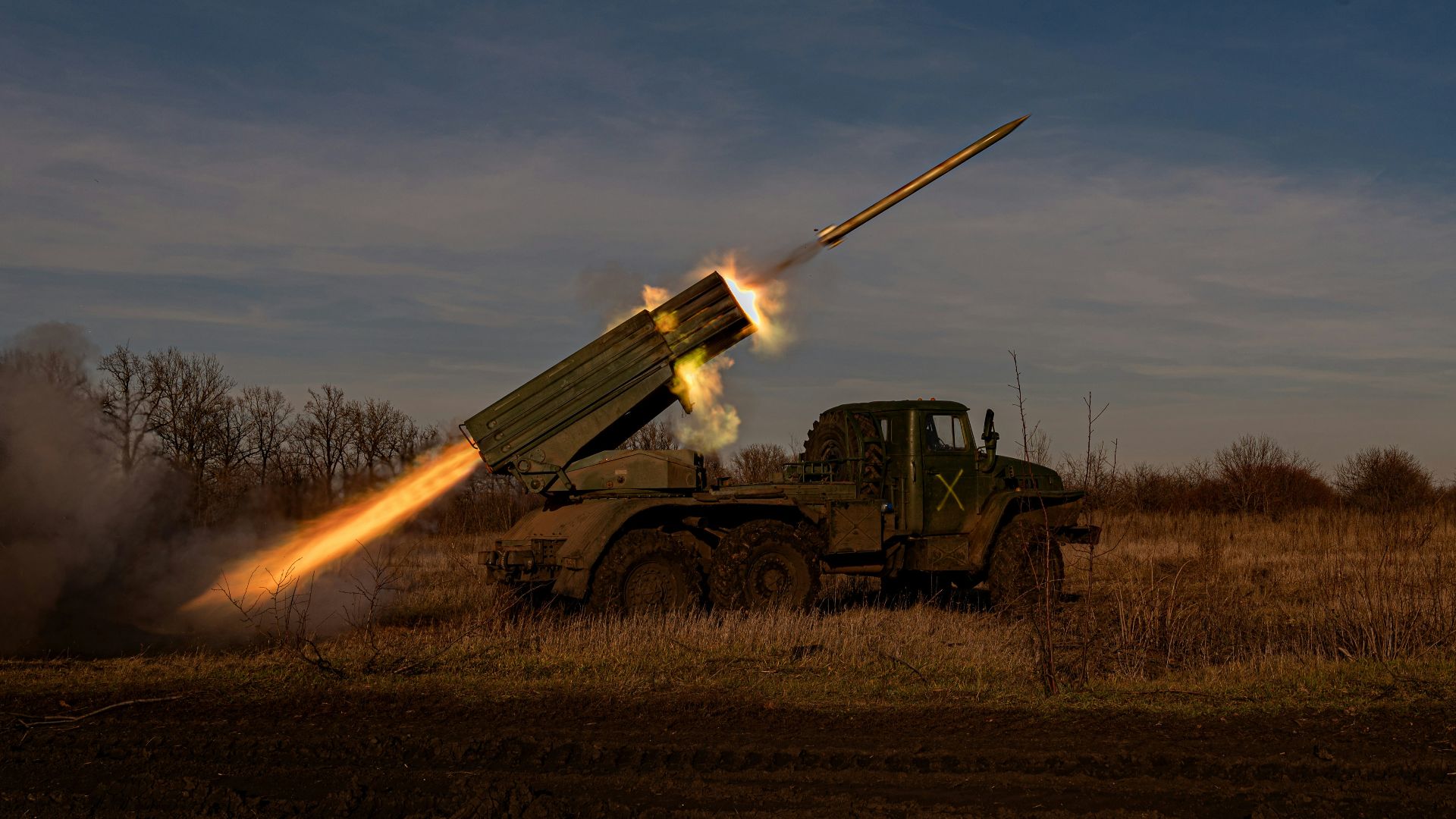
10. Precision-Guided Missiles
Modern precision-guided weapons allow militaries to strike targets with remarkable accuracy from long distances. They have reduced the need for many large-scale bombardments while increasing the effectiveness of smaller operations. Their influence continues to shape military planning around the world.
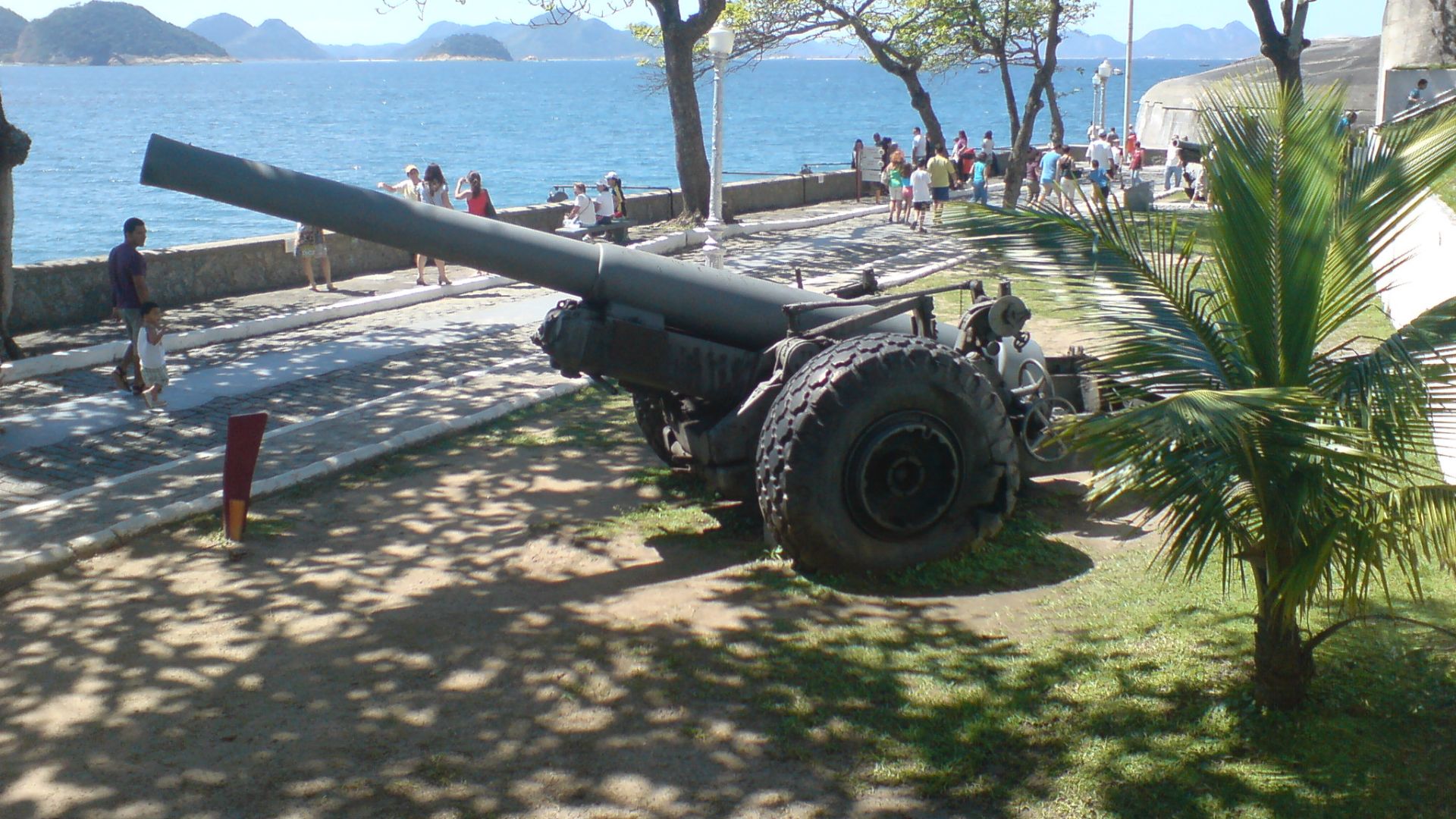
1. The V-3 Cannon
Germany developed the V-3 as a massive long-range artillery weapon during World War II. Technical problems, Allied bombing, and limited deployment prevented it from affecting the outcome of the war. It remains more interesting as an engineering experiment than a successful weapon.
2. The Tsar Tank
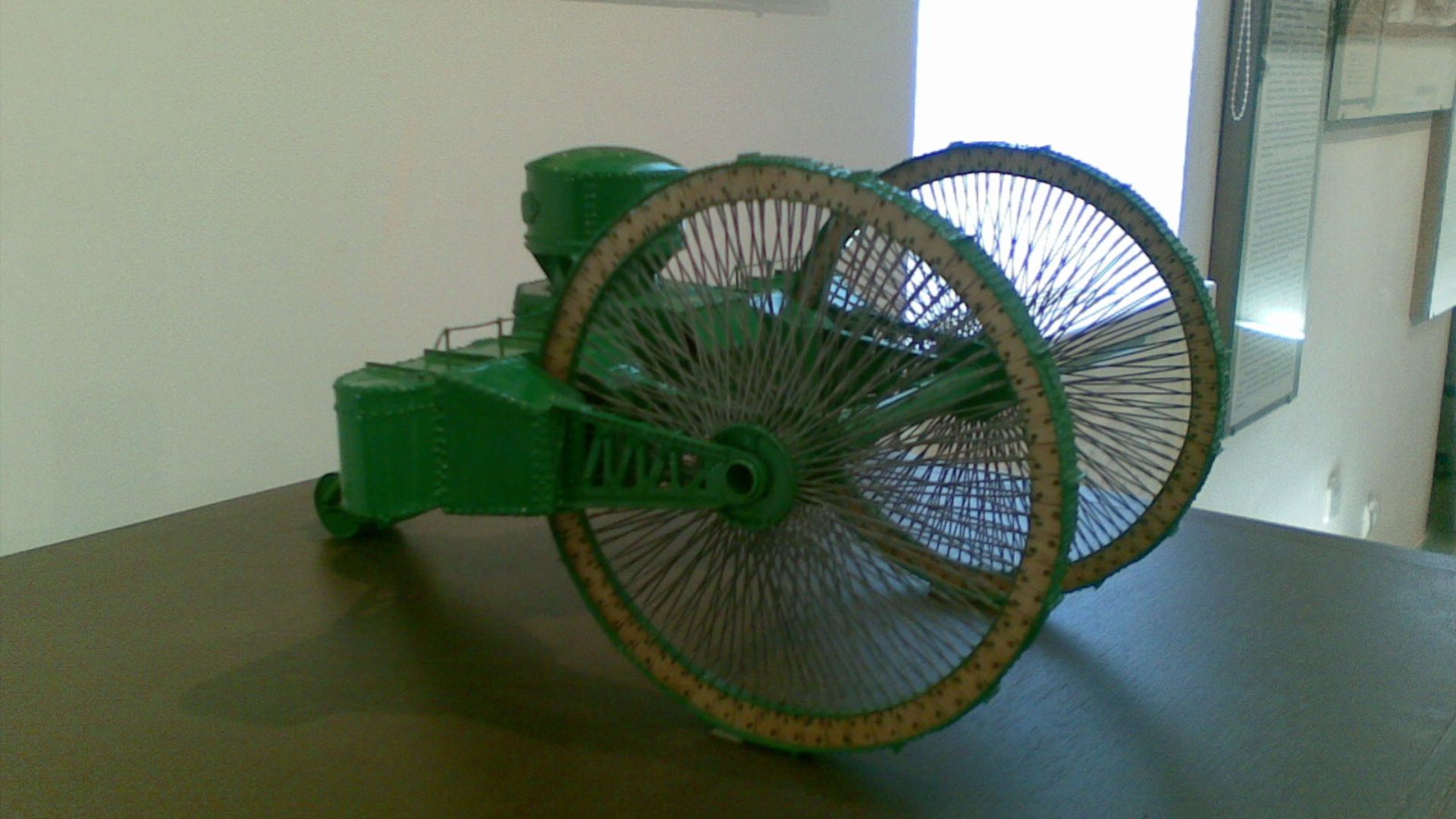
Russia's enormous Tsar Tank looked intimidating, but its oversized front wheels created serious mobility problems. During testing, the rear wheel became stuck, ending the project almost immediately. It never entered combat or influenced military doctrine.
3. The Krummlauf
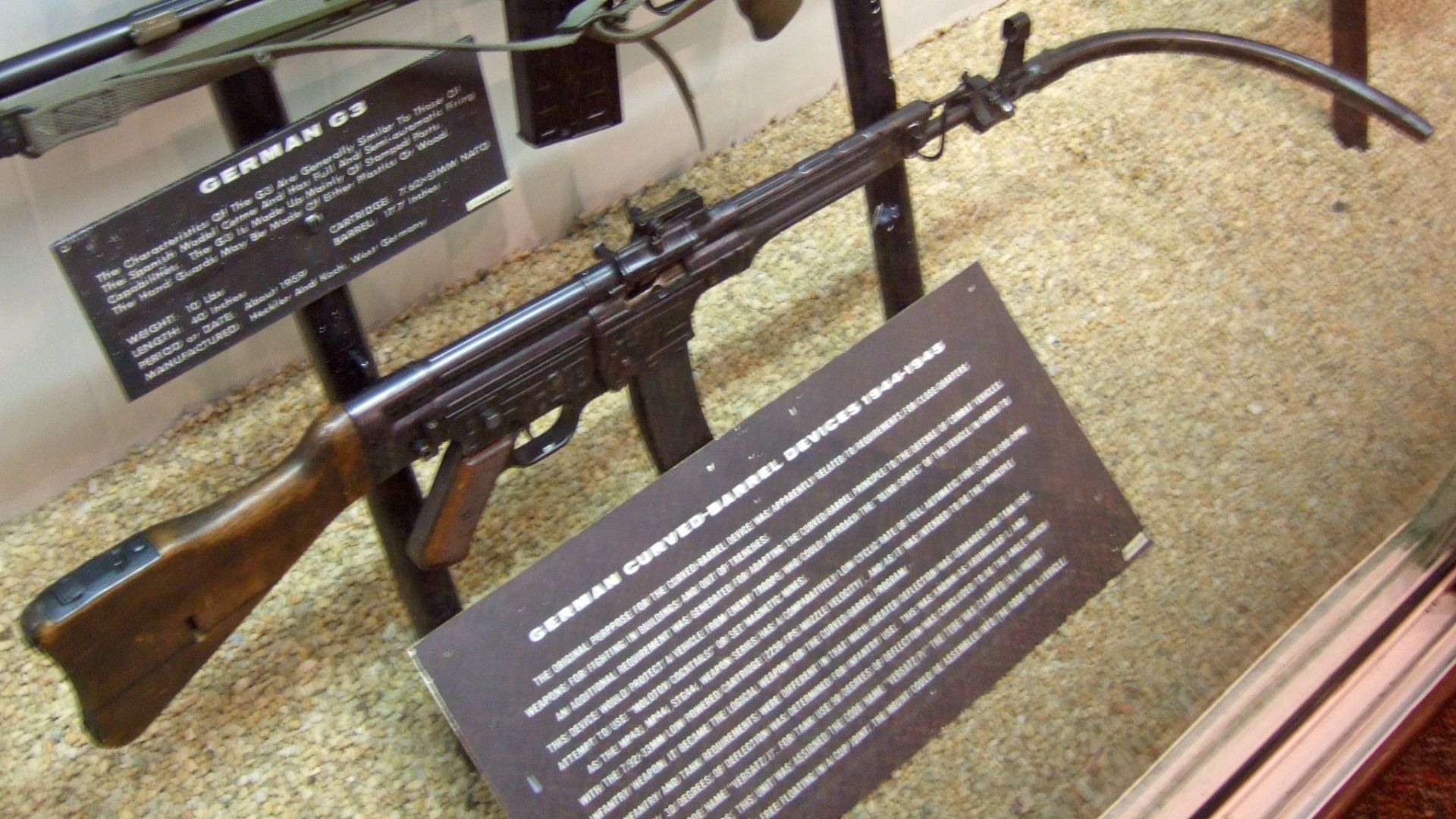
Designed to let soldiers fire around corners, the German Krummlauf used a curved barrel attachment. Excessive wear and poor accuracy made it impractical for widespread use. It never became a meaningful part of battlefield tactics.
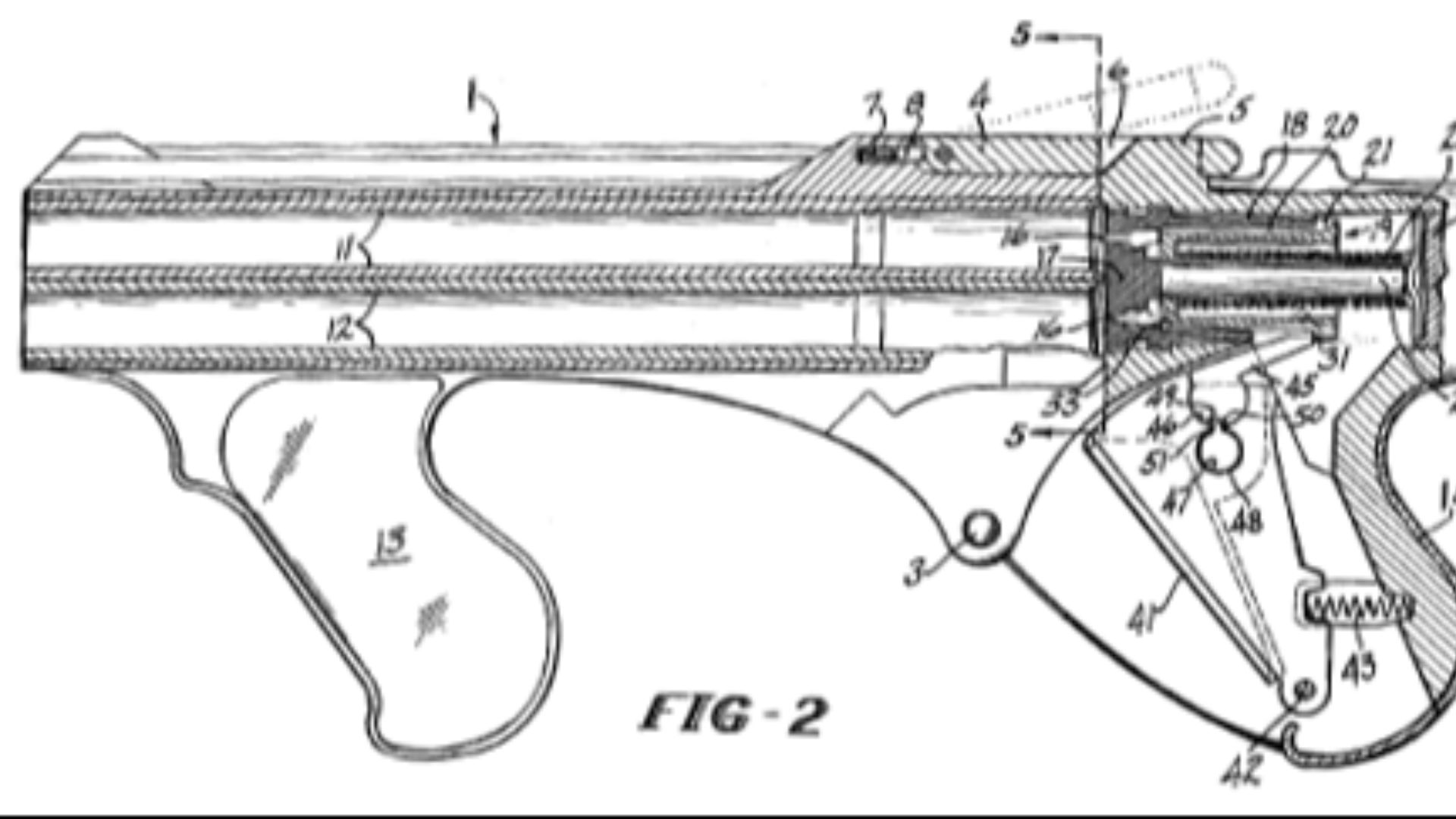
4. The Gyrojet Pistol
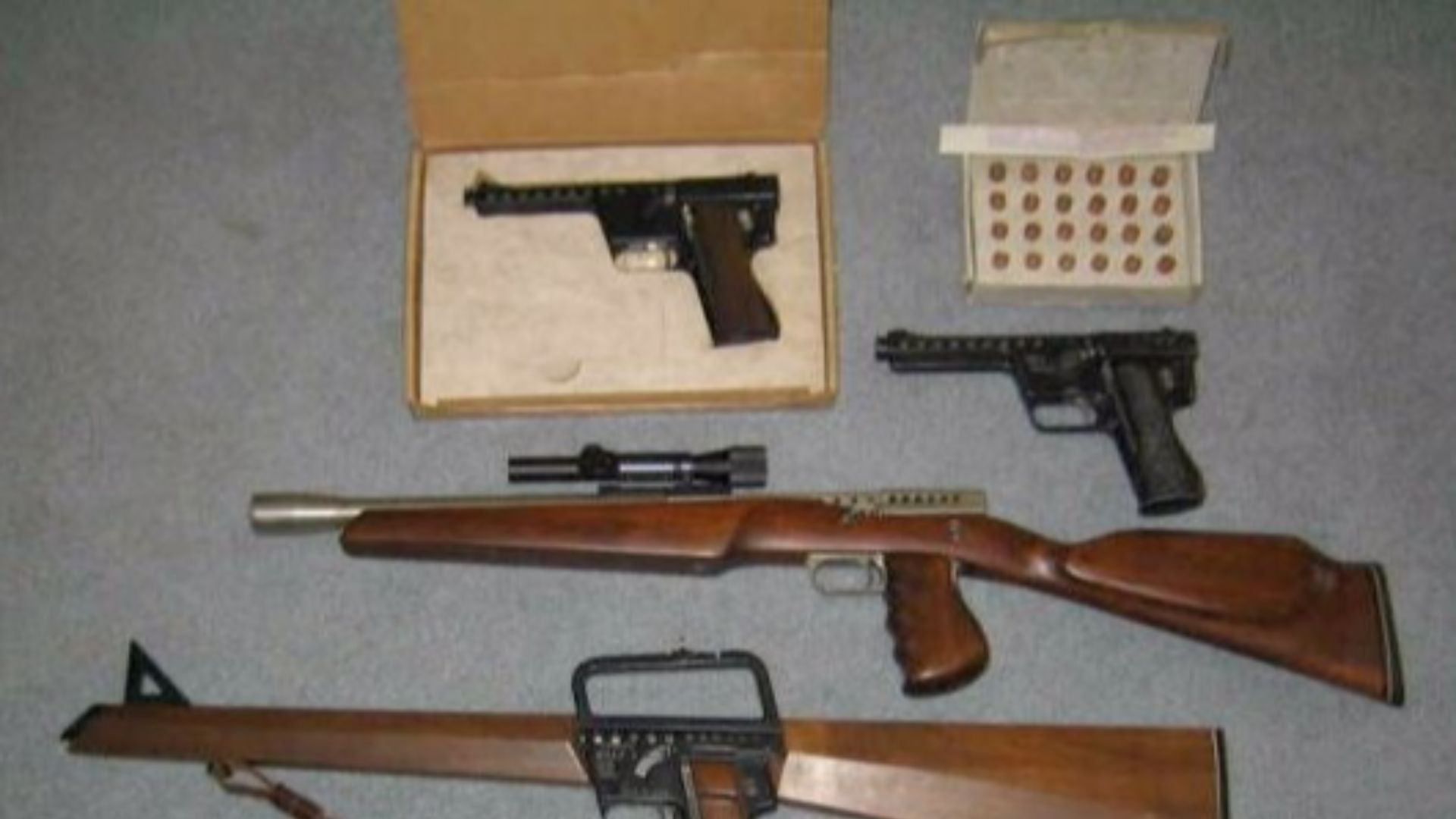
Instead of firing conventional bullets, the Gyrojet launched tiny rocket-powered projectiles. The rounds were relatively slow at close range and became more effective only after traveling some distance. Reliability issues prevented the unusual firearm from finding military success.
 User KeyserSoze on en.wikipedia on Wikimedia
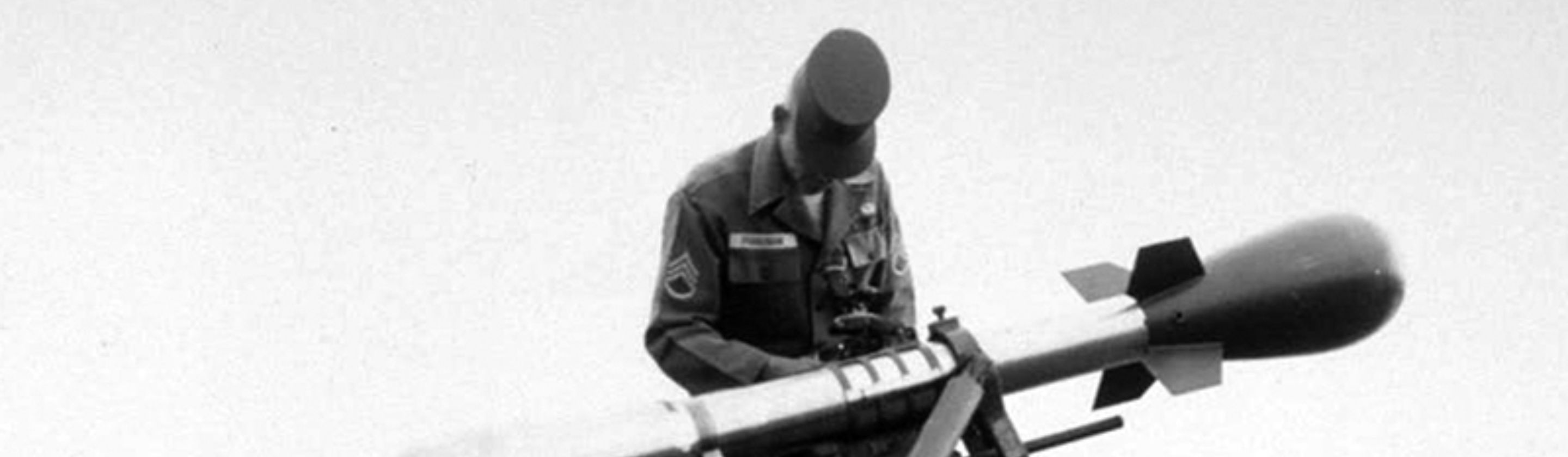
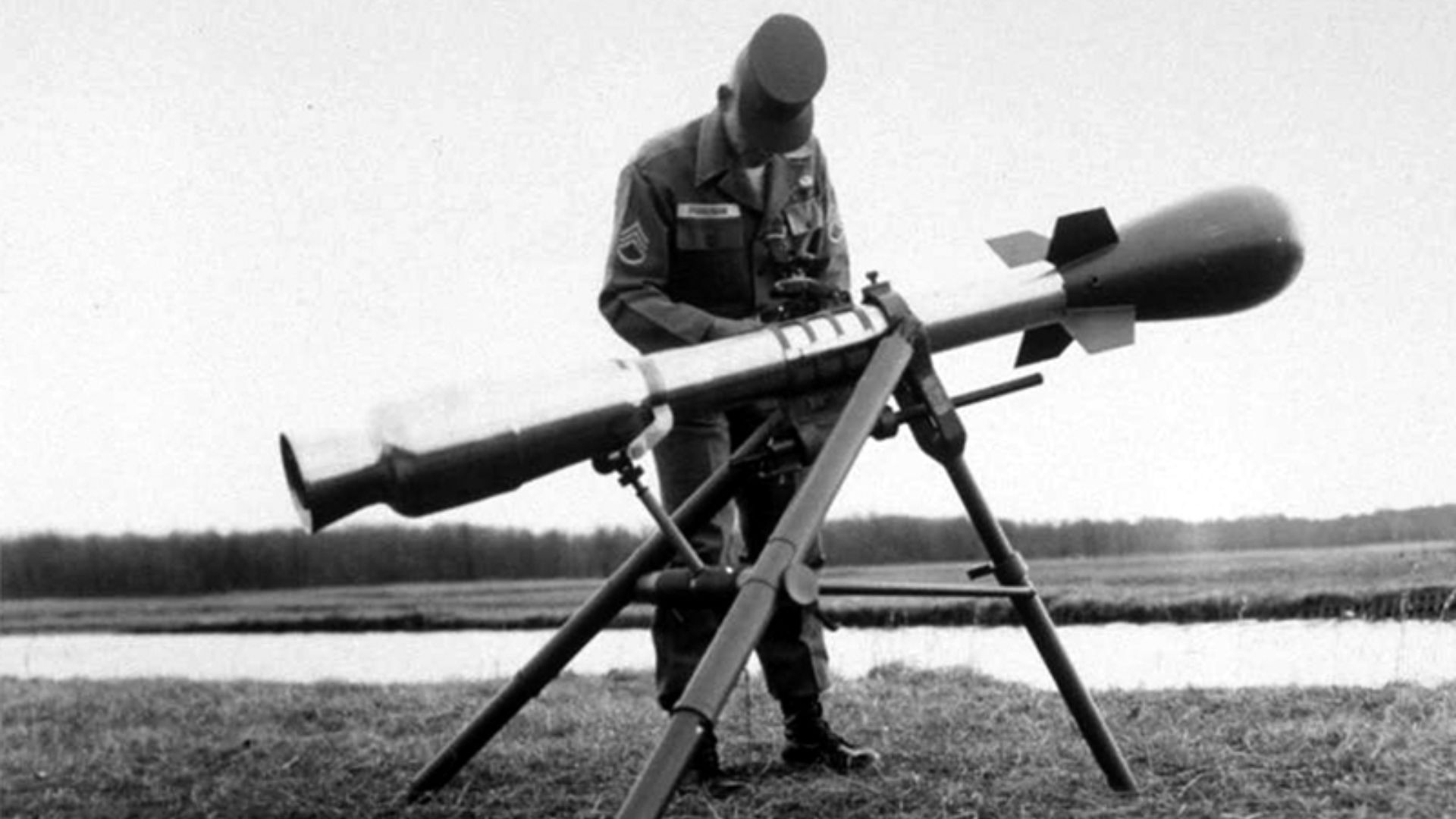
5. The Davy Crockett Recoilless Gun
This Cold War weapon fired a very small nuclear warhead over relatively short distances. While innovative, concerns about safety, accuracy, and battlefield practicality limited its usefulness. It was eventually withdrawn without influencing military strategy.
 US government DOD and/or DOE photograph on Wikimedia
6. The Puckle Gun
Patented in 1718, the Puckle Gun was an early attempt at a repeating firearm. Manufacturing limitations of the era prevented large-scale production or widespread military adoption. Despite creative ideas, it had little effect on future conflicts.
 en:User:Edurcastro28 on Wikimedia
7. The Winchester Liberator
Developed late in the Vietnam War, this multi-barrel shotgun prototype promised tremendous close-range firepower. The project never advanced beyond limited testing because it offered few practical advantages over existing weapons. It quietly disappeared from military consideration.
 User Fluzwup on en.wikipedia on Wikimedia
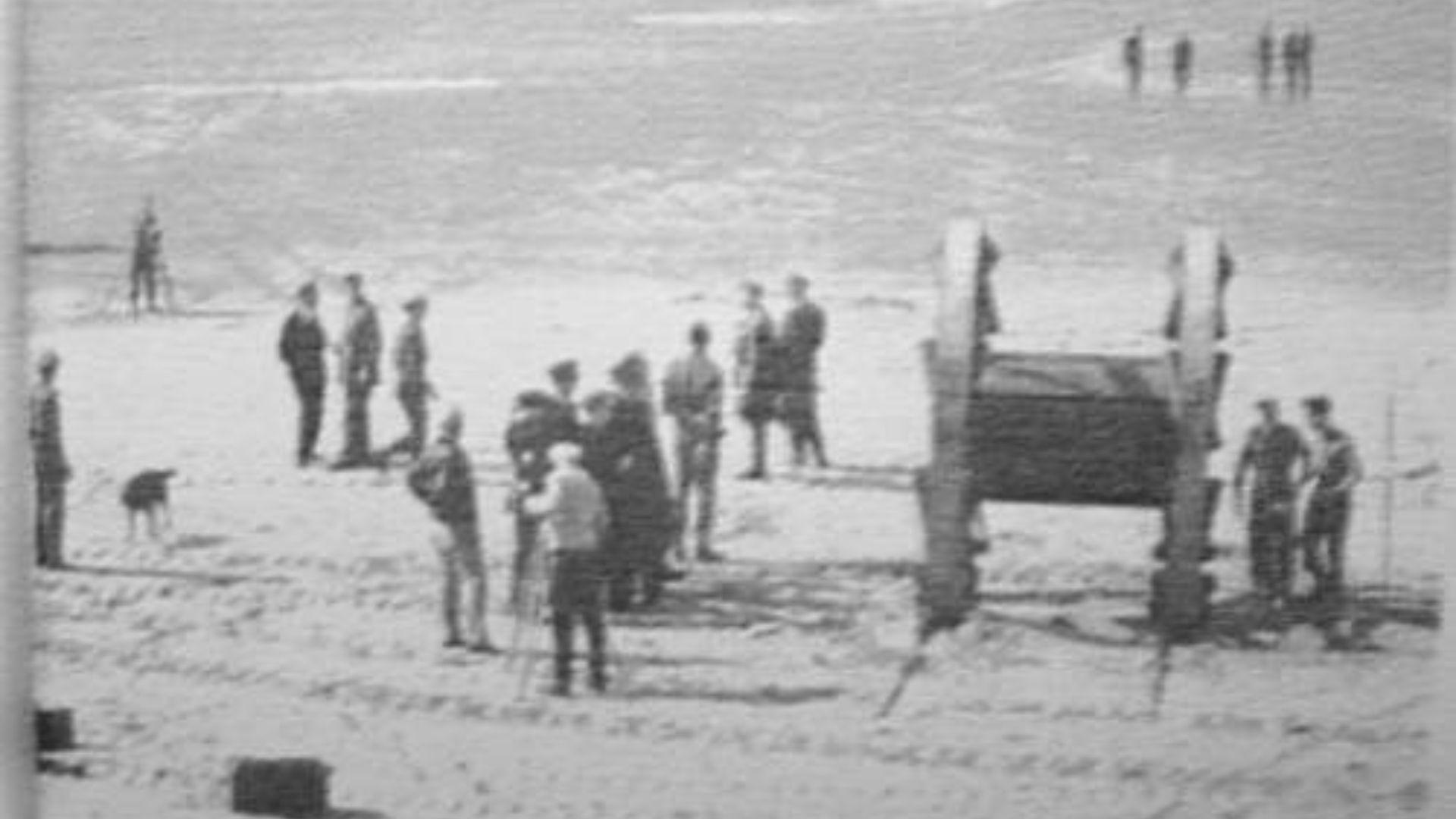
8. The Panjandrum
Britain experimented with the Panjandrum during World War II as a rocket-powered device for breaching defensive walls. Testing proved wildly unpredictable, with the machine frequently veering off course. It was abandoned before ever seeing combat.
 Louis Klemantaski on Wikimedia
9. The Sedgley Glove Gun
Created for American special operations during World War II, this tiny weapon was mounted on a glove for extremely close combat. Only a small number were produced, and there is little evidence they were ever used operationally. Its military impact was essentially nonexistent.
10. The Project Babylon Supergun
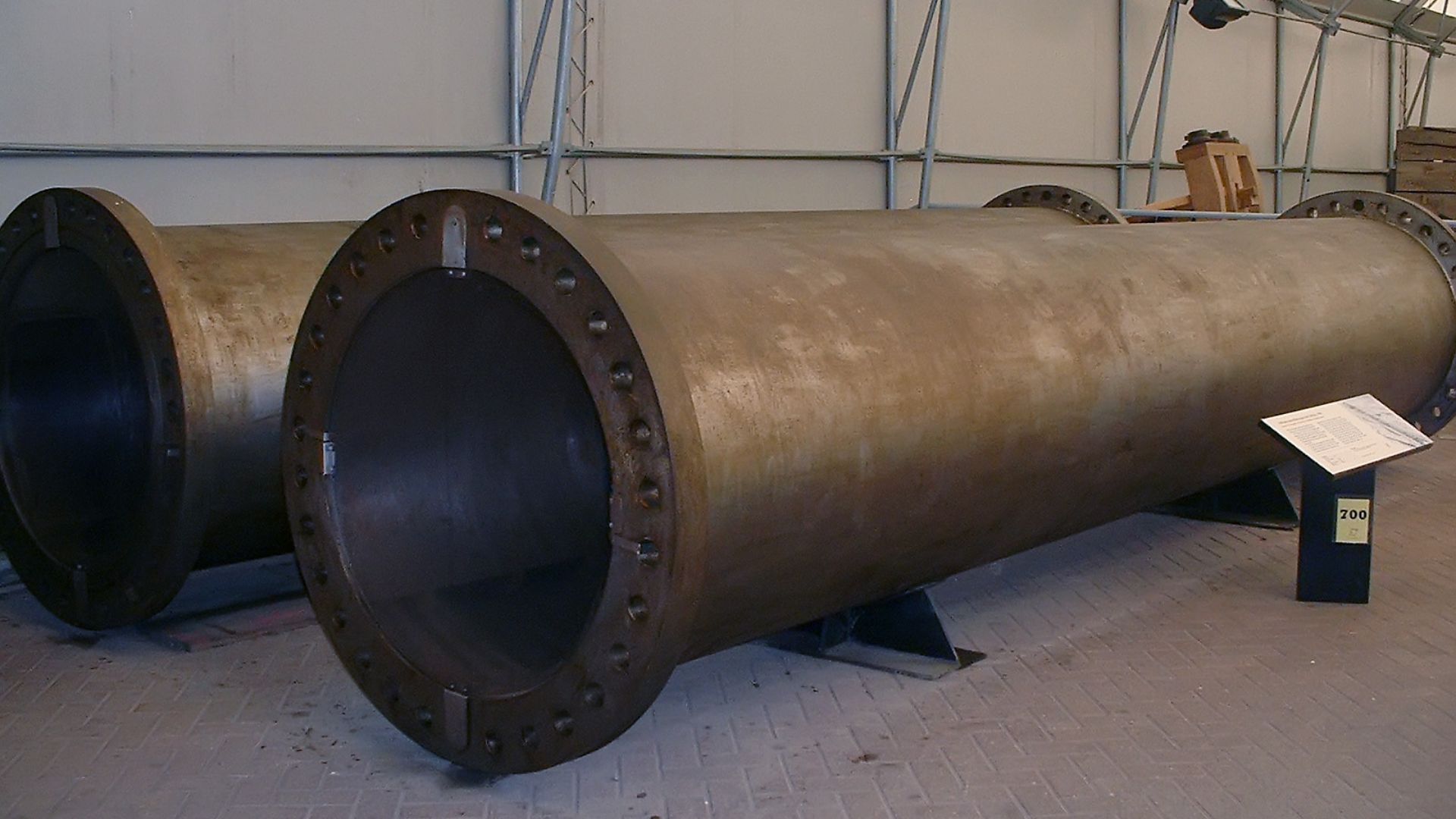
Gerald Bull's enormous artillery concept aimed to fire projectiles over extraordinary distances. The project ended before completion following Bull's assassination and increasing international scrutiny. Despite attracting global attention, it never altered military history.
KEEP ON READING