Letters That Still Break Our Hearts
Some letters manage to capture a feeling so raw that it survives long after the person who wrote it is gone. From Vincent van Gogh's last words to his brother to Anne Frank's diary entries addressed to an imaginary friend, the 20 entries below span centuries and continents, coming from the hearts of soldiers, artists, monarchs, and everyday people who found themselves facing the end of something they loved. As you read through them now, you get a small window into what people felt when they thought no one else would ever see their words.
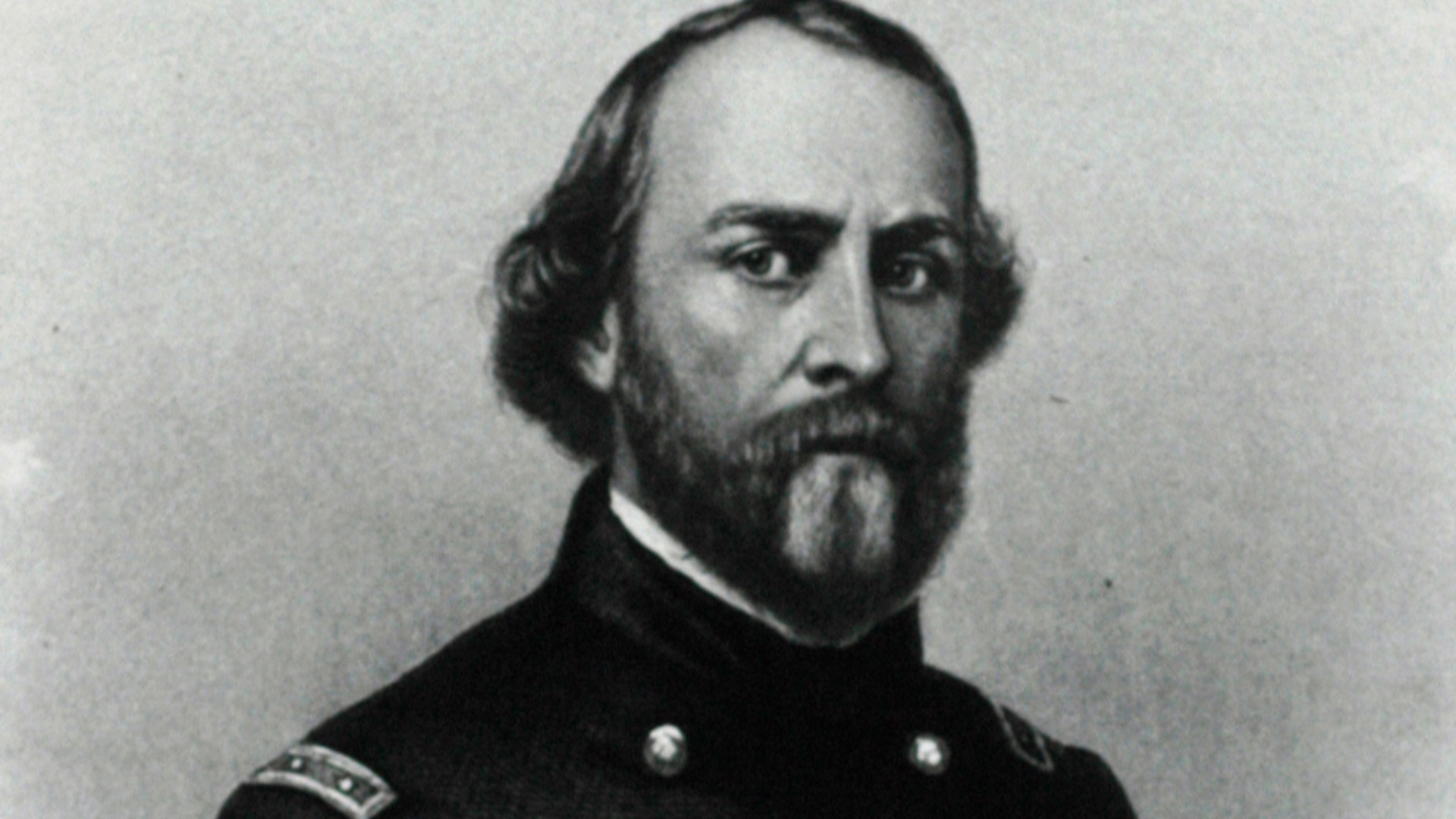
1. Sullivan Ballou's Letter to His Wife Before Bull Run
A week before he died in the First Battle of Bull Run, Union Major Sullivan Ballou sat down to write his wife Sarah a letter he hoped she'd never have to read. He told her his love for her was deathless and admitted how hard it felt to give up the future they'd planned together, yet he still felt bound by duty to his country. He promised that even after death, he'd remain near her, and that when his last breath left him on the battlefield, "it will whisper your name." Wikipedia
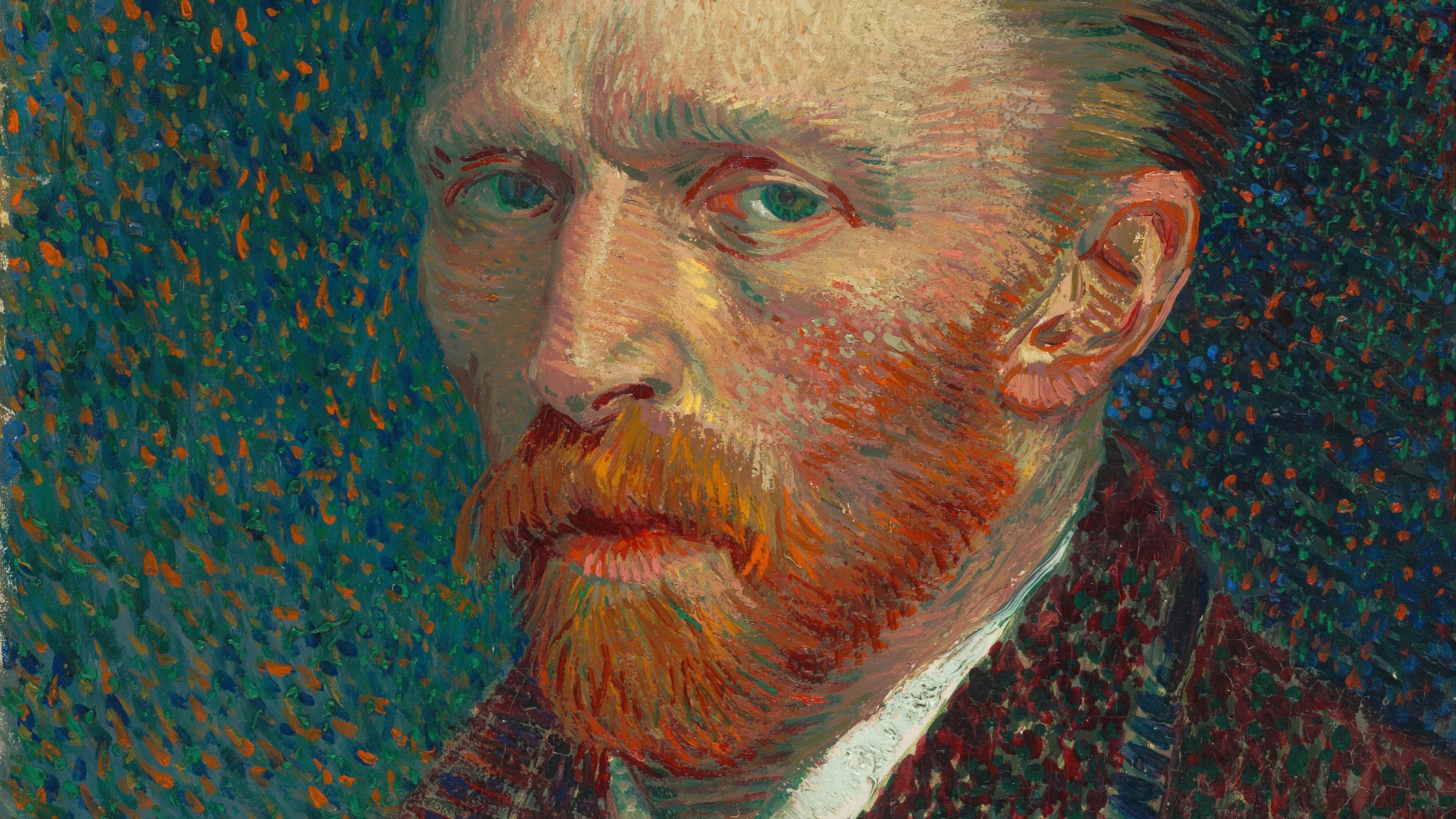
2. Vincent van Gogh's Final Words to His Brother Theo
Vincent van Gogh spent his last years pouring his mental anguish into letters addressed to his brother Theo, the person who financed his art and stood by him through repeated breakdowns. In his final days at Auvers, Vincent grew increasingly despondent about the weight his illness placed on Theo and his young family. When Theo rushed to his brother's deathbed after Vincent took his own life, Vincent reportedly told him "the sadness would last forever," a phrase Theo later repeated in a letter to their sister as he described watching his brother slip away.
3. Ludwig van Beethoven's Letter to His "Immortal Beloved"
Found in a secret drawer after Beethoven's death, this unfinished letter was never addressed by name, leaving historians to argue for two centuries over which woman he meant. In it, the composer poured out an almost desperate longing, describing how circumstances kept him from the person he loved and how the distance between them caused him real suffering. He wrote as a man torn between his art and his heart, and the letter's mystery only adds to how tragic it feels; you never get to know if she ever wrote back.
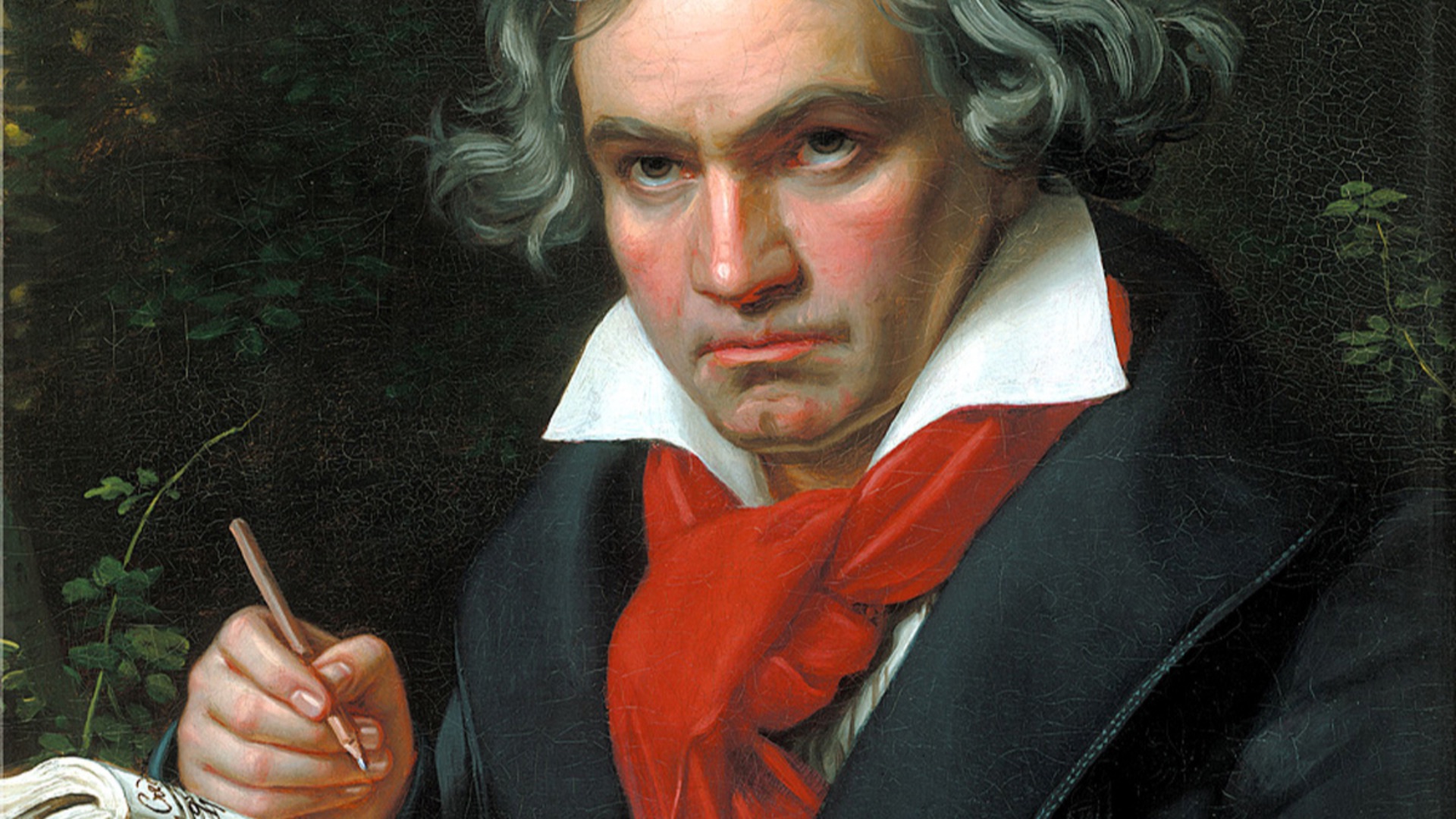 Joseph Karl Stieler on Wikimedia
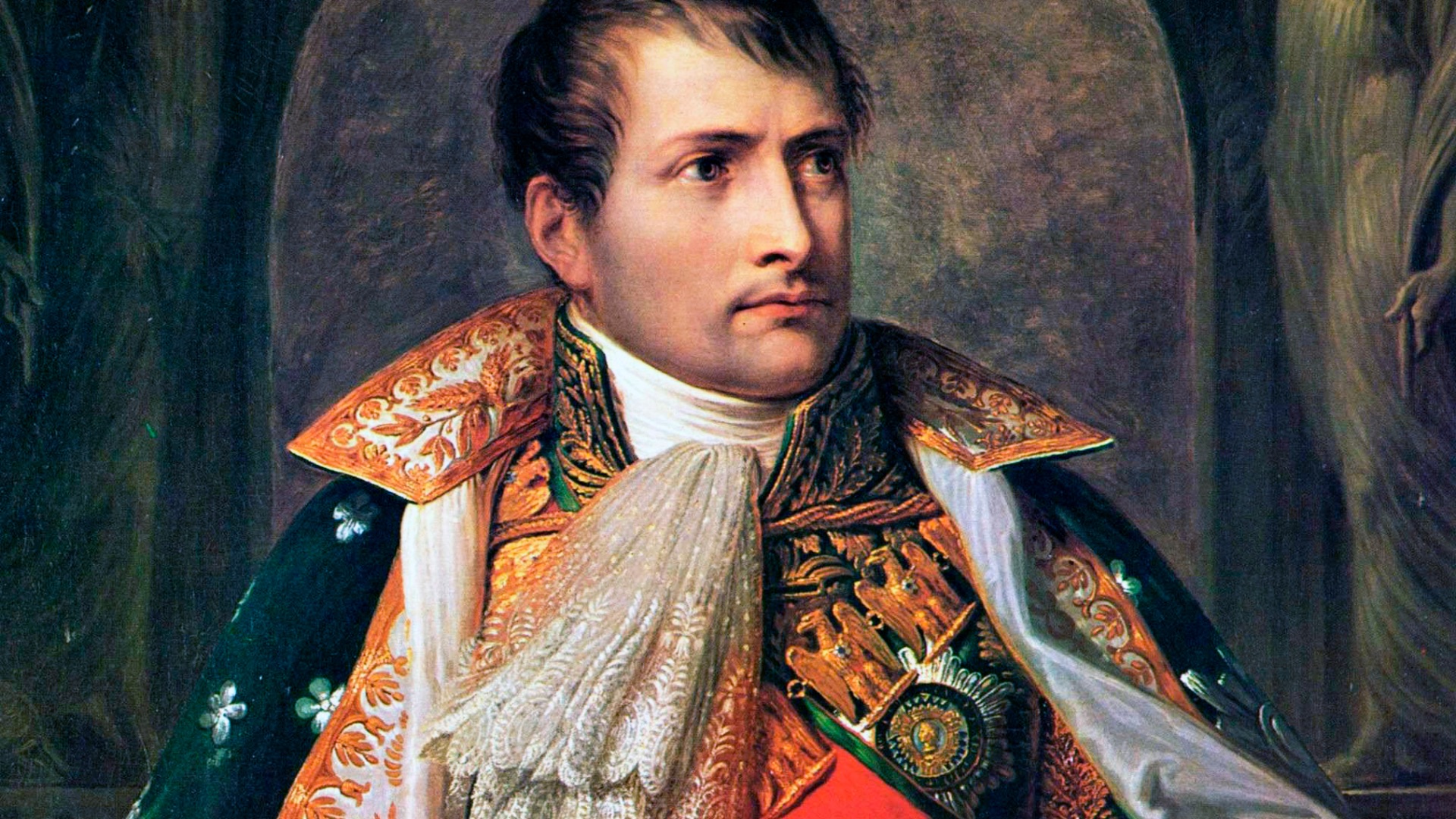
4. Napoleon Bonaparte's Letters to Josephine
While campaigning in Italy, a young Napoleon wrote his wife Josephine a series of increasingly frantic love letters, begging her to write more often and accusing her of not loving him as fiercely as he loved her. His words swung between adoration and jealousy, and you can feel the isolation of a man far from home who suspected his marriage was slipping away from him. Their relationship would eventually end in divorce, which makes his early, almost obsessive devotion to her feel even more tragic in hindsight.
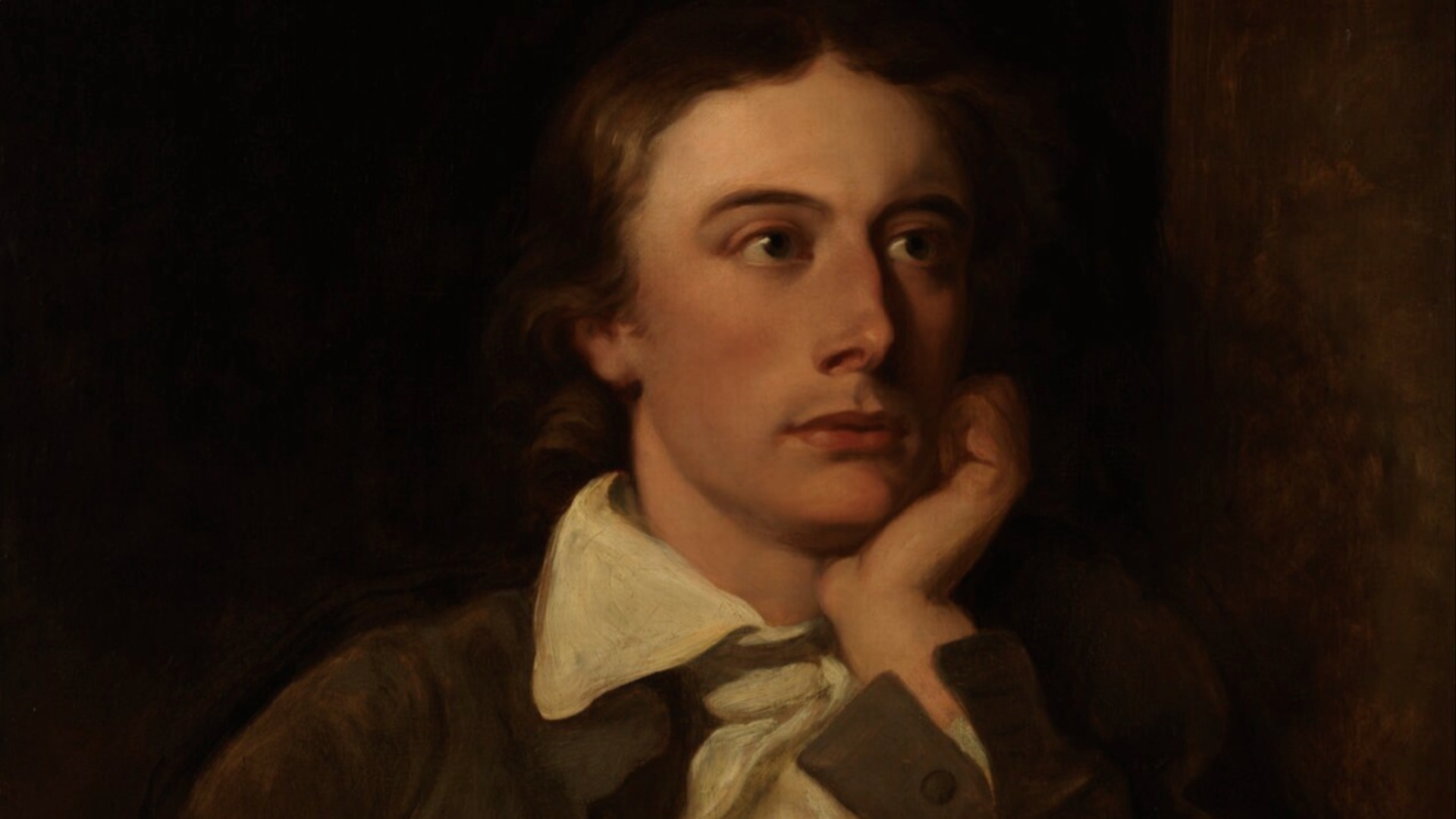
5. John Keats' Letters to Fanny Brawne
Dying slowly of tuberculosis in his twenties, poet John Keats wrote to his fiancée Fanny Brawne with a mixture of tenderness and torment, aware that his illness would likely keep them apart forever. He described how much he wanted to live and how unbearable it felt to love someone he might never get to marry. Keats asked that the letters be buried with him after death, and his early passing at just twenty-five turned his correspondence with Fanny into one of literature's saddest what-ifs.
6. Oscar Wilde's "De Profundis" to Lord Alfred Douglas
Written from his prison cell at Reading Gaol, Oscar Wilde's long letter to his former lover Lord Alfred Douglas mixes bitterness, self-examination, and a lingering affection that Wilde couldn't quite let go of. He reflected on how their relationship had cost him his reputation, his family, and his freedom, yet he still wrote with the wit and eloquence that made him famous before his fall. The letter reads less like correspondence and more like a confession from a man trying to make sense of how far he'd fallen.
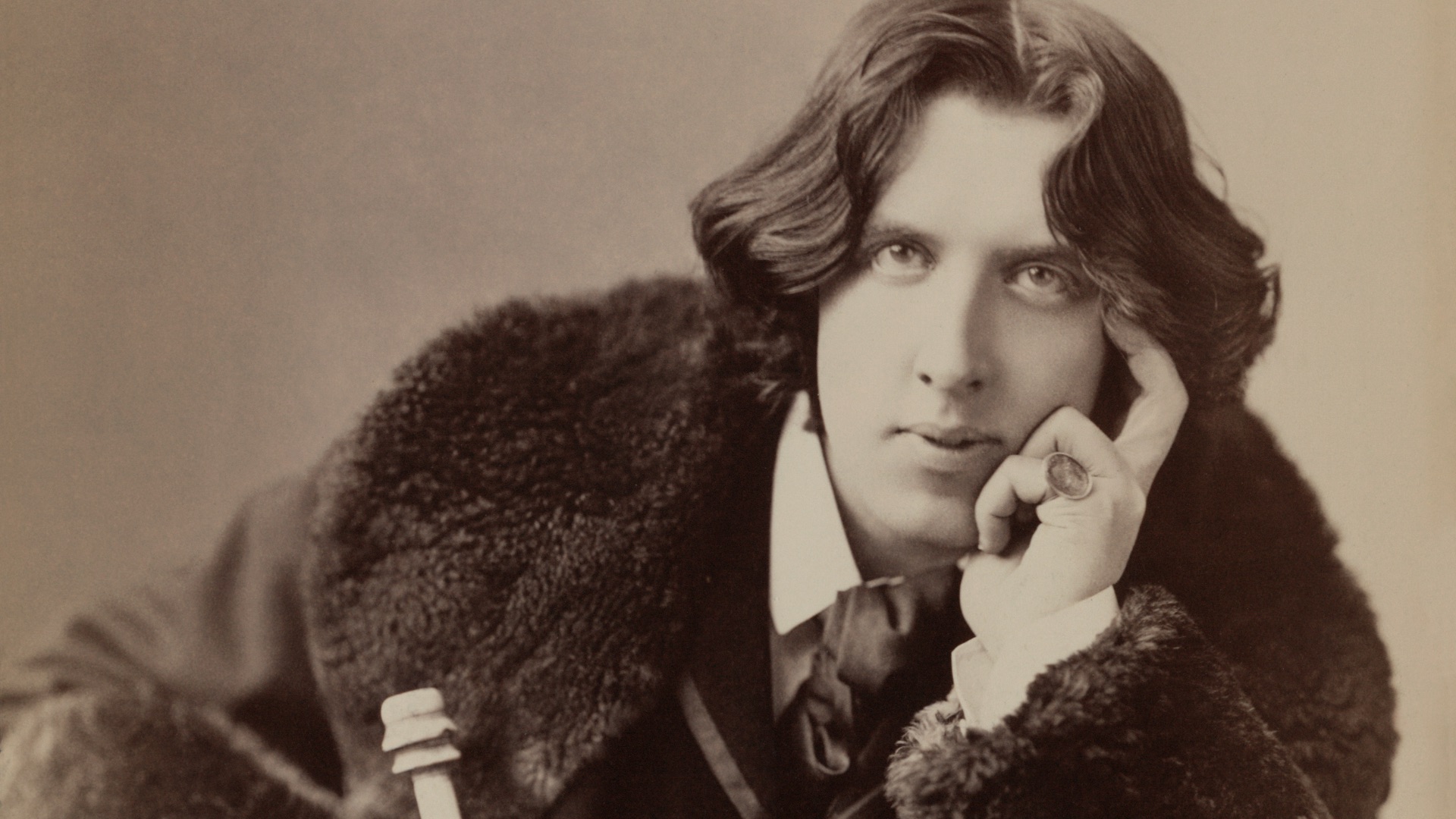 Napoleon Sarony / Adam Cuerden on Wikimedia
7. Franz Kafka's Letter to His Father
Franz Kafka never actually sent this letter to his father Hermann, though he wrote it in an attempt to explain a lifetime of feeling inadequate and afraid in his father's presence. He described specific childhood memories that shaped his anxiety and detailed how his father's disapproval had followed him into adulthood, coloring nearly every relationship he tried to build. The letter stayed hidden until after Kafka's death, so his father likely never knew how deeply his words had wounded his son.
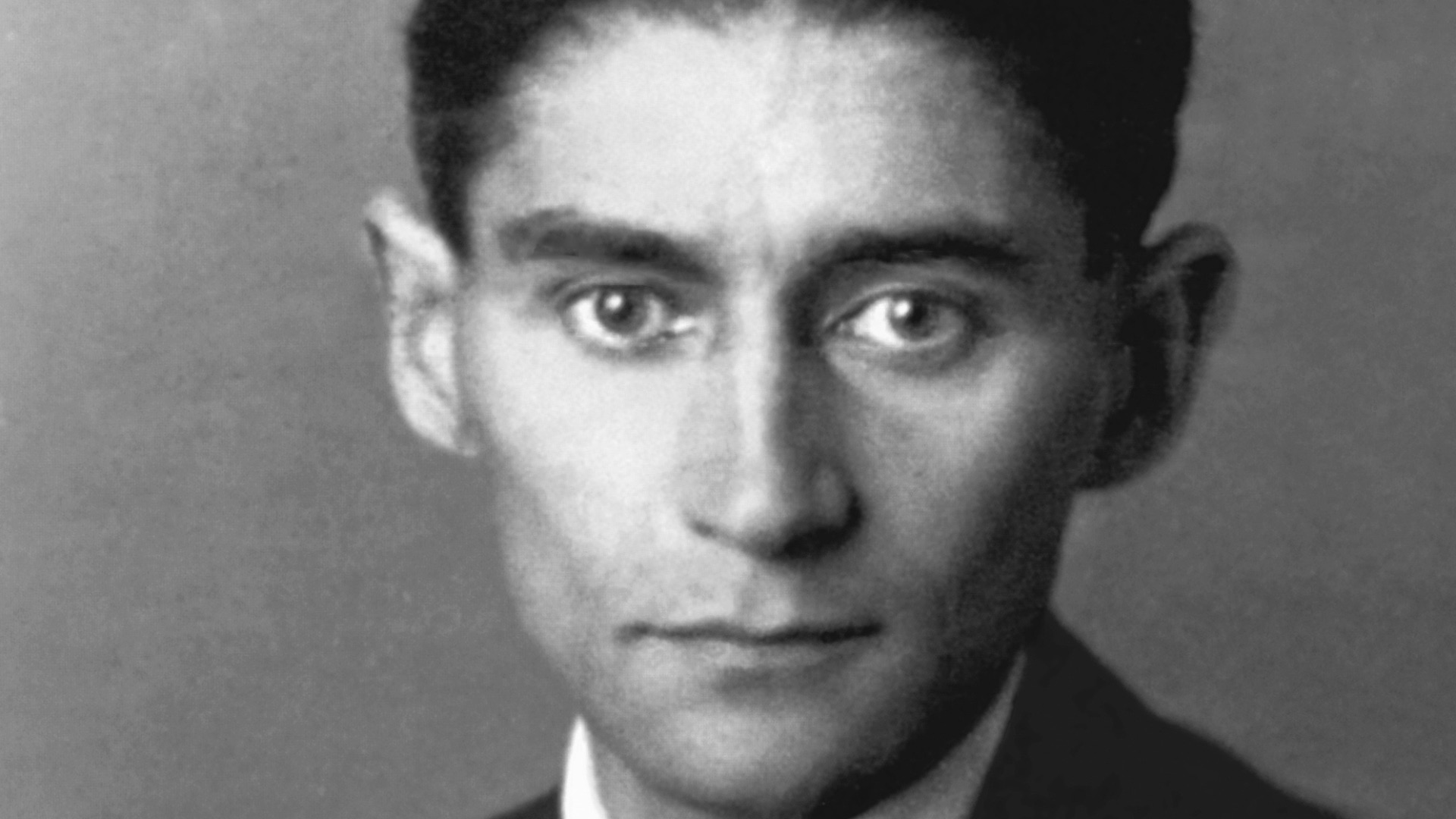 Unknown photographer on Wikimedia
8. Virginia Woolf's Final Letter to Her Husband Leonard
Before she walked into the River Ouse with her coat pockets filled with stones, Virginia Woolf left a letter on the mantelpiece for her husband Leonard, explaining that she felt her mental illness returning and couldn't face going through it again. She told him he had given her the greatest possible happiness and that she didn't believe two people could have been happier than they'd been together. Woolf wrote that she was going because she didn't want to keep "spoiling your life," a line that reveals how much her decision came from love rather than despair alone.
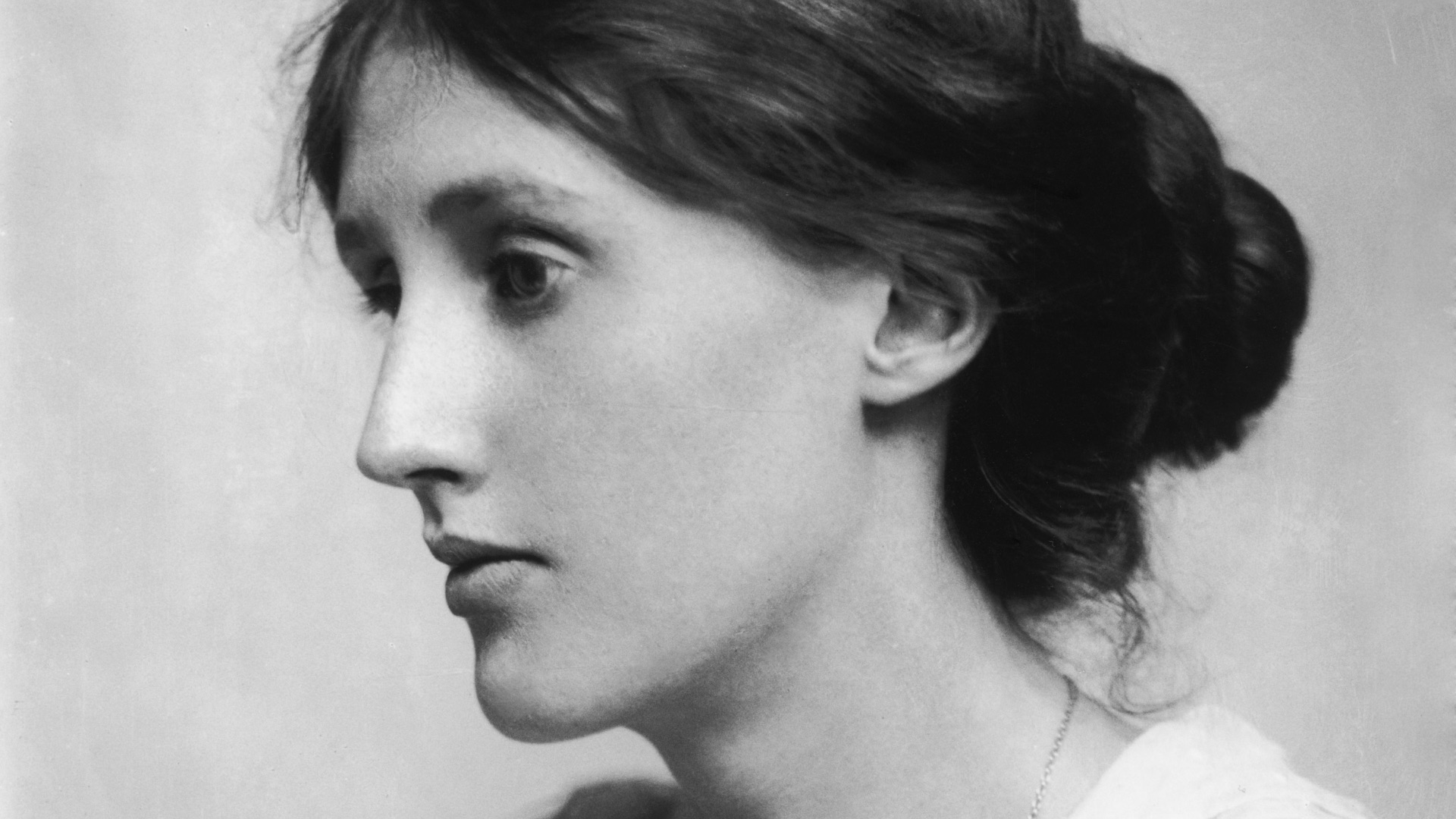 George Charles Beresford on Wikimedia
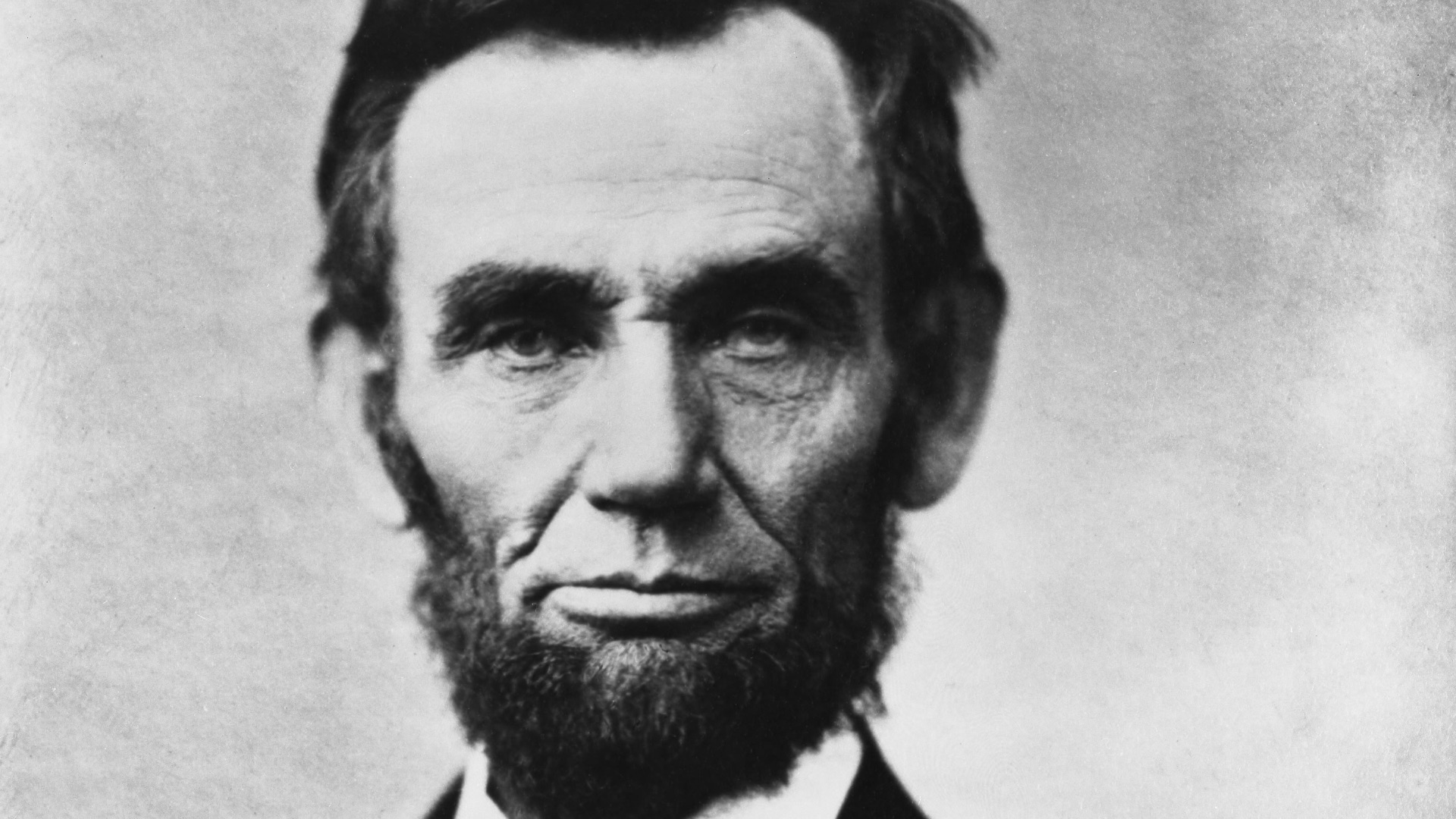
9. Abraham Lincoln's Letter to Mrs. Bixby
In 1864, President Lincoln wrote to a Boston widow believed to have lost five sons in the Civil War, offering her words of comfort that historians still study for their restraint and grace. He admitted that nothing he said could truly ease grief so overwhelming, yet he still tried to give her some sense that the sacrifice mattered. The letter's authorship has been debated for over a century, but regardless of who held the pen, its message about loss and gratitude has outlived every argument about its origin.
 Alexander Gardner on Wikimedia
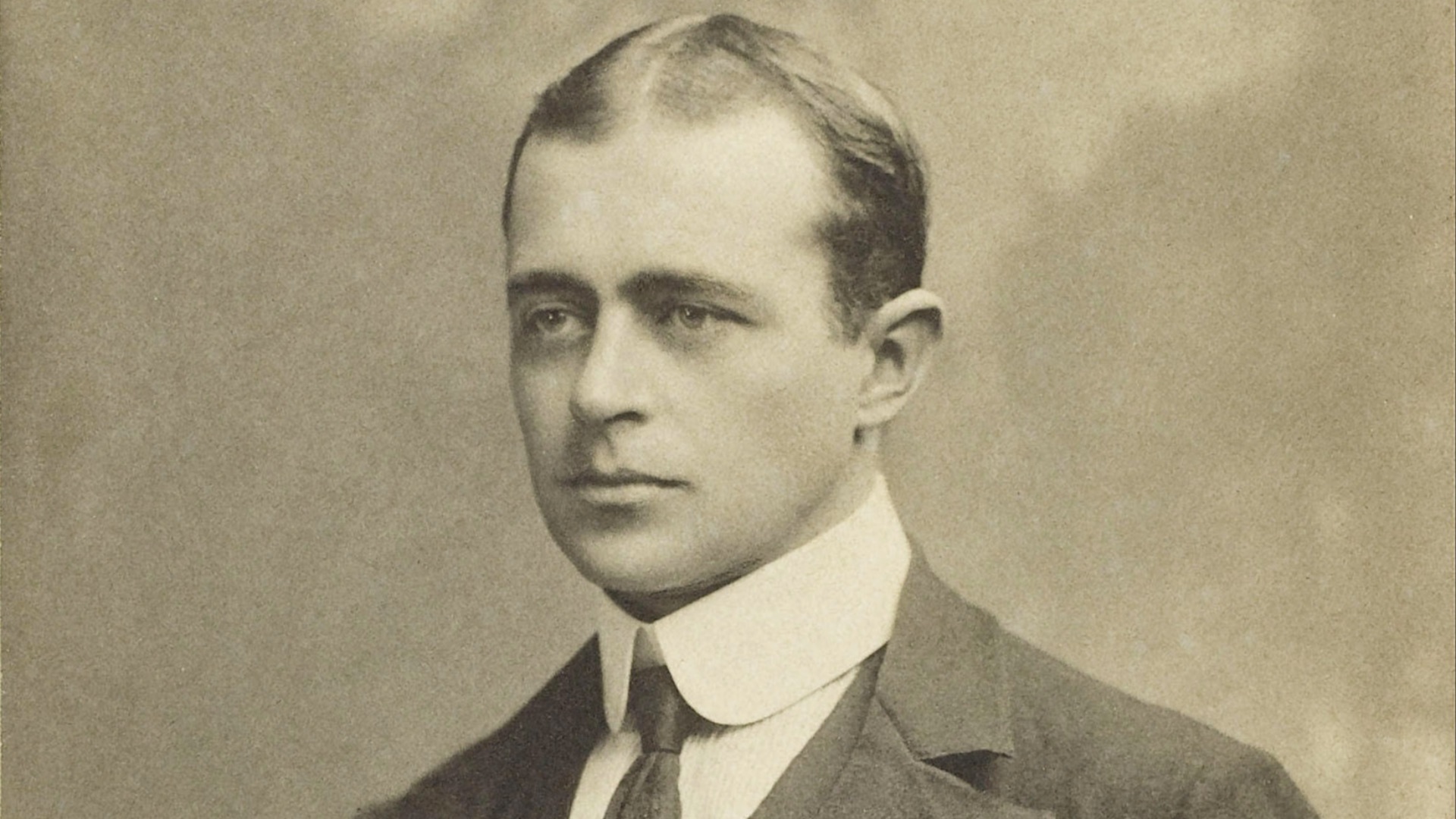
10. Robert Falcon Scott's Last Letter to His Wife Kathleen
Trapped in a tent during a blizzard just eleven miles from a supply depot that could have saved him, Antarctic explorer Robert Falcon Scott wrote his wife Kathleen a letter he knew she'd only read after his death. He told her he'd loved her constantly and that the hardest part of his situation was knowing he'd never see her again. Scott died alongside his remaining teammates in that tent, and his diary and letters weren't found until months later, when a search party finally located the frozen campsite.
 J. Thomson (1837–1921) on Wikimedia
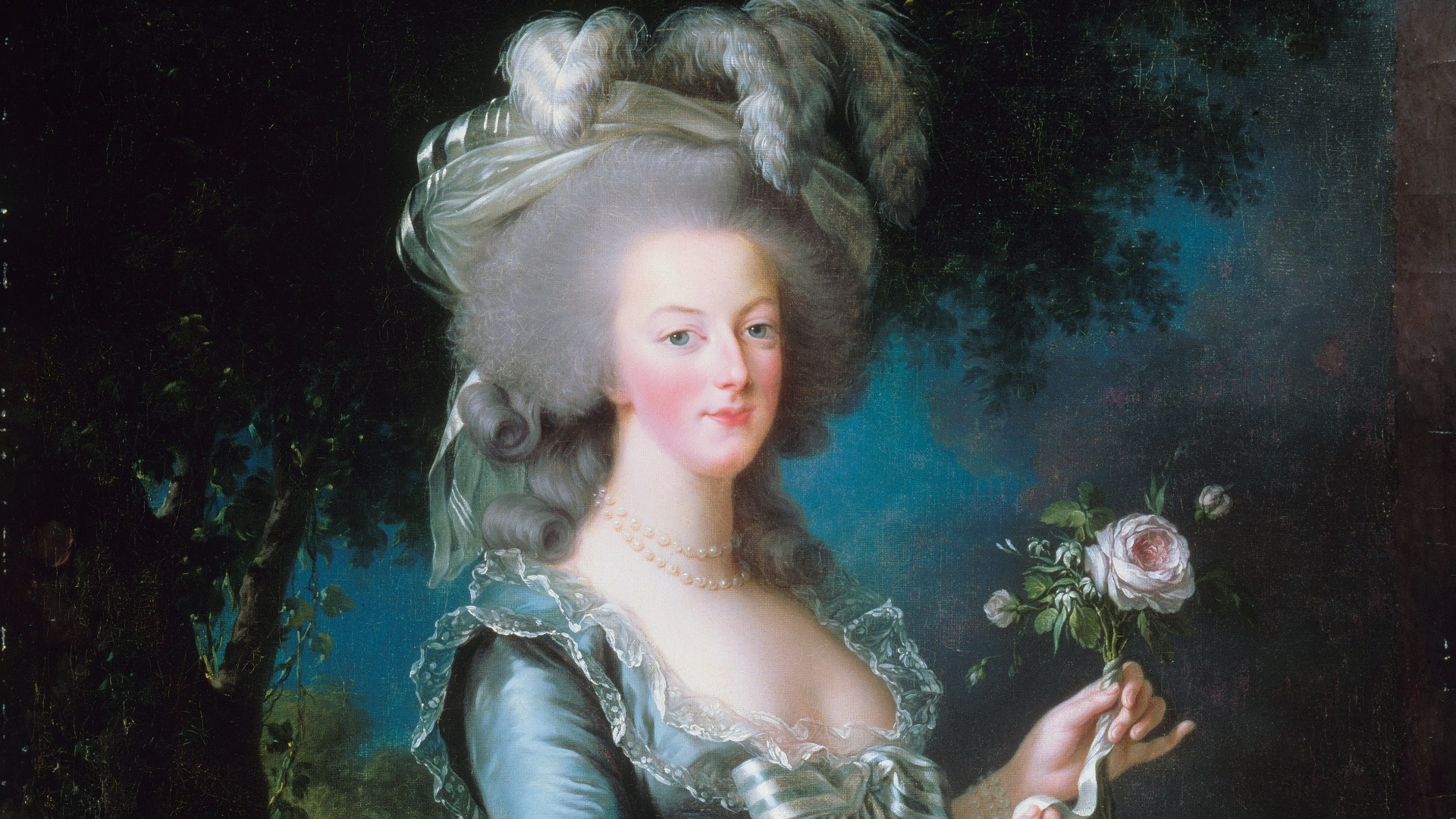
11. Marie Antoinette's Last Letter to Madame Élisabeth
Hours before her execution in 1793, Marie Antoinette wrote to her sister-in-law Madame Élisabeth, asking forgiveness from everyone she'd known and expressing sorrow over leaving her children behind. She wrote that she died in the faith of her ancestors and asked God's mercy for whatever faults she'd committed in her life. The letter never actually reached Madame Élisabeth; it was intercepted and hidden away, only surfacing decades later as one of the queen's final acts of dignity in the face of death.
 Élisabeth Louise Vigée Le Brun on Wikimedia
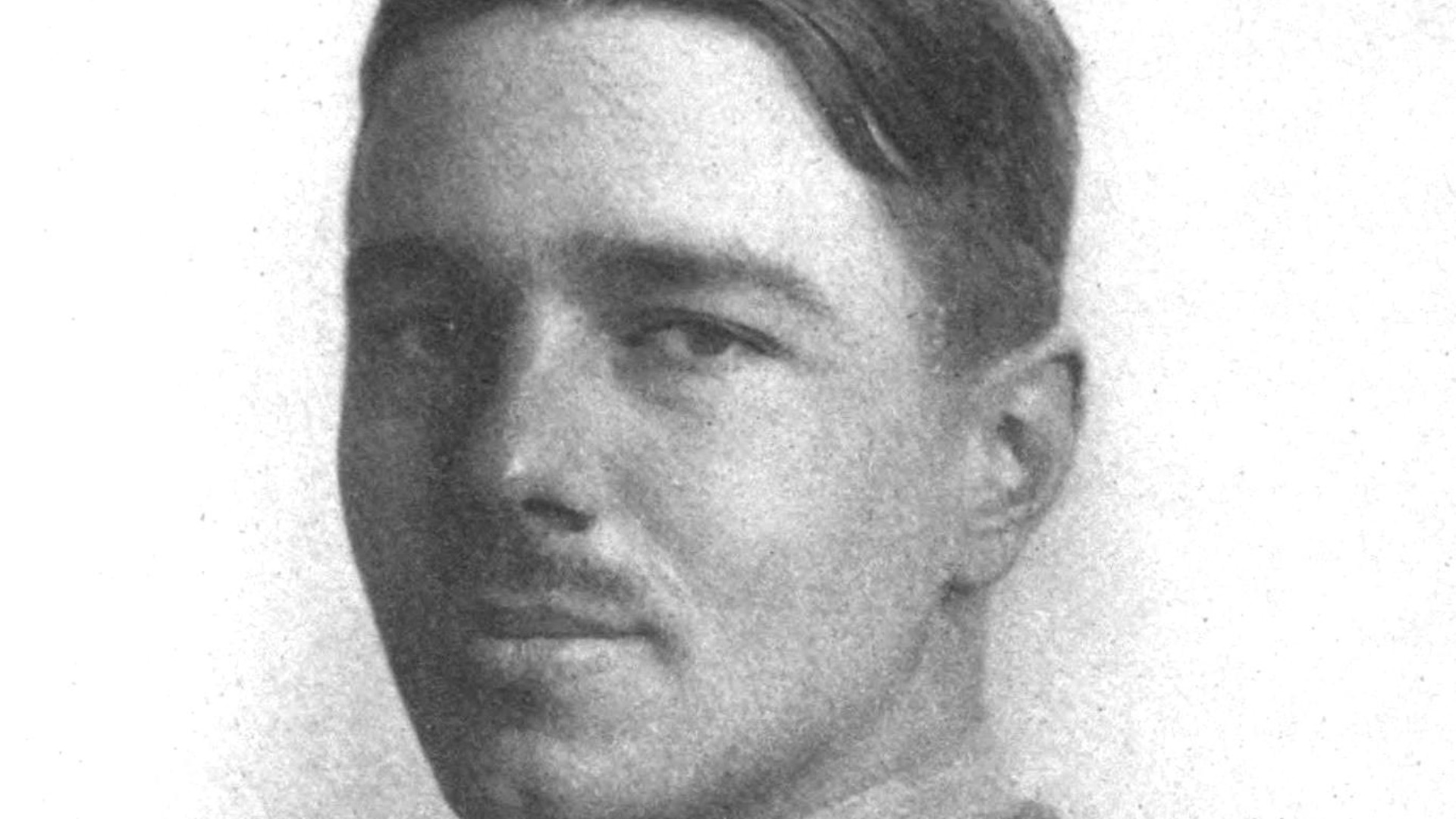
12. Wilfred Owen's Last Letter to His Mother
Just days before he was killed in action, one week before the Armistice ended World War I, poet Wilfred Owen wrote a letter home to his mother describing his surroundings and reassuring her of his safety. He kept his tone light and affectionate, the way soldiers often did to spare their families worry, without any indication that he sensed how close he was to the end. His mother received the telegram announcing his death on Armistice Day itself, while church bells were ringing to celebrate the war's end.
13. Anne Frank's Diary Entries to "Kitty"
Anne Frank addressed her diary entries to an imaginary friend she called Kitty, turning her hidden life in the Amsterdam annex into something closer to an ongoing letter than a private journal. She wrote about her hopes for the future, her frustrations with the adults around her, and her belief that people were fundamentally good despite everything happening outside her window. Anne died in a concentration camp just weeks before liberation, and her diary survived only because her father Otto found it and chose to publish it after the war.
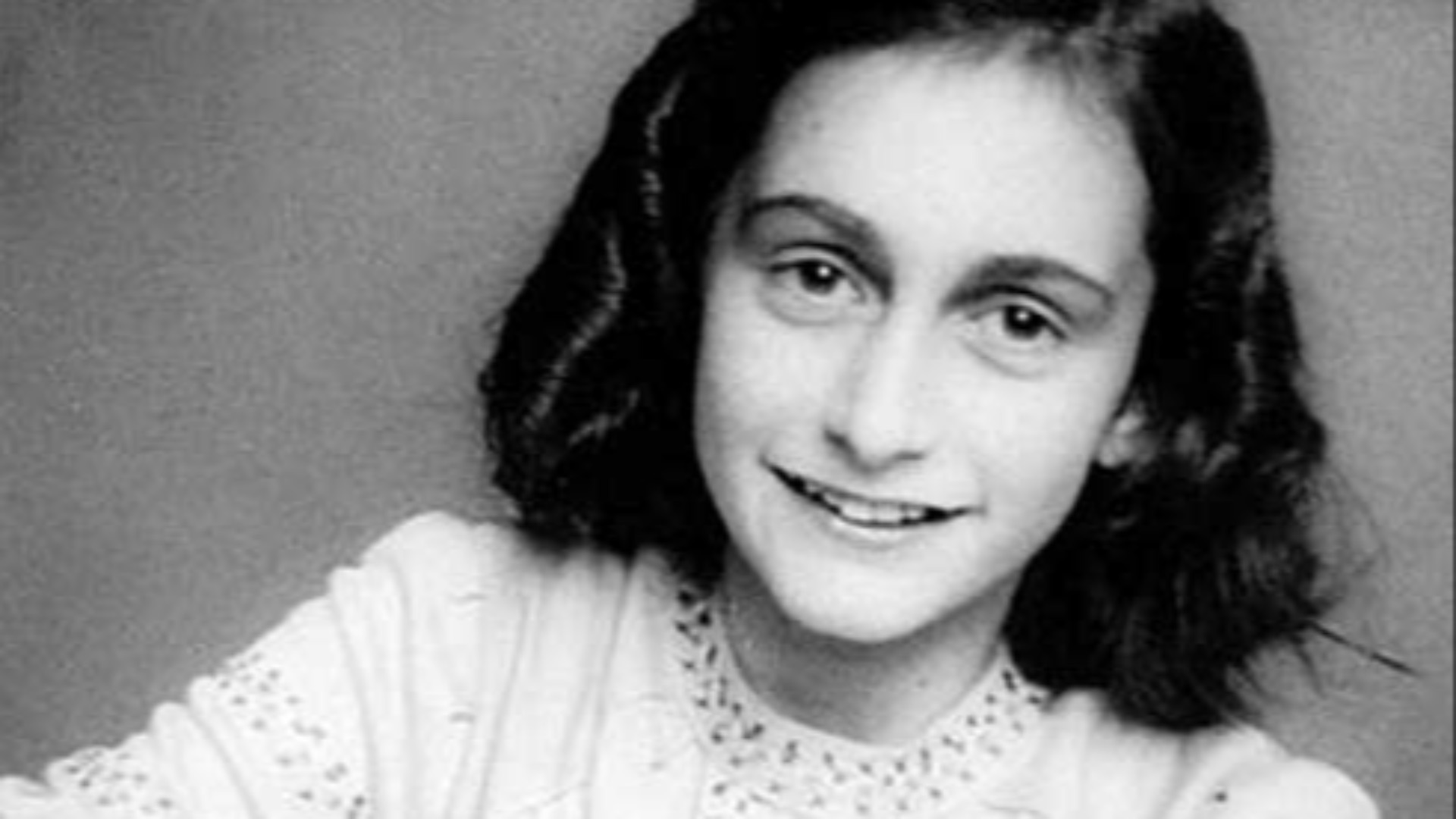 AnonymousUnknown author on Wikimedia
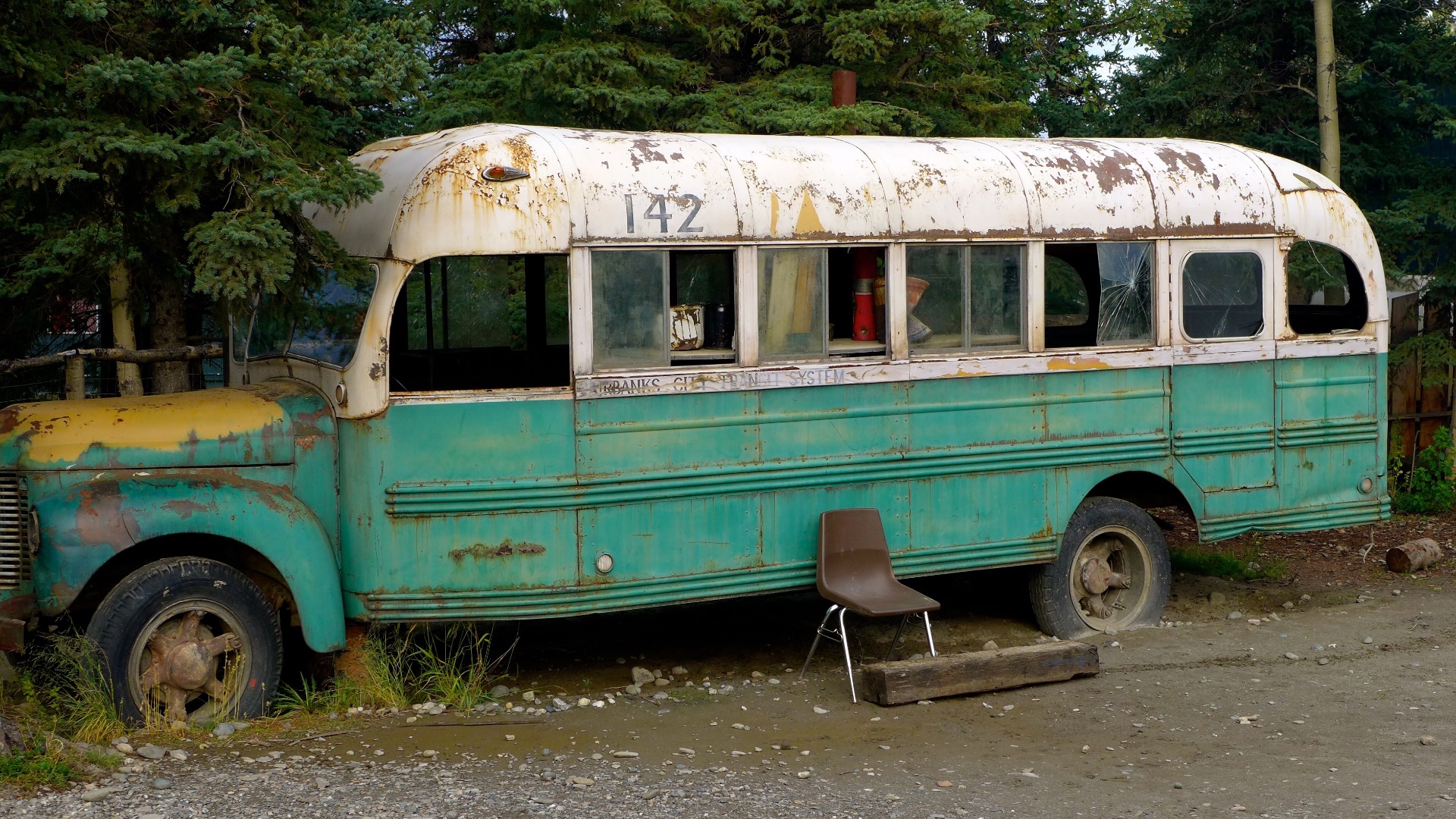
14. Chris McCandless's Final Note
After months of living alone in the Alaskan wilderness, a starving Chris McCandless left a short, handwritten note near the abandoned bus where he'd made his camp, asking anyone who found him to send help. He signed off by saying, "I have had a happy life and thank the Lord. Goodbye and may God bless all!" His body was discovered weeks later, and his story, later chronicled in Jon Krakauer's book Into the Wild, turned that final note into a symbol of both freedom and heartbreaking isolation.
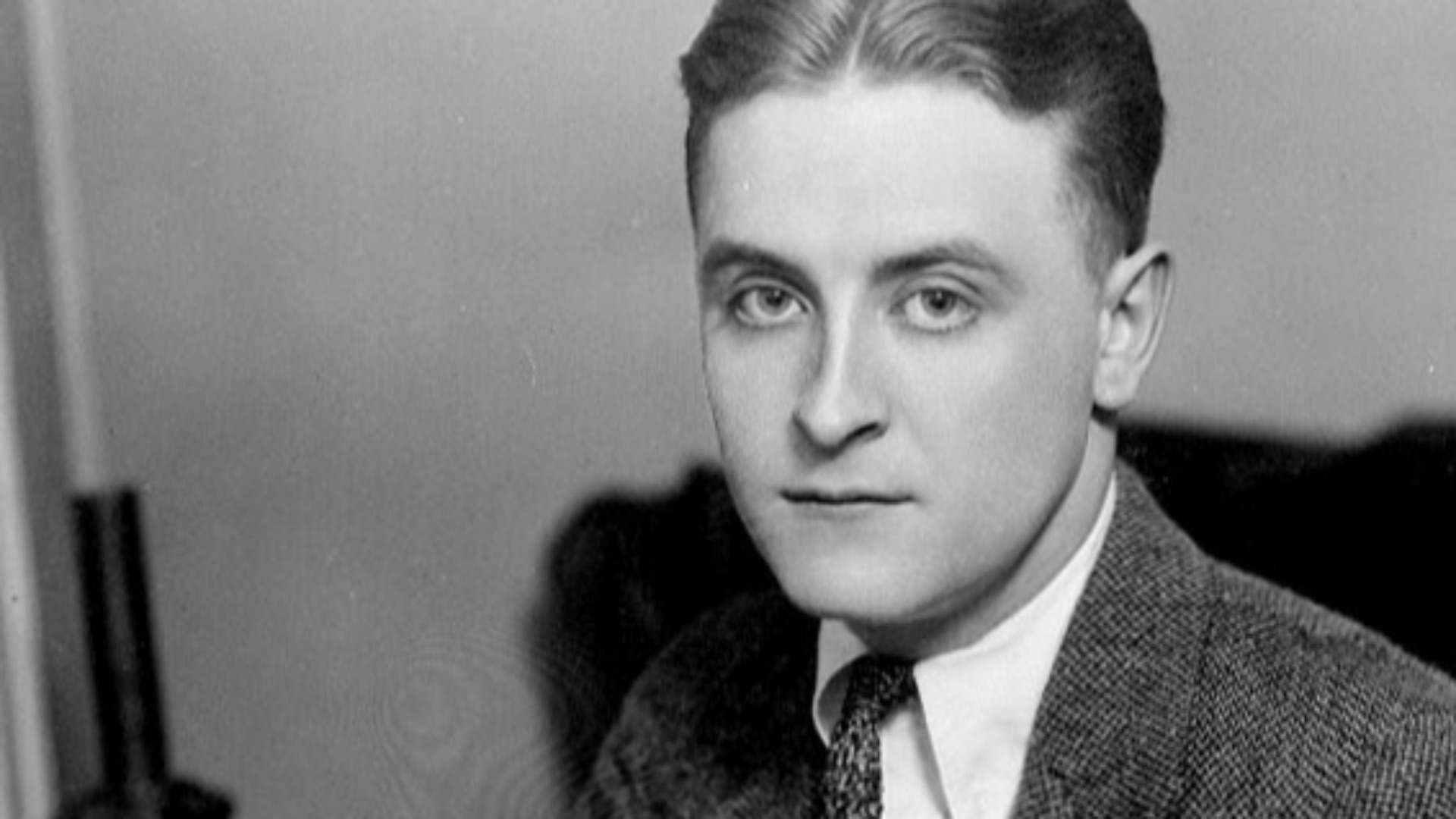
15. F. Scott Fitzgerald's Letters to His Daughter Scottie
Struggling with alcoholism and a fading career, F. Scott Fitzgerald wrote his daughter Scottie a series of letters filled with advice, worry, and an underlying sadness about the life he felt he'd wasted. He urged her to work harder than he had and warned her against repeating his mistakes, all while trying to maintain a relationship strained by distance and his declining health. Fitzgerald died of a heart attack before he could see how Scottie's life would turn out, leaving his letters as one of the few lasting records of his fatherly love.
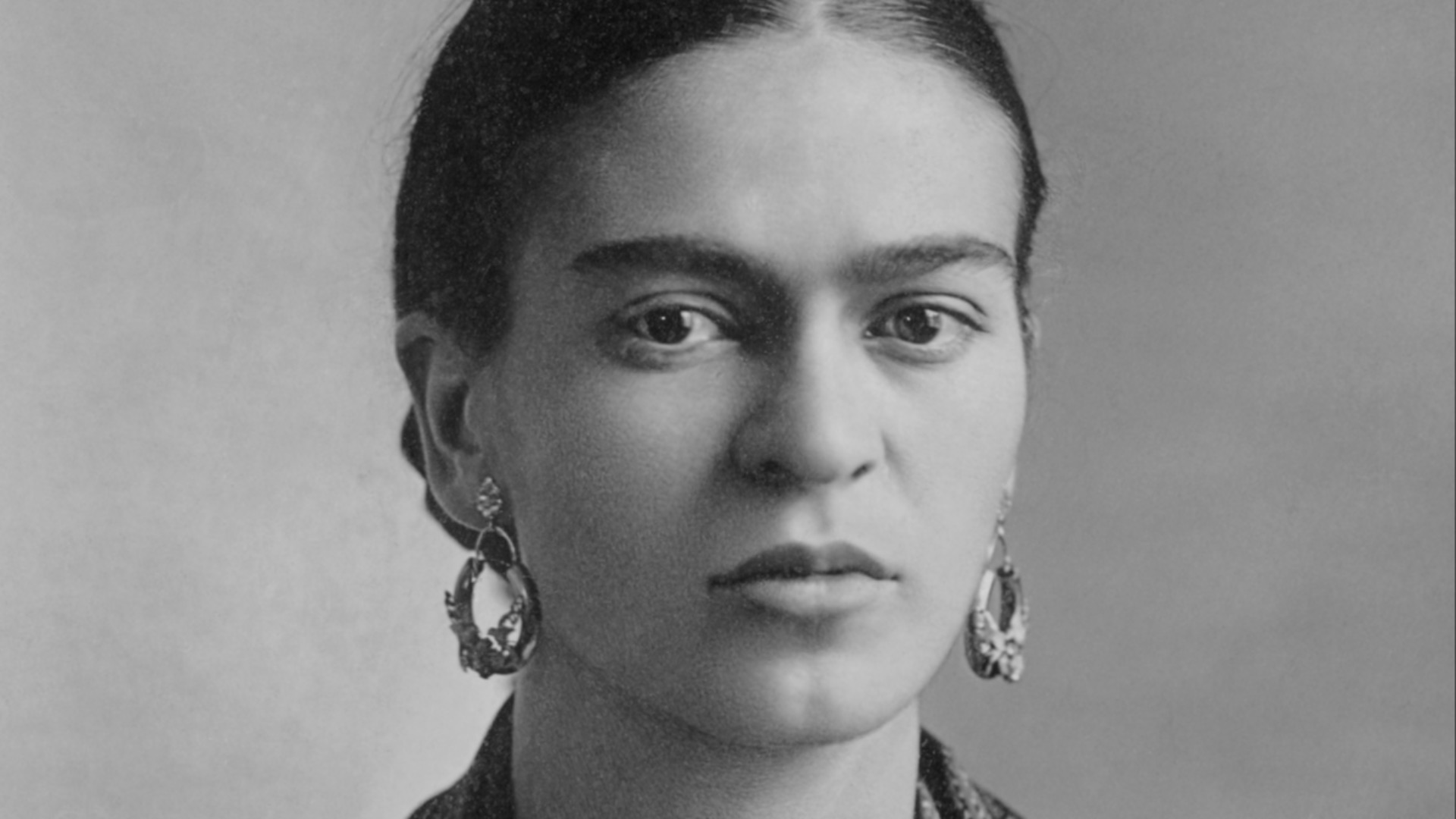
16. Frida Kahlo's Letters to Diego Rivera
Frida Kahlo's letters to her husband Diego Rivera reveal a woman capable of extraordinary passion even while living with chronic pain from a bus accident that shaped nearly every year of her adult life. She wrote to him about her devotion in language that bordered on worship, even during the periods when their marriage was falling apart due to his repeated infidelities. Their relationship remained turbulent until her death, and her letters show how completely she connected her physical suffering with her emotional attachment to him.
17. Che Guevara's Farewell Letter to His Children
Before leaving Cuba to pursue revolutionary movements elsewhere, Che Guevara wrote a farewell letter to his children that he asked to be read only after his death. He encouraged them to grow up to be capable of feeling deeply for any injustice committed against anyone in the world, regardless of where it happened. Guevara was executed in Bolivia in 1967, and the letter became one of the clearest statements of the ideals he tried to pass on to the family he left behind.
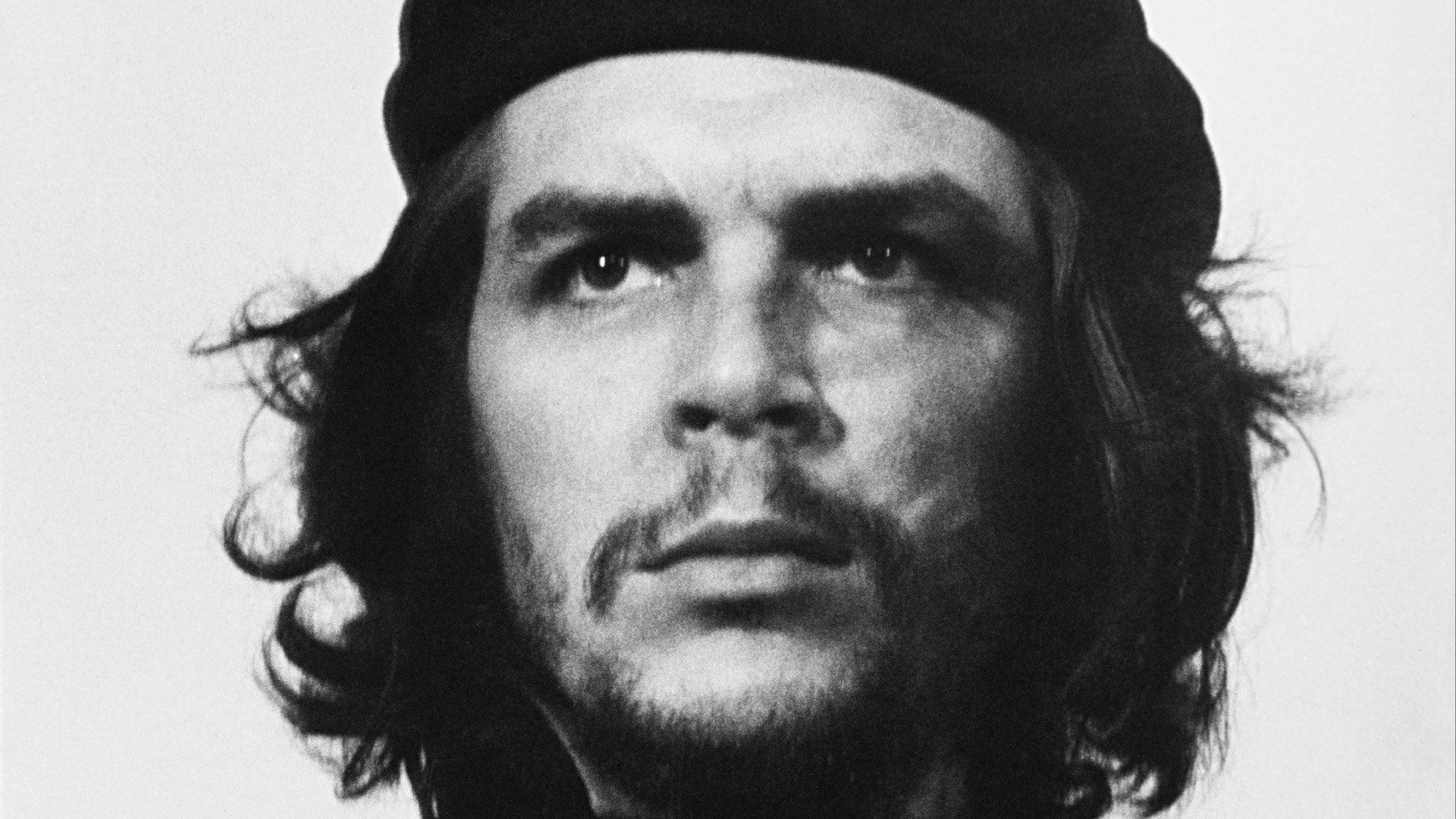 Alberto Korda, restored by Adam Cuerden on Wikimedia
18. Ronald Reagan's Letter Announcing His Alzheimer's Diagnosis
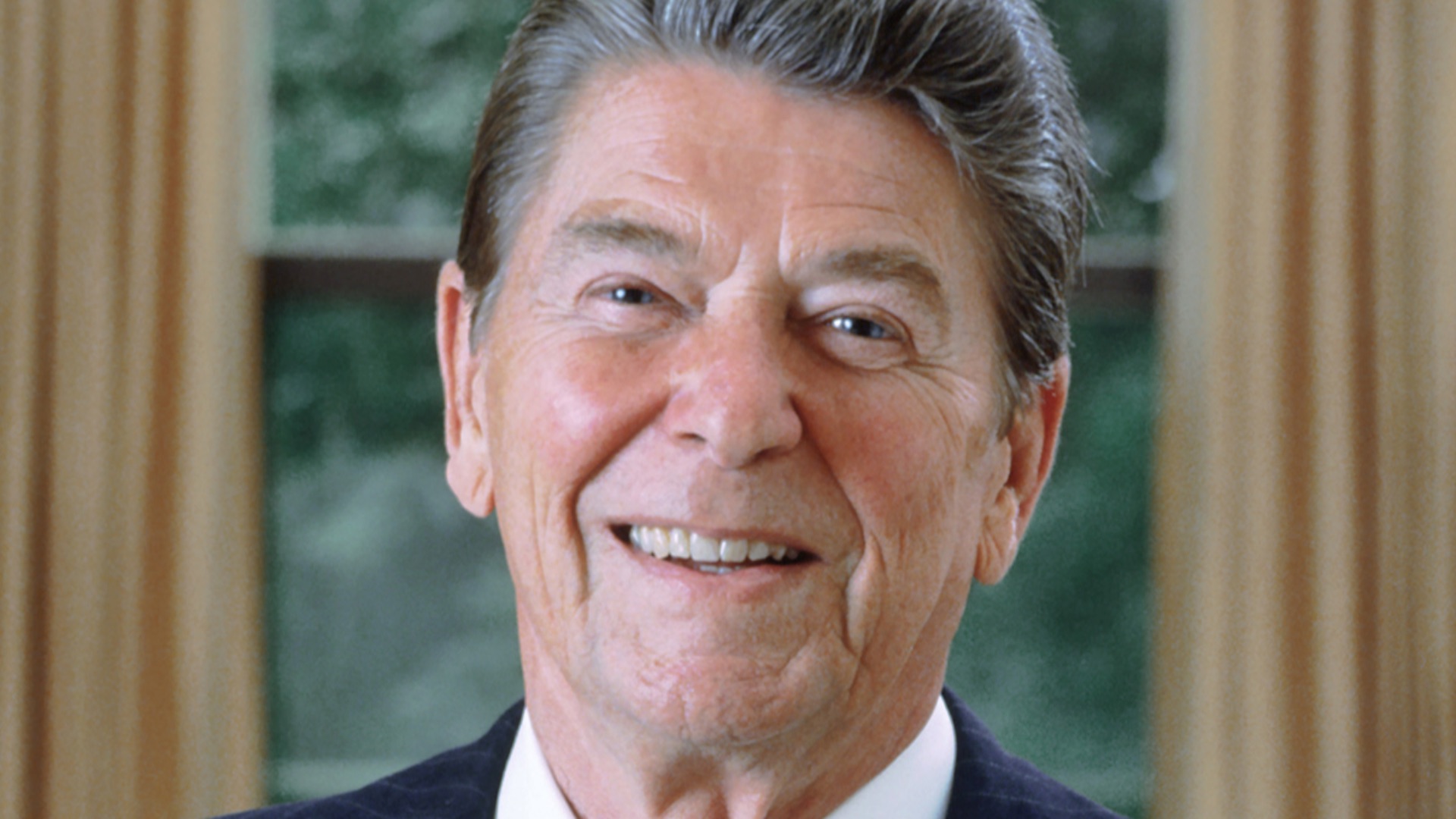
In 1994, former President Ronald Reagan wrote an open letter to the American public revealing that he'd been diagnosed with Alzheimer's disease, a decision he and his wife Nancy made in hopes of raising awareness. He wrote that he only wished there was some way to spare Nancy from the pain the disease would bring to their family. Reagan closed the letter by saying he was beginning "the journey that will lead me into the sunset of my life," a farewell that struck millions of readers as both graceful and devastating.
19. Emily Dickinson's "Master" Letters
Among Emily Dickinson's papers, scholars found three unsent drafts addressed only to someone she called "Master," their intended recipient never confirmed. The letters describe an intense longing and a sense of unworthiness that stands in contrast to the confident voice found in most of her published poetry. Because Dickinson lived such a private, secluded life, these letters offer one of the only glimpses into a romantic yearning she otherwise kept almost entirely hidden.
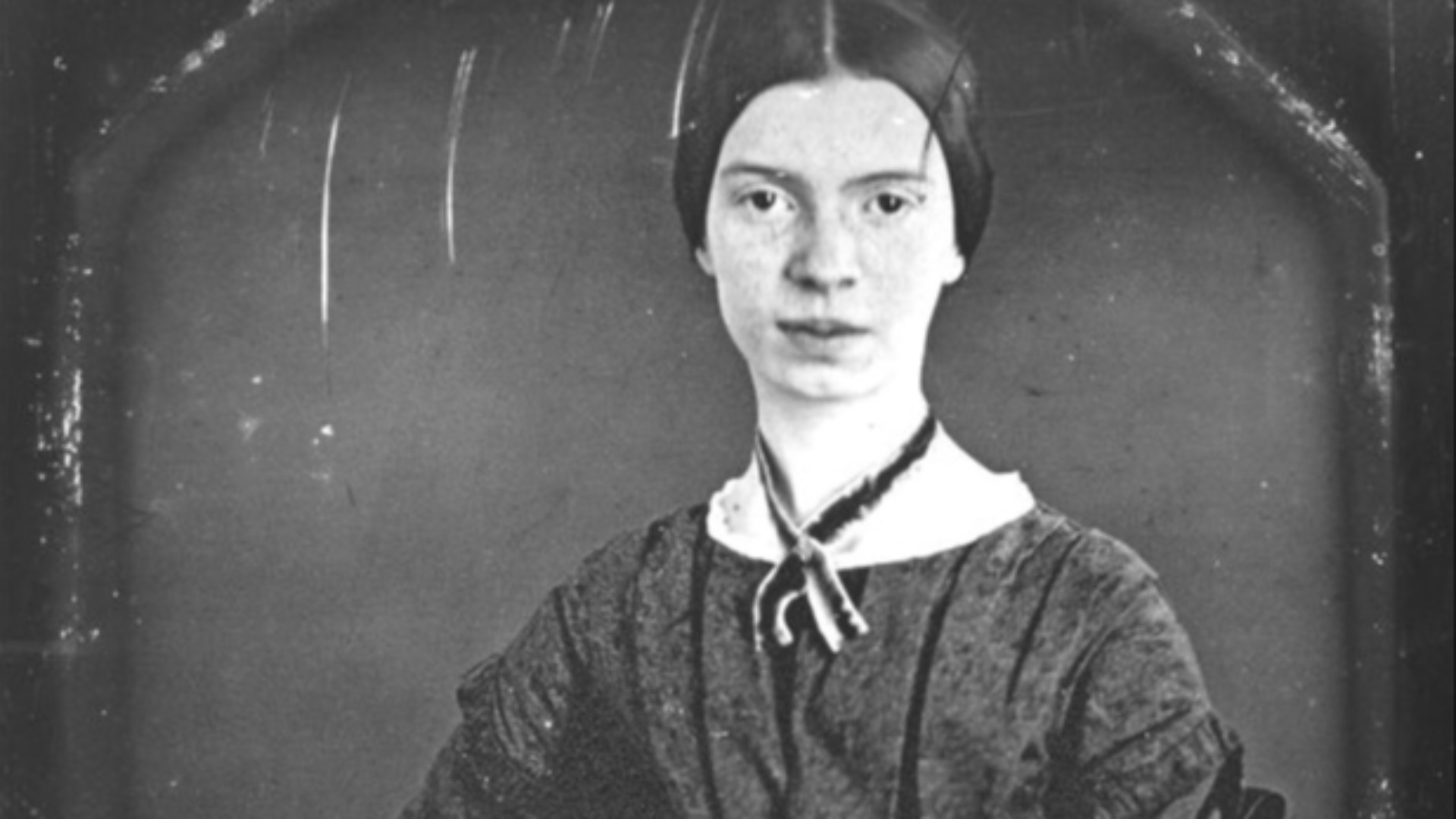 Unknown authorUnknown author on Wikimedia
20. Johnny Cash's Words About June Carter Cash
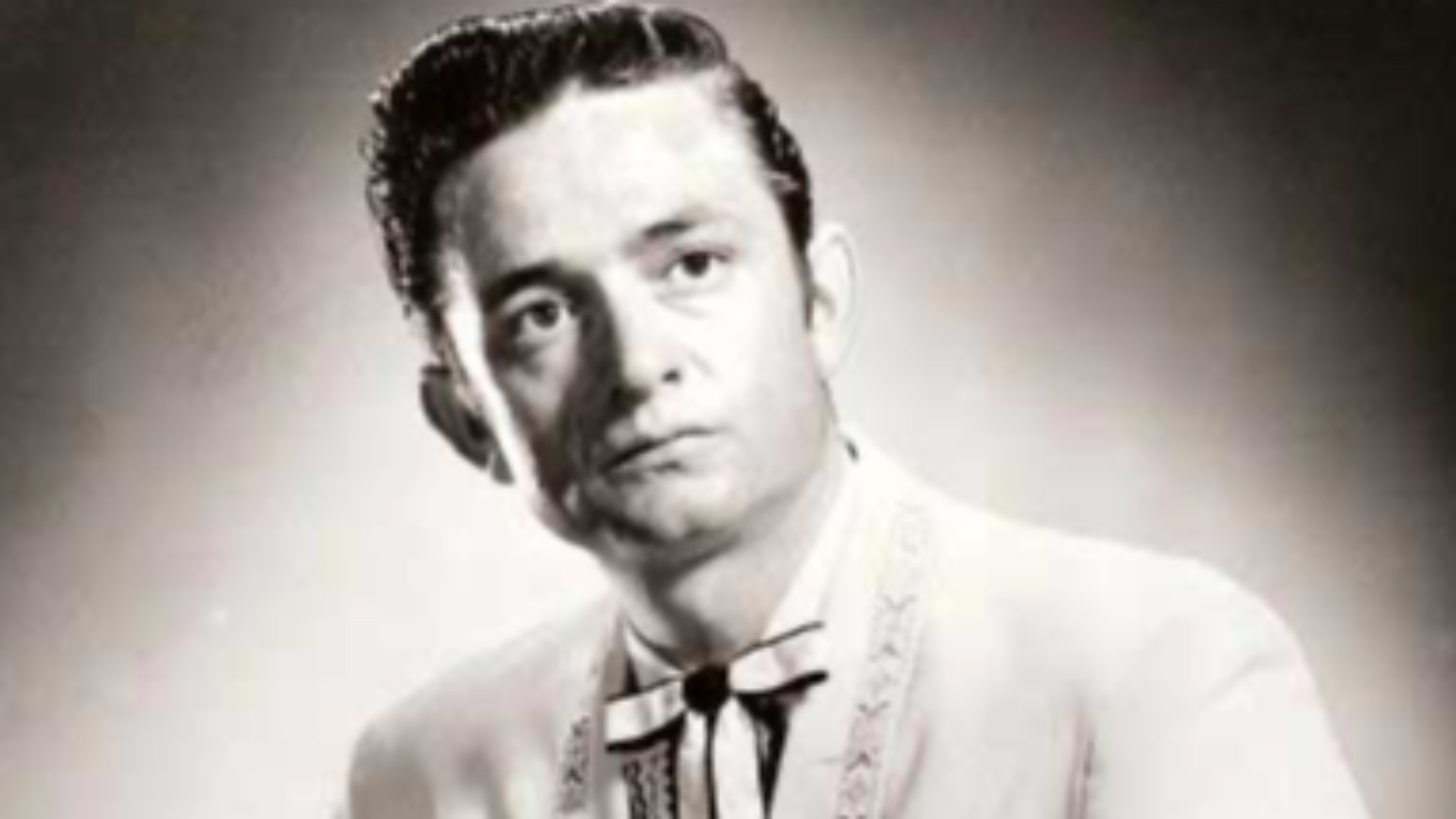
After winning a Grammy for a duet album with his wife, June Carter Cash, Johnny Cash wrote publicly about what she'd meant to him, describing their decades together as the deepest connection he'd ever known. He credited her with helping him get sober and stay grounded through years of struggle with addiction and fame. June passed away in 2003, and Johnny followed her just four months later, a timeline that makes his earlier words about their bond feel less like tribute and more like prophecy.