The Doctor Who Drank Vomit To Prove A Disease Wasn't Contagious
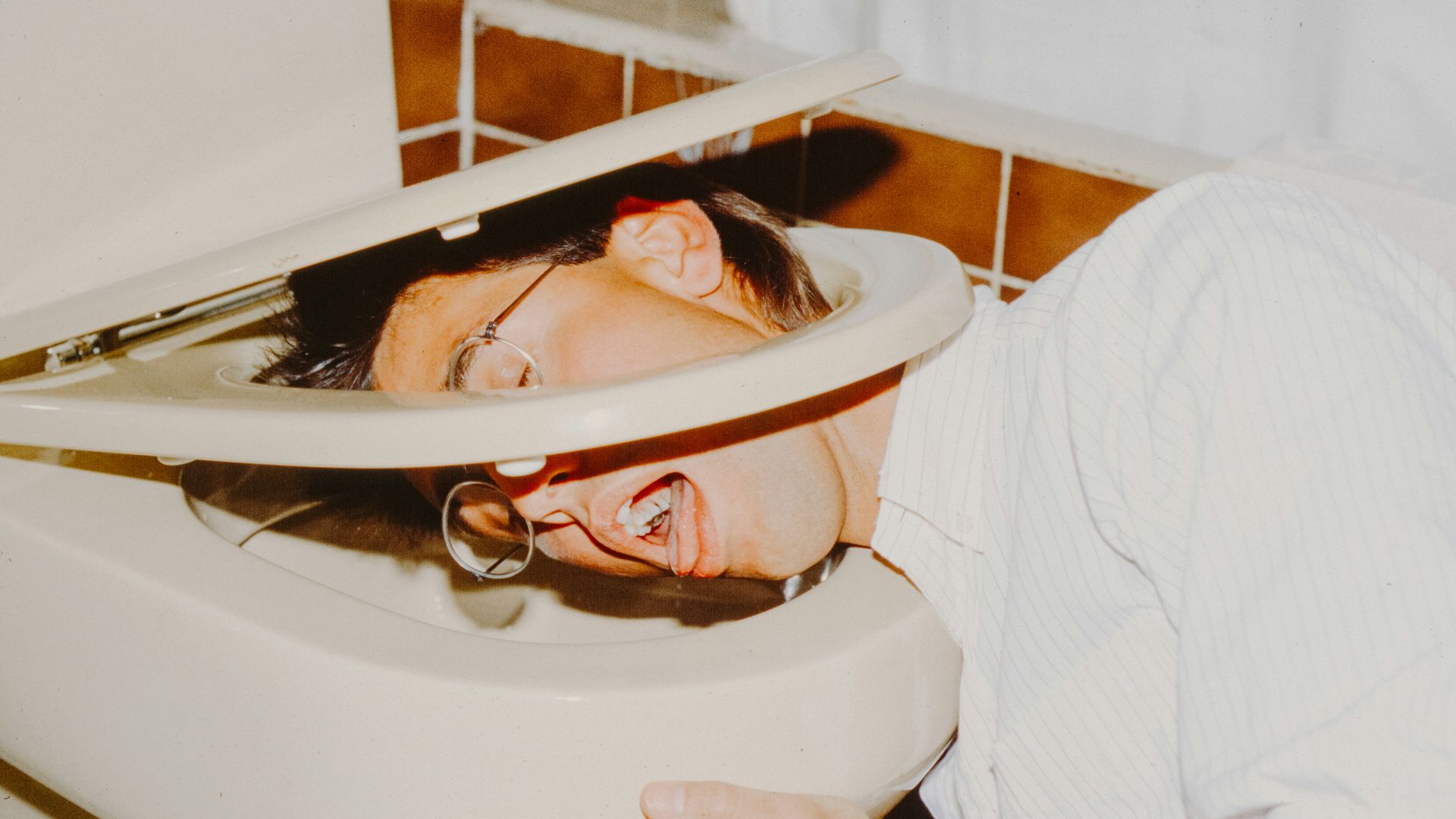
Medical history has no shortage of researchers who tested theories on themselves, but few went as far as a young student in Philadelphia who spent the better part of two years exposing his own body to the worst fluids a dying patient could produce. He was not reckless for the sake of it. He genuinely believed the prevailing medical wisdom of his era was wrong, and he was determined to prove it using the only test subject he fully trusted, himself.
That student was Stubbins Ffirth, and the disease he set out to disprove was yellow fever, a virus that had already devastated Philadelphia once and would keep terrifying American cities for another century. His methods sound almost comedic from a modern vantage point, yet the story says a great deal about how medicine tried to make sense of epidemics before anyone understood viruses or mosquitoes.
A City Terrified Of Bad Air
Philadelphia had been gutted by a yellow fever outbreak in 1793, one that killed thousands of residents and sent much of the city's population fleeing before winter finally slowed the spread. The prevailing explanation at the time, championed by the prominent physician Benjamin Rush, blamed miasma, a theory that framed the disease as a product of foul air and filth rather than person to person contact. Fear of contagion ran so deep that many patients were abandoned by their own families, left to be nursed by strangers or no one at all.
Ffirth, a University of Pennsylvania medical student who began his studies in 1801, arrived at a different conclusion. He noticed that yellow fever cases spiked in summer and nearly disappeared in winter, and he took that pattern as evidence the disease was tied to heat and seasonal stress on the body rather than transmission between people.
By his third year of study, Ffirth had grown confident enough in this theory to test it directly, and testing it directly meant exposing himself to the very fluids doctors of his day feared most.
Escalating By Degrees
Ffirth's first experiments, conducted around 1802, involved animals rather than people. He fed a dog bread soaked in black vomit collected from dying yellow fever patients, and within days the dog reportedly grew so accustomed to the taste that it ate the vomit without the bread at all. Later experiments injected vomit directly into the bloodstreams of other animals, with wildly inconsistent results, including one dog that died within minutes of an injection while others showed no reaction whatsoever.
Frustrated by the ambiguity, Ffirth turned to his own body. He began by cutting his arm and working fresh black vomit directly into the wound, and when that produced only mild, short lived inflammation, he escalated steadily over the following months. He poured vomit into his eyes, rubbed it into fresh incisions, heated it in a pan and inhaled the fumes, and reportedly sat for extended periods in a small closet filled with the steam of six ounces of warmed vomit.
Eventually, still healthy, Ffirth moved on to ingestion. He rolled black vomit into pills and swallowed them, mixed it with water and drank it, and finally drank it undiluted, straight from a patient. He went further still, exposing himself to blood, saliva, sweat, and urine from the sick, and reportedly even slept for a stretch in bedding recently used by a dying patient, apparently determined to leave no possible avenue of infection untested.
Wrong Reasoning, Right By Accident
By 1804, having failed to contract yellow fever through any of his experiments, Ffirth published his findings and declared the disease was neither infectious nor contagious. For years, his work circulated as supporting evidence for the idea that yellow fever spread through environmental conditions rather than contact between people.
Ffirth's conclusion happened to land closer to correct than the miasma theory he was arguing against, but not for the reasons he thought. Yellow fever is indeed not spread through casual contact or contaminated bodily fluids, which explains why none of his gruesome experiments made him sick. The real culprit turned out to be an entirely different vector he never considered.
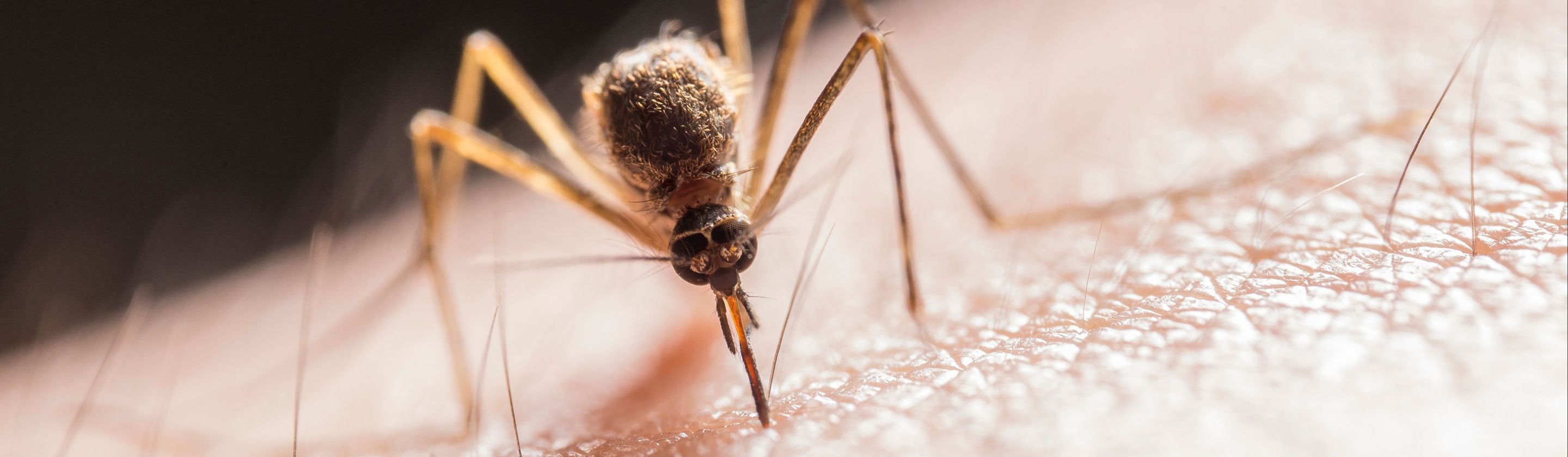
In 1900, nearly a century later, physician Walter Reed and his Yellow Fever Commission confirmed that the disease is transmitted by Aedes aegypti mosquitoes, not through touch, air, or fluid exposure at all. Ffirth's vomit likely offered little real threat by the time he tested it, since the virus does not survive well outside a live host, meaning his results were less a triumph of scientific reasoning than an unusually disgusting stroke of luck.
KEEP ON READING