Brutal Marriage Market
History didn’t always treat romance like a private matter, especially when crowns, alliances, and family reputations were involved. History also didn’t always treat romance the way drugstore fiction portrays it—a person’s looks became political gossip or a cruel nickname before anyone could stop it, and it didn’t even matter if you wanted to get married in the first place. Some of these figures were openly mocked by contemporaries, some were rejected in painfully public ways, and others simply chose independence while the world whispered about their appearance. Either way, here are 20 figures who never went down the aisle.
1. Anne Of Cleves
Anne of Cleves became famous for one of history’s cruelest royal rejections after Henry VIII married her in January 1540…and pushed for an annulment almost immediately afterward. The king whined that she didn’t match the flattering portrait by Hans Holbein, and later gossip turned his disappointment into the nasty “Flanders mare” insult. Anne had the last laugh, though, handling the humiliation wisely. She accepted the annulment, kept generous estates, and lived far more comfortably than most of his wives.
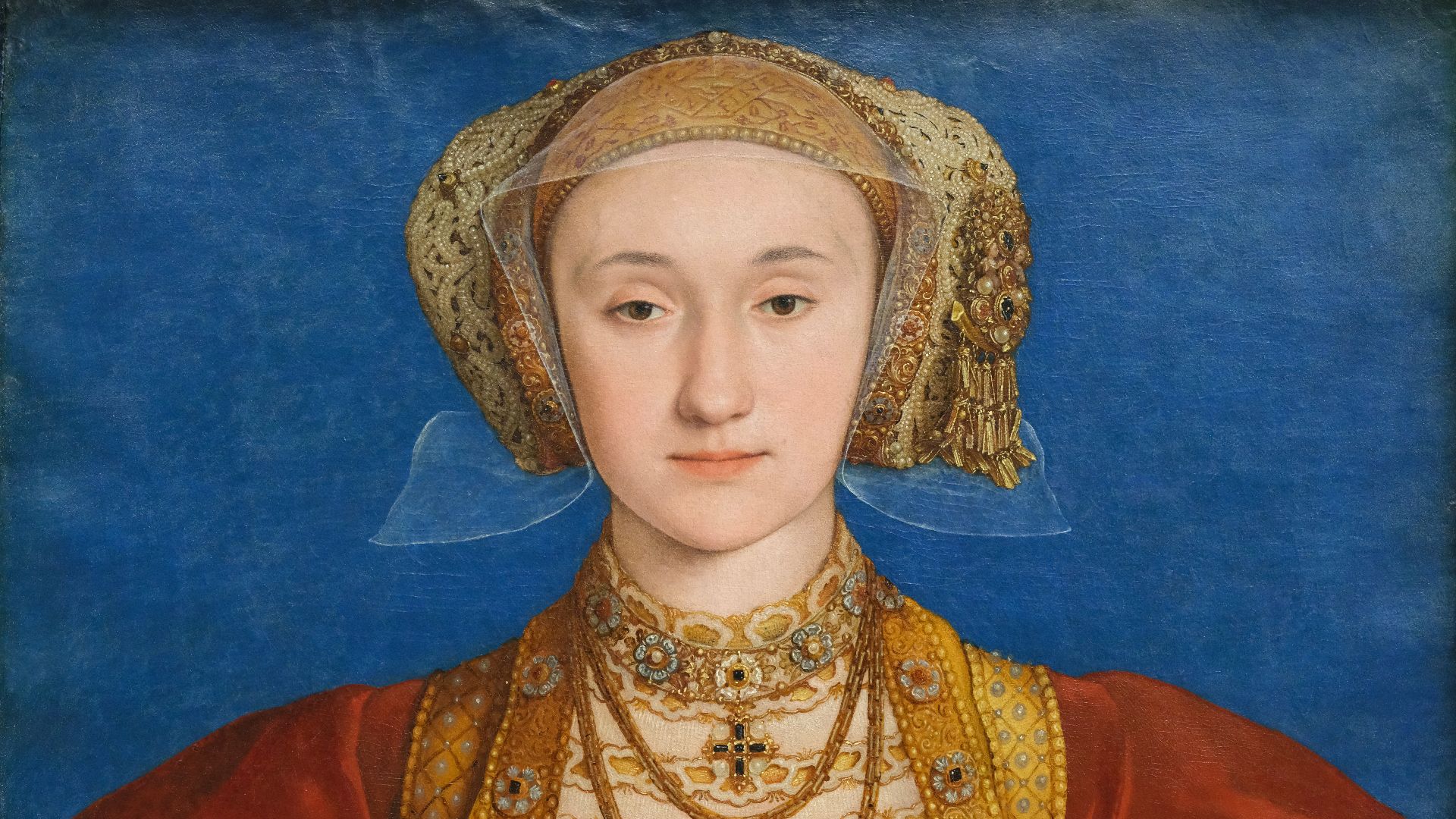 Hans Holbein the Younger on Wikimedia
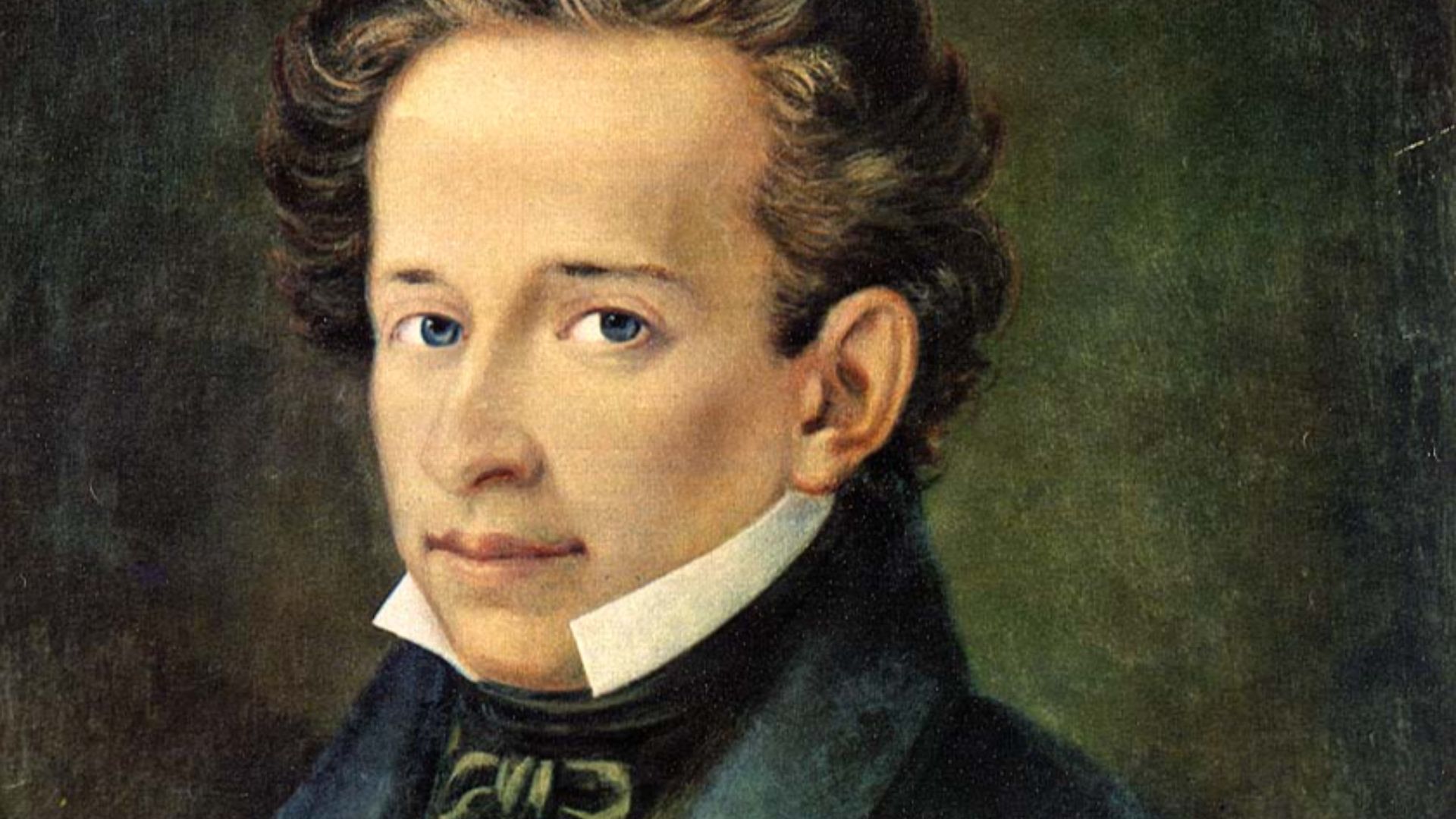
2. Giacomo Leopardi
Giacomo Leopardi understood rejection so deeply that it became part of his identity. By young adulthood, illness had weakened his eyesight and left him with a hunchback, and those plights snuck into his writings and later biographies, both of which tied his unhappiness to the belief that women would never love him. He never married.
3. Queen Christina Of Sweden
Christina of Sweden refused to behave like a delicate princess, and that didn’t go over well with critics; they often described her as plain, masculine, or oddly dressed. Born in 1626, she rejected marriage plans and abdicated the Swedish throne in 1654. Though her looks mattered less than her stubborn independence, that didn’t stop people from using them as a means for disapproval.
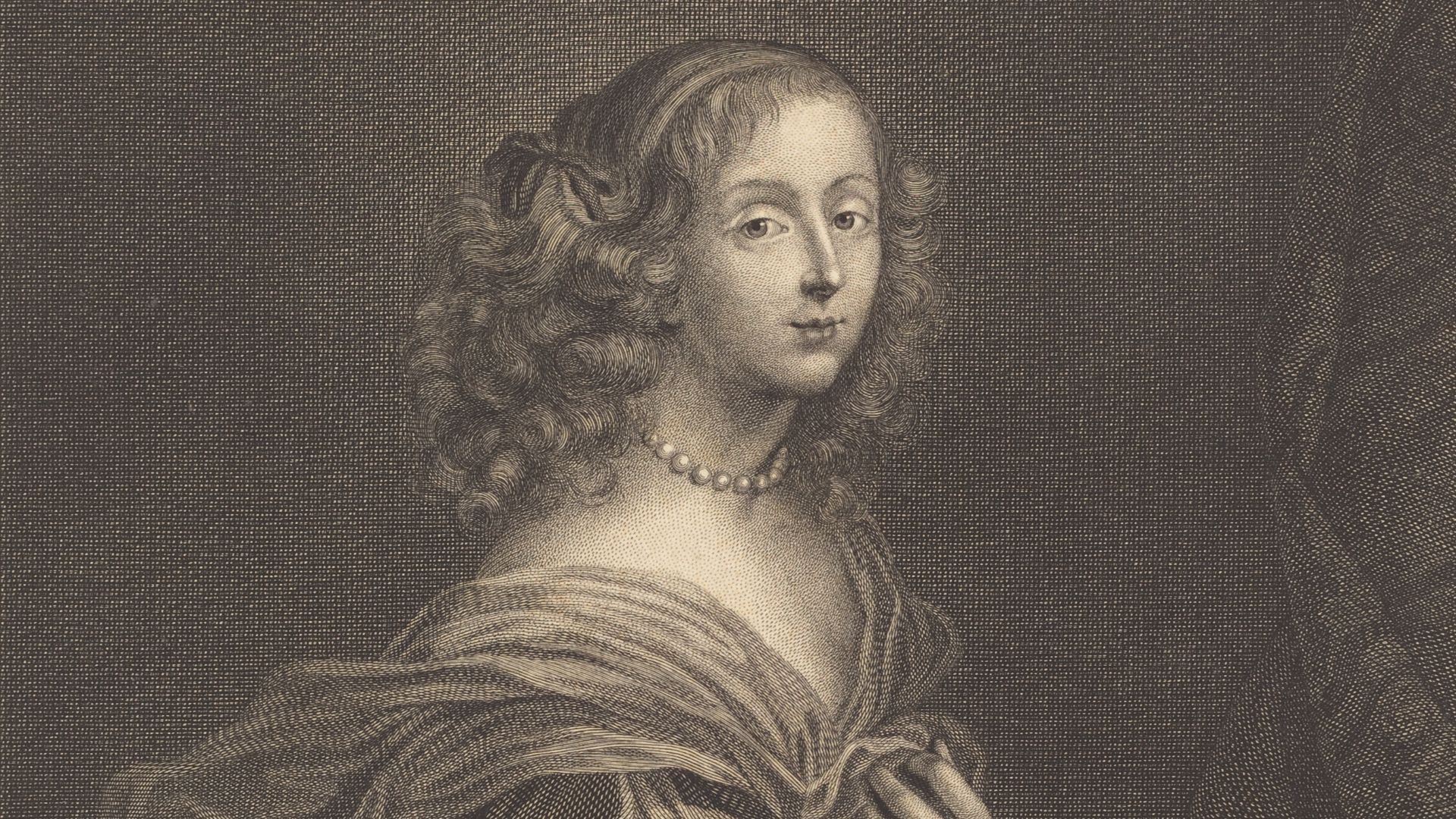 Alexandre Tardieu after Sébastien Bourdon after Charles Auguste van den Berghe on Wikimedia
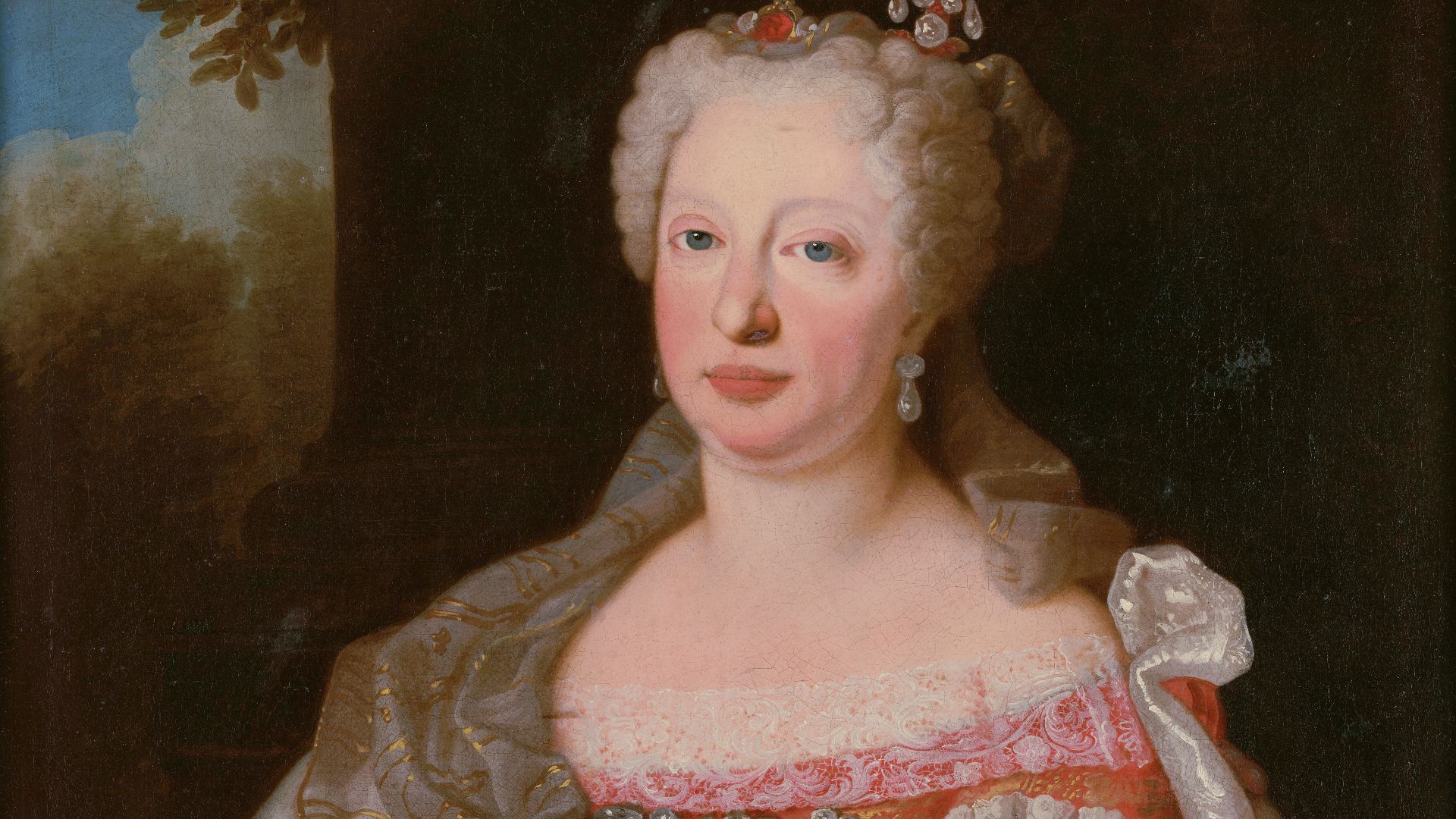
4. Maria Anna Of Austria
Maria Anna, the daughter of Empress Maria Theresa, had a difficult place in the Habsburg marriage market. Unfortunately, illness and physical deformity made matches harder to come by, and while her sisters were used in major alliances, Maria Anna remained unmarried. She eventually lived at a convent in Klagenfurt.
5. Effie Gray
Oh, sure, John Ruskin married Effie Gray in 1848…but the marriage became one of the most embarrassing domestic disasters of the Victorian age. It was annulled in 1854 after years without consummation, and the reason finally came to light in Effie’s later writings: she claimed that Ruskin had been disgusted by her body on their wedding night.
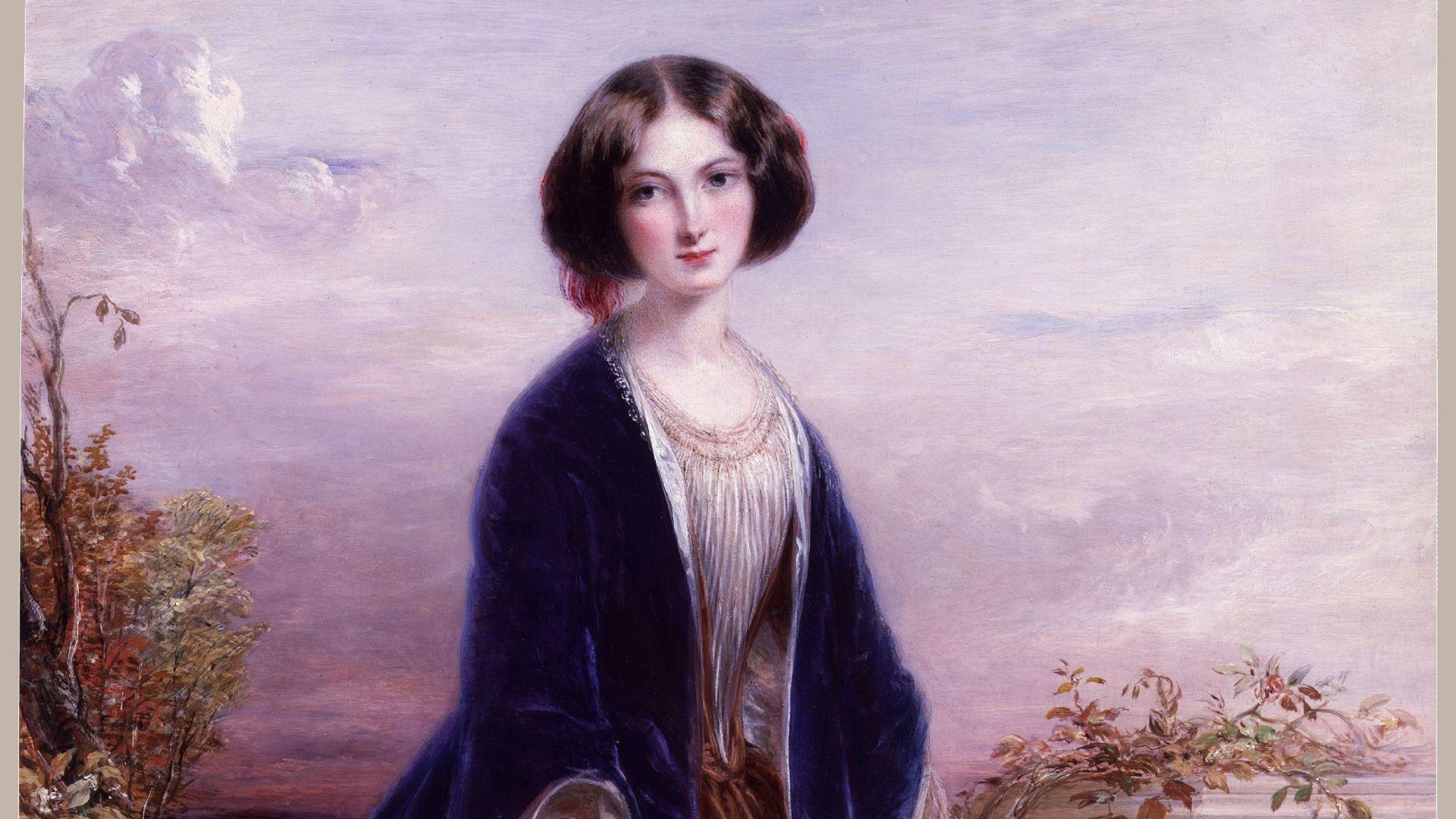 Thomas Richmond (1802-1874) on Wikimedia
6. William Burges
William Burges had the architectural talent to design some of Victorian Britain’s most incredible buildings, but his appearance didn’t draw the same generous reviews. He never married, and one description remembered him as short, overweight, extremely nearsighted, and even nicknamed “ugly Burges” by the wife of one of his greatest patrons. Talk about loyalty.
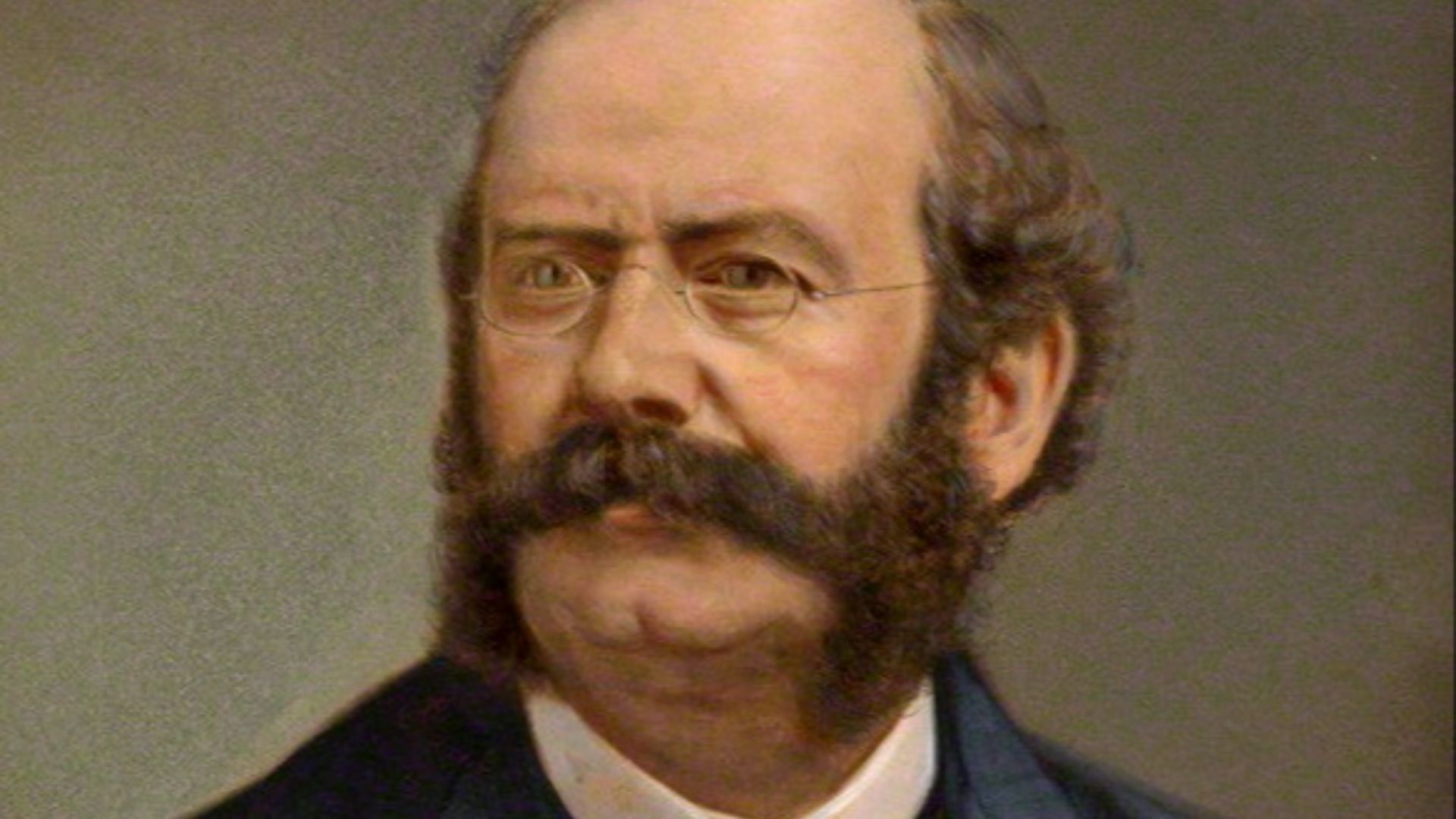 Henry Van der Weyde (1838-1924) on Wikimedia
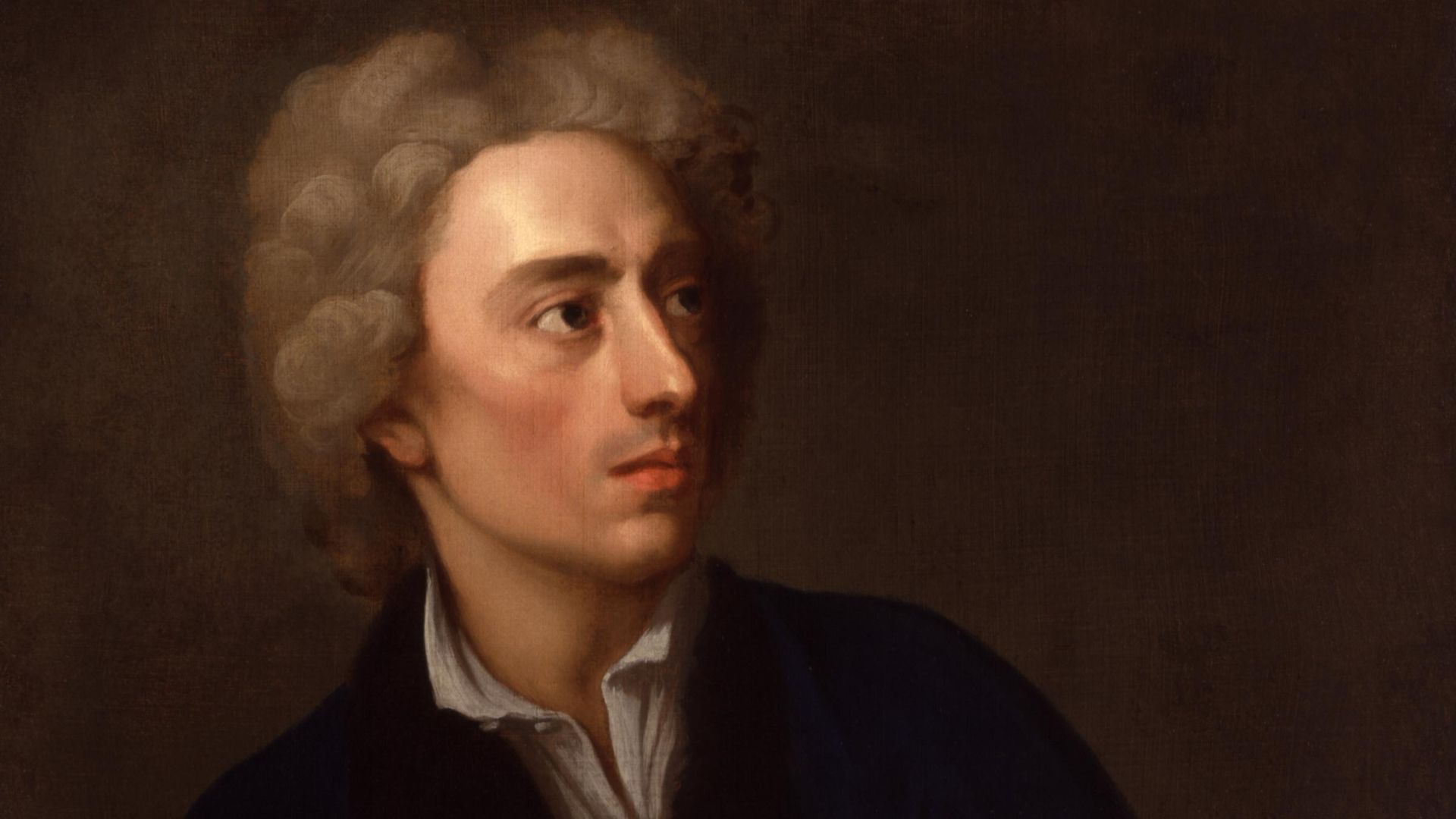
7. Alexander Pope
Alexander Pope had one of the sharpest minds in eighteenth-century England, but that didn’t really do anything in terms of finding a partner. His body made him a constant target for cruel jokes; childhood illness left him severely stunted and hunchbacked, and people mocked his appearance when they couldn’t best his wit. Pope never married.
8. Immanuel Kant
Immanuel Kant lived such a bizarre life in Königsberg that neighbors supposedly timed their walks by his daily routine. Born in 1724, he never married, and his small frame and rigid habits didn’t create an especially romantic legend around him. Historians know that he considered marriage at least once, but by the time he finished thinking it over, the woman moved on.
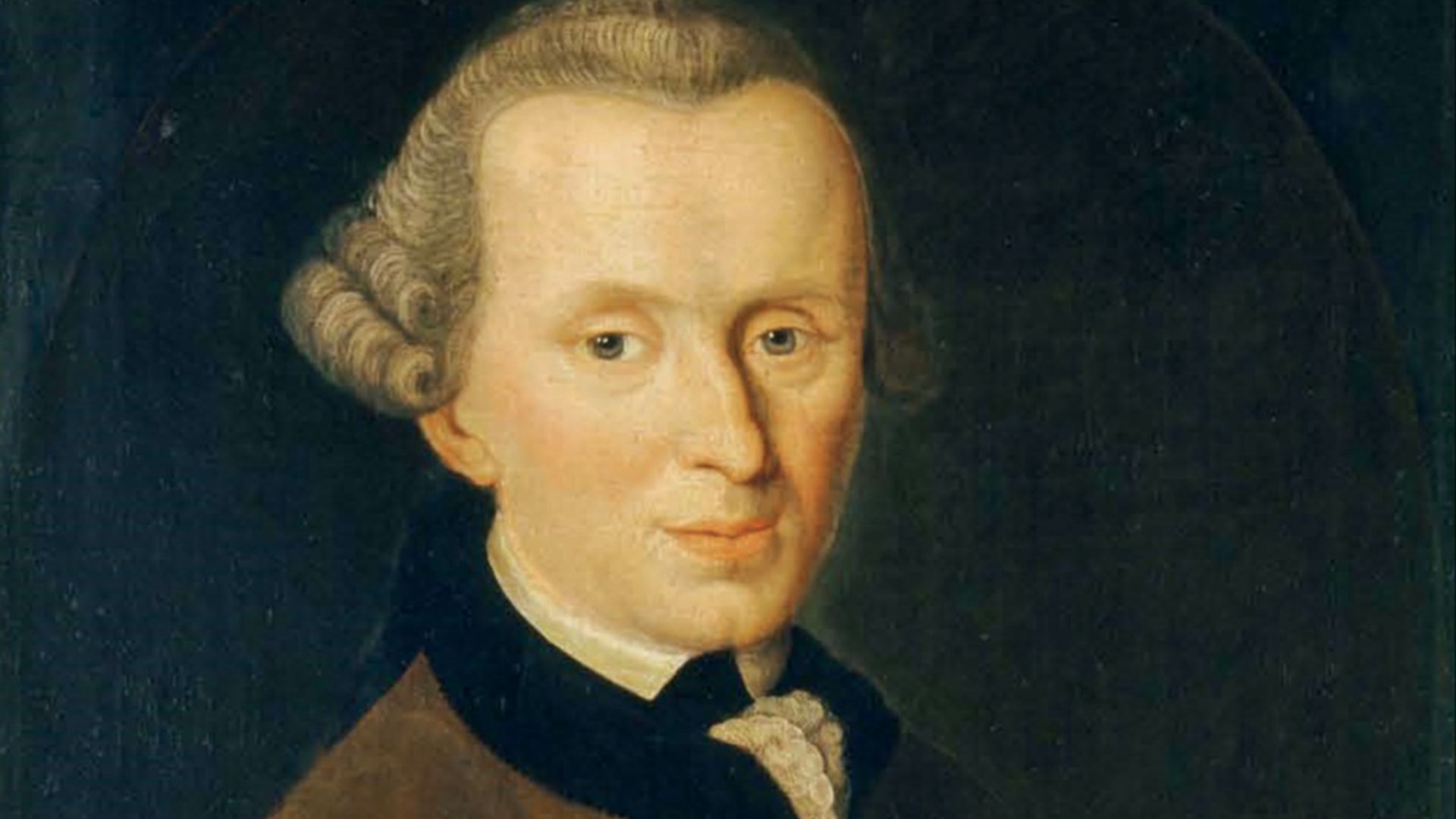 Johann Gottlieb Becker (1720-1782) on Wikimedia
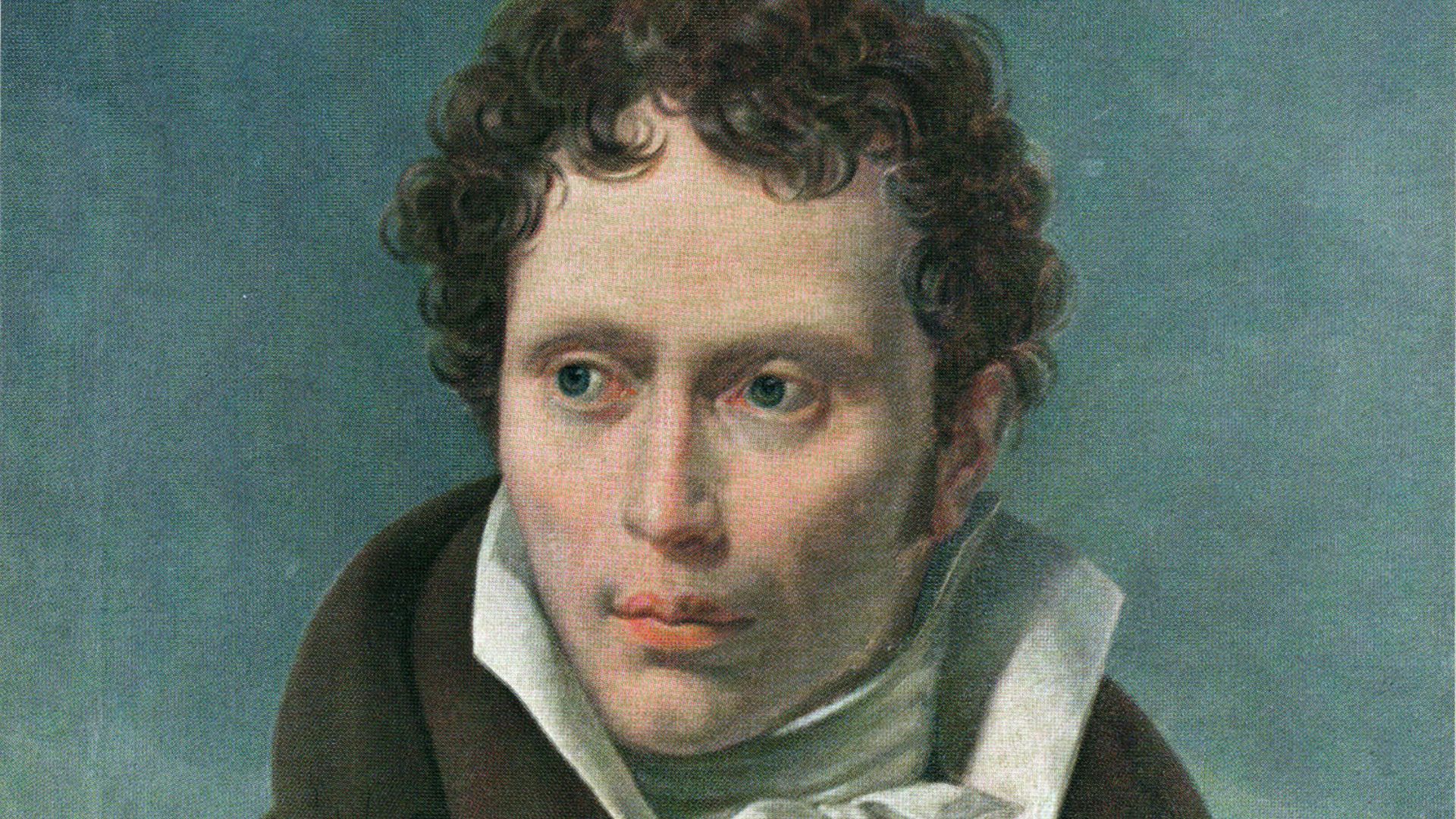
9. Arthur Schopenhauer
Arthur Schopenhauer had a famously sour view of humanity, which doesn’t always get you far in a world where marriage is the norm. That’s exactly what happened; his romantic prospects suffered under the weight of his personality. He never married, quarreled with his mother, and at the time, wrote about women in ways that still make readers wince.
 Ludwig Sigismund Ruhl on Wikimedia
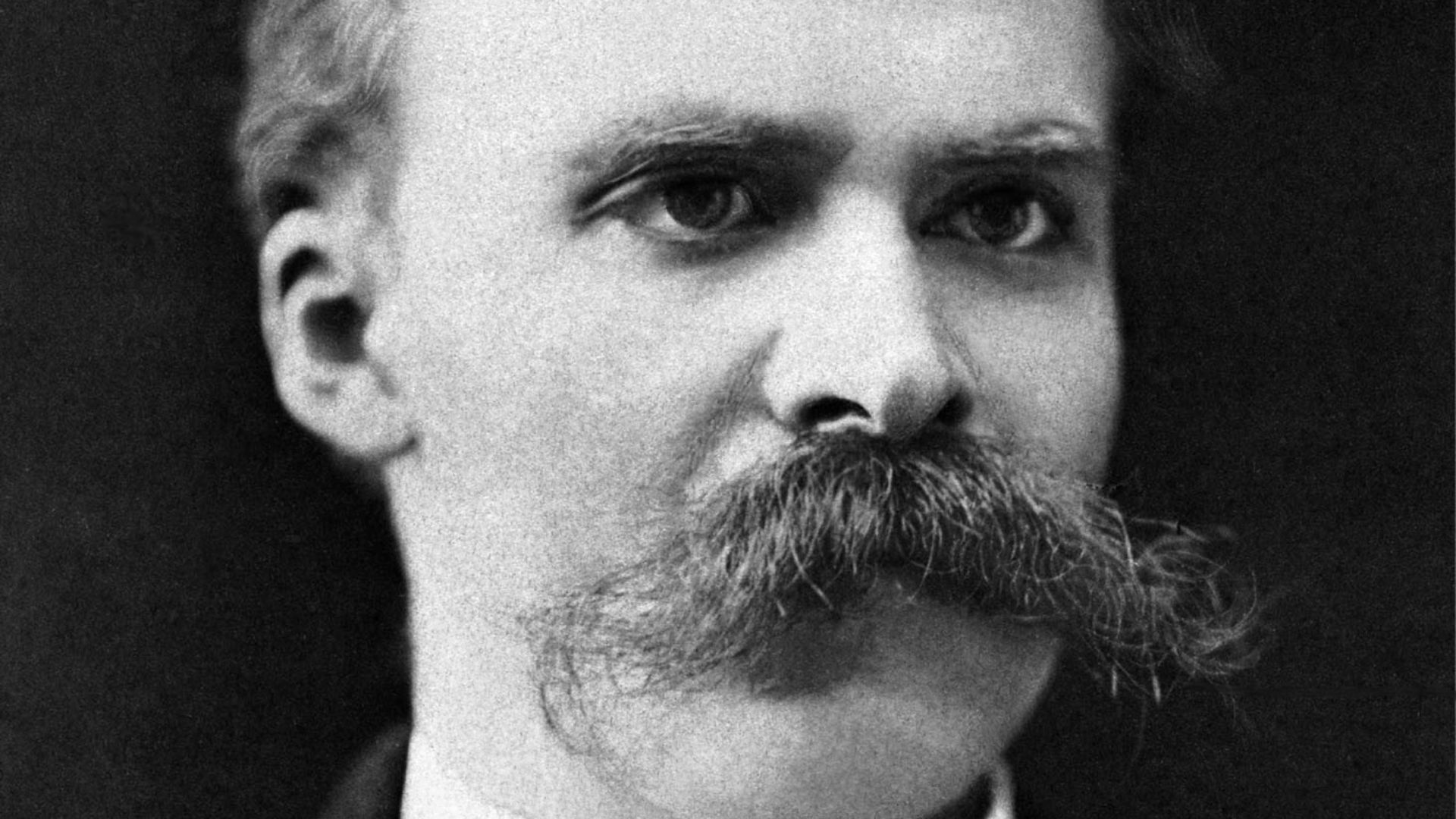
10. Friedrich Nietzsche
Friedrich Nietzsche wasn’t remembered as this big, handsome romantic hero. If anything, his attempts at love went badly enough to become part of his legend. In 1882, he proposed to Lou Andreas-Salomé and was rejected, a painful episode that unfolded alongside a friendship with Paul Rée. Nietzsche never married, and he was never quite able to shake the combination of intensity, loneliness, and awkward courtship.
 Friedrich Hermann Hartmann on Wikimedia
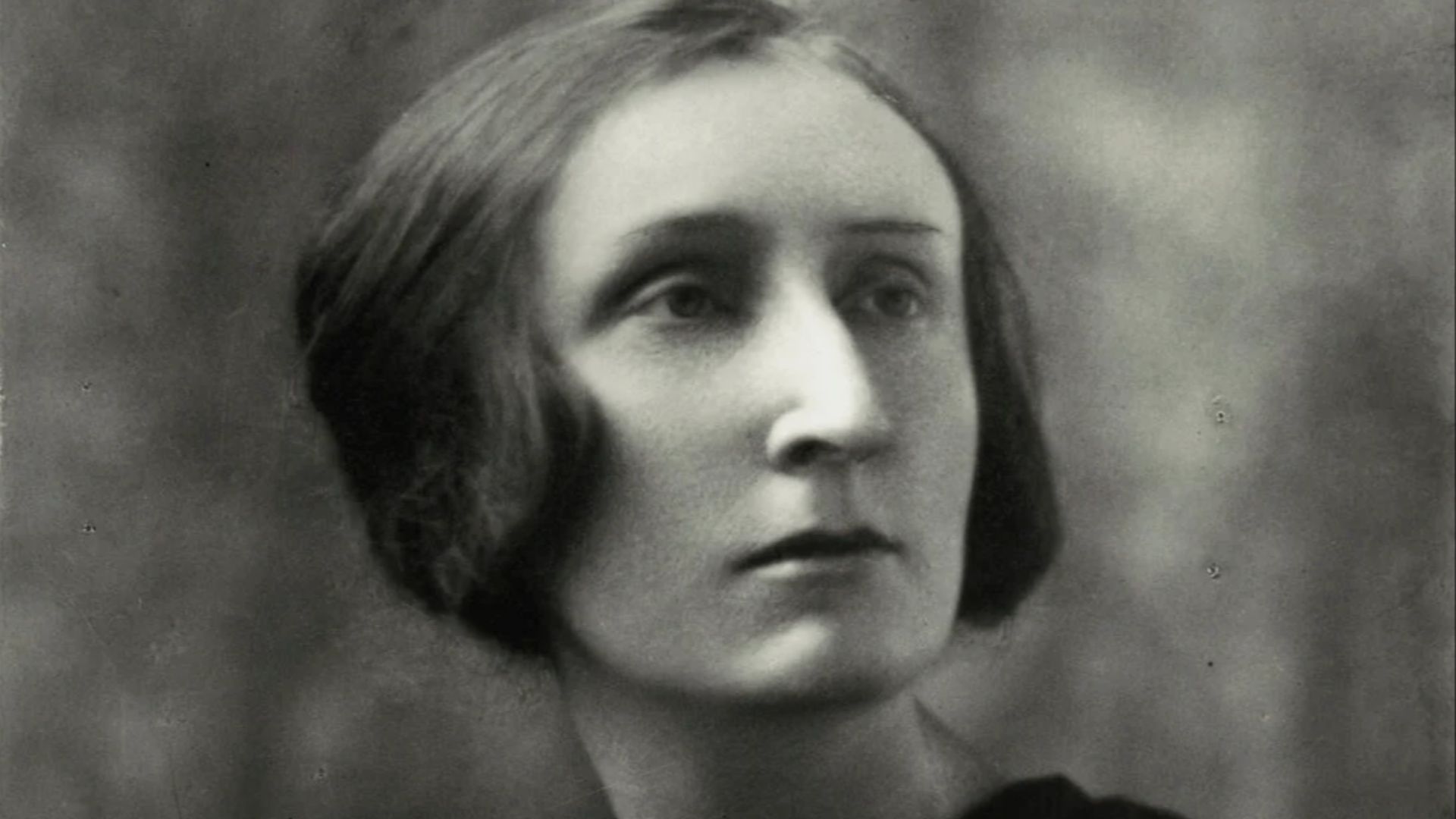
11. Edith Sitwell
Edith never tried to shrink herself into the pretty mould expected of upper-class women. While noble by our standards, that didn’t blow over well in the 1900s. She was tall, angular, dressed dramatically, and often mocked by critics who were as interested in her face and body as they were in her poetry. Sitwell never married, but she did learn how to turn her appearance into part of her public identity—and she never apologized for it.
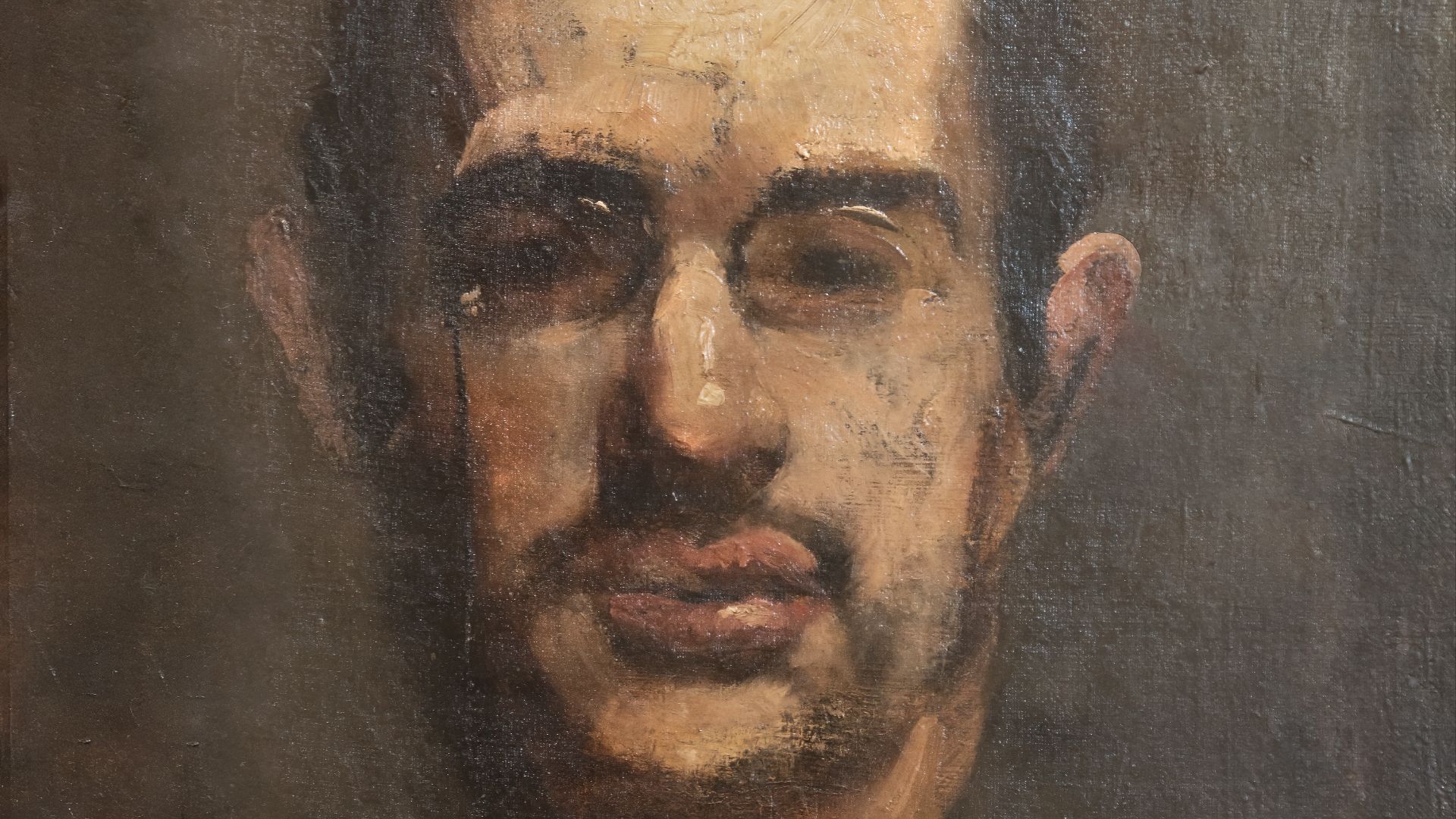
12. Henri De Toulouse-Lautrec
Henri de Toulouse-Lautrec came from an aristocratic family, and even that wasn’t enough to lock in a wife. Why? Because his body didn’t fit the image expected of a nobleman. Childhood injuries and illness left him extremely short, and Parisian society was pretty merciless toward him. He never married, but his art found humanity in performers and outsiders who knew exactly what it meant to be judged.
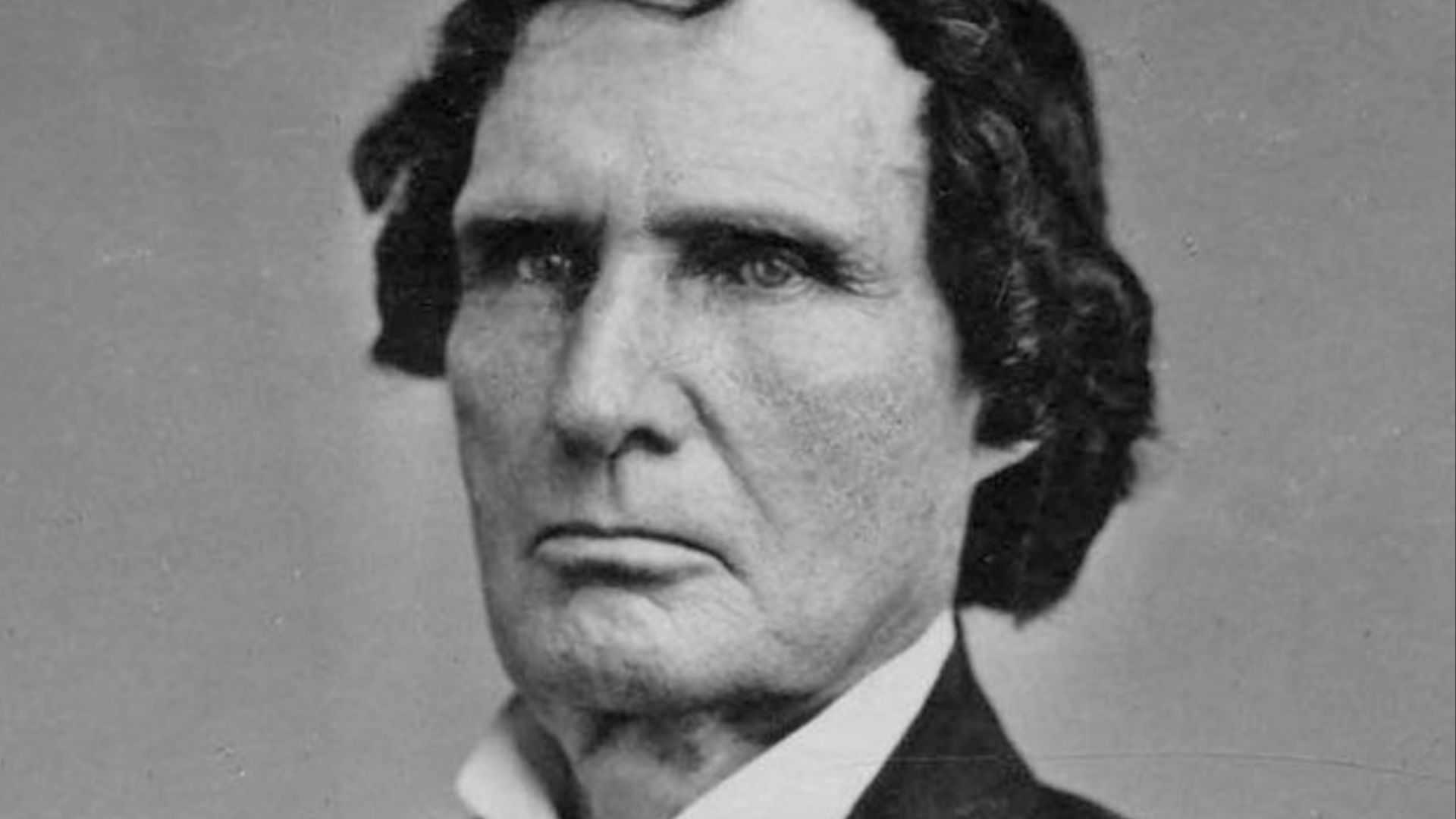
13. Thaddeus Stevens
The odds were stacked against Thaddeus Stevens almost immediately. Born with a clubfoot, he walked with a limp, and grew up in a world that attached ugly moral meaning to physical disability. He never married, though rumors about his long relationship with Lydia Hamilton Smith followed him for years. Through it all, Stevens still became one of the biggest voices for abolition in nineteenth-century America.
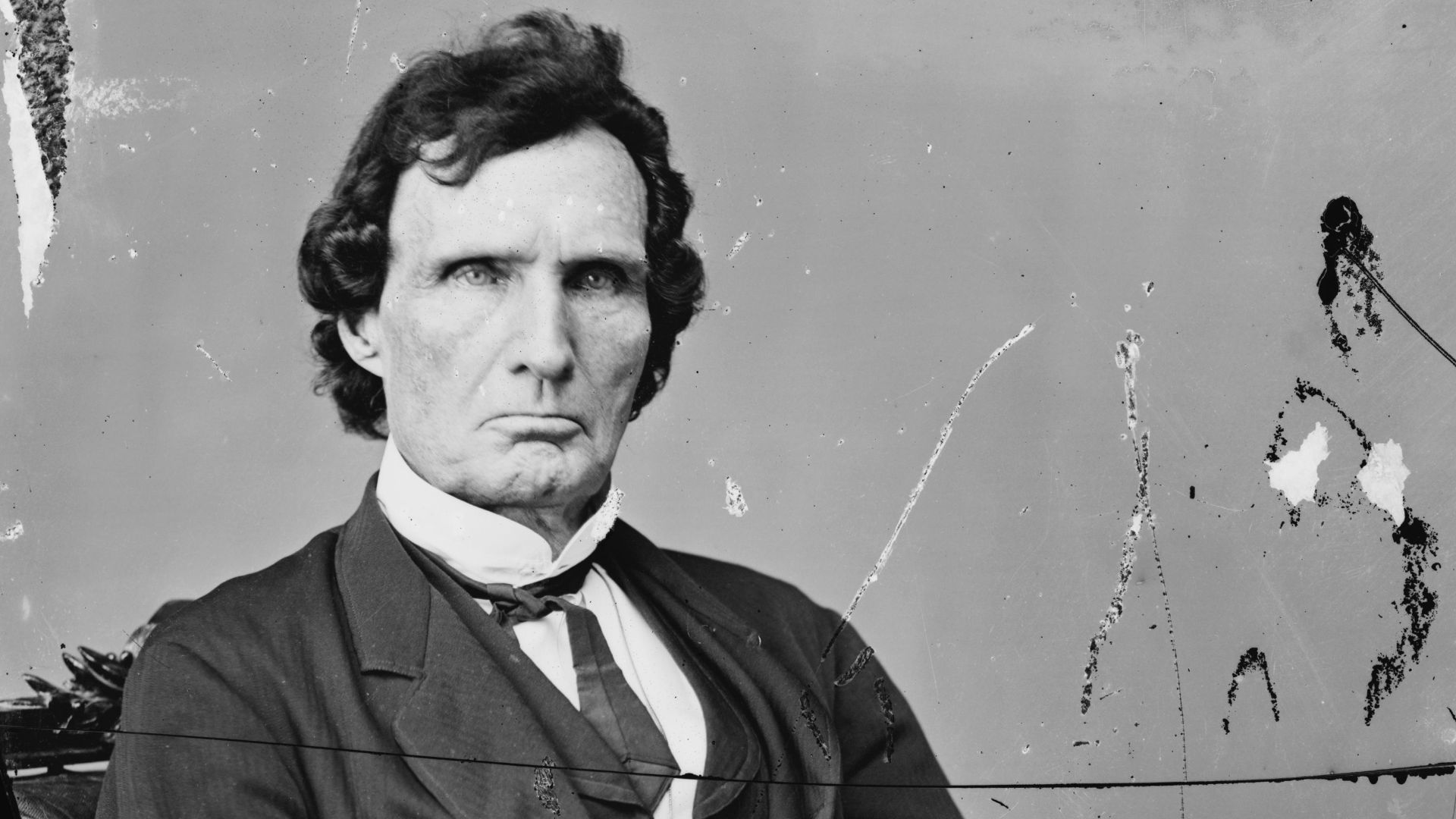 Mathew Benjamin Brady / Levin Corbin Handy on Wikimedia
14. Nikolai Gogol
Nikolai Gogol’s appearance was often described as strange (though the public’s biggest “issue” was his long nose). Born in 1809, he never married and became increasingly religious, anxious, and withdrawn in life. He made a decent name for himself as a writer, but his personal life gave little evidence of a guy comfortable with courtship.
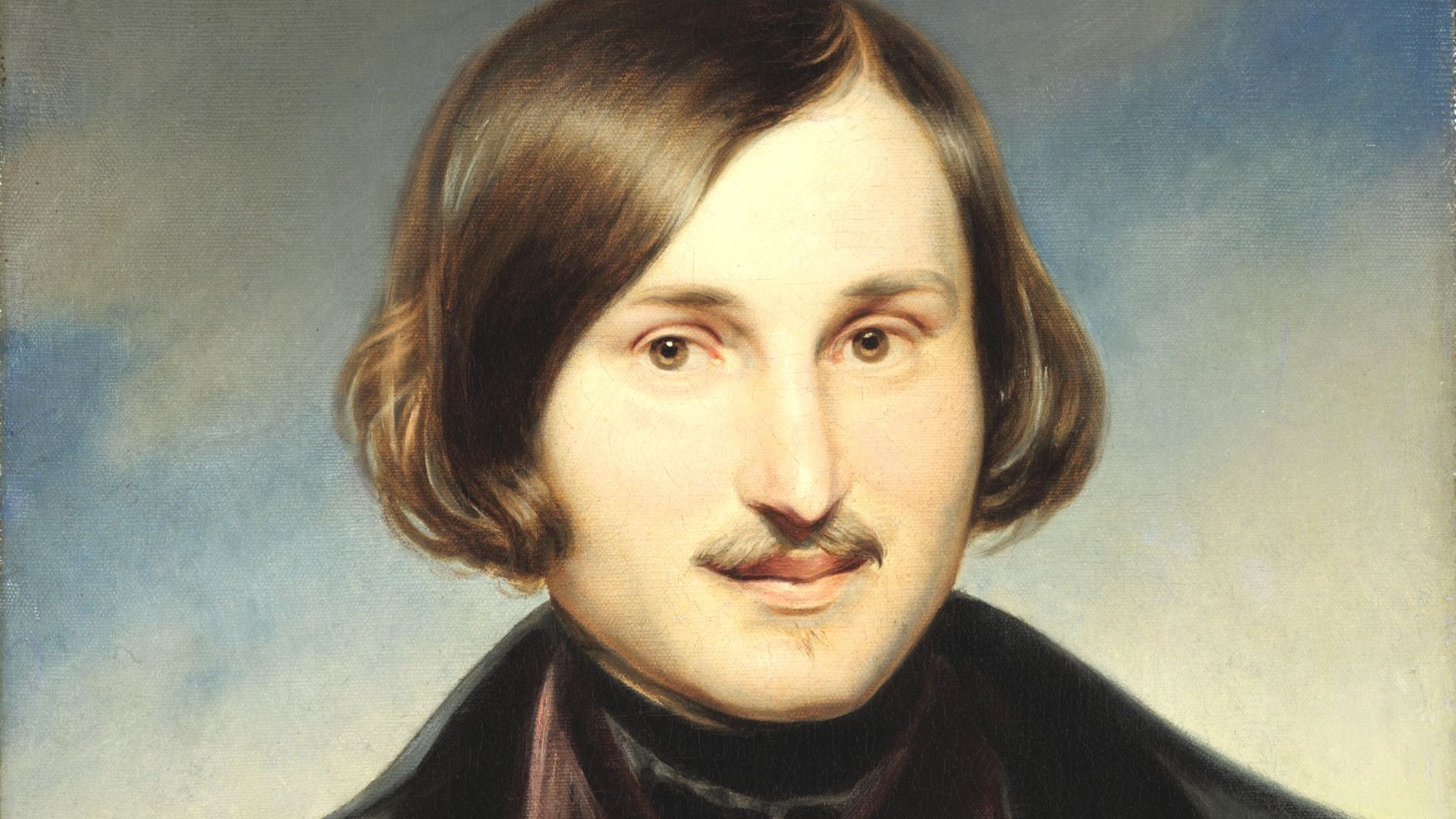 Otto Friedrich Theodor von Möller on Wikimedia
15. Franz Schubert
Franz Schubert had plenty of admirers and emotional warmth, but he never married. He also wasn’t treated as a romantic prospect. Born in 1797, he was short, wore glasses, was financially unstable, and usually pretty dependent on the hospitality of others. As you can imagine, none of that brought many suitors to the door.
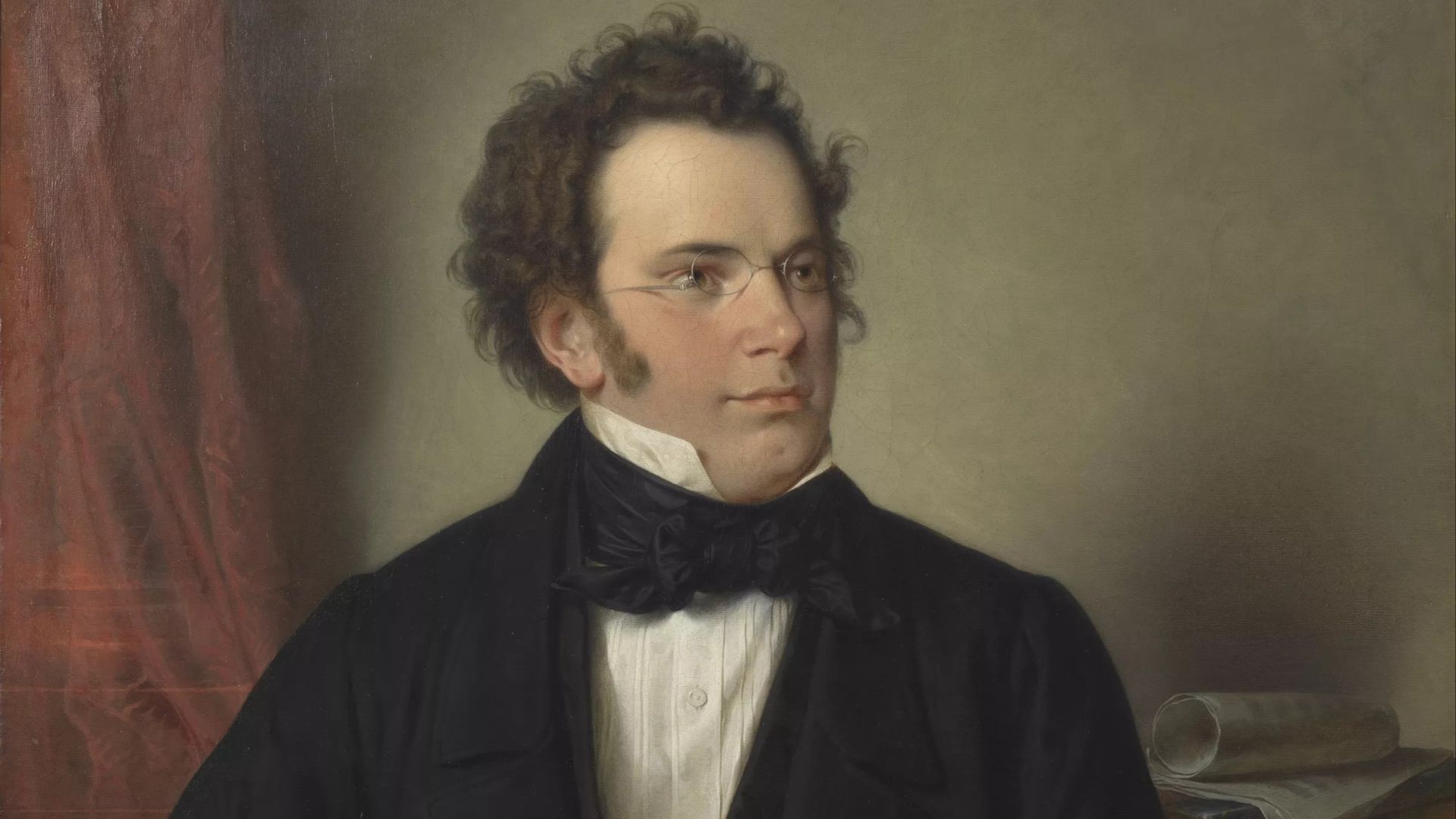 Wilhelm August Rieder on Wikimedia
16. Hans Christian Andersen
You’ve read his intense stories, but Hans Christian Andersen’s love life is perhaps the biggest tale of all. He was tall, he was a little awkward, and he was also often painfully aware that people thought it, too. Born in 1805, he fell in love more than once, including with the singer Jenny Lind, but his feelings weren’t returned. Andersen never married, and that very loneliness found its way into some of his fairy tales.
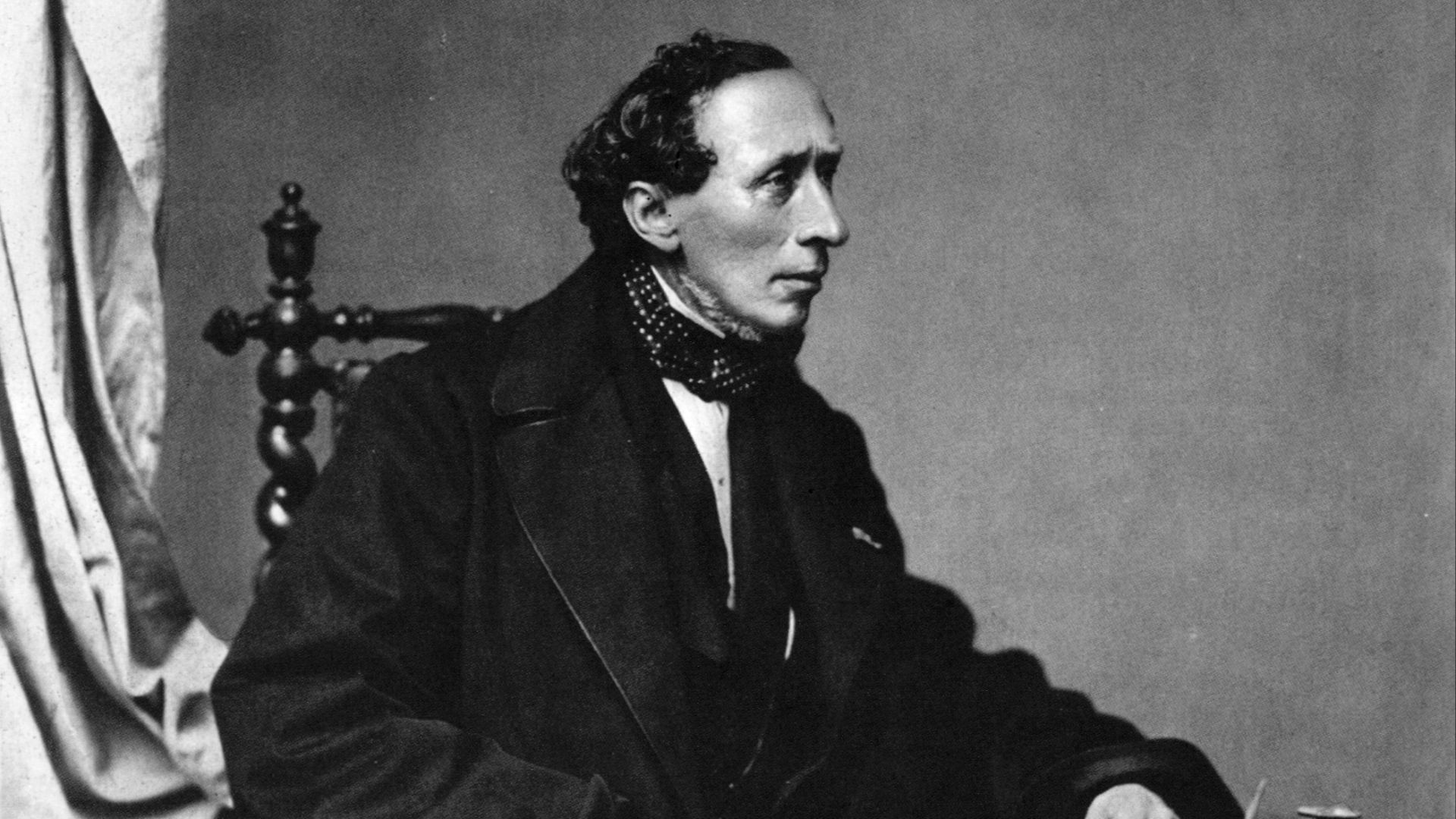 Franz Hanfstaengl on Wikimedia
17. Lewis Carroll
Lewis Carroll (who was actually born Charles Lutwidge Dodgson in 1832) never married. Though he lived a contained life as a mathematician and author, he also had a stammer, a shy manner, and a reputation for being more comfortable in controlled settings than in any kind of romantic pursuit.
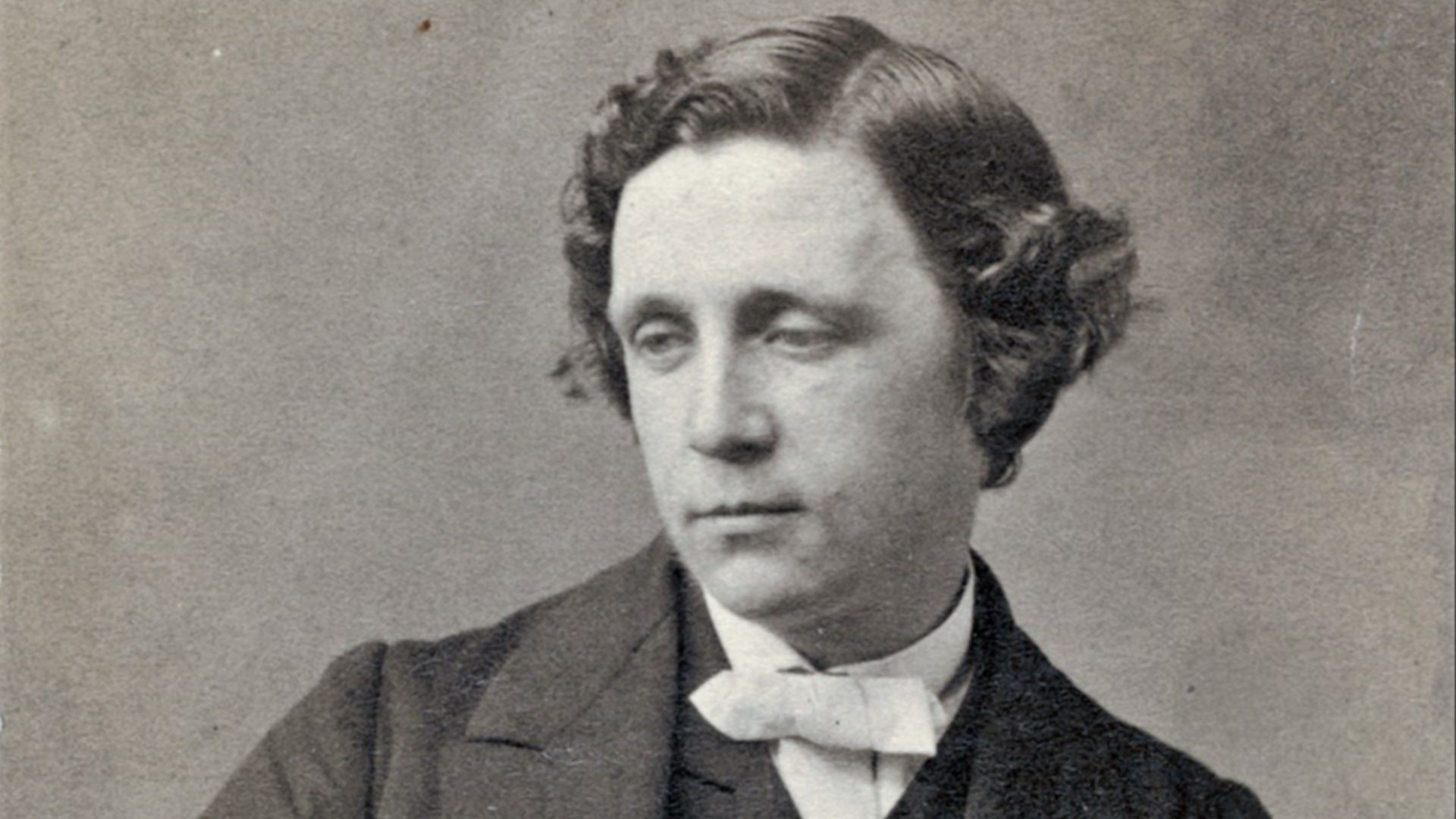 Oscar Gustave Rejlander on Wikimedia
18. Florence Nightingale
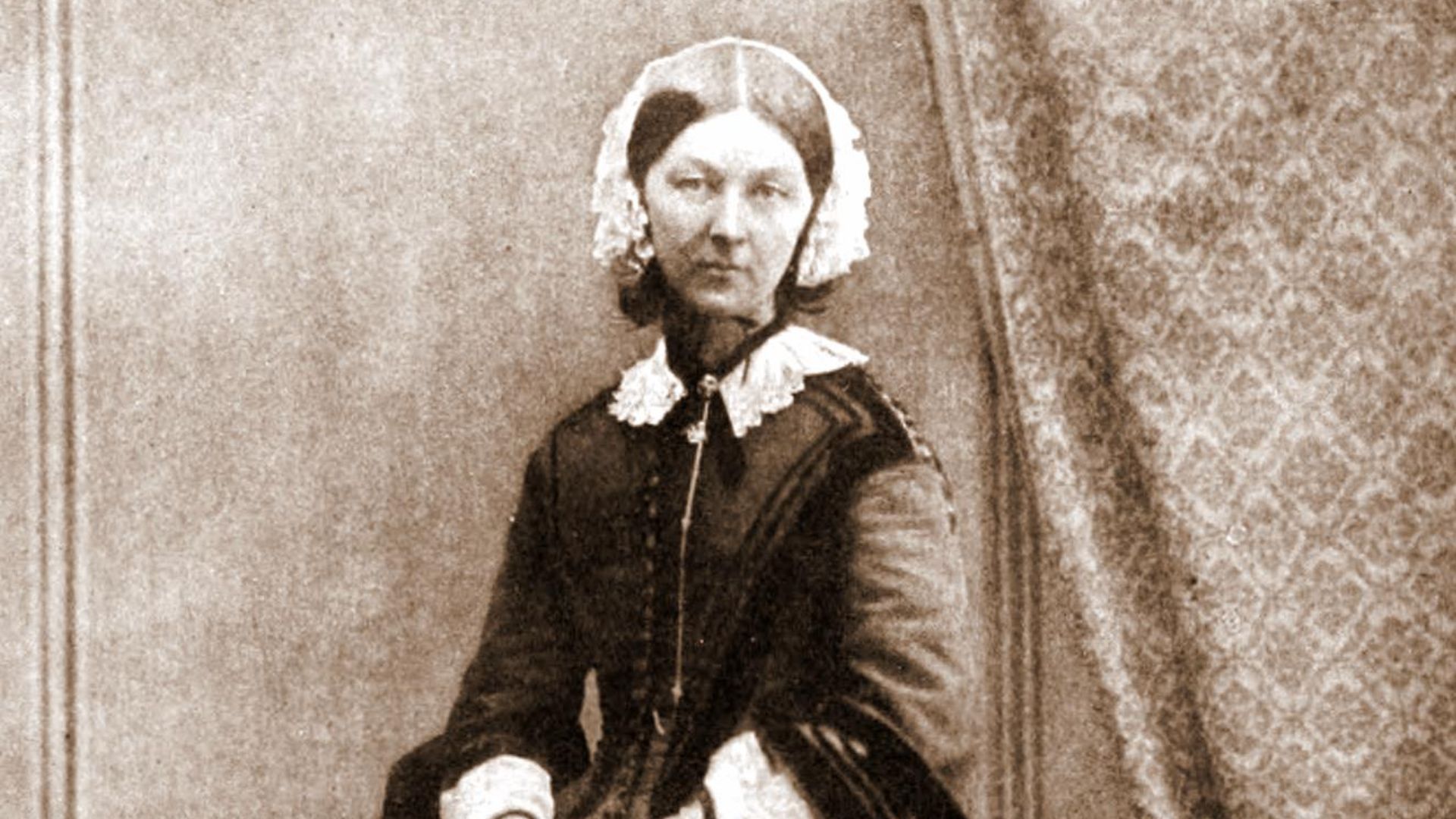
Florence Nightingale wasn’t exactly the “unlovable spinster” people lazily imagine—she did receive romantic attention. Richard Monckton Milnes wanted to marry her, for example, but she rejected the match. The thing is, Victorian society isn’t a fan of that, and often treated unmarried women as lacking. Because of that, Nightingale’s stern public image made her an easy figure to flatten.
19. Simone Weil
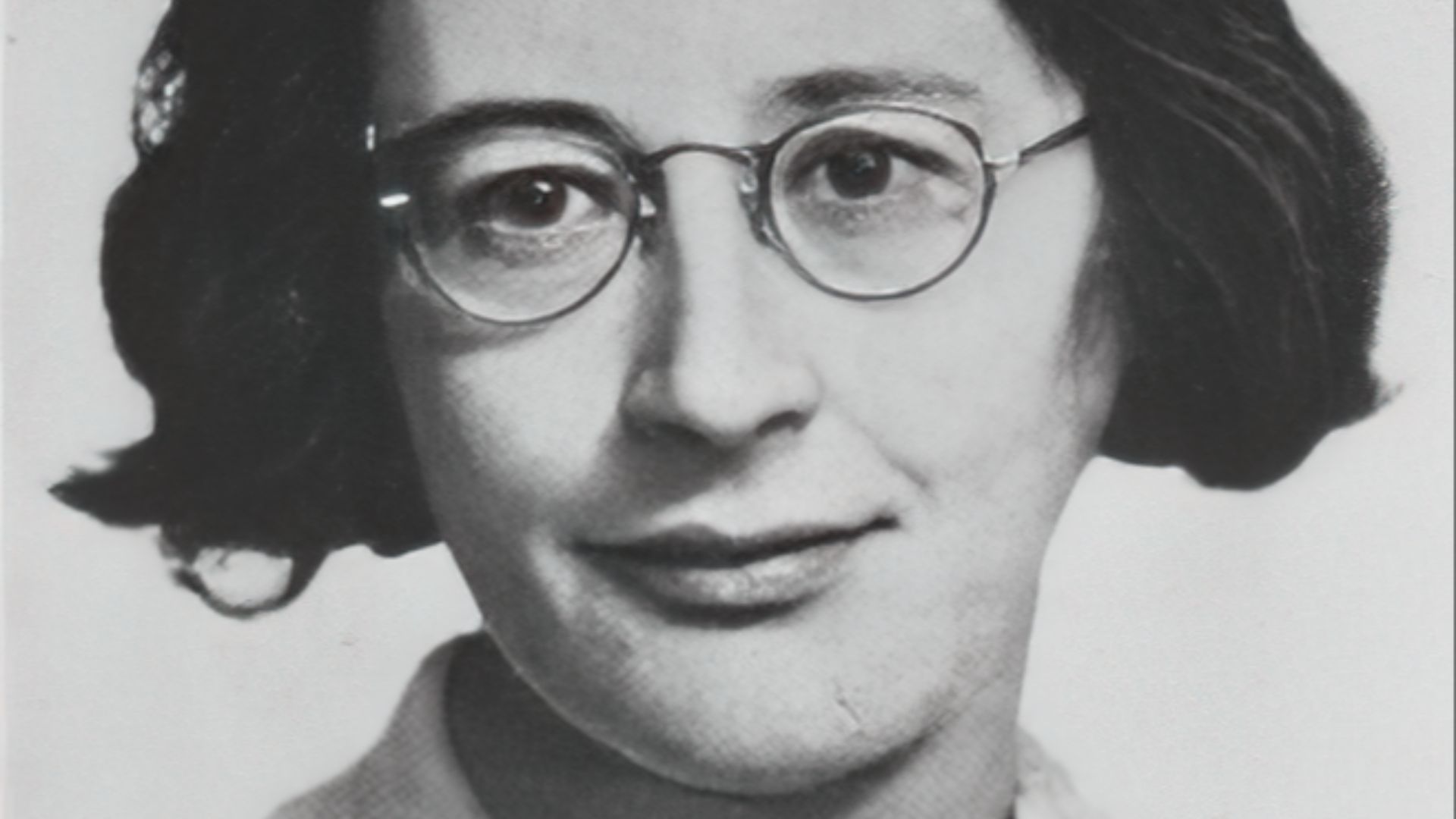
Simone Weil was never particularly interested in making herself “pretty” in any conventional social sense. She did what she wanted: dressed in plainclothes, worked in factories, joined causes, and lived life how she wanted, which made ordinary courtship look almost irrelevant. Weil was too busy doing other things, and she never married.
20. Lytton Strachey
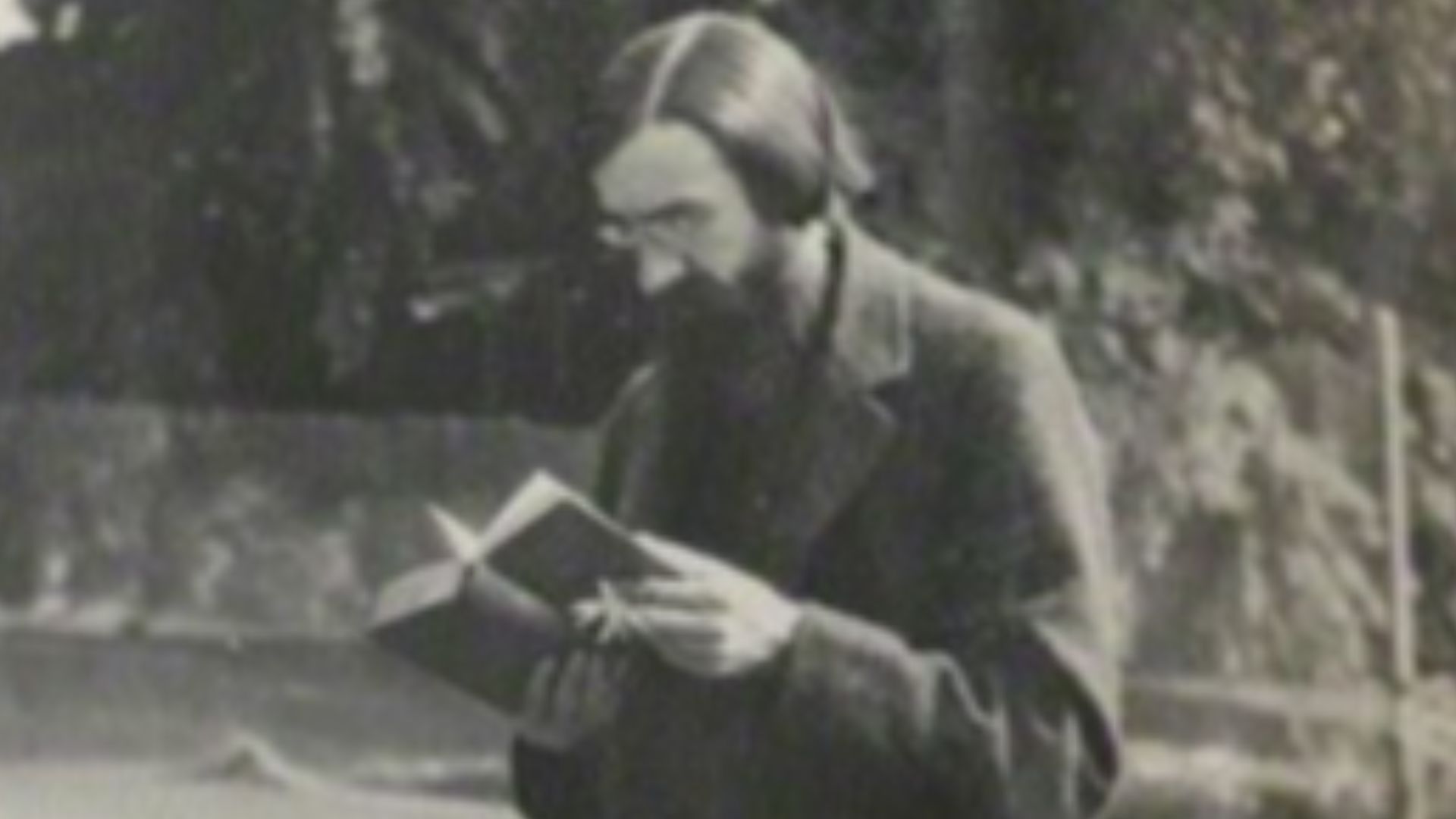
Lytton Strachey was so physically distinctive that even friendly descriptions made him sound difficult to place. While he never married, his romantic life was far from empty inside the Bloomsbury circle. Strachey’s looks and refusal to live by Victorian expectations made him much more complicated than simple rejection.
KEEP ON READING