
10 Inventions That Connected The World & 10 That Tried And Failed
Connecting The World Isn't Easy
Some inventions completely changed the way people communicate, travel, and exchange ideas across continents, while others promised similar breakthroughs but never lived up to expectations. Sometimes success came from perfect timing and practical design; other times, even ambitious ideas couldn't overcome technical limitations or changing public needs. Looking at both the winners and the disappointments shows that changing the world requires more than just innovation. Here are 10 inventions that connected the world and 10 that tried and failed.
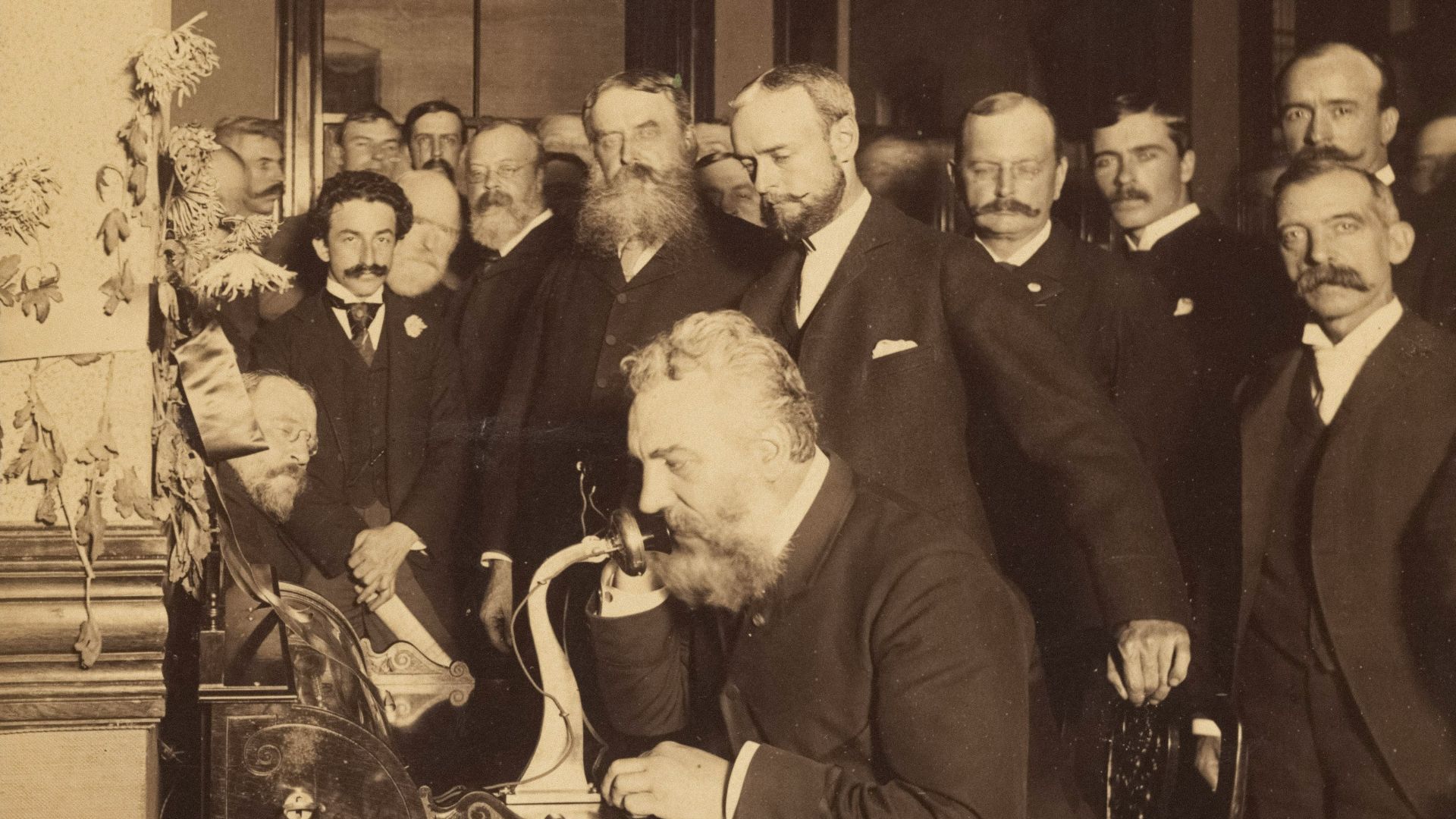
1. The Printing Press
Johannes Gutenberg's movable-type printing press transformed the spread of information during the 15th century. Books became far more affordable, allowing ideas, education, and scientific discoveries to reach much larger audiences. Its influence can still be seen today in the way knowledge is shared across societies.
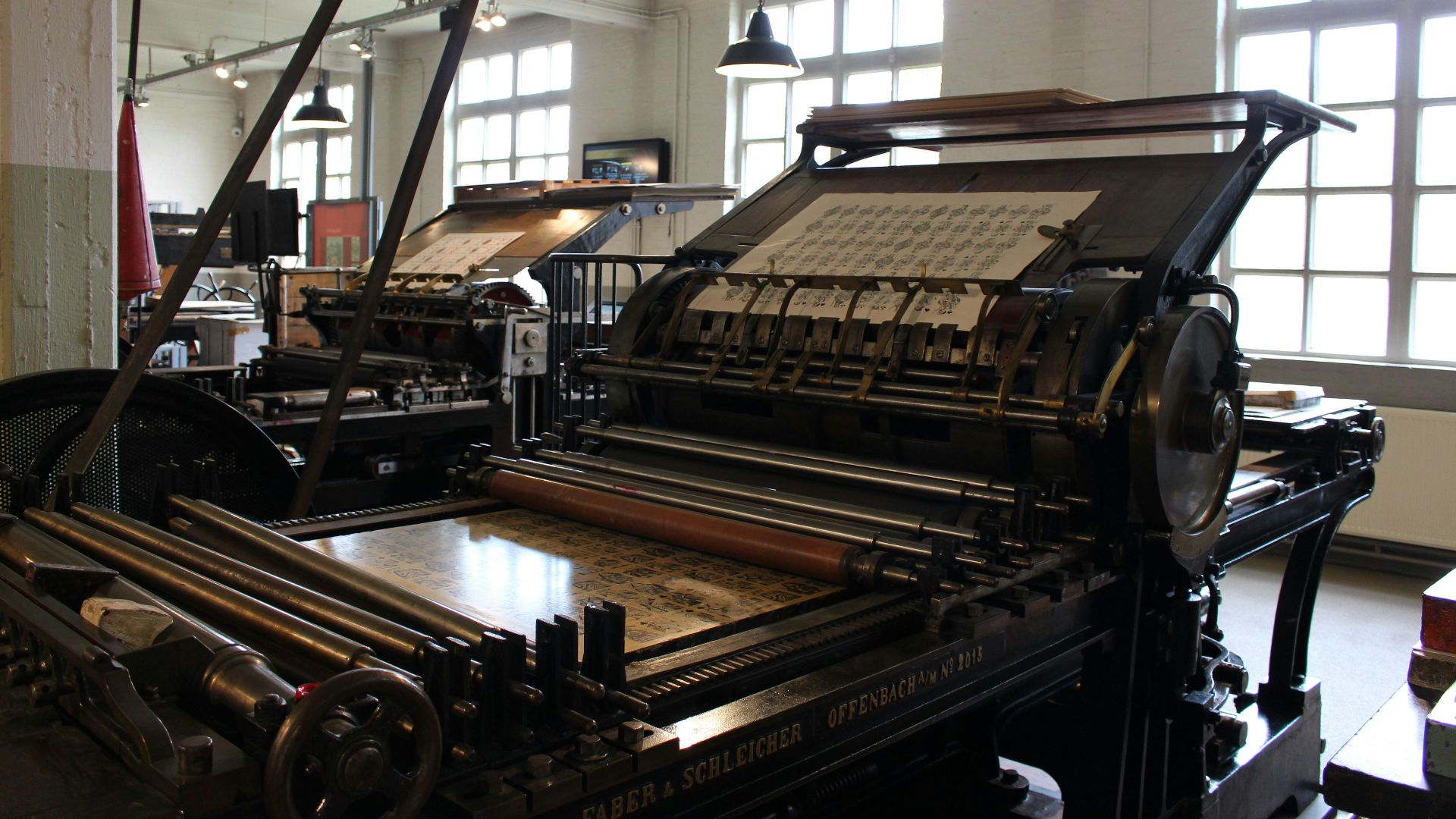
2. The Telegraph
Before the telegraph, news traveled only as fast as people or animals could carry it. Telegraph networks allowed messages to cross vast distances in minutes rather than weeks, dramatically changing business, government, and journalism. It marked the beginning of nearly instant long-distance communication.
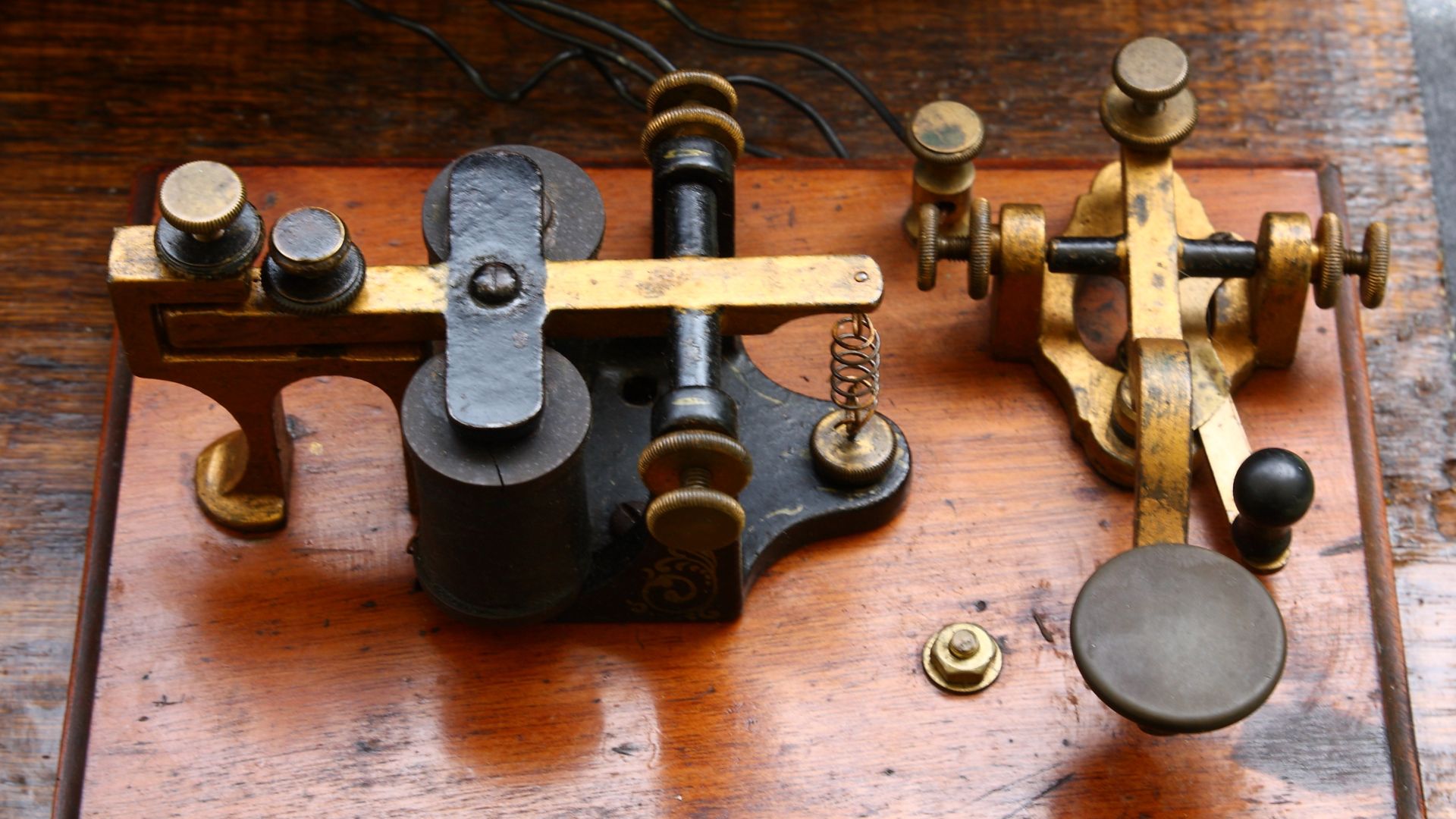 John Schanlaub from Lafayette,IN, USA on Wikimedia
3. The Telephone
The telephone made real-time conversations possible across cities, countries, and eventually continents. Families stayed connected despite distance, while businesses could coordinate far more efficiently than before. It fundamentally changed both personal relationships and global commerce.

4. The Steam Locomotive
Railroads connected towns, cities, and entire nations in ways that had never been possible. People, goods, and ideas moved faster and more reliably, helping economies expand rapidly during the Industrial Revolution. Rail travel also encouraged cultural exchange between distant regions.

5. The Shipping Container
Standardized shipping containers revolutionized global trade after the 1950s. Cargo could be loaded, transported, and unloaded much faster while reducing costs and damage. Modern international commerce depends heavily on this simple but highly effective invention.

6. The Airplane
Commercial aviation shrank the world by making international travel practical for millions of people. Business, tourism, and family visits became much easier across long distances. Air travel also accelerated the exchange of culture, technology, and ideas between countries.

7. The Internet
Few inventions have connected people more completely than the internet. It allows communication, education, entertainment, shopping, and collaboration to happen almost instantly across the globe. Its influence continues to expand as more services move online.

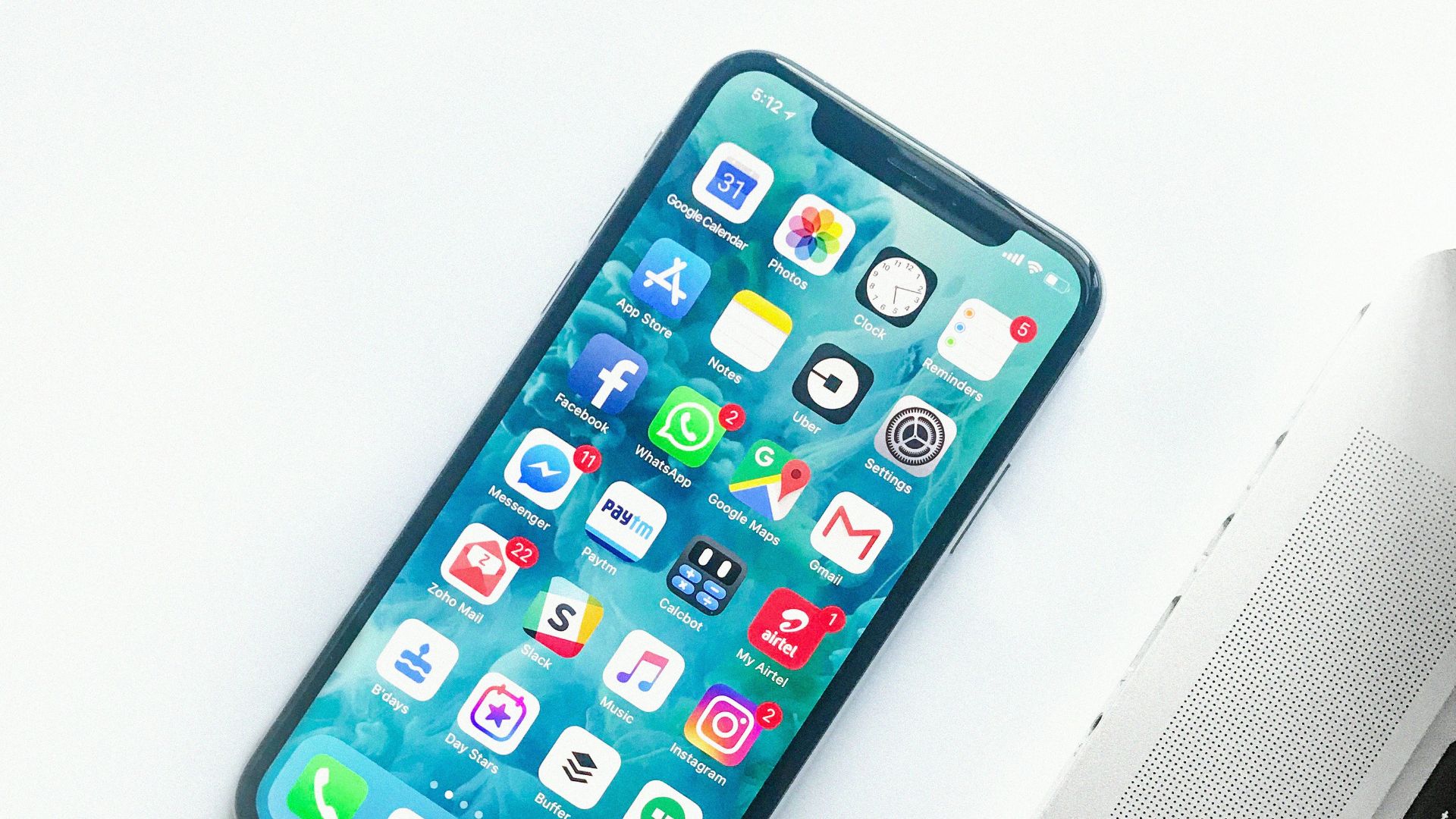
8. The Smartphone
Smartphones combined communication, navigation, photography, and internet access into a single portable device. People can stay connected almost anywhere while accessing information within seconds. Their convenience has reshaped everyday life around the world.
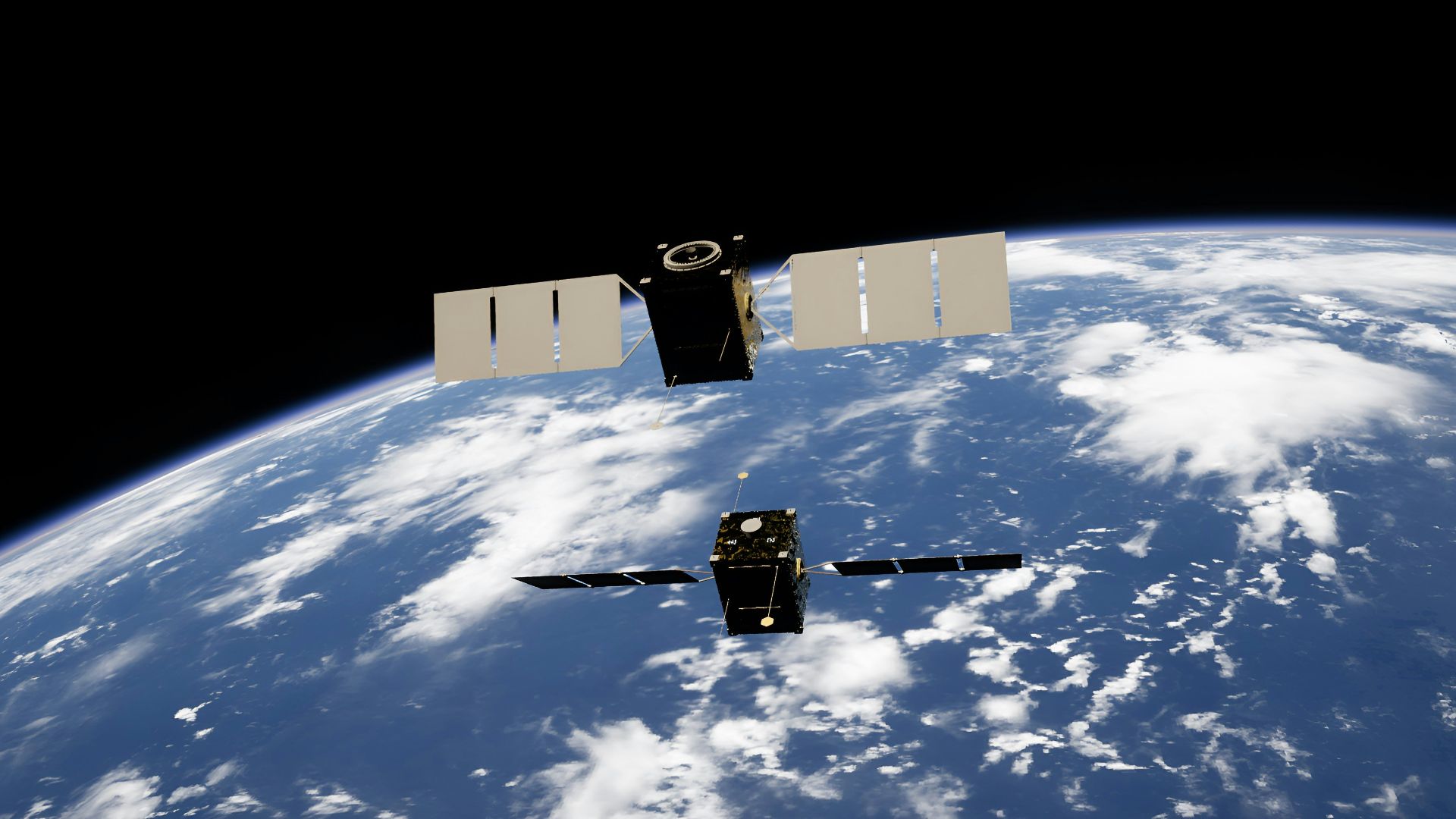
9. Communication Satellites
Satellites made global television broadcasts, international phone calls, GPS navigation, and internet services possible. They connect regions that would otherwise struggle to access reliable communications. Modern navigation and many emergency services also depend on satellite technology.
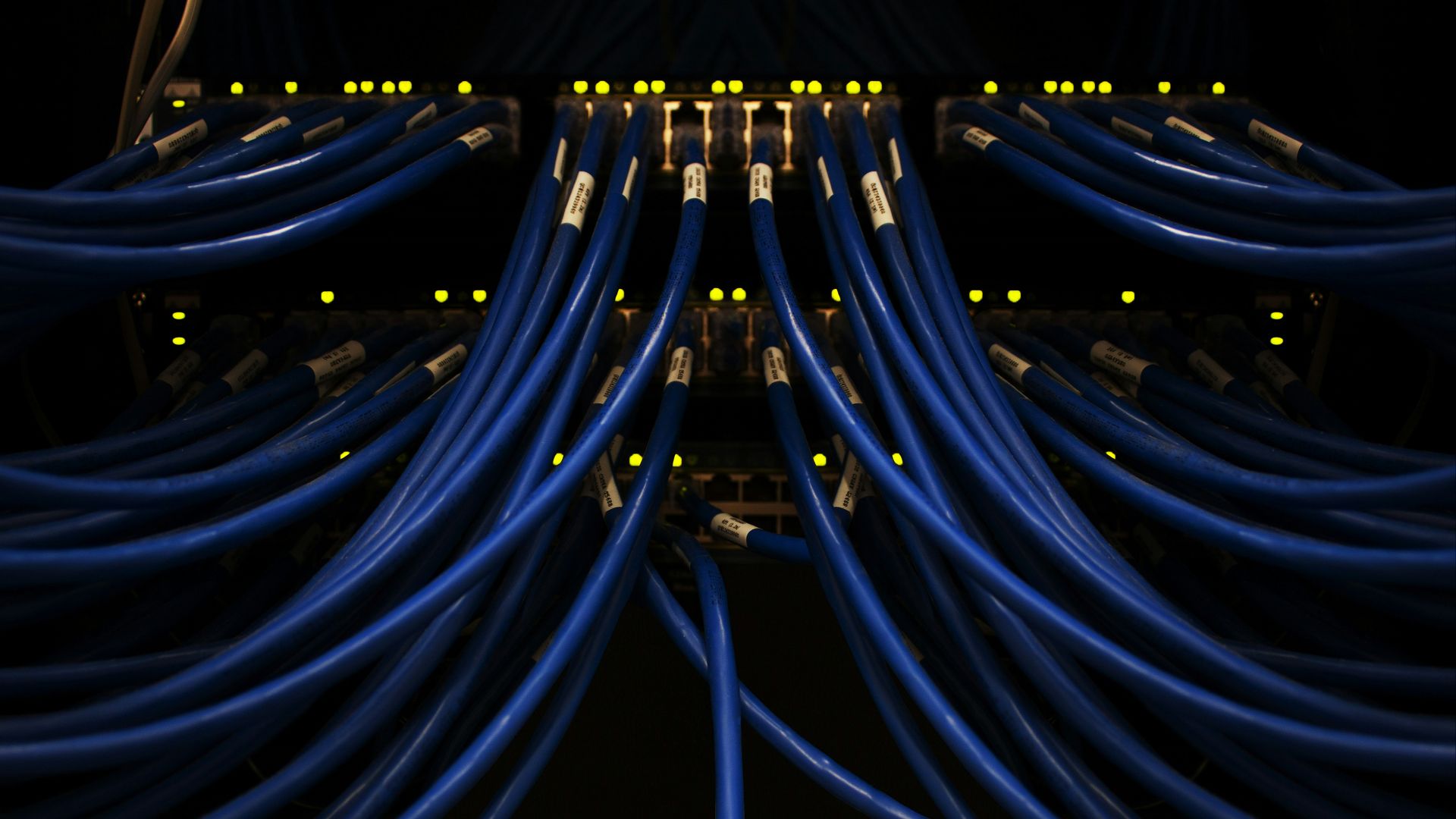
10. Fiber-Optic Cables
Although wireless technology gets much of the attention, fiber-optic cables carry most of the world's internet traffic. They transmit enormous amounts of data across oceans at remarkable speeds using pulses of light. Without them, today's global digital economy couldn't function as it does.
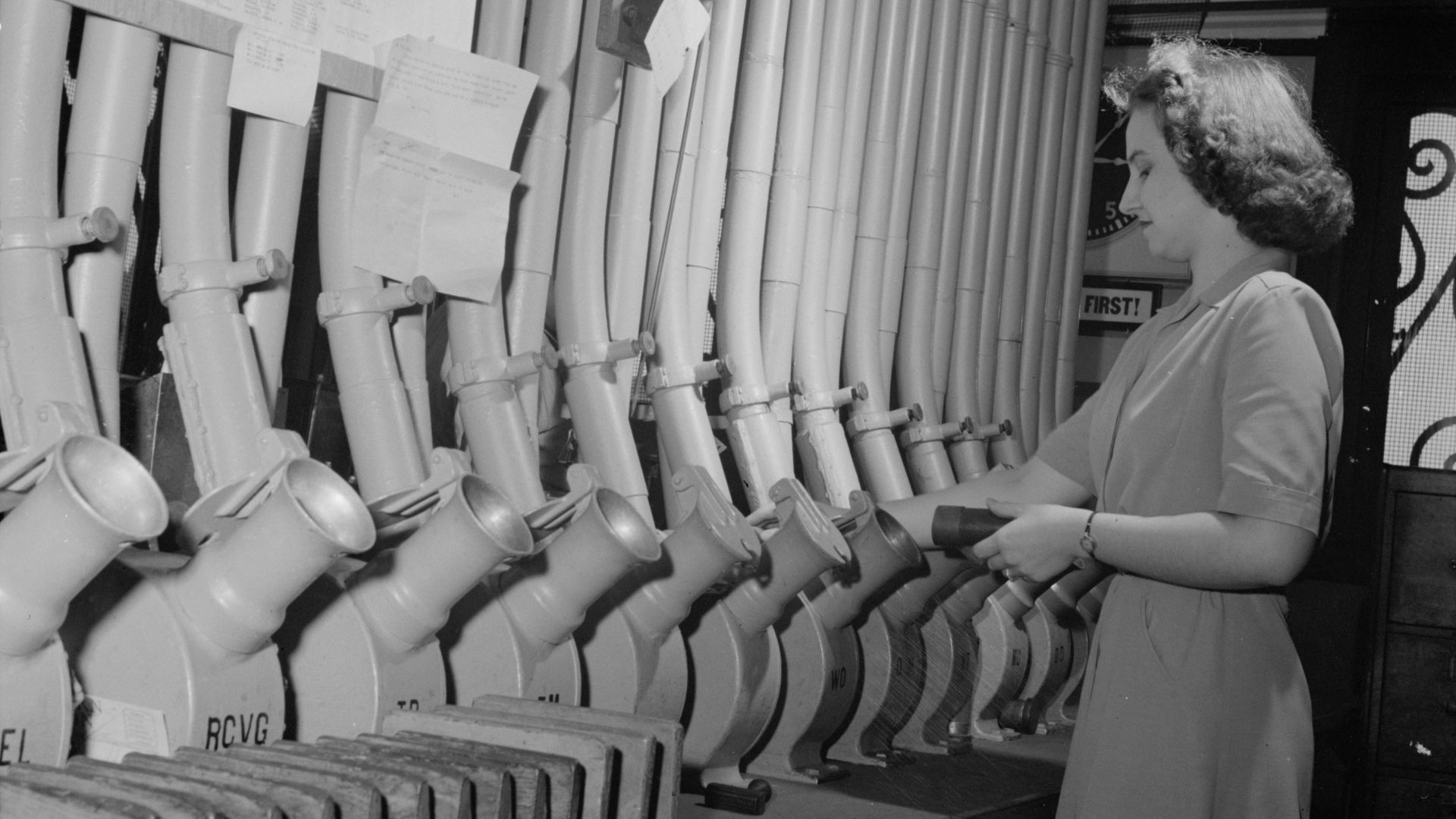
1. The Pneumatic Dispatch Network
During the 19th century, several cities built underground tube systems that carried small capsules using air pressure. While effective for documents and parcels over short distances, they couldn't compete with the improvements in telecommunications and road transportation. Most networks were eventually abandoned.
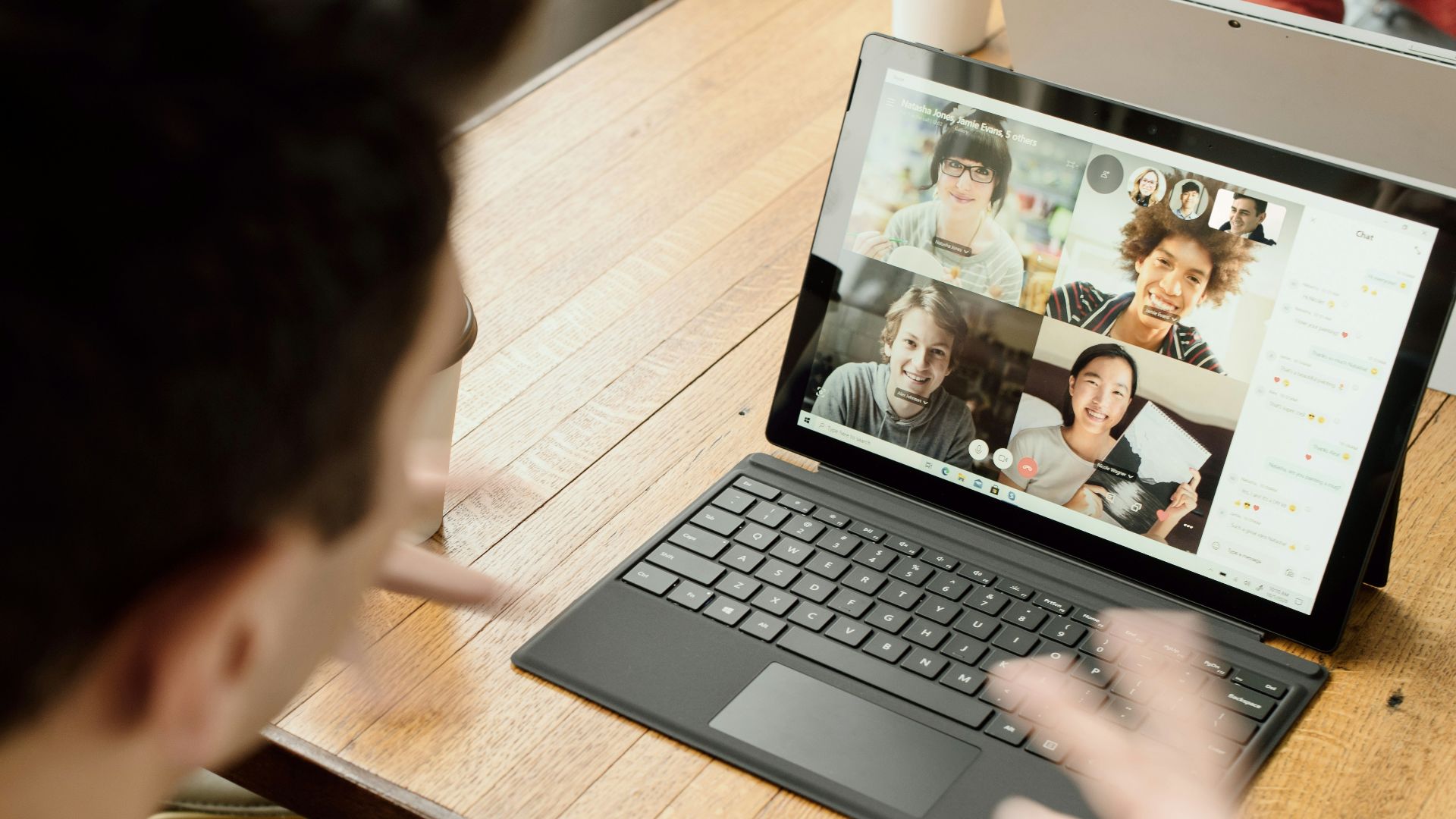
2. The Picturephone
AT&T introduced video calling decades before it became commonplace. The technology worked, but the equipment was expensive, bulky, and lacked enough users to make it practical. Modern smartphones eventually succeeded where the Picturephone could not.
3. The Airship Passenger Network
Large passenger airships were once expected to dominate international travel. After several high-profile disasters, including the Hindenburg in 1937, public confidence collapsed, and airplanes quickly became the preferred option. Commercial airship travel never recovered.
 Murray Becker / Associated Press on Wikimedia
4. Segway Personal Transporters
The Segway was introduced with predictions that it would transform urban transportation. While it found specialized uses in tourism and security, it proved too expensive and impractical for widespread daily commuting. Most people continued choosing bicycles, walking, or cars instead.

5. Google Glass
Google Glass aimed to bring wearable augmented reality into everyday life. Concerns about privacy, high costs, and limited practical applications prevented widespread consumer adoption. Although versions remain useful in some industries, it never became a mainstream consumer product.

6. Iridium's Original Satellite Phone Network
The original Iridium satellite phone system launched with ambitious plans for worldwide communication. Extremely expensive handsets and high service costs kept consumer demand much lower than expected, contributing to the company's early bankruptcy.
7. Personal Rapid Transit Systems
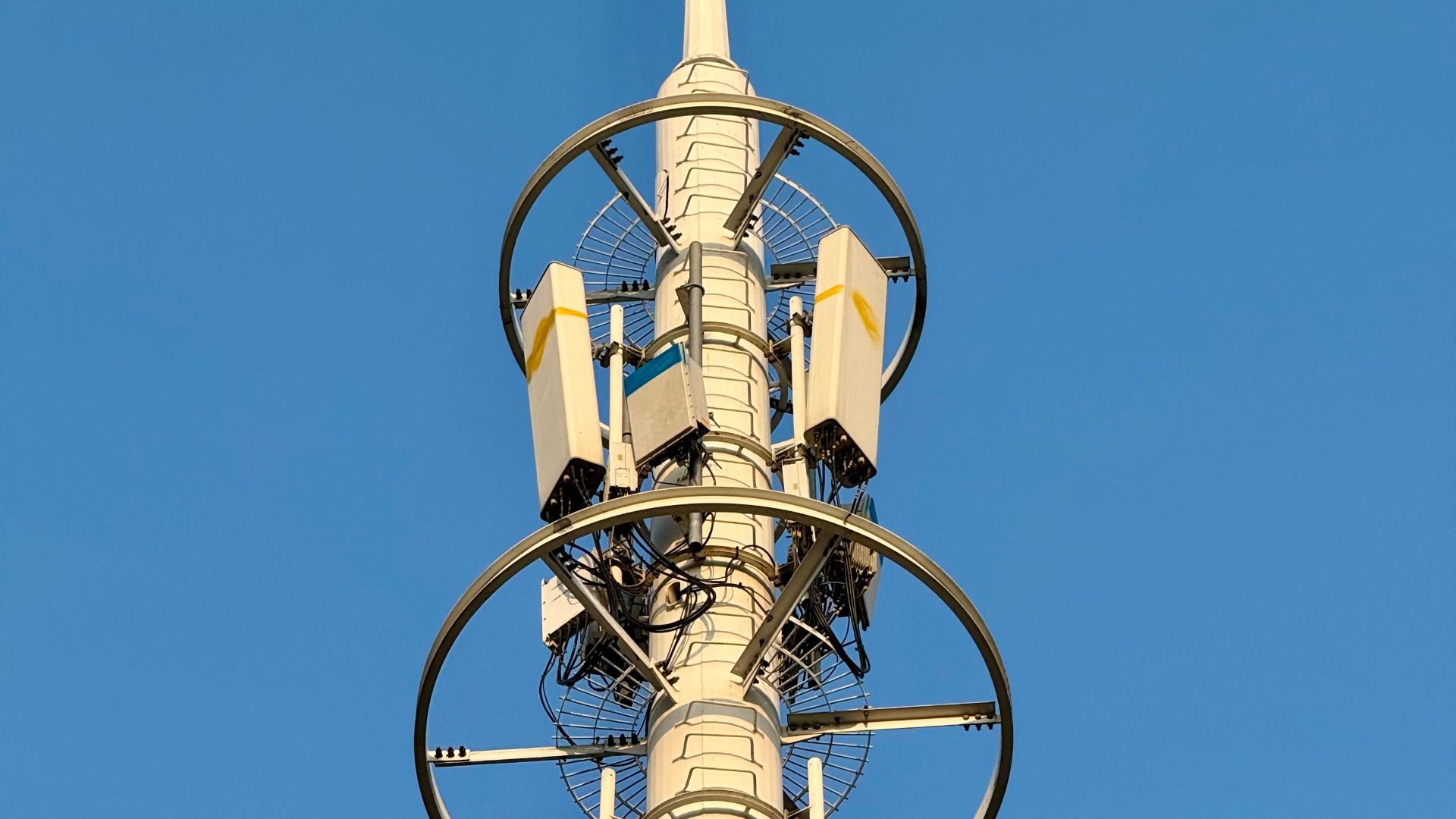
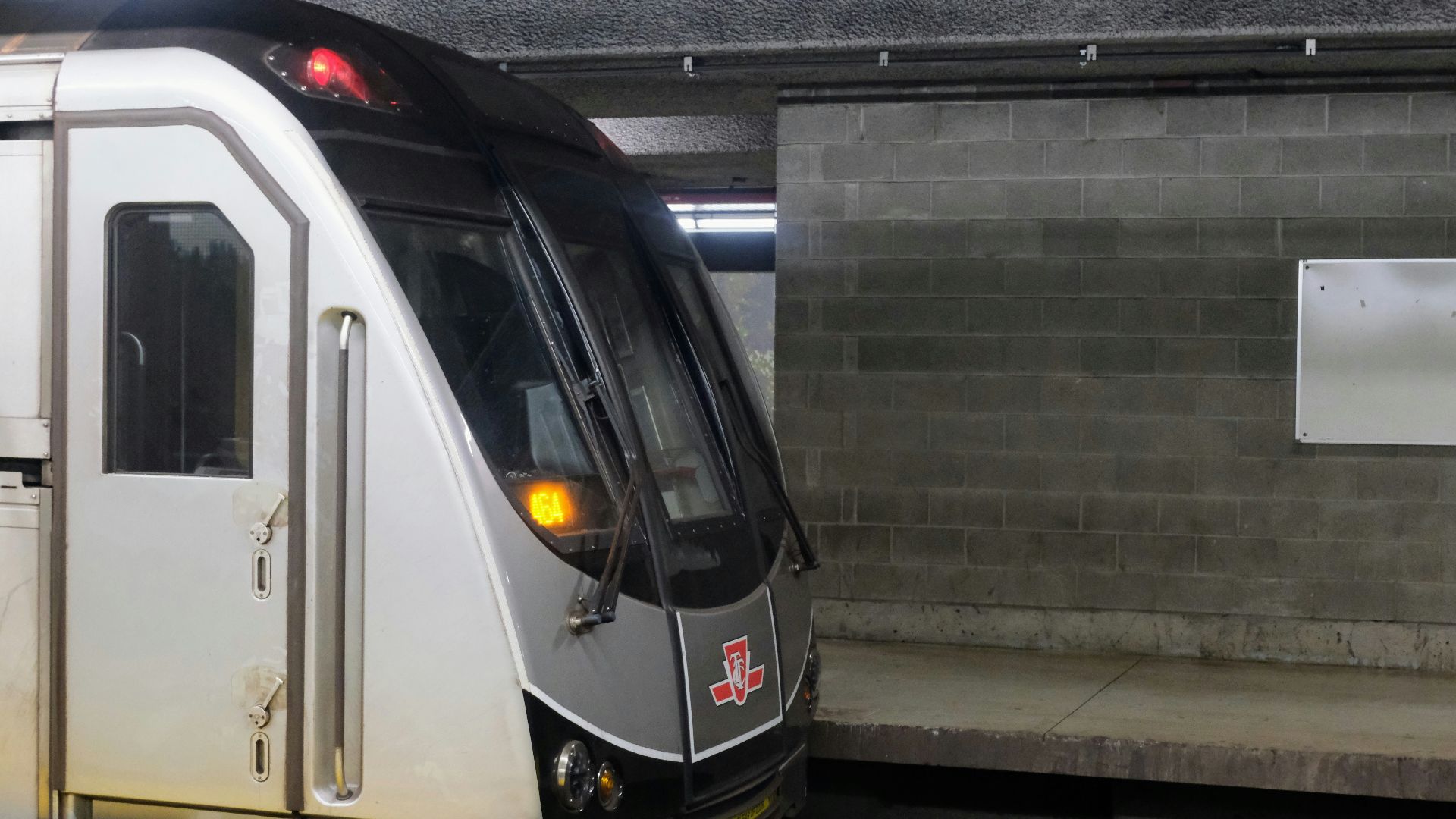
Small automated vehicles traveling on dedicated guideways were promoted as the future of urban transportation. While a few limited systems exist today, construction costs and infrastructure challenges have prevented widespread adoption.
8. The Concorde
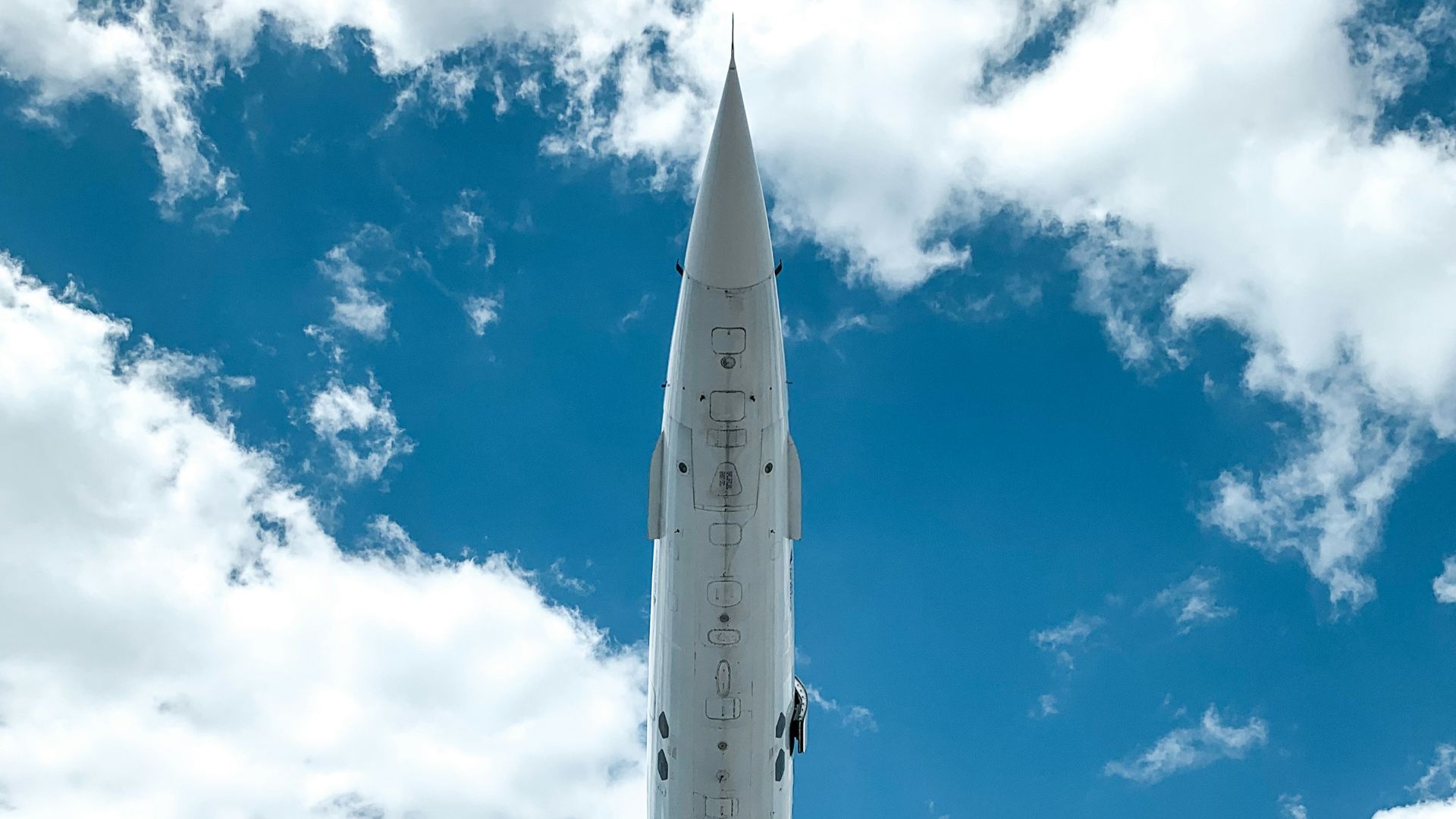
Concorde dramatically reduced transatlantic travel times and represented an engineering achievement. However, high operating costs, limited passenger capacity, noise restrictions, and declining demand kept it from becoming the future of commercial aviation. Supersonic passenger travel remained a niche rather than the global standard.
9. Motorola's Satellite Consumer Vision
Motorola hoped satellite communication devices would eventually replace conventional paging and expand into broader consumer use. Rapid improvements in cellular networks made that vision far less attractive before it could succeed.
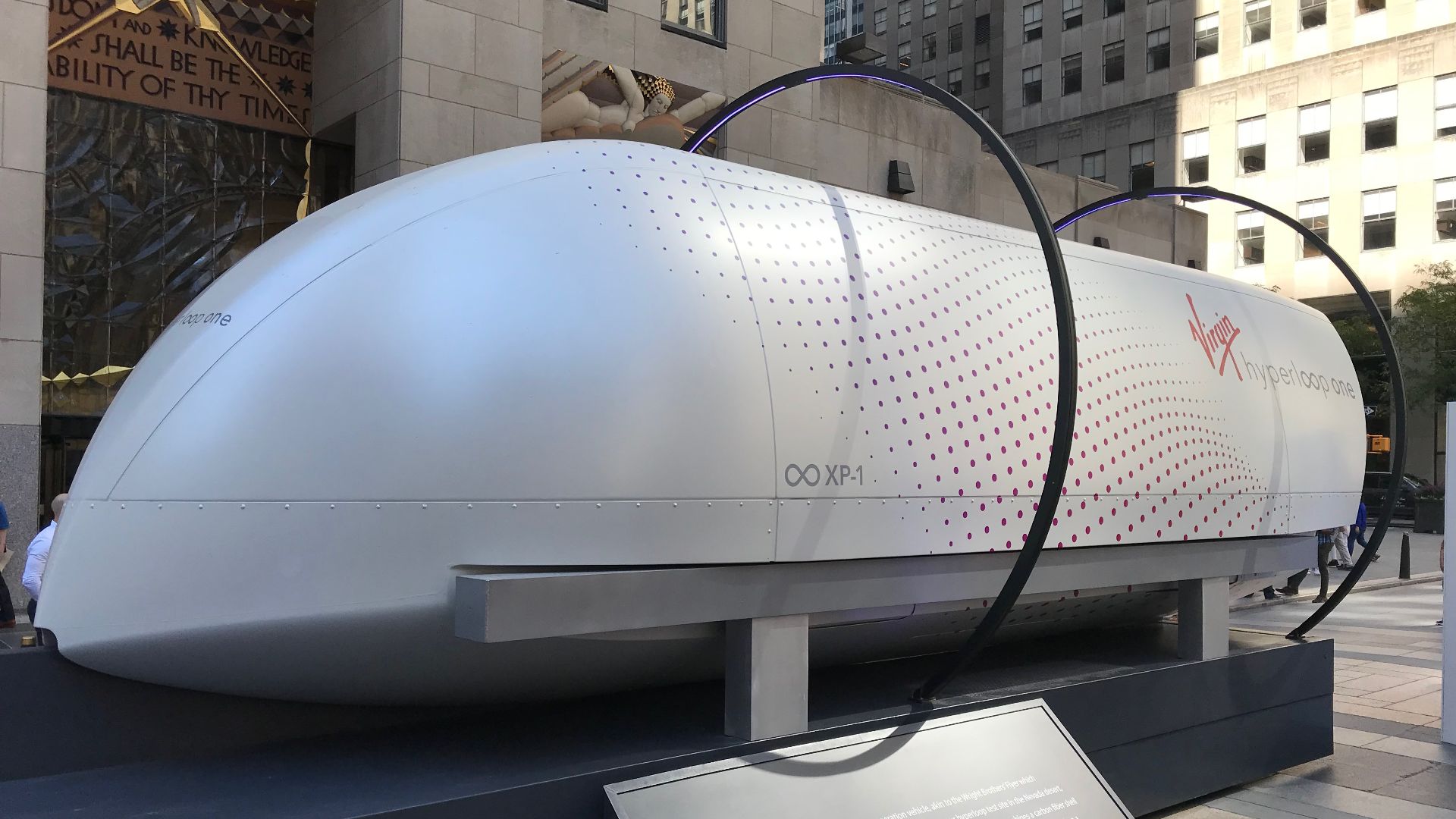
10. The Hyperloop
The Hyperloop concept generated enormous excitement by promising near-supersonic ground transportation between major cities. Despite years of testing and investment, significant engineering, regulatory, and financial obstacles have prevented commercial passenger service from becoming a reality.
KEEP ON READING